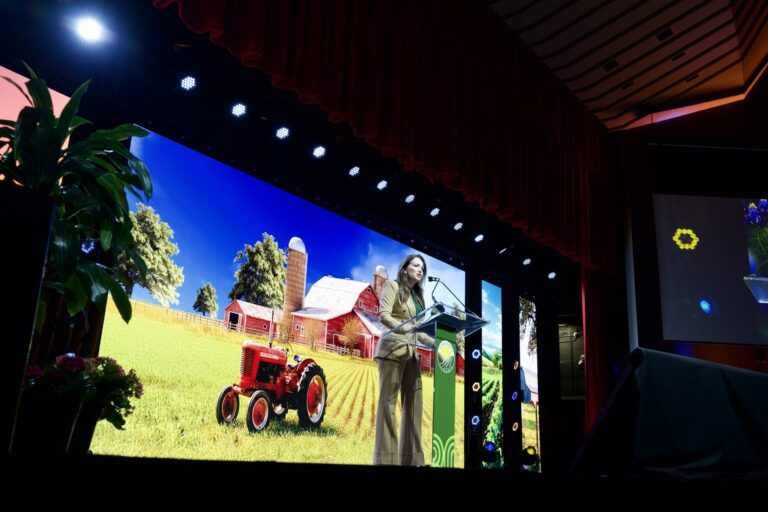
AgWeb's Clinton Griffiths reported that "in an afternoon general session (at Commodity Classic), adjusted to fit USDA Secretary Brooke Rollins' schedule, the agency leader welcomed a record crowd of 12,000 to her home state of Texas as she stares down one of the most challenging moments in farming history. Farmers are facing high input costs, trade uncertainty and surging grain production."
"'Between 2020 and last year when I spoke at this incredible event, fuel costs had increased 33%, seed costs had increased 19%, fertilizer prices had gone up 48%, labor up 44% and interest expenses up 71%,' said Rollins," according to Griffiths' reporting. "The frustration in the room was palpable following a year in 2025 where strong production was again unable to overcome swelling costs and expenses. Farmers here are now looking harder to Washington for answers as another season of negative margins stares them in the face."
"We're seven years out from this last farm bill and all of this information that we're trying to work with is so outdated, our costs are so different, we have to get something done,' said Jed Bower, the current president of the National Corn Growers Association and an Ohio farmer," according to Griffiths' reporting. "'They have forgotten about rural America.'"
Progressive Farmer's Chris Clayton reported that "on the opening day of Commodity Classic, there were some angry conversations between farm leaders and representatives of major fertilizer, seed, chemical and machinery companies."
"'Things were heated, then we calmed down and tried to find some common ground," said Jed Bower, an Ohio farmer and president of the National Corn Growers Association (NCGA)," according to Clayton's reporting. "'They claim there are supply chain issues because they're not solely based in the U.S. I understand that and we've all heard that. There are other companies that aren't having quite the same issues because they are sourcing from different areas. At the end of the day, that doesn't help farmers at all. So, a lot of our conversations have been voicing our frustrations — personally and what we've heard from other growers — to these companies.'"
"The frustration levels are high as farmers are moving into their fourth year of a continued cycle of low commodity prices and stubbornly high input costs," Clayton reported. "Leaders such as Bower and others note there are no 'silver' or 'magic' bullets for managing through the downturn."
Agri-Pulse's Kim Chipman reported that "Agriculture Secretary Brooke Rollins says she'll keep working to lower farm production costs and uncover what's behind a surge in input prices for American growers."
"The Department of Agriculture forecasts that the overall average cost of production will decline in 2026 for the first time in five years, Rollins said in a speech at Commodity Classic in San Antonio," Chipman reported. "'This is good progress, but there's still so much work to do,' she said. 'My commitment to you is we will never stop until we get our arms around why all of these inputs, so many, have increased 20%, 30%, 40% at a time when our farmers are barely surviving. We will not rest until we get to the bottom of it and we provide real solutions to you.'"
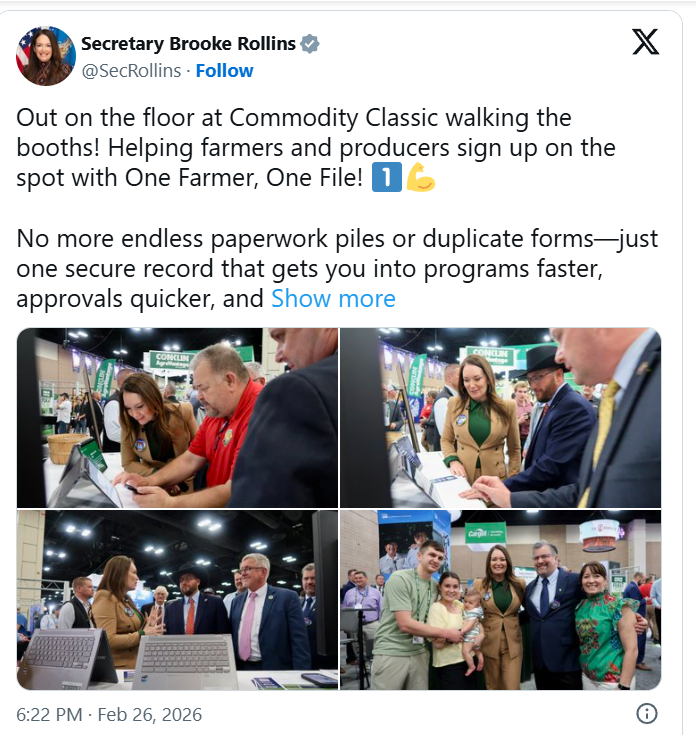
"Rollins has drawn some backlash over the last week from farmers who disagree with her recent comments about lower input costs," Chipman reported.
Griffiths reported that "USDA did roll out an $11 billion rescue program called the Farmer Bridge Assistance Program as a way to help tide farmers over until safety net pricing adjustments kick in this fall. Those weren't passed in a new Farm Bill but instead included in the One Big Beautiful Bill signed last year. Sign-ups for Bridge payments are currently underway with FSA even allowing Commodity Classic attendees to finalize their applications on the tradeshow floor."
Clayton reported that "Richard Fordyce, USDA's undersecretary for farm production and conservation, said USDA processed more than 35,000 online applications in just 72 hours since enrollment for FBA opened on Monday. That totaled $1.7 billion of the $11 billion in FBA funds. 'We are ecstatic about that,' Fordyce said."
American Farm Bureau Federation President Zippy "Duvall said he is pleased the FBA payments are going out, but he also believes there remains a need for greater aid and expects Congress will act," Clayton reported. "'There are a lot of conversations about another aid package coming out of Capitol Hill,' Duvall said. 'There have also been more discussions at USDA. I feel like everybody in this administration understands the need and difficulties farmers are having.'"
Article By: Ryan Hanrahan, Farm Policy News
The American Soybean Association applauded U.S. Department of Agriculture Secretary Brooke Rollins for announcing the "One Farmer, One File" Initiative at Commodity Classic in San Antonio, Texas. Streamlining digital services at USDA will increase efficiency and provide U.S. soybean farmers with additional flexibility in how they access USDA services.
"ASA applauds Secretary Rollins for the rollout of the 'One Farmer, One File' Initiative at our 30th annual Commodity Classic," said ASA Vice President and Iowa farmer Dave Walton. "Farmers rely on USDA's support and technical assistance more than ever, but we also know firsthand how time-consuming paperwork and duplicative reporting requirements can be. The efficiencies implemented through this initiative will help reduce that burden and save precious time that can be spent in the field."
American Farm Bureau Federation President Zippy Duvall commented today on USDA's new "One Farmer, One File" initiative, which promises to streamline efforts to make its services more efficient for farmers and ranchers across the country.
"Farmers and ranchers rely on USDA for up-to-date resources to keep our businesses running and our food supply secure. Today's announcement is welcome news to ensure farmers quickly receive the information and resources they need.
"At a time when farmers are facing a tough farm economy and rising pressures, we all count on USDA to deliver the programs and support that will keep our farms moving forward. Farmers and ranchers need to make every dollar and every minute count on the farm, and having an easier system to navigate USDA programs will free up farmers for the work of growing our nation's food, fiber and fuel."
The National Association of Wheat Growers (NAWG) today welcomed U.S. Secretary of Agriculture Brooke L. Rollins' announcement of the "One Farmer, One File" initiative. The initiative aims to create a single, streamlined digital record that follows farmers across USDA agencies and programs, reducing redundancy and improving efficiency.
"NAWG welcomes Secretary Rollins' launch of the "One Farmer, One File" initiative. Farmers run complex family businesses and time is one the most precious commodities on their farm. USDA's effort to create a single, streamlined record is welcome news that will save farmers time, better inform business decisions, and hopefully improve program delivery," said NAWG CEO Sam Kieffer.
The National Cotton Council:
The National Cotton Council appreciates the United States Department of Agriculture's "One Farmer, One File" modernization initiative, announced by Secretary Rollins at the Commodity Classic in San Antonio, Texas. This technological improvement aims to create a single, streamlined record for farmers across USDA agencies, with the goal of significantly reducing administrative burden and improving efficiency.
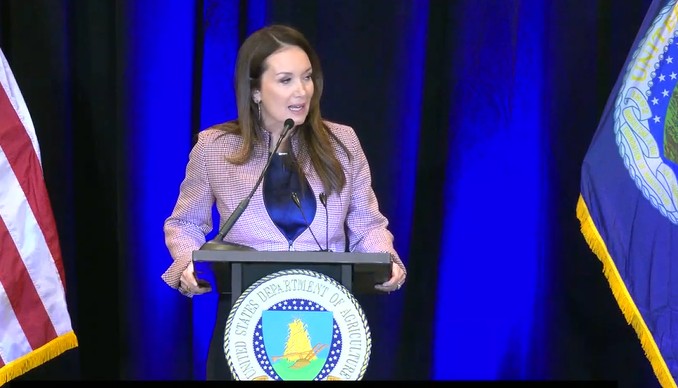
At the 2026 Commodity Classic in San Antonio, Texas, Agriculture Secretary Brooke Rollins announced the rollout of the "One Farmer, One File" initiative. This modernization effort aims to replace the Department's fractured IT infrastructure with a single, streamlined digital record that follows producers across all agency systems.
The initiative addresses decades of redundant processes. Rollins noted that the USDA has historically managed over 500 custom-built systems and databases involving more than 1,000 contractors, costing taxpayers over $1 billion annually. A past GAO audit revealed that previous upgrade attempts delivered only 15% of promised improvements while exceeding $500 million in budgets.
"Every single day at USDA, our focus is on making life easier, more profitable and more rewarding for the American farmer," said Secretary Rollins. "Our government for the people by the people should be modern, efficient, and respect taxpayer dollars. This modernization of old, duplicative, wasteful systems has one goal in mind, improve our customer service so the people we serve are able to farm and feed America and the world. 'One Farmer, One File' prevents our farmers from duplicating tasks while increases their productivity and time in the field."
The primary objective is to unify the systems used by the Farm Service Agency (FSA), the Natural Resources Conservation Service (NRCS), and the Risk Management Agency (RMA). This shift is designed to:
The initiative's first live test is the $11 billion Farmer Bridge Assistance (FBA) Program. According to Rollins, the results have been stunning; more than 35,000 producers signed up online within the first few days of the program opening this week. This represented a digital adoption rate 50 times higher than previous programs, with some payments reaching farmers' accounts in mere days.
Looking ahead, the USDA plans to roll out an advanced acreage reporting platform this spring, utilizing geospatial data to allow farmers to file faster. While the modernization project began in earnest in 2025 with support from the Department of Government Efficiency (DOGE), the USDA anticipates the system will be completely transformed by 2028.
Despite the push for digital modernization, Rollins emphasized that the new system is an expansion of options rather than a mandate. FSA county offices will remain open, and producers who prefer in-person assistance or traditional paper forms will continue to have those services available.
The "One Farmer, One File" initiative and broader modernization effort are just one example of how the Trump Administration is committed to simplifying and streamlining programs for producers. For example, USDA is using Login.gov to expedite Farmer Bridge Assistance (FBA) payments to producers. The Administration is also streamlining its conservation programs to make it easier for producers to bundle and apply for the practices needed on their farms.
Beyond using One Farmer, One File for program enrollment, FSA also over the next year will use the platform for farmers to file their acreage reports instead of manually certifying acreage by paper. Risk Management Agency (RMA) data will also be included in the single system.
For more details click here:
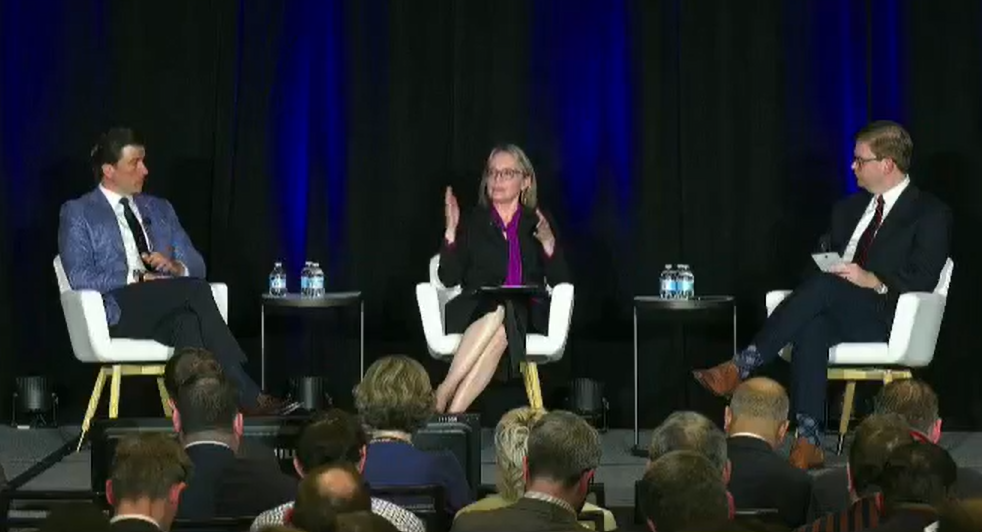
In a featured session at the 2026 Agricultural Outlook Forum, top trade officials detailed a fundamental shift in how the U.S. government secures international market access for American producers. Under Secretary Luke Lindberg of the USDA and USTR Ambassador Julie Callahan outlined an aggressive "wholesale reset" of global trading relationships designed to reverse the national agricultural trade deficit and see market access for U.S. Farmers.
The officials highlighted a highly coordinated, "complementary" relationship between their agencies.
Ambassador Callahan described the administration's use of reciprocal tariffs as the primary catalyst for new negotiations.
The forum highlighted several high-priority wins that are already impacting the bottom line for U.S. agriculture:
To ensure these agreements result in immediate revenue, the USDA has implemented "Trump Missions" (Trade Reciprocity for U.S. Manufacturers and Producers).
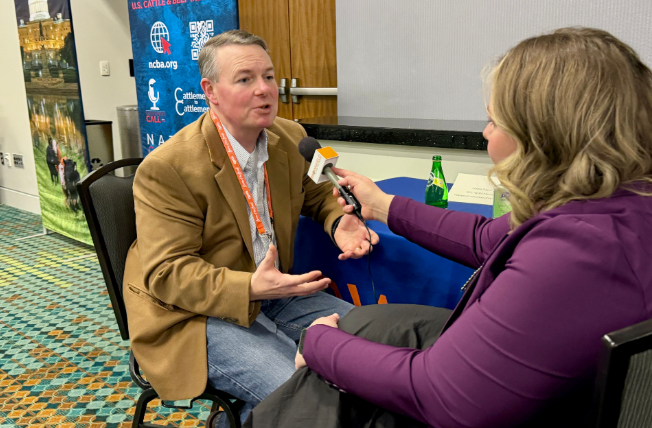
In today's beef buzz, senior farm and ranch broadcaster Ron Hays continues part two of his conversation from yesterday with Shannon Ferrell, Oklahoma State University, about the often-emotional process of ranch succession planning and why legacy should be viewed as a strength rather than a burden. Ferrell emphasized that multi-generation ranches are deeply connected to family history and identity, especially in the cattle business. "I think it's really important for our ranchers to look at that heritage as a source of strength and not a burden," Ferrell said.
Ferrell explained that while many producers take pride in carrying on a family operation, that same history can also weigh heavily during tough times. Reflecting on past farm crises, he noted that some operators felt overwhelmed by the fear of being the generation that might lose the ranch. "I saw lots of farmers and ranchers be almost crushed by that legacy," he said, adding that mindset matters. Ferrell encouraged producers to recognize they are "standing on the shoulders of those previous generations," and to use that perspective to move forward confidently.
A major shift in recent succession conversations, according to Ferrell, has come from increased certainty in federal tax policy. He said it has been refreshing to revisit estate tax discussions without unanswered questions. "We now know that, if we're talking about the estate tax exemption at the federal level, we've got $15 million per individual or combined with your spouse, that's $30 million, and we know that that has been made permanent law," Ferrell said. That clarity, he added, has changed how many ranchers approach transition planning.
With fewer producers impacted by estate taxes under current law, Ferrell said families feel less pressure to let tax considerations drive every decision. He also noted that certainty around deductions and depreciation has reduced hesitation about upgrading equipment or transferring assets, making it easier for the next generation to modernize operations without fear of unexpected tax burdens.
When it comes to getting started, Ferrell acknowledged that succession planning can feel overwhelming, but warned against inaction. "If you don't embrace the succession conversation, you're choosing the worst outcome for your ranch," he said. His advice is to begin simply by taking inventory of assets and people involved in the operation. That first step, Ferrell said, helps ranchers visualize the future and prepares them to work with attorneys and accountants. He also pointed producers to a ranch succession workbook (attached below), developed with the National Cattlemen's Beef Association, available as a downloadable PDF to help guide those early conversations.
A full overview of this conversation can be found here. (includes Ferrell's full presentation at CattleCon)
Coverage of CattleCon26 is powered by Farm Data Services of Stillwater, Oklahoma.
The Beef Buzz is a regular feature heard on radio stations around the region on the Radio Oklahoma Ag Network and is a regular audio feature found on this website as well. Click on the LISTEN BAR for today's show and check out our archives for older Beef Buzz shows covering the gamut of the beef cattle industry today.
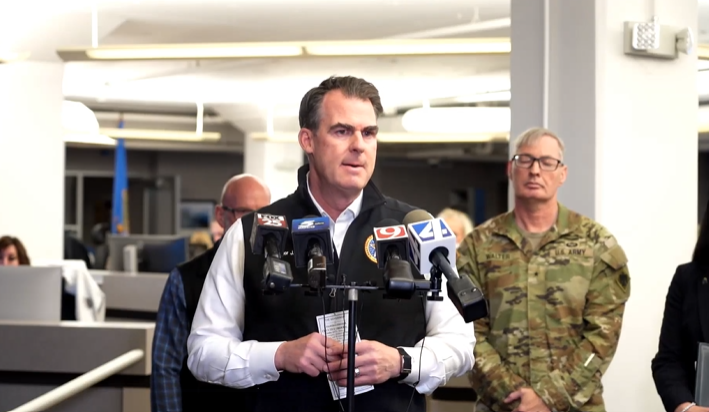
Oklahoma Leaders Highlight Unprecedented Coordination in Wildfire Response:
State officials gathered at the Oklahoma Emergency Management Center to provide updates on the wildfires that impacted the state last week and to outline the strategy for the high-danger conditions expected over the coming month. Governor Kevin Stitt led the briefing, emphasizing that the current level of inter-agency collaboration is a historical peak for the state.
Governor Stitt praised the teams involved for a "better coordinated response" than any he has seen during his tenure. Despite 180,000 acres burning last week, he noted with gratitude that no lives were lost and no homes were destroyed, though several barns and outbuildings were lost.
"Overall, very, very pleased with the coordinated response. We've never had a better effort," said Governor Stitt.
Public Safety Secretary Trish Everest announced the release of the Wildland Task Force Report, which provides 15 recommendations to enhance wildfire readiness. The report focuses on three priority areas:
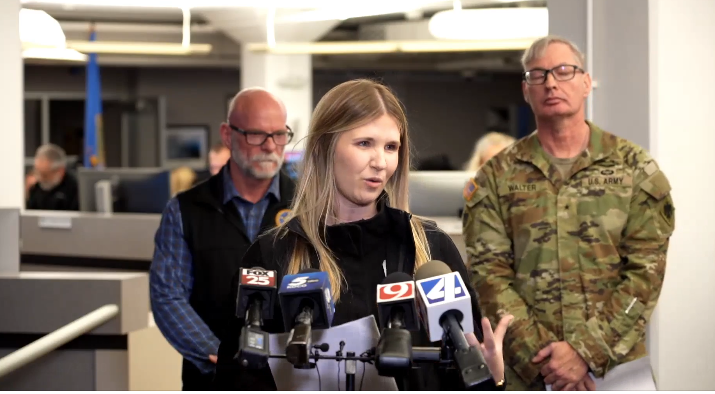
Emergency Management Director Annie Vest highlighted the technological advancements that have changed how the state manages these crises. The Emergency Operations Center (EOC) now utilizes a real-time viewer to track every fire suppression resource in the state.
"As of today, [Oklahoma Forestry Services has] 59% of their assets mobilized outside the typical areas where they would be," Vest stated, adding that the remaining assets are currently battling 14 active fires in the eastern and southeastern parts of the state.
Agriculture Secretary Blayne Arthur emphasized the importance of pre-positioning teams based on weather data. She noted that the high-risk corridor currently stretches from Weatherford to Boise City. Arthur also addressed the human element of these disasters, stating that 95% of Oklahoma's wildfires are human-caused, urging residents to remain vigilant.
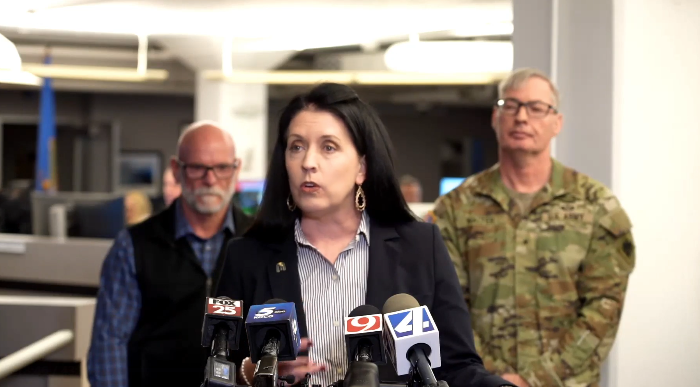
The Oklahoma National Guard and the Oklahoma Highway Patrol (OHP) remain on high alert to support local fire departments.
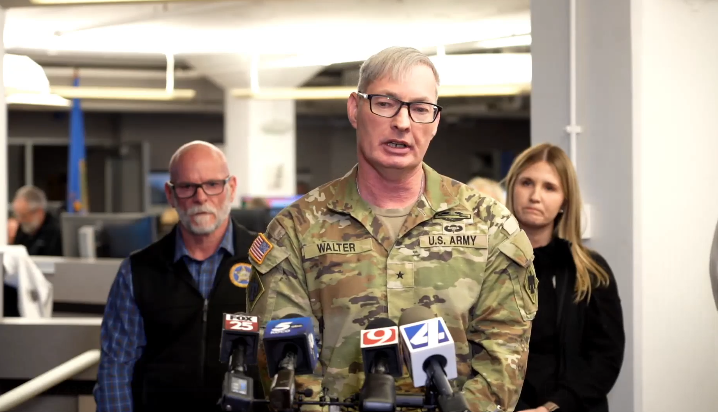
Secretary Arthur also mentioned that the Emergency Drought Commission is finalizing a $16 million allocation to help farmers and ranchers across all 77 counties "drought-proof" their operations, which serves as a proactive measure against future fire risks.
The National Association of Wheat Growers (NAWG) welcomed its new officer team today at the 2026 Commodity Classic in San Atonio, TX. These officers will begin their one-year terms, continuing NAWG's mission to promote the needs of our nation's wheat growers.
Jamie Kress of Idaho will serve as President, Nathan Keane of Montana will serve as Vice President, Chris Tanner will serve as Treasurer, and Auston Andersen of Colorado will serve as Secretary. Pat Clements of Kentucky will take on the role of Past President. These officers were elected on January 16, 2025, during NAWG's annual meeting in Washington, D.C.
"We are excited to welcome this dedicated and accomplished group of leaders to NAWG's officer team," said NAWG CEO Sam Kieffer. "Their experience, commitment, and passion for agriculture will strengthen our advocacy efforts and help us advance policies that support wheat farmers and rural communities nationwide."
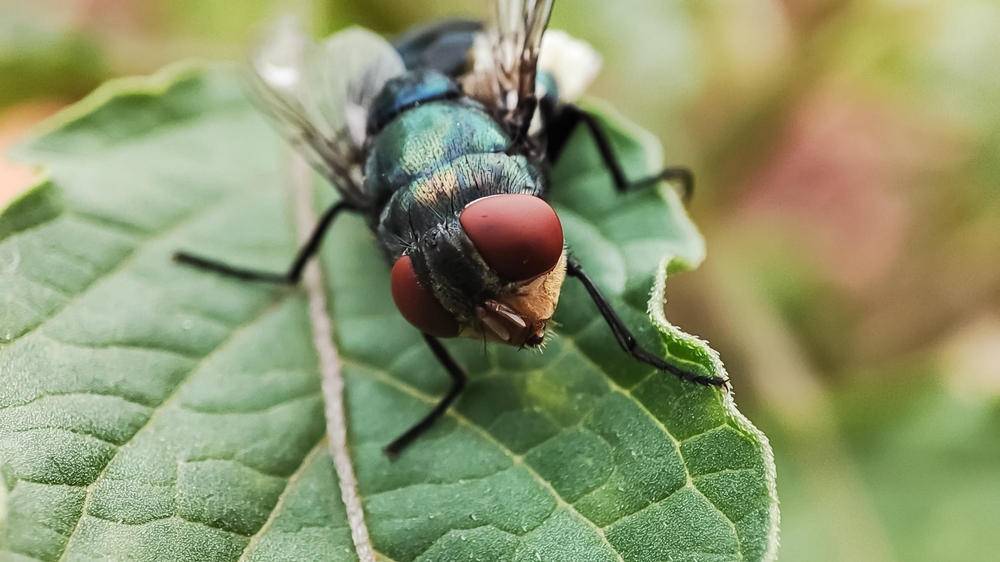
As New World screwworm continues to pose a threat to the U.S. cattle herd and farm economy, American Farm Bureau President Zippy Duvall sent a letter to USDA Secretary Brooke Rollins urging a continued science-based approach to addressing the threat. The letter urges USDA to keep the southern U.S. border closed to cattle imports until it's clear Mexico is capable of controlling the pest.
The letter states, "Under your leadership, USDA is delivering on its promise to fight the New World screwworm by completing the sterile fly distribution facility in South Texas, leveraging USDA's ability to connect entrepreneurs and industry leaders with federal dollars to enhance sterile fly production, and developing new and innovative traps, lures, treatments, therapeutics and tools to drive response and preparedness. By trusting the science, USDA can make decisions that ultimately protect the health and economic viability of the U.S. cattle herd."
"To date, the northernmost active case of NWS is only 70 miles south of the U.S. border with Mexico. This is too close for comfort. USDA's ability to drop sterile flies in affected areas is
greatly appreciated, as is Mexico's willingness to participate in controlling this destructive pest. However, given reports that Mexico is dealing with over 600 active cases, Farm Bureau believes that Mexico is unable to effectively control NWS at this time. Given this reality, we respectfully request that USDA take all necessary actions to protect the health and economic viability of the
domestic herd, including keeping the border closed until Mexico can demonstrate that they are
capable of controlling NWS or controlling the movement of this pest to eliminate its threat to
U.S. agriculture."
The letter acknowledges the economic hardship among those involved in the cattle trade along the southern border, but also the greater consequences that would result from a positive case of NWS in the U.S., which would threaten other livestock and wildlife, as well.
Read the full letter here.
RON's Dave Lanning has a pre-opening look at today's agricultural Markets.
Click the audio tab below for today's report.
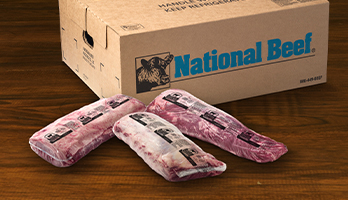
Boxed beef values closed lower Thursday, snapping a five-day streak of higher trade. Choice cutout fell $1.34 to $377.89 on 85 loads, while Select gained $3.72 to $370.79. The Choice/Select spread narrowed sharply to $7.10 from $12.16 on Wednesday.
Primal values were mixed compared to Wednesday. Rib dropped $2.55 to $513.81, Chuck declined $3.51 to $328.49, and Round eased $1.50 to $344.31. Loin was higher by $1.06 at $490.55. Brisket was nearly steady at $306.42, Plate slipped $0.10 to $273.09, and Flank increased $2.89 to $188.73.
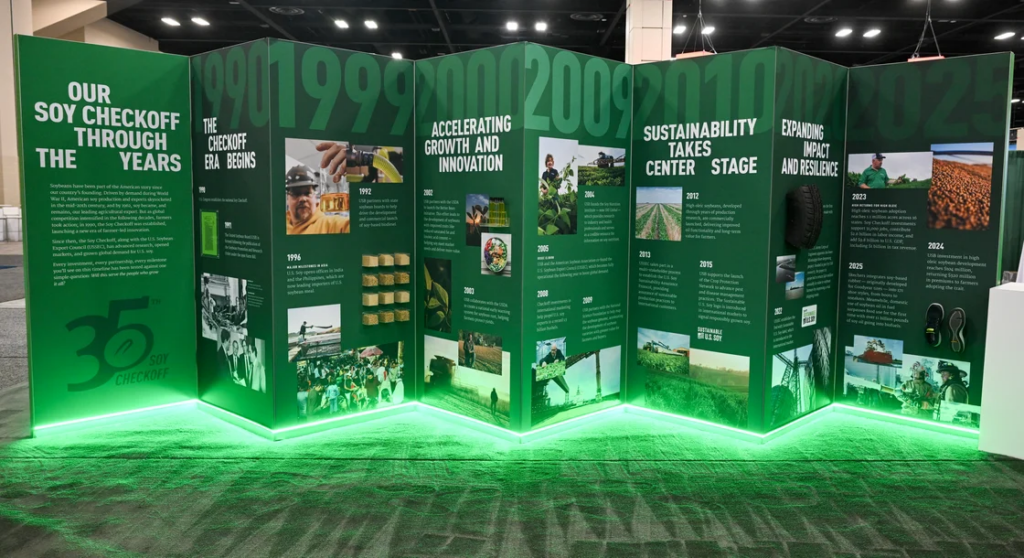
For 35 years, U.S. soybean farmers have invested together with a singular purpose: to build a stronger, more resilient future for U.S. Soy. Through the Soy Checkoff, those collective investments across food, feed, fuel, industrial, exports and sustainable production, have transformed the soybean industry. It's created entirely new categories for demand and advanced production—delivering measurable results back to the farm.
As the United Soybean Board (USB) marks its 35th anniversary, farmer-leaders reflect on how strategic, farmer-directed investments have reshaped the soybean industry for the better—and how that momentum is continuing to accelerate.
When the Soy Checkoff was first established under the 1990 Farm Bill, U.S. soybean production totaled approximately 2 billion bushels annually. Today, that number exceeds 4 billion. Over that same period, Soy Checkoff investments helped create new fuel markets, expand exports to more than 90+ countries, strengthen U.S. infrastructure and differentiate soybean varieties to meet evolving global demand.
"At its core, the Soy Checkoff is about farmers believing in their own future," said Sandy Ludeman, 1991-1992 USB Chair, Minnesota farmer and this year's recipient of the Tom Oswald Legacy Award. "In the early days, USB very carefully and strategically began directing farmer investments across international marketing, domestic demand, new uses and production research. Through this initial work, we were confident we could change the entire trajectory of our industry, and we've done that over the last three decades. Those early investments in markets like China, in biodiesel and in soy-based products created opportunities that simply did not exist before, ultimately creating long-term value for soybean farmers and the agriculture industry as a whole."
One of the most significant examples of farmer-driven innovation is biodiesel—a category born from Soy Checkoff research and market development. That initial investment has since expanded into renewable diesel and broader biofuel applications, including partnerships with railroads, maritime shipping companies and the home heating industry—fundamentally reshaping the soybean oil market. And, while the 2000s brought new challenges, from trans-fat concerns to biotech scrutiny, farmers leaned into innovation, rather than retreating. It's led to biofuels being U.S. soy's fastest growing demand channels.
"We faced moments that could have threatened demand, but instead we chose to lead," said Ike Boudreaux, 2008 USB Chair and Louisiana farmer. "Through the Better Bean initiative and the development of high oleic soybeans, USB strategically used checkoff resources to protect the edible oils market and create differentiated products for customers. At the same time, we invested in mapping the soybean genome, building coalitions to combat soybean cyst nematode and developing early warning systems for soybean rust. Those weren't small bets—they were long-term investments in farmer resilience and designed to protect yields and strengthen profitability for farmers."
Soy Checkoff-supported research has strengthened soy inclusion in poultry, pork, dairy and aquaculture diets; launched the U.S. Soy Center for Animal Nutrition & Health; and expanded soy-based industrial applications to more than 1,000 consumer products—replacing petroleum-based materials, plastics, PFAS or "forever chemicals" and formaldehyde in products ranging from tires and turf to asphalt and firefighting foam. To maintain global competitiveness, farmers have also invested in infrastructure and export capacity—supporting inland waterway improvements, port expansion at the Pacific Northwest and Gulf, and partnerships that serve developing, emerging and mature markets across the globe.
For current USB Chair and Kentucky farmer Brent Gatton, this milestone is proof of what happens when farmers act collectively. "Because of what farmers have built together over 35 years, we've been able to create entirely new markets and categories like biodiesel, expand exports around the world and develop tools that protect yield on the farm," said Gatton. "The Soy Checkoff isn't just about dollars invested from the half-million U.S. soybean farmers – it's about giving them the power to shape their own future and delivering lasting impact."
Looking ahead, USB remains focused on accelerating new uses, strengthening infrastructure such as the Port of Houston, scaling biofuel adoption across transportation sectors and continuing to drive both volume and value for U.S. soybean farmers.
"At a time of economic uncertainty and tighter margins, farmers need their Soy Checkoff working harder than ever," Gatton added. "Our responsibility is to ensure every investment delivers real opportunity and lasting value on the farm. Together, farmers built this legacy, and together we will continue shaping a stronger, more competitive future for U.S. Soy."
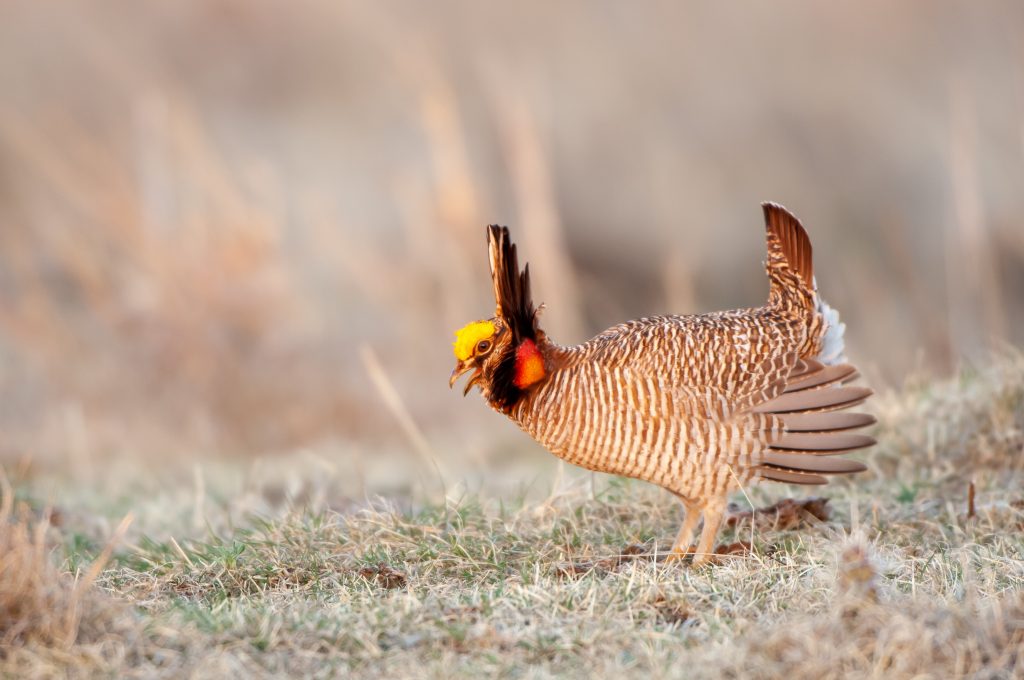
According to a listing in the Federal Register earlier today- "In response to a court order, we, the U.S. Fish and Wildlife Service (Service) are removing the northern and the southern distinct population segments (DPSs) of the lesser prairie-chicken (Tympanuchus pallidicinctus) from the Federal List of Endangered and Threatened Wildlife."
The complete rule may be seen by clicking here.
The senior member of the Oklahoma Congressional delegation,Congressman Frank Lucas of the Third District says this is an action that is a long time coming: "I am very pleased to see the U.S. Fish and Wildlife Service delist the lesser prairie chicken under the Endangered Species Act, an action that I have advocated for many years in Washington, DC. Oklahomans are proud conservationists and great stewards of our land, and delisting the lesser prairie chicken will rightly claw back onerous regulations that infringe on Oklahomans' daily lives. This action is a long time coming and I know it will be well received in OK-03."
Michael Kelsey with the Oklahoma Cattlemen's Association is excited that the Fish and Wildlife Service has finally taken this step: "OCA celebrates the final steps of removing the lesser prairie-chicken from the Endangered Species list. Grazers such as cattle have long been symbiotic to robust prairie-chicken populations which has been upheld through sound science and documentation."
Another group that has been involved in the legal battle for a decade is the National Cattlemen's Beef Association. Their current President, Virginia cattleman Gene Copenhaver agrees with Congressman Lucas that this is the right decision. "The ESA listing of the lesser prairie-chicken, coupled with the designation of critical habitat across cattle country, created an unnecessary and unlawful burden for ranchers. Established science has repeatedly proven that healthy rangelands maintained by cattle grazing is exactly where the lesser prairie-chicken thrives. Grazing creates robust, sustainable habitat for the bird, and by removing this listing, the Trump administration is helping ranchers continue that stewardship. NCBA engaged with multiple administrations, Congress, and the federal court system for years to defend cattle producers from this overreaching, unscientific rule, and we are glad it is finally removed."
This listing took effect on March 27, 2023, impacting all states in the species' range including Colorado, Kansas, New Mexico, Oklahoma and Texas. In 2025, the U.S. Federal District Court of Western Texas vacated the lesser prairie-chicken's 4(d) rule, holding that the bird should no longer be protected as "threatened" under the ESA because FWS failed to consider economic implications of issuing the listing. Today's action by FWS aligns agency action with an existing federal court mandate and is long overdue.

The National Council of Farmer Cooperatives (NCFC) today announced several staffing changes as the organization continues its mission to serve farmer co-op members.
Justin Darisse has been promoted to Vice President, Strategy and External Affairs, a role in which he will be responsible for aligning NCFC's external engagement, member-facing activities, and organizational strategy. Darisse will join the newly formed NCFC Leadership Team.
Zach Gihorski has been promoted to Senior Director, Government Affairs. In this capacity, he will continue advancing the federal policy priorities of NCFC members while taking on expanded responsibilities for leading grassroots political engagement with member cooperatives, coordinating NCFC's political action committee activities, and managing the NCFC intern program.
NCFC also announced that Lisa Van Doren, Vice President and Chief of Staff, Government Affairs, will be departing the organization to pursue other career opportunities.
"I want to offer my sincere congratulations to Justin and Zach on their well-deserved promotions," said NCFC President and CEO Duane Simpson. "Both have demonstrated exceptional dedication to our members and to the mission of farmer cooperatives, and I am confident they will thrive in their expanded roles. I also want to extend my deepest gratitude to Lisa Van Doren for her outstanding leadership, invaluable counsel, and the many successes she achieved on behalf of farmer cooperatives during her tenure at NCFC. She leaves behind a meaningful legacy, and we wish her the very best in her next chapter."
About NCFC
Since 1929, NCFC has been the voice of America's farmer cooperatives. Our members are regional and national farmer cooperatives, which in turn consist of more than 1,600 local farmer cooperatives across the country. NCFC members also includes state and regional councils of cooperatives. Farmer cooperatives allow individual farmers the ability to own and lead organizations that are essential for continued competitiveness in both the domestic and international markets.
America's farmer-owned cooperatives provide a comprehensive array of services for their members. These diverse organizations handle, process and market virtually every type of agricultural commodity. They also provide farmers with access to infrastructure necessary to manufacture, distribute and sell a variety of farm inputs. Additionally, they provide credit and related financial services, including export financing.
Learn more at www.ncfc.org.

A Bonham man was arrested Jan. 20 following an investigation led by Texas & Southwestern Cattle Raisers Association Special Ranger Larry Hand after checks with insufficient funds were issued for livestock purchases in Camp County.
Daniel L. Stone, 27, was taken into custody in Pittsburg by Camp County sheriff's deputies on a charge of theft of property valued at $2,500 or more but less than $30,000 in the aggregate, a state jail felony.
In September 2023, Stone allegedly issued three insufficient funds checks totaling $5,103.75 for the purchase of sheep and goats at a sale barn in Pittsburg. The incident was reported in November 2023, prompting an investigation.
Hand submitted the case for grand jury review. After reviewing the evidence, the grand jury returned a true bill of indictment for theft of property between $2,500 and $30,000.
Stone was booked into jail and later released on bond. The case is pending.
Texas & Southwestern Cattle Raisers Association thanks 276th Judicial District Attorney Charles Bailey and the Camp County Sheriff's Office for their assistance in advancing the case.
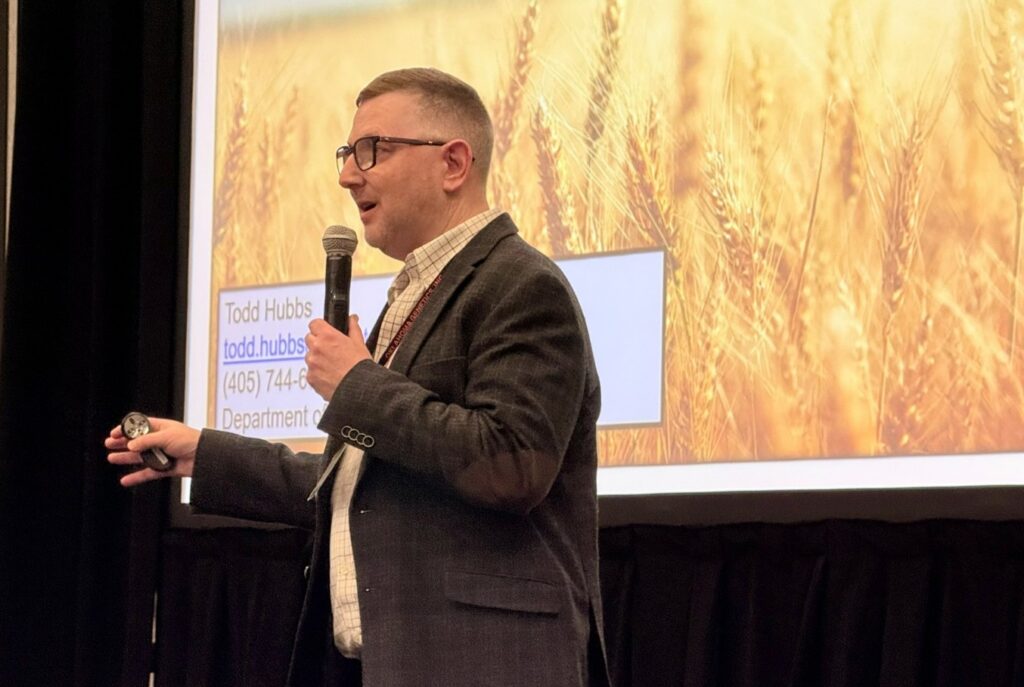
The 2026 Grain Market Outlook: Grain markets experienced a volatile week as a combination of weather forecasts and shifting federal policies influenced prices across several commodities, according to OSU crop marketing specialist Dr. Todd Hubbs. In a recent conversation with farm director KC Sheperd, Dr. Hubbs noted that despite a strong rally in the previous week, much of those gains have been surrendered.
Market Volatility and Federal Uncertainty
A significant factor in the recent market fluctuations has been the Supreme Court's decision to strike down President Donald Trump's tariff policies, which has introduced a new layer of uncertainty for traders.
"It just adds a bunch more uncertainty to that front that I don't see going away anytime soon," Dr. Hubbs said regarding the legal developments.
While domestic policy remains a concern, the primary driver for wheat prices currently appears to be the weather. Despite persistent dry conditions in the southern plains and parts of the "biscuit belt" in Illinois, upcoming weather models suggest a chance for significant moisture.
"I've been watching the weather model runs and in the next couple of weeks, there's a chance we might get some a decent amount of moisture," Dr. Hubbs observed.
Commodity Specifics: Corn, Soybeans, and Biofuels
The outlook for different crops remains mixed based on production levels and export demand:
Corn: Despite the market shifts, corn exports remain steady. "We're still shipping corn at a good rate... we still have a lot of it because we had a monster crop," Dr. Hubbs reported.
Soybeans: The soybean market is being heavily influenced by the "crush impact," as soybean oil prices have rallied near 60 cents a pound. This is largely driven by the Renewable Volume Obligations (RVO) from the Renewable Fuel Standard and current biofuel policies.
Biofuels: Proposed standards for RVOs are seeing a shift from "rin gallons" to physical gallons, which could lead to a significant expansion in the industry. Dr. Hubbs noted that if these policies are finalized, there will be "really strong demand for feedstock domestically to make biodiesel."
Strategic Advice for Producers
For Oklahoma wheat producers, the current market presents a difficult decision. While the dry conditions might tempt some to hold out for higher prices, Dr. Hubbs pointed out that recent rallies brought the July contract for hard red winter wheat near $6.00, a level not seen since last summer.
"If you see prices—we got up near $6 on the July contract for hard red winter wheat over this last rally—we haven't been anywhere close to that level since last summer," he stated.
Dr. Hubbs advised producers to monitor weekly export sales data closely, as it remains the most reliable indicator of whether international demand is meeting current USDA forecasts. While he remains optimistic about hitting export targets for wheat and corn, he cautioned that soybean targets may be more difficult to reach due to high domestic prices and strong competition from a "huge crop" in Brazil.
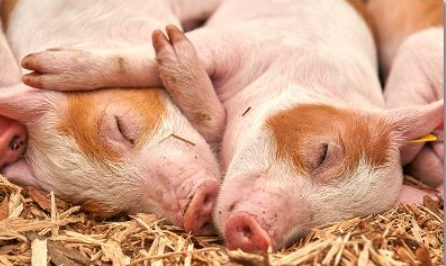
– Veterinary Pharmaceutical Solutions (VPS), a leader in livestock pharmacy compounding, announces the launch of AmoxMelox and Enteriquell, two compounded oral formulations developed using combinations of antibiotic and anti-inflammatory medications to meet unique needs. These innovations reflect VPS' commitment to innovation and address the critical need for infection control in swine production.
AmoxMelox combines compounded Amoxicillin and Meloxicam, drugs that target infections and reduce inflammation in sows. For piglets, Enteriquell contains Tylosin, Gentamicin and Dexamethasone, which allows the co-administration of both antibiotic and steroid medications in a single solution. Both products deliver easy-to-administer oral solutions for individual dosing.
"As a trusted partner to livestock veterinarians for over 30 years, we are proud to bring these two new solutions to market," says Dean Warras, CEO of Veterinary Pharmaceutical Solutions. "AmoxMelox and Enteriquell reflect our ongoing mission to enhance animal health, support veterinarians and create measurable value for producers and stakeholders."
Both products are prescription-only and available through licensed veterinarians. For more information about VPS and its portfolio of livestock and poultry health solutions, visit VeterinaryPharmaceuticalSolutions.com.
U.S. Department of Agriculture Rural Development Oklahoma State Director Zachary Swartz today announced that the agency is currently accepting Value-Added Producer Grant applications from Oklahoma farmers and ranchers.
The Value-Added Producer Grant program helps agriculture producers start a value-added activity that:
· Generates new products from the agricultural commodity they produce.
· Creates and expands marketing opportunities.
· Increases producer income through product value and market reach.
"President Trump is delivering the Golden Age to our Oklahoma farmers and ranchers and is supportive of programs that can increase the bottom line for our producers like the Value-Added Producer Grant," said Swartz. "I would encourage any of our local producers to consider this program and exert greater control over the world-class products they produce."
The USDA Rural Development Oklahoma State Office is accepting applications through April 22, 2026. Information on eligibility for producers and grant matching requirements are available on the Value-Added Producer Grant website. Additionally, producers can email okbuisness@usda.gov for more information.
USDA Rural Development invests in rural America with programs to promote rural prosperity. These programs expand access to high-speed internet, electricity, and transportation infrastructure, and support economic growth, healthcare, education, housing, and other community essentials. Discover more investment details and historical data in the Rural Data Gateway and learn more about the agency at www.rd.usda.gov/ok.
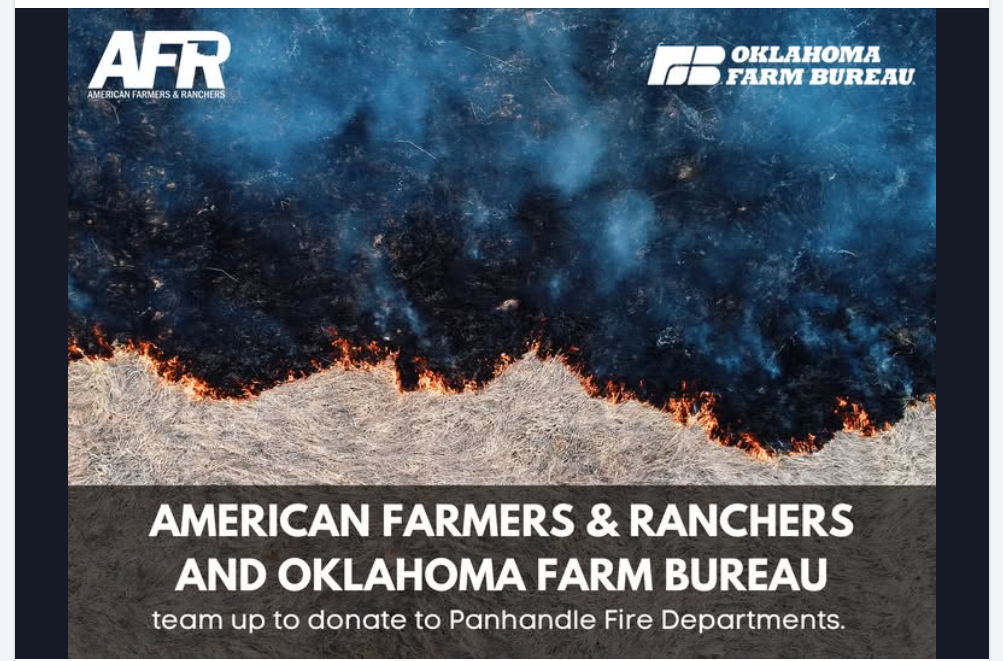
Wildfires have burned significant acreage in the Oklahoma Panhandle in recent days, with impacted land in the region exceeding 300,000 acres. With more high-firedanger days ahead, American Farmers & Ranchers Mutual Insurance Company (AFR Insurance), Oklahoma Farm Bureau (OKFB) and Oklahoma Farm Bureau Insurance have teamed up to help the fire departments working tirelessly to protect lives and property.
Collectively, AFR Insurance, OKFB and OKFB Insurance are donating $30,000 toward the replacement of firefighting equipment lost in last week's fire containment efforts. All funds will be given to specific local volunteer fire departments directly impacted by the wildfires.
"Local volunteer firefighters have been working around the clock to protect Oklahomans, their homes and their livestock from recent wildfires," said Sen. Casey Murdock, R-Felt. "Being on the front lines day and night, many of these departments have suffered significant equipment damage while answering the call of duty. I am so grateful that AFR and the Farm Bureau are stepping up to support these firefighters. Their generosity will ensure that these dedicated
volunteers have the resources they need to keep themselves safe while continuing to protect
their communities."
The likelihood of early spring wildfires has increased in recent years and Western Oklahoma will continue to experience high fire danger over the coming days.
"Firefighters in western Oklahoma work tirelessly for hours and days on end during wildfire
season," said AFR Cooperative President Scott Blubaugh. "Well-equipped rural fire departments
are the best line of defense our rural communities have against wildfires. We're honored to come
together as Oklahoma's largest farm and ranch insurance providers to contribute to our rural
firefighters' volunteer efforts and we thank them for their bravery and selflessness."
"When fires break out in rural Oklahoma, it is our fellow community members who serve as rural
volunteer firefighters and spring into action to protect lives and properties," said OKFB President
Stacy Simunek. "Our rural friends and neighbors who serve on the front lines need our help and
support after major disasters like we have seen over the last few weeks in Oklahoma, and we are
proud to team up to provide resources to ensure they are equipped to respond to future calls."
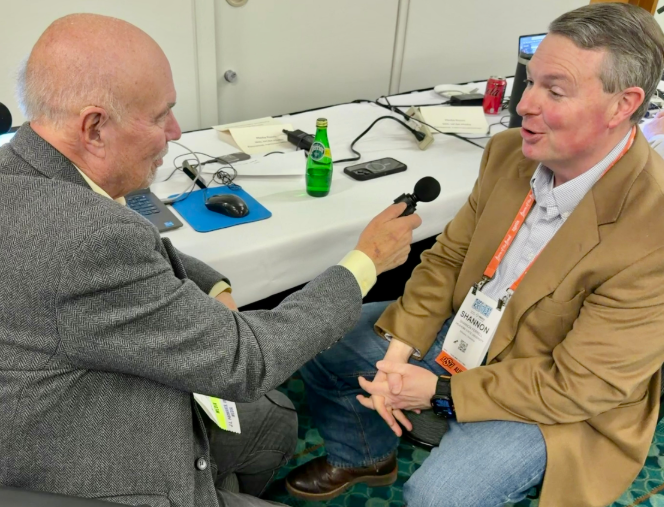
In today's beef buzz, senior farm and ranch broadcaster Ron Hays speaks with Shannon Ferrell, an agricultural economist with Oklahoma State University, about a new ranch succession planning tool designed to help producers address one of the cattle industry's most pressing challenges—the aging ranch population. Ferrell says ranchers are increasingly aware they must "figure out a way to pass the ranch to somebody," whether that is family, a new operator, or through liquidation, and timing those decisions matters more than ever.
Ferrell explains the new effort is being driven by the National Cattlemen's Beef Association, which has identified succession planning as a priority through its sustainability initiatives. "We're really excited that NCBA has kind of identified this as a priority issue for them," Ferrell said, noting that an ERME grant helped fund the development of new educational materials aimed directly at ranchers.
Those materials include a rancher succession workbook (linked at the bottom of this story) and accompanying online education modules. Ferrell said the workbook "provides an outline for how a ranch family can move through the five-step transition process," while the online modules allow families to work through the material at their own pace. He added that the goal is "giving you a lot more ways to get your family gathered together, to have those important conversations," even if they can't attend in-person workshops.
Ferrell emphasized that succession planning is a core part of true sustainability. "When we talk about sustainability, environmental issues are obviously a huge part of that, but part of sustainability is also profitability," he said. Without planning, a ranch transition can be "really disruptive," especially if it happens suddenly. Starting early, he explained, creates opportunities to "gently accomplish that transition" instead of forcing difficult decisions during a crisis.
From a rancher's perspective, Ferrell said land and cattle make succession especially complex. "Land is such a huge part of the ranch asset base," making how it's transferred critical to long-term viability. At the same time, the herd and its genetics require long lead times and deep understanding. "If I make a production decision on my ranch, it probably takes the better part of two years to really manifest itself," Ferrell said, adding that the next generation must understand those variables to successfully take over management.
Coverage of CattleCon26 is powered by Farm Data Services of Stillwater, Oklahoma.
The Beef Buzz is a regular feature heard on radio stations around the region on the Radio Oklahoma Ag Network and is a regular audio feature found on this website as well. Click on the LISTEN BAR for today's show and check out our archives for older Beef Buzz shows covering the gamut of the beef cattle industry today.

The National Oilseed Processors Association (NOPA), the American Soybean Association (ASA), and Clean Fuels Alliance America today commended the Environmental Protection Agency for transmitting its final 2026-2027 Renewable Fuel Standard (RFS) rule to the Office of Management and Budget (OMB) for interagency review.
The three organizations applauded the Administration for its commitment to America's farmers, rural communities, and the biofuels industry, calling the proposal released last June the strongest, most pro-American RFS rule in the program's history. The work that has gone into crafting this rule reflects a genuine dedication to American energy independence and agricultural opportunity, and the groups expressed gratitude for the Administration's efforts to this point.
However, the organizations also stressed that urgency in completing the OMB review is essential. Program participants – from the farmers who grow the crops to the processors and producers who turn them into American-made fuel – cannot make confident planting, investment, and operational decisions without clear, timely volume requirements. Every day without a final rule represents unnecessary uncertainty for the farmers and rural communities this Administration has worked hard to support.
The groups called on OMB to prioritize and swiftly complete its review so the rule can be finalized without further delay.
Devin Mogler, NOPA President and CEO, said, "The U.S. oilseed processing industry has made substantial investments in rural America, expanding feedstock capacity while creating jobs and strengthening markets that support American farmers. The sooner this RVO rule – the strongest, most pro-U.S. farmer RVO rule in the 20-year history of the RFS – is finalized, the sooner the positive impacts can make their way back to the farmgate."
Scott Metzger, president of ASA and an Ohio soybean farmer, said, "For soybean farmers, this rule directly impacts what we plant, how we market our crop, and ultimately whether we can turn a profit. EPA put forward a strong proposal last summer, and we appreciate the progress made to this point. We look forward to seeing that same strength reflected in the final rule. Clear, dependable RFS volumes will help provide the stability farmers need to plan and invest with confidence."
Kurt Kovarik, Clean Fuels' Vice President of Federal Affairs, added, "U.S. biodiesel, renewable diesel and SAF producers have been forced to the sidelines, waiting for policy certainty. Final RFS volumes that deliver on the strong proposal – matching the industry's capacity, making up for gallons lost to exemptions, providing a value-added domestic market for U.S. feedstocks – would be a game changer for rural America."
Returning for its eighteenth consecutive year, Zoetis encourages veterinary clinics, and animal health distributors and retailers to support their local FFA students through its Industry Support Program. The annual rebate program helps support local chapter educational and leadership opportunities for students by providing funding through the sales of select Zoetis Cattle products.
"Today's FFA members are our industry's future, and we recognize and celebrate FFA's vital mission in shaping tomorrow's leaders," said Kristin Kasselman, senior vice president, head of U.S. Livestock and Equine, Zoetis. "Being in FFA comes with countless opportunities to grow and learn as a young individual. The Industry Support Program helps make sure that all students can benefit from those experiences and make lasting memories."
FFA chapters use program funds to help offset travel costs to attend leadership events and conferences, and fund other chapter initiatives including community projects and scholarships. In 2025 alone, nearly 800 FFA chapters and over 13,000 students across the country benefited from the program's contributions.
Zoetis recognizes firsthand the impact these initiatives have on career development, with many Zoetis colleagues building their path from those early experiences.
McKenzie Squires, a strategic account manager at Zoetis, shared what being an FFA member means to her. "FFA opens the door for lifelong friendships, career development and capitalizing on your passion for agriculture. The people I met and the life skills I developed shaped who I am today."
How to Show Your Support
The 2026 Industry Support Program started Feb. 1, 2026, and will conclude April 30, 2026. Veterinarians, distributors and retailers must enroll in the program and select their designated FFA chapters by May 1, 2026, to be eligible.
To learn more about the program and how to contribute, contact your local Zoetis representative or visit ZoetisUS.com/IndustrySupport.
About Zoetis
Zoetis is the world's leading animal health company, driven by a singular purpose: to nurture our world and humankind by advancing care for animals. With a legacy of nearly 75 years, Zoetis continues to pioneer ways to predict, prevent, detect, and treat animal illness, supporting veterinarians, livestock producers, and pet owners in over 100 countries. We integrate deep scientific expertise, data-driven R&D, advanced manufacturing, and commercial excellence to deliver meaningful innovation across medicines, vaccines, diagnostics, biopharmaceuticals, and digital solutions. Guided by our vision to be the most trusted and valued animal health company, Zoetis is committed to setting new standards for the future of animal care through innovation, customer obsession, and purpose-driven colleagues. To learn more, visit Zoetis.com.

The Emergency Drought Committee met on Tuesday, February 24, 2026, and voted to approve a new program aimed to provide emergency drought assistance to Oklahoma producers. The application period opens March 9 and runs through June 30, 2026.The application will be available at local conservation districts and the Oklahoma Conservation Commission webpage beginning March 9.Oklahoma State Climatologist Gary McManus attended Tuesday's meeting and provided a drought forecast. Gary reported that the majority of the state is under heightened drought conditions, with most areas in D1 (Moderate Drought), as reported by the National Drought Monitor.Eligible producers may apply for the following practices: Pasture Tap, Watering Facility, Pumping Plant, Pipeline, Pond Cleanout, and Water WellApplications are first-come, first-served, and full program guidelines will be available soon on the Commission's website: https://conservation.ok.gov/emergency-drought-assistance-program/
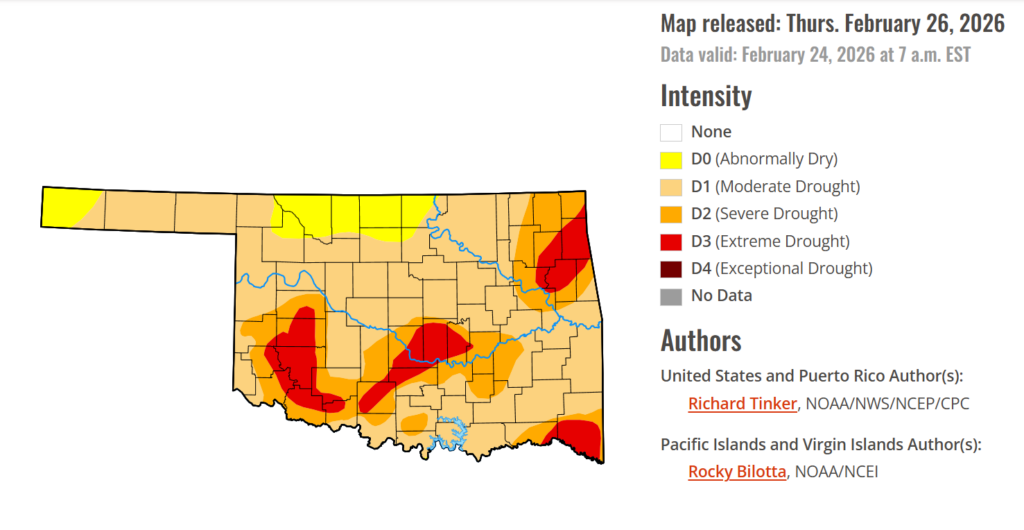
To view the latest Oklahoma drought map, CLICK HERE.
Drought conditions across Oklahoma continue to intensify this week, with 100% of the state now showing some level of dryness. While exceptional drought remains absent, the rapid expansion of moderate to extreme drought underscores how quickly conditions have deteriorated, driven by persistent warmth, wind, and a lack of widespread moisture. Forecasters are watching the coming days closely, as rain chances offer some hope for southeastern areas, even as much of the state remains firmly in drought's grip.
According to the latest Oklahoma Drought Monitor report, exceptional drought remains at 0 percent, unchanged from the start of the calendar year.
Moderate drought to extreme drought conditions in the current period indicate that 91.22% of the state is affected by drought. Compared with last week's 74.11%, drought conditions have grown substantially.
Extreme Drought conditions have also worsened this week, now covering 12.08% of the state, up from 9.04% last week, affecting mainly Pottawatomie, Seminole, McClain, Garvin, Stephens, Kiowa, Washita, Delaware, Ottawa, Mayes, Cherokee, and parts of surrounding counties.
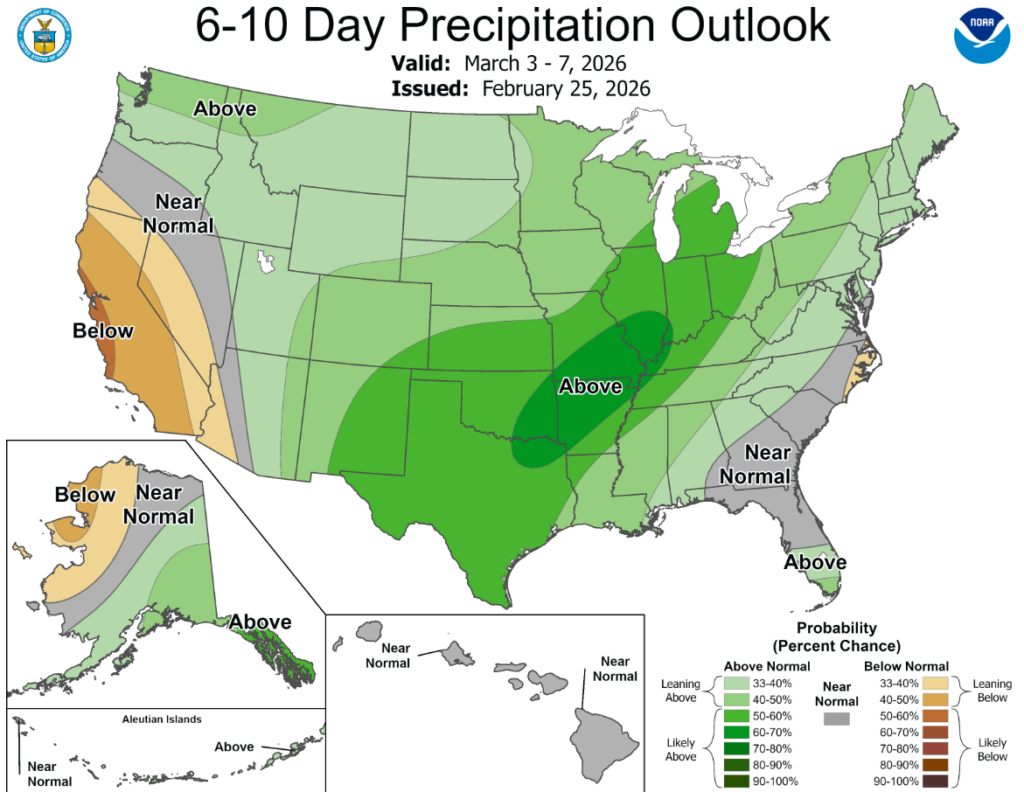
According to the 6-to-10-day precipitation outlook map, southeastern Oklahoma is leaning above a 60-70% chance of rain through March 7, while the rest of the state is leaning above a 50-60% chance through that same date.
Stormy, briefly colder weather in California and elsewhere in the West helped to improve previously meager mountain snowpack, with an average of approximately 6 inches of snow-water equivalency being added to the Sierra Nevada. However, 4- to 8-foot snowfall totals in the Sierra Nevada also led to travel disruptions through mountain passes and contributed to the nation's deadliest avalanche—northwest of Lake Tahoe—in 45 years. Meanwhile, the nation's mid-section faced several days with record-setting warmth and gusty winds. Portions of the central and southern High Plains endured a rash of wildfires, starting on February 17, with the largest—the Ranger Road Fire—quickly consuming more than 280,000 acres of cured vegetation in northwestern Oklahoma and southwestern Kansas. Initial reports indicated that there were also livestock losses and property destruction. In contrast, several rounds of storminess affected the eastern U.S., culminating in a late-winter blizzard along the middle and northern Atlantic Coast on February 22-23. The winter storm deposited more than a foot of snow in major East Coast cities from Philadelphia to Boston, with a single-storm record of 37.9 inches measured in Providence, Rhode Island. Earlier, an early-season outbreak of severe weather occurred on February 19, when as many as a dozen tornadoes were reported in Illinois and Indiana.
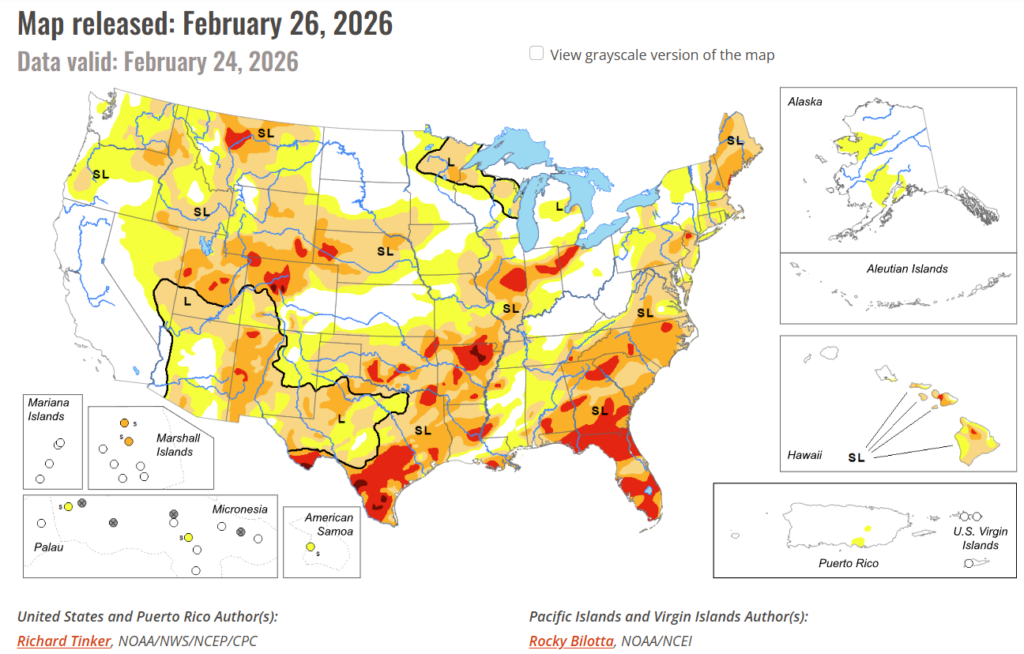
In The South: The southern High Plains endured a historic day of wind and wildfires on February 17, when the Ranger Road Fire was ignited in Beaver County, Oklahoma. The Ranger Road Fire soon scorched more than 280,000 acres of grass and brush, expanding into northwestern Harper County, Oklahoma, and parts of three counties in southwestern Kansas. Meanwhile, the Lavender Fire burned more than 18,000 acres northeast of Vega, Texas, and reportedly destroyed at least 18 structures. On February 17, the day of ignition, peak gusts included 73 mph in Lubbock, Texas, and 67 mph in Guymon, Oklahoma. Due to deteriorating conditions and diminishing topsoil moisture reserves, moderate drought (D1) was broadly introduced across northern and western Oklahoma and the northern panhandle of Texas. Farther east, gradually worsening drought conditions were also observed from the western Gulf Coast region to the Mississippi Delta, with several new areas of extreme drought (D3) being introduced and others being expanded. Coverage of exceptional drought (D4) increased slightly in southern Texas.
In the High Plains: Gradual drought deterioration was noted in several areas, except North Dakota, which remains free of drought. In Nebraska, a mostly dry, windy winter has adversely affected winter wheat, which at the end of January was rated just 24 percent in good to excellent condition—down from 54 percent in late-November 2025. Snowfall that blanketed parts of Nebraska on February 19 provided only temporary relief from overall dryness. Farther south, parts of Kansas and Colorado contended with high winds, grassfires, and blowing dust, especially on February 17. On that date, wind gusts in Colorado were clocked to 79 mph in Colorado Springs, 72 mph in Burlington, and 71 mph in Pueblo. South of Pueblo, on I-25, chain reaction collisions due to low visibility in blowing dust resulted in five fatalities and involved approximately three dozen vehicles.
In the West: There were few overall changes in the West, as most of the heavy precipitation fell in areas—such as northern and central California—currently experiencing no drought. Farther inland, brief bursts of precipitation in drought-affected areas prevented worsening conditions, but provided little overall relief. In Utah's Wasatch Range, Alta received 31.2 inches of snow in a 24-hour period on February 17-18, but will likely end the month with below-average snowfall. Below-average snow-water equivalency remains a concern in much of the West, even in drought-free areas such as the Sierra Nevada. According to the California Department of Water Resources, the Sierra Nevada snowpack contained an average snow-water equivalency of 16 inches—up about 6 inches from earlier in the month, but less than three-quarters of normal for late February. In much of Arizona, New Mexico, and Oregon, snow-water equivalency values were less than 50 percent of normal.
To view the 6-10 Day Precipitation Outlook Map, click here.
To view the 6-10 Day Temperature Outlook Map, click here.
To view the Monthly Drought Outlook Map, click here.
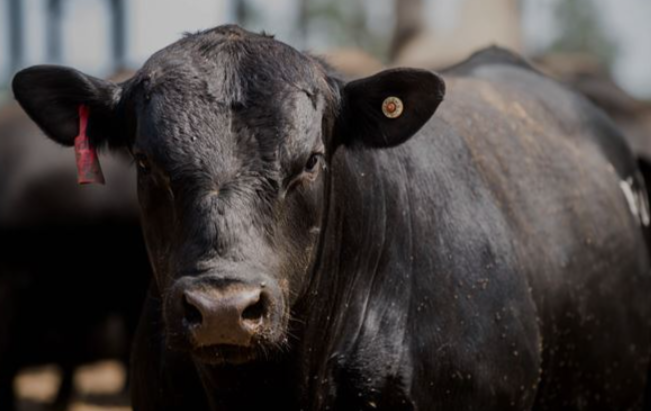
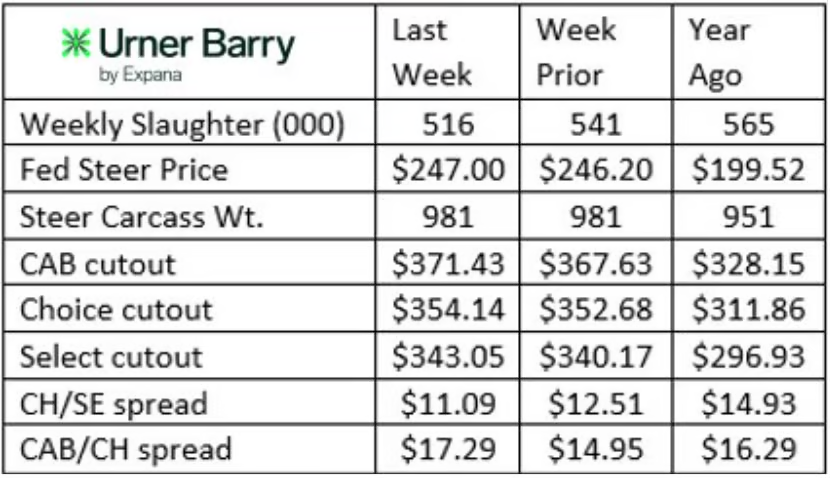
The fed cattle market continued to show strength last week as negotiated trade developed very late on Friday. February Live Cattle futures traded near contract highs at $247/cwt. and small cash trade volume in the north centered on that price.
Extremely small harvest volume was the key element in last week's market, sending a clear message that packer margins—near $300 per head— in the red— have forced reductions on throughput Granted, Monday's President's Day was a federal holiday, but this is negated as a consideration for harvest volume, as packer capacity for the week was sharply underutilized.
Create emails quickly with structures
Friday's Cattle on Feed report proved uneventful as analyst expectations were met with the number of cattle on feed in feedlots (with at least 1,000 head of capacity) at 98.2% of a year ago. January marketings look quite low at 87% of a year ago, but there was one fewer marketing day this January. With that said, a smaller cattle harvest is evident with year-to-date figures at -5.8%.
Carcass cutout values showed some life with slightly higher values last week on a steadily higher trajectory. Mixed price direction has recently been a theme across the major carcass primals. Firming demand for round cuts is the most notable trend in recent days, as utilization of lean, grinding beef is cropping up again. With spring spot market demand in the forward view, ribeye prices were a bit higher, but they are just trading off of their winter lows.- Wholesale strip loin prices have adjusted lower after making strong moves to the upside throughout January into early February.
Protein Price Spreads
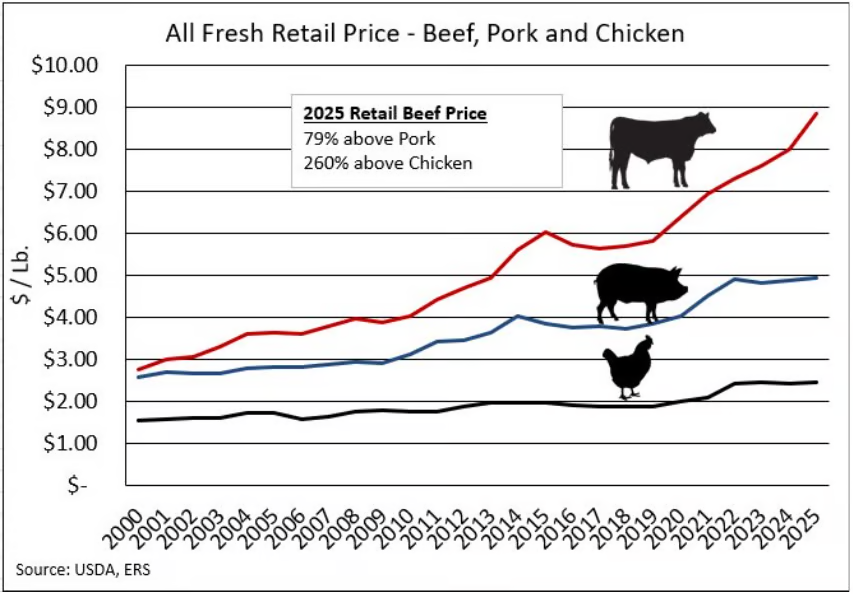
The inflationary theme in the grocery sector is impossible to miss, as most Americans are faced with the buying a large share of their food at retail. Beef has been in the media crosshairs for months as retail prices have escalated. The "all fresh" retail beef price increased 10% from 2024 to 2025, with another 6% the prior year. Yet consumers have a choice in meeting their protein needs, and they continue to demand beef at an impressive level. In fact, beef demand in the fourth quarter of 2025 was record-high, according to analysts at Terrain.
A simpler approach is to realize that U.S. per capita beef consumption was nearly unchanged in 2025 at 58.4 lb., scarcely lower than the 59 lb. in 2024. Couple that with the 10% average annual retail price and one can quickly see that demand was robust.
Even more amazing: Beef has built a rapidly widening price gap over competing meats in the grocery store. This trend has become increasingly pronounced since the early 2000s, but as beef supplies have tightened over the past three years, the pace of the widening price disparity has accelerated.
During 2022, the peak of the cycle's largest beef supplies, retail beef prices were 49% higher than pork and 200% higher than chicken. This is a large contrast to the 2025 average, with beef pricing 79% higher than pork and 260% higher than chicken. It's important to note that beef retail prices rose rapidly throughout 2025 as the fourth quarter's $9.44/lb. average was 13.8% higher than the first quarter average. Once again, the fourth quarter saw record beef demand despite rapidly escalating prices.
Market analysts point to evolving consumer attitudes toward meat as an important component of a healthy diet. The popularity of GLP-1 medications (with meat indicated as a healthy protein source) and the recent inversion of the USDA food pyramid are contributing factors. Consumers may be adapting to the nutrient density and wholesomeness of beef as they compare the return on their grocery dollar to less healthful food options.
It's imperative to credit beef quality advancement in the consumer behavior discussion. The beef industry is offering consumers the most satisfying eating experience they've ever encountered, as the share of USDA Prime and Certified Angus Beef ® brand product continue to swell as a portion of fed cattle production. This leaves little doubt that marbling-rich carcasses are driving beef to outperform other protein sources in the meat case.
Today, U.S. Secretary of Agriculture Brooke L. Rollins and Deputy Secretary Stephen A. Vaden, joined by General Services Administrator Edward C. Forst, announced the imminent disposal of the South Building and Braddock Place, returning resources to the American taxpayer, effectuating the vision of President Donald J. Trump, and reducing the real estate footprint of the U.S. Government in the National Capital Region.
"This is a long overdue move to protect American taxpayer dollars from being wasted on expensive real estate inside the Washington, D.C. area when our government should be closer to the farmers and ranchers we serve," said Secretary Brooke Rollins. "More than 85 percent of the South Building is unoccupied and there is a $1.6 billion backlog in deferred maintenance. It is simply unacceptable to put these costs on the taxpayer. We are being strong stewards of taxpayer dollars while also ensuring top notch customer service and fulfilling our promises to American farmers."
"President Trump made clear his second term would include relocating the sprawling federal bureaucracy to locations outside the National Capital Region," said Deputy Secretary Stephen Vaden. "The prior administration not only burdened the taxpayer through questionable policymaking but also by maintaining a massive, underutilized real estate footprint that USDA's budget could not sustain. Today's announcement cements the beginning of USDA's larger reorganization, ensuring this Department delivers on its mission to the American people within the bounds of its financial resources."
"GSA remains committed to executing President Trump's vision of reducing the bloated federal real estate portfolio and turning fiscal drain and empty space into economic opportunity," said GSA Administrator Edward Forst. "I commend Secretary Rollins and USDA leadership for the proactive approach to meeting the needs of their workforce and saving taxpayer money."
Today's event marks the start of the U.S. Department of Agriculture's Reorganization Plan. Each phase will be thoughtful, and completed according to law, and with mindfulness to USDA employees, Congress, and accountability to the American taxpayer.
American Farm Bureau Federation President Zippy Duvall today commented on the Farm, Food, and National Security Act of 2026.
"Farmers appreciate the work Chairman G.T. Thompson and the House Agriculture Committee have done in drafting a new, modernized farm bill. It will provide much-needed certainty for farmers who are facing record high expenses and historically low crop prices.
"The bill updates important food and farm programs, enhances conservation efforts, bolsters assistance to specialty crops, and makes critical investments in agricultural research. We urge House Agriculture Committee members to work together to find common ground during markup and pass a bipartisan farm bill. After three years of delays, farmers desperately need policy that will help give them the tools and certainty to continue growing food and fiber for every family in America."
Oklahoma's vast landscapes, from rolling prairies to bustling ranchlands, are under constant stewardship by the Oklahoma Conservation Commission (OCC). Executive Director Trey Lam recently sat down with Farm Director KC Sheperd to discuss the upcoming Oklahoma Association of Conservation Districts (OACD) annual meeting and the critical initiatives shaping the state's environmental future.
The OACD meeting, kicking off March 1, 2026, at O'Connell's in Oklahoma City, serves as a cornerstone for conservation efforts in the state. It brings together a diverse group, including district directors, staff, and partners from federal and non-governmental organizations.
This year's program promises to be particularly insightful, with a focus on:
"It's a great opportunity to get together and kind of recharge our batteries on conservation, learn more about conservation programs to come, and just really set the tone for the next year," said Lam.
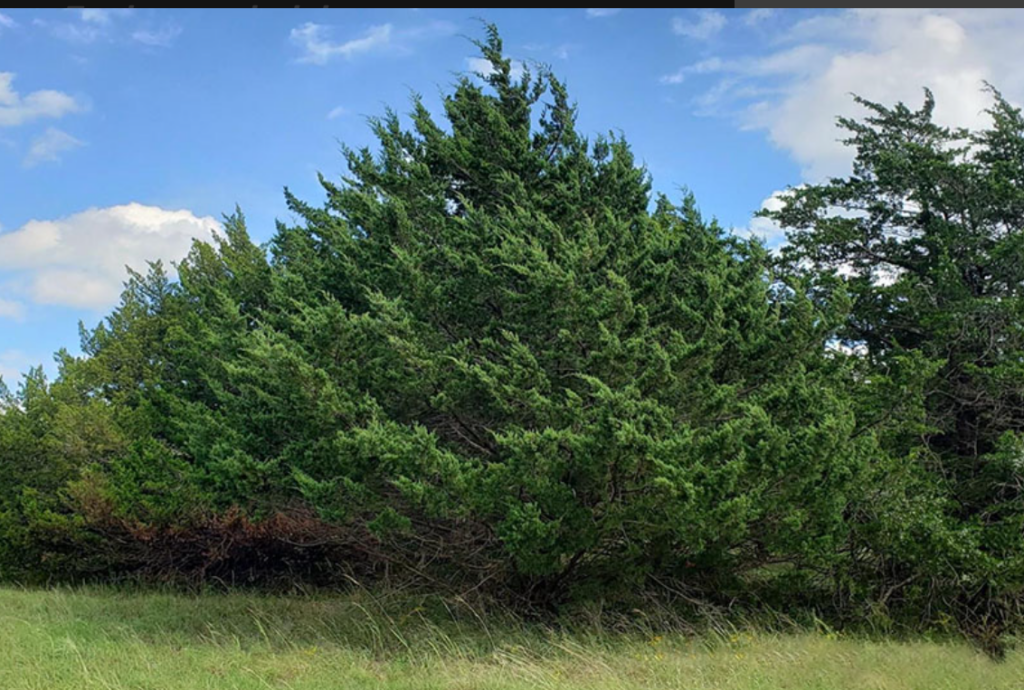
A key focus of the conversation between Trey Lam and KC Sheperd was the staggering amount of water consumed by invasive Eastern Red Cedars. Research conducted by the Oklahoma Conservation Commission and its partners reveals the significant strain these trees place on the state's natural water resources.
The data highlights a direct correlation between cedar infestation and water depletion:
"If you take the 15 million acres that are infested with cedar now and take all of that water, it's like building multiple lakes across Oklahoma," Lam explained. This restoration effort is viewed as a primary strategy for securing the state's water quantity and quality for the future.
Research indicates that removing red cedars and mulching the ground can reclaim approximately 40,000 gallons of water per acre. With an estimated 15 million acres infested in Oklahoma, this restoration is a more cost-effective way to manage water resources than building new lakes.
Red cedars are notorious for their volatility during wildfires. To protect communities, the OCC offers a free service to create 100- to 300-foot firebreaks of mulch near towns and subdivisions. These breaks not only prevent the "exploding" cedars from spreading fire to rooftops but also provide safer access for emergency responders.
While mechanical removal is vital, Lam emphasized that "prescribed fire is the only way we're going to reduce these fuel loads". Unlike "controlled burns," which can be informal, prescribed fires are professional operations that account for:
To encourage this practice, rural fire departments and prescribed burn associations that undergo training with experts like John Weir from OSU are eligible for $5,000 grants for equipment and supplies.
The OACD meeting will also delve into modern techniques such as "Regen Ag" (regenerative agriculture) and virtual fencing. These innovations aim to improve the quantity and quality of Oklahoma's water, reduce wildfire risks, and enhance road maintenance.
"We're involved in a lot of different areas that are really applicable to the public in general," Lam noted, inviting producers and the public alike to register for the event through the OACD website.


Growth Energy, the nation's largest biofuel trade association, expressed renewed urgency after Congress missed another deadline to approve a permanent, legislative fix offering consumers year-round access to E15. After reaching an impasse in January, House leaders agreed to establish an E15 Rural Domestic Energy Council, tasked with striking a deal no later than February 15 and sending legislation to the House floor no later than February 25, 2026. Despite reports of progress, no legislation has been introduced.
"This is an urgent priority for rural America, and we're grateful for the hard work by our champions on the council to keep this process moving forward," said Growth Energy CEO Emily Skor. "But we need to get year-round E15 to the President's desk in time to reignite the struggling farm economy and guarantee real savings at the pump this summer. We urge Speaker Johnson and his team to stand behind President Trump's promise to quickly deliver year-round access to lower-cost, American-made E15.
"Stakeholders already have consensus legislation with clear support across the entire supply chain – including farmers, biofuel producers, retailers, and the vast majority of refiners. Now is the time to pull out all the stops to make certain the legislation has the momentum needed to speed through the House and Senate."
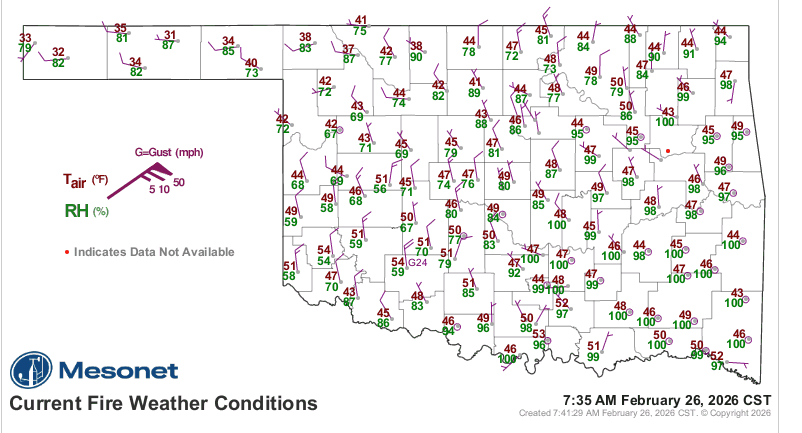
Dormant fuels and persistent dry conditions continue to drive significant wildfire activity across Oklahoma, with state forestry resources currently engaged in multiple large-scale suppressions. As of late February 2026, the combination of above-normal temperatures and low relative humidity has created an environment where even moderate winds trigger problematic fire behavior, including tree torching and spotting.
Firefighters are currently managing several significant blazes concentrated in the eastern and central portions of the state. The most substantial active incident is the Box Springs Road Fire in Pushmataha County, which has burned 905 acres and is 40% contained.
Other notable active fires include:
Recent data indicates that incendiary acts remain a leading cause of ignition, accounting for seven of the most recent fires reported across the Northeast, East-Central, and Southeast areas.
While overnight moisture recovery provided a brief reprieve for northern counties, fire danger remains the primary headline for the remainder of the week.
Oklahoma Forestry Services (OFS) has pre-positioned suppression groups and task forces in Guymon, Woodward, Weatherford, Lawton, and Okmulgee. Additionally, National Guard modules have been deployed to Tahlequah and Talihina to assist with the ongoing resource commitment.
The wildfire threat is expected to remain elevated through Saturday. However, a shifting weather pattern early next week offers the potential for widespread rainfall, which may provide much-needed relief to the parched landscapes across the state.
Burn Bans:
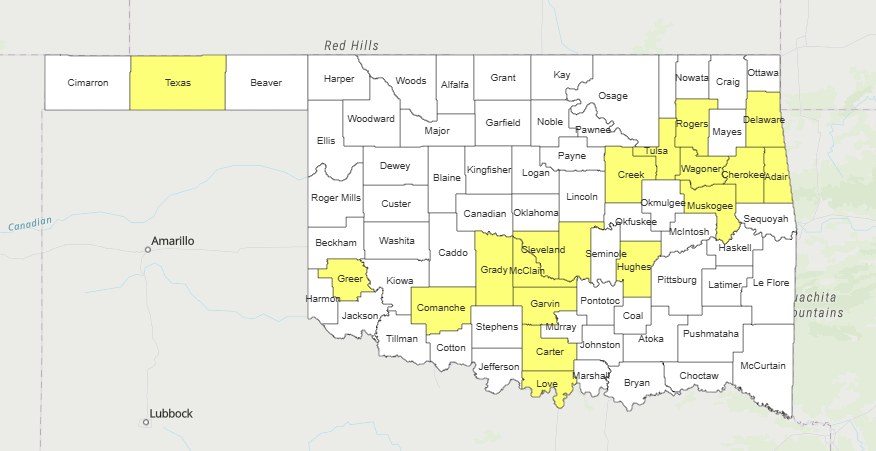
RON's Dave Lanning has a pre-opening look at today's agricultural Markets.
Click the audio tab below for today's report.
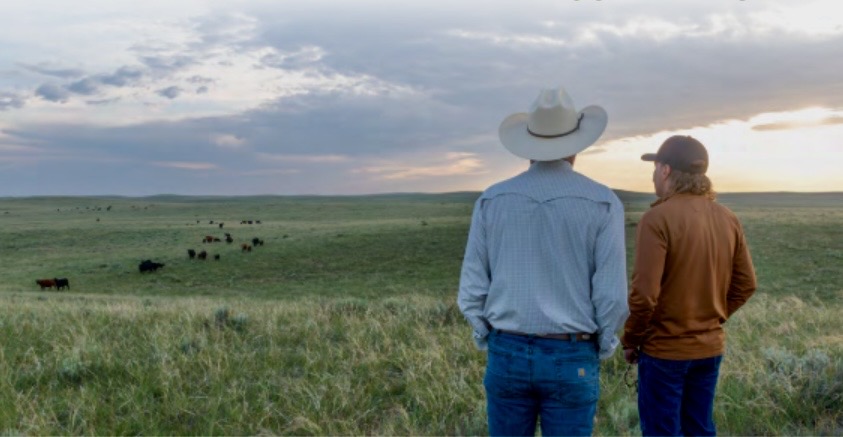
At CattleCon26, Dr. Shannon Farrell led the session "Continuing a Legacy: Succession Planning for Cattle Producers," offering a comprehensive guide to ranch succession planning. Farrell, a professor at Oklahoma State University specializing in agricultural law, drew on his personal experiences and professional expertise to emphasize the urgency of preparing for generational transitions in ranch ownership and management. Supported by the Southern Risk Management Education Center and USDA NEFA, the session highlighted collaborative efforts to equip ranchers with essential tools for success.
Farrell shared the story of his brother Adam, whose unexpected passing disrupted their family’s succession plan, illustrating the unpredictable nature of life. He warned against the common yet flawed approach of splitting ranch assets equally among heirs, using data from the Kansas Farm Management Association to demonstrate its financial risks. Farrell advocated for transparency, fairness, and aligning values among stakeholders, referencing Proverbs 27:6 and the biblical story of Jacob and Laban to underscore the importance of addressing family dynamics.
The session outlined a five-step process: inventorying assets, engaging stakeholders, creating a detailed plan, establishing estate planning tools, and revisiting the plan regularly. Farrell stressed the importance of estate planning tools, including wills, trusts, durable powers of attorney, and advance directives for healthcare. He encouraged ranchers to transition from CEO to chairman of the board, a concept inspired by farm consultant Dick Whitman, to guide successors while stepping back from daily operations.
Farrell used cultural and historical references, such as Cortez burning his ships and Top Gun Maverick, to illustrate the emotional challenges of succession planning. He recommended assembling a professional team, likened to the Magnificent Seven, including accountants, attorneys, investment advisors, and ranch management consultants. Farrell emphasized the need for liquidity, buy-sell agreements, and prenuptial agreements to protect ranch assets and ensure equitable transitions.
The session concluded with a call to action, urging attendees to prioritize succession planning to safeguard their ranches and families. The ranch succession workbook mentioned in the presentation can be downloaded below.
Coverage of CattleCon26 is powered by Farm Data Services of Stillwater, Oklahoma.
We have a video link that allows you to see Dr. Ferrell's presentation in Nashville- click here for the succession planning session.
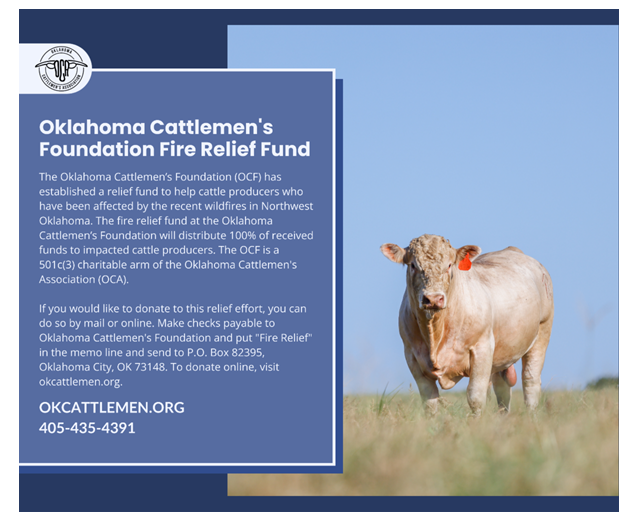
| The Oklahoma Cattlemen's Foundation has officially opened the Fire Relief Fund application for cattle producers who were impacted by the recent wildfires in Northwest Oklahoma. If your operation experienced losses due to these fires, we encourage you to apply for assistance. The Fire Relief Fund was established to provide direct support to cattle producers working to recover and rebuild following this devastating event. All funds raised will go directly to impacted producers through the Oklahoma Cattlemen's Foundation. Questions about the application process? Contact the Oklahoma Cattlemen's Association office at 405-235-4391. |
| OCF Fire Relief Fund Application Here Read The Full Press Release Here Donate Online Here How to Donate: Support ranchers impacted by the wildfires by contributing to the OCF Fire Relief Fund. Mail donations: Make checks payable to Oklahoma Cattlemen's Foundation. Include "Fire Relief" in the memo line Send to P.O. Box 82395, Oklahoma City, OK 73148 Donate online: okcattlemen.org The Oklahoma Cattlemen's Foundation is the 501c(3) charitable arm of the Oklahoma Cattlemen's Association. Your support helps ensure assistance goes directly to cattle producers during times of need. |
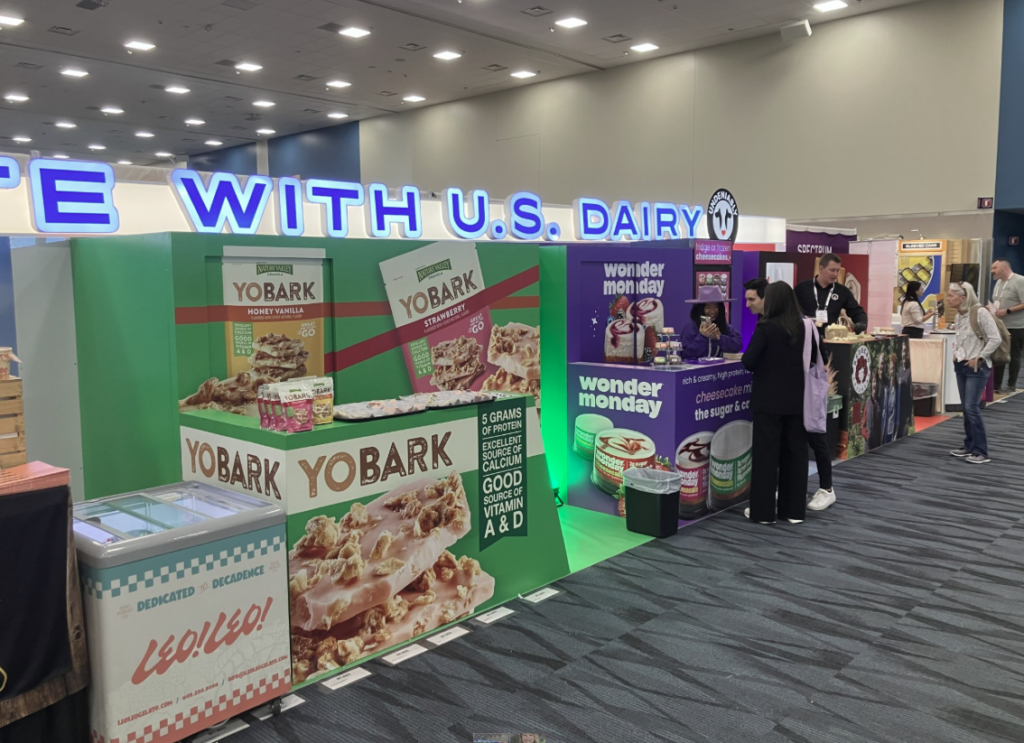
Dairy Management Inc. (DMI) is positioning itself as a strategic innovation partner and resource to the nearly 70,000 entrepreneurs, investors, brands and retailers who will attend Natural Products Expo West, March 3-6, in Anaheim Calif.
Expo West is the largest trade show of its kind in North America for the consumer packaged goods and natural products industry. This will be the third consecutive year DMI will be at the event with the checkoff seeking to demonstrate how dairy can fuel breakthrough product concepts – and how innovators can tap into its resources to accelerate speed to market.
DMI will highlight the National Dairy Foods Research Center, which has received national and local checkoff support for nearly 40 years. There are six regionally based centers affiliated with a network of universities that collaborate with farmer-founded organizations to discover ways of building global demand for dairy. DMI also will promote www.dairyinnovator.com to inspire Expo West attendees with hundreds of tools and concepts to help ignite dairy innovation.
"We're at Expo West to show entrepreneurs and innovators what's possible with dairy and how the checkoff's support and research network can help them bring ideas to life," said Marla Buerk, executive vice president of innovation for DMI. "Our goal is to serve as a resource that helps brands innovate faster, smarter and more successfully, while creating demand opportunities for dairy farmers."
Headlining DMI's presence at its booth is a new concept: cottage cheese ice cream. This high-protein product was developed through collaboration across DMI's consumer insights and research center teams. It serves as proof of how DMI can translate emerging consumer trends into commercially viable dairy solutions.
"This is about inspiring innovation," Buerk said. "We took two powerful trends – cottage cheese and high protein – and showed how dairy can stretch into entirely new categories. The concept demonstrates the depth of expertise and support our system provides, from insights to formulation to commercialization."
The checkoff also is bringing entrepreneurial farmers and companies to its booth to highlight how ideas move from concept to shelf. This includes a farmer who is launching milk uniquely packaged in a can in whole fat and flavors including Horchata and coffee, which appeal to Gen Z consumers, and a yogurt maker featuring a high-protein, high-fiber yogurt line.
"These examples show how insights turn into real products," Buerk said. "They represent the kind of innovation that grows dairy demand and creates value for farmers."
Farmers Joyce Racicky (Nebraska) and Kim Korn (Idaho), who serve as DMI board members, also will be at Expo West to engage with attendees and answer questions about dairy farming.
"When people meet farmers, it builds credibility and trust," Buerk said. "It reminds everyone that behind every product is a family farm committed to quality, care, and sustainability."
DMI is again hosting an education session to further reinforce its role as a strategic insights and innovation partner for brands navigating rapidly evolving consumer expectations.
Its session – "What Consumers Really Want and Emerging Ways to Deliver It" – will examine why health and wellness is experiencing explosive growth, yet more than 50% of consumers say today's food and beverages are failing to meet their needs.
"Consumers are telling us something is broken," said Norrie Wilson, who serves as an innovation and insights consultant for DMI. "They're highly motivated by health and wellness, but they're dissatisfied with what's available, so they're creating their own solutions. That creates a massive opportunity for brands – and for dairy – to deliver better answers."
In the session, DMI will be joined by a data company to demonstrate how advanced social and cultural intelligence can uncover deeper layers of unmet consumer needs that will shape the future of food and beverage innovations. The presentation will explore emerging benefits focused on sleep, skin health, body composition, strength, mobility and metabolism, illustrating how dairy naturally aligns with evolving wellness priorities.
"This approach allows us to go far beyond traditional research," Wilson said. "We can identify not just what consumers want today, but what they will want next and how brands can develop solutions that truly resonate."
By participating in Expo West, DMI is helping to ensure dairy remains visible, relevant and competitive within one of the industry's most influential marketplaces.
"Every conversation, every product discovery and every relationship at Expo West has the potential to become dairy's competitive advantage," Wilson said. "We're there to make sure dairy is not just part of the conversation but leading it."
For information on how the dairy checkoff is driving sales and building trust, visit www.dairycheckoff.com.
Oklahoma Wildfire Alert: Critical Fuel Levels Override Weather Patterns
Oklahoma is currently facing a volatile wildfire season, with the state's natural "fuels"—grass, brush, and timber—reaching a tipping point. Farm Director KC Sheperd had the opportunity to visit with Andy James, Fire Management Chief for the Oklahoma Forestry Services, who said these fuels are so dry that they are now the primary driver of fire behavior, often overriding traditional factors such as daily weather and topography.
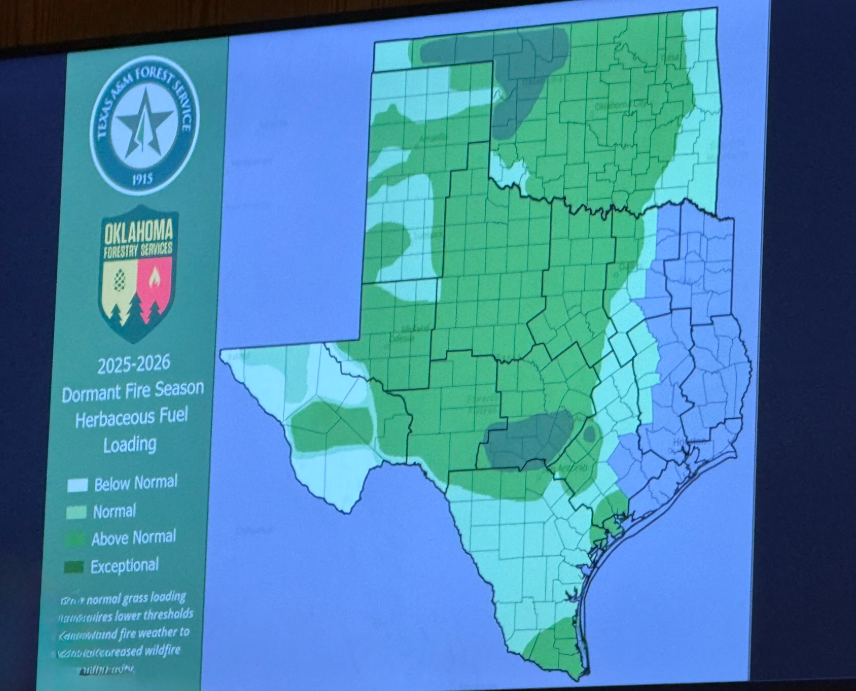
Despite record-setting rains in July 2025, the moisture "completely shut off" in the fall, leading to a rapid drying of vegetation across the state. The Forestry Department monitors these levels through fuel plots scattered across Oklahoma to assess the moisture content of various materials.
"We often times talk about those [fuels] getting to a point of no return where they override the weather, they override the fire environment, and that's exactly where we're at," James noted.
Common wildfire fuels in the region include:
When fires transition from the ground into the "crowns" or tops of trees and structures, they become significantly more dangerous and difficult to suppress, even with heavy equipment and aircraft.
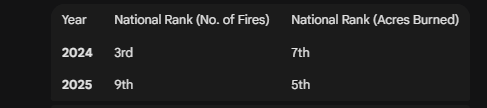
The scale of Oklahoma's wildfire problem is often underestimated. Data from recent years shows the state consistently ranking among the highest in the nation for both the frequency of fires and the total acreage burned.
"We have a huge wildfire problem in the state," James said, emphasizing that a collaborative effort between the Office of Emergency Management, the Department of Public Safety, and the Oklahoma National Guard is essential to manage these annual crises.
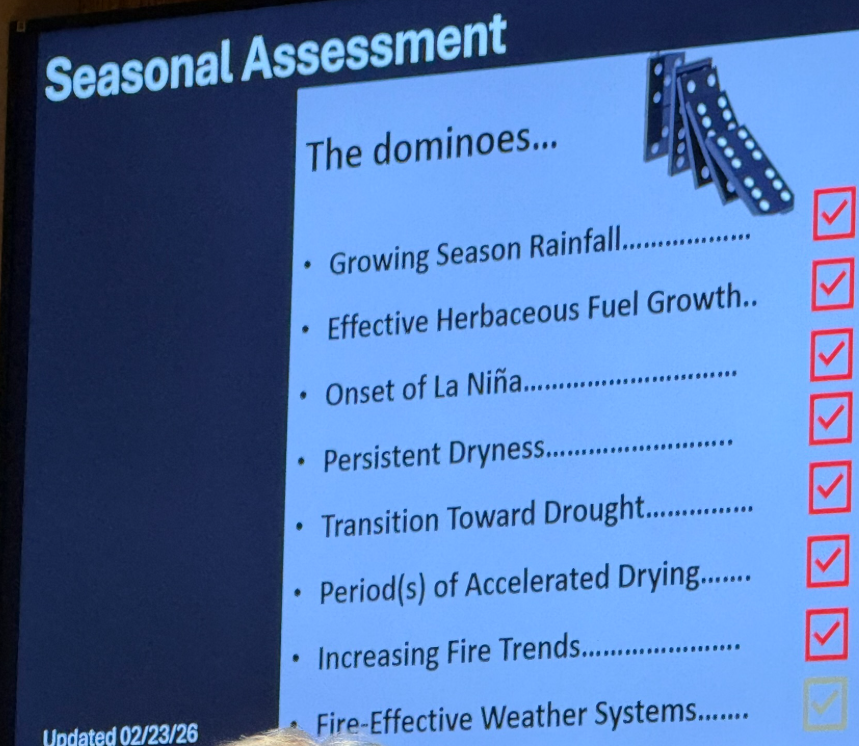
Most wildfires in Oklahoma are caused by human activity, ranging from dragging trailer chains on highways to conducting controlled burns on high-risk days. James urged residents to refrain from burning trash or brush during elevated fire conditions.
For producers and landowners, preparation is the best defense against property and livestock loss.
Key safety recommendations include:
"Don't try to do this when the fire is bearing down," James advised. "Do it well ahead of time."

Senator Mullin Reacts to Trump State of the Union: "The right message, at the right time":
This morning,U.S. Senator Markwayne Mullin (R-OK), recorded the following video reaction to President Donald J. Trump's State of the Union (SOTU) address last night. MULLIN VIDEO: (1 min 44 seconds) – DOWNLOAD HERE.
"Last night's State of the Union was a victory for common sense— and a true celebration of America." said Senator Mullin. "It was the right message at the right time."
Drummond comments on President Trump's State of the Union Address:
Attorney General Gentner Drummond released the following statement after President Trump's State of the Union address: "President Donald J. Trump has made public safety a priority again by securing the border, confronting foreign criminals and standing up in defense of American families. Working with his administration, we have taken decisive action right here in Oklahoma, shutting down Mexican cartels and Chinese crime syndicates that threaten our communities. This is what leadership looks like. This is what resolve produces. America has never been stronger."
Bacon Issues Statement Following President Trump's State of the Union Address:
Rep. Don Bacon (NE-02) released the following statement after President Trump delivered his State of the Union address: "The President highlighted several real accomplishments that are strengthening our economy and improving the lives of the American people. The border is secure, violent crime is declining, fentanyl deaths are falling, gas prices are down, and wages are rising faster than inflation for the first time in five years. These are the winning issues that the President should focus on every day. "He is right that Iran must never be allowed to possess a nuclear weapon. A nuclear-armed Iran is a serious threat to America and our allies. I am glad he acknowledged the regime's brutality, including the recent massacre of approximately 50,000 of its own people after they stood up against their government. "I was disappointed to hear the President double down on his approach to tariffs. Article I, Section 8 of the Constitution gives tariff authority to Congress. The Supreme Court's common-sense and straightforward ruling got it right. Broad-based tariffs are also not smart economic policy, functioning as a tax on American consumers, manufacturers, and farmers, and are unpopular nationwide by roughly two to one."
Congressman Josh Brecheen on the State of the Union:
Tonight, Congressman Brecheen attended President Trump's State of the Union address. After President Trump's speech, Rep. Brecheen released the following statement: "It was an honor to attend President Trump's State of the Union address tonight. Congress, alongside President Trump, has fought hard to restore conservative values within our great nation. While there's still lots of work to be done, I am encouraged by the direction our nation is headed and look forward to the year ahead! The American Dream is possible once again!!!"
Administrator Zeldin Releases Statement Following President Trump's State of the Union Address:
Today, U.S. Environmental Protection Agency (EPA) Administrator Lee Zeldin released the following statement on the heels of President Trump's State of the Union Address: "Tonight, the American people witnessed a State of the Union that was nothing short of historic. President Trump delivered a powerful vision for America's future, one centered on lowering costs for families, unleashing American energy, securing our borders, and keeping our communities safe," said Administrator Lee Zeldin. "One year in, our nation is stronger, safer, and more affordable. America's golden age is here!"

John Deere (NYSE: DE) announced today the launch of six new 8R and 8RX tractor models featuring additional higher horsepower options; ground-up redesign; and improved performance, maneuverability, and versatility. The company has manufactured 8-Series tractors for over 30 years, improving this popular and versatile line of tractors based on customer input. The additional options of 440 hp, 490 hp and 540 hp extend the horsepower range available in the 8-Series tractor lineup to meet growing customer demand.
"These tractors are designed to get work done," said Michael Porter, John Deere marketing manager for large tractors. "The new horsepower options, technology, and other customer-driven changes make these tractors the ultimate planting tractor, planting up to 1,200 acres each day1 during those tight weather windows. Whether you need to plant with a 24+ row planter, pull large grain carts or midsize seeders, these new 8-Series tractor options have the productivity and technology to help with all your plant, harvest, and tillage work."
Key to any John Deere tractor experience is the technology, and these new horsepower options fit the bill. The tractors are autonomy ready to help unlock efficiency during tillage; have the G5Plus display for access to precision ag technologies such as AutoTrac™ Turn Automation, AutoTrac Implement Guidance, AutoPath™ and more; are Machine Sync ready and optional JDLink™ Boost connectivity to help ensure reliable capture of field and machine data.
Designed for performance and efficiency
The new 8R and 8RX models come with the JD14 engine, designed to provide maximum power when operators need it the most. These new 8-Series tractors elevate John Deere's Intelligent Power Management system (IPM) to new levels with the optional peak power IPM. This new option enables not only an additional 40 horsepower at rated 1900 rpm but all the way down to max horsepower at 1700 rpm, enabling up to 634 horsepower for the most demanding applications of hydraulic, PTO, transport or electrical offboarding. This means customers will have the power when they need it.
"We have incorporated an engine brake option that helps slow down the tractor without having to rely on brakes," Porter said. "This feature provides additional stopping power and reduces wear on the primary braking system, enhancing safety and control, especially when pulling heavy loads and driving on steep inclines, this has been a huge request for our transport customers."
The hydraulic system on these tractors includes increased pump capacity with separate steering and braking pumps. Additional updates include an enhanced Independent Link Suspension (ILS) on the front axle that supports increased carrying weight and incorporates roll control for improved road performance, now with 60KPH transport speed capability, which drives even more productivity for our transport customers. A front hitch and front PTO option is available, increasing the productivity of this tractor for all operations. The rear hitch has a 24,000-pound lift capacity to lift heavier and wider implements, and hitch active downforce maintains a constant depth with hitch-mounted implements. To help increase power to rear PTO implements, the new models have a 1,300 rpm rear PTO option.
Maneuverability
Precision handling is a key benefit of these new tractors with a tight turn radius and Reactive Command Steering, improving maneuverability. The Reactive Command Steering means the steering wheel automatically returns to center and includes three settings to create a customized steering experience. A new, narrow, and nimble frame maximizes maneuverability.
"Drivability is important for operators, and with these new 8-Series tractor models you no longer have to choose between power and maneuverability," Porter said. "The turning radius these tractors provide is more than 6' tighter than competitors and does not limit the power and performance."
Enhanced Operator Experience
The 8-Series tractor offers the Electric Variable Transmission (EVT) that gives farmers the ability to quickly plug in the planter and get to work. This transmission enables electric power offboarding, so operators will no longer need to worry about PTO or hydraulic power generators to power electric drive planters, but instead a simple one plug connection enables power to their planter using the tractors transmission. As part of the new updates, three new options are available for transmission controls, including CommandX™, CommandX™ Plus and CommandX™ Pro. The new controls represent a significant advancement in streamlining drive operations across John Deere's equipment portfolio. A standardized handle, paired with customizable options, delivers a consistent operating experience while allowing operators to tailor functionality to their needs. Push button start gives operators the ability to control who can start the tractor by requiring a personalized PIN number.
Additional features that enhance the operator experience include:
· New Engine throttle controls
· New Convenience Display for easy access to adjustment of radio, air conditioning, seat, and phone controls
· Integrated wireless charging phone holder
· Two-way independent electric armrest adjustment
· Optional door cinch
Building on the model year 2025 enhancement of ground-up serviceability on our high horsepower 9RX, the engine oil, coolant and hydraulic oil sight gauges are at eye level so fluids can be quickly checked, leading to a quicker start each day. In addition, the air filter and fuel/DEF fill from the ground. The hydraulic oil interval increased from 1,500 hours to 2,000 hours, leading to more uptime. A 330° windshield wiper provides a clearer view, and battery disconnect and jumper are on the door side for better accessibility.
"The six new 8R and 8RX models are designed for today's farmers," Porter said.
"With efficiency, maneuverability and versatility, farmers know the 8-Series tractor is a business partner that helps them be more productive and efficient."
To determine which new 8-Series tractor model will best fit your farming operation, contact your local John Deere dealer or visit deere.com.
1 Planting 1,200 acres each day is based on internal testing of an 8R 490 with Peak Power IPM pulling a DB90 at 12.5 mph over 12.3 hours with 80% efficiency
ABOUT JOHN DEERE
It doesn't matter if you've never driven a tractor, mowed a lawn, or operated a dozer. With John Deere's role in helping produce food, fiber, fuel, and infrastructure, we work for every single person on the planet. It all started nearly 200 years ago with a steel plow. Today, John Deere drives innovation in agriculture, construction, forestry, turf, power systems, and more.
For more information on Deere & Company, visit us at www.deere.com/en/news/.
Ahead of next week's full committee markup of H.R. 7567, the Farm, Food, and National Security Act of 2026, House Committee on Agriculture Chairman Glenn "GT" Thompson (PA-15) has released a detailed document showing the party breakdown of the standalone legislation incorporated into the bill.
Of the 181 bills that influenced H.R. 7567, 82% had bipartisan cosponsors. Along with these bipartisan bills, FFNS 2026 contains provisions from 14 Democrat-only bills and 18 Republican-only bills. This number does not include additional provisions in H.R. 7567 that originated from bipartisan Member priorities that did not have a formal marker bill filed.
"I always like to say that a good farm bill process is 'tri-partisan' because it's a collaboration between Republicans, Democrats, and stakeholders," Chairman Thompson said. "The Farm, Food, and National Security Act of 2026 reflects this principle from start to finish and across all 12 titles. The numbers don't lie — this is a bipartisan farm bill, and calling it anything else is a serious mischaracterization of the facts. I look forward to deliberating on this bill next week with my colleagues on both sides of the aisle as we work to move American agriculture forward."

The bills in this analysis include those that were incorporated in full (the entire bill) and in part (certain provisions) into the Farm, Food, and National Security Act of 2026.
The committee will begin marking up H.R. 7567 Tuesday, March 3, at 5 pm ET. Watch the markup live here, and follow along on social media for instant updates. For more details on the 2026 farm bill, visit the committee's website for title-by-title summaries and one pagers.
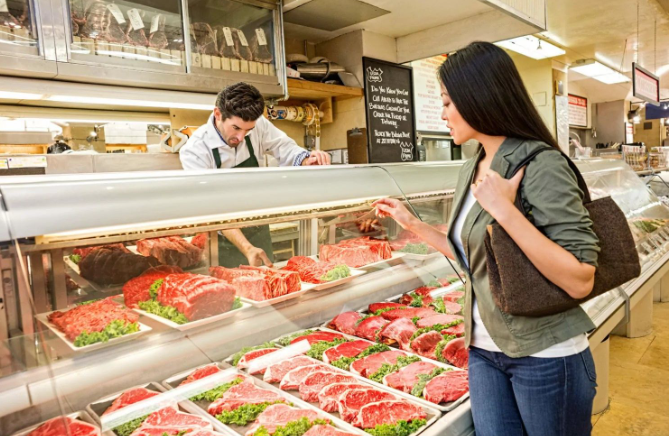
In today's beef buzz, senior farm and ranch broadcaster Ron Hays continues his conversation with David Freelander, Senior Director of Market Research for the National Cattlemen's Beef Association, about how today's consumers view beef. Freelander says that even consumers who talk frequently about sustainability still prioritize protein quality and nutrition. "At the end of the day, they want a good, healthy, nutritious meal and want to feel good about buying it and consuming it and sharing it with their families," he explains.
Freelander notes that consumer attitudes have shifted slightly over the past three years. While sustainability remains part of the conversation, it is no longer the primary driver behind purchasing decisions. "Yes, it's still there, but it's not necessarily a driver of consideration and purchase," he says, adding that consumers increasingly recognize beef for its quality, convenience, and versatility across many meals.
One theme that continues to stand out in consumer research is how highly people value beef and how little they want to waste it. Freelander says sustainability- and food-waste–focused consumers repeatedly told researchers that beef is treated differently. "Consumers saying they don't waste beef... they've invested in it, and they're not trying to throw that away," he says, noting that many want ideas on how to stretch beef across multiple meals, especially during times of price sensitivity.
Freelander also discussed the growing attention around GLP-1 weight-loss drugs and how that trend intersects with beef demand. He says those consumers may eat less overall but still crave protein. "They want good source natural protein," he explains, adding that beef fits well into a desire for "a great, nutritious meal... and still want to feel like I'm being fulfilled when I go and eat."
The broader "protein craze" is also influencing food choices across food service, grocery stores, and even convenience stores. Freelander observes that protein-enhanced products are everywhere, but he questions how sustainable that trend may be. "As the dietary guidelines are about good source, well-sourced foods... I don't know that we can put our hat on some of those things that are enhanced for good," he says.
Finally, Freelander explains how consumer research guides messaging through the Beef Checkoff. He emphasizes the importance of understanding motivations, not just behaviors. "Anybody can get the what," he says, "but the secret sauce... is understanding the why." That insight allows teams across marketing, communications, and recipe development to act on the data and "leverage those key drivers to make a change in consumer behavior."
Coverage of CattleCon26 is powered by Farm Data Services of Stillwater, Oklahoma.
The Beef Buzz is a regular feature heard on radio stations around the region on the Radio Oklahoma Ag Network and is a regular audio feature found on this website as well. Click on the LISTEN BAR for today's show and check out our archives for older Beef Buzz shows covering the gamut of the beef cattle industry today.

On February 24, 2026, President Donald Trump delivered his State of the Union 2026 address to a joint session of Congress. Lasting approximately 1 hour and 48 minutes, it was the longest State of the Union address in U.S. history.
The President referred to American farmers and ranchers as the "backbone of our country" and an "indispensable national asset." He used this framing to transition into his administration's goal of achieving "food security," which he linked directly to national security, stating that a nation that cannot feed itself is not truly sovereign.
The President cited specific data to underscore the urgency of the situation, noting that ground beef prices averaged $6.69 per pound in December 2025. He referred to this as the highest level since the Department of Labor began tracking these prices in the 1980s. He stated that "hard-working Americans" must be able to "afford to feed themselves and their families."
He addressed the supply shortage directly, stating that the U.S. cattle herd has fallen to a "record low" of 86.2 million head. He identified the primary causes for this decline as:
The President used the address to reinforce the "critical role" of the American rancher, labeling them the "backbone of our food supply" and stating that their prosperity is vital to the "national security of the United States."
He detailed his recent Proclamation to temporarily increase the tariff-rate quota for lean beef trimmings from Argentina.
He spoke about his administration's efforts to "stop price fixing, anti-competitive behavior, and foreign influence" within the meatpacking industry. He claimed that by "halting Biden-era regulations," he has already saved agricultural families and consumers billions of dollars in regulatory costs.
The President focused a significant portion of the speech on the economy, characterizing the current period as a "turnaround for the ages."
The address highlighted several military and diplomatic initiatives:
The President presented the Congressional Medal of Honor to Royce Williams, a 100-year-old Korean War veteran. He also recognized the gold medal-winning U.S. men's Olympic hockey team and presented the Presidential Medal of Freedom to goalie Connor Hellebuyck.+1
The Democratic response was delivered by Virginia Governor Abigail Spanberger, who focused on the continued high cost of living for many families, while Senator Alex Padilla provided a response in Spanish.

When a serious injury, illness or natural disaster threatens a farm family's ability to plant, harvest or care for livestock, the future of that operation can hang in the balance. Now, farm and ranch families in Missouri will have a new safety net.
Farm Rescue today announced it is expanding its service area into Missouri, marking the 11th state served by the organization. Harvest assistance will begin in fall 2026, with planting, haying, commodity hauling and livestock feeding support to follow. All services are provided at no cost to qualified families.
For over 20 years, Farm Rescue has been the only nonprofit organization of its kind providing farm and ranch families with the operational support they need in times of crisis. The organization's vision is a world where family farms and ranches thrive for generations to come.
"Our mission is to provide farmers and ranchers the operational support they need so their families and legacies can continue," said Tim Sullivan, Executive Director of Farm Rescue. "Expanding into Missouri allows us to stand alongside more families when they need it most and help keep their operations moving forward during incredibly difficult times."
Missouri agricultural leaders are welcoming the expansion. "Farm Rescue brings critical support to farm families when they need it most," said Casey Wasser, CEO and executive director of Missouri Soybeans. "Farming is more than an occupation — it's a way of life, and when challenges arise, having organizations willing to step in and help can make all the difference. We are proud to support efforts that strengthen Missouri's farm families and the communities they call home."
Farm Rescue was founded in 2005 by North Dakota native Bill Gross, who envisioned practical, boots on the ground assistance for farm families facing unexpected hardship. Since its founding, the organization has assisted more than 1,250 farm and ranch families and contributed tens of thousands of volunteer hours to ensure critical planting, harvesting and livestock care windows are not missed.
With the addition of Missouri, Farm Rescue now serves families in Illinois, Iowa, Kansas, Kentucky, Minnesota, Missouri, Montana, Nebraska, North Dakota, South Dakota and Wisconsin. Missouri's diverse agricultural landscape, including row crops, livestock and specialty operations, makes it a natural fit for the organization's expanding footprint.
Farm Rescue deploys experienced volunteers and modern equipment to complete essential time sensitive tasks. Volunteers work directly with each farm family to follow their specific management practices, from planting depth and seeding populations to livestock protocols, ensuring operations continue exactly as intended. This structured assistance allows families to focus on recovery without placing additional strain on neighbors or local communities.
A 2024 impact evaluation found that for every one dollar invested in Farm Rescue, more than ten dollars in direct and indirect economic value is secured for farm families and the rural communities they support.
The Missouri expansion is supported by generous donors and corporate partners, including John Deere, Anheuser-Busch through its Busch Light brand and Nutrien Ag Solutions. These partnerships provide critical equipment, service and operational support as Farm Rescue launches in the state.
Applications for assistance are currently being accepted and can be obtained at farmrescue.org or by calling 701-252-2017.
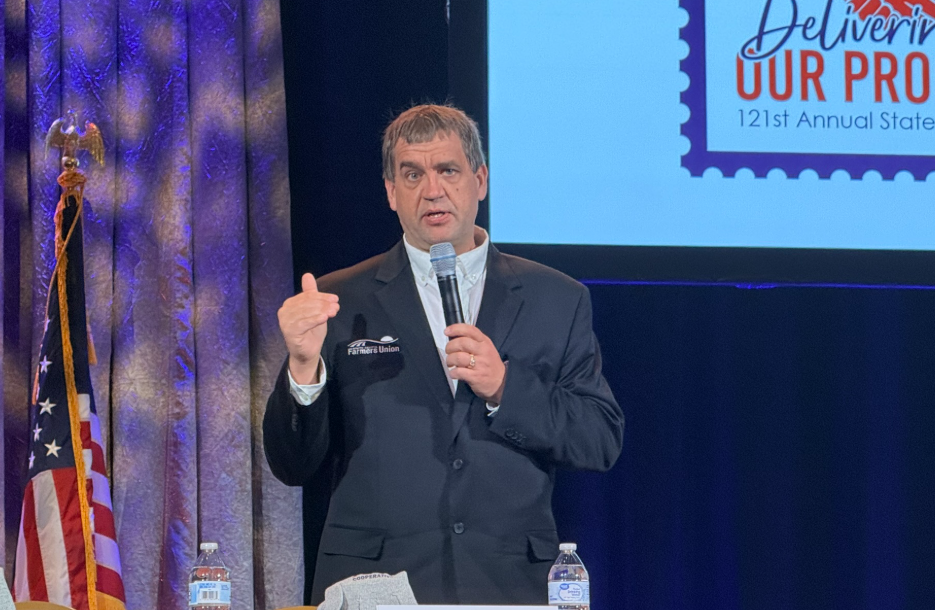
National Farmers Union VP Jeff Kipley Proposes IMSET to Save Small Family Farms in New Farm Bill:
The American agricultural landscape is facing a period of significant instability, leading many in the industry to call for a more robust and predictable safety net. In a recent discussion with Farm Director KC Sheperd, Jeff Kipley, Vice President of the National Farmers Union (NFU), highlighted the failures of the current "fence-row to fence-row" farming model and proposed new tools to protect small and medium-sized family farms.
According to Kipley, the traditional safety net for farmers has been insufficient over the last decade. This gap has led to a reliance on ad-hoc government programs, which often come with significant administrative hurdles.
"We've had so many ad-hoc programs because the safety net's just not there for what the farmers need," Kipley noted. He described these programs as difficult to navigate, often featuring short application windows and confusing rules. "Normally you're relying on your crop insurance agent to tell you what to say and where to go, and you don't even know what you really signed up for."
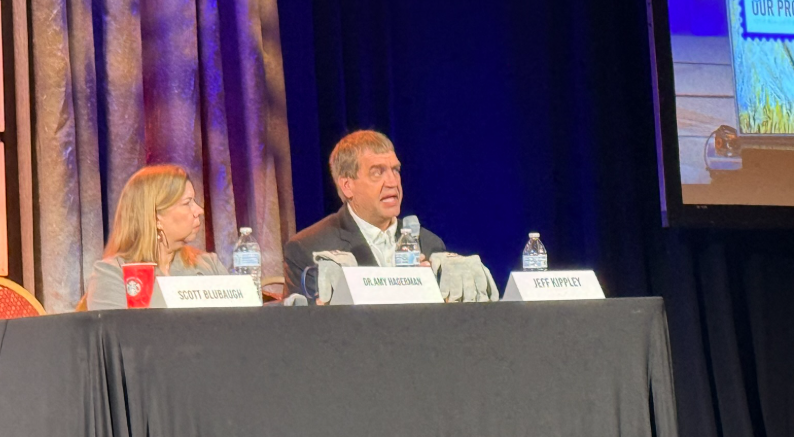
To address these gaps, the NFU is pushing for the inclusion of a voluntary program called IMSET (Inventory Management Soil Enhancement Tool) in the upcoming Farm Bill.
Under the IMSET proposal:
Kipley believes this tool is essential for the survival of the rural infrastructure. As farms consolidate into massive operations—some spanning 30,000 acres—smaller family farms are displaced.
"As we see these small towns die, the way that we bring it back is to really focus on our small and medium farmers and helping them survive," Kipley said. He warned that when family farms vanish, rural communities lose the volunteers for fire departments, members for churches, and students for local schools.
The conversation also touched on the volatility of international trade and tariffs. While recent news of China purchasing more soybeans provided a temporary price "bump," Kipley expressed concern over the lack of a long-term strategy.
"Every day you have to open up your phone to see where do we stand with trade talks because seemingly there's news daily that somebody else is going to be a trade war," Kipley explained. He noted that because agriculture is often the first sector targeted when other countries are frustrated with U.S. policy, the lack of permanent trade agreements creates a "scary" environment for producers.
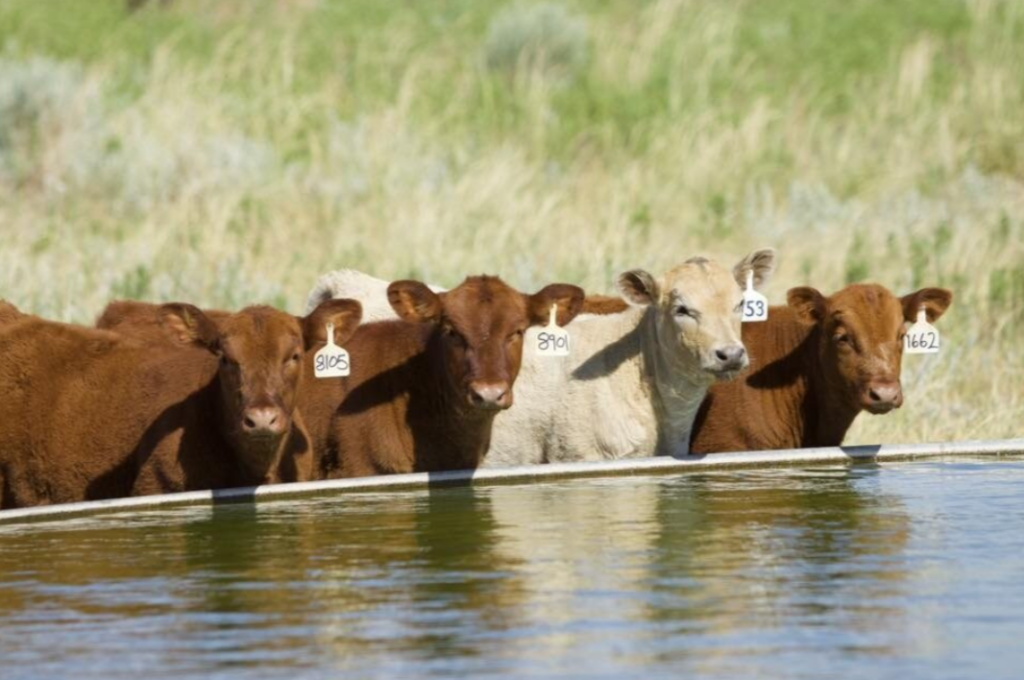
The rapid growth of beef × dairy crossbreeding is reshaping feeder cattle supplies across the country. As dairy producers increasingly breed dairy cows to beef sires to capture added value on non-replacement calves, more dairy × beef crossbred steers are entering Oklahoma feedlots. That trend raises an important question: how do these dairy crossbreds compare economically with beef steers in our traditional yearling systems?
A collaborative study conducted by Oklahoma State University's Departments of Animal and Food Sciences and Agricultural Economics (Grote et al., Journal of Agricultural and Applied Economics https://doi.org/10.1017/aae.2026.10035) evaluated profitability of beef steers and dairy crossbred steers in both calf-fed and yearling-fed finishing systems at a commercial feedlot in Buffalo, Oklahoma. Calf-fed steers were placed on feed following dry lot backgrounding, while yearlings grazed summer pasture at the OSU Marvin Klemme Range Research Station before feedlot entry.
Performance differed by both breed type and system. Beef steers gained faster than dairy crossbred calves during grazing. However, during finishing, yearling-fed cattle outperformed calf-fed cattle regardless of breed. Dairy crossbred yearlings posted the highest average daily gain in the feedlot and exhibited compensatory gain that more than offset prior weight differences relative to beef steers. Calf-fed beef and dairy crossbred steers had the lowest gains. While yearlings consumed more feed, feed efficiency was similar among treatments. Carcass data favored dairy crossbred steers, which produced fewer Select and more upper Choice and Prime carcasses.
Despite carcass value advantages, total cost of production ultimately determined profitability. yearling-fed beef steers generated the highest net return—nearly $485 per head—and the lowest cost of production, with $112/steer greater net returns than yearling fed dairy crossbred steers and $126 greater net returns than calf-fed beef or dairy cross steers.
When grazing resources are available, yearling systems reduce cost of gain and improve profitability, which is a hallmark of production systems in Oklahoma. Dairy crossbred steers can compete economically—particularly under current grid structures that heavily discount straight dairy cattle but apply only modest discounts to beef × dairy crosses. However, for retained ownership through stocker and finishing phases under conditions similar to this analysis, beef × dairy steers should be purchased at approximately a $20/cwt discount relative to native beef steers.
This research was supported by the USDA Critical Agricultural Research and Extension (CARE) Award No. 2022-68008-37102 and provides practical guidance for producers evaluating dairy-beef crossbreds within Oklahoma production systems.
RON's Dave Lanning has a pre-opening look at today's agricultural Markets.
Click the audio tab below for today's report.
Boxed beef surged higher Tuesday, with the Choice cutout jumping $8.21 to $377.43, marking the largest single-day gain so far this year. Choice has now posted gains for four consecutive sessions, climbing a total of $13.63 over that stretch. Select added $1.70 to $366.01, widening the Choice/Select spread to $11.42 on movement of 102 loads.
Compared to Monday, primals were mostly higher: Rib increased $16.55 to $519.06, Chuck rose $10.56 to $330.84, Round gained $3.81 to $340.02, Loin added $10.11 to $490.40, Brisket improved $4.36 to $303.73, and Flank was up $2.05 to $184.05, while Plate was the lone decline, slipping $1.27 to $266.25.

The National Association of Conservation Districts (NACD) expresses appreciation to Glenn "GT" Thompson, Chairman of the House Agriculture Committee, for introducing the Farm, Food and National Security Act of 2026, which reinforces the importance of conservation under Title II and provides much-needed certainty for farmers, ranchers, and locally led conservation efforts nationwide.
Title II of the Farm Bill remains the backbone of voluntary, incentive-based conservation programs that support America's producers in protecting soil health, improving water quality, enhancing wildlife habitat, and strengthening working lands. The draft bill bolsters key programs that conservation districts help deliver every day, such as the Environmental Quality Incentives Program (EQIP), Conservation Stewardship Program (CSP), Regional Conservation Partnership Program (RCPP), Agricultural Conservation Easement Program (ACEP), and Conservation Reserve Program (CRP).
This draft legislation maintains long-term funding for these programs and includes important reforms that provide greater flexibility for locally led decision-making — a principle that has guided conservation districts for generations. By ensuring conservation dollars can address local natural resource concerns and landscape scale priorities, the draft reinforces the locally driven conservation model that delivers measurable results on the ground.
"For nearly a century, conservation districts have worked hand in hand with landowners, operators, and our federal partners to implement practical, science-based solutions that protect our natural resources while keeping working lands productive," said NACD Chief Executive Officer Jeremy Peters. "The legislation released by Chairman Thompson recognizes the importance of stable conservation funding and impact of our voluntary, locally led conservation delivery system."
NACD emphasized that passing a full, bipartisan Farm Bill is critical. Landowners and operators, conservation districts, and partners rely on the certainty and continuity provided by long-term authorization. NACD welcomes the opportunity to work with the House Agriculture Committee as they begin debating the Farm, Food, and Security Act of 2026 next week.
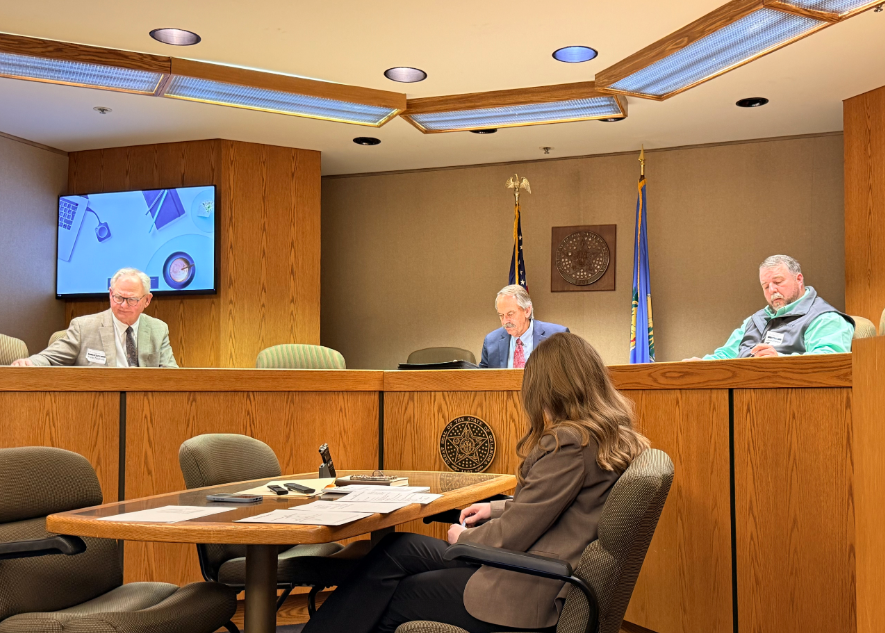
State officials say drought conditions continue to worsen across Oklahoma, prompting renewed discussion at a recent drought commission meeting about how much relief funding remains available. Trey Lam with the Oklahoma Conservation Commission outlined where the state stands financially. Lam said the commission has just wrapped up its third round of drought programming and noted, "Out of the original $64.5 million that was appropriated over several years, we have $16.1 million left in the balance." He added that those remaining funds will guide the next phase of assistance.
Lam said producers will soon have another opportunity to apply for help. "We'll open up the application period the second week of March, on March 9," he explained. Most of the funding will focus on water-resource projects such as "water wells, pasture taps, pumps, pond cleanouts," practices Lam said remain popular and will be available statewide.
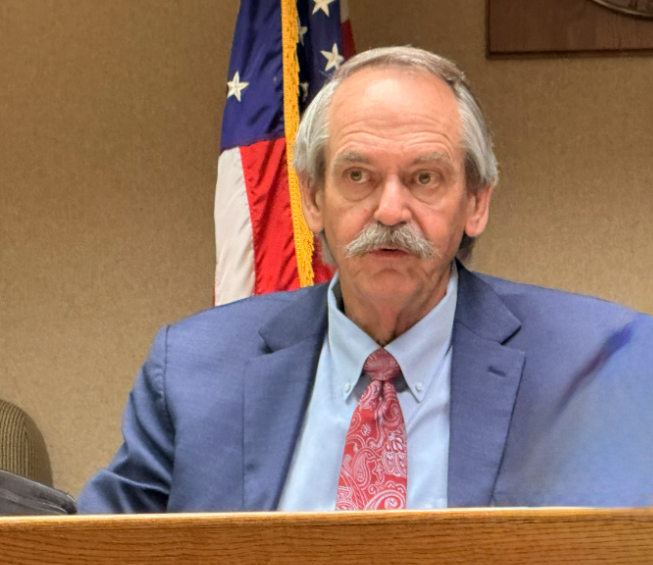
Lam emphasized that producers who invested in water infrastructure earlier are now better positioned. "If you drilled a well or put in a tank and had water or cleaned out your pond, you captured water last summer before the drought really started," he said. Because of that preparation, he noted, "We've seen the number of applications go down a little bit" in recent rounds, even as the current drought expands across south-central, southwestern, northwestern, and northeastern Oklahoma.
When asked whether additional money is coming, Lam said the remaining $16.1 million is essentially rolling over. "It was set aside by the legislature to be available to the emergency drought committee," he said, adding that the intent was to have resources ready even when lawmakers are not in session. Given current conditions, Lam noted, "We're going to use everything that is in reserve," with future funding decisions left to lawmakers.
Lam also stressed the importance of moving toward a more permanent, proactive drought assistance program rather than reacting only when conditions become critical. He explained that conservation districts often face a flood of applications during drought emergencies, even though many districts have just one staff member handling site visits, paperwork, and inspections. "If you wait until you're out of water, you have to start hauling water, move your cattle, or sell your cattle," Lam said. He added that spreading projects out over both wet and dry periods could ease pressure on contractors like water-well drillers and help producers stay ahead of future droughts, ultimately "preventing liquidation of the cattle herd."
Lam also offered guidance for applicants and stressed the need for long-term planning. Producers should consider where water gaps exist, because "we don't really want to put two water supplies in the same pasture," he said, while also warning about long waits for water-well drillers. Ultimately, Lam said the goal is a more permanent, proactive program: "If you wait until you're out of water, you have to start hauling water, move your cattle, or sell your cattle." Spreading projects across wet and dry periods, he added, could "prevent liquidation of the cattle herd" in future droughts.
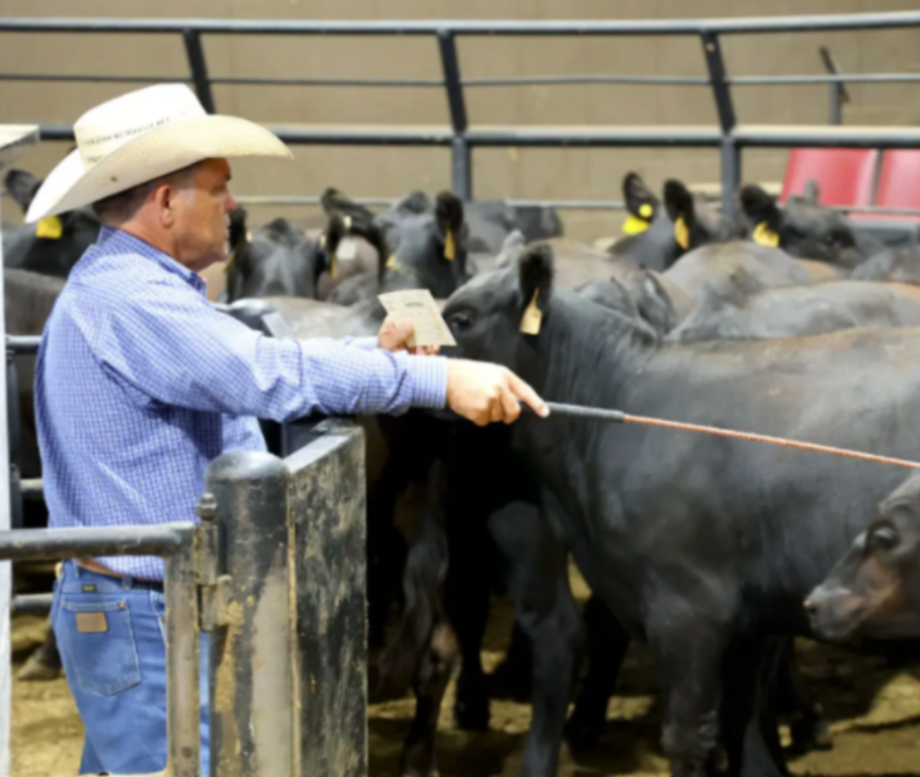
On Tuesdays, Senior Farm and Ranch Broadcaster Ron Hays visits with Ben Hale of Western Livestock Auctions as he talks about the latest in the markets and more. Established in 1995, Western has grown into a multi-generational family-owned and operated business and stands as a symbol of tradition, excellence, and a deep-rooted passion for the cattle industry. Western Livestock Auctions operates the Western Livestock Commission Firm, which sells cattle on Mondays and Tuesdays. They also operate the livestock auction markets in Woodward, Comanche, Waurika, and Knoxville, Iowa.
Hale noted stronger receipts compared to last year. He said there were "6,200 head today compared to 4,200" a year ago, calling the market a "mixed bag." Feeder cattle were described as "steady to three lower," while front-end feeders were "fully steady, if not a little higher." Calves remained "very, very active and higher," making for what Hale called a "strong, strong market on all classes."
Weather continues to influence producer decisions, with strong winds and dry conditions weighing on sentiment. Still, Hale pointed to recent snow, sleet, and spotty rain, saying it's "unbelievable how much that wheat has changed in a short period of time." With forecast chances of moisture ahead, he expressed optimism that conditions could improve, helping wheat and early grass and potentially easing some market pressure.
That moisture, Hale said, would only intensify what he called "green grass fever," which he believes is already underway. Supported by a firm fat cattle market and solid fundamentals, he noted moisture would help "scatter these cattle out where they're not all bunched up," benefiting the broader industry. Buyer and seller attitudes remain positive, though Hale acknowledged some bankers are uneasy with rising costs. Even so, he emphasized, "these dollars per head are good," citing heavy bred cows bringing "$3,800 to $4,300" and younger pairs reaching "$5,000 to $6,000."
Looking ahead, Hale outlined active sales across the state, including upcoming runs at Comanche,Waurika, Woodward, and a return to Oklahoma City. He encouraged producers to reach out, saying, "We'd sure like the opportunity to work for you."
Hale can be contacted at 940-631-2333. Check out more about the marketing options that Western offers by clicking here.

The office of Congressman Josh Brecheen is now accepting submissions for the Congressional Art Competition.Each spring, Members of the House of Representatives host a nationwide high school art competition to recognize and encourage artistic talent across our nation. The theme for this year's completion is "Celebrating 250 years of America."Students' artwork and accompanying registration forms must be received in our Claremore office by 5:00pm Central on April 17th, 2026. Submissions may be mailed to or dropped off at:The Honorable Josh Brecheen223 W Patti Page BlvdClaremore, OK 74017For more information, please click here.

Noble Research Institute (Noble) is now accepting applications for the 2026 Noble Land Stewardship Award, a national recognition honoring farmers, ranchers and landowners leading the way in regenerative land management. Applications will be accepted through May 29, 2026, with the winner announced this summer.
The "Keeper of the Land" bronze sculpture, created by Oklahoma artist John David Rule, is awarded annually to the Noble Land Stewardship Award recipient. The sculpture recognizes the power of the grazing animal to restore and build the land. Photo credit: Rob Mattson/Noble Research Institute
The Noble Land Stewardship Award recognizes those advancing the health of their soil, water and wildlife habitat through principled management of U.S. grazing lands. By encouraging these leaders to share their experiences, the award aims to broaden conversations around sustainable land use and inspire others inside and outside the agricultural community.
The award was established to advance Noble's commitment to the nation's grazing lands through stewardship, soil health and keeping farmers and ranchers on the land.
"The award is another way for Noble to serve the men and women actively stewarding our nation's grasslands through livestock and grazing management," said Steve Rhines, president and CEO of Noble Research Institute. "We look forward to recognizing another outstanding land steward who cares for the land and its resources, strengthens our rural communities and contributes to our domestic food production."
The inaugural award was presented to G Bar C Ranch, including the Ellis family, their ranch assistant and ranch manager, at Noble's first annual Roots & Revelry event in October 2025. The ranch was recognized for transforming 3,000 acres into a model of biodiversity and sustainable cattle production, cataloging over 660 species of plants, animals, birds, lichens and other ecological communities within their working lands.
Recipients of the Noble Land Stewardship Award receive a bronze sculpture entitled "Keeper of the Land" — created by Oklahoma artist John David Rule — as well as a cash prize. The 2026 winner will also be formally recognized at the second annual Roots & Revelry event, hosted by Noble Research Institute this October.
Noble Research Institute was founded in 1945 by Lloyd Noble, an entrepreneur who witnessed the devastation of the Dust Bowl and believed that healthy soil is the foundation of a healthy nation. Now in its 80th year, the institute's focus on farmers, ranchers and grazing landowners continues, serving these essential men, women and families through education, research, demonstration, policy and producer recognition.
To apply for the 2026 Noble Land Stewardship Award or to learn more about the program, visit www.noble.org/roots-and-revelry/noble-land-stewardship-award. Applications must be submitted online by May 29, 2026.
About Noble Research Institute
Noble Research Institute is the nation's largest nonprofit dedicated to farm and ranch management and has been a leading, trusted resource in agriculture since 1945. The organization serves agricultural producers with education, research and consultation on regenerating soil health to improve their land, livestock and livelihood. Demonstrating its ongoing commitment to restoring U.S. grazing lands, Noble actively manages 13,500 acres of working ranchlands to provide real-world insights and applications for farmers and ranchers.
For more information about Noble Research Institute, visit www.noble.org.
The Cattlemen's Beef Board (CBB) has released its 2025 Impact Report. This report follows an updated format introduced in 2024, including the CBB's annual financial statement and Beef Checkoff program evaluations all in one document.
"Even in a period of historically tight cattle supplies and higher retail prices, consumers continue choosing beef," said Ryan Moorhouse, 2025 CBB chair. "That sustained demand doesn't happen by chance. It reflects decades of strategic investment through the Beef Checkoff to promote beef, build consumer trust and reinforce its value in a competitive protein marketplace. The 2025 Impact Report highlights the measurable results of that work and the return it delivers to producers."
The 2025 Impact Report provides a comprehensive overview of the FY25 Authorization Requests supported by the Beef Checkoff across its six program areas: Promotion, Research, Consumer Information, Industry Information, Foreign Marketing and Producer Communications. For each Authorization Request, the report details the responsible contractors and subcontractors, allocated budgets, program objectives and documented outcomes. It also outlines specific tactics, progress toward defined performance goals, key insights gained and measures of efficiency. Together, this information offers beef industry stakeholders a transparent, results-driven view of how Checkoff investments are being put to work.
Colorful graphics provide interesting data about producer attitudes on the Beef Checkoff, as well as current consumer trends and behaviors. Easy-to-scan QR codes quickly link to online resources about the CBB and the Beef Checkoff, including organizational structure, audited financials, governing documents, contractors, webinars, meetings and events, and the award-winning producer newsletter, The Drive.
Readers of the Impact Report will also find results from an independent review conducted by Agralytica Consulting in 2025. The firm assessed the breadth and depth of Checkoff-funded nutrition research and evaluated how effectively those findings are communicated to consumers. Additionally, Agralytica examined the research design, data management and application processes used in the Consumer Market Research and Meat Demand Monitor programs to ensure they meet high standards of rigor and relevance.
"I encourage anyone who wants a deeper understanding of how the Beef Checkoff is working on behalf of producers and importers to spend time with the 2025 Impact Report," said Greg Hanes, CEO of the Cattlemen's Beef Board. "It offers a clear, data-driven look at the programs and partnerships advancing beef promotion, research and education, while also identifying insights that will help guide our work in the years ahead. The Checkoff's success is built on collaboration, and this report underscores the essential role it plays in strengthening beef demand and keeping beef the protein of choice."
For more information about the Beef Checkoff and its programs, including promotion, research, foreign marketing, industry information, consumer information and safety, contact the Cattlemen's Beef Board at 303-220-9890 or visit DrivingDemandForBeef.com.
ABOUT THE BEEF CHECKOFF
The Beef Checkoff Program was established as part of the 1985 Farm Bill. The Checkoff assesses $1 per head on the sale of live domestic and imported cattle, in addition to a comparable assessment on imported beef and beef products. States may retain up to 50 cents on the dollar and forward the other 50 cents per head to the Cattlemen's Beef Promotion and Research Board, which administers the national Checkoff program, subject to USDA approval.CLICK TO DOWNLOAD THIS NEWS RELEASE AS A WORD DOCUMENT
At a Drought Commission meeting, Oklahoma State Climatologist Gary McManus sat down with KC Sheperd to lay out just how serious current drought conditions have become across the state. McManus was direct about the situation, saying, "Yes, we are very much in a drought, and we're probably going to be in a drought for a while," adding that it was important the commission reconvened now as conditions worsen.
McManus explained that Oklahoma briefly caught a break last summer, but that relief didn't last. "We had a good three to four months of very little drought," he said, before conditions shifted rapidly. According to McManus, "Concern started early in the fall... a very warm period, a very dry fall, and then an even drier winter," with temperatures staying above normal since August—an unhealthy combination that has accelerated drought development.
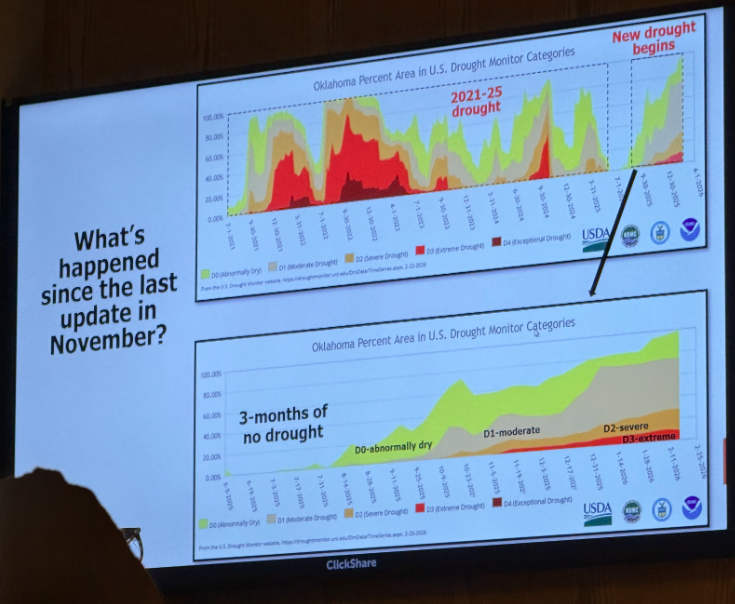
As part of his presentation to the commission, McManus outlined extreme dryness across multiple regions. He noted that northwest Oklahoma has gone "three months or more without a quarter inch of rain in a single day," while northeast Oklahoma has experienced its "driest [90-day] period on record." Statewide, McManus said the last three months rank as "the second driest over that 90-day period," an alarming statistic for mid-winter.
The conversation also turned to soil moisture, which had held up better earlier in the season. McManus said, "At least the topsoil... has been replenished" thanks to late-January snow and ice, but warned deeper soil layers are in rough shape. "When you get below... two to three feet, it's pretty bad over a good portion of the state," he explained, adding that warming temperatures and wind will cause surface moisture to "deteriorate rapidly."
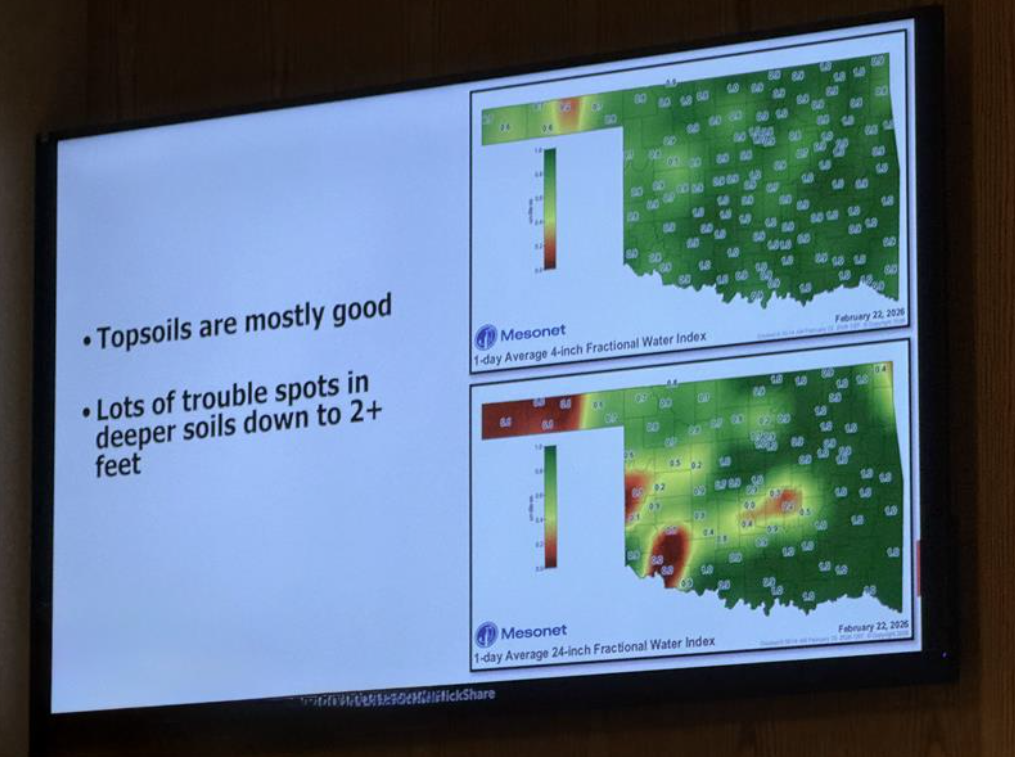
When asked about any potential relief, McManus offered cautious optimism. "There's a chance for rain next week, but it's not like it's a done deal," he said, comparing Oklahoma weather forecasts to "looking at the old Sears catalog" and ending up disappointed. Meanwhile, fire danger remains extreme. "The soil moisture and the fuel load is worse because of the drought," McManus warned, emphasizing that even moderate fire weather conditions now pose "a very serious, critical fire danger."
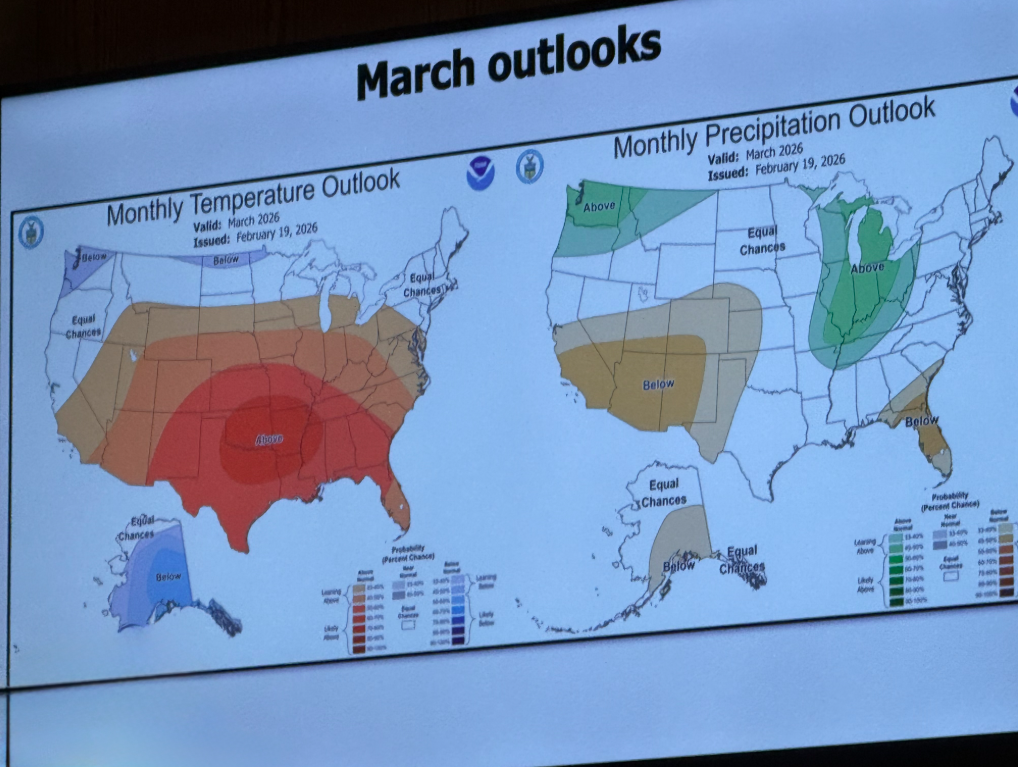
The Ag Carbon Transparent Project, announced last summer by the National Corn Growers Association and Ag Data Transparent, today released its Transparency Principles for Ag Carbon with growing industry support as the group works to bring clarity to farmers interested in carbon programs.
Farmers, industry leaders, and carbon program experts collaborated to develop a set of transparency principles and a program contract verification process for agricultural carbon programs, designed to bring clarity, comparability, and trust to a complex and rapidly evolving market.
"Collaborating with Ag Data Transparent and a broad cross-section of industry partners has been critical to building Ag Carbon Transparent in a way that is practical, credible and farmer-focused," said Sean Arians, NCGA vice president of Sustainable Production and Value Chain Engagement. "We are delighted that industry leaders are stepping forward to support these principles, indicating their commitment to transparency."
Based on this unified set of transparency principles and a third‑party contract verification process, Ag Carbon Transparent will help farmers understand what they are signing, what assets are being created and sold, and clearly identify payment terms and future obligations while giving carbon programs a credible way to demonstrate integrity. Farmers will also benefit from understanding the critical areas of carbon programs that require the most due diligence.
In alignment with ADT's mission, this project aims to bring the same level of transparency, simplicity and trust to carbon initiatives that ADT has successfully delivered in the agricultural data sector. The Ag Carbon Transparent contract verification is now available for carbon programs to complete and for farmers to review. Indigo and the Bayer Carbon Program will be the first carbon programs to complete this verification process. Companies completing this verification will receive the Ag Carbon Transparent Seal that they can use to promote their alignment and membership with ADT data and carbon principles.
"Momentum is building and it is important for agriculture industry organizations and carbon program providers to join this coalition supporting transparency, integrity, and farmer‑first carbon opportunities," said Todd Janzen, partner with Janzen Schroeder Ag Law and ADT administrator. "As we know through starting ADT a decade ago, farmers want to be confident in decisions around their data and programs that could impact their farms for generations."
Read the Transparency Principles for Ag Carbon here.
If your industry organization or business would like to sign on to these principles to show support for simplicity, transparency, and trust in carbon markets for agriculture or if you are a carbon program that wants to begin the process of having your contract verified, take the first step by reaching out to Todd Janzen at janzen@agdatatransparent.com
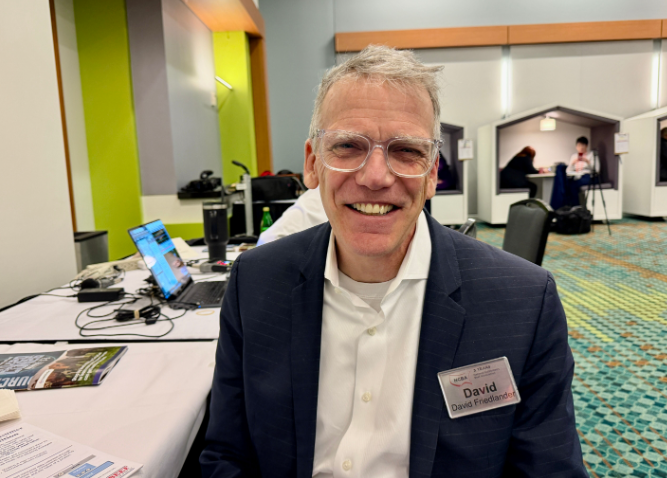
In today's beef buzz, senior farm and ranch broadcaster Ron Hays speaks with David Freelander, Senior Director of Market Research for the National Cattlemen's Beef Association, about how rapidly today's beef consumer is changing. Freelander says the pace of change has been striking, noting, "In the three years I've been here, it's remarkable just to see how quickly those consumers are changing." He adds that having real-time insight allows the beef industry to respond quickly and "actually lead the conversation."
When asked to define today's beef consumer, Freelander says there really is no single profile. "The typical consumer... is the million dollar question, because there is no typical," he explains. Research shows beef performing well across all generations, from Gen Z to Baby Boomers, with each group valuing beef for different reasons tied to health, independence, and quality of life.
Freelander says younger consumers are especially encouraging, but they come with specific expectations. "This group is really looking for that convenience and versatility and that price, that value that they're purchasing," he says. Younger buyers want meals that are affordable, flexible, and easy to prepare, often gravitating toward simple dishes like ground beef meals that stretch the food dollar without complicated recipes.
To meet those needs, Freelander points to practical tools developed by the beef checkoff. "Our team works so hard on beefitswhatsfordinner.com as a source for recipes," he notes, explaining that consumers can search by ingredients, time, and skill level, with step-by-step instructions and videos. He adds, "We know that this group, they love to see those videos," making visual and social content a key part of the strategy.
Freelander also highlights the importance of the Millennial mom, describing sustainability and community as major drivers. "They want to make sure that their kids are getting a good, nutritious meal," he says, while also supporting farm families and future generations. Telling the producer story resonates strongly, and Freelander says, "If we can tell the story of our producers, they want to be a part of that," a message that continues to show positive results for beef demand.
Coverage of CattleCon26 is powered by Farm Data Services of Stillwater, Oklahoma.
The Beef Buzz is a regular feature heard on radio stations around the region on the Radio Oklahoma Ag Network and is a regular audio feature found on this website as well. Click on the LISTEN BAR for today's show and check out our archives for older Beef Buzz shows covering the gamut of the beef cattle industry today.
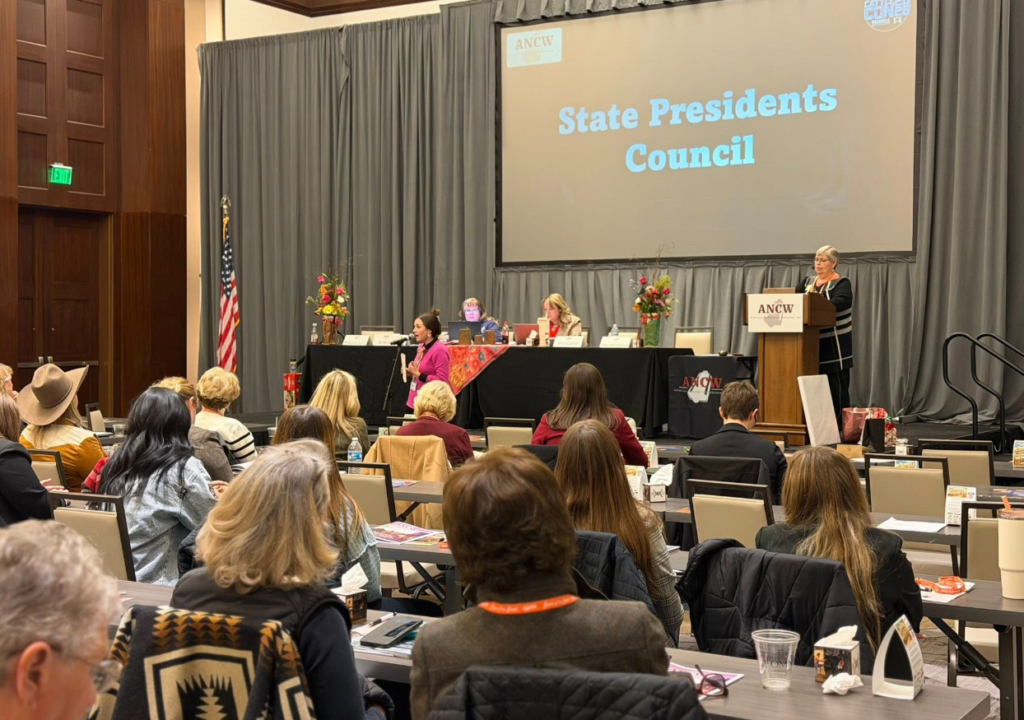
Amarie Bartel, president of the Oklahoma CattleWomen's Association, recently spoke with associate farm reporter Carli Davenport following the group's return from CattleCon and the American National CattleWomen meeting in Nashville. Bartel said the event was a standout moment for Oklahoma members, calling it "really a proud time to be an Oklahoma cattlewoman," as several leaders were recognized on the national stage.
Bartel highlighted three major honors earned by Oklahoma women, noting that immediate past president Connie Tabor was named the American National CattleWomen Cattlewoman of the Year. "This only goes to one lady from the entire country, and we are so proud of Connie in that award," Bartel said. She added that Cheyenne Sparks was elected vice president of the American National CattleWomen, while Dr. Cheryl DeVuyst was selected to serve as Cattlemen's Beef Board chairman. "We are extremely proud of all three of those women and their impactful contributions to our industry on the national stage," she said.
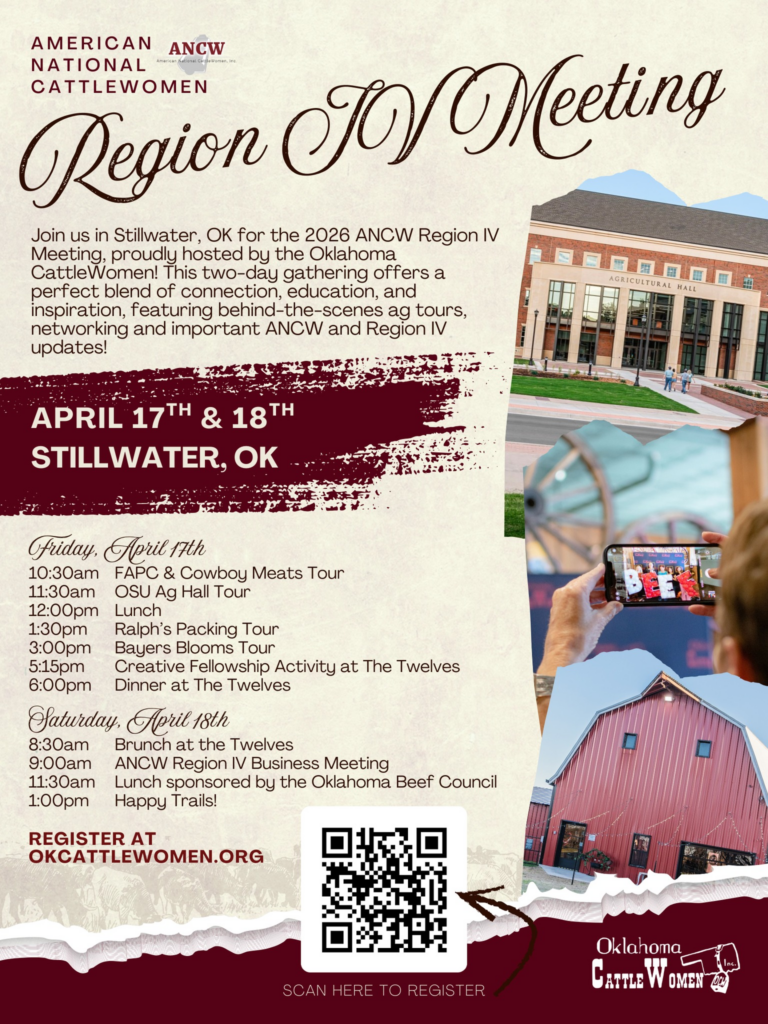
Looking ahead, Bartel discussed Oklahoma's role in hosting the Region IV meeting for American National CattleWomen this spring in Stillwater. "This year is Oklahoma's turn to host," she explained, adding that the two-day event will include agricultural tours, OSU activities, and visits to agritourism destinations. Bartel emphasized the fellowship aspect of the meeting, saying it's a chance "to show off Oklahoma and our excellence" before members shift to business discussions representing the region.
Bartel also encouraged listeners to attend even if they are not currently members. "This is not just for members," she said, explaining that anyone interested can register through the Oklahoma CattleWomen's Association website, with events scheduled for April 17 and 18. "Hopefully by the end, we can convince you that you should certainly join this wonderful group of ladies," Bartel added.
In addition to the regional meeting, Bartel outlined a full slate of upcoming activities, including the association's new "Behind the Gate" tour series. "We are taking a peek behind the curtain... to aspects of our industry where maybe women don't get to spend as much time," she said. The tours will cover livestock marketing, stocker and feeder operations, processing facilities, and pasture-to-plate experiences. Bartel noted that all events are open to members and non-members alike, saying, "We encourage everyone to join us."
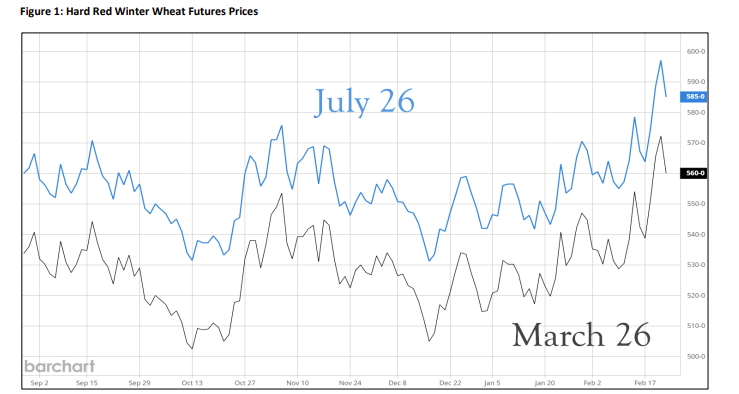
2026 Crop Outlook: New Tariffs and Biofuel Mandates Shake Wheat and Soybean MarketsThe final week of February 2026 has introduced a wave of volatility across agricultural markets, driven by a landmark Supreme Court ruling and a sudden shift in federal trade policy. According to Dr. Todd Hubbs, crop marketing specialist at Oklahoma State University, the intersection of legal battles, weather speculation, and aggressive biofuel mandates is creating a complex landscape for regional producers.
The primary catalyst for recent market jitters was a Supreme Court ruling against the administration's previous tariff policy. In a swift response, the administration levied a new 15 percent tariff on all imports over the weekend, a move that has sparked immediate debate over its legality.
"Overall impacts are difficult to discern at this point but increases in trade policy uncertainty looks like it will impact global trade for the near future," Hubbs noted. He added that the bilateral trade deals previously negotiated may now be in question under this new regime, leaving the future of these agreements as an "open question" dependent on how the administration reacts to these legal shifts.
Market observers are now pivoting their focus toward export sales reports. Hubbs emphasized that "sales cancellations or lack of buying will influence prices" as the industry gauges the global reaction to these tariffs.
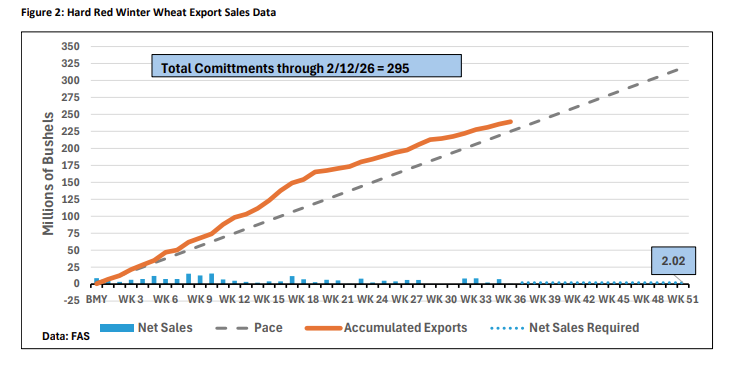
After months of stagnant movement, U.S. wheat prices finally broke out of the range-bound pattern held since November. Hard Red Winter (HRW) wheat futures led the rally, fueled by a combination of technical factors and mounting environmental concerns in the Southern Plains.
Key Drivers for Wheat:
While the March contract saw a weekly gain of 21 cents to close at $5.60, the rally faced some pushback on Monday. "Trade policy uncertainty may weigh on prices as the administration levies various tariffs to replicate the previous tariff regime," Hubbs cautioned.
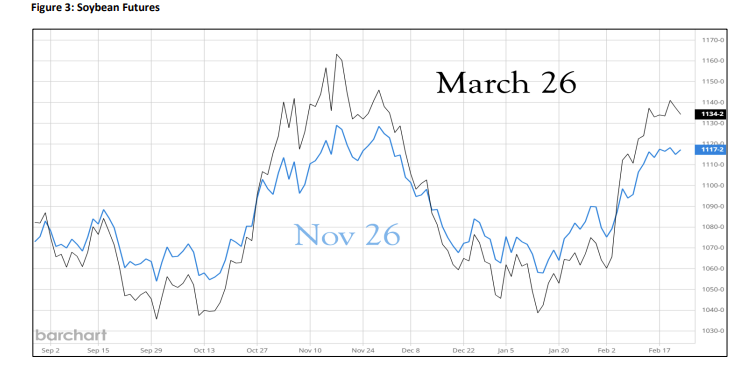
In the soybean complex, the narrative is shifting from international trade to domestic industrial use. While a massive rally was initially sparked by news of potential sales to China, those 8 million metric tons have yet to materialize in the official data.
Instead, price strength is currently originating from the domestic crush sector. Soybean oil prices have surged toward 60 cents per pound, driven by rumors of aggressive new Renewable Volume Obligation (RVO) standards for the 2026-2027 cycle.
"Reports indicate the potential for a strong renewable volume obligation standard for biomass-based diesel in the 2026-2027 policy setting," Hubbs explained. If the EPA finalizes these higher mandates—potentially reaching 7.2 to 7.4 billion gallons—it would create a "very bullish" scenario for fats and vegetable oils.
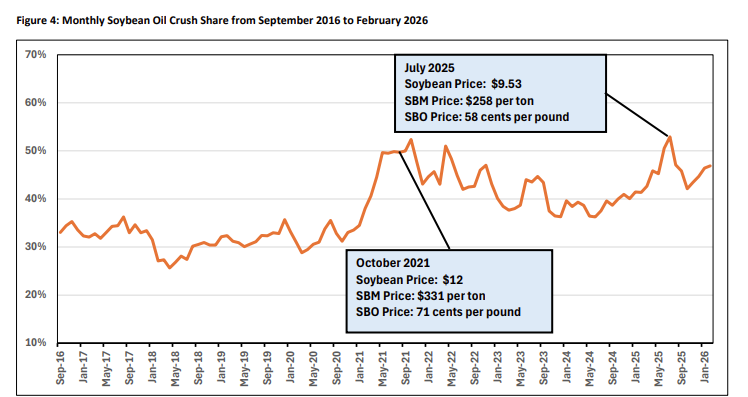
Oklahoma Soybean Market Snapshot:
Despite the domestic strength, Hubbs warned that a sustained rally may be limited by international competition. Brazilian production remains high, and their port prices are significantly lower than U.S. export prices. "Soybean exports look unlikely to hit USDA's 1,575 million bushel forecast unless China does show up to buy the additional 8 million metric tons," Hubbs stated.
Today,U.S. Senator Markwayne Mullin (R-OK), shared the following statement in advance of President Donald J. Trump's highly anticipated State of the Union address tomorrow night at 8 p.m. CT / 9 p.m. ET. Senator Mullin's guest for the speech will be his loving wife of 28 years, Mrs. Christie Mullin.
"There's no doubt that under unified Republican leadership, the state of our union is safer and more prosperous," said Senator Mullin. "One year in, American families are quickly benefitting from safer streets and more money in their pockets. Oklahomans are seeing historically low gas prices and growing paychecks, all while benefiting from the largest tax cut in U.S. history. In a matter of months, President Trump also delivered the most secure southern border in American history—without a single change in U.S. law. It turns out, all we needed was a new president. My wife, Christie and I look forward to attending the speech to celebrate some of America's biggest victories since President Trump's return to office and hear his vision for the next three years. It's a tremendous privilege to serve the great people of Oklahoma, and as a kid from Westville, I'm humbled to attend this historic event."
Background:

U.S. Environmental Protection Agency (EPA) today finalized a rule adding sodium perfluorohexanesulfonate (PFHxS-Na) to the Toxics Release Inventory (TRI). The TRI is a tool that tracks and shares information about chemical releases and pollution prevention activities by factories and other facilities.
Under this rule, businesses in covered industries must begin tracking and reporting any use or release of PFHxS-Na, a well-studied PFAS chemical. The first reporting period began January 1, 2026 and the first reports will be due to EPA by July 1, 2027. Because PFHxS-Na is classified as a chemical of special concern it is subject to a lower reporting threshold, in this case 100 lbs.
"This addition ensures communities have the right to know what chemicals are being used and released in their neighborhoods," said EPA Assissitant Administrator for Chemical Safety and Pollution Prevention Doug Troutman. "Transparency is a critical step toward protecting public health and the environment and holding polluters accountable."
PFHxS-Na is the latest PFAS chemical added to the TRI under a process established by Congress in the 2020 National Defense Authorization Act (NDAA), which directs EPA to automatically include new PFAS chemicals in the inventory each year. With this action, the number of PFAS substances tracked by TRI rises to 206.
PFAS are a group of man-made chemicals known for their persistence in the environment and the human body. Because they do not break down easily, PFAS can accumulate over time, prompting growing concern about their potential health and environmental impacts.
The TRI program enables Americans to see how facilities in their area handle toxic chemicals, supporting informed local decision-making and advancing EPA's commitment to environmental transparency.
More information for businesses and the public is available on the Reporting for TRI Facilities webpage.
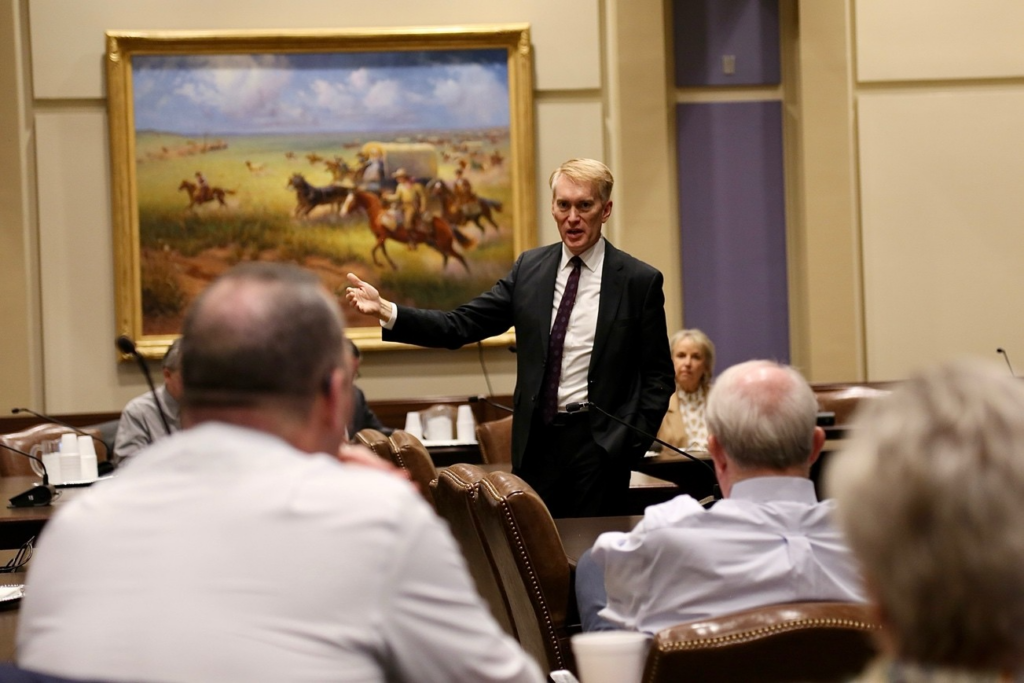
US Senator James Lankford (R-OK) spent last week traveling across Oklahoma, meeting with working families, first responders, veterans, and business leaders to discuss how the Working Families Tax Cut Act lowers taxes, supports job creation, and helps Oklahomans keep more of what they earn while supporting Oklahoma jobs and families.
"The Working Families Tax Cut Act is about the people who get up every day, go to work, and take care of their families," said Lankford. "Being back in Oklahoma, I spent time with families, workers, veterans, and small business owners, listening and answering their questions. This law rewards hard work, supports small businesses, and helps families keep more of what they earn."
Watonga | Blaine County
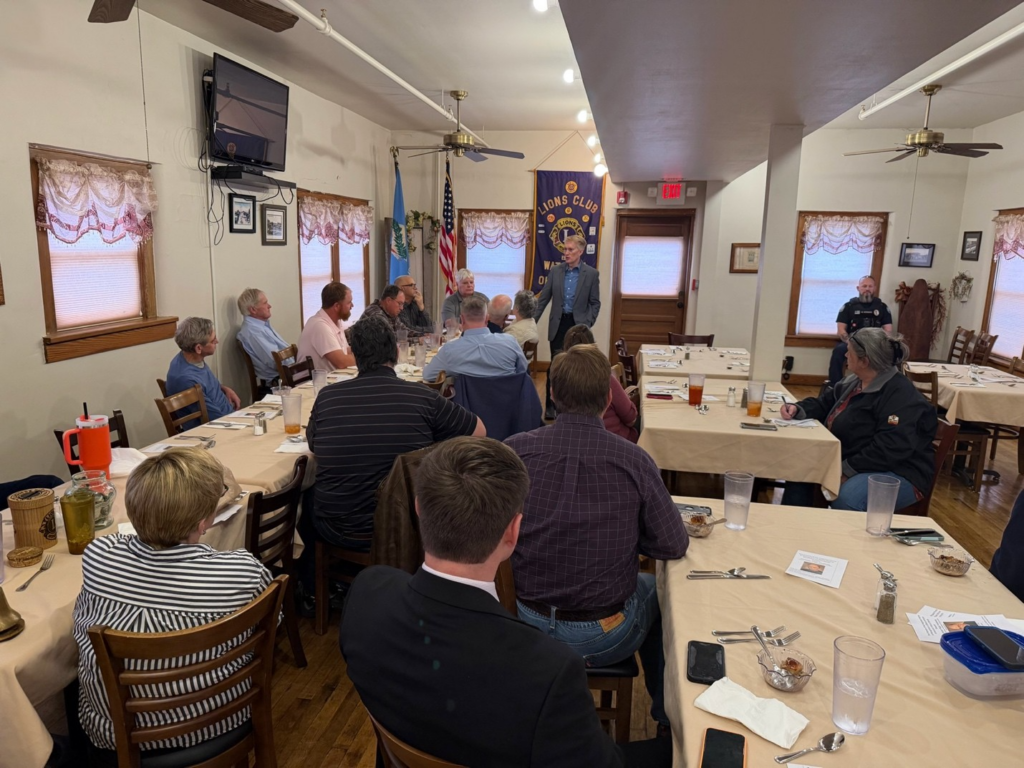
Lankford visited Watonga, Oklahoma, to discuss how pro-growth tax policy supports rural communities. Click here for video from Watonga.
Oklahoma City | OEMA Conference
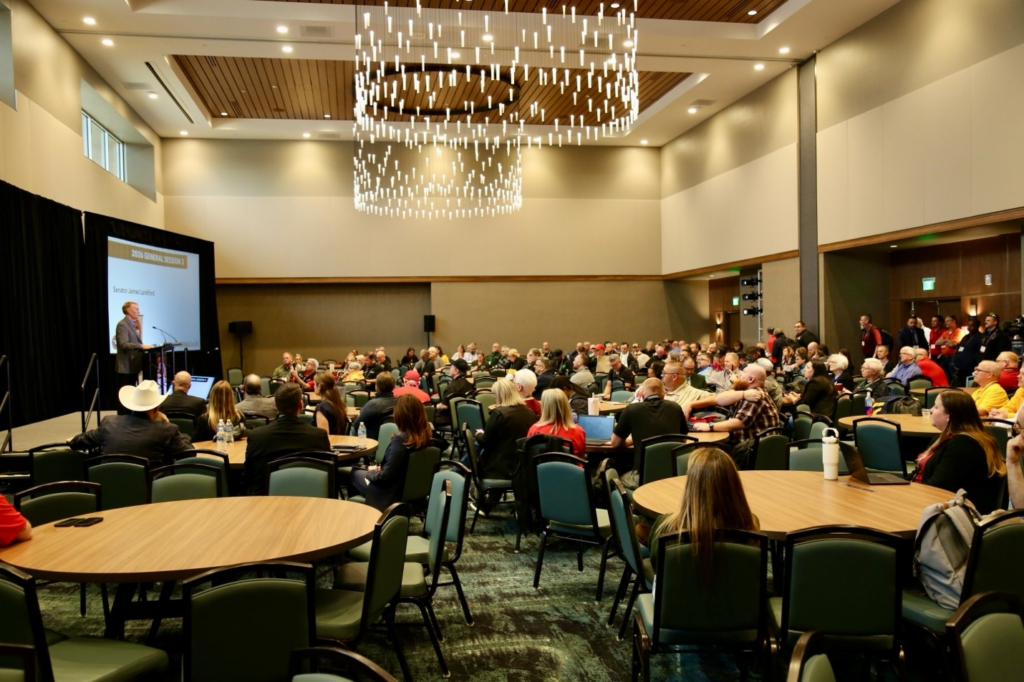
Lankford spoke at the Oklahoma Emergency Management Association Conference, highlighting how tax relief supports first responders and strengthens community preparedness.
Del City | Gerrity Chapter

On Tuesday evening, Lankford toured the Air Force Association Gerrity Chapter with President Tim Frisby at the American Legion and VFW in Del City. The visit focused on veterans, military families, and the Tinker Air Force Base community.
Lawton | Public Safety Facility
Lankford toured the Lawton Public Safety Center with Deputy Chief Will Hines and local first responders. Discussions focused on public safety, local investment, and honoring the legacy of Lawton Police Chief James Smith.
Lawton | Business Leaders
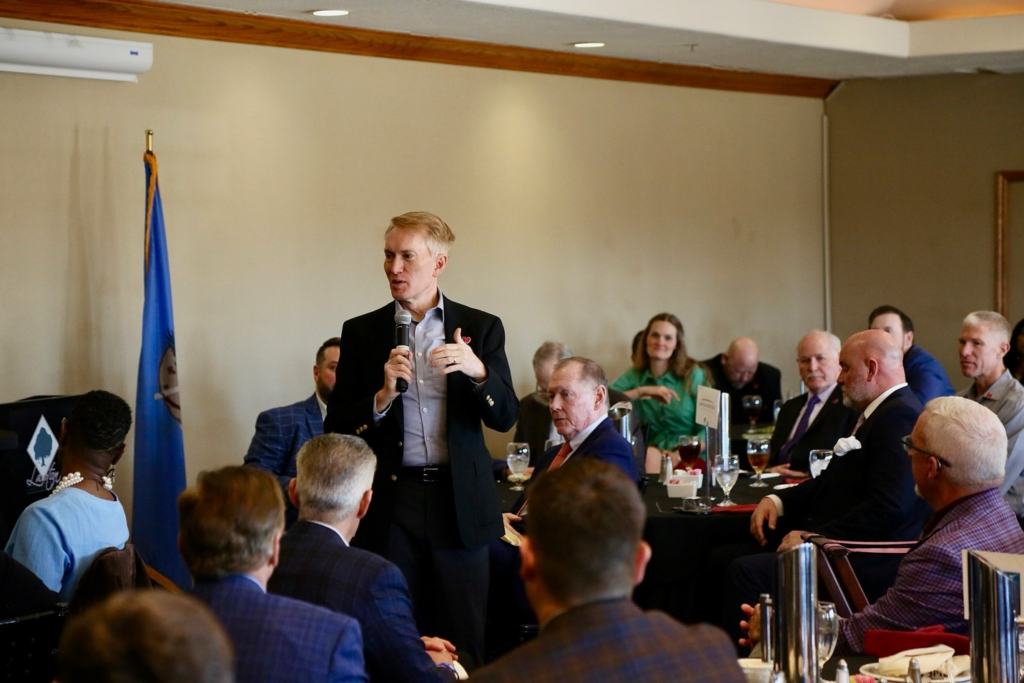
Lankford met with the Lawton Fort Sill Chamber of Commerce and the Lawton Economic Development Board to discuss how the Working Families Tax Cut Act supports small businesses and job growth. Click here for an interview with KSWO, Lawton.
Tulsa | Regional Chamber
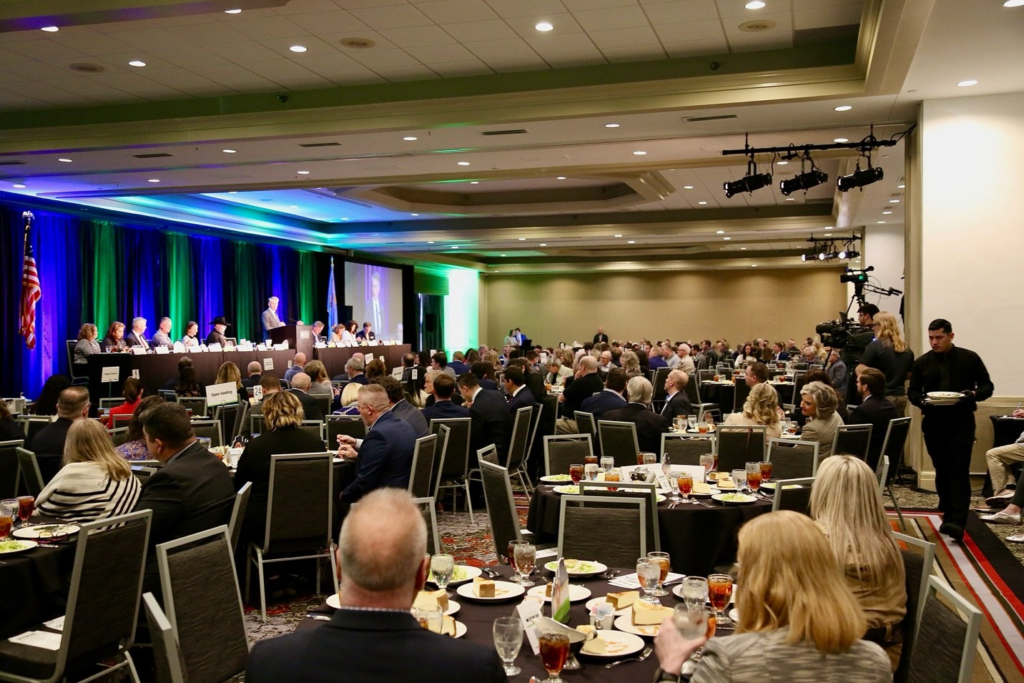
Lankford spoke to more than 250 business leaders at the Tulsa Regional Chamber, kicking off the Chamber's first Congressional Forum of 2026 and outlining how the Working Families Tax Cut Act helps families and employers succeed.
Background
Lankford consistently warned that allowing the 2017 tax relief provisions to expire would have meant higher taxes and less certainty for Oklahoma families and small businesses.
Without action from Congress, Oklahoma would have faced:
You can learn more about the Working Families Tax Cut Act HERE, and Lankford's work in the landmark legislation HERE.

Eunchun Park writes in Southern Ag Today: Generally, the cattle market follows a clear pattern. Tighter supplies lead to higher prices. Currently, the U.S. cattle herd is at its lowest level in decades. This scarcity supports strong market prices.
However, the recent emergence of the New World Screwworm (NWS) has created significant uncertainty. Since late 2025, concerns about the pest spreading from the south have introduced a risk premium into the market. As a result, the market faces two opposing forces. The first is the reality of tight physical supplies. The second is the anxiety regarding live cattle trade restrictions and dealing with an occurrence.
Headline Risk in Action
That tension reached a breaking point on Friday, January 16, 2026, which offered a clear case study of how headline risk can temporarily disrupt market fundamentals.
Unverified rumors circulated that NWS had been detected in Texas or New Mexico. The reaction in the futures market was immediate. Feeder cattle futures opened near $364.60. As the rumors spread, algorithmic trading and panic selling accelerated. This drove prices down to a low of $355.30. In just a few hours, the market lost nearly $10 per hundredweight. This move approached "limit down" territory.
Trading volume surged alongside the price drop, confirming that there was a broad "rush for the exits." However, the market collected itself later in the day and closed at $356.15, recovering part of the intraday loss.
To support the cause of this crash, Figure 1 presents an analysis of intraday market data alongside online search trends. This comparison maps the timing of the price drop against Google Search intensity for terms related to the outbreak. The data reveals a direct link. As search volume for "NWS rumors" spiked (shown in the orange area of Figure 1), trading volume exploded, and prices collapsed. This data supports the hypothesis that the sell-off was driven by information flow and psychology, not by a sudden change in the physical cattle trade.
Navigating the Noise
For producers, January 16 highlights a critical difference between futures and cash markets. Futures respond instantly to headlines. An occurrence would likely cause short-term futures market volatility and lower prices. Cash markets respond to physical reality. Rising production costs due to a sustained outbreak would lead to tighter supplies in the longer term but, little immediate fundamental market changes. When a frightening story hits the news, the futures board turns red immediately. It prices in worst-case scenarios. At the same time, buyers at the sale barn still need cattle to fill orders. Therefore, cash prices often remain steadier.
This disconnect creates a dangerous trap. Selling futures or locking in prices during the peak of a rumor-driven crash is equivalent to accepting a panic discount. The January 16 episode suggests that patience is often the best risk management tool in these moments. Allowing liquidity to stabilize after a headline shock can preserve meaningful value.
In a market shaped by both supply tightness and disease fear, traditional fixed-price hedging can be double-edged. It protects against sharp drops but limits participation in rallies driven by scarcity. More flexible tools such as Livestock Risk Protection (LRP) insurance or put options may offer a better balance in 2026. These strategies provide protection against a true outbreak. They also preserve the ability to benefit when rumors fade and fundamentals reassert themselves.
Conclusion
The New World Screwworm is a serious biological threat that warrants vigilance. For producers, however, the more immediate challenge is market volatility. The fundamentals of the cattle cycle have not changed. Supply remains tight.
The winners in 2026 are unlikely to be those who correctly predict the next headline. They will be those who build marketing plans resilient enough to withstand the sudden swings of a nervous market.
Figure 1. Intraday market shock on Jan 16, 2026.
The red bar in the top chart shows the massive price drop (approx. $9.30) from the market open to the daily low. The bottom chart shows Google search interest for rumors (orange area) and trading volume (green line) spiking simultaneously. This confirms the crash was driven by news headlines rather than market fundamentals.
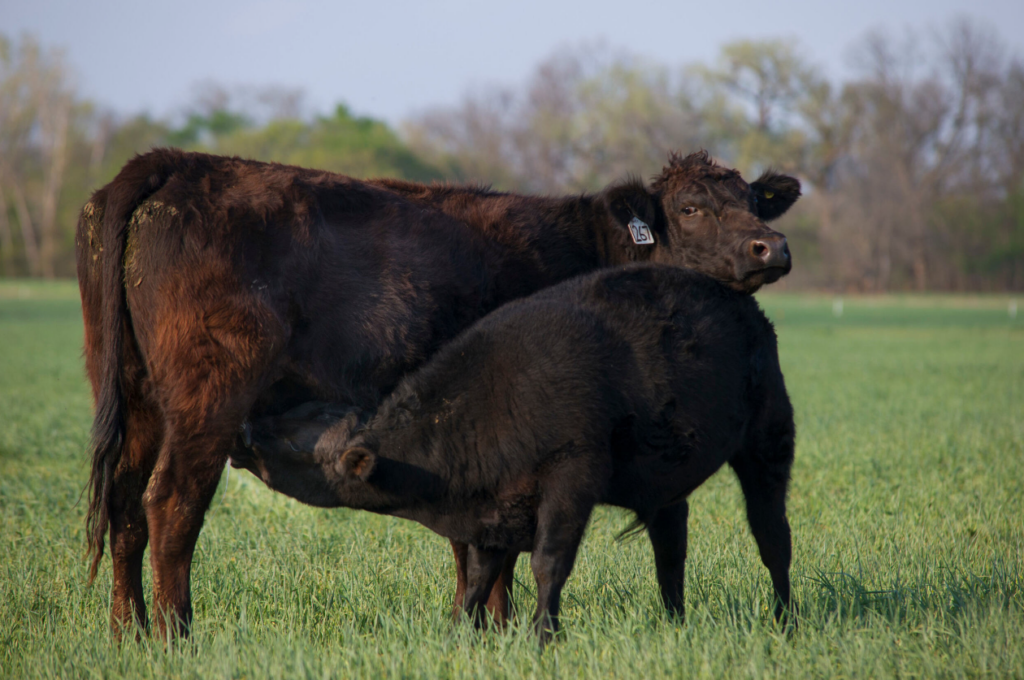
The gestational length of cows is commonly believed to be 283 days. The topic of gestation length often comes up among cattle breeders during calving season. These conversations often pertain to calving artificially inseminated cows or recips carrying embryo transfer calves because exact breeding, implant and expected calving dates are known. It is the observation of many that we have shortened the gestation length of modern beef cattle over the generations.
An article from the Journal of Animal Science in 1952 reported significant differences in the average gestation length of Angus (281.7 days), Hereford (286.1 days) and Shorthorn (284.3 days). Also, bull calves tended to be carried longer, and are heavier at birth, than heifer calves. This study also reported a significant positive relationship between birth weight and gestation length.
A 2024 abstract from the Journal of Animal Science analyzed a total of 10,037 records obtained from reproductive data collected from Fall of 2011 through Spring of 2018, from 14 herds from the Virginia Department of Corrections beef cattle operations and the Virginia Tech Beef Center research herd. Cows used to measure gestation length were all pregnant to artificial insemination (AI) and only pregnancies that resulted in a live birth were included in the dataset. The objective of this study was to perform an analysis to determine gestational length and evaluate cow and calf parameters that influence gestational length of Bos Taurus beef cows. The average age of cows in this study was 5.5 years, with a minimum of 2 years and a maximum of 18 years of age. The average gestation length was 280.2 days. The shortest and longest gestation lengths recorded were 253 days and 300 days, respectively. Gestation length was affected by calving season with a significantly shorter gestation length Fall calvers (279.1 days) than Spring calvers (281.1 days). Calf sex also had an impact on gestation length. Bull calves were gestated almost a day longer (280.8 days) than heifers (279.6 days). Correlation coefficients (r values) were calculated between gestation length and other variables. Cow age (r = 0.2136), calf birth weight (r = 0.3834), calf weaning weight (r = 0.1438) and calf adjusted weaning weights (r = 0.0253) were correlated with gestation length of beef cows. In conclusion, the average gestation length of Bos Taurus beef cows was 280 days, which is shorter than the commonly used 283 days, and it was affected by calving season (fall or spring) and calf sex. Further, while correlations exist among gestation length, cow age and calf traits, these correlations were weak to moderate.
References: https://academic.oup.com/jas/article/102/Supplement_1/2/7617956
https://academic.oup.com/jas/article-abstract/11/1/34/4761198
RON's Dave Lanning has a pre-opening look at today's agricultural Markets.
Click the audio tab below for today's report.
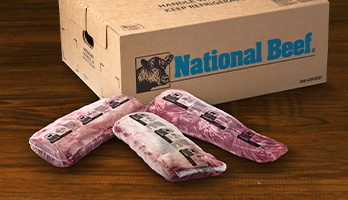
Boxed beef closed higher on Monday, marking the third consecutive daily advance. Choice cutout values rose $2.52 to $369.22, while Select jumped $3.57 to $364.31. The Choice/Select spread narrowed to $4.91, tightening from $5.96 on Friday. Movement totaled 75 loads, down from 106 loads at the end of last week.
Compared to Friday, primal performance was mixed but generally firm. Rib values eased slightly to $502.51 from $502.67, while the chuck increased to $320.28 from $318.51. Round prices strengthened to $336.21 versus $334.45, and the loin posted a solid gain to $480.29 from $474.81. Brisket values improved to $299.37 from $293.01, and the plate edged higher to $267.52 from $266.49. Flank prices were reported at $182, up from $180.14 on Friday.

The Invest in Oklahoma Board convened for its first official meeting, establishing leadership and approving foundational actions to guide the state's investment program.
Board members present included Governor Kevin Stitt, Lt. Governor Matt Pinnell, State Treasurer Todd Russ, President Pro Tempore appointee Zack Hall of Perry, and Speaker appointee Brady Sidwell of Enid.
Governor Stitt opened the meeting by emphasizing the board's responsibility to support Oklahoma businesses while safeguarding taxpayer dollars.
"This is a moment to set a strong foundation for how Oklahoma will support and grow innovative companies and investment activity right here in our state, while ensuring state dollars are invested responsibly," Governor Stitt said. "This board plays a critical role in making sure investment decisions are disciplined, transparent, and aligned with the public interest."
The Invest in Oklahoma program, created by the Legislature in 2021 and strengthened last session, allows a portion of certain state funds to be invested in Oklahoma-based private equity, venture capital, and related opportunities under formal board oversight.
The Governor nominated and the board elected Lt. Governor Pinnell to serve as co-chair.
Treasurer Russ also introduced the program's investment policy, outlining expectations for reasonable yield, safety standards, and eligible investments consistent with statutory authority, including private equity, venture capital, growth equity, and direct equity investments. The board approved the investment policy.
"This program allows us to put Oklahoma's resources to work supporting businesses that create jobs, drive innovation, and grow our economy," Treasurer Russ said. "Our next steps will be reviewing Oklahoma investment proposals and making thoughtful, disciplined decisions that benefit both the state and the communities these companies may serve."
With leadership selected, a fiduciary manager approved, and an investment policy adopted, the Invest in Oklahoma Board is open and ready for business. Invest in Oklahoma will begin reviewing investment proposals under the program's new framework during the next scheduled board meeting.
The push for "Right to Repair" legislation is seeing significant movement both in Oklahoma and across the United States. In a recent discussion with Radio Oklahoma Ag Network Farm Director KC Sheperd, AFR President Scott Blubaugh reported that a dedicated Right to Repair bill passed out of the Oklahoma House Agriculture Committee this last week with a 5-1 vote. The legislation is expected to face a vote from the full House this coming week before moving to the Senate.
Oklahoma's legislative activity mirrors a broader national trend. Blubaugh noted that similar momentum is building in other states:
The core of the "Right to Repair" issue involves access to the software and diagnostic data required to maintain modern farm machinery. Currently, some manufacturers restrict this data, which creates significant hurdles for producers.
"If you're a farmer wanting to do your own repairs and you don't have all of the software and technology to do it, you can't do it," Blubaugh told Sheperd. "Or if you're an independent mechanic, you have the same problem."
He noted that requiring repairs to be handled by authorized dealerships often leads to higher costs and delays due to a shortage of available technicians. While federal court cases may eventually set a national precedent, Blubaugh emphasized that state-level laws provide essential protections for Oklahoma farmers.
Beyond equipment repairs, Sheperd and Blubaugh discussed several other high-priority items currently moving through the legislature:
The Oklahoma Cattlemen's Foundation (OCF) has released the Fire Relief Fund application for cattle producers impacted by recent wildfires across northwest Oklahoma.
The application is intended to help OCF identify the extent of wildfire-related losses and distribute relief funds directly to producers who experienced damage to their cattle operations. Eligible losses include livestock loss or injury, damaged or destroyed infrastructure, fence replacement, lost forage and hay, and increased feed or veterinary costs related to the fires.
"We want to make sure we're reaching producers who were impacted and getting assistance to those who need it most," said Michael Kelsey, Oklahoma Cattlemen's Association Executive Vice President. "This application allows us to better understand the scope of the damage and move forward with distributing relief funds in a equitable and timely way."
All cattle producers impacted by the wildfires are eligible to apply. Landowners incurring fence replacement costs are encouraged to file separately from tenants. Producers are asked to complete the application and include any available documentation to support their claim, such as USDA FSA forms, veterinary receipts or estimates for fence repair and replacement.
Completed applications may be mailed to the Oklahoma Cattlemen's Foundation at 2500 Exchange Ave, Oklahoma City, OK 73108, or emailed to mlayton@okcattlemen.org and mkelsey@okcattlemen.org. The application can be found on the OCA homepage at okcattlemen.org. For questions about the Fire Relief Fund application, contact the OCA office at
405-235-4391.
The Oklahoma Cattlemen's Foundation was founded in 1979 and is funded by personal contributions. The Oklahoma Cattlemen's Association exists to support and defend the state and nation's beef cattle industry. The OCA officers, board of directors and membership encourages you to join us in our advocacy efforts to ensure less government intervention, lower taxes and a better bottom line. For more information about OCA membership or activities visit okcattlemen.org
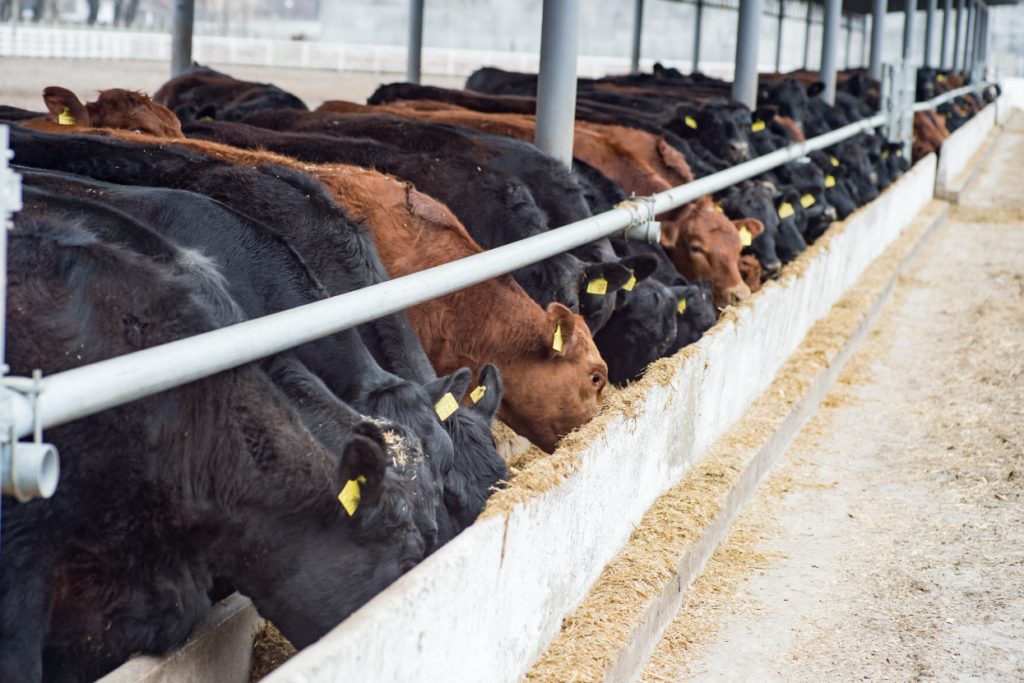
The latest USDA Cattle on Feed report showed feedlot inventories at 11.505 million head on February 1, down 1.8 percent year over year and the fifteenth consecutive month of declining feed inventories. January placements were down 4.7 percent year over year while January marketings were down 13.0 percent compared to last year. January marketings were likely hampered by the winter storm at the end of the month, pushing some January marketing into February. The report was well anticipated and did not contain any surprises for the market.
The February Cattle on Feed report also contains a summary of 2025 and a look at the structure of the cattle feeding industry. A total of 26,082 feedlots are reported in the country with 24,000 of those with less than 1,000 head capacity. Those small feedlots, amounting to 92 percent of all feedlots, only accounted for 12.9 percent of total feedlot marketings last year. Average marketings from those small feedlots was less than 126 head for the year.
A total of 2082 feedlots with more than 1,000 head capacity (included in monthly COF reports) accounted for 87.1 percent of the 23.483 million head of feedlot marketings. Figure 1 shows the size distribution of feedlots with >1,000 head capacity. Figure 1 shows that 60 percent of >1,000 head feedlots have between 1,000 and 4,000 head of capacity. However, Figure 2 shows that these feedlots only account for about nine percent of marketings.
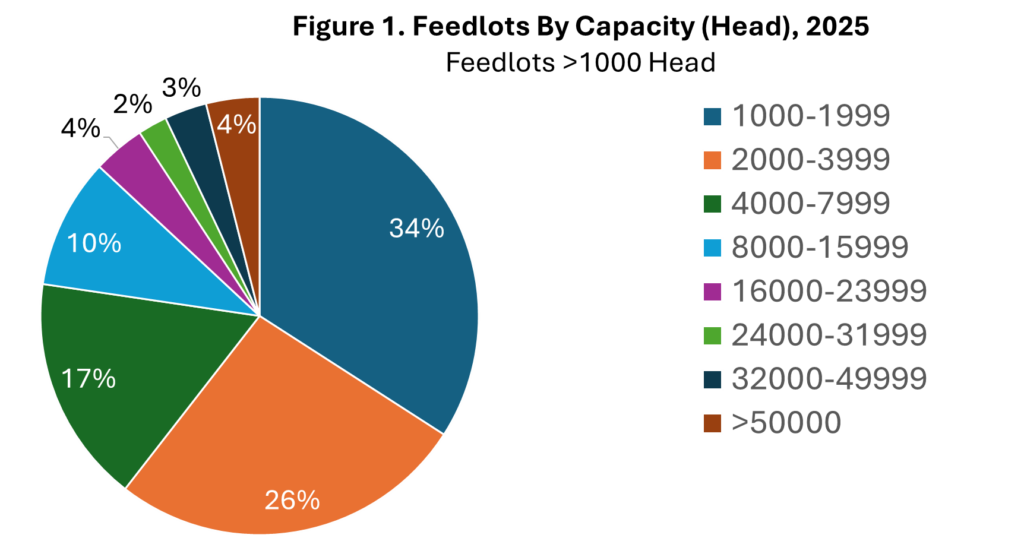
The largest feedlots included four percent with capacity greater than 50,000 head and three percent with capacity between 32,000 and 50,000 head. However, the largest feedlots account for 41 percent of fed cattle marketed along with another 18 percent for the second largest category (Figure 2). Thus, 7.1 percent of the largest feedlots marketed 58.8 percent of fed cattle in 2025. For feedlots >50,000 head capacity, 82 feedlots marketed 8.39 million head, or average marketings per feedlot of 102,317 head in 2025.
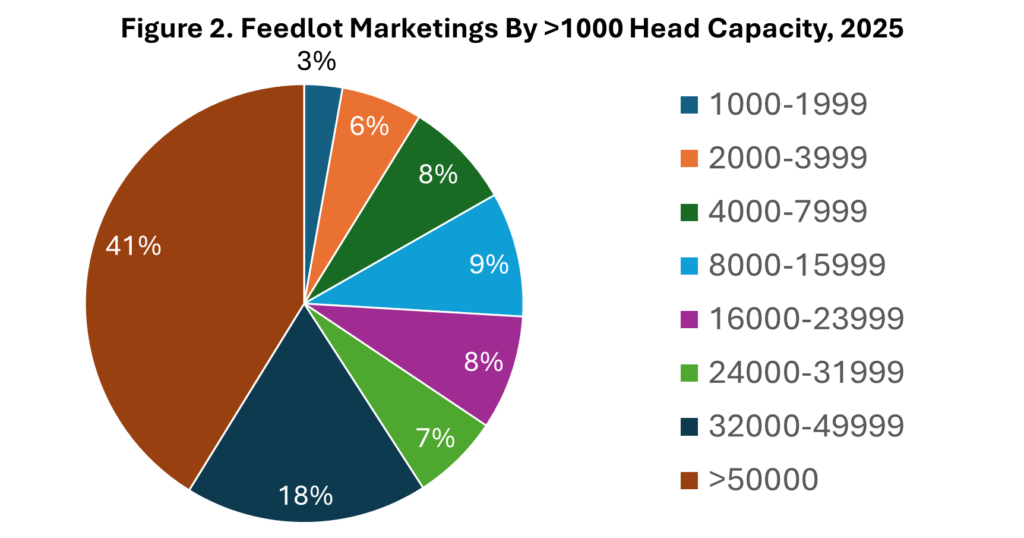
Feedlot Marketings, >1000 Head Capacity: 20,463,000 Head
USDA also estimates total feedlot capacity in the country at 17.1 million head, down fractionally year over year. Feedlot capacity has averaged 17.07 million head for the past twenty years, ranging from 16.7 million head in 2009 to 17.3 million head in 2017. Total feedlot capacity has varied between 17.1 and 17.2 million head since 2018. The total feedlot inventory on January 1 was 81 percent of total feedlot capacity; with feedlots of >1,000 head capacity utilizing 67 percent of total feedlot capacity.
Figure 3 shows that the cattle feeding industry has grown relative to the overall size of the cattle industry. As 2026 begins, 16.1 percent of all the cattle in the country were in feedlots, down slightly from the peak in 2024 and 2025. The January 1 feedlot inventory was 56.5 percent of the estimated feeder supply of 24.5 million head, implying that there are 1.77 head of feeder cattle available to enter feedlots relative to the current feedlot inventory. With an estimated feedlot turnover rate of 1.99, the current supply of feeder cattle is not sufficient to maintain the current feedlot inventory.
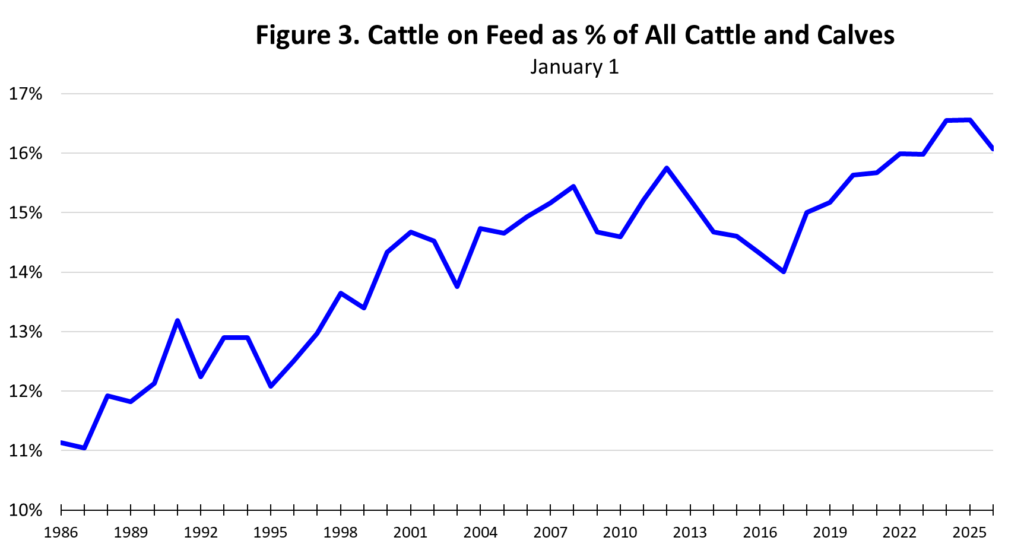
The Extension Experience Podcast is back for a new season starting with a great Cattle Market Outlook with Dr. Derrell Peel. Click the link below for direct access to the audio on Apple Podcasts or subscribe to the show to never miss an episode! Scary Good Beef Prices with Dr. Derrell Peel

Today, the Supreme Court issued a ruling against President Trump's use of the International Emergency Powers Act to impose tariffs. In response, the National Corn Growers Association released the following statement:
"In these challenging economic times, U.S. corn growers support efforts to maintain and increase market access. NCGA continues to advocate for stability as farmers approach the 2026 planting season, for both the purchasing of necessary inputs and the marketing of their crops.
"NCGA is also focused on market development and expansion. We urge the administration to move swiftly to implement and finalize ongoing trade deals."
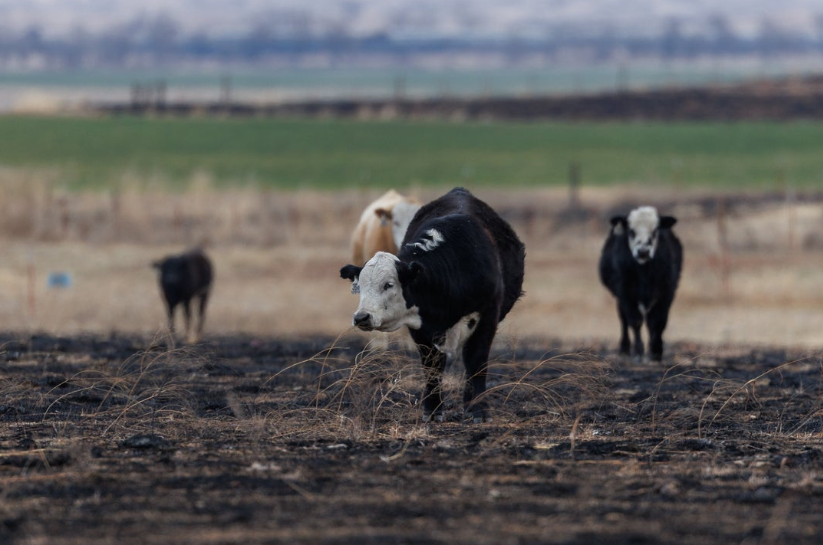
As Oklahomans and their nearby neighbors in Kansas endure wildfire season, Oklahoma State University Extension specialists offer tips to keep your livestock safe, as well as help with recovery efforts.
Livestock welfare after a fire
Monitoring surviving animals is crucial in the days after a wildfire, Rosslyn Biggs, DVM, OSU Extension beef cattle specialist, said.
"We need to be thinking about long-term repercussions," she said. "Thermal injuries, burns can be a big issue on these animals. We also need to be thinking about smoke inhalation and the systems that those affect."
Enhanced monitoring of the surviving animals is crucial after a wildfire, Biggs explains. In addition to nutrition, hydration is key. Cows that are in the later stages of pregnancy need to be thought about, too. Consider their capacity to care for either calves on the ground or those they will soon birth.
Post-wildfire evaluation can lead to difficult decisions, too.
"It's very important in these disaster-type situations that animal welfare needs to be our first consideration," Biggs said. "How are those animals that have survived going to be able to recover from those injuries? In many cases, unfortunately, euthanasia may be the most humane decision that we have to make."
Protecting horses during wildfires
Have your horses loaded and ready to go before you see a wildfire reach your property, Kris Hiney, OSU Extension equine specialist, explains.
"So many animals, when fire is coming, it causes panic," Hiney said. "They may be harder to handle, so if trouble is coming, have the horses already up in a small lot where you can catch them. In a burning building, horses won't want to leave, but now we're talking about a threat to human safety as well."
Horses will often be reluctant to leave an environment they deem safe, Hiney said. Keep the horses together and avoid isolating one horse at a time, as this could cause further panic.
"The calmer the handler can be, the better the horses will act," Hiney said.
Preparation is also key. Maintaining your property, like mowing fence lines and creating fire breaks, is important. Be aware that fire structures, such as hay storage, can be extremely dangerous for animals to be near. Have photographs and records of all your horses, Hiney said.
If smoke is high in the air, even if not directly where fire is impacting your land, respiratory health in horses is important. Hiney recommends not working the horses when the smoke particulate matter is high.
Emergency cattle nutrition
Wildfires can ravage forage, requiring producers to pivot in the aftermath.
There are several strategies to minimize weight loss until hay can be secured. One option is to provide a commercial "creep feed" product for four to five days. Commercial creep feeds will generally contain 12 to 14% protein and are aneasily accessible option, with this feed bagged and ready to ship immediately.
The feeding rate is equivalent to eight pounds of feed per day, assuming cows weigh 1,200 pounds. If hay is more abundant, 15 pounds of grass hay fed with five pounds of a 28% to 32% range cube can maintain a 1,200-pound cow in the last trimester of pregnancy.
Mineral supplements with a high calcium level are essential to offset the high phosphorus levels in concentrate feeds. Work with your local OSU Extension educator to ensure a well-balanced diet for your cattle in limit-feeding scenarios.
The priority is to meet nutritional needs while stretching hay supplies.
Documenting losses
After a wildfire, documenting losses will be crucial for producers. Review your existing records and then create a line of documentation on a day-to-day basis after a disaster.
"Having documentation becomes very important from a financial aspect," Biggs said. "It can be as simple as, if we have losses, documenting those with photographic evidence. Most people can use their cellphones to take pictures that can be timestamped. For many emergency-type programs, it's going to be necessary to have verifiable records."
Carcass disposal
Burial will be the best option for disposing of livestock carcasses, said Doug Hamilton, OSU Extension water management specialist.
"You need to be in a high spot," Hamilton said. "You need to be well above a flood plain. You're going to have to dig a hole 4-6 feet deep and be at least two feet above where the water table may rise."
It is also important to keep burial sites at least 300 feet away from water sources.
The state of Oklahoma has five methods for disposing of livestock: landfilling, rendering, incineration, composting and burial. Finding a landfill to take a dead animal will be difficult, even in an emergency. Rendering will be hard if the animal has been dead for several days and incineration requires expensive and specific equipment.
Composting is viable, but it will require wood shavings or sawdust and management. An advantage of composting is that once you've completed it, the land site will be viable for use again.
If you are affected by the wildfires and have agricultural, livestock care or forage questions — or wish to donate or receive hay — contact OSU Extension by calling (405) 780-4569 or emailing DisasterSupport@okstate.edu.
OSU Extension uses research-based information to help all Oklahomans solve local issues and concerns, promote leadership and manage resources wisely throughout the state's 77 counties. Most information is available at little to no cost.

Signup for the Dairy Margin Coverage Program ends Thursday. NMPF is urging farmers to apply for the program as part of a risk management strategy that helps dairy producers weather economic swings.
"Dairy Margin Coverage is an essential part of a dairy farmer's business resilience," Gregg Doud, president & CEO of NMPF, said. "Smaller farmers gain important protection against lower margins, while larger farmers gain catastrophic coverage at little or even no cost.
"This signup is the first since the program was reauthorized last year, and it includes coverage improvements as well as a 25% premium reduction for a long-term commitment," he continued. "Farmers can benefit greatly from participating in a program that has helped thousands of dairies."
DMC changes made as part of the One Big Beautiful Bill Act passed last year include:
Farmers interested in participating in DMC can complete their paperwork in consultation with their local Farm Service Agency Office. Cooperatives also stand ready to assist.
President Trump's National Energy Dominance Council (NEDC) is set to host the inaugural Indo-Pacific Energy Security Ministerial and Business Forum alongside our great ally, Japan. Chairman of the NEDC and Secretary of the Interior Doug Burgum, Vice-Chairman and Secretary of Energy Chris Wright, and Environmental Protection Agency (EPA) Administrator Lee Zeldin will travel to Tokyo, Japan, in March to convene with nearly a dozen Indo-pacific countries to secure new U.S. investments and advance deals already secured as a result of President Trump's America First and Energy Dominance agenda.
"Building strong partnerships with our Indo-Pacific allies is essential to advancing President Donald J. Trump's vision for American Energy Dominance," said Secretary of the Interior Doug Burgum. "While in Tokyo, members of the National Energy Dominance Council will participate in the Indo-Pacific Energy Security Ministerial and Business Forum using a whole-of-government approach to strengthen energy security, expand U.S. energy exports, and counter the coercive influences of China and Russia. By aligning U.S. policy leadership with private-sector capability, this mission will continue this administration's progress on major commercial energy deals, and work to secure a future where American Energy Dominance delivers peace and prosperity at home and abroad."
Government leaders from several Indo-Pacific countries will convene with business executives from the energy, infrastructure, industrial, and financial sectors to advance President Trump's Energy Dominance and national security agenda through strengthened energy cooperation and partnerships.
"Energy plays a central role in President Trump's diplomacy. When America exports our energy to our allies, the world is safer and lives are improved. In a region expected to experience the fastest energy demand growth, the United States stands ready to be a reliable partner," said U.S. Secretary of Energy Chris Wright. "I look forward to traveling to Tokyo to dialogue with energy officials across the region so we can continue to strengthen relations and deliver prosperity at home and peace abroad."
The business forum is expected to facilitate the announcement and advancement of major commercial energy deals, investments, and cooperative frameworks that will grow the United States economy, invest in American energy workers and secure our Energy Dominance. The United States will continue to be the world's leading energy producer and a reliable, long-term partner for our allies in the Indo-Pacific.
"As a member of President Trump's National Energy Dominance Council, I'm committed to advancing U.S. energy dominance and expanding our partnerships to achieve that goal. I'm proud to co-host the Indo-Pacific Energy Security Ministerial and Business Forum alongside DOE, DOI, USTDA, and other Administration officials," said EPA Administrator Lee Zeldin. "This forum builds on our successful trip to Alaska last year, where we brought international partners together to explore opportunities to export American energy across the globe. Energy security is national security. By embracing innovation and an all-of-the-above energy strategy, the United States and our Indo-Pacific allies can break free from reliance on foreign adversaries for energy resources, strengthen our economies and infrastructure, and power the future. I look forward to a productive discussion about advancing our shared energy, economic, and security priorities."
The Indo-Pacific Energy Security Ministerial and Business Forum is sponsored by the U.S. Trade and Development Agency, the U.S. government's first mover on critical infrastructure development abroad.
Horizon Organic, the largest organic dairy brand in the U.S.1, today announced the launch of Horizon Organic No Added Sugar 1% Lowfat Chocolate Milk Boxes to provide families with a tasty, no added sugar, single serve milk box option. The new milk boxes are also lactose free, deliver 8g of protein per serving and are shelf stable, making them perfect to enjoy at home or on-the-go, no refrigeration needed. Made from ingredients including real organic milk, organic cocoa, and organic plant-based sweeteners, this latest offering from Horizon Organic delivers full on flavor without any added sugar.
Sixty-four percent of consumers are actively trying to reduce their sugar intake2, reflecting a growing consumer demand and need for no sugar added food and beverage options. Currently, there are few dairy drinks available with no added sugar that are lactose free and shelf stable. The No Added Sugar 1%* Lowfat Chocolate Milk Boxes from Horizon now provide families with another option to meet their nutritional needs and preferences. The single serve format also makes them a delicious, convenient option for kids and the whole family that can easily be packed into lunches, brought along for activities and enjoyed at home or anytime in between.
"Horizon Organic has provided families with organic dairy since 1991. We are continuing to innovate and offer products that meet peoples' needs now, while delivering the great taste and quality of Horizon," said Andrew Springate, chief marketing officer at Horizon Family Brands. "Our new offering helps families by providing an organic, delicious and convenient milk box that fits hectic lifestyles - all without added sugar."
This latest No Added Sugar 1%** Lowfat Chocolate Milk Box complements Horizon's existing lineup of family-favorite single-serve products, including Organic Whole Milk Boxes and Organic Lowfat Chocolate Milk Boxes with DHA Omega-3. All Horizon Organic products are USDA Certified Organic and sourced from trusted farmer partners who prioritize animal welfare and raise cows that receive only non-GMO feed and are not treated with antibiotics or growth hormones.*
Horizon Organic No Added Sugar 1% Lowfat Chocolate Milk Boxes can be purchased at major retailers online and across the country. Check the Horizon Organic Store Locator to find retailers from coast to coast.
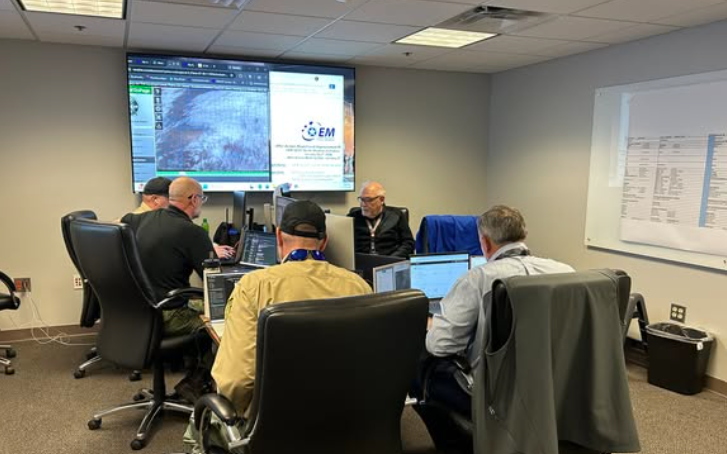
The Oklahoma Department of Emergency Management - OEM is asking residents impacted by the fires to report damages to their property at damage.ok.gov. Reporting damage helps local and state emergency managers better coordinate response and recovery efforts and can help connect residents with resources. Residents can report damage to homes, businesses or agriculture through the online survey.
The State Emergency Operations Center remains activated due to ongoing wildfires and fire weather conditions. The Oklahoma Department of Emergency Management (OEM) is in contact with emergency managers across the state and coordinating with agencies and organizations including Oklahoma Highway Patrol, Oklahoma Department of Transportation, Oklahoma Turnpike Authority, Oklahoma State Department of Health, Oklahoma Corporation Commission, Oklahoma Department of Environmental Quality, Oklahoma Office of Homeland Security, Oklahoma Department of Agriculture, Food and Forestry, Oklahoma Forestry Services, Oklahoma Insurance Department, Oklahoma National Guard, National Weather Service, Tribal Nations, Oklahoma Voluntary Organizations Active in Disaster, and others.
The Emergency Price Stabilization Act is in effect following the Governor's declaration of emergency for 4 counties devastated by this week's wildfires. The law, also referred to as the price gouging statute, prohibits an increase of more than 10 percent for the price of goods and services and helps protect citizens from unfair price hikes. The statute is in effect for Beaver, Harper, Texas, and Woodward
For Oklahoma residents seeking non-emergency disaster or health and human service information, please contact 2-1-1. Services are available 24 hours a day by dialing 2-1-1 from your home or cellular telephone. Please only call 911 for emergencies.
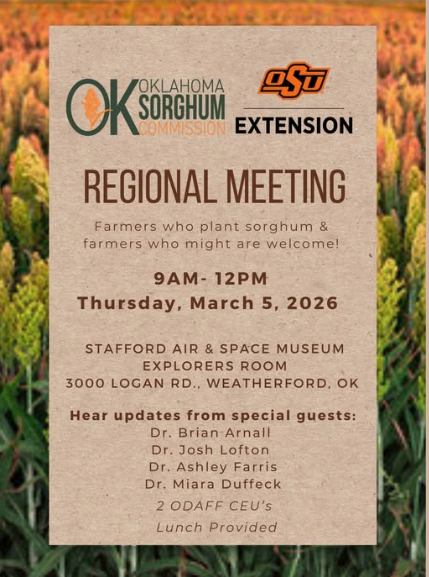
The Oklahoma Sorghum Commission and OSU Extension invite you to a Regional Sorghum Meeting on Thursday, March 5 from 9 AM to Noon at the Stafford Air & Space Museum (Explorers Room) in Weatherford.
Hear the latest sorghum updates from OSU specialists, earn 2 ODAFF CEUs, and enjoy lunch on us.
Whether you currently grow sorghum or are considering it, this meeting is for you. We hope to see you there!
 3000 Logan Rd., Weatherford, OK
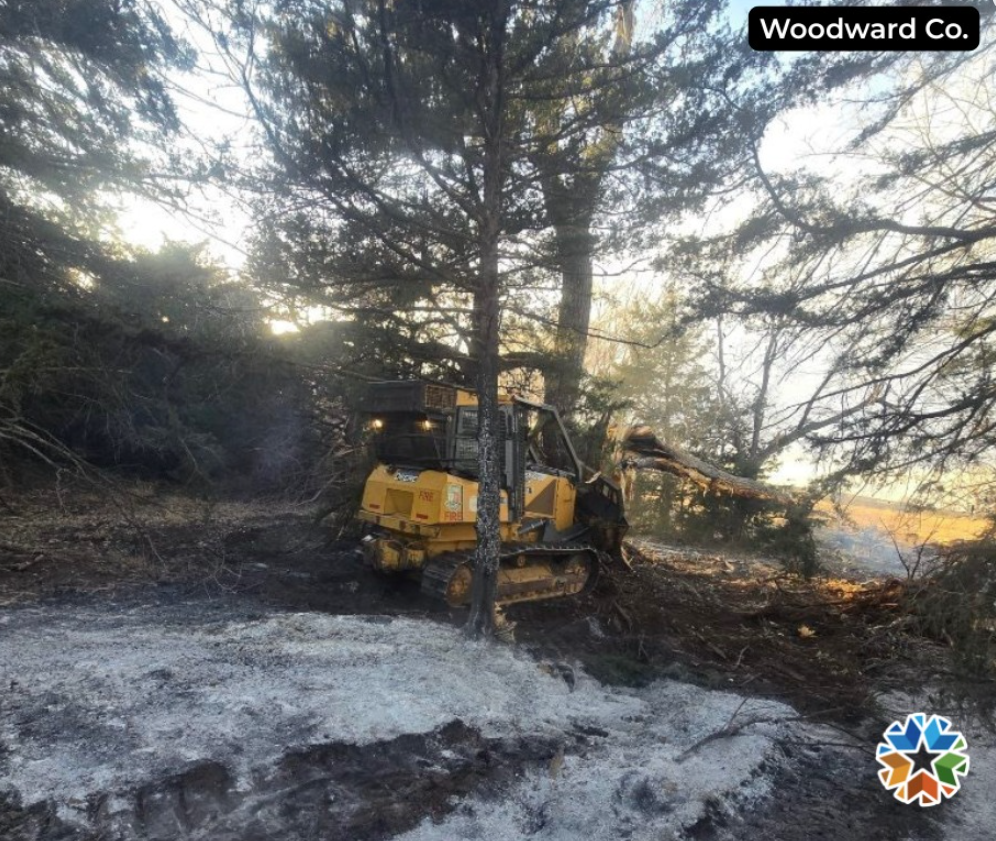
As the fire season continues amid wildfires across Oklahoma, Oklahoma's Volunteer Fire Departments (VFDs) are facing significant funding and supply shortages. These departments are the primary defense for rural communities, yet many operate with outdated gear and limited budgets. Here's how to help:
Community members can support these first responders through monetary donations—which fund fuel for brush trucks, equipment maintenance, and life-saving PPE—or by donating rehab and hygiene supplies to keep firefighters healthy during active calls.
Food and Hydration (Rehab)
Hygiene and Field Supplies
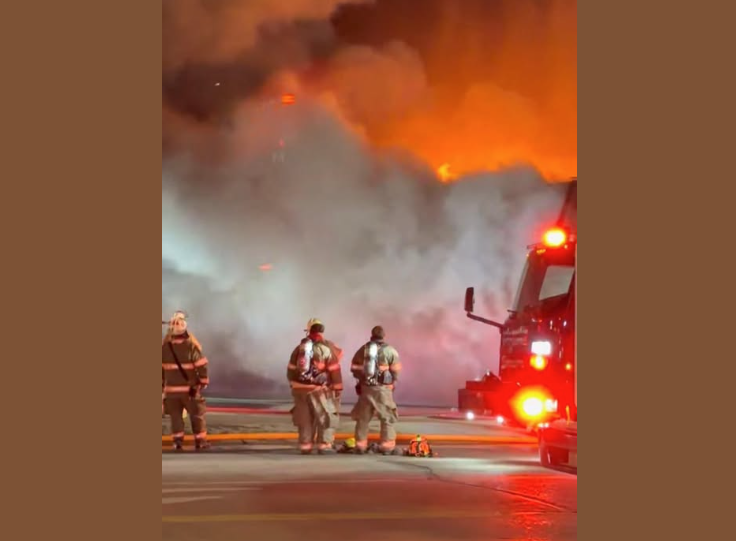
Below is a list of Oklahoma departments currently seeking assistance. Donations can be sent to the mailing addresses provided.
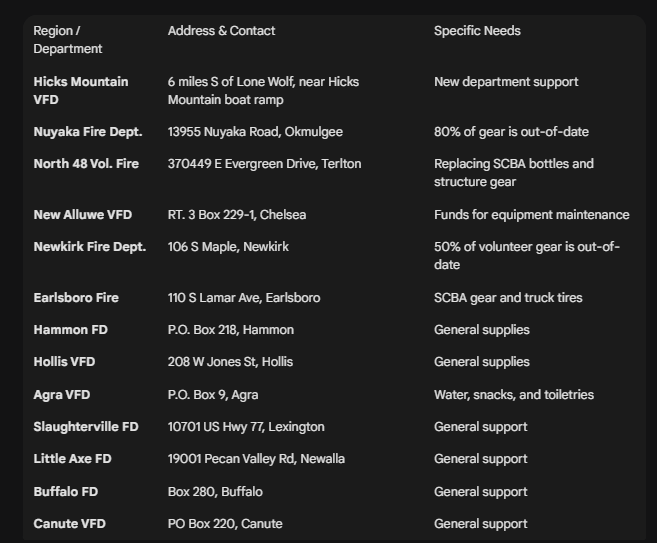
If you wish to provide a monetary donation, please mail a check or money order directly to the P.O. Box or Physical Address of the specific department you wish to support. For physical goods (water, snacks, etc.), it is recommended to call the listed telephone number to coordinate a drop-off time.
More Windy days are in the forecast over the next few weeks, so these needs will stay constant. Special Thanks for Angela Angie Dorrow for pulling this list together.
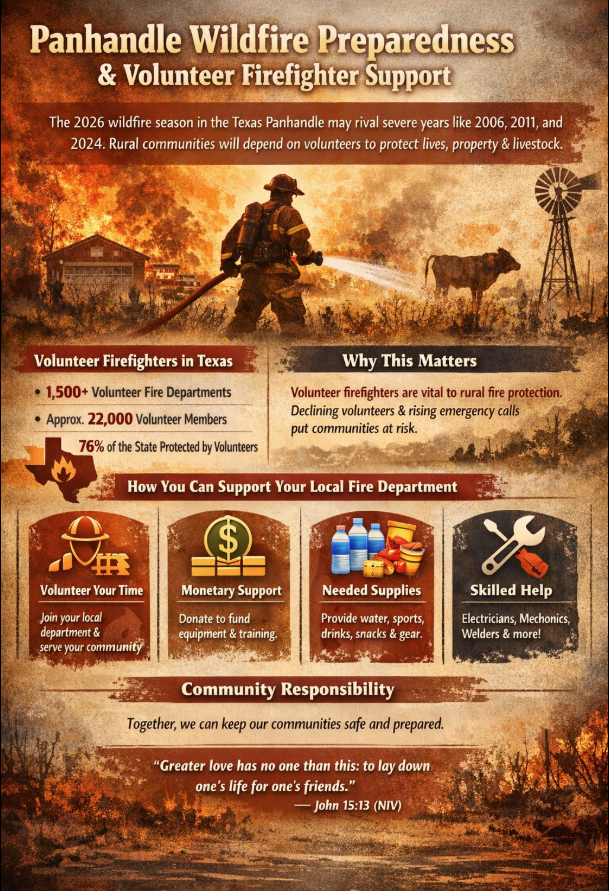
For ways to help livestock efforts, click here:

Mark your calendars for the 2026 Oklahoma Ag in the Classroom State Summer Conference! Come join us for a day dedicated to equipping and inspiring educators with engaging agricultural literacy resources and hands-on learning strategies!
**Tuesday, July 7, 2026**
**Edmond Conference Center**
2833 Conference Drive
Edmond, OK 73034
Join fellow teachers from across the state for interactive sessions, classroom-ready materials, networking opportunities, and practical ideas to bring agriculture to life for your students.
More details and registration information coming soon — stay tuned!
Running a small cow-calf operation can be rewarding, but it is not without challenges. Larger farms spread their costs over more cows, making it harder for smaller herds to compete. There also tend to be scale efficiencies related to labor, input purchases, and other expenses that make larger operations more economically efficient. But smaller producers can be profitable, and this article focuses on three strategies small operations should consider to improve their profitability.
Keep Overhead Costs in Check
Cow-calf operations are capital intensive by nature, so I chose to use the words "in check" rather than something more specific. But the reality is that an operation running 30-40 cows can't have the same overhead structure as one running several hundred. This sounds obvious, but I often see new cow-calf operations that are badly overcapitalized from the start. Smaller operations should focus on being lean with respect to equipment, facilities, and other fixed costs. In a lot of cases, this means limiting capital investment and ensuring that the scale of equipment is proportional to the scale of the operation. However, performing custom work with owned equipment is another way to spread that capital investment over more hours of use and add a second income stream. Regardless of what approach is taken, small cow-calf operations must be aware that disproportionately large overhead cost structures can be a major drain on profitability.
Outsource Strategically to Save Time and Money
A small cow-calf operation does not have to do everything themselves and may be best served by outsourcing some farm operations. The first area that comes to mind is hay production. It may be more economical for a small cow-calf operation to purchase hay, rather than own hay equipment and devote land and time resources to producing it themselves. In some areas, hay is not easy to source and may require significant effort. But by spending time developing relationships with hay producers and planning for winter feeding needs well in advance, the operation may be able to avoid significant hay production expenses.
Outsourcing other farm operations may also be worth consideration. For example, it may be easier to hire someone to transport cattle to market, rather than owning and maintaining hauling equipment that isn't used very often. Heifer development is another area that can be a bit more challenging for small operations. It may make sense for a small operation to purchase a few bred heifers each year and focus on terminal production, rather than developing a small number of heifers on their own.
Outsourcing is typically justified on the basis of limiting investment (i.e., avoiding overcapitalization) or limiting variable expenses. But it also frees up another very valuable resource – time. Most small cow-calf operators have off-farm employment or other significant off-farm commitments. By outsourcing some farm operations, additional time becomes available and can be devoted to the elements of the operation the farmer chooses to focus on.
Explore Value-added Marketing Opportunities
While the first two considerations were largely focused on cost control, this one is focused on the revenue side of the profit equation. Since production costs tend to be higher for smaller operations, it is even more imperative that they look for ways to add value to the cattle they sell. Since they are likely to sell cattle in smaller groups, they have an even greater incentive to consider co-mingled / value-added sales where they can potentially get price premiums associated with larger lot sizes and health programs. They also have more incentive to consider direct-to-consumer markets such as freezer beef, farmers' markets, etc. While everyone will be comfortable adding value in their own way, the point is that smaller operations need to focus on ways to increase profit per head, since they have a smaller number of head from which to profit.
Small cow-calf operations should recognize that they are unlikely to successfully compete with large operations on scale and cost efficiency. For that reason, they need to approach their operations differently and utilize the unique advantages that come with being lean and flexible. By carefully managing their overhead cost structures and outsourcing operations that can be done more efficiently by other operations, they have the potential to see significant cost benefits. And by exploring value-added marketing opportunities, they may be able to capture revenue benefits as well.
The National Corn Growers Association said today that the Farm, Food, and National Security Act, recently released by the chair of the House Committee on Agriculture, would improve existing programs for corn growers and rural America.
The comments were included in a letter from the NCGA president to the committee leadership ahead of the bill's markup.
"Many of the NCGA-endorsed farm bill marker bills and policy recommendations are reflected in the proposed legislation and would be an improvement upon existing programs for corn growers and rural America," wrote Ohio farmer and NCGA President Jed Bower. "As the legislative process moves forward, corn growers will continue to advocate for additional policy enhancements and are prepared to defend against harmful amendments."
The 2018 Farm Bill, originally set to expire on September 30, 2023, has been extended twice. NCGA and affiliated state associations have provided formal input with recommendations for updating farm bill policies and programs as far back as 2022.
Corn growers from across the country have participated in listening sessions, field hearings, formal Congressional testimony, and meetings with their Member of Congress to call for improvements to make USDA programs more effective, efficient, and responsive.
Bower said the recently released farm bill includes many programs and policies important to corn growers and broader constituencies across rural America, including:
Emphasizing access to credit and rural development allowing corn growers to enhance their operations and innovate with precision agriculture tools. Bower said corn growers support sections of the bill that update loan limits for farm ownership loans and guaranteed operating loans. He noted that corn growers also support provisions that expand access and promote the adoption of precision agriculture technology, which will help to ease the financial burden of adopting precision agriculture practices.
Supporting voluntary conservation programs. Corn growers are committed to implementing successful conservation practices on their farms. The legislation includes a process for the establishment of interim and new conservation practice standards, which will help to speed the development and adoption of innovative conservation practices so that corn farmers have timely access to the latest, proven technologies and practices.
Bolstering U.S. international market development efforts. The letter noted that NCGA strongly supported the doubling of mandatory funding for USDA trade promotion programs in the One Big Beautiful Bill Act and the funding allocations for the existing Market Access Program and Foreign Market Development Program. The two programs allow the U.S. to promote exports abroad and reduce trade barriers for American exporters.
The letter also called on Congress to help growers during difficult economic times by creating and expanding markets.
"In addition to advancing the Farm, Food, and National Security Act, there are a number of immediate actions that policymakers can take to address the significant economic hardship that has fallen on the agriculture industry," Bower said. "Corn growers are facing their fourth year of negative profitability, including an average loss of $125 per acre for the current crop marketing year alone, resulting from trade disruption, persistently high input prices and foreign competition."
He added that Congress and the White House could do more to address growers' economic struggles, including passing legislation that would expand nationwide, consumer access to fuels with 15% ethanol blends year-round and expediting negotiations and implementation of trade agreements.
The letter also emphasized the need for committee members to work across the aisle.
"Corn growers would like to see this process move forward in a bipartisan manner and for a farm bill to be signed into law this year," Bower said.
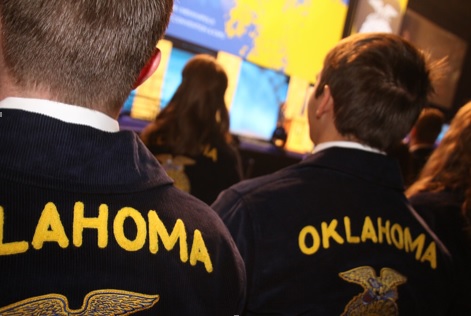
By: Dianna Butler - the current and former wearers of that blue corduroy jacket. National FFA Week is upon us, which brings to mind the FFA programs across the state. However, most of us do not realize that the National FFA is under fire from political activists, and possibly others, demanding transparency in policies and business transactions. As with any organization that achieves national recognition, the National FFA now has drawn criticism from the group calling itself, "Save Oklahoma Farms and Ranches," who does have its own Facebook page. According to another group, "Hands Off My Land," which can be followed on State Representative District 61 Casey Murdock's Facebook page or on its own Facebook page, the "Save Oklahoma Farms and Ranches" group calls FFA a "complete joke" and accuses the FFA of "enslaving our future." Yet another group, the "Save Oklahoma Farms and Ranches: The Herd," which deems itself as "the gathering place for the HERD of Political Animals," also calls the National FFA organization a "complete joke" and hurls accusations at the organization of "not even being aware of what they are putting in the ground." According to AGDAILY, House Republicans are demanding records from the National FFA Organization about its partnership with Syngenta Group, arguing the agribusiness' Chinese state ownership and the youth groups' diversity initiatives could jeopardize FFA's mission – and, potentially, its tax-exempt status. Exactly what is the FFA's mission? The national organization puts forth as its mission: "Growing the next generation of leaders who will change the world. FFA makes a positive difference in the lives of students by developing their potential for premier leadership, personal growth and career success through agricultural education." This, at first, seems to be a great amount of educational rhetoric, but these accusations force an introspection of the National FFA.
FFA, no doubt, is the largest youth organization in the nation. To date, there are 1,042, 245 FFA members in 9,407 chapters in all 50 states, Puerto Rico, and the U.S. Virgin Islands, and indeed, the ag ed curriculum is as diverse and varied as the organization itself revolving around but not limited to a three-tier model of instruction: 1) Classroom/Laboratory Instruction (contextual learning) 2) Supervised Agricultural Experience Programs (work-based learning) and 3) Student leadership organizations (National FFA Organization, National Young Farmer Educational Association, and National Post-secondary Agricultural Student Organization.)
Meanwhile, an old adage, "back at the ranch" comes to mind. Taking the large leap from the National FFA Organization to the local public schools across the state, does bring about the question-- "What is actually being taught in the Ag Ed Classroom? That seems like a question that could be easily answered but is not so! As with anything, the instruction actually lies, "Where the rubber meets the road." Local Ag Ed instructors are apparently some kind of genies as they are required to adhere to the National and State Ag Ed curriculum/requirements all the while meeting the expectations of local school boards and their communities. They must jump through the hoops of agri-science to ag business to animal science and onward to ag communication, to leadership development, to plant science, to farm shop skills, and thus and so attempting to meet the standards of this diversified curriculum.
The FFA is not just about welding and show animals. The FFA changed its name from "Future Farmers of America" to the "National FFA Organization" in 1988 to reflect the massive expansion and
diversity of the agriculture industry beyond traditional farming, recognizing careers in science, technology, business, and more, while still adhering to its agricultural roots. While the National FFA grapples with activists and politics, local Ag Ed Instructors discover that they must be good mechanics, above-average welders, be able to change a trailer tire with Olympic speed and accuracy, be able to perform in extreme heat as well as snow and ice—there's diversity for you,—and back that stock trailer with the precision of a brain surgeon while under the scrutiny of an audience of bystanders, and yet, rival Bill Gates in computer skills?
As with any company, it is only as good as its end product. With that in mind, I contacted several "end product" individuals to decipher if, indeed, their time in FFA had yielded them any productive skills that carried them into work and/or their careers. According to Josh Haven, Vice President of Security State Bank in Cheyenne, "FFA taught me the importance of networking. I learned the valuable lessons of building relationships not only with community members but beyond. I developed and honed my ag business skills and learned how to communicate not only as a presenter but also one-on-one with individuals. I use those skills every day."
Phil Thomas, the Director of Radiology at Roger Mills County Hospital, says that FFA taught him "pressure is a privilege." He expounds on that with, "My time at Woodward Regional Hospital—I was told I was hired because they believed in my ability to perform my job at the highest possible level." He states in his ag class he learned three important lessons that he still uses today: 1) Practice makes perfect 2) Communication skills are key to success and 3) Show up and show out! Be confident in yourself and in the skills you have acquired."
Congressman Frank Lucas credits FFA with his development and honing of his leadership skills and his public speaking skills. He states, "Without the FFA, I could have never successively run for office. I learned valuable research skills and presentation skills, but most importantly, I honed the ability to address those public speaking judges effectively while presenting my positon on my speech topic, much like I do in Congress today." In addition, Lucas says that "FFA exposed me to the world." He recalls that he would have never even been on the OSU campus without FFA opening up that avenue of experience for him.
Chrystal Allen Marshall, independent cattle producer and co-owner of JL Allen Cattle Company, believes that FFA embedded into her the ag business skills she uses every day. "FFA taught me how to network with other ag people who can give me valuable up-to-date ag information about current events. I developed great communication skills through my FFA Public Speaking Class as well as learning animal science and marketing skills. I think that ag class taught me more life skills than any other class, and those skills help me with my daily ranching responsibilities."
Lia Hillman, classroom teacher, explains it very well: "Showing animals taught me responsibility, work ethic, and pride. I developed my photography and writing skills in FFA –skills I still use every day. FFA helped me find my voice and instilled confidence into me, and I try to pass that on to my students each day." She also says that FFA helped her to understand diversity in that every person has different strengths and passions.
According to Bray Haven, Executive Vice President of Cattlemen's Congress and Principal of BLH Consulting Government Affairs, "There is no other organization or program that better prepares you for
life than the FFA. I learned valuable management skills that I use every day in my adult life. Also, the contacts I made not only throughout the state but also nationally have proven to be invaluable."
FFA, yes, a National and State Organization—but it is the local chapter in the public school ag classroom where leadership, communication, financial literacy, work ethic, record keeping, entrepreneurship, community respect, and community responsibility is not just taught but modeled. It gives hands-on experience and teaches students how to win humbly and how to lose graciously. FFA is a pipeline that provides a steady stream to the workforce. Look around you, those former blue jacket wearers are your doctors, lawyers, legislators, ag producers—they are your medical staff, your school teachers, your pharmacists, your police officers. They walk among us, but they all discovered a secret—that blue jacket and those magical FFA shoes can take you anywhere.
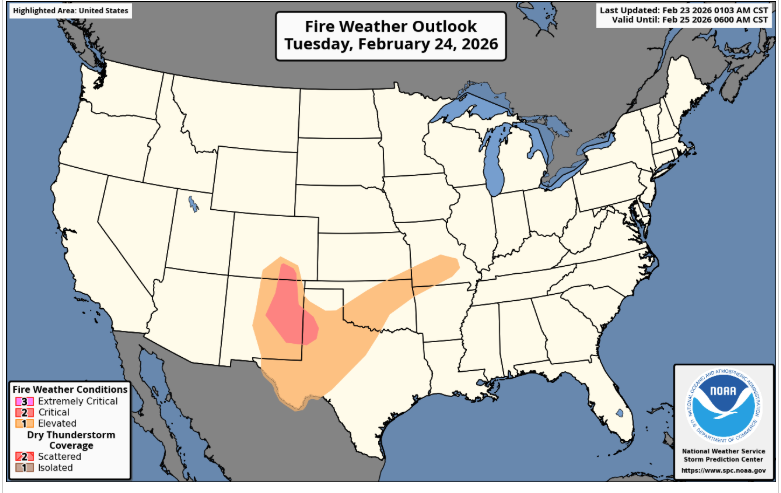
A period of moderated fire weather over the weekend has allowed Oklahoma Forestry Services (OFS) and local fire departments to make significant progress on several large wildfires. While the calmer conditions have enabled some resources to be released for future assignments, officials warn that dry conditions and rising "Energy Release Components" (ERC) indicate a persistent and growing resistance to control.
Firefighting crews continue to manage several significant incidents across the state and into neighboring Kansas. Containment percentages have risen steadily, though thousands of acres remain active.
| Incident Name | Location | Estimated Acreage | Containment |
| Ranger Road Fire | Beaver/Harper Co. / KS | 283,283 | 65% |
| Stevens Fire | Texas Co. / KS | 12,428 | 90% |
| Poor Farm Fire | Latimer County | 9,565 | 90% |
| Drowning Creek Fire | Delaware County | 536 | 90% |
| 615 Fire | Cherokee County | 242 | 90% |
| Backwoods Hunting Club | Adair County | 114.5 | 80% |
In the Southeast Area, four new fires were reported over the weekend totaling 33.7 acres. Investigations into these starts identified one as an escaped control burn and three as incendiary in nature.
Despite the recent progress, fire danger remains a primary concern as relative humidity values are expected to dip below 25% statewide this afternoon.
The highest risk resides in the western regions. Temperatures in the 60s combined with humidity as low as 11% have dropped fine-dead fuel moisture to roughly 4-5%.
While wind speeds remain lower in the east (2–8 mph), fuel dryness is still a factor. In the South-Central and Southeast regions, observations show degrading composite fuel moisture. While initial attacks are expected to be successful today due to light winds, the resistance to control is trending upward.
The state is entering a period of recurrent fire danger. A cold front is expected to move through on Wednesday, bringing a slight chance of rain to northern Oklahoma. However, the dry environment following the front will likely maintain elevated risks.
Tuesday Forecast:
A low-level thermal ridge will develop, pushing temperatures above normal. Single-digit humidity in the Panhandle and breezy southwest winds will challenge initial attack efforts, particularly in western, central, and northern counties. While the overall potential for a "significant" breakout remains low, the probability of "large" fire growth is increasing due to the combined fuel loading and wind speeds.
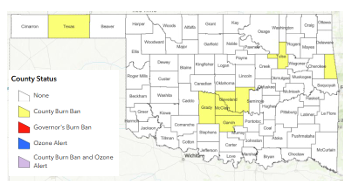
Resource Mobilization
OFS has pre-positioned suppression groups, including engines, dozers, and overhead personnel, in the following strategic locations to ensure rapid response:
Residents are encouraged to remain vigilant, as overnight moisture recovery is expected to be poor, preventing the typical "reset" of fuel moisture levels during the evening hours.
The agricultural financial sector is currently navigating a period of normalization, following several years of record-high cash flows and historic liquidity. Jackson Takach, Chief Economist at Farmer Mac, provided a deep dive into the credit quality and lending trends shaping the industry during his presentation at the 2026 USDA Agricultural Outlook Forum and Why Farmland Values Remain Resilient.
Despite rising interest rates and a tightening farm economy, farmland values have remained remarkably stable. Takach points to a significant lack of supply as the primary driver.
"One of the big drivers in the last two years has been—well, no one's had any pressure or need to sell," Takach explained. "They have very low interest rates on their farms, or no debt at all. What's the impetus to sell?"
This supply constraint means that when a piece of land does hit the market, it is often snatched up by neighbors or well-capitalized producers. Takach noted that current "marquee numbers" seen in headlines—ranging from $30,000 to $50,000 per acre—are typically driven by local buyers with long-term interests rather than outside investors.
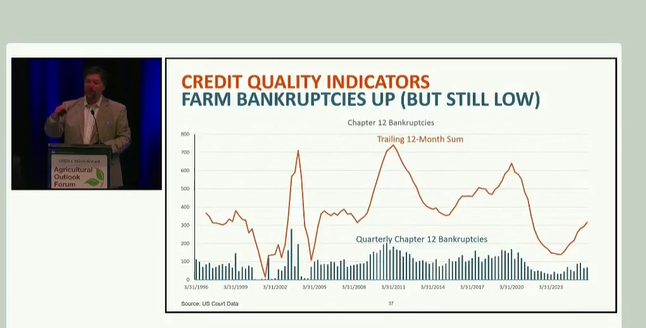
Agricultural credit quality is currently coming off historic highs. During 2024 and 2025, delinquency rates reached near-zero levels as producers benefited from high commodity prices and robust government support programs.
"If no one is defaulting, if people don't feel stress or pressure to change their balance sheet or to liquidate assets, how much land do you think is going to come up for sale?" Takach asked. "Very, very little."
While bankruptcies (specifically Chapter 12 filings) are beginning to tick upward from their recent lows, they remain below long-term averages. However, Takach highlighted a regional concentration of stress, particularly in the Delta region due to challenges in the soybean, cotton, and rice markets.
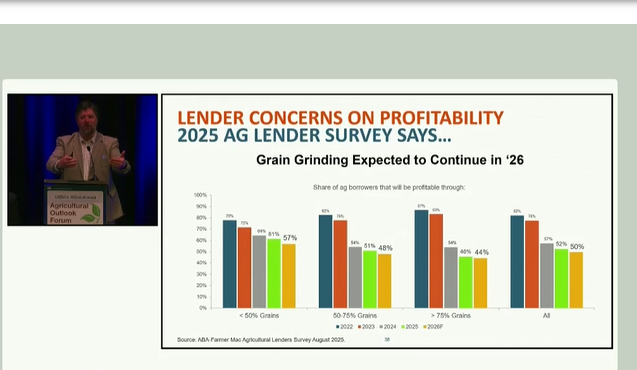
The lending landscape remains a "rich tapestry" of providers, including the Farm Credit System, commercial banks, and insurance companies. While the Farm Credit System was particularly active during the low-interest-rate environment of 2020–2023, commercial banks have recently regained momentum.
Current trends in lending include:
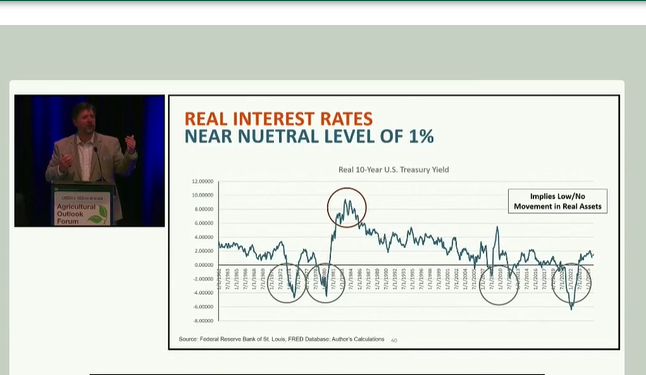
For those trying to predict the future of land values, Takach recommends looking past the Federal Funds Rate and focusing on the Real Interest Rate (the 10-year Treasury minus inflation).
"This is my favorite metric," Takach said. "It has predicted every time I think farmland's going to go up or I think farmland's going to go down."
Currently, the real interest rate is in a "neutral" zone, roughly 1% to 1.5% above inflation. This suggests a plateauing of land values rather than a sharp decline, as the cost of capital is now catching up with cash flow increases.
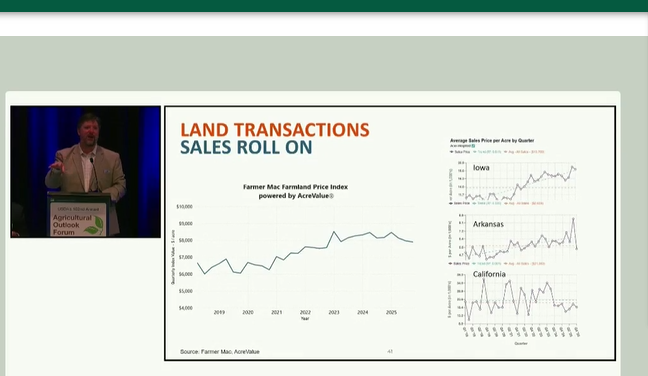
While the national average provides a broad overview, Jackson Takach emphasized that agricultural land remains a local market driven by specific regional pressures. Examining Iowa, Arkansas, and California reveals how different commodities and economic stressors influence land values.
In Iowa, the trend remains "up and to the right," despite the broader economic cooling. Takach identified Iowa as a prime example of a market where local demand overrides national interest rate trends.
"In Iowa, land sales are happening and the values are going up," Takach noted. "A lot of those land sales are to very wealthy farmers in the area who love the land. Again, it's that supply issue—they don't see the land come up very often, so when they do, they buy it".
The Arkansas market presents a more volatile picture, largely due to its concentration in the Delta region. This area is currently the primary focus for agricultural financial stress in the U.S..
Takach pointed out that the concentration of Chapter 12 bankruptcies and liquidations is currently localized along the Delta, affecting states like Arkansas. Producers here have had to work through a "very challenging set of commodities" over the last year, including soybeans, cotton, and rice, leading to more volatility in land transactions compared to the Midwest.
California's land market has experienced significant dislocation, particularly within the permanent crop sector. Takach used the almond industry as a prime example of how rapid shifts in supply and demand can impact regional land values.
"We said, 'Oh, we want as many almonds as we can have,' and then we said, 'Actually, we don't want that many almonds,'" Takach explained. This reversal has led to a much more volatile market in California than the national average would suggest, highlighting the importance of understanding local supply and demand elements for every specific state and county.
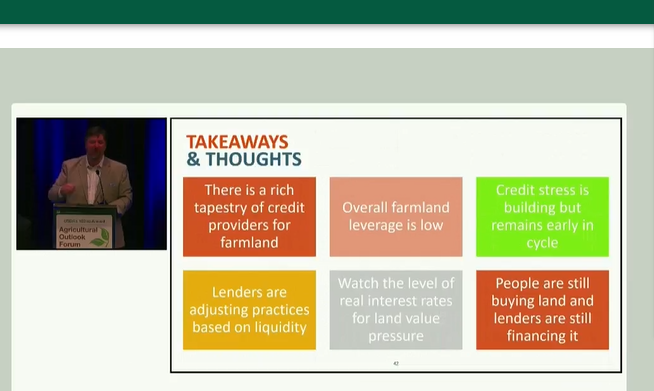
RON's Dave Lanning has a pre-opening look at today's agricultural Markets.
Click the audio tab below for today's report.
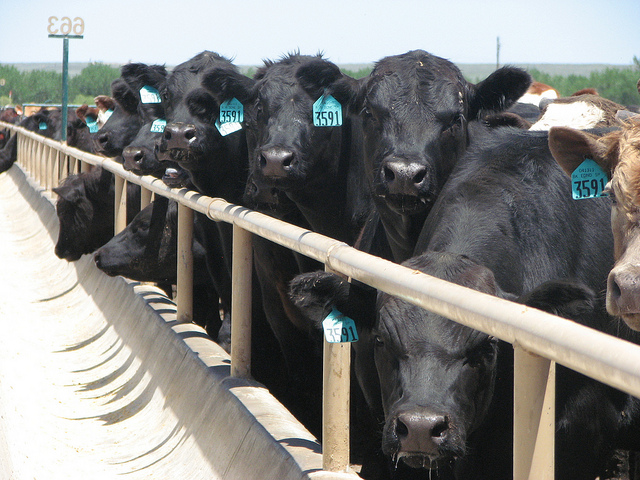
The February USDA Cattle on Feed Report confirms a continuation of tight cattle supplies across the United States, reflecting ongoing pressure on both feedlot inventories and beef production capacity. Oklahoma Farm Report's Ron Hays sat down via telephone with Extension Livestock Market Economist Dr. Darrell Peel of Oklahoma State University, who says total cattle on feed for feedlots with 1,000 head or more stood at 11.5 million head as of February 1 — down 1.8% from a year ago.
Placements in feedlots during January were down 4.7% from the same month in 2023, while marketings were sharply lower — off 13% year-over-year. Peel attributed much of the marketing decline to severe winter weather.
"The winter storm at the end of January disrupted movement of cattle for several days," Peel explained. "I suspect we just pushed some cattle that would have been marketed in January into February." He expects the March report will provide a clearer picture once February data are available. Peel adds that we probably will need to average this report and the next one to get a clearer picture of marketings in this first quarter of 2026.
This report continues a long-term trend of shrinking feedlot inventories. Peel noted that on-feed numbers have declined for 15 consecutive months, representing a total drop of roughly 460,000 head since the downtrend began. "We're really starting to see cumulative effects," he said, emphasizing that the decline reflects tight feeder cattle supplies across the country and a slower flow of animals through feedlots and packing plants. The lower numbers in recent reports are off from a lower number of a year ago- so the losses are compounding in fewer on feed numbers.
Regionally, the numbers also tell an evolving story. Texas feedlot inventories are now just 93% of last year's levels, while Nebraska — recently surpassing Texas as the nation's largest feeding state — is running 103% of year-ago totals. Peel said the lack of Mexican cattle imports continues to affect Texas feedlots disproportionately. "They're struggling for numbers," he said. "There's not much chance of regaining that top spot any time soon."
With fewer cattle available, both feedlots and meat packers are operating below optimal capacity. Peel expects U.S. beef production to fall 3 to 3.5% in 2024. As spring approaches, competition is expected to heat up between feedlots and grazing operations for lightweight cattle.
Still, the economist sees strong conditions for cow-calf operators. "The market is heavily focused on the cow-calf level," Peel noted. "If you've got forage, it's best used to produce calves — that's what the market is telling us to do."
Peel adds " The market's trying to figure out who can put on weight the cheapest. So, it'll be a battle between cheaper summer grass, green grass, assuming that happens, against the feedlots that have a fairly favorable cost of gain right now."
The Beef Buzz is a regular feature heard on radio stations around the region on the Radio Oklahoma Ag Network and is a regular audio feature found on this website as well. Click on the LISTEN BAR for today's show and check out our archives for older Beef Buzz shows covering the gamut of the beef cattle industry today.
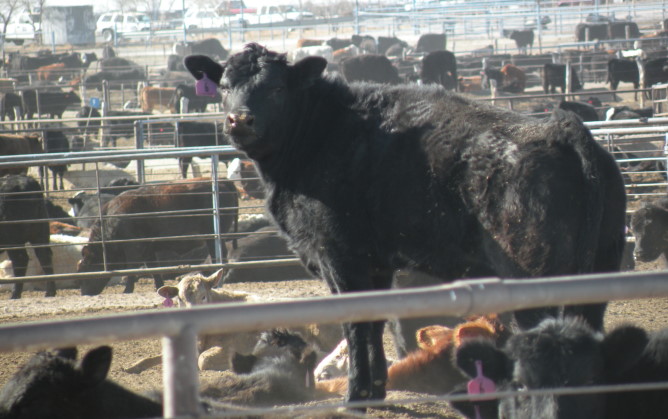
According to the weekly market report released on Friday, February 20th by the Texas Cattle Feeders Association, both steers and heifers were sold for $249 out of the Association's feedlots- up a dollar from a week ago.
According to the National Beef Wire- In the Western Cornbelt, trade was moderate to active on good demand, with live purchases trading $1.00 to $2.00 higher at $245.00 to $247.00, and dressed deals $6.00 to $8.00 higher at $388.00 compared to last week's light test. In the Southern Plains, trade was limited on moderate demand. The last established market in Texas was $246.00 to $248.00, mostly $248.00, while Kansas last traded at $248.00 to $249.00, mostly $248.00.
Click below to review the complete market report from the Texas Cattle Feeders:
Boxed beef closed higher Friday, with the Choice cutout rising $1.53 to $366.70 and Select gaining $0.95 to $360.74, widening the spread to $5.96 on 106 loads. The composite cutout is up $2.23 from last Friday.
Compared to Thursday, primals were mostly higher. Rib advanced to $502.67 from $495.19, Round improved to $334.45 from $333.95, and Loin strengthened to $474.81 from $473.22. Plate posted a notable gain to $266.49 from $261.71. Chuck edged slightly lower to $318.51 from $318.83, Brisket dipped to $293.01 from $293.30, and Flank was nearly steady at $180.14 compared to $180.22 Thursday.
The National Association of Wheat Growers (NAWG), CEO Sam Kieffer issued the following statement in response to the U.S. Supreme Court's decision regarding tariffs imposed under the International Emergency Economic Powers Act (IEEPA):
"As policymakers consider next steps following the Court's decision, it is essential that America's farm families ongoing financial crisis be considered. Wheat growers finished the third straight year of financial losses driven by stubbornly high supply costs and low prices for the crops we grow."
"We depend on fertilizer, crop protection tools, equipment, repair parts and other supplies that sometimes come from trading partners to successfully plant and harvest each year's crop. As the Administration considers how to move forward, NAWG urges careful attention to the avoid any adverse impacts on agriculture."
"We look forward to continued engagement with the Trump Administration and Congress to achieve long-term policies that stabilize the farm economy and protect America's domestic food supply."
U.S. Secretary of Agriculture Brooke L. Rollins today announced the U.S. Department of Agriculture (USDA) is providing $150 million in assistance to American sugar beet and sugar cane farmers in response to temporary market disruptions and increased production and processing costs. These one-time payments build upon the previously announced Farmer Bridge Assistance (FBA) program and Assistance for Specialty Crop Farmers (ASCF) program which are designed to ensure producers have the financial stability needed to continue operations and plan for the upcoming crop year.
USDA will work with sugar processors in the coming months to finalize agreements that will deliver assistance directly to farmer-members.
"President Trump is committed to standing by all of our great American farmers who were unjustly hurt by President Biden's economic mismanagement that drove up the cost of inputs and dereliction of global trade that impacted commodity markets," said Secretary Brooke Rollins. "Today's announcement serves as a bridge to improvements President Trump and Republicans in Congress have made to the U.S. sugar program including the first meaningful increase to sugar loan rates in 40 years."
Disaster Assistance Provided to Beet Sugar Cooperatives
USDA is also providing $89.1 million in weather-related disaster assistance to sugar beet producers who suffered losses due to excessive heat in 2024. This funding, provided by Congress via the American Relief Act, 2025, will be administered through eligible beet sugar cooperatives. Producers who are members of these cooperatives should contact their cooperative for more information.
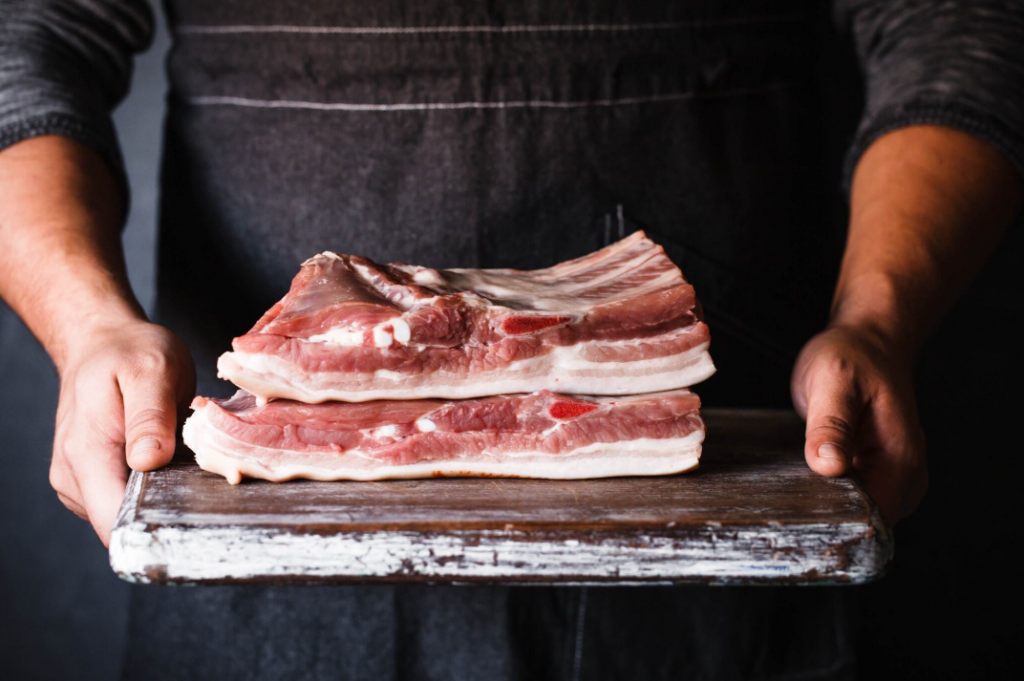
U.S. pork exports posted the second highest value and third largest volume on record in 2025, according to year-end data released by USDA and compiled by the U.S. Meat Export Federation (USMEF). December beef exports were the largest in eight months, but full-year shipments fell substantially year-over-year, largely due to the ongoing trade impasse with China. Exports of U.S. lamb muscle cuts were the largest in more than a decade.
Pork exports reach annual highs in Mexico, Central America and Caribbean
December pork exports totaled 257,846 metric tons (mt), down 3.5% from the large volume posted a year ago, but still the third largest of 2025. Export value was $746 million, down 3% but also the third highest of the year. December shipments trended higher year-over-year to Mexico, reaching the second largest monthly volume and value on record. Exports also increased to South Korea, Japan, the Caribbean, ASEAN and Taiwan. But these results were offset by lower volumes to China, Canada, Central and South America and Oceania.
The December results pushed total 2025 pork exports to 2.94 million mt, down 3% from the 2024 record but the third largest on record (also slightly below 2020). Export value was also down 3% from the 2024 record but was the second highest ever at $8.4 billion. Exports were record-large to leading market Mexico and to Central America and the Caribbean. Exports to Colombia were down less than 1% from 2024's volume record and reached a new high in value.
"Last year was outstanding for U.S. pork, especially in our Western Hemisphere markets," said USMEF President and CEO Dan Halstrom. "Demand in these destinations has maintained multi-year momentum, and duty-free access to our FTA partner countries is a foundational factor in this growth. We are hopeful that current trade negotiations will not only maintain this access, but remove barriers for U.S. pork in other markets."
December beef exports largest in eight months, but lack of access to China persists
December beef exports totaled 98,595 mt, down 10.5% from a year ago but the largest since April (access to China was largely lost in March). Export value was $809.2 million, down 10% but also the highest since April. December shipments increased year-over-year to Taiwan, the Middle East, ASEAN, Caribbean, South America and Hong Kong, were steady to Japan and fell only modestly to Korea, Mexico and Canada. But exports to China were minimal, offsetting gains elsewhere. When excluding China, December beef exports increased 4% year-over-year in volume and were 6% higher in value.
For the full calendar year, beef exports were down 12% from 2024 in volume (1.14 million mt) and were 11% lower in value ($9.33 billion). But excluding China, 2025 exports were down 3% in volume and just 0.4% in value.
"Global demand for U.S. beef – where it's available to the millions of consumers who love it – has remained strong despite tight supplies and numerous headwinds," Halstrom said. "USMEF is encouraged by recent market access gains in some markets, but implementation remains key and the industry looks forward to capitalizing on these wins. But for U.S. beef exports to hit on all cylinders and help maximize the value of every animal, it is imperative that access to China is fully restored."
For both U.S. beef and pork, December was an especially strong month for variety meat exports. Beef variety meat shipments achieved the highest-ever monthly value of $122.1 million, while pork variety meat exports were valued at nearly $105 million – the highest since March.
Lamb exports gained momentum in 2025
December exports of U.S. lamb muscle cuts totaled 188 mt, down 10% from a year ago, but export value increased 11% to $1.1 million. Value growth was driven primarily by Mexico and the Bahamas.
For the full year, lamb muscle cut exports totaled 2,765 mt, up 38% and the largest since 2013. Export value climbed 29% to $15.2 million, the highest value since 2014. Shipments posted strong year-over-year growth in Mexico, Canada, Central America and Trinidad and Tobago. Mexico's demand continues to expand to a wider range of items, including underutilized cuts from the breast and shoulder.
A detailed summary of the 2025 export results for U.S. pork, beef and lamb, including market-specific highlights, is available from the USMEF website.
For questions, please email Joe Schuele or call 303-547-0030.

Today, President Trump's Administration announced a new Agreement on Reciprocal Trade between the United States and Indonesia that gives tariff-free access for U.S. ethanol, corn, distiller's grains, corn gluten meal, sorghum and barley.
Through the agreement, Indonesia commits to adopting transportation fuels mixed with E5 by 2028, up to E10 by 2030 and down the line, include E20 in its fuel mix.
Indonesia will also remove unjustified sanitary and phytosanitary barriers that undermine reciprocity and it will not impose quantitative restrictions on U.S. exports which could lead U.S. corn purchases to exceed the current commitment volume.
In response, Mark Wilson, U.S. Grains & BioProducts Council Chairman said:
"The U.S. Grains & BioProducts Council applauds the work The Trump Administration – including Ambassador Greer and U.S. Department of Agriculture Secretary Rollins - continues to do to open markets around the world to U.S. corn, sorghum, barley and co-product producers and connecting them to those who want and need our products.
"This move is a welcomed development and a win-win for American producers and Indonesian consumers alike."
Yesterday afternoon, U.S. Senator Markwayne Mullin (R-OK) visited Cushing High School for a wide-ranging Q&A with students, followed by a meeting with Cushing's local leadership. The students asked Senator Mullin about a range of issues, including his start in politics, legislative priorities, and how Washington, D.C. can achieve bipartisan compromise.
After speaking with a group of high school juniors and seniors, Senator Mullin had a productive discussion with Cushing's local leadership, including Cushing Schools Superintendent Dr. Melissa Amon, Cushing Mayor BJ Roberson, Cushing City Manager Ryan Ochsner, Cushing Chamber of Commerce CEO Tracy Caulfield, and Cushing High School Principal Bob Coats—among others. City leadership asked Senator Mullin about the U.S. Department of Education, technology centers, economic development, and the future of the Senate filibuster.
MEDIA: PHOTOS and B-ROLL are available for print and broadcast use.
"Visiting with the next generation was the highlight of my day," said Senator Mullin. "Oklahoma students always ask excellent questions—and as usual, no subject was off limits. We discussed my legislative priorities for Oklahoma, economic challenges, and what it takes to become a U.S. Senator. Cushing is known as the 'Pipeline Capital of the Word' for good reason, and it's exciting to see how local educators are ensuring our students are equipped for life outside the classroom."
"I would like to thank Senator Mullin for taking the time to visit with our students," said Dr. Melissa Amon, Superintendent of Cushing Public Schools. "We sincerely appreciate his willingness to sit down with them, thoughtfully answer their questions, listen to their perspectives, and share his own. This visit provided an excellent opportunity for Cushing students to make meaningful real-world connections."
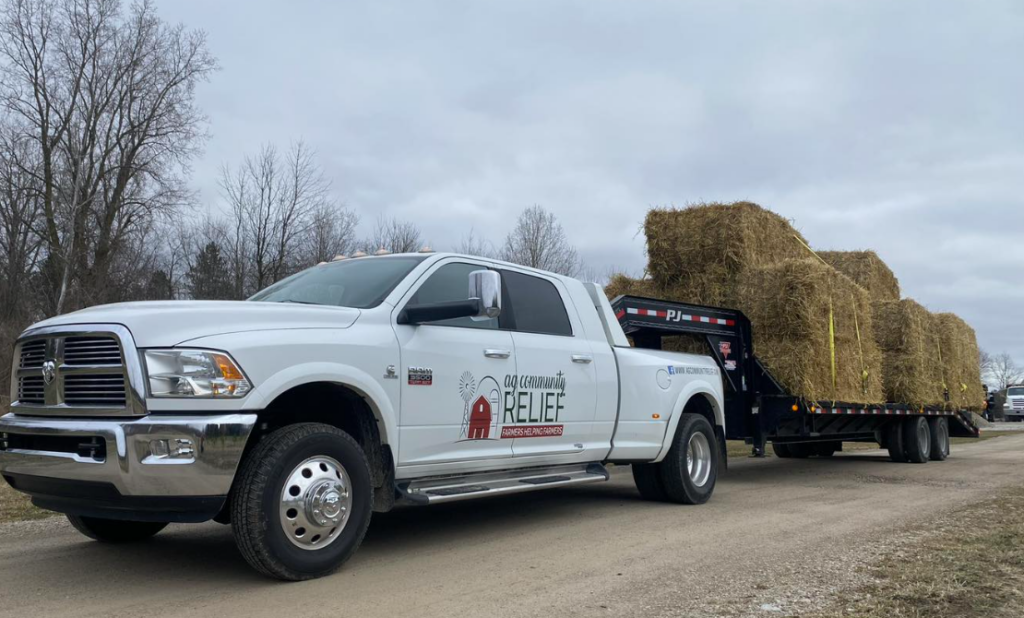
Pic Courtesy of Ag Community Relief
Wildfire Crisis: Agricultural Community Rallies for Orphan Calf Relief: The Rangers Road fire has already scorched over 283,000 acres, creating an immediate crisis for ranchers along the Oklahoma-Kansas border. In a recent informative discussion, Farm Director KC Sheperd sat down with Jessica Reed, Program Director for the Orphan Calf Relief Program, to detail the recovery efforts currently underway.
The fires escalated rapidly this past Tuesday, moving toward the Kansas line so quickly that many producers were unable to move their livestock to safety in time. Reed, a resident of Beaver County based south of Forgan, Oklahoma, explained that the focus has now shifted to sustaining surviving animals that have lost all access to grazing land.
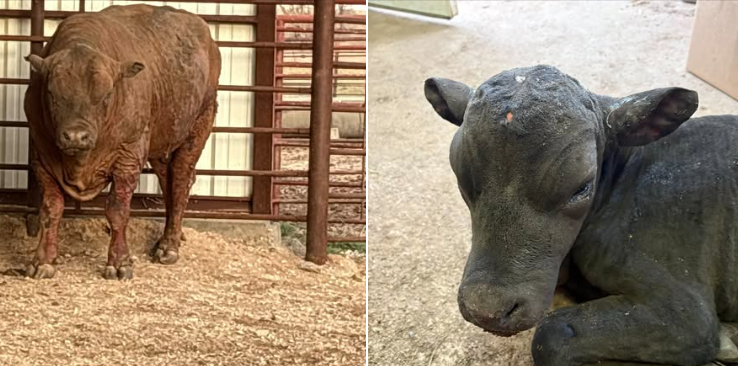
During the interview with Sheperd, Reed highlighted the critical logistics required to keep displaced livestock alive:
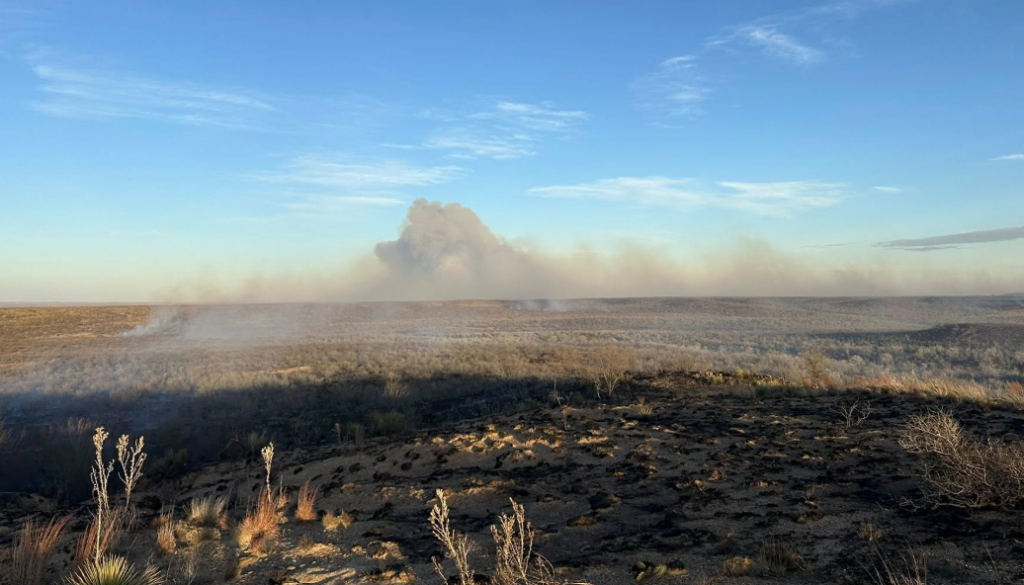
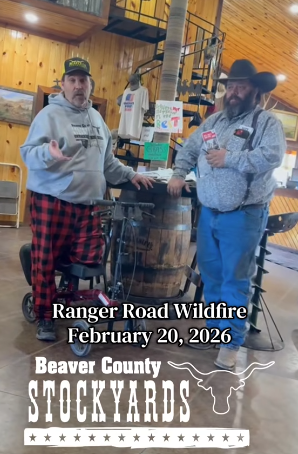
When asked by Sheperd what the agricultural community needs most in this moment, Reed was clear that immediate survival for the livestock is the priority.
Logistics and Coordination
Reed is currently acting as a central hub for logistics, coordinating between donors who have hay and groups like the Rancher Navy to handle transportation for those who lack the means to move it. This ensures that the influx of support is directed exactly where it is needed most without overwhelming local infrastructure.
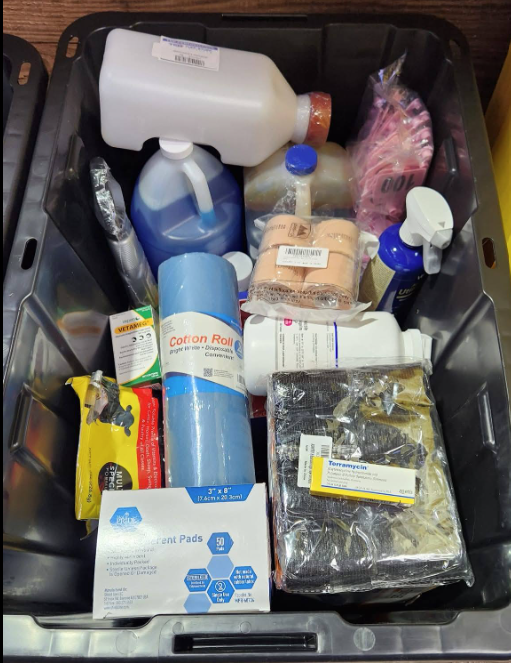
Even though the agricultural community is quick to lean in and help, it is vital to ensure donations reach legitimate operations. Reed recommended several verified paths for support:
 Preparedness for High-Wind Forecasts
With more wind in the forecast, the discussion turned toward emergency preparedness for rural families. Reed advised maintaining a "go-bag" with three days of clothing and essential documents. She further suggested keeping non-replaceable items, such as family heirlooms, packed in totes during fire season, as the speed of these fires leaves no room for deliberation once an evacuation order is issued.
Reed said producers are welcome to give her a call to ask how they can help, or ask for assistance of their own. You can reach Jessica at 620-629-0439, and also visit the Orphan Calf Relief Amazon Wishlist.
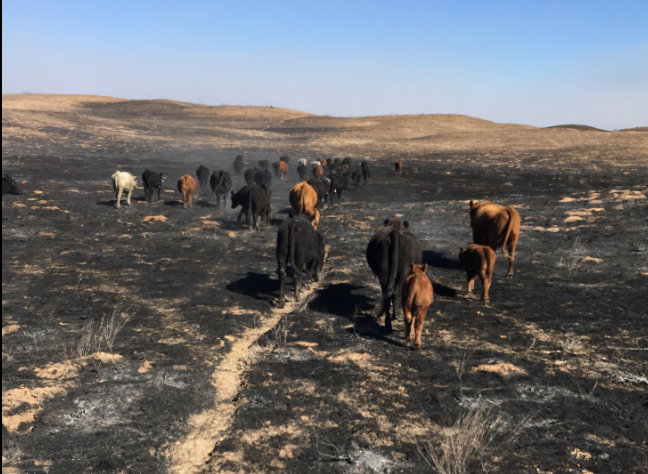
Another way you can help is by ordering a Tshirt from Sandhandle Creations. Profits from the shirts will go to help with supplies for the calves in our program & to our local hero's departments for their needs (ex: ruined tires from driving in fires) Shirts are $25.

CURRENT NEEDS (SUPPLIES & DONATIONS):
• Bottles and nipples for calves
• Milk replacer / calf formula
• Livestock feed and hay
• Electrolytes and wound care supplies
• Panels, fencing supplies, and basic ranch necessities
• Monetary donations to help move supplies quickly where they're needed most
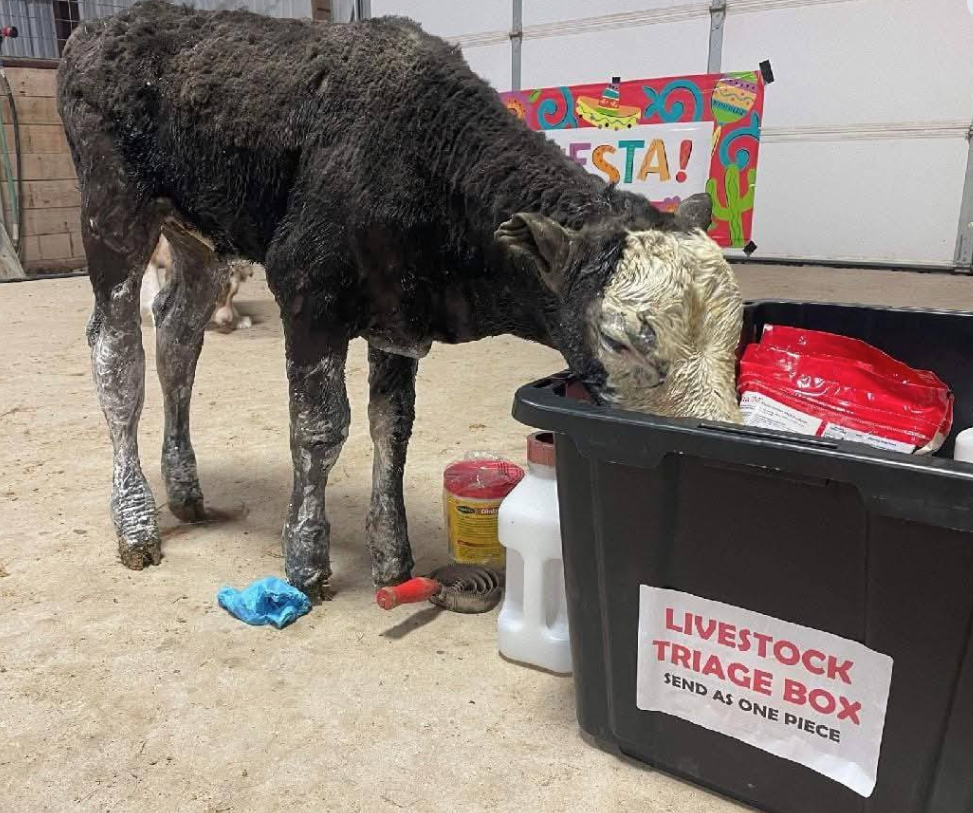
Livestock Emergency Triage Kits are Also needed:
These boxes are built specifically for immediate livestock triage, including:
• Burn treatment
• Wound stabilization
• Bandaging supplies
• Loose livestock containment
• Orphaned calf support (which is critical)
If you can help, here is how:

Efforts are underway to coordinate the collection and transport of supplies into the Texas Panhandle and Western Oklahoma.
Responders and local ranchers are actively working in the impacted zones. Please continue to give emergency and agricultural response vehicles room to operate.
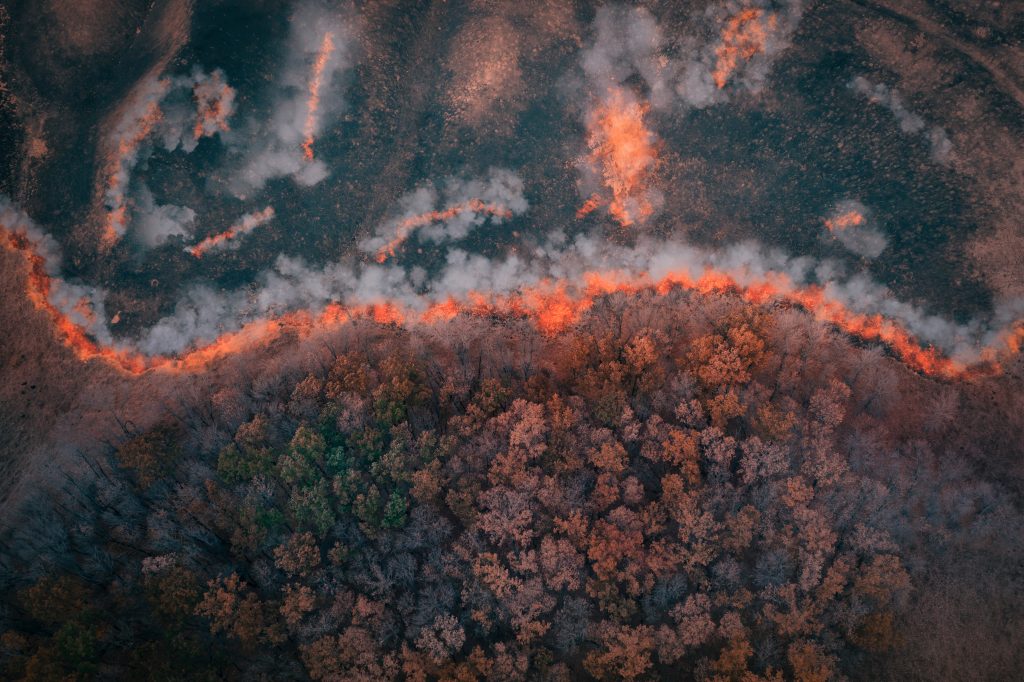
Rep. Mike Dobrinski, R-Okeene, today urged action by the governor in concert with the Legislature to expand funding for eradicating invasive species as the state faces early wildfires.
Dobrinski is the author of legislation that created the Terry Peach North Canadian Watershed Restoration Act and the House author of legislation that requires the Oklahoma Conservation Commission to implement a statewide plan targeting harmful woody species on state lands. Both are efforts to reduce materials that consume massive amounts of water and lead to fire threats.
This year, Dobrinski is running House Bill 2988, which currently recommends a tax credit for those who remove harmful woody species through qualified practices as defined by the Conservation Commission. The bill passed in the Appropriations and Budget Natural Resources Subcommittee. Dobrinski said the legislation will be amended before it reaches the House full A&B Committee to instead expand the Terry Peach Act.
"February is not traditionally a month we consider a wildfire risk," Dobrinski said. "After record snowfall last month, warm temperatures and winds have created threatening conditions earlier than usual. Woodward was spared this week, by the grace of God and the work of hundreds of firefighters and first responders. Many in the Panhandle and Northwest Oklahoma, however, have suffered great loss."
Dobrinski said lawmakers have talked for years about eastern red cedars and their challenge to the western Oklahoma water supply, along with the fire threat they present for much of the state.
"This issue predates my service at the Capitol by at least two decades," he said. "The Terry Peach North Canadian Watershed Restoration Act was a trial study that proved that addressing this issue would improve waterflow, restore native grasslands, return ecological balance and promote wildlife habitat."
Dobrinski said Woodward was threatened because of the proliferation of eastern red cedars southwest of the city, very much like the communities of Stillwater and Mannford, which suffered wildfires last spring.
"Our own governor lost a rural residence northeast of the Oklahoma City metro area in those fires, in an area that is very thick with eastern red cedars on neighboring properties," Dobrinski said.
"As the governor approaches the end of his administration, we can celebrate many victories and improvements to our wonderful state," Dobrinski said. "I encourage him to include in his legacy being the governor that decided it was time to turn the tide on our ever increasing eastern red cedar problem. I ask him to please work with our Legislature and emphasize the need to properly fund a sustained effort to improve our state's land and water resources and ensure a safer future for generations to come."
The American Soybean Association (ASA) congratulates this year's regional winners of the 2026 Conservation Legacy Awards:
The award winners will be recognized at the annual ASA Awards Celebration during Commodity Classic in San Antonio on Feb. 24. At the event, one of the regional winners will be announced as the national winner.
The Conservation Legacy Award is a national program designed to recognize the outstanding environmental achievements of soybean farmers, which help produce more sustainable U.S. soybeans.
A national selection committee, composed of soybean farmers, conservationists, agronomists and natural resource professionals, evaluated nominees based on their on-farm legacy of conservation practices and outreach efforts in their local community. The program is sponsored by ASA, BASF, Bayer, Nutrien, the United Soybean Board/Soy Checkoff and Valent USA.
Lewis Unruh, Peabody, Kansas (Midwest Region)
Kansas soybean farmer Lewis Unruh is no stranger to land stewardship. His operation's conservation story began with contour farming as his grandfather worked to slow the flow of water down the hills.
Today, Unruh has implemented sustainability practices across 100% of his acreage and says his goal is simple: to leave the land better than when he purchased it. The veteran farmer continually works to lower input costs while decreasing soil erosion through no-till, cover crops, and water management strategies.
"It gives me great satisfaction to see the changes and improvements to our farmland over the years," Unruh said. "The conservation efforts have allowed our farm the chance to be profitable."
Jon & Cathy Nelson, Lake Preston, South Dakota (Upper Midwest Region)
South Dakota soybean grower Jon Nelson knows that soil conservation and improving water quality must be top of mind for farmers like him.
While it wasn't easy to rethink the methods used on his farm for decades, Nelson accepted the challenge. In partnership with his wife, Cathy, son, Tyler, and daughter-in-law, Kaleigh, Nelson farms some 2,800 acres and works to incorporate new methods to conserve farmland and help create a sustainable, resilient operation for future generations.
"By embracing diversity and regenerative practices, we are building a farm that can adapt to change, remain productive and continue to serve both people and the environment well into the future," he said.
Read more
James Baxter, Georgetown, Delaware (Northeast Region)
James "Jay" Baxter and his sister, Kristy Malin, run Baxter Farms, Inc., a family partnership that is rooted in a history of conservation and land stewardship.
Their parents and grandparents modeled what it meant to leave the land better for the next generation—and now it's their turn to carry on that legacy.
"We're not just leaving assets behind," Baxter said. "We were given soil, something to grow. We were given something to love and to steward, and that's what my legacy means."
With a rich conservation heritage, Baxter Farms and its entire team shares the philosophy that the land itself is the farm's legacy. Soil health is at the forefront of the operation's management decisions, driven largely from the use of no-till, cover crops and water management.
Read more
Alex Forsbach, Savannah, Tennessee (South Region)
Tennessee soybean grower Alex Forsbach says that land stewardship and conservation practices are making a positive difference in his operation. He's witnessed first-hand a significant increase in organic matter alone over the last 10 years and attributes that directly to his use of no-till and cover crops.
"Conservation has a significant role in creating and carrying out my farming legacy," Forsbach says. "My children and farm visitors see conservation in action setting a foundation for the future. I love talking to people who are not directly involved in agriculture because you get the best questions on why we do things a certain way. It is a way for me to challenge conventional thinking."
While the future is filled with unknowns, Forsbach knows conservation helps him think long-term.
To learn more about these award-winning operations, visit AgWeb.com to read the longer feature story on each and watch a video highlighting each farm's conservation practices. ASA will begin accepting applications for the 2027 Conservation Legacy Awards this summer.
Today, U.S. Environmental Protection Agency (EPA) issued a memorandum clarifying guidance on Regional Haze State Implementation Plans (SIPs) to support the reliability of our electric grid. For far too long, the Clean Air Act (CAA) and the Regional Haze Program (Program) have been weaponized to compel power plant closures in an attempt to force generation shifting. Despite one of the necessary considerations in the Program being energy impacts, effects on grid reliability have not been taken into account. EPA will no longer support this misuse. The agency will uphold the law and return the Program to its intended purpose. This guidance update is one of many actions EPA has taken to restructure the broken Regional Haze program and advance cooperative federalism with EPA's state air partners.
"With recent events like Winter Storm Fern and significant increases in demand in electricity, we must ensure that the electric grid Americans depend on remains reliable," said Assistant Administrator for Air and Radiation Aaron Szabo. "This guidance update makes certain that the lights will turn on when you flick the switch in your home because that is now a consideration for States when looking to make significant changes to coal power plants for purely ideological purposes."
EPA prepared this non-binding guidance update to assist states with the preparation of any remaining second planning period regional haze SIPs due to EPA, as well as any future revisions to those SIPs. This guidance update clarifies that EPA encourages states to consider potential impacts on grid reliability when determining the emission reduction measures that are necessary to make reasonable progress in meeting Program air quality requirements. In CAA section 169A(g)(1), there are four considerations that are often referred to as the statutory factors associated with reasonable progress. These four factors are the costs of compliance, the time necessary for compliance, the energy and nonair quality environmental impacts of compliance, and the remaining useful life. In this guidance update, EPA explains that considering grid reliability impacts is contained within analyzing the energy and nonair environmental impacts factor, a key determination in second planning period regional haze SIPs.
EPA continues to move forward with the previously announced effort to meaningfully revise the Regional Haze Rule (RHR).
For more information on this guidance update and a link to the memorandum, visit the following webpage: https://www.epa.gov/visibility/update-guidance-regional-haze-state-implementation-plans-second-implementation-period
Background
In 2017, EPA announced revisions to the RHR,1 and issued Guidance on Regional Haze State Implementation Plans for the Second Implementation Period2 in August 2019. There have since been significant increases in electricity demand and strain on the reliability of the United States' electrical grid. EPA does not support states forcing the premature closure of electric generating facilities in order to comply with the CAA's regional haze second planning period requirements.
Under the current RHR, states must submit SIPs to address visibility impairing pollutants in mandatory Class I Federal areas to demonstrate reasonable progress towards the national visibility goal under CAA section 169A(a)(1). Class I areas include many units in the National Park System and federally designated wilderness areas.
On December 31, 2025, Administrator Zeldin signed a final rule revising the current RHR to extend the due date from July 31, 2028, to July 31, 2031, for the third planning period of SIPs. EPA is extending this deadline to ensure that states and regional planning organizations have adequate time to adapt third planning period SIPs to any changes EPA makes to the Program as part of the ongoing effort to restructure existing regulations. This action was first announced through an Advanced Notice of Proposed Rulemaking.
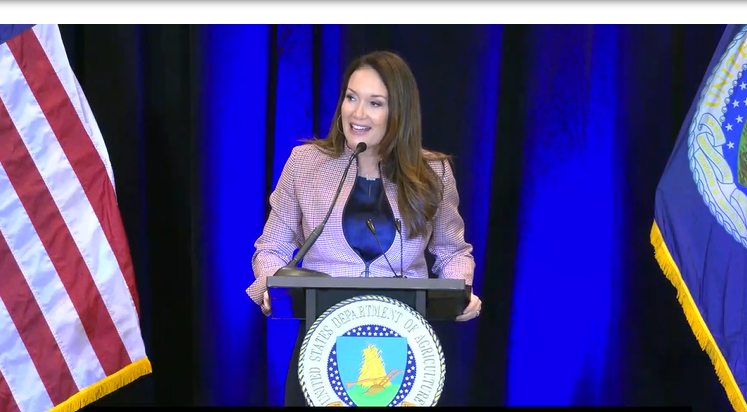
Addressing a capacity crowd at the 102nd Agricultural Outlook Forum, U.S. Agriculture Secretary Brooke Rollins delivered a candid assessment of the American farm economy while detailing a rapid-response strategy to restore profitability to the sector and the path to Ag prosperity. Rollins described the current state of agriculture as "dire," citing it as perhaps one of the most challenging periods in the last 50 years.
The centerpiece of the Secretary's address was the formal opening of the enrollment period for the Farmer Bridge Assistance (FBA) program. The program provides $11 billion in one-time payments to row crop producers to help them navigate market disruptions and elevated input costs as they enter the 2026 planting season.
In a move to address long-standing concerns over the "gold standard" of USDA reporting, Rollins announced the publication of a formal Request for Information (RFI) regarding the agency's statistical data. This launch initiates a 45-day public comment period, which Rollins described as a vital "question and answer" opportunity between the department and the countryside.
"We want to hear directly from you—our farmers, ranchers, and economists—on how we can improve our data analysis and research," Rollins said. She emphasized that the goal is to ensure USDA reports accurately frame market conditions rather than inadvertently drive price outcomes, promising that the agency will "lean in" to this feedback to improve the process for producers.
Rollins also discussed the implementation of the One Big Beautiful Bill Act (OBBBA), which she credited with providing the most significant updates to the farm safety net in decades:
In a departure from traditional ag-only topics, Rollins emphasized the realignment of the U.S. food system through the newly released 2025-2030 Dietary Guidelines for Americans. Developed alongside Bobby Kennedy, the guidelines prioritize "real food"—minimally processed proteins, healthy fats, and whole grains.
Rollins argued that this initiative is fundamentally an agricultural policy. "At long last, we are realigning our food system to support American farmers, ranchers, and companies that grow and produce real food," she said.

Today, the National Cattlemen's Beef Association (NCBA) welcomed the announcement that U.S. beef exports will now have duty-free access to Indonesia. Gaining access to the Indonesian market, where U.S. beef has faced significant barriers, has been a priority for NCBA for years. As part of the trade deal, Indonesia will purchase at least 50,000 metric tons of U.S. beef annually and now recognizes USDA authority on food safety and animal health, opening more opportunities for exports.
"U.S. beef exports to Indonesia have faced numerous tariff and non-tariff trade barriers, which has made it incredibly difficult to develop any type of market presence. With this agreement, American cattle producers now have access to the fourth most populous country, the largest halal beef market in the world, and more opportunities for producer profitability," said NCBA President and Virginia cattle producer Gene Copenhaver. "When combined with the Taiwan trade deal signed last week, U.S. cattle producers now have more market access than they have had in decades. NCBA thanks President Trump and U.S. Trade Representative Ambassador Jamieson Greer for their diligent work to sign this trade deal to the benefit of American producers."
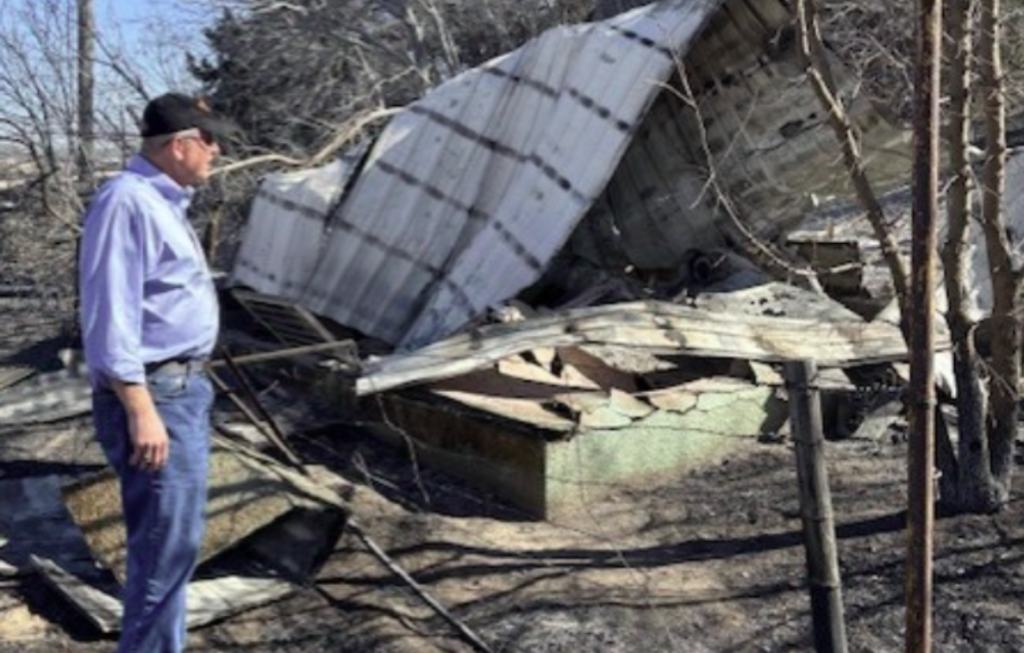
Oklahoma farmers and ranchers are facing a wide range of urgent challenges, from wildfire devastation to uncertainty surrounding farm policy, as former House Ag Committee Chair and current senior member of the House Ag Committee Congressman Frank Lucas joined Ron Hays for an in-depth conversation on the Oklahoma Farm Report. Lucas opened by addressing the severe wildfire conditions across western Oklahoma, noting that the situation remains dangerous as dry weather and high winds persist.
Lucas said the scale of destruction has been staggering, estimating that burned acreage in his district has likely surpassed expectations. "We're probably well past 125,000 acres, maybe close to 150,000 acres," he said, pointing to fires in Beaver, Harper, Texas, and Woodward counties that even crossed into Kansas. He added that the damage extended to public infrastructure, including the Agricultural Research Station in Woodward, where he had visited to assess what it would take to restore operations. "Until these weather patterns change, it only takes one spark to burn off 100,000 acres," Lucas warned. Disaster assistance information is also available on the Frank Lucas website.
On the federal response, Lucas emphasized the importance of permanent disaster assistance tools available to livestock producers. He highlighted the Livestock Indemnity Program and the Livestock Forage Disaster Program, both of which he helped craft in the 2014 Farm Bill. "These are two programs that are really, really important," Lucas said, explaining that they provide protection for livestock losses and forage destruction. He stressed that producers should work directly with their local FSA offices and noted, "They're permanent law. They don't expire."
The discussion then shifted to the ongoing work on what Lucas described as the second phase of the Farm Bill. While major components such as crop insurance, price protection, conservation funding, and nutrition programs have already been addressed, Lucas said lawmakers are now focused on finishing the remaining pieces. "Now we focus on rural development, ag research," he said, along with conservation implementation language and moving the Food for Peace program under USDA control to ensure U.S.-grown food is used in humanitarian aid.
Lucas also addressed debates surrounding the farm safety net and Title I programs, pushing back on calls for wholesale changes. He explained that modern farm policy relies on insurance-based risk management rather than outdated supply controls. "If you have a good year, you don't get anything back," he said, comparing it to insurance, "but if you have a problem, it's there." Lucas said adjusting reference prices was critical due to inflation and economic changes since 2018, adding, "We've got something we can politically defend and something that delivers help to people."
Turning to the legislative environment, Lucas acknowledged the growing difficulty of passing farm policy in a sharply divided Congress. "The margins just get smaller and smaller," he said, noting narrow party control in both chambers and increased political tension. Despite those challenges, Lucas expressed cautious optimism, saying the farm bill may be one of the few issues capable of moving forward. "Honestly, the farm bill might be the easiest subject matter he could pick right now to take across the floor," he said.
In closing, Lucas outlined key priorities he hopes to see included in the Farm Bill 2.0 legislation, including permanent language on foreign investment review through CFIUS(making the Secretary a member of the group), support for rural hospitals and infrastructure, and continued vigilance against animal health threats like the New World screwworm. He praised USDA's recent actions but cautioned producers to remain mindful of market dynamics tied to cattle supplies. "We are subject to supply and demand," Lucas said. "Supply may change at some time in the future."
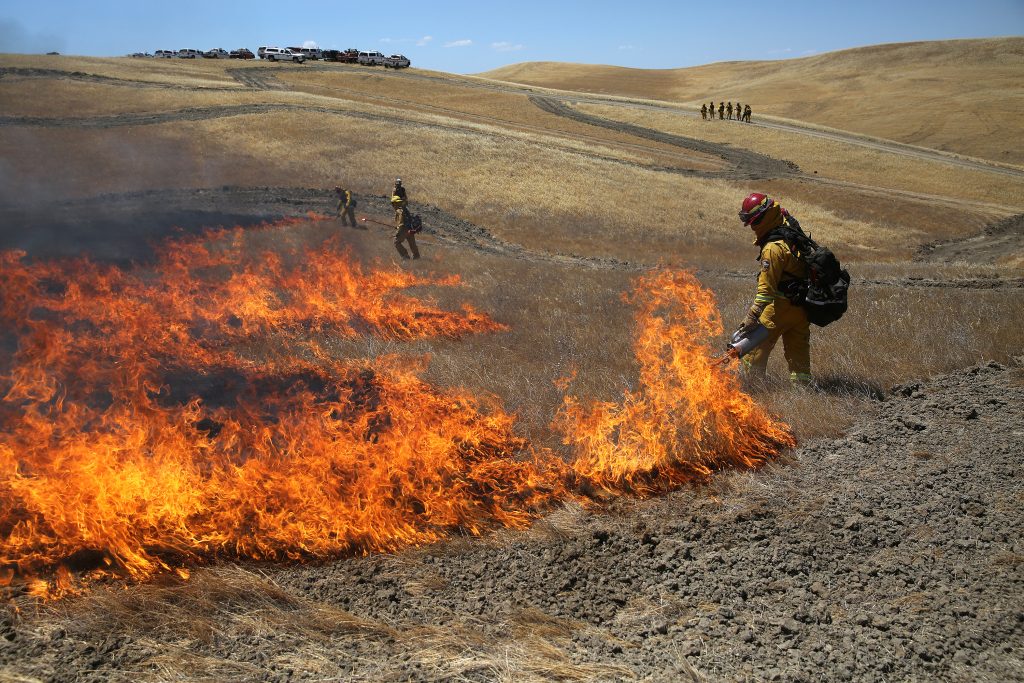
With 300,000 acres already burned and wildfires still raging in Oklahoma and Kansas, Oklahoma State University Extension specialists are available for media interviews on topics related to livestock care.
Experts are available to discuss topics such as tending to livestock after a wildfire, emergency cattle nutrition, documenting losses after disasters and carcass disposal.
To schedule an interview with Rosslyn Biggs or Dave Lalman, Oklahoma State University Extension specialists for beef cattle or Barry Whitworth, senior Extension specialist for food and animal health, about animal care during and after wildfires, contact Dean Ruhl in the OSU Agriculture Office of Communications and Marketing.
OSU Extension uses research-based information to help all Oklahomans solve local issues and concerns, promote leadership and manage resources wisely throughout the state's 77 counties. Most information is available at little to no cost.

AFBF Statement on Supreme Court Tariff Ruling:
American Farm Bureau Federation President Zippy Duvall commented today on the Supreme Court's decision to strike down the administration's use of tariffs. "America's farmers understand the president's efforts to use tariffs to create a more level playing field for U.S. goods, U.S. workers and the U.S. economy. Unfortunately, trade disruptions and declining prices for agricultural goods created additional hardships for farmers who came into 2025 already dealing with crippling inflation and declining farm prices. We appreciate the President responding to trade and market disruptions by delivering important financial assistance. Open and fair markets are critical to help rebuild the farm economy. "In light of today's Supreme Court ruling, we urge the administration to work swiftly to find other ways to resolve trade disputes and finalize recently announced trade frameworks. With supply costs already at or near record highs, we strongly encourage the president to avoid using any other available authorities to impose tariffs on agricultural inputs that would further increase costs. America's farmers and ranchers need stability to ensure families across America can put food on their tables."
National Association of Wheat Growers Reaction from CEO Sam Kieffer:
The National Association of Wheat Growers (NAWG), CEO Sam Kieffer issued the following statement in response to the U.S. Supreme Court's decision regarding tariffs imposed under the International Emergency Economic Powers Act (IEEPA):
"As policymakers consider next steps following the Court's decision, it is essential that America's farm families ongoing financial crisis be considered. Wheat growers finished the third straight year of financial losses driven by stubbornly high supply costs and low prices for the crops we grow."
"We depend on fertilizer, crop protection tools, equipment, repair parts and other supplies that sometimes come from trading partners to successfully plant and harvest each year's crop. As the Administration considers how to move forward, NAWG urges careful attention to the avoid any adverse impacts on agriculture."
"We look forward to continued engagement with the Trump Administration and Congress to achieve long-term policies that stabilize the farm economy and protect America's domestic food supply."
Chairman Thompson Statement on SCOTUS Tariff Ruling:
House Committee on Agriculture Chairman Glenn "GT" Thompson (PA-15) issued the following statement today in response to the Supreme Court's ruling on President Trump's use of tariffs: "American farmers and ranchers produce the safest, most affordable, and most abundant food supply in the world, and securing reliable access to international markets is incredibly important for our producers. Moving forward, America's agricultural sector is looking for clarity across the trade landscape. I will continue to engage with the Trump Administration as we work toward the mutual goal of strengthening our economy and opening up new export markets."
NFU Responds to Supreme Court Ruling on Tariffs:
National Farmers Union President Rob Larew issued the following statement regarding the U.S. Supreme Court decision on tariff authorities. "We appreciate the Court providing clarity on tariff authority. However, many family farmers and ranchers have already felt the consequences of this tariff agenda. "Over the past year, tariffs have raised input costs, disrupted export markets and triggered retaliation against U.S. agricultural goods. In an already fragile farm economy, uncertainty has hit family operations hardest. "We urge the administration not to pursue similar tariffs under other authorities, and we call on Congress to exercise its oversight role to ensure trade policy supports—not undermines—America's family farmers and ranchers."
ASA Statement on Supreme Court Tariff Case:
Today, the U.S. Supreme Court issued a decision regarding tariffs and related authorities. In response, the American Soybean Association (ASA) issued the following statement: "The case at the Supreme Court has been closely followed by soybean farmers who have seen the cost of inputs rise over the past year due to tariffs. U.S. soybean growers are reliant upon imports for critical farming tools like fertilizer, seeds, pesticides, and agriculture equipment," said Scott Metzger, ASA President and Ohio farmer. "Moving forward, certainty and dependable market access are essential for U.S. soy to remain competitive globally. Because farmers are caught in a cost-price squeeze and ag input costs remain high, we urge the President to refrain from imposing tariffs on agricultural inputs using other authorities. We look forward to working with the Trump Administration and Congress to strengthen market opportunities and support a stable farm economy for generations to come."
Farmers for Free Trade Statement on Supreme Court Decision on IEEPA Tariffs:
Farmers for Free Trade today released the following statement on the Supreme Court's 6-3 decision to strike down the President's authority on global tariffs implemented through the International Emergency Economic Powers Act (IEEPA). The statement if from Farmers for Free Trade's Executive Director, Brian Kuehl. "Today's Supreme Court decision is an important step toward restoring predictability and the rule of law in American trade policy. Tariffs imposed under IEEPA have been devastating for American farmers, driving up costs for inputs like fertilizer, equipment, and parts while triggering retaliatory tariffs that cut off critical export markets. Farmers have been caught in the crossfire, paying more for what they need while losing access to the customers they depend on. "Despite today's ruling, we remain deeply concerned that the administration will reimpose tariffs through other means. Any new approach would likely invite the same retaliation from our trading partners that has already caused so much damage to American farmers. Tariffs hurt farmers on both ends, raising what they pay and reducing where they can sell. "The focus now must be on restoring stable trade relationships and expanding market access for American agricultural products, not finding new ways to harm farmers with tariffs. We urge the administration to work with Congress on comprehensive trade solutions that open markets rather than close them, and to resist the temptation to replace one problematic tariff authority with another. American farmers are the most productive in the world, but they need access to markets, not more barriers and retaliation."
Ranking Member Angie Craig Applauds Supreme Court Tariff Decision:
Today, House Agriculture Committee Ranking Member Angie Craig (MN-02) released the following statement in response to the Supreme Court's decision to block President Trump from using the International Emergency Economic Powers Act (IEEPA) to levy tariffs. "Tariffs have wreaked havoc on the American economy by driving up the price of everyday goods for hardworking Americans and businesses. They've been especially disruptive for our growers, producers and ranchers who have been suffering under the weight of high input costs and lost market access. While I applaud the Supreme Court for reigning in the president's power to issue tariffs by decree, I fear these tariffs have already caused lasting damage to farm country. While Trump promised to deliver a 'Golden Age' for agriculture, his tariffs cost our farmers billions in lost revenue and handed our export markets to agricultural competitors like Argentina and Brazil. These losses will take years to recover from. Congress must provide struggling farmers and families with meaningful relief, and the Agriculture Committee should prioritize helping American farmers survive by focusing on a truly bipartisan farm bill that addresses the current challenges our growers are facing." In January 2026, Ranking Member Craig and fellow Democrats introduced the Farm and Family Relief Act (H.R.7206), which would repeal the president's executive order deploying tariffs under IEEPA, in addition to providing necessary aid to American farmers and people struggling to afford food due to his trade wars.
Statement from the NCFC President & CEO Duane Simpson on Supreme Court Ruling on IEEPA Tariffs:
"America's farmers and cooperatives are operating in one of the most challenging farm economies in years, and USDA forecasts point to another difficult season ahead for row crop producers. According to USDA's Economic Research Service, input costs are expected to climb again in 2026, reaching record highs for many crops including corn, soybeans, wheat, sorghum, cotton, rice, and peanuts. "After substantial price increases over the past five years, tariffs on critical agricultural inputs have added to financial pressures at a time when margins are already razor thin. "With President Trump's announcement that he is imposing temporary 10% tariffs under other authorities, we urge that the Administration exempt key agricultural inputs. The recent decision to pull back tariffs on certain fertilizer products—which NCFC and other ag groups had asked for—provided meaningful relief, and this ruling presents an opportunity for the president to build on that progress and reinforce his support for America's farmers. Policymakers should focus on lowering input costs, restoring certainty in supply chains, and strengthening the competitiveness of U.S. agriculture in global markets." About NCFC. Since 1929, NCFC has been the voice of America's farmer cooperatives. Our members are regional and national farmer cooperatives, which in turn consist of more than 1,600 local farmer cooperatives across the country. NCFC members also includes state and regional councils of cooperatives. Farmer cooperatives allow individual farmers the ability to own and lead organizations that are essential for continued competitiveness in both the domestic and international markets. America's farmer-owned cooperatives provide a comprehensive array of services for their members. These diverse organizations handle, process and market virtually every type of agricultural commodity. They also provide farmers with access to infrastructure necessary to manufacture, distribute and sell a variety of farm inputs. Additionally, they provide credit and related financial services, including export financing. Learn more at www.ncfc.org.
Provenzano Lauds Supreme Court Decision to Strike Down Federal Tariffs:
On Friday, the U.S. Supreme Court, divided 6-3, ruled that most of the sweeping tariffs on goods coming into the United States from around the world put forth by the Trump Administration exceed the President's authority. Rep. Melissa Provenzano, D-Tulsa, lauded the decision as a win for affordability for everyday working Oklahomans. "Today's ruling is a win for Oklahomans who are living paycheck to paycheck," said Provenzano. "It's a win for our small businesses who are seeing their margins narrow because of these tariffs. Costs need to come down for everyone, and Oklahomans need to know that their paychecks will keep up." The ruling states these sweeping tariffs were not permitted under a 1977 law called the International Emergency Economic Powers Act (IEEPA).
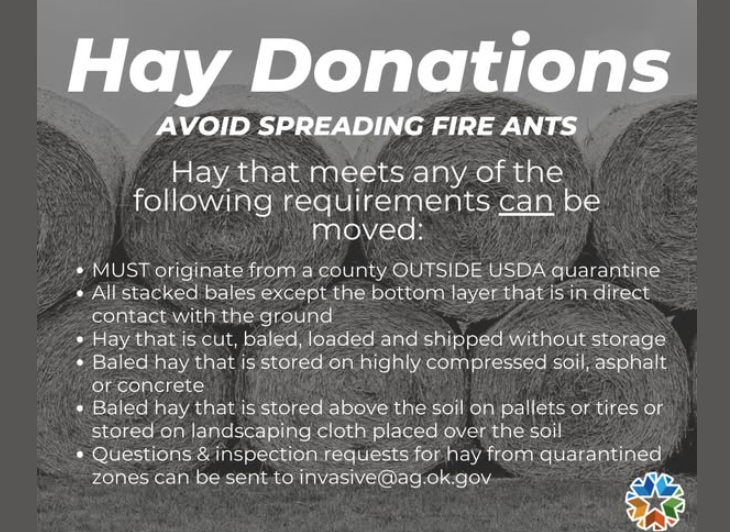
Wanting to donate hay to those impacted by Oklahoma wildfires? Please use caution before moving hay around Oklahoma to help prevent the spread of invasive fire ants!
Learn more: https://tinyurl.com/hzewrkf9
While it may seem like a generous act to donate hay to fellow producers in need, transporting hay infested with Red Imported Fire Ants (RIFA) can turn a short-term solution into a long-term disaster for the recipient.
The primary concern is the rapid and permanent spread of an invasive species. Fire ants are notorious for their aggressive behavior and painful stings, which can cause significant stress, injury, or even death to newborn calves and ground-nesting wildlife. Beyond the physical danger to livestock, an infestation can quickly take over a pasture, damaging equipment like mowers and balers with their hard, alkaline mounds.+1
From a regulatory standpoint, moving infested hay can also trigger strict USDA quarantines. Many states have "biosecurity" laws that prohibit the movement of hay from known fire ant areas without proper inspection or chemical treatment. If a producer unknowingly introduces fire ants to a "clean" county, they may inadvertently subject the entire local industry to new shipping restrictions and increased costs for years to come.
See the counties under USDA fire ant quarantine: https://www.aphis.usda.gov/plant.../ifa/ifa-quarantine-map
To ensure your donation truly helps, it is essential to:
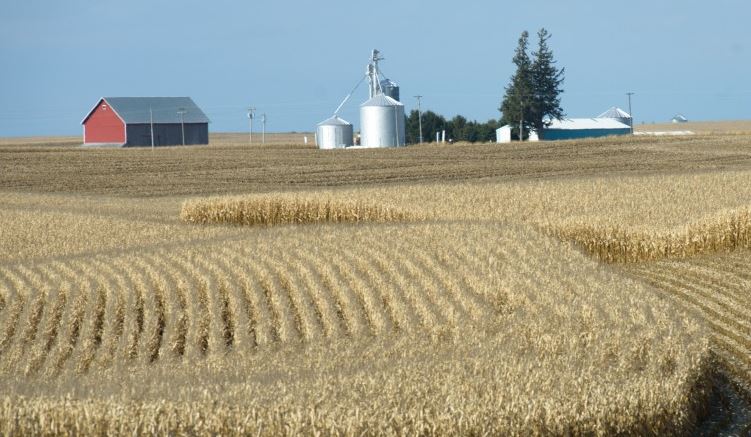
U.S. Secretary of Agriculture Brooke Rollins today announced the U.S. Department of Agriculture (USDA) is opening the enrollment period for the Farmer Bridge Assistance (FBA) program, providing $11 billion in one-time bridge payments to row crop producers in response to temporary trade market disruptions and increased production costs. The FBA enrollment period opens Feb. 23 and closes April 17, 2026.
"Improving the farm economy is our top priority at USDA, and we have simplified and streamlined the application process for the bridge program to ensure producers get the financial assistance they need as quickly as possible as we're kicking off the spring planting season. President Trump continues to put farmers first. If our farmers are not economically able to continue their operations, then we will not be able to feed ourselves in this country," said Secretary Brooke Rollins. "Producers who want to further expedite their payment, can apply online through the program website and could receive a payment in their bank account as early as February 28, 2026. Putting Farmers First means providing economic relief now while the Trump Administration continues opening new markets and strengthening the farm safety net."
These bridge payments are authorized under the Commodity Credit Corporation Charter Act and are administered by the Farm Service Agency (FSA). Bridge payments are intended in part to aid farmers until historic investments from the One Big Beautiful Bill Act (OBBBA), including reference prices which are set to increase between 10-21% for major covered commodities and will reach eligible farmers after Oct. 1, 2026.
How to Apply
Pre-filled applications will be available online to producers with a Login.gov account who timely filed their 2025 crop acreage report for eligible commodities. Producers who have a Login.gov account can access and submit their pre-filled application from fsa.usda.gov/fba. Additionally, producers can also request their pre-filled FBA application from their FSA county office.
April 17, 2026, is the deadline to submit completed FBA applications. Producers can complete FBA applications online or submit to their FSA county office.
Login.gov
Login.gov is the public's one account for government. Producers can use one account and password for secure, private access to participating government agencies, including FSA.
To apply for FBA online, producers can start by visiting fsa.usda.gov/fba to create their Login.gov account. Producers who have an existing Login.gov account, can work with FSA using their existing account.
With a secure Login.gov account, producers can be amongst the first to apply for FBA allowing them to view, certify, and submit their application as well as track their application and payment status.
For assistance creating a Login.gov account, visit https://login.gov/help/.
Eligibility
The following commodities are eligible for FBA: Barley, Chickpeas, Corn, Cotton, Lentils, Oats, Peanuts, Peas, Rice, Sorghum, Soybeans, Wheat, Canola, Crambe, Flax, Mustard, Rapeseed, Safflower, Sesame, and Sunflower.
All intended uses for FBA eligible commodities are eligible excluding grazing, experimental, green manure, left standing, or cover crops. Initial acres, double crop acres, and subsequently planted acres, are eligible. Prevent plant acres are not eligible.
Crop insurance linkage is not required; however, USDA strongly urges producers to take advantage of the new risk management tools provided for in OBBBA to best protect against future price risk and volatility.
Payment Calculation
In December, USDA released the payment rates by commodity.
FBA payment rates are based on 2025 planted acres, Economic Research Service cost of production, and the World Agriculture Supply and Demand Estimate Report.
Specialty Crop Assistance
On Feb. 13, Secretary Rollins announced the Assistance for Specialty Crop Farmers (ASCF) program which provides a one-time bridge payment to help address market disruptions, elevated input costs, persistent inflation, and market losses from foreign competitors engaging in unfair trade practices that impede exports. Specialty crop producers have until March 13, 2026, to report 2025 acres to USDA's Farm Service Agency (FSA).
More Information
More information on FBA and ASCF is available online at fsa.usda.gov/fba. Producers can also contact their local FSA county office.

In a landmark 6-3 decision issued Friday morning, the U.S. Supreme Court ruled that the administration overstepped its constitutional authority by unilaterally imposing sweeping global tariffs under the International Emergency Economic Powers Act (IEEPA).
The ruling, authored by Chief Justice John Roberts, effectively dismantles the "reciprocal" tariff framework established in 2025, which had placed duties on nearly every trading partner. Justices Clarence Thomas, Samuel Alito, and Brett Kavanaugh were the lone dissenters.
The Court's majority found that while the IEEPA of 1977 grants the President broad powers to regulate international commerce during a national emergency, it does not provide a "blanket license" to levy taxes. The ruling emphasized that the U.S. Constitution explicitly grants the power of the purse—including the authority to set duties and tariffs—to Congress, not the Executive Branch.
"The statute neither mentions tariffs nor provides the procedural safeguards required for such a massive shift in economic policy," the Court noted.
For the U.S. agriculture industry, which has been caught in a cycle of retaliatory trade measures and market volatility, the ruling offers a moment of significant recalibration:
Jonathan Coppess, an agricultural policy specialist and lawyer at the University of Illinois, notes that the decision represents a strong, across-the-board understanding of constitutional limits. He explains that:
Coppess mentions that while the Court acknowledged broad executive discretion during wartime—citing the Youngstown Sheet & Tube case from the Korean War—it remained firm that peacetime actions require distinct legislative authorization.
While the ruling strikes down the broad application of the IEEPA for tariffs, it does not strip the President of all trade tools. The administration may still attempt to utilize Section 232 (national security) or Section 301 (unfair trade practices) to maintain certain duties. However, these pathways require more rigorous investigations and offer less speed and flexibility than the emergency powers used previously.
Industry leaders, including the National Cattlemen's Beef Association (NCBA) and the National Association of Wheat Growers, have expressed that while trade stability is welcome, the focus now shifts to how the administration will pivot its "America First" economic agenda within these new legal boundaries.
During his press conference today, February 20, 2026, President Trump reacted strongly to the Supreme Court's 6-3 ruling that struck down his sweeping global tariffs.
Read the full decision below

In today's beef buzz, senior farm and ranch broadcaster Ron Hays speaks with John Hutcheson, director of the beef cattle technical services team with Merck Animal Health, about a newly approved tool to help protect U.S. cattle from the threat of New World screwworm. The conversation took place on the trade show floor, where Hutcheson outlined how Merck is preparing producers for a potential incursion north of the Rio Grande.
Hutcheson emphasized Merck's commitment to innovation, noting, "I'm proud to work for a company that brings new products and innovation," as he introduced Exzolt Cattle CA1. He explained the product carries a label claim for both New World screwworm and cattle fever tick and can be used for prevention and treatment, adding that it represents "a new chemical class that has not been introduced into the U.S. cattle herd before."
That new chemistry is especially important, Hutcheson said, because of long-term resistance concerns. "We've been using the same classes for many decades, and we see some things that relate to resistance," he explained. "So we're excited about bringing a new chemical class, which comes with some responsibility of producers and how they use it to make sure we have a product that lasts a long time." He also noted the chemistry has already been used successfully in countries like Mexico, Brazil, Australia, and South Africa.
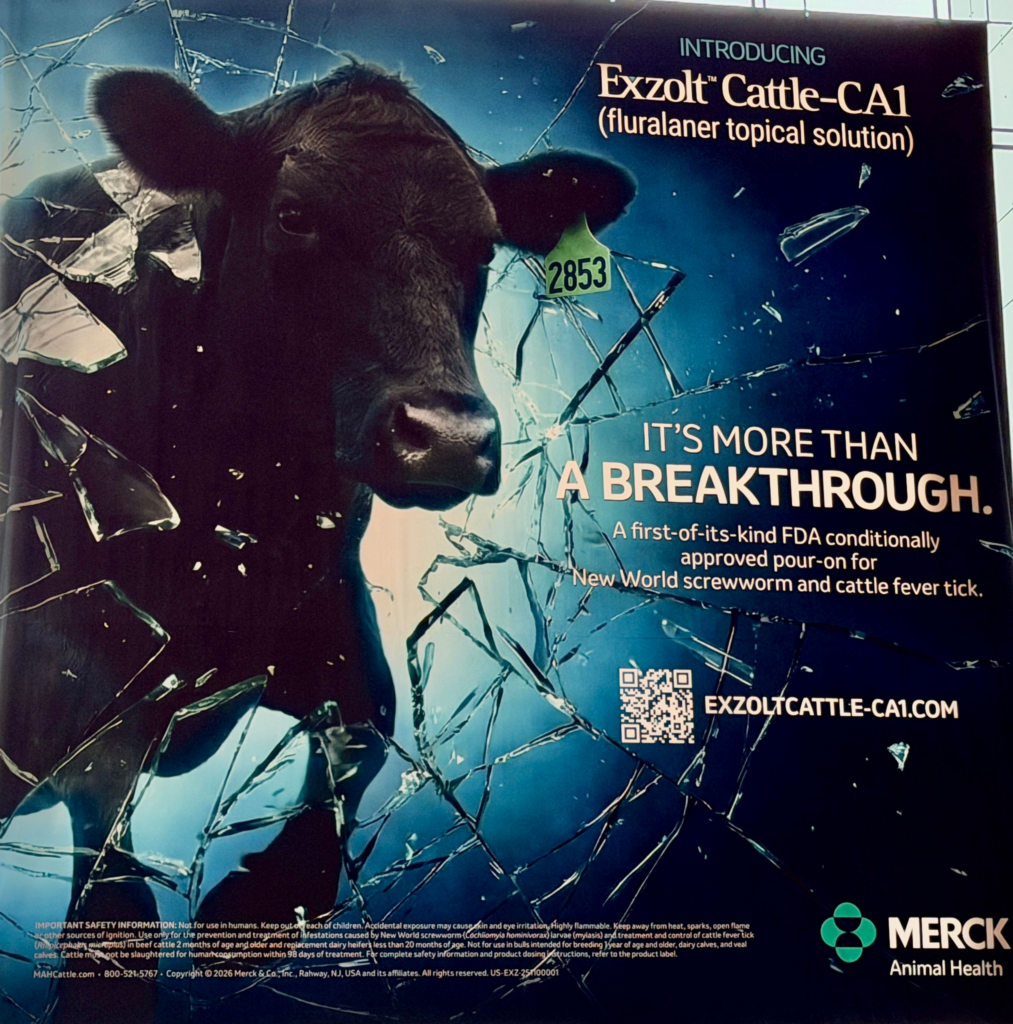
On the practical side, Hutcheson described how Exzolt Cattle CA1 fits into everyday cattle management. "If you find a wound that's got larvae in it... you could treat them, and it clears that myiasis in 48 to 72 hours," he said. From a prevention standpoint, he added that applying the pour-on product during routine procedures like castration can protect calves for 14 days, noting, "In our study, we saw no myiasis for the entire 14 days, and the wound healed in that time as well." The product can be safely used on cattle "two months of age and older."
Hutcheson stressed that veterinarian involvement is critical since the product requires a prescription. "If you don't have a veterinarian, you should have that veterinarian on board and a valid vet-client-patient relationship," he said, adding that vets can help producers decide "when to treat, when to prevent, and how to best use it." He concluded by pointing to Merck's broader cattle health portfolio and reaffirming the company's role as "a science-driven company... continuing to invest in the cattle industry with new products that are useful to producers."
Coverage of CattleCon26 is powered by Farm Data Services of Stillwater, Oklahoma.
The Beef Buzz is a regular feature heard on radio stations around the region on the Radio Oklahoma Ag Network and is a regular audio feature found on this website as well. Click on the LISTEN BAR for today's show and check out our archives for older Beef Buzz shows covering the gamut of the beef cattle industry today.

USMEF Statement on U.S.-Indonesia Agreement on Reciprocal Trade
The Office of the U.S. Trade Representative (USTR) announced on Thursday an Agreement on Reciprocal Trade between the United States and Indonesia. As detailed here, the agreement includes tremendous market access gains for U.S. red meat.
U.S. Meat Export Federation (USMEF) President and CEO Dan Halstrom issued this statement:
Indonesia has been a leading priority for the U.S. red meat industry throughout recent negotiations on reciprocal trade. Especially without access to China, the U.S. beef industry needs to be able to serve the Indonesian market, which demands similar items as China and other Asian destinations. Currently, Indonesia is essentially closed to U.S. beef due to its trade-limiting import licensing system and effective cap on imports. The new agreement addresses the many barriers maintained by Indonesia, and successful implementation will allow Indonesian importers and consumers to have meaningful, consistent access to U.S. beef for the first time. The agreement also includes a 50,000 metric ton annual purchase commitment. This is in line with USMEF's market potential estimates and should help incentivize true implementation of the commitments Indonesia has made on removing its non-tariff barriers. Export value could reach $400 million to $500 million in the near term, following implementation.
Exports of U.S. pork have also been restricted by Indonesia's import licensing regime and by limited approval of U.S. plants. These obstacles go away under this agreement, enabling further growth in U.S. pork exports, including further processed products.
USMEF thanks the Trump administration for its continued focus on breaking down barriers for U.S. agricultural exports and we look forward to successful implementation of the U.S.-Indonesia agreement.

The National Milk Producers Federation (NMPF), U.S. Dairy Export Council (USDEC) and the Consortium for Common Food Names (CCFN) celebrated today's signing of a new U.S.–Indonesia trade agreement that would provide key market access expansions and protections for American dairy products.
Following years of NMPF, USDEC and CCFN advocacy, the deal will eliminate tariffs on all U.S. dairy exports; recognize U.S. regulatory oversight, including by listing all U.S. dairy facilities and accepting dairy certificates issued by U.S. regulatory authorities; and commit to protecting 40 common cheese names like "parmesan." U.S. dairy exporters have long faced challenges with Indonesia's excessively slow and burdensome facility registration process, making the issue's resolution critical.
"This important agreement enhances the strong and growing relationship we've developed with Indonesia's government and dairy industry," said Krysta Harden, president and CEO of USDEC. "Through sustained engagement, we've laid a solid foundation for partnership. This deal reinforces that progress and positions U.S. dairy to expand its capacity to serve as a reliable partner in supporting Indonesia's dairy sector and nutrition goals."
The agreement builds on the U.S.–Indonesia Dairy Partnership, launched in 2024 to deepen cooperation across multiple fronts. As part of this collaboration, USDEC partnered with Indonesian institutions to support the government's Free and Nutritious School Meals initiative, which includes the goal of providing school milk to students.
NMPF and USDEC also signed a memorandum of understanding (MOU) with the Indonesian Chamber of Commerce and Industry (KADIN) last May to expand dairy trade and strengthen commercial ties. USDEC also signed a MOU with the Indonesian Food and Beverage Industry Association (GAPMMI) last October. A USDEC-GAPMMI roundtable led by USDA Under Secretary for Trade and Foreign Agricultural Affairs Luke Lindberg was held earlier this month to deepen that connection.
"Indonesia is the fourth-most populous country in the world and, it's a critical market for U.S. dairy farmers," said Gregg Doud, president and CEO of NMPF. "Thank you to Ambassador Greer and the USTR team for securing expanded access that will directly translate into stronger demand for U.S. dairy products."
"The common names protections included in this agreement are especially important for America's farmers and exporters," said Jaime Castaneda, executive director of CCFN. "Ensuring U.S. producers can continue to market and sell products like 'parmesan' and 'feta' in Indonesia without unfair restrictions helps preserve export opportunities and supports the livelihoods of farmers and manufacturers across the United States."
Indonesia is currently the eighth-largest export market for U.S. dairy products. U.S. dairy exports to Indonesia in 2025 totaled $222 million, including strong demand for milk powders, whey products, cheese and other dairy ingredients. The agreement is the ninth trade deal secured to date by the Administration that includes new market access for U.S. dairy products, including an agreement signed with Taiwan last week. NMPF, USDEC and CCFN will continue to work with the U.S. and Indonesian governments to swiftly and fully implement the agreement's provisions.
Navigating Economic Uncertainty: Essential Federal Rights and Strategies for Farmers:
As the agricultural industry faces a landscape of fluctuating commodity prices and rising interest rates, understanding borrowers' federal rights has become a critical component of farm management. In a recent discussion, Jay Brunson, an attorney at Brunson Ag Law, shared vital insights with Farm Director KC Sheperd regarding the proactive steps farmers should take when facing potential loan defaults or financial restructuring.
One of the primary themes of the conversation was the necessity of early intervention. Brunson emphasized that farmers are often the first to recognize the "weak links" in their operations, whether due to high input costs—such as $600 urea or $945 DAP—or low market prices.
The most effective strategy for managing potential default is to engage with lenders long before the situation escalates to litigation. Brunson noted that maintaining an open dialogue allows bankers to work with their boards to keep loans from being classified, potentially leading to a note modification or a partial liquidation rather than a total loss.
"Radio silence will lead to litigation faster than anything else."
For operations facing severe distress, Chapter 12 bankruptcy offers a specific framework for farm reorganization. This legal path is designed for farmers and family fishermen, provided that more than 50% of their gross income is derived from farming.
Brunson cautioned that while Chapter 12 can save a farm, it carries significant repercussions, including a substantial hit to the borrower's credit score and a diminished ability to secure new lending.
A common reflex for farmers in debt is to sell major assets to pay down loans. However, Brunson warned that without consulting both an attorney and an accountant, this can lead to a "capital gains nightmare".
Many farmers in Oklahoma are working with land that has a very low tax basis—sometimes as low as $400—while current market values near areas like Tuttle can reach $30,000 per acre. Selling such land might satisfy the bank, but it could trigger a massive tax liability with the IRS on April 15.
The current economic climate has drawn frequent comparisons to the 1980s farm crisis. Brunson acknowledged the similarities, noting 8%-9% interest rates on operating lines and the difficulty of earning a profit that can support a family while servicing high debt.
With the average age of the American farmer between 58 and 65, many are also weighing these financial challenges against retirement planning, making the need for expert legal and financial counsel more pressing than ever.
RON's Dave Lanning has a pre-opening look at today's agricultural Markets.
Click the audio tab below for today's report.
BASF has introduced Circalo™: Low Carbon Intensity Crops, a comprehensive, unified platform designed to connect farmers, agronomists and ethanol producers with the tools needed to help operationalize agricultural carbon intensity (CI) under evolving regulatory frameworks, including the Clean Fuel Production Credit (Section 45Z1). By utilizing xarvio® FIELD MANAGER and xarvio BIOENERGY, Circalo: Low Carbon Intensity Crops helps transform on-farm data into verifiable, auditable inputs that can be used by biorefineries to support low CI fuel production strategies.
As the U.S. ethanol industry prepares for implementation of Section 45Z, biorefineries face a clear reality: the CI of agricultural feedstocks will increasingly determine competitiveness, margin and long-term market access. While many growers are already using conservation and efficiency practices that lower CI, ethanol producers need scalable, verifiable systems to document those practices and translate them into measurable CI reductions at the plant level.
"Farming doesn't happen in a vacuum, it's a broad system where every choice has ripple effects throughout the value chain," says Chad Asmus, Sustainability Market Development Manager for BASF Agricultural Solutions. "We have developed Circalo: Low Carbon Intensity Crops to combine agronomic expertise with economic opportunity, so farmers can potentially receive new revenue and recognition for their conservation practices."
"45Z changes the conversation for ethanol," Jeff Carver, xarvio BIOENERGY Key Account Manager for BASF, explains. "Carbon intensity is no longer just a reporting exercise, it's a business driver. Circalo: Low Carbon Intensity Crops is built to help ethanol plants work directly with the agronomy partners and farmer networks to document real, measurable ag practices so the data flows seamlessly and securely."
Turning agricultural practices into verified CI value
Under the current proposed 45Z framework, agricultural practices such as cover crops, tillage reduction and nutrient management may materially influence feedstock CI. However, inconsistent data collection, fragmented tools and unclear verification pathways have made it difficult for ethanol producers to reliably incorporate agricultural CI improvements into their broader CI strategy.
Circalo: Low Carbon Intensity Crops addresses this challenge by enabling:
· Farm level data captured through the farmer's trusted advisor, xarvio FIELD MANAGER, to document agronomic practices and calculate CI according to the proposed 45Z requirements.
· Standardized data aggregation and reporting across a biorefinery's grower network. By providing xarvio FIELD MANAGER for agronomists to record farm-level data and measure carbon intensity, Circalo: Low Carbon Intensity Crops empowers the farmer's trusted advisor with agronomic insights to help maximize yield potential and reduce carbon intensity, thereby making low-carbon incentive programs more accessible to farmers. When connected to a biorefinery using xarvio BIOENERGY, this digital system, along with a third-party verifier, can deliver a verified Biofuel Feedstock Report that meets regulatory requirements to qualify for potential low-CI premiums offered by the biorefinery.
· Integration with xarvio BIOENERGY to provide a holistic view of the biorefinery's low CI feedstock procurement including total bushels and average CI. Circalo: Low Carbon Intensity Crops will help to connect the dots from field to biorefinery with clear, accurate data and value generation at each stage.
· Third party verification to support regulatory and audit requirements tied to low CI feedstock requirements under 45Z.
An opportunity for farmers and biofuels producers
Circalo: Low Carbon Intensity Crops is tailored for farmers, agronomists and biorefineries. Biorefineries can use xarvio BIOENERGY to offer their own Circalo: Low Carbon Intensity Crops program to secure verified low-carbon intensity feedstocks, optimize incentives for their farmer-suppliers and maximize returns from low-carbon fuel production tax credits. This approach allows ethanol producers to move beyond theoretical CI improvements and toward practical, defensible reductions rooted in real farm practices.
Designed for the ethanol value chain
"Circalo: Low Carbon Intensity Crops is purpose-built for the ethanol ecosystem," Carver adds. Through xarvio BIOENERGY, biorefineries can create their own low CI feedstock programs, align agronomy support with CI outcomes and strengthen long-term relationships with farmers.
"Ethanol producers don't need another pilot or promise, they need execution," said Asmus. "BASF is ready today with digital tools, agronomic expertise, and a scalable system that helps plants prepare for 45Z and beyond."
For farmers, the platform simplifies participation by capturing what they are doing and helps identify opportunities to improve CI to help maximize potential profitability. "Circalo: Low Carbon Intensity Crops will help farmers be credited for their current conservation practices while paving the way for future ones, too," added Asmus. "As the market for low carbon intensity agriculture expands, we are aiming to make sure everyone in the value chain, especially farmers and their trusted advisor, has a clear route to participate."
Ready for 2026 and beyond
Circalo: Low Carbon Intensity Crops is fully operational for the 2026 growing season and for look-back opportunities from the 2025 growing season, aligning with ethanol producers' planning for 45Z implementation. The xarvio platform is designed to evolve alongside final guidance from the U.S. Treasury Department and the USDA, ensuring flexibility as methodologies, agricultural practice definitions and verification standards continue to develop.
To learn more about enrolling your ethanol plant, agronomy network or grower program, visit xarvio.com.

National Farmers Union (NFU) President Rob Larew issued the following comments in response to the U.S. House of Representatives Committee on Agriculture releasing H.R. 7567, the Farm, Food, and National Security Act of 2026.
"Family farmers and ranchers are facing a significant economic crisis, and the next farm bill should reflect that reality. Regrettably, the bill that will be considered by the agriculture committee next week fails to match the magnitude of the challenges in front of us.
"Trade disruptions, rising input costs, depressed commodity markets and corporate consolidation are squeezing family farmers from every direction. We need immediate relief, but we also need long-term structural reform to farm policy that will restore financial viability for our farms and ranches.
"The bill takes several encouraging steps that NFU supports. The legislation revives the model of the recently cancelled Local Food Procurement Agreement program by authorizing state-led local food purchasing programs for the first time. It includes Farmers Union–backed credit improvements—such as higher Farm Service Agency loan limits and a pre-approval pilot—and authorizes local meat processing grants. It also preserves the Food for Peace program.
"But too much of the bill is heading in the wrong direction. The bill fails to address the ongoing damage caused by the administration's tariff policies and continues to rely on ad hoc disaster assistance rather than establishing stronger farm policy tools. It also fails to reinstate mandatory country-of-origin labeling for beef at a time when imports are on the rise and transparency is being demanded by farmers and consumers. And unfortunately, new authorizations for local food procurement, meat processing, and others that NFU supports are not funded.
"We also have concerns about provisions that would limit states' ability to address questions of liability related to agricultural inputs — an issue many of our state organizations have raised. NFU believes these questions deserve careful consideration as the bill moves forward.
"Last summer's reconciliation package separated key farm safety net improvements and made deep cuts to nutrition programs — two pillars that have traditionally been negotiated together as part of a comprehensive farm bill. Splitting these from the rest of the farm bill weakened the bipartisan coalition that typically accompanies the legislation. This markup is the first farm bill after that split, and it shows.
"This isn't the farm bill we want, and it's not the farm bill we need. While we appreciate the continued effort to advance a farm bill, lawmakers are failing to seize the opportunity to deliver bold, comprehensive reforms that will truly support America's family farmers and ranchers."
Today, the National Association of Wheat Growers (NAWG) sent a letter to House Agriculture Committee Chairman Glenn "GT" Thompson (PA-15) and Ranking Member Angie Craig (MN-02) calling for swift passage of the Farm, Food, and National Security Act of 2026. In the letter, NAWG emphasized the urgent need for a comprehensive, long-term farm bill that provides certainty, strengthens risk management tools, and ensures America's wheat farmers have the stability and policy support necessary to remain competitive in an increasingly volatile global marketplace. Read the full letter here.
"Across wheat-growing states, I hear directly from farmers who are navigating sustained economic challenges driven by volatile commodity prices, stubbornly high input costs, and increasing global competition," said NAWG CEO Sam Kieffer. "For a crop that depends heavily on export markets and reliable risk management tools, strong policy here at home is essential. Advancing this legislation without delay is critical not just for wheat farmers, but for the rural communities and American families who depend on them."
NAWG calls on the Committee to advance this critical legislation and stands ready to work alongside members throughout markup and full House consideration. We look forward to continued bipartisan collaboration to strengthen and finalize a comprehensive farm bill that delivers for farmers and rural America.
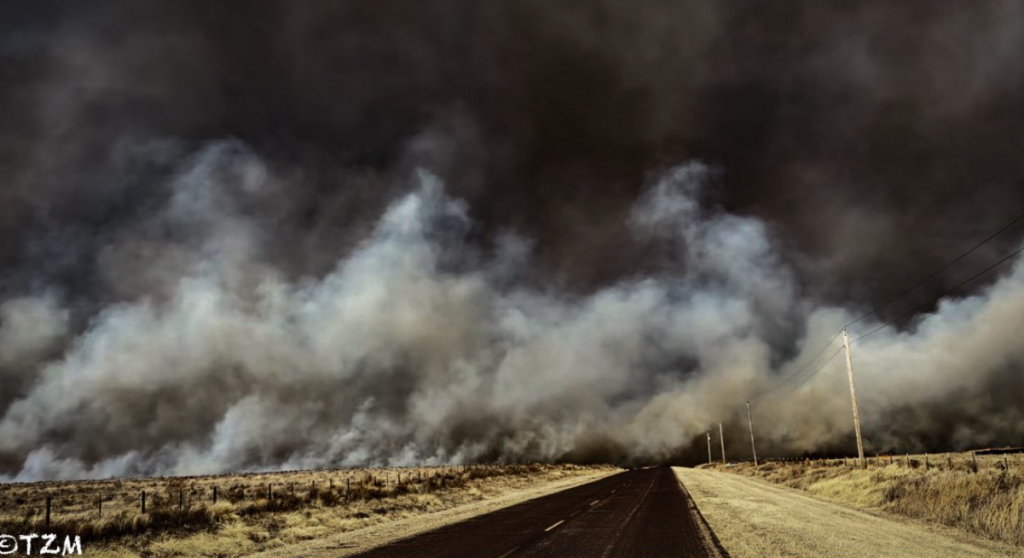
Pic Courtesy of Storm Chaser Jaden Pappenheim Facebook Page
The wildfire crisis in Western Oklahoma has intensified, with more than 155,000 acres consumed across Woodward, Beaver, and Texas counties. In response to the rapid spread, a State of Emergency has been declared for these three counties to accelerate the deployment of critical resources and state support.
The Oklahoma Department of Emergency Management is currently leading a coordinated response, working alongside local authorities and multiple relief organizations to manage the shifting front lines.
As local residents and officials begin to survey the destruction, the full extent of the loss remains unclear. Jessica Reed noted that while damage assessments are ongoing, the immediate needs of the agricultural community are dire.
With calving season currently underway for most Oklahoma ranchers, the fires have created a secondary crisis: a significant number of orphaned calves requiring specialized care. Ranchers are facing a critical shortage of:
Beyond the livestock losses, the human toll is significant. Several families have lost their homes, signaling the start of what officials describe as a long-term recovery effort.
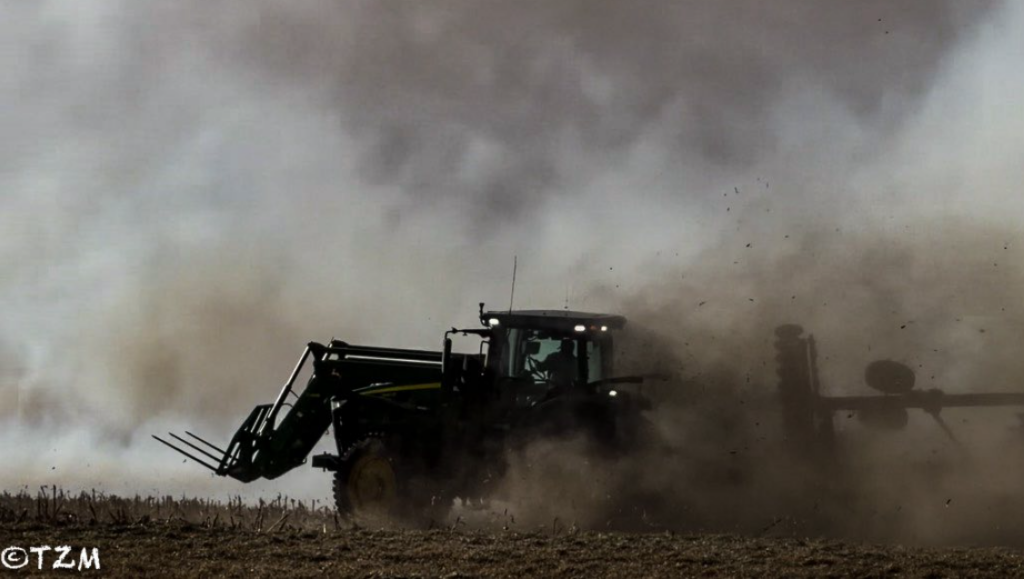
The Oklahoma Cattlemen's Foundation (OCF) has established a relief fund to help cattle producers who have been affected by the recent wildfires in Northwest Oklahoma. "We are coordinating with boots on the ground leaders in the Panhandle and Northwest to identify ranchers that are in need," said Michael Kelsey, Executive Vice President of the Oklahoma Cattlemen's Association. "The wildfire relief fund at the Oklahoma Cattlemen's Foundation will distribute 100% of received funds to impacted cattle producers. The OCF will establish an application process later this week and encourage impacted producers to let us know the extent of the damage to their cattle operation so we can help directly."
If you would like to donate to this relief effort, you can do so by mail or online. OCF is a 501c(3) charitable arm of the Oklahoma Cattlemen's Association (OCA). Make checks payable to
Oklahoma Cattlemen's Foundation and put "Fire Relief" in the memo line and send to P.O. Box
82395, Oklahoma City, OK 73148.
To donate online, visit okcattlemen.org.
We will continue to update this report as new information becomes available. For those looking to support the recovery and relief efforts in Western Oklahoma, please see the resources listed below.
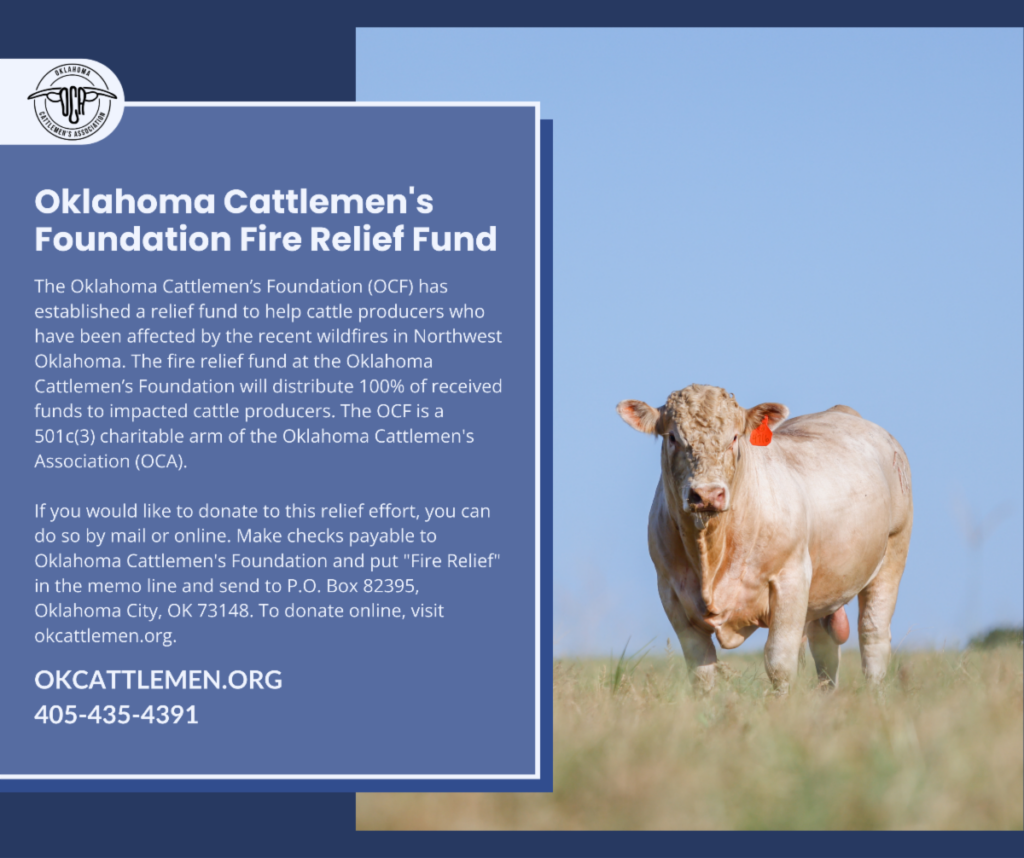
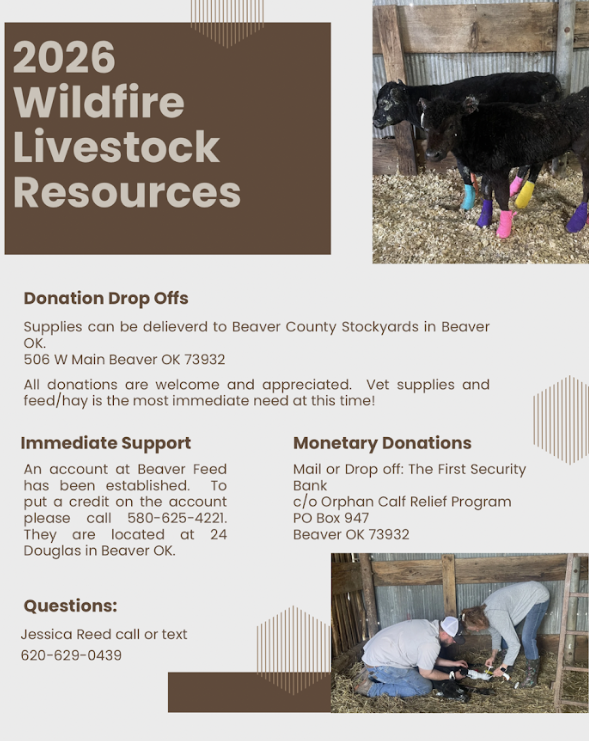
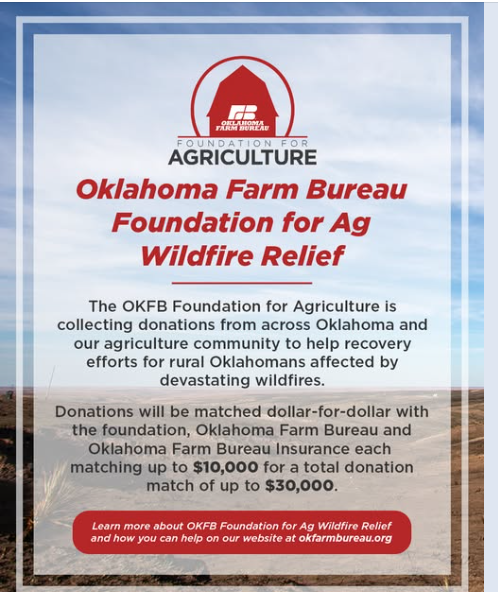

Drop Locations have also been set up in Texas and Kansas.
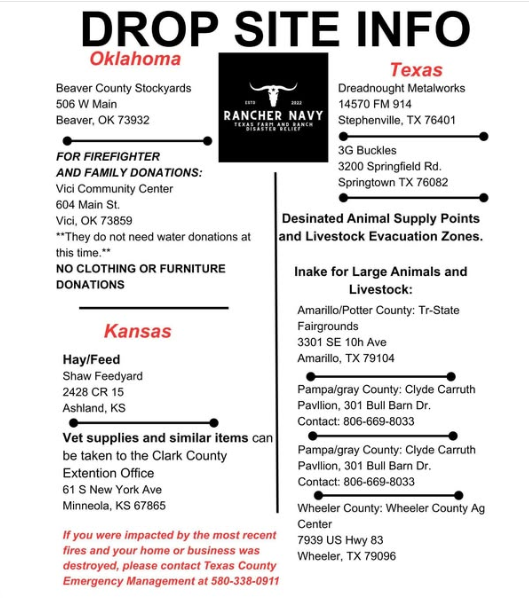
There are are two good facebook pages that are updating events and resources:
Wildfire & Disaster Relief Ag Community
The Rancher Navy-Texas farm and ranch Disaster Relief
 United Cajun Navy – 2026 Fire Needs
We need your help! Disasters don't wait — and neither do the families who depend on us.
Please visit our Amazon Wish List to help us bring hope, relief, and critical supplies to those in need during fire response operations in 2026.
Every item donated helps us respond faster, support survivors, and serve our communities when it matters most. 
 Beaver County OK Conservation District is coordinating donations of hay for wildfire relief. Hay can be dropped off at the Hamilton Farm, west of Knowles, OK on Highway 64.
Laverne Fire Department is accepting donations of non-perishables food, feed, hay, fencing, and monetary donations and is in contact with volunteer fire departments throughout the area.
Shelters for those affected by the fires:
Beef is the centerpiece of today's consumer affordability discussion. The recent drought and the closure of the Mexican border are cited as the reasons domestic beef supplies are so low relative to incredibly strong beef demand.
But this is incorrect.
The recent drought and the border closure merely illuminated the decades-long, systemic deterioration of the U.S. cattle industry, rendering it incapable of withstanding even a moderate economic shock – such as a drought or border closure.
America was warned just over a decade ago that our industry had shrunk to a dangerously low level, and yet no meaningful reforms were implemented.
In 2010, a drought struck while our cowherd was already liquidating, and this accelerated the herd liquidation in the face of strong beef demand. By 2014, our cattle inventory had fallen to a 70-year low. From July 2010 through July 2015, the supply-demand imbalance sent consumer beef prices upward, increasing 52%, and cattle prices chased the rising beef prices, increasing 59% during this same period.
Also during this 2010-15 period, imports exploded, increasing by 47% and hitting a near-record high in 2015. But also during most of this entire period, mandatory country-of-origin labeling, or MCOOL, was in place for beef, including for ground beef sold at retail.
So let's recap. About a decade ago, our herd shrank to a historical low, imports increased to near-record highs to make up the shortfall in domestic supplies, and both cattle prices and consumer beef prices increased to new record highs.
Now, we all know what happened next. Under the weight of those near-record imports, combined with the cattle industry's highly concentrated market, something had to give. And what gave was neither consumer beef prices nor increasing imports.
No, it was cattle prices that gave in, and from 2015 through most of 2016, cattle prices fell farther and faster than at any time in history.
Congress repealed MCOOL at the end of 2015, and we then went through about five years in which beef prices and imports trended upward while cattle prices trended downward. During this multi-year period, while imports and beef prices trended upward but cattle prices trended downward, beef was no longer required to be labeled as to its origin, including ground beef.
During this approximate five-year period, the cattle market was dysfunctional and suffered market failure – a functional market simply would not generate low cattle prices and high beef prices over such an extended period of time.
There were three ominous factors at play during this period: First, the market was highly concentrated, with four firms controlling about 85% of the fed cattle market and about 80% of the boxed beef market. This level of market concentration is far in excess of levels known to elicit poor economic performance and anticompetitive behavior. Second, import volumes increased year over year beginning in 2016 until they reached an all-time record high in 2020. And third, neither packers nor retailers were required to inform consumers as to the country of origin of beef, including ground beef, that consumers purchased in their grocery stores. This means consumers had no say as to whether they wanted their beef produced domestically or in some foreign country – that decision as to where to source beef was left entirely to the packers.
This approximate five-year window provides us with two important lessons. The first lesson is that when increased imports pass through the same highly concentrated packers who already possess tremendous market power, those increased imports do not result in lower consumer beef prices, but they do correlate with lower cattle prices.
The second lesson is the most important one: Not having to disclose the origins of beef in the domestic market is among the primary means by which the packers and retailers can exploit their inherent market power. It relegates imported beef as a perfect substitute for domestic beef, and increasing the volume of those substitutes in the domestic market lessens the demand for U.S. cattle of all weights and ages.
So now you know why global beef packers and all their allies are fighting so hard to prevent Congress from reinstating mandatory country-of-origin labeling for beef. It's because MCOOL will remove from their arsenal a significant tool with which to continue controlling the U.S. cattle market and downstream beef market.
Enacting MCOOL in the farm bill will be a critically important step in replacing monopolistic power with competitive market forces.
Please call your members of Congress and tell them MCOOL must be included in the farm bill.
Growth Energy, the nation's largest biofuel trade association, applauded today's release of final 2025 trade data showing that U.S. exports of U.S. ethanol eclipsed the record set in 2024. In total, the U.S. exported 2.18 billion gallons of ethanol valued at $4.8 billion in 2025, a 13 percent volume increase from 2024 levels. Despite an overall agricultural trade deficit, U.S. ethanol experienced a trade surplus of 2.12 billion gallons and $4.55 billion.
"American biofuel exports are powering growth in rural communities, supporting new manufacturing jobs, and advancing U.S. energy leadership on the global stage," said Growth Energy CEO Emily Skor. "There's no question that the broader farm economy is struggling, but the latest data shows that biofuels can continue to be a source of strength for American agriculture. Each new trade agreement opens valuable markets for America's surplus grain, and combined with strong domestic markets for E15, biofuels are positioned to reignite growth across the heartland. We applaud United States Trade Representative Jamieson Greer, Secretary Rollins and President Trump for prioritizing U.S. ethanol in the administration's new trade frameworks, and we look forward to fueling another banner year for American exports in 2026."
Read the last data from the USDA's Foreign Agricultural Service here.
American Farm Bureau Federation President Zippy Duvall commented today on President Trump's executive order to boost production of certain crop protection tools.
"AFBF appreciates the administration for affirming that food security is national security. Phosphate fertilizers and effective products reviewed and approved by the EPA enable farmers to protect the health of their crops while using fewer natural resources. A strong domestic supply chain reduces dependence on foreign imports and helps ensure continued access to tools that contribute to the success of farmers who grow the food and fiber America's families rely on."
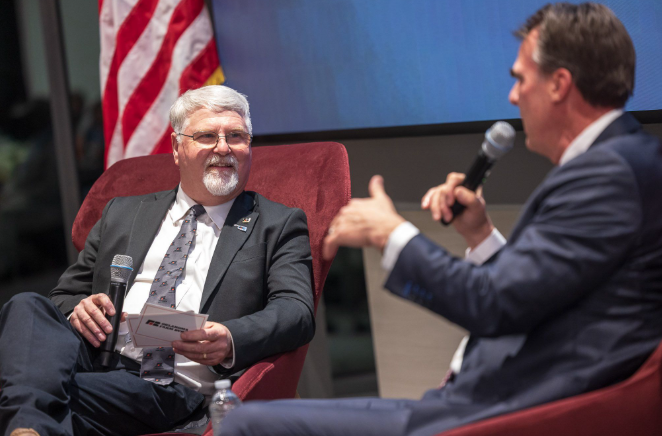
Farm Bureau leaders are gearing up for a critical stretch at the Oklahoma Capitol, with a renewed focus on grassroots engagement and policy advocacy as the legislative session ramps up. Speaking at the recent leadership conference, Stacy Simunek, president of Oklahoma Farm Bureau, emphasized to Ron Hays that the timing is right to prepare members across the state to effectively share agriculture's story with lawmakers.
Simunek said the goal of the leadership training is alignment and readiness ahead of county visits to the Capitol. "This is the time to get everybody lined up, get them on the same page, tell them what's going on, what's coming at them at the Capitol," he said, adding that Farm Bureau needs broad participation because "there's not very many of us in ag, we need everybody." He described the effort as activating rural Oklahoma and ensuring members are confident in telling their stories.
When it comes to legislative priorities, Simunek said this year's agenda has been somewhat lighter than usual, but still includes key issues to monitor. "We've got a water bill that we got going through that we've been working on for it seems like for a lifetime," he said. Property tax proposals are also high on the watch list, with Simunek noting, "We all know they're not done. They're going to change multiple times," which creates uncertainty for farmers and ranchers.
He acknowledged that tax discussions have shifted over time, from sales and income taxes to the current focus on property taxes. While Farm Bureau continues to oppose tax increases, Simunek said the organization also recognizes the need to fund essential services. "We are normally sitting here saying, 'Hey, we ain't for any more taxes,'" he said, but added that rural infrastructure depends on adequate funding and "we're just not willing to lose those infrastructures for our people."
Looking ahead to budget negotiations and follow-up issues from past sessions, Simunek said Farm Bureau remains concerned about how funding decisions could impact priorities like providing resources to accommodate relocating the new Vet Teaching Hospital onto land where wheat research is happening. He says there will be money needed to relocate and modernize the Greenhouses- and fundraising has been happening for that. "We're very interested in watching where they come up with that money to make that all work," he said, stressing that cuts to research would be unacceptable. As the session unfolds, Simunek said Farm Bureau will stay engaged, watching lawmakers closely and offering help where possible to protect agriculture's interests in Oklahoma.
Dairy farmers thanked USDA and Sec. Brooke Rollins for taking steps to boost low milk prices and expand dairy consumption through significant Section 32 purchases of a balanced, effectively targeted mix of dairy products, including the first major butter purchases in five years.
"Dairy farmers have shared in the struggles faced throughout the agricultural economy, and these purchases will provide important relief to producers who will benefit from the additional demand, helping them provide nutritious dairy products to Americans and the world," NMPF President & CEO Gregg Doud said.
Specifically, USDA is purchasing:
The $148 million in purchases is part of $263 million purchase announcement for numerous agricultural commodities and matches the amount requested by NMPF in a letter sent to USDA last November, which was followed by extensive conversations and further official communication with USDA. Other recent USDA purchases intended to boost the farm economy have included $80 million for specialty crops and $100 million for seafood.
USDA Section 32 purchases, authorized by the Agricultural Adjustment Act of 1935, allow USDA to buy surplus, domestically produced agricultural products to stabilize farm products and provide food to federal nutrition assistance programs.
Under the program, USDA's Agricultural Marketing Service notifies industry and stakeholders of new opportunities by issuing Purchase Program Announcements throughout the year. Following today's announcement, USDA will invite offers from approved USDA vendors and award purchase contracts.
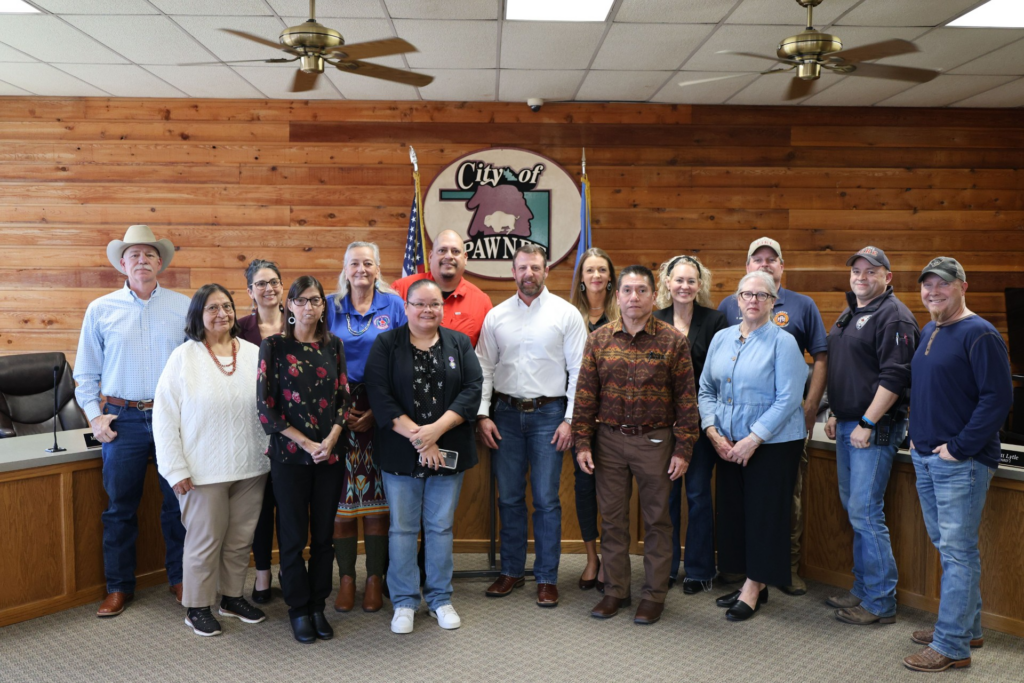
Yesterday afternoon, U.S. Senator Markwayne Mullin (R-OK) concluded a busy in-state workday in Pawnee, Oklahoma, where he visited with local officials, members of the Pawnee Nation Business Council, and leadership of the Pawnee Nation.
Note: PHOTOS of the meeting are available HERE for print and broadcast use. Senator Mullin also released a social media VIDEO this morning summarizing yesterday's visits.
During the meeting at Pawnee City Hall, Senator Mullin updated the attendees and took questions on a range of federal issues, including the current partial government shutdown of the U.S. Department of Homeland Security (DHS), grant assistance, Tribal policy, and rural health care. Included in the conversation were Pawnee Mayor and City Clerk Alice Cottle, County Commissioner Curt Mullin, and Jenifer Gover Littlesun of the Pawnee Nation Business Council, among others.
"I'm glad to see the City of Pawnee and the Pawnee Nation working together to strengthen this small, rural community," said Senator Mullin. "The Mayor and City Council are aiming to bring more services back to town and partnering with Pawnee Nation on economic development while continuing to support events like the annual Pawnee Bill Memorial Rodeo which drive revenue into the community. My hometown of Westville in Adair County has about the same population as Pawnee, America. It's critical that communities of all sizes across our state are heard as we craft priorities under President Trump's second administration."
"We want to extend our heartfelt appreciation to U.S. Senator Mullin for taking the time to come visit with us at City Hall," said Pawnee Mayor Alice Cottle. "When we reached out asking for a conversation, his team didn't hesitate — they worked quickly to find a date, and that meant a lot to us. It was a truly meaningful visit. We appreciated the chance to openly share the needs and priorities of our city, talk through the work we have underway, and hear directly about the Senator's current initiatives and the direction he is working toward for Oklahoma communities like ours. Conversations like these remind us how important it is for leaders at every level to stay connected and keep communication open. We are grateful for the time, the listening ear, and the continued partnership as we work together to strengthen our community now and for the future."

The Agricultural Retailers Association (ARA) today responded to the White House Executive Order issued February 18, 2026, titled "Promoting the National Defense by Ensuring an Adequate Supply of Elemental Phosphorus and Glyphosate Based Herbicides," which underscores the importance of maintaining reliable domestic supply chains for critical agricultural inputs.
"Agricultural retailers see firsthand how disruptions to essential inputs create uncertainty for farmers and rural communities,"said Daren Coppock, President and CEO of ARA. "The Executive Order's focus on strengthening domestic supply chains and maintaining access to key inputs helps support certainty at the farm level and reinforces the resilience of the nation's food system."
Elemental phosphorus is a foundational input across agricultural and industrial supply chains, while glyphosate based herbicides remain an important weed management tool for many U.S. farming operations.
"As implementation moves forward, it is important that federal actions reflect real world supply chain dynamics," Coppock continued. "Agricultural retailers are prepared to work with USDA and other federal partners to ensure existing distribution channels continue to serve farmers efficiently."
Agricultural retailers serve as the primary distribution channel connecting manufacturers with farmers, providing timely access to crop protection tools and nutrients needed to support farm productivity and food supply stability. ARA is proud to represent agricultural retailers and distributors nationwide.
U.S. Secretary of Agriculture Brooke L. Rollins today announced the U.S. Department of Agriculture's (USDA) intent to purchase up to $263 million in dairy and agricultural products from American farmers and producers to distribute to food banks and nutrition assistance programs across the country. These purchases are being made through USDA's authority under Section 32 of the Agriculture Act of 1935 and will assist producers and communities in need. With this action, the Trump Administration is bolstering American prosperity by supporting American agriculture, rural communities, and those in need of nutrition assistance.
"From milk and dairy to fruits, legumes, and tree nuts, these staples are essential for feeding families and sustaining America's agricultural economy," said Secretary Brooke Rollins. "Through these Section 32 purchases, USDA is delivering wholesome, real food to Americans while injecting critical dollars into local economies. By turning harvests into meals, we are not only stabilizing farm income and protecting rural jobs—we are nourishing our nation and supporting the farmers who feed America. Under President Trump's leadership, these investments strengthen the food supply, sustain rural communities, and reinforce agriculture as a cornerstone of economic resilience."
Agricultural Marketing Service Section 32 Purchases
AMS continuously purchases a variety of domestically produced and processed agricultural products. These "USDA Foods" are provided to USDA's Food and Nutrition Service (FNS) nutrition assistance programs, including food banks that operate The Emergency Food Assistance Program (TEFAP), and are a vital component of the nation's food safety net. USDA AMS will purchase up to $263 million of the following commodities:
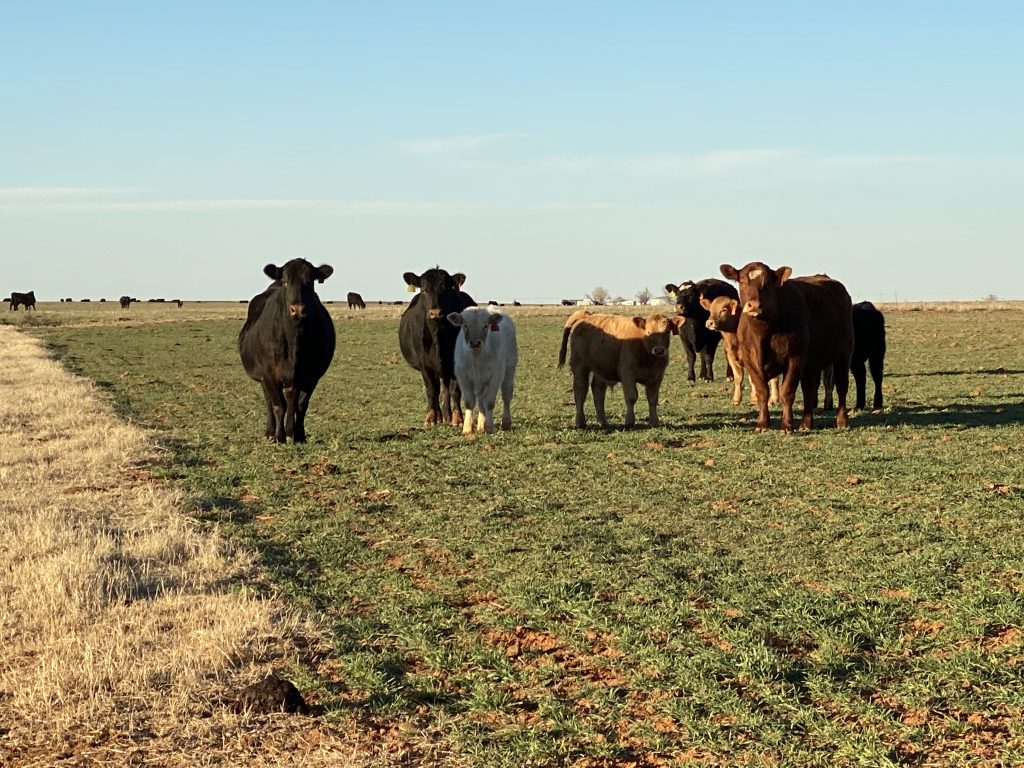
House Agriculture Committee Chairman G.T. Thompson released the text of Farm Bill 2.0 (the Farm, Food, and National Security Act of 2026). The National Cattlemen's Beef Association (NCBA) welcomes the provisions that strengthen the agriculture measures included in the One, Big, Beautiful Bill (OBBB).
"We appreciate Chairman Thompson's leadership and diligent work to provide legislative answers to the ongoing needs of cattle producers," said NCBA President and Virginia cattle producer Gene Copenhaver. "Chairman Thompson's bill includes important provisions to streamline voluntary conservation programs, protect grazing as a land management tool, address the critical shortage of rural veterinarians, and establish an important pilot program to safely explore better options for direct-to-consumer sales of locally raised beef. We thank Chairman Thompson and members of the House Agriculture Committee for their dedicated work during this Farm Bill cycle."
Farm Bill 2.0 significantly builds on the accomplishments secured by the beef industry in the OBBB that included expanded access to drought relief, depredation reimbursement, funding to protect the U.S. cattle herd from foreign animal diseases, and an increased estate tax exemption. These new provisions included in Farm Bill 2.0 will help ensure the success of cattle producers by:
"This bill is the culmination of the years-long Farm Bill process that addresses the needs of cattle producers which weren't included in the reconciliation bill last year," said Ethan Lane, NCBA Senior Vice President of Government Affairs. "Cattlemen and women are already seeing the benefits of the historic achievements included in the reconciliation bill, and NCBA members look forward to building on that progress by passing Farm Bill 2.0. We strongly urge the House and Senate to swiftly pass this bill to fill the remaining legislative gaps facing animal agriculture."
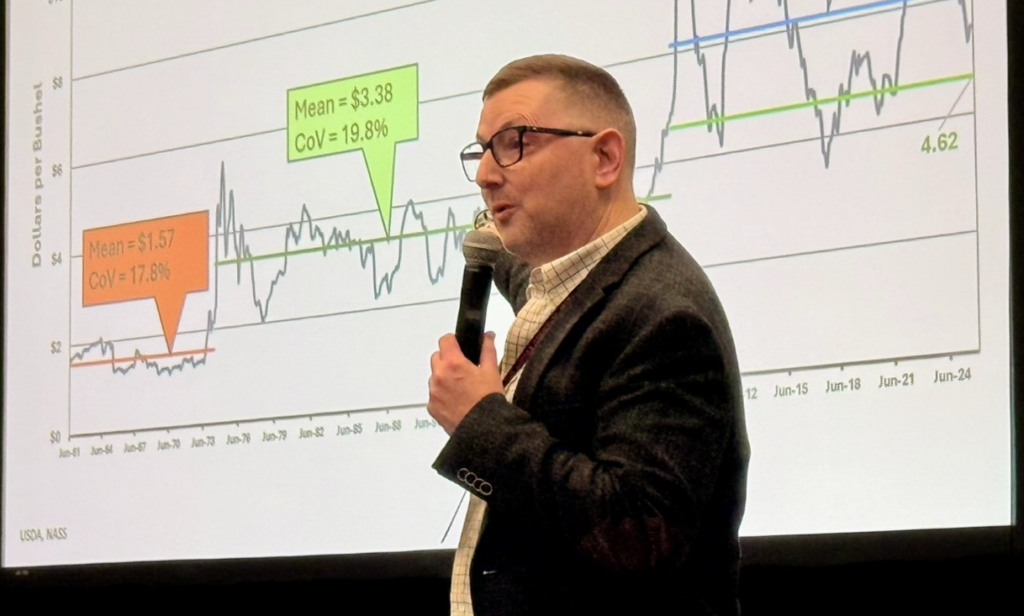
2026 Grain Market Outlook: The agricultural market is currently navigating a complex landscape shaped by persistent weather patterns, shifting government regulations, and global trade dynamics. Insights from Dr. Todd Hubbs at Oklahoma State University, while talking to Farm Director KC Sheperd, highlight how these factors are driving trends in the wheat, corn, and soybean sectors.
The wheat market has been characterized by mid-week rallies followed by corrections. These movements are largely tied to technical factors and the ongoing dryness across the Southern Plains. While there were hopes for moisture from recent weather fronts in Oklahoma, the actual rainfall totals proved disappointing.
Dr. Todd Hubbs notes that the situation is becoming critical. "We're brutally dry," he says, pointing out that USDA data shows 45% to 46% of winter wheat acreage is currently in drought conditions. He emphasizes that while this occurs periodically, the current outlook for the winter wheat crop is increasingly "sketchy" due to the lack of precipitation.
While global reports from the Black Sea region have been positive, domestic concerns remain high. The dryness isn't limited to the Southern Plains; it also extends to the "biscuit belt" in the East. Hubbs warns that "we're going to continue to build on this drought," and unless significant rainfall occurs soon, the market should expect continued weather-driven rallies.
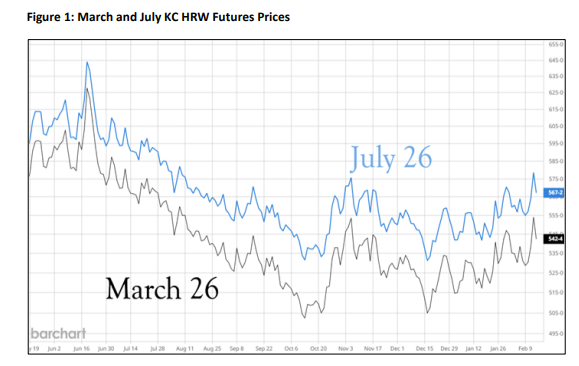
Soybeans have seen a significant upward trend, primarily fueled by the biofuel sector. Anticipation regarding the Environmental Protection Agency's (EPA) renewable volume obligations for the Renewable Fuel Standard has created a bullish atmosphere.
"The rumors coming out are pretty bullish for vegetable oils and fats moving into biodiesel and renewable diesel," explains Dr. Hubbs. This sentiment has driven soybean oil prices back to levels last seen in late 2025. Furthermore, a massive expansion in crushing facilities, particularly in the North, has led to what Hubbs describes as an "unbelievable crush pace" for soybean processing this year.
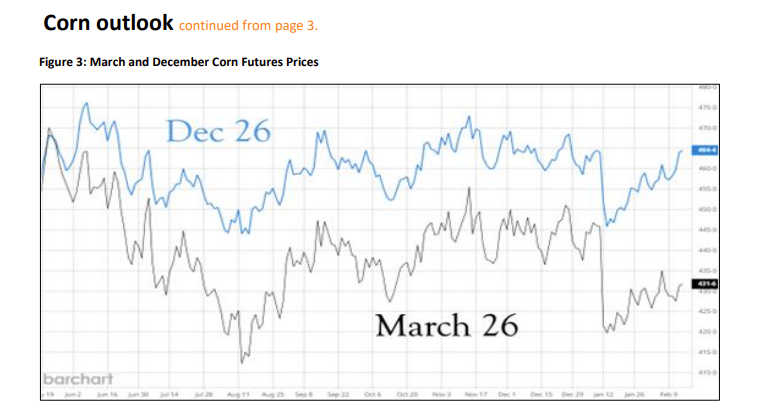
The corn market is currently defined by its relationship with ethanol. Because corn prices have remained relatively low, buyers have been more active. However, the overall price movement is restricted by a massive domestic supply estimated at over 18.5 billion bushels.
Hubbs describes the current state of the market as "basically a trading ethanol story right now." The finalization of rules for the 45Z tax credit is expected to offer further support to the industry. This credit system, based on carbon intensity scoring, encourages "climate-smart" agricultural practices. Hubbs points out that some ethanol facilities in the Eastern Corn Belt are already expanding production in response to these incentives.
Sorghum remains a stable component of the export market, with China maintaining a high volume of outstanding sales. Despite competition from Argentina and Australia, U.S. sorghum—particularly from Oklahoma—remains globally competitive.
"I think they're going to stick to the sales because the prices are still really competitive," Hubbs says regarding China's interest. Looking ahead, he notes that geopolitical factors in the Middle East and North Africa could introduce new volatility, as any disruption in trade routes like the Strait of Hormuz could significantly impact how grain moves around the world.
In today's Beef Buzz, senior farm and ranch broadcaster Ron Hays speaks with Ben Weinheimer, president of the Texas Cattle Feeders Association, about the sharp decline in Mexican feeder cattle entering U.S. feedlots and the broader implications for beef production. Industry sources believe that here in the first quarter of 2026, there are "almost no Mexican feeder cattle left in the feedlot system of the Southern Great Plains," a region that typically depends heavily on those imports.
Weinheimer notes the scale of what's missing. "If you look at the number of cattle we were bringing in from Mexico before the shutdown because of the New World screw worm, over a million head of cattle annually," he said. Without those cattle, he warns that continued production under current conditions could mean "one billion less pounds of beef just in our three-state region of Texas, Oklahoma and New Mexico" during 2026.
Weinheimer emphasized confidence in the inspection and treatment protocols developed after the first pause in cattle imports because of New World Screwworms and the second stoppage that has continued since May of 2025. "Those robust protocols that we put into place a year ago... they're very effective. They will keep New World screw worms out of this country," he said. The process includes multiple veterinary inspections in Mexico, followed by final inspections by APHIS veterinarians at the border, where "every single animal is individually identified and put in a squeeze chute."
He added that cattle are also treated before reaching the border. "Even before those cattle are presented at the border, they're required... to be administered ivermectin," Weinheimer said, describing the system as extensive not only in hands-on inspections but also in documentation and permitting that tracks cattle even after they cross into the U.S. Still, he acknowledged that "the politics are such it's hard to bring the cattle across the border right now."
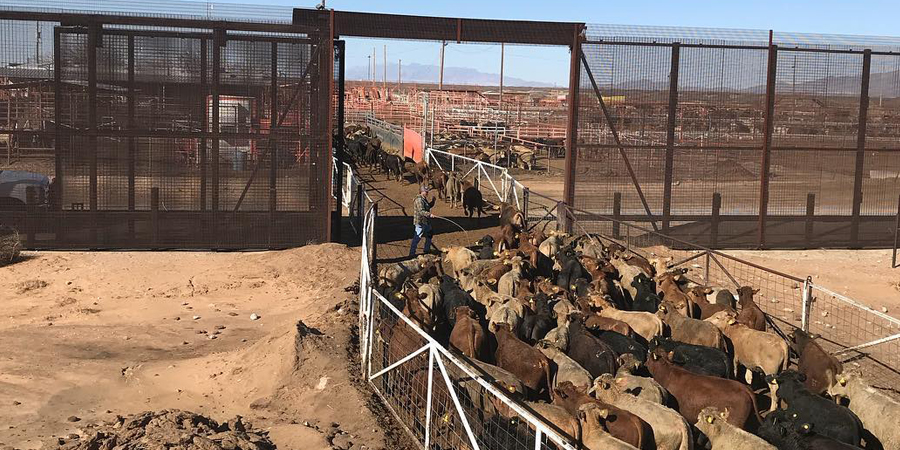
Weinheimer said officials continue to monitor conditions closely, particularly in wildlife populations and in northern Mexico, including the state of Tamaulipas. Drawing on his own visits to Mexico, he noted the significant resources being deployed there, saying officials are "employing over 1,000 people across the country... to combat the New World screw worm." While he understands the difficulty of the decision facing the administration, Weinheimer believes the science supports reopening under the existing safeguards. "The cattle are the most controlled mammal that has the ability to move across the border," he said.
Coverage of CattleCon26 is powered by Farm Data Services of Stillwater, Oklahoma.
The Beef Buzz is a regular feature heard on radio stations around the region on the Radio Oklahoma Ag Network and is a regular audio feature found on this website as well. Click on the LISTEN BAR for today's show and check out our archives for older Beef Buzz shows covering the gamut of the beef cattle industry today.
Large wildfires continue to impact parts of northwestern Oklahoma and the Panhandle, with over 300,000 combined acres burned and a state of emergency in effect for Beaver, Texas, and Woodward counties. While dry and dangerous conditions persist today, February 19, 2026, fire spread potential is expected to be slightly lower than earlier in the week.
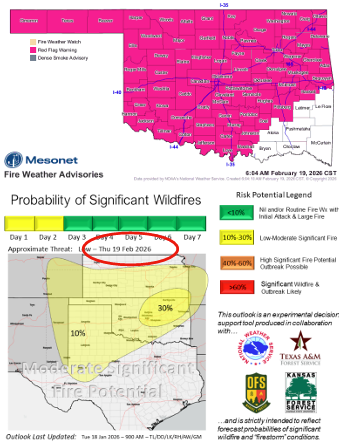
Current Major Wildfire Status
Extremely dry air is present across the state, with relative humidity levels expected to dip as low as 10-15% in some areas. Rangeland and grass fuels remain very receptive to ignition, leading to rapid fire spread. While winds are expected to relax somewhat overnight, the risk for new wildfire starts remains elevated today as dry air moves further east. Nearly 74% of the state is currently experiencing moderate to extreme drought, which continues to drive high fire danger indices.
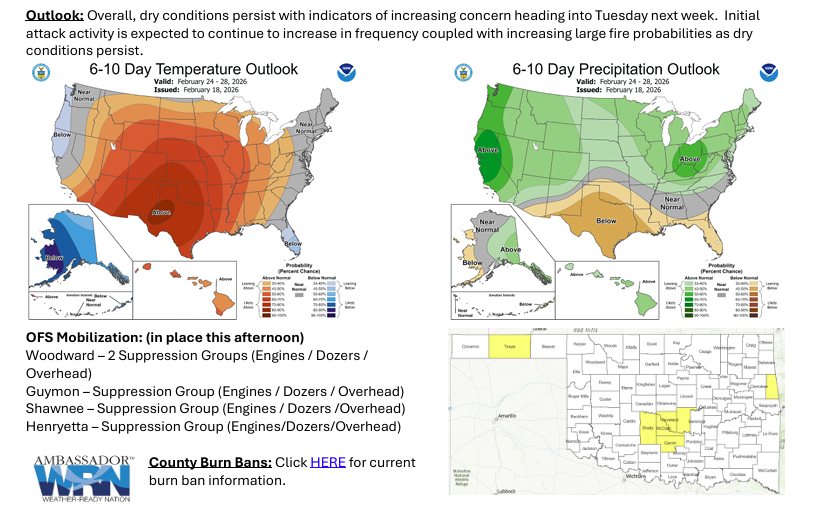
Sowing the Seeds of Change: Dr. Allan Fritz on the Future of Wheat Breeding
In a recent conversation, KC Sheperd met with Dr. Allan Fritz, a professor and wheat breeder at Kansas State University, to discuss the industry's economic landscape and his upcoming transition to a new field.
A primary focus of the discussion was the urgent need to find new ways to capture value in the wheat industry to support struggling producers. Dr. Fritz noted that while wheat is essential for soil health and the broader commodity mix, the system must evolve to remain viable. "We're not in a great place economically on wheat... we really need to find ways to make it make more economic sense for our growers," Fritz said.
He highlighted several promising developments in Kansas that aim to provide this missing value:
Dr. Fritz emphasized the importance of his working relationship with Dr. Brett Carver at OSU, noting that while the two states are natural rivals, their shared goal is the success of the regional producer. Fritz believes this drive for excellence benefits everyone, remarking, "We each want to kick each other's tail, and that's okay... it makes you better. It's just that competition can't get to the point where you're refusing to work together."
He pointed out that wheat varieties do not respect state borders, making this cross-border collaboration essential for innovation.
After a long and distinguished career in agriculture, Dr. Fritz announced that he will retire on January 2, 2027. His next chapter will take him from the fields to the classroom as he pursues a degree in counseling at Covenant Seminary, beginning in August 2027.
"I'm not necessarily sad, I'm really grateful for a great career that's really been very meaningful," Fritz said regarding his retirement. While he acknowledged the significant shift in focus, he expressed deep gratitude for his time in the wheat industry and his desire to continue serving people in a different capacity.
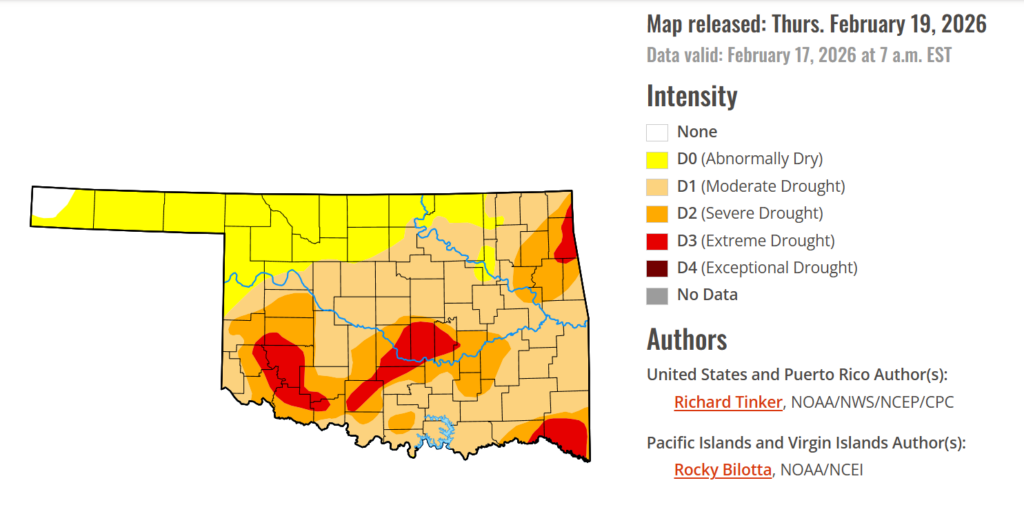
To view the latest Oklahoma drought map, CLICK HERE.
Oklahoma continues to face dry conditions, with the latest Drought Monitor showing nearly three-quarters of Oklahoma affected by moderate to extreme drought, unchanged from last week. While extreme drought has eased slightly to just over 9 percent of the state, large areas remain dry, and the 6-to-10-day outlook leans toward below-normal precipitation chances through late February. These ongoing conditions, combined with recent warm and dry wind, are contributing to an elevated wildfire risk, with fires already devastating parts of the state.
According to the latest Oklahoma Drought Monitor report, exceptional drought remains at 0 percent, unchanged from the start of the calendar year.
Moderate drought to extreme drought conditions in the current period indicate that 74.11% of the state is affected by drought. Compared with last week's 74.11%, drought conditions have stayed the same this week.
Extreme Drought conditions have subsided this week, now covering9.04% of the state compared to 10.23% last week, affecting mainly Pottawatomie, Seminole, McClain, Garvin, Stephens, Kiowa, Washita, Delaware, Ottawa, and parts of surrounding counties.
According to the 6-to-10-day precipitation outlook map, the majority of Oklahoma is leaning below 33-50% chance of precipitation through February 24.
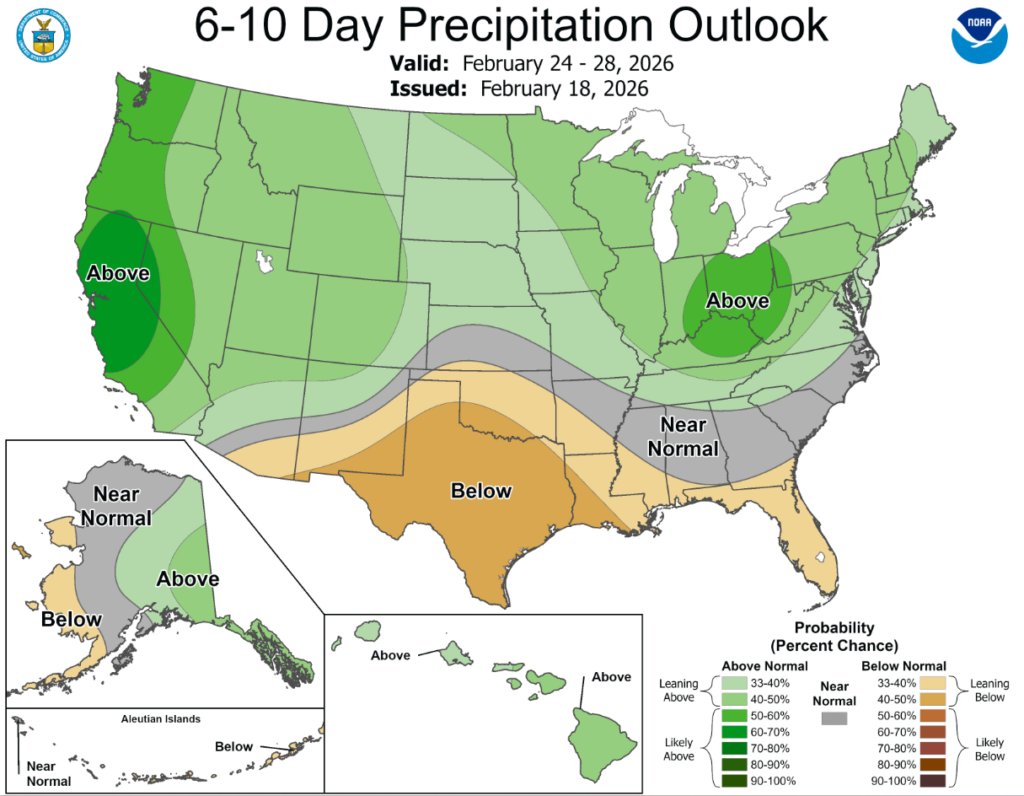
After a few warm and dry weeks, heavy precipitation returned to the West Coast States this past week; however, the heaviest amounts fell on California, which is almost completely free of dryness and drought. At least 1.5 inches fell on a large part of the state including much of the western tier, the higher elevations, and the northern Valleys. Much larger amounts fell on isolated higher-elevation and orographically-favored locations, with a few spots recording amounts approaching 10 inches (liquid-equivalent). Several feet of snow has piled up on a few spots across the Sierra Nevada, but overall the snowpack in this area remains significantly below normal. Other areas from northwestern California northward through the Cascades and points west also recorded significant amounts of precipitation, ranging from 0.5 to locally 3.0 inches. Similar amounts were more scattered across the rest of the interior West, with the largest totals confined to the highest elevations. As of early Tuesday Feb 17, this precipitation has not significantly boosted snowpack in some areas with less than normal amounts, specifically much of the Cascades, south-central Idaho, Scattered locations across western Wyoming, much of west-central and southwestern Colorado, central sections of Utah and Nevada, and the southernmost Rockies.
Farther east, moderate precipitation was fairly widespread over approximately the southeastern quarter of the contiguous states, east of the High Plains and from the central Great Plains, lower Ohio Valley, and mid-Atlantic region southward. Heavier amounts fell on scattered areas across the east-central and southeastern Great Plains, parts of the adjacent lower Mississippi Valley, and a few narrow swaths across the western Florida Panhandle and parts of the northern Peninsula. To the north, scattered light amounts with isolated moderate totals were recorded in upstate New York and parts of New England. Other areas across the High Plains and the northeastern quarter of the contiguous states reported little or no precipitation.
Some areas of improvement were introduced based either on this past week's precipitation or a re-assessment of the effects from earlier storms. Specifically, improvements were introduced in central Idaho, the southwestern High Plains, and parts of the Tennessee, lower Ohio, and middle Mississippi Valleys. There was more deterioration than improvement overall, however, including areas scattered across the Eastern Seaboard, lower Mississippi Valley, Deep South, Upper Midwest, northern High Plains, and far southern Texas. Hawaii experienced areas of improvement for the second consecutive week while Alaska and most dry areas in Puerto Rico remained unchanged.
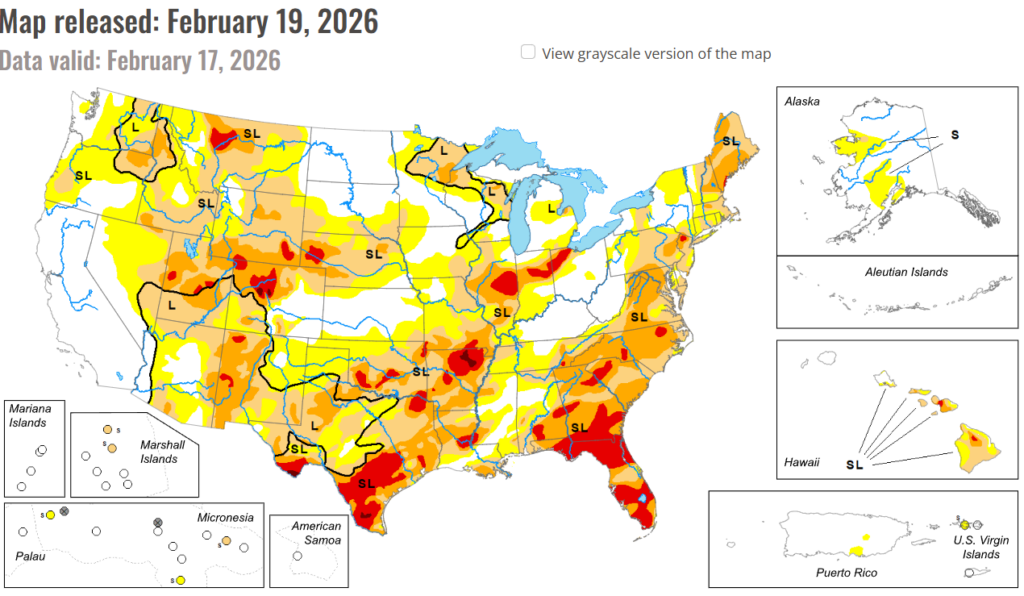
In The South: Heavy precipitation (3 to locally 5 inches) dropped on a swath through central Arkansas while 1.5 to locally 3.0 inches were recorded from the lower Red River (south) Valley through the central tier of Arkansas into much of western Tennessee. Moderate to locally heavy amounts were observed over much of the west side of the lower Mississippi Valley and portions of eastern Texas. Amounts of several tenths of an inch to locally around an inch were reported across a large part of central and north-central Texas, most of Oklahoma east of the Panhandle, much of Mississippi and western Alabama, and eastern sections of Tennessee. Little or no precipitation was reported across the Texas and Oklahoma Panhandles, western Texas, and Deep South Texas. This pattern supported improvement across the western half of Tennessee and smaller areas of Arkansas and northwestern Mississippi, along with scattered spots across southern Oklahoma. Deterioration was fairly common in areas that missed most of the week's precipitation, primarily in the lower Mississippi Valley, the immediate ArkLaTex region, and Deep South Texas. Intensifying dryness in the latter area prompted the introduction of exceptional drought (D4) in parts of Jim Hogg and Brooks Counties. D4 already existed in part of interior northeastern Arkansas and the southernmost reaches of the Texas Big Bend. Meanwhile, extreme drought (D3) expanded to cover most of south-central and Deep South Texas, parts of east-central Louisiana and adjacent Mississippi, portions of southern Oklahoma and northeastern Texas, most of northeastern Arkansas, and a few smaller scattered areas in western Arkansas and northeastern Oklahoma. During the past 90 days, fewer than 2 inches of precipitation have fallen on western Oklahoma, the Texas Panhandle, and the southwestern tier of Texas from the Big Bend into much of Deep South Texas.
In the High Plains: Moderate to locally heavy precipitation fell on part of eastern Kansas, and scattered light to moderate amounts fell on the rest of the southern tier of the Region. Farther north, however, scant precipitation led to large areas of degradation across a large proportion of Wyoming and central through eastern Montana, with more limited deterioration introduced across parts of Nebraska and South Dakota. This resulted in moderate drought or worse covering a swath across most of Nebraska and adjacent areas westward through most of Wyoming and the northern, central, and western sections of Colorado. Severe drought (D2) or worse is widespread from western Nebraska across the southern tier of Wyoming through northern and central parts of Colorado.
In the West: Heavy precipitation was fairly widespread across California, which is currently almost completely devoid of any degree of dryness or drought. Elsewhere, widespread deterioration was introduced across central and eastern Montana, leaving most of the state entrenched in abnormal dryness to severe drought (D0 to D2), with an area of extreme drought in parts of north-central Montana. Elsewhere, only minor adjustments were made as light to moderate precipitation fell on a large part of the areas of dryness and drought – enough to preclude widespread deterioration, but not sufficient to justify much improvement. Only a few parts of central and south-central New Mexico were improved, primarily from the effects of precipitation prior to last week. Severe to extree drought (D2-D3) now extends across most of the western half of New Mexico, adjacent4 Arizona, central and northern Utah, parts of northern and southwestern Idaho, and parts of Pacific Northwest east of the Cascades.
To view the 6-10 Day Precipitation Outlook Map, click here.
To view the 6-10 Day Temperature Outlook Map, click here.
To view the Monthly Drought Outlook Map, click here.

House Committee on Agriculture Chairman Glenn "GT" Thompson (PA-15)issued the following statement applauding President Trump's Executive Order on the necessity of maintaining an adequate supply of glyphosate-based herbicides for national security:
"Thank you to President Trump for acknowledging the importance of glyphosate-based herbicides in American agriculture. At the House Committee on Agriculture, we know that food security is national security, and this is a vital step forward in ensuring a domestic supply of this critical crop input remains available for our producers."
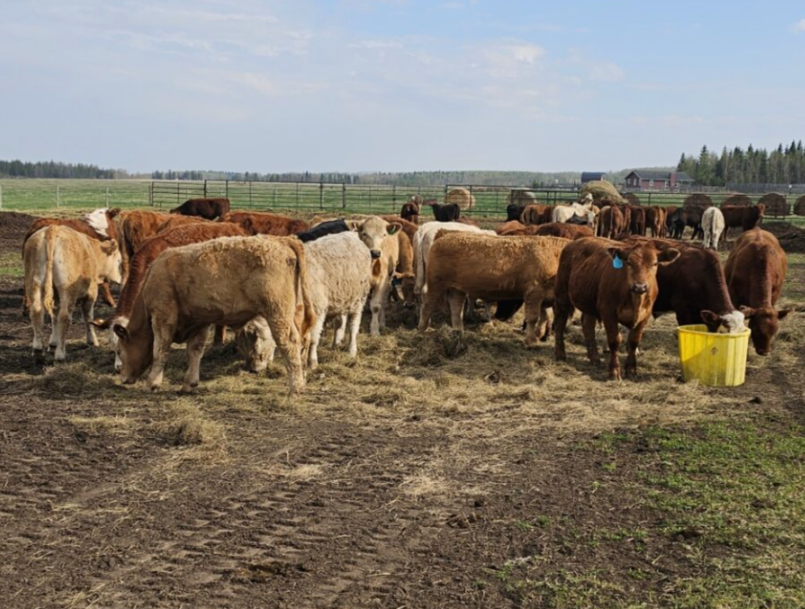
We have weathered our first shot of cold for the year and I hope everyone is holding up well. Over the last few weeks, there has been great deal of good information about feed and water needs of cows in cold weather. This week I wanted to touch on the use of corn as an energy source for cows in cold weather due to some recent inquiries from producers.
Although feeding corn in Oklahoma isn't common, it still plays a big role in our nations beef industry. That being said, you don't see a lot of information about feeding corn to mature beef cows. This is because most of our mature beef cows primarily graze or are fed a forage-based diet. In certain times of the year, forages become deficient in protein, but energy isn't usually an issue. Corn, being an "energy feed" that is low in protein (84% TDN, 8-9% CP) doesn't help our protein deficiency in a forage-based diet.
Given this, the recent cold weather has amplified the conversation about increased energy needs for cows. Because of its energy value, corn might be considered as an additional boost in cold weather, but it's important to know how it can be specifically utilized. Corn is an entirely different feed option compared to our commercially pelleted and cubed supplements. These commercial supplements contain products such as wheat midds, distillers' grains, and cottonseed meal and are pretty balanced in both energy (above 65% TDN) and protein (greater then 15% CP) while also being high in fiber. Comparatively, corn is a starchy feed low in protein (8-9%) and high in energy (84% TDN). Feeding too high a level of starchy grains can cause digestive upset (founder, acidosis, etc.) but it also wrecks the forage efficiency in cows on a forage-based diet. To avoid these complications, corn should be fed at low levels to cattle on forage-based diets. Producers should also make sure that protein needs are met in the forage portion of the diet (through a hay test or nutritional analysis). Limit total consumption of corn to 3-4 pounds per head when fed along with a good forage source (again, adequate in protein). Feeding this level of corn each day should have a minimal effect on forage efficiency and provide a good energy boost during cold winter weather. As always, producers should properly adapt cattle to any new feed, starting with a pound or two for a few days before increasing to the maximum level of 4 pounds a day. Corn isn't a feed available to everyone nor is it appropriate in every situation, however it can be used strategically to keep our cows in good condition.
If you are interested in using corn for gestating or lactating cows, feel free to reach out to your local OSU Extension Educator or Specialist for insight.
RON's Dave Lanning has a pre-opening look at today's agricultural Markets.
Click the audio tab below for today's report.

As destructive wildfires continue to sweep across Western Oklahoma, Senator James Lankford joined Farm Director KC Sheperd to provide a critical update on emergency response efforts, state-level relief, wildfire aid, and the mounting frustration over federal funding hurdles.
With major fires like the Ranger Road Fire in Beaver County and the 43 Fire in Woodward County burning through more than 150,000 acres, the Senator emphasized that Oklahoma's emergency management teams are operating at a fever pitch.
Senator Lankford was in Woodward on Tuesday for a statewide emergency management meeting—an event that took on a life-of-its-own as the fires began to break out in the surrounding area.
"Ironic enough, meeting with statewide leaders for emergency management and the National Weather Service, and the fires are breaking out," Lankford said. "We are literally in the command center type focus where we're trying to be able to walk through all the different issues with all those different leaders at the same time."
Lankford credited the National Weather Service for providing the data necessary to "see what could come," allowing fire departments and FEMA to pre-position assets despite the rapid spread fueled by high winds and low humidity.
In response to the escalating threat, Governor Kevin Stitt declared a State of Emergency, a move that Lankford noted is essential for accelerating the logistics of the response.
While state resources are fully engaged, Lankford expressed deep frustration with the "partial shutdown" affecting the Department of Homeland Security, which oversees FEMA.
"The Homeland Security shutdown that's happening right now is really... some of my Democratic colleagues, they're mad about ICE and the way they're protesting is shutting off funding," Lankford said.
He detailed how the funding gap is hampering the recovery process for Oklahomans:
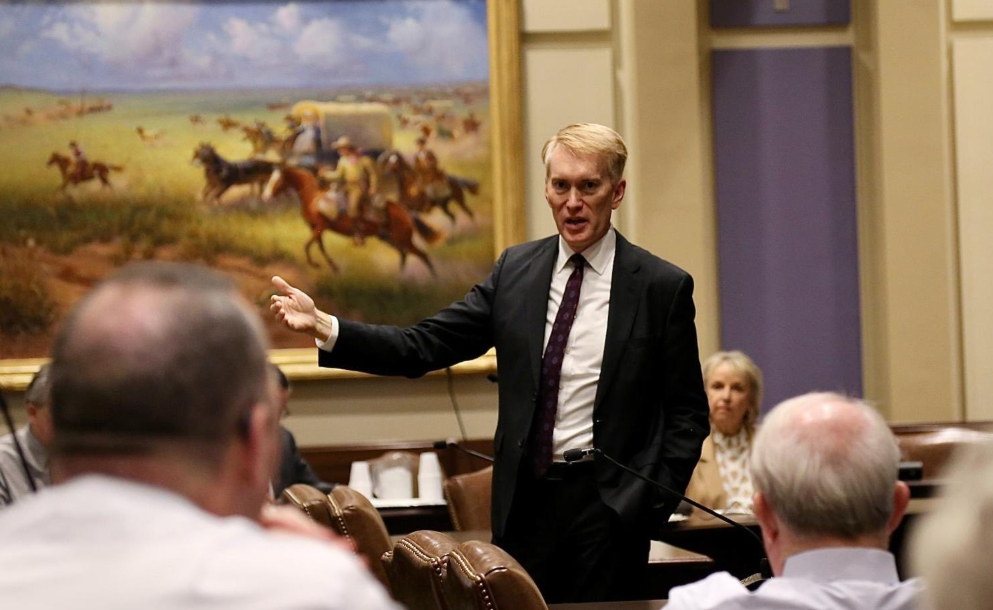
Beyond the immediate fire response, Lankford addressed the broader needs of the agricultural community through the lens of the Farm, Food, and National Security Act of 2026.
The Senator highlighted that disaster relief for farmers often involves navigating a complex web of 30 different federal agencies. To combat this, Lankford has added a dedicated staff member to his team, specifically focused on the disaster area, to help families and ranchers "untie that knot."
"Once you've experienced a disaster, you're trying to actually recover," Lankford noted. "You don't have time to go chase down where to apply and what to do, especially if it's all going to be a dead end anyway."
Lankford remains optimistic about the Farm Bill's progress, citing recent conversations with Ag Committee leadership. He is pushing for provisions that address high input costs—specifically tariffs on fertilizer, ammonia, and potash—to provide direct relief to producers this fall.
Closing his update, the Senator offered a message of support to the state's agricultural backbone. He expressed his gratitude for the producers who reach out to his office and noted that he remains focused on both the policy and the personal well-being of those affected.
"I'm grateful to get a chance to be able to have so many good folks that call me and talk about the key issues there," Lankford said. "Just keep praying for the nation, and I'll keep praying for rain with everybody else".
Illegal dumpsites are more than an eyesore – they can pose serious environmental and public health risks. To help combat the issue of illegal roadside dumps, Oklahoma State University Extension is partnering with the Oklahoma Department of Environmental Quality and the U.S. Department of Agriculture-Rural Development to host an Oklahoma Environmental Law Enforcement Training in Oklahoma City, Oklahoma.
Who and what: Law enforcement professionals, city officials, tribal environmental representatives, county commissioners and anyone interested in strengthening law enforcement efforts are invited to attend the free training. Chad Keller, senior environmental specialist and investigator with the Oklahoma Department of Environmental Quality, will instruct the class. He is a sergeant with the Criminal Investigation Unit.
When and where: March 12, 8:30 a.m. to 5 p.m., Oklahoma County OSU Extension Center, 2500 NE 63rd St., Oklahoma City. There is a one-hour break from noon to 1 p.m. for lunch on your own.
Why: Roadside dumpsites are not only unsightly and illegal, but they also wreak havoc on the environment. These sites can cause contamination of soil, groundwater, drinking water wells, streams and rivers. Other side effects include possible injury to children playing in or around the site, damage to plant and wildlife habitats, and a decrease in the quality of life for nearby residents and the local community. Participants will gain expertise in environmental crime investigations involving the following topics and more:
Participants will also learn more about identifying resources for improving local enforcement programs and have an opportunity to network with others involved in law enforcement.
Participants will receive a certificate of participation. Those in law enforcement will earn eight hours of CLEET credit after completing the class.
For more information or to register for the free workshop, contact Keima Borsuah at 405-744-9827 or keima.kamara@okstate.edu.
OSU Extension uses research-based information to help all Oklahomans solve local issues and concerns, promote leadership and manage resources wisely throughout the state's 77 counties. Most information is available at little to no cost.
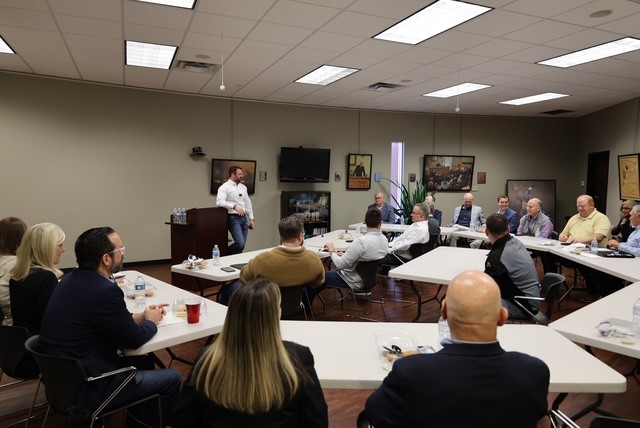
Today, U.S. Senator Markwayne Mullin (R-OK) had lunch with Ponca City local leaders at the Standing Bear Park Museum and Education Center. While in town as part of a busy in-state tour, Senator Mullin spoke with 24 local leaders, including Ponca City Mayor Kelsey Wagner, City Manager Craig Stephenson, Phillips 66 Plant Manager Jim Baron, Interim Ponca City Hospital CEO Mark Angus, and Ponca City Schools Superintendent Adam Leaming.
During a productive 90-minute meeting, Senator Mullin sharing a few updates from Washington, D.C. regarding the current partial government shutdown, workforce development, federal grant assistance, agriculture challenges, and rural health care. The Senator also highlighted the city's success in securing $7.8 million in federal funding for a new airport terminal which President Trump signed into law this year.
"I'm glad we were able to secure funding for Ponca City in President Trump's Transportation, Housing, and Urban Development (THUD) bill," said Senator Mullin. "These funds will be used for a new airport terminal at Ponca City Regional Airport—a much needed upgrade to the local community infrastructure. Taxpayer dollars are best spent closer to home and out of the hands of Washington, D.C., and I will always fight to bring more resources home to our state. I greatly appreciate the chance to be back in Ponca City today and look forward to our next meeting."
"We were honored to welcome Senator Markwayne Mullin to Ponca City for a meaningful conversation with leaders representing a wide range of sectors in our community," said Shelley Arrott, CEO/President of the Ponca City Chamber of Commerce. "We are so appreciative of opportunities like this that allow us to share local priorities, strengthen partnerships, and ensure our region's voice is heard at the federal level."
Background:
This week, Senator Mullin is on the road visiting with Oklahomans in Bartlesville, Pawhuska, Ponca City, Pawnee, Sapulpa, Cushing, and Stillwater. At each community event, Senator Mullin shares an update on what he's working on at the federal level before opening the conversation to questions from residents, business leaders, students, families, Tribal governments, and local elected officials.

Join the National Pork Producers Council at the National Pork Industry Forum, March 4-6, in Kansas City, where national pork producer leaders, state executives, and NPPC subject matter experts will be on hand to talk pork priorities, policy developments, and more. We encourage you to reach out ahead of time to set up interviews, but on-site interviews will also be available.
What: National Pork Industry Forum
Where: Kansas City Marriott
200 W 12th St, Kansas City, MO
When: March 4-6 (link to agenda below)
The National Pork Industry Forum is American pork producers' largest annual meeting across both NPPC and the National Pork Board and includes business meetings, state caucuses, voting delegate sessions, industry speakers, networking opportunities, awards events, and tributes to outgoing and incoming organization leadership.
Media are invited to attend the annual and joint meeting sessions. In addition, the awards luncheon is open to media. NPPC's annual meetings include adoption of the organization's 2026 policy resolutions and electing members of the board of directors and nominating committee.
The awards event will recognize the latest recipient of the Paulson-Whitmore State Executive Award, which honors state leaders whose vision, integrity, and service leave a lasting mark on the pork industry, the latest outstanding NPPC Hall of Fame inductees, and the Distinguished Service Award.
Among other state and national leaders and staff, media availability will include:
All pork producers and media are invited to register for the National Pork Industry Forum.
Click for event agenda or to register as a media attendee.
In addition, we request that you please email news@nppc.org if you plan to attend or to schedule NPPC interviews in advance of the event.

Rep. Aletia Timmons, D-Oklahoma City, passed HB 2977 out of the House Public Safety Committee. The measure authorizes Service Oklahoma to place a hidden disability indicator on the driver license or identification card upon the voluntary election of an applicant in order to improve law enforcement interactions.The measure states that the hidden disability indicator must be discreet and standardized statewide and shall not create probable cause or reasonable suspicion. The bill also clarifies that the hidden disability indicator shall not be used for any reasons beyond official identification.This bill is designed to improve communication between law enforcement and hearing impaired individuals in their interactions with each other, by giving the opportunity for hearing impaired persons to place a hearing impaired indicator on their drivers licenses.The bill now heads to the House Committee on Judiciary and Public Safety Oversight.
Early-bird registration pricing and official hotel room blocks for the 2026 Cattle Raisers Convention & Expo will close Feb. 20. The annual event, hosted by the Texas & Southwestern Cattle Raisers Association, will take place March 27-29 in downtown Fort Worth and is open to all ranchers, landowners, farmers and wildlife managers.
The convention weekend begins with the School for Successful Ranching, offering 30 hours of practical educational sessions. The two-day expo will feature more than 180,000 square feet of trade show space, including industry exhibitors, live cattle demonstrations and entertainment.
ESPN reporter Marty Smith will headline the event, joined by industry leaders discussing market trends, policy updates and innovations in agriculture.
Attendees are encouraged to register and secure lodging before the Feb. 20 deadline to receive discounted rates and access to the official hotel room blocks.
For more information and to register, visit cattleraisersconvention.com.
U.S. Secretary of Agriculture Brooke L. Rollins, alongside U.S. Attorney General Pam Bondi, U.S. Secretary of Homeland Security Kristi Noem, and U.S. Secretary of Health and Human Services Robert F. Kennedy Jr., together are taking historic actions to hold chronic companion animal welfare violators accountable and prosecute those who fight dogs to the highest extent of the law in an effort to end this horrific practice once and for all. The suite of actions will boost compliance with existing laws, protect our companion animals, and reiterate that the Trump Administration stands with the majority of Americans who own companion animals.
Today, dogs are the most popular pet in the United States, with 65.1 million households owning a pet dog. About half of pet owners (51%) not only consider their pets to be a part of their family but say they are as much a part of their family as a human member.
"Let me be clear," said Secretary Brooke Rollins. "If you are breeding dogs and not meeting the Animal Welfare Act's humane standards of care, your time is up. We will not allow a handful of bad actors to tarnish the reputation of responsible American breeders or compromise the humane treatment of animals. Together, President Trump's cabinet is working together to support our great dog breeders across the country, while stepping up enforcement on recurring bad actors and working to end dog fighting once and for all."
USDA Focus on Animal Welfare Act Consistency & Enforcement
Over the past 15 years, USDA has significantly strengthened its oversight of dog breeding facilities. Compliance with the Animal Welfare Act (AWA) among facilities that breed dogs has risen from an average of 67% in 2015 to over 92% in 2025 reflecting both regulatory improvements and industry cooperation across the country over the last decade. Despite this progress, several breeding facilities continue to tarnish the industry with recurring and chronic violations. To address this, USDA will:
Root out bad actors with a history of noncompliance through initiation of enforcement actions against the licenses of persistent AWA violators and in worse cases, remove those offenders from the industry altogether.
Deploy and expand Animal Care's compliance and enforcement specialist team to aggressively identify and investigate unlicensed activities under the Animal Welfare Act, and intensify enforcement against individuals importing dogs for resale without the required permits.
Improve consistency across industry with AWA inspections through increased inspector training, compliance tracking, and processing.
Expand information sharing with Federal and state partners so they can factor in USDA's inspections when considering when to conduct their own inspections.
Help state and local partners pursue enforcement action against breeders who do not fall under USDA's authority but impact the welfare of dogs.
Since announcing the strike force to combat animal cruelty, USDA has taken swift action to target bad actors. USDA has cancelled, denied, suspended and revoked licenses issued to six dog breeders who failed to provide humane care to their dogs, filed administrative enforcement cases against two chronically noncompliant dog breeders, referred a case to the U.S. Department of Justice (DOJ) involving a facility that has repeatedly prevented USDA officials from conducting animal welfare compliance inspections, and partnered with DOJ to pursue a dog breeder who skirted laws aimed at protecting animals by supporting the humane placement of over 100 dogs, among other things. Our work to protect dogs and promote animal welfare will not stop here.
USDA Opens Request for Information to the Public & Stakeholders
Today, USDA opened a Request for Information (RFI) to allow the public and stakeholders, including those regulated by the AWA the opportunity to provide input on the current standards governing the humane care of dogs under the AWA. USDA wants to ensure federal standards reflect current best practices and scientific evidence to promote dog welfare. The comment period will be open for 30 days.
Stronger Interagency Coordination on Dog Fighting Cases Between USDA & DOJ
In 2025 there have been a number of high-profile dog fighting cases. In January 2025 a Maryland man was sentenced to Federal Prison in connection with a multi-state dogfighting conspiracy. In February 2025, a Florida man was sentenced to 84 months in prison after pleading guilty to conspiring to violate the dogfighting prohibitions of the AWA and being a felon in possession of a firearm. According to court filings, the man conspired with others to purchase, acquire, and breed dogs for use in dogfights. He also staged dog fights at his home and traveled to dog fights in Massachusetts, Florida, and Connecticut.
Cases such as these are an unfortunate reality which is why USDA and DOJ have signed a Memorandum of Understanding to strengthen our interagency collaboration on enforcement of the AWA with a hyperfocus on dog fighting.
Together, these collective actions represent a historic commitment to animal welfare by targeting the worst offenders, removing chronic violators from the industry, and prosecuting the most egregious actors to the highest extent of the law.
DHS's Customs and Border Protection (CBP), working in close coordination with USDA's Animal and Plant Health Inspection Service (APHIS) and HHS' Centers for Disease Control and Prevention (CDC), will focus on individuals importing dogs for resale who attempt to evade regulations that ensure humane treatment. Frontline operators will continue protecting our borders from pests, parasites and diseases.
How Can You Help?
Looking for a pet? Use USDA's Animal Care Public Search Tool to Ensure the Entity is in Good Standing
Consumers have many options for acquiring dogs, but above all, they want confidence that their animals were treated humanely—whether adopted or purchased. To this end, USDA encourages the public to use the USDA Animal Care Public Search Tool to look up inspection records and licensing information on dog breeders. This tool empowers consumers to make informed decisions and identify breeders who meet USDA's humane care standards.
Companion Animal Adoption Initiative
Consumers have many options for acquiring dogs, but above all, they want confidence that their animals were treated humanely—whether adopted or purchased. In the first of its kind event, Secretary Rollins hosted a dog adoption event on December 17, 2025. The event highlighted the importance of animal rescue, responsible ownership, and providing dogs the opportunity to find forever homes. In 2026, USDA looks forward to highlighting and hosting similar events which promote animal adoption from both rescues and USDA-licensed professional dog breeders. Interested partners should contact the USDA APHIS Animal Care Division to express interest.
File an Animal Welfare Complaint
If you or someone you know has a concern about an animal covered under the Animal Welfare Act, please share detailed information in USDA's Animal Welfare Complaint Form. USDA provides weekly updates on its work to the U.S. Department of Agriculture, Office of Inspector General Inspector as well as the U.S. Department of Justice.

Newly elected Rep. Dillon Travis, R-Maramec, took his oath of office Wednesday in the Oklahoma House of Representatives. He was elected in a special election Feb. 10 to represent House District 35, which includes portions of Pawnee County and parts of Creek, Noble, Osage and Payne counties.
"I am honored to be sworn in as the newest state representative," said Travis. "I promise to represent House District 35 well and continue working hard for rural Oklahoma. I am thankful for everyone who has helped me get here, especially my wife, mom, brother and all friends from across the district. I am blessed to be here and excited to get to work."
Travis is a sixth-generation Oklahoman from Pawnee County with a background in agriculture and small business. He owns and operates an agriculture company serving producers across four states and manages his family's cattle and hay operation.
Through his work in production agriculture and agribusiness, Travis has experience with land management, business operations, supply chains, input costs and regulatory policy affecting rural communities.
He and his wife have one daughter and live in Maramec.
Following Wednesday's swearing-in ceremony, the Oklahoma House is now comprised of 81 Republicans and 18 Democrats.

National Association of State Departments of Agriculture CEO Ted McKinney praised U.S. House Agriculture Committee Chairman Glenn "GT" Thompson for releasing the Farm, Food, and National Security Act of 2026 in the following statement:
"NASDA applauds Chairman Thompson for beginning the process of finalizing the Farm Bill 2.0," McKinney said. "With the release of the legislative text, NASDA remains committed to advocating for a bipartisan farm bill that will advance the food, fiber and fuel provided by American agriculture. Finishing a farm bill is vital to the food and agriculture sector, which benefits our economy, accounting for roughly one-fifth of U.S. economic activity and supporting nearly 23 million jobs. We welcome the opportunity to work with the House Agriculture Committee as they begin debating the Farm, Food, and National Security Act of 2026 next week."
Background
NASDA recently announced passing the 2026 farm bill as one of its policy priorities for the organization, citing 12 issues most critical to state agriculture departments. NASDA members, the state commissioners, secretaries and directors of agriculture, are responsible for administering many farm bill programs at the state level on behalf of farmers, ranchers and consumers nationwide.
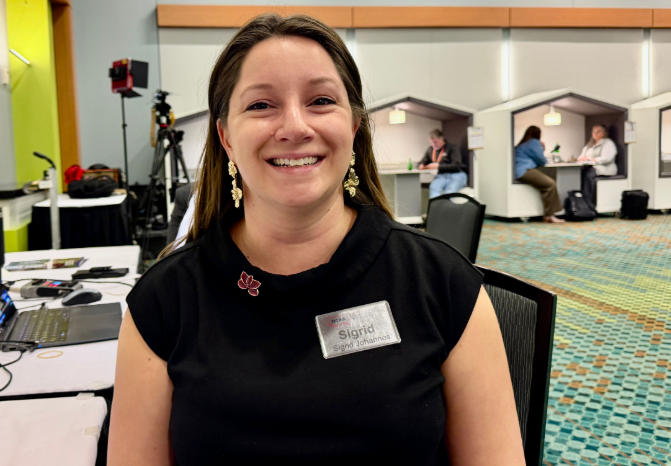
In today's Beef Buzz, senior farm and ranch broadcaster Ron Hays talked recently at CattleCon26 with Sigrid Johannes, Senior Director of Government Affairs For NCBA, about the growing concern surrounding New World screwworm and what government and industry are doing to keep it out of the United States. Johannes says that even in winter, the threat remains real. "It is absolutely still a very present threat, Ron," she explained, noting that Mexico has now recorded more than 14,000 cases since late 2024, with roughly 70 percent occurring in cattle.
Johannes outlined how the outbreak has steadily moved north through Mexico, with recent cases appearing closer to the U.S. border. "You're now seeing number of new cases popping in Tamaulipas... about 200 miles south of the border with Texas," she said, adding that a case earlier in Nuevo León caused particular concern because of its proximity. Despite that spread, Johannes emphasized that the overall strategy to stop screwworm has not changed. "The things that we need to beat this thing are the same today as they were a year ago... We need more sterile flies. We need treatments, and we need effective movement controls."
On the sterile insect front, Johannes pointed to progress that is underway, even if it can be hard to see while Mexico's situation worsens. She highlighted a new sterile fly production plant in Chiapas expected to come online in July and improvements at the Moore Airfield facility in South Texas. "The hope is to have enough sterile flies to push the New World screwworm back through Mexico into Central America," she said, explaining that expanded production over the next 12 to 24 months will be critical.
Johannes also said producers now have more tools available if the pest does reach the U.S. "We do have two conditionally approved treatments for this," she told Hays. One is a topical fluralaner product, Merck's Exzolt CA-1, and the other an injectable doramectin product, Zoetis Dectomax®-CA1. She called those approvals "two really good steps forward for producers" who are asking what they can do for prevention and response.
The biggest unresolved issue, according to Johannes, remains livestock movement controls. She said NCBA has been "deep in the weeds with APHIS, with USDA," working on a New World screwworm playbook that balances strict disease control with continuity of business. Responding to questions about USDA's consideration of placing sterile fly dispersal polygons in South Texas, Johannes stressed that it does not indicate a problem in the U.S. "I don't think that anybody should read into that polygon as a sign that we have a problem in Texas, because we don't," she said, adding that the approach reflects a very proactive United States Department of Agriculture trying to stay ahead of a steadily advancing threat.
Coverage of CattleCon26 is powered by Farm Data Services of Stillwater, Oklahoma.
The Beef Buzz is a regular feature heard on radio stations around the region on the Radio Oklahoma Ag Network and is a regular audio feature found on this website as well. Click on the LISTEN BAR for today's show and check out our archives for older Beef Buzz shows covering the gamut of the beef cattle industry today.

Main Street Woodward--Photo Courtesy of Marty Logan at Griffin Communications
Oklahoma Wildfires Burn 150,000+ Acres; Gary McManus Warns of New Red Flag Danger
The wildfire crisis in Oklahoma has reached a critical threshold, with state officials and meteorologists sounding the alarm as the destruction mounts. According to Oklahoma State Climatologist Gary McManus, the toll is staggering: over 150,000 acres have already been consumed, resulting in destroyed homes, mandatory evacuations, and injuries to firefighters on the front lines. Governor Kevin Stitt has declared a State of Emergency for Beaver, Texas, and Woodward counties as multiple wildfires continue to burn across northwest Oklahoma.
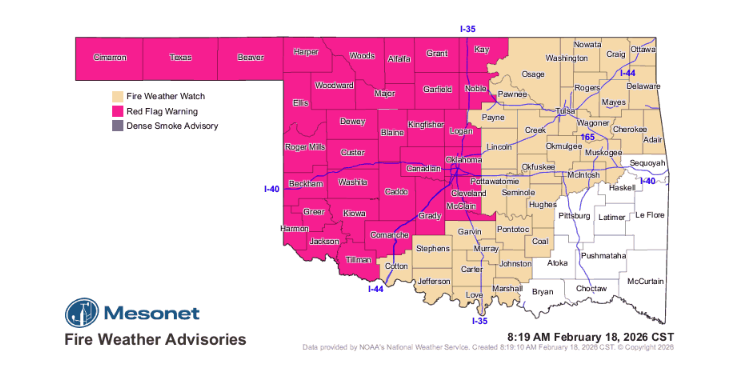
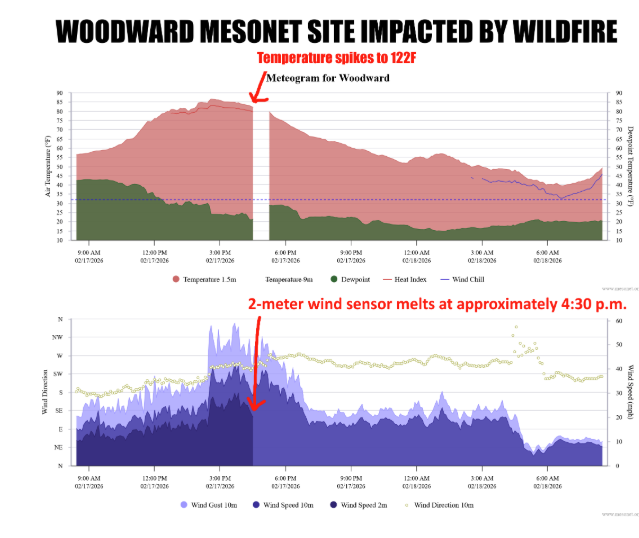
McManus warns that while the state has already faced a "significant, high-impact" fire event, the danger is far from over. "We get to do the same thing today, and again tomorrow," McManus noted in his latest update, highlighting a relentless weather pattern.
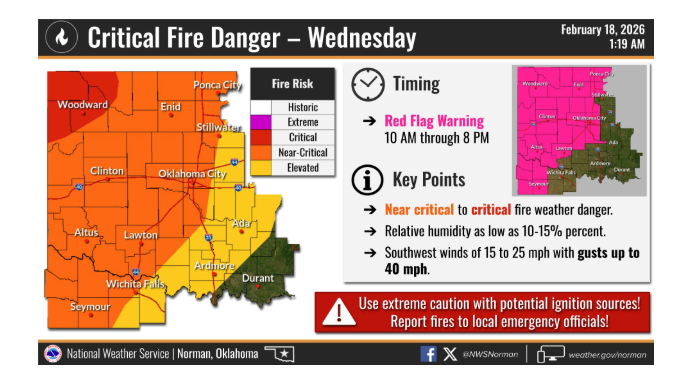
While wind speeds are expected to be lower than previous days, McManus points to a secondary atmospheric threat: plummeting humidity. The passage of a "dryline" has already "primed the pump" for further fire activity.
The primary driver of today's risk is the relationship between temperature and moisture. As temperatures rise, the air's capacity to hold moisture increases, but the actual amount of water vapor (the dewpoint) remains extremely low. This causes relative humidity (RH) levels to drop to dangerous levels.
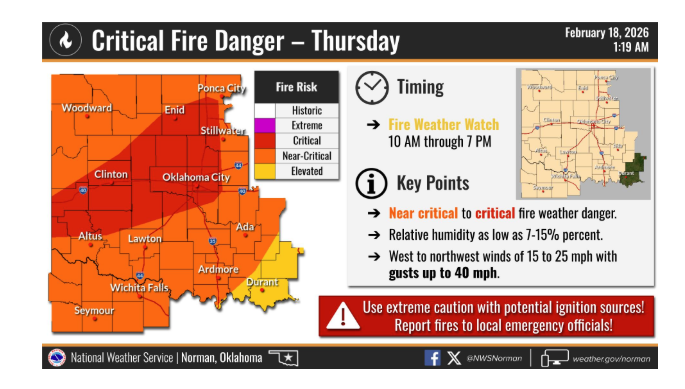
The Oklahoma Forestry Services (OFS) reports that the state is experiencing "near-continuous burning periods." This occurs when overnight moisture recovery is so poor that fires do not "lay down" or slow their spread during the night.
Gary McManus shared insights from OFS regarding the current state of "fuels" (vegetation):
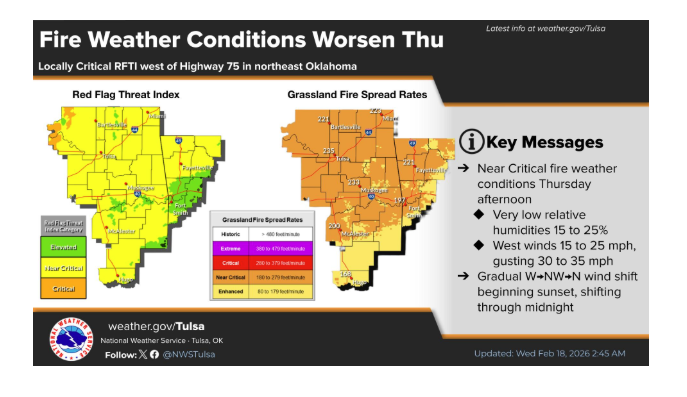
The window of danger remains wide open. A Red Flag Warning is in effect for the western half of the state through this evening. Looking toward tomorrow, a Fire Weather Watch has been issued for most of the state, with expectations that it will be upgraded to a Red Flag Warning as even drier air moves in.
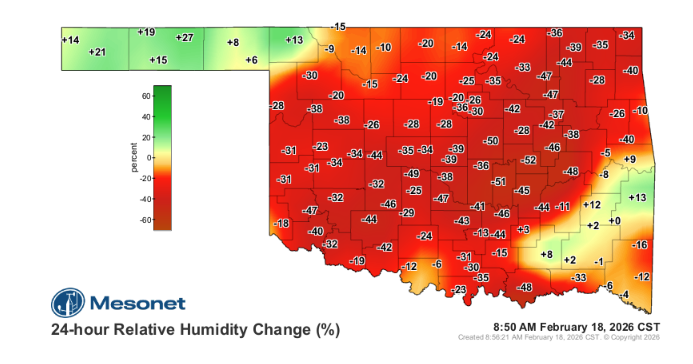
The hope among officials is that today's lighter winds will provide a brief window for crews to gain containment on existing fires before the next wave of extreme fire weather arrives tomorrow.
To see what resources are needed and how you can help, click here:
To read more from Gary McManus on his mesonet ticker, click here:
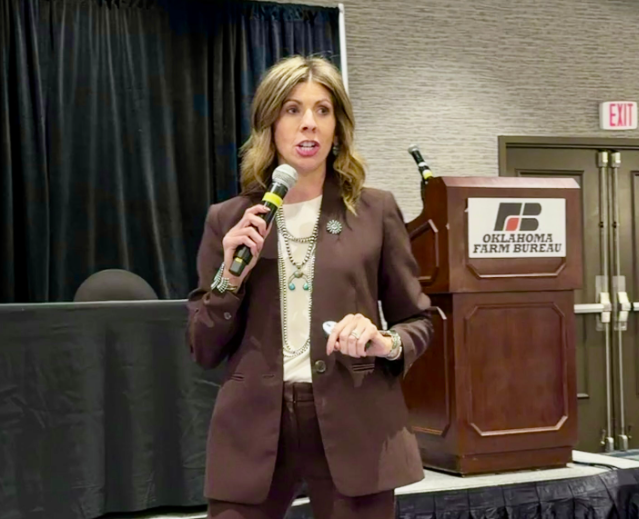
As Oklahoma livestock groups unite to take a more proactive role in shaping the conversation around food, Kylee Deniz with the Oklahoma Pork Council joins senior farm and ranch broadcaster Ron Hays at the Oklahoma Farm Bureau leadership conference to discuss the launch of the new All For Food coalition, an effort that brings multiple livestock and farm organizations together under one unified message. Deniz explained that the group represents a collaboration among the pork, poultry, cattle, and Farm Bureau communities. "We had a special opportunity at the Farm Bureau meeting just a moment ago to debut a group that we've been working on," she said, describing it as a coalition focused on championing food and the people who produce it.
Deniz said the need for All For Food has grown out of increasing scrutiny and pressure on modern farming and ranching practices. She noted that producers across commodities realized they needed a proactive, collective approach. "We should just put our flag in the ground on this and make it a group that's collectively thinking about Oklahoma farmers and ranchers with food being the focal point," Deniz told Hays. She added that the goal is to protect producers' freedom to operate while also engaging consumers more directly.
Consumer perceptions were a major focus of the discussion, with Deniz pointing to research showing attitudes about food and production are rapidly evolving. "Their opinion of food or production practices going back to the farm gate is continuing to evolve," she said, citing changing dietary guidance and rising opposition to animal agriculture. Deniz emphasized the importance of shaping the conversation early, saying, "It's time to come together and really own that narrative... before someone else is defining it."
The coalition's early priorities include establishing credibility and telling the stories of Oklahoma farmers and ranchers. Deniz explained that All For Food is governed by a four-member board, with one representative from each founding organization, and that the board is already working to define what success looks like. "We can be receptive to the rhetoric out there and respond to it, or we can get ahead of it and proactively share some of those stories," she said.
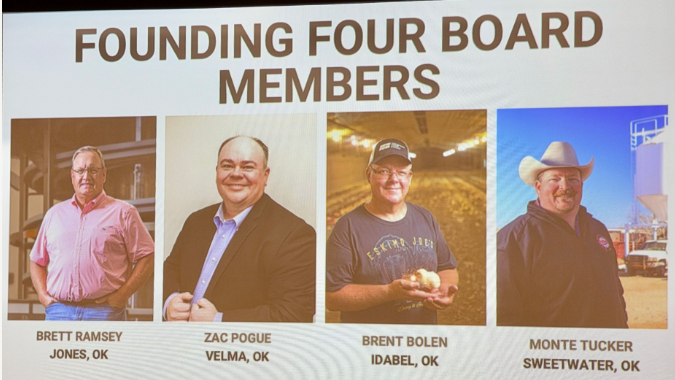
Deniz also addressed growing public confusion around animal agriculture, including polling that shows many consumers believe food animals should be treated the same as companion animals. "That's just really a mindset change that has, generationally, progressed," she said. Deniz stressed the need to reconnect consumers with the value of animal protein, adding, "My dog and cat is important to me, and the steak that I eat is nutritious, delicious, affordable, and fueling my body."
Deniz discussed the coalition's role in advocacy and outreach, particularly as anti-agriculture groups increase their presence at the Oklahoma Capitol. "The number of anti-agriculture lobbyists... is staggering and scary," she said, emphasizing that protecting farmers' ability to operate is central to the mission. Deniz encouraged listeners to learn more or get involved by visiting allforfood.org, noting the site will feature farmer stories, opportunities to share experiences, and ways to support the organization.
New World screwworm (NWS), Cochliomyia hominivorax, was eradicated from the continental United States decades ago through a coordinated effort that pushed the pest into Central America, and for years a biological barrier was maintained in Panama. The fly resurfaced in southern Mexico in late 2024. While the U.S. remains free of an established NWS population, recent developments, including sterile fly release in Texas, expanded treatment options, and new infrastructure investments, highlight continued concern among animal health officials.
NWS larvae infest open wounds and feed on living tissue, causing pain, swelling, foul odor, and rapid tissue damage that can be fatal in less than two weeks if untreated. Female flies lay eggs in wounds, mucous membranes, and body openings. In cattle, risk is highest after branding, tagging, dehorning, castration, and at newborn navels, though even minor injuries can be targeted. Because females mate only once, control has relied on releasing sterile males to disrupt reproduction.
The sterile insect technique has historically been the hallmark of screwworm control and eradication. Sterile fly release has expanded into areas of northern Mexico and strategic locations up to 50 miles north into Texas. The goal is to create a preventive buffer zone inside the U.S., not just in Mexico, to intercept any flies that might move north. Movement controls have also been part of the response, and southern border ports between the U.S. and Mexico remain closed to live ruminants.
Treatment options for control and prevention have also expanded, including emergency approval for macrocyclic lactone products including Ivomec® (ivermectin) and Dectomax® (doramectin). ExZolt Cattle-CA1® (fluralaner) has also been conditionally approved as a topical solution for prevention and treatment. Use of these products in response protocols may occur under veterinary guidance and, in some cases, extra-label drug use provisions.
The opening of the sterile fly dispersal facility in Edinburg, Texas, in mid-February marked a major step forward. This facility will allow USDA to distribute millions of sterile male flies, strengthening the biological barrier designed to prevent establishment of the pest. USDA also announced plans for a domestic sterile fly production facility nearby. The production plant represents an investment of roughly $750 million and is expected to eventually produce up to 300 million sterile flies per week, reducing reliance on international production and significantly expanding preparedness and response capacity.
In parallel, the USDA NWS Grand Challenge was announced to provide up to $100 million in funding to support research, surveillance, and improved control tools aimed at preventing NWS.
Additional information about NWS may be found at the following websites:
All information is accurate as of February 13, 2026.
The Farm Credit Council sent a letter to House Agriculture Committee Chairman Glenn "GT" Thompson and Ranking Member Angie Craig expressing support for the Farm, Food, and National Security Act of 2026 and urging completion of the Farm Bill this year.
Read the full letter below.
February 18, 2026
The Honorable Glenn "GT" Thompson
Chairman
Committee on Agriculture
U.S. House of Representatives
Washington, D.C. 20515
The Honorable Angie Craig
Ranking Member
Committee on Agriculture
U.S. House of Representatives
Washington, D.C. 20515
Dear Chairman Thompson and Ranking Member Craig,
The Farm Credit Council is pleased to share our support for the Farm, Food, and National Security Act of 2026 and urges completion of the Farm Bill this year.
While vital provisions for U.S. agriculture were included in the budget reconciliation law last year, many policies – including those impacting credit availability – remain stuck in 2018 and need to be modernized. The Farm, Food, and National Security Act of 2026 will provide certainty and growth opportunities for farmers, ranchers, and rural communities.
This legislation includes provisions from six important bipartisan marker bills to expand credit availability, especially for young and beginning farmers; modernize programs; and reduce regulatory burdens on producers and their ag lenders. Specifically, this bill will update Farm Service Agency (FSA) loan limits and program eligibility requirements to reflect agriculture needs today, and it will strengthen rural communities by allowing additional financing options for essential community facilities like hospitals, fire stations, skilled nursing facilities, and childcare centers.
With the U.S. farm economy and rural communities facing ongoing challenges, Congress must get Farm Bill 2.0 across the finish line this year. We urge your committee to take the important first step by marking up and passing the Farm, Food, and National Security Act of 2026.
As the process advances, we look forward to working closely with you and your staff to secure inclusion of additional measures that have been introduced with broad bipartisan support, including the Farm Credit Adjustment Act and the FARM Home Loans Act.
Thank you for your leadership and continued commitment to America's farmers, ranchers, and rural communities.
Sincerely,
Christy Seyfert
President and CEO, Farm Credit Council
CC: Members, House Committee on Agriculture
Senior Farm and Ranch Broadcaster offers this early look at the livestock, grain, oilseed and cotton futures for February 18, 2026.
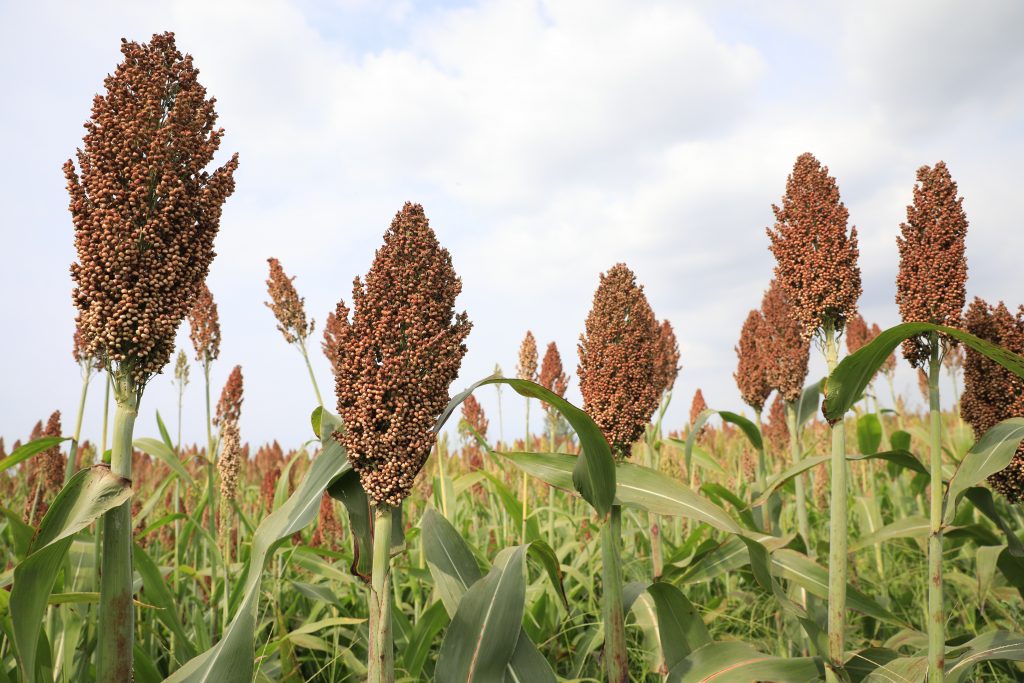
In sorghum production, consistency defines success. Farmers depend on hybrids that deliver high-end performance across seasons, environments and growing regions.
That reliability was on display in the 2025 National Sorghum Producers Yield Contest, where Pioneer® brand hybrids helped farmers earn first-place honors in all six contest categories across the United States, including the prestigious Bin Buster award. With top-yielding results in diverse geographies, Pioneer once again proves its position as the industry standard for consistent, elite sorghum performance.
Among the 2025 winners are Chris Santini of Warren, New Jersey, and Kenny Rathjen of Dalhart, Texas, two growers farming in vastly different environments, and both achieving outstanding results with Pioneer brand genetics.
Santini and her husband, Sam, took home the Bin Buster award in the 2025 contest, yielding 239.93 bu/A with a Pioneer brand hybrid.1 They credit strong hybrid performance and favorable dry conditions for helping them reach top results.
"To achieve the highest yield is quite a feat, especially among so many great growers. It's important to us to show that New Jersey can be on the map for sorghum production, and I think this award — building on what we've accomplished in past years with the help of Pioneer — helps reinforce that," Santini said.
Rathjen, a long-time contest competitor from Dalhart, Texas, is no stranger to success with Pioneer brand hybrids. He earned a first-place title in the Irrigated Western Division, yielding 237.15 bu/A and adding another win to his history of strong yields.2 Rathjen noted the season brought an ideal mix of humidity, dry days and timely rainfall that allowed Pioneer genetics to fully express their yield potential.
"Pioneer brand hybrids produce every time on our farm – you can't beat them in our area," Rathjen said. "Pioneer brand corn and sorghum work for us, and I appreciate the Pioneer team I have standing behind me."
As the 2026 planting season approaches, both Santini and Rathjen plan to plant more Pioneer brand sorghum. Santini emphasized the pride that comes from representing her state and showcasing what's possible in nontraditional sorghum regions when you partner with Pioneer. Rathjen, a previous Bin Buster winner, is already focused on chasing another title to add to his collection, planning for even higher yields with Pioneer brand hybrids once again at the center of his operation.
Adelai Dolch, Pioneer portfolio lead for complementary crops, congratulated the winners and said Pioneer genetics, combined with strong agronomic support, enable farmers to aim for consistent, high yields.
"We're thrilled to hear that the winners swept the 2025 yield contest with Pioneer brand hybrids, and we're even more excited about the consistent performance across geographies and seasons. Consistency is what separates great hybrids from the rest," Dolch said. "Our focus at Pioneer is pairing elite genetics with strong agronomic support to help farmers manage risk and unlock yield potential year after year. Congratulations to these growers on their incredible achievements!"
For a complete list of Pioneer yield contest winners from the 2025 season, visit Pioneer.com/NSP.
House Committee on Agriculture Chairman Glenn "GT" Thompson (PA-15) and Senate Committee on Agriculture, Nutrition, and Forestry Chairman John Boozman (R-AR) issued the following statement applauding USDA's proposed rules to update federal line speed regulations in poultry and swine processing establishments:
"We are pleased to see USDA take this next step to modernize and provide much needed certainty to our pork and poultry supply chains. America's meat and poultry companies continue to set the gold standard worldwide for food and worker safety. These proposed rules, grounded in decades of research, will ensure our regulatory system reflects the latest science by establishing a long-term pathway for eligible producers to operate at increased line speeds, improving efficiency while maintaining the same rigorous food and worker safety standards. We look forward to continuing to work with the administration as the rulemaking process continues."
Background:
In 2023, Senate and House Republicans called on USDA to provide certainty to meat and poultry plants throughout the department's implementation of the Time-Limited Trials and to provide a path forward that would allow them to operate at increased line speeds.
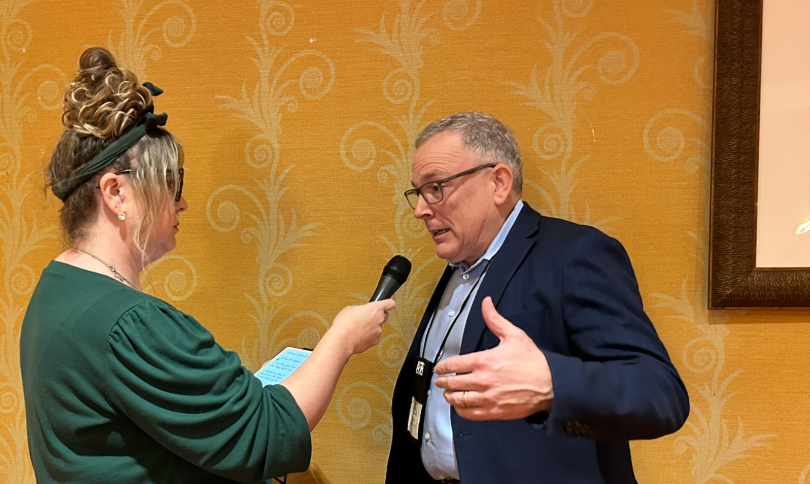
NFU President Rob Larew Calls for Radical Overhaul of Farm Bill Safety Net:
The House Agriculture Committee's recent markup of the Farm Bill is a significant step, but National Farmers Union President Rob Larew emphasizes that there is still a long way to go before reaching the finish line. In a discussion with Farm Director KC Sheperd, Larew shares his insights on the current state of agricultural policy, the necessity of a more robust safety net, and the challenges facing American farmers and ranchers.
Larew acknowledges the efforts of the House Agriculture Committee but stresses that the process is just beginning. "We are still a long ways away from getting across the finish line," he says. "It is, of course, a start... but the fact is that it's also going to give all of us a chance to talk about what's actually happening out on the ground and what farmers and ranchers need right now."
The conversation highlights the inadequacy of the current safety net in the face of rising input costs. Larew points to the necessity of ad-hoc assistance packages as evidence that the existing system is not sustainable. "I don't know a farmer or rancher out there who wants to rely on these kinds of assistance," he notes. "We should use this opportunity with a Farm Bill to actually get down to the heart of it and get a safety net in there that makes sure that farmers and their families can stay on the land."
When asked about the responsiveness of disaster programs, Larew expresses concern that help often arrives too late. "We're so grateful when there is assistance that comes after a disaster, but it never comes fast enough," he explains. He advocates for integrating ongoing disaster assistance into the Farm Bill to ensure support is available when it is most needed.
While cattle prices are currently strong, historically low cow numbers present long-term stability concerns. Larew suggests that this is an opportune time to address monopoly power in the packing sector and implement mandatory country-of-origin labeling. "Consumers want to know where their beef is coming from," he asserts. He emphasizes the need for a market that supports U.S. farmers and ranchers over the long term.
Larew expresses frustration with the lack of progress in addressing monopoly power in agriculture. He notes that while there has been talk about the issue, recent dismissals of top officials in the Department of Justice's antitrust division suggest a step backward. "We need more than talk," he says. "I feel like we're going backwards right now and that's not the direction we need to head."
Regarding trade policy, Larew believes the focus should be on ensuring strong prices across all markets, including domestic and value-added options. "The more that we can spend attention in that space and less on just making sure that we can sell product at a loss overseas is going to get us in a better direction," he suggests.
Despite the current political climate in Washington, D.C., Larew believes there is a common ground in the recognition that the current agricultural system is not working. "The current system isn't working," he states. "I've heard southern ag economists... I've heard northern crop economists who are saying it ain't working, we need to fix it. And I think that if we can all get behind that, we can do better."
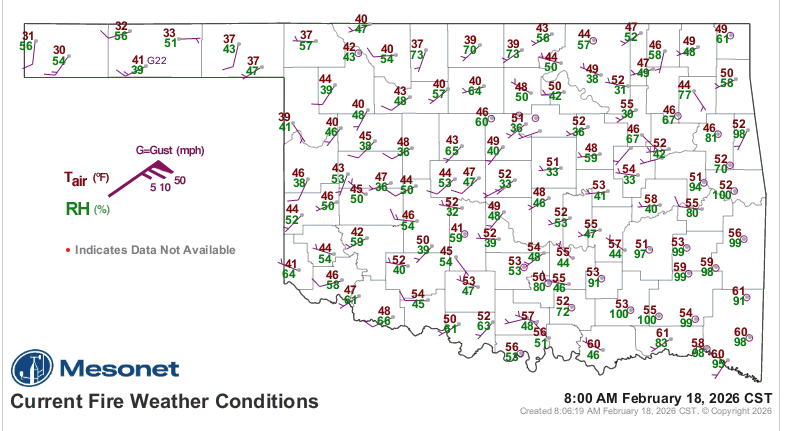
Recent observations from high-impact wildfires in northwestern Oklahoma confirm that fire behavior has met "extreme" thresholds. While a Red Flag Warning remains in place for central Oklahoma today, a Fire Weather Watch has been issued for Thursday, signaling that elevated fire danger is pushing further east into the northeastern and south-central portions of the state.
A critical factor in the current emergency is poor overnight moisture recovery. In the northwest, the air failed to regain humidity during the night, leading to a "near-continuous burning period" where fires do not settle down after sunset. Today, relative humidity is expected to drop as low as 14% in central Oklahoma and 18% in the far east.
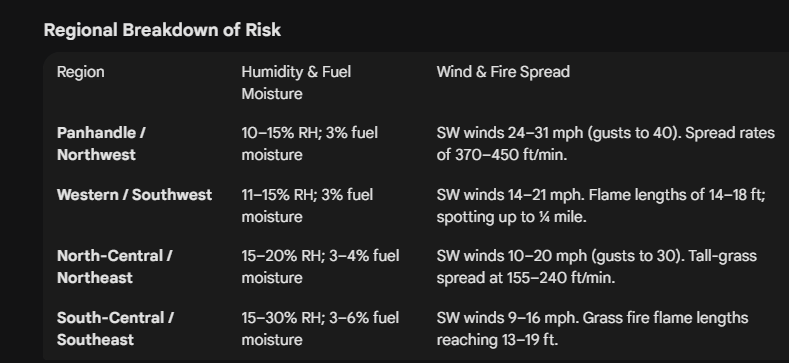
Suppression efforts face a unique physical challenge: ground saturation. Despite the high fire danger, recent weekend rainfall has left the soil wet in specific areas. This creates a paradox where surface fuels (grass and brush) are dry enough to burn intensely, yet the heavy equipment required to extinguish them—such as dozers and engines—may become stuck or face limited access.
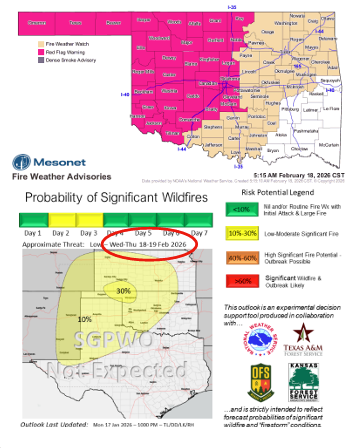
To combat the growing threat, Oklahoma Forestry Services (OFS) has mobilized suppression groups consisting of engines, dozers, and overhead personnel to the following strategic hubs:
On Thursday, fire crews expect a "notable increase" in new wildfire occurrences. While the rate of spread may be slightly lower than previous days (estimated at 140–240 ft/min), a shifting wind from the southwest to the west-northwest will challenge containment lines on established fires.
As composite fuel moisture continues to degrade, resistance to control is expected to increase. Looking ahead, fire danger indices may relax slightly from Friday through Monday; however, meteorologists are already tracking signals for a return to near-critical fire weather by next Tuesday. This upcoming window suggests a high potential for significant fire activity returning to western and central Oklahoma.
County Burn Bans: Click HERE for current burn ban information.
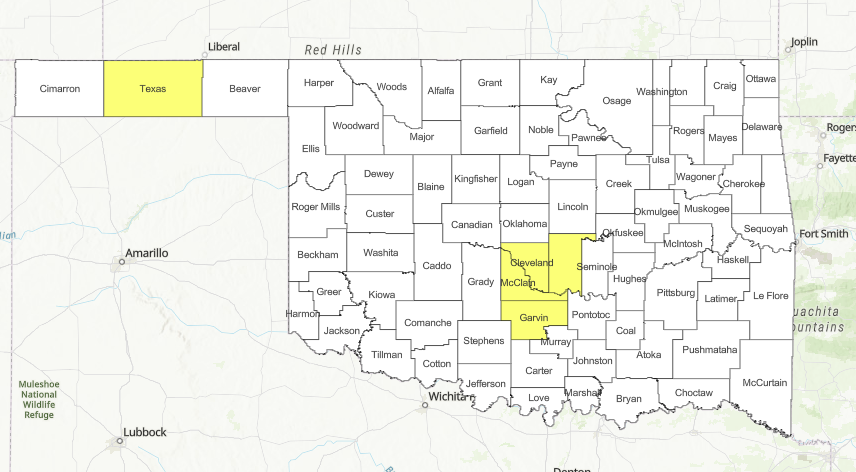
Compared to the last report. Movement has picked up; movement has been slow to steady. We do see continued movement due to the drought and the winter storm we received. We are supposed to see some moisture move across Oklahoma with mild temperatures to follow. Drought worsens; 94 percent of the state has some form of drought.
The Oklahoma Mesonet Drought Monitor indicates that 0 percent of the state is experiencing exceptional drought, 10.23 percent is in extreme drought, 28.26 percent is in severe drought, 74.11percent is in moderate drought, 94.54 percent is in abnormally dry conditions, and 4.46 percent has no drought conditions.
*** The next report release will be on February 27th ***
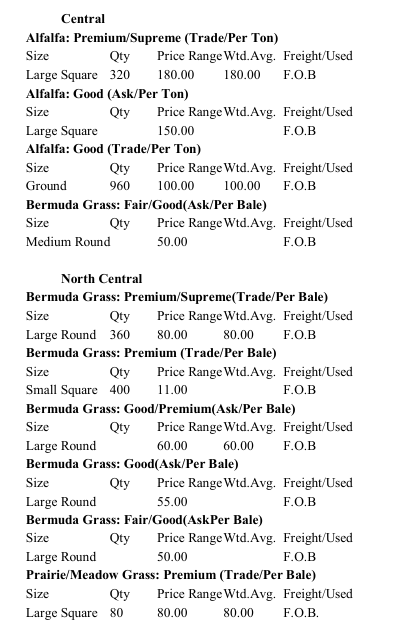
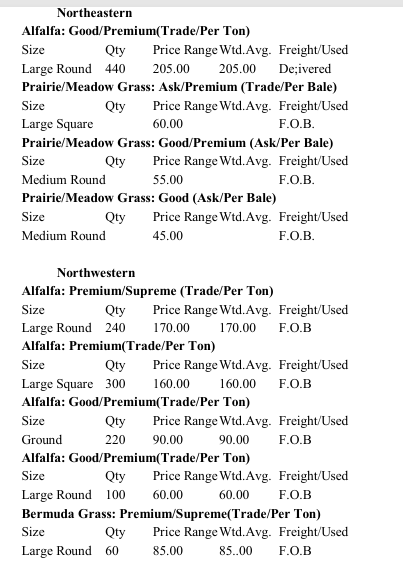
Beaver Livestock had a total head count of 4,040 head on Tuesday, February 17, 2026.
Compared to last sale: Feeder steers 2.00-5.00 higher. Steer calves 7.00-12.00 higher. Feeder heifers and heifer calves 5.00-10.00 higher. Quality attractive with several fancy drafts. Demand strong. CME live feeder futures boards closed 4.35 in the green today. Fires continue to proliferate the area. Several towns and the surrounding areas have been evacuated. Over 150,000 acres have burned and this number is expected to double by the end of day.
The Tuesday stocker and calf sale at OKC West had 2,349 head. Compared to last week: Steer calves 3.00-6.00 higher. Heifer calves 5.00-10.00 higher. Demand very good for all classes of cattle. The spread between No. 1 and No. 2 cattle continued to narrow this week, as quality becomes less of a concern and buyers focus more on securing headcount to fill orders. High winds have returned to Western Oklahoma and the fire danger is once again intensifying. Estimated receipts for Wednesday's feeder sale is 4000 head.
Boxed beef prices moved lower Tuesday. Choice cutout closed at $364.76, down $3.01 from Monday, while Select finished at $360.22, down $1.01. The Choice/Select spread narrowed to $4.54 from $6.54 the previous day, with 119 loads traded compared to 50 on Monday.
Primal values were mostly lower compared to Monday. Rib dropped to $499.70 from $505.83, Chuck declined to $317.96 from $322.50, Round eased to $332.97 from $333.23, and Loin fell to $471.77 from $476.50. Brisket was nearly steady at $294.64 compared to $294.58. Plate increased to $259.59 from $257.74, while Flank slipped to $178.53 from $179.72.
Andrea Smith, Henryetta, Okla., has earned the National Junior Angus Association's (NJAA) Silver award, according to Caitlyn Brandt, events and junior activities director of the American Angus Association® in Saint Joseph, Mo.
Smith is the 15-year-old daughter of Jonathan and Brooke Smith and attends Henryetta High School. She is a member of the NJAA and the Oklahoma Junior Angus Association.
She has participated in local, state and national shows and showmanship contests. At the National Junior Angus Show (NJAS), Smith participated in the 2025 mentoring progam.
Smith has submitted DNA samples for Genomic Profile Testing through Angus Genetics Inc. (AGI).
The Silver award is the second level of the NJAA Recognition Program that began in 1972. Junior Angus breeders must apply for the award, then meet point requirements in many areas of participation before receiving the honor. Applicants are evaluated in areas of junior Angus association activities and leadership, participation in showmanship, contests and shows, using performance testing to improve their herd and their progress in producing and merchandising Angus cattle.
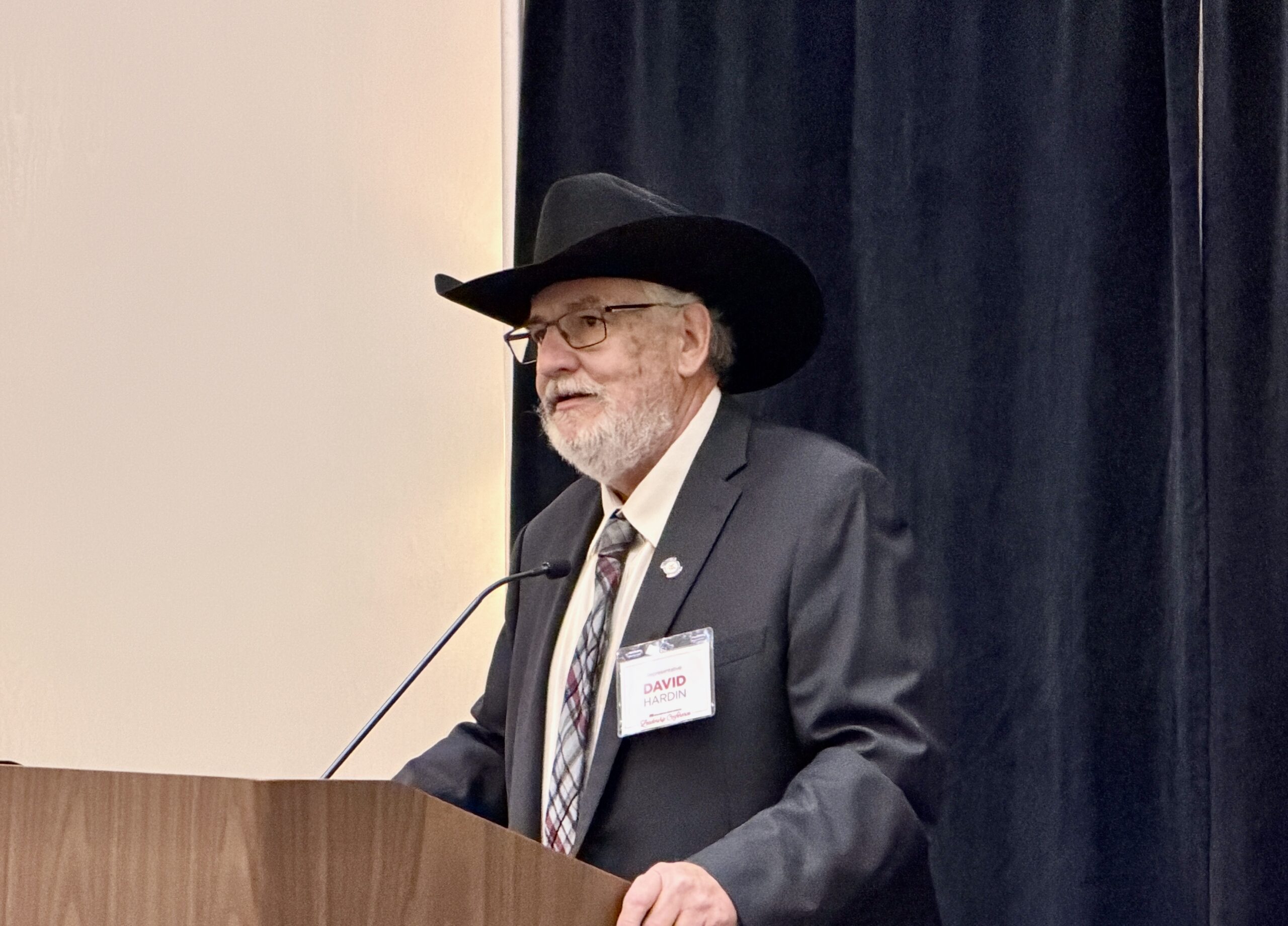
Oklahoma State Representative David Hardin joined Ron Hays at the 2026 Farm Bureau leadership conference to discuss the ongoing poultry litter litigation, saying the case has reached a point where "some serious decisions have to be made." Hardin said while he hopes the judge accepts proposed settlements, he is uncertain that will happen given earlier court actions. "When I look at what the judge did and dropped the $100 million that was supposed to be in damages down to $350,000, I'm not really sure that the judge is going to go for a $19 million settlement with Tyson," he said, also referencing proposed settlements with Cargill and George's.
Hardin questioned why settlement talks have not included all poultry integrators involved in the case. "I'm just kind of curious right now as to why the Attorney General hasn't reached out to Simmons, the other integrators that are in this," he said, adding, "If I was going to reach out to everybody and try to get a settlement, I would reach out to everybody, not just two or three of them." While he said he hopes the judge agrees to the settlements, Hardin admitted, "I'm just not confident right now that's going to happen."
The conversation also turned to the role of the special master appointed in the case, which Hardin sharply criticized. "The Special Master, in my opinion, is nothing more than a disaster," he said. Hardin emphasized that the Oklahoma Department of Agriculture and the Legislature already regulate poultry production strictly. "We have some of the strictest laws in the country," he said, adding, "It is easier to be a marijuana grower than it is to be a poultry guy," because of the extensive regulations poultry producers must follow.
Hardin stressed that the litigation is occurring outside the state's normal regulatory process. "This is a federal judge making his decisions on this," he said, noting that Oklahoma and Arkansas filed an amicus brief opposing the approach and asking for a stay. "The legislature has absolutely nothing to do with this," Hardin said, underscoring that the case is being driven by the federal court system rather than state lawmakers.
A key focus of Hardin's concerns is phosphorus levels and how responsibility is assigned. "Phosphorus won't kill you," he said, explaining that while it can cause algae blooms and harm fish, it is not a direct human health threat. Hardin questioned why poultry is being blamed when wastewater treatment plants discharge significant phosphorus into the Illinois River. "How do you expect the Illinois River to stay at an 0.037 parts per million when the wastewater treatment plants are dumping in two to three times that?" he asked. Closing the conversation, Hardin offered a message to poultry producers facing uncertainty: "I pray for them every day... just keep the faith. Pray to God, and God will get us through this."
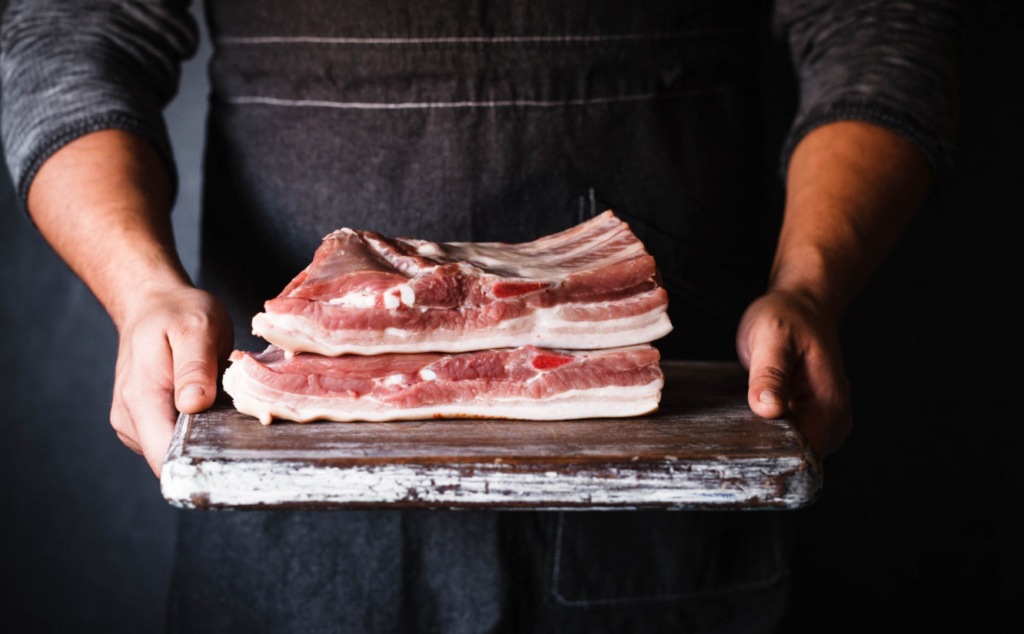
The National Pork Producers Council applauds the U.S. Department of Agriculture's proposed rule to update the New Swine Inspection System's line speed regulations to increase efficiency at pork processing plants.
The proposal aims to remove maximum line speed limits for establishments operating under NSIS. Participating establishments will be allowed to set their own line speeds based on their demonstrated ability to maintain process controls and food safety, rather than adhering to a strict maximum speed limit.
"Thank you, Secretary Rollins and the Food Safety and Inspection Service, for taking steps to unleash the potential to process pork more efficiently while also protecting food and worker safety," said NPPC President Duane Stateler, a pork producer from McComb, Ohio.
"Greater efficiency of increased line speeds provides financial security and more stability for pork producers. Without the NSIS program, some pork producers could have incurred an additional loss of nearly $10 a head."
Since 2019, NPPC has advocated for increased line speeds.
NPPC will continue to work with FSIS to ensure greater efficiency and food safety within pork processing plants.

Growth Energy, the National Corn Growers Association, and the Renewable Fuels Association (RFA) released a joint statement regarding the lack of progress toward a permanent, legislative fix offering consumers year-round access to E15. After reaching an impasse in January, House leaders agreed to establish an E15 Rural Domestic Energy Council, which was charged with reaching a deal on consensus legislation no later than February 15, 2026. No such deal has been announced.
"Year-round, nationwide E15 is an urgent priority for rural America, and it can't wait. House leaders already have bipartisan, consensus legislation that has broad support from the overwhelming majority of biofuels, agriculture, fuel retail, and oil refining interests. The solution is on the table, and we urge council members to refocus their attention on proposals that already have widespread support. Year-round E15 will deliver real savings for hard-working families and open a reliable market for U.S. farmers struggling to stay afloat. We cannot allow a tiny handful of mid-sized refiners to take year-round E15 hostage while demanding outlandish handouts, just to line their pockets at the expense of everyone else," said Growth Energy CEO Emily Skor, RFA President & CEO Geoff Cooper, and Ohio farmer and National Corn Growers Association President Jed Bower.
"Our rural champions in Congress — backed by President Trump — understand that voters want to see more American-made energy, lower prices at the pump, and a stronger farm economy. House and Senate leaders should listen," they added.
U.S. Secretary of Agriculture Brooke Rollins today announced new actions to reduce burdens on U.S. chicken processing facilities, allowing for greater efficiency while maintaining food safety standards. The proposed rule would eliminate outdated administrative requirements that have slowed production and added unnecessary costs for American producers.
"I want to thank Secretary Rollins and the Trump administration for adhering to science-based principles and following almost 30 years of experience, studies and data on increased line speeds in chicken processing plants," said National Chicken Council President Harrison Kircher. "The current patchwork approach has created significant uncertainty for companies and has put our members at a disadvantage globally, where other countries operate at faster speeds. We appreciate the administration's pro-business approach and for helping to increase the global competitiveness of America's chicken producers. We look forward to providing input as the rulemaking process begins."
Background
A pilot program using almost two dozen chicken processing plants was initiated under the Clinton administration allowing line speeds of up to 175 birds per minute (bpm), up from 140bpm. It is important to note that the part of the processing line (evisceration) that deals with the speed increase is almost entirely automated. This modernized system has been studied, debated, and reviewed in depth for two and a half decades to assure its effectiveness in further modernizing chicken inspection while improving food safety and protecting workers. Research has confirmed that higher evisceration line speeds in chicken processing plants do not lead to increased food safety risks.
While the industry has been safely increasing line speeds over the past 30 years, the poultry industry's injury and illness rate has fallen 90 percent, according to the most recent data from the U.S. Department of Labor, demonstrating the tremendous advancements the industry has made in improving safety for its workforce.
Furthermore, last January, FSIS issued a study that found that the risk of injuries among workers at poultry processing plants was not influenced by evisceration line speed.
Any individual plant's line speeds are based on many factors, including a plant being able to maintain process control, producing safe food, keeping workers safe, and staffing considerations. If a plant determines that one of these factors calls for slowing down the line, the plant will do so. USDA maintains the regulatory authority to slow down or stop a production line in poultry processing plants if deemed unsafe.
Chicken processing plants in Canada, Belgium, Germany, Brazil and Argentina, among others, all operate at line speeds of 200+ bpm, using the same equipment, putting the U.S. at a competitive disadvantage in the global marketplace.

Oklahoma House Speaker Kyle Hilbert, R-Bristow, has re-filed to serve as speaker-designate for the Republican Caucus of the House of Representatives for the 61st Oklahoma Legislature. Hilbert was the only member to file for the position.
The Speaker of the House serves as the chamber's chief presiding officer, overseeing committee appointments, the flow of legislation, and management of the House budget and staff, and serves as an ex officio voting member on all House committees.
"I am grateful for the continued support of my colleagues and the opportunity to serve during my final term in the House," Hilbert said. "We are not finished. I remain fully committed to strengthening our state and ensuring Oklahoma is an even better place to live, work and raise a family. I am eager to continue working with Pro Temp Paxton and Governor Stitt and I look forward to seeing the progress we've made over the past few years continue alongside whomever is the next Governor."
Hilbert was first selected as speaker-designate ahead of the 60th Legislature and currently serves as Speaker of the House. During his tenure, the House has prioritized improving public education outcomes, building historic savings, tax relief for Oklahoma families, and long-term infrastructure improvements.
First elected in 2016 to represent House District 29, Hilbert previously served as Speaker Pro Tempore and vice chair of the House Appropriations and Budget Committee. Hilbert resides in Bristow with his wife, Alexis, and two daughters with one additional child on the way.
Under majority caucus rules, the speaker-designate is formally selected by the Republican Caucus during an election year, with the full House voting on organizational day when the next Legislature convenes.
"Our caucus is unified and focused on delivering results for the people of Oklahoma in the 2026 session," Hilbert said.
Low crop prices and high production costs are weighing heavily on U.S. farmers as spring planting season draws near and farmers make critical decisions about which crops will offer the most favorable economic return. While late-winter price movements and regional basis signals could influence farmers over the next few weeks, soybeans are currently expected to increase their share of American farmland in 2026 while planted acreage of corn, wheat, grain sorghum, cotton and rice is expected to decline compared to last year.
According to a new report from CoBank's Knowledge Exchange, U.S. soybean acreage is projected to increase nearly 6% this year, with soybeans pulling acres from multiple crops. The expansion of U.S. soy crush capacity and expectations of continued Chinese demand have lifted soybean prices to more attractive levels than competing crops.
"Following recent price rallies, soybeans offer greater profit potential than corn, wheat, sorghum, cotton and rice," said Tanner Ehmke, lead grains and oilseeds economist with CoBank. "Beyond price signals, crop rotation needs will also play a role. Following a big year for corn in 2025 in which acres climbed to the highest level in decades, more corn acres will be available to rotate to soybeans. And with record supplies of corn in storage, farmers will look to rotate into other crops to diversify their marketing risk. Soybeans currently offer the best marketing opportunities."
The report provides U.S. planted acreage projections for corn, soybeans, wheat, durum, grain sorghum, cotton and rice, along with regional factors that will influence farmers' spring planting decisions for 2026.
Soybeans & Corn
CoBank's analysis indicates U.S. soybean acreage will increase 5.9% over last year to reach 86 million acres as soybeans pull acres from a variety of crops. Soybean prices have performed better than most crops on expectations the EPA will announce a higher renewable volume obligation and that China will continue purchasing soybeans. In the South, soybeans will pull acres from cotton, rice and corn while wheat and corn in the Midwest and Central Plains will lose acres to soybeans. The outlier will be the Northern Plains where soybean basis remains under pressure from the loss of exports to China, causing farmers to favor more corn acres over soybeans. Soybean yield performance in the region has also been underwhelming relative to corn.
Total U.S. corn acreages are projected at 94.0 million, down 4.8% from last year. While overall acreage will dip, corn will gain acreage in western states at the expense of wheat, grain sorghum and soybeans. Corn has benefited from steadier demand compared to crops like soybeans and sorghum that have been affected by trade disruptions. In the Northern Plains, depressed soybean basis levels will encourage farmers to switch soybean acres to corn. Successive years of high corn yields have convinced farmers that corn genetics perform well in the Northern Plains. In other regions, heavy corn acres last year indicates more acres will be switching to another crop for rotational purposes, with soybeans typically the favored crop. Farmers in the Midwest are carrying record levels of corn stocks and will be reluctant to follow with more corn acres this spring.
Spring Wheat, Durum & Grain Sorghum
Spring wheat acres are expected to fall 1% to 9.89 million acres due to weaker yield performance and profit potential compared to corn. The continual westward movement of corn acres often comes at the expense of wheat. However, if the USDA predicts a substantial decrease in wheat acres in its March Prospective Plantings report and triggers a rally in wheat prices, farmers may change acreage plans and increase wheat production in response to higher prices.
U.S. durum acres are projected to fall 3% to 2.12 million acres. Following last year's jump in durum production which brought U.S. acreage to the highest level in eight years, ample stocks in the U.S. and Canada have caused a substantial setback in durum prices versus other crops. Durum, which is grown predominately in North Dakota, will lose acres to pulse crops and spring wheat.
Grain sorghum acres are expected to fall 5% to 6.31 million acres as farmers in the Central Plains opt for more corn or soybeans in their rotations as wide sorghum basis discourages production. Sorghum stocks in the U.S. have climbed to the highest in four years following a bigger harvest last year. Wide premiums of corn over sorghum, corn's impressive yield performance last year, and improved soil moisture across the Central Plains will entice farmers to expand acres to corn in place of sorghum. Steadier local demand for corn with feedlots and favorable crop insurance premiums also favor corn over sorghum. Sorghum acres could rebound if export demand to China continues to build.
Cotton & Rice
CoBank's analysis indicates U.S. cotton planted acreage will fall to 9.19 million acres, dropping 1% year-over-year to reach the lowest level in 11 years. Cotton acres in the South will migrate to soybeans, while irrigated cotton acres on the Plains will shift to corn. The slower pace of U.S. cotton exports to China, combined with rising export competition from Brazil and Australia and increasing use of manmade fiber have prevented cotton prices from rebounding. However, base acreage payments will stabilize cotton acres and prevent further erosion.
Total rice planted acreage in the U.S. is projected at 2.83 million acres – the lowest in 30 years. This is also a year-over-year decline of 20%, with long-grain rice in the South falling 25% to 1.59 million acres. Medium- and short-grain rice acres are expected to fall to 665,000 acres, down 4.6% from last year. Of the major commodities, rice is the highest-cost crop to plant and has suffered disproportionately on price. Subsidized Indian rice is flooding the world market while more South America rice is flowing into key export markets like Mexico, displacing U.S. exports. Farmers in the South will be eyeing soybeans as the alternative to long-grain rice.
Read the report, 2026 Acreage Outlook: Soybean Acreage Set to Rebound.
On Tuesdays, Senior Farm and Ranch Broadcaster Ron Hays visits with Ben Hale of Western Livestock Auctions as he talks about the latest in the markets and more. Established in 1995, Western has grown into a multi-generational family-owned and operated business and stands as a symbol of tradition, excellence, and a deep-rooted passion for the cattle industry. Western Livestock Auctions operates the Western Livestock Commission Firm, which sells cattle on Mondays and Tuesdays. They also operate the livestock auction markets in Woodward, Comanche, Waurika, and Knoxville, Iowa.
A steady-to-strong start to the week greeted cattle markets at Oklahoma National Stockyards, Hale said Monday's run totaled "almost 6,500" head, notably higher than the prior week. While overall tone remained positive, Hale noted differences across classes: "the feeder deal was sure stronger, and the calf deal was extremely good," with heifers "maybe a little bit stronger," even if the market wasn't quite as aggressive as earlier in the month.
Hale pointed to a sharp rally since New Year's Day, calling the first weeks of the year "quite a rally." Weather is playing into expectations, too. He said scattered moisture has helped but more is needed: "three-tenths to a half inch...is all going to help, but I think it was kind of hoping would get a little wider spread." Even recent sleet and snow offered some benefit—"it sure greened it up and it started trying to grow"—which could buy producers some time.
On the demand side, Hale described buyers as "cautiously optimistic," especially in the feeder market. With cattle coming off wheat ahead of combining, he expects runs to stay decent as the market tests itself in the next couple of weeks. He added that grazing pressure is tightening, prompting steady buying: "people know that it's going to get tighter, and so they're going to have to get some of these numbers."
Looking ahead across the state, Hale outlined active schedules: Waurika with "12 to 1,500" head and solid runs at Woodward and Comanche, and cattle already lined up for later in the week. Despite adequate movement, he doesn't foresee being overwhelmed: "I don't think we're going to be overwhelmed by any stretch, but...be enough to get somebody some cattle."
Hale can be contacted at 940-631-2333. Check out more about the marketing options that Western offers by clicking here.
The U.S. Department of Agriculture (USDA) today announced proposed updates to federal line speed regulations in poultry and pork establishments operating under modern inspection systems. These updates reflect years of data and experience, and are designed to lower costs for American families, reduce outdated regulatory barriers for processors, and support a more efficient and resilient food supply.
"As Secretary, my responsibility is to ensure that American families have access to affordable, safe, and abundant food," said Secretary Rollins. "These updates remove outdated bottlenecks so that we can lower production costs and create greater stability in our food system. By bringing our regulations in line with proven, real-world capabilities, we are supporting a stronger supply chain, giving producers and processors the certainty they need, and helping keep groceries more affordable for every household."
USDA's proposals would update outdated processing requirements for poultry and pork establishments operating under modern inspection systems. The changes would update outdated limits by allowing eligible establishments to operate at speeds supported by their processes, equipment and food safety performance, with FSIS maintaining full oversight. The proposals maintain full federal oversight in every establishment and reaffirms the authority of inspectors to slow or stop operations whenever inspection cannot be performed effectively.
Together, these actions provide clarity and consistency for establishments that have operated for years under a patchwork of waivers, pilots, and temporary measures, replacing uncertainty with predictable, long-term rules. The updated regulations would also remove worker safety attestations that fall outside USDA's statutory authority, reducing redundant paperwork for industry.
Today's announcement reflects the Trump Administration's broader commitment to strengthen the American food system by cutting red tape, supporting domestic production capacity, and ensuring that consumers benefit from efficient and reliable supply chains including, but not limited to abundant, safe, and affordable food. These proposals are rooted in decades of data and uphold the core principle that affordability and strong food safety protections can and must go hand in hand.
USDA invites public comment on both proposed rules. Comments will be accepted for 60 days following publication in the Federal Register. More information will be available at www.regulations.gov.
As the United States prepares to commemorate its 250th anniversary, the National Corn Growers Association today released a sweeping new report illustrating how far American agriculture has come—and how urgently action is needed to secure its future. The report, America's Crop at Risk: The Future of Corn and Family Farms, underscores that the nation's semiquincentennial is not only an historic milestone, but also a critical turning point for U.S. corn growers facing economic pressures unlike any seen in generations.
"As we celebrate 250 years of American resilience and innovation, we must confront the reality that our farmers—who built this nation's economic foundation—are in jeopardy," said Ohio farmer and NCGA President Jed Bower. "This report makes clear that we are entering one of the most consequential periods in modern agriculture. If we fail to act now, America risks losing not just farms, but the communities, values, and economic strength that agriculture has anchored since the country's founding."
The report traces the evolution of American corn farming from 1776 to today. Once, 90–95% of the U.S. population worked in agriculture; today, just 1.3% of Americans farm, even as they continue to produce the food, fuel and fiber that support the entire nation. At the same time, consolidation, rising input costs, volatile markets, and limited competition have accelerated pressures on farm operations.
"This 250th anniversary should be a moment of pride—but also reflection," said Krista Swanson, NCGA Chief Economist. "Farmers have achieved extraordinary gains over two and a half centuries. But productivity doesn't necessarily equal profitability—not in today's environment. That is why 2026 represents a pivotal moment. The decisions we make now will shape whether the next 250 years include a thriving American farm sector."
Generational continuity—a defining tradition of American agriculture—is also at risk. In a survey recently conducted by NCGA, only 43% of farmers report having a family successor in place, leaving more than half of farm operations facing uncertain futures. With 96% of farm households relying on off‑farm income and nearly two‑thirds holding off‑farm jobs, many growers worry that the next generation may simply not be able to make farming viable.
"America's farmers are committed to carrying on this legacy—but commitment alone isn't enough," Bower emphasized. "As our nation celebrates its 250th year, we must ensure that we don't lose the very people who made our country strong in the first place."
The report calls for bold action to expand demand, modernize regulatory structures, reduce market concentration, and foster new opportunities.
NCGA will continue its advocacy in Washington while accelerating efforts to build new markets outside the traditional policy landscape. The association plans to release additional insights in the coming months on emerging demand pathways critical to future farm profitability.
READ THE REPORT
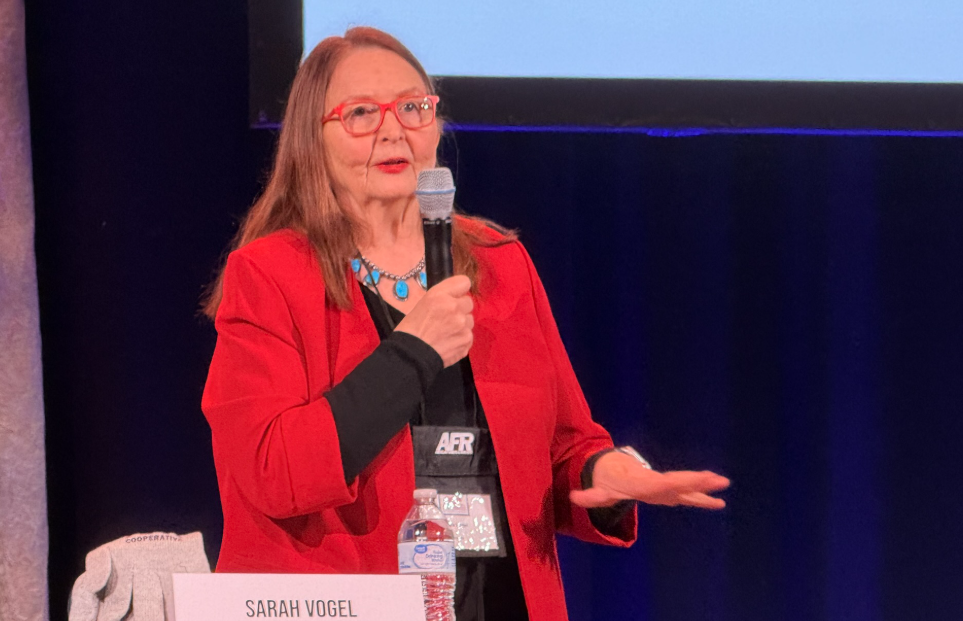
Sarah Vogel on the History of Farm Foreclosure Battles
Farm policy battles from decades past are again shaping conversations about agriculture's future, as long-time farm advocate Sarah Vogel reflected on landmark legal fights that helped preserve family farming. Speaking with associate farm reporter Carli Davenport at the AFR Annual State Convention, Vogel walked through the historic cases that defined her career and continue to influence ag law today.
Vogel is best known as lead counsel in the national class action Coleman v. Block, a case born out of the 1980s farm crisis. She recalled that during that period, "tens of thousands of farmers nationwide were faced with imminent foreclosure by an agency of the federal government." Vogel explained she discovered a Carter-era law granting delinquent farmers the right to request loan deferrals—"and USDA had never implemented that law." When foreclosure accelerated under the Reagan administration, she said, "I filed a lawsuit... to make USDA stop foreclosures until it had complied with this deferral law."
What began in North Dakota quickly spread nationwide. After a judge halted thousands of foreclosures in her home state, Vogel said, "calls came in from all over the country saying, 'Can you bring a lawsuit like that in our state?'" Turning the case into a national class action, she noted it "put the brakes on tens and tens and tens of thousands of foreclosures nationwide." The fight eventually led to the 1987 Agricultural Credit Act, which Vogel said recognized that "the collapse of the farmers was not their fault" because prices had fallen even as production efficiency improved.
Vogel said she later documented those battles in her book, The Farmer's Lawyer, which recounts the Coleman v. Block case and the broader fight to save family farms during the 1980s farm crisis. She explained that she wrote the book because she believes agriculture may be heading into another downturn, noting that understanding how farmers survived past depressions can provide perspective and hope today. "I felt the coming of another big agriculture depression, and I thought if people knew about prior battles where the farmers had survived, that would give hope to people today," Vogel said.
Looking at what might have happened had farmers lost that case, Vogel was blunt. "I think most family farms would be owned by corporations," she said, explaining that investment funds were already moving aggressively into farmland during the 1980s. She added that while some states once had protections, "not very many states have anti-corporate farming laws".
Vogel also discussed her work as co-counsel in Keepseagle v. USDA, a case that exposed discrimination against Native American producers. "As poorly as USDA treated white farmers, it treated Native Americans worse," she said, noting the case relied on the Equal Credit Opportunity Act and took two decades to resolve. The outcome, Vogel emphasized, "required USDA to make many reforms" that are now embedded in law. Drawing parallels between today and past downturns, she warned, "I think today is very similar to the '80s... we're in that kind of cycle now," urging producers to stay informed and engaged through groups like National Farmers Union and the Farmers Legal Action Group.
Agricultural markets witnessed a week of rallies followed by late-week corrections as shifting weather patterns in the Southern Plains and updated federal reports influenced trader sentiment. According to the latest Crop Outlook Newsletter from Oklahoma State University's Dr. Todd Hubbs, the market is currently navigating a complex landscape of steady demand and looming environmental factors.
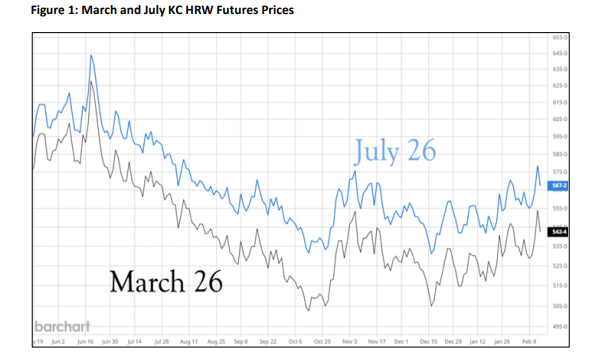
The wheat market remains locked in a specific trading range that has persisted since late October. While prices recently tested the upper limits of this range, sustained breakouts appear unlikely without significant external shocks.
"Last week's rally ended at the top of the range HRW futures prices have been in since November," Hubbs noted, adding that "breaking out of this range over the next couple of months remains difficult barring a major geopolitical event".
Key factors currently influencing wheat include:
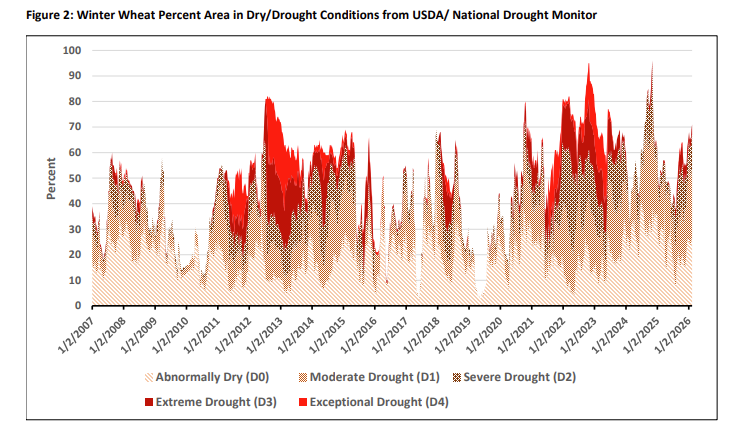
In the corn market, demand remains the primary engine for price stability. The USDA recently increased marketing year corn export forecasts by 100 million bushels, bringing the total to 3.3 billion.
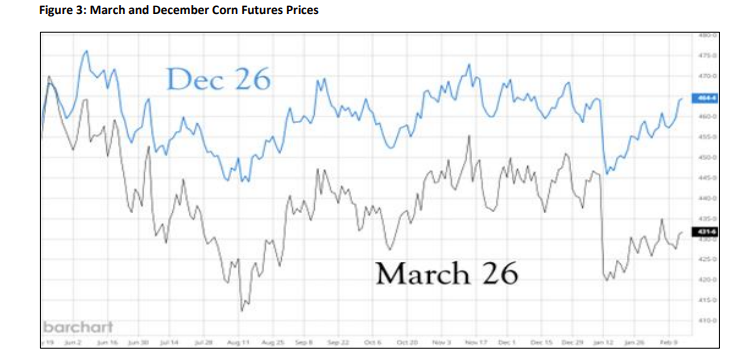
However, Dr. Hubbs warns that the recent upward movement in long-term futures might not be permanent. "The recent run up in December corn futures may be fragile," Hubbs stated, noting that market uncertainty will likely persist until the release of the March 31 USDA reports.
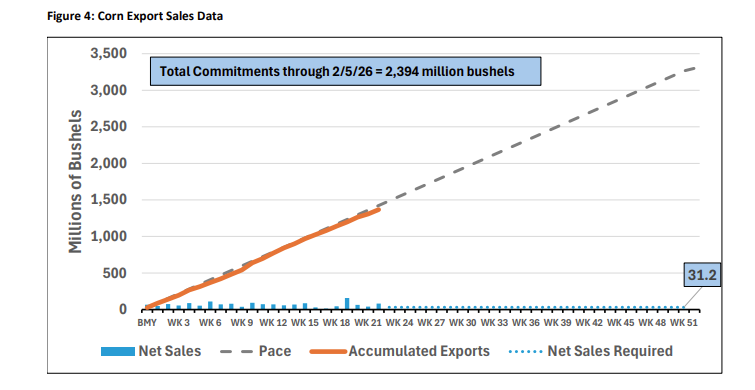
For sorghum producers, the outlook is a mixture of improved demand and low basis levels. While export sales to China remain a factor and ethanol usage of sorghum has tripled compared to the last marketing year, prices remain weighed down by overall grain supplies. Hubbs observed that "Sorghum price remains tied to corn and remains weak given large sorghum and corn supplies".+2
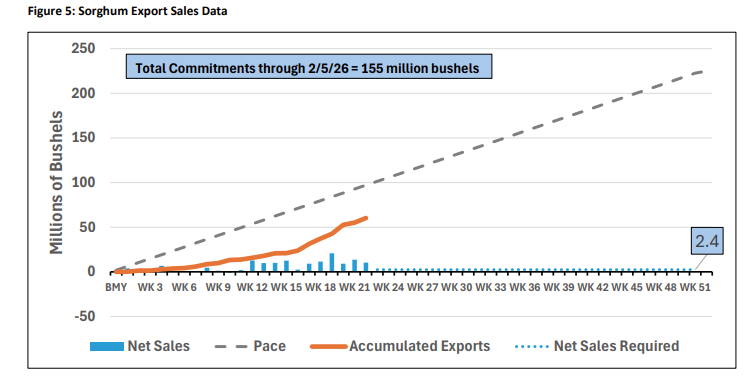
Both wheat and corn exports are currently on pace to meet or exceed USDA forecasts. HRW total commitments have reached 90.5 percent of the federal forecast, while corn commitments sit at 72 percent, which Hubbs describes as "typical levels this far through the cycle"
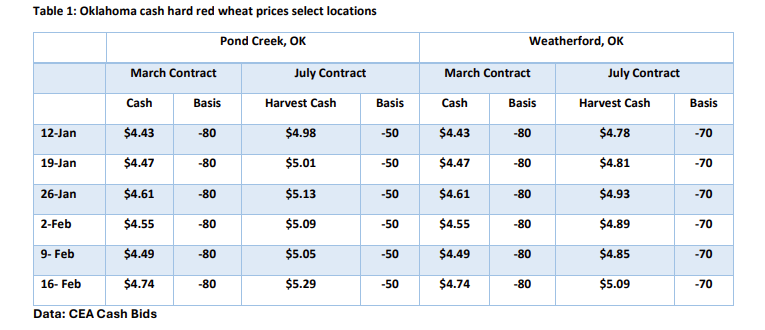
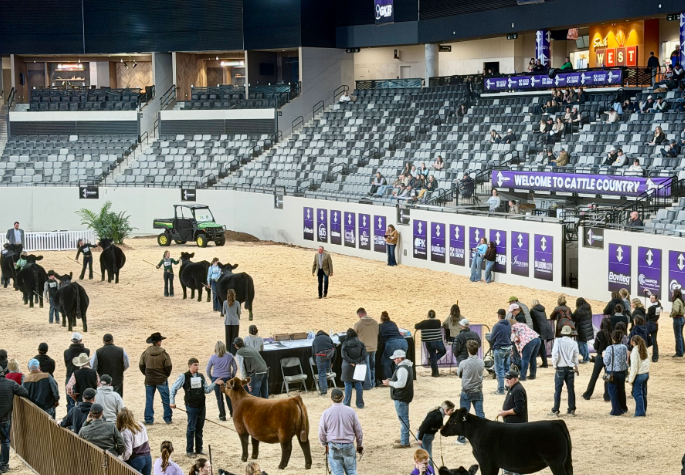
In today's beef buzz, senior farm and ranch broadcaster Ron Hays speaks with Bray Haven, Executive Vice President of Cattlemen's Congress, as they recap the sixth year of the event and reflect on record-setting growth. Haven says the 2026 Congress finished strong and continues to gain momentum across the cattle industry.
Haven noted that this year marked the largest number of cattle ever to come through the show ring. "It was by far our biggest year of actual cattle that showed that walked through the show ring," he said, adding that there were "four or 500 more cattle through the show ring" compared to previous years. He emphasized that the continued growth shows exhibitors are embracing the event as a must-attend stop on their annual schedules.
As Cattlemen's Congress settles into the national show-season calendar, Haven believes its central timing has helped solidify its role. "What we found is that people come to our show and maybe go to one or two of the others, but they're all coming to our show," he explained, calling that trend "really exciting and really good for Cattlemen's Congress."
With 24 breeds represented and multiple breed sales held during the week, Haven said the numbers back up the enthusiasm. "We added three sales this year to the grounds," he said, noting those sales were pleased with the facility, traffic flow, and results. Those successes, he added, have already sparked conversations with additional breed groups interested in moving their sales on site in the future.
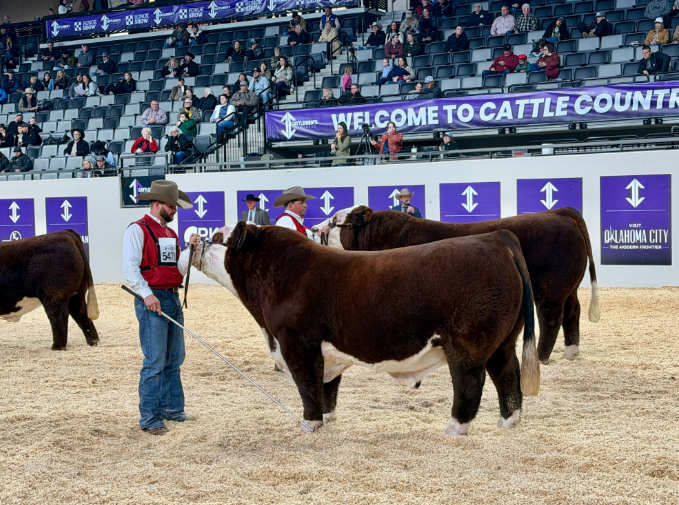
Sales totals during the 2026 Congress were especially impressive. "Gross sales on site was really close to $10 million," Haven said, and when including all Oklahoma City sales during the event, "we had over $14 million worth of cattle sold during the 2026 Cattlemen's Congress." He called the increase of roughly $2 million from the prior year "really phenomenal," reinforcing the Congress's goal of being both exhibitor-friendly and a central hub for commerce in the seedstock industry.
The Beef Buzz is a regular feature heard on radio stations around the region on the Radio Oklahoma Ag Network and is a regular audio feature found on this website as well. Click on the LISTEN BAR for today's show and check out our archives for older Beef Buzz shows covering the gamut of the beef cattle industry today.
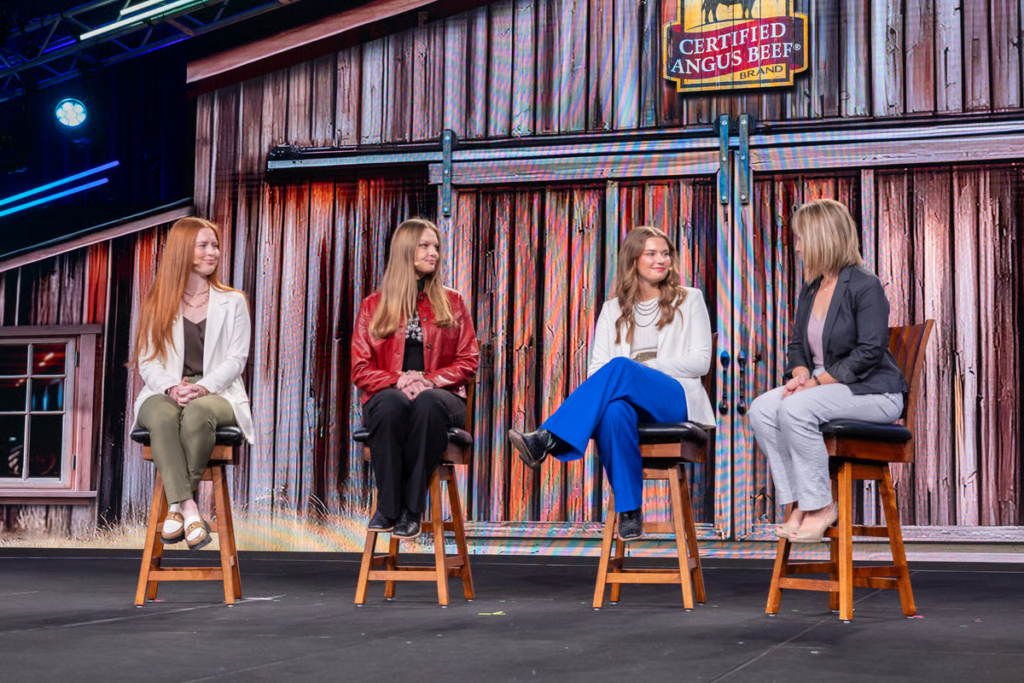
Certified Angus Beef (CAB) will award over $100,000 to college students pursuing careers in food and agriculture from the Colvin Scholarship Fund. Applications span three degree tracks and are open through April 1.
The production agriculture, undergraduate and graduate scholarship categories each have tailored requirements, including essay questions, resumes and letters of recommendation. In 2025, the Colvin Scholarship Fund supported 27 students with awards ranging from $2,000 to $7,500.
"The Colvin Scholarship Fund is an incredible investment to support our young leaders in the industry," says Melissa Brewer, vice president of communications. "With the help of our partners, we are helping ensure these students have a vibrant future in the beef business."
The 2026 Colvin Scholarship empowers the next generation of agricultural leaders who have chosen to dedicate their academic studies and future careers to strengthening the beef industry.
"This scholarship is a big step that supports what I'm going to do for the rest of my life and it's truly an honor," says Olivia Hadrick, 2025 top production agriculture scholarship recipient and South Dakota State University animal science major. "It gives me an opportunity to be away at school to learn about new technologies and new methods to always stay adaptable.
Applications for the scholarship undergo a comprehensive review process, which considers the applicants' academic achievements, extracurricular involvement, communication skills and commitment to the beef industry. A selection committee comprised of industry experts and CAB representatives then reviews each application to identify the most qualified candidates.
Scholarship recipients receive financial support along with the opportunity to connect with industry leaders and mentors. First-place winners in each category earn $7,500.
Applications for the 2026 Colvin Scholarship are now open and will close on April 1. Interested students who live in the U.S. or Canada are eligible and encouraged to apply. Learn more about eligibility criteria and apply by visiting https://www.certifiedangusbeef.com/en/brand/colvin-scholarship.
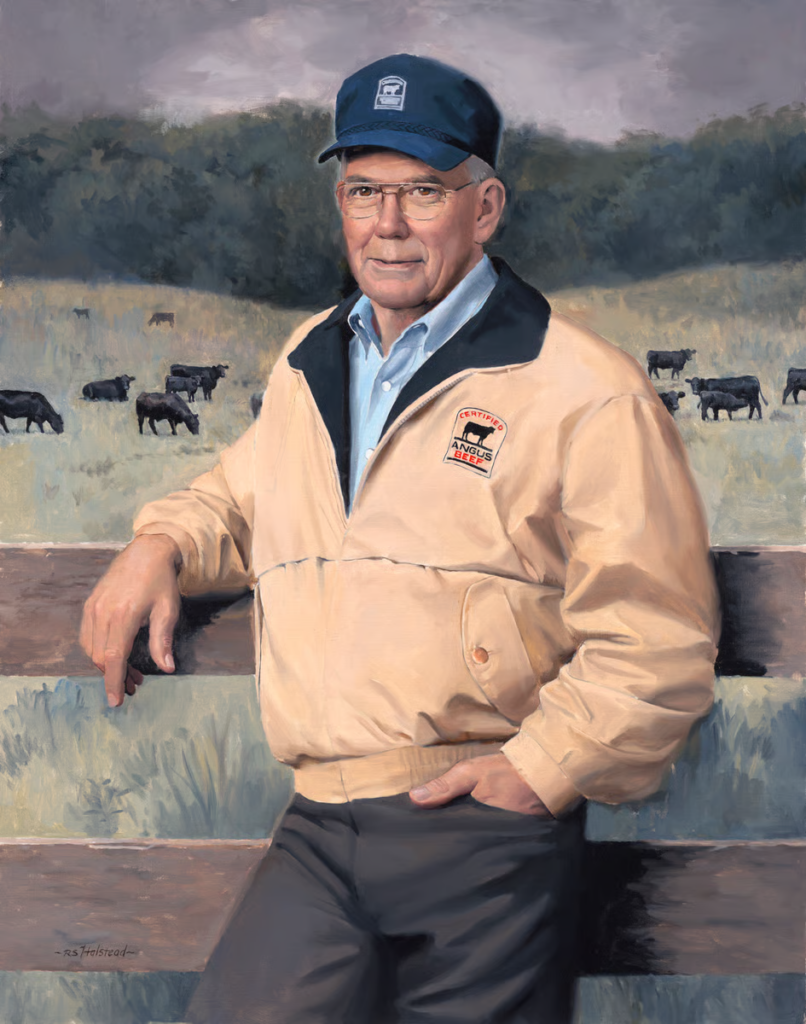
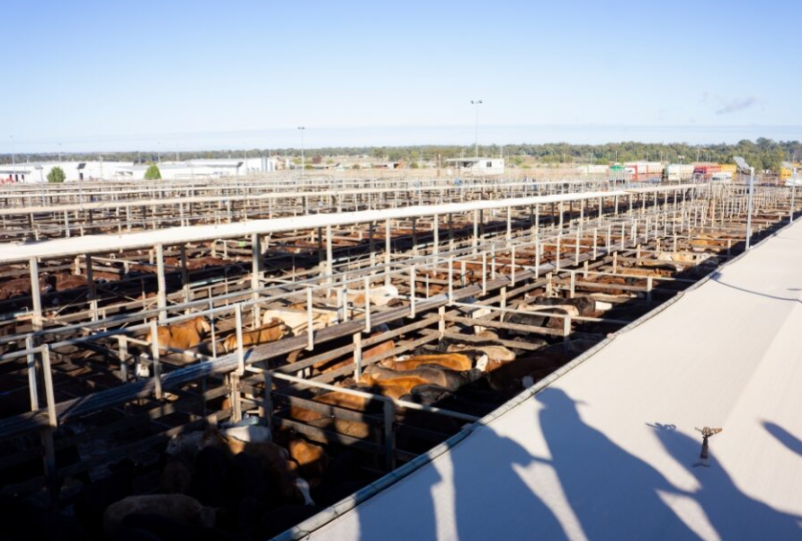
James Mitchell Southern Ag Today- Cattle prices have been supported by supply and demand fundamentals but, they've had to navigate several disruptive events, including the announcement by Tyson Foods of the closure of their Lexington, Nebraska packing plant, another Texas beef plant shifting to a single full-capacity shift, rising detections of New World Screwworm in Mexico (NWS), and political comments about boosting beef imports. Fundamental factors and disruptions carry important implications for regional cattle prices.
The closure of the Lexington, Nebraska, beef plant and reduced shifts in Texas represent a decline in demand for fed cattle in those regions and, all else equal, place downward pressure on prices. These changes in processing capacity also negatively affect feeder cattle prices, though that impact is lagged. The first graph shows the relationship between Nebraska and Texas fed steers sold live FOB. The spread (green line) is calculated as the Nebraska steer price minus the Texas steer price. A narrowing of the spread reflects stronger prices in Texas, while a widening of the spread reflects stronger prices in Nebraska.
Leading up to the plant closure announcement, we observe a sharp narrowing of the spread, indicating stronger prices in Texas relative to Nebraska that appears to extend beyond typical seasonal patterns. Historically, seasonality in the spread reflects relatively stronger Nebraska prices during the summer months, with prices more closely aligned in the fall and winter. It is important to note that this period was already characterized by extreme market volatility related to trade policy proposals and retail beef prices. It is difficult to disentangle the effects of beef plant closures from other sources of bearish market news. The key point is that a lot has occurred over a short period, all of which has implications for regional fed cattle markets.
More recent news related to New World Screwworm (NWS) has implications going back to fall 2024. Border closures restrict feeder cattle imports, tightening cattle supplies and supporting prices in Texas, while speculation about reopening the border would have the opposite effect and place downward pressure on prices.
The second graph shows the monthly relationship between 700–800 lb. feeder steer prices in Texas and Nebraska. Monthly prices are used because weekly prices tend to be noisier. The spread is calculated as the Nebraska steer price minus the Texas steer price. As feeder cattle prices have trended higher overall, the magnitude of relative price movements between the two regions has also increased.
Comparing the Nebraska–Texas feeder steer price relationship (third graph) highlights a counter-seasonal pattern that has emerged in recent years. Feeder steer prices in Nebraska have been relatively stronger during the fall over the past two years compared to the previous five-year average. At the same time, the typical seasonal peak in the price spread during the summer of 2025 appears muted relative to both 2024 and the five-year average, which could be related to feeder cattle trade restrictions.
Taken together, recent movements in regional price spreads across feeder and fed cattle markets point to changes in how prices are adjusting across locations and stages of production. These observations are based on visual inspection of price relationships rather than formal analysis, and several factors could be contributing to the patterns shown. In feeder cattle markets, shifts away from typical seasonal patterns coincide with periods of trade-related uncertainty and tighter supplies, while fed cattle markets have also exhibited notable regional price movements coinciding with broader market volatility.
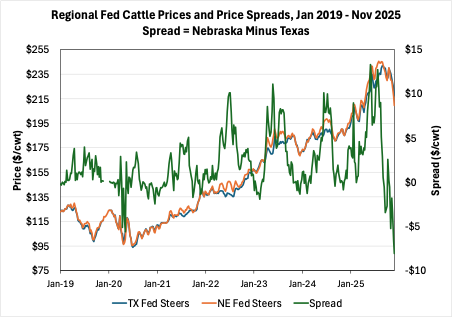
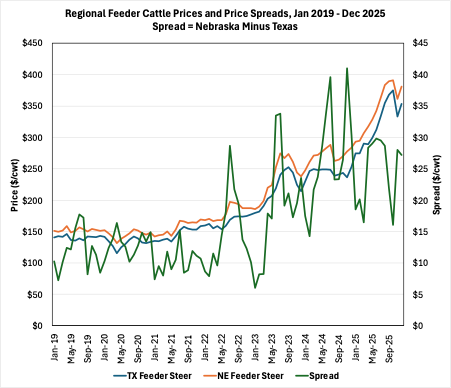
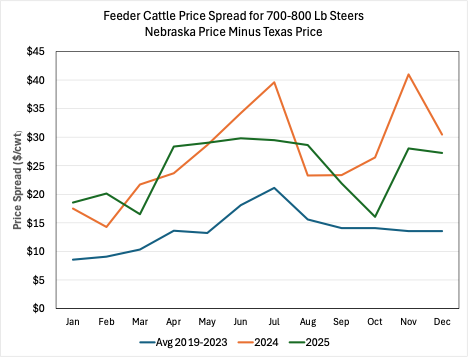
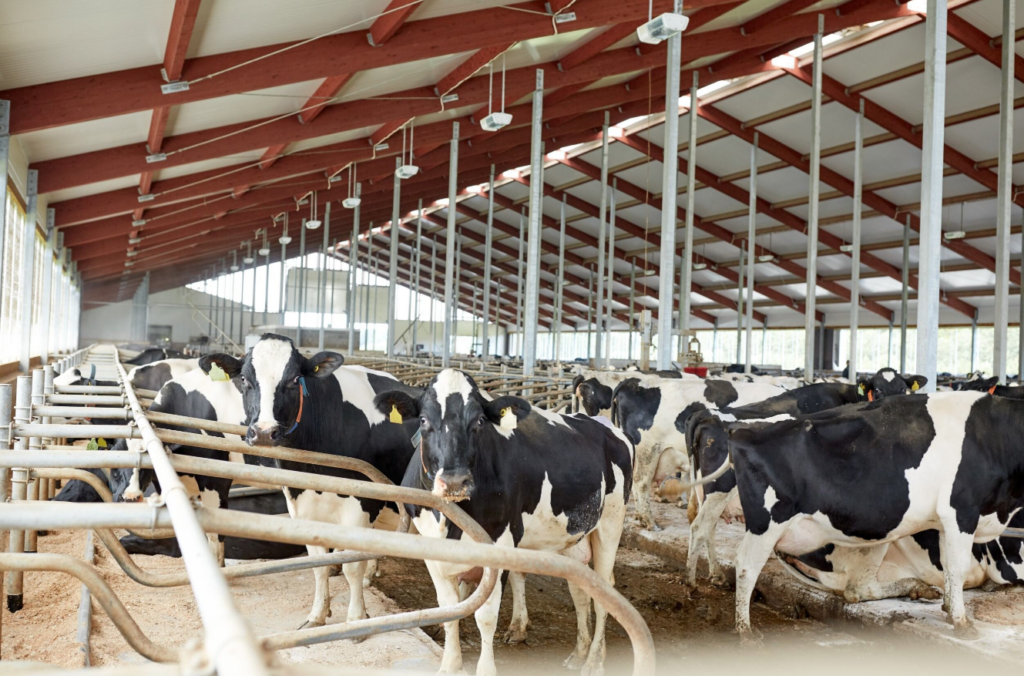
Low milk prices are a grim reality for dairy producers in the near term, with growing trade and federal action serving as remedies to get farmers through tough times, NMPF economists said in a Dairy Defined Podcast.
"There really is no quick fix to get back into balance," said Will Loux, Senior Vice President for Global Economic Affairs and the head of the joint economics team for NMPF and the U.S. Dairy Export Council. "I do think there are real ways that, from the Whole Milk to Healthy Kids Act, to the National Milk Exports and Trade program, to opportunities to beef up Dairy Revenue Protection, to making sure folks are utilizing that program or Dairy Margin Coverage. There are ways to help, I think, mitigate the pain that we see dairy farmers feeling today from a policy perspective."
Loux is joined in the podcast by Stephen Cain, Vice President for Economic Policy and Market Analysis.
You can find and subscribe to the Dairy Defined podcast on Apple Podcasts and Spotify under the podcast name "Dairy Defined."
Media outlets may use clips from the podcast on the condition of attribution to the National Milk Producers Federation.
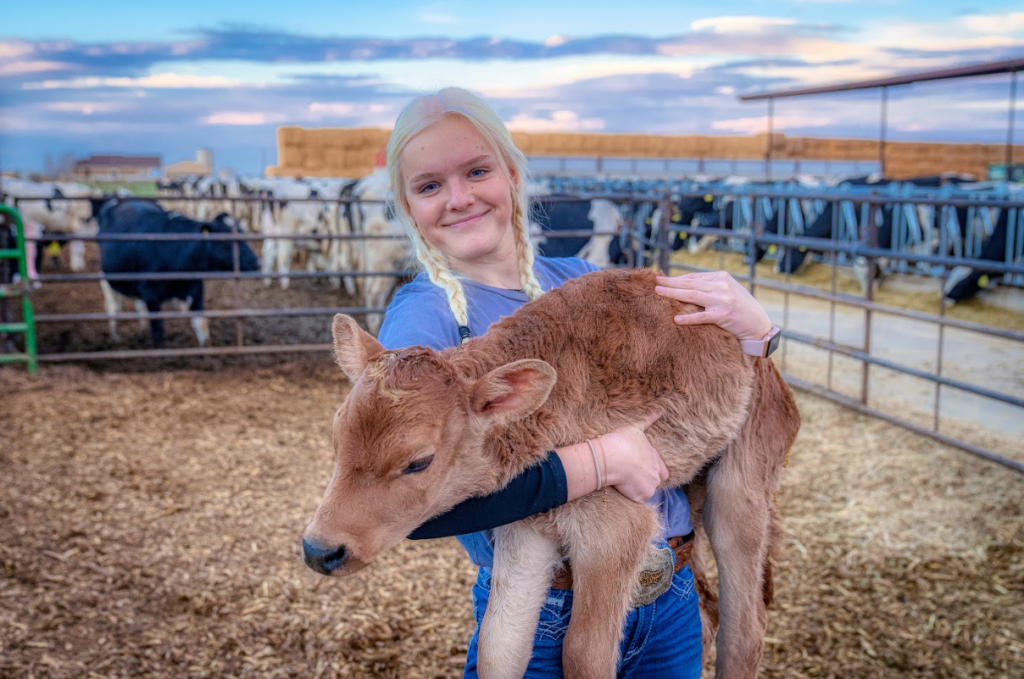
More than one million FFA members, alumni and supporters are getting ready to celebrate National FFA Week this month, an annual tradition coordinated by the National FFA Organization to share the value of FFA and the impact it has on its members every day. National FFA Week kicks off on Saturday, February 21 and runs through Saturday, February 28.
FFA is the top school-based youth leadership development organization in the country, with more than one million members in all 50 states, as well as two territories, Puerto Rico and the U.S. Virgin Islands. Formerly known as Future Farmers of America, the organization was rebranded as FFA because it now equips students with the skills to pursue more than 350 careers in business, science, engineering, education, communications, policy, and more.
"National FFA Week is a time when we showcase the collective impact of FFA nationwide," said National FFA Advisor, Dr. Travis Park. "Throughout FFA, we see our members stepping up as leaders, innovators, and advocates for agriculture. We know this happens, thanks to the dedication of agricultural teachers and FFA Alumni & Supporters. This week, National FFA Week, is when we celebrate the collective agricultural education ecosystem."
The six National FFA Officers will travel across the country to connect with members during the week, leading workshops, delivering keynote talks and interacting with students on a more personal level.
President Trey Myers will be traveling to North Carolina. Secretary Lilly Nyland will be traveling to Maine, Vermont and Massachusetts. Eastern Region Vice President Joey Nowotny will be traveling to Hawaii. Western Region Vice President Jael Cruikshank will be traveling to New York. Southern Region Vice President T. Wayne Williams will be traveling to Nevada. Central Region Vice President Claire Woeppel will be traveling to Utah.
"I'm really looking forward to heading to North Carolina and getting to see FFA show up in so many different ways," said National FFA President Trey Myers. "From visiting brand-new chapters to meeting a group that's learning about agriculture at a real, working zoo, every stop is going to tell a different story. What I'm most looking forward to, though, are the one-on-one conversations. I can't wait to connect individually with members and hear what FFA looks like in their lives."
Several chapters in different states across the country will be participating in their own special events to commemorate National FFA Week. This year marks the 50th anniversary of Alaska being chartered as part National FFA, as it was the final state added to the organization. After nearly all of the Alaska FFA historical records were lost in a barn fire several years ago, leaders are inviting the public to share photos, documents and memories to help rebuild what was destroyed. Anyone with these historical records or artifacts can share them by connecting directly with Faith Stewart, Alaska FFA State Reporter, at faith@alaskaffa.org.
GET INVOLVED IN NATIONAL FFA WEEK
Each day of National FFA Week is marked by a unique opportunity to get involved:
Saturday, February 21 – FFA Week kicks off
Sunday, February 22 is SAE Sunday – an opportunity to showcase the hands-on learning and supervised agricultural experiences (SAEs) that each FFA student participates in
Monday, February 23 is the Day of Service – each chapter is encouraged to serve their local community
Tuesday, February 24 is Alumni Day – celebrating the role alumni and supporters play in the success of students and local chapters
Wednesday, February 25 is Advisor Appreciation Day – a chance for students and alumni to recognize the agriculture teachers who have made an impact on their lives
Thursday, February 26 is Give FFA Day – a day dedicated to raising money to support FFA and agricultural education on local, state, and national levels, with the organization's most ambitious fundraising goal yet – to raise $1.75 million. To receive a text alert on Give FFA Day to donate, visit FFA.org/GiveFFADay
Friday, February 27 is Wear Blue Day – people are encouraged to show FFA pride by wearing blue, the color of the iconic FFA jacket
Saturday, February 28 is the last day of FFA Week
This year's Give FFA Day will incorporate a new way for people to support the next generation of leaders: ChapterBoost. The ChapterBoost program showcases local FFA chapters and their goals for hands-on learning, leadership development and agricultural education, giving donors the opportunity to make an immediate impact by selecting a project to support directly through crowdfunding an individual chapter. Any gifts made to ChapterBoost during Give FFA Day will count toward the final Give FFA Day total.
The National FFA Organization is a school-based national youth leadership development organization of more than 1,042,245 student members as part of 9,407 local FFA chapters in all 50 states, Puerto Rico and the U.S. Virgin Islands.
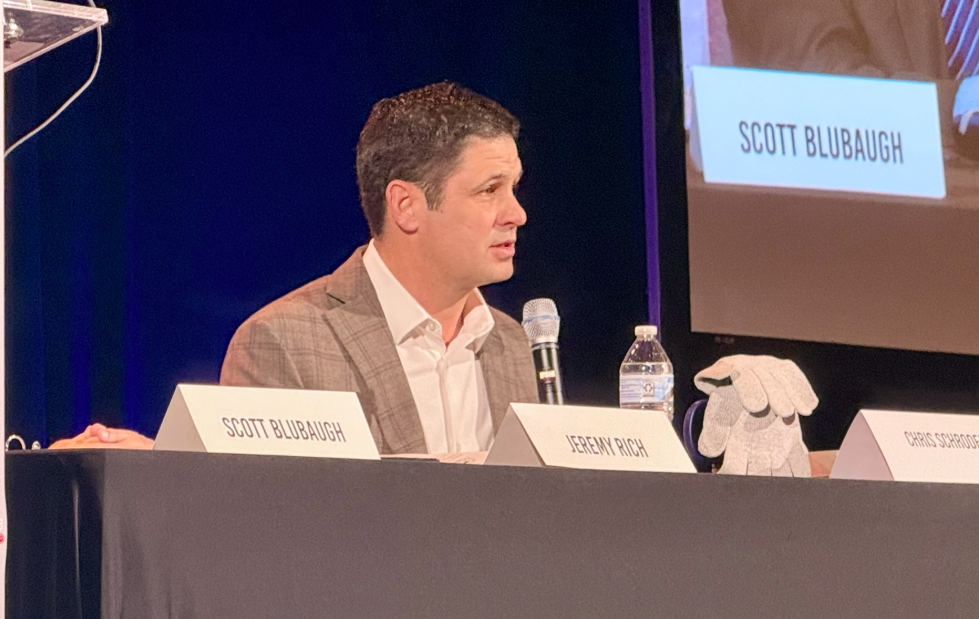
Oklahoma State Question 843: How Eliminating Homestead Property Taxes Could Affect Public Services:
A new legislative initiative, State Question 843, is currently under discussion in Oklahoma with the potential to significantly alter the state's property tax landscape. Chris Schroder, Executive Director of the Association of County Commissioners of Oklahoma, recently shared insights into the proposal and its possible repercussions for local communities and services.
State Question 843 is an initiative petition that, if it receives the required signatures, will go to a vote of the people. The proposal seeks to eliminate property taxes for homeowners who have a homestead exemption. This change would be phased in over three years, with projections suggesting a $1.2 billion reduction in property tax collections by the end of that period.
A homestead exemption applies specifically to an individual's primary residence. It does not extend to rental properties, business locations, or second homes. Currently, applying for this exemption through a county assessor provides a small reduction in the assessed value of the home, which results in a lower property tax bill.
A primary concern raised by Schroder is the lack of a specified replacement funding source for the revenue that would be lost. Property taxes are a vital source of funding for various essential public services, including:
Schroder emphasizes the importance of maintaining these services. "If we cut our EMS, is that service still going to be there?" he asks, noting that a lack of funding could significantly increase emergency response times.
The proposal also raises questions about the future of bond repayments. Many school districts and counties have existing bonds—often passed by voters to fund infrastructure—that are paid back through property taxes. If homeowners with homestead exemptions stop paying these taxes, the remaining burden may fall on other taxpayers, such as business owners and agricultural landholders.
While the desire to reduce property taxes is widely shared, Schroder suggests that more targeted approaches might be preferable to a total elimination. Other legislative ideas currently being debated include:
Schroder advocates for a cautious and well-planned approach, suggesting that it is better to "figure out a plan and then pass" significant legislation rather than passing it first and dealing with the consequences later.
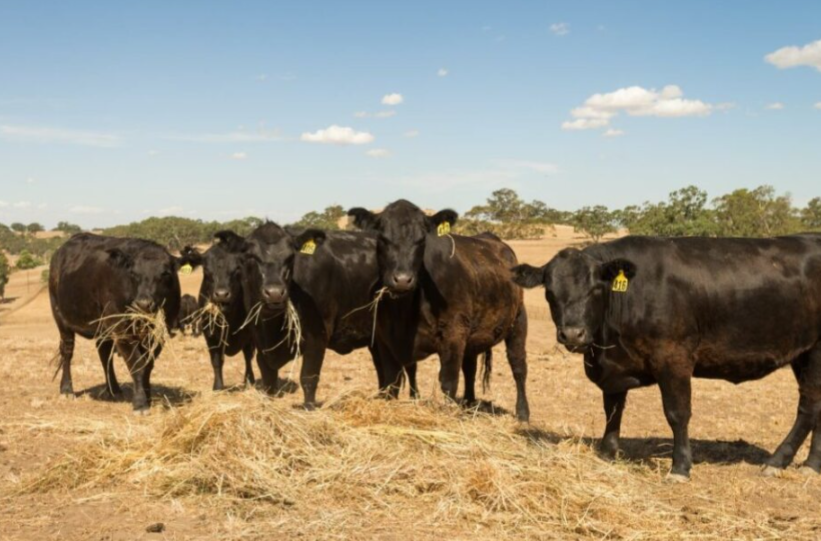
To improve efficiency of cow-calf operations, it is imperative to identify individual cattle and maintain accurate production records. One type of permanent identification is branding. A fire brand can be used but many producers prefer freeze branding. Freeze branding is performed using a coolant and copper or copper-alloy branding irons. Two common freeze branding methods include using either liquid nitrogen or a combination of dry ice and alcohol as a coolant. Most producers get better results with dry ice and alcohol, but locating dry ice can be a challenge. Liquid nitrogen can be purchased from welding supply stores and artificial insemination companies.
Freeze branding is relatively stress-free for the animal and causes little or no damage to the hide. Unlike fire brands, freeze brands result in reduced incidences of blotching. On the down-side, freeze branding takes more time, can be more costly and over time brands may fade. Until you are satisfied your procedure is working, ear tags and tattoos are recommended as additional forms of identification.
It is best to freeze brand during the spring or fall months while the hair is growing. As the brand is applied, melanocytes (pigment-producing cells in the skin) are destroyed, and subsequent hair growth is white. The effectiveness of freeze branding is usually better for black and red cattle than for white cattle. Do not freeze brand when it is rainy, windy or humid. In these bad weather conditions the irons change temperature rapidly, hindering the branding effects.
At OSU, the Purebred Beef Cattle Center Uses the Following Tools and Procedure to Freeze Brand
Materials Needed:
- Methanol (found at any Oil Supply Company). At least 15 gallons for a full day.
- Dry ice (typically found at Homeland grocery stores). At least 50 pounds for a full day.
- Plastic or Styrofoam cooler (large enough for coolant mix and all irons)
- Pair of clippers with fine blade or 22 comb premiers (and source of electricity for clippers)
- Spray bottle or empty dish wash bottle
- Rice root brush
- For best results 3-3 ½ inch brands, others are too small or get too large as cattle mature.
- Squeeze chute to properly contain the animal for safety.
- Stop watch (or some means of timing)
Procedure:
Benefits Observed: Primarily permanent identification means we don't need to worry about lost ear tags. Hip brands used are easier to read and identify in larger pastures or during heat detection. If desired, brands can replace tattoos as permanent identification.
Reference: Oklahoma State University Extension Fact Sheet AFS-3250
Mark Johnson, OSU Extension beef cattle breeding specialist, shares practical advice to help producers prepare for branding season on SunUpTV from February 14, 2026. https://www.youtube.com/watch?v=3Kglarw1K_Y
RON's Dave Lanning has a pre-opening look at today's agricultural Markets.
Click the audio tab below for today's report.

Oklahoma Farm Bureau, along with a coalition of fellow agricultural organizations, individual poultry producers and numerous Oklahoma state legislators have filed a motion seeking leave to file a friend-of-the-court brief asking for a stay of the judgment issued by the U.S. District Court for the Northern District of Oklahoma in the decades-long State of Oklahoma v. Tyson Foods, Inc., et al., lawsuit.
The motion and corresponding amicus curiae brief were filed Monday, Feb. 16, in the U.S. 10th Circuit Court of Appeals, and were signed by Oklahoma Farm Bureau, the Oklahoma Pork Council, the Oklahoma Cattlemen's Association, seven eastern Oklahoma poultry growers and 30 Oklahoma legislators.
The brief asks the appeals court to place a stay, or hold, on the judgment of the U.S. District Court's Dec. 19, 2025, ruling, which included fines for poultry companies operating in the Illinois River Watershed and requires poultry growers to relinquish control of their poultry litter until a judicially immune Special Master is appointed to oversee remediation efforts.
"The U.S. District Court's judgment in the state's poultry case unfairly penalizes family poultry farmers who followed all the applicable state of Oklahoma laws and regulations they were asked to comply with," said OKFB President Stacy Simunek. "This stay will allow these farmers to continue to follow their state-approved nutrient management plans while the state secures settlements with the poultry companies that will need to be approved by the district court."
The brief asks that poultry producers in the Illinois River Watershed be allowed to continue to follow their state-approved nutrient management plans to provide near-term certainty until either the case is fully settled or potential appeals are resolved.
The judgment's requirement that poultry companies be responsible for removing litter from the watershed combined with a reduction in allowable litter application would not only reduce the application of the natural fertilizer and increase dependence on commercial fertilizer, but it would also take away certain poultry growers' ability to sell the fertilizer, removing an economic driver from the region.
Oklahoma agriculture groups and producers have also called into question the judicially immune actions of the proposed Special Master, which the groups argue creates a regulatory bureaucracy outside of state laws and regulations.
The groups assert that even with three proposed settlements being reached between some of the poultry companies involved in the case and the State of Oklahoma, the court will need to review and take action on the agreements, creating uncertainty as poultry producers continue to wait for a path forward.
"Our state's farmers are committed to caring for the environment and our shared natural resources," Simunek said. "In the 20-plus years since the case was originally filed, poultry producers in the watershed have taken voluntary measures to improve water quality for their communities and fellow Oklahomans. Oklahoma agriculture wants to ensure that family agriculturalists are not unfairly penalized for not only doing what is asked of them, but also for implementing proactive environmental stewardship practices."
Boxed beef started the week higher after five consecutive down days, with Choice cutout rising $3.30 to $367.77 on 50 loads. Select moved lower, falling $2.19 to $361.23, narrowing the Choice/Select spread to $6.54 from $1.05 on Friday.
Compared to Friday, rib values jumped sharply from $491.25 to $505.83, while loins improved from $470.47 to $476.50. Chucks were essentially steady at $322.50 versus $322.45, rounds edged higher to $333.23 from $332.41, plates firmed to $257.74 from $256.98, and flanks advanced to $179.72 from $175.56. Briskets were the only primal slightly lower, dipping to $294.58 from $295.28.
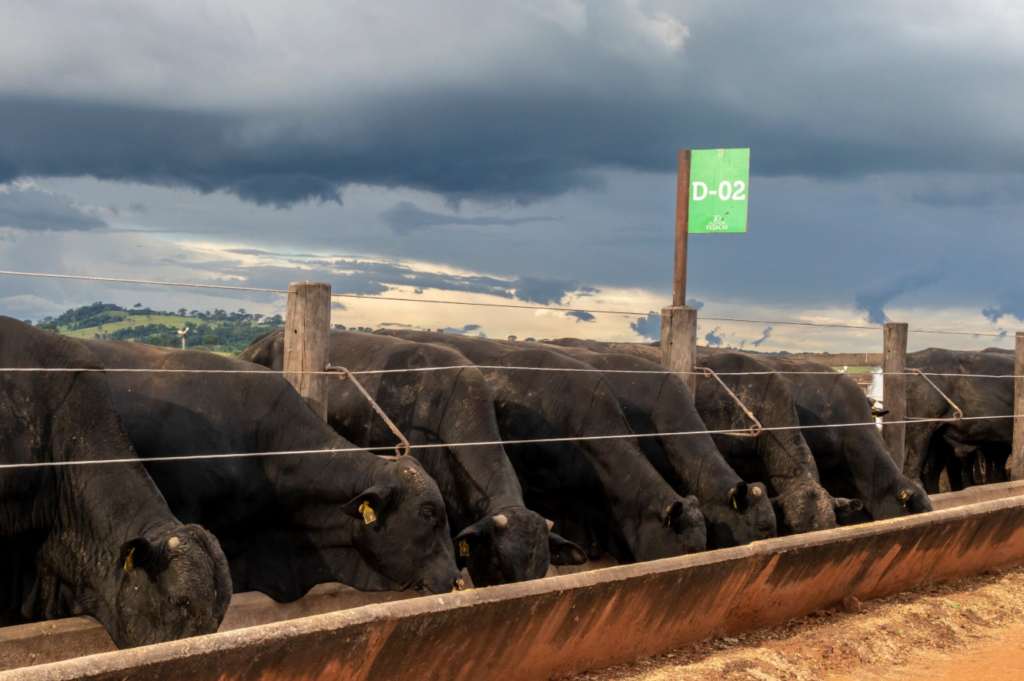
The American Feed Industry Association (AFIA) has opened registration for its 2026 Feed Industry Institute (FII), taking place June 15 – 18, in Minneapolis, Minn. Held biennially, FII is a comprehensive, four-day educational program designed to provide an end-to-end view of the animal food industry from ingredients and formulation through production, quality, safety and regulatory considerations. The program is especially valuable for individuals who are new to the feed and pet food industry, transitioning into new roles or looking to expand their industry knowledge as they grow their careers.
"The Feed Industry Institute is one of AFIA's most impactful educational programs," said Yuan-Tai Hung, Ph.D., senior manager of research at the Institute for Feed Education and Research. "Whether someone is new to the feed sector or stepping into a new role, FII provides a thorough, practical understanding of how the industry operates from start to finish. Attendees leave with a stronger grasp of the science, processes and regulations that drive safe, high-quality feed and pet food production."
The 2026 agenda will provide participants with a foundational overview of the U.S. animal food industry, beginning with animal physiology and nutrition fundamentals and an exploration of feed ingredients and their functional roles. Attendees will gain insights into medications and feed additives, formulation principles and feed manufacturing and processing techniques. The program also covers quality control systems, animal food safety practices and the regulatory framework governing animal food production, along with discussions on international trade, market considerations and strategies for building trust and communicating about the animal food industry.
In addition to classroom instruction, FII offers valuable networking opportunities for professionals at similar stages in their careers. Social events and group activities throughout the week, including an optional outing to a St. Paul Saints baseball game available for an additional fee, allow participants to connect with peers, instructors and industry leaders, helping them build lasting professional relationships.
The AFIA encourages attendees to register before Friday, March 20, for the early-bird rate of $799 for AFIA members and $999 for non-members.
For more information and to register for FII 2026, visit the event's website or afia.org/events.
Last week, R-CALF USA leaders and members traveled to Washington, D.C., to carry the voice of independent cattle producers into meetings and events focused on private property rights, agricultural freedom and the future of America's food supply.
R-CALF USA President Dave Hyde, Vice President Eric Gropper, Property Rights Committee Chair Shad Sullivan, and former R-CALF USA President and Checkoff Committee Chair Brett Kenzy participated in the trip alongside several R-CALF USA members from across the West.
R-CALF USA leaders met with U.S. Secretary of Agriculture Brooke Rollins to discuss priorities including mandatory country-of-origin labeling (MCOOL) for beef, checkoff reform and protecting private property rights. The group also met with Natural Resources Conservation Service Chief Aubrey Bettencourt.
While in Washington, R-CALF USA leaders and members also joined broader conversations with allied organizations and producer coalitions, including the Eat Real Food event and the Conservative Political Action Conference (CPAC) Rancher Coalition, where stakeholders discussed challenges facing rural America such as corporate consolidation, excessive regulations, MCOOL, and the need for transparency in cattle markets.
"It was a tremendous trip and a tremendous opportunity to express to the secretary that it is an exciting time to be in the cattle industry," Kenzy said. "America has the best beef and the best consumers in the world. It's time to act like it.
"If cattlemen and consumers don't stand up and stand together, we will just see the status quo continue – shrinking productivity with a powerful few controlling a bigger piece of a shrinking pie. We need to trust in our system to rebuild our cow herd to a level that will allow American food security."
Several members of the group also attended USDA's rollout of the Farmer and Rancher Freedom Framework roundtable, an initiative aimed at addressing agricultural lawfare and reinforcing constitutional protections for landowners and producers.
"It was an honor to be included in these discussions impacting our land, our livelihoods and our food security," Sullivan said. "This trip was about promoting liberty and making sure the people who actually raise the cattle – not the corporations – have a seat at the table. We're encouraged by the progress being made and by the willingness in Washington to hear directly from producers. Freedom, fair markets and food security all depend on keeping ranchers at the center of these decisions."
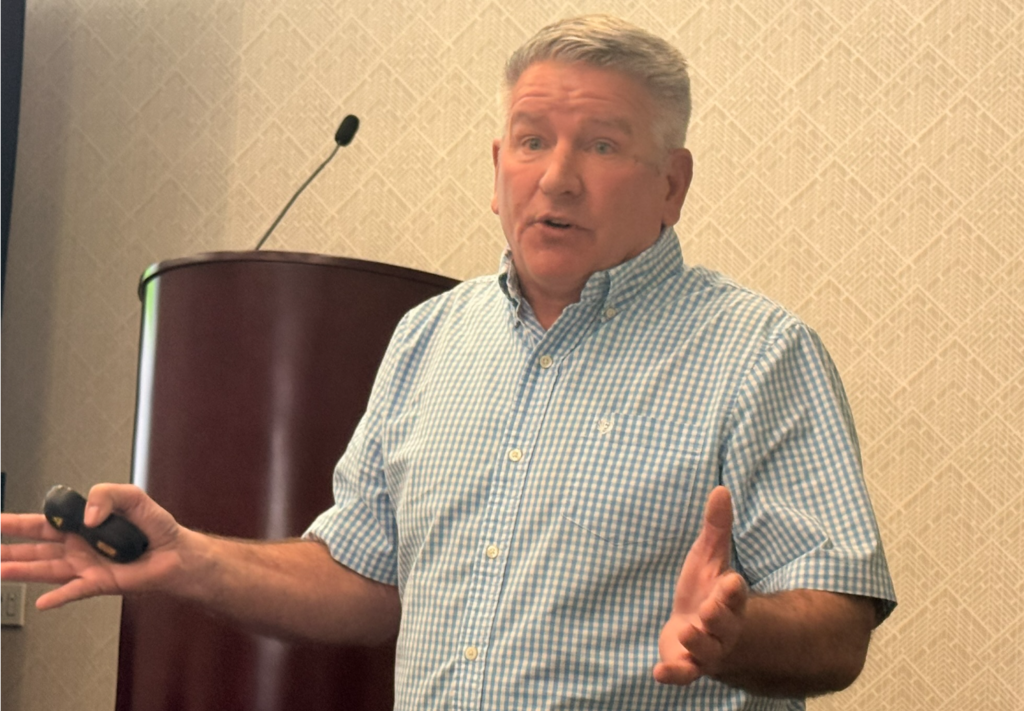
Revolutionary Weed Control: Albaugh's Coaxium® Wheat Production System and the Future of Wheat Farming:
In a recent interview with Farm Director KC Sheperd, Chad Shelton of Albaugh discussed the current landscape for wheat producers and the innovative solutions designed to combat rising challenges.
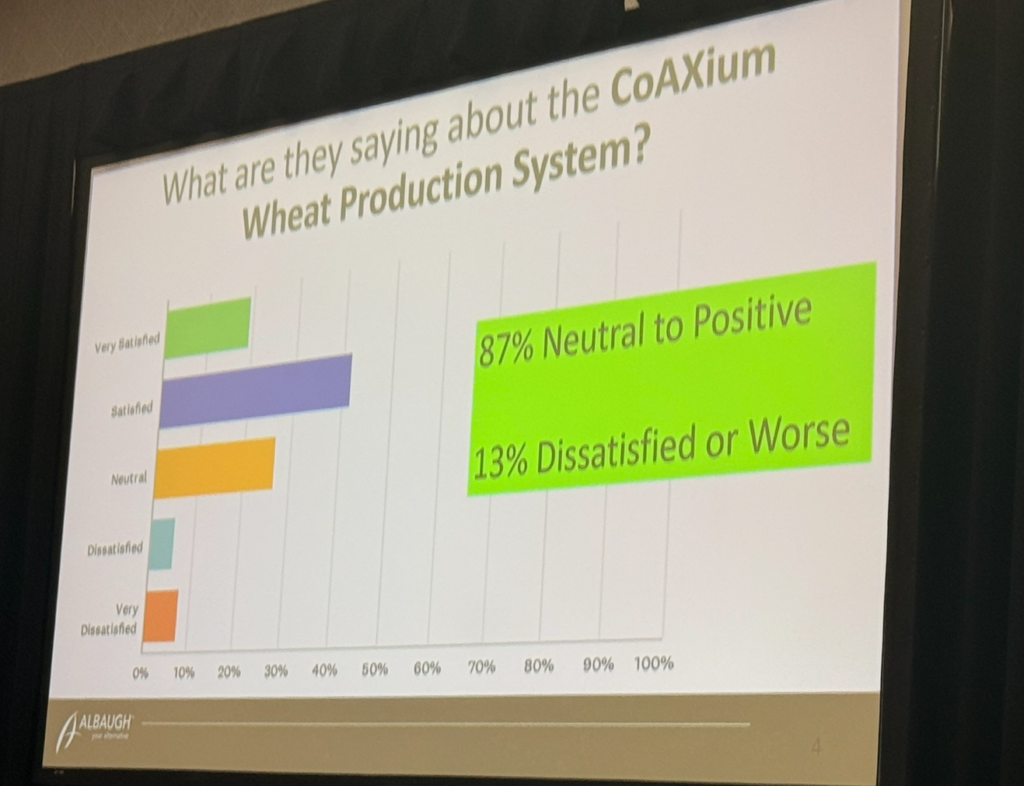
The wheat market is currently navigating significant hurdles, primarily driven by high input costs that squeeze profit margins for growers. Shelton acknowledged these difficulties, stating, "The wheat market is one of the most challenging times I think we've been faced with because of high input costs and that's a challenge that the growers have had to be able to make money."
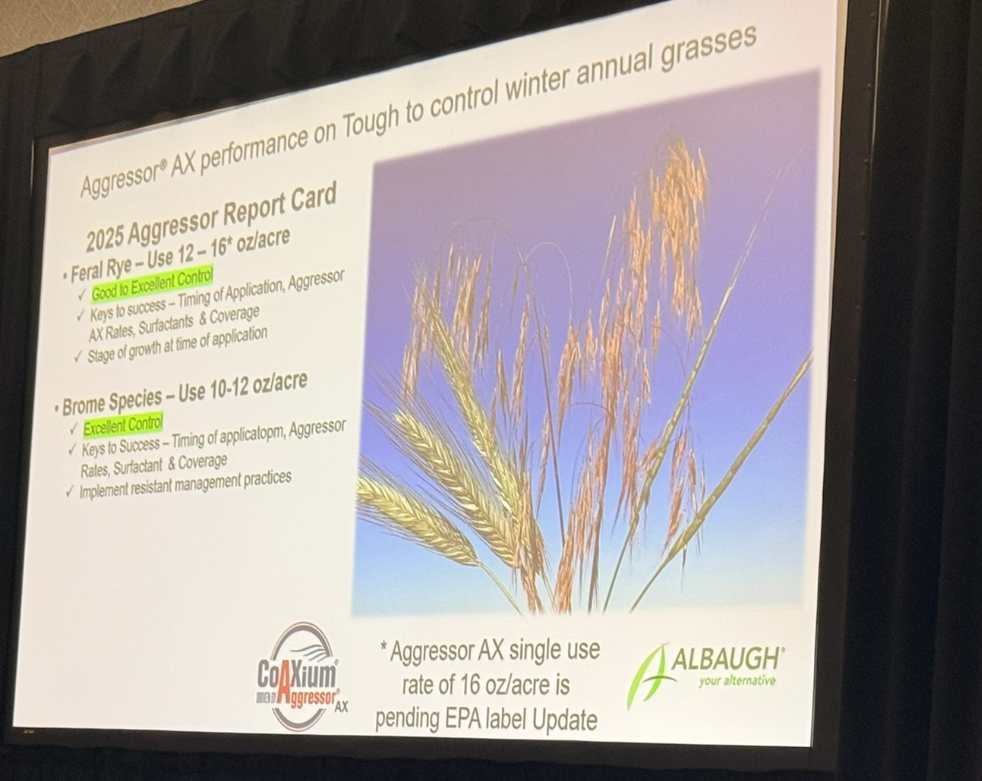
To address these issues, Albaugh has championed the Coaxium® Wheat Production System. This system centers on a herbicide-tolerant trait that empowers growers to manage winter annual grasses effectively. Developed by Colorado growers, the technology uses Aggressor® AX herbicide to target problematic weeds such as feral rye, jointed goatgrass, and various brome species.
Shelton emphasized the importance of strategic application: "Where this works best is where you truly have a challenge with grasses... use the Coaxium wheat production system, reduce the seed bank through controlling of those weeds on an annual basis." He also advised a rotational approach, suggesting growers "put the technology away and wait for those weeds to come back before you come back and use it again" to ensure long-term efficacy.
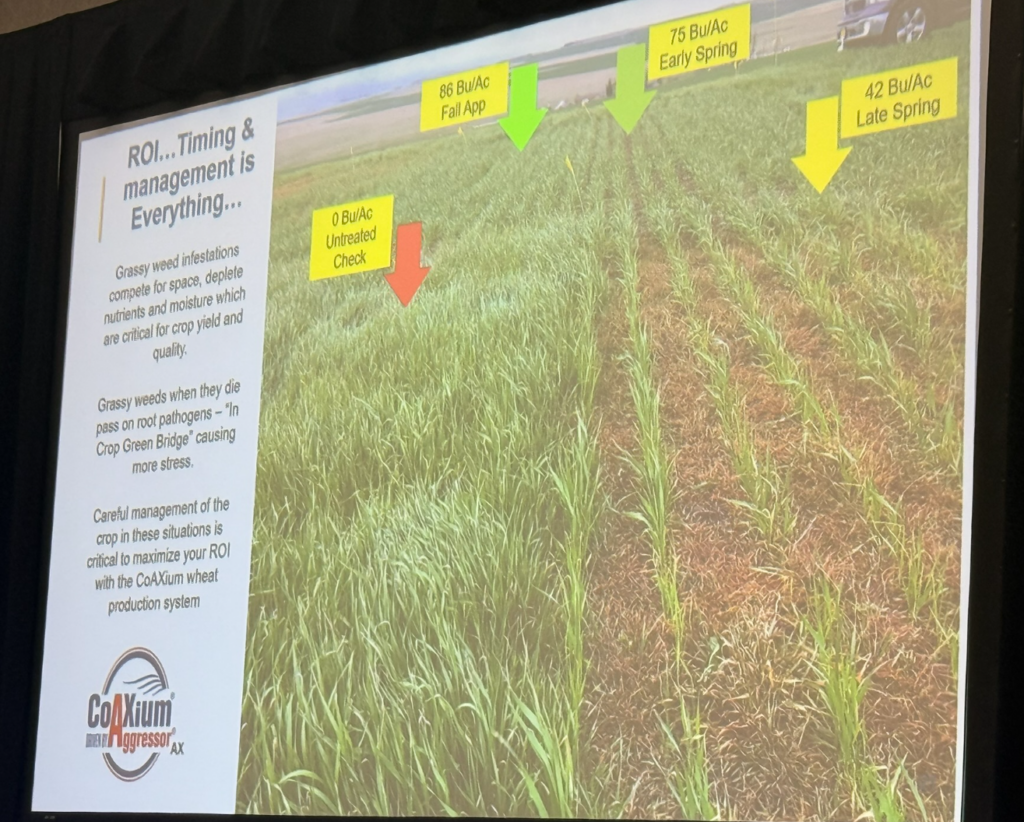
The system has seen a positive reception, with an 87% satisfaction rate among users surveyed over six years. To achieve the best results and maximize return on investment, Shelton highlighted several key practices:
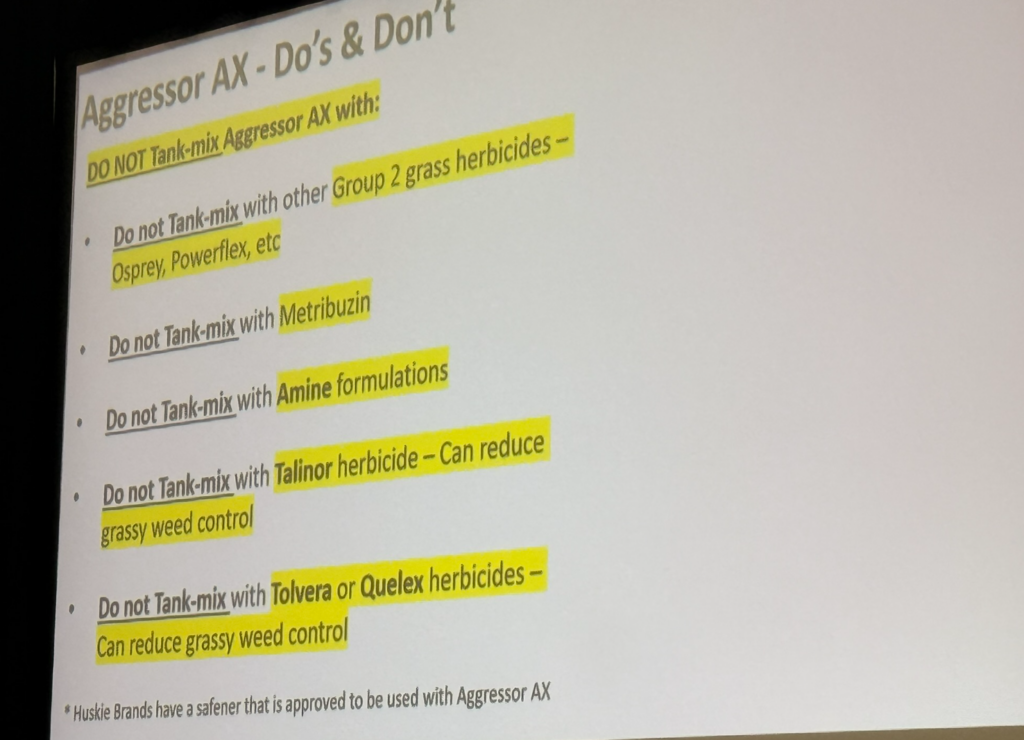
Albaugh is also looking toward the future with the introduction of Safe-Guard™ seed technology. This new development aims to extend the application window for Aggressor® herbicide while enhancing crop safety, ultimately leading to improved weed control and higher yields.
As Shelton noted, the goal is always to help the wheat crop reach its full potential: "By controlling those weeds early... you're naturally giving that wheat crop a better chance to maximize its potential yield."
For more information, producers can contact Albaugh representatives, such as Jess Gillem in the Central Plains, or consult their local ag-retail partners and seed distributors.
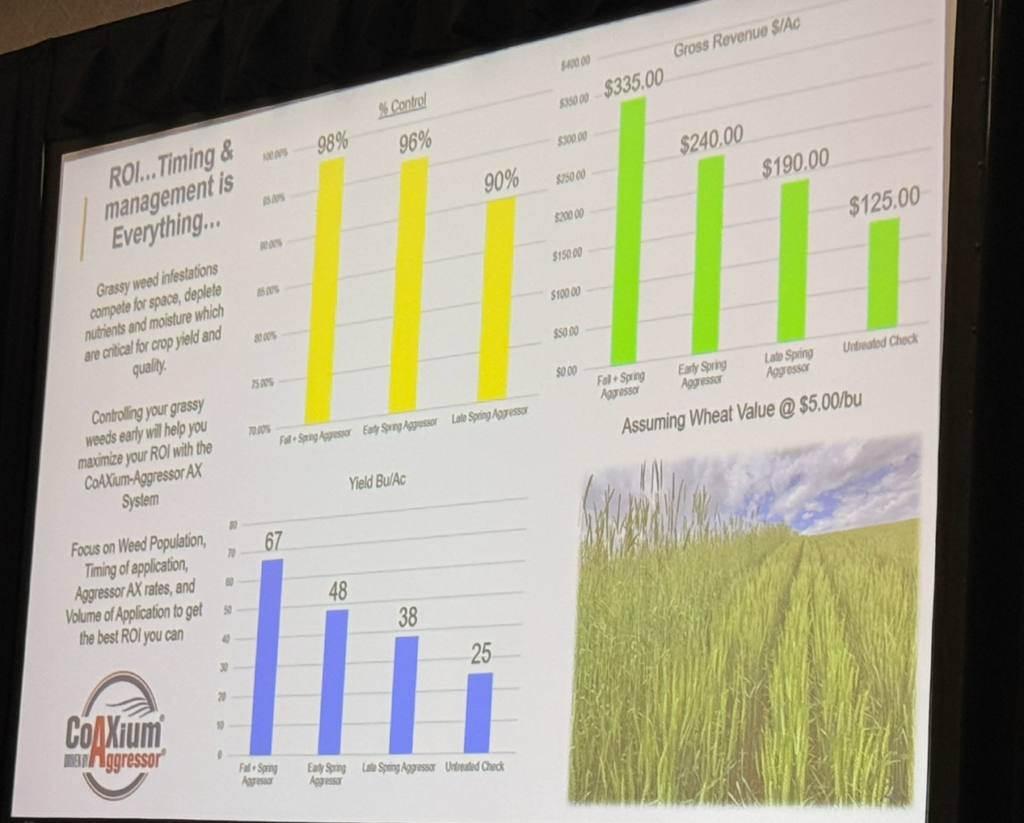
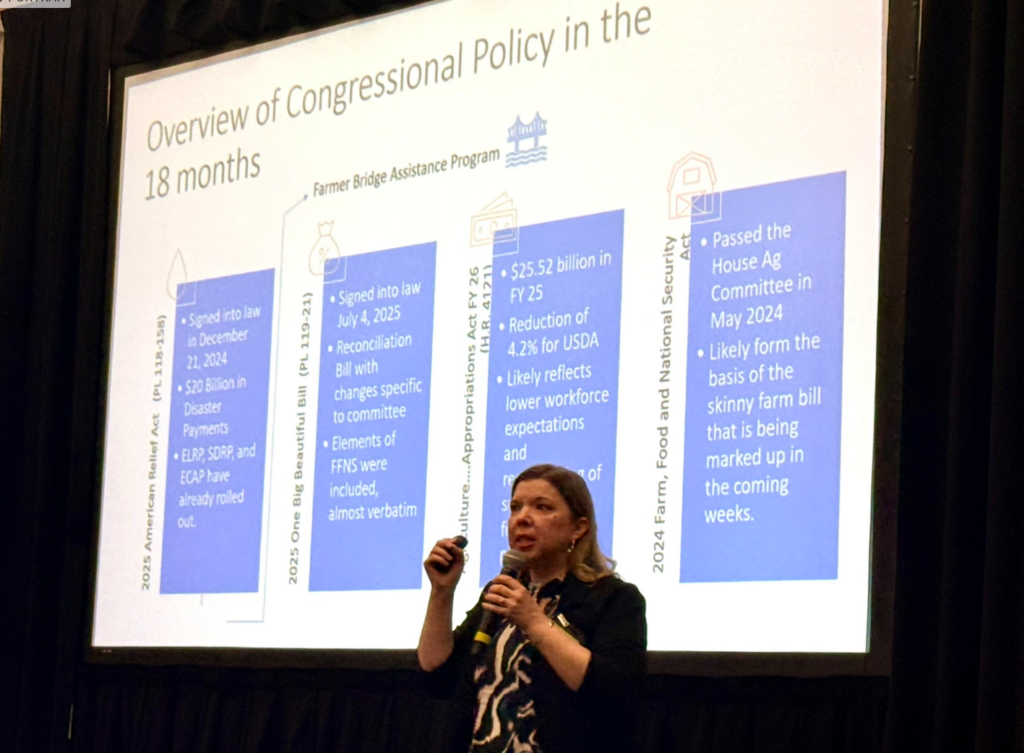
The agricultural policy landscape has undergone significant shifts over the past 18 months, driven by legislative changes and administrative reforms that are reshaping how producers interact with the USDA. Radio Oklahoma Ag Network Farm Director KC Sheperd recently sat down with Dr. Amy Hagerman, an agricultural policy specialist at Oklahoma State University, to provide an informative breakdown of these developments and their implications for farming operations.
A key trend emerging from recent legislative actions, including the latest Appropriations Bill, is the USDA's move toward a more automated and "streamlined" approach. Dr. Hagerman indicates to KC Sheperd that this shift will fundamentally alter the traditional producer-agency relationship.
Producers should expect less face-to-face interaction at service centers. Consequently, it is becoming increasingly essential for operators to schedule specific appointments for their business rather than relying on the ability to "pop in" while in town. Dr. Hagerman suggests that as staffing levels at service centers potentially decrease, setting aside dedicated windows of time for administrative tasks will be a necessary adjustment for many.
While automation is intended to increase the speed of program rollouts, it presents a new set of logistical challenges. Shorter windows for application and completion could coincide with critical periods such as calving or planting seasons, making it more difficult for producers to balance fieldwork with administrative requirements.
However, the move toward technology also offers potential benefits. Dr. Hagerman anticipates a rise in pre-filled applications and payments calculated directly through updated records. Because of this, she stressed to Sheperd that maintaining complete and current documentation at the local office is now more critical than ever to ensure that automated processes function correctly and payments are issued without delay.
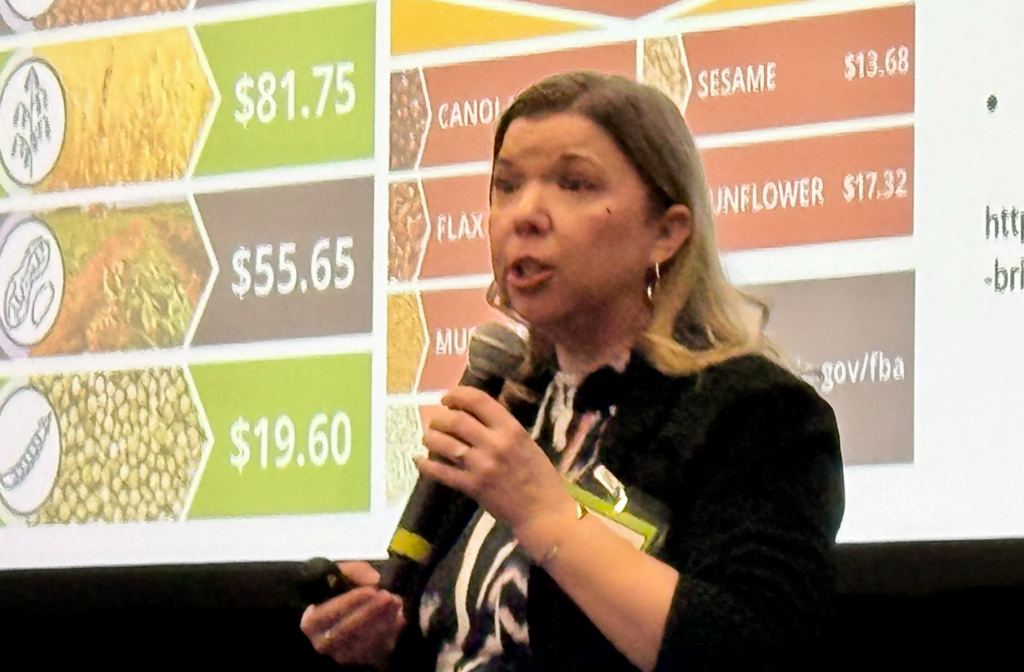
As the industry looks toward the potential "Skinny Farm Bill" in 2026, several programs remain vital for regional operations. Key areas of focus discussed by Sheperd and Hagerman include:
For cotton producers, the issue of base acres is particularly pressing. Dr. Hagerman highlights that bringing unassigned base acres—which have been ineligible for many programs since 2018—back into production is a critical goal for the state's industry.
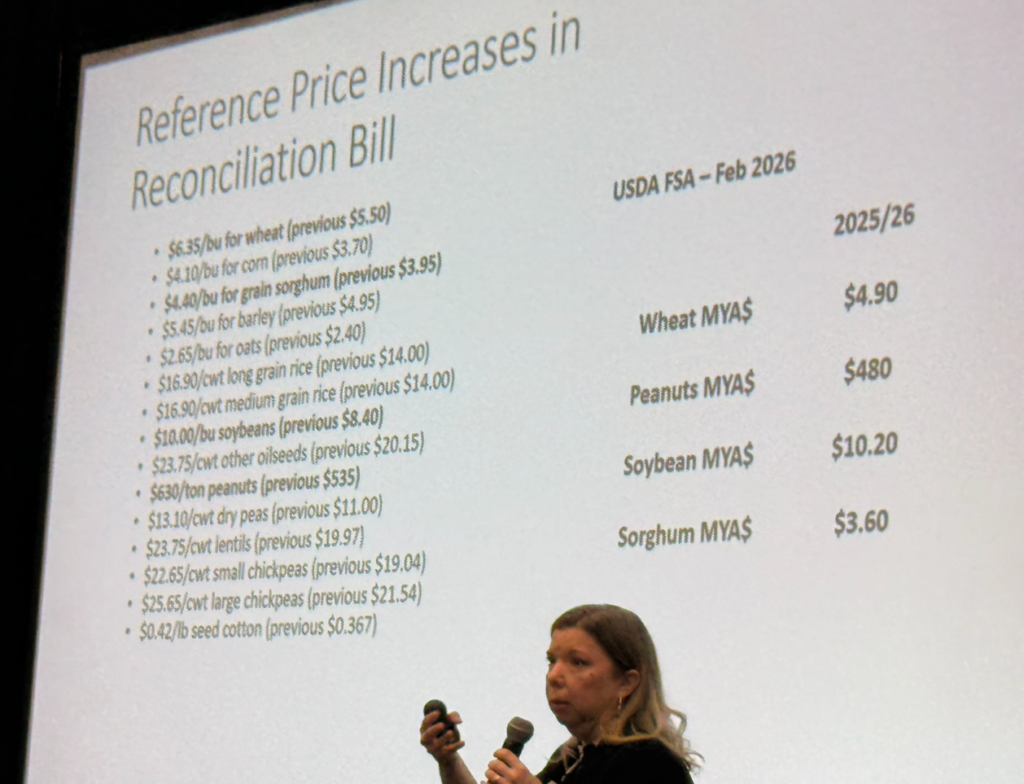
While the introduction of a markup early in the year is a positive signal, the path to a final bill remains lengthy. The proposed Farm, Food, and National Security Act of 2026 must navigate various legislative hurdles before reaching the President's desk for signature. Dr. Hagerman notes that while many contentious issues are being debated, the focus remains on providing a stable safety net for producers facing softening commodity markets and higher production costs.
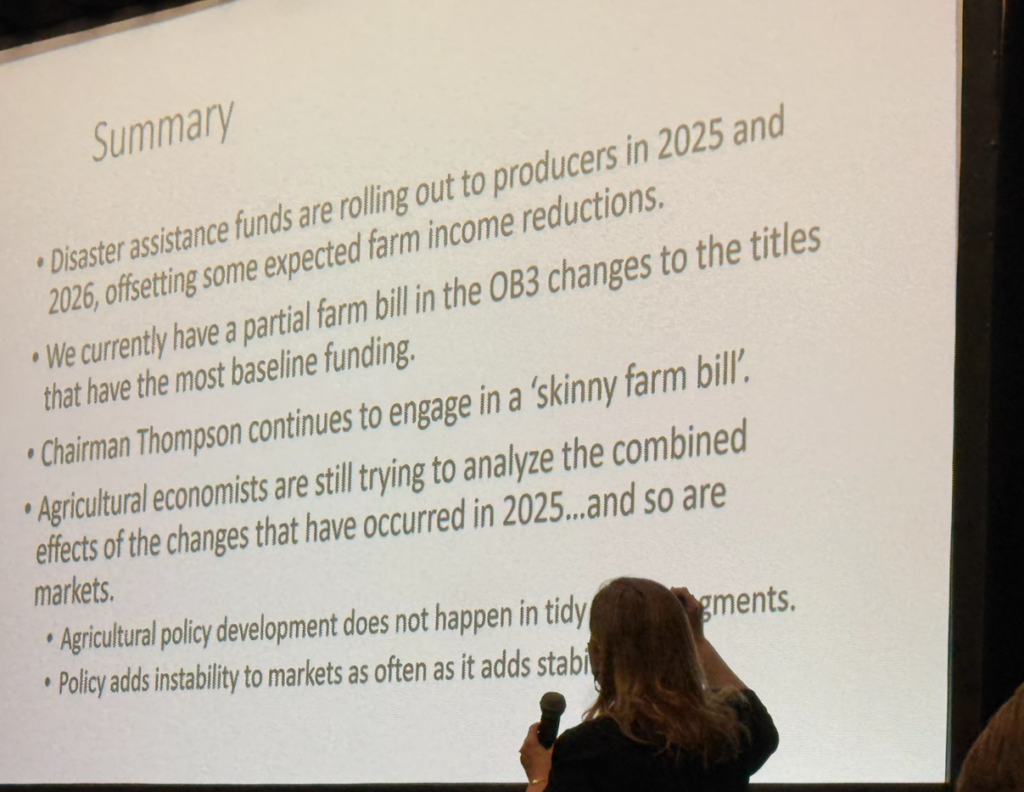
The January 1, 2026 Oklahoma beef cow inventory was 1.966 million head, up 0.4 percent year over year. Oklahoma was one of three of the top ten beef cow states to have an increase in the beef cow herd last year: the others being North Dakota and Florida. Oklahoma is the number two beef cow state (after Texas) and has been second consistently for the past 12 years ahead of number three Missouri. As of January 1, 2026, the Oklahoma beef cow herd was 8.9 percent larger than the Missouri beef cow herd and has averaged 4.2 percent larger since 2015. In the previous dozen years, from 2003-2014, Oklahoma and Missouri were alternately the second and third largest beef cow states with Oklahoma averaging 98 percent of the level of Missouri beef cow herd. The Oklahoma beef cow herd has averaged 1.99 million head for the past 25 years, with a low of 1.69 million head in 2013 and a high of 2.17 million head in 2021.
The Oklahoma beef cow herd has been growing relative to the national herd for more than 25 years (Figure 1). Oklahoma currently represents 7.1 percent of the national beef cow herd (Figure 2) and has averaged 6.5 percent for the past 25 years. From the 1960s through the 1990s, Oklahoma averaged 5.7 percent of the national beef cow herd.
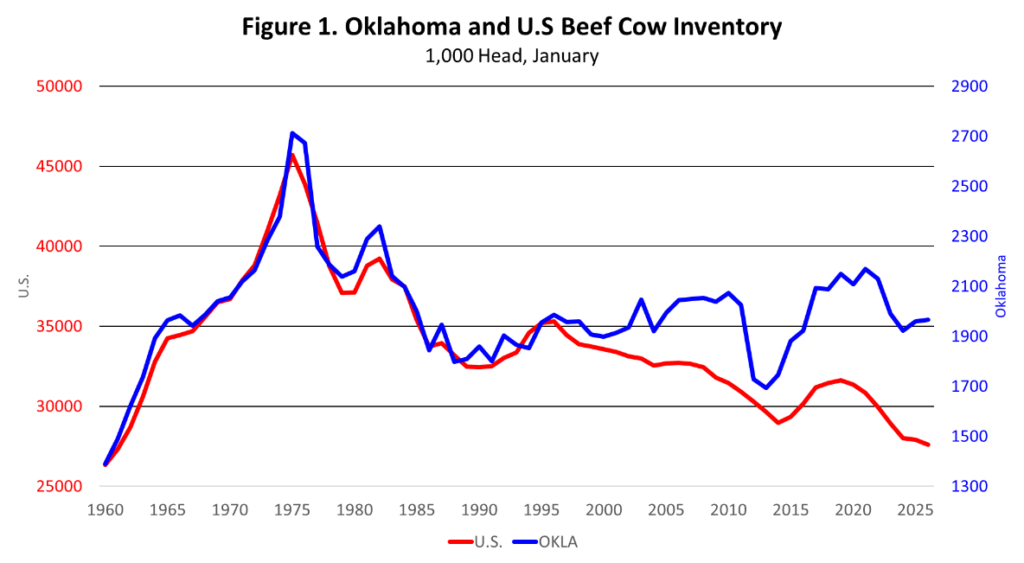
The impacts of drought are also very evident in Figure 1. From 2010-2013, the Oklahoma beef cow herd decreased by 18.3 percent. The Oklahoma beef cow herd began recovering in 2014, one year ahead of the cyclical low in total beef cow inventories. From 2021-2024, the Oklahoma beef cow herd decreased 11.0 percent before increasing in 2025 and 2026, while the U.S. total beef cow inventory continued to decline.
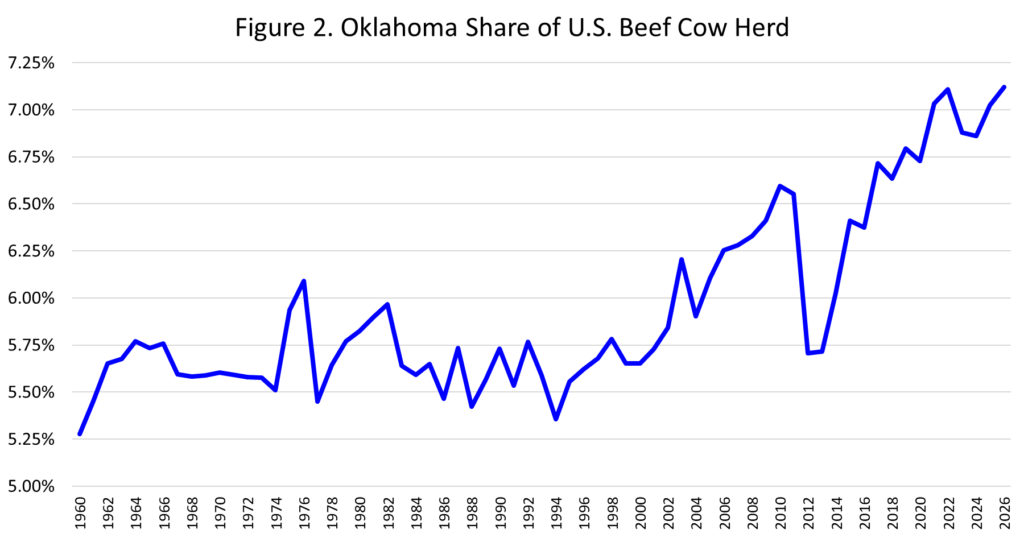
Derrell Peel, OSU Extension livestock marketing specialist, reviews the USDA's recent January cattle reports and explains why the overall U.S. cattle herd continues to shrink on SunUpTV from February 7, 2026. https://www.youtube.com/watch?v=i_hMW6tHllY
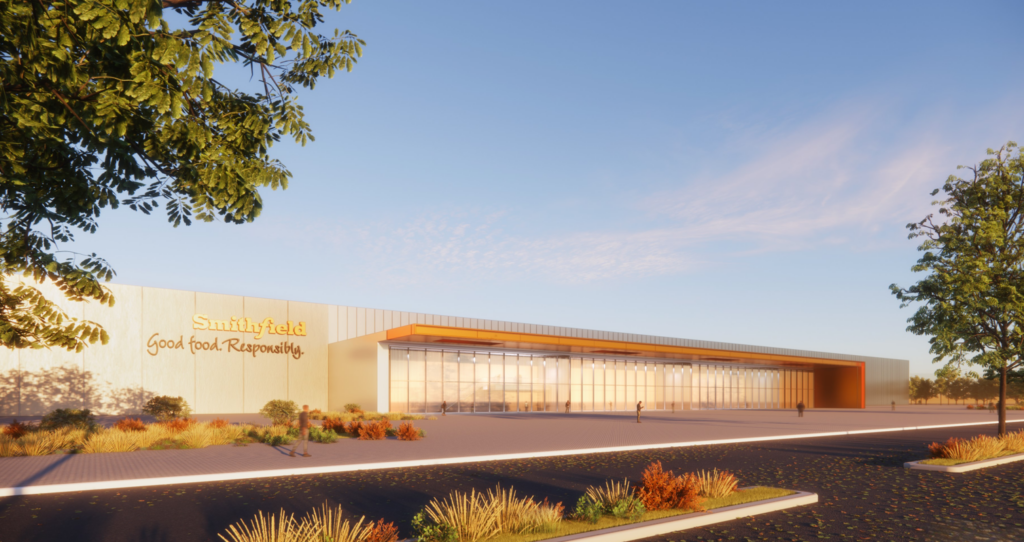
Smithfield Foods to Build New State-of-the-Art Processing Facility in Sioux Falls, South Dakota
Smithfield Foods, Inc. (Nasdaq: SFD), an American food company and an industry leader in value-added packaged meats and fresh pork, today announced it has initiated the approval process to build a new state-of-the-art packaged meats and fresh pork processing facility in Sioux Falls, South Dakota. The new facility, which is subject to permitting and other regulatory and design approvals, will be built in Foundation Park, a 1,000+-acre heavy industrial park located in northwest Sioux Falls, and will replace Smithfield's existing plant, which has played a central role in the regional economy for more than 100 years. The company currently employs 3,200 people in Sioux Falls, providing $200 million in wages annually, and supports thousands of indirect jobs in agriculture and other sectors.
Smithfield's preliminary estimate of the proposed investment is up to $1.3 billion over the next three years. The investment is contingent on securing required permits and other regulatory approvals as well as approval of the final facility design by Smithfield's board of directors.
The proposed combined fresh pork and packaged meats facility will be the most modern of its kind in the U.S., with highly efficient process flow, advanced automation technology and a streamlined design. The new, best-in-class facility will deliver significant efficiency gains to Smithfield's fresh pork and high-value packaged meats operations.
Smithfield has worked in partnership with South Dakota Governor Larry Rhoden, Sioux Falls Mayor Paul TenHaken and the Sioux Falls Development Foundation on the opportunity to build the new facility outside of downtown Sioux Falls. The new facility will support independent hog farmers, corn and soybean producers and other agricultural sectors that fuel the pork supply chain in South Dakota and the surrounding region.
"This highly automated facility will represent a major investment in Sioux Falls, the state of South Dakota and the future of American agriculture," said Shane Smith, president and CEO of Smithfield Foods. "Smithfield's investment supports our long-term strategy of continuing to grow and optimize our value-added packaged meats and fresh pork operations to deliver innovation, convenience and value to our customers."
"Food security equals national security, so food production and processing will continue to play a vital role in South Dakota's economy," said Governor Larry Rhoden. "Smithfield's proposed investment in South Dakota opens up greater opportunity for our state to expand livestock production, and the company's decision to relocate from downtown Sioux Falls opens up the opportunity to revitalize the downtown riverfront. This is a win-win-win-win for producers, the company, the city, and the state of South Dakota."
"Today's announcement marks a historic moment for our city and state. For more than a century, Smithfield has been a cornerstone of our community, and this new, state-of-the-art facility reaffirms their long-term commitment to Sioux Falls and the region—supporting our ag economy and thousands of local jobs for generations to come," said Sioux Falls Mayor Paul TenHaken. "This investment by Smithfield unlocks a once-in-a-generation opportunity to redevelop the existing site in downtown Sioux Falls when the time is right."
"Smithfield's investment in a new facility in Sioux Falls will have a transformational impact on our community and our agriculture economy," said Bob Mundt, president and CEO of the Sioux Falls Development Foundation. "The new facility will bring skilled jobs for Smithfield's workforce, provide renewed value-added agriculture opportunities for regional producers and create an incredible redevelopment opportunity in Downtown Sioux Falls. We're grateful for Smithfield's commitment to Sioux Falls and are looking forward to welcoming them to their new home in Foundation Park."
If approved, Smithfield's new state-of-the-art facility will be constructed in Foundation Park, the state's largest industrial park, at the intersection of Interstates 29 and 90 in Sioux Falls. Site work is expected to begin at the new location in the spring of 2026 with initial groundbreaking anticipated in the first half of 2027 and production expected to begin at the end of 2028.
The video announcement may be viewed here.
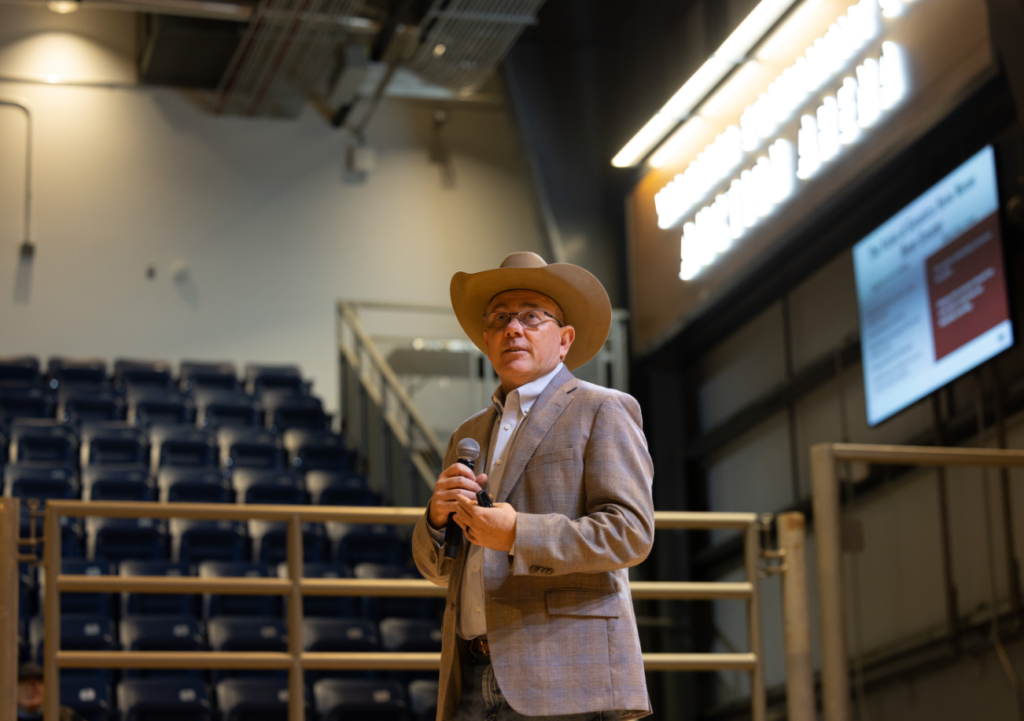
At the 2026 National Westere Stock Show, Industry leaders and cattle producers gathered to discuss how breeding, management, and market decisions can create value buyers recognize and reward.
Sponsored by the Colorado Angus Association, the session focused on connecting production fundamentals to market success.
Presentations by Troy Marshall, director of commercial industry relations for the American Angus Association; Clay Burson, , Ph.D., associate beef technical specialist at Zinpro; and Ryan Rathmann, Ph.D., of Texas Tech University set the stage for a panel moderated by Kevin Ochsner, host of Cattlemen to Cattlemen on RFD-TV, and panelists Jason Hoffman, Hoffman Ranch; Rick Machado, auctioneer for Western Video Market; Steve Gabel, owner of Magnum Feedyard; and Troy Marshall.
Proving Genetic Merit
Even in strong markers, high demand doesn't ensure higher premiums. Marshall explained how producing high-quality cattle is only part of the equation. "If the market can't see it, they can't pay for it," he said, citing verification tools such as AngusLink® to quantify genetic merit.
He emphasized how market value increases when production decisions are aligned with downstream demand.
"We've done a really great job of producing pounds and being efficient, low-cost producers in this industry," Marshall said. "Now we've got to continue to connect to our marketplace and consumer demand to make sure our management decisions are connected to real-world economic decisions."
Nutrition as a Value Multiplier
Nutrition remains one of the most influential factors of profitability. Burson highlighted how every sector of the industry feels the effects of a good nutrition program.
"Virtually every biological process at some point is going to require a mineral or vitamin," Burson said. "We're asking cows to breed early, we're trying to keep the calf healthy, we're trying to keep the feedlot steers performing efficiently—minerals play a critical role in all those functions."
Rathmann linked nutrition to efficiency and feed costs, noting that matching cow size and milk production to resources prevents unnecessary expenses. "The most efficient cows are those that produce the most with the least," Rathmann said.
He noted how variations in feed intake presents selection opportunity. "If we can identify cows who are genetic outliers for eating less and still being able to sustain their maintenance needs, there's a lot of opportunity," Rathmann said.
Beyond the Scale
While pounds remain important to commercial value, panelists stressed that relationships, reputation, and consistent performance also affect profitability.
"Now you have the tools available where you can accurately and objectively describe the genetic merit of feeder cattle," Marshall said. "This is the people business and always will be, but if we can document that information to give buyers confidence, I think that's the key to driving value."
Gabel noted that "efficiency of growth and carcass quality" matter, but reliability and trust influence market outcomes.
Machado described it as, "what you have to sell is your name if you're not retaining ownership all the way through." Hoffman echoed this, adding that balancing risk versus reward as another key factor to a successful operation.
"You've got to stick your neck out where you can be a leader," he said about taking chances. "But you've got to be grounded enough to stick to the basics too and produce good cattle they know they can count on."
Down the Road
Finding a competitive edge requires foresight. As Ochsner noted, "your genetic decisions today have big ramifications years down the road."
Producers who thoughtfully combine genetics, management and marketing can turn these decisions into a win for their bottom line.
"Genetics, management, and marketing are really risk management tools along the way," Marshall said. "If you're doing those things right, you're going to reduce your risk in this marketplace."
Gardeners in Oklahoma are eager to get their landscapes looking good, and pruning their trees and shrubs is one way to get started.
Pruning not only is an essential maintenance practice, but it also enhances the beauty of the trees and shrubs, said David Hillock, Oklahoma State University Extension consumer horticulturist.
"Pruning is definitely important not only from an aesthetics standpoint – it's important for plant health, too," he said. "However, gardeners must remember that improper pruning can destroy the natural beauty of a tree or shrub. It can also reduce the tree or shrub's landscape potential by weakening it, which makes the plants susceptible to various maladies."
Pruning most often involves removing plant parts that are no longer effective or useful to the plant. This helps redirect additional energy toward the development of flowers, fruits, foliage, and the remaining limbs.
The necessity for pruning can be reduced or eliminated by selecting the proper plant for the location. Plants that may grow too large for the site will require pruning to keep them within the space, altering the original intent and potentially making them unsightly or weak with age. Instead, gardeners should choose a smaller-growing tree or shrub.
When should pruning take place? Homeowners can prune at any time of year; however, there are times when pruning is better for certain plants. Pruning at the wrong time of year won't kill the plants, but it can result in damaged or weakened plants.
Don't prune at planting, as young trees need all the stored energy for proper establishment. Don't prune to balance the roots and crown. Once the trees are established, take time to examine them thoroughly for pruning requirements. Don't let trees and shrubs get overgrown, as this can lead to the need for drastic pruning. If trees are trained properly when young, they typically need little pruning later on.
Spring-flowering trees, shrubs and vines shouldn't be pruned right now. Wait until the flowers have bloomed and faded. Pruning now would remove flower buds, destroying the spring flowering display. Some plants that fall into this category include crabapple, flowering quince, forsythia, viburnum and wisteria, to name a few.
The blooms of summer-flowering shrubs, trees, and vines appear on limbs produced that season. Therefore, these may be pruned in the early spring or fall. Rose-of-Sharon, butterfly bush and glossy abelia fall into this category.
"If your landscape has evergreen plants, they need to be pruned to control their shape and size, as well as to remove dead, diseased or damaged limbs," Hillock said. "Remove old branches to allow for new growth. These plants are good landscape choices because they usually require less pruning than deciduous trees and shrubs."
Make sure pruning tools are sharp and in good condition. Essential tools include lopping shears, a hand pruner, a folding saw for tight spaces, a bow saw, and leather gloves. Be sure to wear eye protection, too. Clean the tools after use to help keep them in good condition.
"Pruning is one of those gardening chores that can make a big difference in the aesthetics of the landscape," he said. "Just make sure it is done properly and at the right time."
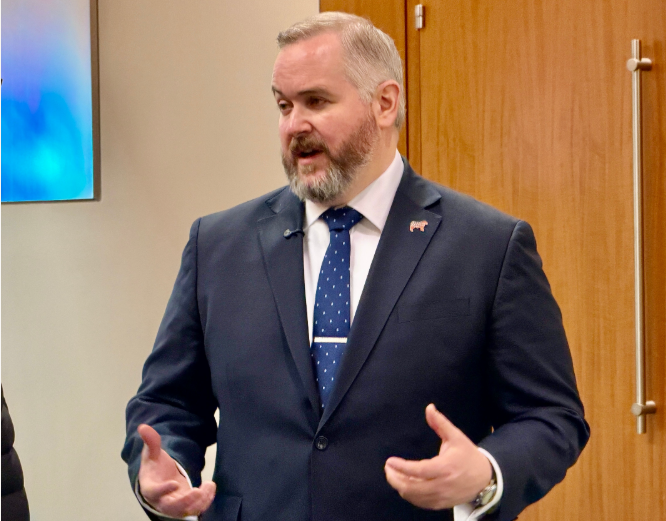
In today's beef buzz, senior farm and ranch broadcaster Ron Hays speaks with Kent Bacus, who works out of the Washington, D.C., office of the National Cattlemen's Beef Association, about the state of global trade and its impact on U.S. cattle producers. The conversation focused heavily on lingering frustrations tied to lost export access and the need for stronger, more diversified trade relationships.
Bacus said the loss of the Chinese market continues to weigh heavily on the beef industry. "That was one of the biggest problems for us in 2025 was loss of the Chinese market," he explained, noting that China had been worth about $1.4 billion annually. He added that Chinese consumers purchase cuts that have limited domestic demand, saying, "We don't sell tongue and omasum in the large volumes here that we can in China, and the premiums we get have always been really good." Bacus stressed, however, that the issue is political, not scientific, as China uses trade as leverage in broader negotiations with the United States.
While restoring access to China remains important, Bacus emphasized that overreliance on one market is risky. "China is not a trusted trade partner. Never have been," he said, adding that producers need diversity and competition in export destinations. Southeast Asian markets like Vietnam, Thailand, and Indonesia offer promise, but Bacus pointed to high tariffs and non-tariff barriers as major obstacles. "Our competitors have really good access in each of those Southeast Asian markets," he said, arguing that U.S. trade policy must catch up to remain competitive.
Bacus also reflected on setbacks since the Phase One trade deal, saying, "We've gone backwards since that phase one trade deal we had in the first Trump administration." He criticized China for creating new barriers despite earlier commitments, explaining, "There's no scientific justification for any of these restrictions that they've done. It's all about leverage." He added that even if export certificates were restored, additional regulatory hurdles would still need to be resolved before meaningful trade could resume.
On a more positive note, Bacus highlighted progress with the United Kingdom as a potential model for future agreements. "One of the big wins that we've seen so far is the fact that we now have access to the United Kingdom," he said, referencing the new 13,000-metric-ton quota. While modest, Bacus noted it is a starting point. "You've got to think of it as a multi-step process," he explained, describing a layered approach to trade deals that prioritizes initial access, followed by expanded negotiations and long-term stability.
Coverage of CattleCon26 is powered by Farm Data Services of Stillwater, Oklahoma.
The Beef Buzz is a regular feature heard on radio stations around the region on the Radio Oklahoma Ag Network and is a regular audio feature found on this website as well. Click on the LISTEN BAR for today's show and check out our archives for older Beef Buzz shows covering the gamut of the beef cattle industry today.

Kevin Burkett, Southern Ag Today- As the adage goes, "a dollar saved is a dollar earned". Perhaps even more so if the dollar is saved from paying taxes and can go towards funding retirement. Many farmers may imagine a scenario where they keep working until their dying breath, and while that might be possible, it is prudent to have other income and a backup plan if needed. Additionally, there can be tax advantages to contributing to a retirement plan now, regardless of whether the income is needed in the future.
Many farmers fall under the sole proprietor / self-employed category, so that will be the predominant situation we'll examine. It could be that the farmer, their spouse, or both are also working off-the-farm and contribute to their employer's retirement plan. That can certainly be beneficial (especially if the employer matches contributions), but in some cases, it may alter the tax impacts of a self-employed retirement plan. Each farm's situation will be a bit different, so be aware that this is not financial or tax advice but general education.
A traditional IRA allows taxpayers, such as self-employed individuals, to contribute up to an annual set amount. The limits are published each year by the federal government. For the 2025 tax year, the annual limit is $7,000 ($8,000 for age 50+), and in 2026 it increases to $7,500 ($8,600 for age 50+). Not only is the amount invested and allowed to grow tax-free until withdrawal from the account (when the withdrawal is taxed as income), but it can also provide a current-year tax deduction when the contribution is made. Another significant feature of these accounts is that contributions can be made up until the tax filing deadline of the next year. For example, a contribution can be made up until April 15 of this year, and it will count as a contribution for the 2025 tax year. Practically speaking, this means that a "pro-forma" or hypothetical tax return could be prepared to estimate current taxes and see how various IRA contribution amounts affect the taxes owed. You will need to specify to your IRA plan administrators the year to which the contribution should apply.
Traditional IRA contributions are deducted on line 20 of the Schedule 1 (Form 1040) and can reduce Adjusted Gross Income (AGI) (line 11a Form 1040) on the tax return. Both spouses can contribute to their own traditional IRA for a potential deduction of up to $14,000. Again, the deduction amount can be impacted by whether either spouse is covered by a work retirement plan and the couple's overall income, but it can provide a significant deduction if allowed to take the full amount. If the taxpayer or preparer is using tax software to run scenarios, it can make comparisons fairly straightforward. If software is not available, an IRA Deduction Worksheet is included with the Form 1040 instructions that can be a manual way to calculate the traditional IRA deduction.
Many questions come up about Roth IRA accounts. They are also a helpful planning tool but are a bit reversed from traditional accounts. Roth accounts do not provide a current-year tax deduction, but when contributions and earnings are withdrawn later, they are not subject to income tax. It is important to note that the annual contribution limits are considered combined for both the traditional and Roth IRAs. For instance, a $3,500 contribution could be made to a Roth and a $3,500 contribution made to a traditional, as long as the combined total does not exceed the $7,000 limit per individual. Other plans exist, such as SEP, SIMPLE, and 401(k) retirement plans that are similar in nature, with some differing features and stipulations. As always, consult your accountant and/or tax professional for specific guidance on these and other tax/retirement planning tools. For further reading, visit IRS Publication 590-A and the IRS website on retirement plans.
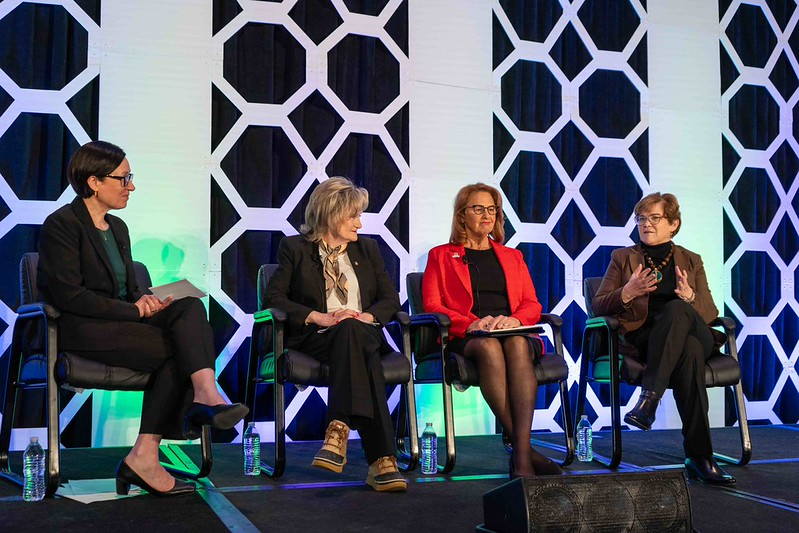
The nation's commissioners, directors and secretaries of agriculture gathered in Washington D.C. for NASDA's 2026 Winter Policy Conference, where members honored International Year of the Woman Farmer through several engagements.
"We were proud to be able to give International Year of the Woman Farmer the stage at NASDA's Policy Conference, and we look forward to elevating the voices of women farmers throughout 2026," NASDA CEO Ted McKinney said. "Women are vital to agriculture worldwide, from production to innovation to leadership. NASDA is committed to amplifying women farmers' voices and ensuring policies reflect needs and opportunities for all farmers."
Highlights from the meeting included:
NASDA opened the conference with a plenary session panel, "International Year of the Woman Farmer: What it is and why it matters" that examined the pivotal role women play in advancing global agriculture and highlighted how empowering women in agriculture helps strengthen and advance the entire industry. Moderated by NASDA President, Maine Agriculture Commissioner Amanda Beal, this session featured remarks from U.S. Senator Cindy Hyde-Smith, Global Farmer Network CEO Mary Boote and U.S. Dairy Export Council President & CEO Krysta Harden.
One topic covered by the panel was the next generation, discussing how to ensure women are not only inspired to work in agriculture but are also a respected and valued voice in the field.
"Seeing is believing and I think when you raise up other women in leadership positions, as farmers, that next generation gets to see them as well as an opportunity not only to be a farmer, to be involved in agriculture, but also to provide some leadership that their voice matters, that their perspective matters," Boote said.
Additionally, panelists discussed how International Year of the Woman Farmer can spur meaningful change through policy and beyond.
"Don't be afraid to introduce new legislation, whether it's in the State House or whether it's on Capitol Hill, that would make a difference," Senator Hyde-Smith said. "That may not seem that easy, but as long as it's logical and you have people that agree with you, it's like, wow, we can get that done."
"That recognition, to honor and to make real change, lasting change, is not just in one year. It's not a snapshot," Harden said. "It's forever changing our policies, it's changing our attitudes, it's changing our commitment, it's changing the way we spend money, how we spend, where we spend, who we recognize, who we honor. This is just the beginning. This is the launch of what I hope is going to be a change so more women will not have to have these conversations. That they will just be recognized for what they contribute."
Overall, panelists emphasized the importance of bringing all people together to advance the agriculture industry, epitomizing NASDA's Winter Policy Conference theme of "United We Thrive."
"There are a lot of good things that we can do alone, even more that we can do together," Boote said. "And this is where I think the agriculture story is: men and women, the next generation, the institutional knowledge of those who went before us, the intuitiveness with innovation that the next generation is bringing, understanding that we need all of them and all of us to be able to do that together is important."
Following the panel, NASDA was honored to host U.S. Senator Deb Fischer to share about the U.S. Senate resolution celebrating the designation of 2026 as "International Year of the Woman Farmer." The resolution was co-sponsored by Senator Fischer and U.S. Senator Amy Klobuchar, Ranking Member of the Senate Agriculture Committee.
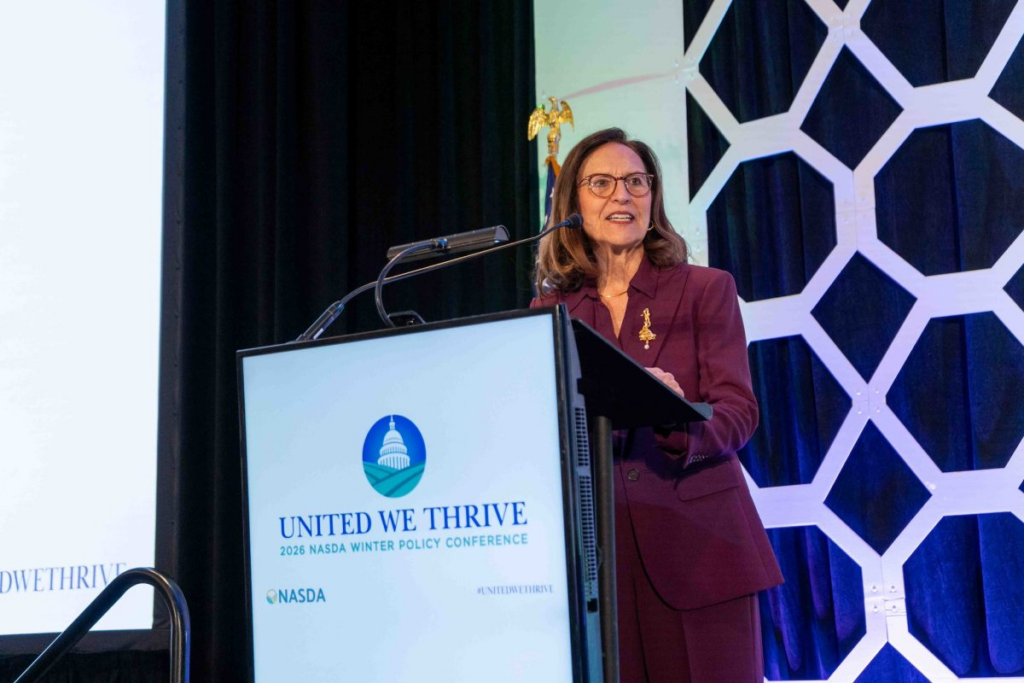
NASDA also hosted a reception at National's Park honoring International Year of the Woman Farmer welcoming U.S. members of Congress, embassy officials from 14 countries and agriculture industry representatives. Four hundred fifty people attended. Members of the International Year of the Women Farmer workgroup and NASDA displayed stories of women farmers from across the U.S. for government and industry leaders to learn and be inspired from.
Throughout the conference, NASDA promoted the International Year of the Woman Farmer information hub hosted on NASDA's website and its farmer survey to collect the stories of women farmers. These stories will be shared across NASDA's newsletter and social media platforms all year long. Share your story with NASDA or follow NASDA on social media and subscribe to NASDA News to hear these stories directly from the women shaping agriculture every day.
US Meat Exports Poised for Growth Following US-Taiwan Trade Agreement
The Office of the U.S. Trade Representative recently finalized a reciprocal trade agreement between the United States and Taiwan, signaling a significant shift in market access for American red meat. Dan Halstrom, President and CEO of the US Meat Export Federation (USMEF), was in Taipei during the announcement and highlighted the positive implications for American producers, particularly within the beef and pork sectors.
Taiwan currently represents the fifth-largest export market for U.S. beef, with a valuation of approximately $650 million annually. The new agreement is expected to bolster these figures by addressing trade barriers that have historically limited certain segments of the market.
"With reduced tariffs and increased access on certain cuts, we see the potential to grow that product mix for Taiwan, which is great news," says Dan Halstrom.
The reduction in tariffs is viewed as a primary driver for expanding the variety of beef products available to Taiwanese consumers, allowing U.S. exporters to diversify their offerings beyond current staples.
While the pork market in Taiwan is smaller than that of beef, U.S. exporters have faced distinct hurdles, including unequal tariff levels compared to major competitors like Canada. The agreement seeks to establish a more competitive baseline for American pork.
Beyond financial barriers, the industry is working to rehabilitate the image of U.S. pork following Taiwan's decision several years ago to amend its zero-tolerance policy for ractopamine residues. Although there have been no recorded safety issues or violations regarding ractopamine in U.S. pork, the resulting negative publicity hindered consumer acceptance.
"We face a real issue with consumer acceptance of U.S. pork in Taiwan, and this will go a long way in not only getting us on a level playing field tariff-wise, but hopefully helping us to improve the perception of U.S. pork in Taiwan," Halstrom notes.
The benefits of the agreement extend to smaller sectors of the red meat industry as well. The deal includes provisions for zero-duty access for U.S. bison and lamb, providing new opportunities for growth in these niche markets.
"Any market that we can grow will work to the advantage of the U.S. cattle and pig farmer," Halstrom concludes, acknowledging the support of federal efforts to dismantle trade barriers.
For more information on market developments and international trade, stakeholders are encouraged to visit the official USMEF website.
RON's Dave Lanning has a pre-opening look at today's agricultural Markets.
Click the audio tab below for today's report.
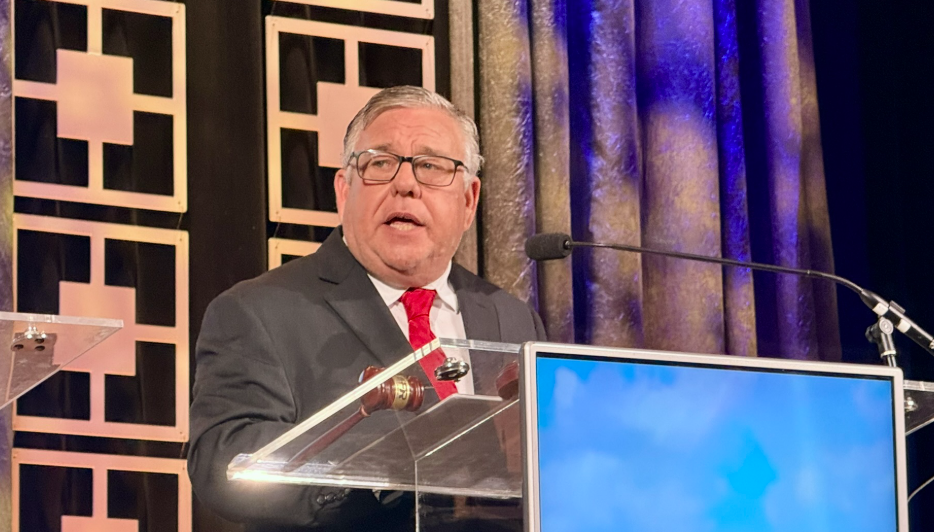
AFR President Scott Blubaugh Discusses Farm Bill Challenges, Youth Achievement, and Banning Lab-Grown Meat
The annual American Farmers & Ranchers (AFR) convention concluded with a focus on education, youth achievement, and the legislative battles currently facing the agricultural industry. Radio Oklahoma Ag Network Farm Director KC Sheperd sat down with AFR President Scott Blubaugh to discuss the organization's priorities as they transition from state-level discussions to national policy advocacy.
For the leadership at AFR, the convention is about more than just business; it is a vital educational platform for its members.
"Education is a huge part of this, and we want to educate people on the issues that are out there," Blubaugh explained. "We had a couple of state questions that we had speakers on both sides of those issues talk about. We really want our people to go home from here with more knowledge than they had when they got here."
Sheperd noted that these discussions help demystify complex issues for those in farm country. Blubaugh agreed, adding that the organization prides itself on being bipartisan. "We want both sides of the issues to be aired out in the public, and then we let our members decide in what they believe and what they'd like to do after that."
A significant portion of the conversation centered on federal and state legislation, specifically the Farm Bill and the rise of artificial meat products. When asked for his thoughts on the current Farm Bill markup, Blubaugh expressed significant caution.
"Let's just say I'm not real optimistic," Blubaugh stated. "I'm glad we're making a little progress on it. It's just been such a battle to get a farm bill done. In this election year, it's going to be very, very difficult to get that to the finish line... It's possible, but not likely."
Closer to home, AFR is actively working at the Oklahoma State Capitol to protect the cattle industry from lab-grown meat. Blubaugh revealed that there are currently four bills in the legislature aimed at banning these products.
"Most people don't want to buy their meat coming from a petri dish and the chemicals that it takes to make that happen," Blubaugh said. "It's just so many health unknowns in there and would be absolutely devastating to the cattle business... and our people don't want it here."
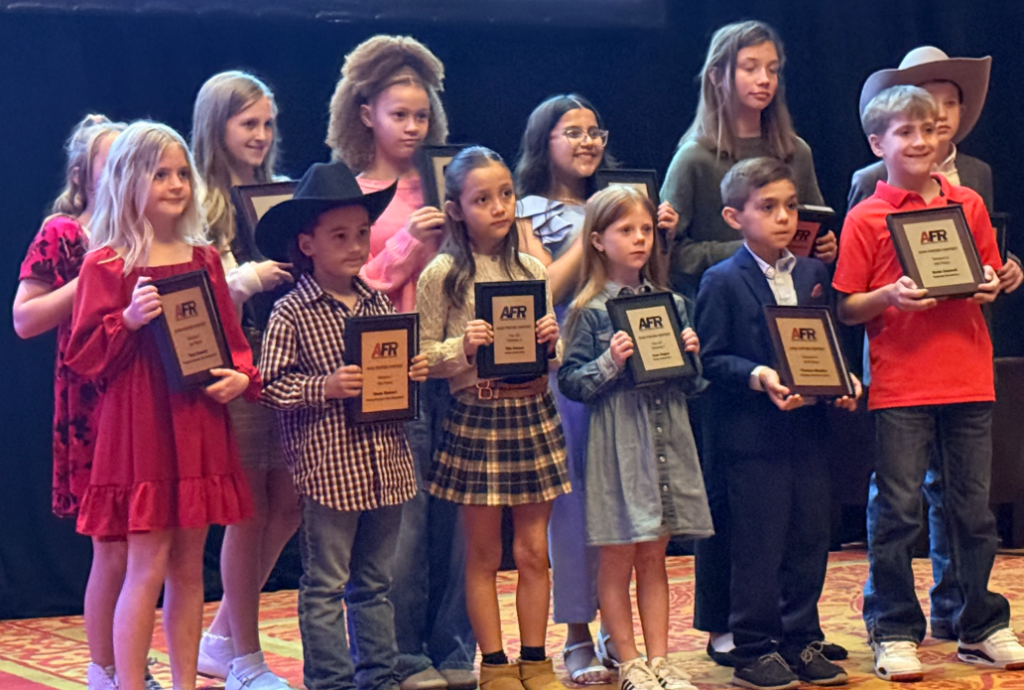
Despite legislative hurdles, the convention celebrated the industry's future through its youth programs. The Friday night youth session remains a highlight, featuring the winners of a statewide poster contest that attracts roughly 14,000 entries annually.
"For me, it's about the most exciting night," Blubaugh told Sheperd. "Seeing some of the really great young people that are moving into leadership positions all over the country... and then we had the little children here, like the first graders and the second graders, with their poster contest. They were just on cloud nine."
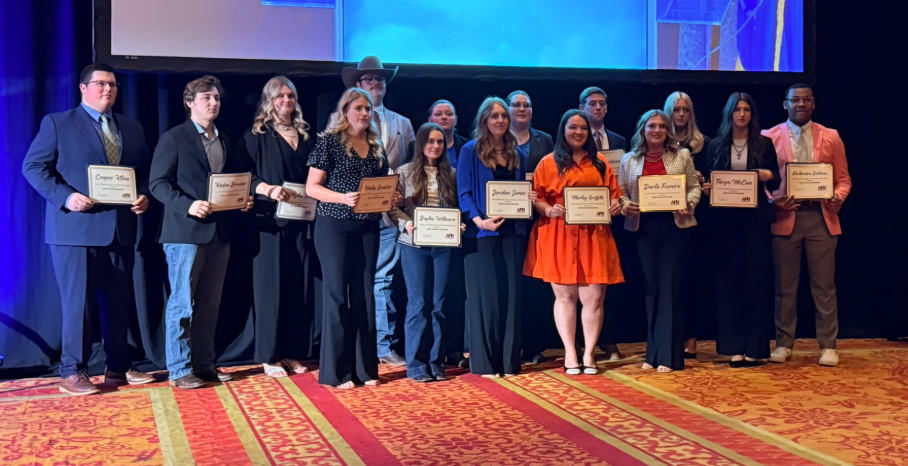
As the state convention wraps up, the focus shifts to New Orleans for the National Farmers Union (NFU) convention. AFR leadership intends to take the policy adjustments made during the state meeting and advocate for them on a national stage.
"We're looking for solutions," Blubaugh concluded. "That's the thing I like about our group is they're not just gripers and complainers. We actually look for solutions and make recommendations to Congress in how to fix some of these problems."
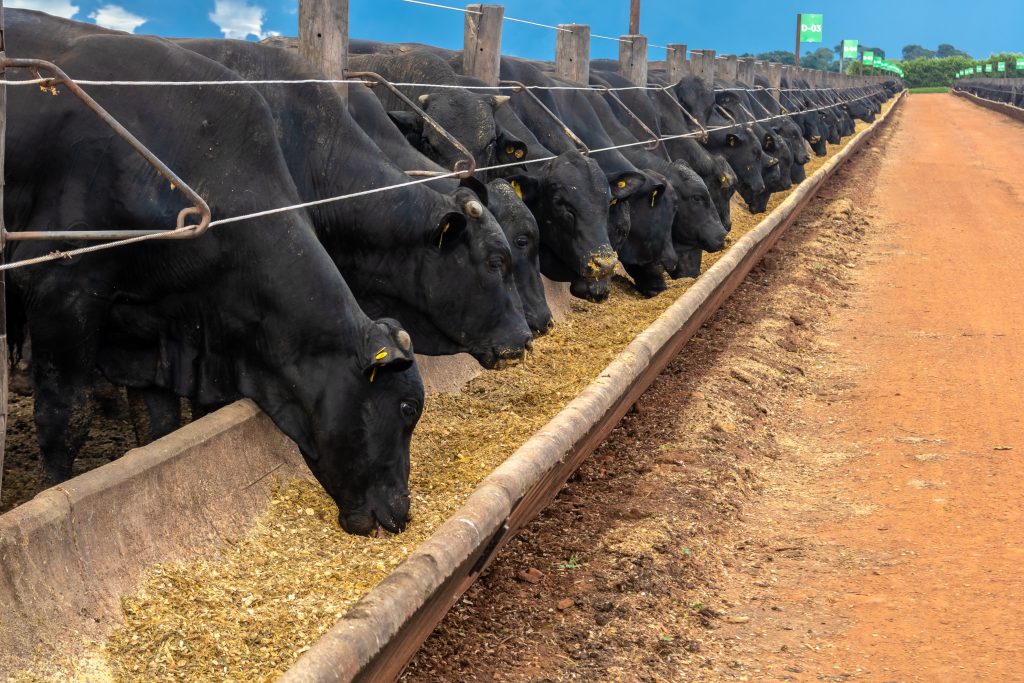
While Nebraska cash cattle trade jumped $5 this week to $245- the market reported by the Texas Cattle Feeders shows Cash Cattle trade hitting $248 in their trade area of Texas, Oklahoma and New Mexico.
Both Steers and Heifers were quoted at $248- STeers up $377 and Heifers up by $3.96 per hundred.
Check out the complete TCFA Market report below:
Choice Boxed Beef was down 37 cents on Friday at $364.47, and now $4.86 below last Friday. Select closed at $363.42, up $0.39 on the day, narrowing the spread to $1.05. Movement totaled 60 loads, down from 101 loads Thursday.
Compared to the prior day, rib primals strengthened to $491.25 from $489.62, loins improved to $470.47 from $469.40, and rounds edged higher to $332.41 from $333.66, while chucks slipped to $322.45 from $323.99 and plates declined to $256.98 from $256.38. Flanks firmed slightly to $175.56 from $174.96.

U.S. Wheat Associates (USW) welcomes the announcement of the signing of the United States-Taiwan Agreement on Reciprocal Trade by the Office of the U.S. Trade Representative.
"Taiwan is one of U.S. wheat's most important partners and this agreement comes as we prepare to celebrate the 60th anniversary of the U.S. Wheat Associates Taipei Office," said USW President and CEO Mike Spier. "The agreement has the potential to provide duty-free access for U.S. wheat and contains significant commitments to adopt sanitary and phytosanitary (SPS) policies that are science-based and enable trade."
In September 2025, USW and the Taiwan Flour Millers Association (TFMA) signed a Letter of Intent for the purchase of 3.6 million metric tons (MMT) – 132.3 million bushels – of U.S. wheat between 2026 and 2029 with an estimated value of $1.296 billion. If finalized by Taiwan's legislature, the U.S.-Taiwan Agreement on Reciprocal Trade would help lower tariff and non-tariff barriers for U.S. wheat products and facilitate the purchase of more high quality and reliable U.S. wheat in the years to come.
In addition to lowering U.S. tariffs on wheat to zero, the agreement contains some of the strongest language available on SPS issues, providing U.S. exporters assurances that Taiwan will adopt and implement science-based standards and enable trade in the event of disruptions. These include commitments on agriculture biotechnology, promises to adopt policies related to managing low-level presence, and commitments to use Codex pesticide MRLs in the absence of an established MRL by Taiwan.
"It is difficult to understate the significance of this agreement and the SPS commitments in it," Spier said. "Taiwan has one of the fastest growing and most technologically advanced economies in Asia. This reciprocal trade agreement deepens our bilateral relationship and our cooperation on current and emerging issues. We value that engagement and thank U.S. Trade Representative Ambassador Jamieson Greer for the initiative to deepen this relationship."
The National Milk Producers Federation, U.S. Dairy Export Council and the Consortium for Common Food Names commended the signing late yesterday of a landmark trade agreement between the United States and Taiwan that will eliminate tariffs on all U.S. dairy products and preempt nontariff barriers that could otherwise limit the full potential of bilateral dairy trade.
Taiwan is the third-largest fluid milk destination for U.S. exports, and this agreement represents a transformative step forward for the growing market. By securing comprehensive tariff reductions for U.S. dairy products and incorporating meaningful commitments to ensure nontariff measures do not derail trade, the deal positions U.S. dairy suppliers to compete on a level playing field and expand their presence in one of Asia's most dynamic food markets.
"Taiwan is a trusted partner and a high-value market for U.S. dairy," Krysta Harden, president and CEO of USDEC, said. "This agreement improves our competitiveness compared to other suppliers and provides assurances that nontariff barriers will not hinder the expansion of U.S. dairy exports. USDEC looks forward to continuing work with the Taiwanese government and the domestic industry to increase dairy consumption and grow the United States' contribution to supplying Taiwan's fluid milk and other dairy needs."
The agreement builds on strong industry-to-industry collaboration between the United States and Taiwan. Last year, NMPF and USDEC representatives traveled to the market to advocate for dairy's prioritization in the negotiations and deepen engagement with local stakeholders. While there, USDEC and NMPF signed a Memorandum of Understanding (MOU) with the Dairy Association of Taiwan to strengthen market development and information exchange efforts.
"The agreement with Taiwan builds on the incredible momentum we've seen from the Administration in securing new trade agreements around the world," Gregg Doud, president and CEO of NMPF, said. "Each deal to reduce barriers and expand market access strengthens American dairy farms and the communities they support."
"Taiwan is an important market for the United States, and the commitments to protect common names included in this agreement preempt third countries like the European Union from abusing intellectual property tools to monopolize generic terms and take away U.S. export opportunities," Jaime Castaneda, executive director of CCFN, said. "We cannot thank Ambassador Greer, Ambassador Callahan and the entire negotiating team enough for prioritizing this issue and ensuring our exporters can continue using the terms known by consumers around the world."
NMPF, USDEC and CCFN look forward to working closely with U.S. and Taiwanese officials to ensure swift implementation of the agreement and to fully realize its benefits for dairy producers, exporters, and consumers on both sides of the Pacific.
In a key win for U.S. pork producers, President Trump has finalized a beneficial trade agreement with Taiwan, a direct result of the National Pork Producers Council's long-fought effort to secure greater market access in the Asian nation.
"Our 15-plus year endeavor to break down trade barriers in the high-value market of Taiwan has paid off. This means more U.S. pork on international tables and more opportunities and prosperity for American producers," said NPPC President Duane Stateler, a pork producer from McComb, Ohio. "Thank you, President Trump and Ambassadors Greer and Callahan, for ensuring American pork producers were included in and greatly benefit from this historic agreement."
The agreement stands to boost U.S. pork exports by:
Additionally, within six months Taiwan must recognize the African swine fever protection zone established by the United States.
The Office of the U.S. Trade Representative (USTR) announced on Thursday the signing of an Agreement on Reciprocal Trade between the United States and Taiwan. As detailed in this USTR fact sheet, the agreement includes significant market access gains for U.S. red meat.
U.S. Meat Export Federation (USMEF) President and CEO Dan Halstrom issued this statement:
USMEF greatly appreciates USTR's dedication to resolving Taiwan's tariff and non-tariff barriers on U.S. red meat through the Agreement on Reciprocal Trade. Taiwan is the fifth largest market for U.S. beef, with exports valued at about $650 million, and the U.S. is the largest supplier of beef to Taiwan. But there is still potential for further growth with the increased access for all U.S. beef products, including those in high demand for yakiniku barbecue and trendy burger concepts. The elimination of tariffs on U.S. beef will definitely improve our competitiveness.
U.S. pork has been widely disadvantaged in Taiwan, and the EU and Canada dominate Taiwan's pork imports. USMEF is optimistic that reducing both tariffs and non-tariff barriers will help enable larger U.S. pork exports to Taiwan, as USMEF remains focused on regaining Taiwanese consumer trust in U.S. pork. The agreement also includes important language clarifying access for U.S. bison, and eliminates tariffs on U.S. lamb.
USMEF thanks the Trump administration for the continued focus on breaking down barriers for U.S. agricultural exports and we look forward to the successful implementation of the Taiwan agreement.
Rep. David Hardin, R-Stilwell, issued the following statement after the state of Oklahoma finalized settlements totaling $25.5 million with Tyson Foods and Cargill in the long-running Illinois River Watershed litigation.
"For more than 20 years, this case has hung over the heads of poultry growers in eastern Oklahoma. I've heard from families who were unsure whether they would be able to continue operating from one year to the next. That kind of uncertainty takes a real toll on our rural communities.
These settlements bring long-needed clarity. They provide a framework to address water quality concerns in the Illinois River Watershed while also giving producers and integrators the stability they need to keep doing business in our state.
I appreciate the work that has gone into reaching this point, including the efforts of the Attorney General's office, Gov. Kevin Stitt, Speaker Kyle Hilbert, Senate Pro Tem Lonnie Paxton and Sen. Tom Woods. There has been strong support from state leaders and Oklahoma's agriculture community to find a resolution that protects family farmers while also addressing water quality concerns.
Our poultry farmers are good stewards of the land. They've invested time and resources into modern practices, and they deserve a path forward that recognizes both environmental responsibility and the economic reality of raising food for our country.
I am hopeful the court will approve these agreements so they can take effect and provide lasting certainty for our producers. I also encourage continued efforts to reach resolution with the remaining integrators. If that does not occur, I believe we should carefully consider alternative approaches that address water quality through a strong regulatory framework without jeopardizing the livelihoods of hundreds of family farmers in eastern Oklahoma.
The priority must remain clear. We can protect our natural resources and ensure eastern Oklahoma poultry producers are able to operate and expand with confidence, without the constant fear of losing contracts or facing financial ruin."
The settlements require payments for remediation and conservation efforts within the watershed and outline additional measures related to litter removal and monitoring. Other defendants remain involved in ongoing proceedings.
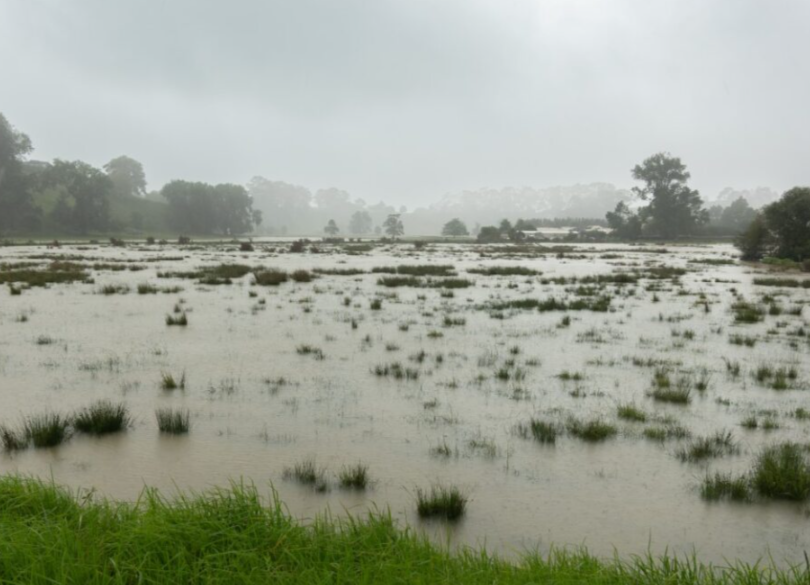
U.S. Secretary of Agriculture Brooke L. Rollins today announced U.S. Department of Agriculture's (USDA) Farm Service Agency (FSA) has issued final Emergency Livestock Relief Program (ELRP) payments totaling more than $1.89 billion. Eligible applicants who applied for ELRP 2023 and 2024 Flood and Wildfire (ELRP 2023 and 2024 FW) assistance will receive 100% of their eligible calculated payment in a single lump sum. USDA is also making a second payment to producers who previously received their initial factored payment for ELRP 2023 and 2024 assistance for losses due to eligible drought and wildfires.
"Livestock operations across the country were disrupted in 2023 and 2024 by catastrophic floods, drought, wildfires, and poor forage conditions. President Trump has ensured our farmers, ranchers, and producers have the tools and assistance necessary to continue their operations after they were impacted at no fault of their own. If the men and women who feed America cannot continue their operations, then our national security is at risk. We are working every day to ensure America's food supply remains safe, stable, and secure," said Secretary Rollins. "Due to the program demand for drought and wildfire assistance, initial payments were factored to ensure total program payments did not exceed available funding. Additional funds remain so we are delivering on our Farmers First commitment to livestock producers and issuing a second payment in addition to making a full payment, with no factor, to eligible producers who applied for flood and wildfire recovery assistance."
At the direction of Congress, The American Relief Act, 2025, provides for $2 billion in emergency relief payments to livestock producers suffering losses due to drought, wildfires, or flooding in calendar years 2023 and 2024.
ELRP Drought and Wildfire (Wildfire Losses on Federally Managed Lands)
Livestock producers previously received an initial payment for drought and wildfire assistance that was factored by 35% to ensure payments did not exceed available funding.
Now, FSA has issued an automatic second payment to eligible producers who received an initial payment for drought and wildfire losses. The second payment is equal to 8.2% of the eligible producer's 2023 or 2024 Livestock Forage Disaster program gross calculated payment, making the final payment factor 43.2% and total assistance provided more than $1.289 billion.
ELRP Flood and Wildfire (Wildfire Losses on Non-Federally Managed Lands)
After assessing ELRP 2023 and 2024 FW applications, FSA determined that a payment factor is not needed. Producers with approved ELRP 2023 and 2024 FW applications are receiving 100% of their calculated payment in a single lump sum, totaling $604 million in recovery assistance.
Payment Limit
ELRP 2023 and 2024 and ELRP 2023 and 2024 FW have a combined payment limit of $125,000 for each program year. Producers who already received the maximum payment amount from ELRP 2023 and 2024 for drought and wildfire losses will not be eligible to receive an additional payment. Eligible producers may submit form FSA-510, Request for an Exception to the $125,000 Payment Limitation for Certain Programs, by Nov. 2, 2026, to be considered for an increased payment limit of $250,000.
U.S. Secretary of Agriculture Brooke L. Rollins announced that the U.S. Department of Agriculture (USDA) is providing $1 billion in Assistance for Specialty Crop Farmers (ASCF) Program assistance for specialty crops and sugar, commodities not covered through the previously announced Farmer Bridge Assistance (FBA) program. These one-time bridge payments will help address market disruptions, elevated input costs, persistent inflation, and market losses from foreign competitors engaging in unfair trade practices that impede exports. Specialty crop producers have until March 13, 2026, to report 2025 acres to USDA's Farm Service Agency (FSA).
"President Trump has the backs of our farmers, and today we are building on our Farmer Bridge Assistance program with the Assistance for Specialty Crop Farmers (ASCF) Program. Our specialty crop producers continue to feel the negative effects of four years under the Biden Administration, suffering from record inflation, a depleted farm safety net, and delayed disaster assistance," said Secretary Rollins. "President Trump and the entire cabinet are working every day to fight bidenflation and lower prices for consumers. If our specialty crop producers are not economically able to continue their operations, American families will see a decrease in the food they rely on, wholesome and nutritious fruits and vegetables. Putting Farmers First is essential to the Make America Healthy Again movement and we are doing both at USDA by expanding market opportunities and improving the farm economy for all producers. Today's specialty crop announcement builds on our efforts to improve markets for real food into American schools, institutions, and family dinner tables."
The Assistance for Specialty Crop Farmers Program is authorized under the Commodity Credit Corporation Charter Act and will be administered by FSA.
Eligible Specialty Crops
ASCF-eligible specialty crops include: (A) Almond, Apple, Apricot, Aronia berry, Artichoke, Asparagus, Avocado (B) Banana, Bean (Snap or green; Lima; Dry edible), Beet (Table), Blackberry, Blueberry, Breadfruit, Broccoli (including Broccoli Raab), Brussels Sprouts (C) Cabbage (including Chinese), Cacao, Carrot, Cashew, Cauliflower, Celeriac, Celery, Cherimoya, Cherry, Chestnut (for Nuts), Chive, Citrus, Coconut, Coffee, Collards (including Kale), Cranberry, Cucumber, Currant (D) Date, Dry Edible Beans and Peas* (E) Edamame, Eggplant, Endive (F) Feijou, Fig, Filbert (Hazelnut) (G) Garlic, Gooseberry, Grape (including Raisin), Guava (H) Horseradish (K) Kiwi, Kohlrabi (L) Leek, Lettuce, Litchi (M) Macadamia, Mango, Melon (All Types), Mushroom (Cultivated), Mustard and Other Greens (N) Nectarine (O) Okra, Olive, Onion, Opuntia (P) Papaya, Parsley, Parsnip, Passion Fruit, Pea (Garden; English or Edible Pod; Dry edible), Peach, Pear, Pecan, Pepper, Persimmon, Pineapple, Pistachio, Plum (including Prune), Pomegranate, Potato, Pumpkin (Q) Quince (R) Radish (All Types), Raspberry, Rhubarb, Rutabaga (S) Salsify, Spinach, Squash (Summer and Winter), Strawberry, Suriname Cherry, Sweet Corn, Sweet Potato, Swiss Chard (T) Taro, Tomato (including Tomatillo), Turnip (W) Walnut, Watermelon
*Dry edible beans and peas covered by FBA will not be eligible for ASCF.
ASCF payments are based on reported 2025 planted acres.
Eligible farmers should ensure their 2025 acreage reporting is factual and accurate by 5 p.m. ET on March 13, 2026. Commodity-specific payment rates will be released by the end of March. Crop insurance linkage will not be required for the ASCF Program. However, USDA strongly urges producers to take advantage of the new One Big Beautiful Bill Act (OBBBA) risk management tools to best protect against price risk and volatility in the future.
More information on ASCF is available online at www.fsa.usda.gov/fba or producers can contact their local FSA county office.
House Committee on Agriculture Chairman Glenn "GT" Thompson (PA-15) released the following statement after releasing the Farm, Food, and National Security Act of 2026:A new farm bill is long overdue, and the Farm, Food, and National Security Act of 2026 is an important step forward in providing certainty to our farmers, ranchers, and rural communities. We made historic agricultural investments last summer in the Working Families Tax Cuts (H.R. 1), but there are many key policy components that remain to be addressed. With that in mind, the House Committee on Agriculture will begin marking up a new farm bill February 23. To read the full story, click here. The following is Ag groups reactions to this news.
National Pork Producers Council: "Thank You, Chairman Thompson, for Standing Up for Pork Producers"
U.S. pork producers are one step closer to critical regulatory certainty—and consumers closer to keeping pork affordable—with House Agriculture Committee Chairman Glenn "GT" Thompson's (R-PA) Farm Bill 2.0, which includes a federal fix to the massive issues caused by the impending and disastrous patchwork of state laws spurred by California Proposition 12.
"America's pork producers thank Chairman Thompson for continuing to take bold steps once again to protect our livelihoods from an unsustainable patchwork of state laws," said National Pork Producers Council President Duane Stateler, a pork producer from McComb, Ohio. "We implore the full House Agriculture Committee to stand up for the American farmer, preserve states' rights, and help keep pork affordable for the American consumers."
Chairman Thompson and other leaders in D.C. remain dedicated to protecting producers' freedom to farm by finding a solution to Prop. 12, which has spurred a variety of problems from the farmgate to families' plates, including:
A fix for Prop. 12 is backed by nearly 1,000 agriculture groups across more than 40 states, including the American Farm Bureau Federation.
NCC Statement on Thompson's Farm, Food, and National Security Act
The National Cotton Council (NCC) applauds House Agriculture Committee Chairman Glenn "GT" Thompson for releasing the Farm, Food, and National Security Act, which includes a wide range of farm bill provisions that were unable to be included in the One Big Beautiful Bill Act (OBBBA). "Thanks to Chairman Thompson's tireless work, we were fortunate to see much of the farm bill signed into law as part of the OBBBA," said NCC Chairman Nathan Reed, "but now is the time to finish the job. Passage of the Farm, Food, and National Security Act would significantly benefit the cotton industry by safeguarding the marketing loan program during future shutdowns, advancing the effort to create a harvest incentive insurance option, and providing a commonsense regulatory framework for crop protection products." The NCC urges bipartisan support for the Farm, Food, and National Security Act and stands ready to work with House and Senate leadership to secure final passage this year.
Statement from NCFC President and CEO Duane Simpson on Release of Draft Farm Bill
The following is a statement from Duane Simpson, President and CEO of the National Council of Farmer Cooperatives (NCFC), regarding the release of the House Agriculture Committee's draft Farm, Food, and National Security Act of 2026: "The release of a draft farm bill is an important and welcome step forward for farmers, co-ops, and rural America. Finishing the farm bill process started in last year's reconciliation is overdue, and we appreciate Chairman Thompson's leadership in moving this process ahead. "Farmer co-ops rely on strong risk management tools, effective conservation and trade programs, and policies that support investment and innovation across rural communities. This draft reflects meaningful progress in a number of areas that matter to our members and reauthorizes a number of critical programs left out the reconciliation process. "As the House Agriculture Committee moves toward markup later this month, we look forward to working with lawmakers on both sides of the aisle and hope to see amendments considered and approved on issues that are particularly important to farmer cooperatives. "NCFC remains committed to supporting a strong, bipartisan farm bill that gives farmers and the cooperatives they own the certainty they need to plan, invest, and continue feeding and fueling the country."
Landmark Common Names Bill Included in New Farm Bill Language
The Consortium for Common Food Names (CCFN) praised Chairman GT Thompson and the House Agriculture Committee for including the Safeguarding American Food and Export Trade Yields (SAFETY) Act in its Farm Bill legislative text released today.
Co-sponsored in the House by Reps. Dusty Johnson, R-SD, Jim Costa, D-CA, Michelle Fischbach, R-MN, and Jimmy Panetta, D-CA, and in the Senate by Sens. John Thune, R-SD, Tammy Baldwin, D-WI, Roger Marshall, R-KS, and Tina Smith, D-MN, the bipartisan SAFETY Act would establish a long-term policy directive for USDA to partner with the U.S. Trade Representative (USTR) to prioritize the protection of common names like "parmesan" and "bologna" in international trade negotiations. Enactment of the SAFETY Act would offer an important complement to the Administration's decisive actions over the past year to protect U.S. exporters' rights to use common food names.
"For too long, the European Union has weaponized geographical indication policies to tilt the playing field against U.S. producers," said Jaime Castaneda, executive director of CCFN. "Recent trade negotiations have finally reversed that trend. The Farm Bill language ensures that this policy continues to be a priority for the U.S. government for years to come. We appreciate Chairman Thompson, the House Agriculture Committee and our bipartisan Congressional champions of the SAFETY Act for their leadership in sending a clear signal that the United States needs to establish a lasting policy ensuring our producers do not lose market access and opportunities in the future."
Since 2009, the European Union has leveraged trade negotiations and its geographical indication (GI) system to claim widely used food names for the exclusive benefit of its own producers—effectively restricting competition and monopolizing certain products in key markets. For American farmers and manufacturers, this has meant lost export opportunities abroad and costly legal and commercial disputes at home. In recent years, the EU has intensified these efforts by pressuring third-party countries to adopt EU-style GI protections as part of their trade agreements, further limiting the ability of U.S. producers to compete globally.
Castaneda continued, "When foreign governments adopt restrictive GI policies under EU pressure, American producers pay the price. The SAFETY Act is about supporting current efforts to establish a clear U.S. government policy focused on ensuring that widely used food names remain available to those who have earned the right to use them."
EWG: In betrayal of MAHA, House GOP farm bill exposes kids to pesticides
House Republicans' newly released farm bill proposal would undermine public health, environmental protection and food security, while handing sweeping new protections to pesticide manufacturers at the expense of children and communities.
The proposal fails to restore the deep cuts to SNAP, the Supplemental Nutrition Assistance Program, that Republicans and the Trump administration pushed through last year. The cuts threaten food access for millions of struggling families.
House Republicans also included an alarming and controversial provision that would erase state and local pesticide safety laws that protect people, especially children, from exposure to toxic chemicals at schools, playgrounds and parks.
More than 40 states, including Florida, Georgia, Illinois, New York, North Carolina and Texas, have adopted commonsense rules governing when and how pesticides can be sprayed near parks, playgrounds and schools. These safeguards reflect local conditions, public health science, and the voices of parents, educators and communities.
The House Republican proposal would wipe out those protections nationwide.
This move to block state and local authority is being pushed by foreign pesticide manufacturers, including Bayer-Monsanto and ChemChina. If enacted, this partisan bill would boost pesticide sales while limiting accountability when people are harmed from exposure to toxic crop chemicals.
The following is a statement from Geoff Horsfield, legislative director at the Environmental Working Group.
House Republicans can't credibly claim to back an agenda that supports public health or protects kids while advancing a bill that weakens protections from pesticides and hands more power and profits to foreign pesticide manufacturers.
Congress should not be in the business of stripping states of their right to protect children from toxic chemicals. This provision would silence parents, override local decision-making, and put corporate profits ahead of kids' health.
No parent should have to wonder whether the school playground is contaminated with pesticides. Yet that is exactly what this bill would force families to do.
Rather than weakening protections for children, gutting conservation programs and denying nutrition assistance to hungry families, Congress should be strengthening safeguards that support public health, environmental sustainability and rural communities.
ASA Welcomes House Ag Action on 2026 Farm Bill
The American Soybean Association commends the House Agriculture Committee on advancing the Farm, Food, and National Security Act of 2026. "We appreciate that Chairman Thompson heard the concerns and needs of soybean farmers and addressed them in the bill," said Scott Metzger, ASA president and a soybean farmer from Ohio. "The provisions included will provide much-needed market and regulatory certainty for producers facing new risks and difficult business decisions." Over the past two years, ASA has advocated for strengthening the farm bill to meet the pressing needs of soybean farmers. The Farm, Food, and National Security Act of 2026 includes significant enhancements to improve access to credit, meaningful investments to promote expansion and diversification of markets, and support for vital provisions such as the BioPreferred Program, pesticide labeling uniformity, full access to domestic markets for the meat products of our livestock customers, and investments in precision agriculture. Strengthening the farm bill is critical for the future of U.S. soybeans, and ASA stands ready to work with lawmakers to advance this legislation and help stabilize today's challenging farm economy.
Farm Credit Applauds House Farm Bill 2.0 Draft
Farm Credit today issued the following statement regarding the release of The Farm, Food and National Security Act of 2026 by the U.S. House Committee on Agriculture:
"Farm Credit applauds Chairman Thompson and the House Agriculture Committee for their work to produce The Farm, Food and National Security Act of 2026. While H.R. 1 addressed certain agricultural needs, many policies were not addressed and remain stuck in 2018. It is critical that policies – especially those impacting credit availability – are updated to provide certainty and growth opportunities for farmers, ranchers and rural communities.
"The draft released today incorporates vital bipartisan marker bills that are important to Farm Credit and the producers we serve. Most notably, this draft legislation includes policies to modernize Farm Service Agency (FSA) loan limits and programs, expand access to credit for young and beginning producers, and strengthen rural communities by offering additional financing options for essential community facilities like hospitals and community care centers.
"With the U.S. farm economy and rural communities facing ongoing challenges, we cannot and should not wait to finish the Farm Bill. We urge the House Agriculture Committee to advance the Farm Bill 2.0 process to ensure these forward-looking policies are enacted in 2026. Farm Credit supports Chairman Thompson's draft and looks forward to working with members on both sides of the aisle to secure passage."
Farm Credit supports rural communities and agriculture with reliable, consistent credit and financial services, today and tomorrow. It has been fulfilling its mission of helping rural America grow and thrive for more than a century with the capital necessary to make businesses successful and by financing vital infrastructure and communication services. For more information visit www.farmcredit.com.
Invest in Our Land Statement on House Agriculture Committee Release of Farm Bill Text
Today, Invest in Our Land (IIOL), a nonpartisan organization committed to amplifying the voices of American farmers and ranchers and ensuring they have the tools and support they need to implement conservation practices that strengthen their operations, safeguard our natural resources, and secure the future of U.S. agriculture, issued the following statement in response to the release of Farm, Food, and National Security Act of 2026 by House Agriculture Committee Chairman Glenn "GT" Thompson, proposed bill text for reauthorization of the Farm Bill:
"Invest in Our Land appreciates Chairman Thompson's efforts to pass a Farm Bill that includes robust support and reforms for federal conservation programs, strengthens access to precision agriculture tools, and reauthorizes the Conservation Reserve Program," said IIOL Executive Director Rebecca Bartels. "However, funding and policy improvements alone are not enough when NRCS capacity has been hollowed out over the past year, with 22 percent of its staff - equal to 2,673 employees - leaving the agency in just the first half of 2025. Without sufficient NRCS staff, programs and payments stall, contracts go unimplemented, and farmers are left carrying these consequences alone. As Congress works to get this Farm Bill across the finish line, we urge Members to give producers the certainty they need by protecting both conservation funding and the NRCS workforce required to deliver it to farmers on the ground."
About Invest in Our Land
Invest in Our Land is an organization that elevates the voices of farmers across the country to underscore the importance of safeguarding the future of U.S. farms. The organization is sharing the success stories of farmers and ranchers from across the U.S. to raise awareness about the need to protect federal conservation funding and ensure its delivery to American producers. You can learn more at Investinourland.org
ARA Commends the Release of the Farm Bill Text
The Agricultural Retailers Association (ARA) President and CEO Daren Coppock released the following statement in response to the introduction of the Farm, Food, and National Security Act of 2026 by House Agriculture Committee Chairman G.T. Thompson (R-Pa.):
"ARA commends Chairman G.T. Thompson for his leadership in advancing the 2026 Farm Bill and for his commitment to providing long term certainty for America's farmers, ranchers, and agricultural supply chain partners," said ARA President & CEO, Daren Coppock. "Agricultural producers continue to face significant challenges, including volatile markets, extreme weather, global trade instability, labor shortages, and rising input costs. A strong, forward looking Farm Bill is essential to maintaining a reliable safety net that supports our nation's food, energy, and fiber supply, while also investing in conservation, research, rural development, crop protection, trade promotion, and nutrition programs."
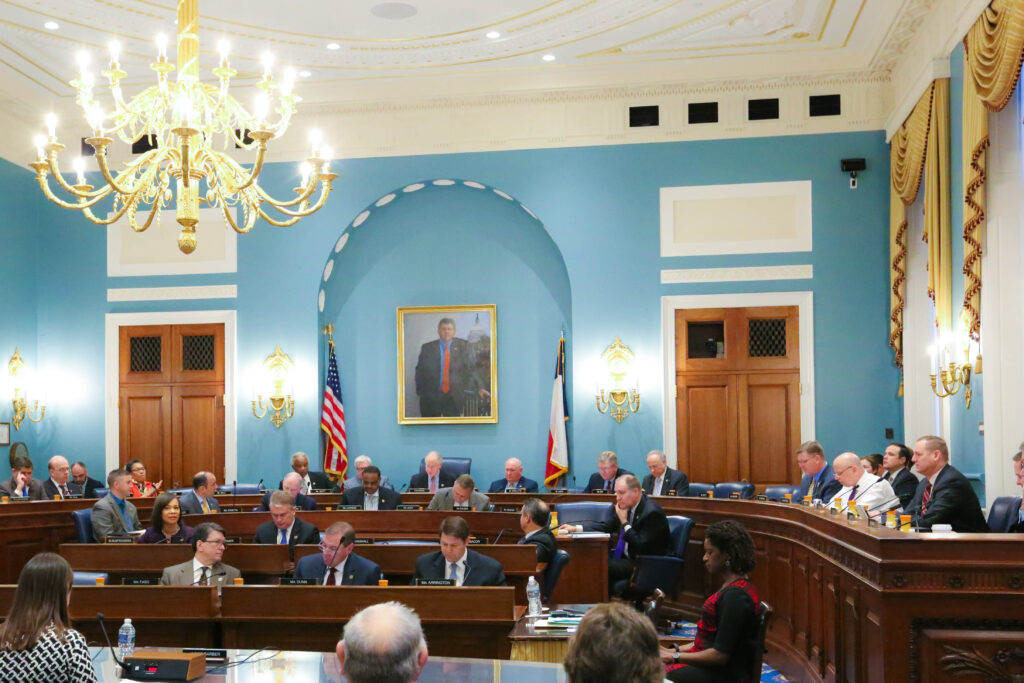
House Committee on Agriculture Chairman Glenn "GT" Thompson (PA-15) released the following statement after releasing the Farm, Food, and National Security Act of 2026:
"A new farm bill is long overdue, and the Farm, Food, and National Security Act of 2026 is an important step forward in providing certainty to our farmers, ranchers, and rural communities. We made historic agricultural investments last summer in the Working Families Tax Cuts (H.R. 1), but there are many key policy components that remain to be addressed. With that in mind, the House Committee on Agriculture will begin marking up a new farm bill February 23.
"This bill provides modern policies for modern challenges and is shaped by years of listening to the needs of farmers, ranchers, and rural Americans. The farm bill affects our entire country, regardless of whether you live on a farm, and I look forward to seeing my colleagues in Congress work together to get this critical legislation across the finish line."
Ranking member Angie Craig of Minnesota sees the Chairman's proposal as not enough: "Our review of the legislative text is ongoing. Based on what I know, the Republican farm bill fails to meet the moment facing farmers and working people. Farmers need Congress to act swiftly to end inflationary tariffs, stabilize trade relationships, expand domestic market opportunities like year-round E15 and help lower input costs. The Republican majority instead chose to ignore Democratic priorities and focus on pushing a shell of a farm bill with poison pills that complicates if not derails chances of getting anything done. I strongly urge my Republican colleagues to drop the political charade and work with House Democrats on a truly bipartisan bill to address the very real problems farm country is experiencing right now – before it's too late."
The full text of the bill can be found here.
View a short overview here and a title-by-title summary here.
The overview can also be seen below:
Oklahoma Peanuts: High Quality and Shifting Markets Define the 2025-2026 Outlook:
While Oklahoma may be better known for its vast wheat fields, the state's peanut industry continues to carve out a reputation for producing some of the highest-quality nuts in the world. In a recent conversation with Farm Director KC Sheperd, David Nowlin, Executive Director of the Oklahoma Peanut Commission, shared insights into the successful 2025 harvest and the evolving landscape for 2026.
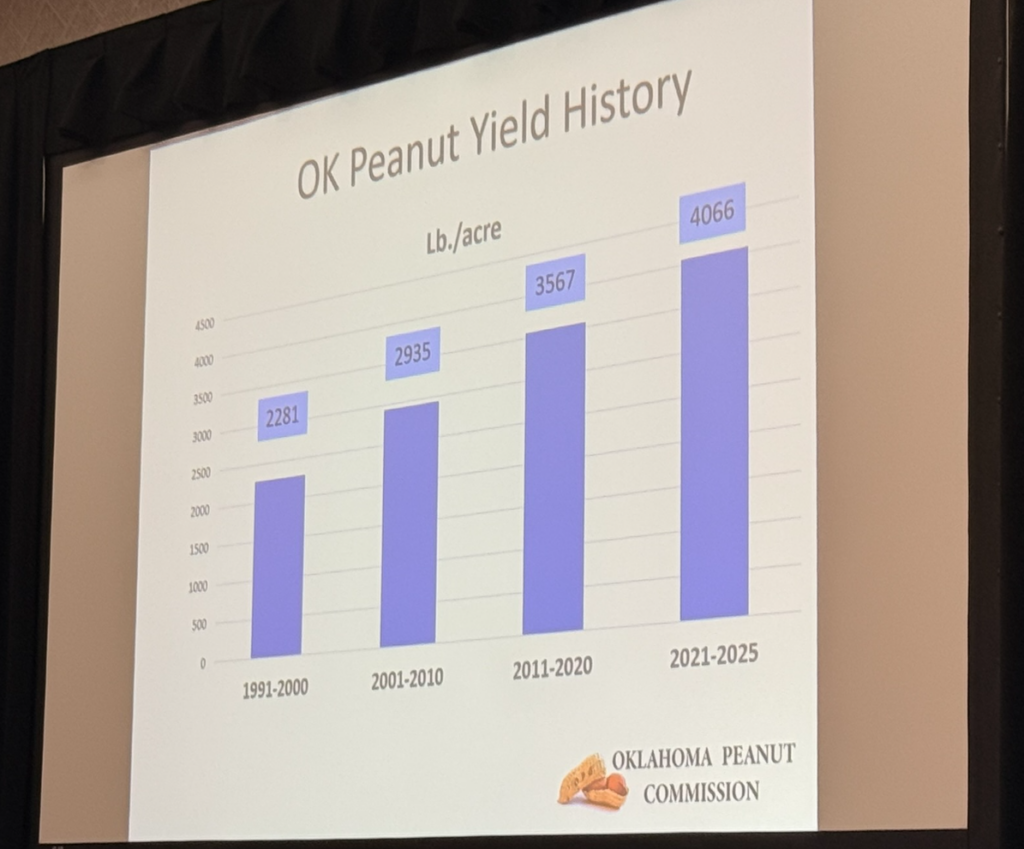
Oklahoma growers saw impressive numbers in 2025, maintaining a five-year streak of solid yields. Despite the challenges of the region's climate, the state averaged roughly 4,105 pounds per acre.
"We ended up with a two-ton county-statewide average... and that's pretty good," Nowlin remarked. "Our growers do an amazing job. They're very conscientious that we produce a safe, high-quality peanut."
Currently, Oklahoma maintains between 17,000 and 19,000 acres of peanut production. While this is significantly lower than the 100,000 acres seen prior to the 2002 program changes, the focus has shifted toward premium quality rather than sheer volume.
One of Oklahoma's secret weapons is its soil and water composition. While other regions often struggle with "hollow heart"—a condition caused by boron deficiency—Oklahoma's natural resources provide a built-in solution.
"Our irrigation water just naturally has a little boron in it, so when they water, they solve that issue," Nowlin explained.
Additionally, the state's rigorous three-year crop rotation strategy keeps disease and insect pressures much lower than those in major southern growing hubs like Georgia. This translates to a cleaner, more reliable product for manufacturers.
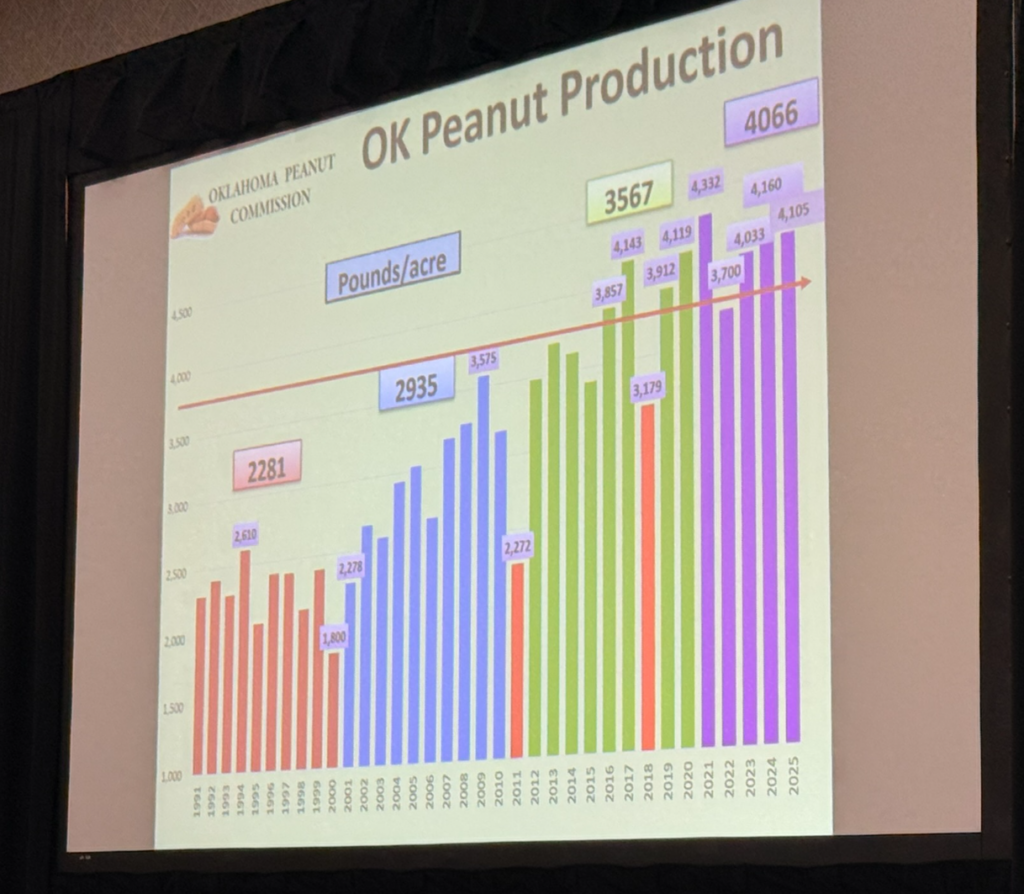
The peanut industry is currently witnessing a shift in consumer and manufacturing demand. Historically, Oklahoma has grown the Runner peanut, the staple for peanut butter. However, the market is pivoting toward specialty varieties:
Nowlin noted that while low commodity prices may lead to a slight decrease in acreage for the 2026 season, the final outlook won't be clear until contract prices and demand are finalized in the spring.
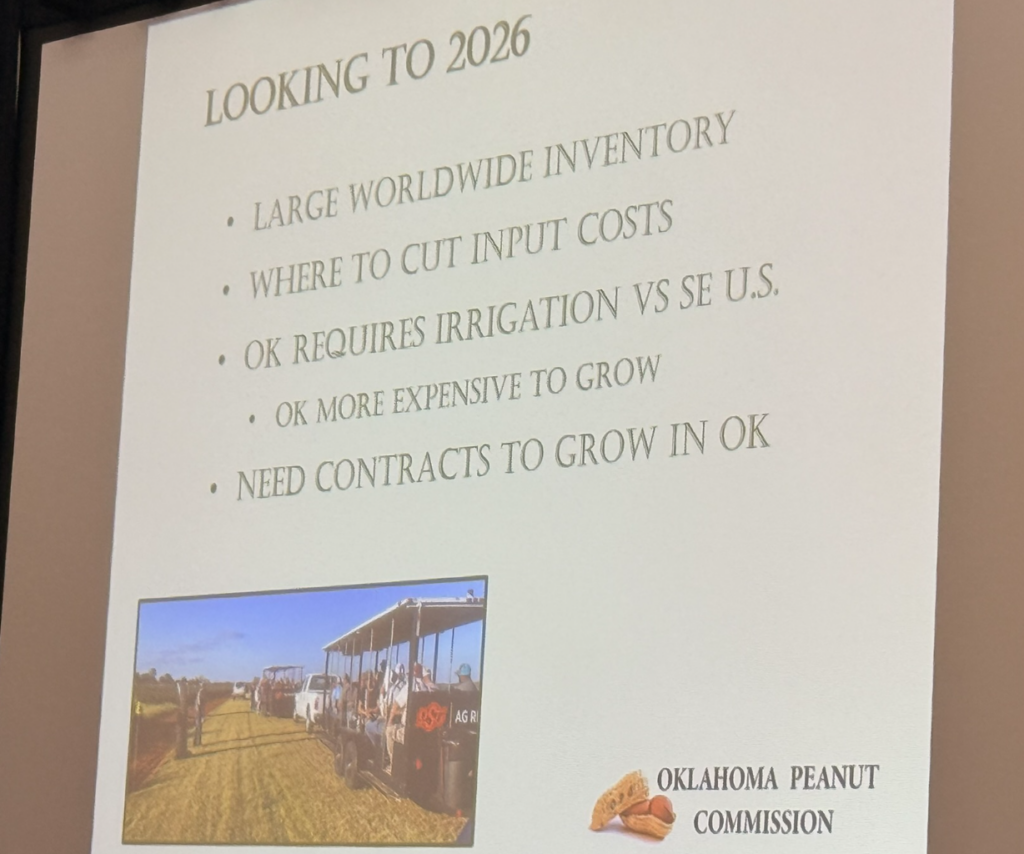
Oklahoma's position on the "north edge" of the peanut belt presents unique challenges, specifically the need for shorter-season varieties. Nowlin highlighted the critical role of organizations like the USDA ARS and private companies like ACI in developing varieties that can thrive in a shorter window.
While the industry awaits the 2026 season to take shape, Oklahoma growers' commitment ensures the state remains a vital player in the high-end peanut market.
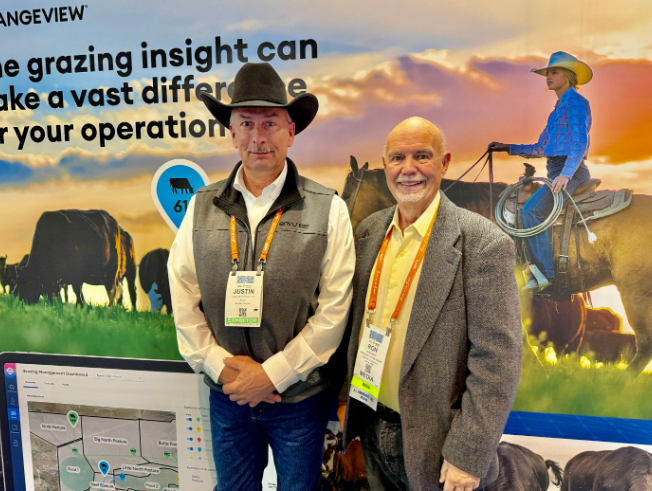
In today's beef buzz, senior farm and ranch broadcaster Ron Hays speaks with Justin Hossfeld, National Sales Manager for Range and Pasture with Envu, about how new technology is changing the way ranchers manage grass, cattle, and time. Hossfeld emphasized that Envu is uniquely focused on range, pasture, and environmental science. As he explained, "We are solely focused on range and pasture and environmental science, which makes us pretty unique compared to other companies that may have some distractions being in too many other businesses."
Hossfeld said Envu's approach starts with targeted herbicide solutions and extends into digital management tools designed specifically for grazing operations. "We don't handle just real common-use herbicides," he noted. "We look for actives that are very specific and have a very specific site of action." That product line is supported by Envu's digital platform, RangeView, which helps ranchers evaluate forage quantity and quality, identify invasive species, and make more informed grazing decisions.
A key part of the conversation centered on how RangeView supports day-to-day pasture management. "What RangeView can do is help you look at the forage you have, the quality of forage you have, maybe some invasive species you would like to remove," Hossfeld said. From there, the platform allows producers to set up grazing rotations and alerts so they can manage utilization more precisely. "A lot of times we don't get to graze at all before we have to move," he added, noting how technology helps fine-tune those decisions.
That precision increases even more through Envu's partnership with Ceres Tag, which integrates animal performance data with pasture information. "Within a three-meter pixel, at any time, we can see how much is grazed, the health of that, and you really start to get that in-depth knowledge of that pasture," Hossfeld explained. He said this kind of insight is especially valuable in today's labor-tight environment. "Technology should work for you. You shouldn't work for it," he told Hays, pointing to features like GPS cattle locations and water tank monitors that save hours of checking pastures in person.
For producers wondering how practical the system is, Hossfeld said it scales well for typical ranch operations. Ranchers purchase the tags, enable them through the RangeView platform, and pay a monthly per-tag fee to integrate all the data. The payoff, he said, comes through proactive, real-time management. "We're collecting this data every six hours and every day," Hossfeld said. "So it's not reacting to something—you're proactive, you're getting that data real time and making the right decision when you need to." He added that the return on investment from combining pasture and livestock technologies "is as high as any other investment you could make."
Coverage of CattleCon26 is powered by Farm Data Services of Stillwater, Oklahoma.
The Beef Buzz is a regular feature heard on radio stations around the region on the Radio Oklahoma Ag Network and is a regular audio feature found on this website as well. Click on the LISTEN BAR for today's show and check out our archives for older Beef Buzz shows covering the gamut of the beef cattle industry today.
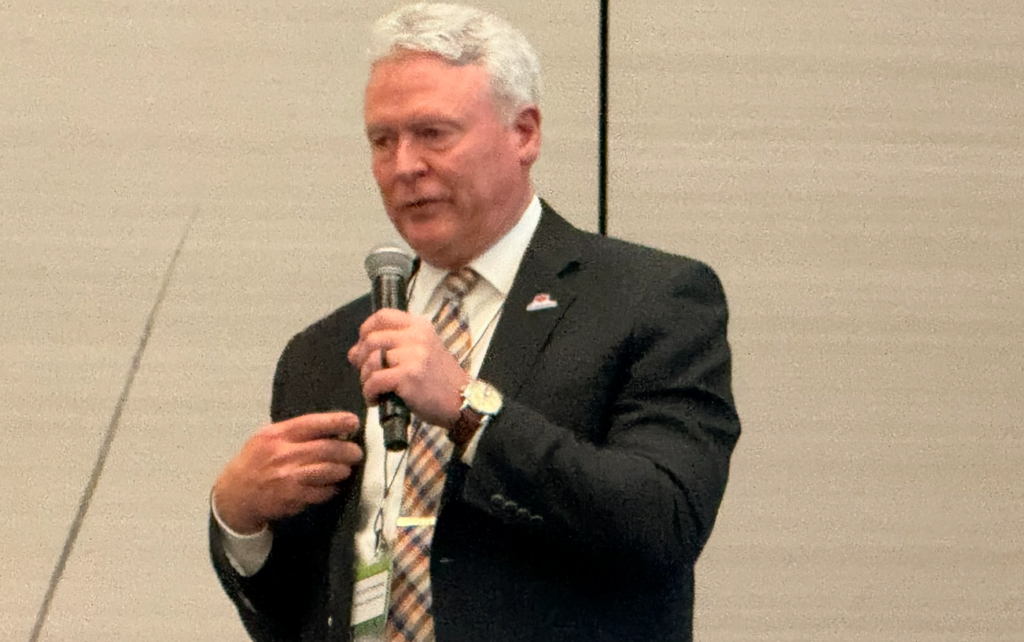
Oklahoma State University (OSU) is entering a transformative period for its agricultural research and education programs, marked by record-breaking enrollment and significant investment in modern infrastructure. In a recent conversation with Radio Oklahoma Ag Network Farm Director KC Sheperd, Dr. Scott Senseman, Associate Vice President of the Oklahoma Agricultural Experiment Station, highlighted the university's strategic vision for the future of Oklahoma agriculture.
The College of Agriculture at OSU is currently experiencing unprecedented growth. Dr. Senseman noted that the university's enrollment numbers are a point of pride, particularly given national trends. A key driver for this success is the new Agricultural Hall, which has become a cornerstone for recruiting new students and families.
"We've got an unfair recruiting tool in our new building for Ag, and that's Ag Hall. That has been a real awesome thing to show new families coming through with their kids and potential students." — Dr. Scott Senseman
Beyond the main campus, OSU is securing substantial funding to upgrade its research stations across the state. Recent developments include:
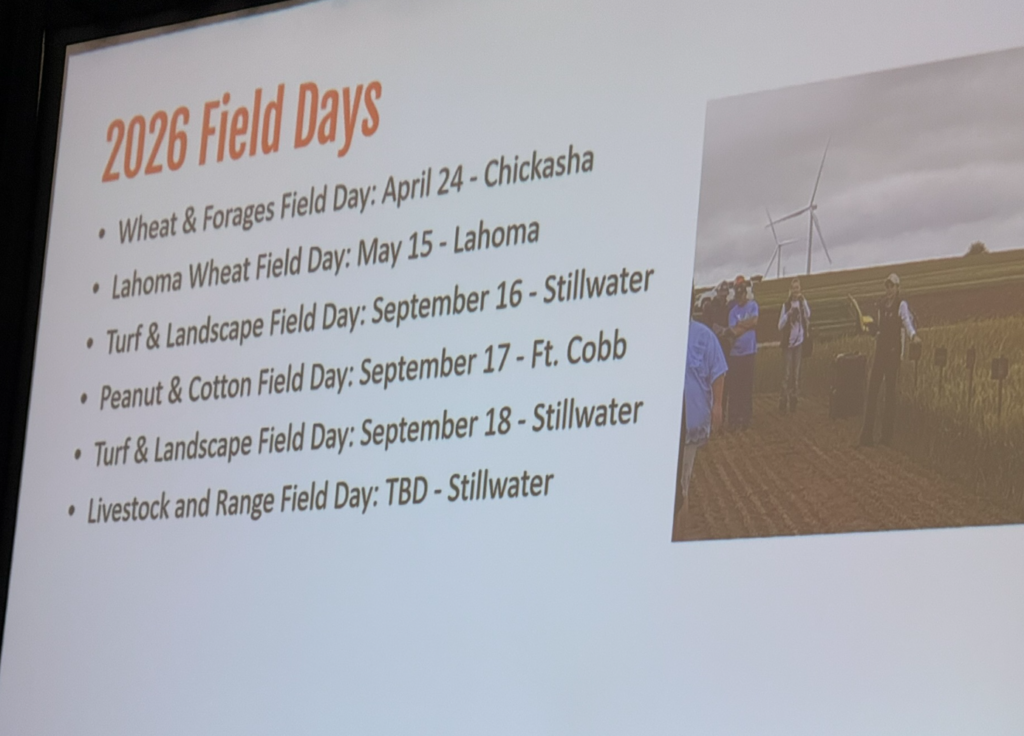
A vital component of OSU's mission is the "marriage" between research and extension, best demonstrated by the annual Field Days. These events provide a platform for producers and stakeholders to see firsthand the work that is "changing Oklahoma for the better".
Dr. Senseman emphasized the importance of these events, noting that the university is scheduling them more intentionally to ensure participation by key leaders, including the University President and the Secretary of Agriculture. "We are very proud of the information we are getting from all those field days and the work that is going on that is really put on a pedestal there for each one of those events," Senseman said.
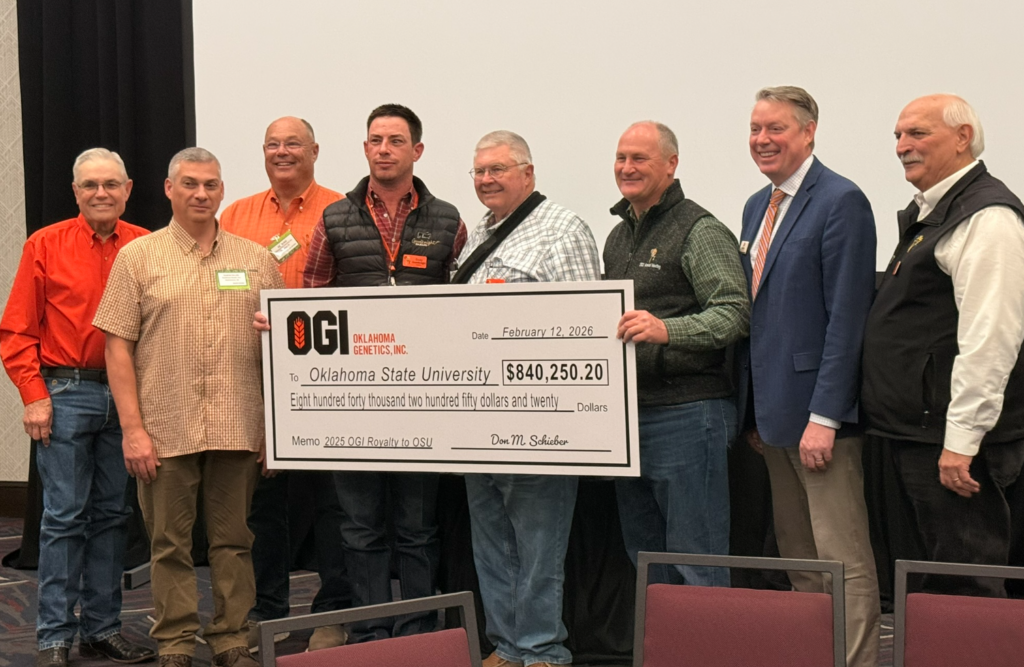
Looking ahead, OSU is implementing a new system-wide strategic plan that extends beyond the Stillwater campus to include all outlying research and extension activities. This plan aims to ensure the university directly addresses the most pressing questions and challenges facing Oklahoma's agricultural industry today.

Senator Tom Woods, R-Westville, issued the following statement Thursday after the State of Oklahoma finalized settlements totaling $25.5 million with Tyson Foods and Cargill, resolving two decades of litigation in Oklahoma v. Tyson Foods, Inc.
"In numerous townhalls, discussions, and farm visits I held across Senate District 4, I heard serious concerns from hundreds of poultry farmers and families who feared losing their livelihoods due to the ongoing litigation in Oklahoma v. Tyson. The continued uncertainty threatened not just individual farms, but also placed our rural communities at risk of economic downfall if poultry corporations were to cease operations in the state.
"These agreements put us one step closer to putting this case behind us, and I am thankful eastern Oklahoma poultry producers can now confidently operate and expand their farms without fear of losing contracts or their income.
"The steps outlined in the settlements with Tyson and Cargill will help further restore and protect our natural resources while providing long-term certainty and stability for poultry producers across the region.
"I am extremely grateful to Senate Pro Tem Lonnie Paxton, Representative David Hardin, and the many state leaders who joined me in this fight and remained committed to defending the livelihoods of our poultry producers and upholding the strength and stability of our rural economies."
Today, the National Cattlemen's Beef Association (NCBA) welcomed the announcement that U.S. beef exports will gain duty-free access to Taiwan under a new trade agreement. The agreement removes both tariff and non-tariff barriers, strengthening one of the most important and fastest growing markets for U.S. beef.
"Strong, science-based trade agreements are essential to adding value for U.S. cattle producers, and Taiwan has emerged as one of the strongest international markets for U.S. beef. Duty-free access improves competitiveness and provides long-term certainty for producers who depend on export markets to maximize the value of every animal," said NCBA President Gene Copenhaver. "Foreign markets play a critical role in producer profitability with beef exports accounting for more than $415 per fed cattle processed in 2024. American cattle producers look forward to this expanded market access for years to come thanks to the work of President Trump and U.S. Trade Representative Ambassador Jamieson Greer."
The Agreement on Reciprocal Trade (ART) between the U.S. and Taiwan is a big victory for U.S. cattle producers and consumers in Taiwan. Taiwan is currently the sixth largest export market for U.S. beef, valued at $709 million in 2024. The landmark trade deal eliminates tariffs on U.S. beef and breaks down non-tariff barriers by reinforcing science-based standards consistent with the World Organization for Animal Health and Codex Alimentarius.
The National Association of Wheat Growers (NAWG) awarded Senator Jerry Moran (R-KS), Senator Amy Klobuchar (D-MN), Senator Boozman (R-AR), and Congressman Glenn "GT" Thompson (R-PA 15) with its 2025 Wheat Advocate award. The Wheat Advocate Award honors members of Congress who demonstrate outstanding leadership and commitment to policies that strengthen the U.S. wheat industry and support America's wheat farmers.
"These leaders have consistently shown up for wheat growers by advancing practical, bipartisan policies that help farmers manage risk, remain competitive, and continue producing a safe and reliable food supply," said NAWG President Pat Clements. "NAWG is proud to recognize their leadership and thank them for their dedication to wheat farmers and rural communities."
"American wheat farmers are a critical component of our nation's food supply," Rep. Thompson said. "NAWG works tirelessly to ensure our wheat farmers receive the resources they need to succeed, and I thank them for their leadership. I am honored to be named a Wheat Advocate, and I look forward to continuing to support our wheat farmers through meaningful policies."
"America's wheat farmers play a vital role in feeding the world. I'm honored to receive the Wheat Advocate award and to champion policies that equip these hardworking men and women with the tools and resources they need. I look forward to continuing efforts that strengthen our wheat industry and support the next generation of farmers,' said Senator John Boozman.
"I'm honored to receive this award from the National Association of Wheat Growers and the Minnesota Association of Wheat Growers who do great work advocating for wheat farmers across the country. My focus in the Senate has been on finding bipartisan policy solutions that can help farmers succeed, like making crop insurance more affordable for beginning and veteran farmers and expanding risk management options for all producers," said Senator Klobuchar.
"Wheat growers are the backbone of Kansas' agricultural economy. These men and women play a critical role in supporting rural communities and growing crops that feed Americans and the hungry around the world. Kansas has a long history in the fight against global hunger through Food for Peace, and I will continue my work to support this critical program, which strengthens global food stability and provides important markets for our farmers. As a member of the Senate Agriculture Committee, I'm committed to making certain that Kansas and U.S. wheat producers have the support and access to markets they need to sell their crops. Thank you to the National Association of Wheat Growers for their leadership and advocacy on behalf of America's wheat growers," said Senator Moran.
Senator Jerry Moran (R-Kan.):
Senator Moran has been a strong supporter of efforts to move the Food for Peace program from USAID to USDA and has demonstrated longstanding engagement on agricultural issues throughout his career. As a senior member of the Senate Appropriations Subcommittee on Agriculture, he has played a key role in supporting agricultural research, rural development programs, and farm policy critical to wheat producers.
Senator Amy Klobuchar (D-Minn.):
Senator Klobuchar serves as the ranking member of the Senate Agriculture, Nutrition, and Forestry Committee and has been a champion for farm safety net programs and a steadfast advocate for America's wheat growers. She brings bipartisan leadership to agricultural policy, consistently working across the aisle to advance durable, effective legislation. Senator Klobuchar played a key role in securing important updates to the Beginning Farmer and Veteran Farmer Program, helping ensure the next generation can enter and succeed in agriculture. She is also a strong proponent of crop insurance and recognizes its critical role in managing risk for wheat producers. Additionally, she has long supported foreign market development and trade policies that expand opportunities for U.S. wheat exports, as well as global food security initiatives.
Senator John Boozman (R-Ark.):
As Chairman of the Senate Agriculture Committee, Chairman Boozman played a central role in securing farm safety net improvements for wheat growers through the reconciliation process in 2025. He was a key architect and advocate for including agricultural provisions in H.R. 1, the One Big Beautiful Bill Act, helping ensure producers received meaningful support during a period of ongoing market volatility and high input costs. Chairman Boozman has consistently prioritized policies that strengthen risk management tools and provide certainty for farm families, while advancing legislation aligned with NAWG priorities to bolster the long-term viability of U.S. wheat production.
Representative Glenn "GT" Thompson (R-Pa.-15):
As Chairman of the House Agriculture Committee, Chairman Thompson demonstrated strong leadership for wheat growers by advancing meaningful farm safety net improvements through reconciliation in 2025. Working closely with House leadership and committee members, he ensured key agricultural provisions were included in H.R. 1, delivering timely and targeted relief to producers facing sustained economic pressure.
NAWG congratulates and thanks the 2025 Wheat Advocate Award recipients for their continued leadership and support of wheat growers across the United States.
Agricultural education and connecting consumers to production agriculture were front and center during a conversation with Oklahoma Secretary of Agriculture Blayne Arthur and Farm Director KC Sheperd at the OGI Wheat meeting. Arthur emphasized the importance of exposing the next generation—and the general public—to modern agriculture, noting that Oklahoma has "the best 4-H and FFA programs in the United States," along with a strong Ag in the Classroom effort. She added that simple interactions can matter most, saying, "sometimes just us inviting somebody out during wheat harvest makes a big, big difference, so consumers know what's happening in production ag."
Arthur also highlighted the governor's new initiative showcasing the "Faces of Oklahoma Agriculture," which follows last year's focus on youth in agriculture. She said the goal is to highlight both the diversity of production and the people behind it, explaining that agriculture "looks so different as you travel across Oklahoma." Arthur encouraged the public to get involved, noting, "if folks have suggestions of someone that we can highlight as a face of Oklahoma Ag, we encourage you just to reach out to us at the Department of Ag."
Dry conditions are again becoming a concern across the state, particularly for wheat producers, and Arthur acknowledged drought is creeping back into the picture. "It's certainly very, very dry," she said, adding that moisture would be welcome statewide. Arthur praised the Legislature for supporting the Emergency Drought Commission, explaining that funding allows the state to be both reactive and proactive through projects like pond cleanouts and new water wells. "Anything that we can do to help our producers anytime, but especially during droughts, is important," she said.
Legislative support for agricultural research was another key topic, particularly funding for Oklahoma State University's wheat breeding program. Arthur stressed the statewide impact of that work, noting, "over 50% of the wheat planted in Oklahoma is an OSU variety." She explained why that matters to consumers, saying it directly supports "the safest, most affordable food supply in the world," and added that the Department of Agriculture will continue telling that story at the Capitol.
The conversation closed with praise for the upcoming Oklahoma Youth Expo, which Arthur called "the world's largest Junior Livestock Show." She credited the staff, sponsors, and commodity groups that make the event possible and highlighted the millions of dollars in scholarships awarded to students. "Without a doubt," Arthur said, "I believe OYE is one of the very, very best things that we do in Oklahoma."
RON's Dave Lanning has a pre-opening look at today's agricultural Markets.
Click the audio tab below for today's report.
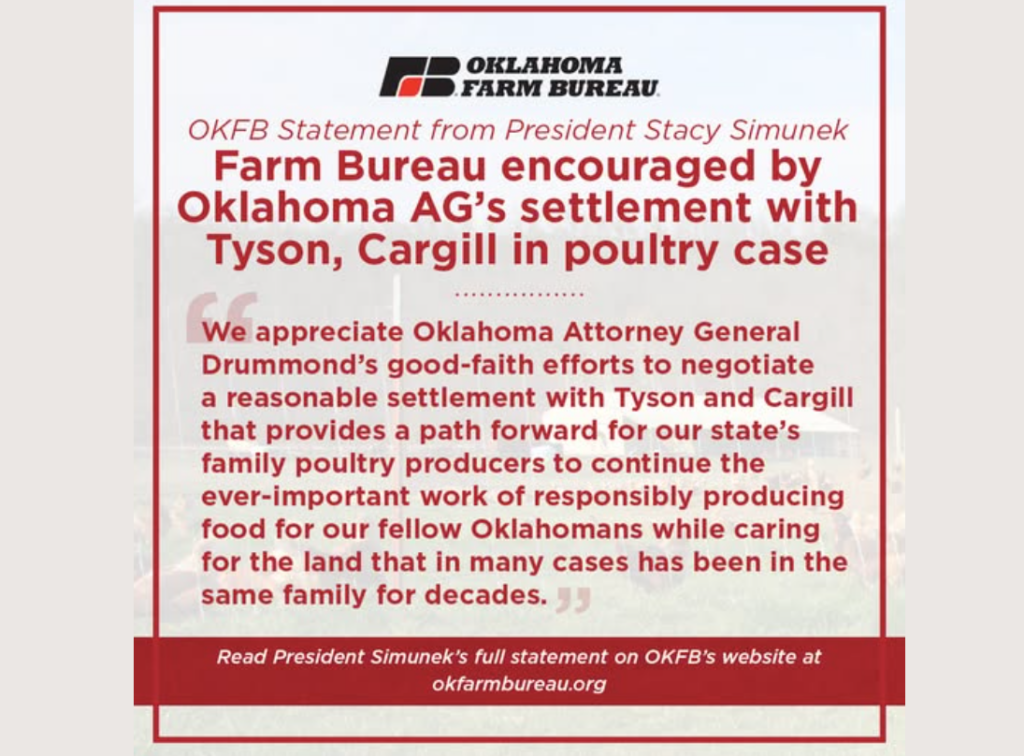
Oklahoma Farm Bureau President Stacy Simunek issued the following statement after Oklahoma Attorney General Gentner Drummond announced a settlement between the State of Oklahoma, Tyson and Cargill in the decades-long State of Oklahoma v. Tyson Foods, Inc., et al., lawsuit regarding the application of chicken litter in the Illinois River Watershed.
"Oklahoma Farm Bureau members are encouraged by the State of Oklahoma's settlement with Tyson Foods and Cargill to bring an end to the decades-long uncertainty our family poultry producers have faced due to the ongoing lawsuit over poultry litter in the Illinois River Watershed.
"Family farmers stood to lose the most from this long-running litigation as they did everything asked of them to care for their animals while taking on voluntary environmental stewardship efforts to protect our land, water and shared natural resources.
"We appreciate Oklahoma Attorney General Drummond's good-faith efforts to negotiate a reasonable settlement with Tyson and Cargill that provides a path forward for our state's family poultry producers to continue their ever-important work of responsibly producing food for our fellow Oklahomans while caring for the land that in many cases has been in the same family for decades. "Our members still have questions and concerns about the settlement's agreement to a court-appointed Special Master, which would create a burdensome regulatory structure in our state. However, we appreciate the cooperation between the attorney general and the poultry companies to provide certainty to our agricultural producers."
*************
Governor Kevin Stitt issued the following statement after the announcement of two more poultry settlements.
"After three years of gridlock and failed talks, I'm glad the Attorney General finally heeded my calls to get serious about negotiations, although it may be too late. Now that Judge Frizzell has issued a summary judgment, these settlements could be at risk of being denied by the court," said Governor Stitt.
"We need to remember who the real heroes of this latest settlement are: Oklahoma's farmers and ranchers. I applaud Megan Langley, a brave Oklahoman who stood up, shared her family's story, and refused to give up when it looked like hope was nearly lost. I also applaud the Oklahoma Cattlemen's Association for pulling their endorsement of the Attorney General in response to his extreme position on this issue; it sent a clear message that rural Oklahoma won't be taken for granted."
"We must all continue to fight the good fight until every single Oklahoma grower is protected and our agricultural communities have certainty."
*************
Senator Tom Woods, R-Westville, issued the following statement Thursday after the State of Oklahoma finalized settlements totaling $25.5 million with Tyson Foods and Cargill, resolving two decades of litigation in Oklahoma v. Tyson Foods, Inc.
"In numerous townhalls, discussions, and farm visits I held across Senate District 4, I heard serious concerns from hundreds of poultry farmers and families who feared losing their livelihoods due to the ongoing litigation in Oklahoma v. Tyson. The continued uncertainty threatened not just individual farms, but also placed our rural communities at risk of economic downfall if poultry corporations were to cease operations in the state.
"These agreements put us one step closer to putting this case behind us, and I am thankful eastern Oklahoma poultry producers can now confidently operate and expand their farms without fear of losing contracts or their income.
"The steps outlined in the settlements with Tyson and Cargill will help further restore and protect our natural resources while providing long-term certainty and stability for poultry producers across the region.
"I am extremely grateful to Senate Pro Tem Lonnie Paxton, Representative David Hardin, and the many state leaders who joined me in this fight and remained committed to defending the livelihoods of our poultry producers and upholding the strength and stability of our rural economies."
President Paul Rowsey Of Save the Illinois River gave the following Statement;
Save the Illinois River, Inc. (STIR) is pleased to see that The State of Oklahoma, Tyson, and Cargill have reached a settlement in the long-standing lawsuit involving poultry litter pollution in the Illinois River Watershed. We believe this outcome is beneficial to the community at-large, the environment and water quality in the watershed, our local farmers and agricultural growers, and the settling defendants. As we have stressed previously, clean water and agriculture interests can co-exist for the benefit of all. We are hopeful that the remaining defendants in the lawsuit will recognize their corporate responsibility and move forward with reaching a settlement. Most importantly, we are encouraged that remediation of previous pollution and the restoration of impaired water can immediately begin. STIR will continue to advocate for the preservation of the Illinois River, Flint Creek, Barren Fork Creek, Lake Tenkiller, and their tributaries."
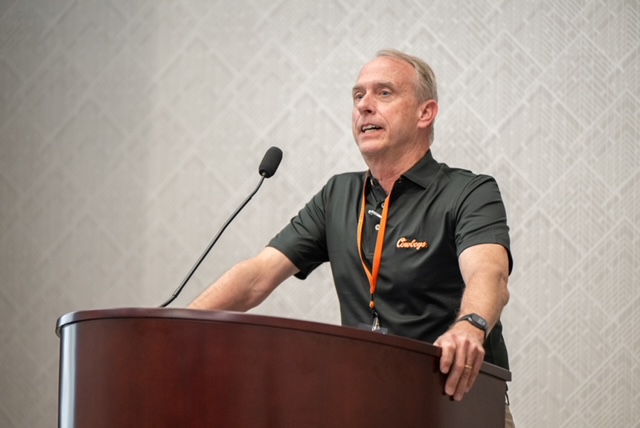
photo courtesy of Ben Winters
New OSU Wheat Variety Wyatt Combines Yield Potential and Strong Management Fit
The Oklahoma State University wheat breeding program marked a milestone moment as Dr. Brett Carver unveiled a new hard red winter wheat variety during a conversation with Ron Hays. Speaking at the annual meeting of Oklahoma Genetics Incorporated in Oklahoma City, Carver described the release as a significant step forward for wheat producers across the Southern Plains, noting the extensive testing and careful decision-making that led to the launch of the variety now known as Wyatt.
Explaining how the new wheat variety got its name, Brett Carver, head wheat breeder at Oklahoma State University, said naming is never taken lightly. "Every variety goes through this... otherwise it'd just be numbers," Carver explained. With parentage tracing back to Smith's Gold and Gallagher—both tied to OSU—Carver said wrestling felt "in the DNA of this variety." Inspired by OSU's recent national championship, he added, "We need to honor that... so we're going to name it Wyatt, after Wyatt Hendrickson."

Carver emphasized the symbolic fit of the name, noting that Hendrickson hails from Newton, Kansas. "That is the heart of wheat country in the Great Plains," he said, calling the connection "a perfect match." Beyond the name, Carver told Ron Hays the variety brings strong agronomic promise, highlighting high yield potential when managed correctly. "It really needs to have the nitrogen management to get that yield up, and therefore we'll keep the protein up," he said.
Disease resistance and management were also key parts of the discussion. Carver was candid about the need for fungicide under heavy disease pressure. "If we really get banged up hard with leaf rust early, it's going to need a fungicide," he said, adding that even then, "that amount of fungicide... will put money in the farmer's pockets. You'll have to spend money, but you'll get it back, and then some." Stripe rust protection, he noted, is solid but still requires attention in high-pressure years.
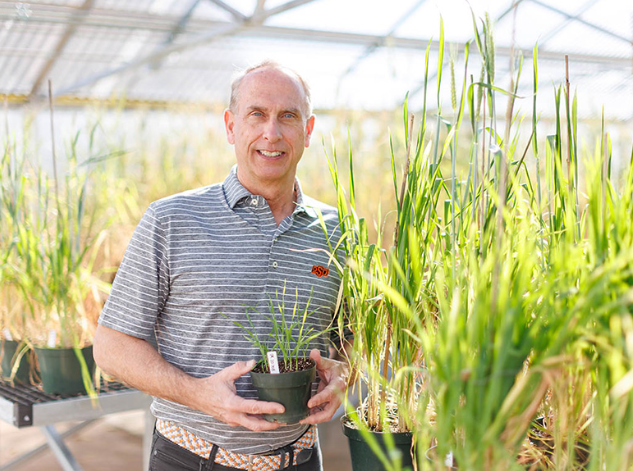
After six years of yield testing—longer than average—Carver said the balance between yield and quality finally made sense. "I wanted to look at it some more," he said, acknowledging that while Wyatt may not quite match Smith's Gold in top-tier quality, it comes close. With proper nitrogen management, grazing flexibility, and strong kernel size, Carver concluded, "Manage it right, and I think farmers are really going to be happy with it."
Carver announced the new wheat variety and its name at the annual Oklahoma Genetics, Inc. meeting on Thursday in Oklahoma City.
The following are the attributes of the Wyatt variety:
Very large kernel size with acceptable test weight and strong milling quality
A high-yielding ceiling with excellent straw strength and intermediate height
Average protein content
Moderately strong adult plant resistance to stripe rust
Moderate resistance to leaf rust, with fungicide application being necessary within environmentally challenged conditions to maintain kernel size and yield
Moderately strong resistance to barley yellow dwarf
Intermediate resistance to tan spot
Good grazing tolerance and yield recovery from grazing
Variable baking quality with slightly below average dough strength
Moderate susceptibility to Septoria nodorum blotch and Septoria tritici blotch under severe pressure
Low tolerance to suboptimal nitrogen applications
Wyatt has moderate but variable gluten strength that would be best used in commodity grain channels where it would be blended with other varieties and sources, according to Carver.
Additionally, OSU Ag News released this feature story about the new wheat variety:
New OSU variety is the heavyweight champion of wheat- From the mat to the field, the debut of a new wheat variety highlights the competitiveness and grit that define Oklahoma State University. On its way to market this fall, the variety is perhaps OSU's most widely adapted since Duster in the early 2000s.
"This variety will compete on the farm at the highest levels of yield potential," said Dr. Brett Carver, wheat genetics chair and Regents professor in the OSU Department of Plant and Soil Sciences.
"I could have just as easily called it 'Heavyweight' because if it was a wrestler, that is the weight class it would compete in. Currently, we don't have any other varieties with this level of yield competitiveness and straw strength to keep them standing in the field under typical Oklahoma conditions in June."
This heavyweight title inspired Carver in naming the experimental variety OK20708. The variety's commercial name will be Wyatt after former OSU wrestler Wyatt Hendrickson.
Hendrickson wrestled at OSU for one season, accumulating an undefeated regular season record and qualifying for the NCAA Championships as the No. 2 seed in the heavyweight class. He won an individual NCAA Division I championship in 2025. He became the 145th national champion in OSU history and was the third OSU wrestler to win the Dan Hodge Trophy, awarded to the nation's best collegiate wrestler.
Carver announced the new wheat variety and its name at the annual Oklahoma Genetics, Inc. meeting on Thursday in Oklahoma City. OGI is a nonprofit made up of Oklahoma seed producers and processors, who partner with OSU's Wheat Improvement Team to market, license and distribute OSU-developed wheat varieties.
"OSU Agriculture is committed to developing wheat varieties that give producers the strength, resilience and performance they need to stay competitive," said Dr. Jayson Lusk, vice president and dean of OSU Agriculture. "Each new release reflects years of research and a dedication to delivering exceptional varieties. If we can create the heavyweight champion of wheat with outdated facilities, imagine what we can do with modernized facilities."
Wheat discoveries at OSU start at the Agronomy Research Station. OSU is investing in the future of OSU's wheat breeding program by modernizing wheat research with the Agronomy Discovery Center, which will include a new headhouse, research greenhouses and a dynamic and multipurpose Research and Education Center.
During wheat research trials supported by the USDA-Agricultural Research Service, Wyatt wheat performed well across the Great Plains from central Texas to Central South Dakota, ranking as a top yielder in Kansas and Nebraska in 2024 and in Texas and South Dakota in 2025. In 2020-2023, Wyatt demonstrated yield superiority over three competitive OSU varieties — Showdown, Smith's Gold and High Cotton, averaging five or more bushels per acre more than Showdown and six bushels per acre more than Smith's Gold in 2021-2023.
Carver said the OSU wheat breeding program does not typically have experimental lines winning USDA-ARS yield trials in Nebraska, South Dakota and central Texas, particularly all at the same time.
Wyatt was bred from Romanian variety FDL Miranda and OSU variety Smith's Gold, giving it lineage to OSU variety Gallagher, another variety with strong yield. By 2017, the Miranda variety accounted for the second-highest area of seed wheat produced in Romania. Both Miranda and Smith's Gold have strong yield properties, with Smith's Gold also carrying strong stripe rust resistance.
"I usually prefer many of our varieties to be marketed without blending because they stand so well on their own for baking functionality, but this one does not have enough dough strength to stand on its own," Carver said. "But Wyatt can provide good baking performance with a reasonable balance of dough strength and extensibility. That, combined with an exceptional kernel size, carries a dual benefit for both farmers and millers."
It seems appropriate that the heavyweight champion of wheat should be announced at the height of OSU's wrestling season as the OSU heavyweight champions of wrestling prepare to face off against Virginia Tech at 1 p.m. Sunday in Blacksburg, Virginia. One final home match will be fought on Feb. 22, and the Big 12 Championship is slated for March 6 in Tulsa.
"We're incredibly grateful to OSU Agriculture for honoring Wyatt in this way," OSU Wrestling said in a statement. "It's a powerful example of the Cowboy Code in action. Thank you, OSU Agriculture."
Today, Association of National Grasslands President, Public Lands Council (PLC) Board Member, and Wyoming rancher, Ty Checketts, testified in Senate Energy and Natural Resources Subcommittee on Public Lands, Forestry and Mining, in support of S.2787 the Grasslands Grazing Act of 2025. The Senate bill was introduced by Sen. Barrasso (R-WY) and the House companion bill of the same name, H.R. 6300, was introduced by Rep. Harriet Hageman (R-WY).
"The Grasslands Grazing Act remedies a long-standing inequity among grazing permittees that currently limits the due process protections for ranching operations on national grasslands. This bill would simply extend legal tools that are available to other permittees to those ranchers who steward 4 million acres of national grasslands," said Checketts. "Without these tools, it is harder to pass the ranching operation down to the next generation. Providing certainty for grasslands permittees helps to ensure producers can carry on the American tradition of ranching. Thank you to Senator Barrasso for championing this bill and we urge the Senate to pass this bill quickly."
Background
The Federal Land Policy and Management Act of 1976 (FLPMA) governs the process for grazing permits and agreements. FLPMA provides tools and protections to Forest Service and BLM permittees, but not National Grasslands permittees and associations. These rights include the ability to renew permits with a preference position, the ability to engage with the relevant agency in negotiating conditions and grazing levels, and clear expectations that a permit or agreements should only be cancelled with abundant notice. The modification sought by this legislation would create a more uniform, equitable and less confusing framework for the relationship between the Forest Service managers and permittees.
According to a news release from Oklahoma Attorney General Genter Drummond, he has announced today a breakthrough in Oklahoma's 20-year poultry litter pollution litigation, securing settlements totaling more than $25 million from Tyson Foods and Cargill. The settlements mark a turning point in one of the state's most significant environmental cases.
"For over two decades, Oklahoma has fought to protect the Illinois River Watershed and the natural resources that sustain our communities," Drummond said. "The decision to settle by Tyson and Cargill makes one thing unmistakably clear: corporate accountability is not optional, and protecting Oklahoma's water can, and must, go hand in hand with a strong poultry and agricultural industry. These settlements provide a path to move forward together, giving certainty for growers, protecting jobs and safeguarding Oklahoma's waters for future generations."
Under the consent judgments filed today, Tyson will pay $19 million for remediation and conservation of the Illinois River Watershed. Cargill, Inc. and Cargill Turkey Production will pay $6.5 million.
Under the settlements, both companies will:
Sources familiar with the proposal indicate that the Special Master will have only limited power regarding removing poultry litter from the watershed. Several members of the ag community that the Oklahoma Farm Report has reached out to continue to look into how Nutrient Management Plans fit into this proposal. We are also being told that the Judge Frizzell will still need to approve settlements being agreed to by the Attorney General's office and the companies. Today's announcement by the AG Drummond is with Tyson and Cargill, with Cal-Maine, Peterson Farms and Simmons yet to make a deal with the State. Drummond has announced today that the State releases all claims against both Tyson and Cargill with this agreement.
Nathan McKay, President of Poultry for Tyson, said the settlement brings resolution to the dispute, and it allows the company to focus on its growers and communities moving forward.
"Tyson Foods has reached a settlement with the State of Oklahoma to resolve the long-running Illinois River Watershed dispute. We believe this resolution is in the best interest of our growers and their communities in Northeast Oklahoma and Northwest Arkansas," McKay said. "Tyson Foods is fortunate to have been a part of the agricultural community in the region for our entire 90-year history, and we are deeply grateful for the support we have received from our growers, our neighbors, and elected leaders in both states to achieve this resolution. We are pleased to move forward with our growers in Oklahoma and Arkansas to focus together on our mission of feeding the world like family."
"Cargill appreciates the engagement of the Oklahoma Attorney General, the State of Oklahoma and local stakeholders in bringing this matter to a fair and reasonable resolution. We look forward to continuing to work and invest in Oklahoma," said a Cargill spokesperson.
Oklahoma v. Tyson Foods, Inc., originally filed in 2005, seeks to hold major poultry companies accountable for polluting the Illinois River Watershed with phosphorus from poultry waste. In December, a federal court issued a judgment holding the poultry companies jointly responsible and requiring cleanup and waste application restrictions.
"These agreements allow us to move beyond years of litigation and focus on real, measurable improvements in water quality," Drummond said. "My goal is to work toward comprehensive resolutions with the remaining defendants that protect the Illinois River Watershed while ensuring Oklahoma's poultry industry remains strong and sustainable."
George's, Inc., reached a settlement with the State last month.
The settlements with Cargill, George's and Tyson do not affect ongoing proceedings involving the other defendants: Cal-Maine, Peterson Farms and Simmons.
This article includes the news release from the office of the Oklahoma Attorney General and additional details uncovered by the Oklahoma Farm Report.

This week,U.S. Senator Markwayne Mullin (R-OK), a member of the Senate Armed Services Committee, had the honor of notifying young Oklahomans of their appointments to one of the five prestigious U.S. Service Academies.
In a video shared across his social media, Senator Mullin—recently appointed to the U.S. Air Force Academy Board of Visitors—called Byrch, a high school senior from Choctaw, to surprise him with the news of his acceptance to the U.S. Air Force Academy.
Each year, Senator Mullin's office accepts applications for congressional nominations for appointment to four of the five U.S. Service Academies: the U.S. Military Academy, U.S Naval Academy, U.S. Air Force Academy, and U.S. Merchant Marine Academy. The fifth service academy, the U.S. Coast Guard Academy, does not require a congressional nomination for appointment. If you or a qualified student you know are interested in potentially attending a U.S. Service Academy, interested Oklahomans can learn more and apply by October 9th, 2026.
The honor of attending a service academy comes with an obligation and commitment to serve in the military for a minimum of five years upon graduation.
"The decision to apply to a service academy is an incredibly personal and courageous one, and I am humbled to be a part of the process," said Sen. Mullin. "No matter the branch, rank, or role, each of our men and women in uniform play an important part in maintaining our national security and defending our way of life. I always encourage Oklahoma's qualified high school seniors to consider if this path is right for you. The responsibility of nominating exceptional students and notifying them of their appointments is easily one of the best parts of my job."
A 1080p Dropbox file of the video is available HERE for broadcast use.
Alongside President Trump in the White House's Roosevelt Room, U.S. Environmental Protection Agency (EPA) Administrator Lee Zeldin announced the single largest deregulatory action in U.S. history. In this final rule, EPA is saving American taxpayers over $1.3 trillion, eliminating both the Obama-era 2009 Greenhouse Gas (GHG) Endangerment Finding and all subsequent federal GHG emission standards for all vehicles and engines of model years 2012 to 2027 and beyond. The action also eliminates all off-cycle credits, including for the almost universally hated start-stop feature. EPA's historic move restores consumer choice, makes more affordable vehicles available for American families, and decreases the cost of living on all products by lowering the cost of trucks. This major deregulatory process included substantial public input and robust analysis of the law following the U.S. Supreme Court decision in Loper Bright Enterprises v. Raimondo and West Virginia v. EPA.
"The Endangerment Finding has been the source of 16 years of consumer choice restrictions and trillions of dollars in hidden costs for Americans," said Administrator Zeldin. "Referred to by some as the 'Holy Grail' of the 'climate change religion,' the Endangerment Finding is now eliminated. The Trump EPA is strictly following the letter of the law, returning commonsense to policy, delivering consumer choice to Americans and advancing the American Dream. As EPA Administrator, I am proud to deliver the single largest deregulatory action in U.S. history on behalf of American taxpayers and consumers. As an added bonus, the off-cycle credit for the almost universally despised start-stop feature on vehicles has been removed."
The 2009 Endangerment Finding was used to justify trillions of dollars in regulations, including the Obama and Biden Administrations' illegal push towards Electric Vehicle (EV) mandates and compliance requirements, while simultaneously driving up the cost of vehicles for American families and small businesses— limiting economic mobility and the American Dream. The final rule will save Americans over $1.3 trillion by removing the regulatory requirements to measure, report, certify, and comply with federal GHG emission standards for motor vehicles, and repeals associated compliance programs, credit provisions, and reporting obligations that exist solely to support the vehicle GHG regulatory regime. Americans will have certainty, flexibility and regulatory relief, allowing companies to plan appropriately, and empowering American families.
Returning the Rule of Law to EPA Regulations
In finalizing this rule, EPA carefully considered and reevaluated the legal foundation of the 2009 Endangerment Finding and the text of the Clean Air Act (CAA) in light of subsequent legal developments and court decisions. The agency concludes that Section 202(a) of the CAA does not provide statutory authority for EPA to prescribe motor vehicle and engine emission standards in the manner previously utilized, including for the purpose of addressing global climate change, and therefore has no legal basis for the Endangerment Finding and resulting regulations. EPA firmly believes the 2009 Endangerment Finding made by the Obama Administration exceeded the agency's authority to combat "air pollution" that harms public health and welfare, and that a policy decision of this magnitude, which carries sweeping economic and policy consequences, lies solely with Congress. Unlike our predecessors, the Trump EPA is committed to following the law exactly as it is written and as Congress intended—not as others might wish it to be.
Creating Policy Rooted in Reality
The Endangerment Finding was a legal prerequisite used by the Obama and Biden Administrations to regulate GHG emissions. In the 16 years since the Endangerment Finding, many of the predictions and assumptions used to justify the rule did not materialize. Using the same types of models utilized by the previous administrations and climate change zealots, EPA now finds that even if the U.S. were to eliminate all GHG emissions from all vehicles, there would be no material impact on global climate indicators through 2100. Therefore, maintaining GHG emission standards is not necessary for EPA to fulfill its core mission of protecting human health and the environment, but regardless, is not within the authority Congress entrusted to EPA. Today's action is only related to GHG emissions and does not affect regulations that combat criteria pollutants and air toxics. The Trump EPA's final rule dismantles the tactics and legal fictions used by the Obama and Biden Administrations to backdoor their ideological agendas on the American people.
Restoring the American Dream
Affordable vehicle ownership is essential to the American Dream and a primary driver of economic mobility out of poverty in the United States. The Endangerment Finding led to vehicle and engine regulations with an aggregate cost of more than $1 trillion and played a significant role in EPA's justification of regulations of other sources beyond cars and trucks, resulting in additional costly burdens on American families and businesses. Americans rely on vehicles to reach jobs, education, health care, and essential services. This is especially true in rural areas and regions without robust public transit. The costs imposed by these climate policies have placed new cars out of reach for many American families and harmed Americans' ability to climb out of poverty or reach essential services. The Trump EPA is expected to deliver Americans over $1.3 trillion in cost savings, which includes reduced costs for new vehicles and avoided costs of purchasing equipment related to EVs. This action will result in an average cost savings of over $2,400 per vehicle. By lowering vehicle and regulatory compliance costs, EPA is improving affordability and expanding consumer choice and ultimately advancing the American Dream by making it easier to reach jobs, grow small businesses, and participate fully in the transportation and logistics systems that power the U.S. economy.
Prioritizing Consumer Choice
The Endangerment Finding enabled the Obama and Biden Administrations' illegal push toward EV mandates. These mandates pressure the vehicle industry to phase down production of various models of traditional gasoline and diesel trucks and to reengineer their fleets towards uneconomic and infeasible electric technologies. The Obama and Biden Administrations also used the Endangerment Finding to support off-cycle credits to forcibly incentivize automakers into adopting unpopular systems, undermining consumer choice. An off-cycle credit is a government-created concept that let auto manufacturers meet federal GHG standards on paper, by adding features like the almost universally hated start-stop feature, resulting in questionable emission reductions. Automakers should not be forced to adopt or rewarded for technologies that are merely a climate participation trophy with no material benefit. The Trump EPA chooses consumer choice over posturing to climate change zealots every time. Today's announcement ends all off-cycle credits, eliminates EPA incentives for the start-stop button, and restores consumer choice. Americans will be able to buy the car they want, including newer, more affordable cars with the most up to date safety standards and that emit fewer criteria and hazardous air pollutants.
Collecting Substantial Public Input
Understanding the importance of this action, EPA conducted a transparent and inclusive rulemaking process. The agency held an extended 52-day public comment period, which included four days of virtual public hearings where more than 600 individuals testified. EPA received about 572,000 public comments on the proposed rule and made substantial updates to the final rule in response to comments. A summary of public input and EPA's responses to all comments can be found in the final rule preamble and accompanying documents, and all comments received, including entries summarizing several hundred mass-mailer campaigns, are available in the rulemaking docket.
Background
Congress tasked EPA under Section 202(a)(1) of the CAA with prescribing emission standards for new motor vehicles and engines when the Administrator determines that emissions from a class or classes of new motor vehicles and engines cause or contribute to air pollution that may reasonably be anticipated to endanger public health or welfare. In an unprecedented move, the Obama EPA found that carbon dioxide emissions emitted from automobiles – in combination with five other gases, some of which vehicles don't even emit – contribute an unknown amount to greenhouse gas concentrations in the atmosphere that, in turn, play a role through varied causal chains that may endanger human health and welfare. These mental leaps were admittedly novel, as EPA had for decades understood that the "air pollution" targeted by the statute means pollution that harms health or the environment through local and regional exposure. However, this creative interpretation of the law was the only way the Obama-Biden Administration determined they could potentially access EPA's authority to regulate under Section 202(a)(1). This flawed legal theory took the agency outside the scope of its statutory authority in multiple respects.
Additionally, major Supreme Court decisions in the intervening years, including Loper Bright Enterprises v. Raimondo, West Virginia v. EPA, Michigan v. EPA, and Utility Air Regulatory Group v. EPA, have significantly clarified the scope of EPA's authority under the CAA and made clear that the interpretive moves the Endangerment Finding used to launch an unprecedented course of regulation were unlawful. The decisions emphasized that statutes have a single, best meaning fixed at the time of enactment; that major policy determinations must be made by Congress, not by administrative agencies, and that agencies cannot bury their heads in the sand as to the consequences of their actions when considering regulations that impose immense costs.
President Trump's Day One Executive Order 14154 "Unleashing American Energy" tasked EPA with submitting recommendations on the legality and continuing applicability of the 2009 Endangerment Finding in the first 30-Days of this term. On March 12, 2025, Administrator Zeldin announced that the agency was kicking off a formal reconsideration of the 2009 Endangerment Finding and resulting regulations in collaboration with the Office of Management and Budget and other relevant agencies. Administrator Zeldin formally announced the agency's proposal to reconsider these actions on July 29, 2025, at a truck dealership in Indiana.

Jiyeon Kim- In 2025, the President imposed a series of tariffs under the International Emergency Economic Powers Act (IEEPA), reshaping U.S. trade policy. These measures, ranging from fentanyl‑related tariffs in February to broad reciprocal tariffs implemented in April, generated an estimated $130 billion in revenue by early December with implications for multiple sectors, including agriculture. Agricultural inputs such as fertilizer, pesticides, seeds, and farm machinery were subject to these duties, resulting in roughly $1.1 billion in tariff collections between February and November. Although representing small shares of total farm input spending, these tariffs contribute to rising production costs throughout the supply chain (Arita et al., 2026). We provide a brief discussion of these tariffs in this article; a more detailed analysis is presented in IEEPA Fertilizer Tariffs: Revenue, Relief, and Pass‐Through at the following link: https://ageconsearch.umn.edu/record/387621?v=pdf.
IEEPA tariffs have been imposed on several agricultural inputs including fertilizer, pesticides, seeds, and farm machinery, against a backdrop of already volatile input prices and low commodity prices. Based on import data from the U.S. International Trade Commission and tariff rates specified in executive orders, IEEPA tariff revenue collected on agricultural input imports is estimated at roughly $1.1 billion between February and November 2025 (see Figure 1). To provide some context, USDA projects that U.S. farmers will spend about $27.2 billion on seed, $20.6 billion on pesticides, and $33.5 billion on fertilizers in 2025 (Arita et al., 2026). The tariff revenue collected on these products accounts for approximately 0.2% of seed spending, 1.5% of pesticide costs, and 0.4% of fertilizer costs. Although these shares appear relatively small, they do not fully capture the broader cost pressures facing producers. The tariffs on materials such as steel, aluminum, and machinery components may raise additional costs for U.S producers across the supply chain.
Figure 2 shows the estimated monthly IEEPA tariff revenue by agricultural input category from January through November 2025. While tariff revenue for most agricultural inputs changed modestly, revenue from imported farm machinery rose sharply following the implementation of the 10% baseline tariff in April. This increase was driven primarily by imports from China and India.
Although tariff revenues on key inputs represent a relatively small share of farm expenditures, they contribute to a broader rise in production costs, particularly when combined with duties on steel, aluminum, and machinery components. Continued monitoring is essential as these policies evolve and their cumulative impacts unfold.
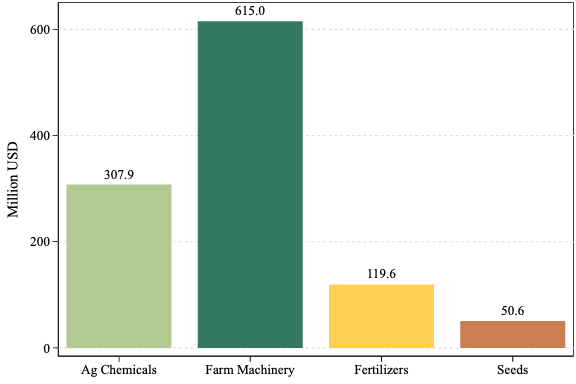
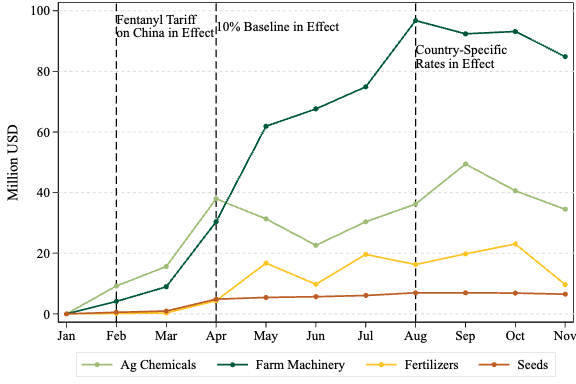
Farm markets are moving through a relatively quiet stretch, with February reports offering little in the way of surprises but plenty to watch as weather and demand signals begin to matter more. Speaking with farm director KC Sheperd, Dr. Todd Hubbs said the latest WASDE report largely fit seasonal expectations, calling it "pretty uneventful... normal for a February."
Hubbs noted a few modest adjustments on the bullish side, including stronger corn exports, while soybeans and wheat saw little reaction. "We got another 100 million bushels of corn exports put in there, and I think we can do that. We're absolutely moving corn at these low, low prices," he said. On wheat, changes were minimal, with USDA trimming food use slightly and global stocks edging lower, reinforcing Hubbs' view that it was "sort of a like most February's non-event."
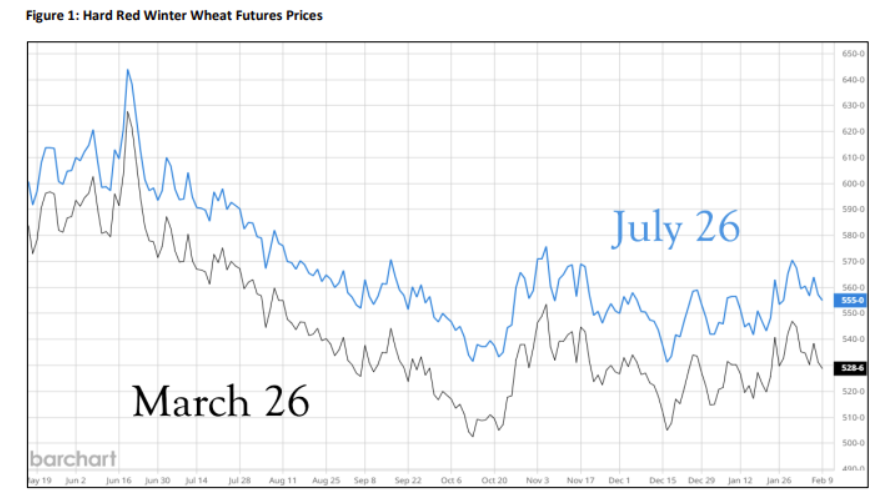
While the report itself was quiet, weather is starting to creep back into the conversation, especially for wheat. Hubbs pointed to expanding drought in winter wheat areas, noting, "Winter wheat areas growing their drought footprint pinched up to 45% now... and here in Oklahoma, we're in a serious piece of work drought-wise." With some rain expected and hard red wheat up about 10 cents, he said weather concerns in the Southern Plains may be lending support, though global supplies remain heavy. "There's just a lot of wheat out there," he cautioned.
That reality shapes his outlook on marketing decisions. Hubbs suggested recent rallies could offer opportunities, depending on a producer's situation. "If you need some money, you might want to think about it," he said, adding that prices near the top of their recent range could face resistance. A breakout is possible, but he added, "I don't think it's going to go much higher," given the size of world wheat production.
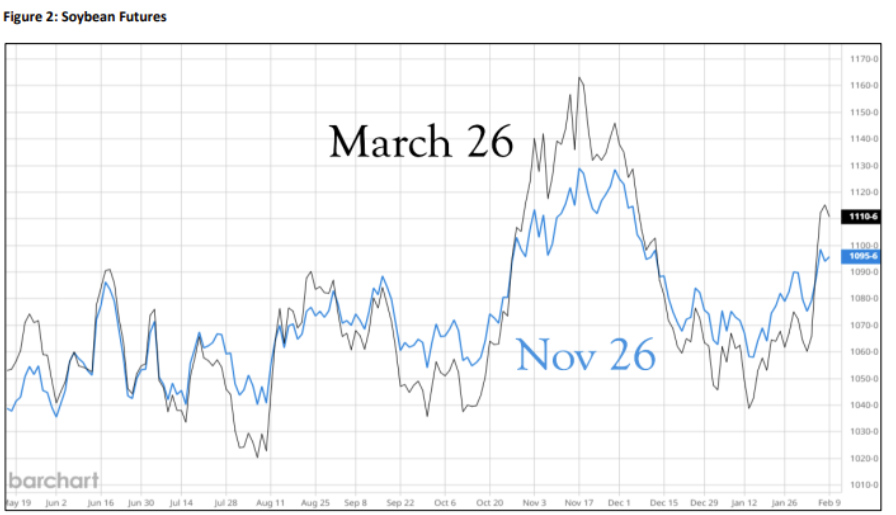
Corn and soybeans tell a different story, driven more by demand than weather at the moment. "We're moving corn like crazy," Hubbs said, citing strong ethanol grind and booming exports at current price levels. Soybeans face the weight of a massive Brazilian crop, which he called "a monster," likely to keep global trade flows balanced. Looking ahead, Hubbs said upcoming March reports, the USDA Ag Outlook Forum, and clarity on biofuel policy will be key, noting that finalizing that policy "has got the potential to be somewhat bullish."
R-CALF USA and the South Dakota Stockgrowers Association (SDSGA) upheld their more than 20-year tradition of sharing a booth at the 2026 Black Hills Stock Show in Rapid City, providing a central gathering place for cattle producers and focusing on membership recruitment, fundraising, grassroots outreach and policy engagement.
The booth drew strong interest throughout the week, featuring the 2026 R-CALF USA saddle, handmade by Baxter Badure of Belvidere; a saddle rack crafted by Leroy Wicks of Dupree; and SDSGA's engraved commemorative .22 Henry Golden Boy rifle and .45 Colt revolver.
R-CALF USA Marketing Director Jaiden Moreland represented the organization throughout the event, meeting with producers and reporting strong success in both membership growth and fundraising.
R-CALF USA leadership also attended the stock show, including CEO Bill Bullard; Vice President Eric Gropper; Region Directors Ron Volk and Mario Tarango; and Committee Chairs Shad Sullivan, Bill Kluck, Kenny Fox and Theresa Fox.
"Events like the Black Hills Stock Show are where our foundation is strengthened," Moreland said. "We are thankful for the opportunity to bring producers together, listen to what ranchers are dealing with on the ground and stay focused on the policies and reforms producers need."
R-CALF USA also hosted a producer meeting and social during the stock show, offering members and attendees an opportunity to discuss updates and current challenges in the cattle and sheep industries.
In addition, SDSGA hosted the Livestock Producer Property Rights Rally, where Sullivan, R-CALF USA Property Rights Chair, addressed regulatory overreach, private property rights and the federal EID eartag mandate.
During the stock show, cattle producers and industry leaders also participated in state-level discussions surrounding HB1077, legislation addressing the regulation of cell-cultured meat products in South Dakota.
Gropper testified before the South Dakota Senate, and former R-CALF USA President and Checkoff Chair Brett Kenzy testified before the South Dakota House of Representatives as part of the broader producer effort led by SDSGA and other state stakeholders.
The bill passed both chambers but was later vetoed by Gov. Larry Rhoden.
Moreland said the week's events, conversations and engagement will carry forward beyond the stock show as producers continue working to address the challenges facing independent cattle operations at the state and national levels.
The 2026 saddle raffle will continue through R-CALF USA's National Convention, June 16–18, 2026, in Rapid City, South Dakota. Tickets may be purchased at Fort Pierre Livestock Auction in Fort Pierre, South Dakota, by calling R-CALF USA at 406-252-2516 or in person at the convention.
U.S. cotton producers intend to plant 9.0 million cotton acres this spring, down 3.2 percent from 2025, according to the National Cotton Council's 45th Annual Early Season Planting Intentions Survey.
Upland cotton intentions are 8.8 million acres, down 3.4 percent from 2025, while extra-long staple (ELS) intentions of 161,000 acres represent a 14.0 percent increase. The detailed survey results were announced today during the 2026 National Cotton Council Annual Meeting.
Dr. Jody Campiche, the NCC's Vice President, Economics & Policy Analysis, said, "Planted acreage is just one of the factors that will determine supplies of cotton and cottonseed. Ultimately, weather and agronomic conditions are among the factors that play a significant role in determining crop size." Based on average abandonment rates and yields, Cotton Belt harvested area totals 7.1 million acres for 2026 with an estimated crop of 12.7 million bales. This includes 12.3 million upland bales and 393,000 ELS bales.
The NCC questionnaire, mailed in January to producers across the 17-state Cotton Belt, asked producers for the number of acres devoted to cotton and other crops in 2025 and the acres planned for the coming season. Survey responses were collected through the end of January. Campiche noted, "History has shown that U.S. farmers respond to relative prices when making planting decisions. As compared to average futures prices during the first quarter of 2025, cotton prices during the 2026 survey period were almost the same, corn prices were slightly lower while soybean prices were slightly higher. As a result, the price ratio of cotton to corn was slightly higher and the price ratio of cotton to soybeans was lower than in 2025. Based on historical price relationships and the small change in price ratios, this would generally suggest little to no change in cotton acreage."
Southeast respondents indicate a 4.9 percent decline in cotton acreage to 1.6 million acres. In
Alabama, the survey responses indicate a 0.1 percent increase in cotton acreage. In Florida,
respondents indicated 11.1 percent less cotton. Georgia growers expect to reduce acreage by 3.6
percent to 805 thousand acres. Georgia's 2025 acreage of 835 thousand was the lowest level since
1993 and only the fourth time that GA growers planted less than 1.1 million cotton acres in the last 30
years. The survey indicates a decline in cotton acreage of 6.0 percent in North Carolina, 10.5 percent
in South Carolina, and 17.9 percent in Virginia. According to the survey responses from Southeast
growers, the expected decline in cotton acres is due to an increase in corn, soybeans and other
crops. Georgia and Virginia growers reported little to no change in peanut acres, while the other
Southeast states expect to reduce peanut acreage in 2026.
Mid-South growers intend to plant 1.2 million acres, a decline of 20.6 percent from the previous year.
In Arkansas, acreage is expected to decline by 30.3 percent, while Louisiana growers expect to plant
17.1 percent more cotton. In Mississippi, cotton acreage is expected to decline by 15.8 percent.
Missouri growers expect to plant 25.0 percent less cotton, while Tennessee acreage is expected to
decline by 12.5 percent. Survey responses suggest an increase in corn and soybeans.
Growers in the Southwest intend to plant 1.6 percent more acres of cotton. Kansas growers expect to
plant 9.6 percent more cotton acres at the expense of wheat and soybeans. Oklahoma producers expect
to increase cotton acreage by 15.7 percent and plant less sorghum and wheat. Texas acreage is
expected to increase by 0.4 percent. South Texas growers also expect to plant more cotton, corn, and
wheat and less sorghum. In the Blacklands, growers intend to plant less cotton and more sorghum.
West Texas growers reported a slight increase in cotton acres, less corn and more wheat, sorghum,
and other crops.
In the West, upland cotton acreage is expected to decline by 7.2 percent. Upland cotton acreage is
expected to decline by 4.2 percent in Arizona and 4.4 percent in California. New Mexico growers
intend to plant 17.6 percent less upland cotton acres in 2026. According to the survey responses,
California growers expect to plant less cotton, corn, wheat, and more other crops. In Arizona, growers
expect to plant less cotton, corn, wheat, other crops, and more sorghum.
ELS acreage is expected to increase by 14.0 percent in 2026. Arizona growers expect to increase ELS
cotton acres by 3.2 percent while California growers expect to plant 8.0 percent more ELS cotton.
New Mexico ELS cotton acreage is expected to decline by 20.6 percent, while Texas growers expect
to plant 69.8 percent more ELS cotton. Overall, U.S. cotton growers intend to plant 161,000 ELS
acres in 2026.
NCC delegates were reminded the expectations are a snapshot of intentions based on market
conditions at survey time with actual plantings influenced by changing market conditions and weather.
Producers will continue to monitor changes in commodity prices and input costs before finalizing their
2026 acreage decisions.
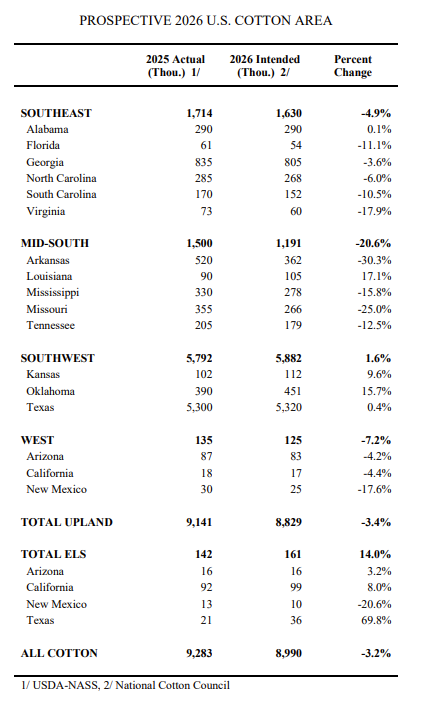
Today, Growth Energy, the nation's largest biofuel trade association, welcomed industry leaders and innovators to The Phoenician in Scottsdale, Arizona, for the organization's 17th annual Executive Leadership Conference (ELC). ELC gathers Growth Energy members from across the country to engage in executive-level educational programming, strategic planning, and networking within the biofuels industry.
Growth Energy CEO Emily Skor kicked off the conference with a keynote address focused on the growing demand for American biofuels in the U.S. and around the world.
"The entire country is focused on energy — and we stand apart for the unique benefits that we alone can inject into America's future," said Skor.
One of the industry's top policy priorities, according to Skor, remains securing permanent, year-round access to E15 — a more affordable fuel blend made with 15% American ethanol that can be used in 96% of cars on the road today. In her remarks, Skor emphasized that consumer demand for E15 continues to grow nationwide and that Congress must deliver a lasting solution.
"We are not going to stop pushing until our lawmakers make law," said Skor.
Skor also highlighted the importance of a strong Renewable Fuel Standard (RFS), expanding access to global markets, and policies that reward innovation and support growth across rural America.
In addition to the keynote address, this year's ELC features 19 executive-level educational panels and sessions with speakers from across the renewable fuels, retail, public, and agricultural sectors. The event is ongoing in Scottsdale, Arizona. Follow along on social media using the hashtag #ELC2026.

Ted Vander Schaaf, an Idaho dairy farmer and member-owner of Northwest Dairy Association, testified today before the Senate Finance Committee on the importance of the U.S.-Mexico-Canada Agreement (USMCA) to the U.S. dairy industry and the improvements needed for the agreement to fully deliver for American dairy farmers.
Vander Schaaf serves on the board of directors for the Northwest Dairy Association, the cooperative that owns Darigold, and the Idaho Dairymen's Association, both of which are members of the National Milk Producers Federation and the U.S. Dairy Export Council.
"Strong, enforceable trade agreements are critically important to the U.S. dairy industry. The United States exported approximately $9 billion in dairy products in 2025, including a record 559,000 metric tons of cheese last year through November," said Vander Schaaf at the hearing.
Mexico and Canada are critical markets for U.S. dairy, purchasing $3.6 billion in American dairy products in 2024 and accounting for 44 percent of total U.S. dairy export value. USMCA is vital to those trade flows. However, Canada's ongoing, blatant disregard of key USMCA obligations has undermined the agreement, and Mexico's strong collaboration and partnership with the U.S. has yet to extend to its intellectual property office, as it pertains to common food names.
Vander Schaaf highlighted Canada's continued manipulation of its dairy tariff-rate quotas and its circumvention of USMCA dairy protein export disciplines, which have limited U.S. producers' ability to compete in Canada and other markets. He also noted that while Mexico has been a great partner, it has still not fully met its commitments to protect common cheese names such as "parmesan" and "feta."
USMCA mandates a "joint review" in 2026, offering the U.S. government an opportunity to negotiate solutions to the current shortcomings in dairy trade.
"For U.S. dairy producers exports are critical not just for growth but for survival, and we all agree it must continue. But a firm base depends on Canada upholding their end of the bargain, and on preserving our fully open trade flows with Mexico," continued Vander Schaaf. "The U.S. dairy industry is counting on Congress and the Administration to help us fix the issues that I have laid out today, and to secure a better, stronger USMCA for American dairy farmers."
Vander Schaaf's testimony also builds on the Feb. 5 launch of The Agricultural Coalition for USMCA. Co-led by USDEC and NMPF, the Coalition is advocating for the strengthening and renewal of USMCA.
A link to the written testimony can be found here.
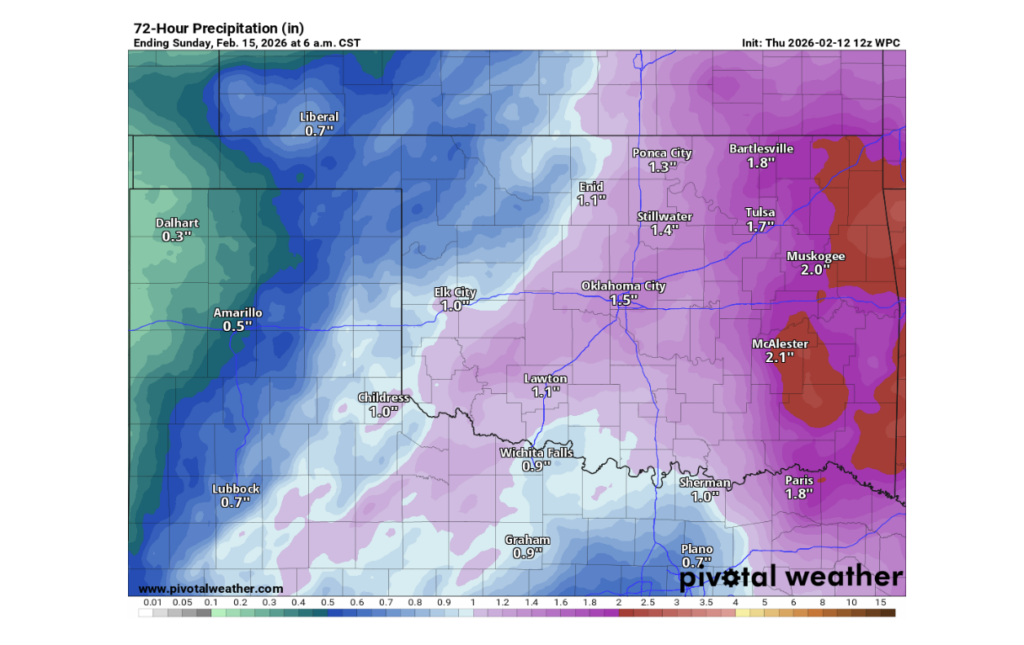
Oklahoma Drought Intensifies
For Oklahoma State Climatologist Gary McManus, chronicling the state's weather is an exercise in tracking extremes. After a winter defined by record-breaking warmth and a persistent lack of rainfall, the state is looking toward a projected weekend storm system not just as a forecast change, but as a necessary reprieve from a deteriorating situation.
"December was just blah, in a record dry and near-record warm kind of way," McManus noted. After months of stagnation, he describes the incoming weather as a much-needed break in a "long, dry winter."
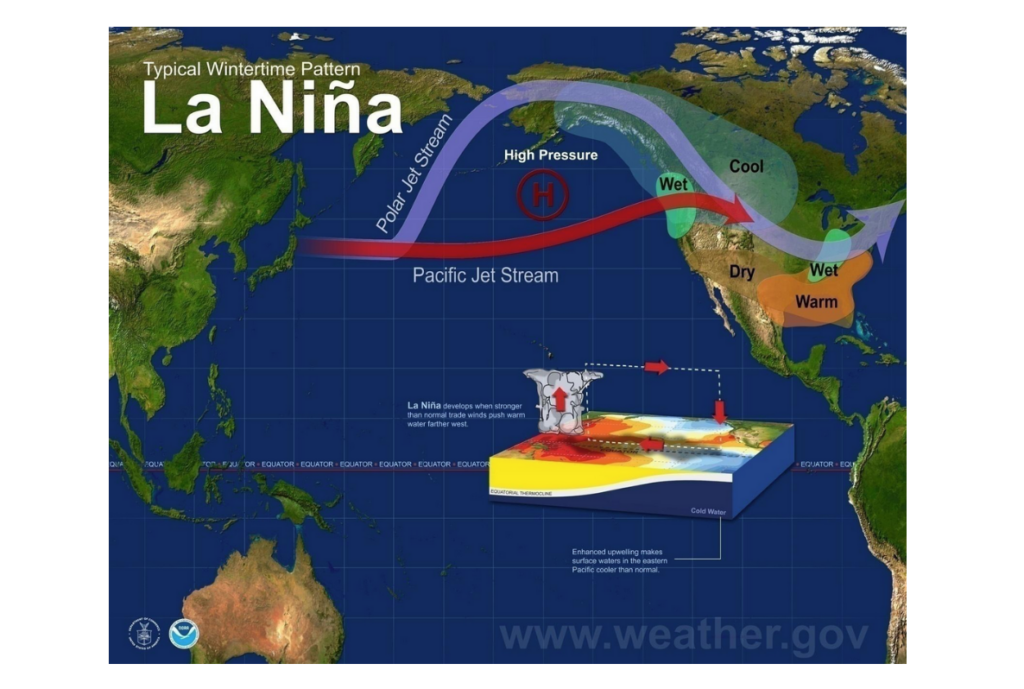
The primary driver behind Oklahoma's parched landscape remains La Niña. Under the current ENSO Alert System Status, the state remains under a La Niña Advisory, a phenomenon that traditionally funnels warmer, drier air into the Southern Plains during the cool season.
While the Climate Prediction Center (CPC) suggests a transition to "ENSO-neutral" conditions this summer—and potentially a wetter El Niño by autumn—McManus urges caution. He points to the "spring predictability barrier," a seasonal period where atmospheric models struggle with long-term accuracy.
"There's still the 'spring predictability barrier' to break through before much confidence is placed in the fall predictions," McManus explained. "Don't be shocked if in a few months... La Niña starts to take over that bar graph again."
The distinction is vital: while a strong El Niño can bring increased moisture, a weak one can often leave the state just as dry, and its effects are largely irrelevant during the summer months when the jet stream retreats.
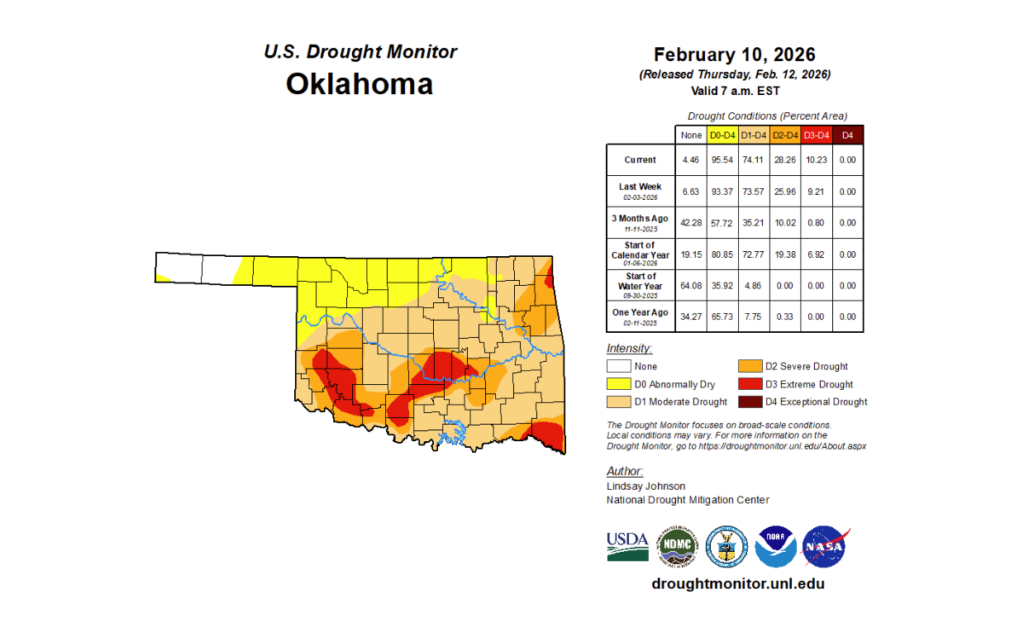
The data provided by the latest U.S. Drought Monitor paints a grim picture of the state's agricultural and hydrological health. Drought conditions have intensified or expanded in nine of the last ten weeks, creating a cumulative deficit that is difficult to erase.
| Severity Category | Percentage of State | Impact Level |
| Moderate (D1) or Worse | 74% | Widespread agricultural stress |
| Severe to Extreme (D2-D3) | 28% | Significant water shortages and fire risk |
| Abnormally Dry (D0) | 21% | Areas on the verge of entering drought |
With nearly three-quarters of the state currently in a confirmed drought, the margin for error is thinning. "Another 21% of the state is in abnormally dry conditions, signifying areas in danger of going into drought soon if adequate moisture isn't received," McManus warned.
While the weekend's projected storm offers a temporary reprieve, the long-term outlook remains tethered to shifting Pacific temperatures. For now, the state remains caught between the remnants of a dry La Niña and the uncertain promise of a more favorable autumn.
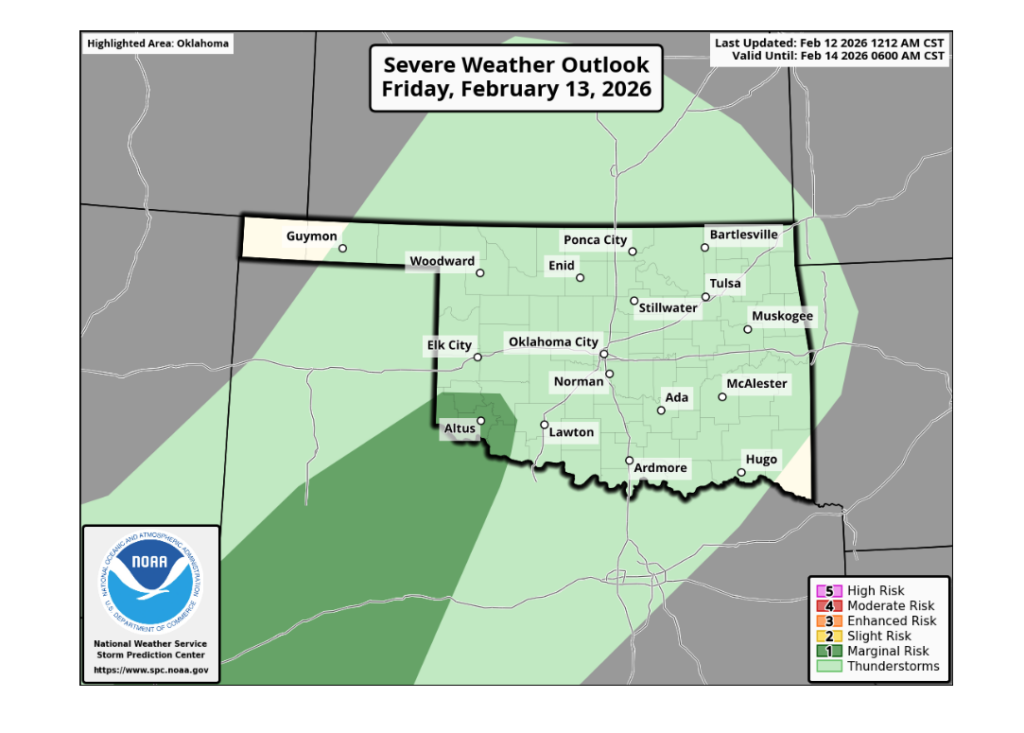
The "excitement" of a single storm system is a welcome change, but for Oklahoma's producers and water managers, the focus remains firmly on the "brawn" required to weather a prolonged period of environmental stress.
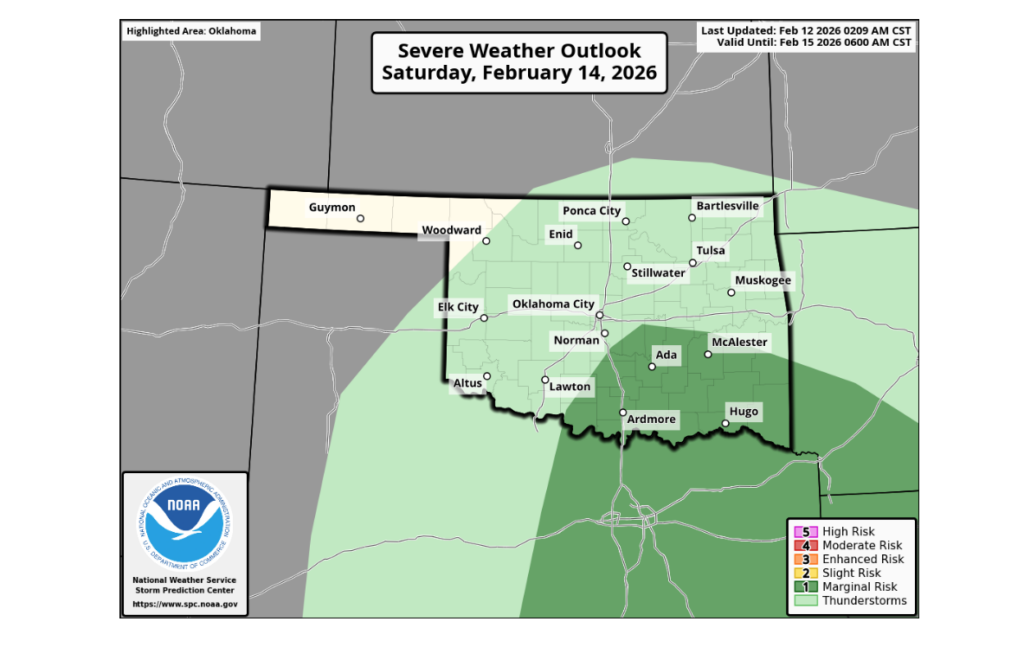
To read more from State Climatologist Gary McManus, click here:
In today's Beef Buzz, senior farm and ranch broadcaster Ron Hays speaks with Mary -Thomas Hart, Chief Counsel for the National Cattlemen's Beef Association, about a long-running legal fight in Oklahoma that could have national implications for cattle producers and other livestock operations. Hart discusses the renewed attention on chicken litter litigation in the Illinois River Watershed and why a case once thought dormant is now raising alarms across agriculture.
Hart explains that the Oklahoma case has been on NCBA's radar for years, even when many believed it would never resurface. "Everybody was like, 'Don't worry about that case. It's dead,'" she recalled. That changed recently when a decision was finally issued. "We saw an alarm go off for the entire industry, not just producers in Oklahoma, but across that region, and really across the country that rely on organic fertilizer as a really valuable tool for their operation." As the case moves toward appeal, Hart says NCBA is preparing to engage to avoid harmful precedent.
While the case is often described as being about chicken litter, Hart says the real issue runs deeper. "At first glance, it looks like it's all about chicken litter, but in reality, it's really about phosphorus." She expressed concern that the ruling undermines nutrient management plans that producers have followed in coordination with state agencies and EPA. "For one federal judge to go over all of that oversight, all of that compliance, and say it's not enough, that undermines the entire program," she said.
Hart also pointed to unusual legal elements in the case, including the use of a special master. "It is new to me in this area of the law," she said, noting she has not seen that approach applied in similar environmental litigation. She warned that if compliance with a nutrient management plan can still result in liability, "the NMP loses all of its value to producers."
The conversation also turned to broader legal uncertainty in Washington, including the lack of a Supreme Court decision on presidential tariff authority and emerging constitutional questions. Hart emphasized the Court's effort to remain independent, saying it wants the public to understand it is "above all else, an institution."
Looking ahead, she highlighted the growing importance of the unitary executive theory, noting that upcoming Supreme Court decisions "are going to have pretty far-reaching implications for our industry, for production, for the way we engage in the global economy, and honestly, for every American." The unitary executive theory is a constitutional law doctrine asserting that the President of the United States possesses sole and absolute authority over the entire executive branch.
Coverage of CattleCon26 is powered by Farm Data Services of Stillwater, Oklahoma.
The Beef Buzz is a regular feature heard on radio stations around the region on the Radio Oklahoma Ag Network and is a regular audio feature found on this website as well. Click on the LISTEN BAR for today's show and check out our archives for older Beef Buzz shows covering the gamut of the beef cattle industry today.

The National Cotton Council directors for 2026 were announced at the NCC's recent 2026 annual meeting in San Antonio, Texas. Elected to the NCC Board during segment caucuses were:
Producers – Matt Coley, Vienna, Ga; Jason Condrey, Lake Providence, La; Gary Martin, Firebaugh, Calif.; John Whatley, Odem, Texas; and James Sutton Page, Avoca, Texas.
Ginners – Ben Evans, Douglas, Ga.; J. Bradley Williams, Burlison, Tenn.; Gary Bailey, Tunica, Miss.; Chris Berry, Wellman, Texas; and Melissa Campbell, Coolidge, Ariz.
Warehousers – Barry Rose and Ray Doroff, both of Memphis, Tenn.; Scott Mitchell, Donalsonville, Ga.; Eric Wanjura, Lubbock, Texas; and Robert Swize, Corpus Christi, Texas.
Merchants – John C. King, III, Richardson, Texas; Darren Long, New York, N.Y.; Azeez Syed, Richardson, Texas; Tommy Hayden, Cordova, Tenn.; and Jeff Finley, Memphis, Tenn.
Cottonseed – Cody Young, Pine Bluff, Ark.; Fred Serven, Chattanooga, Tenn.; Joe Gribble, Altus, Okla.; John Chisum, Lubbock, Texas; and Brad Chapman, Tipton, Iowa.
Cooperatives – David Mullins, Rotan, Texas; Kevin Brinkley, Lubbock, Texas; Paul Bush, Glendale, Ariz.; Wayne Boseman, Garner, N.C.; and David Camp, Greenwood, Mississippi.
Manufacturers – Anderson Warlick and James Martin, both of Gastonia, N.C.; Dan Sistrunk, Spartanburg, S.C.; William Bowen, Jr., Inman, S.C.; and Marc Doyon, Salisbury, North Carolina.
As the unifying voice of the U.S. cotton industry, the Memphis-based NCC brings together industry representatives from the 17 cotton-producing states to establish policies reflecting the common interests and promoting mutual benefits for its broad membership and ancillary industries. The NCC's mission is to ensure the ability of all industry segments to compete effectively and profitably in the raw cotton, oilseed and U.S.-manufactured product markets at home and abroad.
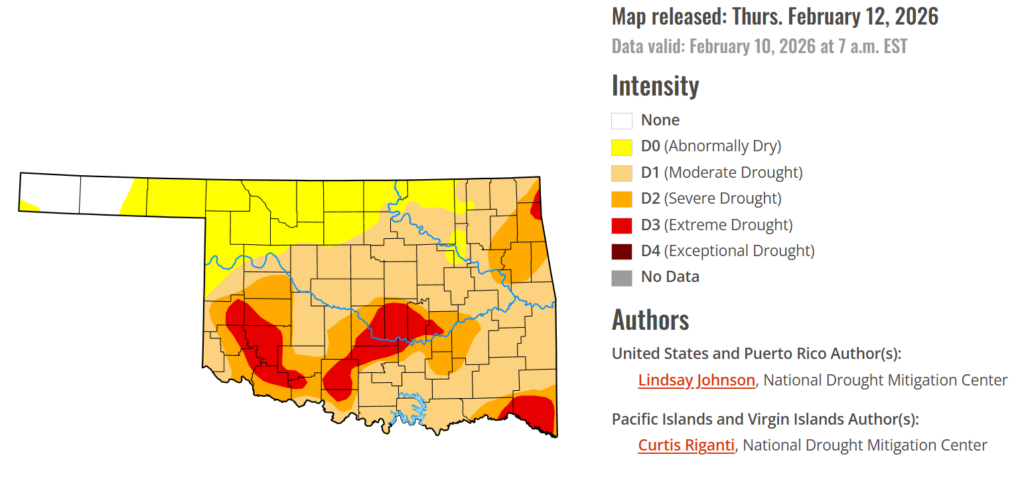
To view the latest Oklahoma drought map, CLICK HERE.
Oklahoma is heading deeper into late winter with drought still shaping the conversation, as dry soils and limited recharge continue to set the tone across much of the state. While exceptional drought isn't on the map, nearly three-quarters of Oklahoma remains under some level of drought, with the most intense conditions expanding in the southwest and stressing rangeland, soil moisture, and streamflows. Looking ahead, near-normal precipitation is expected for much of the state in the short term, but continued dryness in parts of western and southwestern Oklahoma suggests drought concerns aren't going away anytime soon.
According to the latest Oklahoma Drought Monitor report, exceptional drought remains at 0 percent, unchanged from the start of the calendar year.
Moderate drought to extreme drought conditions in the current period indicate that 74.11% of the state is affected by drought. Compared with last week's 73.57%, drought conditions have this week.
Extreme Drought has also grown this week, now covering 10.23% of the state in southwestern Oklahoma, affecting mainly Pottawatomie, Seminole, McClain, Garvin, Stephens, Kiowa, Washita, Delaware, Ottawa, and parts of surrounding counties.
According to the 6-to-10-day precipitation outlook map, a large majority of Oklahoma is expecting near normal conditions, while far southwest Oklahoma is leaning below 33-40% chance of rain through February 21.
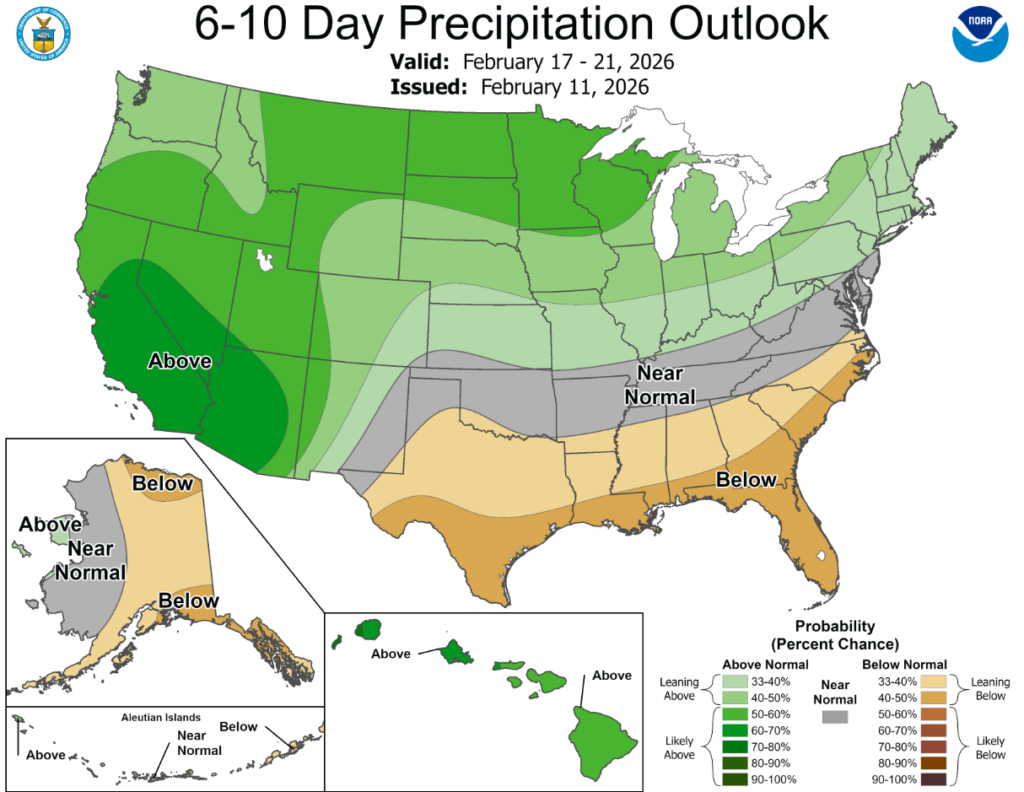
The Lower 48 states and Alaska only saw degradations this week. There was a strong east-to-west temperature gradient again this week, with below-normal temperatures across much of the East and above-normal temperatures across the West. Another week of localized precipitation that missed large portions of the country led to expanding precipitation deficits. Degradations were also scattered across the West, from the Pacific Northwest into the northern and central Rockies, including portions of Oregon, Idaho, Montana, Wyoming and western Colorado. Although some mountain snow fell, critically low snowpack with snow-water equivalent levels below the 15th percentile continues to dominate much of the region and support ongoing drought expansion. Across the High Plains and into the western Midwest, one-class degradations followed another mostly dry week. In the Northeast, despite colder-than-normal temperatures, a continued lack of meaningful precipitation contributed to worsening conditions in parts of Pennsylvania and southern New England. In the South, from the eastern southern Plains of Oklahoma and Texas eastward into the Lower Mississippi Valley and the western Carolinas. Despite scattered precipitation in some locations, short- to mid-term precipitation deficits continue to grow, with drying soils and low streamflows supporting intensification. In southern Georgia and Florida, fire danger continues to rise, with parts of Florida reporting Keetch-Byram Drought Index values between 500 and 700.
In Hawaii, strong trade winds brought heavy precipitation and wind to the windward slopes of Molokai, Maui and the Big Island, where 4 to 10 inches of rain fell at lower elevations and snow at higher elevations, supporting one-class improvements in those areas.
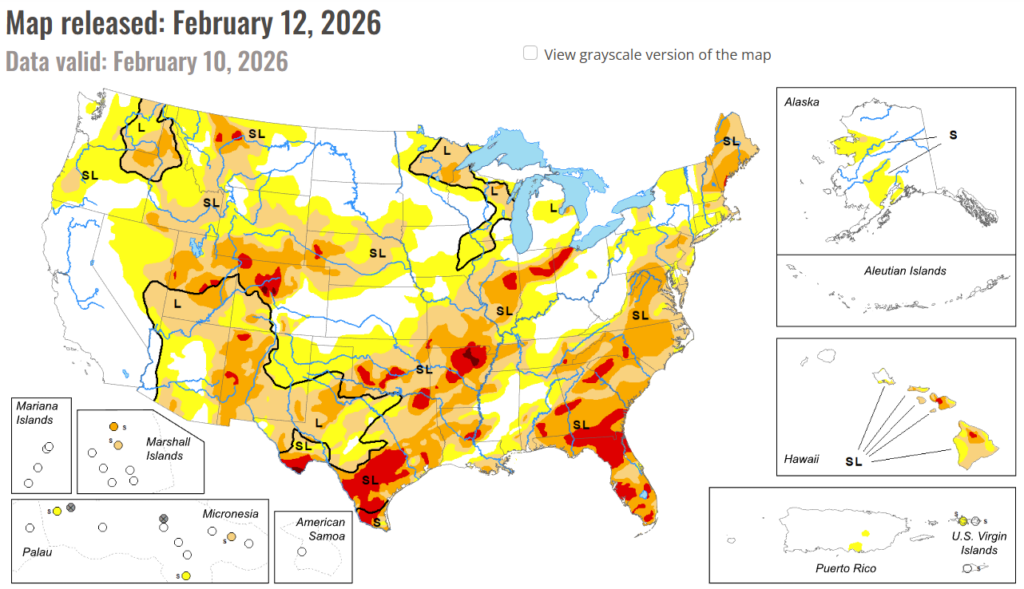
In the Southern Plains: Drought conditions across the South continued to deteriorate this week, as much of the region received little to no meaningful precipitation. Most areas recorded below 50 percent of normal rainfall, with many locations under 25 percent of normal. Portions of middle and northeastern Tennessee received 0.5 to 1 inch of precipitation, but amounts were insufficient to offset ongoing 30- to 90-day precipitation deficits. Degradations occurred across the southern Plains into the Lower Mississippi Valley as short- to mid-term precipitation deficits continue to grow across Louisiana, Arkansas and portions of Texas and Oklahoma, with many areas 2 to 6 inches below normal over the past few months. Soil moisture percentiles remain below normal across much of the region and are particularly low in central Louisiana, southern Arkansas and parts of western Oklahoma and South Texas. Streamflows in several basins continue to run below seasonal averages, with some gauges in low percentiles following weeks of limited recharge. In Deep South Texas, long-term dryness continues to intensify. From August 14, 2025, through February 10, 2026, Rio Grande City ranks as the fifth warmest and third driest on record dating back to 1928, while McCook ranks as the second warmest and sixth driest since 1942 according to NWS and NOAA. A nearby Texas Mesonet site near Hebbronville recorded just 3.81 inches over the past 180 days, and another Mesonet site along the Starr and Jim Hogg County line recorded 11.5 inches, with only 0.33 inches falling during December and January combined. Persistent six-month precipitation deficits and continued warmth reinforced long-term hydrologic stress across the lower Rio Grande Valley.
In the High Plains: The High Plains saw little to no meaningful precipitation this week, with most of the region receiving less than 25 percent of normal and many locations at or below 5 percent of normal precipitation. Any snowfall was light and offered minimal liquid-equivalent benefit. In eastern Wyoming and eastern Colorado, precipitation deficits continue to deepen with soil moisture percentiles declining, and recent above-normal temperatures led to drying where snow cover is limited. This led to expansion of moderate (D1) and severe drought (D2) across parts of eastern Wyoming and Colorado into the southwest South Dakota, the Nebraska Panhandle and the western Nebraska Sandhills. Similarly, growing short- to medium-term precipitation deficits, below-normal soil moisture percentiles and elevated evaporative demand led to the introduction of extreme drought (D3) to Nebraska's Panhandle. Eastern Nebraska also saw the expansion of abnormal dryness (D0) as the lack of precipitation has led to drying conditions. Across Kansas, degradations occurred primarily in the northwest, south and along the Missouri border in eastern Kansas following another dry week which, like the rest of the region, added to the growing precipitation deficits and drying soil moisture.
In the West: Precipitation across the West this week was light and uneven. Most low-elevation areas in California, Nevada, Arizona, Utah and western Colorado received little to no measurable liquid precipitation, with seven-day totals generally below 0.25 to 0.50 inches. Mountain snow did fall in portions of the northern Rockies and Pacific Northwest, but accumulations were locally light and patchy. Snowpack and Snow Water Equivalent (SWE) percentiles remain well below normal at many SNOTEL sites: much of Oregon, Washington, Idaho, Montana, Wyoming and western Colorado show SWE values in the lowest 15th percentile, with numerous locations in the single digits for this time of year. Temperatures were above normal across broad areas of the interior West, especially in the Great Basin, central and eastern Wyoming, and northern Colorado, where daytime highs ran 5 to 15 degrees above average at times. These warmer temperatures limited snow accumulation in some basins and contributed to surface drying where snow cover was sparse or absent.
To view the 6-10 Day Precipitation Outlook Map, click here.
To view the 6-10 Day Temperature Outlook Map, click here.
To view the Monthly Drought Outlook Map, click here.
U.S. Secretary of Agriculture Brooke L. Rollins and U.S. Secretary of War Pete Hegseth signed a Memorandum of Understanding (PDF, 92.7 KB) (MOU) that memorializes the relationship between the U.S. Department of Agriculture (USDA) and the U.S. Department of War (DoW) for the purpose of implementing the National Farm Security Action Plan (PDF, 1.2 MB)—an initiative that has delivered measurable results in just seven months.
In July 2025, Secretary Rollins—alongside Secretary Hegseth, U.S. Attorney General Pam Bondi, and U.S. Secretary of Homeland Security Kristi Noem—launched the National Farm Security Action Plan, elevating American agriculture as a key element of national security for the first time in history.
Since that time, USDA has taken decisive action to secure farmland, protect critical supply chains, defend nutrition programs from fraud and foreign influence, strengthen research security, and ensure America First policies across USDA programs. These actions include:
Building on this strong foundation, today's MOU establishes a formal framework for USDA and DoW agencies to collaborate more closely to defend the nation's food and agricultural systems, strengthen domestic productivity, and address emerging security threats to American agriculture.
The first action taken under the MOU launches a partnership between (PDF, 398 KB) the DoW Defense Advanced Research Projects Agency (DARPA) and USDA's Office of the Chief Scientist. Through this new partnership, DARPA and relevant USDA agencies will share information regarding security vulnerabilities in agriculture, partner to develop novel technological solutions to challenges facing American agriculture, and exchange personnel to accelerate innovation and protect the agricultural supply chain.
"President Trump is putting America First and that means ensuring our government is working as one to defend the safety, security, and resilience of our food supply and the land that sustains it," said Secretary L. Brooke Rollins. "Over the past year, USDA has delivered real results under the National Farm Security Action Plan. Today's MOU with Secretary Hegseth marks the next phase of that work, pairing USDA's agricultural expertise with the Department of War's innovation and security capabilities to confront threats head-on. I'm grateful for Secretary Hegseth's leadership and partnership in supporting America's farmers and ranchers."
"In the face of growing threats from adversaries who seek to undermine our food supply and agricultural independence, the Department of War stands ready to defend America's farms as vital national security assets. This Memorandum of Understanding with USDA, particularly through partnership with DARPA, will drive innovative solutions to protect our farmers and ranchers from cyber attacks, foreign intrusions, and biosecurity risks. Together, under the leadership of President Trump and collaboration with Secretary Rollins, we're ensuring that American agriculture remains resilient, productive, and a cornerstone of our nation's strength," said Secretary of War Pete Hegseth.
During today's signing, USDA also announced the creation of the Office of Research, Economic, and Science Security within the USDA Office of the Chief Scientist. This new office will be responsible for coordinating research security efforts across the entire USDA research enterprise—including both intramural and extramural activities. This action builds upon USDA's efforts to implement National Security Presidential Memorandum 33 (NSPM-33) and other research security directives.
Together, these actions announced today underscore USDA's continued commitment to treating agriculture as a cornerstone of national security and ensuring that America's farms, food systems, and research institutions remain secure and resilient.

According to new data from the Association of Equipment Manufacturers (AEM), U.S. sales of combines rose 68% in January 2026 compared to the year before. Total sales of Ag tractors declined 4.7% during the same period. Meanwhile, Canadian sales of combines jumped 447.6% in January 2026 compared to 2025's sales, while total Ag tractors sales improved 8.8% compared to the same time frame.
The Ag Tractor and Combine reports can be found on the AEM Market Share Statistics page. The U.S. report can be downloaded from this page, while the Canadian report is available for download here.
Today, to help expand export markets for U.S. food and ag products, the U.S. Department of Agriculture's Foreign Agricultural Service (FAS) announced awarding more than $212 million through the Market Access Program (MAP) and Foreign Market Development (FMD) program.
FAS broke the allocations out to $181,397,751 for the MAP program and $31,331,501 in FMD.
MAP allocates funds to ag industry organizations across the United States to promote U.S. fruits, vegetables, nuts, processed products and bulk and intermediate commodities to global consumers. The Foreign Market Development (FMD) program benefits U.S. farmers, processors and exporters by addressing long–term foreign market import constraints and by identifying new markets or new uses for U.S. agricultural commodities.
FAS establishes public-private partnerships with non-profit U.S. agricultural trade associations like USGBC to open markets and conduct overseas marketing and promotional activities on behalf of U.S. agricultural producers and processors.
In response to the announcement, USGBC President & CEO Ryan LeGrand said:
"Our job at the U.S. Grains & BioProducts Council is to open new markets for our farmers, ranchers, and producers, and both MAP and FMD annual allocations allow us to meet our mission to develop markets, enable trade and improve lives for those around the world and here at home.
"We thank President Trump and his administration, specifically USDA Secretary Brooke Rollins and Undersecretary Luke Lindberg, for these funds that allow our organization to develop global markets and promote exports of our corn, sorghum, barley, ethanol and co-products."
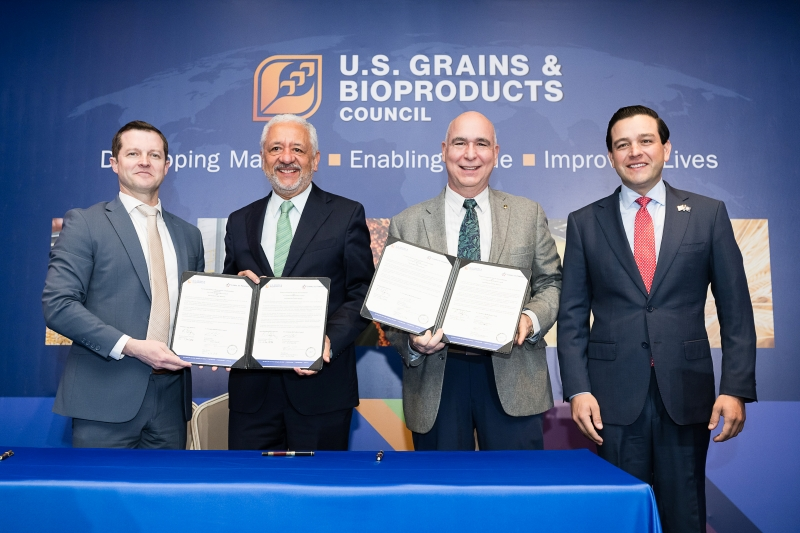
The 23rd International Marketing Conference (IMC) and 66th Annual Membership Meeting welcomed U.S. Grains & BioProducts Council (USGBC) members in Panama City, Panama to plan for the upcoming year and hear from Council experts about new market opportunities.
IMC provides members with an overview of the Council's strategy for the coming year and includes several Advisory Team (A-Team) sessions, where experts in various agricultural commodities and markets come together to conduct market and commodity-specific analyses while sharing experiences relevant to their industry for this year.
USGBC Chairman Mark Wilson began Wednesday's proceedings, and the audience received a welcome to Panama City by the U.S. Ambassador to the Republic of Panama Kevin Marino Cabrera.
"Panama plays an important role both as a key trading partner for the United States and as a global logistics hub," Ambassador Cabrera said. "The U.S. embassy is committed to promoting U.S. exports and facilitating dialogue and engagement among stakeholders."
"Our partnership with the U.S. Grains & BioProducts Council and other U.S. Department of Agriculture cooperators in Panama means we are doing everything to increase trade. Which in turn trends into logistics, storage, maritime transportation and reinforces Panama's role as a regional hub."
The Council then welcomed the Panama Canal Authority Administrator Dr. Ricaurte Vásquez Morales to provide insight into the Panama Canal's role in strengthening global trade and agricultural supply chains.
Wilson initiated a ceremonial Memorandum of Understanding (MOU) cover letter signing between USGBC and the Panama Canal Authority. The signing between the Council and Panama Canal Authority officially occurred last November, but Dr. Vásquez, Wilson and USGBC President & CEO Ryan LeGrand each signed the official cover letter acknowledging the MOU with Ambassador Cabrera witnessing the signatures.
"The U.S. Grains & BioProducts Council and the Panama Canal Authority (ACP) share a long-established partnership rooted in their mutual understanding of the Panama Canal's critical role in assuring smooth international trade flows," Wilson said.
"The renewal of the memorandum of understanding (MOU) between the two parties reflects the continued success of past collaboration and a shared commitment to strengthening the relationship as market dynamics and opportunities evolve."
The MOU will serve as a framework for future initiatives that may include, but are not limited to, facilitating dialogue between ACP and the U.S. shipping industry, conducting a feasibility study to assess the opportunity for a grain storage facility on the canal and sharing of data related to trade flows, transit information and export volumes.
The general session concluded with an overview of the Council's recent activities and outlook for the future from LeGrand.
"We are thrilled at the possibilities that lie before us in our inaugural year as the U.S. Grains & BioProducts Council, and we won't stop working to find homes for the corn, sorghum and barley that you grow, as well as the ethanol and co-products you produce," LeGrand said.
"It is our mission, it is our purpose and we will never stop working for you and your future generations."
Thursday will feature a close-up look of the Panama Canal as attendees will participate in Council programming conversations on Latin America and Asia and Advisory Team (A-Team) meetings as they ride along the critical waterway before the meeting concludes on Friday.
More from the meeting is available on social media using the hashtag #Grains26 or through the website here.

Today, House Agriculture Committee Ranking Member Angie Craig (MN-02) released the below statement following a vote to end Trump's tariffs on Canada, which House Republicans have for months blocked in their support of the president's trade war which has increased costs on hardworking Americans and family farmers. Last month, Ranking Member Craig and fellow Democrats introduced the Farm and Family Relief Act (H.R.7 206), which would repeal the president's executive order deploying tariffs against Canada, in addition to providing necessary aid to America's struggling farmers and people facing food insecurity.
"Trump's trade war with Canada is crushing our family farmers and working people in this country. American farmers supply nearly 55 percent of Canada's agricultural imports – and threatening that market hurts farmers' bottom lines. The president's ill-conceived tariffs also drive up the cost of doing business and make life more expensive for ordinary Americans. Today's vote was an opportunity to stabilize trade relationships with our Canadian trading partners and to bring down costs for working folks. I voted to end the president's tariffs and am disappointed, but not surprised, that House Republicans again chose to put loyalty to the president before the interests of their constituents and American farmers," said Ranking Member Craig.
Background
The independent, nonpartisan Congressional Budget Office published a report today, stating that "higher tariffs directly increase the cost of imported goods, raising prices for U.S. consumers and businesses" and that "the net effect of tariffs is to raise U.S. consumer prices by the full portion of the cost of the tariffs borne domestically (95 percent)."
Research by the Tax Foundation published last week found that Trump's tariffs cost the average American household $1,000 in 2025 and that the tax burden will increase to $1,300 this year.
According to U.S. Department of Agriculture (USDA) Economic Research Service data, Canada was the second largest agricultural trade partner of the United States in 2024. The United States buys 62 percent of Canada's agricultural exports and supplies 54.8 percent of Canada's agricultural imports, according to the same analysis. Canada supplies nearly 90 percent of our potash, a key nutrient used in the fertilizer farmers use to grow crops.
According to a USDA farm income forecast released last week, 2025 farm income was revised down by $25 billion and is projected to slip lower in 2026 to remain roughly 24 percent below the record highs reached in 2022 under President Joe Biden.
An analysis published this week by the American Farm Bureau found that farm bankruptcies increased 46 percent in the first year of President Trump's worldwide trade war over the previous year. The report notes that this number does not account for all farm bankruptcies, due to bankruptcy eligibility rules – meaning more farms may have closed than are captured by formal Chapter 12 bankruptcy data.

In 1920, Daniel Chapman's great-grandpa Ritchie started farming the land using horses. Since then, each generation of the family has worked to leave a legacy for the next.
As Chapman Farms continues to build a strong future for the farm, Daniel and his father, J.B., use a suite of products from Meristem Crop Performance®. One highlight has been the Upshift C concentrated starter system, which has helped the Chapmans capitalize on the work of their forefathers, while setting future generations up for success.
"We've been building a bank of soil fertility for so long. We have a lot of the MAP and DAP that we put out there that is not available to the plants," Chapman said. "The Upshift C is converting the phosphate already in the soil into plant-available phosphate."
Upshift C concentrate is designed for dissolving in water and being applied as a direct replacement for 10-34-0. Upshift C is powered by Ether™ Enzyme Technology which combines two enzymes (Phosphatase and Mannanase) to increase phosphate availability, increase nutrient and water availability, boost root growth, and maximize microbial activity.
"In 2024, we had a strip trial comparing Upshift C to 10-34-0 on a 200-acre farm. The Upshift C was about 7 bushels better at a much lower cost. For us to use it on our farm, it's got to produce, and it did," Chapman said. "It also has a much lower salt index and is a better alternative for soil health." For 2026, Upshift® C Plus is being added to the Meristem product lineup. The new 12-58-0 formulation includes active, EDTA chelated zinc for better enzyme metabolic reaction and added phenolic acid compounds to assist with early season abiotic stress.
Both Upshift C and Upshift C Plus add efficiency to supply chains by not shipping water and empower farmers by replacing costly, corrosive traditional fertilizer programs.
"One of the biggest wastes in U.S. agriculture is transporting water. With these
concentrates, it allows farmers to take cost out by adding the water on the farm. Upshift C can replace higher cost, high-salt products by letting the power of those enzymes do the work," said Mitch Eviston, Meristem founder and CEO. "This added zinc with stress mitigators in Upshift C Plus is the next innovation for our Upshift C family of products in response to farmers who want to save a step at the field. It is just one more option to help farmers produce more for less. It can also be used as a foliar and is a great acidifier."
Both Upshift C products are available for the 2026 planting season.
Upshift C Plus will be highlighted at the 2026 Commodity Classic in a "What's New Session" Feb. 25 at 10:30 a.m. in San Antonio. Be sure to visit booth 3881 Feb. 25-27 to learn how Winners Fight Back with Meristem at the Commodity Classic Trade Show.
About Meristem Crop Performance
Meristem® Crop Performance, Inc. helps farmers produce more bushels for less cost per bushel. Meristem is the global leader in delivering live, in-field biologicals through the patented Bio-Capsule™ technology platform. Meristem significantly reduces waste and increases productivity in crop input systems through accelerated access to innovation, improved supply chain efficiency, and advanced concentrates. Learn more at www.meristemag.com.
RON's Dave Lanning has a pre-opening look at today's agricultural Markets.
Click the audio tab below for today's report.
Boxed beef declined for the third consecutive day on Wednesday, with the Choice cutout falling $1.63 to $365.92 and Select slipping $0.32 to $362.58, narrowing the spread to $3.34 on 102 loads.
Compared to Tuesday, the rib strengthened from $486.84 to $491.02, while the round edged higher to $333.61. Chuck values declined from $329.99 to $325.79, and the loin eased from $475.90 to $471.92. Brisket was slightly lower at $295.97, while the plate softened to $256.20 and the flank declined to $173.58.
The American Soybean Association (ASA), the U.S. Soybean Export Council (USSEC) and the World Initiative for Soy in Human Health (WISHH) announced today that the USDA Foreign Agricultural Service (USDA-FAS) has allocated $16,845,357 in Market Access Program (MAP) and Foreign Market Development (FMD) funds to support the promotion of U.S. Soy in international markets during the 2026 program year (January–December).
"The FMD and MAP programs are essential tools that enable American soybean farmers to compete and succeed in the global marketplace," said Stephen Censky, ASA CEO. "Through our partnerships with USSEC and WISHH, ASA strategically leverages these resources to build long-term capacity and demand for U.S. Soy around the world."
Historically, U.S. market development programs have proven to deliver powerful returns helping to ensure U.S. farmers stay competitive in feeding a growing world; a 2022 study examining 17 years of USDA investments in market development found that every dollar invested returned $24.50.
"These program investments are vital for helping U.S. Soy sustain and expand global market opportunities by building partnerships, addressing customer needs, and delivering the transparency and sustainability that international buyers value," said Jim Sutter, USSEC CEO. "We are grateful to USDA-FAS for championing U.S. agricultural export trade efforts around the world."
This year's allocation represents a 5.6% increase from 2025 funding levels, underscoring continued confidence in U.S. Soy's contribution to the U.S. economy as a vital supplier in global food, feed, and fuel systems. In marketing year 2024/25, U.S. Soy exported 68.7 million metric tons valued at $29.6 billion of U.S.-grown whole soybeans, soybean meal, soybean oil — a 12.8% increase in year-over-year volume and a 2.95% gain over the five-year average.
The funding will be distributed via ASA, the cooperator of record for U.S. Soy's participation in the MAP and FMD programs, to USSEC and WISHH to enhance market access, technical support, and demand-creation activities through strategic market development in emerging, developing, expansion and mature markets worldwide, creating long-term demand and expanded trade opportunities for U.S.-grown soybeans.
U.S. Wheat Associates (U.S. Wheat) celebrated the announcement that the U.S. Department of Agriculture's Foreign Agricultural Service (USDA-FAS) has awarded more than $212 million through the Market Access Program (MAP) and Foreign Market Development (FMD) program to help expand export markets for U.S. food and agricultural products.
All across its supply chain, U.S. wheat depends on the successful public-private partnership between USW's state wheat commission members and USDA-FAS export market development programs. Checkoff contributions qualify USW to apply for matching funds through programs like the MAP and the FMD program. U.S. Wheat leverages those combined funds to position the six classes of U.S. wheat as the world's most reliable source of high-quality wheat for global milling and baking operations.
"U.S. Wheat greatly appreciates USDA's continued investment into expanding agricultural markets under the leadership of U.S. Secretary of Agriculture Brooke Rollins and Under Secretary for Trade and Foreign Agricultural Affairs Luke J. Lindberg, " said U.S. Wheat President and CEO Mike Spier. "This annual funding allows us to match wheat farmers' hard-earned checkoff dollars with federal resources, strengthening a public-private partnership that has proven its value decade after decade."
The USDA announcement includes awards for 2026, which U.S. Wheat will use to connect American farmers with customers around the world through technical assistance, market promotion and the identification and removal of trade barriers. Studies consistently demonstrate that this public-private partnership continues to not only meet its intended purpose of boosting agricultural export volumes, but also supports rural economies and the U.S. economy.
With outstanding support from the USDA Foreign Agricultural Service, MAP and FMD are essential programs for developing new destinations for U.S. products – including U.S. pork, beef and lamb – and for defending U.S. agriculture's market share worldwide. These programs have a proven track record of delivering critical returns for U.S. farmers, ranchers and the entire red meat supply chain. USMEF greatly appreciates our inclusion in the programs, and we look forward to further expanding global demand for U.S. red meat in the year ahead.
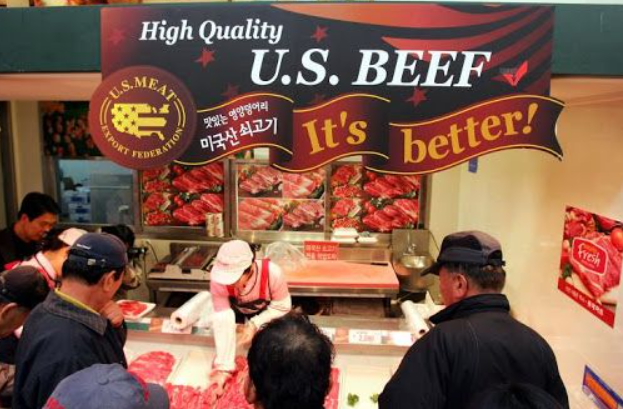
Today, the U.S. Department of Agriculture's Foreign Agricultural Service (FAS) announced it is awarding more than $212 million through the Market Access Program (MAP) and Foreign Market Development (FMD) program to help expand export markets for U.S. food and agricultural products.
The MAP and FMD programs are longstanding cost-share partnerships that help producers build and maintain a competitive presence in the global marketplace.
"USDA's market development programs crowd in private sector capital to help promote U.S. food, fuel, and fiber to foreign buyers." said Under Secretary for Trade and Foreign Agricultural Affairs Luke J. Lindberg. "Partnering with industry ensures that these resources are deployed efficiently and effectively, and that decisions are farmer-driven."
For FY26, FAS will provide more than $181 million to 68 nonprofit organizations and cooperatives through MAP. Map supports a range of consumer-focused promotion for small businesses and cooperatives and is widely used by organizations representing fruits, nuts, processed foods and intermediate bulk commodities. On average, MAP participants contribute more than $2.50 for every federal dollar invested, demonstrating strong industry commitment and leveraging of private-sector resources.
Through the FMD program, FAS will allocate more than $31 million for FY26 to 18 trade organizations representing U.S. agricultural producers. FMD supports long-term market development with a focus on generic commodity promotion, rather than individual brand promotion. Preference is given to organizations that represent broad industry sectors with nationwide membership with an aim to deliver the greatest economic benefit for American agriculture. On average, FMD cooperators contribute $3.25 per federal dollar invested, again demonstrating a shared, successful investment in expanding global demand for U.S. commodities.
The list of awardees for the MAP can be found at www.fas.usda.gov/programs/market-access-program-map/map-funding-allocations-fy-2026.
For FMD Program awardees, visit www.fas.usda.gov/programs/foreign-market-development-program-fmd/fmd-funding-allocations-fy-2026.
To learn more about MAP, FMD and other FAS programs, visit www.fas.usda.gov.

The fed cattle market has been steadily stronger since the first of the year, gaining $10/cwt. from the opening week's $231/cwt. value through last week's $241/cwt. average. This closely matches the early 2025 trend but has extended the pattern a week longer than that of a year ago with last week's continuation higher.
The drastically smaller year-on-year cattle harvest is a significant factor differentiating 2025 and 2026. Since the beginning of the year, fed cattle harvest head counts have run roughly 10% smaller than a year ago. Tightened cattle supply and packer losses deeply in the red both continue to ration the harvest pace. Logic suggests no changes to throughput as long as both cattle and cutout prices work antagonistically against packer profitability.
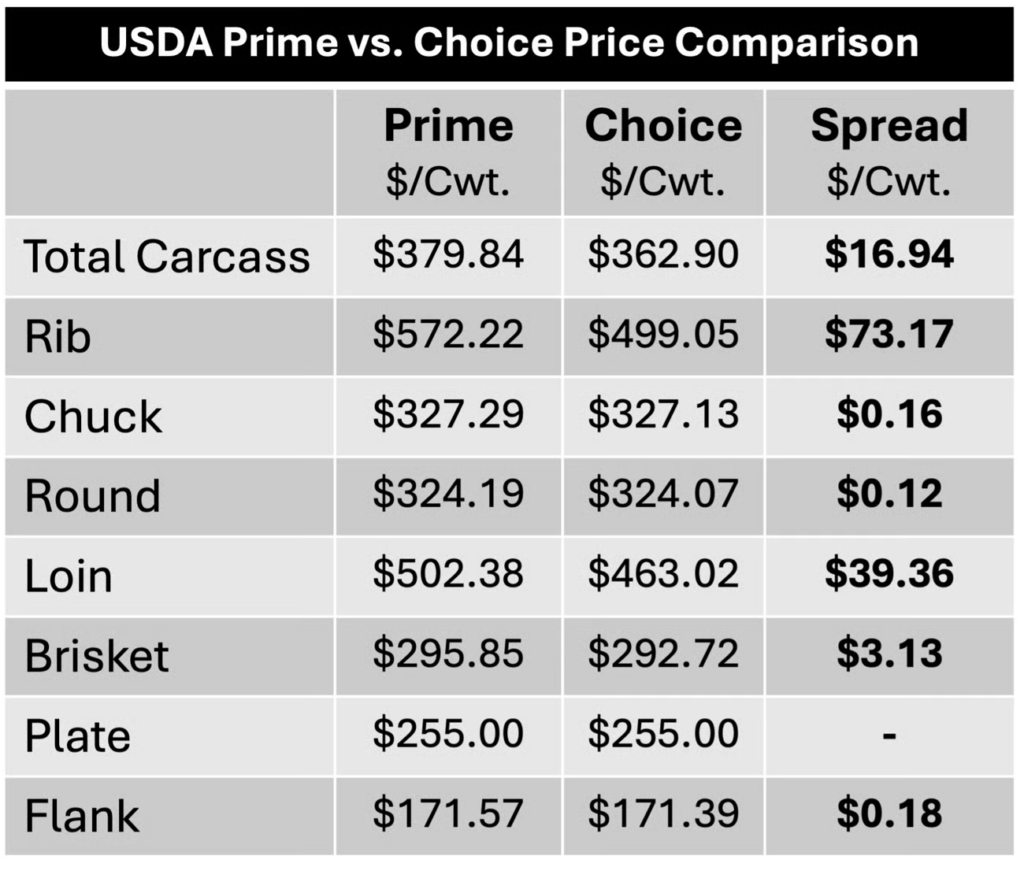
Create emails quickly with structures
A counterbalance to lighter harvest runs continues to rear its head in the form of heavy carcass weights. Latest data for the week of January 19 featured a 3 lb. uptick in steer weights to average 987 lb. each, just 2 lb. below the record marked in December. January weights will average near 30 lb. heavier than a year ago.
Weekly average cutout prices turned modestly lower in early February after the Comprehensive cutout value increased 3.6% since the beginning of January. As demand turned to the ends of the carcass, significant discounting on middle meats was a theme last month. History suggests that the most preferred steak items have already posted seasonal low prices, with unseasonably warm weather in some regions coupled with expected early spring buying stimulating prices.
Utilization Key to Prime Success
Fed steer and heifer carcass quality is charting new territory in the first five weeks of the quarter. Record-heavy carcass weights, the longest feeding periods on record and generations of improved genetics continue to press carcass quality grades to new heights. This has generated an average 14.2% Prime carcasses in the fed cattle mix while Select carcasses average an unprecedented low at 9.7% of the total since January 1. This stands in stark contrast to the 10.7% Prime and 13.6% Select grade mix recorded for the same period a year ago.
As the carcass mix continues to press higher with richer quality grades, the expected impact to cutout prices has also come to fruition. The Prime cutout premium to Choice narrowed to $19/cwt. in January versus $59/cwt. a year ago and $37/cwt. in January 2024. This contrast indicates a wide range and directional change in the premium across three years. However, the number of Prime carcasses in the past five weeks has been 21% greater than a year ago while carcass weights have also been 30 lb. heavier for the period.
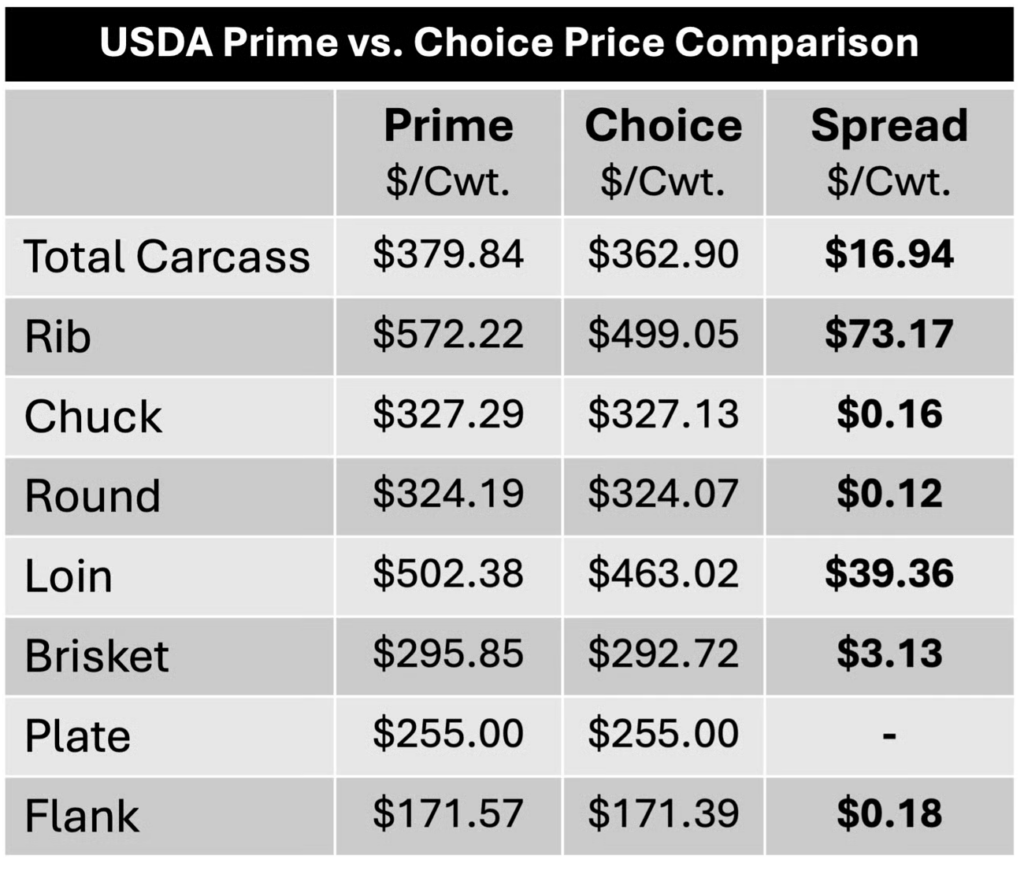
Recent Prime demand models show 20% and greater year-over-year consumer demand increases for multiple months for the recent two years. Growing Prime supply has been met with growing demand, generally across the last decade. The recent added upswing in the Prime carcass supply suggests that expanded utilization of Prime-specific sales across the entire carcass is warranted. In the past couple of years packers have added a growing list of cuts to their sales sheets specific to their Prime-graded product. This is evident in Certified Angus Beef ® brand sales as we have seen the most recent year's sales growth in the CAB® Prime category.
Further opportunity exists to capture consumer demand across the Prime carcass as evidenced by the most recent USDA carcass cutout value report. For the first week in February, USDA lists the Prime cutout premium to Choice at $16.94/cwt. for the entire carcass. Yet, practically all of the premium is found in the rib primal which features a $73.17/cwt. premium, and loin at $39.36/cwt. Briskets have often carried a larger premium than at present, but very adequate supplies have narrowed that premium to $3.13/cwt. While Prime premiums are increasingly being captured on some cuts on both ends of the carcass, chuck and round summary values show relatively small premium contributions, as do the flank and plate.
It's important to note that more demand for individual Prime grade cuts is being discovered on the part of packers and wholesalers as they educate downstream users about the opportunities to capitalize on growing Prime demand. Emphasis on greater utilization of Prime and CAB® Prime carcasses is key to recapturing larger Prime cutout premiums that get allocated throughout the supply chain. After all, the economic drivers fueling current carcass weights and extended feedlot stays may shift over time such that carcass quality takes a step back. Even if not, building demand through exceptional quality is the factor that has allowed beef to vastly outpace other protein options in the market.
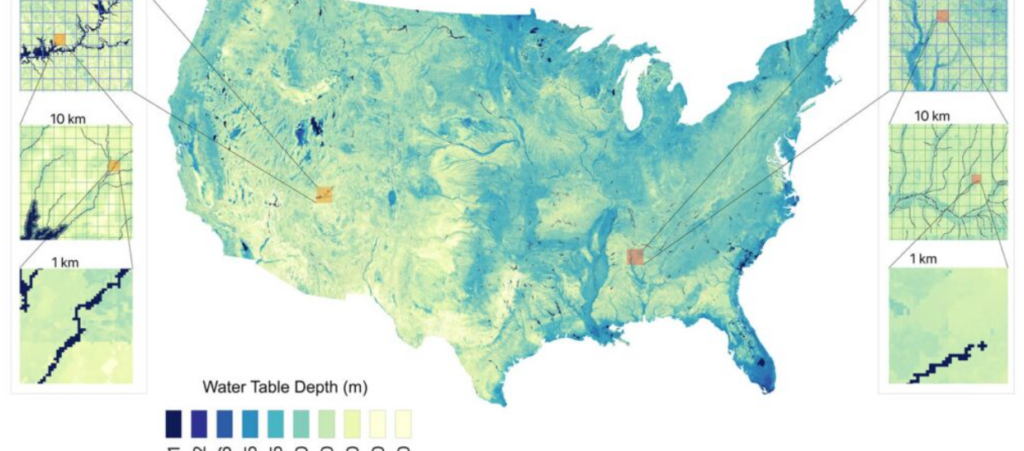
How much fresh water is in the United States? It's a tough question, since most of the water is underground, accessible at varying depths. In previous decades, it's been answered indirectly from data on rainfall and evaporation. Knowing how much groundwater is available at specific locations is critical to meeting the challenges of water scarcity and contamination.
Now, researchers at Princeton University and the University of Arizona have answered this question in unprecedented breadth and detail. Combining direct measurements with artificial intelligence methods, their new map estimates groundwater depth across the continental United States at a resolution of around 30 meters (98 feet).
These detailed estimates led to a new answer: a total of 306,000 cubic kilometers of water, or more than 13 times the volume of all the Great Lakes combined. While this data-driven method shows an amount of water that's in line with earlier studies, it does reveal supplies of shallow groundwater that were previously unknown. The work provides a foundation for further research as well as local and regional decision-making around irrigation, conservation and water infrastructure.
"Given all the things we do know about the planet, we don't actually know how much water we have," said senior study author Reed Maxwell, the William and Edna Macaleer Professor of Engineering and Applied Science at Princeton University. "And since most of it's in groundwater, knowing how much surface water we have is only about 1% of the total. That's where this becomes a hard problem. That's where it becomes an interesting science problem."
Despite groundwater's crucial role in ecosystems and as a resource for drinking water, agriculture and industry, direct measurements of groundwater depth are sparse across many regions of the United States and the world. To create the map, Maxwell and his co-authors combined more than a million direct measurements of groundwater depth with regional climate and geological data. They used this data to train AI algorithms that estimated groundwater depth at sites where measurements were not available. Their results were published Jan. 14 in the journal Communications Earth & Environment.
In addition to calculating the overall volume of groundwater, they estimated the depth of the water table, or the depth below ground at which groundwater is available. They divided the continental United States into a grid of more than 8 billion squares, each measuring 30 meters on each side, and estimated groundwater depth for each square. Combining this depth information with estimates of rock and sediment porosity allowed the team to calculate groundwater volume.
The groundwater depth estimates relied on data from United States Geological Survey groundwater monitoring wells and from previous studies, with measurements ranging from the years 1895 to 2023. This broad time span was necessary because more than half of the sites used in the study were only measured at a single time point. Most of the data was collected after 1970, said Maxwell.
"We had to [combine data from different time periods] to have enough to use a purely data-driven approach. These problems need big data, and we needed a lot of observations to be able to have a reliable model," said Maxwell, who is also a professor of civil and environmental engineering and the High Meadows Environmental Institute. "We call it a modern estimate," rather than an estimate at a specific point in time, he explained. The map hints at impacts of groundwater pumping in agricultural regions, but more data would paint a clearer picture of this trend.
It's counterintuitive, said Maxwell, but this is the first large-scale, hyper-resolution groundwater model that uses actual observations of groundwater. Previous models have been mainly physics-based, meaning they rely on equations that represent the flow of groundwater under different conditions, and have mapped water table depth at a resolution of about 1 kilometer.
The team's data-driven, AI-based model achieves a spatial resolution more than 1,000 times greater than physics-based models. The new approach also uses far less computing power, said lead author Yueling Ma, a former postdoctoral researcher in Maxwell's group who is now a research fellow at Forschungszentrum Jülich in Germany.
Notably, the new model calculates the uncertainty of the groundwater depth estimate at a given location. This calculation relies on a machine-learning method called a random forest. Co-author Peter Melchior, assistant professor of astrophysical sciences and the Center for Statistics and Machine Learning at Princeton, explains: "For each location, the method uses 300 decision trees. Each of these trees is trained slightly differently and is trying to solve the same problem. So, they find different solutions to it. If you have a full forest of them, you can use the variation between them as an estimate of the underlying uncertainty."
Overall, the model's uncertainty is higher in the western United States than in the East, which has important implications because the West generally has deeper water tables and is more dependent on groundwater for irrigation and drinking water, said Melchior.
Since 2020, Melchior and Maxwell have helped lead the development of the HydroGEN (Hydrologic Scenario Generation) platform, a suite of digital tools for understanding U.S. hydrology, along with University of Arizona researchers Nirav Merchant and Laura Condon, the project's lead investigator. The effort has been funded by a $5-million grant from the National Science Foundation's Convergence Accelerator program, which aims to accelerate real-world applications of research through interdisciplinary approaches. Recently this project was awarded a $500,000 supplement from the NSF National AI Research Resource to further democratize its datasets and to accelerate machine learning nationally.
On the HydroGEN team, "we have hydrologists, we have machine-learning experts, we have software developers," said Condon, a co-author of the study and a professor of hydrology and atmospheric sciences at the University of Arizona. This collaboration "allows us to go from hydrology ideas to really building something that other people can access and see and use. A lot of the work we did through the Convergence Accelerator has been focused on user experience and software development."
The model's outputs are publicly available on the team's HydroFrame platform, which makes hydrology data and simulations broadly accessible to researchers and decision-makers alike.
"There's a wide range of people who need to understand how much [groundwater] there is, how deep it is, how accessible it is," said Maxwell. "And those are just the immediate management needs that'll be met by this."
Lead author Ma said that researchers focusing on geochemistry and water quality have approached her about using the team's data to guide their own modeling experiments.
On a practical level, said Maxwell, the new map's high resolution could be valuable for farmers or other local and regional decision-makers. Much of our agriculture depends on center-pivot irrigation, in which a large sprinkler attached to a single well provides water to crops over an area of 500 square meters (about one-eighth of an acre). There are more than 14 million center pivots in the Ogallala Aquifer of the Great Plains, for example.
"It's this local decision [of how to irrigate] that is made millions of times," said Maxwell. And his team's new model accounts for the shallow groundwater that's critical to agriculture in a way that previous models overlooked.
Much of our agriculture depends on center-pivot irrigation, shown here in Bancroft, Idaho. Photo by jimfeng/iStock
"Because we use machine learning, these new techniques, and high-resolution big data products, we can get at that piece that's never been never been able to be calculated or estimated before," he said.
In collaboration with local experts, the team is beginning to expand its method globally. Ma, now in Germany, and co-author Julian Koch of the Geological Survey of Denmark and Greenland are focusing on areas of Europe. Maxwell recently returned to Princeton from a sabbatical in Australia, where he is working with hydrologists to build both physics-based and machine-learning groundwater models for the continent. Others in his group are leading similar work in Brazil. He noted that the approaches developed for the U.S.-focused map can be adapted to model groundwater in regions with less available data.
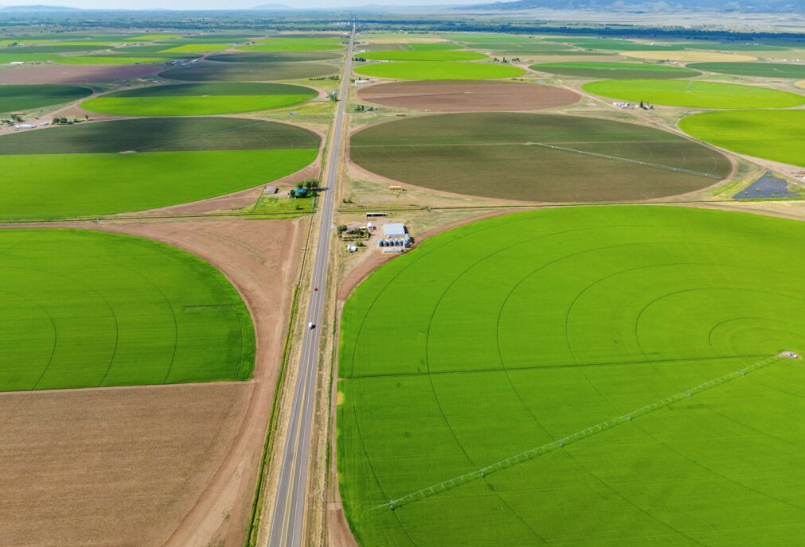
"The idea is to build this community globally, with the hope that as the model gets more generalized and more robust, it becomes a foundational machine-learning model for groundwater," he said.
The article, "High resolution US water table depth estimates reveal quantity of accessible groundwater," was published Jan. 14 in Communications Earth & Environment. In addition to Ma, Condon, Koch, Melchior and Maxwell, authors include Andrew Bennett of the University of Arizona, and Amy Defnet and Danielle Tijerina-Kreuzer of Princeton University. Support was provided by the U.S. National Science Foundation Convergence Accelerator program.
The NFIB Small Business Optimism Index fell 0.2 points in January to 99.3 and remained above its 52-year average of 98. Of the 10 Optimism Index components, three increased and seven decreased. Expected real sales volume was the only component with substantial change, increasing by 6 points. The Uncertainty Index rose 7 points from December to 91. A rise in owners reporting uncertainty about whether it is a good time to expand their business was the primary driver of the rise in the Uncertainty Index.
"While GDP is rising, small businesses are still waiting for noticeable economic growth," said NFIB Chief Economist Bill Dunkelberg. "Despite this, more owners are reporting better business health and anticipating higher sales."
"The optimism index remains stable, but small business owners here in Oklahoma are taking a 'wait-and-see' approach ahead of voters' decision on SQ 832," NFIB State Director Jerrod Shouse said. "The pressure on prices remains a real challenge for Main Street Oklahomans, which will only be exacerbated if voters agree to tie the minimum wage to the CPI in perpetuity."
One major highlight of this report is the new NFIB Small Business Employment Index, which translates multiple jobs-related questions into one single number. Currently, this index tells a story of a balanced labor market, coming in about 1.5 points above its historical average (101.6 current vs 100 average).
In conjunction with the January report, NFIB also released a new episode of the NFIB Research Center's "Small Business by the Numbers" podcast. Listen to the latest episode here.
Key findings include:
As reported in NFIB's monthly jobs report, a seasonally adjusted 31% of all small business owners reported job openings they could not fill in January, down 2 points from December. Unfilled job openings remain above the historical average of 24%. Of the 50% of owners hiring or trying to hire in January, 88% reported few or no qualified applicants for the positions they were trying to fill. A seasonally adjusted net 16% of owners plan to create new jobs in the next three months, down 1 point from December.
The NFIB Small Business Employment Index fell nearly 1 point in January to 101.6, erasing about half of the large gain in December, which reached the highest level since March 2025. The Index remains above the historical average of 100, and just slightly above the 2025 average of 101.2.
In January, 16% of small business owners cited labor quality as their single most important problem, down 3 points from December. This is the third consecutive month that labor quality, reported as the single most important problem, has declined. Labor quality reported as the single most important problem was the highest in the construction, manufacturing, and professional services industries, and lowest in wholesale and finance.
Sixty percent of small business owners reported capital outlays in the last six months, up 4 points from December and the highest level since November 2023. Of those making expenditures, 44% reported spending on new equipment (up 7 points), 26% acquired vehicles (down 1 point), and 16% improved or expanded facilities (down 3 points). Thirteen percent spent money on new fixtures and furniture (unchanged), and 5% acquired new buildings or land for expansion (down 2 points). While more small businesses reported making a capital expenditure in January, fewer plan to make a capital expenditure in the next six months. Eighteen percent (seasonally adjusted) plan capital outlays in the next six months, down 1 point from December. Historically, this is a weak reading.
A net negative 6% of all owners (seasonally adjusted) reported higher nominal sales in the past three months, up 2 points from December. Actual sales gains remained below the historical average of a net 0%. The net percent of owners expecting higher real sales volumes over the next quarter rose 6 points from December to a net 16% (seasonally adjusted).
The net percent of owners reporting inventory gains rose 4 points to a net 3% (seasonally adjusted), the highest reading since January 2023. Not seasonally adjusted, 14% reported increases in stocks (up 1 point), and 17% reported reductions (up 2 points). A net negative 3% (seasonally adjusted) of owners viewed current inventory stocks as "too low" in January, down 2 points from December. A net negative 2% (seasonally adjusted) of owners plan inventory investment in the coming months, down 1 point from December.
In January, 62% of small business owners reported that supply chain disruptions were affecting their business to some degree, down 2 points from December. Four percent reported a significant impact (up 1 point), 17% reported a moderate impact (down 4 points), 41% reported a mild impact (up 1 point), and 37% reported no impact (up 2 points).
A seasonally adjusted net 26% of owners reported raising average selling prices in January, down 4 points from December. The incidence of price increases remained well above the historical average of a net 13%, suggesting continued inflationary pressure. Unadjusted, 36% reported higher average prices (up 2 points), and 11% reported lower average selling prices (up 3 points). Looking forward to the next three months, a net 32% (seasonally adjusted) plan to increase prices, up 4 points from December. Twelve percent of owners reported that inflation was their single most important problem in operating their business (higher input costs), unchanged from December.
Seasonally adjusted, a net 32% reported raising compensation, up 1 point from December. A seasonally adjusted net 22% plan to raise compensation in the next three months, down 2 points from December. The frequency of reports of positive profit trends fell 1 point from December to a net negative 21% (seasonally adjusted).
Among owners reporting lower profits, 34% blamed weaker sales, 8% cited the rise in the cost of materials, and 14% cited usual seasonal change. Ten percent reported price change for their product(s) or service(s), and 10% cited labor costs. Among owners reporting higher profits, 58% cited sales volume, 15% cited usual seasonal change, and 11% cited higher selling prices.
A net 3% reported their last loan was harder to get than in previous attempts, down 2 points from December. In January, a net negative 6% of owners reported paying a higher interest rate on their most recent loan, down 3 points from December. The average rate paid on short maturity loans was 9.1% in January, up 0.7 points from December. Twenty-five percent of all owners reported borrowing regularly, unchanged from December.
Overall business health improved in January, with more reporting it as excellent and fewer reporting it as fair. When asked to evaluate the overall health of their business, 14% rated it as excellent (up 5 points), 54% rated it as good (unchanged), 27% rated it fair (down 7 points), and 4% rated it poor (up 1 point). The net percent of owners expecting better business conditions fell 3 points from December to a net 21% (seasonally adjusted).
In January, 15% (seasonally adjusted) reported that it is a good time to expand their business, up 2 points from December. Compared to readings during economic expansions, this is not a strong reading.
In January, 18% of small business owners reported taxes as their single most important problem, down 2 points from December and ranking as the top problem. This suggests that the less consistent issues (labor quality, inflation, poor sales, etc.) are not currently in a bad state.
The percent of small business owners reporting labor quality as the single most important problem for their business fell 3 points from December to 16%. This is the third consecutive month that labor quality, reported as the single most important problem, has declined. Labor costs reported as the single most important problem for business remained at 9%.
Thirteen percent of small business owners reported the cost or availability of insurance was their single most important problem in January, up 4 points from December. The last time insurance reported as the single most important problem, was this high was December 2018.
Twelve percent of owners reported that inflation was their single most important problem in operating their business, unchanged from December. The percent of small business owners reporting government regulations and red tape as their single most important problem rose 2 points to 9%.
The percent of small business owners reporting poor sales as their top problem fell 1 point to 9%. Six percent reported competition from large businesses as their single most important problem, unchanged from December. Three percent reported that financing and interest rates were their top business problem in January, unchanged from December.
The NFIB Research Center has collected Small Business Economic Trends data with quarterly surveys since the fourth quarter of 1973 and monthly surveys since 1986. Survey respondents are randomly drawn from NFIB's membership. The report is released on the second Tuesday of each month. This survey was conducted in January 2026.
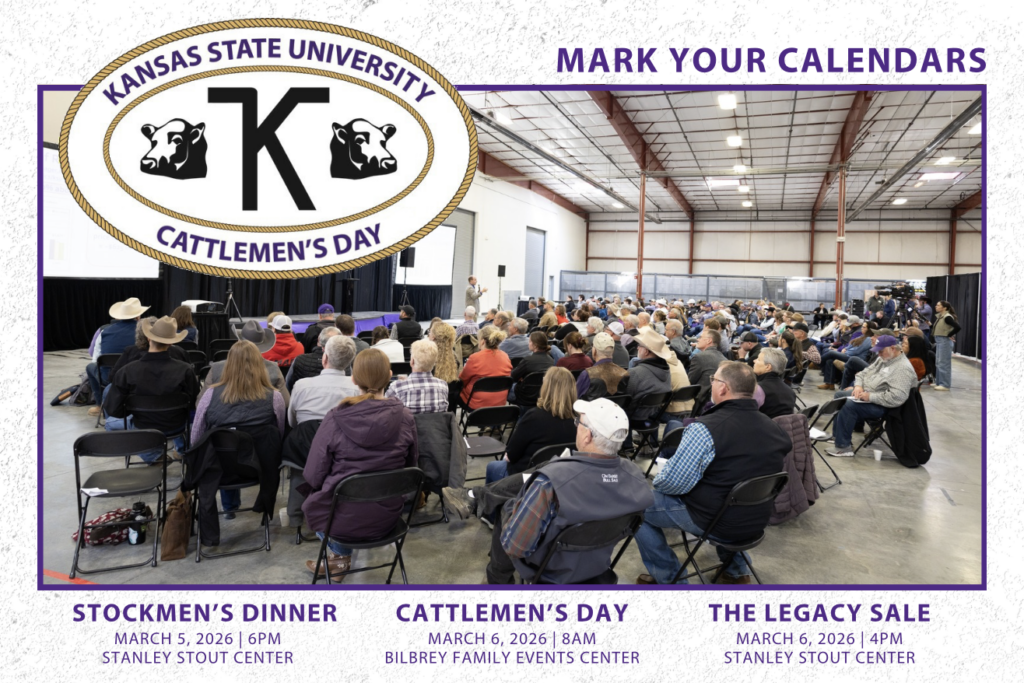
Plan to join us for the 113th Annual Cattlemen's Day set for Friday, March 6 at the Bilbrey Family Event Center in Manhattan, KS. This year's program features an economic outlook, presentations on focused selecting the next generation of replacement females, updates on current research and emerging parasitic diseases. An additional highlight is Dr. Shannon Ferrell, of Oklahoma State who will address "Navigating Farm and Ranch Generational Transitions".
Refreshments, donuts and a tradeshow will kick off activities at 8:00 a.m., with the speaker sessions beginning at 9:00 a.m. Lunch is included in the registration cost. The cost to register is $25 per person if registered by February 20. After that date or at the door the cost increases to $35 per person.
To view the program and to register visit asi.k-state.edu/events/cattlemens-day or view the attached flyer.
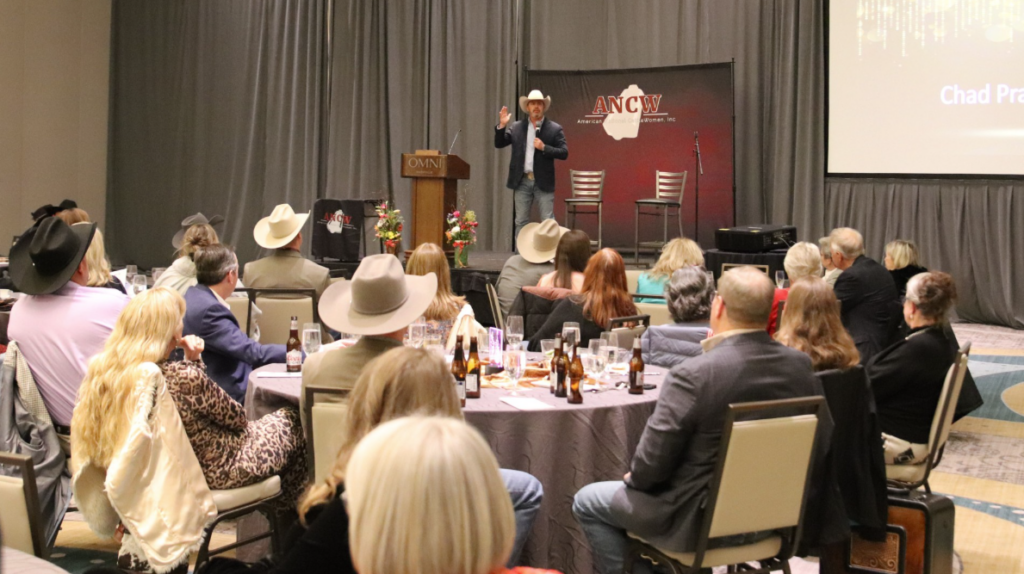
There are some evenings that remind you exactly why you love this industry — and the ANCW
Cowgirl Cotillion was one of them.
Cattlemen and women from across the country gathered for an unforgettable night filled with
laughter, celebration, and a shared passion for promoting beef. Now in its second year, the
Cowgirl Cotillion has quickly become a favorite tradition — blending purpose and fun in true
cattlewomen style.
The energy in the room was undeniable as guests arrived, greeted friends from across state
lines, and prepared for a night that promised both entertainment and impact. The highlight of the
evening was a performance by nationally recognized comedian Chad Prather, whose quick wit
and relatable humor had the audience laughing from start to finish. His ability to connect with a
crowd rooted in agriculture made the evening feel both personal and unforgettable.
Of course, no Cotillion would be complete without a little friendly competition. The live and silent
auctions brought out enthusiastic bidders, all eager to support ANCW's mission. From unique
items to special experiences, the generosity of sponsors and attendees was on full display.
Every bid placed directly supports ANCW's work in beef education, promotion, and legislation —
the pillars that guide the organization's efforts nationwide.
One of the most meaningful moments of the evening came as ANCW recognized its outstanding
award recipients. Connie Tabor of Oklahoma was honored as Outstanding Cattlewoman of the
Year for her leadership and commitment to strengthening the organization. Leanna Spratling of
Nevada was named Promoter of the Year for her dynamic efforts to champion beef and share
agriculture's story. Laurie Munns of Utah received the Educator of the Year award in recognition
of her dedication to teaching and outreach that builds understanding and trust in the beef
industry.
Special guests, sponsors, and supporters, many returning for their second year, added to the
excitement and momentum surrounding the event. Their continued partnership reflects the
growing enthusiasm for the Cowgirl Cotillion and the work of ANCW. A special thank you to our
sponsors Elanco, Powder River, Zoetis, Cronus, and Animal Health International for your
continued support of the Cowgirl Cotillion and ANCW.
About American National CattleWomen (ANCW)
American National CattleWomen (ANCW) is a national nonprofit organization committed to
advancing the beef industry through three core pillars: beef education, promotion, and
legislation. Founded in 1952, ANCW works to educate consumers and students, promote beef
and the cattle industry, and advocate for sound public policy that protects ranching families and
food security.
Livestock producers continue to see more marketing options move into the digital space, and one company blending online tools with traditional outreach is LivestockMarket.com. Brayden Anderson, who represents the company across Oklahoma and Texas, while speaking with Ron Hays, says the platform builds on a long history while focusing squarely on modern livestock marketing.
Anderson explained that the company's roots go back decades. "Our company started way back in the 70s, helping people sell used farm equipment," he said. The livestock-focused side of the business launched online in January of 2021, and later expanded into print. "We started printing a livestock market one as well once a month," Anderson noted, adding that the publication began circulating through gas stations and feed stores in August of 2023 and has continued to grow steadily.
For producers, Anderson said the process of buying or selling cattle is intentionally straightforward. "If they go online, there's a button that says 'sell your livestock,'" he explained. Sellers can submit listings digitally and work directly with a representative, while buyers can filter listings by breed, quality, and location. "There's a nice little filtration process there onto our website making sure you find the right breed, the right quality that you're looking for," Anderson said.
LivestockMarket.com primarily operates as an online private treaty platform, but also offers regularly scheduled auctions. "We do mostly online private treaty," Anderson said, while noting that cattle auctions are held the first and third Wednesdays of each month, along with separate sale days for horses, small livestock, and hay. He added that many producers find success by starting with private treaty pricing and later moving cattle to auction when timing becomes critical. "The auctions have that guaranteed sale side of it as well," he said.
According to Anderson, the company's biggest point of differentiation is its printed publication combined with strong online visibility. "Those publications, they don't become junk mail in mailboxes," he said. "They just go out to the feed store, and everybody that picks one up, we know they're interested in something." Paired with high search visibility online, Anderson said the goal is simplicity. "It's not a lot different than shopping on Amazon," he said. "We like to be a one-stop shop where we've got anything and everything people might be looking to buy."
Coverage of CattleCon26 is powered by Farm Data Services of Stillwater, Oklahoma.
The National Council of Farmer Cooperatives (NCFC) today recognized three exceptional leaders during its 2026 Annual Meeting, honoring individuals whose dedication and leadership have strengthened farmer-owned cooperatives and rural communities across the country.
Lance Shedden Named Inaugural Emerging Leader Award Recipient
Lance Shedden, a dairy farmer from Bradford County, Pennsylvania, and board member of Maola Local Dairies, was named the inaugural recipient of NCFC's Emerging Leader Award.
The Emerging Leader Award recognizes cooperative members who represent the next generation of leadership within the cooperative system. Shedden has quickly become an engaged and respected voice within his cooperative, serving first on Maola's Leadership Council before being elected to its Board of Directors. On his family's dairy operation, he has helped implement innovative animal care, sustainability, and technology practices that strengthen both farm performance and the broader dairy community. He is also actively involved in agricultural education and community outreach, helping build the next generation of agricultural leaders.
Kevin Still Named Robert B. Engel Farmer Cooperative Manager of the Year
Kevin Still, President and CEO of Keystone Cooperative, was honored as the 2026 Robert B. Engel Farmer Cooperative Manager of the Year.
Still has dedicated more than four decades to his cooperative, including 36 years as President and CEO, leading a $3 billion organization serving farmers across three states and employing more than 2,000 people. Throughout his tenure, he has delivered strong financial performance while guiding the cooperative through strategic growth and transformation to meet evolving farmer needs. He is widely respected for building a culture of excellence and maintaining an unwavering focus on delivering value to farmer-owners.
Dan Schurr Named Farmer Cooperative Director of the Year
Dan Schurr, former chairman of CHS Inc., was recognized as NCFC's 2026 Farmer Cooperative Director of the Year.
Schurr served nearly two decades on the CHS Board of Directors, including eight consecutive years as Board Chair. During his tenure, he helped guide the cooperative through significant leadership transitions, strengthened board governance practices, and championed strategic initiatives to position the organization for long-term success. He has also been a tireless advocate for farmer cooperatives at the state and national levels and a mentor to emerging cooperative leaders across the country.
"These award recipients reflect the strength, resilience, and forward-looking leadership that define farmer cooperatives," said NCFC President and CEO Duane Simpson. "From emerging leaders to seasoned executives and board directors, each of these individuals has made a lasting impact on their cooperative, their members, and rural America."
The awards were presented during NCFC's Annual Meeting in San Antonio, Texas, where cooperative leaders from across the country gathered to discuss policy, governance, and the future of farmer-owned businesses.
About NCFC
Since 1929, NCFC has been the voice of America's farmer cooperatives. Our members are regional and national farmer cooperatives, which in turn consist of more than 1,600 local farmer cooperatives across the country. NCFC members also includes state and regional councils of cooperatives. Farmer cooperatives allow individual farmers the ability to own and lead organizations that are essential for continued competitiveness in both the domestic and international markets.
America's farmer-owned cooperatives provide a comprehensive array of services for their members. These diverse organizations handle, process and market virtually every type of agricultural commodity. They also provide farmers with access to infrastructure necessary to manufacture, distribute and sell a variety of farm inputs. Additionally, they provide credit and related financial services, including export financing.

Maximizing Ag Write-Offs: 2025 Tax Strategies and Planning for Farmers and Ranchers
With tax season fast approaching, farm director KC Sheperd recently sat down with Stephen Dissette of the Horter Investment Management Group to discuss essential tax preparation strategies for agricultural producers. Dissette shared his insights on navigating the tax code, avoiding common pitfalls, and taking advantage of recent legislative changes.
When it comes to taxes, Dissette's first piece of advice is simple: do not procrastinate. Gathering accurate information is crucial, as he noted the computer expression, "garbage in equals garbage out".
According to Dissette, the biggest mistake farmers and ranchers make is missing out on write-offs, which leads to them paying more than their fair share in taxes. To prevent this, he strongly advocates for hiring a professional CPA or tax preparer. He explained that the cost of a professional is well worth it to keep the IRS off your back and to ensure you receive the maximum write-offs available.
Dissette highlighted several positive changes stemming from recently passed tax legislation, which he referred to as the "big beautiful bill". These updates offer substantial benefits for the agricultural sector:
When it comes to specific deductions, Dissette advises producers to simply ask their tax preparer questions so they don't miss out.
Beyond immediate tax returns, Dissette touched on long-term financial planning. He mentioned newly established "Trump accounts," where the government will seed $1,000 for babies born between now and 2028. Families and employers can contribute up to $5,000 a year into these accounts, which are invested in low-fee, high-growth equity mutual funds and tied up until the child reaches 18. Dissette noted that with consistent contributions, these accounts could potentially grow to $250,000 by the time the child turns 18.
For older generations looking to pass down the family farm, estate planning is critical. Dissette shared that estate tax limits have been raised to $15 million per person and $30 million per couple. This change is designed to help keep family farms and ranches intact and keep wealth within the family.
To navigate these complexities, Dissette recommends building a "Dream Team" of advisors, likening it to the famous 1990s basketball Dream Team featuring legends like Larry Bird, Michael Jordan, and Magic Johnson.
He stressed the importance of ensuring these advisors—such as CPAs and estate attorneys—are fiduciaries. A fiduciary is a professional who is legally bound to recommend only what is in your best interest.
"Have a plan and work your plan," Dissette advised, warning against trying to "wing it" when it comes to financial and succession planning.
Dissette, a 6-foot-6 Navy veteran who teaches retirement classes, can be reached through his website, stephenddissetteandassociates.com. And while he may have the height of a basketball player, when asked by Sheperd if he could still dunk, he humorously replied that the only thing he dunks these days is a donut.

For more information click here:
In today's beef buzz, senior farm and ranch broadcaster Ron Hays speaks with Oklahoma State University Extension livestock market economist Dr. Derrell Peel to dig further into the latest cattle inventory numbers and what they really say about where the industry stands. Peel summed up the new report simply, saying it's the "same story, next chapter," noting that while producers keep searching for a turning point, "we really haven't changed the fundamentals" of the cattle cycle yet.
Peel emphasized that the industry still can't confirm a bottom in the herd cycle. "Honestly, we still can't say for sure that we've got a low in this inventory cycle," he explained, adding that it could take another year before that becomes clear. While the report did show a slight increase in beef replacement heifers, Peel cautioned that it's "not enough to indicate significant growth," suggesting the industry may simply be in a flat spot before eventually changing direction—a process that could still leave meaningful expansion "two or three years away."
Looking at state-by-state numbers, Peel noted limited signs of growth in key cattle regions. "If you look at the top 10 beef cow states... only three of them showed a positive year-over-year change," he said. Oklahoma was one of those, with inventories up just four-tenths of a percent, while major states like Texas, Kansas, Nebraska, and Missouri all declined. According to Peel, ongoing drought concerns are a major factor, saying "drought conditions or lingering drought threats is a significant factor affecting producers' willingness to get very aggressive."
Despite strong markets, Peel said caution continues to dominate decision-making. "Everybody is enjoying these markets, but they're still not necessarily running out there changing their approach," he observed. He described the current mindset with one word: "caution." Comparing today's situation to the rapid rebuild 10–12 years ago, Peel said this cycle looks very different, adding, "This one looks like it's going to be one of the slowest herd rebuilds."
As he takes this message back to Southern Plains producers, Peel encouraged them to capitalize on today's incentives. "The market is really focused on cow-calf... it's providing incentives in terms of these record calf prices," he said. Whether producers choose to hold back heifers, buy bred heifers, or even proven bred cows, Peel believes there's flexibility. "I think we're going to be in pretty good market conditions for probably much of the rest of the decade," he added, reminding producers that with calves worth what they are today, "it's worth some extra effort to keep those babies alive."
Coverage of CattleCon26 is powered by Farm Data Services of Stillwater, Oklahoma.
The Beef Buzz is a regular feature heard on radio stations around the region on the Radio Oklahoma Ag Network and is a regular audio feature found on this website as well. Click on the LISTEN BAR for today's show and check out our archives for older Beef Buzz shows covering the gamut of the beef cattle industry today.
General Revenue Fund (GRF) collections in January 2026 totaled $838.7 million, which is $11.9 million, or 1.4%, above the monthly estimate. This total is also $37.5 million, or 4.3%, below collections from January 2025.
GRF collections for the first seven months of fiscal year 2026 stand at $4.9 billion. This is $247 million, or 5.3%, above the year-to-date estimate and $48.5 million, or 1%, above collections from the same period in FY 2025.
The State Board of Equalization (BOE) will meet this Friday, Feb. 13, and certify updated estimates for FY 2027, which will set the Legislature's appropriation authority for the 2026 legislative session. The February 2026 BOE packet will also include updated projections for the remainder of FY 2026. This packet will be available on the OMES website following the Friday BOE meeting.
"Oklahoma's general revenue numbers remain steady and on track overall," said OMES Director Mark Wood. "January came in slightly above the estimate, and year-to-date collections are running more than 5% above projections, even with normal fluctuations in income and gross production taxes from month to month.
"Strong sales and use tax collections and higher interest earnings continue to help offset underperformance in other areas. Friday's BOE meeting will give us updated estimates for the rest of FY 2026 and the upcoming budget year."
January 2026 revenue tables are available on the OMES website.
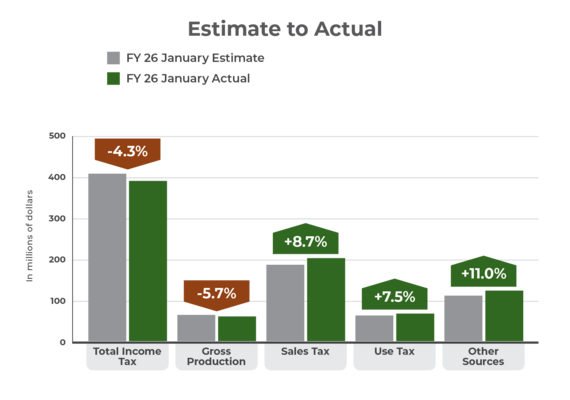
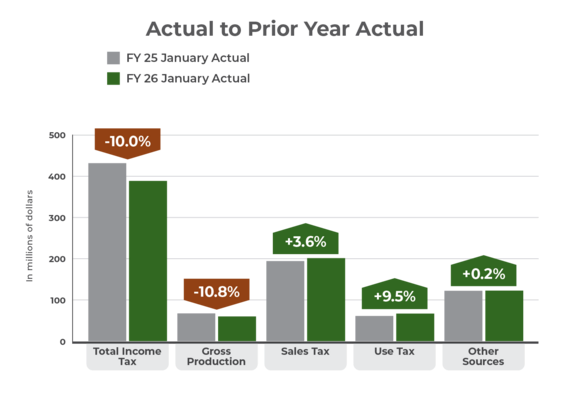
As state government's main operating fund, the GRF is the key indicator of state government's fiscal status and the predominant funding source for the annual appropriated state budget. GRF collections are revenues that remain for the appropriated state budget after rebates, refunds and other mandatory apportionments, and after sales and use taxes are remitted back to municipalities. In contrast, gross collections, reported by the state treasurer, are all revenues remitted to the Oklahoma Tax Commission.
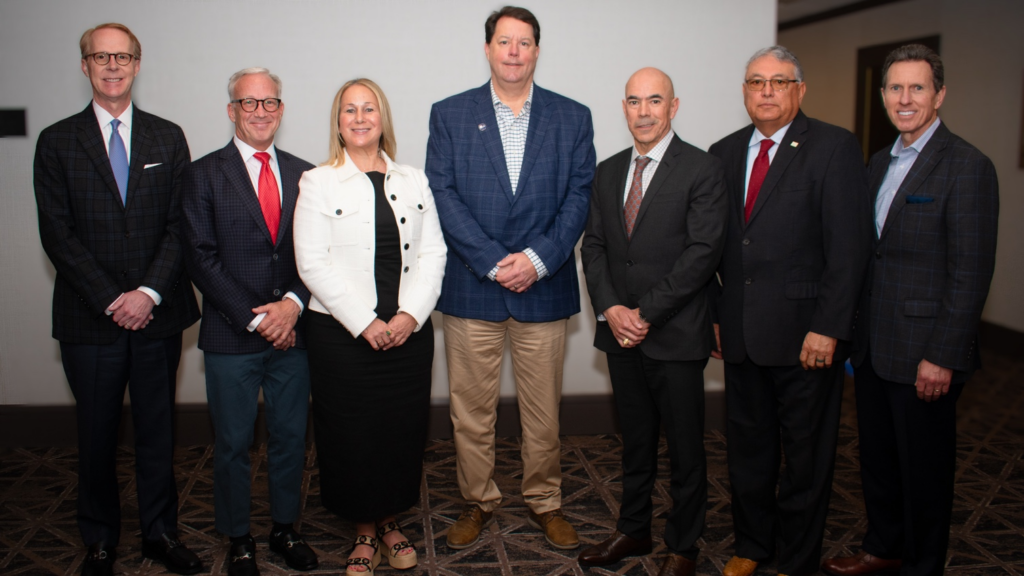
During the National Cotton Council (NCC) 2026 Annual Meeting, John C. King, III, a merchant official from Richardson, TX, will serve as Cotton Council International's (CCI) president for 2026. CCI is the National Cotton Council's (NCC) export promotion arm and carries out programs in 50-plus countries under the COTTON USA trademark. Carlo Bocardo, a cooperative official from Bakersfield, CA, will serve as CCI chairman.
King brings over 35 years of dedicated experience in the cotton industry to his new leadership role. He is a Senior Vice President with Olam Agri. King has served as past president of the Southern Cotton Association and holds director positions with the American Cotton Shippers Association (ASCA), NCC and CCI.
Other CCI officers elected were first vice president Richard Gaona, a producer from Texas; second vice president Wayne Boseman, a cooperative official from North Carolina; secretary Gary Adams, Tennessee; and assistant secretary Liz Hershfield, Florida. Newly elected as CCI treasurer was H. Thomas Hayden, Jr., a merchant from Tennessee.
Newly elected CCI directors were Amy Hopper, cottonseed official from KS; Tom Pires, ginner from CA; Ryan Cucci, merchant from TN; Michael Morawski, merchant from LA; Clint Webb, producer from GA; and Brent Nelson, producer from TX.
Re-elected as 2026 CCI directors were:
Producers –
• Paul Ollerton, AZ
• Mark Nichols, OK
• Matthew Hyneman, AR
• John Lindamood, TN
• Phillip Edwards, VA
• Vance Shoaf, TN
Ginner –
• Brad Williams, TN
Cooperatives –
• Kevin Brinkley, TX
• Paul Bush, AZ
• Frederick Barrier, MS
Warehouse –
• Vance Shoaf, TN
Merchants –
• Neeraj Rana, TN
• Wesley Rentz, SC
• Beau Stephenson, TX
Manufacturers –
• James Martin, NC
• Michael Quinn, NC
Oklahoma House Speaker Kyle Hilbert, R-Bristow, congratulates Representative-Elect Dillon Travis, R-Maramec:
"Congratulations to Dillon Travis on his resounding victory in House District 35. Tonight's bellwether result makes it clear that Oklahoma voters have continued strong confidence in conservative leadership as we enter a statewide election season. We look forward to welcoming Representative-Elect Travis to the House chamber next Wednesday for his swearing-in ceremony."

With the 2026 Oklahoma Association of Conservation Districts (OACD) Annual State Meeting less than a month away, Executive Director Jean Lam joined Oklahoma Farm Report's Farm Director KC Sheperd to outline the agenda for what promises to be a pivotal gathering for the state's agricultural stewards.
Set for March 1–3, 2026, at the newly unveiled OKANA Resort & Indoor Waterpark in Oklahoma City, this year's meeting centers on the theme "Homecoming: One Land, One Legacy." According to Lam, the theme reflects a dual focus: celebrating the deep roots of Oklahoma's conservation history while navigating the modern challenges facing today's producers.
Speaking with Sheperd, Lam emphasized that the annual meeting serves as the primary rallying point for the district directors who operate in every county across the state.
"This meeting is our 'homecoming' in every sense of the word," Lam told Sheperd. "It is about bringing our family of conservationists back together to remember why we do this work. We are celebrating the legacy of those who came before us—the ones who built these districts out of the Dust Bowl—while equipping our current producers with the tools they need to ensure that legacy survives for another century."
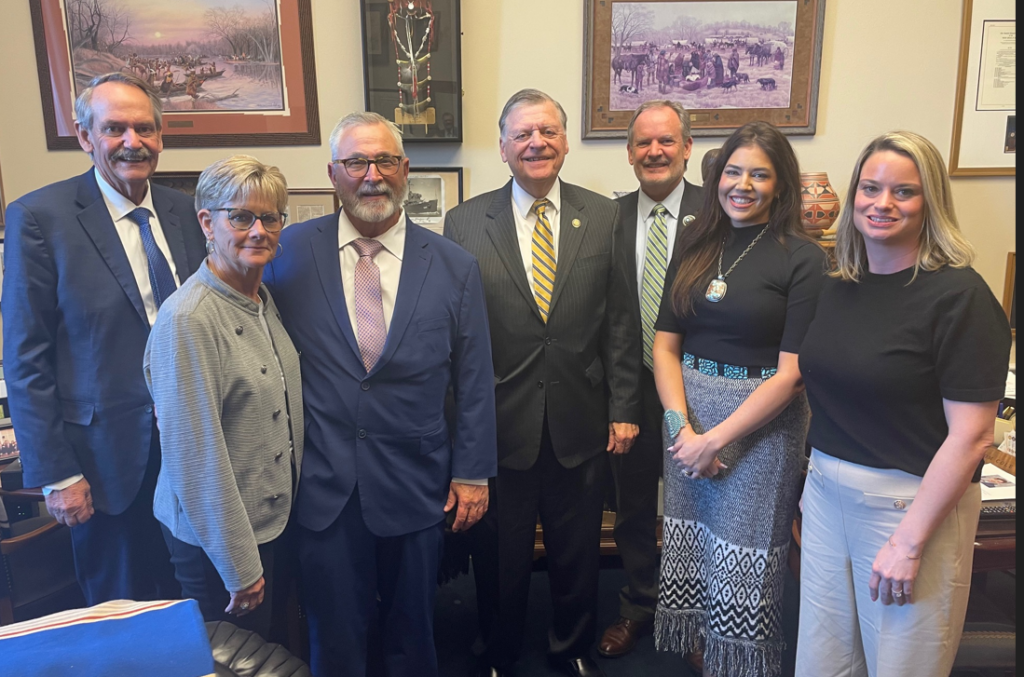
The three-day event will feature a robust schedule of legislative updates, technical training, and partnership building. A key component of the meeting is recognizing outstanding contributions to the field, with awards for youth leaders, district employees, and state legislators who have championed conservation statutes.
Lam noted that the choice of the new OKANA Resort as the venue signals a step forward for the organization, providing a central and modern hub for the hundreds of attendees expected to participate.
"Our districts are the boots on the ground for everything from drought response to soil health education," Lam explained. "When we gather in March, the goal is to make sure every district director leaves feeling empowered and supported, knowing they have a statewide network behind them."
The conversation also touched on the broader context of the meeting: the ongoing need for drought resilience and "climate-smart" agricultural practices. Lam highlighted that the sessions are designed to bridge the gap between federal funding opportunities—such as USDA's Climate-Smart Commodities partnerships—and the practical, day-to-day realities of Oklahoma farming and ranching.
"Whether you are a large-scale cattle operator or a specialty crop grower, the principles of stewardship remain the same," Lam said. "This meeting is where we share the data, the strategies, and the stories that help our neighbors keep their land productive."
Registration for the 2026 OACD Annual State Meeting is currently open. Lam urged district directors and partners to register by the early bird deadline of February 10 to secure their spots.
"If you care about the future of Oklahoma's natural resources, this is the room you need to be in," Lam concluded.
You can click through the scheduled Agenda for the Meeting below.

Adam Rabinowitz, Southern Ag Today- The USDA released the February World Agricultural Supply and Demand Estimates (WASDE) report yesterday with relatively little fanfare, especially compared to January. Wheat showed a little lower domestic use, resulting in higher ending stocks. Alternatively, corn showed greater exports and a lower ending stock, down to 2.1 billion bushels. Both the wheat and corn price projections remained unchanged at $4.90 per bushel for wheat and $4.10 per bushel for corn. The futures market for wheat and corn was essentially flat in response.
The most active part of a quiet report day was with soybeans. While domestic supply and use projections remained unchanged, production in Brazil was increased 2.0 million tons to 180.0 million tons. This was as a result of both greater reporting area in Brazil and favorable weather conditions, contributing to an increase in global production and ending stocks. However, the nearby futures market for soybeans maintained its upward trajectory, increasing roughly 11-12 cents per bushel, continuing the trend that started February 4 when soybean futures increased over 26 cents on comments by President Trump about China purchasing more soybeans. Regarding China, the WASDE report indicated that, "China is reported to be considering buying more U.S. soybeans, ... [but] if China bought more from the United States, global soybean exports will likely be shifted with more U.S. shipments to China and less to other markets." Thus, no change in global soybean demand was made in this report.
Meanwhile, the balance sheet for cotton remained basically unchanged, with exports reduced 200,000 bales and the marketing year average price decreasing 1 cent to 60 cents per pound. Table 1 details the current balance sheet for the four major crops. Upcoming USDA activity to watch includes the release of the USDA Agricultural Baseline Projections to 2035, the 102nd Agricultural Outlook Forum, and then the March WASDE and Prospective Plantings reports.
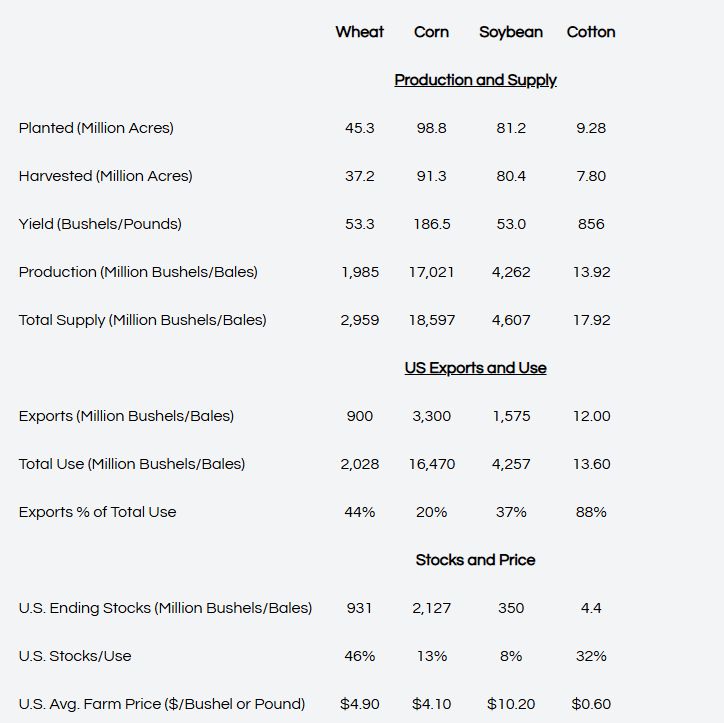
RON's Dave Lanning has a pre-opening look at today's agricultural Markets.
Click the audio tab below for today's report.
The U.S. Department of Agriculture (USDA) today announced the enrollment periods for agricultural producers and landowners to submit offers for the Continuous and General Conservation Reserve Program (CRP). USDA's Farm Service Agency (FSA) is accepting offers for Continuous CRP starting Feb. 12, 2026, through March 20, 2026. Enrollment for General CRP will run from March 9, 2026, through April 17, 2026. FSA will announce dates for Grassland CRP signup in the near future.
CRP is USDA's flagship conservation program, providing financial and technical support to agricultural producers and landowners who place unproductive or marginal cropland under contract for 10-15 years and who agree to voluntarily convert the land to beneficial vegetative cover to improve water quality, prevent soil erosion and support wildlife habitat. The Continuing Appropriations, Agriculture, Legislative Branch, Military Construction and Veterans Affairs, and Extensions Act, 2026, extends FSA's authority to administer CRP through Sept. 30, 2026.
"We're still very close to the 27-million-acre statutory cap with 1.9 million acres available for all CRP enrollments this fiscal year so enrollment is likely to be competitive," USDA's Under Secretary for Farm Production and Conservation Richard Fordyce said. "This isn't about the total number of acres enrolled, it's about producers and landowners offering and USDA accepting the acres that can best deliver real, lasting benefits to soil, water and wildlife."
Continuous CRP (Signup 65)
FSA will batch Continuous CRP offers submitted by interested agricultural producers and landowners. Offers to re-enroll expiring CRP continuous acreage will be accepted on a first-come, first-serve basis. New acreage offered in continuous CRP practices will be considered for acceptance on a first-come, first-serve basis if they support USDA conservation priorities including but not limited to practices that address water quality, such as filter strips and grass waterways, and practices that restore native ecosystems or target specific resource concerns.
The first Continuous CRP batching period ends on March 20, 2026. Offers submitted after this date will be considered for acceptance in subsequent batching periods if acreage remains available.
Continuous CRP participants voluntarily offer environmentally sensitive lands, typically smaller parcels than offered through General CRP including wetlands, riparian buffers, and varying wildlife habitats. In return, they receive annual rental payments and cost-share assistance to establish long-term, resource-conserving vegetative cover.
Continuous CRP enrollment options include:
General CRP (Signup 66)
General CRP offers are submitted through a competitive bid process. After the enrollment period closes, General CRP offers are ranked and scored by FSA, using nationally established environmental benefits criteria. USDA will announce accepted offers once ranking and scoring for all offers is completed. In addition to annual rental payments, approved General CRP participants may also be eligible for cost-share assistance to establish long-term, resource-conserving vegetative cover.
More Information
Producers and landowners interested in participating in CRP should contact their local FSA county office.
Signed into law in 1985, CRP is one of the largest voluntary private-lands conservation programs in the United States. Originally intended to primarily control soil erosion and potentially stabilize commodity prices by taking marginal lands out of production, the program has evolved over the years, providing many conservation and economic benefits.
Branding today is still the most recognized and accepted means of indicating ownership of cattle in North America. Eventually, other methods such as electronic ear tags may become the standard for identification, but for now, cattle producers continue to utilize the time-tested, permanent and universal method of branding. Branding, is an effective method of permanent identification, a deterrent to cattle thieves and an important tool to assist in the recovery of stolen cattle.
Summary of Oklahoma Brand Laws
Those applying for state brand registration must complete and file the Application for Registration of Brands and Marks (found at: http://www.okcattlemen.org/brands) with the Oklahoma Cattlemen's Association Brand Division, P.O. Box 82395, Oklahoma City, Oklahoma 73148. The application must be accompanied by a $60.00 registration fee. Upon approval, a brand certificate will be mailed to the applicant indicating the brand registered. All brands approved by the Oklahoma Cattlemen's Association (OCA) will appear in the following brand book or supplement printed.
All brands must be renewed at the beginning of each five year registration period in years ending in 0 and 5, regardless of when the brand was registered. State registered brand owners will be notified by mail before the five year registration period ends. At this time, brands are renewed prior to publication of the newest Oklahoma Brand Book.
Brand books are furnished to county sheriffs, county extension agents, vocational agricultural instructors, and libraries without charge. They can be purchased by the public from OCA at a price equal to the cost of preparation, printing, and delivery.
Where, When and How to Brand
When ownership brands are applied it is best to use hot brands. The clarity of the application can be determined shortly after branding, and animal-to-animal variation does not affect the end results as greatly as with freeze branding. A good hot brand is recognizable because it destroys hair follicles located under several layers of skin and leaves a permanent bald scar on the hide of the animal.
Identification and ownership brands can be applied at any time during the year, but this procedure is usually performed in combination with one or more practices such as weaning, castration and vaccination. Calves are usually branded before or during weaning because the probability of a calf straying is greater after weaning.
Good brands can be achieved by properly heating the irons until they appear a silvery-gray (similar to the color of ashes) in the daylight, but glow a cherry-red color when held in a dark area. Clipping excessive hair growth or mud from the hide area to be branded, and keeping irons clean at all times with a steel brush to remove hair, dirt and other debris are management practices which should be utilized. The irons can be heated in a wood fire (bed of coals) or a propane (bottled) gas fire. An electric branding iron can be used successfully after a certain amount of experience is gained. The size of the iron is important. Each character should be (in outside measurements) 4 inches by 3 inches for calves less than one year old and 6 inches by 3 1/2 inches for older cattle. The face width of the branding iron should be 1/4 inch to 1/2 inch wide, with the surface edges slightly rounded.
Mark discusses common theft risks, prevention strategies, and management practices producers can use to reduce losses and safeguard their operations. Learn what steps you can take to improve security and protect your livestock investment on SunUpTV from February 7, 2026. https://www.youtube.com/watch?v=iM4ggofNpC8
References:
https://extension.okstate.edu/fact-sheets/livestock-branding-in-oklahoma.html
State Treasurer Todd Russ released the January 2026 State Tax Revenue Report, showing total monthly revenue of $1.50 billion, a 0.2% decrease from December, but a 1.3% increase from January 2025. Over the last 12 months, Oklahoma received $17.22 billion, up 2.1% year-over-year, reflecting continued stability in the state's fiscal base.
"January reflects a moderation following December's peak, with revenues remaining stable on a rolling annual basis," said Treasurer Russ. "While growth has cooled from late-year highs, the underlying trends point to stabilization rather than reversal as Oklahoma begins 2026."
The 12-month ending revenue growth for January registered 0.11%, following 0.36% in October, 0.29% in November, and a peak of 0.70% in December, the strongest point since 2023. After a period of gradual strengthening through the fall, January reflects a moderation from December's high rather than a reversal in trend. The rolling annual total remains positive, signaling underlying revenue stability as Oklahoma enters 2026 and providing state and local governments with a more predictable planning environment.
Key Takeaways from December 2025 Report
Economic Indicators
Ties to National Trends
Economic indicators suggest a period of stabilization following late-2025 volatility. Oklahoma's Business Conditions Index rebounded to 51.6, moving back above growth neutral and signaling tentative improvement in manufacturing activity after year-end contraction.
The state's unemployment rate edged up to 3.6%, remaining below the national rate of 4.4%. Despite signs of labor market softening nationally, Oklahoma continues to rank among the top states for job growth over the past 12 months.
Nationally, markets remain focused on inflation trends, labor conditions, and Federal Reserve policy. While growth has moderated, expectations for easing monetary conditions continue to support borrowing costs and broader economic confidence.
Household financial conditions remain supportive of continued consumer activity. The U.S. consumer delinquency rate eased further in the third quarter of 2025, declining to 2.72%, down from 2.77% in Q1 and remaining well below its long-term historical average of 3.06%. At the same time, U.S. households control a record $181.6 trillion in wealth, reflecting strong balance sheets despite higher interest rates and economic uncertainty. Given the outsized role consumers play in economic growth and state revenue, these trends help reinforce the stability seen in sales-driven tax streams and provide important context for Oklahoma's steady revenue performance, even as broader economic growth moderates.
"Oklahoma's revenue performance reflects balance and discipline in a shifting economic environment," Treasurer Russ added. "Stable revenue and responsible fiscal management continue to provide a strong foundation for state and local governments as we move through 2026."
The complete January 2026 Tax Revenue Report is available at treasurer.ok.gov, including breakdowns by tax category, sector, and month.

With bipartisan approval from the Senate Agriculture and Wildlife Committee, legislation to encourage and promote more local farming throughout the state, including urban areas, is now headed to the Senate floor. Senate Bill 2061 by Sen. Nikki Nice, D-Oklahoma City, will create the Oklahoma Food Policy Council.
"The ultimate goal is to coordinate efforts related to food policy in this state and strengthen our local food networks. Through SB 2061, we can connect our local producers, farmers, urban gardens, community gardens and farmers markets to make it possible for more Oklahomans to enjoy locally grown, healthy foods," Nice said.
Under SB 2061, the governor, speaker, and pro tem would each appoint three members to the Oklahoma Food Policy Council, which will advise the Department of Agriculture on creating networks of farmers to provide sustainable, locally grown food, strengthening coordination between existing programs, and assessing the impact of production of sustainable food distributed locally.
"The legislation will help us create stability and remove barriers to growers, drive demand through the promotion of 'Oklahoma Grown' produce, and increase visibility and support for locally grown products," Nice said. "I also believe this program can help Oklahoma address the problem of food access across the state, where residents have low availability of fresh fruit and vegetables. I appreciate the support from members of the committee and the chair, Senator Casey Murdock, and look forward to presenting SB 2061 to the full Senate."
Yesterday, the United States and the People's Republic of Bangladesh agreed to an Agreement on Reciprocal Trade to strengthen their bilateral economic relationship and allow the two countries' exporters access to each other's respective markets. The Agreement builds upon a firm economic foundation between the countries that includes the U.S.-Bangladesh Trade and Investment Cooperation Forum Agreement, signed in 2013.
A key part of the Agreement includes a commitment from Bangladesh to make purchases of approximately $3.5 billion of U.S. agricultural products, including wheat, soy, cotton and corn.
In response, Mark Wilson, U.S. Grains & BioProducts Council Chairman said:
"The U.S. Grains & BioProducts Council is delighted to see this win for U.S. corn producers and the larger U.S. agricultural industry, clearing the path for greater market access and generating instant demand for products that will benefit both U.S. exporters as well as Bangladeshi consumers."
"The Council applauds the work The Trump Administration continues to do in connecting our U.S. corn producers to customers around the world."
About the U.S. Grains & BioProducts Council
The U.S. Grains & BioProducts Council develops export markets for U.S. barley, corn, sorghum and related products including distiller's dried grains with solubles (DDGS) and ethanol. The Council has nine international offices, with representation in 30 countries and programming in more than 70 countries worldwide. The Council supports global economic development through partnerships, enabling U.S. agriculture's profitability. Detailed information about the Council and its programs is online at www.grains.org.

Yesterday,U.S. Senator Markwayne Mullin (R-OK) hosted a live telephone town hall event with tens of thousands of Oklahomans across the state. During the call, Senator Mullin highlighted the critical agencies within the Department of Homeland Security that will be affected by a Democrat Shutdown and where Oklahomans may see disruptions to services.
Senator Mullin also took questions on the SAVE America Act, changes to the filibuster, the National Guard, Iran and Venezuela, among other topics. Highlights can be seen in this social media video as well as below.
On the Democrats' attempts to defund the already funded ICE:
"What the Democrats have planted their flag on is to try to defund the ICE agents, which is actually not possible because of the One Big, Beautiful Bill that we passed through reconciliation, it actually put mandatory funding in for Border Patrol agents and ICE agents to enforce our immigration policy for almost four years. And so there's no way that the Democrats... can actually stop that funding because it was put into mandatory spending."
On what is next if the Democrats block funds for the Department of Homeland Security:
"FEMA, with all the disasters that we have coming into Spring, especially with tornado season coming around the corner. FEMA grants, FEMA employees and the response time to disaster areas, it won't be available."
"Our Coast Guard, kind of important, especially the drug war we're having right now and trying to keep these narco-boats from reaching our shores."
"They also won't be funding TSA agents. All of us that fly, like I did today, coming up from Oklahoma to D.C., our TSA agents, once again, won't be getting paid if we don't continue their funding."
"And Secret Service won't be funded, which, you know, there's a little bit of a threat on the President's life... but it's kind of interesting that they're willing to defund that and then you start talking about what's going on with our air traffic controllers. There's a certain amount of air traffic controllers that get paid through Department of Homeland Security, and some of their funding comes through that."
On the impact a lapse in DHS funding may have on Oklahomans:
"DHS right now has like 260,000 employees trying to enforce the nation's immigration policy, and it does affect every one of our airports, by the way. I was on the phone with the White House just today, talking about this... and how DHS is affected, because, you know, every airport gets its ratings based on security, and that's why Tulsa is the Tulsa International Airport. A lot of people don't realize that, Oklahoma City is a regional airport... The designation depends on the way that our security posture is, and what happens there."
"So, Tulsa international will be hit a lot harder if the Department of Homeland Security funding lapses, and the Democrats end up refusing to fund it and doesn't do a CR on it, that is a real concern. And Lisa, you're seeing it... You see it there, you're doing security at the airport for the maintenance and you see what's going to happen if the funding runs out. But we're fighting, and I think we're in a pretty good spot."
On the state of FEMA with the upcoming wildfire and storm season in Oklahoma:
"It's not that FEMA has always been easy to work with, but we sure miss them when they're gone, and in fact, most municipalities that's had to deal with FEMA, know that they're an absolute thorn in your side... But when they're not there, we're going to have a huge issue, because most of our emergency response teams in our counties... they lean heavy on reimbursements that come from FEMA."
"If those reimbursements aren't going to be able to come in. It'll get extremely costly for the counties and for the municipalities. So, I really don't think the Democrats are going to keep this fight up and shut down DHS. I think they'll either do a CR or they'll actually have cooler heads and just go ahead and do the Appropriation bill that, by the way, passed already with bipartisan support, until Chuck Schumer did his little temper tantrum. But either way, I think DHS is funded. I don't think there will be a lapse in available funds. But who knows? This is called Washington, DC. You can't predict common sense."
On possible changes to the filibuster:
"We're at an impasse where we can't do anything and good governing is getting in the way of actually accomplishing stuff. And just like the Senate has addressed this issue in the past, it's time for us to address this issue now. Because this isn't about what's right for America, what the Democrats are doing, it's their actual hatred towards President Trump regardless if it is good for America, and we can't get the economy moving."
"The economy has made great strides where we were just, you know, twelve or thirteen months ago, to where we are today, but we should be able to move faster. And we need to get these EOs, which are executive orders, codified in law through legislation. And to do that, we need to probably do away with the filibuster at this point."
"And listen, we want to do it because we want to govern. No one doubts that the Democrats are going to do it, but they're going to do it to pack the courts. They're going to do it to try to make Washington, D.C. a state."
On the importance of Line-Item Appropriations:
"Every state in the Union operates off of line-item veto and line-item appropriations... And by the way, all the states are supposed to balance their budget. The only government that doesn't operate that way is the United States."
"The President should have line-item veto power... I don't understand why we don't do that, because you're talking about being fiscally more responsible. If the President did line-item appropriations and we appropriated every line rather than bundling, because what we do is we bundle billions of dollars together, and if we give it to the President, the President has to accept the whole bundle or he vetoes the whole bundle, and it's not right, it's not how it should be done."

United States Cattlemen's Association (USCA) responded to the Administration's announcement of a new beef trade agreement with Argentina that will govern trade flows in calendar year 2026.
USCA President Justin Tupper said the association has been engaged with the Administration since the idea of expanded imports from Argentina was first floated.
"The announcement of today's agreement follows the Administration's original notice in October 2025 that it would pursue increased beef imports from Argentina," said Tupper. "Since that time, USCA has remained in close communication with the White House, USDA, and USTR to understand how any new trade arrangement could impact U.S. cattle producers, markets, and the broader beef supply chain."
According to details shared with industry stakeholders, the agreement establishes a reciprocal 80,000 metric ton quota for each country in 2026, allocated on a quarterly basis. Argentina will be allowed to export up to 80,000 metric tons of beef to the United States in 2026 allocated as 20,000 metric tons per quarter. This addition will not allow for rollover of unused quarterly volumes and is limited to lean beef trimmings only.
The United States will be able to export up to 80,000 metric tons of beef to Argentina in 2026 under the same quarterly volume parameters, without a lean‑trim limitation on U.S. product. The new 80,000 metric ton quota is in addition to Argentina's existing 20,000 metric ton tariff‑rate quota, which is not restricted to lean trimmings. As a result, Argentina could export up to 100,000 metric tons of beef to the United States in 2026 under all available quotas.
President Tupper emphasized that USCA's position has stood firm: "From the very beginning, USCA has been clear: a safe, secure, and resilient beef supply starts with a strong domestic industry. We must continue to focus on how we can rebuild our U.S. cattle herd," he said. "Any trade agreement must be structured in a way that does not undermine U.S. cattle producers' ability to compete and does not compromise the integrity of our supply.
"We continue to stress the need for tightened rules of origin and product limitations built into this agreement," said President Tupper. "We are still deeply concerned about the origin and scale of these imports," President Tupper continued. "Argentina is currently facing very tight cattle supplies, same as the U.S. A roughly 400 percent increase in access for Argentine product must be treated as a one‑time, measure of exception – not a template for routine quota expansions. USCA strongly urges the Administration not to normalize this level of increase for Argentina or any other supplier, particularly when both exporting and importing countries are navigating constrained cattle inventories and heightened volatility. U.S. cattle producers – and U.S. consumers – deserve to know where their beef comes from. Trade policy and labeling policy must move together, not in opposite directions."
USCA acknowledges the reciprocal design of the deal, while underscoring the need to protect U.S. producers. "While USCA remains opposed to the increase of imports from Argentina, we appreciate the reciprocal nature of this agreement – U.S. beef producers will have equal access to the Argentine market, and the imports into the U.S. are limited to lean trimmings, not all beef products," President Tupper said. "However, while this is a reciprocal agreement, we must still measure against the economics and pen to paper realities U.S. producers are facing."
USCA stresses the need for rigorous inspection and transparent reporting as volumes increase. "Transparency will be key," President Tupper added. "As imports from Argentina and other countries increase, a close and continuous focus on inspection, disease status, and product integrity is non‑negotiable. The data must be clear and accessible to producers, processors, and policymakers alike. USCA will be watching this closely and engaging with USDA and USTR to ensure that U.S. consumers and cattle producers are protected."
USDA Report Leaves Markets "Stuck in the Mud" with Quiet Updates and 2026 Supply Questions
The U.S. Department of Agriculture's latest World Agricultural Supply and Demand Estimates (WASDE) report landed with a softer impact than usual this February, offering few major surprises to shake up the grain markets. Rich Nelson of Allendale Inc. joined Farm Director KC Sheperd to break down the numbers, describing a report that largely maintained the status quo while hinting at longer-term supply challenges for 2026.
According to Nelson, the February report is typically a "quiet" one for the USDA, as the agency has already finalized production numbers for the previous year's crops in January. Consequently, the current focus has shifted almost entirely to minor demand changes rather than supply shocks.
Wheat & Cotton: Global Competition and Downtrends The wheat outlook remains subdued. The USDA showed a light increase in domestic ending stocks, driven by changes in food use rather than exports. On the global stage, Nelson pointed out that World balance sheet numbers are finally firming up for the 2025 harvest. A key watch-out is Russia, which is currently behind on its export pace and could become a "heavy competitor" in the coming months as they try to catch up.
Cotton producers continue to face a "long-term downtrend," with Nelson observing no firm bottom in the market yet. The USDA lowered its export viewpoint and raised ending stocks from 4.2 to 4.4 million bales, reinforcing the bearish sentiment.
Corn: Prices "Stuck in the Mud" Despite Export Adjustments The USDA lowered U.S. corn stocks by 100 million bushels, a move driven by a reduction in exports. However, Nelson noted that the trade is skeptical of the government's math, believing the USDA missed concerns regarding corn usage for ethanol.
Despite the adjustment, market reaction has been tepid. Nelson noted that the 2025 corn harvest was even more efficient than the previous year's, contributing to market heaviness. "Prices are stuck in the mud," Nelson said, referring to corn futures hovering around $4.20. He suggested that without a significant weather event or new acreage scares, the market may struggle to find bullish momentum.
Soybeans: Waiting on Biofuel Policy The soybean balance sheet saw almost no changes in domestic numbers for crush or exports. Nelson argued that the crush number should likely have been raised, but the USDA appears to be waiting for the new biofuel policy expected in March before making aggressive adjustments.
Internationally, the USDA raised its estimate for Brazilian soybean production by 2 million tons, bringing the total to 180 million tons. While a large number, Nelson dismissed it as a "non-market mover," noting that the trade had largely anticipated a big Brazilian crop. He also touched on the discrepancy between market rumors and reality regarding trade with China. While there has been talk of China purchasing 20 million tons of U.S. soy, Nelson stated that current market activity doesn't reflect such volume yet, though he sees "light upside" potential for prices if those purchases materialize.
Livestock: A Slow-Walk to Higher 2026 Beef Production On the livestock front, the USDA is slowly adjusting its view on 2026 beef production. The agency added nearly 200 million pounds to its 2026 production estimate. Despite this increase, 2026 production is still forecast to decline by 0.3% compared to 2025. However, when factoring in imports, the total beef supply offered to consumers in 2026 is expected to be larger than in 2025.
Pork saw a similar "light increase" in production forecasts for 2026, suggesting slightly higher supplies next year.
Looking Ahead, Nelson advised producers to keep an eye on several key dates in the coming weeks that could finally wake up the markets:
For more information, producers can visit AllendaleHub.com or call 1-800-2-MARKET.
You can also view the full reports here:

Beginning Tuesday, Feb. 17, Oklahomans will experience a faster, simpler way to handle driver license and motor vehicle transactions. Service Oklahoma's new unified platform brings together services that were previously managed through separate systems, reducing wait times, expanding online capabilities and introducing enhanced security protections.
"This is Service Oklahoma doing exactly what it was created to do—making it easier and faster for Oklahomans to renew a driver license, register a vehicle and handle other essential transactions," said Diedra O'Neil, Chief Executive of Strategy and Operations. "Whether online or in person, customers now have a unified experience, spending less time on paperwork and more time on what matters to them."
What Customers Can Expect
In-person transactions that previously took 20 minutes or more will now be completed in under 10 minutes for standard services. Online, the new Navigate platform replaces OkCARS as the single entry point for driver license and motor vehicle services online—consolidating what previously required multiple platforms into one mobile-friendly destination accessible from anywhere.
New Credential Design
As part of its system modernization, Service Oklahoma will introduce newly redesigned driver license and state ID cards that significantly enhance credential security while reflecting Oklahoma's identity. The new cards are produced using a highly durable material that supports advanced, tamper-resistant features designed to prevent counterfeiting and reduce cracking or peeling over time. The design prominently features iconic Oklahoma symbols, including the North American bison, scissortail flycatcher and redbud tree.
Existing Oklahoma credentials will remain valid until their expiration date. The new credential will be issued at no additional cost when a customer renews or replaces their card, with the option to choose either a REAL ID–compliant or non-compliant credential.
A brief video highlight of the new credential and some of its security features is available, including a 40-second highlight and a two-minute detailed version.
Planned Service Pause
To complete this upgrade, services will temporarily be unavailable according to the following schedule:
Online Services:
In-Person Services:
Broken Arrow (1635 S. Main St.)
Durant (120 S. 5th Ave.)
Lawton (705 E. Gore Blvd.)
Muskogee (1806 N. York St.)
OKC Classen (6015 N. Classen Blvd.)
OKC I-240 (728 E. I-240 Service Rd.)
Stillwater (111 W. McElroy Rd.)
Tulsa at The Farm (6570 E. 51st St.)
Full services resume Tuesday, Feb. 17.
By intentionally scheduling the transition to coincide with Presidents' Day weekend, the agency will minimize service disruption.
"Service Oklahoma is among the state's newest agencies. When the legislature entrusted us in 2022 to deliver motor vehicle and driver license services for Oklahoma, we understood the magnitude of that responsibility," said Jay Doyle, Chief Executive Officer. "This modernized platform and new credential reflect our continued commitment to efficient, secure service that Oklahomans can count on. At the heart of it, we are the keepers of Oklahoma's identities, and we take that very seriously."
Customers with questions can visit the Modernization Page.
Stephen Diebel, Texas & Southwestern Cattle Raisers Association first vice president, alongside U.S. Secretary of Agriculture Brooke Rollins and Governor Greg Abbott, today attended the grand opening of the USDA Animal Plant Health Inspection Service (APHIS) sterile fly dispersal facility at Moore Airfield Base.
Texas & Southwestern Cattle Raisers Association was well represented at the announcement and communicated the association's support and emphasize the importance of protecting the U.S. beef herd.
"The value of equipping the U.S. to combat the threat of New World screwworm cannot be overstated," Diebel said. "As Texans and cattle producers, we celebrate the opening of the sterile fly dispersal facility at Moore Airfield Base, strengthening our nation's ability to protect our cattle herd health, food security and economy which would suffer from any incursion of New World screwworm."
The dispersal facility, a critical piece to USDA's sweeping five-pronged plan, was provided funding by the Trump Administration in June 2025. Since then, the fly has continued its northward migration out of Central America and established populations 187 miles south of the Texas-Mexico border. The facility will be capable of dispersing up to 100 million sterile flies per week.
"Advocating for the resources, infrastructure and coordination needed to increase sterile fly production has long been a priority for the Texas & Southwestern Cattle Raisers Association," Diebel said. "We remain committed to supporting both state and federal efforts to manage this threat and deeply appreciate the Trump Administration, Secretary Rollins, USDA staff and Governor Abbott in prioritizing the needs of Texas and U.S. production agriculture."
Planning is underway with the U.S. Army Corps of Engineers for construction of the domestic sterile fly production facility, with a projected capacity of 300 million sterile flies per week. This will be the only U.S.-based sterile fly production facility. In August 2025, USDA committed $750 million to build this facility.

Trade with Mexico and Canada delivers significant economic benefits to rural communities across the U.S., according to a new economic analysis released today by the Agricultural Coalition for the United-States-Mexico-Canada Agreement.
During a press conference this morning in Washington, D.C., coalition members highlighted the findings and urged leaders of the United States, Canada and Mexico to renew and further strengthen USMCA as the agreement enters its formal review period.
"Our analysis shows that USMCA is a powerful driver for employment, investment and long-term competitiveness in the U.S. agricultural sector," said Krista Swanson, chief economist for the National Corn Growers Association, a member of the coalition. "While the agreement is due for a few targeted improvements, overall, it is critical to the farm economy and a key part of rural America's success and resilience, particularly during tough economic times like we are in now."
Under the terms of the agreement, the United States, Canada and Mexico must begin a formal review of USMCA by July. As part of the process, the three countries will determine whether to renew the agreement, make targeted updates, terminate or shift to annual consultations.
This economic impact analysis uses a 2024 base-year model to evaluate the impact of U.S. agricultural and seafood exports to Canada and Mexico under USMCA.
Among the findings:
The analysis also examined the economic benefits of USMCA across key agricultural commodities. During the press conference, coalition members highlighted how the agreement supports growth, stability and market access in their respective sectors.
"The long‑term success of USMCA is a top priority for our members," said International Fresh Produce Association Chief Global Policy Officer Alexis Taylor. "Since the agreement took effect, fresh U.S. fruit export values have increased by 34%, while U.S. vegetable exports have grown by 14%. These gains highlight the tangible value USMCA delivers across the fresh produce supply chain and reinforce the importance of a strong, integrated North American trade environment."
Taylor's sentiment was echoed at the press conference by a representative from the dairy industry.
"Mexico is a very lucrative market for America's dairy farmers, and Canada too represents important export sales as well as the opportunity for more growth," said National Milk Producers Federation and U.S. Dairy Export Council Executive Vice President for Trade Policy and Global Affairs Shawna Morris. "USMCA is vital to our ability to trade with both partners. We urge the president to renew the agreement with targeted changes that will make it even more robust and helpful to farmers."
About the Agricultural Coalition for USMCA
The Agricultural Coalition for USMCA is a broad-based alliance representing the full landscape of U.S. food and agricultural trade associations, state agriculture leadership and related interests committed to the renewal of the United States-Mexico-Canada Agreement. The coalition brings together organizations spanning farmers, ranchers, producers, processors, exporters, and the agricultural supply chain, reflecting the deeply integrated nature of North American agricultural trade.
Formed as USMCA enters its formal review period, the coalition is focused on ensuring the agreement remains in place with targeted improvements that preserve market access, provide long-term certainty, and keep American agriculture competitive. Together, coalition members advocate for policies that protect the stability of cross-border trade with Canada and Mexico, which supports millions of U.S. jobs and nearly one-third of all American agricultural exports.
To learn more about the Agricultural Coalition for USMCA, visit AgforUSMCA.com.
The House Government Modernization and Technology Committee on Monday unanimously passed two bills intended to safeguard Oklahomans when artificial intelligence (AI) is used.
Rep. Cody Maynard, R-Durant, is the chairman of the committee and the author of House Bill 3545 and House Bill 3546. The measures seek to ensure state agencies use AI responsibly with human oversight and clarify that artificial intelligence systems are not persons and cannot hold legal rights.
"These common-sense protections seek to set responsible standards for the use of artificial intelligence and ensure that rights remain with people and not inanimate, non-human systems," Maynard said. "We welcome the use of emerging technologies, but only within a prudent framework. While some of this may seem like science fiction, the concerns are all too real in our current environment, and the best time to set guidelines is now."
Maynard said House Bill 3545 would establish responsible standards for state agency use of AI that would require human oversight for any high-risk decisions. The measure also would require transparency whenever AI content is used, including annual reporting so that everyone knows what AI is being used for in the state.
House Bill 3546 would make it clear that AI systems and other non-human inanimate objects will not be granted personhood in Oklahoma.
"This ensures that rights remain with people and prevents artificial intelligence from being used to claim legal standing or avoid accountability under our laws," Maynard said.
He said the measure reinforces a foundational principle reflected in the Declaration of Independence: that our rights do not come from government but are endowed by our Creator and recognized by our Constitution.
"Machines are created by man, and they must never be elevated to the status of the people they were designed to serve," Maynard said.
Both bills received unanimous do pass recommendations and now are eligible to be considered by the Committee on Commerce and Economic Development Oversight. House bills must pass in policy and oversight committees before being eligible for a vote by the full membership of the House.
Maynard has an additional bill dealing with AI that has been referred to the Civil Judiciary Committee.
House Bill 3544 would protect minors from AI systems designed to simulate human-like relationships. It would prohibit the deployment of social AI companions and human-like AI chatbots to minors and would require reasonable age certification measures, with a narrow exception for certain therapeutic tools under strict professional oversight.
Maynard said the bill reflects growing national concern, including widely reported lawsuits alleging that some AI-companion platforms foster emotional dependency in minors and, in tragic cases, encourage self-harm.
In today's Beef Buzz, senior farm and ranch broadcaster Ron Hays speaks with Colin Woodall, Chief Executive Officer of the National Cattlemen's Beef Association. Woodall addressed ongoing criticism from a segment of producers surrounding NCBA's role in the dollar-per-head Beef Checkoff, calling much of that criticism "misinformation" and laying out how the system actually works.
Woodall emphasized that NCBA does not control the Beef Checkoff, noting, "First and foremost, everybody needs to understand NCBA is not the checkoff. We are a contractor to the National Beef Checkoff." He explained that all projects must be pitched annually to the Beef Promotion Operating Committee — a group made up of cattle producers — and approved by both the Cattlemen's Beef Board and USDA before moving forward. "We don't just go out and start doing projects," Woodall said. "Everything has to be approved before it ever sees the light of day."
Pointing to long-term results, Woodall highlighted the success of 40 years of checkoff-funded nutrition research, saying it helped reshape federal dietary guidance. "This was driven by science," he said. "For the first time in my 22 years at NCBA, we had an actual scientific process at play... and they made it very clear that beef fit the bill for real food." That research, he added, helped put beef "at the center of the plate."
Addressing claims that NCBA profits from the Checkoff or uses those dollars for lobbying, Woodall pushed back firmly. "It works on a cost recovery basis," he explained. "We can get reimbursed for costs, but we cannot make any profit — that's in the act and the order." He added that by law, Checkoff funds cannot be used for lobbying, noting, "All of our policy work in Washington, D.C. is funded by dues dollars, not checkoff dollars."
Looking ahead, Woodall said NCBA must do a better job telling its story and correcting false narratives. "We need to make sure we are doing a better job of talking about the facts," he said, while also focusing on new services, efficiency tools, and supporting young and beginning producers. "We have example after example of people who work hard and get in," Woodall said. "NCBA plays a role in that — and we just have to continue to maintain that high demand for beef."
Coverage of CattleCon26 is powered by Farm Data Services of Stillwater, Oklahoma.
The Beef Buzz is a regular feature heard on radio stations around the region on the Radio Oklahoma Ag Network and is a regular audio feature found on this website as well. Click on the LISTEN BAR for today's show and check out our archives for older Beef Buzz shows covering the gamut of the beef cattle industry today.
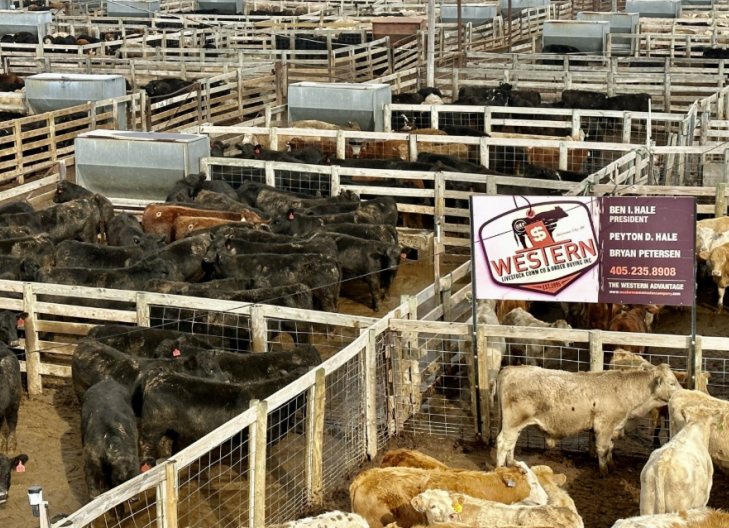
On Tuesdays, Senior Farm and Ranch Broadcaster Ron Hays visits with Ben Hale of Western Livestock Auctions as he talks about the latest in the markets and more. Established in 1995, Western has grown into a multi-generational family-owned and operated business and stands as a symbol of tradition, excellence, and a deep-rooted passion for the cattle industry. Western Livestock Auctions operates the Western Livestock Commission Firm, which sells cattle on Mondays and Tuesdays. They also operate the livestock auction markets in Woodward, Comanche, Waurika, and Knoxville, Iowa.
Farmers and cattle buyers are moving into mid-February with a renewed sense of optimism as weather conditions ease and market momentum builds across the region. Hale said recent snow and ice, while disruptive, may have helped winter wheat. "Towards the end of the week, it sure gave that wheat a good color," Hale noted, adding that upcoming rain chances are boosting confidence. With winter starting to loosen its grip, Hale said the tone has clearly shifted to a more positive outlook.
Market action at Oklahoma National Stockyards reflected that optimism, with significantly larger runs and strong demand. Hale pointed out that receipts jumped to about 9,500 head compared to 4,700 a year ago, and buyers were aggressive. "Feeder steers were steady to higher, pretty good demand," he said, emphasizing that cattle with grazing potential stood out. " if they had any kind of grazing flesh, it was a lot higher. Grazers, 15 to 25 higher... just a snappy, snappy, strong market from 630 to the end last night."
According to Hale, buyer attitude is being shaped by tight inventory expectations and the possibility of improved moisture. "If they see the right kind of cattle, they really want them," he said, adding that even cattle that aren't a perfect fit are drawing interest because "they're just needing the inventory." Hale believes buyers are looking ahead and getting more aggressive. "I think they realize these numbers will get tighter if it rains... people will hang on to what they got," he explained, calling it a form of hedging into the future.
Strong markets aren't limited to Oklahoma City, either. Hale reported solid runs and stout demand across multiple barns. "Woodward last Thursday was a ball of fire... extremely stout, just like Oklahoma City was yesterday," he said, expecting that strength to continue through the week. With spring grazing season fast approaching, Hale summed up the mood simply: buyers are fast-forwarding the calendar, gearing up to stock grass, and ready to pay for cattle as momentum carries forward.
Hale can be contacted at 940-631-2333. Check out more about the marketing options that Western offers by clicking here.

Yesterday, Congressman Frank D. Lucas's (OK-03) Pressure Regulatory Organizations To End Chinese Threats to Taiwan Act, or the PROTECT Taiwan Act, passed out of the House.
Currently, under the Taiwan Relations Act, the President is required to notify Congress if China poses an immediate threat to Taiwan's security. If this notification is triggered, The PROTECT Taiwan Act states that it is U.S. policy to exclude Chinese representatives from key international organizations – such as the G20, the Financial Stability Board, and the Basel Committee on Banking Supervision.
"The United States response to an invasion of Taiwan should be robust and include numerous sanctions and economic penalties. Exclusion from international bodies must be part of that response," Congressman Frank D. Lucas said on the House floor. "If China seeks to disrupt the global order, then China cannot continue to be party to international organizations that seek to preserve that order. China's position at multilateral economic institutions will be at risk should they engage in hostilities towards Taiwan."
"The Protect Taiwan Act ensures that there will be significant financial and diplomatic consequences were China to invade Taiwan. Full stop," Financial Services Committee Chairman French Hill said on the House floor. "The U.S. must send a clear message that China's aggression toward Taiwan will not and is not tolerated, and the Protect Taiwan Act does just that."
You can watch Congressman Lucas's full floor speech by clicking here or on the image below.
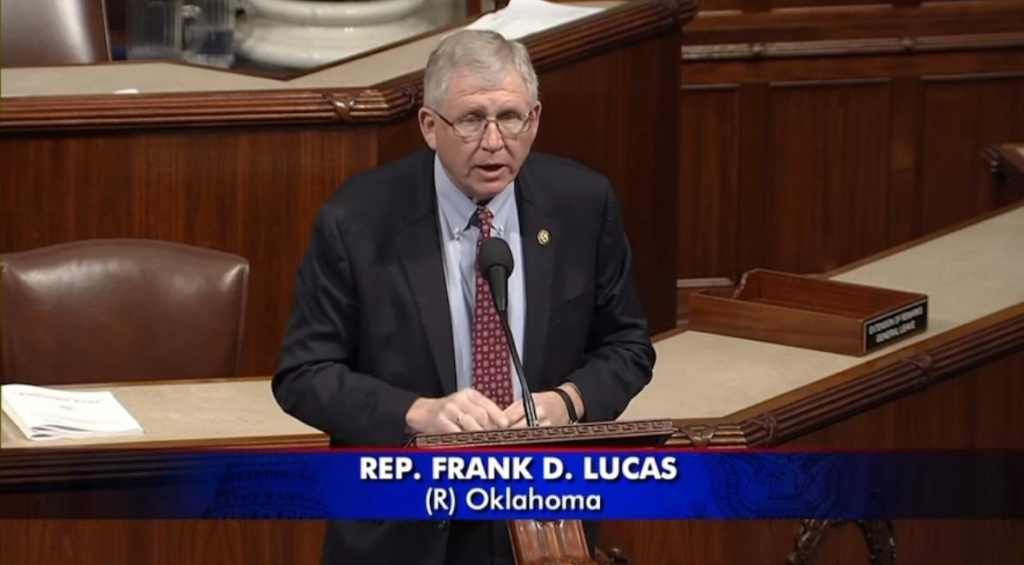

John Deere (NYSE: DE) announced today the introduction of the G5e Universal and CommandCenter™ displays designed to offer a scalable entry point into the John Deere Precision Ag ecosystem, tailored for farmers and ranchers, those newer to precision ag technology, and operations with mixed fleets.
The new G5e displays bring customers an easy-to-use and affordable solution, allowing them access to John Deere's technology portfolio at an approachable entry point. Unlocking wireless connectivity; ISOBUS certification; and compatibility with tractors, implements and utility vehicles, the G5e provides farmers with an easier opportunity to benefit from documentation, guidance and section control.
"The G5e helps make John Deere's precision ag technology more accessible —especially for farmers and ranchers or those getting started with precision ag tools — so they can begin seeing the benefits without a large upfront investment," said Ryan Stien, precision ag marketing manager. "The display is built to be simple and cost-effective, but a powerful tool that enables farmers and ranchers to benefit from precision technology, gaining more productivity, efficiencies and insights.
Featuring an 8-inch touchscreen, Wireless Data Transfer and Remote Display Access, the G5e boasts a quick install time and supports broad compatibility across machine types. The G5e display integrates seamlessly with core John Deere precision ag tools and the John Deere Operations Center™, enhancing connectivity and decision-making.
Available in both Universal and CommandCenter formats, G5e offers scalable and optional licenses, including:
· AutoTrac™
· Section Control
The G5e display stands out in a market filled with entry-level displays by combining simplicity with the power of John Deere's connected ecosystems. The G5e delivers greater long-term value through its integration with the John Deere Operations Center and gives farmers easier access to precision ag capabilities that ultimately increase productivity on the farm.
"We designed G5e to help customers who are newer to precision ag take meaningful first steps, with the flexibility to do more when they're ready," Stien said. "It's a great solution that makes precision ag more accessible."
To learn more about John Deere's new G5e Universal and CommandCenter displays, visit JohnDeere.com or contact your local John Deere dealer.

Brothers, Dennis Southern Ag Today- Super Bowl LX is over, and I hope your team won. One team that certainly won was the U.S. poultry industry. The Super Bowl weekend is one of the highest annual periods of demand for chicken wings in the United States. Approximately 6.2 billion broiler chickens are produced annually in the United States, each yielding two full wings. Once disjointed for commercial purposes, the two wings are typically divided into four retail portions, resulting in an estimated 24.8 billion individual wing pieces produced each year. The National Chicken Council projects that Americans will consume approximately 1.48 billion wings during Super Bowl gatherings—an amount equivalent to less than one month of domestic broiler production. Given this surge in consumption, the U.S. poultry industry could reasonably refer to the event as the "Chicken Wing Bowl!"
Chicken wing prices have experienced considerable volatility in recent years. However, early 2025 appears favorable for consumers. Wholesale wing prices opened the year below $1.00 per pound and have risen only modestly to slightly above $1.10 per pound (Fig. 1). This price level represents a 66 percent decline from the historic peak of $3.24 per pound recorded in January 2022. With March Madness—another major period of heightened wing consumption—approaching, current trends suggest positive conditions for consumers and retailers alike.
Despite these trends, chicken wing pricing remains historically unpredictable. As one primary wing consumption event has passed, and the next one draws near, restaurants and other retail food outlets try to capitalize on consumer interest. Market competition, combined with relatively low wholesale costs, should help maintain affordable wing prices at the retail level even beyond this Super Bowl. However, current cold storage inventories show 1.12 million fewer pounds of wings compared with the same period last year, which could exert upward pressure on prices eventually. But overall wing inventory is more than double the levels observed back in 2021-22 when prices soared. According to a recent USDA retail price report, the average retail price for conventional fresh party wings in the southeastern United States stands at $2.49 per pound, with individually quick-frozen (IQF) wings priced slightly higher at $2.67 per pound. If supplies remain stable, retail prices may continue to reflect current favorable conditions. Meanwhile, U.S. broiler growers remain committed to meeting consumer demand by supplying the market with high-quality chicken wings.
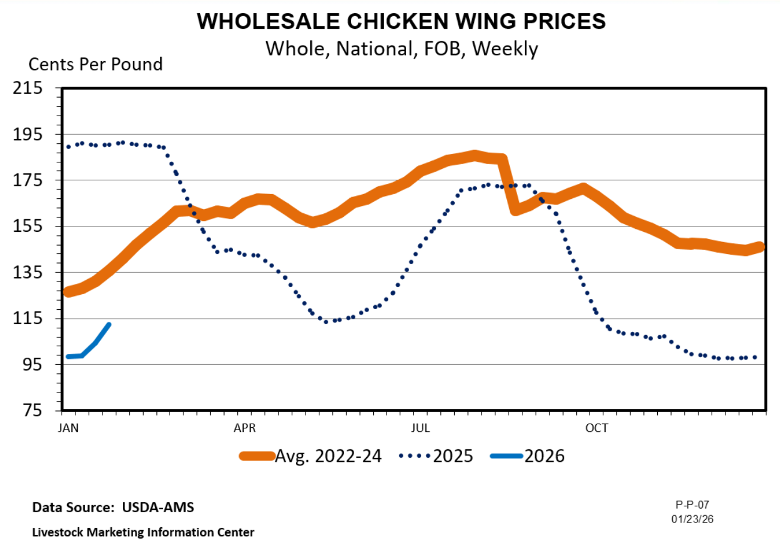
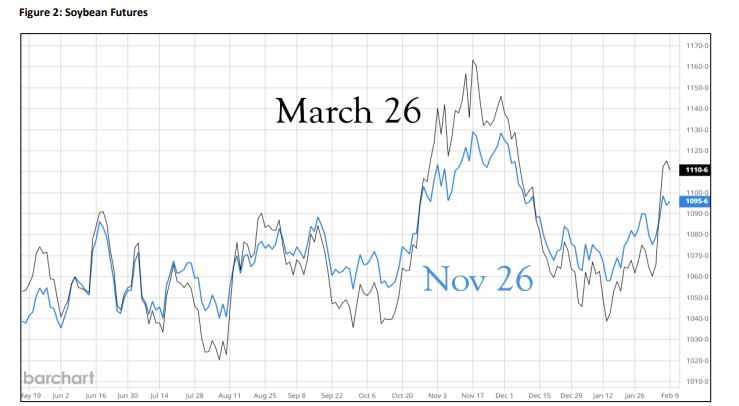
OSU's Dr. Todd Hubbs write in his weekly Newsletter about the market-moving news last week:
On February 10, 2026, agricultural markets experienced a sudden burst of volatility, sparked not by weather or supply reports but by a social media post from President Trump.
The previous Wednesday, the President posted about a potential agreement with China to purchase an additional 8 million metric tons of soybeans for the current marketing year. While the claim's veracity remained in doubt, the market took the statement to heart. Soybean futures exploded, rallying over 45 cents on the week for nearby contracts, dragging the rest of the agricultural commodity complex upward with them.
However, the rally's momentum was fleeting. By Friday, commodities other than soybeans had retreated, leaving the market to face the fundamental realities of supply and demand.
Despite the excitement, the March soybean futures closed at $11.15 on Friday, returning to levels seen prior to the USDA report release. The rally was a welcome sight for farmers, particularly because February sets the harvest crop insurance price.
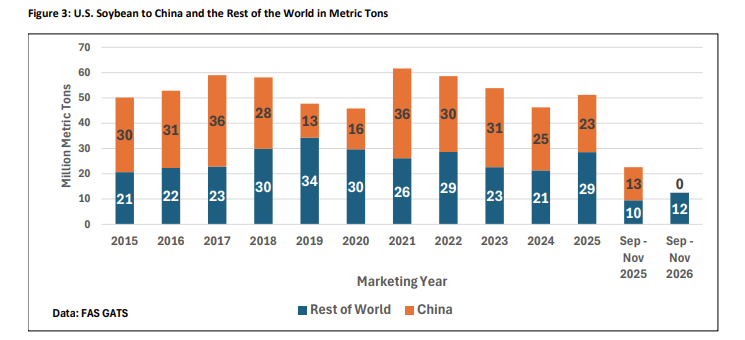
However, the underlying data presents a mixed picture:
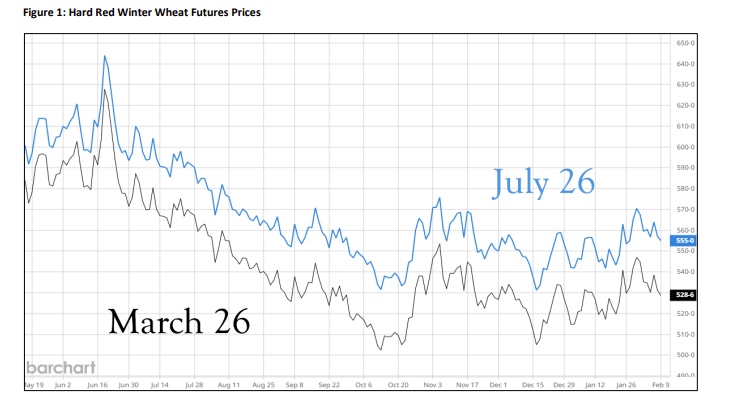
While soybeans enjoyed a speculative rally, the wheat market remained constrained by well-supplied domestic and global markets.
In Oklahoma, conditions remain "very dry," posing a threat to wheat potential moving forward. Despite this, broader market concerns regarding winterkill have faded due to warmer temperatures.
Beyond the daily price ticks, the agricultural sector is navigating a complex web of evolving biofuel policies for 2026 and 2027.
The EPA is expected to finalize the Renewable Volume Obligations (RVOs) for 2026-2027 within the next two months. The proposal includes high stakes for producers:
The financial incentives for biofuels underwent a major shift on January 1, 2025, when the "45Z" tax credit replaced the traditional blender's tax credit (BTC).
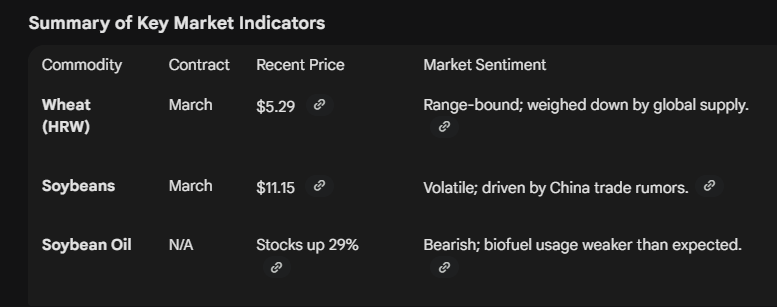
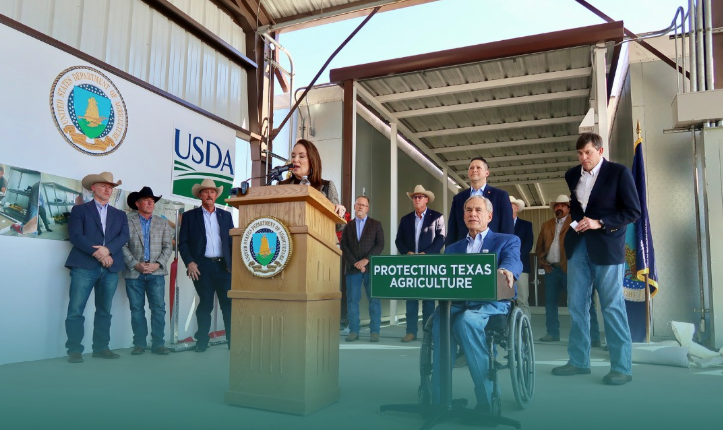
Yesterday at Moore Air Base, U.S. Secretary of Agriculture Brooke L. Rollins and Governor of Texas Greg Abbott celebrated a significant achievement in the fight against New World Screwworm (NWS) with the completion of a U.S.-based sterile fly dispersal facility in Edinburg, Texas. This facility expands USDA's ability to disperse sterile flies along the border and into the United States, if necessary.
"The Trump Administration continues to bring the full force of the federal government to fight New World Screwworm," said Secretary Brooke Rollins. "This sterile fly dispersal facility was a high priority project, and our team delivered it in record time. This new facility is a monumental achievement for our domestic preparedness efforts, but we are also diligently working to stop the spread of screwworm in Mexico, conduct extensive trapping and surveillance along the border, increase U.S. response capacity, and encourage innovative solutions. We will never stop fighting to protect American agriculture. USDA, through a whole-of-government approach, will continue to hold Mexico accountable to mitigating the spread of this dangerous pest."
"America is going to take care of ourselves, including dealing with the approach of screwworm as it gets closer to our border," said Governor Abbott. "We put together the resources necessary for Texas to provide a Texas-size response to this. We thank Secretary Rollins and President Trump for stepping forward to provide the stop gap effort essential to protecting our ranchers and our wildlife."
Trump Administration NWS Response
In June 2025, Secretary Rollins announced a sweeping five-pronged plan (PDF, 1005 KB) to enhance USDA's already robust ability to detect, control, and eliminate NWS. As part of that announcement, she also shared plans to build this sterile NWS fly dispersal facility in South Texas. The completion of the facility further expands the network of dispersal facilities through Central America and Mexico and solidifies the increased preparedness offered by having a U.S.-based facility.
On January 30, USDA announced a shift in its 100 million per week sterile fly dispersal efforts to reinforce coverage along the U.S.-Mexico border. While the sterile flies for this effort will initially be dispersed from the Tampico, Mexico facility, USDA is prepared to quickly and strategically shift operations to the new Texas facility should there be a change in the location or new concentration of NWS cases in northern Mexico.
About Sterile Fly
Sterile insect technique, when paired with surveillance, animal movement restrictions, and education and outreach, is a proven and effective tool for controlling and eradicating NWS. Female NWS flies only mate once in their lives, so if they mate with a sterile male, they lay unfertilized eggs that don't hatch. Releasing sterile flies just outside of affected areas helps ensure flies traveling to new areas will only encounter sterile mates and will not be able to reproduce.
Sterile insects are dispersed through aerial dispersal or ground release. Aerial operations are preferred because they allow for dispersal at a steady rate through a large area and also because sterile insects may be dispersed in areas that are unreachable from the ground. Ground release is used when there is a need to quickly deploy sterile insects outside of the dispersal facility range. Mass production and targeted dispersal of sterile flies remain critical components of an effective response.
USDA currently produces sterile flies for dispersal at the COPEG facility in Panama. USDA is also investing $21 million to support Mexico's renovation of an existing fruit fly facility in Metapa—which will double NWS production capacity once complete. With ongoing support from technical experts in USDA's Animal and Plant Health Inspection Service (APHIS), Mexico anticipates this sterile fly production to begin as soon as summer 2026.
To continue to expand USDA's domestic response capacity, the Department is building a sterile fly production facility at Moore Air Base in Edinburg, Texas, with a targeted maximum capacity of 300 million sterile flies per week. USDA expects to break ground on that facility later this spring. With existing and planned production facilities fully operational, USDA will have up to 500 million sterile files per week in its arsenal to fight this pest all the way back to the Darién Gap. The international network of facilities will produce 100 million sterile flies per week at COPEG in Panama, 100 million at Metapa in Mexico, and 300 million at Moore Air Base.
What You Can Do
Even though there have been no detections of NWS inside the U.S. and the northernmost active case of NWS is still about 200 miles away from the border, USDA is asking Americans to continue to remain vigilant by checking their livestock and pets for signs of NWS. Look for draining or enlarging wounds and signs of discomfort. Also look for NWS larvae (maggots) and eggs in or around body openings, such as the nose, ears, and genitalia or the navel of newborn animals. If you suspect your animal is infested with NWS, immediately report it to your state animal health official or USDA area veterinarian in charge.
NWS maggots can infest livestock and other warm-blooded animals, including people. They most often enter an animal through an open wound and feed on the animal's living flesh. While not common in people, if you notice a suspicious lesion on your body or suspect you may have contracted NWS, seek immediate medical attention.
Learn more about NWS and USDA's efforts, visit Screwworm.gov.
RON's Dave Lanning has a pre-opening look at today's agricultural Markets.
Click the audio tab below for today's report.
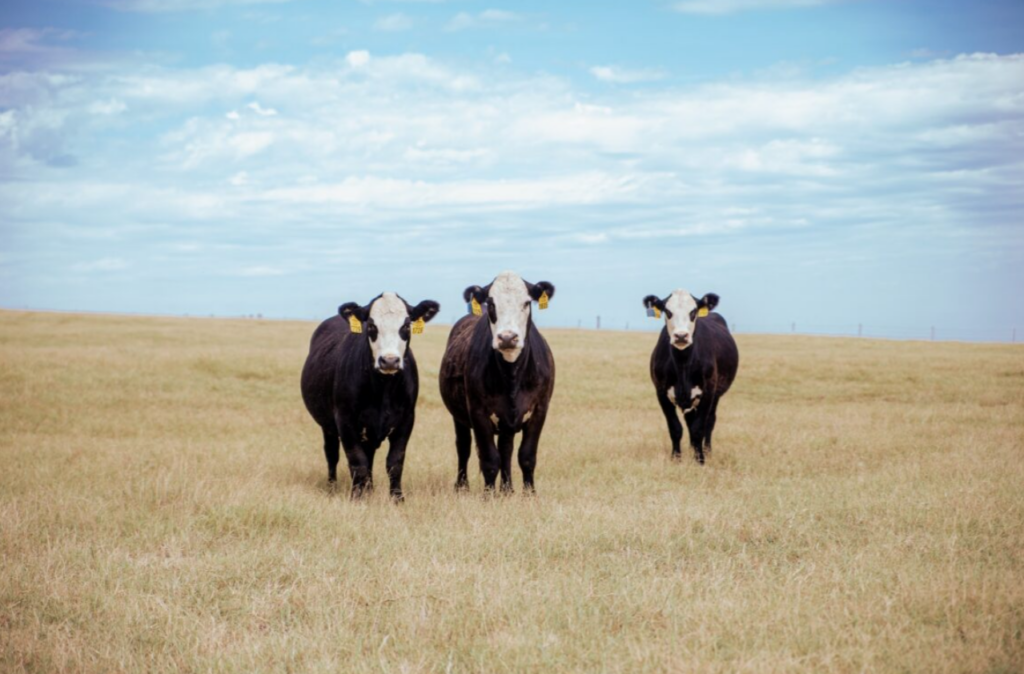
Cattle markets are strong in early February but are challenged to absorb and digest a wide range of news. A few of the diverse issues are summarized below.
Inventory Data
The Cattle report released in late January provides lots of data for market participants and analysts to digest over many days. The beef cow herd was down another one percent, extending the cattle cycle to at least a twelfth year. A 0.9 percent increase in beef replacement heifers may indicate that the herd is stabilizing. However, little or no growth in the cow herd is possible in 2026 and not much in 2027. Seven of the top ten beef cow states saw a herd decrease in 2025 indicating that lingering drought and drought threats, along with financial challenges, continue to delay herd rebuilding.
Weather Issues
A variety of weather concerns are part of the cattle market discussion. The drought map continues to deteriorate with growing concerns about the upcoming growing season.
The late January storms impacted beef cattle operations across a wide swath of the country and will have lingering impacts in the coming weeks. Strom impacts on feedlot cattle are likely to show up in carcass weights for a few weeks going forward. The delay in market-ready cattle has stimulated fed cattle markets into February. Some cow-calf producers were already calving during the storms, so longer term impacts on the calf crop are unknown at this time.
New World Screwworm (NWS) and the Mexican Border
The cattle industry continues to nervously anticipate another shoe (or maybe two shoes) to fall in awaiting a reopening of the Mexican border and the continuing threat of NWS arriving in the U.S. The market implications of both events are probably not as severe as the fear and uncertainty suggest, but both possibilities inject considerable potential volatility into cattle markets.
(Other) International Trade
The latest release of monthly trade data catches up to the normal two-month delay with the release of data for November 2025. For the first eleven months of last year, beef exports were down 13.8 percent, mostly the result of exports to China down 95.8 percent year over year for November and down 64.8 percent for the year to date. Beef imports through November were up 18.3 percent.
Last week, a presidential executive order increased the TRQ for Argentina from 20,000 to 100,000 metric tons of beef. This could allow imports of Argentine beef to about double from 2025. Imports from Argentina were already exceeding the 20,000 ton limit. It's not clear how much additional Argentine beef might actually be imported this year. Argentina consumes nearly three-quarters of beef production domestically. Of the roughly 24 percent of beef exported, exports to the U.S. are only about seven percent of Argentine beef exports. Increased exports of beef to the U.S. will compete with domestic demand in Argentina as well as exports to other markets. The impact in the U.S. is likely to be minimal. Beef imports from Argentina would only be about four percent of U.S. imports if the new quota is filled and mostly likely an increase in imports from Argentina will simply displace imports from another country, not changing the total much, if any.
Derrell breaks down key data from the report, discusses long-term trends affecting herd size, and outlines what these changes could mean for cattle markets moving forward. Get expert insight into current conditions shaping the U.S. cattle industry on SunUpTV from February 7, 2026. https://www.youtube.com/watch?v=i_hMW6tHllY
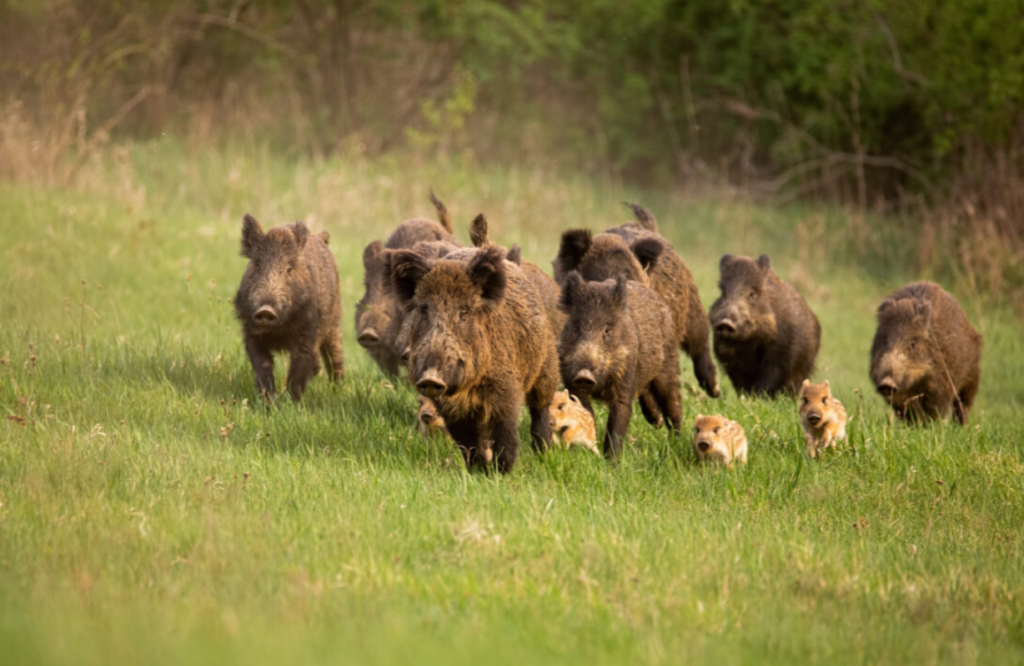
The Oklahoma Senate Agriculture and Wildlife Committee approved Senate Bill 2108 on Monday. The bill, authored by Sen. Dusty Deevers, R-Elgin, would repeal burdensome licensing requirements related to the hunting of feral hogs, streamlining and simplifying the process.
Feral hogs destroy crops, kill livestock, spread disease, degrade pastureland, harm water quality, damage property, threaten the lives of children, and cost Oklahomans over $100 million annually, according to estimates from the Farm Bureau. Currently, Oklahomans must navigate permits and regulations from up to four state agencies to hunt feral hogs.
Senate Bill 2108 would repeal all licensing requirements for hunting feral hogs, while still allowing some protections during deer gun season. It also repeals the state permit requirement for nighttime hunting with landowner permission, allowing use of thermal imaging and night vision, and frees up Oklahomans to hunt feral hogs aerially, requiring only standard FAA compliance while repealing specialized state permits and expensive liability insurance.
"For too long, red tape has stood between Oklahomans and the defense of their property. Oklahomans should not have to navigate a maze of permits from multiple agencies just to protect their land, livelihood, and children's lives from these destructive animals," Deevers said. "I thank the committee for their support and look forward to continuing to work on this measure to repeal red tape and free up Oklahomans to hunt feral hogs."
Senate Bill 2108 is now eligible for consideration by the full Senate.
U.S. Secretary of Agriculture Brooke L. Rollins and Under Secretary of Agriculture for Trade and Foreign Agricultural Affairs (TFAA) Luke J. Lindberg published a joint opinion piece in the Dallas Morning News highlighting how the Trump administration has been working non-stop to repair the trade relationships left in disarray from the previous administration and has secured a significant win to deliver water to Americans in need in the Rio Grande valley.
"After weeks of tough negotiations, the Trump Administration secured an unprecedented deal to guarantee enforcement of the 1944 U.S.-Mexico water treaty, delivering real certainty for those who depend on the Rio Grande," said Secretary Rollins and Under Secretary Lindberg. "At long last, farmers in South Texas will be able to plant crops, ranchers will be able to nourish cattle, and communities across the Valley can once again build and expand. To President Trump, the worth of water is crystal clear: it's the key to Making Agriculture Great Again."
Read the full piece below.
----
Today, farmers, ranchers and producers in South Texas who rely on consistent water deliveries from the Rio Grande are breathing a big sigh of relief. After nearly two months of applying consistent pressure to Mexico and leading intense negotiations, the Trump administration has secured an unprecedented deal to guarantee implementation of the 1944 U.S.–Mexico water treaty.
To understand the deep significance of this victory, just consider how we got here.
For the past year, our administration has been working nonstop to fix trade relationships the previous administration left in disrepair. Already, we have opened the door for American agricultural products to flourish in more than two dozen key markets around the globe. Throughout it all, we have put America first by ensuring our farmers, our producers and our consumers are treated with the fairness they deserve.
But this standard of fairness isn't limited to new export opportunities. It also applies to the vital resources that other countries are obligated to send our way.
Perhaps no resource is more valuable than water. As Benjamin Franklin wrote, "When the Well's dry, we know the Worth of Water." For the past several years, the well has run dry in the Rio Grande Valley, and Texans who live and farm there have been paying the price.
Over eight decades ago, the 1944 U.S.-Mexico Water Treaty settled disputes over claims to the international waters that flow along our shared border. The treaty required each nation to deliver a certain amount of water to the other on an ongoing basis. As a result, Americans in South Texas have relied on Mexico to provide 1.75 million acre-feet of water over the course of a five-year cycle, amounting to an average annual commitment of 350,000 acre-feet. In exchange, the U.S has provided 1.5 million acre-feet to Mexico from the Colorado River each year.
The U.S. has consistently met its water delivery obligation, but for the past six years, Mexico has fallen behind. The consequences have been devastating for the farmers and ranchers who power South Texas's agricultural economy.
The water that Mexico is supposed to deliver is critical to the approximately 1.4 million Texans in the four counties comprising the Lower Rio Grande Valley, as well as to over $67 billion worth of annual trade. In 2024, water shortages forced the Lone Star Sugar Mill — the only sugar mill in the state — to close, leaving nearly 500 employees and seasonal workers without work.
In December, President Trump shined a national spotlight on the crisis in South Texas, and now he has delivered a breakthrough.
As part of an agreement reached on Feb. 3, Mexico has committed to deliver at least 350,000 acre-feet of water annually to the U.S. during the current five-year cycle (2026 to 2030) regardless of moisture conditions, providing stability for agricultural producers and rural communities in the Lower Rio Grande Valley. Mexico has also committed to fully repay all outstanding water debt accrued during the previous cycle.
At long last, farmers in South Texas will be able to plant crops, ranchers will be able to nourish cattle and communities across the Valley can once again build and expand.
To President Trump, the worth of water is crystal clear: it's the key to Making Agriculture Great Again.
Brooke L. Rollins is the U.S. Secretary of Agriculture. Luke J. Lindberg is Under Secretary for Trade and Foreign Agricultural Affairs.

Zoetis Inc. today announced the launch of bovine respiratory disease (BRD) genetic predictions in INHERIT® Select for commercial cow-calf operations and as an upgrade to its INHERIT Connect test for seedstock. This marks the first time that cattle producers can select replacement females and evaluate sires based on genetic predictions for BRD health and survival.
BRD costs the beef industry nearly $1 billion each year due to calf and production losses and increased treatment expenses.1-3 Until now, producers had no way to evaluate and select for the genetics that influence calf BRD health and survival after weaning.
"This is a breakthrough for the beef industry," said Brett Bristol, head of Zoetis Precision Animal Health. "For the first time, producers can make selection and breeding decisions based on Genomic Expected Progeny Differences for BRD health and survival, in addition to production traits. Long-term, this innovation is expected to have meaningful economic impacts on commercial cow/calf producers and downstream backgrounders and feeders."
Genetics That Compound Over Time
As the rebuilding of the U.S. cowherd begins and replacement costs are at historic highs, producers are looking for ways to build cow herds that last longer, raise healthier calves and deliver predictable value. Genetic advancement from testing and selection compounds over time; the breeding decisions made today influence future herd health and productivity.
INHERIT Select and INHERIT Connect with the BRD Upgrade include three BRD genetic predictions in the form of Genomic Expected Progeny Differences (GEPDs):
· BRD Health (BRDH) GEPD: Predicts genetic differences in the likelihood that calves (progeny) will stay healthy after weaning without requiring treatment for BRD. Higher BRDH and lower percent rank are better.
· BRD Survival (BRDS) GEPD: Predicts genetic differences in the likelihood that calves (progeny) will survive from arrival for backgrounding to harvest without dying from BRD. Higher BRDS and lower percent rank are better.
· $BRD Economic Index: Combines BRDH and BRDS into a single dollar value that estimates revenue impact per calf (progeny). Higher $BRD and lower rank are better.
These predictions are based on feedlot health and performance data from a commercially representative population of more than 50,000 head of cattle across North America. These phenotypes, along with continual genetic data additions, are updated weekly and included in the Zoetis Multi-Breed Genetic Evaluation.
Select Replacements That Build Healthier Calf Crops
"GEPDs for BRD and $BRD bridge an economically important gap in current beef genetic evaluations," said Kent Andersen, PhD, director of Beef Technical Services for Zoetis Precision Animal Health. "BRD predictions give us a way to select for post-weaning BRDH and BRDS and related economic impact that we couldn't before. That matters when used along with predictions for maternal, feedlot, carcass and adaptability traits, and simplified via economic indexes."
With BRD genetic predictions in INHERIT Select, commercial cow-calf producers can:
· Select replacement heifers with stronger genetic potential across all major economically important traits to set the stage for healthier and more productive calf crops.
· Identify and invest in genetics for greater profit potential and less health risk that compounds over time.
Using the population of more than 440,000 commercial animals tested using INHERIT®, researchers compared the top versus bottom 25th percentile rank based on GEPDs for BRDH, BRDS and $BRD. The comparison shows progeny of the top 25th percentile that are genetically:
· 25% more likely to stay healthy and not require treatment for BRD from feedlot arrival to harvest4
· 14% more likely to survive and not die from BRD from feedlot arrival to harvest4
· $12 per calf advantage in net return from combined genetics for BRDH and BRDS4
Evaluate Bulls for BRD Health Genetics
For seedstock, the INHERIT Connect + BRD Upgrade provides a powerful way to evaluate bull batteries and potentially differentiate sale bulls based on BRD GEPDs and $BRD.
With the INHERIT Connect + BRD Upgrade, producers can:
· Potentially differentiate sale bulls with BRD predictions that benefit commercial buyers and downstream backgrounders and feeders
· Evaluate A.I. sires and bull batteries to benchmark genetic merit for BRD and identify favorable and unfavorable outliers
· Document genetic merit for BRDH and BRDS and position future calf crops for premium prices
When comparing bulls tested using INHERIT Connect + BRD Upgrade, bulls in the top 25th percentile rank for $BRD have a $1200 predicted advantage over bulls in the bottom 25th percentile rank, assuming they sire 100 calves during their lifetime.4
Product Details
INHERIT Select is a genomic test and genetic evaluation for commercial crossbred replacement females. It provides GEPDs and percentile rankings for 25 traits including BRDH, BRDS and $BRD, economic indexes that simplify selection, plus parentage discovery, breed composition, and color and polled genotypes. Results are updated weekly.
INHERIT Connect + BRD Upgrade is an option for testing seedstock sires and females for BRDH, BRDS and $BRD, enabling selection and differentiation based on BRDH genetics. Breeds eligible for this product include: Angus, Red Angus, Hereford, Simmental, Gelbvieh, Limousin, Charolais, Shorthorn and South Devon.
Producers can contact their Zoetis Genetics representative or visit beefgenetics.com to learn more and get started with testing.
About Zoetis
As the world's leading animal health company, Zoetis is driven by a singular purpose: to nurture our world and humankind by advancing care for animals. After innovating ways to predict, prevent, detect, and treat animal illness for more than 70 years, Zoetis continues to stand by those raising and caring for animals worldwide – from veterinarians and pet owners to livestock producers. The company's leading portfolio and pipeline of medicines, vaccines, diagnostics and technologies make a difference in over 100 countries. A Fortune 500 company, Zoetis generated revenue of $9.3 billion in 2024 with approximately 13,800 employees. For more information, visit www.zoetis.com.

We have the results from the 2026 Ag in the Classroom Pizza Challenge!
We are thrilled with how many of you entered our contest, and we were blown away by the creativity shown in the entries! Your students did a fantastic job imagining the perfect Oklahoma pizza. The judges were impressed by all of the effort. The plans for an even bigger and better Pizza Challenge for next year are in the works. We hope all of your students will participate again even if they were not a winner this year.
Hopefully, the 2026 AITC Pizza Challenge was a fun, meaningful activity where lots of learning took place. Thanks again, and congratulations to the winners. One of us will be reaching out soon to talk about the award presentation details!
Check Out All the Winners!




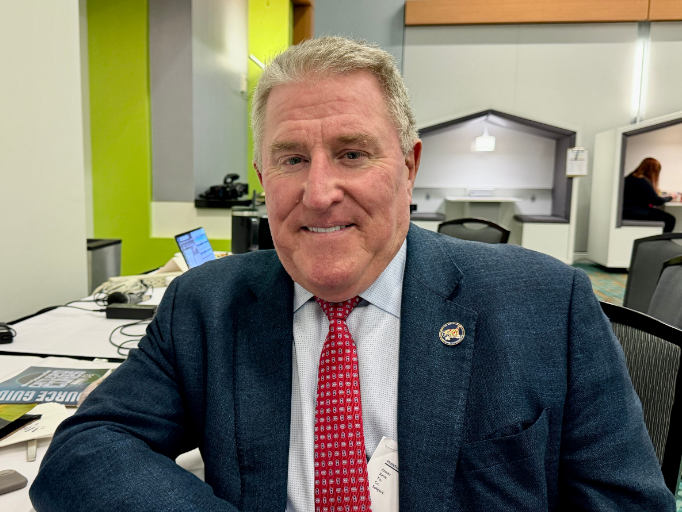
U.S. beef exports faced a sharp headline decline late last year, but Dan Halstrom with the U.S. Meat Export Federation says the underlying story is far more encouraging once China is removed from the equation. November beef export numbers were down "about 18, 19%," but Halstrom emphasized that "if you take out China, it's really only 3% down," as he explained while talking with Senior farm and ranch broadcaster Ron Hays. He pointed directly to ongoing access issues, noting, "The vast majority of our beef plants are still delisted," making China "the number one focus point with USTR and USDA."
Outside of China, Halstrom described global demand as not just steady, but exceptional. "I've been using the word resilient," he said, adding that demand is "even record breaking in places like Central America." South Korea also continues to deliver strong performance, with exports up "3 or 4% year to date," which Halstrom reminded listeners is significant when "you're talking about a $2.5 billion market." His takeaway: "It's not all bad news."
One of the most important developments, according to Halstrom, is a major shift in buyer behavior in emerging markets. In Central America, he said buyers who once focused on lower-end beef have evolved. "Five, six, years ago... they were buying select and no roll. Well, they're maturing," Halstrom explained. Today, those customers are "recognizing our quality, and they're demanding choice and higher, in some cases upper two thirds and prime—and willing to pay for that." He called this shift "the biggest takeaway this year."
That global demand, combined with strong domestic consumption, is helping support higher beef values. Halstrom pointed to last summer's peak in the Choice cutout and explained why it matters. "You need domestic and international markets complementing each other, and that forces a cutout higher," he said. "That allows more money in the supply chain for the cattle," reinforcing the importance of exports to producer profitability.
Halstrom also highlighted progress in several smaller but high-potential markets. Indonesia, once hampered by permit and halal certification issues, is now gaining momentum after a framework agreement helped simplify trade. "If you got rid of all the non-tariff trade monkey business that goes on, it's a $200 million market potentially," he said, compared to the current "10 or 15 a year." The United Arab Emirates has also rebounded after halal certification was reinstated, and the UK is finally seeing quota access begin to flow, with Halstrom estimating "$150 million a year, potentially," if trade barriers are resolved.
Variety meats remain another critical export driver, especially in markets like Japan, Mexico, Peru, and Egypt. "That business all continues and is expanding," Halstrom said, pointing to products like tongues, tripe, hearts, and livers as "center of the plate" items overseas. He contrasted low-cost beef livers feeding Egypt's street food sector with high-end demand at luxury hotels, where buyers want "sirloins... ribeyes and strip loins," and increasingly, "a lot of times with prime." Halstrom concluded that China's absence remains a major value loss, saying, "It's not a volume problem. It's strictly a value problem," because when China is in the market, "it's like the halo effect—it raises all boats."
Coverage of CattleCon26 is powered by Farm Data Services of Stillwater, Oklahoma.
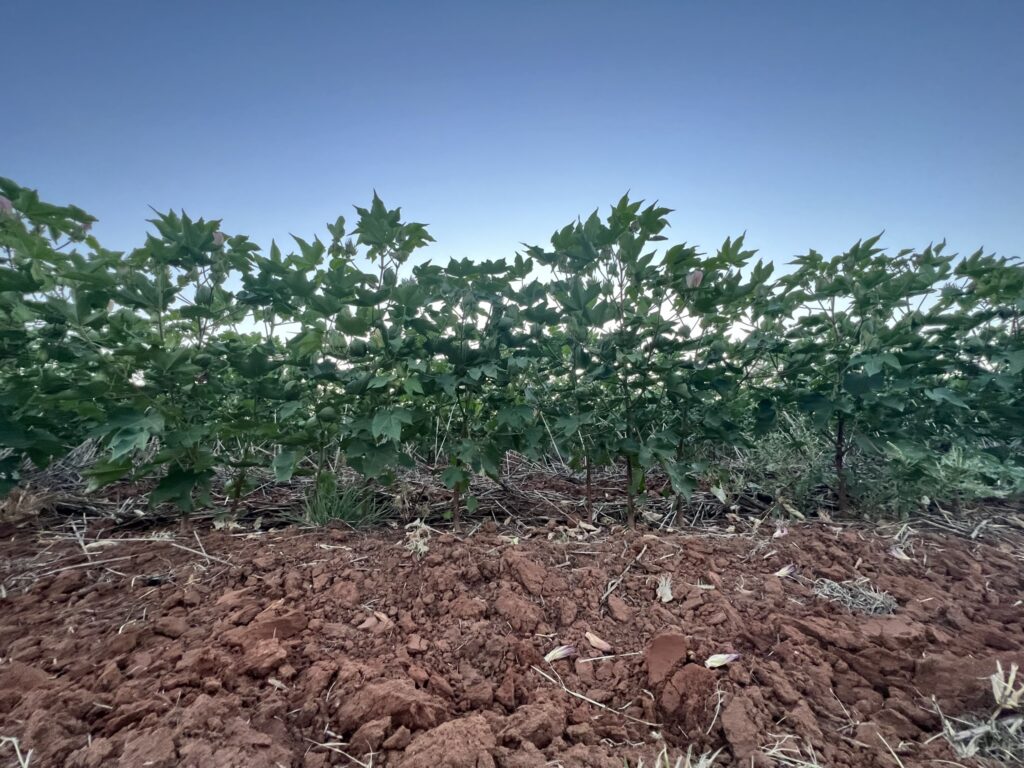
Taking a Look at the Oklahoma Cotton Outlook As Oklahoma producers brace for the 2026 planting season. Oklahoma State University Cotton Extension Specialist Jenny Dudak joined Farm Director KC Sheperd to discuss the current state of the industry, variety trial results, and crucial regulatory updates.
While the winter months often represent a "slower time" for the cotton industry, producers are currently analyzing data to make planting decisions for the upcoming season. regarding acreage projections, Dudak noted that while it is early, she expects stability in the numbers.
"From what I can see, I think we will remain about the same, pretty steady to what we were in 2025," Dudak said.
A primary focus for producers right now is seed selection. Dudak shared the top three yielding varieties from the 2025 race trials across four key Oklahoma counties. She noted that while some bolls, specifically Stoneville 6000, looked small during harvest, they "played out in yield" once ginned.
Caddo County Top Yielders:
Jackson County Top Yielders:
Harmon County Top Yielders:
Washita County Top Yielders:
Dudak highlighted that the Washita County location was the only dryland trial conducted last year, suggesting that producers look at those specific varieties for performance in non-irrigated conditions.
Looking toward spring, soil moisture remains a significant concern. While the 2025 crop benefited from timely rains, current conditions are less favorable.
"I was actually just looking at the drought monitor from the Mesonet last week and we are, in some places, [in] severe drought," Dudak explained. "I am a little bit nervous going into cotton planting season."
However, she remained optimistic, noting that there are still a couple of months before planting begins, with rain currently in the forecast.
Dudak also addressed the recent EPA restrictions regarding Dicamba, a critical tool for weed management in cotton. With the label set to go under review again in two years, she urged producers to exercise extreme caution and compliance.
"What I would suggest to our producers that use Dicamba is to make sure we're following that label very closely and being good stewards of that product to maybe ensure in two years we can still have that product," Dudak said. "It is a crucial product to a lot of our cotton acres here in Oklahoma."
For producers looking for the latest research, Dudak is traveling to Lubbock, Texas, for the Southwest Cotton Physiology Conference, running from February 10 through February 12. The event will feature Extension researchers from Texas A&M, Kansas State, and Oklahoma State discussing topics ranging from nematodes and soil fertility to variety trials.
"It's actually a really good conference that is very pointed towards producers," Dudak said, inviting growers to attend the sessions at the research station in Lubbock.

The Oklahoma Farm to School program has launched a new program called the Farm to School Garden Crew for schools statewide. The program is designed to support and celebrate school gardens across Oklahoma.
The Farm to School Garden Crew will connect schools to seasonal gardening tips, classroom-ready resources and hands-on support to help students learn where their food comes from.
"We believe this new program can help give more Oklahoma kids access to gardening and introduce them to the world of agriculture," said Oklahoma Farm to School Coordinator Alex Cox. "The material in the program is designed for kids of all ages and skill levels to learn about and participate in gardening."
The Farm to School Garden Crew is open to:

What Garden Crew members receive:
Bonus for early sign-ups:
The first 30 schools to register will receive a free multi-student Outdoor Handwashing Station, while supplies last.
Participation is free and all supplies and resources are offered on a first-come, first-served basis, with priority given to schools with established, food-producing gardens primarily funded by the school or district.
To learn more about the Farm to School Garden Crew, or to sign up, visit the Oklahoma farm to school website.
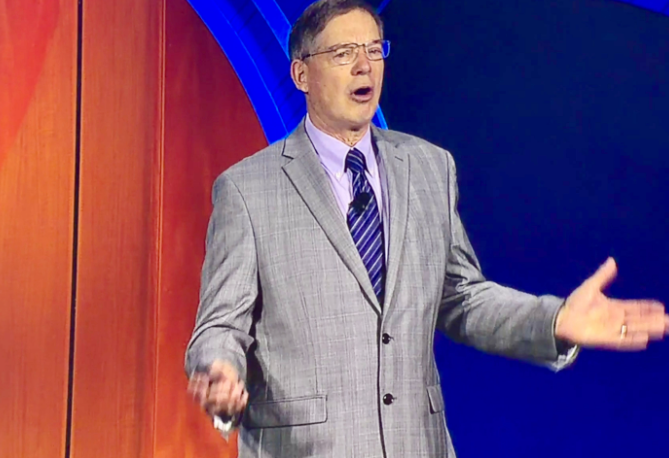
In today's Beef Buzz, senior farm and ranch broadcaster Ron Hays speaks with Kevin Good of CattleFax, following the CattleFax Industry Outlook seminar at CattleCon 2026, where supply, demand, and global politics were front and center. One of the biggest issues discussed was the continued disruption of Mexican feeder cattle imports tied to New World screwworm concerns. Good emphasized the magnitude of that loss, saying, "In 25 we shorted the market of basically a million head of feeder cattle that would have come in from Mexico... about four and a half to 5% of domestic production." He noted the industry was already tight on supply when those cattle were removed from the system.
Looking ahead, Good said the beef cow herd is not truly expanding, despite signals that might suggest otherwise. "Heifer retention—no, we're not [expanding]. So it's more of a flatter herd," he explained, adding that dairy cows may help slightly on production down the road. With that in mind, Good said supplies will remain tight through next year, noting, "From a supply standpoint, 26 should be the tightest supplies. We should walk into bigger supplies in 27 with the premise that Mexico opens this year." However, he was quick to add that reopening the border is "extremely" political rather than purely scientific.
Exports were another major focus, especially China. Good pointed out that while overall exports were down in 2025, it was largely due to China delisting U.S. beef plants. "South Korea and Japan are still our number one and number two destinations," he said, adding that if China were to relist U.S. facilities, "you get a three, 400 million pound push, and that's worth quite a bit." That kind of volume, he said, would be a meaningful boost to the beef complex.
When asked whether renewed Mexican feeder cattle imports could soften fat cattle prices, Good agreed that the market would likely respond—even before cattle physically arrive. "Right away, is there more cattle coming through the feedyards? No, there isn't. But the psychology changes," he said. "The market then thinks and realizes there's bigger supplies in front of you, and that typically means the market's going to have a tougher time pushing."
Despite those supply questions, Good said beef demand remains a major bright spot rising since the low of 1998. "Beef demand has gone on for the last 25 years... and it's accelerated since COVID," he said, noting that beef prices have risen more than 2% faster than inflation annually over that period. He added, "We've got a consumer that is rewarding us for a higher-quality, more consistent product." With tailwinds from high-protein diets, keto trends, and changing nutrition perceptions, Good said the industry's focus should stay the course: "We do what brought us to the party—higher quality, better eating experiences, and telling our message."
Good states the obvious- "yeah, we are expensive compared to pork and poultry- but if you look at minutes worked to buy a pound of beef- we are at 13 minutes. And, that's basically where we were at the last cycle high- and we've got better demand and better prices than we had then."
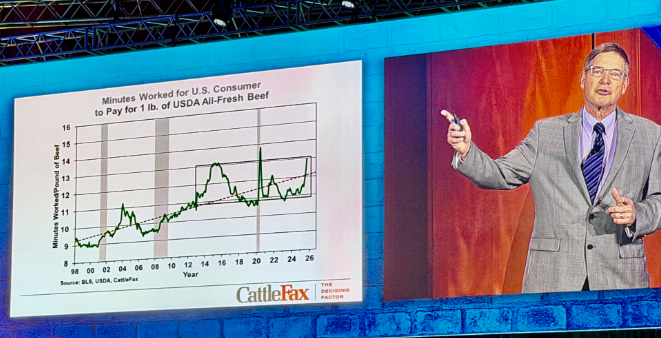
Coverage of CattleCon26 is powered by Farm Data Services of Stillwater, Oklahoma.
The Beef Buzz is a regular feature heard on radio stations around the region on the Radio Oklahoma Ag Network and is a regular audio feature found on this website as well. Click on the LISTEN BAR for today's show and check out our archives for older Beef Buzz shows covering the gamut of the beef cattle industry today.
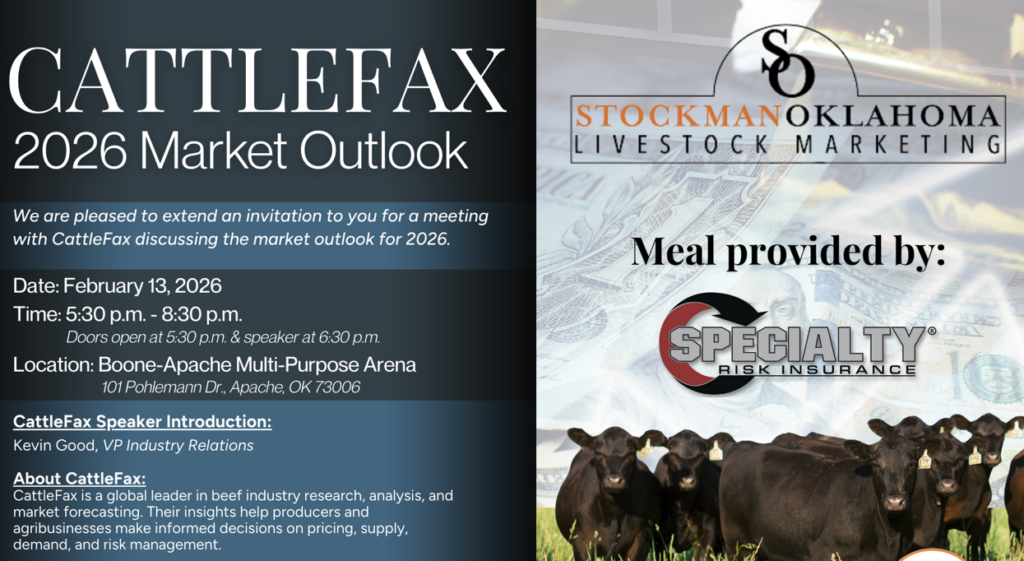
Beef producers and agribusiness professionals in southwestern Oklahoma are invited to a key industry gathering this month to examine the economic landscape for the coming year.
Stockman Oklahoma Livestock Marketing has announced they will host the CattleFax 2026 Market Outlook, an informative session aimed at helping local producers navigate the complexities of the current market. The event is scheduled for Friday, February 13, 2026, at the Boone-Apache Multi-Purpose Arena.
The centerpiece of the evening will be a presentation by Kevin Good, the Vice President of Industry Relations for CattleFax.
CattleFax is widely recognized as a global leader in beef industry research and analysis. Their data is critical for producers looking to make informed decisions regarding pricing, supply, demand, and risk management. With market volatility often a concern for cattlemen, this outlook offers an opportunity to hear directly from experts who are forecasting the trends that will define the 2026 season.
Attendees will be treated to a meal provided by Specialty Risk Insurance before the business portion of the evening begins.
Due to limited seating capacity at the venue, the invitation is specifically extended to "decision makers plus one guest."
While an RSVP is not strictly mandatory, the organizers would appreciate it to ensure an accurate headcount for the meal and seating. Interested parties can reserve their spot by contacting the organizers via:

Today, President Trump issued a proclamation entitled "Ensuring Affordable Beef for the American Consumer." The proclamation increases the in-quota quantity of lean beef trimmings that can be imported from Argentina by an additional 80,000 metric tons during the 2026 calendar year, which is in addition to the 20,000-metric-ton annual in-quota quantity limit already applicable to Argentina.
The purpose of the proclamation is to increase the supply of imported lean beef trimmings from Argentina so American consumers would experience a decrease in the price of ground beef.
R-CALF USA CEO Bill Bullard issued the following statement in response to Trump's new proclamation.
"Previous administrations had similarly invited increased beef imports from foreign countries with the same expectation that increased imported supplies would lower consumer beef prices. Such analyses by previous administrations accompanied proposals to allow additional beef imports from such countries as Argentina, Brazil, Namibia and Paraguay. In each of these analyses, the U.S. Department of Agriculture predicted that the negative impact to cattle farmers and ranchers would be offset by a larger benefit to consumers.
"In practice, however, consumer beef prices were not reduced by increased supplies of imported beef. Instead, increased quantities of imports correlated with the shrinking of the U.S. cattle herd, the exodus of U.S. cattle farmers and ranchers, and higher consumer beef prices.
"The reason for this is that the U.S. cattle and beef market is so highly concentrated that it is susceptible to the exercise of abusive market power by dominant corporations that can reduce prices paid to cattle farmers and ranchers while raising prices to consumers. In such a concentrated market, dominant players can use additional import supplies to increase their margins rather than lower retail beef prices.
"America's reticence to manage imports has relegated the U.S. to being a net beef importer for the past several decades, and those excessive imports are a major factor in the ongoing contraction of the U.S. cattle herd, which is now the smallest in over seven decades, and in forcing the exodus of over half of America's cattle farms and ranches.
"Import volumes reached new record highs in each of the past three years, contributing to the ongoing liquidation of our U.S. cow herd, which is now in its seventh consecutive year of liquidation.
"Our industry is in a state of crisis and needs protection against price-depressing imports so it can rebuild to meet our national security objective of achieving self-sufficiency in beef production.
"While the intent of this agreement is to lower retail ground beef prices, it's unlikely to achieve the intended result. It's more likely to cause a reduction in cattle prices for U.S. farmers and ranchers – particularly prices for their cull animals that produce the same lean beef product that will be imported. And because the marketplace remains so highly concentrated, with a manifest disconnect between cattle prices and retail beef prices, it is as likely as not to have no impact on consumer ground beef prices.
"We're thankful that this additional 80,000-metric-ton allocation is set to expire at the end of 2026. Nevertheless, inviting more and lower-cost imports into the U.S. market without at least informing consumers of the imported products' foreign country of origin – so they can choose between imported and domestic beef at their grocery stores – will likely allow any benefits to flow to the global beef packers and retailers at the expense of U.S. cattle farmers and ranchers.
"While we appreciate President Trump's efforts to achieve greater consumer affordability, what America must do to restore lasting affordability is rigorously enforce antitrust and fair-competition laws, align trade policy with food security through tariffs and tariff-rate quotas, and implement country-of-origin labeling so consumers can choose between imported beef and American beef."
The meals children eat at school are a reliable source of daily nutrition — and for some children, their best source.
That gives the 2026 Dietary Guidelines for Americans real weight for Justin and Hannah Watt, farmers at Cedar Knoll Dairy LLC in Keymar, MD. Hannah, a Pre-K teacher, sees firsthand how federal nutrition guidance affects students and families alike.
"The Dietary Guidelines aren't abstract for us. They reflect what's served in classrooms and what we produce on the farm," Hannah said.
The Dietary Guidelines for Americans, issued jointly by USDA and HHS every five years, serve as the federal government's foundation for nutrition policy and shape guidance for programs such as school meals and nutrition assistance. The 2025-2030 guidelines released last month reaffirm the important role of dairy in a healthy diet by recommending three daily servings, recognizing dairy's benefits at all fat levels, and highlighting its importance for all age groups.
To view this and other stories in our Farmer Focus series, check out NMPF's Sharing Our Story page.
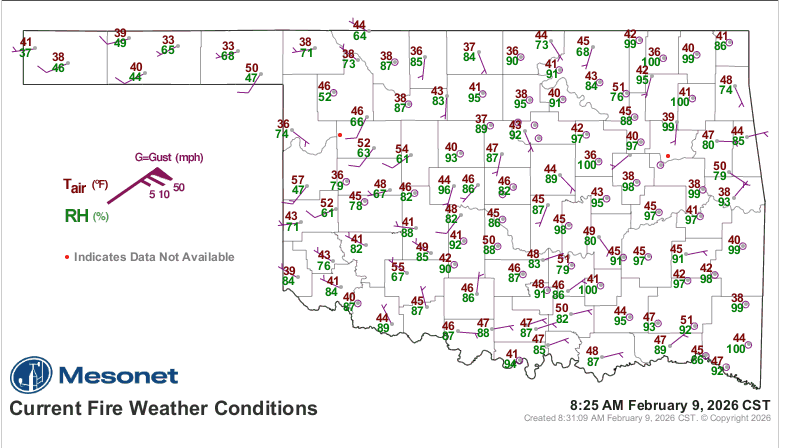
Following a weekend of increased wildfire activity, Oklahoma fire officials are warning of high to very-high fire danger today and tomorrow. A combination of unseasonably warm temperatures, gusty winds, and dormant winter vegetation has created a volatile environment for fire spread across the state.
While some areas saw light sprinkles yesterday, meteorologists report that the precipitation had virtually no impact on the state of the fuels. With the ground dry and temperatures soaring well above normal, conditions are primed for rapid ignition and spread.
The most severe danger is concentrated in the Oklahoma Panhandle and far northwestern Oklahoma, where a Red Flag Warning is in effect today beginning at Noon.
Fire analysts warn that "challenging initial attack" conditions should be expected. Because there is an above-normal load of fuel (grass and vegetation) on the ground, fires can grow quickly. In areas with heavy fuel loading, flames could reach lengths of 17–25 feet, moving at speeds up to 300 feet per minute (roughly a football field every minute).
While the Panhandle faces the most extreme threat, elevated fire danger exists statewide.
A cold front is expected to enter northwestern Oklahoma on Tuesday morning, slowly moving across the state throughout the day.
To see the latest Burn Bans, click here:
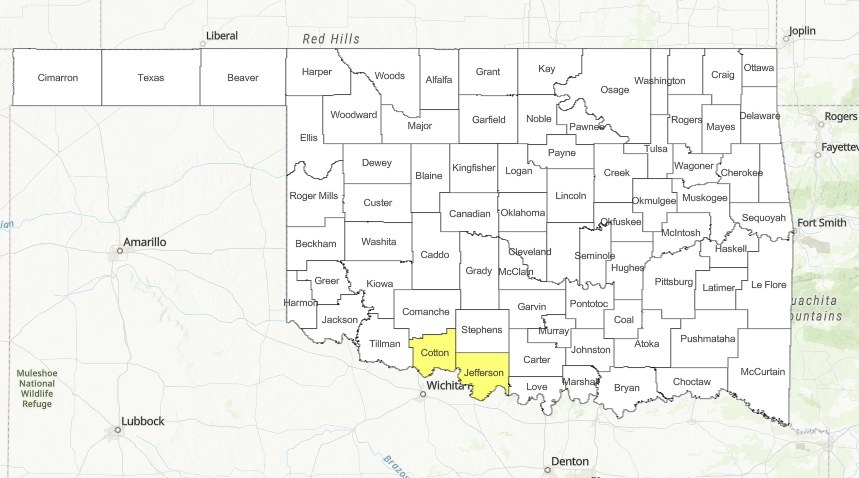
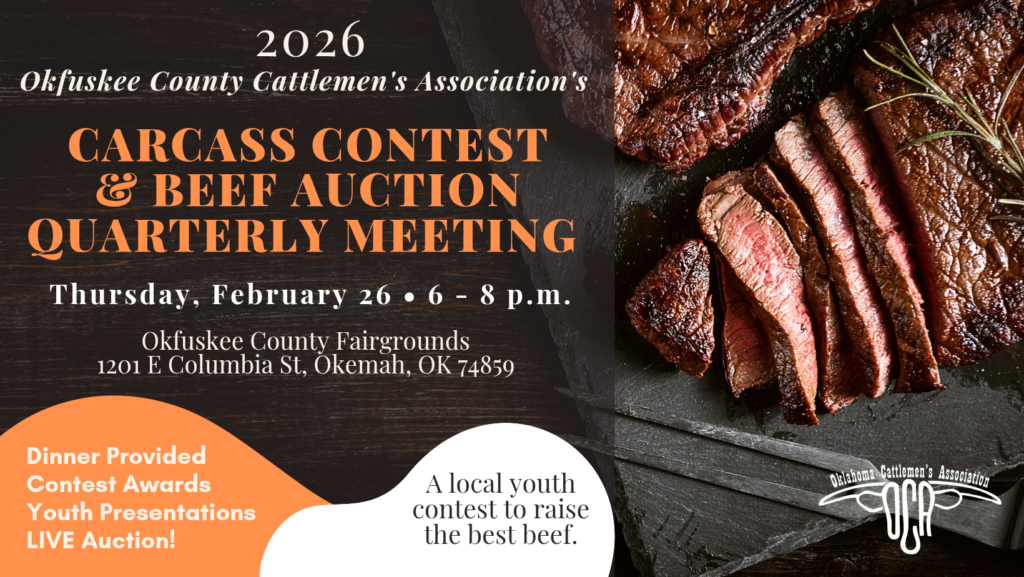
The Okfuskee County Cattleman's Association would like to invite the community to participate in their February 26, 2026 CARCASS CONTEST AWARDS AND BEEF AUCTION at 6 p.m. at the Okfuskee County Fairgrounds in Okemah. No membership is required to attend and a FREE steak dinner is provided.
Seven students from area schools are competing for the coveted belt buckle, cash prizes, as well as 100% of the proceeds from auctioning their beef. The Okfuskee County Cattleman's Association is happy to provide this contest in their community for young cattlemen to learn, practice, and evaluate different feeding and finishing techniques.
During the night of the event, guests will enjoy a steak dinner, presentations about each beef, get to meet the producers, and bid on beef for their freezer. Fourteen halves of beef will be up for auction. RingMaster House of Meats LLC will be processing the animals and grading their meat for the contest. Buyers will be responsible for the processing costs and pickup from the Bristow processor of their auction winnings.
If you or your business would like to make a cash donation for prizes, please contact Tom Goode at (940) 393-9815 for more information. We look forward to seeing you all at our CARCASS CONTEST AWARDS AND BEEF AUCTION February 26 as well as our quarterly meeting February 26, 2026 at 6 p.m.
Yesterday, the U.S. Food and Drug Administration issued an emergency use authorization for Ivomec (ivermectin) injectable solution to help prevent infestations caused by New World screwworm (NWS).
The FDA said scientific evidence suggests Ivomec may be effective in preventing New World screwworm infestations in cattle when given within 24 hours of birth, at castration or when a wound appears.
R-CALF USA CEO Bill Bullard issued the following statement in response to the announcement.
"New World screwworm presents a serious and immediate threat to U.S. livestock and to the stability of our domestic food supply. At a time when our nation's cattle and sheep herds have already declined to historically low levels, we cannot afford another crisis that further undermines America's ability to produce its own food. We appreciate the FDA's decision to authorize an additional tool that may help producers prevent infestations."
The emergency authorization will remain in effect until it is revoked or federal officials terminate the declaration that New World screwworm presents a potential public health emergency.

Oklahoma Genetics, Inc. (OGI) will hold its 21st Annual Meeting next Thursday, February 12, bringing members and industry professionals together at the Embassy Suites OKC NW in Oklahoma City.
The event kicks off with registration opening at 8:30 a.m. Attendees are encouraged to arrive early to pick up their name tags, program materials, and this year's commemorative giveaway items.
Educational Sessions and Credits A key highlight of the morning agenda is a presentation by Chad Shelton on "CoAXium® Wheat and Aggressor®AX Herbicide." Organizers have confirmed that Certified Crop Adviser (CCA) credits will be available for attendees present during this session.

Business Meeting and New Releases The afternoon schedule features the OGI Business Meeting, set to begin at 3:10 p.m. This portion of the event is reserved exclusively for OGI members. Dr. Carver is scheduled to present, with expectations that he will share information regarding potential new crop releases.
Awards and Recognition During the meeting, OGI will recognize top performers in the industry. Awards will be presented to the Top Five sales leaders for wheat and the Top One sales leader for peanuts.
Additionally, a new recognition category has been added this year. The organization will honor several members who demonstrated a significant increase in bushels sold, based on a comparison of 2025 sales figures against a three-year average from 2022 through 2024.
Here is a breakdown of the speakers featured in the OGI 2026 Speaker Guide, categorized by their area of expertise:
Secretary Blayne Arthur as our keynote luncheon speaker
Door Prizes To close out the event, ten door prizes will be drawn, each consisting of a $100 certificate for "OGI Bucks." These certificates can be applied toward OGI expenses, including membership fees and royalty payments. Organizers note that attendees will receive a ticket at registration and must be present during the Business Meeting to win.
Location and Parking The Embassy Suites is located at 3233 Northwest Expressway. There is ample free parking available at the venue. Guests are advised that the "Ballroom Entrance," located at the southwest corner of the building, provides the most direct access to the registration and meeting area.
For the complete schedule click here:
RON's Dave Lanning has a pre-opening look at today's agricultural Markets.
Click the audio tab below for today's report.
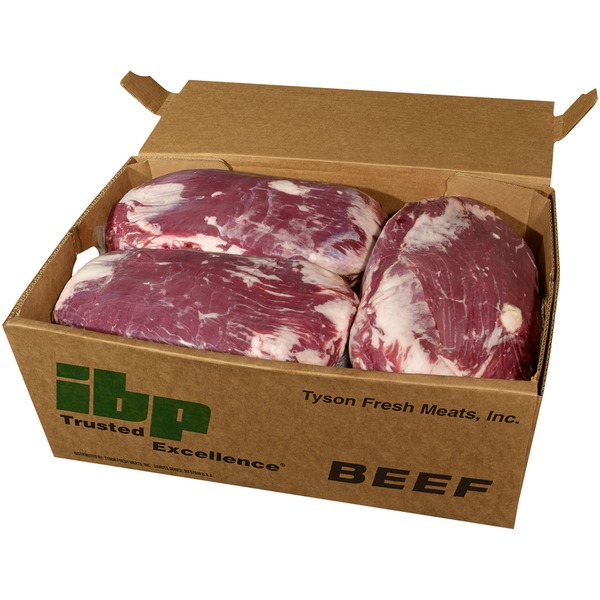
Boxed beef values moved higher on Friday, with Choice closing at $369.33, up $2.08 from Thursday, and Select ending at $364.53, up $4.16 on the day. Compared with last Friday, boxed beef values were $3.77 higher. The Choice/Select spread narrowed to $4.80, down from $6.88 on Thursday, while load count declined to 60 from 115.
On the primal side, ribs slipped to $504.52 from $505.12, chucks increased to $336.98 from $332.75, rounds edged up to $333.06 from $332.48, and loins moved higher to $466.11 from $464.28. Briskets were steady at $294.29 compared with $294.01, plates rose to $256.49 from $251.89, and flanks increased to $172.71 from $171.82 on Thursday.
The EPA has decided to allow over-the-top dicamba use on dicamba-tolerant cotton and soybeans for the next two growing seasons, saying farmers still need this tool to fight tough, herbicide-resistant weeds like Palmer amaranth. At the same time, the agency is putting the tightest rules ever on dicamba—cutting use rates in half and adding stricter limits on temperature, timing, buffers, and conservation practices to prevent drift and off-target damage. Bottom line, dicamba is staying in the toolbox for now, but it comes with more responsibility than ever, and EPA will be watching closely to decide what happens after these two seasons. Ag groups react to this news below:
American Farm Bureau Federation-
American Farm Bureau Federation President Zippy Duvall commented today on EPA finalizing the registration of dicamba products. "Farmers appreciate the decision by Administrator Lee Zeldin and the EPA to release a new registration and updated label for dicamba, an important herbicide that allows farmers to grow safe and healthy food and fiber. EPA's review and approval process, based on sound science, resulted in guidance that gives us continued confidence it can be safely applied. We look forward to helping ensure farmers clearly understand the updated label requirements. "Farmers take seriously our responsibility to care for the resources we've been entrusted with, including the careful use of pesticides. Today's announcement will provide farmers with certainty as they plan for this year's planting season." Farm Bureau has long advocated for access to safe, effective and innovative crop protection tools. This week, AFBF joined several other agricultural organizations in calling on EPA to uphold its science-based review and approval process. To read the letter, click here
American Soybean Association-
The American Soybean Association (ASA) applauds the Environmental Protection Agency (EPA) for finalizing a new dicamba label for Over the Top (OTT) use, an important step in preserving access to a critical weed management tool for soybean farmers. Dicamba remains an essential part of Integrated Pest Management Systems (IPMs), ensuring growers can maintain long-term control of destructive herbicide-resistant weed populations. This EPA action comes at an opportune time when growers are making critical decisions for the 2026 planting season. Without access to effective post-emergence tools, farmers face higher costs, reduced yields, and fewer sustainable options for protecting their crops. "We appreciate EPA moving forward with a new dicamba label and recognize the importance of maintaining access to this tool for soybean farmers," said Scott Metzger, president of the American Soybean Association and an Ohio soybean grower. "Farmers need clear, workable rules that accurately reflect how we farm. We look forward to reviewing the final label and hope it incorporates the feedback ASA and its state affiliates provided to ensure dicamba remains a practical option within a responsible, science-based weed management system." ASA and its state affiliates have consistently urged EPA to deliver a clear, practical, and science-based label that provides certainty for farmers and applicators. Last year, ASA and its state affiliates submitted detailed comments urging EPA to ensure any final registration is workable in real-world farming conditions. Those comments emphasized the need for greater flexibility around temperature restrictions, the importance of multiple modes of action in IPMs like tank mixing, and reasonable spray drift and runoff mitigation requirements that are workable, science-based, and cost-effective for growers. ASA is eager to review the label and continue engaging with EPA to ensure regulatory decisions support both environmental stewardship and the realities of modern agriculture.
The Agricultural Retailers Association (ARA) President & CEO, Daren Coppock, released the following statement after the U.S. Environmental Protection Agency (EPA) released updated guidance on over-the-top (OTT) dicamba application:
"ARA applauds EPA's recent decision that preserves the safe use of OTT dicamba while maintaining workable, label required mitigation measures for commercial applicators," said ARA's President & CEO, Daren Coppock. "ARA members have a strong record of responsibly managing dicamba applications and advancing the implementation of precision ag technologies that help growers control resistant and hard to manage weeds. OTT dicamba remains an essential tool for protecting yields and supporting soil health and environmental sustainability in cotton and soybean production."
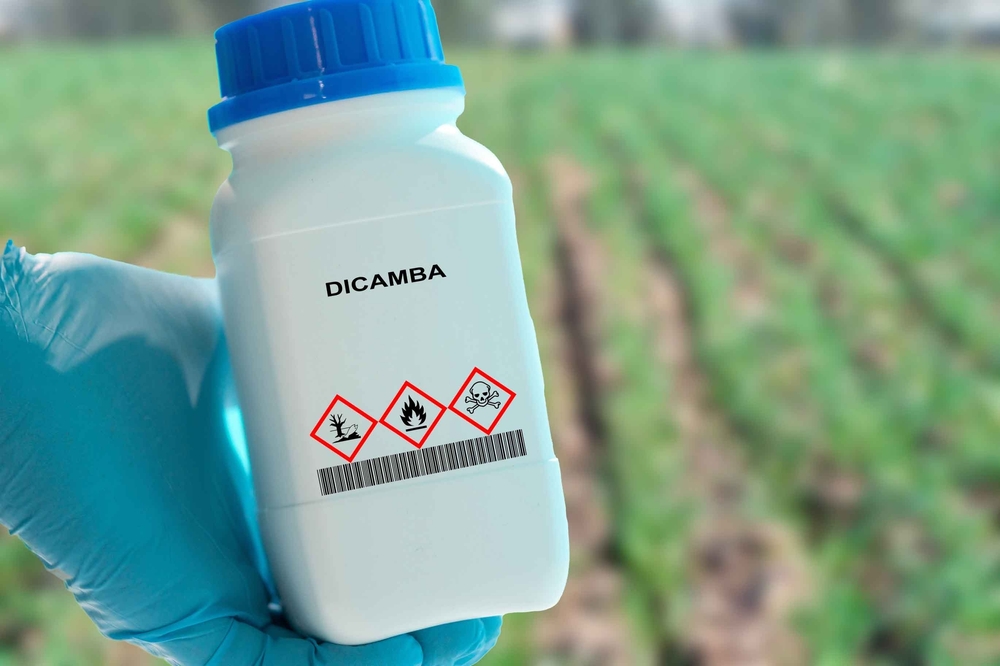
Today, U.S. Environmental Protection Agency (EPA) established the strongest protections in agency history for over-the-top (OTT) dicamba application on dicamba-tolerant cotton and soybean crops. This decision responds directly to the strong advocacy of America's cotton and soybean farmers, particularly growers across the Cotton Belt, who have been clear and consistent about the critical challenges they face without access to this tool for controlling resistant weeds in their growing crops. Dicamba has already been on the market and available for sale and in wide, continuous use on farms across the United States regardless of and prior to today's announcement, which is specifically focused on OTT application.
President Trump has remained deeply committed to supporting America's farmers and rural communities. This action reflects his administration's commitment to ensuring farmers have the tools they need to succeed while protecting the environment with the strongest safeguards ever imposed on OTT dicamba use. Cotton farmers across the southern United States have been particularly vocal about why they need OTT dicamba as herbicide-resistant weeds like Palmer amaranth have become nearly impossible to control with other available tools, threatening crop yields and farm viability. These "super weeds" can grow 3 inches per day and destroy entire fields. Without effective weed management during the growing season, these producers face devastating economic losses. This temporary approval reflects the voices of farmers who depend on this tool using informed restrictions and safety measures.
From day one of this review, EPA committed to gold-standard science and radical transparency. We conducted a thorough pesticide evaluation, using the best available data and reviewing hundreds of publicly available independent, peer-reviewed studies and real-world field results to conduct a comprehensive human health and ecological risk assessment. To be clear, these studies involved pesticide applicators with decades of intensive exposure, not typical consumers. EPA took these studies seriously, carefully considered them in our risk assessments, and built extra protections into the registration to reduce worker contact with the product.
Additionally, the ecological risks associated with dicamba drift and volatility are real. If not carefully mitigated, off-target movement of dicamba can damage sensitive plants and impact neighboring farms and natural ecosystems. These concerns are exactly why the strongest safeguards ever are essential.
When applied according to the new label instructions, EPA's analysis found no unreasonable risk to human health and the environment from OTT dicamba use. EPA recognizes that previous drift issues created legitimate concerns, and designed these new label restrictions to directly address them, including cutting the amount of dicamba that can be used annually in half, doubling required safety agents, requiring conservation practices to protect endangered species, and restricting applications during high temperatures when exposure and volatility risks increase. This determination supports a time limited approval covering only the next two growing seasons and will be subject to further review.
We will continue to track real-world outcomes, and adjust course quickly if new information emerges. EPA's commitment is clear: protect communities and ecosystems with uncompromising science while providing farmers the tools they need to succeed responsibly.
EPA is requiring an extensive suite of mitigation measures, each designed to reduce drift, minimize volatility, and protect ecosystems:
New Restrictions for 2026 Registration
*The 2020 registration permitted up to four applications of 0.5 lbs./acre (only two could be over-the-top) for a total of 2.0 lbs. of dicamba annually.
Legacy Restrictions Retained on the 2026 Registration
***The distance of downwind spray drift buffers may be decreased if other label-approved mitigations are used (use of a hooded sprayer, a downwind windbreak, etc.)
****A list of dicamba-sensitive plants and crops is provided on the label.
EPA is making clear that these restrictions are not optional suggestions. They are enforceable legal requirements. Applicators who fail to follow label directions are subject to significant penalties under the Federal Insecticide, Fungicide, and Rodenticide Act (FIFRA), including civil fines and, in cases of knowing violations, criminal prosecution. EPA will work with state enforcement to actively monitor compliance, and violations will be met with serious consequences.
We will continue to track real-world outcomes, require manufacturers to provide additional data if necessary, and will not hesitate to adjust restrictions or revoke approvals quickly if new information emerges showing risks are not being adequately controlled. This two-season limited approval provides a critical checkpoint. EPA will comprehensively review performance data, incident reports, and environmental monitoring results before considering any future approvals.
Throughout the review process, farmers, workers, environmental organizations, and the public submitted thousands of comments, all of which EPA carefully considered. This decision reflects a careful balance between protecting ecological health and community well-being and supporting farmers' pressing need for effective weed-control tools. EPA's highest priority remains safeguarding human health and the environment. This registration marks an important milestone in the agency's ongoing work to strengthen pesticide oversight, enhance safety through transparency, and ensure that all regulatory decisions are guided by the best available science.
U.S. Secretary of Agriculture Brooke L. Rollins, U.S. Small Business Administrator (SBA) Kelly Loeffler, and U.S Environmental Protection Agency (EPA) Administrator Lee Zeldin published a joint opinion piece in Newsweek highlighting how President Trump is strengthening farmers' rights, cutting regulations, and lowering costs.
"Earlier this week, the Trump administration set the record straight on the right to repair, paving the way for annual operating costs on the farm to drop by 10 percent. The U.S. Environmental Protection Agency (EPA) released guidance to manufacturers reaffirming the agency's position that the Clean Air Act (CAA) supports—rather than restricts—Americans' ability to repair their own farm equipment," said Secretary Rollins and Administrators Lee and Loeffler. "There is no better advocate for the needs of the American farmer than President Trump, and this guidance is proof that we are not slowing down. In the spirit of Thomas Jefferson, we will continue to put farmers first and protect their right to repair. The future of our republic depends on it."
Read the full piece below.
---
The right to repair isn't just a slogan. It's a common-sense extension of the fundamental, constitutional right to private property, which has been recognized and vigorously protected since the founding of the United States 250 years ago. As Thomas Jefferson affirmed, "The true foundation of republican government is the equal right of every citizen in his person and property and in their management."
No one appreciates the importance of those rights more than the men and women who feed, fuel and clothe us day in and day out—by the sweat of their brow and with the help of mechanical equipment that's become practically indispensable.
But when that equipment breaks down and remains out of operation, it means crops aren't planted or harvested, mouths aren't fed and America's economy and national security are put at risk.
Earlier this week, the Trump administration set the record straight on the right to repair, paving the way for annual operating costs on the farm to drop by 10 percent. The U.S. Environmental Protection Agency (EPA) released guidance to manufacturers reaffirming the agency's position that the Clean Air Act (CAA) supports—rather than restricts—Americans' ability to repair their own farm equipment.
For years, prominent equipment manufacturers have interpreted the CAA's emission control anti-tampering provisions as preventing them from making essential repair tools available to all Americans. As a result, instead of making a repair in the field or at a nearby independent repair shop, farmers have been forced to take their equipment to manufacturer-authorized dealers to be fixed. Not only has this made repairs more costly, it has also caused many farmers to opt for older agricultural equipment that lacks modern emission controls simply because they can fix that equipment themselves.
An overwhelming majority of farmers—a staggering 95 percent—believe they should have the ability to fix their own equipment. That's why the Trump administration is giving our agriculture communities the freedom they need to thrive.
The guidance could not be more clear—manufacturers can no longer use the Clean Air Act to justify limiting access to repair tools or software. This includes making repairs to Diesel Exhaust Fluid (DEF) systems on nonroad diesel engines. EPA is working to build upon the DEF guidance it released last summer, which reversed deratements and protected diesel equipment operators from DEF system failures. In the meantime, the right to repair guidance will allow farmers to fix broken DEF systems at home or in the fields, saving them time and money.
Like so many of President Trump's victories over the past year, this is about cutting red tape, expanding consumer choice and lowering input costs.
Since 2020, capital expenditures on vehicles and machinery have increased over 45 percent. This isn't just because farmers are buying more equipment. After all, the entire farm economy plummeted in the four years of the previous administration's failed leadership, and the total number of farmers has also fallen.
The Biden administration's policies drove up inflation and ignored the needs of farmers and ranchers. President Trump is determined to turn things around in both the short term and the long term. The right to repair guidance is a critical part of the solution, and we expect it to deliver approximately $48 billion in total savings for American farmers. Before today, a single repair would cost farmers about $33,000—and that doesn't even factor in the time away from the field or the consequent loss of yield.
In America, the timely, affordable maintenance of agricultural equipment should not be a luxury—it should be a given.
There is no better advocate for the needs of the American farmer than President Trump, and this guidance is proof that we are not slowing down. In the spirit of Thomas Jefferson, we will continue to put farmers first and protect their right to repair. The future of our republic depends on it.
Lee Zeldin is U.S. Environmental Protection Agency Administrator. Brooke L. Rollins is U.S. Secretary of Agriculture. Kelly Loeffler is U.S. Small Business Administration Administrator.

More than 800 Farm Credit leaders gathered in Orlando, Florida, for the 2026 Farm Credit Annual Meeting to reaffirm their core mission of supporting members, strengthening rural communities and advancing agriculture amid challenges.
Over three days of learning, exchanging ideas and networking, Farm Credit directors and staff focused on a commitment to "raising the bar" for America's farmers, ranchers and rural communities. As a network of member-owned cooperatives, this includes a dedication to services that extend beyond reliable financing, including advocacy, education and support resources.
"We are talking about raising the bar on excellence," said Christy Seyfert, President and CEO of the Farm Credit Council. "The entire theme of the meeting has revolved around that – how we can continue to press for improvement and lean into the Farm Credit mission so we may better serve agriculture and rural America."
Seyfert opened the meeting with a key Washington update, outlining current policy developments and the Farm Credit Council's ongoing advocacy efforts on behalf of its customers. A central focus was continued engagement around credit policy improvements in Farm Bill 2.0, which is critical to providing long-term certainty for producers and rural communities.
The Honorable Jeffery Hall, Board Chairman and CEO of the Farm Credit Administration, provided a regulatory perspective on the Farm Credit System during his address to attendees, during which he emphasized the importance of collaboration, a high standard of member service and ensuring a strong future for agriculture and rural communities.
Veteran policy analyst Jim Wiesemeyer brought his decades of experience in agriculture and trade policy to share an agricultural economic outlook for 2026, offering insights into market conditions, global trade dynamics and policy considerations shaping the year ahead. Wiesemeyer's analysis and forecast reinforced the importance of strong agricultural policy and reliable lending services as producers continue to navigate challenging circumstances.
The Farm Credit Annual Meeting also highlighted the importance of leadership and resilience. Chaunté Lowe, four-time Olympian and bronze medalist in the high jump, delivered an inspiring message on perseverance and "raising the bar" themes that resonated with Farm Credit's mission-driven approach to customer service.
A panel of Farm Credit CEOs from AgCarolina Farm Credit, AgTexas Farm Credit Services, AgWest Farm Credit and FCS Financial shared insights into initiatives designed to enhance service, responsiveness and long-term value for customers across the Farm Credit System. Their discussion focused on collaboration, innovation and staying grounded in cooperative principles while meeting evolving customer needs.
Additional speakers explored the next generation of agriculture, from its future leaders to the key innovations being developed that will enable it to thrive. Attendees heard from a panel of student representatives from Farm Credit partnership organizations, including FFA, MANRRS, Agriculture Future of America, 4-H, and Tribal Agriculture Fellowship, who discussed the importance of continued investment in youth agriculture initiatives.
On the innovation front, Allison Bredder of NASA Acres provided an overview of how satellite research and farm data are being connected to support agricultural decision-making and productivity.
The meeting's speaker sessions closed out with an emphasis on strengthening America's political future — and the key role of bipartisanship in that future. Political strategist Donna Brazile and former Mississippi governor Haley Barbour teamed up for a spirited bipartisan discussion on our country's political outlook and the importance of collaboration across party lines for the benefit of all Americans.
Recognizing the pressures facing agriculture today, Farm Credit also reinforced its commitment to mental health awareness, resources and support for farmers, ranchers and rural communities. Leaders emphasized that supporting agriculture means supporting its people first, particularly during challenging times
The Farm Credit Council Board of Directors also leveraged Annual Meeting to plan for a strong 2026 in Washington, organizing and re-electing Stan Claussen and Scott Bell as Board Chair and Board Vice Chair, respectively. Claussen farms corn, sugar beets, soybeans and alfalfa in Montevideo, Minnesota, and Bell runs two cattle, poultry and row crop operations in Scott and Leake counties in Mississippi. Brandon Wittman, chief executive officer and general manager of Yellowstone Valley Electric Cooperative in Huntley, Montana, was re-elected CoBank representative. Susan LaGrande, a wine grape producer of Colusa, California, was newly elected member at large. Michael "Bo" Stone, who produces row crops and operates a swine and cow-calf herd in Rowland, North Carolina, remains on the Executive Committee as the immediate past Board Chair.
As Farm Credit looks ahead, the Annual Meeting reaffirmed the organization's mission-driven focus, support for agriculture and rural America and important initiatives to showcase agriculture during America's 250th year and International Year of the Woman Farmer.
Farm Credit supports rural communities and agriculture with reliable, consistent credit and financial services, today and tomorrow. It has been fulfilling its mission of helping rural America grow and thrive for more than a century with the capital necessary to make businesses successful and by financing vital infrastructure and communication services. For more information visit www.farmcredit.com.
Today, U.S. Environmental Protection Agency (EPA) Administrator Lee Zeldin released a top list of actions the agency has taken in the first year of the Trump Administration to combat risks from per- and polyfluoroalkyl substances (PFAS) contamination and Make America Healthy Again. Under President Trump's leadership, EPA is tackling PFAS contamination through better testing and detection, direct community support, enforcement, clear public education, commonsense regulation, and cutting-edge research so families across the country can have safer drinking water and cleaner environments.
Administrator Zeldin made addressing PFAS a top agency priority on day one and EPA has taken a number of important actions to combat risks from PFAS contamination.
"Keeping Americans safe from the risks of PFAS chemicals has been a top priority of mine dating back to my time in Congress," said EPA Administrator Lee Zeldin. "At the Trump EPA, we are focused on real results to protect families, farmers, and small businesses. That means locating PFAS, stopping it from getting into drinking water, cleaning it up where it's already a problem, and holding polluters accountable. These efforts are just the start of the work we will do on PFAS contamination to ensure ALL Americans have the cleanest air, land, and water."
The Trump EPA has moved quickly to turn its PFAS commitments into concrete results as part of this Administration's unwavering commitment to Make America Healthy Again. Since January 2025, some of the many positive Trump EPA highlights of the effort to combat PFAS include:
PFAS are man-made chemicals that break down very slowly in the environment. For over 70 years, companies have used these chemicals to make products that are used by many Americans every day that resist heat, oil, water, and stains in everything from non-stick pans to firefighting foam to food packaging. Some PFAS have been linked to health concerns when people are exposed to high levels over long periods of time, which is why reducing risks from PFAS exposure is a key part of the Trump Administration's effort to Make America Healthy Again.
This comprehensive list represents just the beginning of the Trump Administration's fight against the risks of PFAS contamination. The EPA plans to continue expanding testing programs, advancing new treatment technologies, increasing community outreach, and strengthening enforcement actions to work with local municipalities and the private sector to pursue practical solutions. Under President Trump's leadership, the EPA is taking action to give all Americans access to the cleanest air, land, and water in the world.
EPA's Comprehensive and Coordinated Efforts to Tackle PFAS
EPA plays a key role in responding to PFAS contamination using its scientific expertise and existing environmental authorities. Working under several federal laws, the agency applies a science-based approach to help protect communities and the environment while supporting economic growth and innovation.
To support these efforts further, EPA is establishing a coordinating group to ensure the continued sharing of research, innovation, and actions to accelerate the cleanup of PFAS contamination and protect human health and the environment. This coordination will be supported by leadership from the Office of the Administrator and the Office of Water and represent senior technical and policy leaders from across EPA program offices and Regions.
Through this coordination and application of gold standard science, EPA will further actions to:
When contamination is found above protective levels in drinking water, soil, or through chemical reviews, the agency acts quickly using its full range of environmental authorities to protect communities where Americans live, work, and play. EPA prioritizes cooperative federalism and coordinates closely with federal agencies, states, tribes, and local governments to advance a unified and effective response.
Advancing PFAS Testing to Guide Actions
Across this work, EPA relies on gold standard science and strict review so that PFAS testing is accurate and reliable. Methods are carefully developed, checked, and updated so that when lab results show concerning levels of PFAS, the agency can be confident in what the data means before recommending cleanup or other steps to reduce exposure. This scientific foundation helps ensure that any mitigation actions EPA supports are practical, effective, and focused on protecting people's health and the environment.
EPA uses two basic approaches when testing for PFAS:
EPA uses several laboratory methods to find and measure PFAS in water, soil, and air so communities know what is in their environment. This testing is essential to identifying problems early and targeting cleanup where it is needed most.
Testing Drinking Water
EPA has three main lab methods for PFAS in tap water, all using highly sensitive instruments that can detect very small amounts of PFAS. One method measures 18 types of PFAS, including a GenX-related chemical. A second, older method measures 14 PFAS and is now used mainly for historical reference. A third method measures 25 PFAS using a more advanced setup that improves accuracy.
Testing Surface Water
EPA also has methods to test PFAS in surface waters, wastewater, and solid materials. One method measures 24 PFAS in nondrinking water such as groundwater, rivers, lakes, and wastewater. Another method, developed with the Department of Defense, can measure 40 PFAS in wastewater, surface water, groundwater, soil, sludge, sediment, landfill liquid, and even fish tissue.
Testing PFAS in Air
EPA is developing ways to measure PFAS released into the air from factories and other facilities. One air test method measures 50 PFAS that are attached to particles or are semi-volatile (partly in gas form, partly on particles). Another method measures 30 PFAS that are more volatile (gas-like) using special metal canisters.
Background
Administrator Zeldin has been fighting PFAS contamination since his time in Congress, where he helped found the PFAS Congressional Taskforce and supported legislation to fund community cleanup efforts. As a representative from Long Island, an area heavily affected by PFAS contamination, he has seen firsthand how these chemicals can impact families and communities.
During President Trump's first term, EPA convened a two-day National Leadership Summit on PFAS in Washington, D.C. that brought together more than 200 federal, state, and local leaders from across the country to discuss steps to address PFAS. Following the Summit, the agency hosted a series of visits during the summer of 2018 in communities directly impacted by PFAS. EPA interacted with more than 1,000 Americans during community engagement events in Exeter, New Hampshire, Horsham, Pennsylvania, Colorado Springs, Colorado, Fayetteville, North Carolina, and Leavenworth, Kansas, as well as through a roundtable in Kalamazoo, Michigan, and events with tribal representatives in Spokane, Washington.
In 2019, the Trump EPA announced the PFAS Action Plan. This historic plan responded to extensive public interest and input the agency received and represented the first time EPA built a multi-media, multi-program, national communication and research plan to address an emerging environmental challenge like PFAS. EPA's Action Plan identified both short-term solutions for addressing these chemicals and long-term strategies that will help provide the tools and technologies states, tribes, and local communities need to provide clean and safe drinking water to their residents and to address PFAS at the source—even before it gets into the water.
In the first Trump Administration, EPA also made significant progress regulating PFOA and PFOS in drinking water by issuing final regulatory determinations and issuing an Advance Notice of Proposed Rulemaking (ANPRM) addressing PFOA and PFOS in the environment. Additional information about President Trump's first-term successes on PFAS can be found here.
Today, U.S. Environmental Protection Agency (EPA) is highlighting progress protecting water systems from cyberattacks in 2025. EPA's Office of Water (OW) proactively identified cybersecurity vulnerabilities at 277 water systems and worked to fix the issues with individualized solutions ranging from authentication protocols to enforcing strict access controls along with other technical updates and restrictions. Cyber weaknesses included critical system components, such as technologies that control drinking water and wastewater processes, that are attractive targets to potential threat actors. This work is critical to safeguarding public health and economic growth to advance the goals of the agency's Powering the Great American Comeback initiative.
"Access to clean and safe water is foundational to healthy people and environmental protection, thriving businesses, domestic manufacturing, AI, and agricultural production. The threat of cyberattacks is a relatively new and growing concern that water systems must proactively address," said EPA Assistant Administrator for Water Jess Kramer. "EPA is doing everything within its authority to help water systems tackle cybersecurity threats, including directly eliminating 350 vulnerabilities in 2025. Many cybersecurity solutions are free or low-cost practices that can make a real difference. We are committed to working with our partners in federal, state and local governments to ensure that all water systems are cybersecure."
Strengthening cybersecurity for water systems is a public health and a national security priority, and EPA is working in collaboration with the Cybersecurity and Infrastructure Security Agency (CISA), states, and water associations to help reduce the risk of cyberattacks. EPA and its partners encourage water systems to implement basic cybersecurity best practices, including reducing exposure of operational technology assets to the public-facing internet, developing and maintaining an asset inventory, and implementing robust authentication protocols including strong passwords and multi-factor authentication. EPA supports water systems with implementing these controls by providing free cybersecurity assessments and technical assistance.
In August, the Trump EPA announced over $9 million in grant funding for midsize and large water systems to help protect drinking water from cybersecurity threats and improve resiliency for extreme weather events. The agency also published a report highlighting 10 recommendations to strengthen resiliency to cyberattacks in the water sector. EPA has developed several resources to support water system cybersecurity and released new online tools in October of 2025.
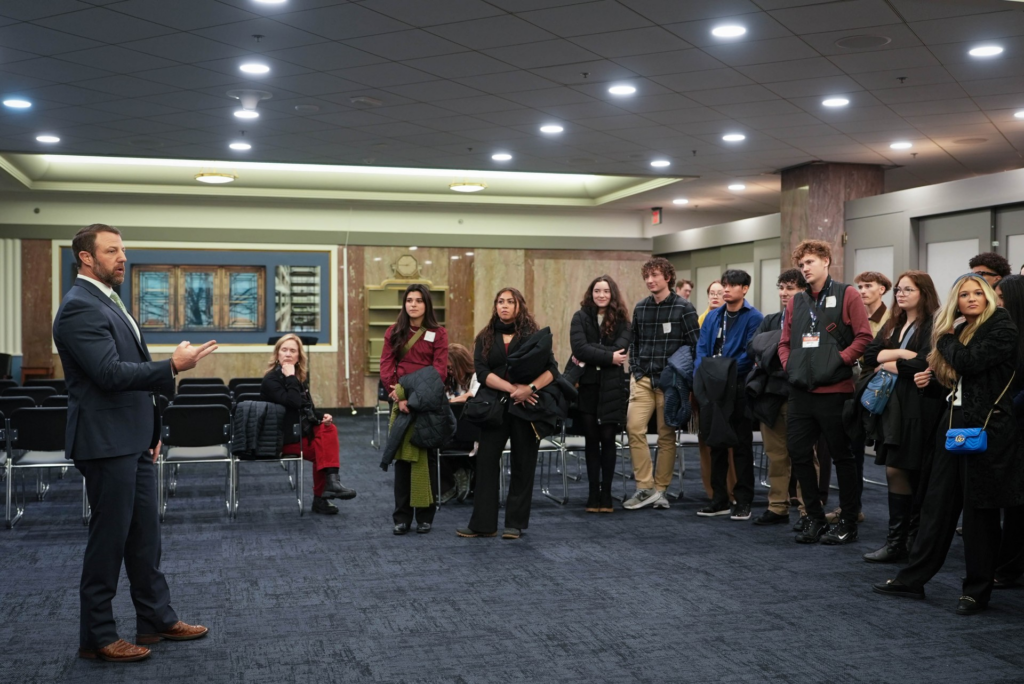
On Wednesday, U.S. Senator Markwayne Mullin (R-OK) welcomed 46 Lawton Public School students and teachers to the U.S. Capitol. The group is participating in the Close Up Foundation High School Program.
"It was a pleasure to visit with some of the best and brightest students from our Lawton Public Schools. I am encouraged by their enthusiasm to learn more about the unique history of our great nation and how Washington, D.C. is meant to work for them," said Senator Mullin. "Our students are our future. I will continue to fight each and every day for what is best for them and all of Oklahoma."
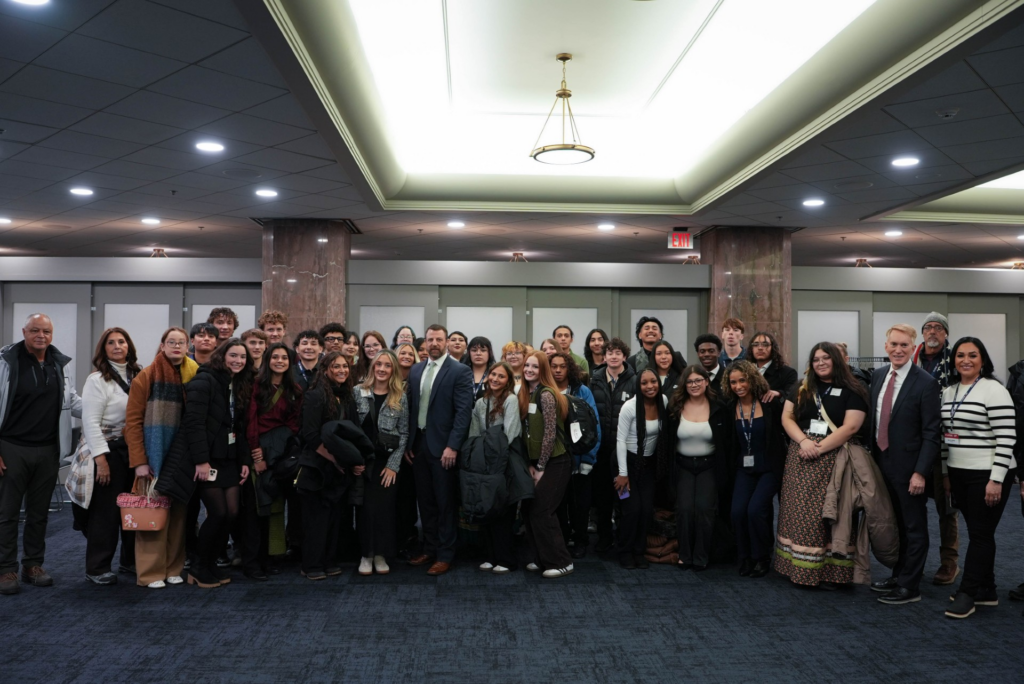


Although it may be a new year, it brings many old questions, including how the Federal Reserve will manage interest rates in 2026. The Federal Reserve adjusts the federal funds rate, the rate at which banks in the Federal Reserve System lend to one another. Their objective in adjusting rates is to 1) keep inflation low and stable and 2) maintain full employment in the economy. After swiftly raising the federal funds rate in 2022 to combat inflation, the Federal Reserve began lowering its target rate slowly in the second half of 2024. The federal funds rate held steady for most of 2025; however, the Federal Open Market Committee (FOMC), the group within the Federal Reserve that sets interest rates, resumed rate cuts at its September meeting. The FOMC implemented additional cuts at its next two meetings in October and December.
Additionally, at the December meeting, the FOMC released its latest economic projections and monetary policy expectations. These projections summarize the views of the thirteen FOMC members on economic growth, unemployment, and inflation, as well as their views on appropriate monetary policy in both the short and long term. Table 1 summarizes FOMC members' projections for 2026. While FOMC members largely agree on how the economy will perform this year, they differ on how the federal funds rate should change.
Table 1. 2026 Economic Projections of FOMC Members as of December 30, 2025
| Median (%) | Central Tendency (%)1 | Range (%) | |
| Change in Real GDP | 2.3 | 2.1 – 2.5 | 2.0 – 2.6 |
| Unemployment Rate | 4.4 | 4.3 – 4.4 | 4.2 – 4.6 |
| PCE Inflation | 2.4 | 2.3 – 2.5 | 2.2 – 2.7 |
| Federal Funds Rate | 3.4 | 2.9 – 3.6 | 2.1 – 3.9 |
1 The central tendency represents the range of projections, excluding the 3 highest and 3 lowest values.
How the FOMC manages the federal funds rate in 2026 will depend on how inflation and unemployment change. All else equal, if inflation rises again, the FOMC is more likely to maintain or raise the federal funds rate. On the other hand, if unemployment increases, the FOMC is likely to lower the federal funds rate and may do so more rapidly than it currently plans. If we take the FOMC's median projection as its most likely course of action, we expect the FOMC to make a single quarter-point cut to the federal funds rate in 2026. While it may implement this cut early in 2026, during its January or March meeting, it's more likely that a single cut would occur in the third or fourth quarter of 2026. This would imply a 3.5-3.75 percent federal funds rate to start the year, with a cut to 3.25-3.5 percent at some point between June and December.
Figure 1 uses data from the Dallas Federal Reserve's Agricultural Survey to illustrate how the FOMC's actions affect agricultural lending rates. Ag lending rates tend to move with the federal funds rate and are about 4-5 percentage points higher on average. If this relationship continues, a single quarter-point cut would imply average ag lending rates in the Dallas Federal Reserve District in the mid-to-upper 7 percent range for operating loans and in the low-to-mid 7 percent range for intermediate and real estate loans. However, the actual rate a borrower receives will depend on their relationship with the lender and their perceived creditworthiness.
Figure 1. Agricultural Lending Rates by type and the Federal Funds Rate, 2022-2025
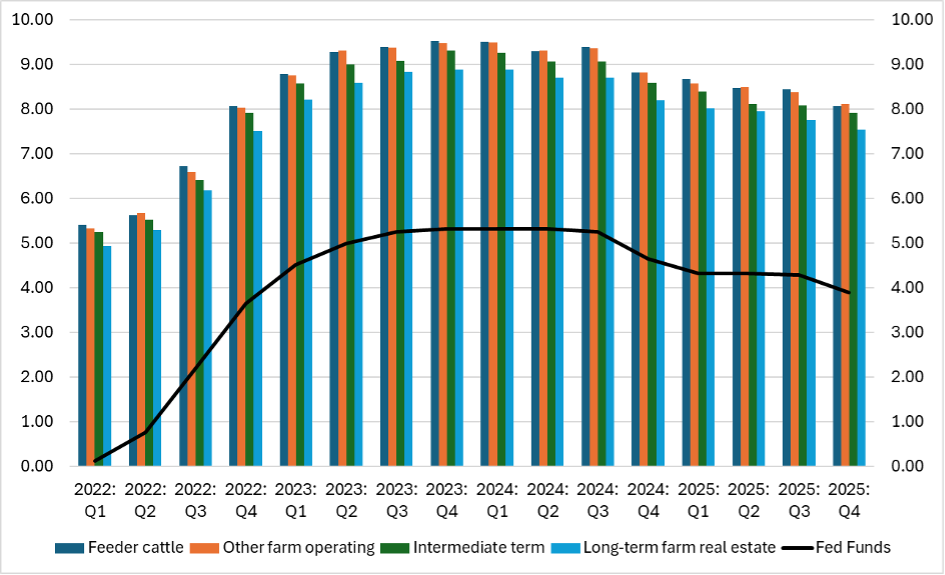
References
Board of Governors of the Federal Reserve System (US), Federal Funds Effective Rate [FEDFUNDS], retrieved from FRED, Federal Reserve Bank of St. Louis; https://fred.stlouisfed.org/series/FEDFUNDS.
Board of Governors of the Federal Reserve System (US), Agricultural Survey, retrieved from the Federal Reserve Bank of Dallas; https://www.dallasfed.org/research/surveys/agsurvey.
Board of Governors of the Federal Reserve System (US), December 30, 2025: FOMC Projections Materials, Accessible Version. Retrieved from: https://www.federalreserve.gov/monetarypolicy/fomcprojtabl20251210.htm.
Wright, Andrew. "The Outlook for Interest Rates in 2026." Southern Ag Today 6(6.1). February 2, 2026. Permalink
The National Milk Producers Federation (NMPF), U.S. Dairy Export Council (USDEC) and Consortium for Common Food Names (CCFN) celebrated the signing of a U.S.–Argentina Agreement on Reciprocal Trade and Investment late yesterday that includes tariff and nontariff barrier concessions for U.S. dairy exports.
Argentina commits in the trade deal to eliminate tariffs that currently range up to 28 percent on select dairy products, including milk powders, dairy proteins, lactose, and other dairy ingredients. The agreement also establishes a 1,000 metric ton quota for certain U.S. cheeses. In addition to tariff reductions, Argentina agrees to prevent several nontariff barriers, including refraining from imposing processing facility registration requirements on U.S. dairy exports and providing explicit protections for 39 common cheese names like "parmesan".
"The commitments secured in the U.S.-Argentina reciprocal trade deal bring new, real opportunities for our dairy exports to South America," said Krysta Harden, president and CEO of USDEC. "USDEC appreciates USTR's hard work in securing agreements that lower tariffs and meaningfully address nontariff barriers, particularly those to protect common cheese names. We look forward to building our market presence in Argentina as the agreement is implemented."
"Trade deals like this one bring dairy farmers promise for the future," said Gregg Doud, president and CEO of NMPF. "Dairy farms operate 365 days a year, and the U.S. negotiating team is keeping pace to secure new market access. NMPF will continue to work with the Administration as all the reciprocal trade agreements are translated into real results on the ground for our farmers."
"Argentina's commitment to protect 39 common cheese names and 10 generic meat terms could not have come at a more important time," said Jaime Castaneda, executive director of CCFN. "As the European Union is advancing toward implementation of its trade agreement with the Mercosur bloc of countries, our ability to use common names is increasingly at risk. We cannot thank Ambassador Greer and the USTR negotiating team enough for the foresight and leadership in protecting U.S. exporters' rights."
The trade deal follows reciprocal trade agreements that the United States signed recently with El Salvador and Guatemala last week that included commitments to prevent barriers to U.S. dairy exports. USDEC and NMPF will continue to work with the U.S. government as the reciprocal trade negotiations progress to identify and address impediments to dairy trade and grow U.S. export opportunities.
As Americans prepare to watch the Super Bowl this Sunday, National Farmers Union (NFU) is drawing attention to a different kind of matchup: family farmers and consumers versus corporate monopolies that aren't playing fair. The "Farmer's Share of the Food Dollar: Super Bowl Edition" report released today highlights how little family farmers earn compared to how much consumers pay at the grocery store.
"Super Bowl weekend is one of the largest grocery retail events in the country, yet family farmers and ranchers are left out of the profits," said NFU President Rob Larew. "Family farmers and ranchers continue to work harder than ever but take home less. Meanwhile, corporate monopolies in processing, distribution, and retail rake in record profits at the expense of consumers. Farmers deserve a fair share of the food dollar, and consumers deserve a food system that works for everyone, not just a handful of powerful corporations."
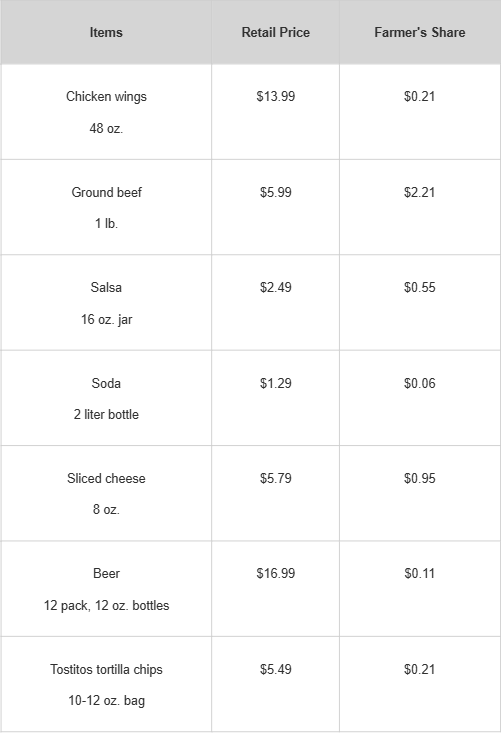
NFU's Fairness for Farmers campaign is actively addressing the monopoly crisis in food and agriculture. By advocating for stronger antitrust enforcement and greater transparency, the campaign aims to increase the farmer's share of the food dollar and ensure fairness for both farmers and consumers.
Data for this publication were sourced from the U.S. Department of Agriculture's National Agricultural Statistics Service, Agricultural Marketing Service, and other industry sources. Retail prices are based on the Safeway (SE) brand in the Washington, D.C. area.

AFR Convention to Address Key Oklahoma Ag Policy:
The American Farmers & Ranchers (AFR) Cooperative is gearing up for its annual convention, promising a weekend packed with legislative discussions, educational sessions, and celebration of Oklahoma's agricultural youth. In a recent interview, Farm Director KC Sheperd sat down with AFR President Scott Blubaugh to preview the event, which is set to take place in Norman, Oklahoma.
A primary focus of this year's convention will be addressing the pressing legislative issues facing rural Oklahoma. President Blubaugh highlighted that several state legislators will be in attendance to speak, alongside presentations on upcoming state questions.
AFR maintains a policy of neutrality regarding how members should vote, focusing instead on education. "We don't tell our members how to vote," Blubaugh explained. "We just educate them at both sides of the issue and let them make up their own mind".
Key policy topics on the agenda include:
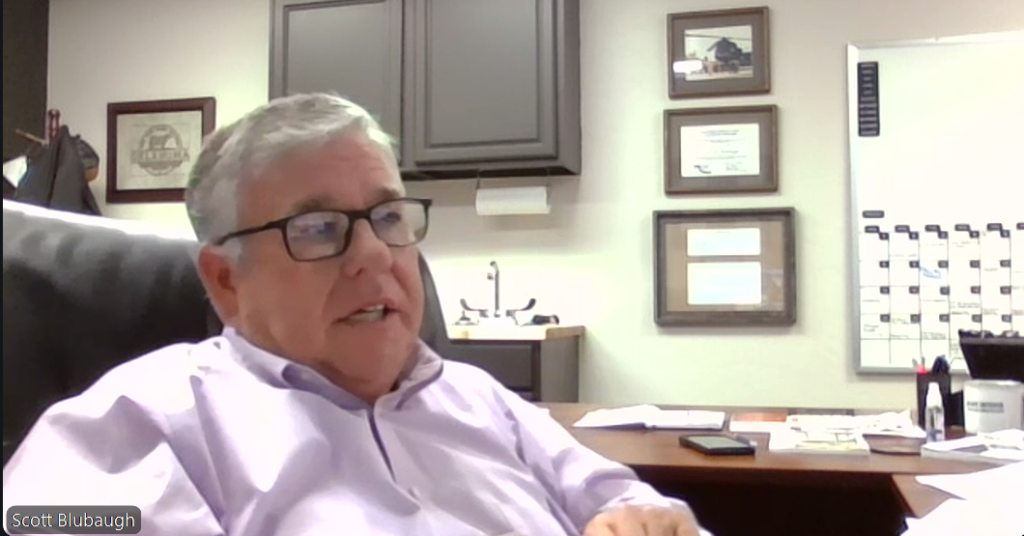
Recognizing the financial strain currently affecting the cotton and grain sectors, AFR has organized a specialized legal panel. Three of the nation's top agriculture attorneys will be present to discuss borrower rights regarding Farm Service Agency (FSA) and Farm Credit loans.
This session aims to support farmers facing loan renewals or potential default by clarifying what actions can and cannot be taken by lenders. "We felt like maybe it's time to revisit some of these things that have been in law for a long time... most of us have forgotten about all these things," said Blubaugh.
The convention is not strictly business; it also serves as a celebration of the cooperative's community.
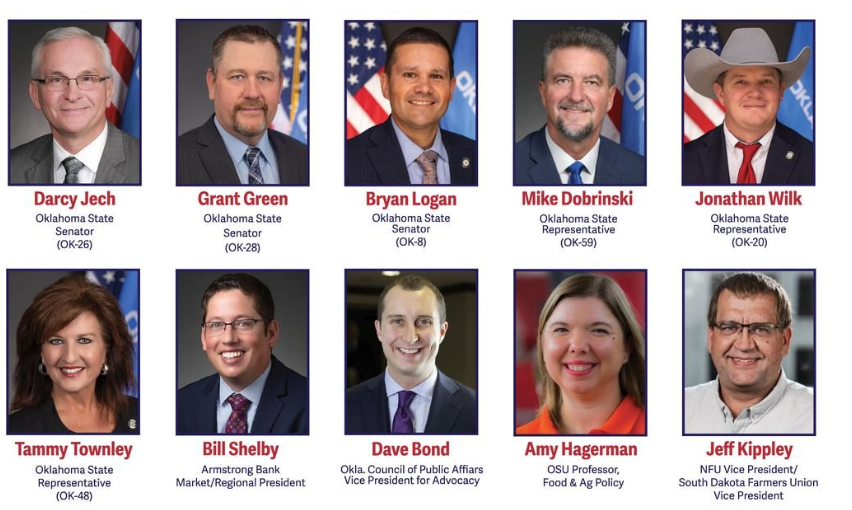
The convention runs from Friday the 13th through Sunday the 15th at the Embassy Suites in Norman.

While the event includes business meetings for delegates to debate and vote on policy, registration is open to the public. President Blubaugh noted that this year is unique in terms of elections: none of the incumbents faced an opponent, meaning there will be no contested leadership elections.
Regarding the venue, Blubaugh addressed recent news about a water leak at the Embassy Suites, playfully assuring attendees that the hotel has promised all repairs are complete and the facility is ready for the convention.
Health and Human Services Secretary Robert F. Kennedy, Jr. brought his nationwide Take Back Your Health tour to Nashville this week, where he highlighted the Dietary Guidelines for Americans and the Great American Recovery Initiative, recognized Tennessee's leadership in advancing the Make America Healthy Again agenda, and underscored the vital role America's cattle ranchers play in restoring the nation's health.
On Wednesday, Governor Bill Lee welcomed Secretary Kennedy to the State Capitol to celebrate a series of MAHA bills and executive actions. These actions include banning Red 40 from school meals, strengthening fluoride transparency in public water systems, limiting student cell phone use in schools, and a SNAP waiver that restricts the purchase of sugary drinks and candy.
"Thank you, Governor Lee, for putting children first, standing up to special interests, and leading Tennessee toward a healthier future," said Secretary Kennedy. "By promoting real food, cutting student screen time during the school day, and prioritizing rural health care, Tennessee is setting a national standard. These bold reforms protect families, strengthen communities, and bring us closer to our shared mission to Make America Healthy Again."
Other elected officials speaking at the event included Lieutenant Governor Rand McNally, House Speaker Cameron Sexton, Senate Majority Leader Jack Johnson, and House Majority Leader William Lamberth.
"Under President Trump and Secretary Kennedy's leadership, Tennessee is leading the way to create innovative, responsible solutions that strengthen families and improve health outcomes," Governor Lee said. "I'm grateful for this administration's commitment to asking hard questions and challenging the status quo so that every Tennessean can live a healthier life."
On Thursday, National Cattlemen's Beef Association (NCBA) President Buck Wehrbein welcomed Secretary Kennedy to CattleCon — the nation's largest cattle trade show, bringing together more than 9,400 attendees, including business leaders, subject matter experts, and industry advocates.
Wehrbein hosted Secretary Kennedy for a fireside chat that emphasized the Dietary Guidelines for Americans, the importance of meat protein, and the essential role America's cattlemen play in nourishing the nation.
"It was an honor to be joined by Secretary Kennedy," NCBA President and Nebraska cattle producer Wehrbein said. "America's cattlemen and women appreciate him making certain that beef remains at the center of the plate for the nation's consumers."
"I thank Buck Wehrbein and America's cattle ranchers for producing real, nutrient-dense food, stewarding our land, and sustaining rural communities," said Secretary Kennedy. "Ranchers are essential partners in advancing the new Dietary Guidelines for Americans and restoring a food pyramid grounded in real nutrition. The war on protein is over — and beef is back on the menu."
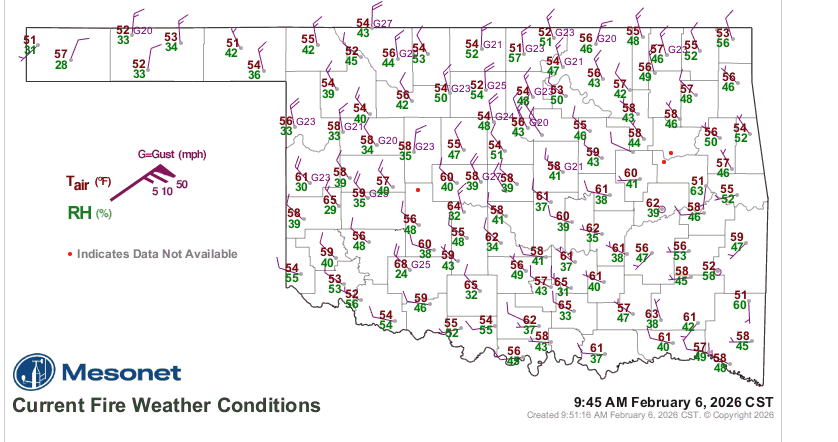
Friday: The Heating Window Sarah leaned against the brush truck, wiping sweat from her forehead. It didn't feel like February. The thermometer on the dash read 78°F, well above normal for the season. The sky was a piercing, cloudless blue.
"Feels like fire weather," her rookie, Miller, noted, kicking at a clump of cured grass.
"It is, and it isn't," Sarah corrected, looking at the swaying mesquite. "The fuels are ready. We've got fine-dead fuel moisture values sitting at 4-5% right now. That grass is begging for a spark."
The radio crackled with a smoke report near the 100th Meridian. As they rolled out, Sarah monitored the wind. That was their saving grace. The forecast called for sustained speeds below 15 mph, and it was holding true.
When they arrived on scene, a rangeland fire was pushing north. It looked aggressive—flames licking up to 11 feet high—but it wasn't racing. "Clock it," Sarah ordered. "Moving about 140 feet per minute," Miller replied. "Standard tactical," Sarah said. "Anchor and flank. The wind isn't strong enough to crown it out or push it past our catch lines."
Because the wind lacked that critical punch, the initial attack was successful. They had a wet line around it within the hour. As sunset approached, the humidity recovered, and the fire behavior collapsed just as predicted.
Saturday: The Panhandle Push The next morning brought a shift. A cold front was exiting, leaving the air cooler—mid-60s—but the atmosphere was still dry.
"Head on a swivel today," Sarah briefed the crew. "We've got good overnight recovery here, but out west towards the Panhandle, the humidity is dipping into the teens again."
They were staged near Woodward. By mid-afternoon, the southerly winds kicked up, just a bit stronger than Friday. A spark from a dragging trailer chain ignited the ditch.
This time, the fire moved with more authority. The rate of spread jumped to 150 ft/min. "Flames are pushing 14 feet!" Miller shouted over the pump engine. "It's the fuel loading," Sarah yelled back. "Hit the head! We can catch this before it transitions!"
Despite the higher flame lengths, the lack of a true gale-force wind kept the fire from escaping. It was hot, dirty work, but the probability of successful initial attack remained high. They mopped up as the sun dipped, the temperatures dropping quickly into the 50s.
Sunday: The Silent Heat Sunday felt deceptive. The temperatures rebounded hard, climbing back into the 70s. As they patrolled west of I-35, the air felt paper-dry.
"RH is dropping," Sarah noted, checking the Kestrel meter. "We are under 30%. If we get a start, the fuels are going to burn hot."
But the world was eerily quiet. The wind had died down completely, generally staying less than 10 mph.
At 14:00, they spotted a column of smoke in a tall grass field. They arrived to find the fire backing and creeping more than running. "Look at that," Sarah pointed. "It wants to run, but there's no engine behind it." The rate of spread was sluggish, hovering between 65 and 95 ft/min. The flames were still respectful—12 feet in the heavy grass—but vertical, not driven over.
It was the easiest catch of the weekend. The crew clamped it down in twenty minutes. "Textbook," Sarah said. "Excellent opportunity for success, just like the briefing said."
The Outlook: A Waiting Game By Monday morning, the crew was scrubbing soot off the truck. The sky was turning grey to the southeast. "Rain coming?" Miller asked, looking toward the Red River. "Maybe southeast of I-44," Sarah said, reading the new outlook. "But for us? The 7-day forecast holds little optimism for wetting amounts."
She looked at the dry horizon. They had survived the weekend without a critical event, thanks to the calm winds. But the grass remained dry, and the fire season was far from over.
For the latest Burn bans, click here;
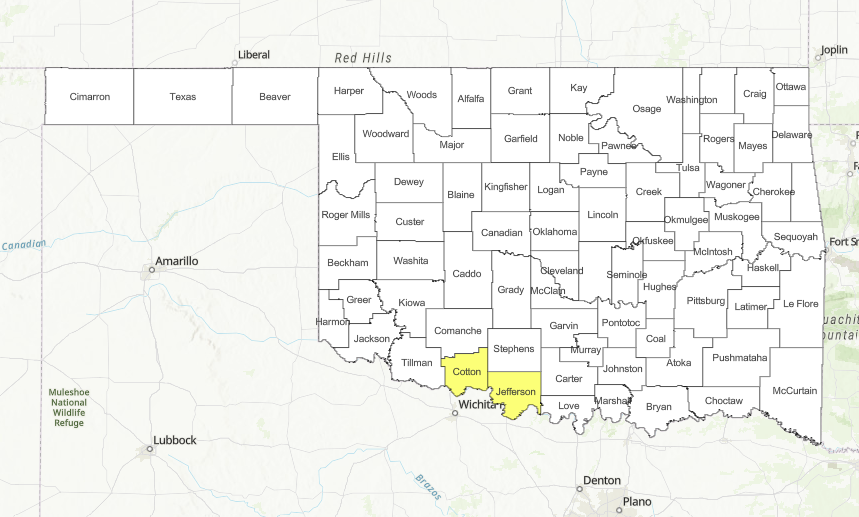

Photo Credit Of The National Cattlemens Beef Association
Secretary of Health and Human Services Robert F. Kennedy Jr. told the packed CattleCon26 audience that reforming America's dietary guidance became a top priority immediately after taking office. He said the Biden-era proposed guidelines he inherited were "453 pages long" and "crafted by lobbyists and driven by the same mercantile impulses that had put Fruit Loops at the top of the food pyramid." Kennedy said plainly, "That is not food," calling ultra-processed products "food-like substances" that are "nutrient free."
Kennedy explained that his department brought together top nutrition experts and demanded simplicity backed by science. Working with USDA Secretary Brooke Rollins, "We promised guidelines that were simple, under 10 pages, that everybody could understand," he said, noting it took nearly 11 months and involved "bloodshed on every recommendation" as experts reviewed "tens of thousands of scientific studies." The result, he said, was a redesigned pyramid that "puts protein at the top of the food pyramid." The 2025- 2030 Guidelines are available here.
A major shift, Kennedy said, was ending what he called "the 50-year war against saturated fats," which he argued was "waged through lies and through dogma and through bad science." He emphasized that protein is "absolutely critical," pointing out that it provides vitamin B, iron, zinc and other micronutrients "where Americans are chronically deficient." He added, "Protein lowers your insulin sensitivity and stabilizes your blood sugar."
Kennedy tied protein consumption directly to chronic disease, particularly diabetes. "We have a diabetes crisis in this country. We're spending a trillion dollars a year on diabetes," he said, adding that "most diabetes can be cured" when people "shift to a high-protein diet." He summed up the philosophy behind the new guidelines by declaring, "Food is medicine," and told the crowd that "meat and chicken and eggs and animal protein are now at the top of the priority list."
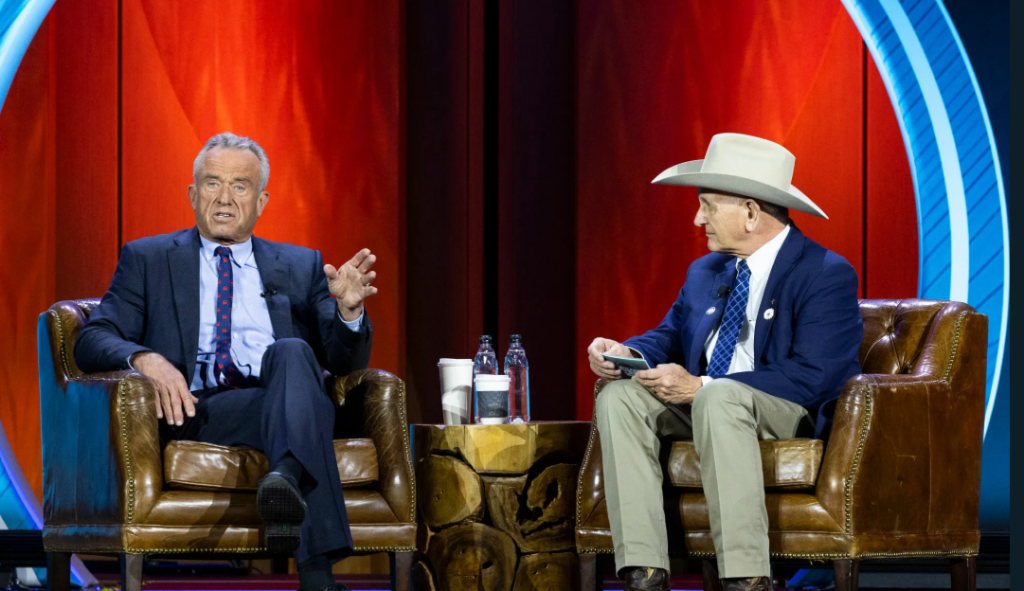
He also stressed the importance of animal protein for immune function, childhood development and long-term health. "These diets are needed for immune function... for children to have muscle growth and brain development," Kennedy said, emphasizing deficiencies in iron and vitamin B. His core recommendation, he said, is simple: "Eat real food. Eat fruits, eat vegetables, eat protein — fish, chicken, beef — and eat high-fiber grains."
Kennedy sharply criticized the dominance of ultra-processed foods, noting that "70% of the food that our children eat is ultra-processed foods and highly refined carbohydrates." He called those products "poison" and said, "We poisoned a generation of kids, and now we've got to make them better again." He warned that America now faces something unprecedented: "Obscene obesity and malnutrition in the same individual," which he said is possible only because people are eating "nutrient-absent foods."
Drawing on his background in tobacco litigation, Kennedy compared today's ultra-processed food industry to Big Tobacco, saying companies intentionally engineered products to override the body's natural signals. He explained that one key signal for fullness is how much a person chews, noting that "one of the metrics your brain uses to tell you when you are full is the number of times that you chew." Kennedy said food companies learned this and responded by adding softeners so products could be eaten quickly with little chewing. "You can inhale a Twinkie, but your stomach is still telling you, 'I need more,'" he said. By combining softened textures with sugar, salt, and artificial flavors designed to mimic real food, Kennedy argued the industry "hijacked the brain" and tricked Americans into overeating products that "look like food and smell like food, but it isn't," contributing directly to obesity and chronic disease.
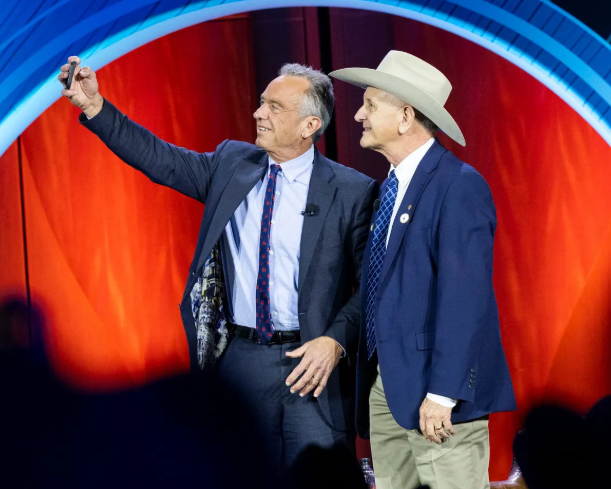
Looking ahead, Kennedy acknowledged that science still has unanswered questions, particularly around saturated fat. "There are still knowledge gaps," he said, noting that HHS, NIH and FDA are now conducting studies to better understand long-term impacts. But his message to families and producers remained clear and consistent. "Eat real food," he said, urging cattle producers to expand the U.S. herd. "We need a lot of beef, and we want to make it here in America. We don't want to be importing it from other countries."
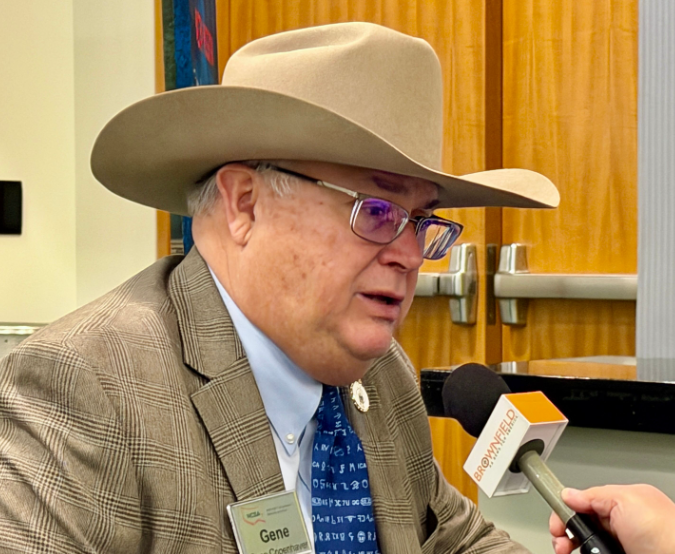
In today's beef buzz, senior farm and ranch broadcaster Ron Hays speaks with Gene Copenhaver, newly installed president of the National Cattlemen's Beef Association, who officially assumed the role Thursday evening at CattleCon26. Copenhaver began by sharing his roots in southwest Virginia, where his family's operation has evolved over generations. "We're in the southwest corner of Virginia, not far from the Tennessee line, and we're a total stocker operation," he explains, noting that the farm was once diversified with cow-calf pairs, hogs, sheep, and burley tobacco before narrowing its focus.
Copenhaver says family and service to the industry are central to his story, especially with his son now playing a major role in the operation. "My son, middle child, is full time on the operation... and I'm very blessed to have him there," he says, adding that his son also serves as chairman of the Virginia Beef Council. That commitment to leadership, Copenhaver says, reflects a shared belief that "we need to be servants for the industry."
Looking at the broader cattle landscape, Copenhaver calls the past year "fabulous for the cattle industry," pointing to key victories in Washington. Still, he cautions that strong markets won't last forever. "The markets have been great, but we know the market will adjust at some time," he says, stressing the need to focus on the input side, reduce regulations, and strengthen risk management. "Profitability is sustainability for the industry," Copenhaver emphasizes.
One of the biggest opportunities ahead, according to Copenhaver, is the rollout of the new Product of USA voluntary labeling program in 2026, backed by significant USDA funding. "The Secretary's put out $100 million to promote this. This is much needed," he says. Copenhaver notes he helped lead early efforts to fix flaws in the old label, calling the new program the result of "a five-year process" aimed at ensuring "true labeling no matter what our products are."
Copenhaver is also enthusiastic about recent wins in dietary guidelines and ongoing demand for beef. "I think the last two or three weeks might have been the biggest win we had," he says, pointing to the emphasis on high-quality, dense protein. Even with higher prices, he notes consumers are staying loyal. "I think consumers are listening to us," Copenhaver says, adding that strong science, taste, and texture continue to drive demand. As NCBA president, his goal is simple: "I just want to sustain what we're doing... be at the table and not let up any, but keep on doing the same things we've been doing for several years."
Coverage of CattleCon26 is powered by Farm Data Services of Stillwater, Oklahoma.
The Beef Buzz is a regular feature heard on radio stations around the region on the Radio Oklahoma Ag Network and is a regular audio feature found on this website as well. Click on the LISTEN BAR for today's show and check out our archives for older Beef Buzz shows covering the gamut of the beef cattle industry today.
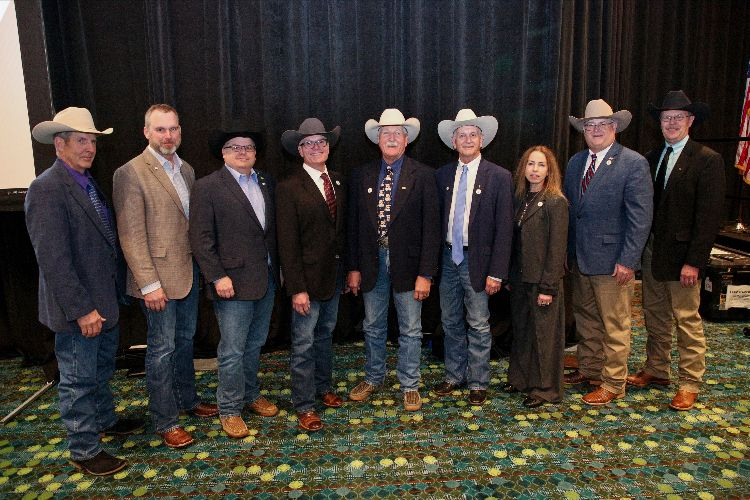
Since 1850, Gene Copenhaver's family has been rooted in the land raising crops and livestock. The Virginia cattleman now takes the helm as the new president of the National Cattlemen's Beef Association (NCBA). Copenhaver's new leadership role began at the end of CattleCon 2026, held this week in Nashville, Tennessee.
The 2026 NCBA officer team was approved by the NCBA Board of Directors and includes Kim Brackett of Idaho, president-elect, and Skye Krebs of Oregon, vice president. Kenny Rogers of Colorado was elected chair of the NCBA Policy Division and Scott Anderson of Oklahoma was elected policy vice chair. Travis Maddock of North Dakota and Dan Hanrahan of Iowa, were elected as chair and vice chair of the NCBA Federation Division, respectively. Brad Hastings of Texas will serve in the role of NCBA treasurer.
Copenhaver currently manages his family's stocker operation in southwest Virginia with his son, Will, and was an agriculture loan officer for 38 years. He has been married to his wife, Jodi, for more than 35 years, and they have three grown children, Brad, Will and Jaymee, and three granddaughters.
Copenhaver's father taught him early to "be at the table," especially when policy decisions were being made. About 25 years ago, he helped launch a county cattlemen's group, then worked his way through leadership roles at the state level, eventually serving as president of the Virginia Cattlemen's Association. Nationally, he became involved with NCBA, serving on the Tax & Credit and International Trade committees, multiple task forces, and the officer team. If there is a single theme to his leadership philosophy, it is grassroots engagement.
"I'll go to my grave saying our greatest strength is grassroots," Copenhaver said.
The new president's priorities are straightforward: continue what works, stay grounded in grassroots input, remain open-minded, and focus on profitability. Copenhaver wants every sector and every scale of operation to be viable. That means pushing back against regulatory barriers, supporting policies that allow reinvestment, and building on recent momentum around tax provisions.
"We can't build the future if every good year gets taxed away before we can shore up our infrastructure," he said.
Copenhaver remains optimistic about the future for two reasons. First is the demand the beef industry has built steadily in the last four decades. Second is the next generation — young producers who are smart, relationship-driven, and family-centered, and who want to build operations that last.
Success, for Copenhaver, is not complicated. "Build a good operation. Involve your family. Treat people right," he said. For the industry, it means continuing to grow demand and profitability across all sectors without losing sight of its roots.
A coalition of leading agricultural organizations today sent a letter to Lee Zeldin, Administrator of the U.S. Environmental Protection Agency (EPA), urging the agency to uphold its rigorous, science-based pesticide registration process and ensure timely reviews under federal law.
The letter expresses support for the goals of the Make America Healthy Again (MAHA) movement and the MAHA Commission's Make Our Children Healthy Again Strategy, while emphasizing that access to safe, effective, and innovative crop protection tools is essential to achieving those goals. The organizations highlight that science-based pesticide approvals are critical not only to food security and affordability, but also to the long-term sustainability of U.S. agriculture enabling growers to protect yields, use inputs efficiently, reduce losses, and continue investing in environmental stewardship and innovation.
The undersigned groups emphasize the importance of EPA meeting its statutory obligations under the Federal Insecticide, Fungicide, and Rodenticide Act (FIFRA) and the Pesticide Registration Improvement Act (PRIA). They note that prolonged delays in pesticide registrations and approvals place U.S. farmers at a competitive disadvantage, limit access to new technologies, and undermine the ability of producers across sectors to sustainably meet consumer demand.
Statements from Participating Organizations
American Farm Bureau Federation
"Farmers take seriously our responsibility to use crop protection tools responsibly to ensure safe, healthy food. EPA's rigorous review process and reliance on sound science to approve these products gives us confidence they can be safely applied," said American Farm Bureau President Zippy Duvall. "Under this proven process, growers need timely approvals of critical herbicides, insecticides, and other pesticide products to prevent bugs and weeds from destroying the crops that feed America."
American Soybean Association
"Pesticides approved by EPA undergo extensive scientific review to ensure they meet strict safety and efficacy standards, and timely, predictable reviews under federal law are essential so farmers can access innovative tools and remain competitive and sustainable," said Scott Metzger, president of the American Soybean Association and Ohio farmer. "For soybean farmers, these tools are critical to protecting yields, managing weed resistance, and continuing to produce safe, affordable food, feed, and fuel for consumers at home and around the world."
International Fresh Produce Association
"Our growers have experienced an erosion of available tools to help grow the fruits, vegetables, and florals consumers expect from our industry. To remedy this, EPA should do more to encourage and incentivize registration of products for specialty crop uses. This would dramatically improve the trajectory on new uses and tolerances," said IFPA CEO Cathy Burns. "This is even more important now with the Make America Healthy Again movement's focus on food and sustainability. All methods of fresh produce and floral production contribute to an abundant food supply. Each approach has its place, and each relies on science-based tools to manage pests, protect crops, and reduce food loss."
The full letter was submitted to EPA on February 5, 2026, and reflects broad alignment across agricultural sectors on the need for regulatory certainty, timely decision-making, and continued reliance on sound science to support a resilient, competitive, and sustainable U.S. agricultural system.
Growth Energy, the nation's largest biofuel trade association, today called on lawmakers to act swiftly on E15 following another disappointing farm income forecast from the U.S. Department of Agriculture (USDA).
"Rural America is hurting," said Emily Skor, CEO of Growth Energy. "Corn growers were already expecting a net loss of $180 per acre, and this latest USDA report confirms that the broader farm income isn't faring much better. Our growers don't want to depend on federal aid for their livelihood — they want strong, stable markets for their crops. That's exactly what E15 delivers — an immediate source of demand for up to 2.4 billion additional bushels of corn — at no cost to taxpayers. Best of all, it means lower fuel prices for American drivers. Congress simply can't afford to wait any longer to deliver a permanent fix for E15."

The H.R. 7148, Consolidated Appropriations Act, 2026, signed on February 3, 2026, delivers $19.24 million in federal funding to advance critical planning, safety, and infrastructure projects across the Ports-to-Plains Alliance corridor, strengthening regional connectivity, freight mobility, and future interstate development.
TEXAS INVESTMENTS
August Pfluger secured $1 million for future interstate planning between San Angelo and Sonora. These funds will advance schematic design, environmental review, and planning for the proposed I-27 segment. This positions the project for inclusion in the Texas Unified Transportation Plan and supports long-term regional economic development.
Ronny Jackson secured funding for two major projects:
The shortage of a skilled and reliable workforce is the single greatest threat to agriculture. That was the message American Farm Bureau Federation President Zippy Duvall delivered to leaders of Congress today, describing the challenges facing more than 5 million Farm Bureau members across the country.
In a letter to Senate Majority Leader John Thune, Minority Leader Chuck Schumer, Speaker of the House Mike Johnson and Minority Leader Hakeem Jeffries, President Duvall said a lack of workers will ultimately affect the availability of healthy food.
"The problem is growing more urgent each year," Duvall said. "The Department of Labor's National Agricultural Workers Survey shows that most agricultural workers are foreign-born, and many lack a stable legal path to remain working in U.S. agriculture. Meanwhile, the national labor market remains exceptionally tight, with low unemployment, low labor force participation and limited interest in agricultural jobs from domestic workers. U.S. agriculture simply cannot meet its entire labor needs to sustain production under the current system."
For years, farmers and ranchers have urged Congress to enact a practical, bipartisan solution that recognizes labor challenges in agriculture. Despite broad agreement among farmers, ranchers and many lawmakers, no lasting reforms have been enacted by Congress in four decades.
Without action, the disturbing trend of losing U.S. family farms, wider agricultural trade deficits, and weakened national security may continue. Farm Bureau calls on Congress to move swiftly on a number of issues that create lasting solutions for farmers and ranchers, including:
"Farmers and ranchers have been waiting for a comprehensive workforce solution for decades. With a secure border, broad support among stakeholders, and growing bipartisan interest in finding a permanent fix, this is the best opportunity in a generation to enact reforms that will strengthen the nation's food supply, protect workers, and preserve rural communities."
To read the full letter, click here.
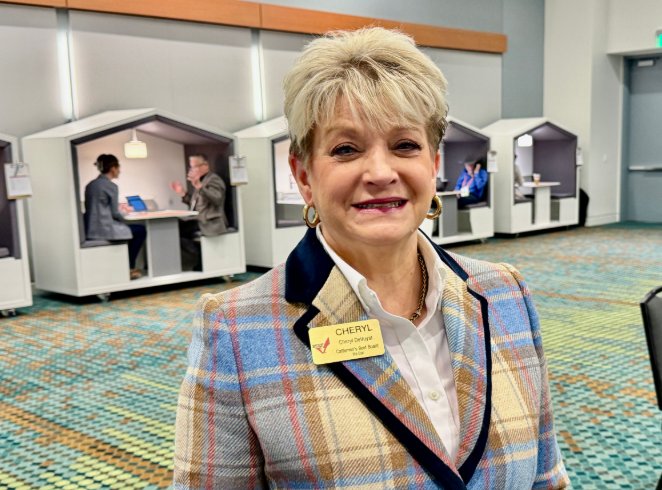
Talking with Ron Hays at CattleCon26, Cheryl DeVuyst of Morrison, Oklahoma shared her excitement about stepping into the role of chairman of the Cattlemen's Beef Board for the coming year. "It really is a blessing. I'm honored to be able to serve our beef producers and watch over our producers' investment in growing beef demand," DeVuyst said, emphasizing the responsibility that comes with overseeing Beef Checkoff dollars.
DeVuyst said the atmosphere at this year's meetings is upbeat, fueled by strong prices and solid demand. "Everybody's really on a high note. You know, prices are great, demand is high," she told Hays. She also pointed to RFK Jr.'s appearance as a highlight, noting his focus on "the place that beef has in a nutritious diet" and the Checkoff-funded research supporting beef's inclusion in dietary guidelines.
She explained that decades of Beef Checkoff research have reshaped how nutrition is viewed, especially when it comes to protein. "They really did flip the pyramid," DeVuyst said, adding that beef and dairy are now recognized for their role in providing healthy fats and essential nutrients. She stressed that this research shows the importance of beef "even for our younger generations... in healthy brain development and muscle development."
DeVuyst also discussed updates on Checkoff-funded projects, including ongoing demand research. She noted findings from contractor Glen Tonsor showing continued willingness to pay for beef. "There really is demand throughout this time period for our product," she said, adding that even GLP-1 users appear less price-sensitive than expected.
International promotion remains a key focus as well. DeVuyst praised the U.S. Meat Export Federation's ability to adjust quickly when markets change, saying staff are "ready at a moment's notice to pivot and get our product into other markets." She highlighted the success of a liver-blended beef patty in Peru, explaining that it meets local nutritional needs and "leads to increasing bottom lines for our producers." Looking ahead, DeVuyst told Hays the year ahead will be busy, stressing, "We are in a fantastic place now, but we cannot let up. We can't rest on our laurels—we have to continue pushing the information, the truth, and the transparency of the checkoff."
Dr. DeVuyst is the fourth Oklahoman over the last decade to serve as the Chairman of the body responsible for collecting and investing Beef Checkoff dollars. She follows in the footsteps of Jimmy Taylor of Cheyenne in 2023, Chuck Coffey of Springer in 2019 and Brett Morris from Ninnekah, Oklahoma in 2017.
Coverage of CattleCon 2026 is powered by Farm Data Services of Stillwater, Oklahoma.
RON's Dave Lanning has a pre-opening look at today's agricultural Markets.
Click the audio tab below for today's report.
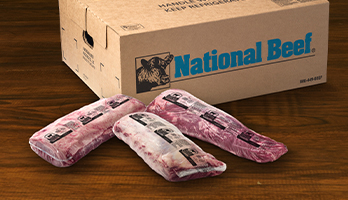
Boxed beef values were lower for the second straight day on Thursday. Choice closed at $367.25, down $0.77 from Wednesday, while Select finished at $360.37, down $1.72 day over day. The Choice/Select spread widened to $6.88, compared with $5.93 on Wednesday, and load count increased to 115 from 101.
On the primal side, ribs rose to $505.12 from $502.55, chucks declined to $332.75 from $338.36, rounds increased to $332.48 from $329.22, and loins moved higher to $464.28 from $463.01. Briskets dropped to $294.01 from $300.29, plates edged lower to $251.89 from $252.70, and flanks slipped to $171.82 compared with $172.71 on Wednesday.

Today at the 2026 Winter Policy Conference, National Association of State Departments of Agriculture members encouraged USDA to develop an additional pathway for products from state-inspected meat and poultry processing facilities to be sold across state lines.
The policy amendment members passed states that NASDA supports the modification of existing or addition of a new USDA Food Safety Inspection Service program allowing meat and poultry products processed at state-inspected facilities to enter interstate commerce, provided that the inspection services are 'at least equal to' USDA requirements.
NASDA CEO Ted McKinney remarked on state agriculture departments' food safety inspection experience and unique perspective as local advocates for food processors and co-regulators with the federal government.
"One of state agriculture departments' most critical roles is safeguarding the nation's food supply, detecting and preventing the spread of foodborne illnesses and supporting small and medium-sized producers," McKinney said. "With states' ability to conduct inspections on behalf of the federal government, saving federal resources, paired with states' close relationships with local processors, we have a unique opportunity to efficiently help small-medium sized processors expand their markets regionally."
Facilities inspected by states using "at least equal to" USDA FSIS requirements are held to the same standards as federally inspected facilities; however, their commerce is restricted to in-state promotion. While some meat processing facilities would like to seek federal inspections, most small facilities are unable to be licensed due to the limited availability of federal inspectors to provide adequate inspections at times convenient for the plant.
"Allowing meat and poultry products from state inspected meat processors to be sold in interstate commerce is a win-win for everyone, providing more market opportunities for small businesses, more options for consumers and saves federal resources."

US Senator James Lankford (R-OK) released his ninth edition of Federal Fumbles today, revealing billions of dollars lost to wasteful spending, inefficiencies, fraud, and improper payments. The report details eyebrow-raising research grants, weak oversight of taxpayer funds sent overseas, systemic failures in food assistance programs, and the staggering cost of government shutdowns, while offering specific policy solutions to prevent these failures from continuing.
"It's Federal Fumbles season again. My ninth edition takes a hard look at the spending and inefficiencies that leave taxpayers wondering what Washington is doing with their money and why government is not serving them," said Lankford. "From research projects that raise eyebrows to dollars sent overseas with little oversight to fraud in food programs to shutdowns that cost billions, the pattern is the same. Too often, the federal government is not accountable to the people. Fumbles is about more than pointing out the problems – it lays out a playbook to fix them, like cracking down on COVID fraud, untangling a disaster relief system that runs through more than 30 agencies, stopping programs that waste money without results, and passing my Prevent Government Shutdowns Act so Washington's dysfunction does not come at the expense of Americans. It also highlights touchdowns like the Working Families Tax Cut Act, which included reforms like my Charitable Act and ALIGN Act to help families, small businesses, and farmers keep more of what they earn. Federal Fumbles is about transparency, accountability, and making sure taxpayers know someone is fighting for them."
You can watch the video HERE, and download itHERE.
This year's Top Five Federal Fumbles include:
Playbook updates Lankford says Congress must make to prevent future waste and dysfunction:
Click HERE to read the full report, and HERE for a printable version. You can also read the exclusive in Fox News HERE.

The National Oilseed Processors Association (NOPA) and the Corn Refiners Association (CRA) today commended the National Association of State Departments of Agriculture (NASDA) for unanimously adopting a resolution to engage with USDA and HHS to ensure that the safety and nutritional benefits of vegetable oils are accurately represented.
The resolution, which was approved by the convened Secretaries, Administrators, Commissioners and Directors of Agriculture for their respective states, reads:
NASDA will submit public comments on any relevant USDA or HHS guidance or rulemaking, including but not limited to those seeking alignment with the Dietary Guidelines for Americans, to ensure that the safety, the body of evidence-based research, and the health and nutritional benefits of vegetable oils are accurately and scientifically represented.
OSU's Dr. Todd Hubbs: Soybean Rally Offers Pricing Opportunity Amidst "Wishy-Washy" Global Markets and Drought Concerns
The grain markets are seeing significant movement this week, driven by geopolitical headlines and social media posts from the White House. Farm Director KC Sheperd recently caught up with Dr. Todd Hubbs, Oklahoma State University Crop Marketing Specialist, to discuss the sudden rally in soybeans, the stagnant wheat market, and the intensifying drought conditions in the Southern Plains.
The headline story this week is soybeans. Following a social media post from President Trump suggesting China intends to purchase an additional 8 million metric tons of soybeans—potentially bringing total commitments to 20 million—the market responded with a sharp rally.
While the news is welcome, Dr. Hubbs advises producers to exercise caution.
"I haven't heard any confirmation from China," Hubbs said. "What I do know is that Brazil is harvesting what is probably going to be the largest crop they have ever made, and it's coming to market."
Hubbs notes that while an additional 8 million metric tons would equal nearly 300 million bushels, it is unlikely to translate directly to a one-for-one reduction on the balance sheet due to stiff global competition.
"This kind of rally... I love seeing it, but it's a pricing opportunity in my opinion," Hubbs advised. "At these higher prices, with Brazil's crop coming in, it would be highly competitive. Will it shrink the balance sheet some? Yes. Will it shrink it 50 cents worth? I doubt it."
While soybeans rally, wheat remains stuck in a holding pattern, struggling to break through the $5.00 to $5.55 range. According to Hubbs, the market is currently weighed down by a lack of supply disruptions.
"We need to get some kind of crop failure somewhere that is provable," Hubbs explained. "I sort of hope we get an outside market rally from something like this soybean rally, but it is just not happening very much."
Despite fears of winter kill in the Black Sea region last year, those concerns have largely faded. Meanwhile, the U.S. continues to face heavy competition from the large 2025 global wheat crop.
"We are on pace for USDA's number [on exports]," Hubbs said. "We are moving the wheat out of the country. We've got a lot of it though, and the competition is stiff."
One factor that could eventually influence prices is the return of dry conditions. While the National Drought Monitor shows improvements compared to last year, the Southern Plains are experiencing a different reality.
"It is really dry here in the Southern Plains," Hubbs noted. "It seems like someone turned off the faucet around this time of year, and they won't turn it on again until spring. The drought is really building."
On a more positive note, the corn market is finding support through domestic demand, specifically ethanol production. Hubbs highlighted that the crush rate has been strong since December 2025, supported by the finalization of the 45Z clean fuel tax credit.
"We have a good year ahead of us for ethanol grind in corn," Hubbs stated. "I think we have a positive demand scenario for corn."
However, he warned that for corn to hit the USDA's 5.6 billion bushel demand target, exports must remain strong to complement the domestic ethanol usage.

Looking at the broader economic picture, Hubbs described the current geopolitical landscape as "chaotic," citing unresolved conflicts in Ukraine and uncertainty in the Middle East as potential flashpoints that could cause short-term market shocks.
Domestically, the agricultural sector is keeping a close eye on the USMCA (United States-Mexico-Canada Agreement) review. With rumors circulating about potential changes to the trade deal, Hubbs emphasized its critical nature for U.S. agriculture.
"I can't imagine a scenario where we scuttle the USMCA. That would be not good," Hubbs warned. "We need Mexico and Canada."
With a "wishy-washy" economy and a weaker dollar making U.S. exports more competitive, the market remains volatile. Hubbs suggests that producers looking to price old crop should watch the upper half of current trading ranges for opportunities, particularly given the uncertainty leading up to the USDA reports in late March.
"We see these little rallies that get up near the top of that thing, and then they come all the way back down," Hubbs concluded. "I don't see that stopping anytime soon."

Oklahoma State University's Scott Loss has been named a recipient of the 2025 Sarkeys Distinguished Professor Award by OSU Agriculture.
"The Sarkeys Distinguished Professor Award recognizes faculty who exemplify the very best of OSU Agriculture, and Dr. Loss is richly deserving of this honor," said Jayson Lusk, vice president and dean of OSU Agriculture. "His recognized research contributions, commitment to students and impact in his field reflect the excellence we strive for in teaching, research and Extension."
The Sarkeys Foundation established the Sarkeys Award in 1980 in honor of Elmo Baumann, an agronomist who worked with the foundation after retiring from OSU. The annual award recognizes those with outstanding contributions to the agricultural industry through teaching, research and Extension efforts.
"This is an achievement and a recognition of a body of work that makes me very proud and humbled," Loss said. "It makes me think back to the first real research project I undertook as an undergraduate student, and just how coming from that humble project to now managing a lab, and mentoring undergrads, graduate students, and postdocs on a variety of different research projects, is an amazing progression to see."
Loss, a professor in the OSU Department of Natural Resource Ecology and Management, was presented the award during the OSU Agriculture Appreciation and Awards Luncheon.
For Loss, his work focuses on avian conservation and explores the theme of human coexistence within the environment. His research centers on understanding human effects on bird populations, including extensive studies on sources of bird mortality, such as bird collisions with energy infrastructure, vehicles on roadways and windows on buildings, and predation by free-range cats.
"It's about understanding the effects and comparing them," Loss said. "We're directly testing potential solutions to manage these mortality sources and reduce them to benefit the populations of native birds that provide invaluable economic, cultural, and aesthetic benefits to humans."
Loss also researches disease ecology and how bird populations contribute to the spread of diseases that affect humans and livestock, such as mosquito and tick-borne diseases and avian influenza. He also works on how changes in weather patterns, drought and precipitation affect wildlife habitats and bird migration.
"Ecology is all about understanding how organisms interact with each other and the environment," Loss said. "Birds are a really powerful example of these types of ecological connections that link humans with the natural world."
At OSU, Loss teaches multiple undergraduate and graduate courses. One course he likes to highlight is the Applied Ecology and Conservation lab, which is held outdoors at parks or other properties across Payne County, allowing students to engage closely with the concepts and course material.
"With my classes, I put an emphasis on incorporating real research experience into classwork," Loss said. "It's that interplay between the teaching and the research that really makes me excited about teaching."
Jason Harmon, professor and department head in natural resource ecology and management, said Loss is an exceptional mentor to students, extending his impact across institutions and generations of scientists.
"Dr. Loss exemplifies the level of scholarly excellence the Sarkeys Distinguished Professor Award is intended to recognize," Harmon said. "His research has shaped conversations in wildlife ecology well beyond OSU, influencing both the scientific community and applied conservation efforts."
OSU Agriculture is dedicated to improvingthe quality of life of Oklahomans through science-based information and education. It is comprised of the Ferguson College of Agriculture and two state agencies: OSU Ag Research and OSU Extension.
MEDIA CONTACT: Dean Ruhl | Office of Communications & Marketing, OSU Agriculture | 405-744-9152 | dean.ruhl@okstate.edu
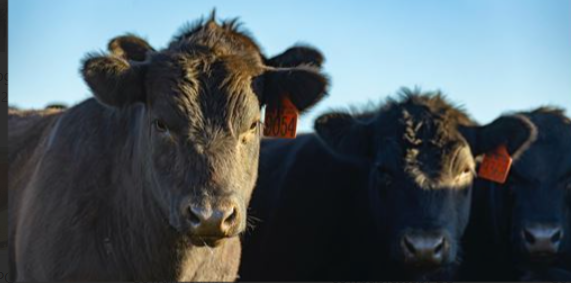
The popular CattleFax Outlook Seminar, held as part of CattleCon 2026 in Nashville, Tennessee, shared expert market and weather analysis today.
"The U.S. cattle and beef industry enters 2026 with strong but volatile market conditions, as historically tight cattle supplies, record-setting beef demand, and elevated policy and weather uncertainty continue to support prices, even as markets appear to near cyclical highs. Tight inventories and exceptional demand remain the dominant forces shaping the market; however, producer demographics, high input costs, and policy uncertainty point to a slow and measured expansion phase," said Mike Murphy, CattleFax chief operating officer.
Weather Outlook: Transition Brings Risk
La Niña continues to weaken and is expected to dissipate by March, with a transitional phase most likely through spring and early summer. "We're watching a classic transition year unfold," said Matt Makens atmospheric scientist. "Even as the ocean changes, the atmosphere typically takes four to eight weeks to respond, so weather impacts will lag."
In the near term, drought risks remain elevated across the Southern U.S. and Central Plains, with a 70% chance of intensification, especially south of I-70 and west of I-35. Spring's neutral setup may help moisture distribute more evenly, though lingering La Niña effects could still limit precipitation west of I-35.
Summer outcomes hinge on how quickly a potential El Niño develops. A fast forming El Niño could deepen drought in corn growing regions while increasing precipitation in the West, whereas slower development may support more balanced moisture. By fall, El Niño becomes increasingly likely, though global climate factors could still alter its typical impacts. "El Niño isn't a guarantee of rain for everyone," Makens said. "Other global patterns can amplify or mute its influence, so close monitoring remains essential."
Economic, Energy, and Feed Grain Outlook
Shifting the discussion to an outlook on the economy, energy and feed grains, Troy Bockelmann, CattleFax director of protein and grain analysis, noted that inflation continued to moderate in 2025, ending the year at 2.7% CPI growth and spending most of the year below 3%, the lowest since 2020-2021. With inflation relatively low, the U.S. Federal Reserve lowered interest rates in 2025, finishing the year with the Prime Rate just below 7%, which is still relatively high relative to the 3% level seen from 2009 to 2021.
"After several years of navigating economic turbulence, the U.S. is finally entering 2026 with a macro-economic foundation that feels steady and more predictable," said Troy Bockelmann. "Moderating inflation, improving monetary policy, and strong consumer spending are reinforcing the sense of stability across the industries we serve."
U.S. corn production reached a record 186.5 bu/acre in 2025, driving total output to 17 billion bushels from 98.8 million planted acres. Competitive prices and ample supply are expected to boost exports in 2026. With a 13.6% stocks‑to‑use ratio, corn prices should stay in the $4–$5/bu range.
CattleFax shared that U.S. hay production increased slightly in 2025 to about 123 million tons. Hay prices are expected to average around $145/ton in 2026. On the energy front, Bockelmann said that energy supply should remain adequate, keeping prices low and rangebound for diesel, natural gas and oil. When taking a look at competing proteins, pork and poultry markets are expected to see modest growth in 2026.
Cattle Markets: Strong Fundamentals, Shifting Dynamics
Kevin Good, vice president of market analysis at CattleFax, reported the U.S. beef cow herd decreased 280,000, while dairy cow inventories increased by 190,000 head.
Cattle availability will remain constrained in the first half of 2026 due to limited feeder cattle supplies. Fed slaughter is projected to decline by 600,000 head, primarily early in the year, and non-fed slaughter is expected to remain historically tight at 5.6 million head. Total commercial beef production is projected to decline again in 2026, albeit at a slower pace than in 2025. With imports up 5% and exports down 5%, U.S. per-capita beef supplies are forecast 0.2 lbs. larger in 2026 to 59.2 lbs., the largest since 2010.
Retail beef demand remained historically strong in 2025, with record retail prices supported by steady consumption and exceptional product quality. Consumer preferences continue to favor high-protein, nutrient-dense foods, reinforcing demand even as higher prices move through the supply chain.
"With 84% of fed cattle grading Choice or higher and 12% grading Prime, the industry is well positioned to sustain premium pricing," Good noted. "Beef demand continues to be anchored by exceptional quality and strong consumer confidence in beef as a premium protein. Even as markets adjust and trade flows shift, the fundamentals supporting long-term beef demand remain solid."
Price Outlook for 2026
Cattle and beef prices are forecast to average steady to higher in 2026, with risk increasing later in the year as markets anticipate larger supplies in 2027.
Cow-calf producers are expected to retain the strongest leverage as the cycle turns, supporting continued profitability for several more years. CattleFax forecast the average 2026 fed steer price at $224/cwt., steady from 2025. All cattle classes are expected to trade higher, with 800-lb. steer prices expected to average $335/cwt., and 550-lb. steer prices averaging $440/cwt. Utility cows are expected to average $155/cwt., with bred cows at an average of $4,000/cwt.
2025 USDA All-Fresh Retail Beef prices are expected to average $9.25/pound, however, the continued increase in retail prices has CattleFax predicting consumer resistance to further price increases, even as demand is supported by a strong economy, beef quality and dietary focus on protein.
"As we look ahead, several factors will shape the trajectory of the beef industry. The potential threat of New World Screwworm and the status of Mexican feeder cattle imports is something we're watching closely," Murphy said. "At the same time, shifts in packing capacity are rebalancing market leverage. Finally, the dairy industry will continue to be a growth industry supplying more cattle to the beef industry, following strong financial performance in 2025."
Despite near-term volatility, the long-term outlook remains positive. Strong domestic demand, improving beef quality, and sufficient packing capacity are expected to continue supporting profitability for the cow-calf sector as the industry moves into the next phase of the cattle cycle.

The checkoff-founded Innovation Center for U.S. Dairy announced new board officers and members of the organization's executive committee, elected at its first meeting of the new year. The executive committee helps guide the board by advising on priorities and shaping the issues brought forward for full board consideration.
Dairy Farmers of America President and CEO Dennis Rodenbaugh will remain chair of the board of directors, which includes leadership from across the dairy value chain.
Other executive committee members seated at the meeting include:
In addition, Pennsylvania dairy farmer Marilyn Hershey, who is chair of Dairy Management Inc., will serve as the farmer representative to the executive committee.
"The Innovation Center for U.S. Dairy was built by dairy farmers to unite leaders across the entire value chain around shared priorities that strengthen trust and growth for U.S. dairy," said Barbara O'Brien, president and CEO of Dairy Management Inc. and the Innovation Center.
"Each board member brings valuable perspective and deep expertise. The leadership of the executive committee will help ensure we continue to drive industry-aligned strategies, develop tools and resources that support long-term business viability, enable the industry to speak with a unified voice and lead with purpose in an evolving global food system."
For information about the Innovation Center, visit www.usdairy.com/about-us/innovation-center
In today's Beef Buzz, senior farm and ranch broadcaster Ron Hays speaks with Matt Makins at CattleCon26, who says winter is far from finished across the Southern Plains. Makins notes that recent storms signal a delayed but active cold season, warning producers to stay alert. "It's a harbinger of things to come," Makins said, pointing to signs that "another burst of cold may move down out of Canada" by mid-February, bringing sharper winter conditions back into the region.
Makins also outlined a major shift underway in large-scale climate patterns, explaining that the current La Niña is weakening and setting the stage for a transition toward El Niño later in the year. "We're at the end of this La Niña. It's weak to non-existent, depending on the day you look at the data," he said. As that transition unfolds, Makins explained it will "flip our script," moving away from today's extreme temperature swings toward a different moisture and temperature pattern later in 2026.
When it comes to spring precipitation, Makins said location will matter. Areas east of Interstate 35 are favored to see better moisture chances through February, March, and April. "East of 35 does better," Makins said, adding that areas farther west may need colder systems to unlock meaningful moisture. He cautioned producers, however, that "be careful what you wish for," since cold air intrusions often come with the storms needed to deliver rainfall west of I-35.
For cattle producers focused on forage prospects, Makins stressed that timing will be critical. While soils dried rapidly last fall, he said many areas are still in better shape than a year ago thanks to prior moisture. "Their soils are in better shape than they were a year ago," Makins said of parts of Texas and Oklahoma, giving producers "a little better launching point" heading into the growing season. Still, he emphasized that any El Niño-driven moisture is more likely to show up in summer and fall rather than early spring.
Makins also warned that lingering dryness combined with leftover vegetation from last summer raises wildfire risks, even as producers cautiously consider herd rebuilding. "There's a lot of fuel, especially western areas," he said, calling wildfire risk "a huge problem" if drought persists. Despite those concerns, Makins said there is cautious optimism. "This year there's optimism, because a lot more beef producers will get water than have recently," he told Hays, though volatility in temperatures and precipitation is expected to continue through the spring.
Coverage of CattleCon 2026 is powered by Farm Data Services of Stillwater, Oklahoma.
The Beef Buzz is a regular feature heard on radio stations around the region on the Radio Oklahoma Ag Network and is a regular audio feature found on this website as well. Click on the LISTEN BAR for today's show and check out our archives for older Beef Buzz shows covering the gamut of the beef cattle industry today.
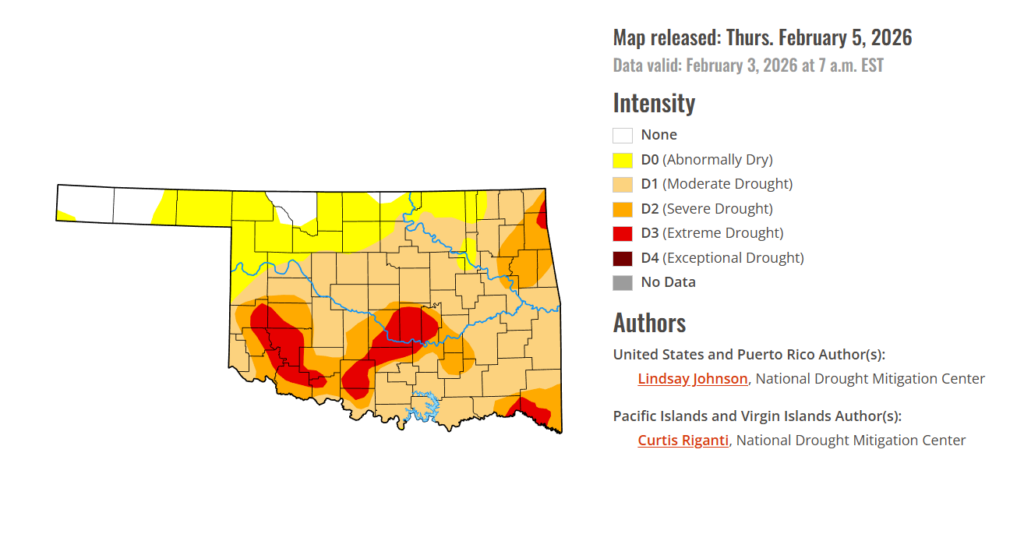
To view the latest Oklahoma drought map, CLICK HERE.
Oklahoma continues to grapple with expanding drought conditions, with nearly three-quarters of the state now classified from moderate to extreme drought, even as exceptional drought remains absent. Much of the snow that fell during recent winter weather has now melted, and temperatures are beginning to edge slightly higher. With another largely dry week behind the state, short-term moisture deficits continue to grow, keeping drought concerns front and center as February progresses.
According to the latest Oklahoma Drought Monitor report, exceptional drought remains at 0 percent, unchanged from the start of the calendar year.
Moderate drought to extreme drought conditions in the current period indicate that 73.57% of the state is affected by drought. Compared with last week's 71.69%, drought conditions have this week.
Extreme Drought has also grown this week, now covering 9.21% of the state in southwestern Oklahoma, affecting mainly Pottawatomie, Seminole, McClain, Garvin, Stephens, Kiowa, Washita, and parts of surrounding counties.
According to the 6-to-10-day precipitation outlook map, Oklahoma's panhandle is leaning above 40-50% chance of precipitation through February 14th, while the rest of the state is leaning above 33-40% chance through that same date.
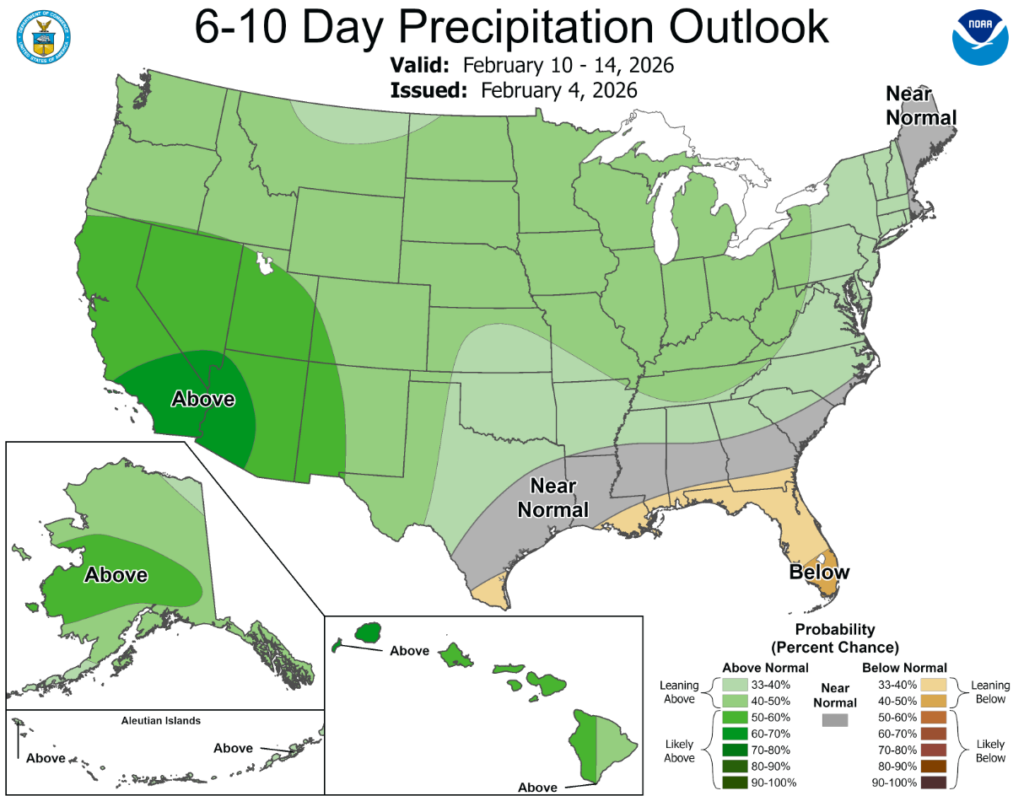
There was a strong west-to-east temperature gradient this week, with temperatures below normal in the East, particularly in the Midwest and Northeast, and above normal in the West. Precipitation was scarce across large portions of the nation, with many areas receiving less than 25% of normal precipitation. Areas of localized precipitation fell across the Pacific Northwest, northern Rockies and the Great Lakes region. Out east, a winter storm brought snow and mixed precipitation to parts of the Tennessee Valley and the Carolinas, with locally heavy snowfall in some locations. Across the West, snowpack remains well below the seasonal average. Even in areas that received snow, low snowpack combined with dry soils and low streamflows led to degradations across the Intermountain West. Along the West Coast, precipitation remained limited and uneven. Western Oregon saw dry and drought conditions expand toward the Pacific coast and into far south Washington and northwest California. Elsewhere, scattered degradations occurred across the South and Southeast, where another week without precipitation added to growing precipitation deficits, except for localized areas of improvement that continued to benefit from last week's heavy snowfall. Other isolated areas of improvement were seen in southern New Mexico and in the Midwest and Northeast.
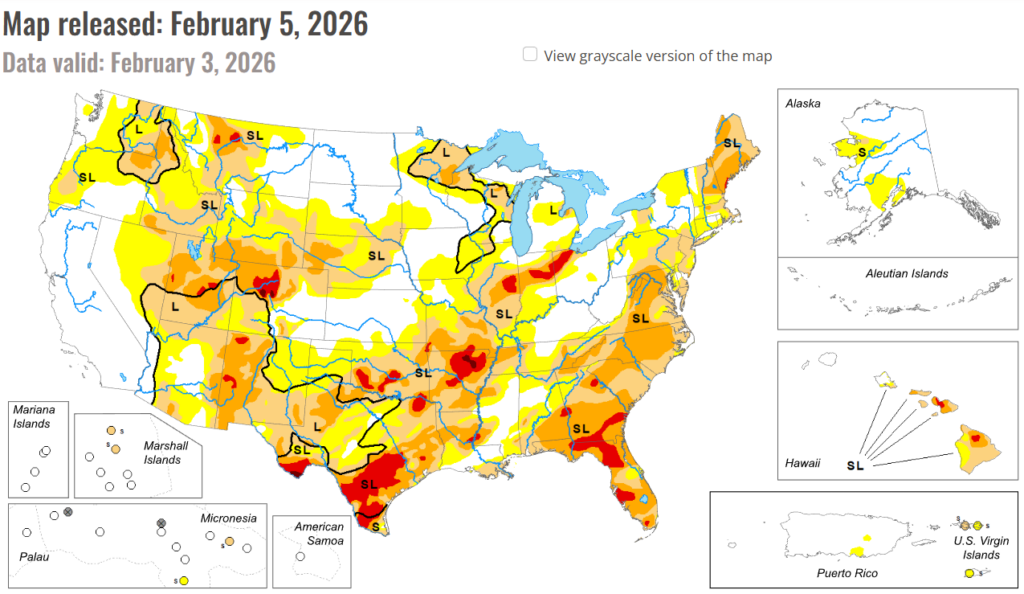
In the Southern Plains: Drought conditions across the South generally continued to worsen this week, as much of the region received little to no precipitation. Temperatures were near to slightly above normal across large portions of the region. Outside of a few localized improvements in northeast Louisiana and southeast Mississippi from last week's winter storm, conditions continued to degrade across most of the region. Across the southern Plains into the Lower Mississippi Valley, one-category degradations were seen across parts of Texas, Oklahoma, Arkansas, Louisiana and southwest Mississippi after another dry week with no meaningful precipitation. Short- to mid-term precipitation deficits continue to grow and soil moisture continues to decline, along with streamflows.
In the High Plains: Conditions across the central and northern High Plains were mostly unchanged this week, as most of the region received little to no meaningful precipitation. Cold temperatures persisted, and where snow did fall, it remained largely frozen in place, limiting short-term benefits to soils or hydrologic conditions. Conditions across the Wyoming and Colorado Plains continued to deteriorate. Snow water equivalent (SWE) remains well below average, with SNOTEL data showing values generally in the 50 to 70 percent of median range, reflecting how snowpack continues to fall short for this time of year despite recent snowfall. Severe drought (D2) expanded from southeastern Wyoming into northeastern Colorado and a little into the Nebraska Panhandle. Abnormal dryness (D0) and moderate drought (D2) also expanded across portions of Kansas.
In the West: Across much of the West, conditions worsened, driven by a deepening snow drought, limited precipitation, and above-normal temperatures that continued to undermine snowpack development. While some mountain snowfall occurred, amounts were generally modest and failed to keep pace with early February climatological accumulation rates, causing snowpack deficits to expand across much of the region. The Intermountain West saw conditions intensified as snow accumulation continues to fall well short of what is expected this time of the year. Numerous SNOTEL sites reported SWE below the 15th percentile, with several stations registering the lowest SWE on record for early February. These snowpack deficits were compounded by limited recent precipitation, declining soil moisture, and below-normal streamflows, particularly across northern Idaho and western Montana and extending into central and southern Montana and Wyoming. Similarly, Colorado and Utah saw conditions deteriorate as SWE levels are well below the median level along with drier soil moisture. Across southwestern Idaho, northern Nevada and into eastern Oregon, persistent warmth, scarce precipitation, poor low-elevation snowpack, and low streamflows led to the expansion of abnormally dry (D0) and moderate drought (D1) conditions as well as the introduction of moderate drought (D2) along the Idaho-Wyoming border. SNOTEL stations in the Owyhee, Independence and Snake Mountains are reporting SWE levels between the ninth percentile to the worst on record.
To view the 6-10 Day Precipitation Outlook Map, click here.
To view the 6-10 Day Temperature Outlook Map, click here.
To view the Monthly Drought Outlook Map, click here.
Bart L. Fischer and Joe Outlaw write in Southern Ag Today: While farmers have been dealing with inflation in input costs since the onset of COVID-19, relatively high commodity prices (in large measure resulting from the war in Ukraine) helped blunt the pain through 2022. The perfect storm arrived as commodity prices started plummeting in 2023. Over the last 3 years—from 2023 to 2025—the losses have been piling up. As noted in Table 1, the average corn, soybean, and wheat producer has accumulated roughly $300 per acre in total losses over the last 3 years. For cotton producers, that estimate is roughly $1,000 per acre. After all their crops have been sold and all their bills have been paid, that's how far in the hole they remain. Thankfully, the federal government has stepped in at various times to help. But, this all begs the question of what the net result over the last 3 years has been. This is especially the case as calls continue to circulate on Capitol Hill about the need for additional bridge assistance.
As noted in Table 1, Agriculture Risk Coverage (ARC) and Price Loss Coverage (PLC) provided little assistance for 2023 and 2024 largely because the reference prices had not been updated since the 2018 Farm Bill. While ARC and PLC will deliver significantly more assistance for the 2025 crop year—owing to improvements in the One Big Beautiful Bill from last summer—that assistance is not slated to arrive until later this year (October 2026). Congress also stepped up in December 2024 and created the Emergency Commodity Assisstance Program (ECAP), providing $10 billion in assistance for economic losses incurred in the 2024 crop year. More recently, Secretary Rollins announced an additional $11 billion for row crop producers via the new Farmer Bridge Assistance (FBA) program for economic losses incurred in the 2025 crop year.
That is a tremendous amount of assistance. Is more really needed? While we will leave the question of "need" to policymakers to debate, we do offer the following observations. As reflected in Table 1 and Figure 1, despite all of the aid provided, we estimate that it is covering roughly 35% of the total loss for cotton and soybeans and roughly 45% of the loss for corn and wheat. In other words, farmers have had to shoulder roughly 55% to 65% of the loss on their own over the last 3 years. If nothing else, this should bring into focus the magnitude of the challenge they've been facing. Perhaps most daunting: they are facing a situation where the outlook suggests the losses will grow even larger next year.
Table 1. Cumulative Farm Losses for the Major Row Crops, 2023-2025F.
| 2023-2025F Cumulative Totals | Corn | Soybeans | Wheat | Cotton |
| Total Revenue ($/ac) | 2,333.29 | 1,675.04 | 883.67 | 1,760.67 |
| Total Cost ($/ac) a/ | 2,677.12 | 1,971.53 | 1,183.80 | 2,797.21 |
| Net Returns ($/ac) | -343.83 | -296.49 | -300.13 | -1,036.54 |
| ARC/PLC ($/ac) – 2023-24 Crop Years | 10.98 | 10.50 | 4.94 | 30.72 |
| ARC/PLC ($/ac) – 2025 Crop Year b/ | 65.66 | 28.97 | 54.52 | 133.05 |
| ECAP ($/ac) – 2024 Crop Year | 42.91 | 29.76 | 30.69 | 84.74 |
| FBA ($/ac) – 2025 Crop Year | 44.36 | 30.88 | 39.35 | 117.35 |
| Total Farm Bill & Ad Hoc Assistance ($/ac) | 163.91 | 100.11 | 129.50 | 365.86 |
| Share of Loss Covered by Aid | 48% | 34% | 43% | 35% |
Figure 1. Share of Cumulative Farm Losses for the Major Row Crops Covered by Federal Assistance and Borne by Producers, 2023-2025F.
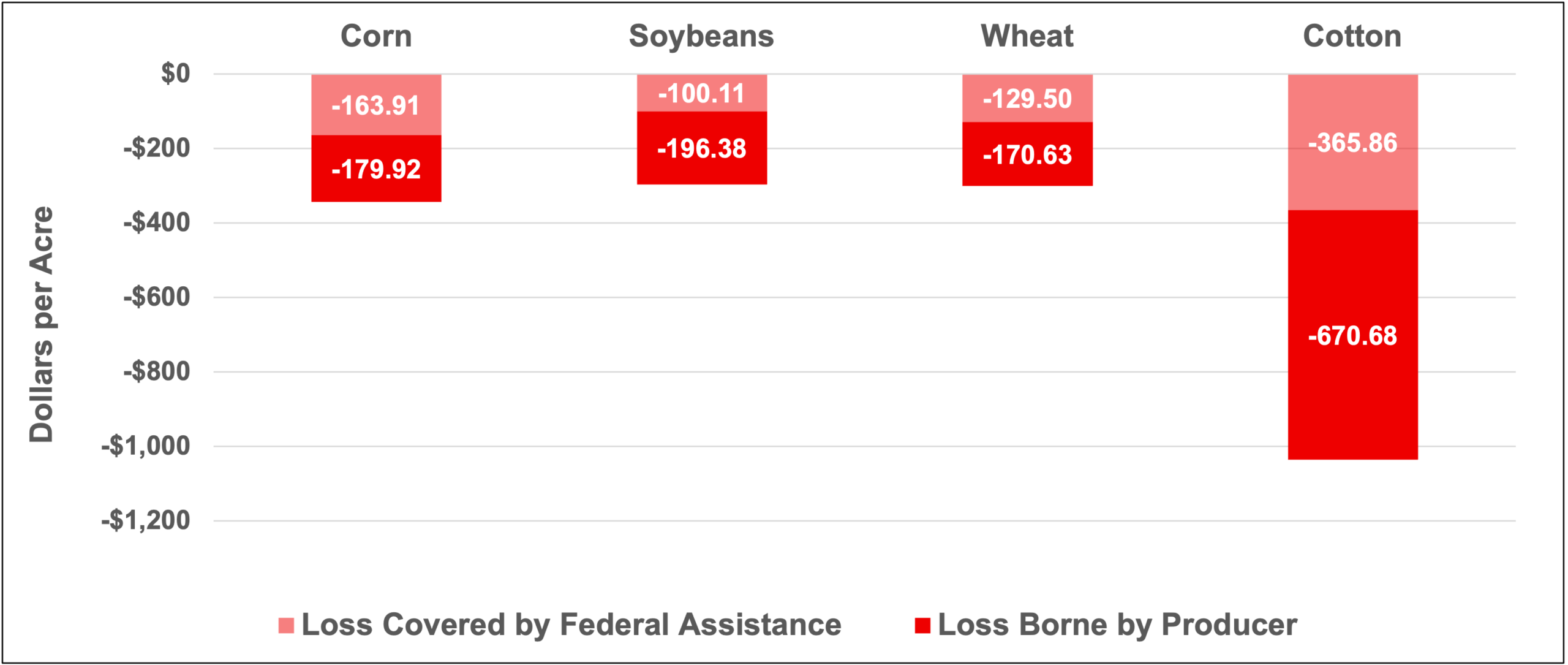
Now, for a couple of technical points. First, some may ask why we didn't include crop insurance indemnities or natural disaster aid (think the Supplemental Disaster Relief Program) in our analysis. The reason: our total revenue estimates in Table 1 use marketing year average prices and harvested yields. Our assumption is that any crop insurance indemnities or disaster aid payments simply help partially restore producer revenue. As a result, total revenue is an appropriate proxy. Second, some may ask why we focused only on the 4 major row crops with more than 10 million base acres. The primary reasons for this were that the ARC/PLC average payments are very sensitive to acreage assumed, and there is a significant difference between base and planted acreage for these smaller-acreage crops. While that will likely change with the new addition of base acres in the One Big Beautiful Bill, it remains a limitation for analyzing the 2023-2025 period that would likely skew our results. Further, for some of the smaller-acreage crops, payment limits are significantly binding. Without a reliable way to incorporate the effects of payment limits into this analysis, the estimated payments would be significantly over-stated. While some of these challenges also impact the major row crops, in our opinion, they are less pronounced. So, while we may follow up on this analysis in the future, for today we focused on the 4 major row crops.
Bottom line: for the major row crops, while the federal government has provided a significant amount of assistance, farmers are shouldering even more of the loss, and they are facing a growing season in 2026 that may well compound the loss even more. In dealing with the uncovered losses already incurred, producers have only so many options: (1) watch their equity erode in proportion to the losses they've faced; (2) to the extent that equity is gone they can [try to] borrow money to cover the losses; or (3) they go out of business. They are going through that mental math while also trying to cash flow the upcoming year.
One final point: we appreciate more than most the difficulty of getting anything done in Washington, D.C. We also encounter producers every day who are very grateful that policymakers have stepped up to the plate to help keep them on their farms during these very trying times. But, we'd be remiss if we didn't also note that over the last 3 years, as a nation, we've essentially been asking farmers to put their livelihoods on the line – with very little hope for profits – to keep raising food and fiber...while hoping that the federal government will deliver relief at the 11th hour to help keep them there. One of us is married to a rocket scientist...but it doesn't take a rocket scientist to know this isn't sustainable.
CattleCon 2026 has broken the all-time event attendance record, with more than 9,400 cattle producers and industry stakeholders converging in downtown Nashville, Tennessee. The largest event of its kind brings the cattle and beef industry together each year for business meetings, education and engagement.
"It is exciting to see thousands of producers gather together with the common goal of moving our business forward," said NCBA President Buck Wehrbein. "This record attendance demonstrates the dedication our producers have to driving beef demand and creating policy that secures a bright future for the next generation of producers."
CattleCon 2026 continues through Thursday, Feb. 5, culminating with Cowboy's Night at the Opry in the historic Ryman Auditorium. The concert features country music legend Vince Gill along with The SteelDrivers, The Castellows and Don Schlitz.
Onsite registration is still available, so there is plenty of time to join history in the making. Visit convention.ncba.org for more information.
Today at the National Association of State Departments of Agriculture 2026 Winter Policy Conference, NASDA members amended the organization's policy to expound on the type and availability of crop insurance NASDA will advocate for, particularly in regard to specialty crop growers.
Going beyond supplying additional resources, NASDA's policy now emphasizes the need for "federal risk management programs to provide crop insurance products that meet the needs of specialty crop growers." The policy also states that "Priority should be given to affordable products that offer a payout rate that is advantageous enough to attract participation from small, diversified farms, and a process that is not overly burdensome for those producers."
NASDA President, Commissioner Amanda Beal remarked on feedback NASDA members have heard from growers across the nation.
"Growers have shared with state agencies that the complexity of current crop insurance programs excludes or dissuades specialty crop growers from applying for insurance," Beal said. "At a time when farmers are facing a tough and unpredictable economy, additional certainty for farm operations provided by insurance would offer significant help. NASDA supports federal crop insurance changes that would address not only the resources of insurance products, but also the ease of access and implementation."
NASDA members from Connecticut, Massachusetts and Pennsylvania led the introduction of this policy amendment and shared how the policy would impact farmers in their states.
In Connecticut, small, diversified farms need crop insurance programs that work for them. Farmers are facing growing challenges as extreme weather events become more frequent. Crop insurance isn't just a backup plan. It's what allows farmers to recover from a difficult season, manage debt, and prepare for the next plant cycle. For new and beginning farmers this support is even more critical. Without significant cash reserves a single bad year can threaten their entire livelihood. Making crop insurance affordable and accessible isn't just good policy. It is essential to keeping family farms viable and giving them a fair chance to succeed.
The Massachusetts Department of Agricultural Resources reports that Massachusetts crops are more vulnerable than ever to a changing climate. Bearing the burden of that risk can be too high of a cost for some Massachusetts growers, for whom a single poor season can threaten their livelihood and viability. A crop insurance system that meets the needs of small, diversified farms would help many of them remain in business by providing a reliable, affordable safety net.
In Pennsylvania, specialty crop growers produce everything from fruits and vegetables to nursery crops and mushrooms, often across diversified operations that don't fit neatly into traditional crop insurance models. Many of these farmers face significant barriers when navigating existing insurance options, including complex paperwork, limited agent availability, and products that don't reflect how their farms actually operate. Improving access to affordable, practical crop insurance would give Pennsylvania specialty crop growers greater financial stability, help them manage risk from weather and market disruptions, and allow them to continue investing in their businesses and local economies.

Forty farm and agricultural groups, and growing, today launched the Agricultural Coalition for the United-States-Mexico-Canda Agreement, underscoring the accord's vital role as an economic engine for the U.S. farm economy and calling for its renewal with targeted improvements.
As part of the launch, the group unveiled a new website and kicked off an aggressive ad campaign in the nation's capital, all of which is designed to promote the benefits afforded to the U.S. food and agriculture sector under the USMCA as the administration approaches the 2026 mandatory review.
"USMCA is one of President Trump's signature achievements and one that has significantly propelled the ag economy," said Bryan Goodman, a spokesperson for the new group. "We are not saying it's perfect, as some changes are warranted, but we are saying it is of paramount importance to farmers that all three countries renew the agreement."
USMCA was signed by the United States, Mexico and Canada in 2018 during President Trump's first term and was implemented in 2020 to replace the North American Free Trade Agreement.
The agreement has significantly increased U.S. agriculture exports to Canada and Mexico, provided more certainty between the three nations and created a mechanism for resolving trade disputes.
Under the agreement, leaders of all three nations must begin a formal review by July 2026 to determine whether to renew. If renewed, the agreement would remain in effect for an additional 16 years, with another review scheduled in 2032. If the countries fail to reach an agreement and move to terminate, USMCA will expire in 2036. The review could also enter a period of annual consultations with no clear path forward, creating significant uncertainty for the farm economy.
The Trump administration, while indicating the renewal of USMCA is not guaranteed, has acknowledged it has been successful to a certain degree.
"Our farmers make decisions a year or more in advance," Goodman said. "They need the certainty of knowing USMCA is here to stay."
Advocates say President Trump made a major contribution to U.S. trade when he conceptualized and signed the agreement.
"We want to protect this agreement and build on what President Trump started in his first term," Goodman said. "We are confident we will be able to share the facts and farmer testimony that will help the Trump administration benefit rural communities throughout the process of the 2026 Review."
On February 10 at 11 a.m. (EST), the Agricultural Coalition for USMCA will be hosting a zoom press conference to release findings of an economic report on the USMCA. To register, RSVP here.
About the Agricultural Coalition for USMCA
The Agricultural Coalition for USMCA is a broad-based alliance representing the full landscape of U.S. food and agricultural trade associations, state agriculture leadership, and related interests committed to the renewal of the United States-Mexico-Canada Agreement. The coalition brings together organizations spanning farmers, ranchers, producers, processors, exporters, and the agricultural supply chain, reflecting the deeply integrated nature of North American agricultural trade.
Formed as USMCA enters its formal review period, the coalition is focused on ensuring the agreement remains in place with targeted improvements that preserve market access, provide long-term certainty, and keep American agriculture competitive. Together, coalition members advocate for policies that protect the stability of cross-border trade with Canada and Mexico, which supports millions of U.S. jobs and nearly one-third of all American agricultural exports.
To learn more about the Agricultural Coalition for USMCA, visit AgforUSMCA.com.

There's more than love in the air as "Oklahoma Gardening" kicks off its 51st year on Feb. 14 on local OETA channels.
For more than half a century, "Oklahoma Gardening" has remained a trusted source for practical, research-based information for novice and seasoned gardeners, said Casey Hentges, Oklahoma State University Extension associate specialist and show host.
"As horticulture continues to grow across the state, 'Oklahoma Gardening' will continue its legacy of cutting-edge information and tips to help gardeners around the state be successful in their gardening endeavors," Hentges said. "Last year we celebrated our golden anniversary, and we'll continue to build on our rich gardening history this year."
This season will expand the show's focus on the relationship between gardens and the environment. New features will explore how gardens influence, and are influenced by, factors such as soil health, water quality, wildlife, wildfire impacts and sustainable landscape practices. These segments aim to help viewers better understand the broader environmental context of their gardens while offering practical steps they can apply at home.
Hentges said "Oklahoma Gardening" will also showcase new and expanded plant highlights, encouraging gardeners to diversify their landscapes, improve resilience and make informed plant selections for long-term success.
"Our viewers know that our crew likes to get out into the state, and that will continue this season," Hentges said. "We'll shine the spotlight on public gardens, parks and agritourism destinations as a way to show how horticulture continues to grow, and we can't wait to take our viewers with us."
While the 51st year is chock full of new things, viewers can still expect to receive seasonal tips, plant care guidance and landscape solutions tailored to Oklahoma's unique climate and growing conditions.
"We remain committed to celebrating the people, places and practices shaping the state's horticulture future, while helping gardeners across the state garden smarter and more sustainably," she said.
"Oklahoma Gardening" airs Saturday mornings at 11 a.m. and Sunday afternoons at 3 p.m. on local OETA-TV channels across the state. Viewers can also subscribe to the "Oklahoma Gardening" YouTube channel to see full shows or search for specific segments.
Check out the "Oklahoma Gardening" website for video clips, links to gardening resources, featured recipes and more. "Oklahoma Gardening" can also be found on Facebook and Instagram.
The Botanic Garden at OSU is the home of the "Oklahoma Gardening" studio garden and is located west of Stillwater on the north side of Highway 51. The show is produced by OSU Extension, OSU's Department of Horticulture and Landscape Architecture and the Office of Communications and Marketing for OSU Agriculture.

U.S. Senator Amy Klobuchar (D-MN), Ranking Member of the Senate Committee on Agriculture, Nutrition, and Forestry, delivered remarks to the National Association of State Departments of Agriculture Winter Policy conference today.
In her remarks, Ranking Member Klobuchar addressed the Supreme Court's forthcoming decision on the administration's across-the-board tariff policies and its impact on American agriculture. Klobuchar also highlighted the need for swift congressional action on a bipartisan Farm Bill and to reverse cuts to USDA funding that affect rural communities.
A full recording of Ranking Member Klobuchar's remarks are here. Highlights from her remarks are below:
"Regardless of [the tariffs Supreme Court case decision] outcome, we approach the joint review of the USMCA this summer. That's going to be really important for farm and ag businesses across the country to speak out about the important value of that trade agreement. Obviously, we'll want changes when it comes to dairy and some other issues from a US perspective, but I think that speaking out is going to be key. This was President Trump's agreement from the beginning...I was the first one to say I was supportive of this agreement, I think there's some really important things in it. And if we could have used that for a guide and made changes within that agreement, we would obviously be in a better state for [agriculture], given that these are markets around the world, but with our trading partners in North America, that have taken decades to establish. They're not going to be replaced overnight. My hope is that we can get to a better place on these tariffs, either with congressional action -- which looks very difficult in the House -- or with this Court decision, and then move on to the USMCA negotiations and potentially negotiating other trade agreements.
...
Another challenge facing rural America is the sudden loss of USDA funding and staff. We must have a reliable partner for all of you in the state when it comes to the federal government. And unfortunately, the actions of this administration over the past year have eroded trust that federal entities like the USDA will follow through on their word. There's contracts that have not been fulfilled. We've seen the cancellation of popular programs that benefit farmers, including those directly administered by [National Association of State Departments] members, like the local food purchasing assistance and food for schools, cooperative agreements. We know what those programs have done, and I've called on a reversal of those decisions, and have worked to try to get the USDA to work with us
...
We've also seen steep cuts to the federal workforce in your states, putting strain on your staff and resources. This past year, nearly one in five USDA employees left their jobs, and I had asked for an Inspector General report on that, so we at least had common facts as we go forward.
...
What do we need now? Well, we need a strong, bipartisan Farm Bill... Margins are tightening due to low prices, high input costs, and it's more important than ever to give our farmers a certainty of a Farm Bill reauthorization, even if it's what we call a skinny Farm Bill.
...
And then, of course, the ad hoc assistance and the farmer bridge assistant program that was recently announced by the USDA is a helpful start, but given the challenges in farm country, we know the $11 billion for row crops and $1 billion for specialty crops in sugar beets will fall short. The USDA still has more than $10 million disaster aid funding that Congress enacted more than a year ago, and Senator Slotkin and I recently led efforts urging Secretary Rollins to get this funding out to farmers quickly.
...
As lead Democrat with the Senate Ag Committee —a position I love — I'm going to keep fighting for our farmers and our families, and my commitment is to work with all of you, and your ability to work across the aisle in your own state and with each other couldn't be more important right now."
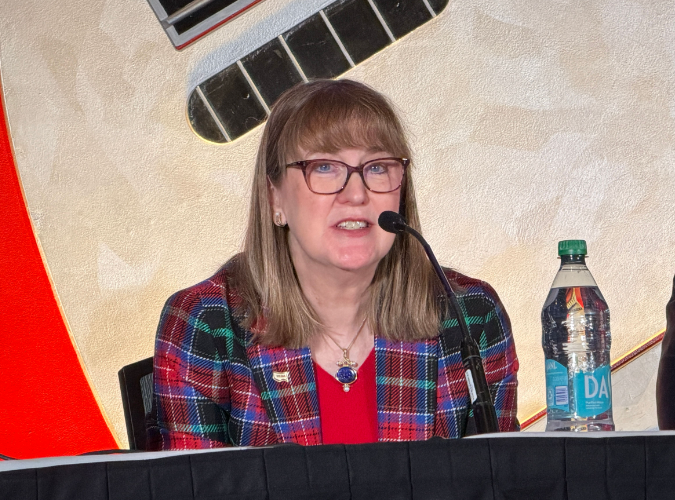
Following reports of a New World screwworm detection in a horse imported from South America to Florida, Chief Veterinarian for the National Cattlemen's Beef Association, Kathy Simmons, spoke with Ron Hays CattleCon26 to clarify how the case was identified, treated, and contained under existing USDA protocols.
Simmons explained that the case involved a horse imported from South America that was found to have a wound containing New World screwworms. She noted that this type of detection is not unexpected when animals originate from regions where the parasite is endemic. "The South America case is something that isn't unusual, because with horses, we bring in any of these horses from a New World screwworm area like South America, it is endemic there," Simmons said.
She emphasized that all horses imported from screwworm-endemic regions are required to undergo a strict quarantine process designed to prevent any risk of escape or spread. "All of these horses have to go through a quarantine process, which means they come in, they have a seven-day quarantine in a quarantine facility," Simmons explained, adding that these are closed facilities where "this flies or any of these parasites cannot get out."
During that quarantine period, horses are sedated and subjected to a detailed full-body inspection to look for signs of infestation. "We have to sedate them and do a full body inspection, which means in the stallions, we have to check the prepuce and all that area down there where these flies like to lay these eggs," Simmons said. It was during this inspection that officials found evidence of a wound affected by screwworms.
Simmons told Hays that the animal was immediately treated and remains under control, minimizing any broader risk. "So this animal was treated by prescribed treatment, a systemic treatment and a topical treatment, [and] will remain in quarantine until this animal is free of disease," she said. While acknowledging the concern such cases raise, Simmons stressed that the situation is "locked down," with "very little chance of it getting out in the wild," underscoring that existing USDA protocols are working as intended.
Coverage of CattleCon 2026 is powered by Farm Data Services of Stillwater, Oklahoma.
RON's Dave Lanning has a pre-opening look at today's agricultural Markets.
Click the audio tab below for today's report.
National Farmers Union (NFU) welcomed new guidance from the U.S. Environmental Protection Agency (EPA) clarifying that the Clean Air Act (CAA) supports farmers' right to repair their own equipment and cannot be used by equipment manufacturers to block their access to independent repair.The EPA's statement is a step forward for family farmers and ranchers who have long pushed back against repair restrictions that limit competition and drive up costs."The EPA's statement is an encouraging message to farm country. We need the right to repair our own equipment. Manufacturers have used the Clean Air Act to justify deceptive practices, costing farmers time and money," said NFU President Rob Larew. "The process of clarifying the CAA's effects on right to repair now spans two administrations, and we thank Administrator Zeldin and Secretary Rollins for putting farmers first."In 2023, NFU wrote EPA Administrator Regan, raising concerns and seeking clarification about misleading claims that were circulating, invoking the CAA as justification for limiting farmers' right to repair their farm equipment. The agency responded in 2023, reaffirming much of what was formally announced this week, now with clearer public guidance."EPA is proud to set the record straight and protect farmers. For far too long, manufacturers have wrongly used the Clean Air Act to monopolize the repair markets, hurting our farmers," said Administrator Lee Zeldin in an EPA statement. "Common sense is following the law as it is written, and that is what the Trump EPA is committed to doing. By protecting every American's right to repair, we're not just fixing devices, we're securing a stronger, more independent future for our country.""Our work here is not done," added Larew. "This guidance does not guarantee a farmer's right to repair. We need durable solutions that guarantee repair access on fair and reasonable terms so that independent repair is fully available, affordable, and accessible, and manufacturers who prevent independent repair are held accountable."
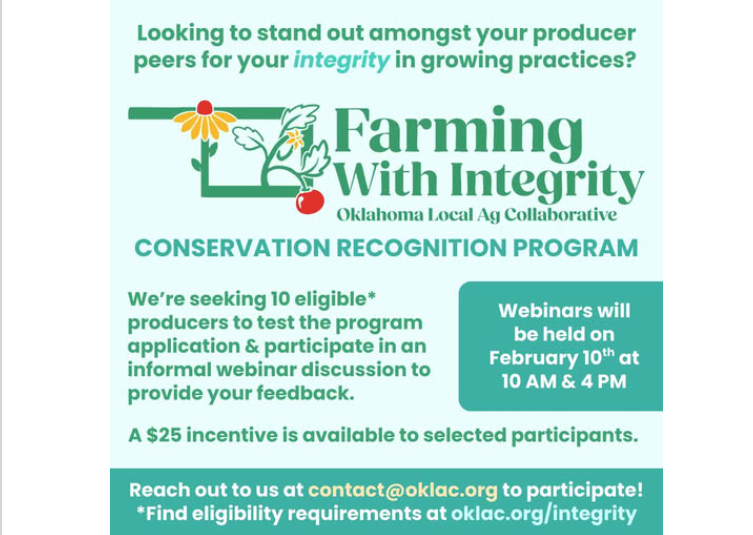
 NEW opportunity for OLAC producers!
We're gearing up to launch the Farming with Integrity Conservation Recognition Program – an opportunity for producers using conservation-conscious and regenerative growing practices to stand out among their peers for demonstrating integrity in farming.
Before we launch, we're seeking feedback from 10 eligible* producers who will be asked to test the program application and participate in a mandatory, informal webinar discussion to provide feedback. Webinars will be held on Tuesday, February 10 at 10 AM & 4 PM. A $25 incentive is available to selected participants.
You may be eligible to participate if you:
Are a member of OLAC
Own/operate a small-scale or urban farm
Sell direct-to-consumer (at farmers markets or farm stands)
Work with NRCS, OCC, or OSU Extension
Use conservation-conscious or regenerative farming practices
Reach out to us at contact@oklac.org to participate! Find more information at oklac.org/integrity
Senator Amy Klobuchar (D-MN), Ranking Member of the Senate Committee on Agriculture, Nutrition, and Forestry, and Martin Heinrich (D-NM), Ranking Member of the Senate Committee on Energy and Natural Resources, and Jeff Merkley (D-OR), Ranking Member of the Senate Appropriations Subcommittee on Interior, Environment, and Related Agencies are leading 19 of their colleagues in pressing the U.S. Department of Agriculture's Forest Service for more information about problems identified in an internal report on the National Trail Program.
"We write with strong concerns regarding a December 2025 report published by the U.S. Forest Service on the status of the U.S Forest Service's National Trail Program," wrote the Senators. "The report warns of significant challenges in sustaining trail operations and recreation access, as well as potential loss of decades of investments in trail infrastructure.
"The public land recreation economy contributes over $350 million every day to our national economy, $128 billion every year, and the National Forest System (NFS) plays a significant role in that contribution. There are over 164,000 miles of trails in the NFS, with 84 million people annually visiting trails and 143,000 jobs supported by recreation and tourism spending," the Senators continued. "Considering the importance of the National Scenic and Historic Trails statutorily created by Congress for the Forest Service to manage, and the Forest Service National Trail Program in general, the report findings that public access and overall recreation satisfaction 'will continue to decline in 2026 and beyond without direction to prioritize investments into these programs,' is troubling."
Along with Klobuchar, Heinrich, and Merkley, the letter was signed by Senators Patty Murray (D-WA), Michael Bennet (D-CO), Ron Wyden (D-OR), Maria Cantwell (D-WA), Jeanne Shaheen (D-NH), Cory Booker (D-NJ), Adam Schiff (D-CA), Raphael Warnock (D-GA), John Hickenlooper (D-CO), Ben Ray Luján (D-NM), Mark Kelly (D-AZ), Mark Warner (D-VI), Alex Padilla (D-CA), Peter Welch (D-VA), Jacky Rosen (D-NV), Ed Markey (D-MA), Catherine Cortez Masto (D-NV), Chris Van Hollen (D-MD), and Bernie Sanders (I-VT).
The full letter is available here and below.
Dear Chief Schultz:
We write with strong concerns regarding a December 2025 report published by the U.S. Forest Service on the status of the U.S Forest Service's National Trail Program. The report warns of significant challenges in sustaining trail operations and recreation access, as well as potential loss of decades of investments in trail infrastructure.
The public land recreation economy contributes over $350 million every day to our national economy, $128 billion every year, and the National Forest System (NFS) plays a significant role in that contribution. There are over 164,000 miles of trails in the NFS, with 84 million people annually visiting trails and 143,000 jobs supported by recreation and tourism spending. Considering the importance of the National Scenic and Historic Trails statutorily created by Congress for the Forest Service to manage, and the Forest Service National Trail Program in general, the report findings that public access and overall recreation satisfaction "will continue to decline in 2026 and beyond without direction to prioritize investments into these programs," is troubling.
The report draws on input from 290, mostly district-level, Forest Service staff to assess current challenges facing Forest Service trail operations. It found that workforce shortages and loss of trails expertise, low morale, poor communication, operational gaps, and stalled and unfunded contracts and agreements threaten decades of investments into the Forest Service's trail system. The report's conclusions raise serious questions about the public's ability to enjoy National Forest Trails, particularly as the Forest Service adjusts to a workforce that has declined by at least 16 percent in the last year.
A key finding of the report is that workforce vacancies, hiring freezes, and lost skills are weakening the agency's ability to maintain trails and effectively leverage partners' contributions to the upkeep of trails. Beyond staffing challenges, the Forest Service National Trail Program identifies unclear priorities, inconsistent messaging, and misalignment of priorities and resources as ongoing barriers to trail maintenance. The report also highlights deficiencies in grants and agreement (G&A) management as a primary challenge to maintaining Forest Service trails.
Given the importance of this issue, we request responses to each of the following questions no later than February 18, 2026, on the Forest Service's plan to address the immediate needs listed in the report.
1. What is the Forest Service's plan and timeline for addressing all of the issues raised in the report?
2. Is the Forest Service planning to extend externally funded and disaster-funded Permanent Seasonal Employee (PSE) positions?
3. Please describe the steps the Forest Service is planning to take to increase G&A capacity in the trail program.
4. How will Forest Service leadership provide accurate, consistent direction and resources to all levels of the agency to ensure the trails program can implement its mission?
5. Will the Forest Service consider restoring direct hire authority for the Youth Conservation Corps program?
6. How is the Forest Service planning to ensure appropriate staffing levels are restored and maintained?
7. How will the Forest Service invest in training for partners, and volunteers on trail maintenance and operations?
8. The National Trails System Act of 1968 requires the Forest Service to provide for the development and maintenance of the National Scenic and Historic Trails (NSHT) under its jurisdiction. Given the report's findings, what is the Forest Service's plan for ensuring all statutory requirements of the National Trails System Act of 1968 are met for the NSHT under the Forest Service's jurisdiction?
Forest Service staff and partners are critical to maintaining the over 164,000 miles of trails in the National Forest System. The challenges and impacts in the Program report are deeply concerning and raise questions about what steps the Forest Service will take to maintain the public's ability to access and use Forest Service trails. We look forward to your timely response on this important matter.

The 7th Annual Oklahoma Denim Ball 2026 is Coming up March 27th and 28th At the National in Oklahoma City.
The buzz is building earlier than ever for one of the Oklahoma agriculture industry's favorite traditions. Farm Director KC Sheperd recently caught up with Charity Martin of OKIE Cotton to discuss the highly anticipated return of the Denim Ball, set for March 27 and 28, 2026.
Now in its seventh year, the event is moving up in the calendar to late March, a change that has already sparked significant interest. According to Martin, inquiries about hotel bookings and registration began rolling in months ago, signaling growing enthusiasm for the annual gathering.
"The buzz about it is definitely getting stronger and stronger each year, which is what we want," Martin said. "The committee that puts this on... that conversation of 'how can we make this event bigger and better' is 365 days long".

More Than Just a Party: Supporting the Industry
While the weekend is centered on fellowship, the Denim Ball serves a critical purpose: raising funds for the Committee for the Advancement of Cotton, the political action committee (PAC) for the National Cotton Council.
Martin emphasized that the proceeds go directly back to supporting producers through legislative advocacy. "I don't have to go into the list of what that money does for our industry... from pushing legislation through, supporting those legislators, helping those producers... you can't be wrong in supporting that cause," Martin explained.
This year's schedule mixes beloved traditions with new twists to accommodate Oklahoma's unpredictable spring weather.

Sponsors and Registration
The event is made possible by strong industry support, including this year's Diamond Level sponsors: Bayer, Deltapine, Nutrien Ag Solutions, Syngenta, PCCA, and Western Equipment of Altus.
Registration is currently open for individuals and groups. Martin encourages anyone interested to visit the event website to secure hotel rooms and view the full agenda. As Martin told Sheperd, the invitation list is simple: "If you wear cotton, you're invited".
For registration and hotel booking, visit: okiecotton.com.
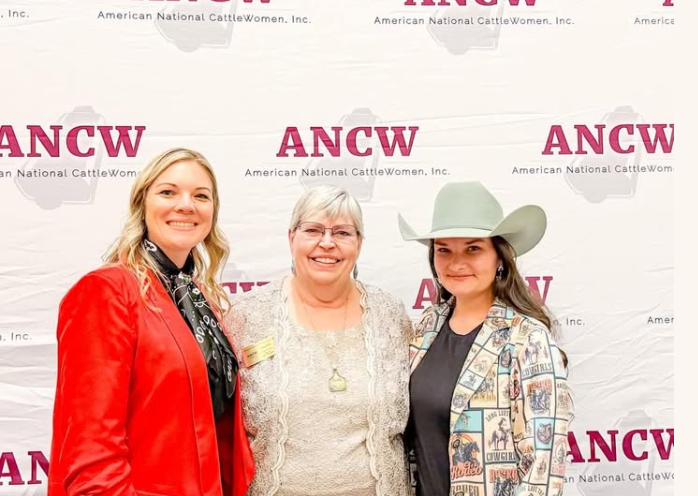
Speaking with senior farm and ranch broadcaster Ron Hays at CattleCon26, Cheyenne Sparks of Oklahoma CattleWomen shared the excitement surrounding her new leadership role with the American National CattleWomen. Sparks announced that she has been elected vice president of ANCW, calling it the culmination of a long journey of involvement. "I'm very excited to share that I was elected as the vice president of the American National CattleWomen," she said, noting her involvement with the organization dates back 16 years to her collegiate days at Oklahoma State University.
Sparks reflected on how her passion for beef promotion was shaped early on and nurtured through years of mentorship within the organization. "I really found that joy of beef promotion at Oklahoma State University, and I feel as though I've truly been raised by these women all these years," she told Hays. She added that her motivation now is to give back, saying she has "this immense want to pour back into this organization the way it's poured into me all these years."
The conversation also highlighted Oklahoma's strong presence at the national level this year. Sparks pointed to several notable accomplishments, including Connie Tabor being named ANCW CattleWoman of the Year. "We have a very big Oklahoma involvement on the national level. It's been a great week for Oklahoma," Sparks said, emphasizing the grassroots nature of the organization and how leaders bring ideas and education back to their home states to put into action.
Looking ahead, Sparks discussed what excites her most about serving ANCW in the coming year. She emphasized the organization's focus on beef promotion while supporting the industry through education and development. "Our mission is truly beef promotion," she said, noting key initiatives such as National Beef Ambassadors and the W.I.R.E.D. program. Ultimately, Sparks said she's eager to grow as a leader and work alongside other members nationwide, adding, "I'm going to get to learn and grow in this position as a leader, and then also get to see all of these amazing women at work."
Congratulations Cheyenne Sparks
Coverage of CattleCon 2026 is powered by Farm Data Services of Stillwater, Oklahoma.

As tick activity rises in spring, University Products urges veterinarians to prioritize early vaccination against bovine anaplasmosis to protect cattle health, reduce disease severity, and prevent economic losses in beef and dairy herds. With the disease becoming more prevalent in many regions, timely administration of the University Products Anaplasmosis vaccine is essential to protecting herd health and maintaining cattle productivity.
Anaplasmosis is a tick-borne bacterial disease that poses a serious threat to cattle health, causing anemia, weight loss, reduced milk production, and, in severe cases, death. Beyond animal welfare concerns, the disease carries significant economic consequences for ranchers and the livestock industry. Early spring represents the optimal window for vaccination, allowing cattle to develop protective immunity before exposure risks peak.
"Spring is a critical time for preventive care in livestock management," said Dr. Ashlanne Luther, veterinarian and technical advisor for University Products. "Our Anaplasmosis vaccine is designed to provide strong immune protection, helping reduce disease severity and support overall herd health. We strongly encourage veterinarians to include this vaccination as part of their spring herd health protocols."
The University Products Anaplasmosis vaccine requires two doses during the first year, followed by a single annual booster in subsequent years. The second dose should be administered four weeks after the first. Protective immunity typically develops within seven to ten days following the second vaccination. By following this vaccination protocol, veterinarians can significantly reduce the incidence and impact of anaplasmosis, resulting in healthier herds and improved farm profitability.
Veterinarians play a vital role in educating producers about the importance of timely vaccination. The University Products Anaplasmosis vaccine is a key component of a comprehensive preventive health strategy. "We are committed to supporting veterinarians with products that meet the highest standards of quality and performance," Luther added. "Our mission is to work alongside animal health professionals to promote preventive solutions that enhance both animal welfare and the economic sustainability of livestock operations."
In addition to offering a proven vaccine, University Products provides extensive resources to assist veterinarians and producers in managing anaplasmosis risk. These include detailed product literature, vaccination schedules, and access to expert support. Through proactive planning and early vaccination, veterinarians can help protect cattle during the critical spring season and throughout the year.
University Products encourages veterinarians to review the latest guidelines on bovine anaplasmosis vaccination and to contact the company for additional information or to place an order. Early preparation and timely vaccination remain central to effective livestock health management and disease prevention.
For more information about the University Products Anaplasmosis vaccine, visit www.anaplasmosis.com, call (225) 266-8375, or email docndoc@aol.com.

The Modern Ag Alliance released its inaugural State of the American Farmer report, providing a first-of-its-kind national assessment of the economic, regulatory, and operational challenges facing U.S. farmers.
The findings reveal an industry in crisis. Farmers are facing rising input costs, declining commodity prices, and growing regulatory uncertainty, contributing to increasing concern about the long-term viability of their operations. In this environment, farmers stress that maintaining access to proven crop protection tools is essential to producing enough food and keeping prices affordable for American families.
"With operating costs rising and margins slimming, farmers need relief," Missouri farmer Blake Hurst said. "This begins with lawmakers understanding the realities of modern farming. We need practical policies and continued access to crop protection tools that afford us the stability to do our jobs and produce high-quality food."
"Farmers are being squeezed from every direction," said Elizabeth Burns-Thompson, Executive Director of the Modern Ag Alliance. "This data shows that economic pressure and regulatory uncertainty are colliding on the farm. Policymakers need to understand what this means in real terms—for farmers' ability to stay in business and for the affordability of America's food, fuel, and fiber."
Together, these pressures underscore the urgency of congressional action on a Farm Bill and the need for federal and state policymakers to pursue clear, science-based agricultural policy.
Key Findings
· Farm finances are under severe strain. Input costs continue to rise while commodity prices for major crops have fallen by as much as 58% since 2022. Farmer bankruptcies are up roughly 60% year over year.
· Farmers are increasingly concerned about the future. 60% of farmers say that without a course correction, farming may "cease to exist as we know it," and only about half would recommend farming as a career to their children.
· Regulatory uncertainty is compounding the problem, highlighting the importance of clarity for farmers. Eight in ten farmers agree that they should be consulted on the operational impacts of new regulations.
· Restrictions on modern tools would raise costs and food prices. 57% of farmers expect higher input costs and 39% expect lower yields if access to crop protection tools is restricted. Nearly three-quarters say new agricultural regulations will ultimately lead to higher food prices for American families.
The full State of the American Farmer report is available here.
Grant Gardner writing for Southern Ag Today says: Commodity prices are influenced by a wide range of factors, but seasonal patterns remain an important consideration for crop marketing decisions. Even in periods of heightened volatility, understanding how prices tend to behave at different points in the marketing year can help producers evaluate timing risk and opportunity. Using soybeans as an example, this article examines historical price seasonality to illustrate how these recurring patterns can inform marketing strategies.
Seasonality reflects the tendency for prices to follow recurring patterns throughout the marketing year, largely driven by changes in supply availability. Across crops, prices are often weakest near harvest, when supplies are most abundant, and strengthen later in the year as stocks are drawn down. While this pattern is widely understood, it is not universal. In some years, crop prices are stronger at harvest than during the remainder of the marketing year; however, these "harvest-strong" years are relatively rare and tend to behave differently than the typical seasonal pattern.
Figure 1 illustrates soybean cash price seasonality using national monthly prices from 2010–2025. Prices are expressed as an index, calculated by dividing each month's price by that marketing year's average price. A value of 100 represents the average price for the year, while values above (below) 100 indicate prices that were higher (lower) than average.
The thick black line in Figure 1 shows the average seasonal pattern across all years. This long-run average confirms a familiar story: soybean prices tend to be relatively weaker in the early fall, strengthen through winter and spring, and often peak in late spring or early summer before declining as new-crop supplies approach. From a seasonal perspective, this pattern suggests that pre-harvest and late-spring marketing opportunities often outperform harvest-time sales.
Not all years follow this average path. The green lines in Figure 1 highlight harvest-strong years—marketing years in which average soybean prices during harvest (September–November) were higher than prices during the remainder of the marketing year. The lighter gray lines represent all other years. Over the past 15 years, soybean prices were higher at harvest in only three years: 2015, 2019, and 2024. In 2015, harvest prices were supported by weather risk and relatively tight global balance sheets. In 2019, prices were influenced by trade uncertainty and a delayed supply response. Most recently, in 2024, tight stocks and global supply concerns helped support prices at harvest. In contrast, the remaining years exhibit stronger pricing opportunities outside the harvest window.
This distinction has practical marketing implications. In most years, weak harvest prices are followed by some degree of seasonal recovery, making post-harvest marketing opportunities more attractive. When prices are unusually strong at harvest, however, the historical record suggests that price upside later in the marketing year may be more limited.
The key takeaway is not that producers should market at the same time every year, but that seasonality provides a useful baseline expectation. When prices align with typical seasonal patterns, historical averages can help frame marketing decisions. When prices deviate, particularly when harvest prices are strong, it may signal that capturing favorable prices sooner deserves consideration. Incorporating seasonal patterns alongside market fundamentals, risk tolerance, and cash-flow needs can help producers make more disciplined and informed soybean marketing decisions.
Figure 1.
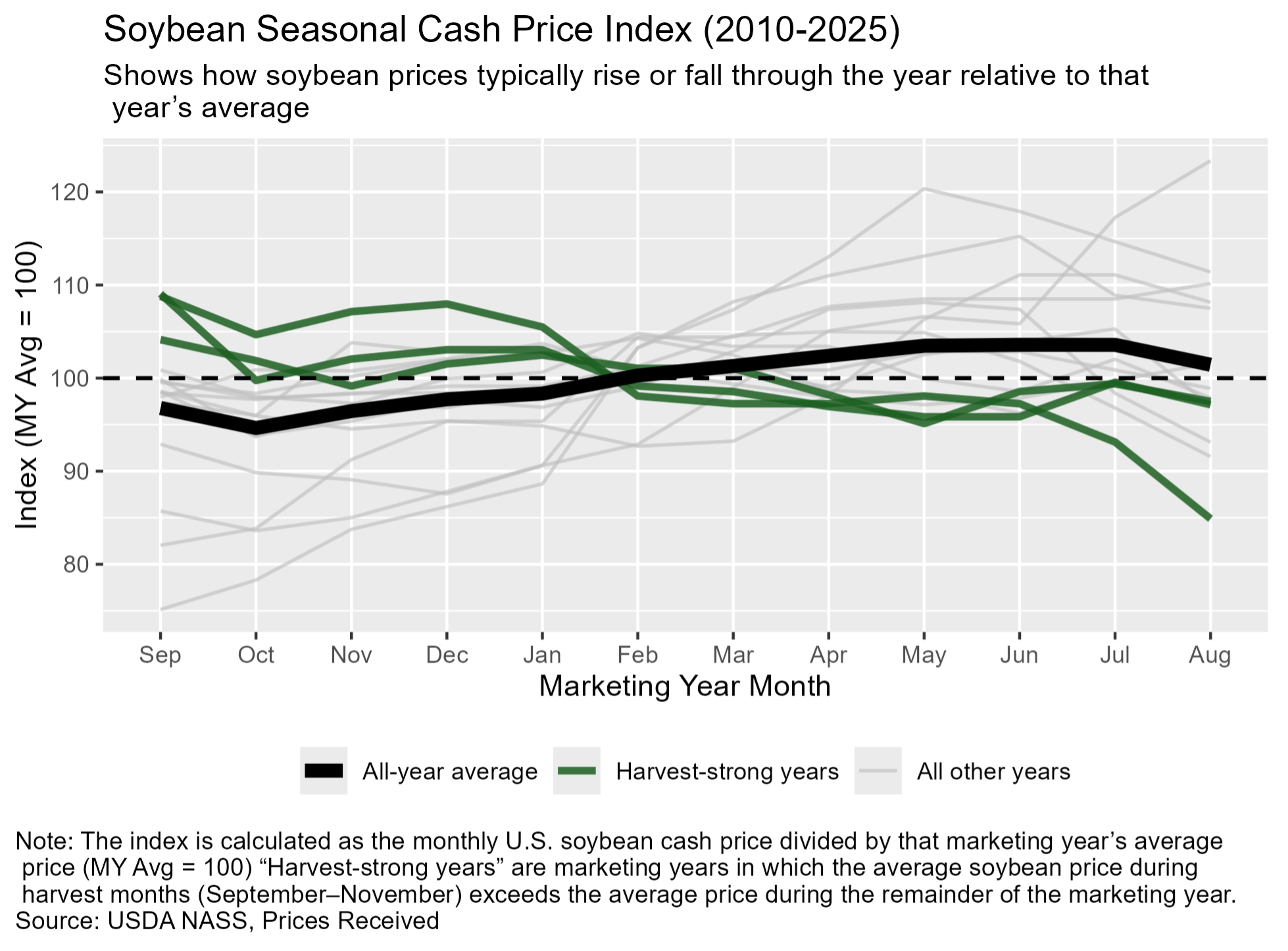
Gardner, Grant. "Price Seasonality: What the Pattern Shows." Southern Ag Today 6(6.3). February 4, 2026. Permalink
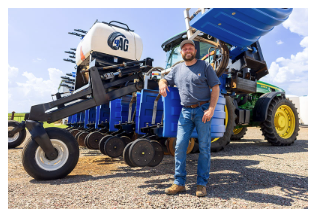
Oklahoma Farm Bureau's Oklahoma Grassroots Rural and Ag Business Accelerators program is accepting applications from rural Oklahoma innovators seeking resources to bring their ideas and products to market.
Oklahoma innovators located in rural communities with a population of 50,000 or less can apply now through April 3 to participate in OKFB's free business accelerators program.
The program offers two unique innovation pipelines tailored to meet the needs of rural Oklahoma innovators. The program's AgCelerate Oklahoma agricultural innovation pipeline is for innovators who have a new idea or an exciting update to an existing concept that has a direct application in production agriculture. The Activate Oklahoma rural innovation pipeline is open to any rural Oklahoma innovator with a new idea or product that they would like to bring to market that has applications in any industry.
"No matter if you are an established business owner who is looking to refine your focus and tactics or if you are a rural Oklahoman who has a great idea and needs help launching your business, Oklahoma Farm Bureau's accelerators program is a great way to take your innovation to the next level," Said Amarie Bartel, OKFB economic development coordinator. "The resources the Grassroots Rural & Ag Business Accelerators program provides fit a wide array of rural Oklahoma businesses to help our local entrepreneurs take their enterprise to the next level."
Each pipeline uses a customized curriculum to connect rural Oklahoma innovators with the vast array of business resources offered by our state's business development ecosystem. Programming features interactive workshops, an intensive business bootcamp, mentorship connections and product pitch development. Graduation from the program qualifies businesses to be considered for equity investment by a group of accelerators program partners.
Programming for each of the two accelerator pipelines begins in May, and successful participants will graduate from the program in October. Program sessions are held in a hybrid format, allowing participants to attend sessions either in-person or virtually. Program participants must attend all provided training sessions to graduate from the program.
Businesses and individuals interested in the accelerators program can complete the online application by April 3 at okfarmbureau.org/acceleratorapp. Selected applicants will be interviewed, and the final selection of program participants will be made May 1.
The Oklahoma Grassroots Rural & Ag Business Accelerators program is a collaborative rural development effort between OKFB and state and national partners. The program creates economic opportunities for rural Oklahomans and supports Oklahoma agriculture through innovation and business development for rural entrepreneurs.
Partner organizations include AgLaunch Initiative, Oklahoma CareerTech, Oklahoma SBDC, Oklahoma i2E, Oklahoma Center for Advancement of Science and Technology, Generation Food Rural Partners Fund, BancFirst, Oklahoma AgCredit, CoBank, Oklahoma State University's Food and Agricultural Products Center, Noble Research Institute and Cortado Ventures.
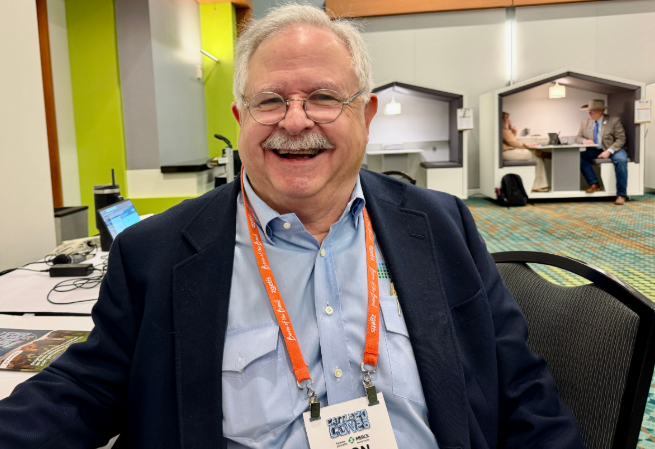
In today's Beef Buzz, senior farm and ranch broadcaster Ron Hays speaks with Don Close of Terrain at CattleCon26 about the latest cattle inventory report and what it signals for the cattle cycle ahead. Close says the biggest takeaway is that the industry is nearing a turning point, noting, "We have signs that the market is in a transitionary phase, and we're finally starting to look at that expansion. It just hasn't gotten underway yet."
Close explains that hesitation to expand has largely been financial. High replacement female prices and the need to repair balance sheets slowed decision-making, especially after years of limited investment. As he puts it, "2024 was spent in the cow-calf space simply trying to restore their balance sheet," while 2025 saw producers catching up on capital expenditures. With those hurdles mostly behind them, Close believes "2026 is finally the okay... now we can think about expanding."
A key factor supporting that outlook is beef demand, which Close describes as exceptionally strong. "Demand has been nothing short of amazing," he says, adding that consumers continue to show a willingness to pay for beef, with "nothing showing up yet that says they're softening." He credits long-term industry efforts to improve consistency and eating quality as a major reason beef remains competitive despite higher prices.
Close also points to emerging demand drivers, particularly increased protein consumption tied to GLP-1 weight-loss drugs. He notes, "As many as 15% of the U.S. adult population has been on those drugs," and explains that users often increase protein intake to preserve muscle mass. Importantly, "they're not making two separate diets for that household," which means higher protein consumption tends to lift demand across entire families — a development Close calls "a very pleasant unexpected consequence."
Looking ahead to herd rebuilding, Close believes expansion is likely but uneven. Weather uncertainty remains a concern in drought-prone regions, and he also expects some added pressure from older cows being retained longer. "We could actually see a slight increase in slaughter cow slaughter in 2026," he says, which would increase the need for heifer retention. Still, Close is optimistic about the long-term outlook, emphasizing that continued gains in cow and bull genetics should support "a better eating experience" and higher-quality beef as the next expansion cycle takes shape.
Coverage of CattleCon 2026 is powered by Farm Data Services of Stillwater, Oklahoma.
The Beef Buzz is a regular feature heard on radio stations around the region on the Radio Oklahoma Ag Network and is a regular audio feature found on this website as well. Click on the LISTEN BAR for today's show and check out our archives for older Beef Buzz shows covering the gamut of the beef cattle industry today.
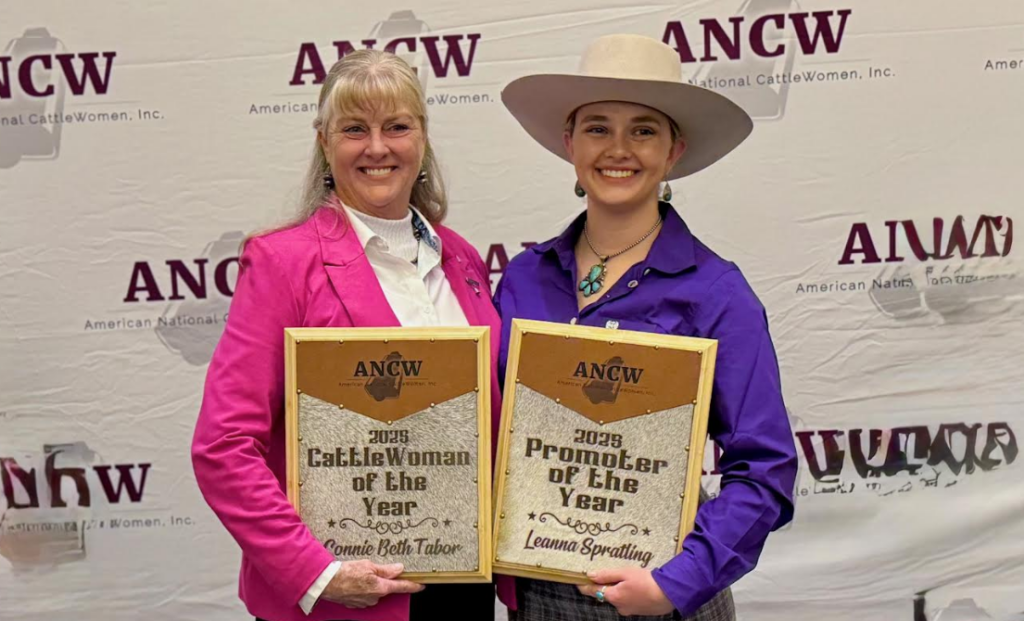
Farmers and ranchers across the country gathered at CattleCon26 to recognize leadership and advocacy within the beef industry, and this year that spotlight landed on Oklahoma producer Connie Tabor of Agra, named the 2026 American National CattleWomen CattleWoman of the Year. Speaking with senior farm and ranch broadcaster Ron Hays, Tabor reflected on both her family's operation and her passion for telling agriculture's story. She explained that she and her husband run a diversified cow-calf business, adding, "we diversified a few years ago, and started selling beef off the farm."
Tabor described how that diversification evolved into a direct-to-consumer model built around Oklahoma Certified Beef. "I got my certification, and started selling the beef just from home, selling by the package," she said, noting that the effort has grown a loyal customer base. Their beef has even reached high-profile tables, as she proudly shared, "We were the first ones to have our Oklahoma Certified Beef put in the governor's mansion, being served there."
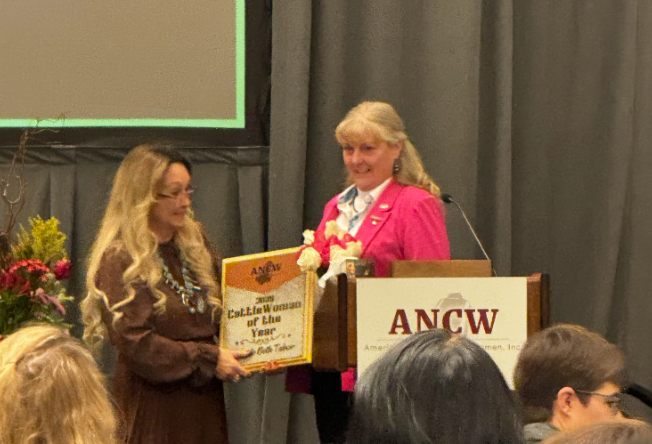
In her conversation with Hays, Tabor explained that her involvement with Oklahoma CattleWomen and American National CattleWomen grew from a desire to communicate with consumers. After moving back to Oklahoma in 2014, she said she recognized "there's a great need to tell the beef story," adding that cattlewomen are especially effective at "sharing how we do things and why we do things." She emphasized how much she enjoys working with students, classrooms, and consumers at both the state and national levels.
Mentorship and youth development have been central to her leadership philosophy. Tabor told Hays that encouraging young people is a passion of hers. "Being a mentor to the young kids, giving them the opportunities to learn more about the industry," she said, is critical because "having knowledge on all aspects of the industry really helps you," whether someone returns to the family farm or pursues another path.
Tabor also highlighted her leadership roles and hands-on consumer engagement as examples of how she represents the industry. From serving as Oklahoma CattleWomen president to holding national committee roles, she said the organization helps people "find their voice" through promotion, education, and legislation. At home, she continues that mission through her on-ranch beef sales, where customers see cattle up close. "That's the fun part," she said, explaining how families visit her ranch and learn firsthand where beef comes from—an experience she believes builds trust and appreciation for the industry she proudly represents.
Congratulations To You, Connie Tabor
Winners of the 2026 Beef Quality Assurance (BQA) Awards were announced today during CattleCon26 in Nashville. The BQA Awards annually recognize outstanding beef and dairy producers, marketers, and educators that best demonstrate animal care and handling principles as part of day-to-day activities.
"BQA continues to be the cattle industry's leading education program for animal care and handling," said Buck Wehrbein, NCBA president. "We are excited to recognize these award winners who exemplify the BQA program and share their commitment with others."
2026 BQA Award Winners:
2026 BQA Cow-Calf Award
East Foundation Ranches, LLC, Hebbronville, Texas
East Foundation Ranches, located in South Texas, traces its origins back to the 1900s when Tom T. East began his cattle operation. Today, the ranch spans 217,000 acres across six ranches in separate locations encompassing diverse native rangeland. The ranch is dedicated to advancing land stewardship through ranching, science, and education and their mission is to do what's right for the land and the life that depends on it.
2026 BQA Dairy FARM Award
Singing Brook Farms, Imler, Pennsylvania
Founded in 1951, Singing Brook Farms is a thriving dairy operation housing 300 cows and 250 replacement heifers, along with 3,000 acres of land. BQA and FARM animal care standards are crucial components within the farm's operations, shaping their unique production environment and business structure. By adhering to these standards, the farm aims to achieve optimal animal welfare, higher productivity and financial sustainability. These standards emphasize continual employee training and meticulous record keeping, ensuring the well-being of the cattle and the overall success of the dairy operation.
2026 BQA Feedyard Award
Ordway Cattle Feeders, Ordway, Colorado
Ordway Cattle Feeders is invested in the care and comfort of its cattle, having expanded and updated the feedlot to better accommodate different sizes, ages and feeding stages of cattle. The feedyard brings in university BQA experts to provide all employees with foundational training on best management practices, and works closely with expert nutritionists, veterinarians and industry professionals to assess their daily production practices, which provides outside perspectives to foster continuous improvement.
2026 BQA Marketer Award
Sysco Corporation, Houston, Texas
Founded in 1969, Sysco Corporation is the world's largest foodservice distributor and a major provider of animal protein products for consumers around the globe. The company is dedicated to driving improved animal welfare practices while upholding stringent standards for all Sysco Brand animal products. Part of this commitment is driving awareness of BQA and making it the standard with their sales team for discussing cattle care and sustainability with chefs and restaurant customers.
2026 BQA Educator Award
Jerry Yates, West Virginia University, Wardensville, West Virginia
Born and raised in West Virginia on a small Jersey dairy farm, Jerry Yates was an active member of 4-H and FFA growing up. He graduated with a degree in animal science from West Virginia University and worked as an Ohio extension agent before returning home to manage one of WVU's research units. For nearly three decades, Jerry has been involved with BQA, and his greatest passion is helping producers improve their operations through implementation of BQA practices.
The national BQA Awards are sponsored by Cargill and Sam's Club. Award winners are selected by a committee comprised of BQA certified representatives from universities, state beef councils, sponsors and affiliated groups, who assess nominations based on their demonstrated commitment to BQA practices, their service as leaders in the beef industry and their dedication to promoting the BQA message. For more information about each of the award winners, visit https://www.bqa.org/beef-quality-assurance-awards.
RON's Dave Lanning has a pre-opening look at today's agricultural Markets.
Click the audio tab below for today's report.
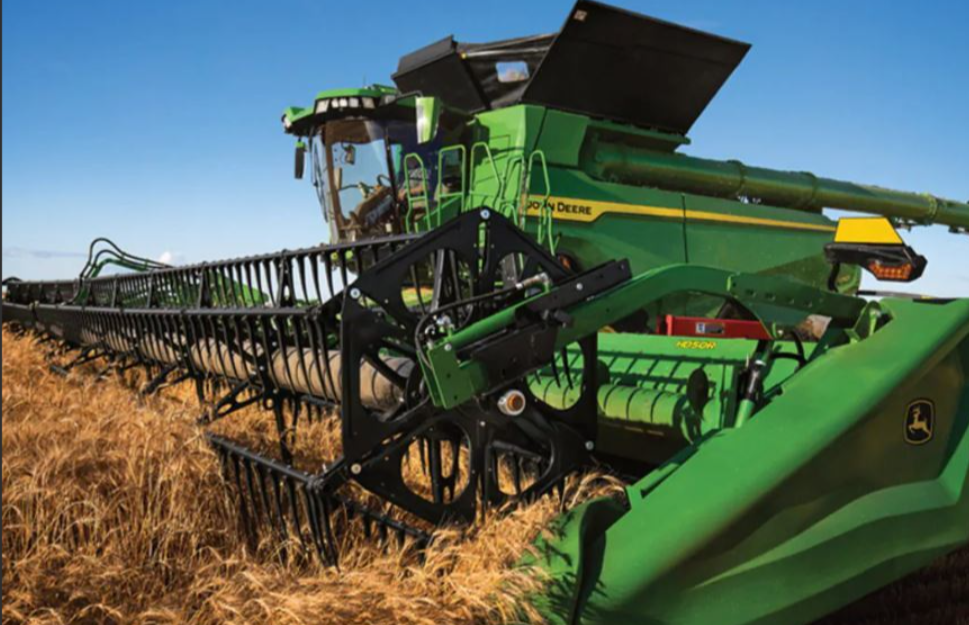
John Deere appreciates today's action by EPA Administrator Zeldin, which responds directly to a formal request made by the company in June 2025. John Deere sought this updated guidance from the EPA with the intent to further increase customers' and independent repair technicians' repair capabilities while ensuring compliance with EPA requirements and guidance. John Deere's request to the EPA is consistent with the company's longstanding commitment to supporting customer choice on how equipment is repaired – whether through their trusted John Deere dealer, with a local service provider, or by doing the work themselves. In light of the updated guidance, the temporary inducement override capability will soon be made available to John Deere customers through Operations Center™ PRO Service – John Deere's enhanced digital repair tool that provides industry-leading diagnostic, repair, and reprogramming capabilities. Customers interested in learning more about this tool can visit www.JohnDeere.com/PROService.

A proposal released today by the U.S. Department of Treasury on a tax credit designed to help the biofuel industry sell into the aviation sector was met with positive reception among the nation's corn growers.
"Treasury's proposal is a definite step in the right direction and will allow corn growers to transition into and supply the aviation sector," said Ohio farmer and National Corn Growers Association President Jed Bower. "Being able to fuel commercial planes with fuel derived from corn would be important to the long-term economic viability of farming. After today we are one step closer to that possibility."
Last year, Congress preserved and improved aspects of the tax credit in the One Big Beautiful Bill Act. Today's guidance reaffirmed many of those improvements.
Corn growers said they were particularly pleased to see the direct reference to agricultural practices in the proposal.
"This is good news for farmers as we continue look for any and all avenues to secure and enhance markets for corn," Bower said. "This administration has shown that it understands the importance of biofuels to American farmer's future, this proposal confirms that."
Bower said he hopes Treasury will keep up the momentum by working with other agencies as they update the crucial 45Z-CF GREET model to appropriately account for farmers' hard work. He said NCGA will provide comments on the proposal and participate in the public hearing May 28th.
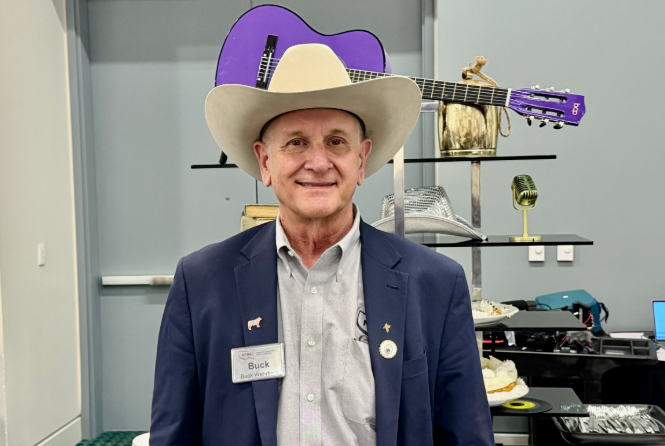
Buck Wehrbein reflected on a remarkable year serving as president of the National Cattlemen's Beef Association with senior farm and ranch broadcaster Ron Hays at CattleCon26. Wehrbein noted how rare it is to see historically high cattle prices alongside strong consumer demand. He emphasized the industry's efficiency, pointing out that despite cattle numbers being at a 43-year low, production has only declined slightly. "To think the size we can make these cattle... we got a 43-year low on numbers, but we're only down two and a half percent on production. That's just amazing," Wehrbein said, calling the current state of the industry deeply gratifying after decades in the business.
Wehrbein also highlighted the importance of recent dietary guidelines, contrasting today's environment with the demand struggles of the 1980s and 1990s. He noted that earlier efforts to promote beans, peas, and lentils as preferred protein sources ultimately failed after scrutiny and input from the cattle industry. "That got enough grief over that, plus some good, good evidence from the cattle industry and others, that that got flipped," he said, crediting a fair review of the science for the outcome.
Discussing the role of USDA leadership, Wehrbein stressed that the industry wasn't handed a win but was given an opportunity to be heard. "Secretary Kennedy gave us a fair hearing," he said. "He took the information and research, all the nutrition information that the checkoff has gathered up for decades, and actually gave it a fair hearing." Wehrbein said that process reinforced the credibility of beef's nutritional value and validated years of research and outreach.
As he traveled the country visiting producers, Wehrbein observed widespread optimism, fueled by strong prices and steady demand. "If you have good prices and rain and grass, you got people really happy," he said, acknowledging regional challenges but underscoring the big picture. Consumer demand, he added, has been "rock solid," and carcass quality trends reflect that strength. "I'm giddy about that," Wehrbein said, referencing projections that prime carcasses could soon outnumber select.
Looking back on his term, Wehrbein said the speed of the year and the dedication of industry volunteers left the biggest impression. "I'm struck by the velocity of the passage of time and the amount of good, solid people out there that are willing to volunteer and help," he said. As he steps away from the presidency, Wehrbein said he hopes producers recognize the value NCBA delivers through its work in Washington and as a beef checkoff contractor, reinforcing both demand and confidence in the product they produce.
Coverage of CattleCon 2026 is powered by Farm Data Services of Stillwater, Oklahoma.
NATSO, representing truck stops and travel plazas, SIGMA: America's Leading Fuel Marketers, and the National Association of Convenience Stores (NACS) expressed serious concern with the "Section 45Z" Clean Fuel Production Credit.
The U.S. Treasury Department was tasked with writing guidelines that would create a viable regulatory framework for '45Z' and bolster the flailing U.S. biofuels market. But years of regulatory reviews, public comments, copious stakeholder input, and Congressional reevaluation, can't alter the fact that '45Z' is a giant step backward for American biofuel policy. NACS, NATSO, and SIGMA, which represent 90 percent of retail fuel sales, urge Congress and the Administration to support simpler biofuel policies that would quickly reinvigorate biodiesel consumption and higher ethanol blends while enhancing the economy and energy market security.
"As Americans are navigating affordability challenges, now would be a great time to reinstate a tax policy that actually lowers the price consumers pay at the pump. Although the Treasury Department has done its best to make lemonade out of lemons, '45Z' simply will not lower fuel prices," said David Fialkov, Executive Vice President of Government Affairs for NATSO and SIGMA. "To add insult to injury, today's proposed rule will not even improve demand for biofuels, nor will it generate meaningful support for American farmers by increasing demand for corn or soybeans.
"45Z doesn't help farmers and it doesn't help consumers," Fialkov continued. "It is past time for lawmakers and regulators to acknowledge that '45Z' is too complicated and flawed and it should be replaced with simpler tax incentives that lower fuel prices and support American farmers. How much longer should farmers be expected to wait before '45Z' begins delivering benefits for them? We simply can't afford to continue walking down this path when better, simpler solutions exist."
"The transition away from the Biodiesel Tax Credit to the '45Z' production credit instituted a catastrophic decline in biofuels consumption that hurts the economy," said NACS Deputy General Counsel Matt Durand. "The Trump Administration inherited this unworkable mess. Congress can fix it by bringing back the Biodiesel Tax Credit, which has a proven track record of delivering lower prices to consumers while benefitting farmers and biofuel producers."
NATSO, SIGMA and NACS urge the Administration to pursue more meaningful and measurable biofuel policies — such as reinstating the Biodiesel Tax Credit — that can quickly revive biodiesel consumption and mitigate the damage caused by '45Z' while enhancing the economy and energy market security.
In 2025, biodiesel consumption plummeted to 960 million gallons through the end of October from more than 2 billion gallons in 2024. Newly released Environmental Protection Agency data underscores the continued downward spiral of domestic biofuel consumption. Tradable credits known as Renewable Identification Numbers used to demonstrate compliance with the Renewable Fuel Standard dropped 22 percent for biodiesel in 2025 compared with the prior year. Ethanol RINs also declined, further highlighting that '45Z' is not providing support for farmers.
Today's proposal from Treasury underscores the need to reinstate the Biodiesel Tax Credit, which is more robust and transparent within the fuel value chain, allowing fuel retailers to pass meaningful savings along to consumers.
NATSO, SIGMA and NACS look forward to working with the Administration and Congress on biofuel policies aimed at advancing the U.S. fuel supply and U.S. energy markets for the benefit of American consumers.

In this episode, Dr. Krishona Martinson shares her personal story of changing her mind about how big a deal slobbers really is. An unseen mold in legumes can cause big headaches, and owners need to be aware of risks, and how to manage properly to reduce the chance that your horse can be severely affected.
The National Milk Producers Federation and U.S. Dairy Export Council today commended USDA's Food for Peace funding allocations for fiscal year 2025 that include support for Ready-to-Use Supplementary Foods that incorporate milk powders. The announcements follow a USDEC and NMPF request for continued support for the program used to treat malnutrition globally.
Statement from Gregg Doud, President and CEO of NMPF:
"NMPF appreciates USDA's announcement today of fiscal year 2025 funding allocations for Ready-to-Use Supplementary Foods under the Food for Peace program. This common-sense program supports the U.S. dairy producers who supply milk powders used in RUSF while treating those most in need."
Statement from Krysta Harden, President and CEO of USDEC:
"U.S. dairy farmers and processors feed the world, and USDA's announcement today of continued funding for Ready-to-Use Supplementary Foods is a critical component of that effort. Our farmers and manufacturers supply the milk powder used in these vital, lifesaving products that are used to treat chronic malnutrition worldwide. Thank you to USDA for continuing to support this essential program."
Gov. Kevin Stitt kicked off the second general session of the 60th Oklahoma Legislature with his final State of the State address Monday, Feb. 2, at the state Capitol in Oklahoma City.
In his eighth address to the legislature and the people of Oklahoma, Stitt recounted his administration's efforts throughout his two terms as governor and his vision for his final year in office, including a three-fold approach to reduce governmental regulations, protect the vulnerable and secure Oklahoma's future.
Stitt's call for reducing regulations was a welcome announcement for Oklahoma's farming and ranching community, as keeping governmental regulations and overreach at bay allows farmers and ranchers to do what they do best: providing a safe and abundant food supply for their fellow Oklahomans and fellow Americans.
Stitt also called for a freeze in property tax growth across the board in the state, garnering applause from throughout the chamber. The move would be advantageous for farmers and ranchers who cultivate and care for acres upon acres of farmland and pastureland to meet the needs of our growing population, and who have simultaneously been faced with severely rising input costs in recent years.
The governor also addressed Oklahoma's medical marijuana industry, calling it one of the greatest threats to public safety in the state. He pushed for the elimination of marijuana in Oklahoma entirely, citing the sheer volume of illicit, fly-by-night activity hidden behind the façade of medical marijuana grow operations and dispensaries.
Stitt called for reunification in a state divided by the 2018 McGirt Supreme Court decision, which designated nearly half of the state's land area as a tribal reservation. The ruling has raised numerous judicial and jurisdictional challenges for both law enforcement and non-tribal citizens in eastern Oklahoma since the court's decision nearly a decade ago.
Stitt also spoke of Oklahoma's growing business economy and commended entrepreneurs and Oklahoma's business owners for having a vision and taking the risks required to run a successful business. Oklahoma Farm Bureau members understand the importance of a thriving business ecosystem, especially in the most rural areas of the state.
Throughout his speech, Stitt assured listeners that the state of Oklahoma is the strongest it has ever been, citing a continued low unemployment rate, a hefty budgetary savings account and a welcome environment for people and businesses looking to call Oklahoma home.
As Stitt begins his final year as governor of Oklahoma, he encouraged listeners to continue the forward momentum and ensure the state of Oklahoma remains a vibrant place for years to come.
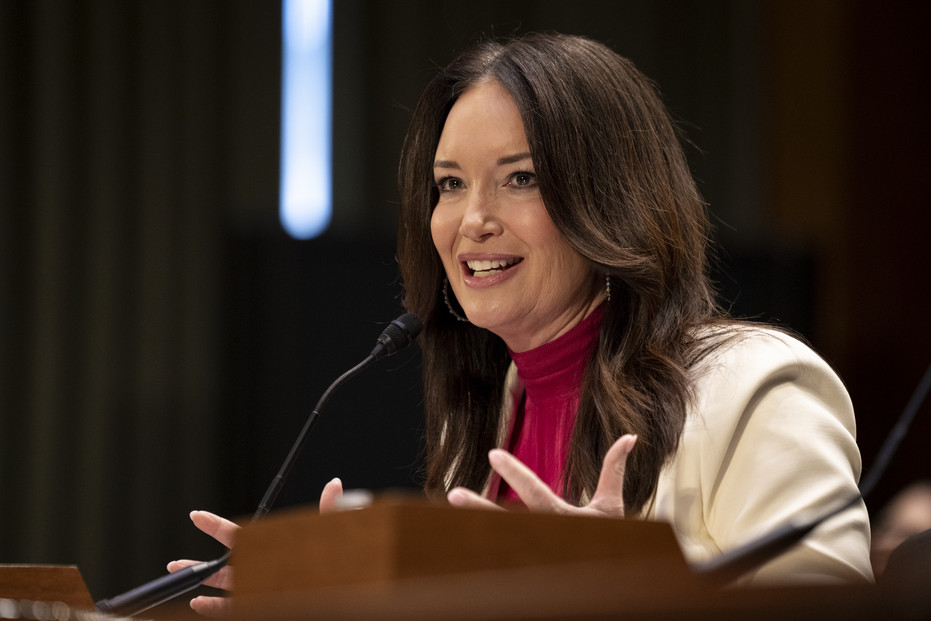
On January 31st, the U.S. Department of Agriculture and the U.S. Department of State welcomed a new commitment between the United States and Mexico that strengthens implementation of the 1944 Water Treaty, providing greater certainty for farmers, ranchers, and producers in South Texas who rely on consistent water deliveries from the Rio Grande.
This announcement follows a call last week between President Trump and President Sheinbaum, during which both leaders reaffirmed their commitment to resolving longstanding water management challenges and supporting communities and producers on both sides of the border.
"Water is the lifeblood of the farmers and ranchers who power South Texas's agricultural economy," said U.S. Secretary of Agriculture Brooke L. Rollins. "This understanding between our countries is a direct result of President Trump's determination to secure fair, practical deals that deliver for American agriculture, and we're grateful to President Sheinbaum and the Government of Mexico for their partnership in this effort."
"Under President Trump's leadership and direction," said U.S. Secretary of State Marco Rubio, "the Department of State, Department of Agriculture, and the U.S. International Boundary and Water Commission have worked to secure Mexico's commitment to meet its obligations under the 1944 Water Treaty, while also providing a plan to eliminate the deficit from the prior cycle, strengthening water security for Texas communities and U.S. agriculture. This is another example of how the Trump Administration continues to produce benefits for the American people on issues ranging from illegal immigration, countering cartels, and modernizing trade, as well as securing water for our farmers."
Under the negotiated outcome, Mexico committed to deliver a minimum of 350,000 acre‑feet of water per year to the United States during the current five‑year cycle, providing stability for agricultural producers and rural communities in the Lower Rio Grande Valley. Mexico has also committed to a detailed plan to fully repay all outstanding water debt accrued during the previous cycle.
Additionally, both parties will hold monthly meetings to ensure timely, consistent deliveries and prevent future deficits. USDA, the Department of State, and other federal partners will continue to work closely as implementation moves forward.
Growth Energy, the nation's largest biofuel trade association, today welcomed proposed rulemaking from the U.S. Treasury and U.S. Internal Revenue Service (IRS) on the Section 45Z clean fuel production tax credit. The credit was enhanced and extended by the One Big Beautiful Bill (OBBB) last summer, and Treasury's proposed rule outlines eligibility requirements for farmers and biofuel producers seeking to expand production of American biofuels.
"American energy dominance runs through America's heartland," said Emily Skor, CEO of Growth Energy. "A strong, well-implemented 45Z credit can unleash lower-cost fuels, rebuild farm income, and open long-term market opportunities for American manufacturing. We applaud the Department of Treasury and the Trump administration for working to advance this rulemaking to chart a clear path for billions of dollars in new investments in U.S. energy leadership.
"The proposed rule provides much-needed clarity around key issues, including how credits will be calculated and who is eligible. We are encouraged that Treasury's latest draft reflects Growth Energy's comments regarding the need to offer greater freedom and flexibility to producers around 'qualified sale', production of undenatured ethanol for export, and implementation of provisions from the One, Big, Beautiful Bill (OBBB).
"However, some key questions still remain unresolved. Before the rule is finalized, we urge regulators to swiftly release an updated 45Z-CF GREET model that appropriately reflects the removal of indirect land use change and includes the use of farm practices to count toward carbon reduction goals.
"President Trump knows that American farmers and biofuel producers are ready to put more American-made fuel into the marketplace, hold down energy costs, and secure American energy leadership. Treasury's proposal is an important step to help to make that vision a reality."

As part of the Trump Administration's efforts to expand American agricultural exports, Luke J. Lindberg, Under Secretary for Trade and Foreign Agricultural Affairs at the U.S. Department of Agriculture, announced that USDA is expanding financing options under the Export Credit Guarantee Program, known as GSM-102.
Under the new policy, USDA's Foreign Agricultural Service will offer an 18-month repayment option that allows buyers pay the full loan amount at the end of the term instead of in installments. This new option will initially be available in Africa, the Middle East, and Asia – all regions with strong potential for American export growth – is expected to make U.S. financing more competitive and increase the use of GSM-102.
"This new policy brings GSM-102 in line with current industry practices and gives American exporters new opportunities for financing in Africa, the Middle East, and Asia," said Under Secretary Lindberg. "It's another way the Trump Administration is working to support American farmers and producers and bring America's bounty to the world."
GSM-102 provides credit guarantees to U.S. banks and, in some cases, to U.S. exporters to help finance foreign purchases of American food and agricultural products by approved foreign banks. While GSM-102 already allows repayment terms of up to 18 months, this is the first time that borrowers will be able to repay the full amount in a single payment at the end of the 18-month term.
USDA expects this change to increase use of the program in Africa, the Middle East, and Asia, and to help expand American agricultural exports without increasing the program's current financial risk.
Under Secretary Lindberg made the announcement during an agribusiness trade mission to Indonesia as part of the Trump Administration's broader efforts to open to open new markets and reduce trade barriers.
These updates to GSM-102, along with expanded market access from a stronger trade partnership, will help give Indonesian consumers better access to high-quality American food and agricultural products.
The new repayment terms take effect on February 3, 2026. More information about GSM-102 is at www.fas.usda.gov.
National Association of Wheat Growers (NAWG) CEO Sam Kieffer issued the following statement in response to USDA's announcement that it intends to purchase 211,000 metric tons of U.S.-grown commodities with the Food for Peace program, including 31,000 metric tons of wheat.
"NAWG applauds USDA's intent to purchase U.S. commodities for international food aid. U.S.-grown wheat is a cornerstone of global food security and humanitarian response, while driving demand for American grown crops supporting rural economies, farm families, and America's leadership abroad. This announcement underscores why NAWG supports USDA implementing the Food for Peace program, and we urge Congress to codify this move to provide long-term certainty and durability. We look forward to continuing our work with the Trump Administration and Congress to ensure emergency in-kind food aid reaches those facing hunger overseas, while also supporting American farmers and rural development."

Today, the American Soybean Association (ASA) and National Oilseed Processors Association (NOPA) applauded the U.S. Department of the Treasury for releasing updated proposed guidance which implements critical improvements to the 45Z Clean Fuel Production Credit, including changes that support domestic feedstocks like U.S. soybeans, following congressional amendments enacted as part of the One Big Beautiful Bill Act (OBBBA).
This action from Treasury marks important progress in achieving the Trump Administration's goal of unleashing American energy dominance through U.S.-grown biofuels. However, this guidance must be paired with swift finalization of the administration's Renewable Fuel Standard proposal which will further promote pro-farmer and pro-American biofuel production. Together, the revised 45Z tax credit and robust RFS renewable volume obligations will ensure that federal biofuel policies support the farm economy and rural manufacturing.
"Updating federal biofuel policies to prioritize soy-based fuels is a key ASA priority, and we applaud Treasury for this action which will help build domestic markets for U.S. soybeans," said Scott Metzger, ASA President and Ohio farmer. "While Treasury's work to update tax guidance is critical, ASA strongly urges the administration to immediately finalize RFS blending targets that complement the work of Treasury and Congress, by setting robust biofuel volumes and implementing new policies that will prioritize the utilization of U.S. soybeans in production."
"These policies work hand in hand," said Devin Mogler, NOPA President and CEO. "Treasury's updated 45Z guidance is an important step forward, but it must be reinforced by finalizing the RFS as proposed. A strong RFS that includes the import RIN reduction mechanism is critical to putting American farmers and rural manufacturing first and providing the certainty our industry needs to continue to invest and grow so we can crush more soybeans right here in the U.S."
Congressional changes in the OBBBA directed Treasury to update 45Z guidance to ensure the tax credit would support the entire domestic biofuel value chain by limiting eligibility to fuels produced using North American feedstocks. Over the past several years, a surge in used cooking oil and tallow imports from overseas has resulted in domestic biofuel markets that no longer prioritize homegrown agricultural feedstocks like soybean and canola oil. Disqualifying those imported waste feedstocks from 45Z eligibility will support U.S. soybean farmers, the U.S. oilseed processing industry, and rural communities that stand to benefit from a strong, domestic biofuel value chain.
Additionally, the guidance removes the indirect land use change penalty on agricultural feedstocks—a longstanding barrier for agriculture that is based on theoretical modeling rather than real-world data and fails to reflect the ever-increasing efficiency and sustainability of U.S. farming. Removing the ILUC penalty will effectively double the value of the 45Z tax credit for soy-based biofuels and provide eligibility for other feedstocks like canola.
ASA and NOPA look forward to continued engagement with the administration as it works to finalize the RFS and implement biofuel policies that strengthen domestic production, expand rural manufacturing, and reinforce American energy leadership.
Today, the United States Department of Agriculture (USDA) announced a new agreement with the United Nations World Food Programme (WFP) to deliver up to $452 million in assistance under the Food for Peace (FFP) program. An interagency agreement signed in December between USDA and the U.S. Agency for International Development (USAID) authorized USDA to carry out emergency food assistance under the program.
"ASA has long supported efforts to move the Food for Peace program to USDA's jurisdiction," ASA President and Ohio soybean farmer Scott Metzger stated. "We applaud today's announcement between USDA and WFP. U.S. soybean farmers play an important role in helping to feed the world alongside other American-grown commodities, and we are glad that our crops will help feed the most vulnerable populations around the world."
ASA looks forward to continuing to support USDA efforts to combat global hunger by ensuring high-quality, high-protein U.S. soybeans and products made with them remain a key component of international food assistance programs.

Today, Under Secretary for Trade and Foreign Agricultural Affairs Luke Lindberg announced USDA intends to enter into an agreement with the UN World Food Programme (WFP) to deliver up to $452 million in fiscal year (FY) 2025 Food for Peace assistance. The funding will help U.S. producers move American-grown food to people in need around the world, sending nearly 211,000 tons of U.S. agricultural goods to people in need in the Democratic Republic of the Congo, El Salvador, Ethiopia, Guatemala, Haiti, Kenya, and Rwanda.
This action advances President Trump's commitment to ensuring that international assistance delivers a measurable return on investment for the American people and that the benefits of U.S. food aid flow back to America's hardworking farmers, ranchers, and producers who make this assistance possible. USDA's America First approach requires WFP and all partners of USDA-administered international assistance programs to adopt the following reforms:
"America's farmers and ranchers are the best in the world – and have a great bounty of high-quality products to share with the world. I am thrilled USDA can make that happen through America First international food assistance programs," said Under Secretary Lindberg. "Under USDA, the Food for Peace program will benefit American farmers and producers and help people in need around the world in a way that respects hardworking American taxpayers."
Previously administered by the U.S. Agency for International Development (USAID), Food for Peace is now being implemented by USDA under an inter-agency agreement with USAID.
In FY 2025, USDA moved nearly half a million tons of American-grown food to people in need worldwide under the Congressionally mandated Food for Progress and McGovern-Dole. Implementing Food for Peace along with Food for Progress and McGovern-Dole under USDA improves efficiency and unlocks millions in cost-savings opportunities.
"This announcement marks an important next step as the United States recalibrates its partnership with the United Nations as directed by President Trump. This enables the U.S. to continue to feed the world more efficiently while at the same time leveraging the bountiful harvest of our wonderful farmers," said U.S. Permanent Representative to the UN Agencies in Rome Ambassador Lynda Blanchard.
USDA is moving quickly to return Food for Peace to its core function of delivering lifesaving food assistance.
USDA anticipates issuing this initial Food for Peace award to WFP, which will lead to purchases of bulk and formulated U.S. agricultural commodities by March. Such commodities include ready to use supplemental food (RUSF), wheat, Corn-Soy Blend Plus, beans, peas, lentils, rice, sorghum and vegetable oil. Additional Food for Peace awards will be posted publicly as funds become available.
Today, U.S. Environmental Protection Agency (EPA) Administrator Lee Zeldin took another step to further the Trump EPA's work to address widespread concerns from farmers, truckers, motor coach operators, and other diesel equipment operators regarding Diesel Exhaust Fluid (DEF) system failures. As a follow up to new guidance in August 2025 reversing deratements that were harming farmers and truckers, EPA is pursuing rulemaking opportunities to provide further relief for Americans. To strengthen the agency's ongoing efforts, EPA is demanding information from major diesel engine manufacturers on critical data from DEF system failures. The data collected will allow EPA to independently evaluate ongoing system failures and help inform next steps the agency takes in 2026 pertaining to DEF.
"As I traveled to all 50 states during my first year as EPA Administrator, I heard from truck drivers, farmers, and many others rightly complaining about DEF and pleading for a fix. EPA understands this is a massive issue, which is why we have already established commonsense guidance for manufacturers to update DEF systems," said EPA Administrator Zeldin. "Today, we are furthering that work and demanding detailed data to hold manufacturers accountable for the continued system failures. The Trump EPA is committed to ending unnecessary frustrations and days lost on the road and in the field for American farmers and truckers."
The issue facing farmers, truck drivers, and equipment operators remains clear to the agency. Sudden speed losses and shutdowns caused by DEF system failures compromise safety and productivity. The Trump EPA's guidance, which significantly reversed deratements, called on manufacturers to revise DEF system software in existing fleets to prevent these sudden shutdowns and give operators more time to repair faults. EPA recognizes that to improve systems, the product designs and materials for these systems must also be the highest quality possible. With today's action, EPA is taking another step to address any potential insufficiencies with system parts to better advance future rulemaking and reduce system failures.
Under Section 208(a) of the Clean Air Act, EPA is authorized to require manufacturers to provide information needed to assess whether emission control systems are functioning properly and whether manufacturers are meeting their obligations to identify and fix defects. EPA is demanding information from the top 14 on-road and nonroad manufacturers that account for over 80 percent of all products used in DEF systems. Specifically, EPA is requiring data on warranty claims, failure rates, and repair information for Model Years (MY) 2016, 2019 and 2023 emission control products to determine whether ongoing DEF system failures are related to a specific generation of products. Manufacturers will have 30 days to provide the requested information; failure may result in additional inquiries or penalties.
The agency is committed to working with manufacturers to ensure practical, durable solutions that simultaneously support emissions reductions and reliable operations. EPA has been meeting with manufacturers to receive updates on their progress in developing improved software in response to EPA's guidance. The agency has consistently encouraged manufacturers to provide the relief as quickly as possible.
EPA is actively working on its proposal for the reconsideration of the 2022 Heavy-Duty Engine and Vehicle NOx rule. It is being thoroughly assessed whether derates may no longer be necessary for compliance. EPA is committed to keeping the protection of air quality and human health at the forefront of every action the agency takes.
Background
Since 2010, most on-road diesel trucks and many types of nonroad equipment (such as tractors and construction machinery) have used selective catalytic reduction systems that inject DEF into exhaust streams to reduce nitrogen oxide emissions.
Prior to EPA's August guidance, when DEF ran out or there was an unexpected mechanical failure, systems forced a vehicle to drastically reduce speed or become inoperable. In many cases, vehicles were limited to as little as five miles per hour within hours of a DEF-related fault. This caused needless frustration, operational delays, and real economic hardship for operators. Under the Trump EPA's August guidance, major changes were undertaken. Heavy-duty trucks now should only receive a warning light for 650 miles or 10 hours after a fault is detected. Following that time, the engine will only mildly derate, allowing trucks to operate normally and without speed limits for up to 4,200 miles or two work weeks. Only after about four work weeks does speed drop to 25 mph until repairs are made. Nonroad equipment has no impacts for the first 36 hours before a slight torque reduction then takes effect.
In addition to EPA's August 2025 guidance, EPA stated that starting with MY 2027, all new diesel on-road trucks must be engineered to avoid sudden and severe power loss after running out of DEF.
Yesterday, EPA issued guidance to manufacturers, making it abundantly clear that under the Clean Air Act, Americans have the right to repair their farm and other nonroad diesel equipment. This guidance will allow farmers to fix broken DEF systems at home or in the fields, saving them time and money, while the agency continues its work on DEF.

In today's Beef Buzz, senior farm and ranch broadcaster Ron Hays speaks with Ethan Lane, Senior Vice President of Government Affairs for the National Cattlemen's Beef Association, during CattleCon26 in Nashville, where Lane offered members an update on key Washington, D.C. issues facing cattle producers.
Lane addressed growing concerns about misinformation targeting animal agriculture, much of it amplified through social media. He noted that online platforms have allowed fringe voices to gain outsized influence, explaining that "the internet really allowed the crazy people in every community to find each other and really, sort of form bigger groups of crazy people." Lane warned that false narratives, often backed by animal rights organizations, have intensified over the past year and created confusion among policymakers and the public alike.
He emphasized the importance of distinguishing real producer voices from online noise, stressing that NCBA's policy positions are rooted in decades of grassroots work. "There's 10,000 people in this building coming from every state in the country with detailed notes and board action from county cattlemen's associations and state cattlemen's associations," Lane said. He added that this process results in "160 pages of very clear policy on what this industry would like from Washington and, more importantly, what we don't want their help with."
Lane also discussed NCBA's ongoing engagement with the White House and federal agencies, noting that the association maintains active dialogue with policymakers across administrations. He acknowledged that populist administrations often invite a wide range of voices to the table, but said NCBA works to ensure decision-makers understand that when the association speaks, it represents "hundreds of thousands of producers that have put their thoughts and work into these processes."
Turning to legislative and regulatory priorities, Lane highlighted the significance of recent tax reforms included in what he called the "one big, beautiful bill," describing the changes as "game changers" for producers by making key provisions permanent and indexed for inflation. On the regulatory front, he pointed to progress on clarifying the Waters of the United States definition, saying the goal is to ensure it "truly meets the court's expectation... to not be overly burdensome to producers," adding that he hopes this marks the final chapter in the long-running WOTUS debate.
Coverage of CattleCon 2026 is powered by Farm Data Services of Stillwater, Oklahoma.
The Beef Buzz is a regular feature heard on radio stations around the region on the Radio Oklahoma Ag Network and is a regular audio feature found on this website as well. Click on the LISTEN BAR for today's show and check out our archives for older Beef Buzz shows covering the gamut of the beef cattle industry today.
Farmer sentiment weakened sharply in January as the Purdue University-CME Group Ag Economy Barometer (AEB) Index dropped from 136 in December 2025 to 113 in January 2026 (see Figure 1). The Current Conditions Index dropped 19 points while the Future Expectations Index dropped 25 points (see Figure 2). Among the five indices that make up the AEB Index, the largest decline was in the question asking participants whether U.S. agriculture would have good times or bad times in the next five years. The index for this question fell from 122 to 88, marking its lowest point since September 2024. Respondents also expressed greater concerns about agricultural exports compared to last month. The January barometer survey took place from January 12-16, 2026. As a point of reference, the January WASDE report was released on January 12.
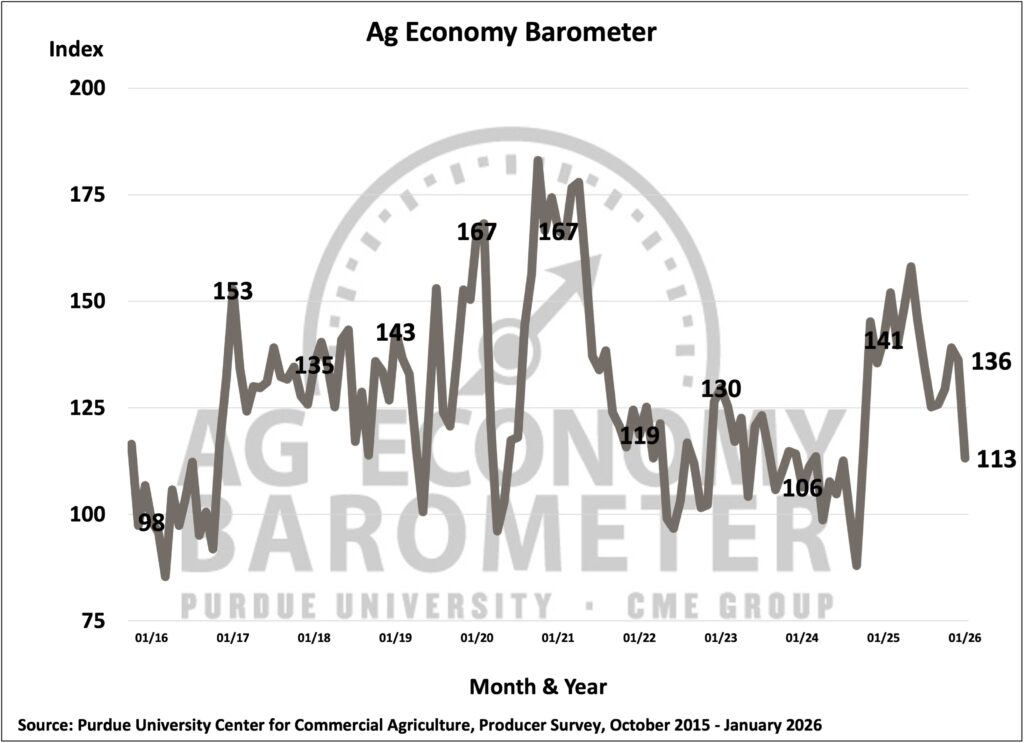
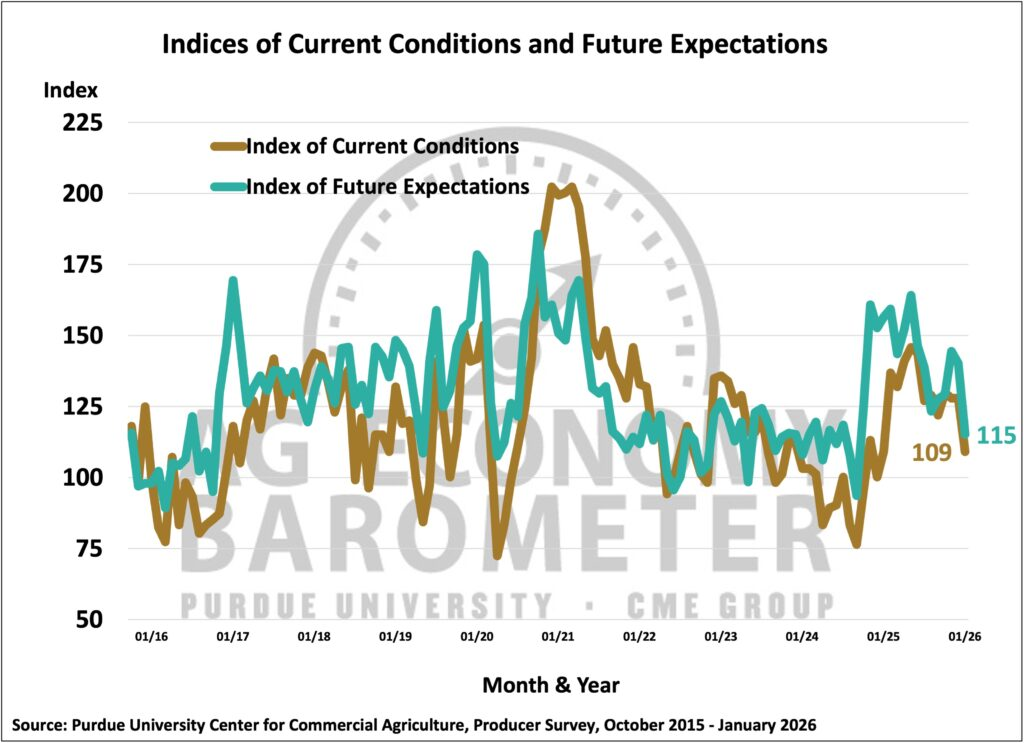
One-half of the producers surveyed reported that their farm operations were worse off than a year ago. Moreover, looking ahead 12 months, 30% expected worse financial performance, compared to 20% who expected better financial performance. At a reading of 47, the Farm Capital Investment Index decreased by 11 points from the previous month, reaching its lowest level since October 2024 (see Figure 3). Only 4% of the survey respondents indicated that they planned to increase farm machinery purchases in the upcoming year.
Since 2020, each January barometer survey has included questions about farmers' operating loans for the upcoming year. The percentage of respondents who said they expect to have a larger operating loan this year compared to a year ago rose to 21%, up from 18% last year. In a follow-up question, producers who expect to have a larger operating loan were asked about the reasons for the increase. This year, 31% of producers who expect their loan size to increase said it was because they were carrying over unpaid operating debt from the prior year, up from 23% in 2025, 17% in 2024, and only 5% in 2023. These results are consistent with respondents' concerns about their financial performance.
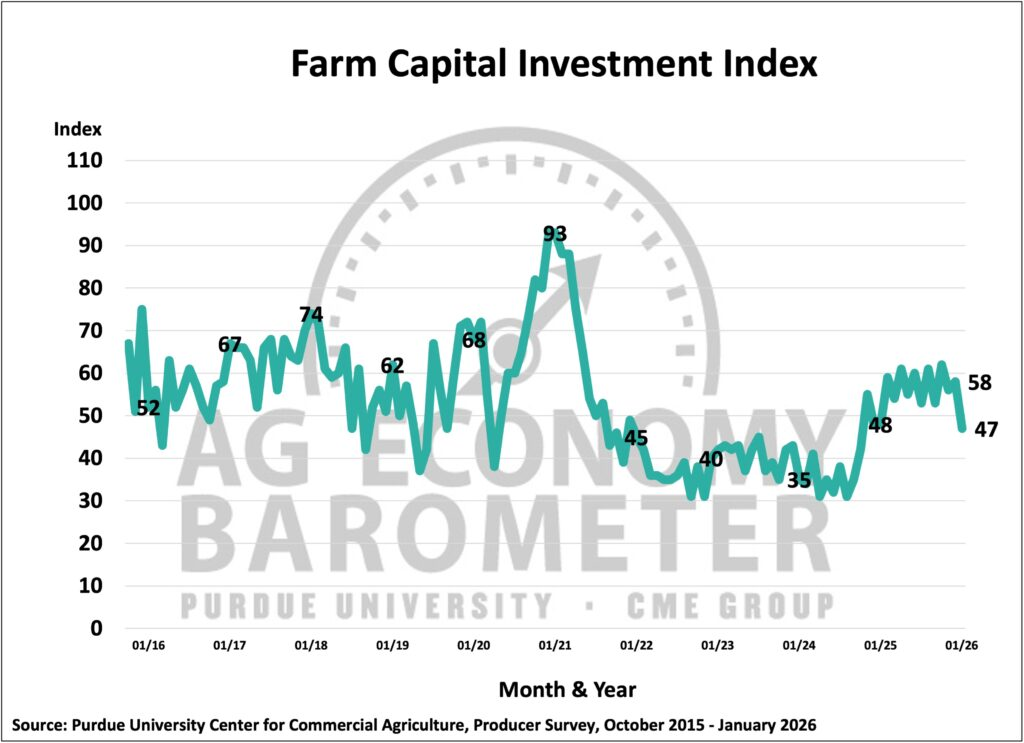
Farmers' perspective on U.S. agricultural exports was more pessimistic in January. Responding to a broad question about the future of agricultural exports, 16% of the respondents looked for exports to decline over the next five years. In contrast, only 5% of the respondents in December expected exports to decline. When asked to focus more specifically on soybeans, a key agricultural export, 21% of corn and soybean producers in January said they expect soybean exports to decline over the upcoming five years, up from 13% of growers who felt that way in December (see Figure 4). Increasing competition from Brazil is weighing on producers' minds. Eighty percent of corn and soybean producers said they were concerned or very concerned about the competitiveness of U.S. soybean exports versus Brazil's, with 44% indicating they were very concerned (see Figure 5).
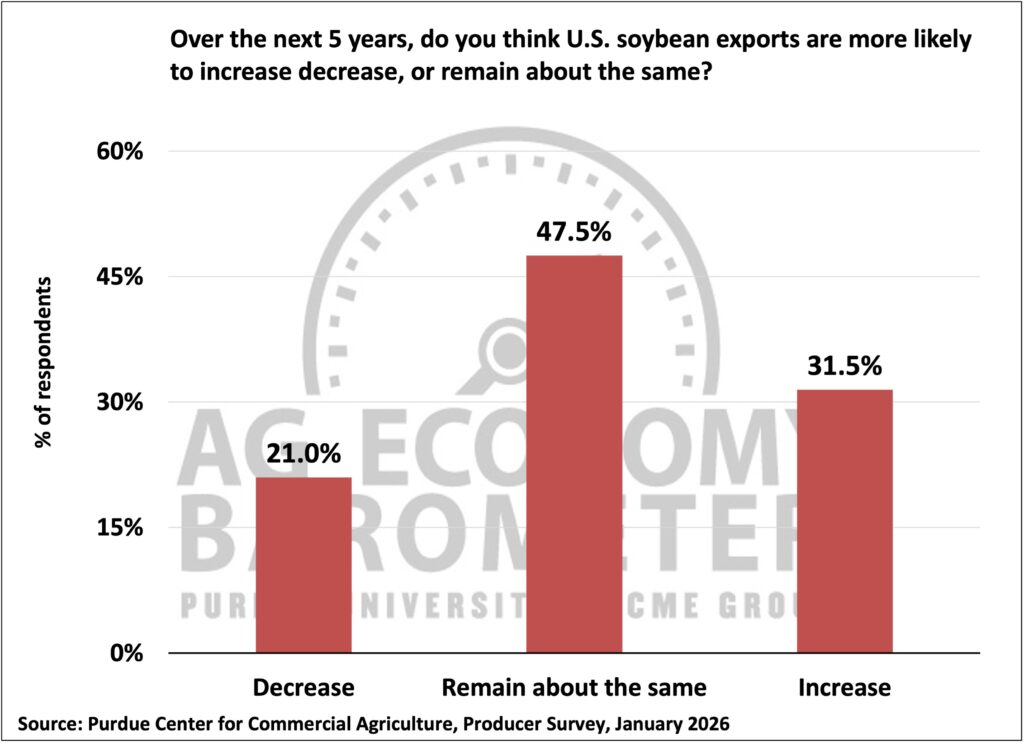
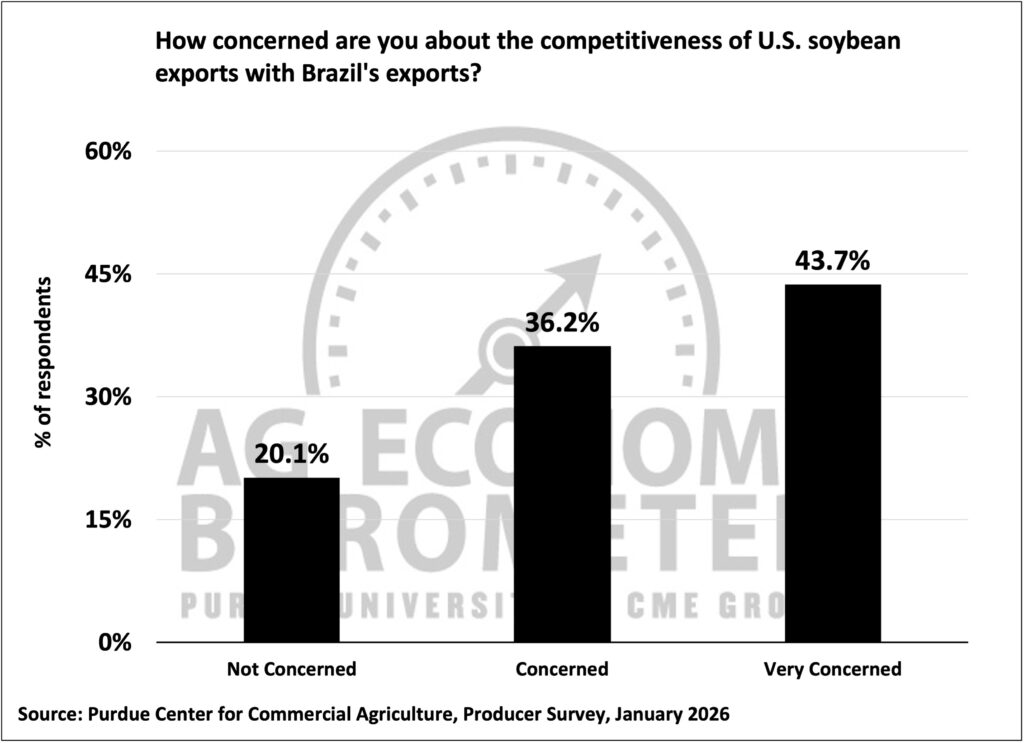
Respondents remained optimistic about short-term farmland values in January, but optimism regarding long-run land values waned. The Short-Term Farmland Value Expectations Index remained unchanged at 117 (see Figure 6). After reaching a new record high of 166 in December, the long-term index declined to 152 in January. Alternative investments, net farm income, and interest rates were cited as the three factors having the most influence on farmland values.
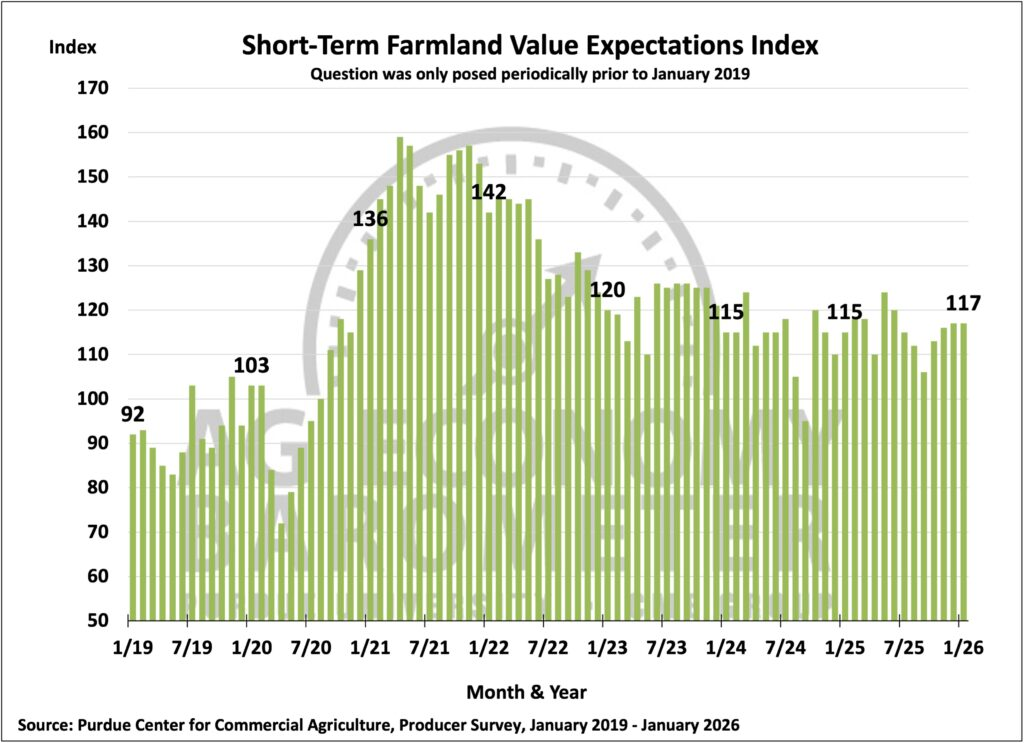
This month's survey included a question related to the Farmer Bridge Assistance Program announced in late December. Corn and soybean producers were asked about the use of these payments. Over 50% of the respondents indicated that these payments would be used to pay down debt. Another 25% of respondents said that they would use these payments to improve working capital. The remainder noted that these payments would be used for family living (10% of respondents) or to invest in farm machinery (12% of respondents) (see Figure 7).
As in the last few months, producers were asked if the U.S. is headed in the "right direction" or on the "wrong track". The percentage of producers who indicated the U.S. is headed in the "right direction" dropped from 75% in December 2025 to 62% in January 2026 (see Figure 8).
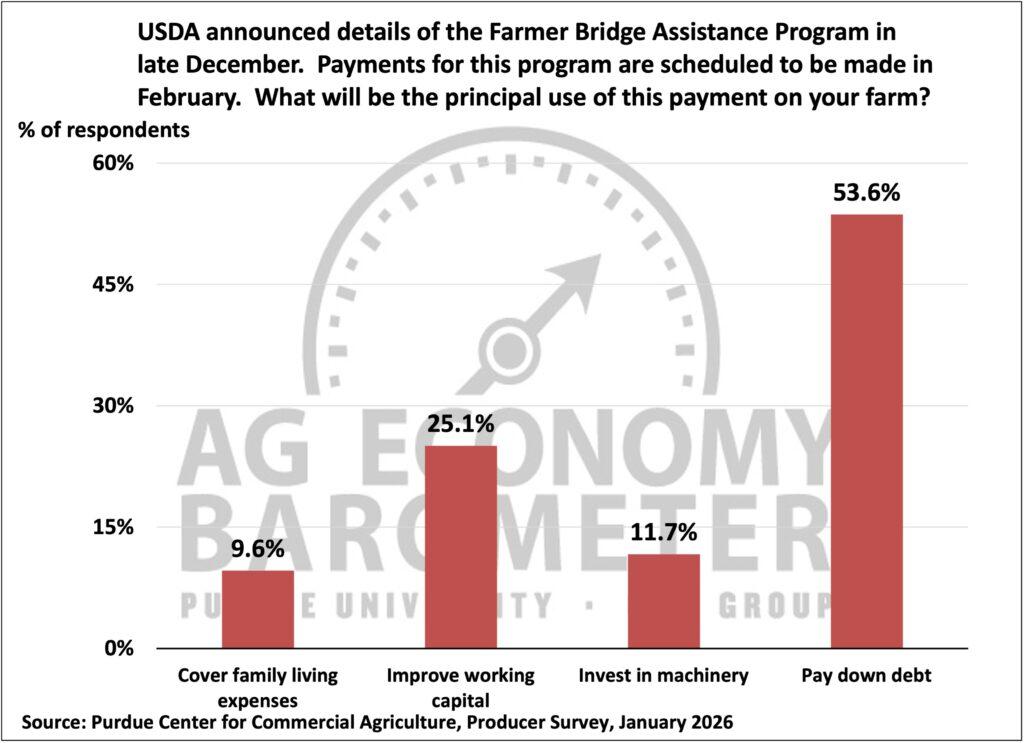
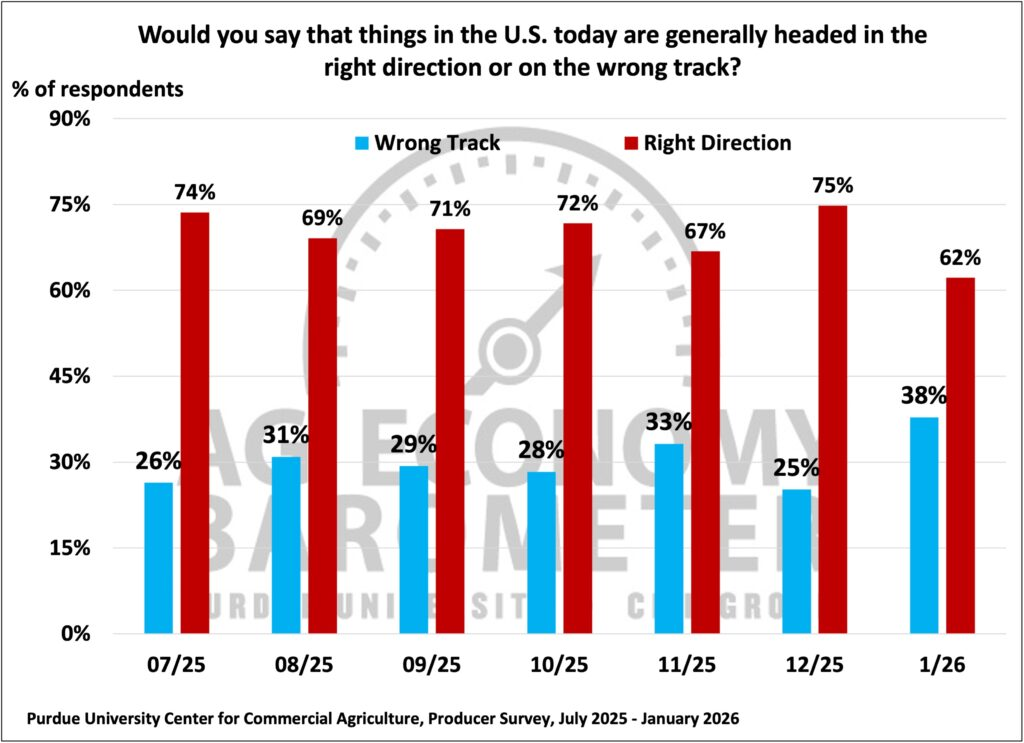
Farmer sentiment declined sharply in January amid growing concerns about the agricultural economy. The percentage of producers who expected there to be bad financial times in the next twelve months increased from 47% in December 2025 to 59% in January 2026, while the percentage of producers who thought U.S. agriculture would have widespread bad times during the next five years increased from 24% to 46%.
Respondents were also more concerned about exports in January, with 16% expecting exports to decrease in the next five years. When asked about operating loans in the upcoming year, 21% indicated that they expected their operating loan to increase. Although an increase in input costs was the primary reason for this increase, 31% indicated that the increase was due to unpaid operating debt from prior years. Finally, despite the announcement of the Farmer Bridge Assistance Program payments in late December, the percentage of producers who thought the U.S. was heading in the right direction dropped from 75% in December 2025 to 62% in January 2026.
Taken together, these results suggest that producer sentiment shifted notably at the turn of the year, with farmers beginning 2026 in a more pessimistic frame of mind.
Wheat and Corn Markets Give Back Gains; Trading Ranges Persist
Volatility in the agricultural markets continued this week as macroeconomic issues and production speculation drove price movements in both wheat and corn. According to Dr. Todd Hubbs of Oklahoma State University, while prices initially rallied, they subsequently retreated, reinforcing current trading ranges. Prices rallied and fell back over the last week as a weaker dollar and geopolitical uncertainty continue to impact commodity markets. Massive swings in metal
markets and volatility in the oil market overshadowed the price movements in the agricultural markets. Nonetheless, the same macroeconomic and geopolitical issues impacting other commodity markets impacted the agricultural sector.
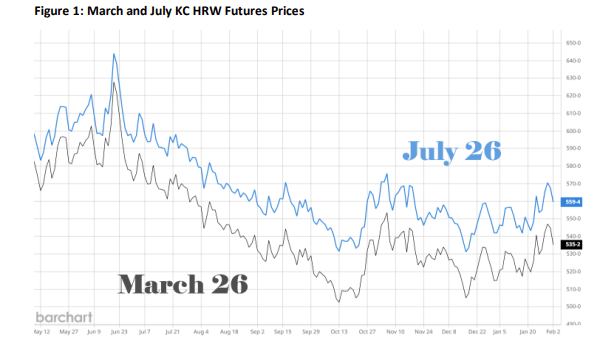
Wheat Market Outlook KC hard red winter wheat futures rallied early in the week, driven by a weakening dollar and speculation regarding crop health in the Southern Plains. However, markets gave those gains back by Friday and Monday.
"The rundown put March futures back near the middle of the $5.00 - $5.55 range that they have been in since late October," Hubbs stated, noting that the March contract closed at $5.35 on Monday. July harvest contract prices closed at $5.59 under similar dynamics.
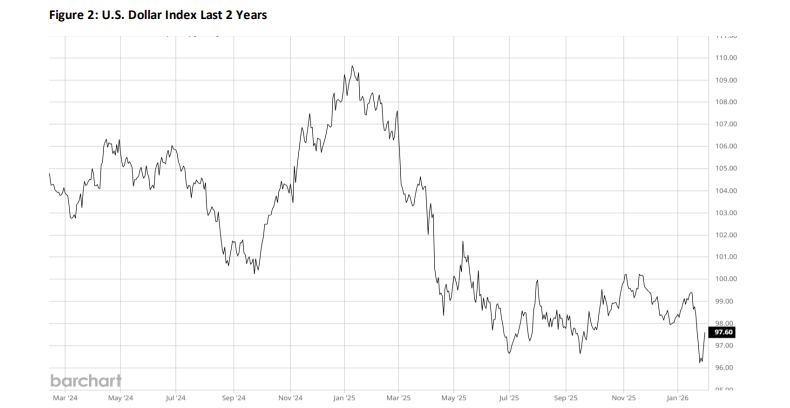
Key factors influencing the wheat market include:
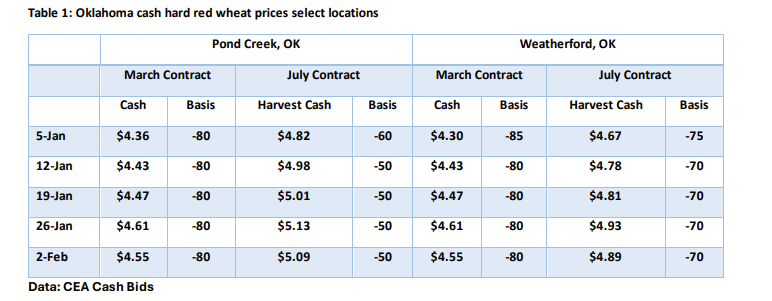
Corn Market Outlook Corn futures followed a similar trajectory, retracing losses incurred after the Jan. 12 USDA reports before giving back gains. March corn futures fell six cents to close at $4.25 on Monday, while December futures closed at $4.54.
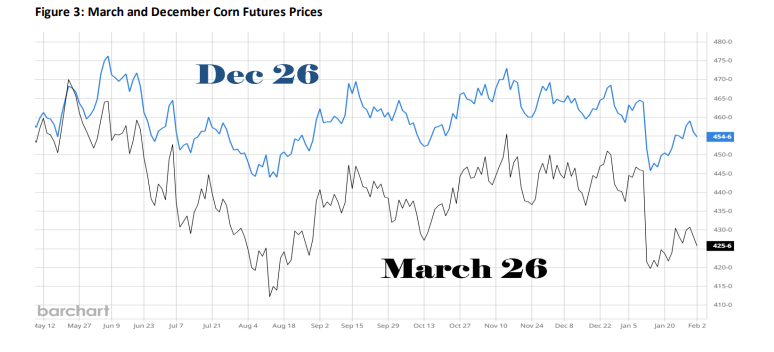
"December prices in the $4.65-$4.75 range seen before the reports remain elusive," Hubbs noted. Cash prices across Oklahoma locations were reported between $3.75 and $3.85.
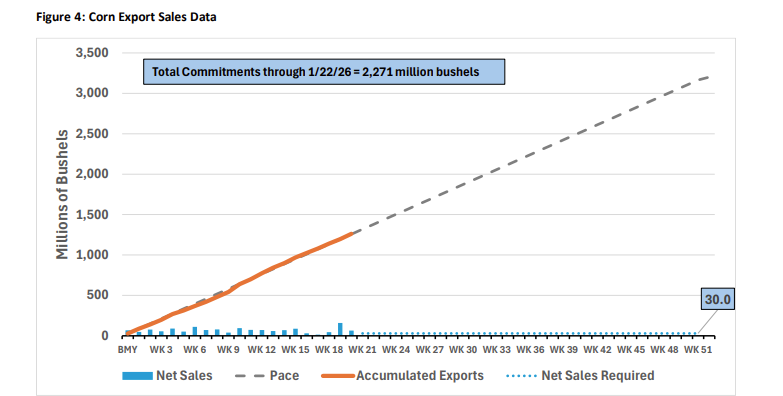
Demand highlights for corn include:
Hubbs indicated that strong ethanol exports are necessary to hit the USDA's marketing year projection of 5.6 billion bushels, with recent trade negotiations with India potentially opening new discussions for that market.
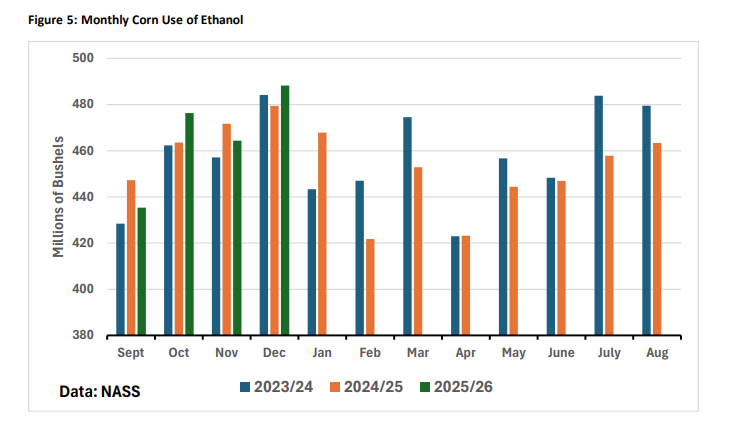
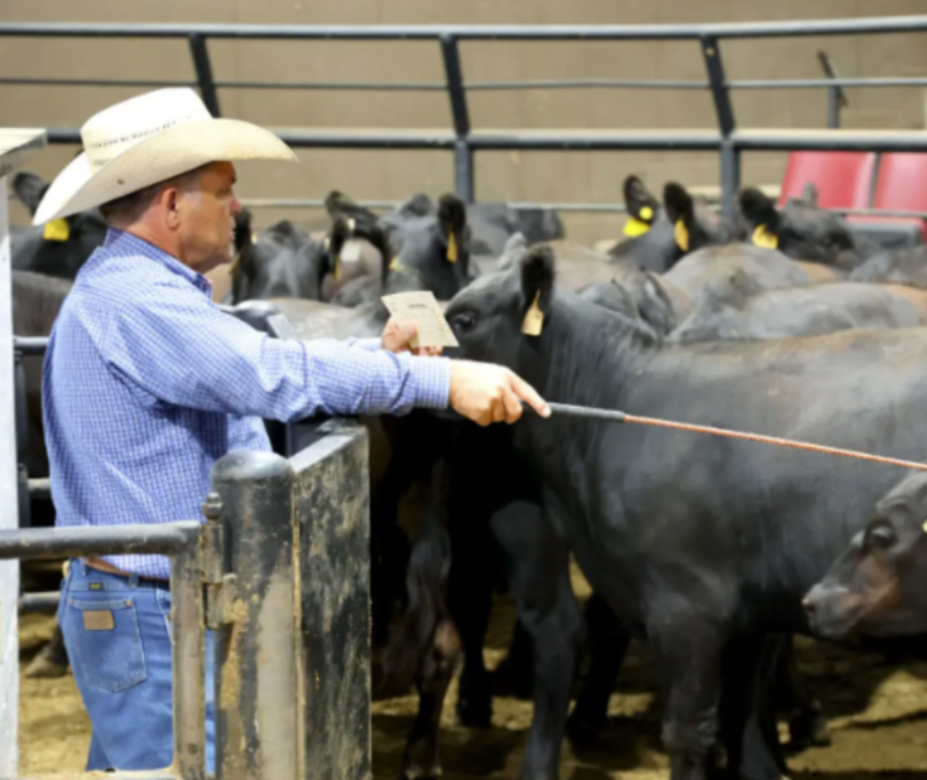
On Tuesdays, Senior Farm and Ranch Broadcaster Ron Hays visits with Ben Hale of Western Livestock Auctions as he talks about the latest in the markets and more. Established in 1995, Western has grown into a multi-generational family-owned and operated business and stands as a symbol of tradition, excellence, and a deep-rooted passion for the cattle industry. Western Livestock Auctions operates the Western Livestock Commission Firm, which sells cattle on Mondays and Tuesdays. They also operate the livestock auction markets in Woodward, Comanche, Waurika, and Knoxville, Iowa.
After a week of snow and bitter cold that disrupted livestock movement across Oklahoma, auction barns are slowly getting back into a rhythm, though runs remain well below normal. Hale said weather was the clear driver behind lighter receipts, noting Oklahoma National Stockyards saw "a little over 2,600 compared to 9,700 a year ago," adding that "the weather...did it," as producers were reluctant to move cattle during the cold snap.
Despite lighter numbers, Hale emphasized that buyer demand stayed strong. "The demand was awful strong," he said, explaining that "feeders [were] 4 to 12 higher, and the grazing cattle pretty well steady, with some spots being higher than they were two weeks ago." While some calf prices appeared steady on paper, Hale joked that didn't mean bargains, saying, "the ones I was trying to buy were awful high," especially for quality, weaned calves that continued to bring strong money.
Hale expects improving weather to support both cattle movement and pasture conditions in the days ahead. With temperatures forecast above normal, he said warming conditions should help snow melt and benefit forage. "That should let all this snow hopefully melt in and give us a little bit of moisture in our pastures and wheat especially," Hale said, adding that muddy conditions in parts of North Texas were still welcomed for the moisture they brought.
Looking ahead to the rest of the week, Hale outlined lighter but improving runs across his barns, with expectations for a rebound soon. He reported "a little over 1,000" head at Waurika, "a little over 300 cows at Woodward," and light numbers in Oklahoma City, with better runs expected later in the week. Hale believes normal movement isn't far off, saying, "the market sure looks like it's going to drive them out, if anybody's got anything to market."
Hale can be contacted at 940-631-2333. Check out more about the marketing options that Western offers by clicking here.
As part of preventative efforts to stop the northward spread of New World screwworm, United States Department of Agriculture has established a new sterile fly dispersal polygon that will extend approximately 50 miles into Texas along the U.S. border with Tamaulipas, Mexico. Operationally, Moore Air Base is scheduled to receive its first shipment of NWS pupae this week to test dispersal systems. Following this test phase, the dispersal facility is expected to be fully operational within the next two to three weeks.
"We welcome progress on the Moore Air Base dispersal facility and the planned additional fly production in Mexico, and we are encouraged by ongoing collaboration with USDA to expand capacity," said Texas & Southwestern Cattle Raisers Association President Carl Ray Polk Jr. "Until those measures are fully established and risk can be minimized, keeping the border closed is the responsible course of action to protect the health of U.S. livestock and wildlife."
At this time, Secretary of Agriculture Brooke Rollins and USDA will keep the U.S.–Mexico border closed to livestock imports. While existing protocols and surveillance systems are demonstrating effectiveness and collaboration with Mexican counterparts, the threat posed by NWS remains significant. A single incursion into Texas or the U.S. could have devastating economic consequences for livestock producers, wildlife populations and landowners.
"We trust Secretary Rollins and USDA to make reopening decisions based on science and preparedness, not pressure, and stand ready to support efforts to safeguard animal health," Polk said. "These measures are necessary until progress is made on pushing the fly further south."

Sunday's big game will be the main focus for millions of America's families, but what they eat during the game will be a close second. The NFL championship represents the second-highest day of food consumption, behind only Thanksgiving.
The event offers a snapshot of the strength and reach of U.S. agriculture, along with the historic challenges facing America's farmers and ranchers. In the latest Market Intel, American Farm Bureau Federation economists analyzed the most popular snacks and the economic pressures on farmers who grow the food fans count on.
"As fans gather around their TVs this Super Bowl Sunday, it's worth remembering that every bite reflects far more than what's on the plate," the Market Intel states. "It reflects a highly coordinated agricultural system and the farmers and ranchers working every day to keep it running, even as economic pressures continue to mount well beyond game day."
The Market Intel presents a picture of the realities of farming, including;
Corn
Potatoes
Poultry
Dairy
"Farmers are proud to grow the food America's families enjoy during their watch parties, and every other day of the year," said AFBF President Zippy Duvall. "We're fortunate to be blessed with such an abundant food supply, but the reality is, farmers are facing an economic crisis like we haven't seen in generations. We're grateful for aid the administration has delivered to farmers this year and do not take that for granted, but more steps are needed to ensure farmers can stay in business until markets improve. There will be only one winner in the game this Sunday, but everyone wins when we protect America's food supply chain."
The Market Intel analyzes other commodities including wheat, tomatoes and avocados. To read the full Market Intel, click here.
To have Market Intels delivered directly to your inbox, click here.
The National FFA Organization is proud to announce a new way for people to support the next generation of leaders for this year's Give FFA Day: ChapterBoost. The ChapterBoost program showcases local FFA chapters and their goals for hands-on learning, leadership development and agricultural education, giving donors the opportunity to make an immediate impact by selecting a project to support directly through crowdfunding an individual chapter.
The 11th Annual Give FFA Day will be celebrated during FFA Week on Thursday, February 26. Give FFA Day is an opportunity to make an impact on more than one million FFA members across the country, with money raised that day going toward programs on local, state and national levels. Donations support meaningful programs and events, ensure students receive their FFA blue jackets, help cover travel for leadership and career experiences, and provide ongoing resources for agricultural educators. The National FFA Organization is a school-based national youth leadership development organization with the mission of helping students develop their leadership skills and explore career paths in agriculture.
"We're setting our most ambitious goal yet to raise $1.75 million on Give FFA Day," said Kimberly Coveney, senior manager of individual giving, National FFA Foundation. "This goal speaks to the momentum behind our mission, which we are thrilled to continue. Every dollar donated helps open doors for our more than one million members by funding programs, leadership development and experiences that prepare them for careers in agriculture and beyond."
Houseplant Hospital, which was created by Commerce Middle School FFA in Georgia, recently reached its fundraising goal through ChapterBoost. The program serves the community by offering people a place to bring their struggling houseplants and nursing them back to life by promoting healthy growth. Money raised from ChapterBoost was used to buy soil, pots and other items for plants in need. You can view pictures from the Houseplant Hospital here.
"Houseplant Hospital has become something our students are genuinely proud of," said April Davis, Commerce Middle School FFA advisor. "We started this program in September when we saw a need to help struggling houseplants in our school's front office. These new donations are helping us continue developing problem-solving skills and plant care knowledge while delivering a service our community truly values."
Any gifts made to ChapterBoost during Give FFA Day will count toward the final Give FFA Day total. The ChapterBoost program is available year-round, so supporters can continue investing in chapters whenever they feel inspired.
In 2025, supporters donated more than $1.6 million on Give FFA Day with gifts of all sizes. National FFA also reached a significant milestone in 2025, with the National FFA Foundation donating its 20,000th jacket through Give the Gift of Blue. The 20,000th jacket was awarded to Tanner Pritchard, who is a member of West Brunswick FFA in North Carolina. You can view pictures of Tanner receiving his jacket here.
This year, John Deere will match the first $50,000 donated on Give FFA Day. To receive a text alert on Give FFA Day to donate directly to the National FFA Organization, visit FFA.org/GiveFFADay. Mobile payments via Apple Pay and Google Pay are accepted.
The National FFA Organization is a school-based national youth leadership development organization of more than 1,042,245 student members as part of 9,407 local FFA chapters in all 50 states, Puerto Rico and the U.S. Virgin Islands.
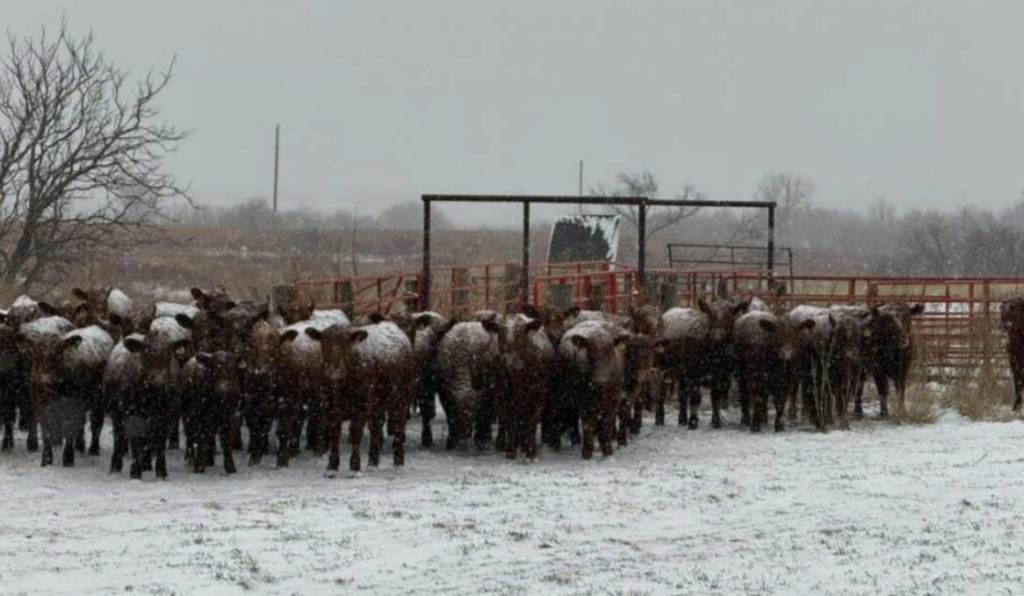
At a time of record high cattle value, management to prevent cattle theft has more value than ever as well. Preventing cattle theft involves consistent herd monitoring, secure fencing and proper identification of cattle. While some large scale thefts occur, it is often small operations (less than 50 head) which are targeted. Thieves, often suffering from drug and alcohol addiction, are motivated by the need to make fast money. In Oklahoma cattle theft is a serious felony with penalties of up to 10 years in prison per head, plus potential court-ordered restitution for up to three times the value of the cattle stolen.
Some key steps of action to prevent theft include:
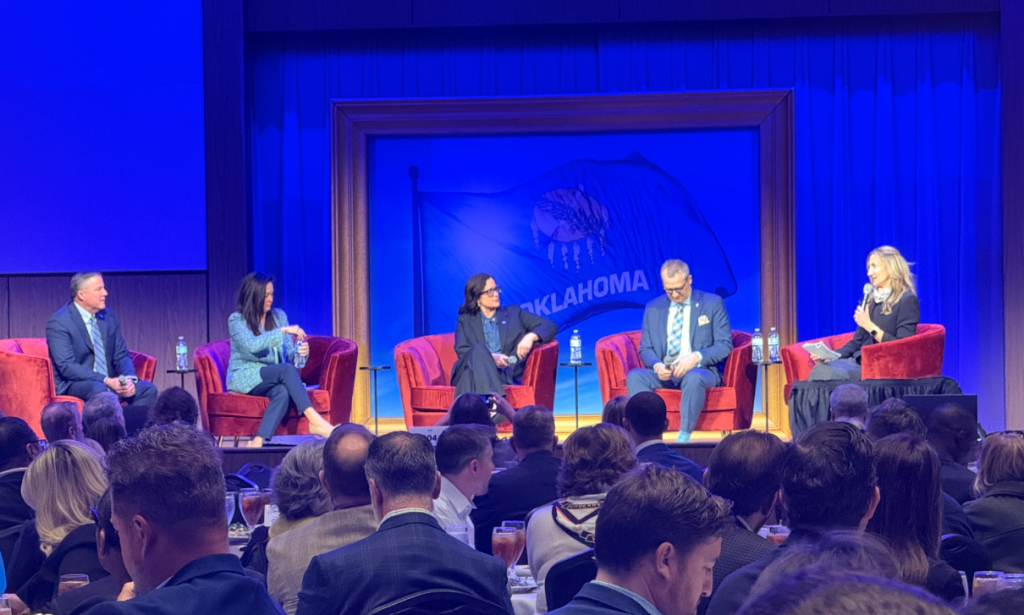
Ahead of the upcoming legislative session, the Greater Oklahoma City Chamber, led by CEO & President Christy Gillenwater, hosted a dynamic round-table discussion featuring Oklahoma's top legislative leaders. The panel included Senate President Pro Tempore Lonnie Paxton, House Majority Leader Mark Lawson, Senate Minority Leader Julia Kirt, and House Democratic Leader Cindy Munson. Despite differing party affiliations, the leaders struck a surprisingly optimistic and cooperative tone, emphasizing shared goals for the state's future.
The session opened with a shared sentiment of optimism. Senate President Pro Tempore Paxton joked about the chaotic seating arrangements but quickly pivoted to the positive momentum from the previous year. He highlighted the fresh leadership dynamic in both chambers, noting that while disagreements occurred, they were often resolved behind closed doors to present unified solutions. "We came up with the solution so the general public never knew we were arguing," Paxton explained, emphasizing a commitment to functional governance.
Minority Leader Julia Kirt echoed this sentiment, expressing hope in the power of civic engagement. "The silver lining, the shining light is the people," she said, noting that Oklahomans are increasingly vocal about their needs. House Democratic Leader Cindy Munson agreed, praising the extensive town halls held by her caucus over the last year, which have grounded their priorities in the "actual struggles and problems" facing constituents. House Majority Leader Lawson rounded out the opening remarks by noting the palpable sense of camaraderie among leadership, stating they are in a "much better place sitting here a week before session than I can ever remember in 10 years".
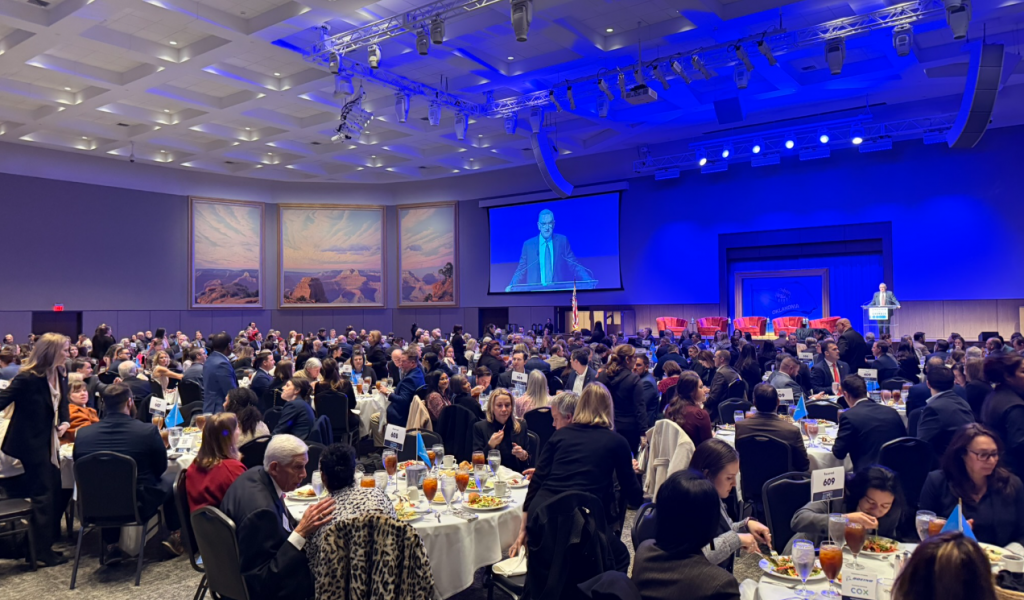
When asked to identify the single most impactful goal for the session, the leaders converged on several key themes:
The discussion also touched on the growing importance of tourism. Leader Lawson pointed out that tourism is now the state's third-largest industry, largely unnoticed by many. He advocated for treating it with the same seriousness as oil and gas or aerospace, suggesting that major upcoming events like the Olympics (softball/canoe slalom) and the Route 66 centennial are massive opportunities. Senator Paxton reinforced this, noting that the Oklahoma City Thunder and the city's unique attractions are drawing national attention and should be leveraged as statewide assets.
Healthcare costs and workforce stability were identified as critical issues. Senator Paxton acknowledged the budget will be "very, very tight" this year due to rising expenses, particularly in healthcare and education. Leader Munson raised the alarm about the uninsured, noting that when people lack coverage, costs rise for everyone. "We have to take care of healthcare," she urged, linking it to workforce stability. The panel agreed that mental health is a crucial component of this puzzle, with Leader Lawson emphasizing that untreated mental health issues often lead to long-term negative outcomes.
A significant portion of the discussion centered on workforce development. Representative Hill (as referenced by Lawson) was praised for his work on the workforce commission and career-tech advancements. However, Senator Paxton delivered a passionate critique of the impact of virtual learning on workforce readiness. He argued that despite legislative successes in workforce development, fundamental skills are lagging because students aren't in the classroom enough. "If you want to see the schools that are not participating in our efforts... look at the ones that are still doing virtual or remote learning days," Paxton argued. He cited statistics showing that Oklahoma students spend significantly fewer days in the classroom than the national average and vowed to push for a return to a 180-day school year to improve literacy and workforce readiness.
The forum concluded with a clear message: while challenges in budget, healthcare, and housing persist, Oklahoma's legislative leadership is entering the session with a unified focus on practical solutions. By prioritizing education, embracing new economic drivers like tourism, and fostering bipartisan cooperation, they aim to move the state forward.
RON's Dave Lanning has a pre-opening look at today's agricultural Markets.
Click the audio tab below for today's report.
The National Cattlemen's Beef Association (NCBA) today announced its 2026 policy priorities following approval by the organization's Executive Committee at CattleCon 2026. NCBA's focus centers on policies that directly impact producer profitability, including reducing regulatory costs, defending free markets, expanding trade opportunities, and maintaining strong beef demand.
"NCBA focused on practical, workable solutions that produced meaningful policy wins in 2025," said NCBA President-Elect Gene Copenhaver, a Virginia cattle producer. "NCBA's efforts resulted in key tax and regulatory improvements, including expanded estate tax exemptions, a new Waters of the U.S. rules, and the rescission of the Bureau of Land Management Public Lands Rule, providing greater certainty and opportunity for cattlemen and cattlewomen."
NCBA leaders noted those achievements provide a strong foundation for the organization's 2026 policy agenda, which focuses on strengthening producer profitability and addressing emerging challenges across the cattle business. The organization will advance regulatory reform, animal health protections, expanded market access, and workforce solutions that ensure the cattle and beef supply chain can continue meeting strong consumer demand.
"Now is the time to continue reforming federal regulations that have hindered conservation efforts for decades, strengthen protections against the northward spread of New World Screwworm, expand foreign market access for U.S. beef, and advance science-based policies that keep beef at the center of the plate." Copenhaver said.
NCBA's 2026 policy priorities:
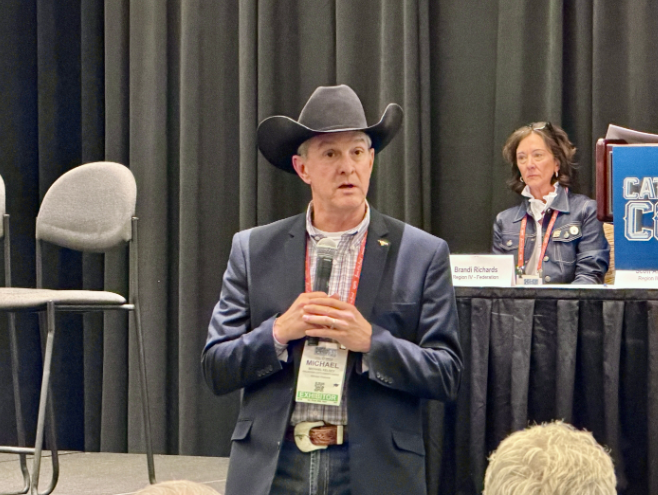
Farm and ranch leaders gathered at CattleCon 2026 as Oklahoma cattlemen joined policy, checkoff, and federation meetings amid winter weather delays. Senior farm and ranch broadcaster Ron Hays caught up with Michael Kelsey, executive vice president of the Oklahoma Cattlemen's Association at CattleCon26, who outlined why this meeting mattered for Oklahoma and why recent developments on the national policy front were especially significant.
Kelsey said a major highlight was support from the National Cattlemen's Beef Association on the long-running Oklahoma poultry lawsuit. He explained that NCBA leadership had taken a close look at the case and its wider implications, noting that the lawsuit "was filed 20 years ago, and it's just kind of been sitting there" until recently. After renewed scrutiny, Kelsey said NCBA identified "some major concerns about potential implication beyond the Illinois River watershed."
That concern led to decisive action. Kelsey said NCBA's executive committee "voted unanimously to fund an amicus brief on behalf of the poultry integrators...against the state in the 10th Circuit." He added that the move "codifies the fact that this is a federal issue," stressing, "This is not just an Illinois River Watershed issue. This has broad implications for animal production beyond the river basin."
Kelsey emphasized that the stakes extend well beyond poultry, particularly for cattle producers following nutrient management plans. "When you've got a livestock producer who's following a nutrient management plan, and then they are being held liable for that, the implications of that are far," he said, warning the case could eventually require all producers to have plans while still exposing them to liability. "It's just really a messy case, and we're just so thrilled that NCBA is filing in and active in this."
He said the goal now is a higher-level review that fully weighs those impacts. "The 10th Circuit is going to have to go, 'Whoa, This is bigger than poultry,'" Kelsey said, adding that other states are paying attention because "the implications of cattle production in our area, could be tough." He also noted growing concern over phosphorus management broadly, saying producers are asking, "Where does this go with manure?"
Looking beyond the lawsuit, Kelsey outlined other priorities Oklahoma leaders are tracking at CattleCon, including screwworm preparedness, dietary guidelines, market structure, and federal policy. He called screwworm discussions "pretty important," said there is reason to celebrate recent dietary guideline changes, and stressed the need to keep science front and center. "The science is what flipped it," he said, adding that Oklahoma producers are focused on building momentum while also watching issues like live cattle trading, tax policy, and Farm Bill provisions.
The National Association of State Departments of Agriculture Foundation is excited to host the 2026 NASDA Next Generation (Next Gen) program at the 2026 NASDA Winter Policy Conference in Washington, D.C., Feb. 1-4., 2026. This program brings together college and high school student leaders from across the country for an immersive agricultural policy and professional development experience.
"It is essential that we intentionally invest in future leaders as the industry grows to respond to economic, environmental and technological changes and demands innovation for continually supplying the U.S. and the world with the highest quality products," NASDA Foundation Senior Director Chris Jones said. "The Next Generation Program provides students with a front-row seat to policy conversations while helping them build confidence, professional networks and a clearer understanding of how they can contribute to the future of the agriculture and food industry."
Designed to cultivate the next generation of agricultural leaders, the NASDA Next Gen Program connects annual cohort members with senior government officials, policymakers and industry partners. Students also gain first-hand exposure to how agricultural policy is developed and advanced at the state and federal levels through direct engagement in conference sessions, networking opportunities and structured discussions with NASDA members.
The 2026 NASDA Next Generation Winter Policy Conference participants include:
Launched in 2015, NASDA's Next Generation Program has provided more than 200 students nationwide with meaningful opportunities to gain experience from and interact with leaders representing all regions of U.S. agriculture. The program continues to serve as a bridge between academic learning and real-world policy engagement, helping students better understand career pathways in public service, policy advocacy and the agricultural sector.

For your convenience, FSA is modernizing and expanding our digital services. To conduct business with FSA online, producers will need a Login.gov account.
About Login.gov
Login.gov is the public's one account for government. Producers can use one account and password for secure, private access to participating government agencies, including FSA.
Creating a Login.gov account is the first step to working with FSA online through the farmers.gov portal.
Visit farmers.gov/account to create your Login.gov account. If you already have a Login.gov account, you can work with FSA using your existing account.
Follow the steps below to create your Login.gov account and tie it to your FSA customer record:
Linking your FSA Customer Record
If you have worked with FSA in the past and have an FSA customer record, the system will attempt to automatically link your Login.gov account to your existing FSA Customer Record and send you directly to the farmers.gov portal.
If you are new to working with USDA, you will need to create an FSA Customer Record. This record is sometimes called a Business Partner ID, BPID, or Business Partner Customer Record. After you verify your identity online, you will be taken to a page to fill out and submit a form to begin that process.
Work with FSA Online
Once you have a Login.gov account, you will be able to complete the following from a laptop or mobile device:
To learn more about what FSA-related business can be conducted online, view the Your Farmers.gov Account Fact Sheet.
For assistance creating your Login.gov account, visit https://login.gov/help/.

National Sorghum Producers (NSP) welcomed new guidance from the U.S. Environmental Protection Agency clarifying that federal law supports farmers' right to repair their own equipment, a move expected to reduce repair costs, limit downtime during critical fieldwork and improve productivity for growers across the country.
The guidance makes clear that the Clean Air Act does not prohibit farmers or independent repair shops from accessing diagnostic tools, software or temporary emission system overrides when repairs are made for the purpose of restoring proper equipment functionality. For years, manufacturers had cited the law to restrict repairs to authorized dealers, often forcing costly delays during planting and harvest.
"This is common-sense clarity that farmers have been asking for," said NSP Chair Amy France, a farmer from Scott City, Kan. "When equipment goes down, especially during planting or harvest, waiting days for a dealer isn't just inconvenient, it's expensive. This guidance affirms that farmers can take action to keep their operations moving without being boxed in by unnecessary restrictions."
"Farmers are committed to stewardship, efficiency and compliance," France said. "What they need is flexibility to fix their equipment when it matters most. This guidance respects farmers' expertise, protects productivity and helps ensure agriculture can continue delivering food, fuel and fiber to the world."
NSP has long supported efforts that give farmers practical tools, fair access and regulatory clarity while maintaining strong standards.

Today, the Public Lands Council (PLC) and the Bureau of Land Management (BLM) announced the signing of a memorandum of understanding (MOU) to promote cooperative monitoring of grazing allotments on National Forest System lands. The MOU will help public lands ranchers and local BLM officials cooperate to collect and analyze data on rangeland health to ensure higher quality management of federal rangeland.
"Federal lands ranchers manage millions of acres of federal land through livestock grazing as well as voluntary conservation work, ranchers strive to improve range conditions every day. To help boost these management efforts, data is needed to help ranchers make decisions on the landscape and this MOU will allow BLM and grazing permittees to better share the information that is key to those management efforts," said PLC Tim Canterbury. "The Public Lands Council is thrilled to join BLM in this cooperative monitoring agreement that will strengthen partnerships between agency officials and producers. We look forward to continuing our work with BLM and utilizing this MOU to improve and protect America's treasured natural resources."
"Public lands ranchers are essential partners in sustaining healthy rangelands," said Acting BLM Director Bill Groffy. "Their on-the-ground knowledge and stewardship play a critical role in managing and protecting these resources for future generations. This MOU strengthens our ability to work side by side with permittees and other partners, ensuring that decisions are informed by sound data and collaborative monitoring. Together, we can achieve resilient landscapes that support productive grazing, healthy wildlife habitat and clean water."
The MOU provides a clear path for more efficient data collection and information sharing between grazing permittees and BLM. PLC signed a similar MOU with the Forest Service in 2022, and these monitoring activities have proven to be integral factors in the decisions grazing permittees make to keep rangelands healthy and resilient through grazing activities. The data collected by permittees through approved and agreed upon methods will provide the agency with a larger set of reference points when evaluating rangeland health and resource management and clear records of the positive results from producers' investments in resilient rangelands, healthy wildlife habitat, and robust watersheds.
The MOU is in effect from 2026 until January 2031.
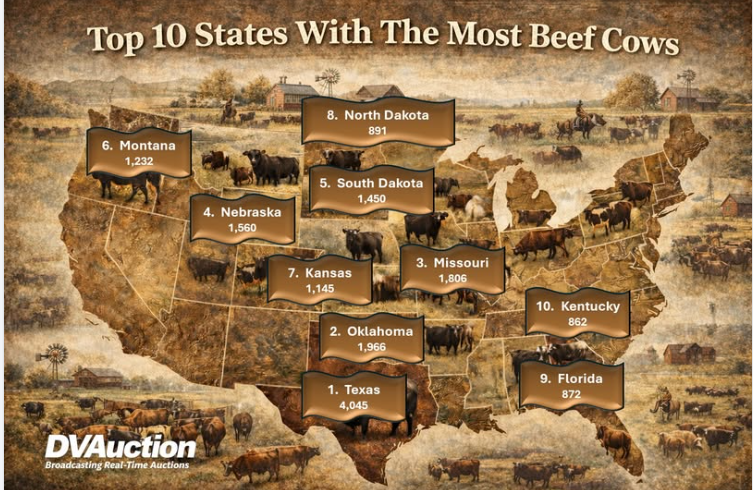
According to National Beef Wire, Oklahoma is Number 2 when it comes to Beef Cows.
Texas leads the country in beef cow numbers, accounting for nearly 15% of all beef cows in the United States with more than 4.0 million head. Oklahoma and Missouri follow as the second- and third-largest beef cow states, reinforcing the dominance of the Southern Plains and Midwest in U.S. cow-calf production.
In total, seven states now have more than one million beef cows, including Texas, Oklahoma, Missouri, Nebraska, South Dakota, Montana, and Kansas.
When combined, the top 10 beef cow states account for roughly 15.8 million head, representing about 57% of the entire U.S. beef cow herd, highlighting how heavily concentrated beef production remains across the central and Plains regions of the country.

 Top 10 States With the Most Beef Cows (2026)
 Total U.S. Beef Cow Inventory: 27.6 million head
 Texas — 4,045,000 head (14.65%)

 Oklahoma — 1,966,000 head (7.12%)


 Missouri — 1,806,000 head (6.54%)

 Nebraska — 1,560,000 head (5.65%)

 South Dakota — 1,450,000 head (5.25%)

 Montana — 1,232,000 head (4.46%)

 Kansas — 1,145,000 head (4.15%)

 North Dakota — 891,000 head (3.23%)

 Florida — 872,000 head (3.16%)

 Kentucky — 862,000 head (3.12%)

U.S. CATTLE REPORT https://www.nationalbeefwire.com/u-s-cattle-report
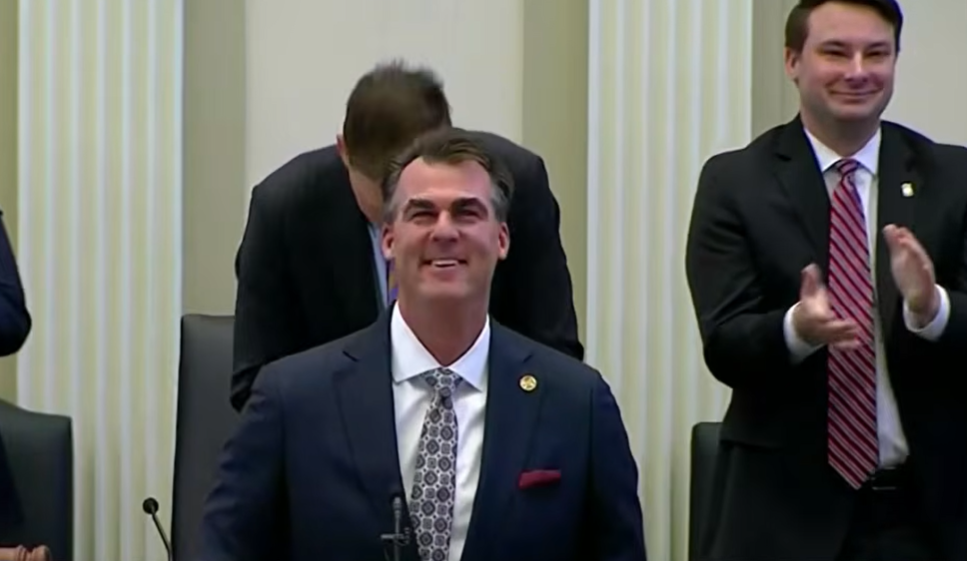
Governor Kevin Stitt delivered his eighth and final State of the State address to a joint session of the Oklahoma Legislature, outlining a bold vision to cement the state's recent progress and secure the American Dream for future generations. Reflecting on the past seven years, Stitt highlighted significant achievements in fiscal responsibility, education, and economic growth while challenging lawmakers to tackle remaining hurdles in his final year in office.
Fiscal Responsibility and Economic Growth
A central theme of the address was Oklahoma's fiscal turnaround. Stitt proudly noted the state's transition from budget deficits to historic savings, boasting over $5.5 billion in cash reserves.
"The state of our state is the strongest it's ever been. And ladies and gentlemen, we're not done yet."
He credited this success to disciplined spending and strategic tax cuts, pointing out that his administration has reduced taxes by $1.6 billion and increased public education funding more than the previous 25 years combined.
Looking ahead, the Governor proposed codifying fiscal discipline into the state constitution.
"I'm calling for a state question on the ballot. Let's codify a 3% annual cap on recurring spending growth in our constitution."
He also urged the legislature to create a "Taxpayer Endowment Fund" seeded with $750 million, projecting it could grow to $3.2 billion in 20 years to provide sustainable revenue.
Education Reform and School Choice
Education remains a top priority for Stitt, who celebrated the success of open transfer policies and the expansion of charter schools. He praised Norman Public Schools for embracing open transfers and criticized barriers that prevent students from participating in extracurricular activities.
"It's time to eliminate the OSSAA and secure our progress with open transfer. ... You shouldn't have to get permission from McDonald's to open a Burger King across the street."
He called for the removal of income caps on school choice programs to ensure universal access for all Oklahoma families.
"It's time to make the program available to every Oklahoma family who wants it. Let's eliminate the cap. Let the money follow the student."
Public Safety and the Marijuana Industry
Addressing public safety, Stitt took a firm stance on the state's medical marijuana industry, which he characterized as being exploited by foreign criminal interests.
"We have more dispensaries than we do pharmacies. Think about that. ... We can't put a band-aid on a broken bone. ... send the marijuana issue back to a vote of the people and let's shut it down."
He framed this as a necessary step to restore safety and order to Oklahoma communities.
One Oklahoma: Unity and Sovereignty
Stitt passionately argued for a unified state legal system, directly addressing the complexities arising from the McGirt decision. He called for equal application of the law regardless of race or heritage.
"I implore you to fight for one Oklahoma. For fairness, transparency, and for state sovereignty. ... All laws should apply equally to all Oklahomans, no exceptions."
He challenged lawmakers and citizens to reject division and embrace a shared identity as Oklahomans.
Investing in the Next Generation
Inspired by private sector initiatives, Stitt championed the concept of investing in Oklahoma's children from birth. He highlighted a new program to provide investment accounts for children, bolstered by private contributions.
"If we reappropriate $12 million of existing funds, we can add $250 to every Oklahoma kid's account this year."
A Call to Action
In his closing remarks, Governor Stitt urged legislators to look beyond the next election and make decisions that will benefit the state for decades to come.
"Our choices will take us to the next level or back to the struggles we've turned away from. We have a rendezvous with destiny. Let's grab it with the tenacity and grit that sets us apart as Oklahomans."
As Stitt enters his final year, his agenda is clear: solidify fiscal conservatism, expand educational freedom, unify the state's legal framework, and ensure a safe and prosperous Oklahoma for the next generation.
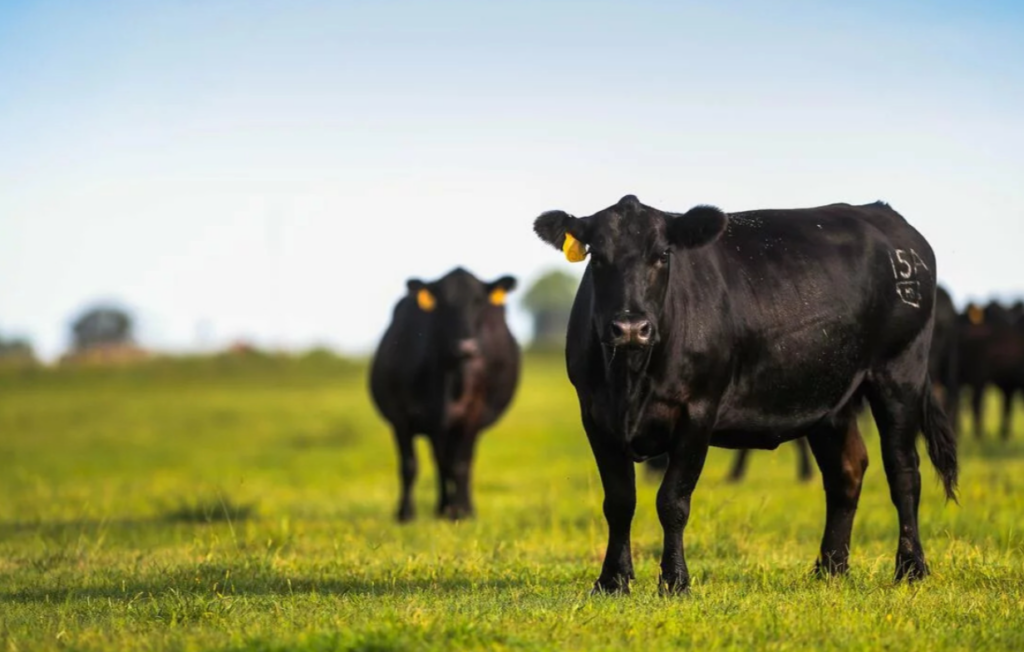
The Cattle report released by USDA in late January does nothing to change the strong fundamentals driving cattle markets. Nearly all inventory categories were down year over year, including the all cattle and calves total, down 0.4 percent compared to last year. The 2025 calf crop was smaller than earlier projections at 32.9 million head, the smallest since 1941.
Of most significance, and slightly surprising, the beef cow herd decreased another 1.0 percent year over year as of January 1, 2026. The beef cow inventory now stands at 27.61 million head, the smallest since 1961. Since the cyclical peak in 2019, at 31.64 million, the beef cow herd has decreased 4.03 million, a total seven-year drop of 12.7 percent. The 2026 low extends the current cattle cycle to 12 years since the previous low in 2014. Although this is likely to be the cyclical low, it will not be confirmed until next year. The July cattle report may provide additional guidance.
The inventory of beef replacement heifers was up slightly, by 0.9 percent year over year. The is the first increase in beef replacement heifers in nine years, since the previous peak in 2017 (Figure 1). The tiny increase in beef replacement heifers is consistent with recent indications of a minor amount of heifer retention but is not enough to signal any beef cow herd growth. If anything, it indicates stabilization of the herd at current levels in anticipation of potential future growth.
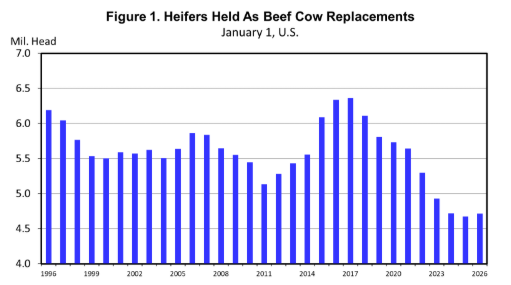
All categories of feeder cattle were down year over year including steers >500 pounds, down 0.6 percent; other heifers >500 pounds, down 1.5 percent; and calves <500 pounds, down 0.1 percent. However, total feedlot inventories were down 3.3 percent year over year. Thus, the calculated supply of feeder cattle outside of feedlots on January 1 was up 0.9 percent. This does not mean there are more feeder cattle in the country but simply that a few more of the smaller supply from last year has yet to be placed in feedlots.
Little, if any, beef cow herd growth is possible in 2026. It will depend on beef cow slaughter and herd culling. Beef cow slaughter decreased 40.5 percent in three years from 2022-2025, leading to a net culling rate of 8.4 percent in 2025. This low culling rate means that older cows will need to be culled going forward. Beef cow slaughter is expected to stabilize or perhaps increase some in 2026. That means that the slight increase in beef replacement heifers will be needed just to maintain the current herd or, at most, increase fractionally in 2026.
Once again, the industry is waiting for indications of significant beef heifer retention that would indicate potential beef herd growth. Tight cattle supplies will continue to support cattle prices, likely pushing prices higher. When increased heifer retention occurs, supplies will tighten further, pushing prices even higher. This, of course, is predicated on continued strong beef demand, which shows no sign of weakening at this point.
Derrell Peel, OSU Extension livestock marketing specialist, discusses how the recent bout of winter weather could influence cattle markets, including impacts on production costs, animal performance, and short-term price movement on SunUpTV from January 31, 2026 at https://www.youtube.com/watch?v=b1z8gn6m9TQ
US Senator James Lankford (R-OK) released his ninth edition of Federal Fumbles today, revealing billions of dollars lost to wasteful spending, inefficiencies, fraud, and improper payments. The report details eyebrow-raising research grants, weak oversight of taxpayer funds sent overseas, systemic failures in food assistance programs, and the staggering cost of government shutdowns, while offering specific policy solutions to prevent these failures from continuing.
"It's Federal Fumbles season again. My ninth edition takes a hard look at the spending and inefficiencies that leave taxpayers wondering what Washington is doing with their money and why government is not serving them," said Lankford. "From research projects that raise eyebrows to dollars sent overseas with little oversight to fraud in food programs to shutdowns that cost billions, the pattern is the same. Too often, the federal government is not accountable to the people. Fumbles is about more than pointing out the problems – it lays out a playbook to fix them, like cracking down on COVID fraud, untangling a disaster relief system that runs through more than 30 agencies, stopping programs that waste money without results, and passing my Prevent Government Shutdowns Act so Washington's dysfunction does not come at the expense of Americans. It also highlights touchdowns like the Working Families Tax Cut Act, which included reforms like my Charitable Act and ALIGN Act to help families, small businesses, and farmers keep more of what they earn. Federal Fumbles is about transparency, accountability, and making sure taxpayers know someone is fighting for them."
You can watch the video HERE, and download itHERE.
This year's Top Five Federal Fumbles include:
Playbook updates Lankford says Congress must make to prevent future waste and dysfunction:
Click HERE to read the full report, and HERE for a printable version. You can also read the exclusive in Fox News HERE.

The Livestock Marketing Association (LMA) has announced that applications are now open for its 2026 scholarship programs, offering two distinct opportunities to support students pursuing education and careers connected to the livestock marketing industry. LMA members are encouraged to endorse applicants—customers, family members, employees, or students from their communities—who demonstrate interest in or understanding of the importance of livestock marketing.
LMA will offer the Career & Academic Education Scholarship for traditional post‑secondary education pathways and the Auctioneer School Scholarship for individuals pursuing training in the auction method of marketing livestock.
Applications for both scholarship tracks are online at www.LMAWeb.com.
Career & Academic Education Scholarship
The Career & Academic Education Scholarship supports graduating high school seniors and students currently enrolled in accredited post‑secondary institutions, including trade schools, community colleges, junior colleges, universities, and programs in veterinary science, veterinary medicine, or law.
Applicants must include the name and contact information of an active LMA member endorsing their application. Each LMA member may endorse up to two (2) applicants per academic year, and relatives or employees of LMA member businesses are eligible.
A review panel composed of allied‑industry representatives, LMA leadership, and/or LMA members—who are not sponsors or relatives of applicants—will evaluate submissions after the deadline. Up to nine (9) students will each receive a one‑time $2,500 scholarship, paid directly to the academic institution.
Auctioneer School Scholarship
The LMA Auctioneer School Scholarship provides a one‑time award to applicants who plan to attend auction school and use their training to support the auction method of marketing livestock.
Applicants must be between the ages of 16 and 25, provide an essay demonstrating their understanding of the livestock marketing industry, and be endorsed by an active LMA member. Each LMA member may endorse up to two (2) applicants per scholarship year, and relatives or employees of LMA member businesses may apply.
Following the submission deadline, a panel of allied‑industry representatives, LMA leadership, and/or LMA members—who are not sponsors or relatives of applicants—will review submissions. One applicant will receive a one‑time scholarship award of up to $2,500 toward auction school tuition.
Deadlines & Contact Information
All applications must be received—whether emailed or mailed—by March 13, 2026, at 4:00 p.m. CST. Incomplete or late submissions will not be considered. For questions regarding the LMA Scholarship Program, please contact lmainfo@lmaweb.com.
Today, the U.S. Environmental Protection Agency (EPA) advanced American farmers and equipment owners' lawful right to repair their farm and other nonroad diesel equipment. EPA's guidance to manufacturers clarifies that the Clean Air Act (CAA) supports, rather than restricts, Americans' ability to make repairs on their own, and makes clear manufacturers can no longer use the CAA to justify limiting access to repair tools or software. For America's farmers, timely and affordable repairs are essential to planting, harvesting, and keeping operations running.
"EPA is proud to set the record straight and protect farmers. For far too long, manufacturers have wrongly used the Clean Air Act to monopolize the repair markets, hurting our farmers," said EPA Administrator Lee Zeldin. "Common sense is following the law as it is written, and that is what the Trump EPA is committed to doing. By protecting every American's right to repair, we're not just fixing devices, we're securing a stronger, more independent future for our country."
"This is another win for American farmers and ranchers by the Trump Administration. By clarifying manufacturers can no longer use the Clean Air Act to justify limiting access to repair tools or software, we are reaffirming the lawful right of American farmers and equipment owners to repair their farm equipment," said Secretary of Agriculture Brooke L. Rollins. "Thank you, Administrator Zeldin, for continuing to put farmers first. This is expected to save our farmers thousands in unnecessary repairs, saving much needed funds after Bidenflation drove up equipment costs on average 45%."
"EPA's guidance affirming the Right to Repair will save our agricultural communities thousands of dollars by eliminating corporate middlemen and empowering farmers to fix their own equipment," said Small Business Administrator Kelly Loeffler. "The Clean Air Act has long crushed family farmers across America – but under the Trump Administration, they are finally getting the regulatory relief to break free from burdensome Green New Scam rules and focus on the vital job of feeding, clothing, and fueling America and the world."
For years, prominent equipment manufacturers have interpreted the CAA's emission control anti-tampering provisions as preventing them from making essential repair tools available to all Americans. This has forced farmers to take their equipment exclusively to manufacturer-authorized dealers to be fixed, even though the repair could have been made in the field or at a nearby independent repair shop. Not only has this made repairs more costly, but it has also caused many farmers to opt for older agricultural equipment that lack modern emission controls simply because they can fix that equipment themselves.
EPA's guidance does not change the law, weaken emission standards, or reduce compliance obligations. Rather, it clarifies what the CAA already states, that temporary overrides of emission control systems are allowed when it is for the "purpose of repair" to that equipment to obtain proper functionality. This clarification applies to all nonroad diesel engines equipped with advanced emission control technologies including selective catalytic reduction and inducement systems as well as Diesel Exhaust Fluid (DEF) system repairs. Importantly, farmers and equipment owners are not required to rely on authorized dealers exclusively to fix equipment. This makes clear that the law should not serve as a barrier to timely, affordable maintenance of agricultural equipment.
Today's action will not only expand consumer choice and provide opportunities for farmers but also encourage the use of newer farm equipment. This underscores the agency's commitment to both America's farmers and EPA's core mission of protecting human health and the environment.
To read EPA's guidance, click here.
Background
On June 3, 2025, John Deere sent a letter to EPA requesting the agency issue guidance confirming that temporary emission control overrides are allowed by EPA. The agency's guidance is a direct response to this request and makes clear that temporary overrides are allowed under the CAA.
On August 12, 2025, Administrator Zeldin announced new guidance urging engine and equipment manufacturers to revise DEF system software in existing vehicles and equipment. EPA's action works to protect hard-working American farmers, truckers, and other diesel equipment operators from sudden shutdowns and give them the time to make repairs without impacting productivity or safety.
Justine Anderson, Oklahoma Conservation Commission- In the hills of Locust Grove, Oklahoma, stands a lush crop garden managed by the Yang family. Neng Yang and his wife immigrated to the United States from Laos in 1979 and lived in California for much of their life before moving to the plains. After working for the government for close to 20 years and then on a poultry farm for around ten years, Neng chose to retire. He eventually found retired life to be much too inactive for his taste and wanted to try something different.
The Yangs now cultivate fruit, vegetables, and floral crops to provide for their family and community. Neng originally flood-irrigated his crops, moving slowly section by section and watering each area for around an hour at a time. Neng knew there had to be a more efficient way to irrigate his crops, so he reached out to his local NRCS office for assistance.
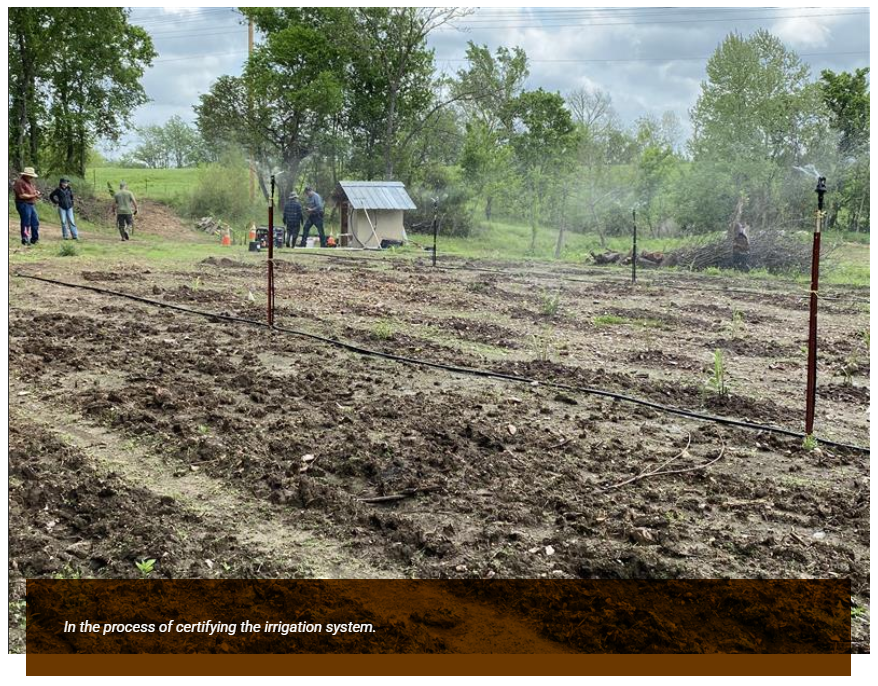
Travis Godeaux, NRCS Engineer at the NRCS Technical Service Office (TSO), worked with Neng to create a plan to install a pumping system, pipelines, and sprinkler heads throughout his garden through the Environmental Quality Incentives Program (EQIP). EQIP provides financial and technical assistance to farmers and landowners to promote conservation practices on working lands.
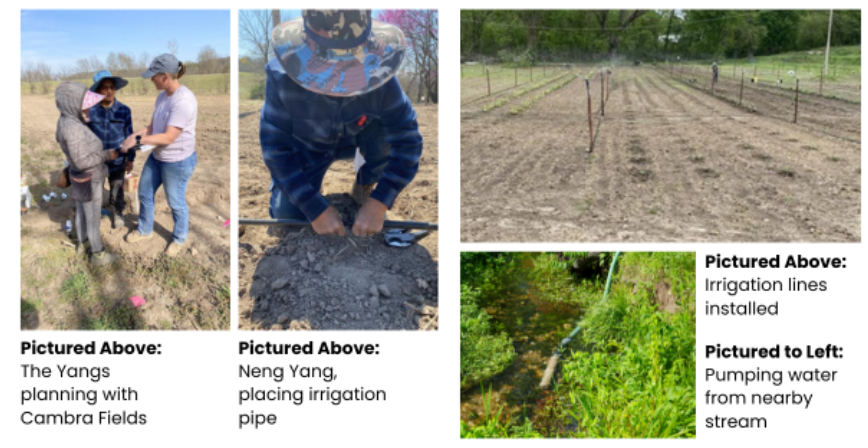
This conservation plan was a first for the NRCS Oklahoma crew in Mayes, Rogers, and Tulsa County (Team 20) and the TSO office. When Travis and local Natural Resource Specialist, Cartwright Weaver, accepted the Deferred Resignation Program, the plan lost its technical leads and required other employees to assume the project. Kevin Morhart, Charlie Colvin, and Cambra Fields, all of NRCS Oklahoma, stepped up to take over the roles. With Charlie's guidance, Cambra and Kevin were on the right path to lay out the main pipeline and lateral irrigation lines.
Cambra recruited now-retired Cartwright and the rest of Team 20 to come in and flag, layout, and take measurements to calculate the supplies needed. Since this irrigation system is the first of its kind in Mayes County, Kevin worked closely with the local field office throughout all phases of implementation. Throughout the process, Kevin and Cambra spent many hours with Neng working through obstacles and details while ensuring the specifications were met. The pump they installed now takes fresh water from a nearby spring-fed creek, then filters and feeds it into lines that can be individually controlled by Neng as needed.
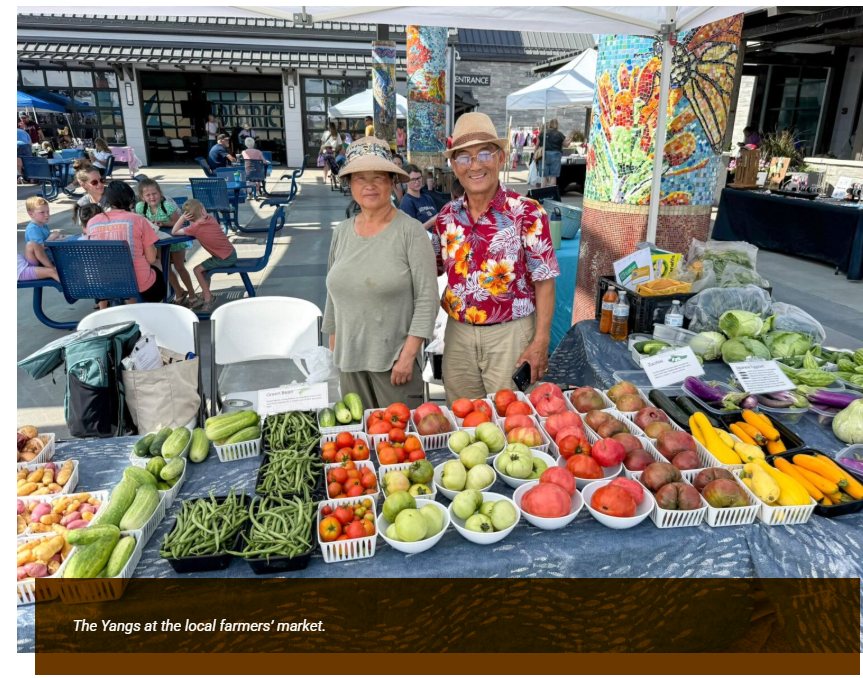
The team completed the project in early 2025, just in time to plant their crops to sell at the summer farmer's markets. The Yangs sell their products at both the weekly Tahlequah Farmers Market and the Pryor Farmers Market, which occurs on the first and third Tuesdays of each month. Locals look forward to seeing the Yangs' smiling faces every week and appreciate the fresh produce they provide. With crops ranging from white cucumbers and hot peppers to hand-picked and arranged floral bouquets, there is truly something for everyone from the Yang family farm.
Neng is very happy with the result of the irrigation system, telling us that it has saved him from many hours of hard manual labor and countless gallons of water. He is hopeful that it will also help extend the growing season by providing water in the later hot and dry summer months. Neng appreciates the NRCS team for providing their expertise and always being available to answer his questions.
Early this morning in Punxsutawney, Pennsylvania, groundhog Punxsutawney Phil emerged from his burrow as part of the annual Groundhog Day tradition. Upon appearing, Phil observed his shadow, a sign that, according to folklore, indicates six more weeks of winter weather.
The tradition, which dates back more than a century, is closely followed each year as a symbolic marker of the seasonal transition between winter and spring. While not rooted in meteorological science, the event continues to draw national attention and serves as a reminder of the lingering winter season across much of the country.
For agricultural producers, the forecast of an extended winter underscores the importance of monitoring livestock conditions, feed supplies, and winter-weather preparedness in the weeks ahead. As temperatures fluctuate, producers are encouraged to remain attentive to changing conditions that can impact animal health and early spring fieldwork.
Whether winter persists or begins to ease, the Groundhog Day observation remains a long-standing tradition that marks this point on the agricultural calendar.
USDA meteorologist Brad Rippey notes that the geographical scope of Phil's forecast remains a topic of debate. Does the prediction apply only to Western Pennsylvania, or does it cover the entire country? Rippey suggests that since the holiday is all in good fun, the interpretation is largely open to speculation.
While Phil holds a "prestigious history" in weather prognostication, Rippey points out that he faces competition from other animal forecasters across the United States:

The U.S. Department of Agriculture's Under Secretary for Trade and Foreign Agricultural Affairs Luke J. Lindberg arrived in Jakarta, Indonesia, today to lead an agribusiness trade mission to expand market access and boost U.S. agricultural exports. The delegation includes 41 agribusinesses, trade organizations, and representatives from four state departments of agriculture.
"While Indonesia was our 11th largest market in 2024, the opportunities here in the world's fourth most populous nation cannot be overstated," said Under Secretary Lindberg. "We are here to showcase the strength and diversity of U.S. food and agricultural products – and to demonstrate how recent commitments from Indonesian officials will translate into new sales that drive dollars back into the pockets of America's farmers, ranchers and communities. When producers can reach more customers abroad, they can spread costs, operate more efficiently, strengthening their bottom line and making goods more affordable at home."
Indonesia is an upper-middle-income country with a real GDP of $4.1 trillion, an annual growth rate of 5%, and a large, rapidly expanding middle class, the country offers strong demand for high-quality imported food and agricultural goods. Its young population is also driving a growing interest in innovative and convenient food products, reflecting new opportunities for U.S. exporters.
This trade mission is happening at a critical time thanks to the landmark U.S.–Indonesia Agreement on Reciprocal Trade. This agreement eliminates tariffs on nearly all U.S. agricultural exports and reduces longstanding non‑tariff barriers, unlocking more than $1.6 billion in U.S. agricultural exports and helping to rebalance trade.
In 2025, USDA trade missions connected more than 200 U.S. companies with buyers in Hong Kong, Thailand, Peru, Guatemala, the Dominican Republic and Mexico, generating projected 12-month sales of $125 million. Building on that success, USDA will lead missions in 2026 to the Philippines, Türkiye, Australia, Saudi Arabia and Vietnam.
For more information on USDA trade missions, please visit https://www.fas.usda.gov/topics/trade-missions.

Greetings Conservation Directors, Employees, Partners, and Friends,
As the Oklahoma conservation community closes the book on 2025—a year defined by sharp contrasts, from record-breaking rainfall to historic highs in the cattle markets—the Oklahoma Association of Conservation Districts (OACD) is turning its focus toward a significant milestone. Entering its 88th year of operation, the organization is preparing to honor eight decades of stewardship while charting the path forward for the state's land and resources.
This legacy of resilience and district-led innovation will be the centerpiece of the upcoming Annual State Meeting, set to take place March 1–3, 2026, at the OKANA Resort & Waterpark in Oklahoma City.
The 2026 gathering is built around the theme, Homecoming: One Land, One Legacy. Where tradition guides us, and the land brings us home. Organizers view this not just as a conference, but as a return to the roots of Oklahoma conservation—celebrating the grassroots solutions and traditional knowledge that have sustained the state's landscape for generations.
"The progress we celebrate today, whether in regenerative agriculture, technology, or education, only exists because of a steadfast commitment to the land and to one another," the OACD noted in a recent statement regarding the upcoming assembly.
The three-day event is designed to function as a reunion for the "conservation family," bringing together directors, employees, and partners to exchange knowledge and strengthen critical relationships. The agenda features training sessions shaped directly by member feedback, ensuring the conversations remain relevant to current needs.
In addition to educational opportunities, the meeting will spotlight excellence across the state. Awards will be presented to outstanding youth, employees, partners, and legislators who have made significant contributions to conservation efforts.
By combining a reverence for tradition with modern training, the OACD aims to use this "Homecoming" to solidify the partnerships that will carry their mission through 2026 and beyond.
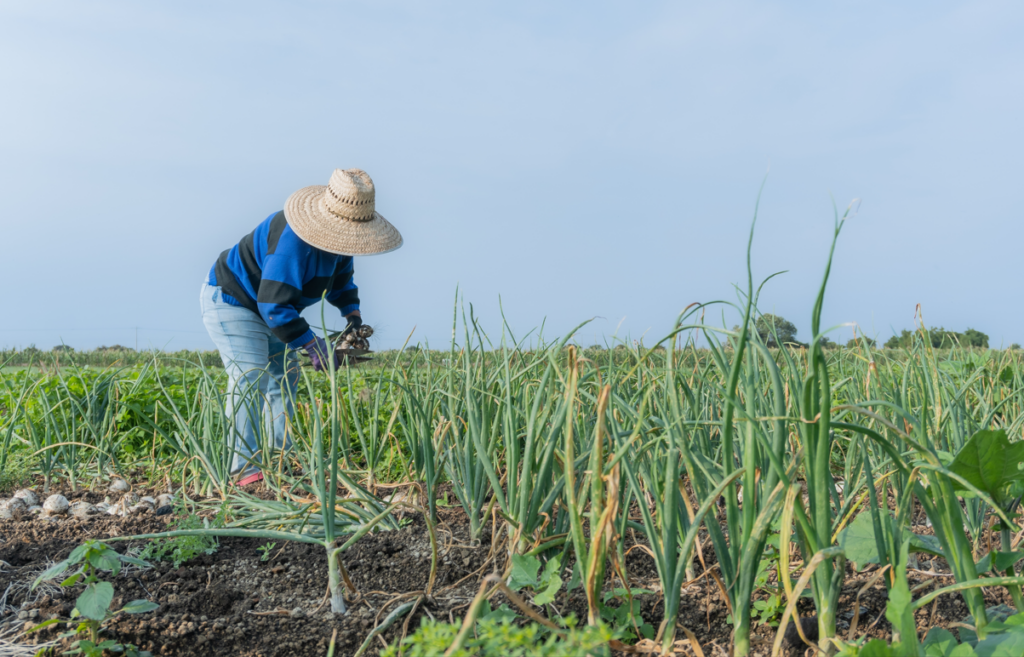
The Oklahoma Conservation Commission has several programs available to help producers and landowners statewide. Please see below for more information about each program.
Wetlands ReNEW - OCC's Restoring Natural Ecology in Wetlands (ReNEW) Cost-Share Program offers technical and financial assistance to landowners interested in restoring, creating, or enhancing a wetland on their property. Applications due March 1, 2026.
Soil Health Implementation Program - The Soil Health Implementation Program (SHIP) is a new initiative designed to advance soil health and regenerative agricultural practices across the State of Oklahoma. Applications due March 1, 2026.
Grow Local Support Fund - The Grow Local Support Fund is an initiative of the Southern Oklahoma Urban and Small Farm Hub to support urban and small-scale producers in strengthening local food systems within the Chickasaw Nation Treaty Territory. Applications due February 13, 2026

Why Horse Owners Should Take Excessive Salivation Seriously
Excessive salivation in horses—commonly referred to as slobbers—is a condition most horse owners have seen at least once. For years, the standard advice has been simple: remove the horse from the source, ensure access to water, and the problem will resolve within a day. In most cases, that guidance holds true. However, a recent experience discussed on the Extension Horses Tack Box Talk Series reminds us that slobbers can occasionally escalate into a much more serious situation.
Slobbers is caused by ingestion of certain molds that grow on legumes, most commonly red clover, but also white clover and, in some cases, alfalfa. The condition is associated with black blotch disease, a mold that forms on the underside of legume leaves, particularly during hot and humid conditions. This mold produces a compound called slaframine, which stimulates excessive salivation when consumed by horses.
Unlike typical hay mold associated with baling wet hay, black blotch disease is not always obvious and can be difficult to detect. It often develops in dense clover patches where moisture is retained, creating a microclimate that favors fungal growth.
Most horse owners associate slobbers with pasture exposure. However, one important takeaway from this discussion is that slaframine remains active in hay for up to 10 months. That means horses can develop slobbers even when they are completely off pasture and consuming stored forage.
In this case, slobbers occurred in October in Minnesota, when a horse was eating hay harvested just 60–90 days earlier. The hay came from a familiar field that had been used for decades, underscoring that even well‑managed forage systems can pose occasional risks under the right environmental conditions.
The turning point in this conversation came from a real‑world case involving an older, semi‑retired performance horse. The mare developed classic slobbers—copious, continuous salivation—but initially appeared otherwise stable. Because slobbers is typically considered benign, the hay source was not removed right away.
Over a short period of time, a combination of factors created a perfect storm:
The horse ultimately became severely dehydrated, showed signs of disorientation, and required overnight hospitalization for intravenous fluids. Bloodwork revealed dangerously elevated dehydration markers, placing stress on the kidneys and cardiovascular system. Fortunately, with prompt veterinary intervention, the mare made a full recovery—but the experience fundamentally changed how slobbers was viewed.
Slobbers itself is not toxic. The danger arises when horses lose fluid faster than they can replace it, particularly in hot weather or when access to water is compromised. In this case, dehydration was not immediately obvious on physical examination, yet bloodwork showed a serious underlying issue.
This highlights an important point: horses may not always outwardly "look" dehydrated, even when significant physiological stress is occurring.
If you observe slobbers in a horse, especially excessive or persistent salivation, proactive management is critical:
It is also important for producers and horse owners to recognize that testing hay for slaframine is not routinely available. Visual inspection and attentive management remain the most practical tools.
Slobbers is usually a mild, self‑limiting condition—but "usually" does not mean "always." This case serves as a valuable reminder to trust your observations, act early, and avoid complacency, even with conditions we think we know well.
Horses are individuals, and their responses to forage, weather, and stressors can change over time. Staying vigilant—without panicking—can make the difference between a minor inconvenience and a medical emergency.
US Senator James Lankford (R-OK) released the following statement after the Senate passed appropriations bills for Fiscal Year 2026 that fund Defense; Labor, Health and Human Services, and Education; Transportation and Housing and Urban Development; Financial Services and General Government; National Security, Department of State, and Related Programs, and continuing appropriations for two weeks for the Department of Homeland Security. With this package, Congress has now advanced the majority of the Fiscal Year 2026 appropriations bills, six of which have already been signed into law, providing stability for federal agencies, decreasing overall discretionary spending, and securing important priorities for Oklahoma.
"For the first time in years, Congress has moved toward regular order thanks to Republican leadership," said Lankford. "We've taken up appropriations bills, debated them, and done the hard work of governing. That approach has delivered real results. Through these bills, I've worked to reform pharmacy benefit managers, address the growing threat of contraband cellphones in prisons, fund critical Army Corps of Engineers projects across Oklahoma, prioritize developing critical minerals here in the United States, direct law enforcement to take a harder look at illegal marijuana growing operations tied to foreign nationals, and more. This is what steady, systematic legislating looks like, and it's how we get better outcomes for the country."
Background
You can learn more about Lankford's work to secure Oklahoma priorities and strengthen fiscal responsibility in the Fiscal Year 2026 appropriations bills below:
Public Safety and Law Enforcement
Energy and Critical Minerals
Infrastructure and Army Corps of Engineers Projects
Healthcare and Pharmacy Benefit Manager Reform
Defense, Foreign Policy, and Religious Freedom
Lankford supported the previous appropriations measures that have already been enacted into law, funding the Departments of Agriculture, Veterans Affairs, Justice, Interior, Commerce, and Energy, along with the Environmental Protection Agency, water infrastructure programs, federal science initiatives, the Food and Drug Administration, and the operations of Congress.
Growth Energy, the nation's largest biofuel trade association, applauded a new United States–Guatemala Agreement on Reciprocal Trade. According to United States Trade Representative Jamieson Greer, the agreement will solidify new markets for U.S. exports and strengthen strategic economic ties in the Western Hemisphere. As part of the deal, Guatemala has agreed to transition to E10 ethanol blends for on-road use, and it shall endeavor to purchase at least 50 million gallons of ethanol from the United States annually.
"Every new market is another opportunity to close the gap between supply and demand for our farmers and fuel America's energy leadership," said Growth Energy CEO Emily Skor. "We applaud Ambassador Greer and the Trump administration for working to ensure that U.S. biofuel exports remain a bright spot for trade — one that supports working-class jobs and strengthens American manufacturing. Exports of 50 million gallons to Guatemala would translate to a market for 140 million bushels of U.S. corn, and that number will only grow as more of our trading partners add more lower-cost ethanol to their fuel supplies."
Jennifer Carrico of DTN writes: USDA's Animal and Plant Health Inspection Service (APHIS) has expanded sterile New World screwworm (NWS) fly releases to include Texas to help stop the pest's northern spread.
In an APHIS news release late Friday, APHIS stated the new dispersal area, or polygon, will include operations about 50 miles into Texas, along the U.S. border with the state of Tamaulipas, Mexico, where 100 million sterile flies will be released per week. Strong surveillance will continue along the border and in Texas as well.
"At Secretary (Brooke) Rollins' direction, our highest priority is protecting the United States from screwworm," Dudley Hoskins, under secretary of Marketing and Regulatory Programs for USDA said in the Friday statement. "The northernmost active case of NWS in Mexico is still about 200 miles away from the border, but we've seen cases continue to spread in Tamaulipas and further south in Mexico, so we are proactively shifting our polygon as we make every effort to prevent NWS from reaching our border."
ARGENTINE HORSE QUARANTINED IN FLORIDA
The U.S. border has been closed to imports of Mexican cattle, bison and horses since July 2025.The USDA reported earlier this week the import protocols and requirements were used at an equine import quarantine facility in Florida where a horse from Argentina was examined and APHIS identified an open wound on the animal.
Upon further examination, larvae were found in the wound. The horse was treated with medication to kill any larvae. Samples were shipped to the National Veterinary Service Laboratory in Ames, Iowa, which confirmed they were NWS larvae. The animal has been contained at the facility and will be quarantined until officials confirm it is free of the pest.
DEFENSE EFFORTS RAMP UP
The recent Texas statewide disaster declaration will also help better equip the state for prevention efforts to keep NWS out. The declaration this week by Gov. Greg Abbott allows the Texas NWS Response Team to fully utilize all state government prevention and response resources to prevent the re-emergence of this destructive parasite. (See )
The National Cattlemen's Beef Association thanked USDA for the continued diligence and swift, science-based action to protect the U.S. cattle herd from NWS. In a statement, NCBA commended the proactive action of releasing sterile flies along the border to help safeguard animal health.
R-CALF USA CEO Bill Bullard told DTN, "This is great news for U.S. livestock and wildlife. Secretary Rollins is demonstrating her absolute commitment to preventing this devastating pest from entering our country."
OLD TECHNIQUE STILL USED
The sterile insect technique has been used since it was first used in 1936 to fight NWS. The same technique is used in present day for eradication. The flies are sterilized using ionizing radiation prior to release. Since the flies only mate once, no offspring are produced, thus drastically reducing the wild NWS population. This, paired with surveillance, movement restrictions, education and outreach, should help control and eradicate NWS.
"USDA will continue to deploy its intensive NWS response efforts including implementing import protocols, ongoing surveillance and trapping efforts along the border, investing in NWS innovation, and supporting robust response activities in Mexico and Central America," the release said.
"Because it is important to continue ongoing surveillance efforts while releasing sterile insects, it is possible that sterile NWS flies could be caught and/or reported within Texas. To ensure officials can tell the difference between sterile and wild NWS flies, USDA will dye the sterile pupae, and the dye will transfer to the sterile flies when they hatch. The fluorescent dye will glow under UV light and may also be visible to the naked eye. If a sterile fly is captured in a trap, this dye will allow animal health officials to quickly rule the fly out as a threat," the USDA news release stated Friday.
Combating the threat of New World Screwworm remains a top priority for NCBA and its state affiliates, and expanding sterile fly production and dispersal, the most effective tool for eliminating screwworm, is a critical step forward. NCBA also stressed the importance of the construction of the sterile fly production and distribution facilities planned in Texas to help further protect the U.S. cattle herd with a more rapid response.
SURVEILLANCE PREVENTS PROBLEMS
The USDA continues to lead intense surveillance and monitoring along the U.S.-Mexico border. More than 120 NWS-specific traps are placed in high-risk areas in border states. Through the end of January, more than 42,000 flies have been captured, with no NWS detections. More than 9,300 wild animals of 39 different species have been inspected by APHIS Wildlife Services and no signs of NWS have been found.
USDA continues to ask U.S. animal owners to check their pets and livestock for signs of NWS and report anything suspicious to their state animal health officials, USDA area vets and local veterinarians.
Adult screwworm flies are about the size of a common housefly with metallic green or blue body, orange eyes, and three dark stripes down the back. The maggots infect living warm-blooded animals. These animals, including humans, will need medical attention immediately.
The Winter 2026 issue of Oklahoma Farm Bureau's Oklahoma Country magazine, filled with stories from around Oklahoma agriculture and Farm Bureau, is headed to mailboxes and is also available online for viewing and reading. Be sure to check out the digital copy in addition to the print copy mailed to each and every OKFB member.
OKFB's Winter 2026 issue features nine Oklahoma farm and ranch families who were honored as OKFB's 2025 Farm & Ranch Family Recognition recipients. Also featured is the newly elected President of OKFB, Stacy Simunek.
Additional magazine content includes a 2025 annual meeting recap; OKFB's favorite photos of 2025; All Around Oklahoma; and Oklahoma Gardening.
Check out our featured content below, and OKFB members can read the print edition delivered directly to their mailboxes.
Archives:
2026-11 | 2026-10 | 2026-09 | 2026-08 | 2026-07 | 2026-06 | 2026-05 | 2026-04 | 2026-03 | 2026-02 | 2026-01 | 2025-12 | 2025-11 | 2025-10 | 2025-09 | 2025-08 | 2025-07 | 2025-06 | 2025-05 | 2025-04 | 2025-03 | 2025-02 | 2025-01 | 2024-12 | 2024-11 | 2024-10 | 2024-09 | 2024-08 | 2024-07 | 2024-06 | 2024-05 | 2024-04 | 2024-03 | 2024-02 | 2024-01 | 2023-12 | 2023-11 | 2023-10 | 2023-09 | 2023-08 | 2023-07 | 2023-06 | 2023-05 | 2023-04 | 2023-03 | 2023-02 | 2023-01 | 2022-12 | 2022-11 | 2022-10 | 2022-09 | 2022-08

 AMAZON LIST

 Visit our Wish List here :