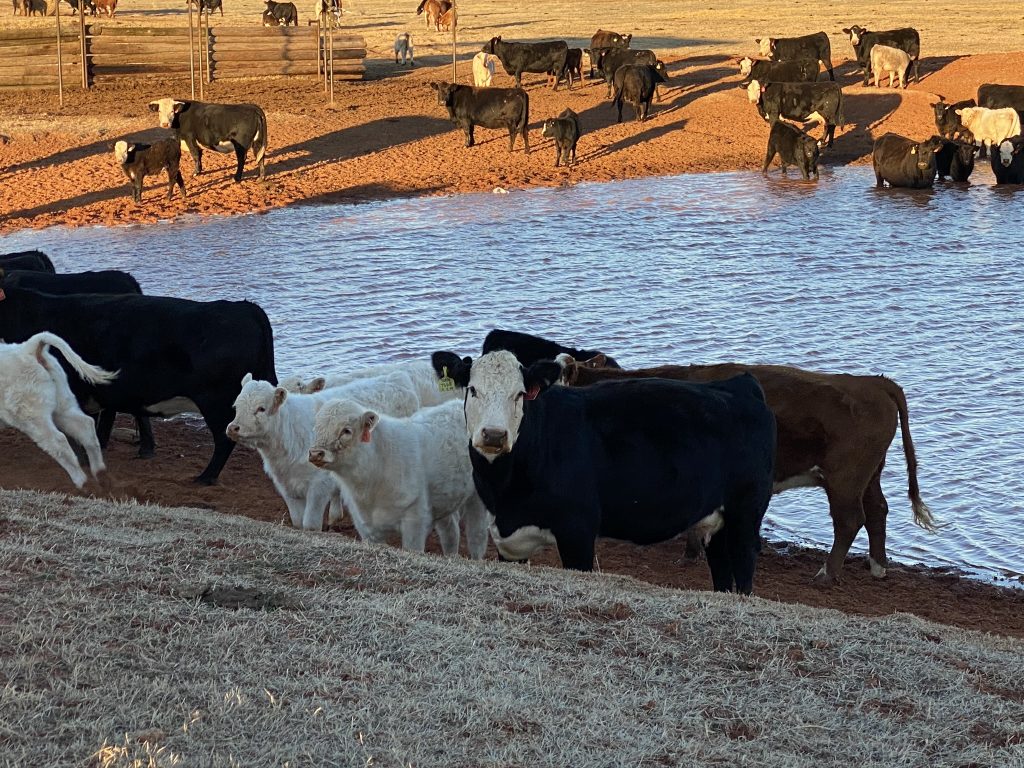
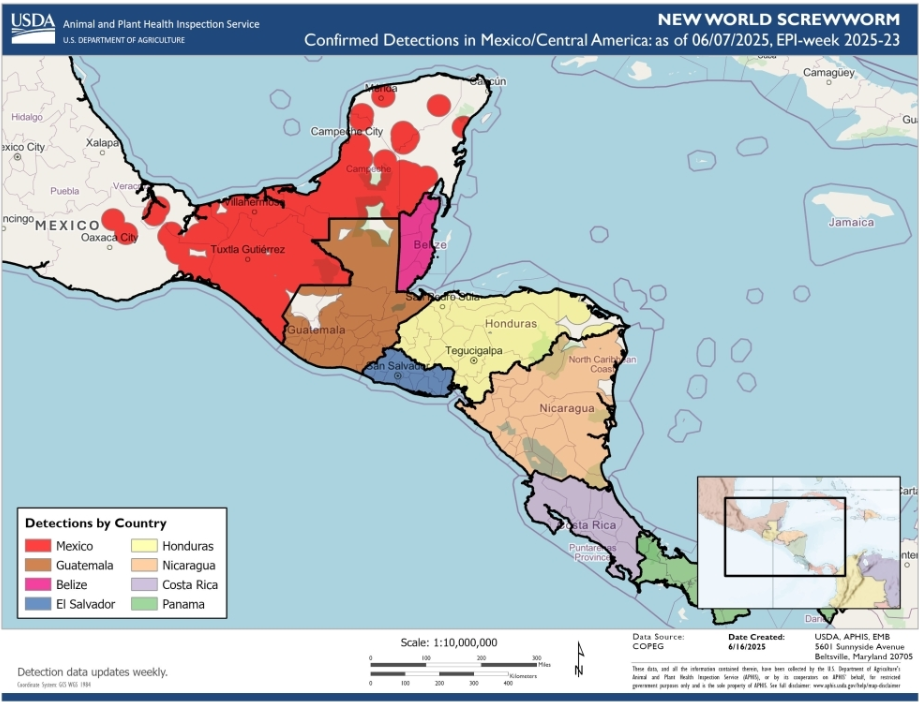
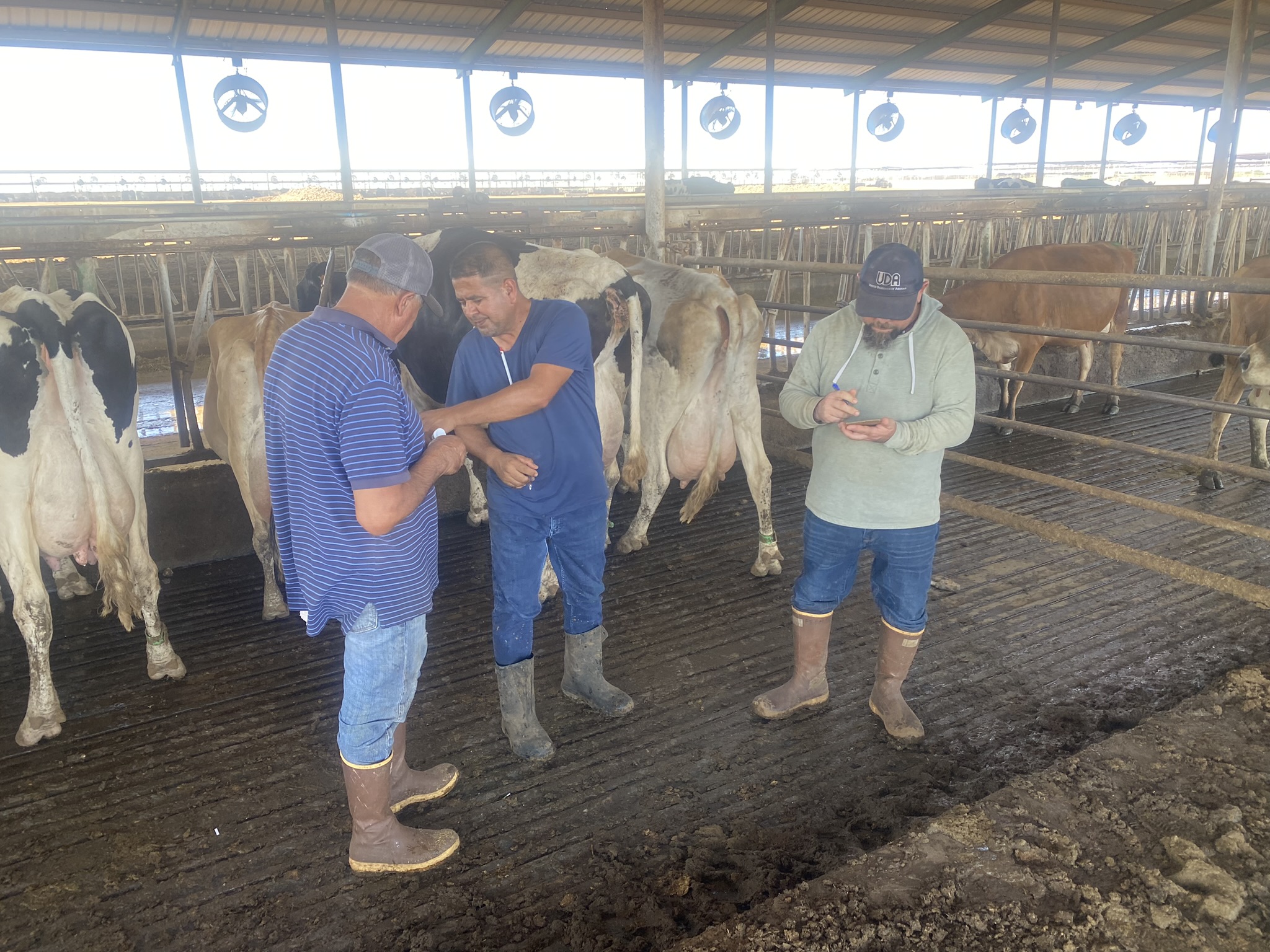
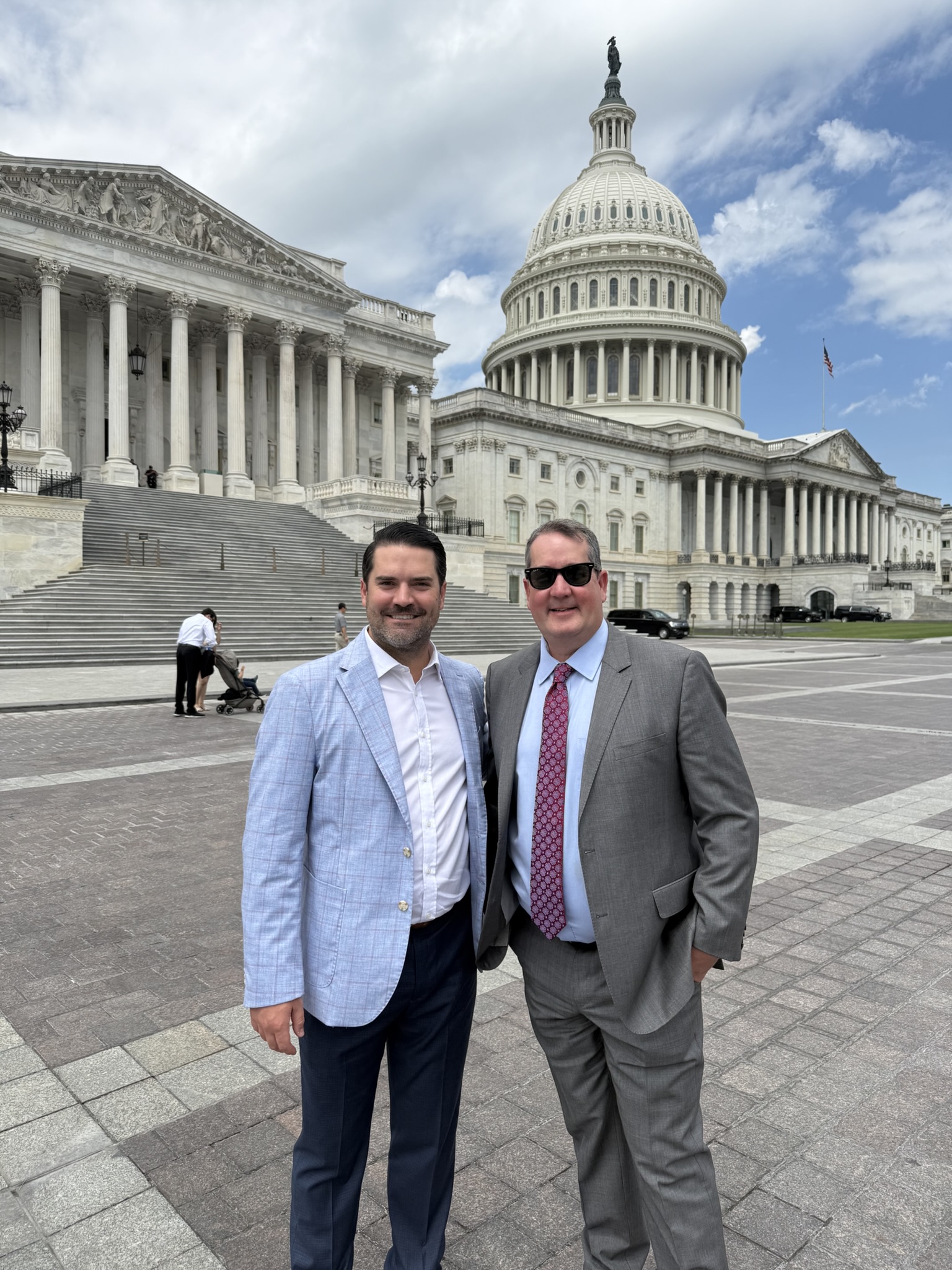
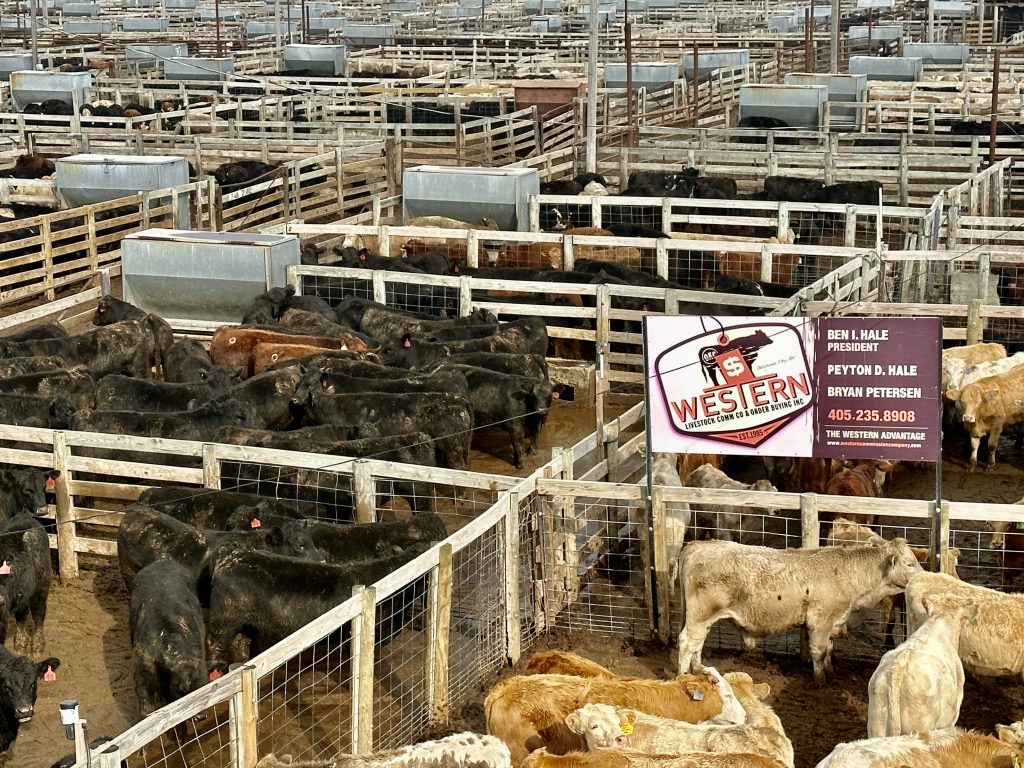
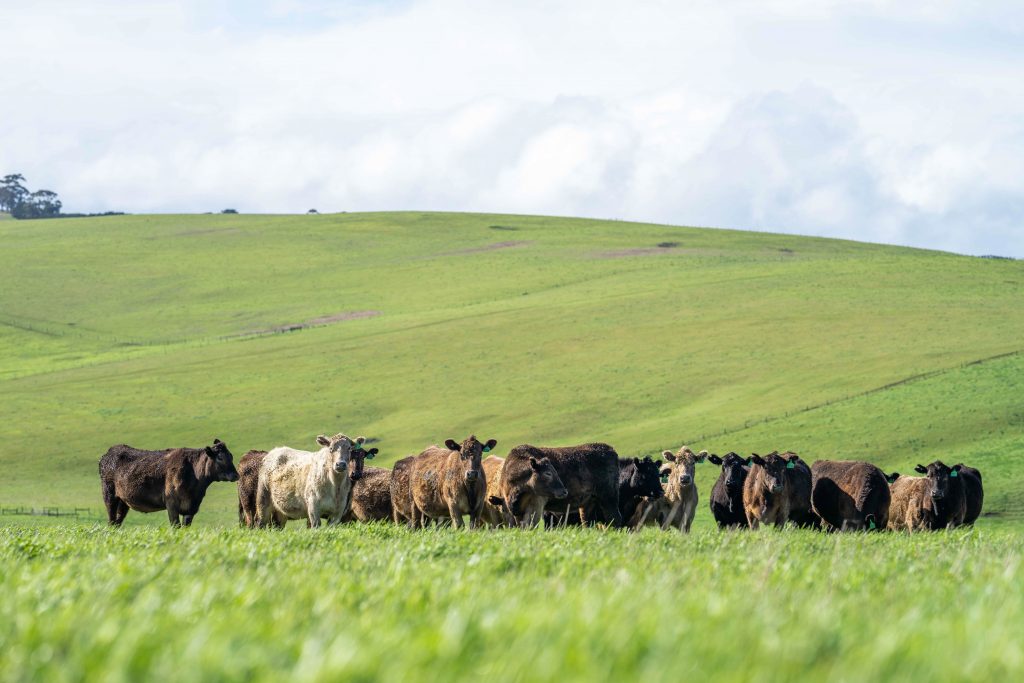
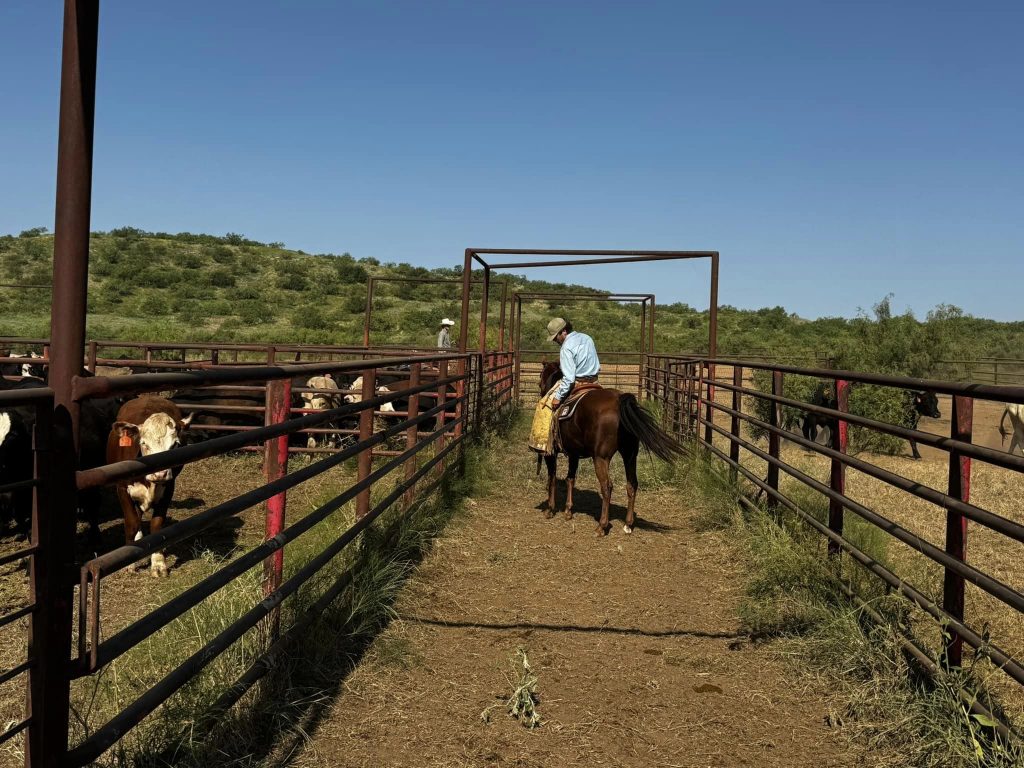
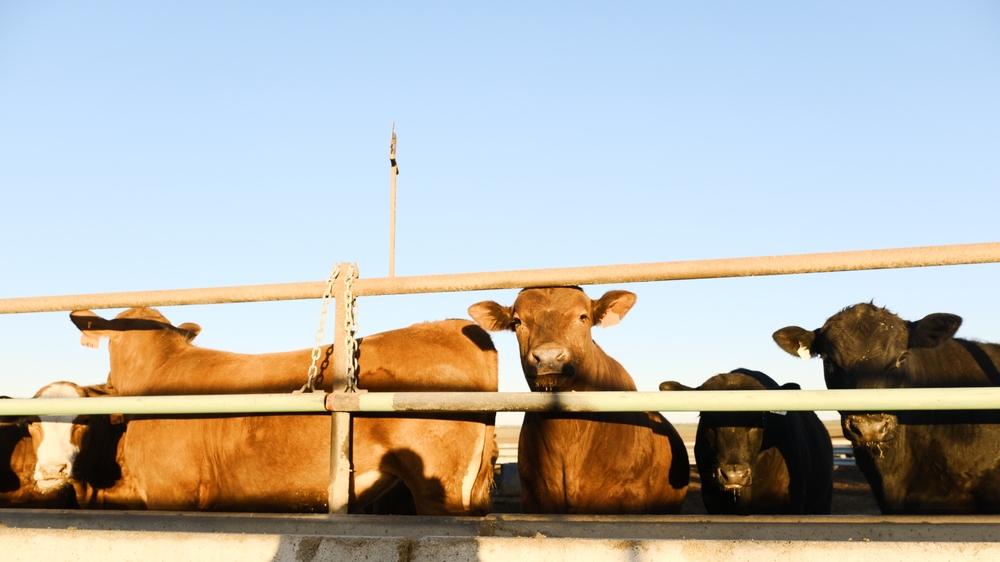
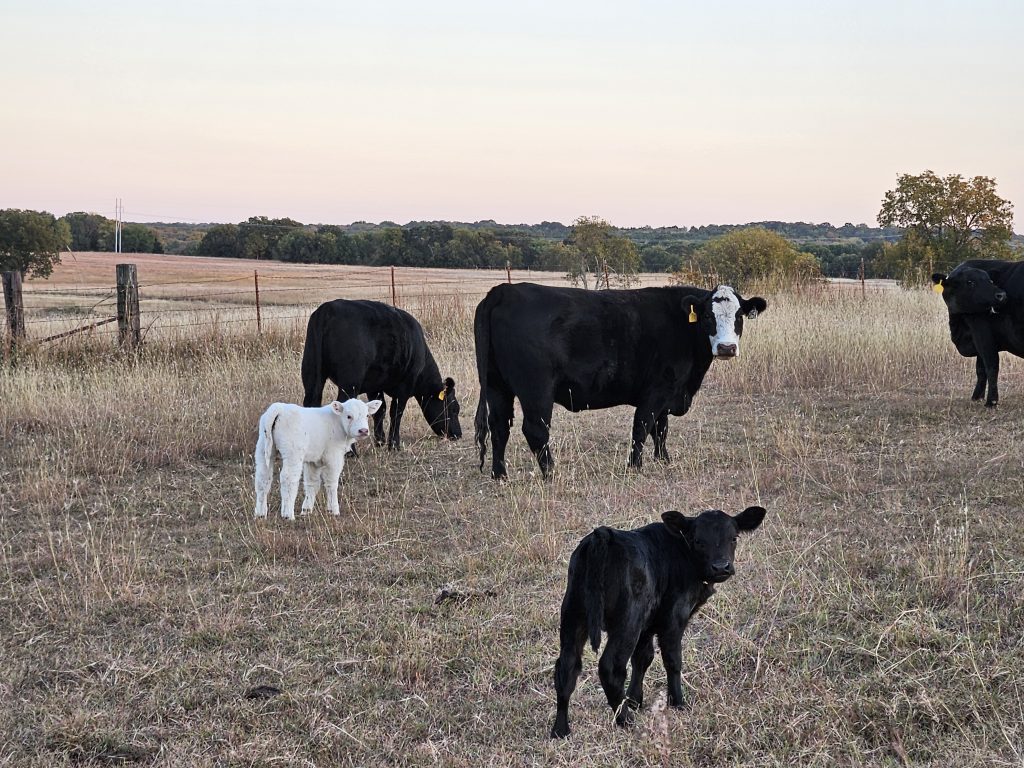
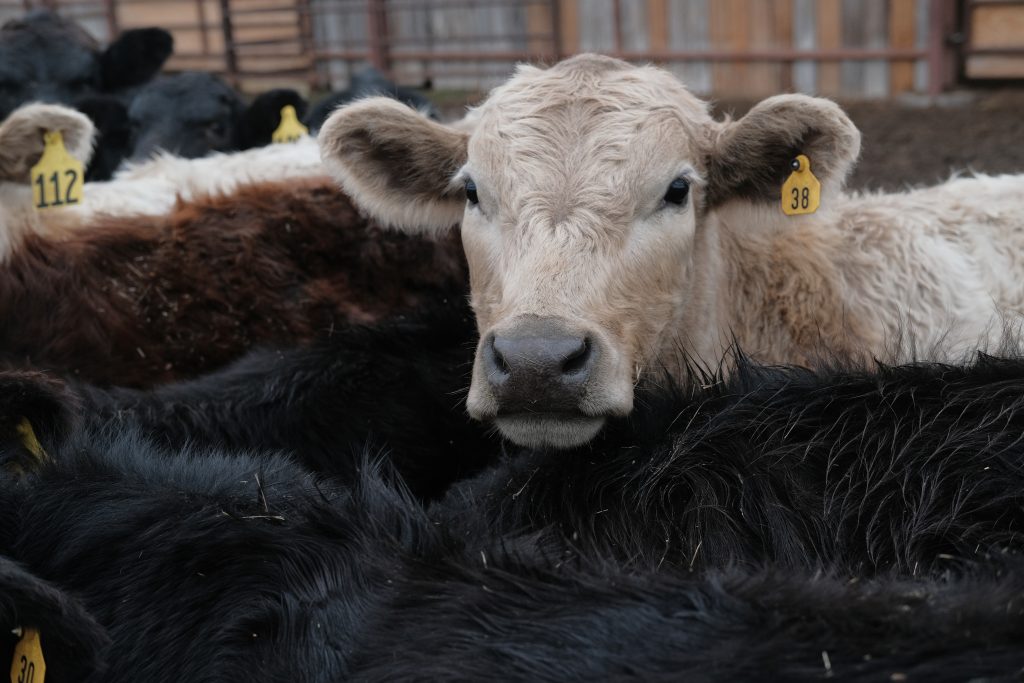
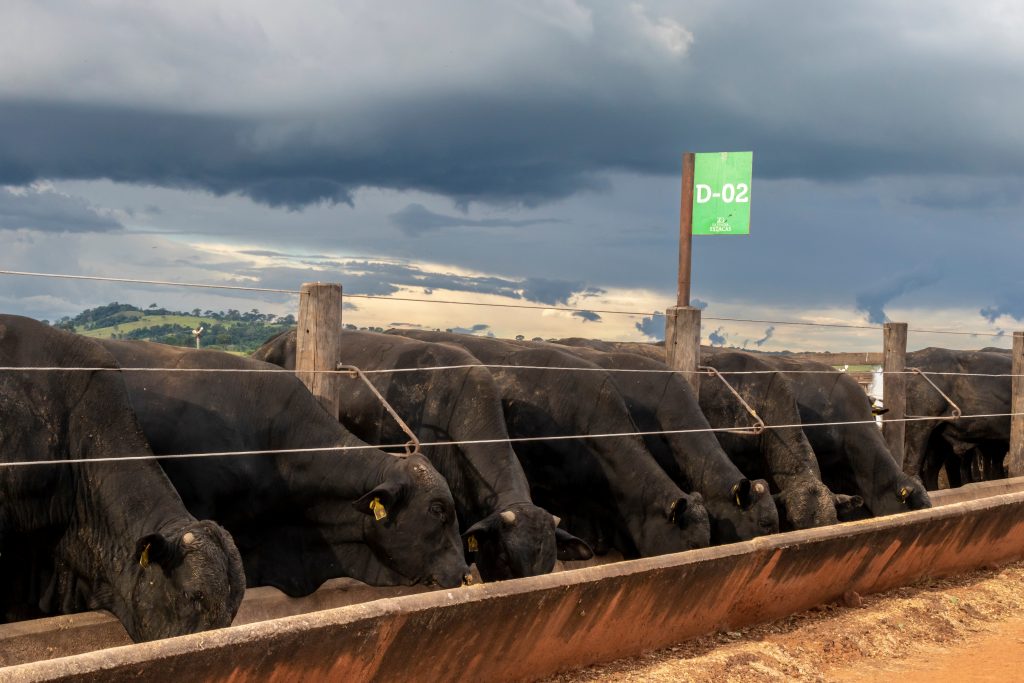
On Monday, U.S. Agriculture Secretary Brooke Rollins announced a phased reopening of southern ports for livestock trade as progress in several critical areas has been made since the closures on May 11. Re-openings of the ports for cattle, bison and equine from Mexico will begin with Douglas, Arizona, as early as July 7, followed by ports in New Mexico and Texas.
"TCFA welcomes Secretary Rollins' announcement to resume imports of Mexican feeder cattle. We express our appreciation to Secretary Rollins, USDA-APHIS Administrator Michael Watson and the entire USDA-APHIS team who have worked tirelessly to conduct a science-based assessment and implement risk-based strategies in response to the incursion of New World Screwworm in southern Mexico," stated TCFA Chairman Robby Kirkland. "Secretary Rollins' leadership and focus on this issue has been second to none and the decisive actions taken today ensure protection of the U.S. herd, while at the same time allowing for commerce to continue under stringent animal health inspection and treatment protocols. Today's decision will provide beef supply chain stability and mitigate price volatility and food inflation – directly benefiting U.S. consumers for the foreseeable future."
Since the most recent closure on May 11, USDA has worked tirelessly with Mexico on their| NWS response. In this time, USDA has consistently dispersed more than 100 million sterile flies each week. Additionally, USDA stated that it sent five teams of APHIS staff to visit/observe and gain a deeper understanding of Mexico's NWS response and allow them the opportunity to share feedback. During this time, there has not been a notable increase in reported NWS cases in Mexico, nor any northward movement of NWS over the past eight weeks.
USDA will reopen the southern ports one at a time. The second port scheduled for reopening is Columbus, NM, on July 14, followed by Santa Teresa, NM, on July 21, Del Rio, Texas, on Aug. 18 and Laredo, Texas, on Sept. 15. USDA stated that the phased approach allows for evaluation to ensure no adverse effects arise after each opening.
Cattle and beef trade between the U.S. and Mexico has provided mutual benefits, and agricultural trade with Mexico has increased substantially under the USMCA free trade agreement negotiated by President Trump during his first term.
For decades, Mexican feeder cattle have crossed into the U.S. every year under stringent import protocols overseen by USDA-APHIS to ensure cattle are free of disease and pests. From 1930-2024, Mexican feeder cattle imports averaged more than 700,000 head per year and averaged 1.15 million head per year in the last 25 years.
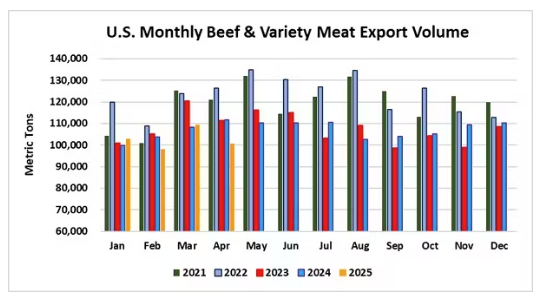
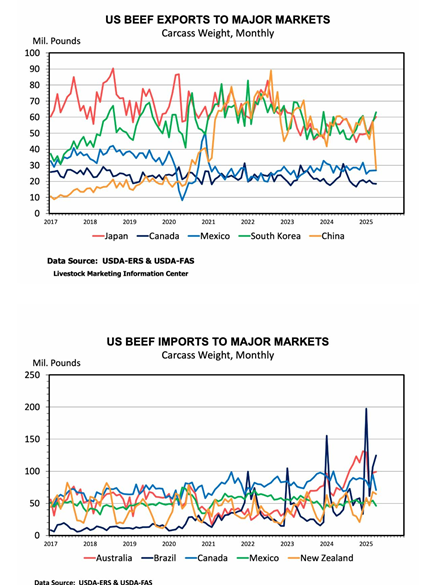
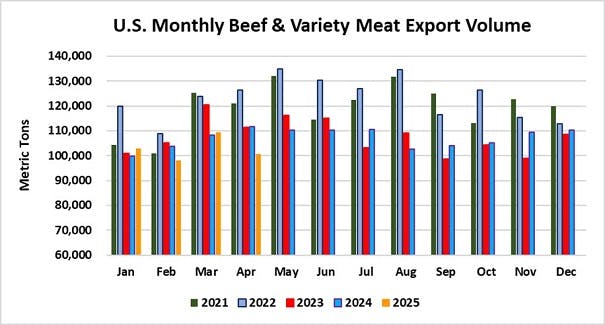
On a per head basis, total U.S. beef and variety meat export value averaged $415 per fed head harvested in 2024. Korea, Japan, China and Mexico are the top markets for U.S. beef and variety meats. In 2024, exports to Mexico represented $53.41 export value per head. TCFA will continue to engage with Secretary Rollins and USDA-APHIS leadership to support their response efforts.
The condition of the U.S. corn crop increased slightly while soybean conditions remained unchanged last week, according to USDA NASS's weekly Crop Progress report released on Monday. In the US Cotton, the 2025 Cotton Crop improved by four points from a week ago to 51% good-to-excellent.
Corn silking was 8% and 73% of the crop was rated in good-to-excellent condition.
Soybeans were 94% emerged, with 66% rated in good-to-excellent condition.
The US Grain Sorghum crop is rated 64% in good-to-excellent condition- an improvement of three points from last week.
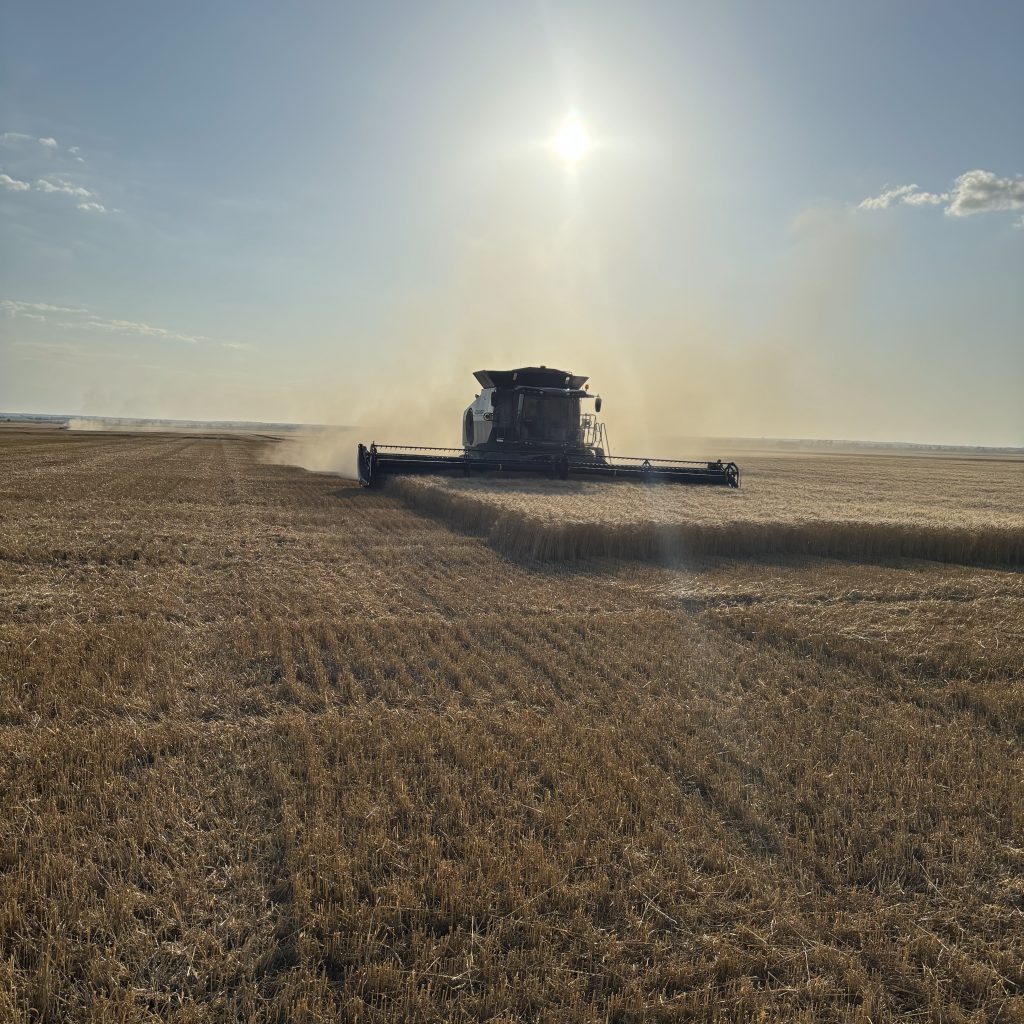
NASS estimated U.S. winter wheat condition at 48% good to excellent, down 1 point from 49% the previous week. The crop was 37% harvested- a jump of 18 points from week ago but 15 points under the harvested number of one year ago.
The US Pasture and Range conditions remains unchanged in good-to-excellent ratings of a week ago at 43%. That's well under the 48% good-to-excellent rating at this point in 2024.
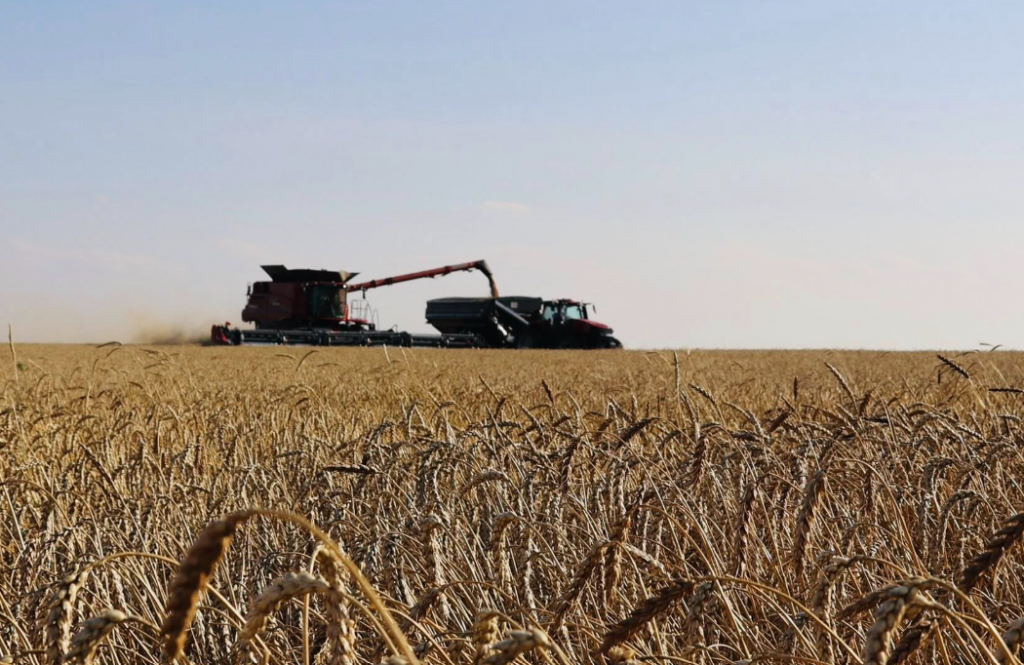
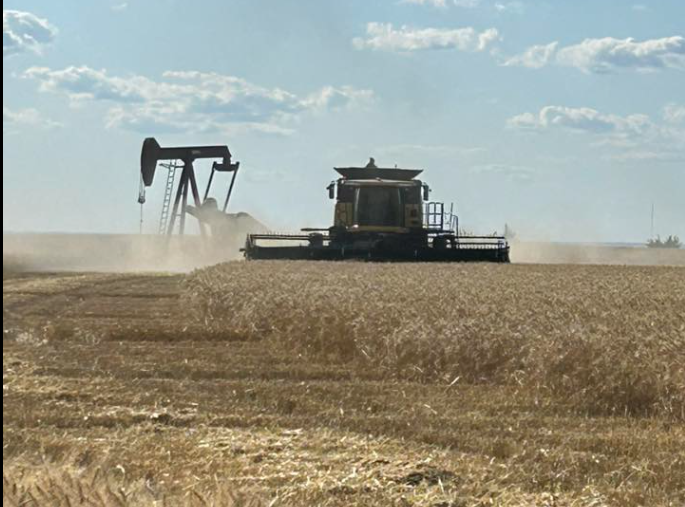
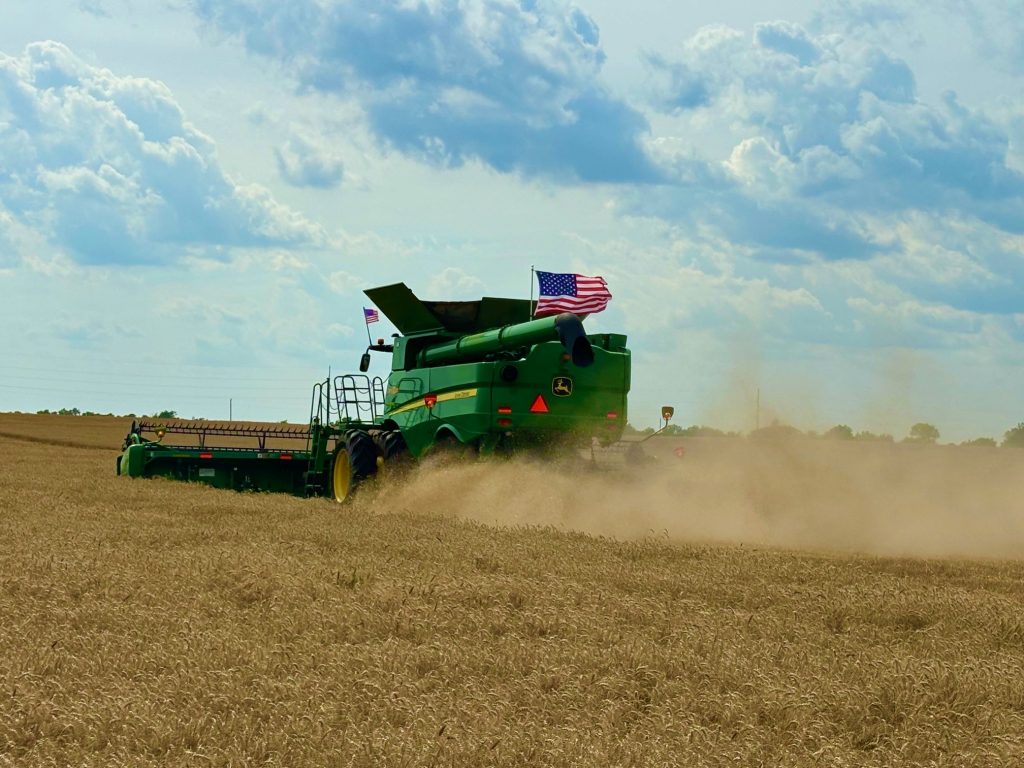
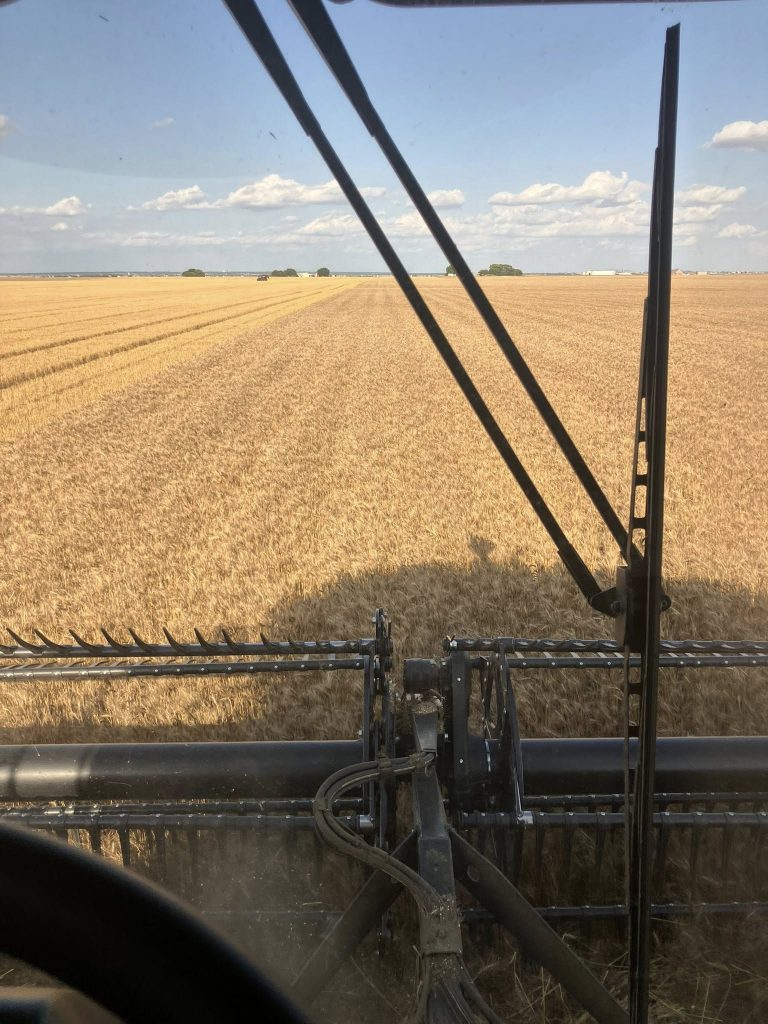
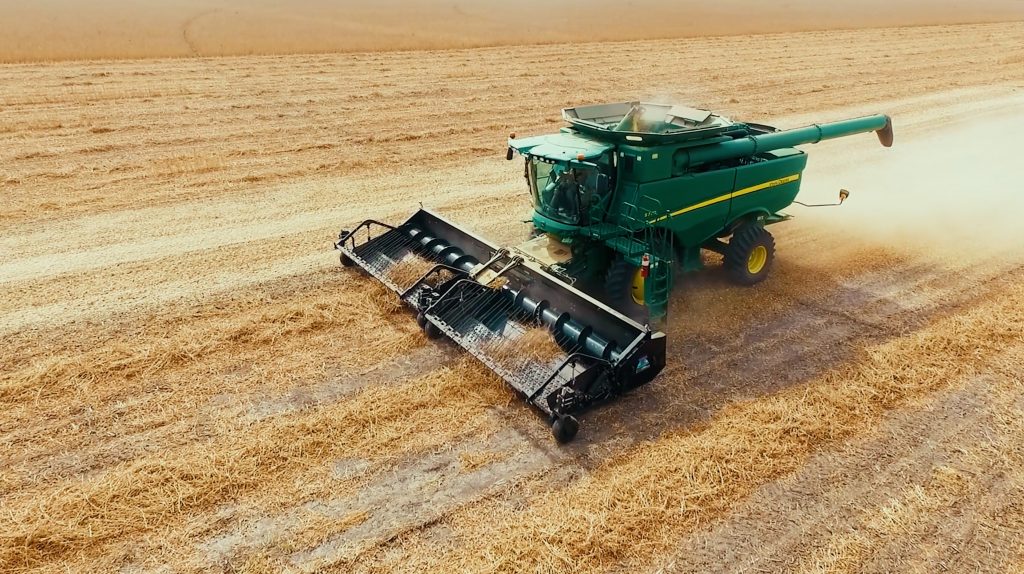
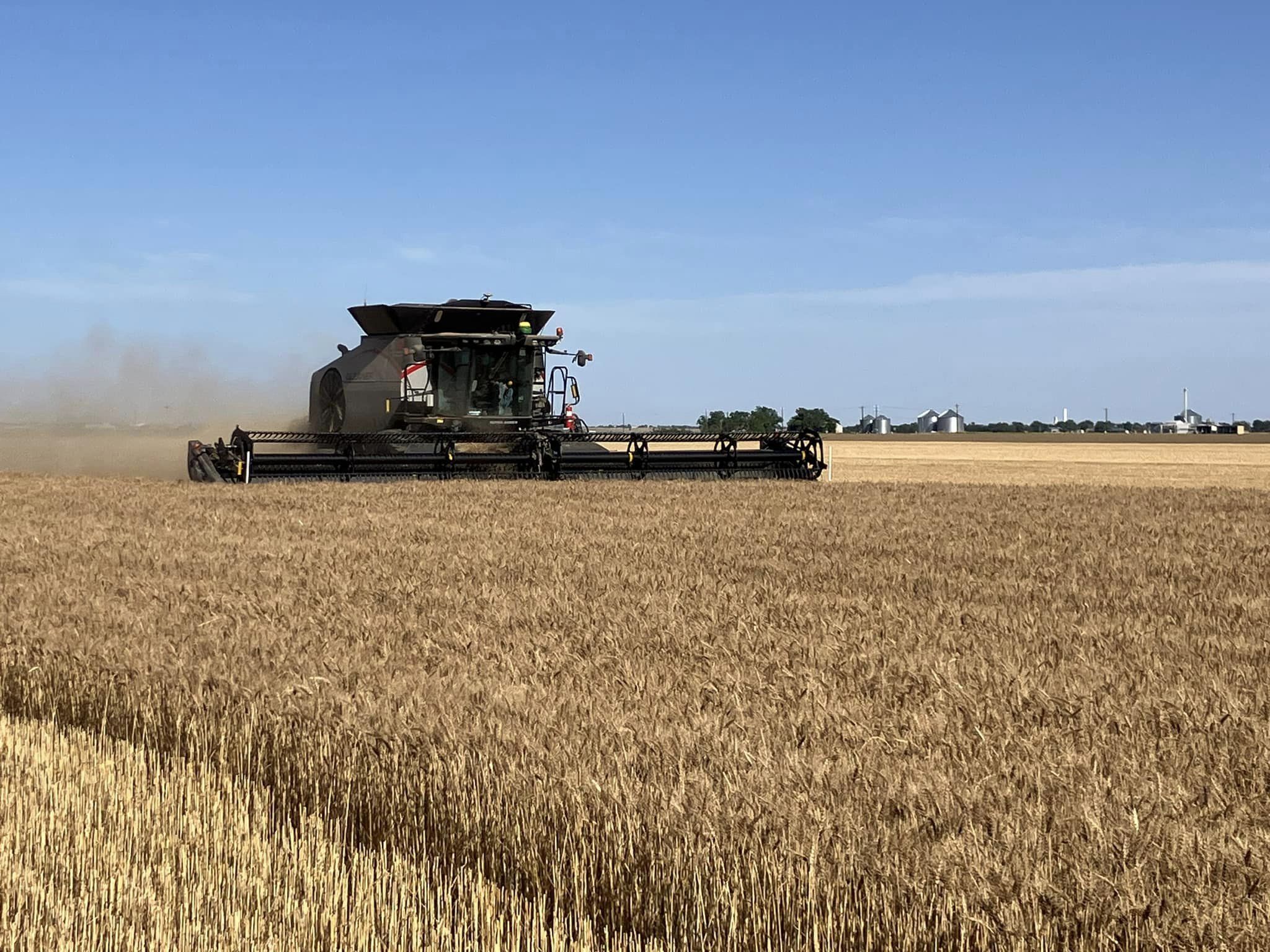
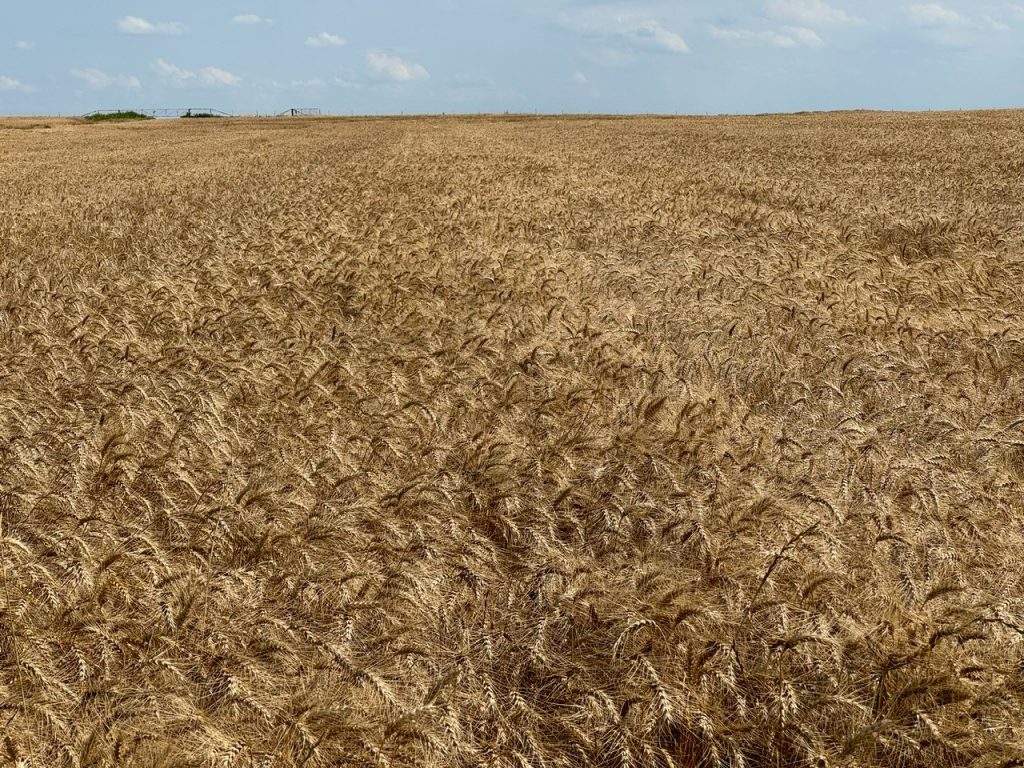
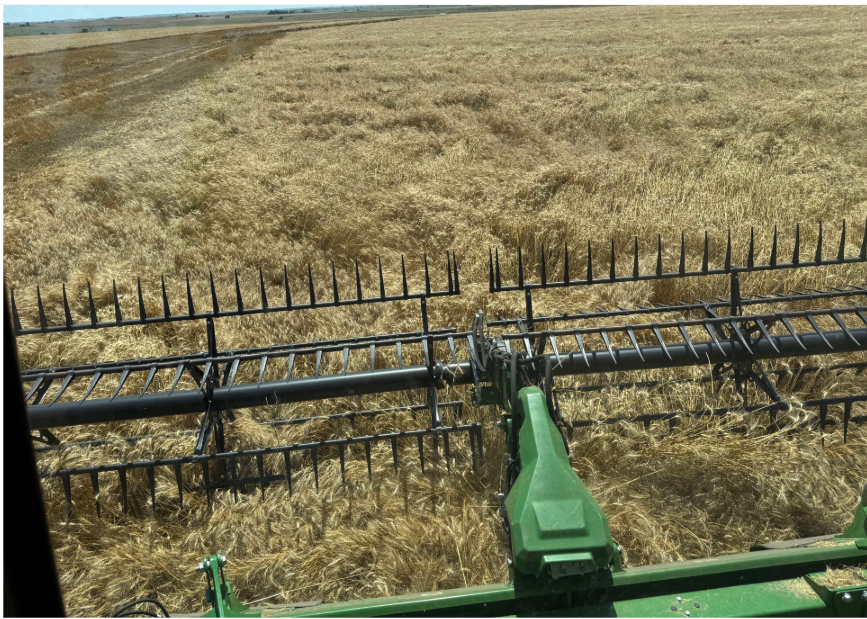
In the southern plains- the 2025 Oklahoma winter wheat crop harvest continues to lag the 2024 harvest badly- but was able to make good progress in the latest week. USDA says the crop is now 71% harvested- up from the 35% a week ago but well behind the 99% harvested number of 2024.
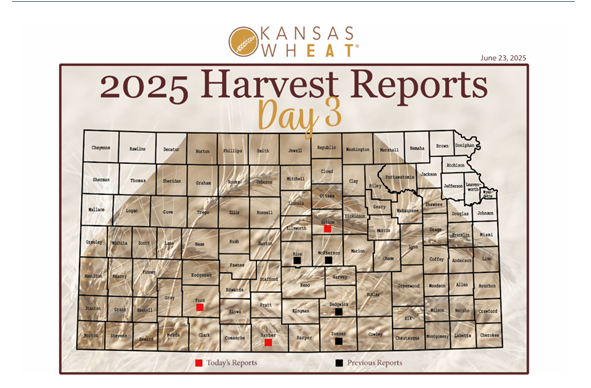
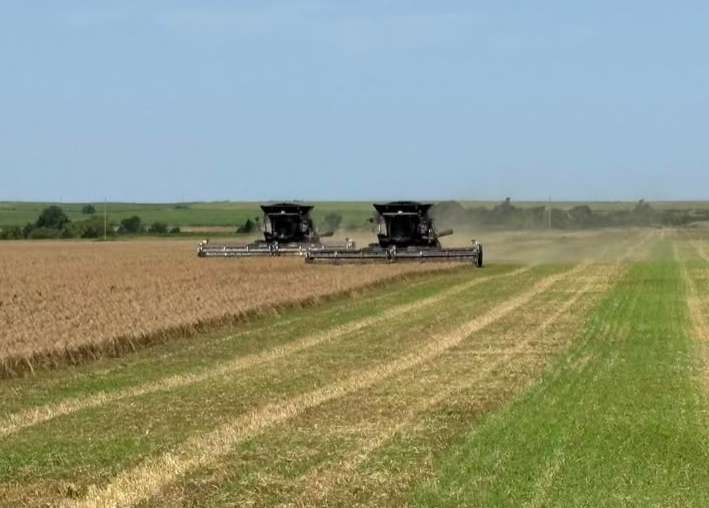
Our neighbors in Texas have hit 80% of the wheat crop harvested, down five points from where they were a year ago and five points behind the five year average. In Kansas, the harvest has hit the halfway mark at 53% versus 76% in 2025 but just three points under the five year average.
As for our spring planted crops in Oklahoma- here's our latest conditions ratings:
Corn is at 63% good-to-excellent this week, down one point from aa week ago and two points from one year ago.
Soybeans are at 53% good-to-excellent this week- the same percentage as a week ago but ten points under the 63% of one year ago.
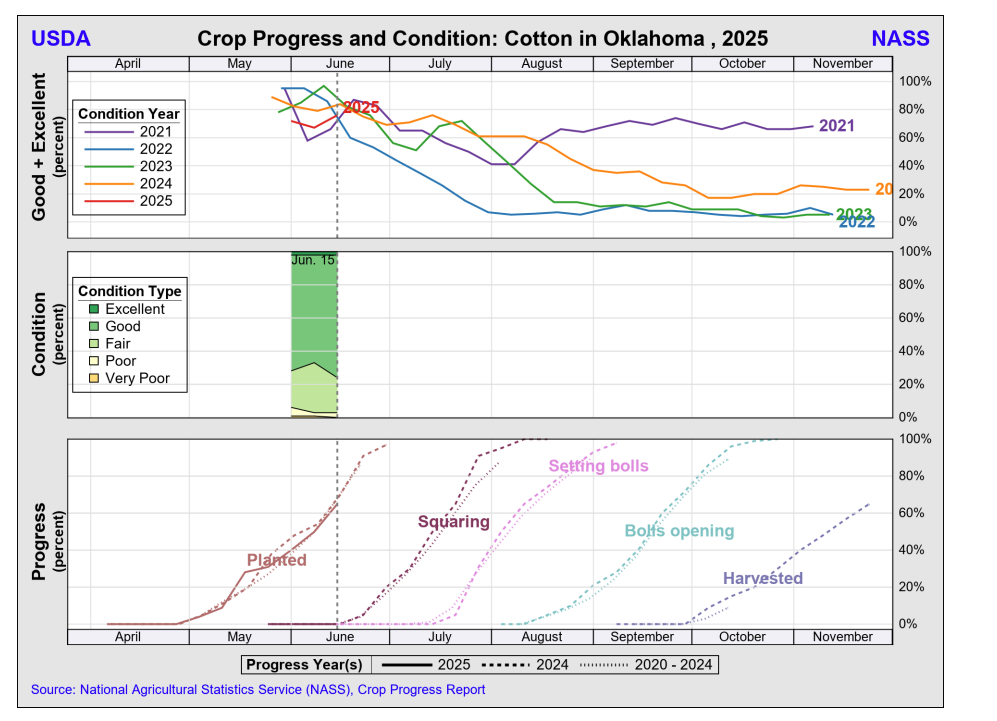
Cotton stands at 67% good-to-excellent this week, unchanged from a week ago. Cotton was 69% good-to-excellent one year ago in 2024.
Grain sorghum is 76% in good-to-excellent condition this week versus 68% good-to-excellent last week and well above the 52% good-to-excellent at this point in 2024.
Pasture and range conditions in Oklahoma this week stands at 71% good-to-excellent which is down six points of a week ago at 77%. The year ago Pasture Range rating for Oklahoma was just 53% good-to-excellent.
Checking Kansas spring planted crops and Pasture ratings:
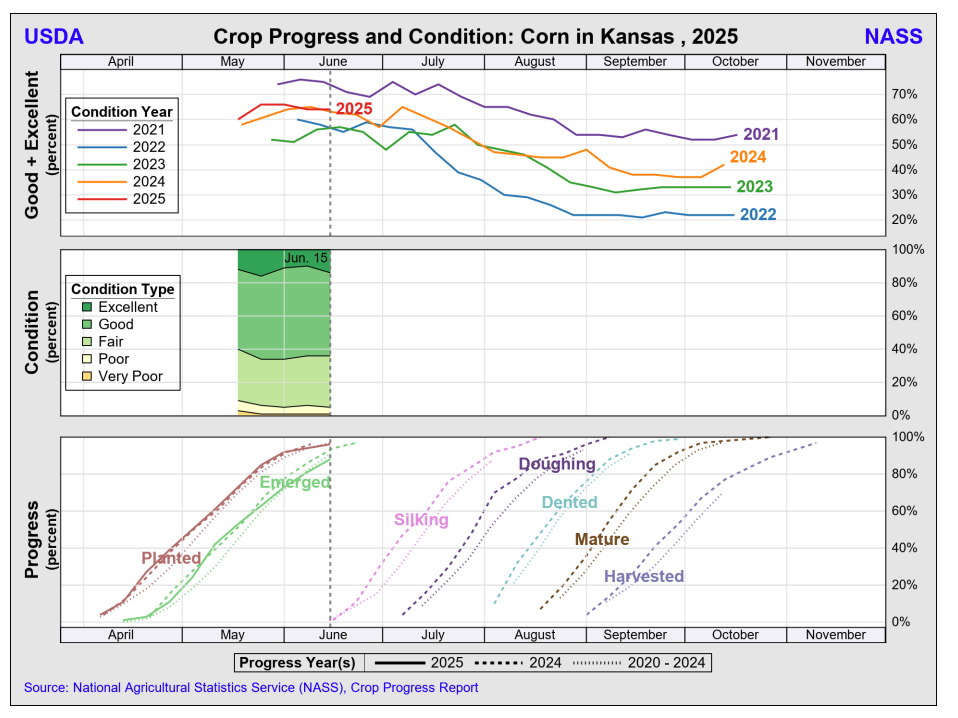
Kansas Corn is at 66% good-to-excellent this week versus 65% good-to-excellent last week.
Kansas soybeans are 67% good-to-excellent this week versus 64% last week.
Kansas cotton is rated 31% good-to-excellent this week versus 32% one week ago.
Kansas grain sorghum is 60% good-to-excellent this week versus 59% last week.
Pasture and Range ratings for Kansas have reached 66% good-to-excellent this week- up five points from a week ago at 61%. Kansas Pasture/Range ratings a year ago stood at 57% good-to-excellent.
Checking Texas spring planted crops and Pasture/Range Ratings:
Texas corn crop ratings at 67% good-to-excellent- way higher than the 52% a week ago.
Texas cotton is rated 40% good-to-excellent this week- an improvement of 5 points from the 35% good-to-excellent of last week.
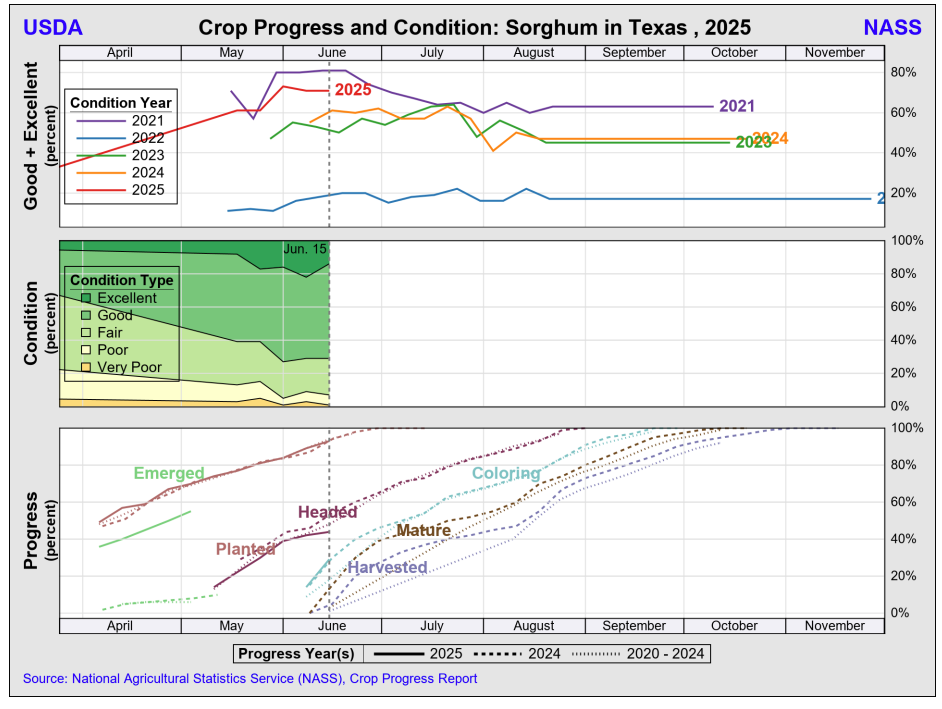
Texas Grain Sorghum is 68% good-to-excellent this week- four points up from the 64% of last week.
Finally- Texas Pasture and Range ratings have reached 50% good-to-excellent compared to 49% a week ago and the 37% good-to-excellent of one year ago.
Oklahoma Wheat Harvest "Start and Stop" Continues as Harvesters Move North June 30, 2025
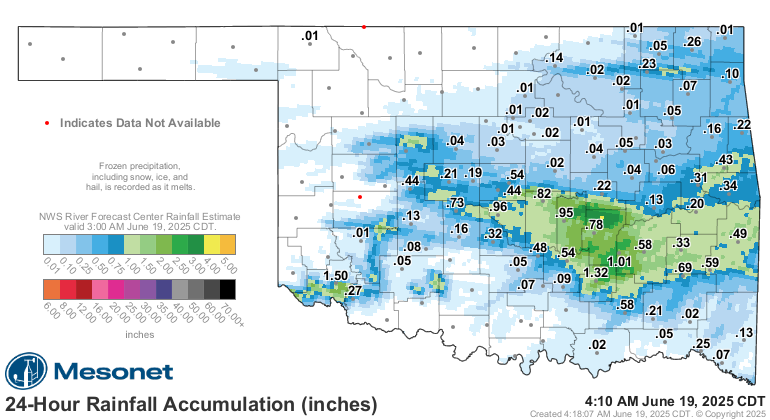
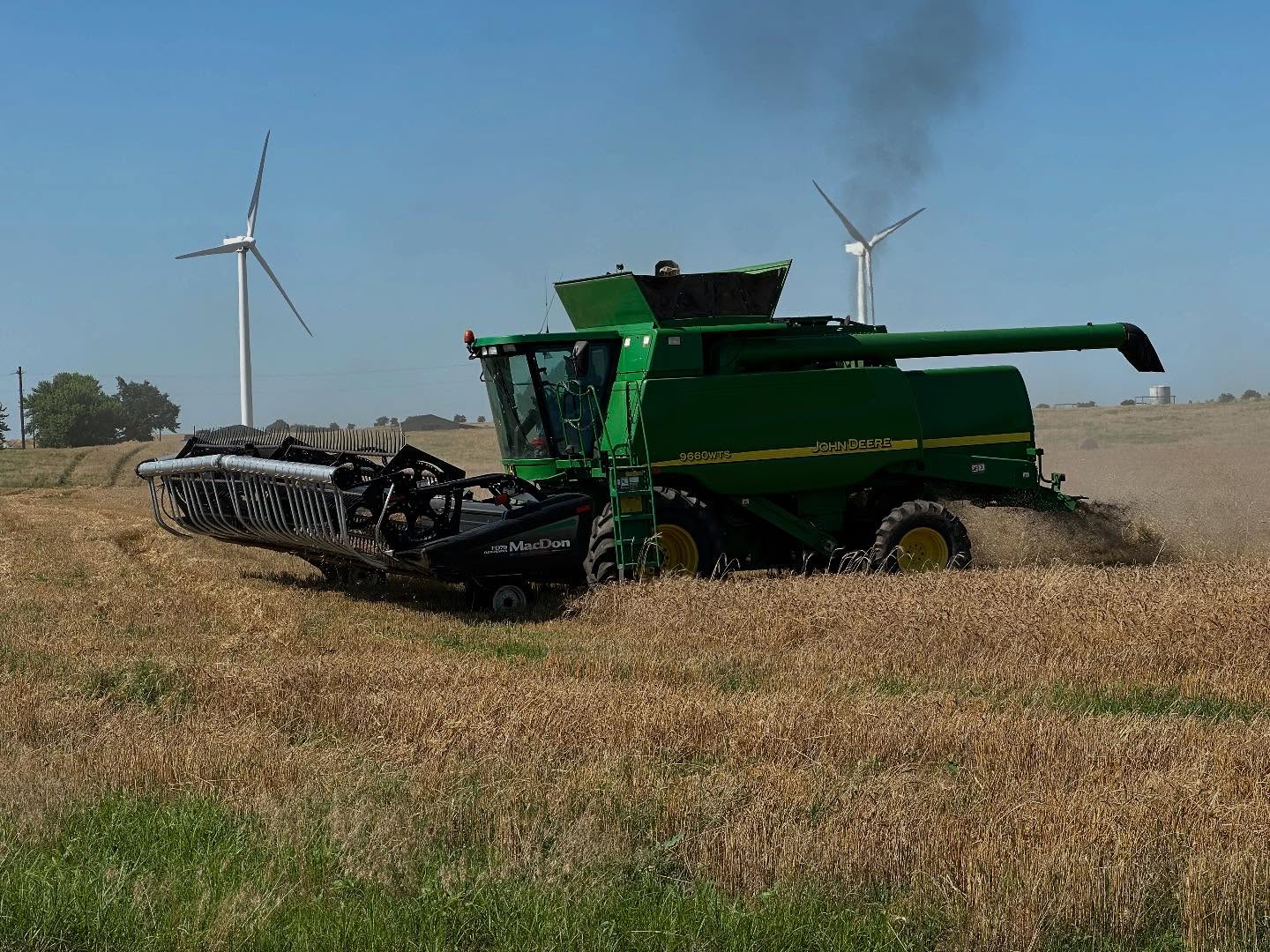
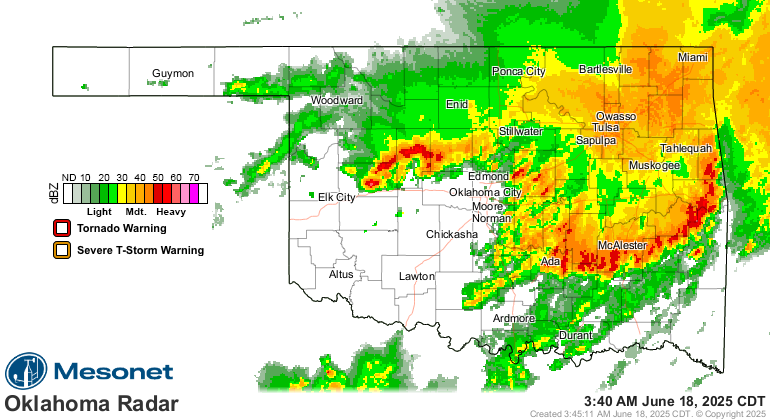
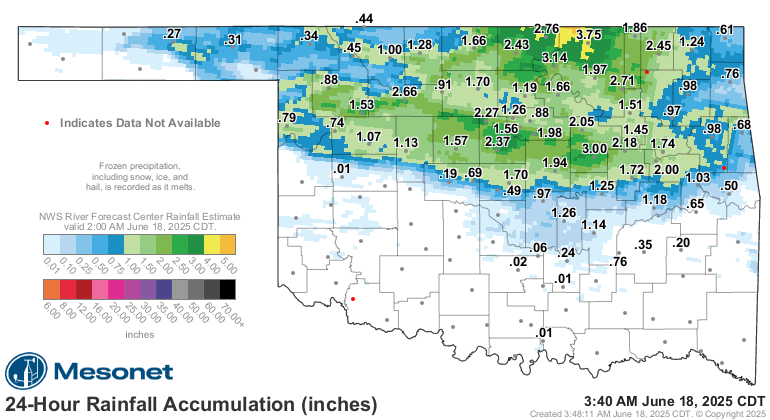
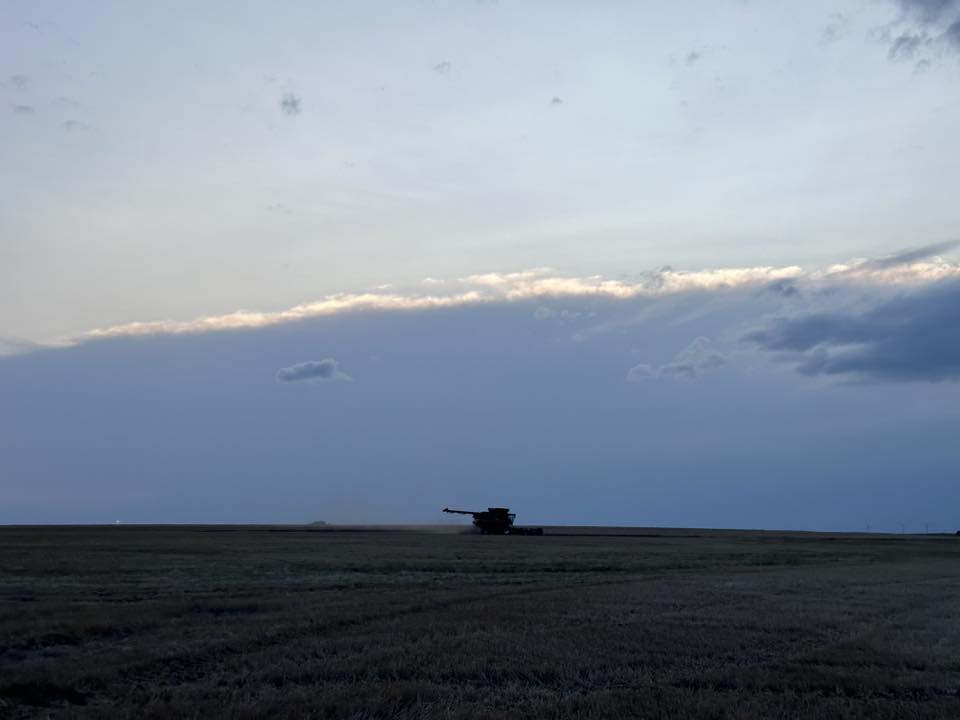
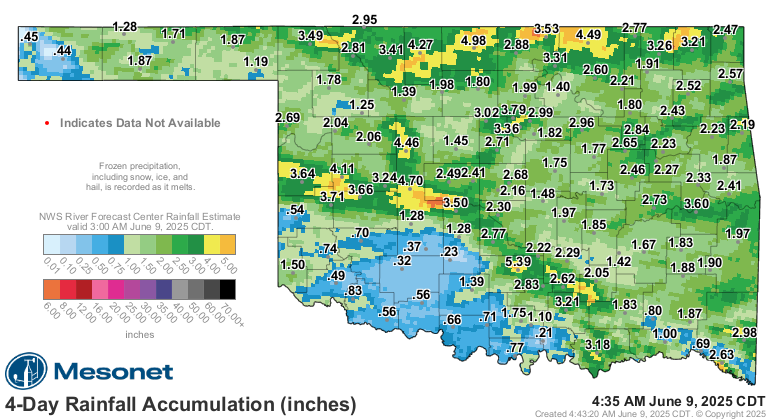
Oklahoma wheat harvest has made great strides over the past 5 days, with production halting on and off due to rain showers across Oklahoma this past week. Producers have also been fighting high humidity if weather was clear for them to get started, making it short days for harvesting. Last night heavy rains paused harvest in many parts of North Central Oklahoma along the I-35 corridor, heavy rains were also received in Northeast Oklahoma in the Afton/Miami area. Several parts of the Panhandle also received moisture last night with previous heavier rains over the weekend that have stopped producers from getting into the fields in some places. (Producers and harvesters made great progress in Southwest, South Central, Central, Western and Northwest Oklahoma over the last 5 days. The locations in these regions are 90 to 95 percent complete with harvest still taking place in all locations as a handful of producers try to finish up.) Areas reported today will be locations in Central, North Central, Panhandle and Northeast Oklahoma.
We have seen test weight numbers decline on what is now coming in, but the crop still has held up remarkably well considering all the moisture. The statewide average for test weight will still be 59 lbs. as much heavier weights were harvested earlier in the season. (Test weights are ranging now from 55 lbs. to 60 lbs. per bushel depending on variety, environment and location.) Yields across the state are ranging from the mid 40's to mid 50's for the most part, with some lower yielding wheat being reported due to heavy rains.
Management intensive producers have reported higher yields ranging in the mid 60's to mid 80's. Producers had better wheat in many Northern parts of the state but now will see some yield loss due to lower test weights. Protein ranges have been all over the board from 9.8% to 14.2% depending on management and location. Protein average for the state of Oklahoma is at 11.2%.
The Oklahoma Wheat Commission is calling harvest 78% completed as of today.
**It should be noted some minor instances of sprout has been reported at a 2 to 3% level, but in most regions the crop is still holding up without much sprout damage.
Central Oklahoma
Greenfield- Harvest in this region has made great progress. Test weights ranging from 58.5 lbs. to 62 lbs. per bushel depending on variety and location. Yields being reported from the mid 40's to mid 60's, with even some higher yields on management intensive wheat. Protein ranging from 10.7% to 11.1%. This area being reported as 95% harvested.
Okarche/Piedmont - Producers making progress in this region but still continue to fight mud. Test weights now averaging 59 lbs. for the region. Yield averages reported in the mid 40's with some management intensive wheat reported to be making in the mid 50's to low 60's. Protein is varying in this region, but East of Okarche into Piedmont region several higher proteins being reported above 12%. This region is 95% harvested.
Kingfisher/Omega/Loyal/Reeding – Some lower test weights now coming in the region. The area still looking at 58 lb. per bushel to 59 lb. per bushel average for the region. Yields ranging in the mid 30's to mid 50's depending on management practices. Several producers have grazed heavily in this region which has impacted yield. Producers that did not graze heavily with management intensive plans reporting yields in the mid 50's to mid 60's. Proteins ranging from 10.5% to 11.5%. The Kingfisher location is 95% complete. Reeding, Omega, Loyal, Watonga locations are 90% complete.
North Central and Northern Oklahoma
Okeene/Fairview/Ringwood/Lahoma- Test weights still coming in favorable ranging from 58 lbs. to 60 lbs. per bushel with many still 60 plus. Yields ranging from the mid 40's to mid 50's for the most part, with intensive management fields making 60 to 80 bushels. Protein reports are varying across this area with lower than expected proteins in some areas and much higher than expected proteins in other parts. The protein average in this region is at 11.8%. The Fairview/Ringwood/Lahoma areas are reported at 90% complete.
McWillie/Helena/Goltry- Producers in McWillie/Helena area made great progress this past 5 to 6 days. Test weights still averaging 60 lbs. per bushel on later cuttings. Yields ranging from high 30's to mid 50's depending on management practices. Some intensively managed wheat reported to be making in the mid 60's. No protein was reported at this time. This region is considered to be 90% harvested.
Kremlin/Hunter/Pond Creek- Producers have been fighting rains in this region over the weekend which has hindered harvest. Test weights have declined some ranging from 55 lbs. to 58 lbs. per bushel. Yields reported in the mid 40's to mid 50's for the most part. Some intensively managed fields making in the mid 60's. Protein averaging 11.2%. This region considered to be 55% harvested.
Tonkawa/Ponca City/Blackwell/Braman- Test weights being reported at 56 lbs. to 58 lbs. per bushel. This region has had heavy rains over the weekend putting harvest at a standstill for the next couple days . Yields on early cuttings ranging from low 40's to mid 50's for the most part. It should be noted that a large area in this region has either suffered severe flooding and hail events. Also several fields will most likely be abandoned due to heavy weed issues. Protein on early cuttings averaging 11.1%. This region is considered 50% harvested.
Northeast Oklahoma
Afton/Miami- Producers have been struggling to get the crop out with heavy rains this weekend. Harvest will be at a standstill for the next few days. This region reporting two classes -- Hard Red Winter and Soft Red Winter wheat. This region reported at 40% percent complete.
**Hard Red Winter Class, test weights have been averaging 56 lbs. per bushel. Yields are ranging in the mid 20's to mid 50's depending on variety and location.
**Soft Red Winter Class, test weights have been averaging 56 lbs. per bushel. Yields are ranging in the mid 20's to mid 50's depending on variety and location.
Wheat Classes And What They Are Used For
Hard Red Winter (HRW) – A versatile wheat with excellent milling and baking characteristics for pan bread. Hard Red Winter wheat is also a choice for Asian noodles, hard rolls, flat breads, general purpose flour and cereal.
Soft Red Winter (SRW) – A versatile, weak-gluten wheat with excellent milling and baking characteristics suited for cookies, crackers, pretzels, pastries and flat breads.
Panhandle
Balko/Goodwell/Guymon/Hooker- A large portion of dryland harvest has now been completed in all regions of the Panhandle. Dryland wheat harvest is 90% percent complete. Irrigated wheat harvest around the Balko area is 80% complete, other regions around Guymon and Hooker are just getting started with irrigated wheat harvest. A great deal of irrigated wheat harvest has taken place in central regions of the Panhandle around the Balko area, while irrigated wheat between Guymon and Hooker has taken longer to ripen. Dryland wheat yields reported from 20 bushels to 50 bushels per acre depending on variety and location. Irrigated wheat yields around the Balko area ranging from 80 bushels to 105 bushels per acre. Irrigated wheat yields not reported yet around the Guymon and Hooker region. Test weights on dryland wheat ranging from 55 lbs. to 62 lbs. per bushel depending on variety and location. Test weight on irrigated wheat that was reported ranging from 59 lbs. to 61 lbs. per bushel. In the Boise City region harvest is 50% complete, no yields reported. No protein reported
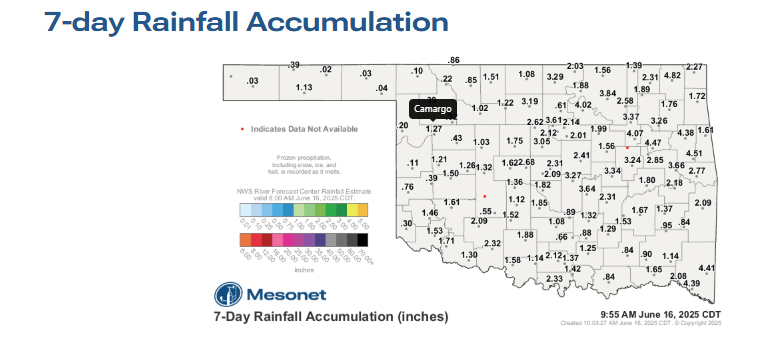
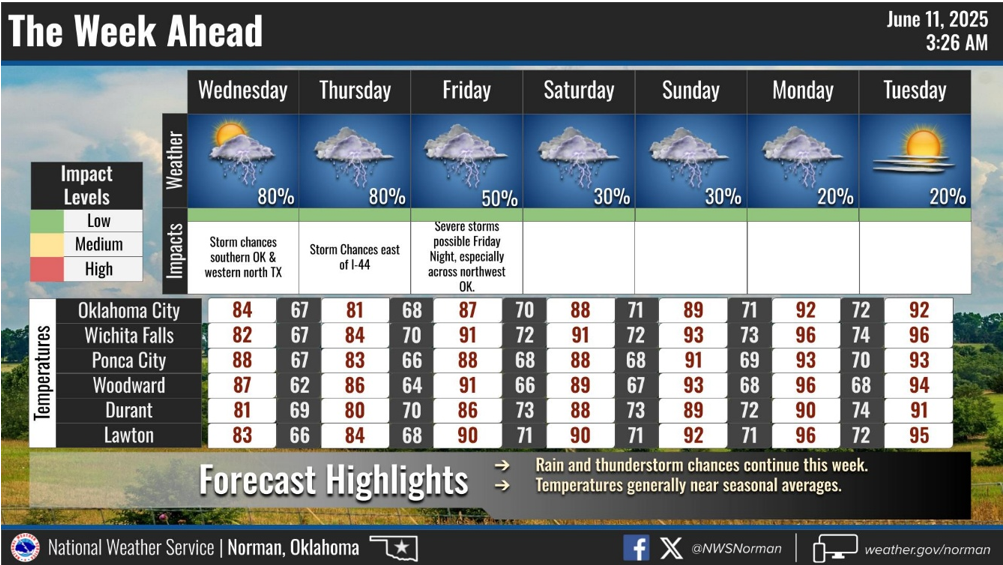
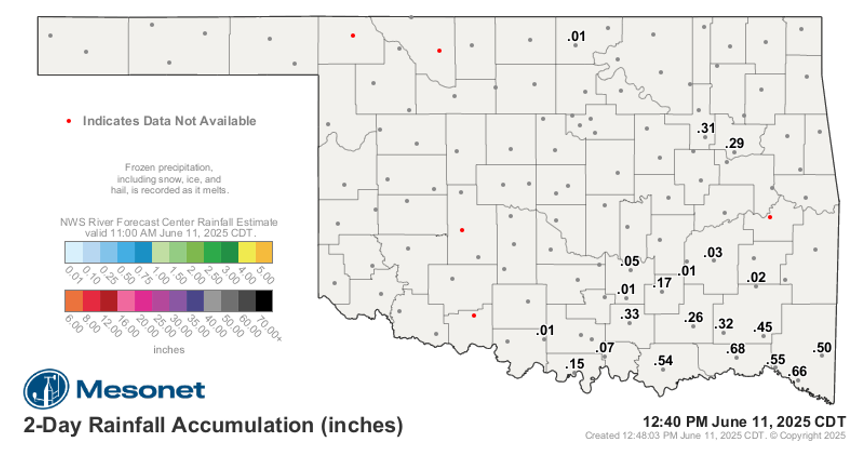
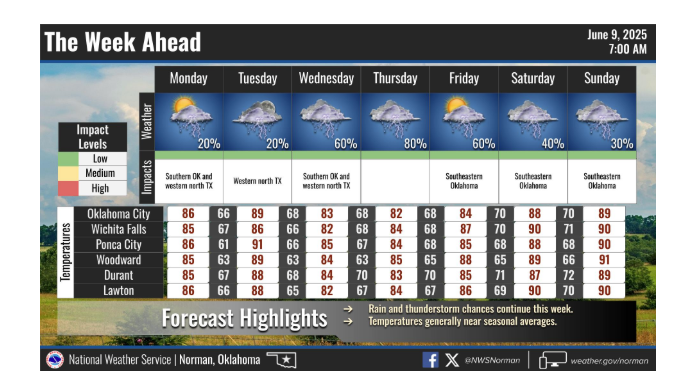
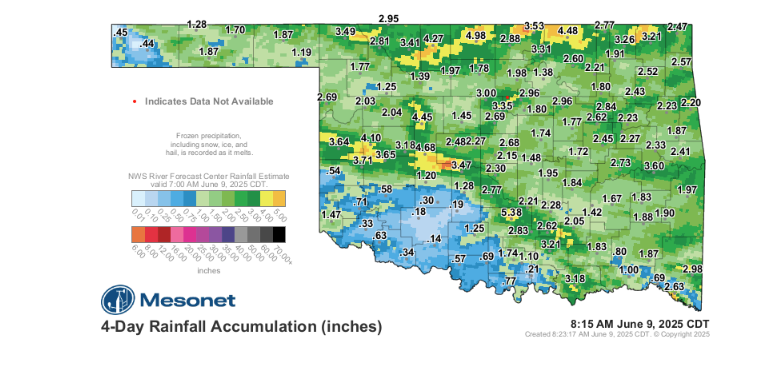
Below, see the 7-day forecast provided by the Oklahoma Mesonet:
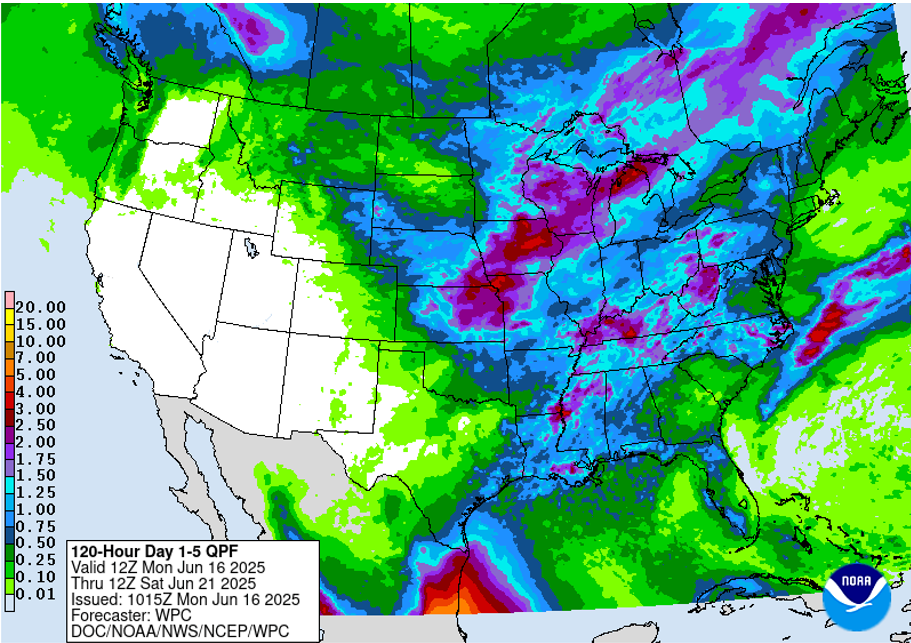
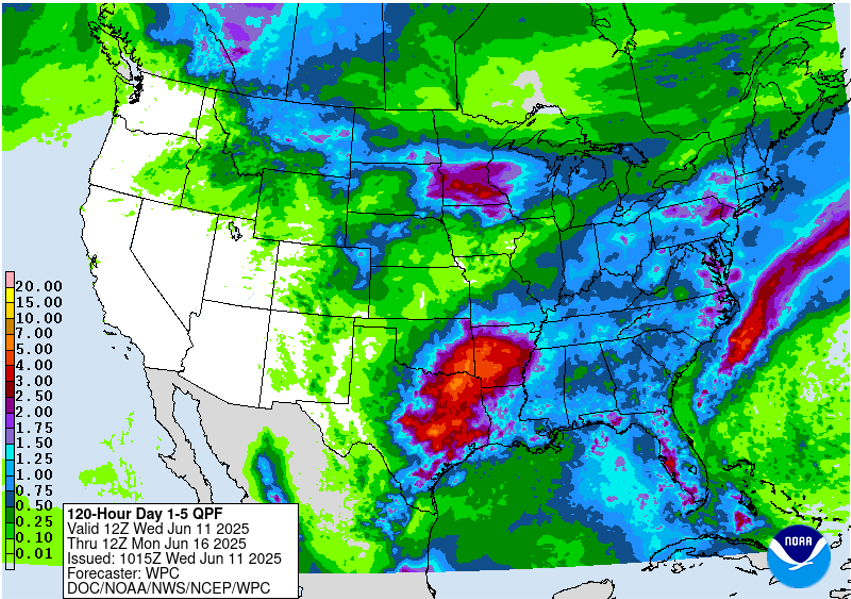
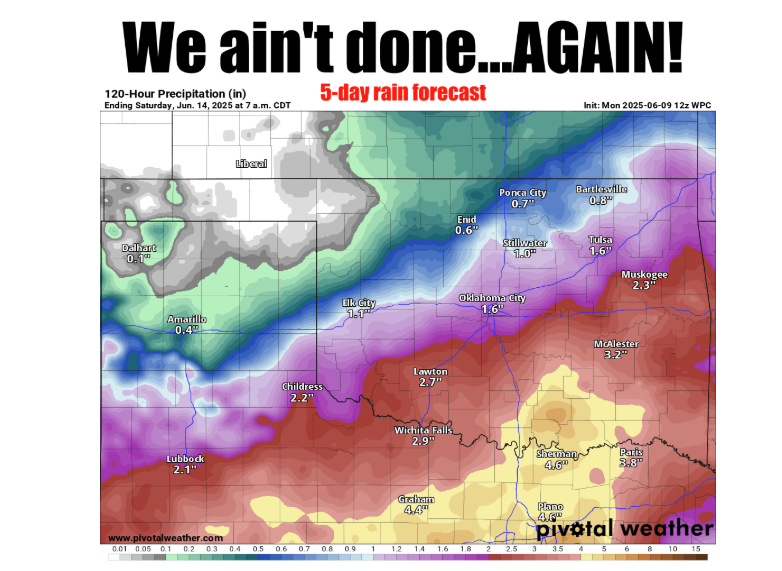
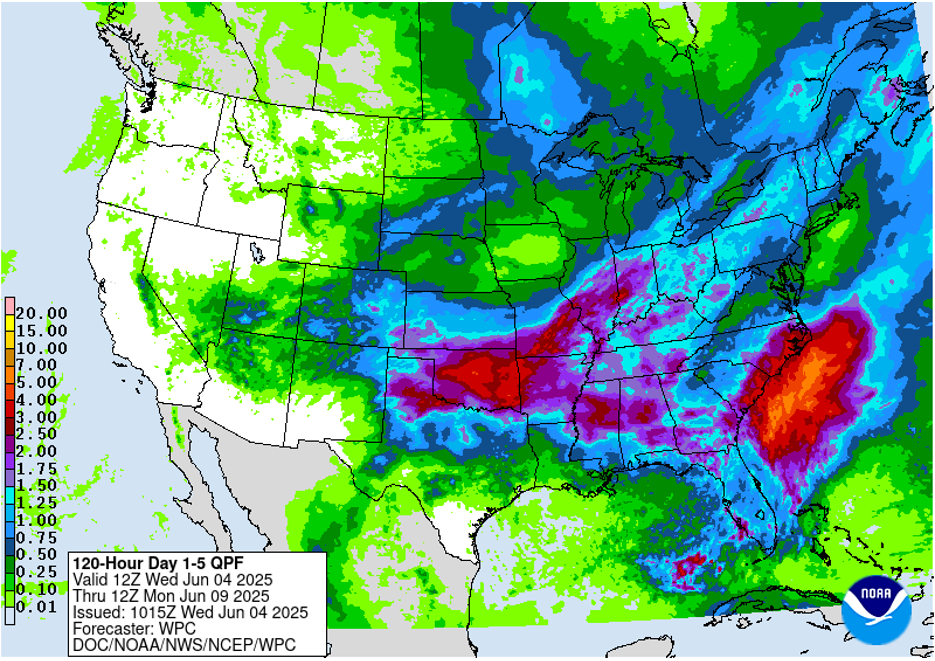
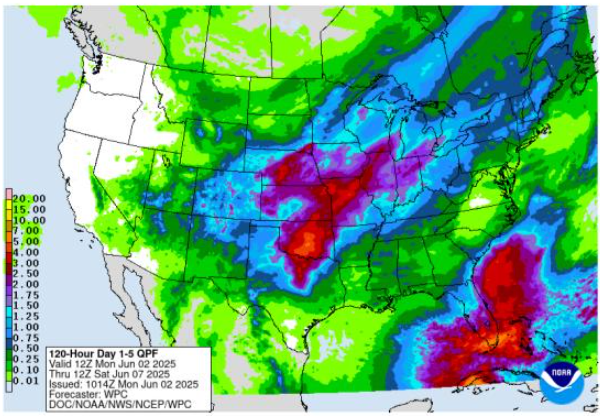
NWS Days 1-5 Precipitation Forecast The Days 1-5 Precipitation Forecast is produced by the National Weather Service's Weather Prediction Center for June 30-July 5, 2025.
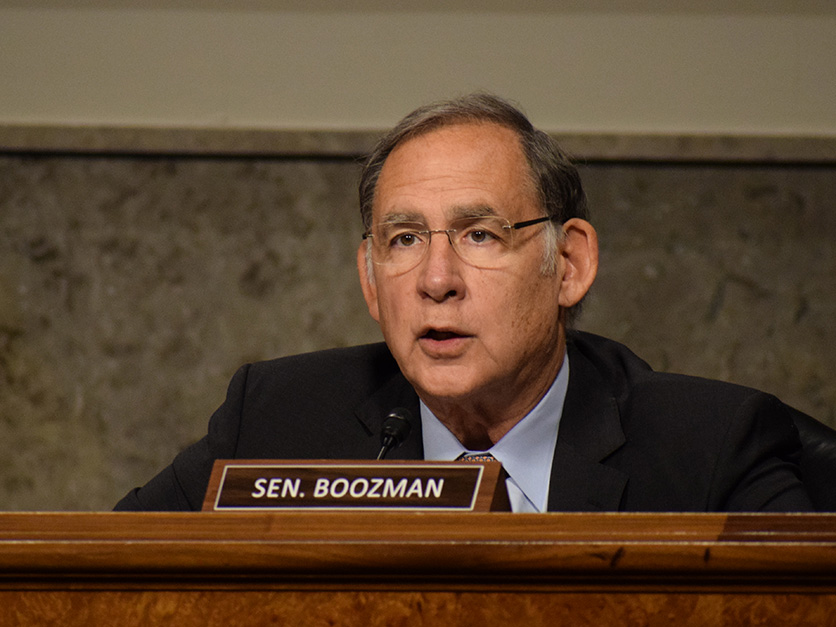
House Committee on Agriculture Chairman Glenn "GT" Thompson (PA-15) and Senate Committee on Agriculture, Nutrition, and Forestry Ranking Member John Boozman (R-AR), released the following statement on the FY 2024 SNAP Payment Error Rate:
"Another year, another troubling payment error rate in SNAP, a clear sign that the program lacks the state accountability measures hardworking taxpayers deserve. The status quo, slap-on-the-wrist penalties from USDA have failed at maintaining program integrity in SNAP. This is exactly why we need to get the One Big Beautiful Bill to the President's desk. Its historic reforms will give states skin in the game on SNAP benefits and ensure they have a real incentive to improve oversight and stop improper payments before they happen."
Background: For too long, states have had little incentive to properly administer their SNAP programs, knowing that the federal government would pay for 100 percent of the SNAP benefit regardless of their performance. The One Big Beautiful Bill changes that. By tying a modest cost share to a state's SNAP error rate, the bill creates long-overdue accountability, encouraging better oversight, reducing waste, and improving outcomes for both taxpayers and those who rely on the program.
Today, the National Cattlemen's Beef Association (NCBA) announced support for the U.S. Department of Agriculture's (USDA) plan to strategically reopen key ports of entry to shipments of live cattle, bison, and horses. This decision was made by Secretary of Agriculture Brooke Rollins following a New World screwworm assessment by USDA staff in Mexico and ongoing conversations between Secretary Rollins and the Mexican Secretary of Agriculture.
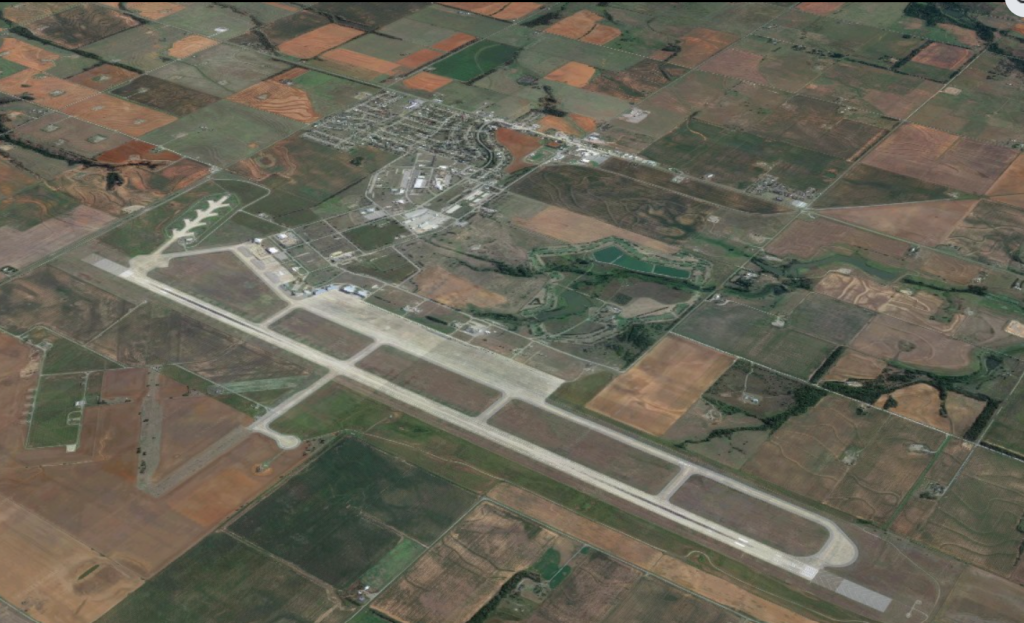
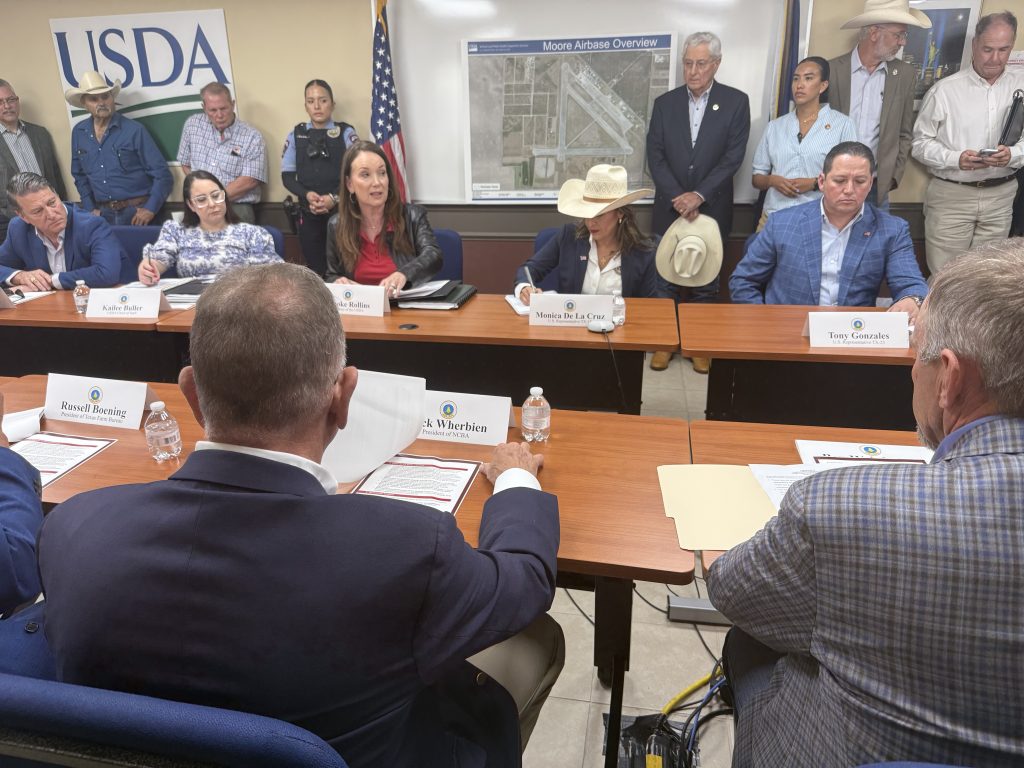
"NCBA and our state affiliates have spent months working with USDA to safeguard the U.S. cattle industry from the threat of New World screwworm. We strongly support USDA's five-pronged plan to fight the screwworm, which includes bolstering sterile fly production by renovating a facility in Metapa, Mexico and by building a new fly dispersal facility at Moore Air Base in south Texas," said NCBA CEO Colin Woodall. "Today's announcement to reopen key ports of entry is a measured, thoughtful approach by Secretary Rollins to allow some trade while also ensuring the American cattle industry is protected from this pest."
NCBA previously supported USDA's decision to temporarily close the U.S. southern border to shipments of cattle, bison, and horses in May 2025. This temporary measure was intended to give USDA time to assess conditions on the ground in Mexico and to determine the next steps for eradicating this pest. Since that time, USDA has rolled out their five-pronged plan to fight the screwworm, increase surveillance, and stop the spread of the pest in Mexico. USDA also recently sent staff from the Animal and Plant Health Inspection Service (APHIS) to Mexico to gather technical information.
"We trust Secretary Rollins made this decision with the latest information from USDA staff in Mexico, and we know she will continue holding her counterparts in the Mexican government accountable for eradicating screwworm," Woodall added. "NCBA and our state affiliate partners will continue working with USDA and key members of Congress to protect the United States from New World screwworm."
U.S. Senator Amy Klobuchar (D-MN), Ranking Member of the Senate Committee on Agriculture, Nutrition, and Forestry, raised a Point of Order challenging the unprecedented unfunded mandate imposed by the SNAP cuts in the Republicans' "Big Beautiful Betrayal."
The bill requires states, for the first time, to cover a portion of SNAP benefits and pay for an additional share of program administration costs. This will shift billions of dollars onto state and local governments, forcing them to cut food assistance or reduce funding for other critical priorities like public safety, education, or infrastructure. All 23 Democratic Governors have spoken out against this proposal, and four Governors joined Klobuchar to call out these unfunded mandates last week.
Senator Lisa Murkowski (R-AK) joined all 47 Senate Democrats in voting for this Point of Order.
A rough transcript of Klobuchar remarks is available below and video can be downloaded here.
Klobuchar: Mr. President, I make a Point of Order that the pending measure contains an unfunded intergovernmental mandate, and thus it violates section 425(a)(2) of the Congressional Budget Act of 1974.
In nutrition assistance alone, this bill shifts tens of billions of dollars onto the states, creating chaos for state budgets and hardship for families. CBO score for this bill says this, "the non-tax provisions of the substitute amendment would impose intergovernmental and private sector mandates, as defined in the Unfunded Mandates Reform Act, and that the snap cost shift provisions would impose the largest intergovernmental mandate."
Seriously, the largest shift in this whole bill, the largest unfunded mandate, is on the backs of kids and veterans and seniors, and people with disabilities. $64 billion over to the states. 44 of them have balanced budget amendments. You know, they can't pay for this.
It's hurting local grocery stores. It's hurting our farmers, and it's all done to pay for tax cuts to the wealthy. I say to our colleagues, vote for families over billionaires. Vote for fiscal sanity over this big beautiful betrayal, and vote yes. This is an unfunded mandate.
U.S. Secretary of Agriculture Brooke L. Rollins today announced risk-based port re-openings for cattle, bison, and equines from Mexico beginning as early as July 7, 2025. The U.S. Department of Agriculture (USDA), following extensive collaboration between USDA Animal and Plant Health Inspection Service (APHIS) experts and their counterparts in Mexico to increase New World Screwworm (NWS) surveillance, detection, and eradication efforts, are set to begin a phased reopening of the southern ports starting with Douglas, Arizona.
Progress has been made in several critical areas since the ports were closed on May 11th, including: resolution of challenges with conducting flights in Mexico that has allowed our team to consistently conduct sterile NWS fly dispersal 7 days each week and dispersal of more than 100 million flies each week. We also sent five teams of APHIS staff to visit/observe and gain a deeper understanding of Mexico's NWS response and allow us the opportunity to share our feedback. We have not seen a notable increase in reported NWS cases in Mexico, nor any northward movement of NWS over the past eight weeks.
"At USDA we are focused on fighting the New World Screwworm's advancement in Mexico. We have made good progress with our counterparts in Mexico to increase vital pest surveillance efforts and have boosted sterile fly dispersal efforts. These quick actions by the Trump Administration have improved the conditions to allow the phased reopening of select ports on the Southern Border to livestock trade," said Secretary Rollins. "We are continuing our posture of increased vigilance and will not rest until we are sure this devastating pest will not harm American ranchers."
While the Douglas, AZ port presents the lowest risk based upon the geography of Sonora and a long history of effective collaboration between APHIS and Sonora on animal health issues, USDA intends to reopen additional ports in New Mexico, and if it is proven safe to do so, in Texas, over the coming weeks. Additional port openings will be based on APHIS' continuous reevaluation of the number of cases and potential northward movement of NWS, Mexico's continued efforts to curb illegal animal movements, and implementation of further rigorous inspection and treatment protocols.
Port Reopening Timeline *After each reopening USDA will evaluate to ensure no adverse effects arise*
Douglas, AZ – July 7
Columbus, NM – July 14
Santa Teresa, NM – July 21
Del Rio, TX – August 18
Laredo, TX – September 15
USDA is working with Mexico's National Department of Health, Food Safety and Food Quality (SENASICA) on outreach, education, and training efforts to raise awareness and put producers on high alert about NWS, along with utilizing their well-functioning central laboratory for diagnosing cases. While Mexico has made great progress on animal movement controls and surveillance, additional progress will help ensure the remaining U.S. ports reopen. Enhanced animal movement controls to stem illegal animal movements from the south, along with robust surveillance and NWS risk mitigations beyond check points will be critical in pushing back NWS. APHIS technical teams continue to engage with SENASICA to improve the overall NWS posture in Mexico and implement the rigorous steps needed to keep this pest away from our border.
Mexico will also begin renovation of its sterile fruit fly facility in Metapa this week, with renovation expected to be completed by July 2026. Renovation of this facility will allow for production of between 60-100 million sterile NWS flies each week. This is a critical step towards reaching the goal of producing the estimated 400-500 million flies each week needed to re-establish the NWS barrier at the Darien Gap.
To ensure that we safely proceed with allowing for movement of animals across the border, only cattle and bison, born and raised in Sonora or Chihuahua, or that are treated according to cattle and bison NWS protocol when entering these states will be eligible for import. See USDA APHIS | Importing Live Cattle and Bison From Mexico to the United States for more information on cattle and bison import requirements. In addition, reopening the Del Rio (August 18) and Colombia Bridge (September 15) ports will be contingent on Coahuila and Nuevo Leon adopting the same NWS protocols for cattle and bison as those now required of Sonora and Chihuahua for cattle or bison entering those states.
Equines may import from anywhere in Mexico. They require a 7-day quarantine at the port of entry and must import in accordance with the equine NWS protocol and other requirements detailed on USDA APHIS | Import Horses from Mexico webpage. Approved equine facilities are available at the Santa Teresa, NM port and will be available for entry of horses when that port is reopened.
In May 2025, USDA suspended imports of live cattle, bison, and equines from Mexico into the United States due to the continued and rapid northward spread of NWS. During the weeks of June 2 and June 16, teams of APHIS experts conducted robust onsite assessments of Mexico's NWS response efforts to fully reassess the risk of NWS incursions to the United States posed by importation of Mexican cattle across our southern border.
Listen to KC Sheperd talk to USDA Nass's Troy Marshall
Farm Director KC Sheperd spoke with Troy Marshall, who provided insights into the recently released June 1st acreage report, which offers updated data on crop planting and harvesting intentions. "This one really looks at, as of June 1st, what's changed, what are we seeing, what's in the ground, what's intended to be in the ground here as we wrap up the planting season," Marshall explained. He noted that this report serves as a follow-up to March's prospective planting numbers and reflects the near-final state of crop intentions, including potential double-crop acres following a delayed wheat harvest.
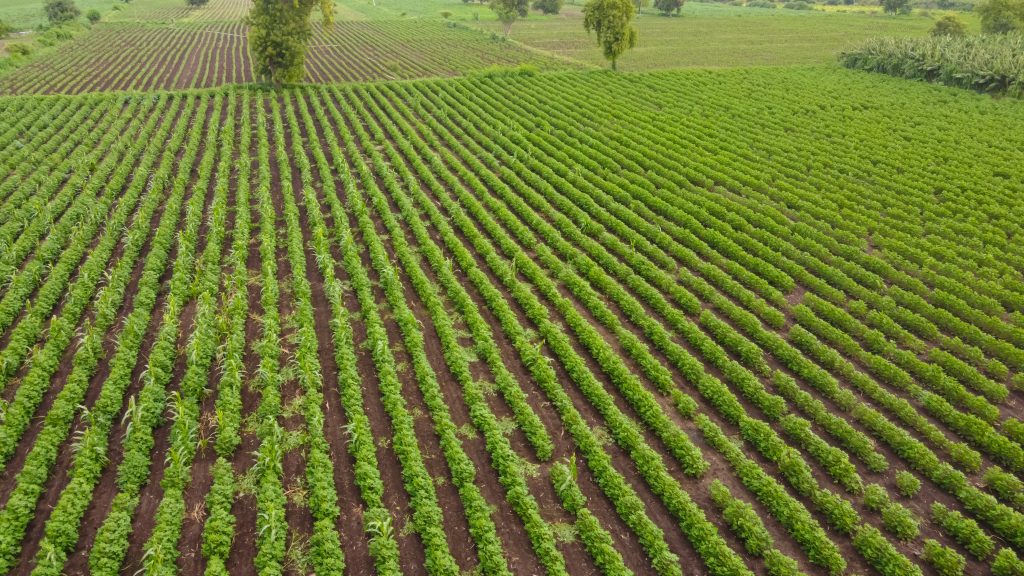
Focusing on Oklahoma, Marshall shared detailed numbers for key crops. "Looking at corn, we're looking at 430,000 acres being planted... that's down about 4% for planted and just under 10% for harvested compared to last year." For soybeans, he reported 500,000 acres intended for planting, down 1%, but estimated that 440,000 acres would be harvested—"a little over 8% increase from last year." Cotton saw the most significant drop in Oklahoma: "370,000 acres planted, which is down just under 15% from last year." Sorghum, in contrast, experienced a boost with 440,000 acres—"up about 18, almost 19% over last year."
USDA Nass Troy Marshall
In Texas, trends varied by crop. Corn planting reached 2.3 million acres, "up just under 7% from what we saw from last year," while soybean acreage dipped to 95,000 acres, "down 5%." Cotton plantings across both upland and Pima types totaled 5.7 million acres, "down about 4% from last year." Sorghum showed a slight increase with 1.7 million acres planted, "just under 3% from where we were last year." In Kansas, Marshall noted smaller changes: "Corn was at 6.2 million acres planted, down about one and a half percent," and soybean acreage was also down slightly. Notably, cotton in Kansas increased 6.8%, while sorghum dropped by over 3% in planting and over 5% in expected harvest.
When asked if anything stood out in the report, Marshall noted there were no major surprises, though he acknowledged noticeable shifts in cotton acreage that had already been anticipated. He emphasized the ongoing issue of discrepancies between the amount of crops planted and what ultimately gets harvested, often due to adverse weather conditions. Recent rainfall, in particular, may have delayed some producers from planting within optimal timeframes. Looking ahead, the USDA is preparing to release its July Crop Production report, which will provide updated data on wheat acreage and harvest progress. A more comprehensive row crop production report is expected on August 1st, offering the first full estimates for all major crops discussed.
As Americans fire up their grill this Independence Day, National Farmers Union (NFU) highlights how little independence family farmers have in the marketplace. The "Farmer's Share of the Food Dollar", released today, is a periodical report highlighting how little family farmers earn compared to how much consumers pay at the grocery store.
"As we celebrate the Fourth of July, a day that symbolizes freedom, fairness, and opportunity, we must also shine a light on the growing imbalance in our food system," said NFU President Rob Larew. "Family farmers and ranchers are working harder than ever, yet taking home less, while corporate monopolies in processing, distribution, and retail rake in record profits. Farmers deserve a fair share of the food dollar, and consumers deserve a food system that works for everyone, not just a handful of powerful corporations."
Family farmers receive only a small fraction of popular Independence Day foods – an average as low as 16.3% for a $30 shopping cart according to the recent Farmer's Share report.
It is more important than ever to promote Fairness for Farmers and consumers to address the monopoly crisis in food and agriculture as farmers face increasing uncertainty. Trade wars, low commodity prices, high input costs and the lack of a five-year farm bill are all adding strain to our family farmers and ranchers.
NFU's Fairness for Farmers campaign is actively addressing the monopoly crisis in food and agriculture. By advocating for stronger antitrust enforcement and greater transparency, the campaign aims to increase the farmer's share of the food dollar and ensure fairness for both farmers and consumers.
Data for this publication were sourced from the U.S. Department of Agriculture's National Agricultural Statistics Service, Agricultural Marketing Service, and other industry sources.
Senate Expected to Start Vote-A-Rama at 8 AM Central
for Big Beautiful Bill
Howdy Neighbors!
Here Are Your Top Stories in Today's Oklahoma Farm and Ranch News:
Frank Lucas On National Security, Farm Policy and Big Beautiful Bill
Wheat Harvest Reports from the Weekend
Kevin Kester All In on One Big Beautiful Bill for Its Tax Provisions for Ranchers
Paul Paplow Discusses This Seasons Wheat Crop Harvest and Its Challenges
And Lots More Farm and Ranch News Below
Congressman Frank Lucas on National Security, Farm Policy, and the 'Big Beautiful Bill
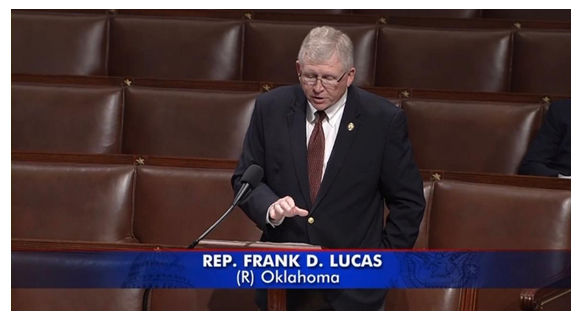
Congressman Frank Lucas, Third District Congressman and former chairman of both the House Agriculture and Science Committees, is seeing significant progress on key legislative priorities that impact both national security and the future of American agriculture. Speaking with Senior Farm and Ranch Broadcaster Ron Hays, Lucas shared updates on a bill aimed at safeguarding the U.S. food supply and the ongoing efforts to secure key parts of the 2025 Farm Bill as a part of the One Big Beautiful Bill.
.
Regarding legislative developments in Washington, D.C., Lucas shared significant progress on a national security-focused agricultural bill he has long championed. He explained, "The goal is to make sure that agriculture and food production is treated as a national security issue, like building missiles and satellites." The bill gained momentum after it was revealed that Chinese entities had purchased farmland near U.S. military bases. Lucas emphasized, "Now I've gotten my colleagues' attention... and I think we're gonna get this language made permanent." He detailed that foreign purchases of agricultural land and infrastructure will now fall under review by the Committee on Foreign Investment in the United States (CFIUS), which will now include the Secretary of Agriculture.
Lucas also discussed the legislative process involving a major tax and agriculture bill—referred to several times as the "big beautiful bill." He stressed its importance, saying, "If we don't pass the big beautiful bill, all of the tax relief passed in 2017 will expire." The bill also includes a key provision to extend the production programs of the 2018 Farm Bill, including crop insurance and conservation funding, for six years. Lucas called this "almost amazing" and emphasized its importance: "We need six years of certainty for producers out there after we've gone through the wild last six years."
The Oklahoma Wheat Commission promotes greater use of wheat in domestic and international markets through research, market development and public education.
Our Commissioners develop policy and programs, direct the funding, represent producer interests and, of course, promote Oklahoma wheat!
Learn more about the Oklahoma Wheat Commission by clicking here for their website.
Latest Harvest Updates from Oklahoma Farmers
Senior Farm and Ranch Broadcaster Ron Hays put the word out on Sunday afternoon, June 29th, for harvest updates from farmers across the state- and several responded. Here's what was shared across the state:
Alfalfa/Woods county line report on heavily grazed wheat:
Yields 58-81 bushels/acre
Test weights were 59 lbs/bushel
Less than 1% left to harvest, just the mud holes- Custom harvesters are moving N, into KS and CO. (Shared by Glen Shoulders)
Kay County (Courtesy of Tom Cannon)
Five more good days to go. Cutting dirty flooded fields as they dry.
Good yield.
Plus several more Wheat harvest reports- click here to read them all.
AND FINALLY- a NON Wheat Report from McCurtain County (Courtesy of Brent Bolen)
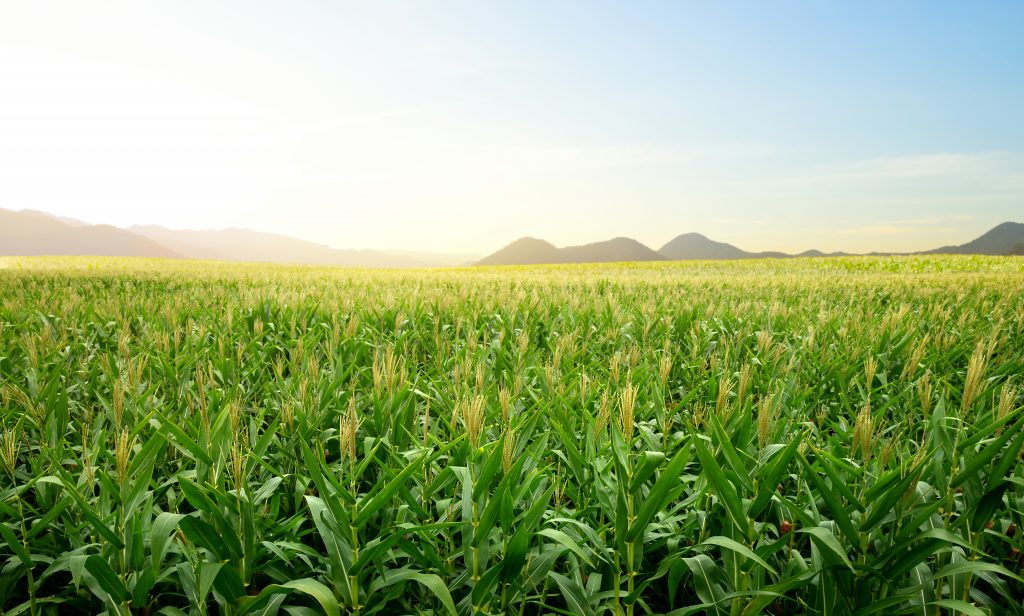
You didn't ask for this but there's zero wheat that i know of In McCurtain County. However, Red River bottoms looks like Iowa. I think every row crop acre in the county got planted to corn and it looks as good as I've ever witnessed!!
Past NCBA President Kevin Kester All In on Big Beautiful Bill and It's Tax Provisions for Ranchers
In Our latest Beef Buzz, Senior Farm and Ranch Broadcaster Ron Hays features comments from NCBA Past President Kevin Kesterwho stood right behind President Donald Trump this past Friday as the President was pushing hard for the Senate to step up and pass the One Big Beautiful Bill that has already cleared the House. (UPDATE- the Senate has voted 51 -49 to debate the OBBB, with a final vote possible on Monday)
Kester called that moment on Friday "almost Deja Vu" as he recalls being in a similar spot in 2017 during the first Trump Administration when the President was pushing for passage of what has become known as the Trump Tax Cuts.
Kester calls the OBBB a better version of the Trump Tax Cuts- especially when it comes to the so called Death Tax. Congress is proposing a fifteen million dollar exemption for an individual and a thirty million dollar exemption for a couple- made permanent and to be indexed for inflation.
Kester also praises Congress for improvements in Section 179 Expense Deductions which he calls "a big deal for us" and this measure keeps the bonus depreciation intact which is also a big deal. All of these could expire at the end of calendar year 2025 unless Congress completes work on this reconciliation bill.
For our farmers who have either- always have had cotton on their farms- or those who have more recently have added the fiber crop to their operations- we have a daily report heard on several of our Radio Stations- It's Called Cotton Talk!
Click on the Button below to listen to our most recent report
Paul Paplow Discusses This Seasons Wheat Crop Harvest And its Challenges
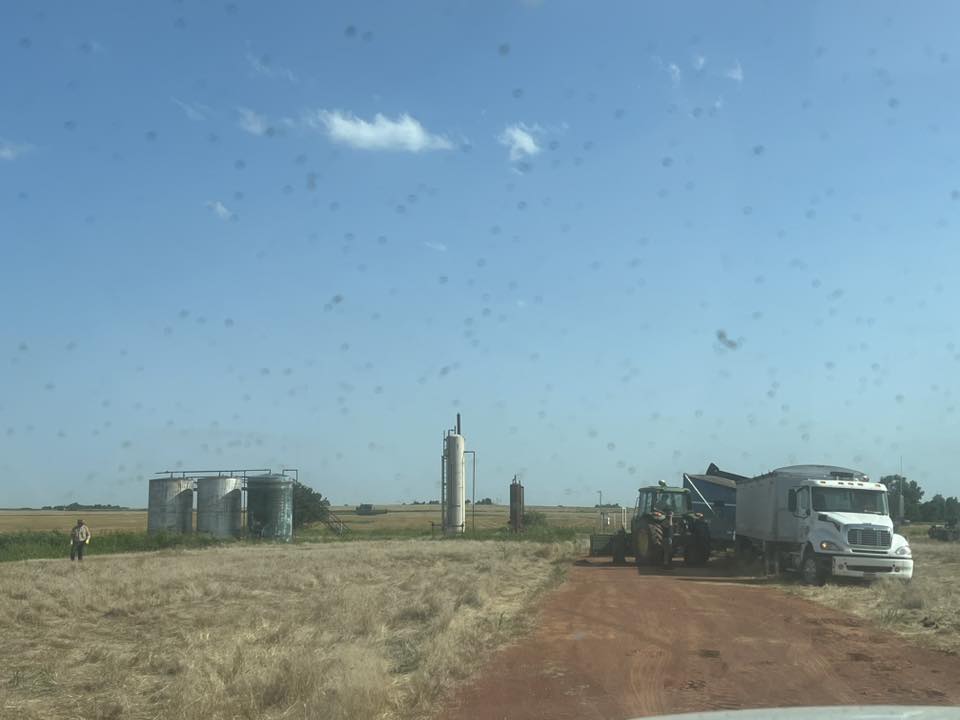
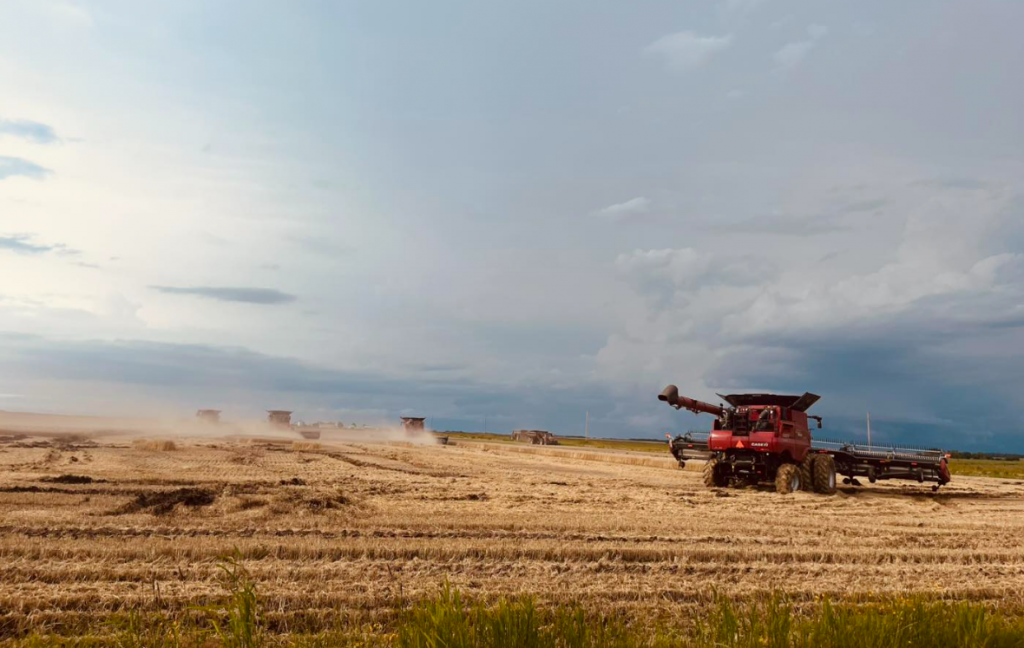
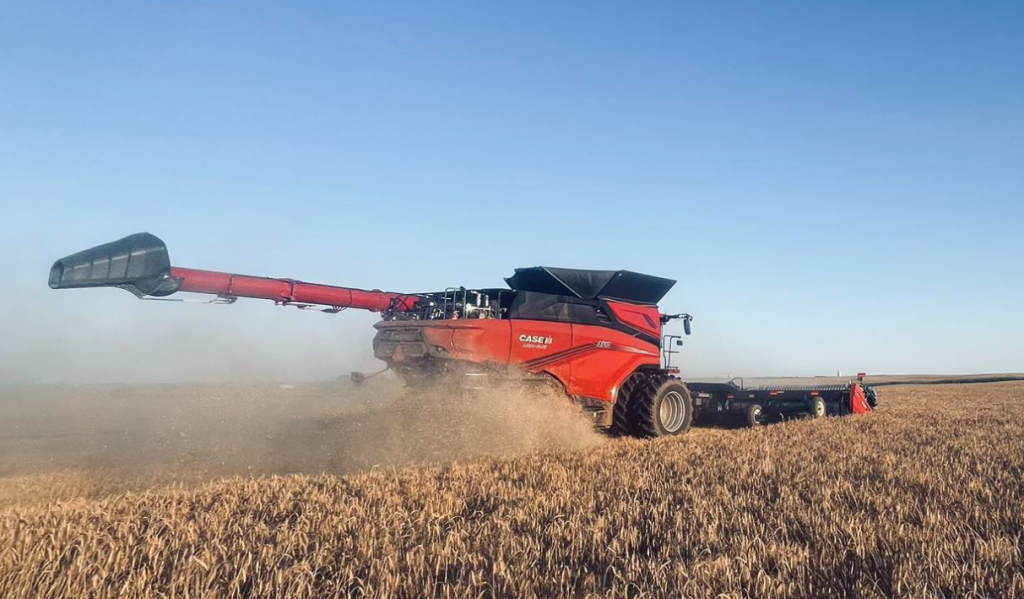
US custom harvester Paul Paplow of Paplow Harvesting provided an update on his operations, indicating his crews are spread across multiple states. Currently, Paul himself is in Pratt, Kansas, with other machines located in Tribune, Kansas, and Harrington, Texas. Three additional machines are en route to Tribune, having just finished harvesting in Kingfisher, Oklahoma. Visiting with Farm Director, KC Sheperd, Paplow noted they are "just trying to dodge some rain showers in Kansas" with the goal of getting "back on schedule" by early next week. He was relieved to report that his crews in Kingfisher managed to finish "about 45 minutes to an hour before it started raining there," finally catching "a little bit of luck on their side" after struggling with weather for six years in that area.
When asked about the primary factor impacting the wheat crop this season, Paul suggested that "it's probably more of a wet weather" issue than an early drought. While most areas, excluding Texas, saw good initial crop development, the prolonged wet conditions have "really hurt the quality of the wheat a lot." Looking ahead, Paplow himself will move from Pratt to Tribune, then continue harvesting north through Colby, Kansas, Brewster, Kansas, and ultimately Ogallala, Nebraska.
We invite you to listen to us on great radio stations across the region on the Radio Oklahoma Ag Network weekdays-
if you missed this morning's Farm News - or you are in an area where you can't hear it- click below for this morning's Farm news from Ron Hays and KC Sheperd on RON.
As Oklahoma's largest John Deere dealer, P&K Equipment is proud to serve our communities & the surrounding areas through 18 Oklahoma locations & 2 Arkansas locations. The entire P&K team is ready to keeping your equipment up & running. So, when it comes time to buy John Deere parts, look no further than GetGreenParts.com. Shop 24/7 from the convenience of wherever you are & have the parts shipped directly to you! This spring and summer- P&K is committed to making it easier than ever to really own your John Deere equipment. And long after the sale- P&K will be here to support you at every step.
Oklahoma Farm Bureau 2025 Legislative Review
Content The halls of the Oklahoma state Capitol are once again empty after a busy 2025 legislative session. The first session of the 60th Oklahoma Legislature commenced on the first Monday in February and gaveled out on Friday, May 30.
Of the thousands of bills filed at the first of the year, Oklahoma Farm Bureau closely monitored nearly 400 pieces of legislation over the course of the four-month session.
While the 2025 session was fraught with dissent between the legislature and Gov. Kevin Stitt, OKFB members and public policy staff kept their noses to the grindstone and secured passage of several bills relating to the organization's priority issues in an effort to ensure Oklahoma's farmers and ranchers can continue producing food, fuel and fiber for their neighbors and fellow Americans.
As Final Vote Nears in Senate on Big Beautiful Bill- Senator Lankford Urges Passage
US Senator James Lankford (R-OK), a member of the Senate Finance and Homeland Security Committees, recently highlighted that the One Big Beautiful Bill delivers the largest tax cut in history for hardworking Americans, secures the border, strengthens Medicaid, and rebuilds the military, all while cutting out-of-control spending. Lankford was one of the 51 votes in the Senate on Saturday night that approved the Senate moving forward to debate the OBBB with a likely final vote coming on Monday.
"Right now, Democrats are running on rumors, innuendo, and quite frankly, just stuff they've made up that's not in the bill—never been considered in the bill," said Lankford on Fox Business.
"Yeah, we're hoping to get a vote as quickly as we can get everything all together," said Lankford on ABC News. "Most of it has been out there in public for now, days to weeks, actually, as we've released each chapter day by day over the last two weeks. But we've got several different issues that are all coming together at the end."
Dr. Jayson Lusk is Featured in Latest Episode of Red Dirt Agronomy Podcast
In this episode of Red Dirt Agronomy, the team sits down with Dr. Jayson Lusk, Vice President and Dean of Agricultural Programs at Oklahoma State University, for a wide-ranging conversation on the future of agriculture and leadership in higher education.
Dr. Lusk reflects on his journey from researcher to administrator, the challenges of guiding a land-grant institution, and how he stays grounded in the needs of Oklahoma's producers.
The discussion explores the evolving role of faculty engagement, the value of public communication, and how Extension can remain impactful in an increasingly digital world.
The episode also covers Dr. Lusk's strategic vision for OSU agriculture, including plans to revitalize off-campus facilities, launch a beef center of excellence, and leverage big data and AI to support producer decision-making.
With insights into the delicate balance of university leadership and the importance of staying connected with faculty and stakeholders, this conversation offers practical value for anyone invested in the future of agricultural research and outreach.
OKC West is our Market Links Sponsor- they sell cattle three days a week- Cows on Mondays, Stockers on Tuesday and Feeders on Wednesday- Call 405-262-8800 to learn more.
We are changing how we present markets to you on our website- click on the Blue Button to see our Markets Page that is evolving
Oklahoma National Stockyards had 4,422 head on the yards as of 9 PM last night. The sale will start at 8:00 am. We are expecting to start with 4,500 to 4,750.
This past Monday June 23rd- Compared to last week: Feeder cattle and calves mostly steady. Un-weaned calves 5.00-10.00 lower. Demand moderate to good. Limited demand for those short weaned or un-weaned calves. Summer's heat is upon us and definitely limiting demand for those calves. Weather has dried up enough to get farmers in the field harvesting wheat but chances of rain are back in the forecast for later in the week. Quality mostly average.
Each afternoon we are posting a recap of that day's markets as analyzed by Justin Lewis of KIS futures - click below for the latest update on the Livestock and Grain Futures Trade..
Daily Oklahoma Cash Grain Prices- as reported by the Oklahoma Dept. of Agriculture- The report available after the close of the Futures Trade for that day.
Ron Hays, Senior Farm/Ranch Broadcaster and Editor
KC Sheperd, Farm Director and Editor
Dave Lanning, Markets and Production
Pam Arterburn, Calendar and Template Manager
Podcasts From Oklahoma Farm Report and More
Two of our regular reports are also podcasts that you can subscribe to- Our daily Farm and Ranch News with KC Sheperd- available here on the Apple Podcast Platform
The second is our daily Beef Buzz with Ron Hays- available here on the Apple Podcast Platform
Periodically- we offer interviews on our Ag Perspectives Podcast series- this podcast is available here.
Ron has also has a series of podcasts from interviews with newsmakers at the Cattlemen's Congress- Click here or you can find them on your favorite Podcast platform- look for them by searching for Cattlemen's Congress Conversations.
We are making plans to jump back into regular installments of what has been called the Road to Rural Prosperity- a new name and fresh content is in the works- for now- click on the blue button below for one of our favorites that is a timeless classic.
The link below is one of our most recent podcasts- Ron spotlighting the Life and Times of John Pfeiffer, Jr, the latest Oklahoma Ag Hall of Fame Inductee.
For your convenience, we have our sponsors' websites linked here- just click on their name to jump to their website- check their sites out and let these folks know you appreciate the support of this daily email, as their sponsorship helps us keep this arriving in your inbox on a regular basis- at NO Charge!
We invite you to check out our website at the link below too that includes an archive of these daily emails, audio reports and top farm news story links from around the globe.
U.S. Secretary of Agriculture Brooke L. Rollins today announced the U. S. Department of Agriculture (USDA) is revising National Environmental Policy Act (NEPA) regulations to reduce unnecessary red tape that is killing jobs and raising prices for Americans. This reform allows the Department to efficiently deliver the critical services and funds America's ranchers, farmers, loggers, and rural communities rely on and corrects the harms caused by decades of unnecessarily lengthy, cumbersome NEPA reviews.
"President Trump is reforming government to be more responsive to the needs of the American people. We have been hamstrung by overly burdensome regulations for decades. USDA is updating and modernizing NEPA so projects critical to the health of our forests and prosperity of rural America are not stymied and delayed for years. So many beneficial and common-sense infrastructure and energy projects have been stymied and delayed in litigation and endless reviews. Overregulation has morphed the NEPA process into bureaucratic overreach on American innovation," said Secretary Rollins.
USDA is making common sense reforms to ensure the NEPA process does not cause unnecessary delays or stands in the way of American free enterprise. This move institutes reasonable considerations for environmental impacts and streamlines operations.
USDA is issuing one set of department-wide NEPA regulations by rescinding seven agency-specific regulations, resulting in a 66% reduction in regulations. This will allow USDA officials to concentrate resources on projects the public needs while also ensuring we honor the Department's legacy of land stewardship.
The move by USDA comes in response to President Trump's executive order on Unleashing American Energy that led to the Council on Environmental Quality's rescinding its NEPA implementing regulations, which created a pathway for USDA to reform its own NEPA regulations.
A pre-publication version of USDA's interim final rule will be made available the afternoon of June 30th. This version will be replaced with a link to the official publication of the interim final rule in the Federal Register at such time publication occurs.
Dr. Derrell Peel, Oklahoma State University Extension Livestock Marketing Specialist, offers his economic analysis of the beef cattle industry as part of the weekly series known as the "Cow Calf Corner," published electronically by Dr. Peel, Mark Johnson, and Paul Beck. Today, Dr. Peel analyzes temperatures hamburgers and firework costs for this years upcoming Independence Day.
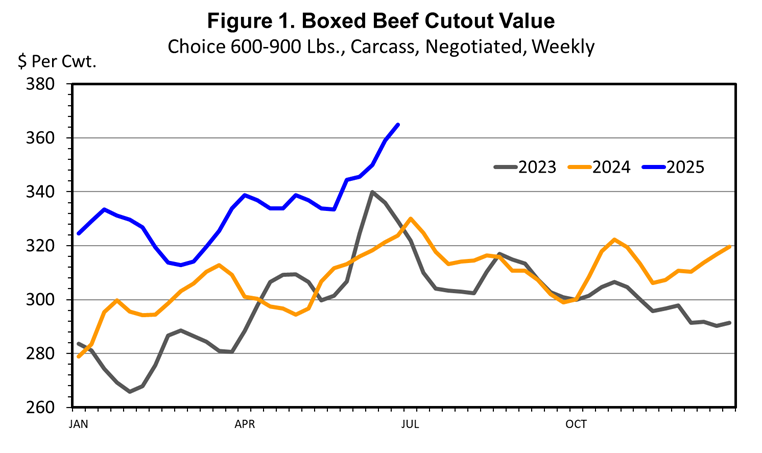
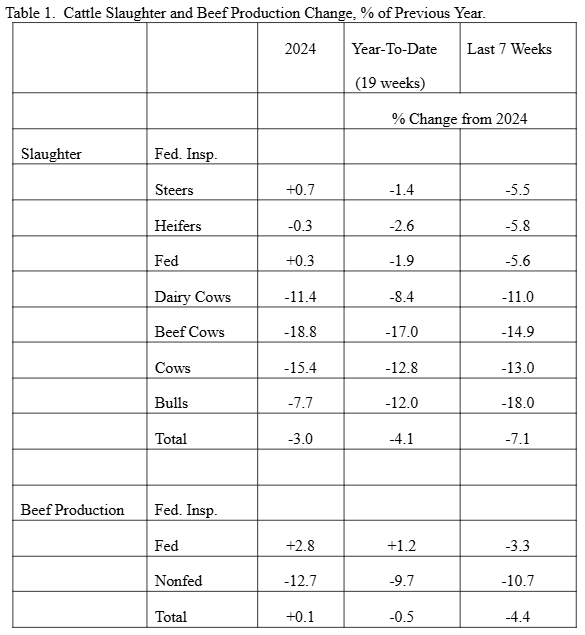
Coming into the July 4 holiday, wholesale ground beef prices pushed to new record levels. Prices for 90 percent lean trimmings, which are the backbone of ground beef markets, have increased continually the past three years (Figure 1). Decreased cow slaughter, down 5.8 percent year over year in 2023 and another 15.4 percent decrease in 2024, has been followed by a further 11.9 percent year over year decline in the first 23 weeks of 2025. This has resulted in a more than 18 percent drop in nonfed beef production from the cyclical peak in 2022 to 2024 and an additional decrease of 8.9 percent thus far in 2025. The 90 percent lean trimmings price the last week of June was $401.45 cwt., a record high and the first time 90s prices have exceeded $400/cwt.
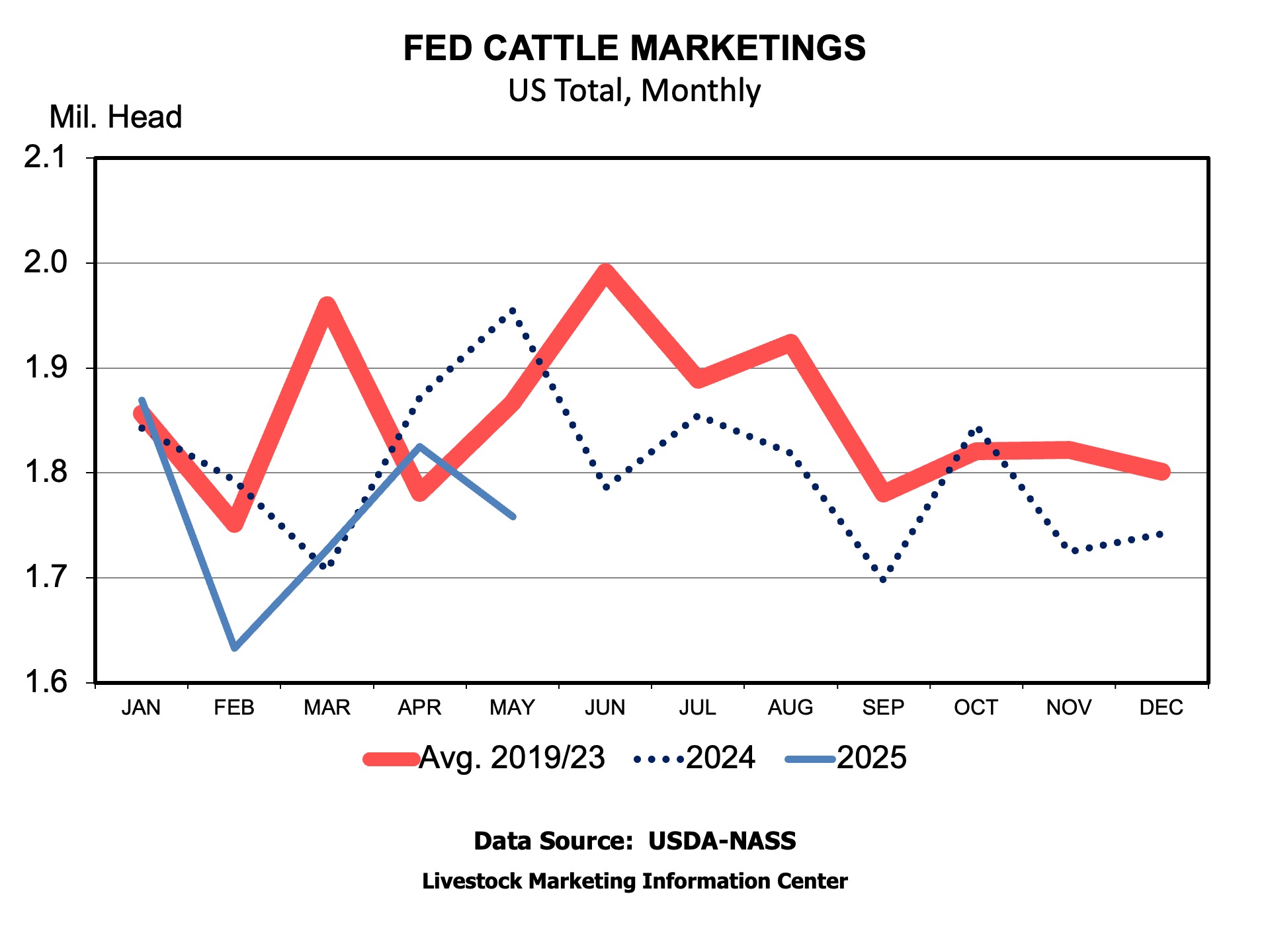
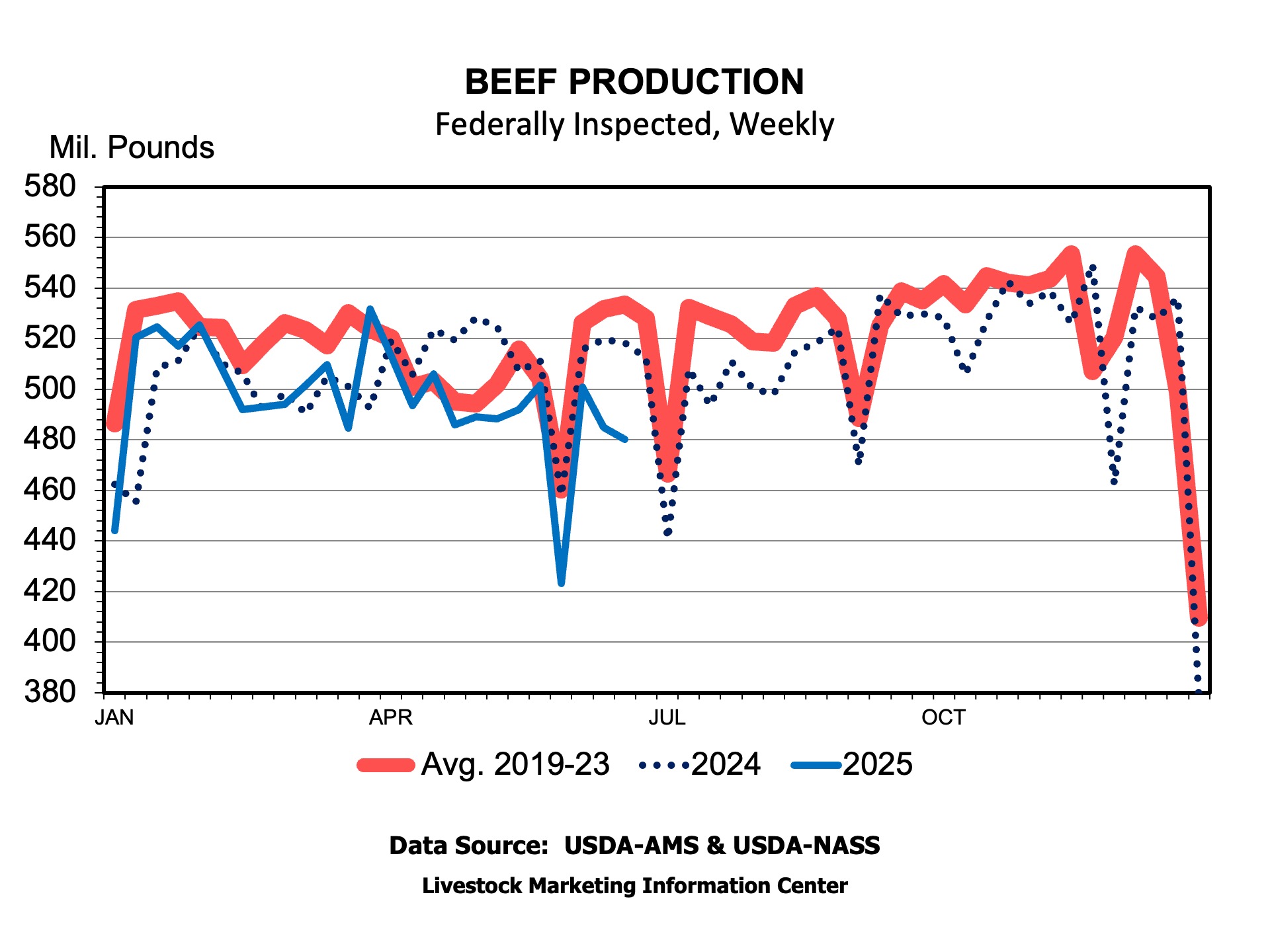
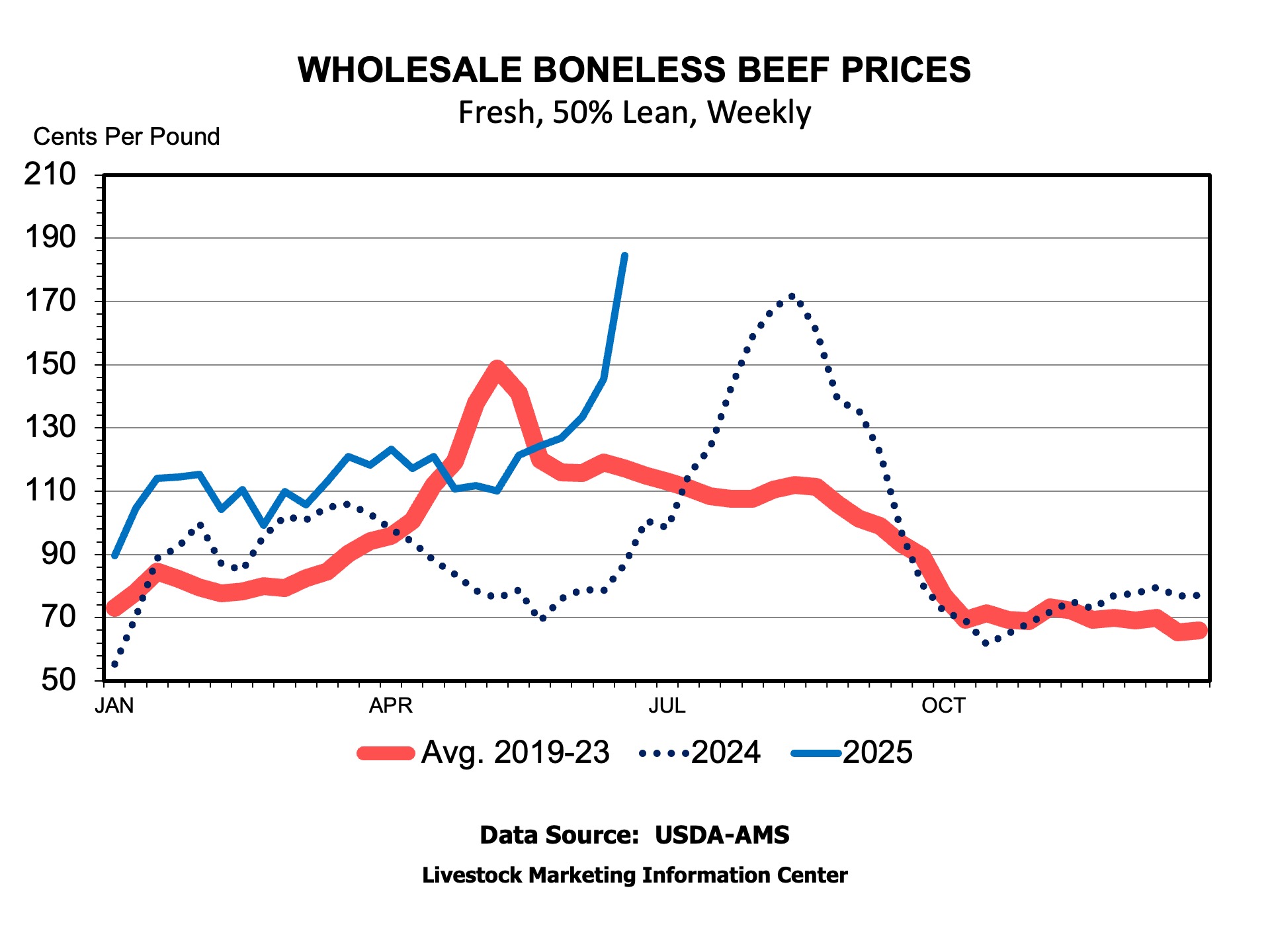
Typical ground beef formulations use various combinations of lean and fatty trimmings to achieve desired ratios of lean:fat in hamburger. Not only have 90 percent trimmings continued to increase in price, but 50 percent trimmings have also jumped sharply in recent weeks due to declining fed beef production (Figure 2). In the second quarter, fed steer and heifer slaughter decreased 6.0 percent year over year based on eleven weeks of data since the first of April. This has led to a 3.9 percent year-over-year decrease in fed beef production since April, with reduced supplies of 50 percent lean trimmings. By the last week of June, the price of 50 percent trimmings jumped to $236.03/cwt., the highest price ever except for two weeks during packing plant reductions during the pandemic in May of 2020. Fed beef production dropped just 1.6 percent from the all-time high in 2022 to 2024 but the recent decrease in fed beef production is expected to continue through 2025 and 2026 at least.
A mix of 90 percent and 50 percent trimmings in a 7:1 ratio produces an 85 percent ground beef product. Using the end of June prices for 90s and 50s reported above results in a price of $380.77/cwt. for a wholesale 85 percent lean combination, an all-time record high price.
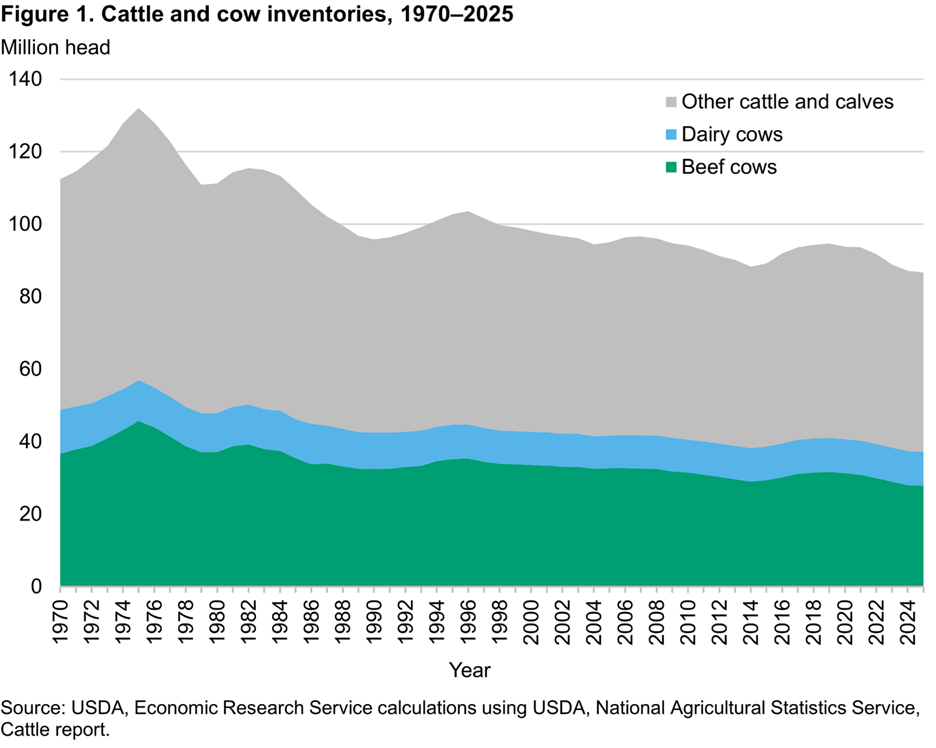
Wholesale ground beef prices have continued to push higher despite increased imports of processing beef, which moderate declining domestic nonfed beef supplies. Ground beef prices will remain high for the foreseeable future as cull cow numbers will remain tight while the cattle industry transitions to herd rebuilding.
U.S. Secretary of Agriculture Brooke L. Rollins published an opinion piece in Newsweek on how the One Big Beautiful Bill (OBBB) will empower farmers and ranchers.
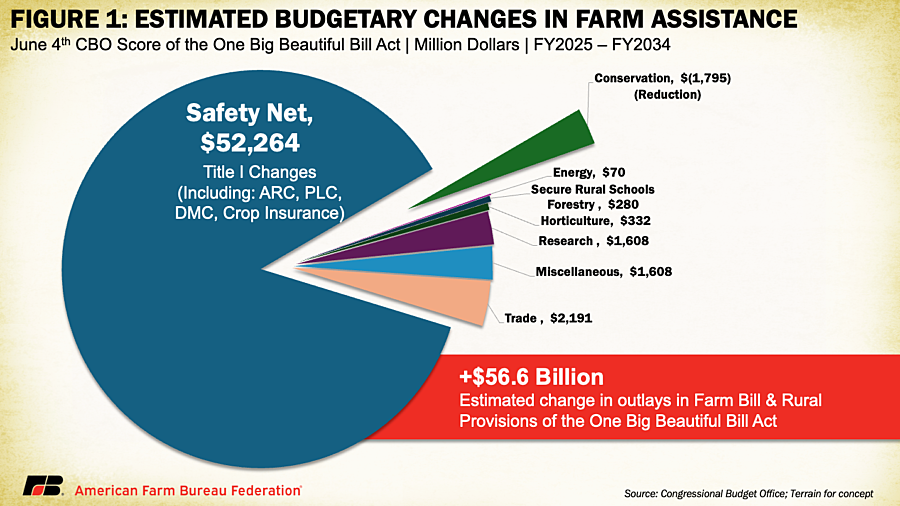
"Over the next decade, the OBBB increases the farmer safety net, crop insurance, and trade programs. These changes to farm support will allow USDA to return to our core mission of putting Farmers First and restoring rural prosperity across the country. At USDA, we are working every day on behalf of our farmers and ranchers to ensure President Trump's America First agenda unleashes prosperity for generations to come," said Secretary Rollins.
Our nation's farmers and ranchers are ready to put America First. Over 97 percent of our agricultural counties voted for President Donald Trump last November, and he will never forget their commitment to his agenda.
Now is the time to put that agenda into effect. The One Big Beautiful Bill (OBBB) unleashes economic growth and restores fiscal sanity.
With the largest tax cut for middle- and working-class Americans in history, an increased child tax credit, new Trump savings account for newborns, historic tax relief for seniors, and no tax on tips and overtime, every American family wins with the OBBB.
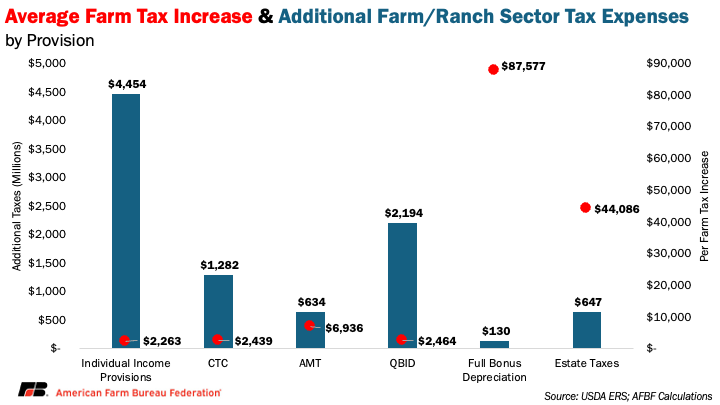
And this bill will serve no one more than our nation's farm families. The OBBB cuts taxes for farmers by over $10 billion and prevents the death tax from hitting 2 million family-owned farms that would otherwise see their exemptions cut in half.
Along with bolstering the farm safety net for producers to protect against significant economic losses, which has not been updated since 2014, the OBBB also makes risk management tools more affordable at a time of significant risk because of the previous administration's neglect of our rural communities.
The bill also helps the 98 percent of farming operations that are taxed according to their owners' individual tax rate by protecting the small business deduction. Because the agricultural industry leverages one-fifth of all small business deductions across the American economy, the OBBB's doubling of Section 179 deductions to $2.5 million will provide major relief for farming operations across the country. The extension of the Section 199A Qualified Business Income Deduction will also save farmers thousands of dollars every year.
The OBBB also realigns the Supplemental Nutrition Assistance Program (SNAP) to President Trump's mission of cutting waste, fraud, and abuse across the federal bureaucracy. On any given day, USDA spends nearly $265 million on SNAP benefits alone, not including the 15 other nutrition programs at the department. In 2023, over $11 billion in erroneous SNAP payments was issued. The bill is centered on increased accountability, on both the individual recipient and the state administering the program.
To address this waste of taxpayer dollars, the OBBB implements a state cost-share program proportionate to state payment error rates, which will incentivize states to distribute SNAP funds only to those who qualify. The bill also expands work requirements for able-bodied adults without dependents. Welfare should be a helping hand, not a pathway to lifelong dependency. With over 4 million jobs available across the country, SNAP work requirements will restore dignity through work. Under President Trump's leadership, this careless use of taxpayer money is ending so USDA can refocus its resources on revitalizing rural communities and uplifting the farm families that provide the food, fuel, and fiber for our great nation.
And the OBBB finally ends taxpayer subsidization of mass migration by ensuring only U.S. citizens or green card holders are eligible for SNAP. Our food assistance programs are funded by Americans for Americans. This bill puts the American people first by providing assistance to those in need while doing right by hardworking taxpayers.
Over the next decade, the OBBB increases the farmer safety net, crop insurance, and trade programs. These changes to farm support will allow USDA to return to our core mission of putting Farmers First and restoring rural prosperity across the country. At USDA, we are working every day on behalf of our farmers and ranchers to ensure President Trump's America First agenda unleashes prosperity for generations to come.
National Farmers Union President Rob Larew released the following statement today in response to the Senate reconciliation bill:
"Family farmers and ranchers still need a comprehensive, five-year farm bill that reflects the full breadth of agriculture—from producers to consumers—and using reconciliation to move a partial package is a missed opportunity.
"There are some meaningful provisions in this bill. It strengthens the farm safety net, invests in biofuels and conservation, and extends key tax incentives. But these gains are paired with harmful tradeoffs—most notably, cuts to SNAP and Medicaid and new, broader loopholes in farm program payment limits.
"We support Senator Grassley's amendment to close those loopholes and better target support to family farmers and ranchers. These improvements are essential to restore fairness.
"Farm policy should unite us. We urge lawmakers to redouble their efforts to deliver a farm bill that works for everyone."
The United States is the world's largest producer and exporter of corn, and corn farmers are bolstering the U.S. economy and building strong communities, according to a new study released by the National Corn Growers Association (NCGA). Corn grower leaders say they could make an even bigger contribution to the U.S. economy through increased sales of ethanol and the cultivation of new foreign markets.
The study, entitled The Economic Value of Corn Farming in the United States for 2024, noted the contribution of corn farming and its upstream linkages extended across 506 different industry sectors in all 50 states, generating an estimated $123 billion in total economic output in 2024. The report also shows that corn farming supported over 440,000 jobs and provided $29 billion in wages, strengthening communities in rural America and across the entire nation.
"These findings show that the corn industry is an essential contributor to the nation's agricultural and economic value chains," said NCGA Chief Economist Krista Swanson. "The study demonstrates the positive ripple effect of corn production, vital to a healthy U.S. economy."
NCGA said that given the chance, corn growers could contribute even more to the U.S. economy.
"Corn growers and farmers across the country are clearly helping to propel the U.S. economy," said Illinois farmer and NCGA President Kenneth Hartman Jr. "Corn farming's economic value could be even greater if corn growers were able to fully contribute to the domestic fuel supply via increased ethanol blends and access to additional export markets."
Corn grower leaders have been advocating for Congress to pass legislation that would allow for the nationwide, year-round sale of fuel with a 15% ethanol blend. They have also worked to make an aviation fuel tax credit accessible so that ethanol and other biofuels could be used in the aviation sector. And NCGA has called on the administration and Congress to aggressively pursue new and expanded foreign markets for American corn exporters.
NCGA and state corn grower groups will visit Capitol Hill officers in early July to continue their advocacy efforts on these key priorities.
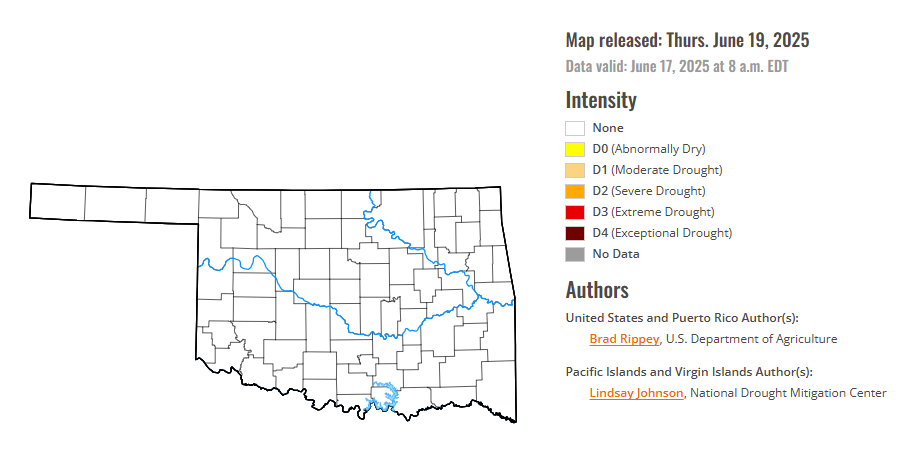
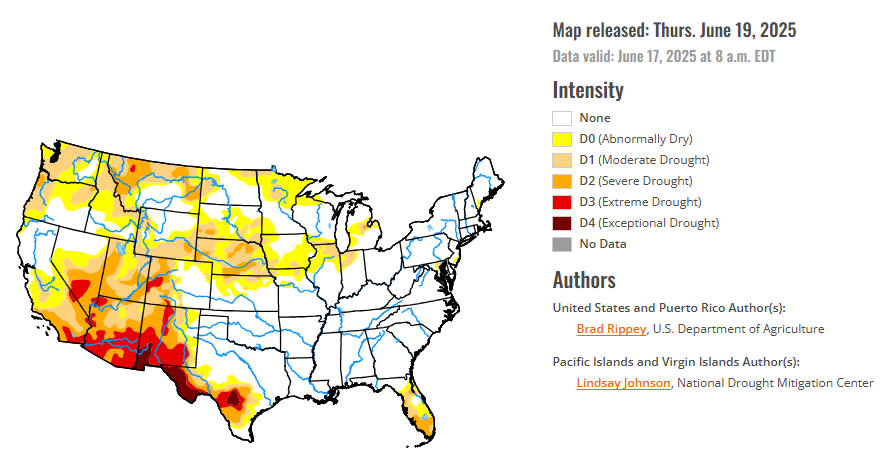
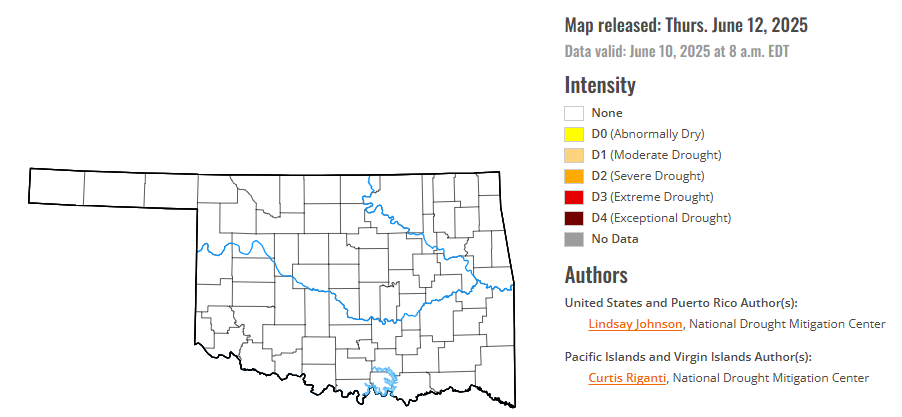
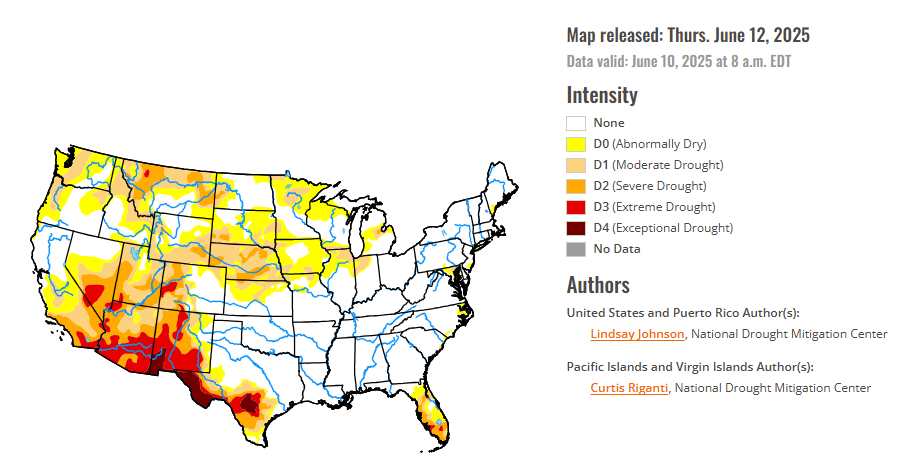
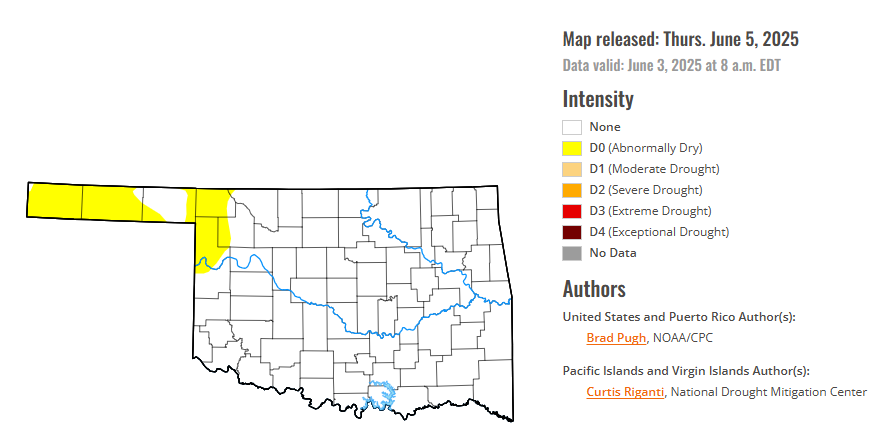
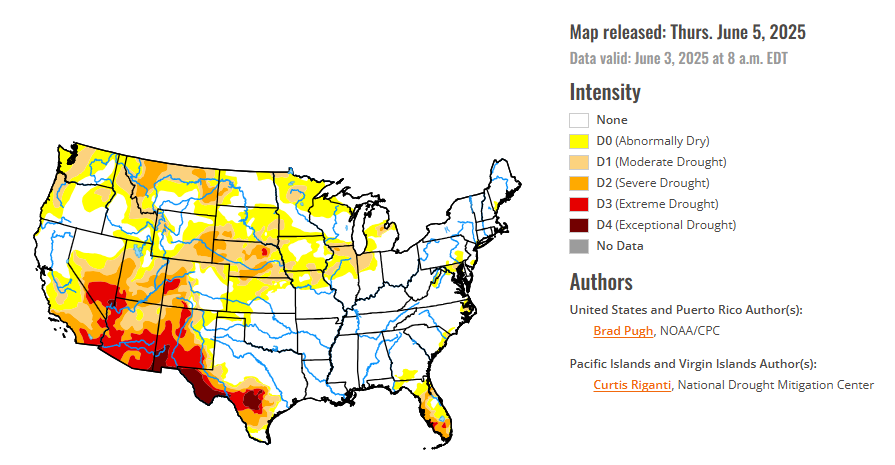
Farm director KC Sheperd spoke with Oklahoma State Climatologist Gary McManus who shared remarkably positive news regarding the state's drought conditions, a welcome change from previous discussions. For the second consecutive month, Oklahoma is experiencing a complete absence of drought or even abnormally dry conditions, a phenomenon not seen since the spring of 2019. McManus highlighted that this lack of drought extends to surrounding states, preventing any dry spell from creeping back into Oklahoma, stating, "There's just a little bit of dry weather over there in the... Eastern New Mexico. But you know, even that in my opinion, nowhere close to... encroaching on Oklahoma." This widespread relief is considered "very unusual" but greatly appreciated.
Despite the current favorable conditions, McManus cautioned about the typical climatological shift as summer progresses, noting, "Other than our normal climatological pattern where we're entering the summer, our rain should start to go away a little bit." He explained that July and especially August are periods when "rapid drought development" can occur if temperatures significantly increase without accompanying rainfall. The focus for monitoring will be on "possible flash, drought, uh, development" if the expected summer drying trend takes hold and temperatures escalate into the mid-100s, turning the state into what he described as a "gigantic easy bake oven."
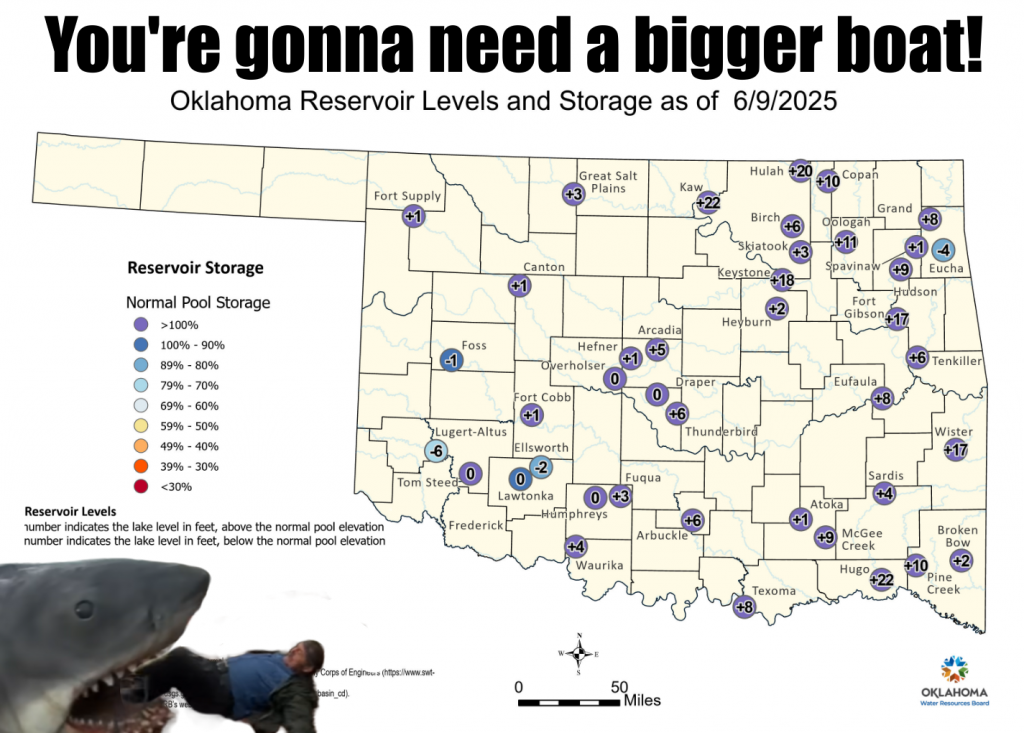
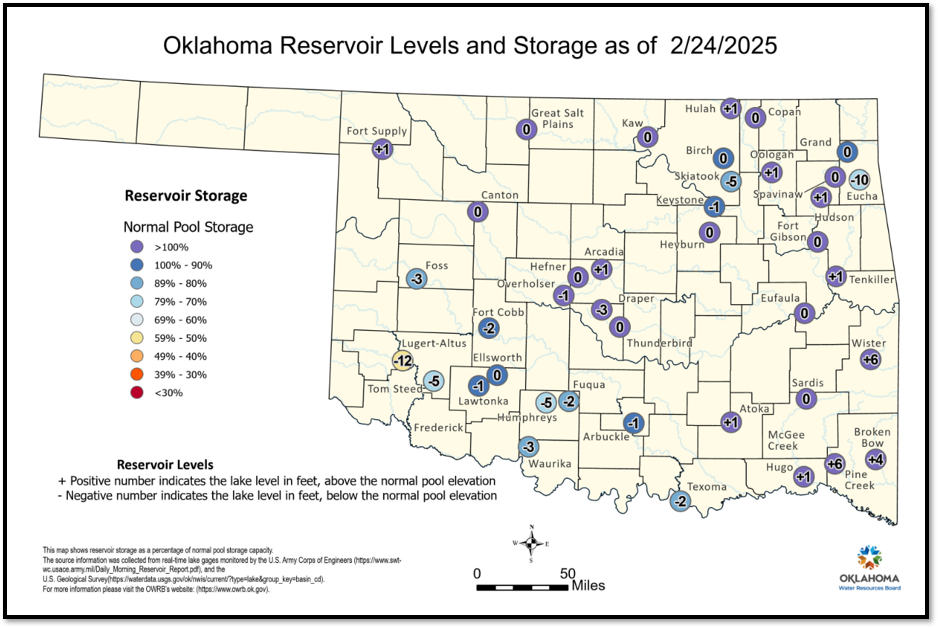
The conversation also touched upon the excellent state of Oklahoma's lakes and soil moisture. Many lakes in eastern Oklahoma are significantly above normal levels, some by "10 to 20 feet," a stark contrast to recent years. While a few lakes are below normal due to specific management or irrigation uses, the overall picture shows the majority at or above their conservation pool levels. Furthermore, soil moisture is exceptionally high for this time of year, which is beneficial for keeping air temperatures cooler. McManus emphasized, "to have that soil moisture up as we get into July is always a great thing because that tends to keep us cooler." Gary McManus underscored the significant benefits of high soil moisture levels, particularly as Oklahoma transitions into the hotter summer months. He explained that soil moisture acts as a natural cooling mechanism. When the sun's rays hit the moist surface, the water evaporates, a process that absorbs heat and thus cools the surrounding air. "When the sun's rays beat down on the surface and it hits that soil moisture, it evaporates that soil moisture, and that's a cooling process," McManus stated.
Conversely, a lack of soil moisture exacerbates heat. If the soil is dry, the sun's energy, instead of being used for evaporation and cooling, goes directly into heating the surface. This leads to a detrimental "feedback mechanism" where the heated surface further warms the air above it. McManus vividly described this as transforming the state into a "gigantic easy bake oven," emphasizing the critical role soil moisture plays in mitigating extreme summer temperatures. Therefore, having abundant soil moisture at this time of year is "certainly an unusual thing, but it is good for everybody involved," as it helps to keep air temperatures down and provides a buffer against rapid drought development.
Looking ahead, McManus indicated that while it's expected to heat up as July begins, this is typical for Oklahoma summers. There's also a promising forecast for "a little bit, uh, more rainfall" over the upcoming weekend and early next week. These sporadic rains, coupled with increased cloud cover, are crucial in preventing the intense heat buildup associated with a "heat dome" and sinking air. Both the interviewer and McManus expressed their enjoyment of these "boring conversations" about a lack of drought, with McManus concluding, "as long as we can do it, it's... probably not gonna last as we know, but you know, we'll take it when we can get it."
To read more from Gary McManus on his mesonet ticker, click here;
California Rancher Kevin Kester at White House Event Pushing for Passage of One Big Beautiful Bill (Provided by the White House)
Ron Hays Beef Buzzes with Kevin Kester about his support for the tax provisions of the OBBB
In Our latest Beef Buzz, Senior Farm and Ranch Broadcaster Ron Hays features comments from NCBA Past President Kevin Kester who stood right behind President Donald Trump this past Friday as the President was pushing hard for the Senate to step up and pass the One Big Beautiful Bill that has already cleared the House. (UPDATE- the Senate has voted 51 -49 to debate the OBBB, with a final vote possible on Monday)
Kester called that moment on Friday "almost Deja Vu" as he recalls being in a similar spot in 2017 during the first Trump Administration when the President was pushing for passage of what has become known as the Trump Tax Cuts.
Kester calls the OBBB a better version of the Trump Tax Cuts- especially when it comes to the so called Death Tax. Congress is proposing a fifteen million dollar exemption for an individual and a thirty million dollar exemption for a couple- made permanent and to be indexed for inflation.
Kester also praises Congress for improvements in Section 179 Expense Deductions which he calls "a big deal for us" and this measure keeps the bonus depreciation intact which is also a big deal. All of these could expire at the end of calendar year 2025 unless Congress completes work on this reconciliation bill.
Kevin Kester attended due to his personal experience with the Death Tax as a representative for the National Cattlemen's Beef Association.
"It was an incredible honor to stand with President Trump and echo his message that America's family farmers and ranchers need tax relief now," said Kester. "When I was hit with the Death Tax 30 years ago, I couldn't hire new employees, invest in equipment, or make improvements to the ranch. My family and I had to stretch every dollar and sacrifice basic purchases so that we could pay off that tax bill. To protect our food security and national security, we need to make sure no other farming family experiences that same burden, which is why Congress must pass the 'One Big Beautiful Bill' and deliver lasting tax relief."
Kester raises cattle with his wife, children, and grandchildren. His grandchildren are the 7th generation of his family involved in agriculture. Over 30 years ago, he inherited the ranch from his grandfather and faced a $2 million Death Tax from the IRS. Today, land values near the Kester ranch have soared as billionaires and non-ag companies buy up thousands of acres, driving up costs for working farmers while removing productive land from agriculture—a double hit to those hardworking Americans producing our nation's food. These are not just challenges for the Kester family, they're a growing threat to farmers and ranchers across the country.
The Beef Buzz is a regular feature heard on radio stations around the region on the Radio Oklahoma Ag Network and is a regular audio feature found on this website as well. Click on the LISTEN BAR for today's show and check out our archives for older Beef Buzz shows covering the gamut of the beef cattle industry today.
Senior Farm and Ranch Broadcaster Ron Hays put the word out on Sunday afternoon, June 29th, for harvest updates from farmers across the state- and several responded. Here's what was shared across the state:
Alfalfa/Woods county line report on heavily grazed wheat: Yields 58-81 bushels/acre Test weights were 59 lbs/bushel Less than 1% left to harvest, just the mud holes- Custom harvesters are moving N, into KS and CO. (Shared by Glen Shoulders)
Kay County (Courtesy of Tom Cannon) Five more good days to go. Cutting dirty flooded fields as they dry. Good yield.
Billings Area (Courtesy of Martin Williams Still a struggle around here. Had another big rain shower near Billings where most of my crop is left in field. Yields still good north of red rock, and test weight 58 pounds/ bushel
Retrop- Southwest Oklahoma (Courtesy of Peter McKay Got rain last night near Retrop, 100 acres left. And a combine big front tire went flat in field. The woes of worthless harvest
Walters (Courtesy Jimmy Kinder) Done, and 2026 will be a better year.
Northeast Oklahoma (Courtesy of Alisen Anderson) Northeast Oklahoma got rained out on Friday. Most are over halfway done. Subpar at best.
Specifically- Ottawa County (Courtesy of Zach Rendel) Popcorn showers rained us out Friday, 6 hours from being done. Test weight averages near 52 pounds/Bushel On the soybean side of things, less than 5% planted in Ottawa County. Lots of talk of taking Prevent plant. Corn and Sorghum got a drink! Fungicide being flown on now.
AND FINALLY- a NON Wheat Report from McCurtain County (Courtesy of Brent Bolen) You didn't ask for this but there's zero wheat that i know of In McCurtain County. However, Red River bottoms looks like Iowa. I think every row crop acre in the county got planted to corn and it looks as good as I've ever witnessed!!!
Our next "Official" crop reports will be released on Monday when we will have the USDA NASS Crop Progress report in the afternoon and the latest Oklahoma Wheat Commission Wheat Harvest Report
US Senator James Lankford (R-OK), a member of the Senate Finance and Homeland Security Committees, recently highlighted that the One Big Beautiful Bill delivers the largest tax cut in history for hardworking Americans, secures the border, strengthens Medicaid, and rebuilds the military, all while cutting out-of-control spending. Lankford was one of the 51 votes in the Senate on Saturday night that approved the Senate moving forward to debate the OBBB with a likely final vote coming on Monday.
"Right now, Democrats are running on rumors, innuendo, and quite frankly, just stuff they've made up that's not in the bill—never been considered in the bill," said Lankford on Fox Business.
"Yeah, we're hoping to get a vote as quickly as we can get everything all together," said Lankford on ABC News. "Most of it has been out there in public for now, days to weeks, actually, as we've released each chapter day by day over the last two weeks. But we've got several different issues that are all coming together at the end."
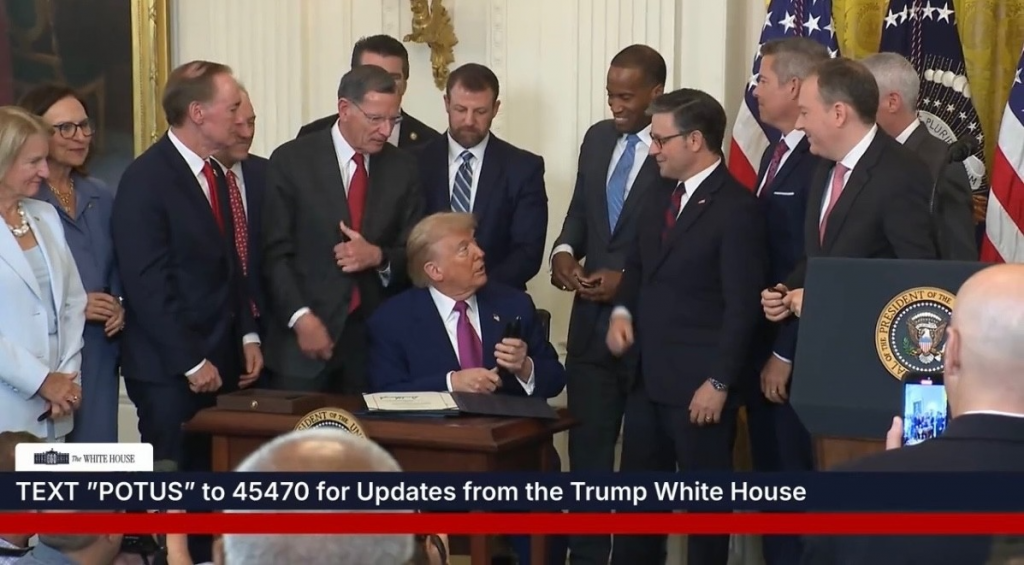
Today, farmers and ranchers affiliated with the National Cattlemen's Beef Association (NCBA) joined President Donald J. Trump at the White House for an event urging Congress to pass the "One Big Beautiful Bill" and deliver tax relief.
Kevin Kester, a fifth-generation California rancher and NCBA Past-President, attended due to his personal experience with the Death Tax.
"It was an incredible honor to stand with President Trump and echo his message that America's family farmers and ranchers need tax relief now," said Kester. "When I was hit with the Death Tax 30 years ago, I couldn't hire new employees, invest in equipment, or make improvements to the ranch. My family and I had to stretch every dollar and sacrifice basic purchases so that we could pay off that tax bill. To protect our food security and national security, we need to make sure no other farming family experiences that same burden, which is why Congress must pass the 'One Big Beautiful Bill' and deliver lasting tax relief."
Kester raises cattle with his wife, children, and grandchildren. His grandchildren are the 7th generation of his family involved in agriculture. Over 30 years ago, he inherited the ranch from his grandfather and faced a $2 million Death Tax from the IRS. Today, land values near the Kester ranch have soared as billionaires and non-ag companies buy up thousands of acres, driving up costs for working farmers while removing productive land from agriculture—a double hit to those hardworking Americans producing our nation's food. These are not just challenges for the Kester family, they're a growing threat to farmers and ranchers across the country.
President Trump also recognized Virginia Cattlemen's Association member Jeb Cullipher, a seventh-generation farmer from Virginia Beach. The Cullipher family has been farming in the area for almost 200 years and Jeb added cattle to the farm. For his business to thrive, farmers like Cullipher need Congress to support small business tax deductions, credits, and other provisions that help farmers invest in the success of their operations.
"America's family farmers and ranchers work hard every single day, and they should be keeping more of their hard-earned money, not sending it to Washington. The National Cattlemen's Beef Association has always been a staunch voice for lowering taxes, axing the Death Tax, and protecting producer profitability," said NCBA Senior Vice President of Government Affairs Ethan Lane. "The 'One Big Beautiful Bill' accomplishes all of these priorities and it's time for Congress to step up and pass this bill."
In this episode of Red Dirt Agronomy, the team sits down with Dr. Jayson Lusk, Vice President and Dean of Agricultural Programs at Oklahoma State University, for a wide-ranging conversation on the future of agriculture and leadership in higher education. Dr. Lusk reflects on his journey from researcher to administrator, the challenges of guiding a land-grant institution, and how he stays grounded in the needs of Oklahoma's producers. The discussion explores the evolving role of faculty engagement, the value of public communication, and how Extension can remain impactful in an increasingly digital world.
The episode also covers Dr. Lusk's strategic vision for OSU agriculture, including plans to revitalize off-campus facilities, launch a beef center of excellence, and leverage big data and AI to support producer decision-making. With insights into the delicate balance of university leadership and the importance of staying connected with faculty and stakeholders, this conversation offers practical value for anyone invested in the future of agricultural research and outreach. Click below to listen..
Here Are Your Top Stories in Today's Oklahoma Farm and Ranch News:
Michael Kelsey Previews OCA Convention
Stitt and RFK Unveil Make Oklahoma Healthy
Drought-Free Oklahoma: A Welcome Trend Continues in this Weeks Drought Monitor
New OSU wheat varieties could lead to more natural bread with fewer additives
And More Farm and Ranch News Below
Michael Kelsey Previews the 2025 OCA Convention and Trade Show
The 2025 Oklahoma Cattlemen's Association (OCA) Convention and Trade Show is just around the corner, and cattle producers across the state are preparing for what promises to be an informative and innovative event. Executive Vice President Michael Kelsey shared that the event will be held July 25–26 at the Embassy Suites in Norman, Oklahoma.
One major highlight of the event will be a session with Dr. Rod Hall, who will discuss the potential threat of screw worm infestations. Kelsey expressed concern, stating, "We know that it's not a matter of if, it's a matter of when regarding screw worm." He commended Dr. Hall and Secretary Arthur for their proactive efforts in preparing Oklahoma for such challenges and stressed the importance of staying informed and responsive. "We want to give Dr. Hall an opportunity to update us on that," he said, suggesting the topic may warrant further input from the cattle community.
Weather will also be a key topic, with meteorologist Matt Makens returning to provide insight into current and future climate conditions. Kelsey noted the unusual greenness of the landscape this year, saying, "I've never seen it this deep green, like this. This is phenomenal." Makens' session will explore whether the favorable conditions will persist or give way to drought, particularly in light of possible La Niña patterns. His talks are "always extremely popular, extremely beneficial," according to Kelsey.
Dating back to 1891, Stillwater Milling Company has been supplying ranchers with the highest quality feeds made from the highest quality ingredients. Their full line of A & M Feeds can be delivered direct to your farm, found at their Agri-Center stores in Stillwater, Davis, Claremore and Perry or at more than 125 dealers in Oklahoma, Arkansas, Kansas and Texas.
We appreciate Stillwater Milling Company's long time support of the Radio Oklahoma Ag Network and we encourage you to click here to learn more about their products and services.
Governor Kevin Stitt hosted Secretary of Health and Human Services Robert F. Kennedy Jr. today in Oklahoma City, announcing a collaborative effort to improve health outcomes across the state under the banner of the "Make Oklahoma Healthy Again" (MaHA) campaign. The initiative, echoing the broader national movement, aims to tackle the pervasive issue of chronic disease without resorting to government mandates.
Governor Stitt began by expressing his enthusiasm for the partnership. "I love the spirit behind the MaHA movement, a desire to improve health outcomes across America without government mandates," he stated, adding, "I could not be happier to have the Secretary of Health and Human Services, Secretary Kennedy, in Oklahoma with us today."
Secretary Kennedy, in turn, highlighted the urgency of the mission. "Oklahoma is 47th in health in the United States, and that's not a good thing," he asserted. He underscored a national health crisis, particularly among children, contrasting current statistics with his own childhood. "When I was a kid, we had the healthiest children in the world, and today we have the sickest children."
Drought-Free Oklahoma: A Welcome Trend Continues in this Weeks Drought Monitor
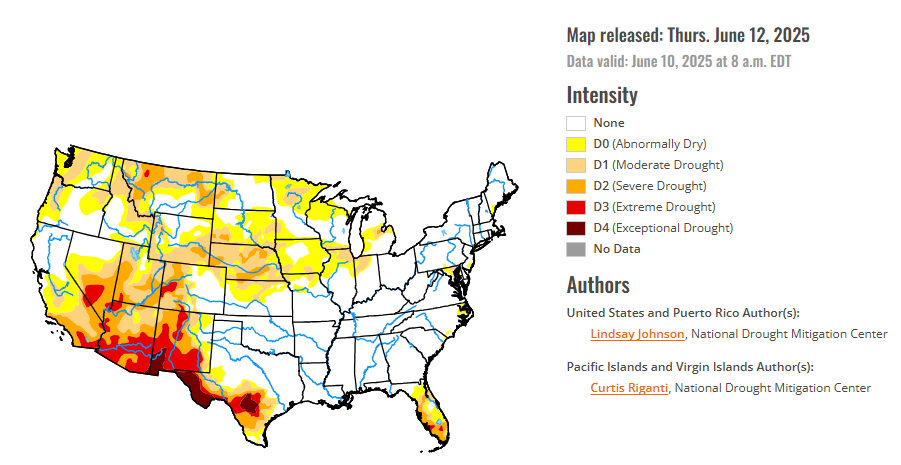
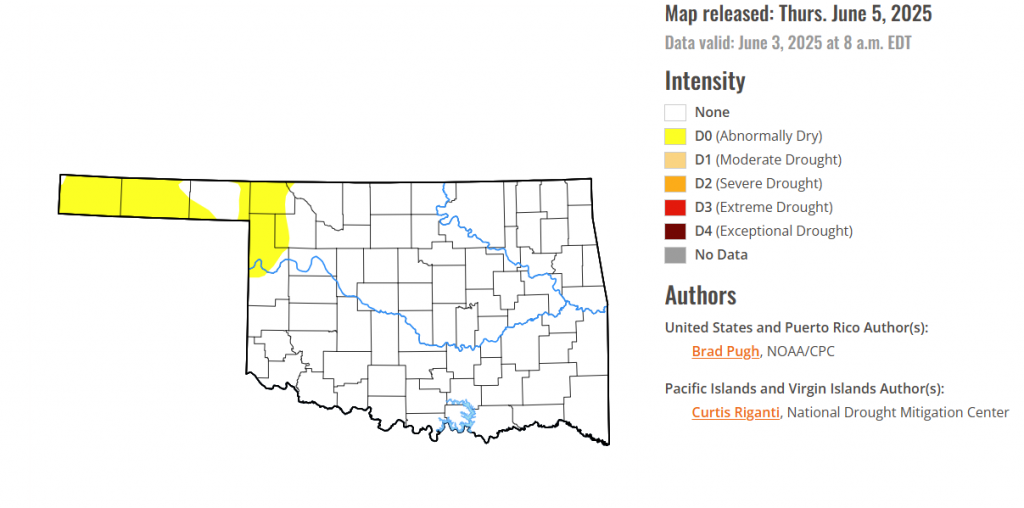
The last time we reported any level of drought in Oklahoma was the last Drought Monitor in May- the four reports in June have had zero drought- no Exceptional, Extreme, Severe or Moderate drought.
Both the Kansas Drought Monitor and the Texas Drought Monitor also show reduced amounts of drought in recent weeks- click on the respective state names to see their latest stats.
According to the 6-to-10-day precipitation outlook map, most of the state of Oklahoma is leaning above 40-50% chance of precipitation through July 5. The Far Northeast tip has a 33-40% chance of rain through that same date.
For our farmers who have either- always have had cotton on their farms- or those who have more recently have added the fiber crop to their operations- we have a daily report heard on several of our Radio Stations- It's Called Cotton Talk!
Click on the Button below to listen to our most recent report
New OSU wheat varieties could lead to more natural bread with fewer additives
A new trio of Oklahoma State University wheat varieties might just be the food solution for consumers interested in fewer additives – the substances added to food products during processing to help improve color, texture, flavor, or in the case of bread, dough quality. The use of the food additive called vital wheat gluten has increased over the past 20 years, making up 2%-20% of bread's flour weight, depending on the product. Gluten additives are used in bread to improve the dough strength because the bread's natural gluten is not enough to create strong, flexible bread products.
Brett Carver, regents professor and wheat genetics chair in the OSU Department of Plant and Soil Sciences, and his wheat breeding team began working with a naturally occurring genetic protein called Bx7oe in 2012. Bx7oe is an overexpressed protein, meaning cells produce larger amounts of it than what would normally be produced. The Colorado State University variety Snowmass that contained the gene was bred with the OSU wheat variety Gallagher, and the three varieties resulting from the match had a shocking effect.
Flour from the OSU varieties Paradox, Breadbox and Firebox (dubbed the OX varieties) appears to provide an uncommonly high level of dough strength while maintaining varying levels of extensibility.
"The value comes from having a certain level of dough strength that did not previously exist in hard red winter wheat," Carver said. "Dough strength and extensibility are important in making bread, but sometimes, strength and extensibility clash with each other, and extensibility is more common than high dough strength in modern day varieties."
We invite you to listen to us on great radio stations across the region on the Radio Oklahoma Ag Network weekdays-
if you missed this morning's Farm News - or you are in an area where you can't hear it- click below for this morning's Farm news from Ron Hays and KC Sheperd on RON.
National Livestock was founded in 1932 in Oklahoma City. National's Marketing Division offers cattle for sale weekly at the Oklahoma National Stockyards in Oklahoma City. The Finance Division lends money to ranchers across several states for cattle production. The Grazing Division works with producers to place cattle for grazing on wheat or grass pastures.
National also owns and operates other livestock marketing subsidiaries including Southern Oklahoma Livestock Auction in Ada, Oklahoma, OKC West Livestock Market in El Reno, Oklahoma, and the nation's premier livestock video sale, Superior Livestock Auction. National offers customers many services custom made for today's producer. To learn more, click here for the website or call the Oklahoma City office at 1-800-310-0220.
Secretary Rollins Provides Update on Bird Flu Strategy, Egg Prices Continue to Fall
U.S. Secretary of Agriculture Brooke L. Rollins Thursday provided an update on the U.S. Department of Agriculture's comprehensive, five-pronged strategy announced in Februaryto combat Highly Pathogenic Avian Influenza (HPAI). After reaching a record high due to the Biden Administration's lack of action, wholesale egg prices have now dropped 64%, with retail prices falling 27% from their peak earlier this year. We must remain diligent, and egg farmers and producers can continue to utilize USDA resources to conduct biosecurity assessments before the Fall.
"When President Trump entered office, the cost of eggs was at a record high, seriously denting consumers' wallets after years of awful inflation. On my first day as Secretary, we got to work to implement a five-pronged strategy to improve biosecurity on the farm and lower egg prices on grocery store shelves. The plan has worked, and families are seeing relief with egg prices driving food deflation in the April Consumer Price Index," said Secretary Rollins. "While we are proud that over 900 biosecurity assessments have been conducted to date, resources remain available, and we are urging poultry farmers of all sizes to get your assessments done today before a potentially challenging fall."
A map and list of how the states are stacking up on biosecurity assessments is below. States are strongly encouraged to take action and assist producers in scheduling their assessments.
The Family Business Estate Tax Coalition and the Tax Aggies Coalition have both sent letters to Senate leaders calling for passage of the One Big Beautiful Bill.
The National Cattlemen's Beef Association (NCBA) is a proud member of both coalitions and is continuing to urge Congress to pass the One Big Beautiful Bill.
"Across the nation, farming and ranching families are thinking about how their cattle operation stays in business for future generations. Legislation that reduces the Death Tax, cuts taxes across the board, and helps farmers and ranchers keep more of their hard-earned money is how we keep America's agricultural legacy going strong for future generations," said NCBA Senior Vice President of Government Affairs Ethan Lane. "Cattle producers' message to Congress is simple: pass the 'One Big Beautiful Bill.'"
Red Dirt Agronomy Podcast: Brady Sidwell has a Strategy For Supply Chains In Rural Oklahoma
In this episode of the Red Dirt Agronomy Podcast, Brady Sidwell, President and founder of Sidwell Strategies and Enterprise Grain in the Enid, Oklahoma area. The company provides risk management and marketing solutions for food and agriculture enterprises. It also handles futures and options trading in the commodities markets. In this episode, Sidwell is discussing the increased interest in developing a clear path for consumers from farm to fork, mainly in Northern Oklahoma.
Sidwell is a graduate of Oklahoma State University, where he earned a bachelor's degree in Agricultural Economics with a focus on international marketing. He holds a master's degree in economics from the University of Hong Kong, where he was a Rotary International Ambassadorial Scholar to China. Early in his career, Sidwell worked on U.S. Department of Agriculture projects in South Korea and Thailand. In China, he worked in the banking and food industries. Before founding Sidwell Strategies, he spearheaded global business development, investment, and strategy as a vice president with OSI Group.
"Fresh milled flour is just blowing up," Sidwell explained. "People are more concerned about additives in their foods. We are trying to be an avenue for consumers to be able to get ingredients directly from farms."
OKC West is our Market Links Sponsor- they sell cattle three days a week- Cows on Mondays, Stockers on Tuesday and Feeders on Wednesday- Call 405-262-8800 to learn more.
We are changing how we present markets to you on our website- click on the Blue Button to see our Markets Page that is evolving
Each afternoon we are posting a recap of that day's markets as analyzed by Justin Lewis of KIS futures - click below for the latest update on the Livestock and Grain Futures Trade..
Daily Oklahoma Cash Grain Prices- as reported by the Oklahoma Dept. of Agriculture- The report available after the close of the Futures Trade for that day.
Ron Hays, Senior Farm/Ranch Broadcaster and Editor
KC Sheperd, Farm Director and Editor
Dave Lanning, Markets and Production
Pam Arterburn, Calendar and Template Manager
Podcasts From Oklahoma Farm Report and More
Two of our regular reports are also podcasts that you can subscribe to- Our daily Farm and Ranch News with KC Sheperd- available here on the Apple Podcast Platform
The second is our daily Beef Buzz with Ron Hays- available here on the Apple Podcast Platform
Periodically- we offer interviews on our Ag Perspectives Podcast series- this podcast is available here.
Ron has also has a series of podcasts from interviews with newsmakers at the Cattlemen's Congress- Click here or you can find them on your favorite Podcast platform- look for them by searching for Cattlemen's Congress Conversations.
We are making plans to jump back into regular installments of what has been called the Road to Rural Prosperity- a new name and fresh content is in the works- for now- click on the blue button below for one of our favorites that is a timeless classic.
The link below is one of our most recent podcasts- Ron spotlighting the Life and Times of John Pfeiffer, Jr, the latest Oklahoma Ag Hall of Fame Inductee.
For your convenience, we have our sponsors' websites linked here- just click on their name to jump to their website- check their sites out and let these folks know you appreciate the support of this daily email, as their sponsorship helps us keep this arriving in your inbox on a regular basis- at NO Charge!
We invite you to check out our website at the link below too that includes an archive of these daily emails, audio reports and top farm news story links from around the globe.
Pic Courtesy of US Custom Harvesters Facebook page and Elmer's Manufacturing
Listen to KC and Paul Paplow discuss Harvest this week
US custom harvester Paul Paplow of Paplow Harvesting provided an update on his operations, indicating his crews are spread across multiple states. Currently, Paul himself is in Pratt, Kansas, with other machines located in Tribune, Kansas, and Harrington, Texas. Three additional machines are en route to Tribune, having just finished harvesting in Kingfisher, Oklahoma. Visiting with Farm Director, KC Sheperd, Paplow noted they are "just trying to dodge some rain showers in Kansas" with the goal of getting "back on schedule" by early next week. He was relieved to report that his crews in Kingfisher managed to finish "about 45 minutes to an hour before it started raining there," finally catching "a little bit of luck on their side" after struggling with weather for six years in that area.
When asked about the primary factor impacting the wheat crop this season, Paul suggested that "it's probably more of a wet weather" issue than an early drought. While most areas, excluding Texas, saw good initial crop development, the prolonged wet conditions have "really hurt the quality of the wheat a lot." Looking ahead, Paplow himself will move from Pratt to Tribune, then continue harvesting north through Colby, Kansas, Brewster, Kansas, and ultimately Ogallala, Nebraska.
Regarding conditions in other areas, Paul mentioned that while most regions have been "a little bit on the wet side," his father in Tribune, Kansas, reported "nice and dry out there" with "really good for cutting" conditions. However, the test weights in Tribune are "pretty low," indicating poor wheat quality, which Paplow attributed more to drought conditions. In terms of yields, Paplow reported a range of "anywhere from about 45 up to 65" bushels per acre in Pratt, Kansas, though protein levels aren't checked there. In Kingfisher, yields varied widely, from "about 15 up to 55-60," with some "really good wheat" and some "pretty poor stuff."
Despite the recent weather challenges, Paul believes they are "right on schedule" compared to the ten-year average for this time of year. He acknowledged that due to recent "hot, windy weather," they are "probably a little bit behind where we should be at this point" in terms of overall progress.
"The Big, Beautiful Bill": Senator Lankford Details Ambitious Legislation Aimed at Tax Relief, Border Security, and Fiscal Responsibility
As the Fourth of July deadline approaches, Senator James Lankford (R-OK) is deeply engaged in the high-stakes negotiations surrounding what he refers to as "the one big beautiful bill." This comprehensive legislative package, which has been months in the making, aims to prevent a massive tax increase for Americans, implement targeted tax changes, reduce the national deficit, modernize air traffic control, and enhance security along the southern border.
Farm Director KC Sheperd featured comments from Senator Lankford, who provided an update on the bill's progress. "The one big beautiful bill has been something that's been in process for months now," he explained, noting that work began in the Finance Committee last fall. "The House passed their version. Everyone's had the chance to be able to review it. The Senate has multiple chapters out that are now public. About 95% of the bill is now public." He added that while the vast majority of the bill's contents are accessible, "we're still tweaking the last 5% of it."
The primary objective of the bill, according to Lankford, is to avert a looming financial burden on American families and businesses. "This bill protects Americans from what would be the largest tax increase in history," he emphasized. "Right now, tax rates are set to expire for every single American on January 1st of next year. So the first thing is, we're trying to prevent that giant tax increase from happening next year."
Beyond preventing a tax hike, the legislation also includes "targeted tax changes for a lot of folks that are in the working class." Lankford cited examples such as "no tax on tips, no tax on overtime," and a "special benefit for working seniors not to have to pay additional taxes when they're also on social security."
The "big, beautiful bill" extends beyond tax policy to address other critical national issues. "We're also trying to be able to reduce the deficit," Lankford stated. He also highlighted efforts to "improve the air traffic control system, which desperately needs modernization," and to "secure our southern border, which needs additional border barriers, which we've all talked about for a long time." The multifaceted nature of the bill is precisely why, as Lankford explained, "they call it a big, beautiful bill because there are multiple pieces that are in this."
A significant point of discussion around the bill has been its proposed changes to Medicaid. Lankford addressed concerns directly, outlining two key adjustments. The first is the introduction of a "work requirement for able-bodied individuals with no children." He clarified, "This is not about disabled children or pregnant moms. This is just those able-bodied adults with no children. We think there should be a work requirement." He pointed out that "there's a work requirement in all the other social safety net programs for that population, except this one."
The second major change involves what's known as the "provider tax." Lankford explained that Medicaid, unlike Medicare, is a shared federal-state program. "Several states around the country have started gaming the system to try to increase the federal share and decrease the state share on that." He found it "interesting" that "this exact proposal was what was proposed by President Obama in his budget 10 years ago," when Democrats viewed it as a positive step. Now, with Republicans proposing the same, "they're like, this is a terrible thing that destroys the program." Lankford dismissed this political pushback, asserting, "It's not. We're trying just to be able to get the balance back between the federal and the state portions, and we're trying to make sure that people who can work are working while they're on Medicaid."
As the July 4th target for finalization looms, Senator Lankford remains committed to bringing the "big, beautiful bill" across the finish line, emphasizing its potential impact on the economic well-being and security of American families.
Each week, Beltway Beef brings you the latest policy news affecting the U.S. cattle and beef industry. Hear from subject-matter experts, producers, and industry leaders on the topics that impact the business viability of farms and ranches across the country.
On this episode, fifth-generation California rancher and NCBA Past-President Kevin Kester joins to share what it was like standing with President Donald J. Trump at the White House during a press conference on the One Big Beautiful Bill. Kester explains how the One Big Beautiful Bill supports cattle farmers and ranchers by increasing the Death Tax exemption and expanding tax deduction and provisions that help producers keep more of their hard-earned money. Kester was at the White House in President Trump's first term to support the Tax Cuts and Jobs Act, but now that bill is set to expire at the end of the year. To avoid a massive tax hike, Congress must pass the One Big Beautiful Bill. Kester also shares information on NCBA's advocacy in Washington and ways cattle producers can get involved in NCBA's grassroots policy process.
This is day 5 of the Kansas Wheat Harvest Reports, brought to you by the Kansas Wheat Commission, Kansas Association of Wheat Growers, Kansas Grain and Feed Association and the Kansas Cooperative Council.
Harvest is progressing steadily across parts of Kansas, with yields generally around average despite challenges like strong winds, scattered rain and wheat streak mosaic virus. Weather and market conditions remain obstacles. Growers are staying optimistic and focused on finishing the season successfully.
Jess Schwieterman, who farms with his wife Laryce in Hamilton County near Syracuse, reports that this year's harvest has been going well, despite strong winds and a few rain showers. They received a good November rain, but no winter moisture and a dry March and April until it started raining the week after Easter. The grain fill conditions were excellent, and yields have been right around average, similar to last year. Test weights have held up around 60 to 61 pounds per bushel.
High winds brought in a spring infection of Wheat Streak Mosaic Virus, turning the fields yellow. Schwieterman mentioned several varieties that have proven to have good resistance - KS Territory, KS Bill Snyder and KS Dallas. Their harvest began on June 20 and is nearly halfway finished. However, others in the area are just getting started. They have been pleased with yields, noting that the longer the fields are in no-till, the better they yield. They also manage for higher yields and have a strong fertility program. The biggest challenge this year has been the depressed wheat prices.
Kris Allen, general manager of Randall Farmers Coop in Jewell County, reports that harvest has been moving steadily across their two locations. Since taking in their first load on June 16, they've brought in around 700,000 bushels. Yields are ranging from 45 to 60 bushels per acre, and protein levels are holding solid at 12.6. Depending on the area, fields are about halfway to two-thirds cut, with combines rolling steadily. While this year isn't quite as massive as last year's crop, fueled by failed acres the season before, it's still shaping up to be a strong and successful year.
Over halfway done with harvest, Brian Sieker, a farmer in Rice county, is facing the challenges of a wet season head-on, and staying optimistic.
"Mud is a challenge, but we're grateful for it," Sieker said. "Moisture is a welcome sight for our crop."
On average, fields have produced 40-70 bushels per acre. Wheat Streak Mosaic Virus (WSMV) has taken a toll on both yield and test weight this year, prompting a change in how he'll select varieties going forward.
"In the future, I will be taking varieties for WSMV; I haven't in the past," Sieker said. "We have to protect our neighbors because the investment is huge and margins are thin."
With winter in mind, Sieker said he's glad to have residue left in the fields. "It's nice to have the stubble. It will hold us through the winter."
Above all, he encourages others to check in with each other and find joy in the season.
"Check on your neighbors," he said. "Enjoy the process. Harvest is a fun but stressful time."
The 2025 Harvest Report is brought to you by the Kansas Wheat Commission, Kansas Association of Wheat Growers, Kansas Grain and Feed Association and the Kansas Cooperative Council. To follow along with harvest updates on social media, use #wheatharvest25. Tag us at @kansaswheat to share your harvest story and photos.
The halls of the Oklahoma state Capitol are once again empty after a busy 2025 legislative session. The first session of the 60th Oklahoma Legislature commenced on the first Monday in February and gaveled out on Friday, May 30.
Of the thousands of bills filed at the first of the year, Oklahoma Farm Bureau closely monitored nearly 400 pieces of legislation over the course of the four-month session.
While the 2025 session was fraught with dissent between the legislature and Gov. Kevin Stitt, OKFB members and public policy staff kept their noses to the grindstone and secured passage of several bills relating to the organization's priority issues in an effort to ensure Oklahoma's farmers and ranchers can continue producing food, fuel and fiber for their neighbors and fellow Americans.
Private Property Rights
The protection of private property rights has been a top priority for Farm Bureau members since the organization's inception in 1942. OKFB believes farmers and ranchers know best when it comes to making decisions on how to best care for their land and livestock, and protecting private property rights ensures farmers and ranchers can continue to produce a safe, affordable and abundant food supply for years to come.
OKFB secured passage of three of the organization's priority bills during the 2025 legislative session, each of which dealt with private property rights. The three OKFB priority bills were either signed by Gov. Stitt or will became law without the governor's signature.
OKFB priority bill HB 1166 by Rep. Mike Kelley and Sen. Brent Howard requires a majority of landowners to consent before a municipality can annex property. It also includes a provision for forced annexation via a court action when the municipality can prove the landowners would be better off in the municipal limit, and it prohibits adding property taxes for a sinking fund because of a lawsuit settlement or ruling if the property was not part of the municipality at the time of the settlement.
OKFB members have traditionally opposed municipal annexation as it often comes with additional restrictions that could ultimately limit what farmers and ranchers can produce on their land. HB 1166 was signed by the governor and will take effect Nov. 1.
OKFB also saw the passage of another priority bill for the organization, HB 2752, which prohibits the use of eminent domain for renewable energy projects and facilities. The legislation, authored by Rep. Trey Caldwell and Sen. Todd Gollihare, provides another level of protection to Oklahoma's landowners from losing their land through eminent domain.
The final OKFB priority bill passed into law for 2025 was HB 2756 by Rep. Trey Caldwell and Sen. Grant Green, which became law without the governor's signature. HB 2756 requires utilities to obtain a certificate of authority from the Oklahoma Corporation Commission before the construction of high voltage transmission lines.
This will require energy companies to declare the proposed location of the lines, notify the affected county commissioners, host a public meeting and assemble a financial impact report. OKFB strongly supported this legislation to ensure improved transparency between energy companies and landowners.
Conversely, OKFB opposed the passage of HB 2036 by Rep. Nick Archer and Sen. Casey Murdock, which eases the process by which the state or a business can take property via eminent domain without paying attorney fees and court costs. OKFB actively opposed the bill throughout session, but it ultimately was approved by the governor in late May.
Lawmakers also passed HB 1103 by Rep. Tom Gann and Sen. Ally Seifried, which requires the Oklahoma Department of Transportation to notify the previous owner of real property taken via eminent domain if it is going to be offered for sale. The previous owner would be offered the real property for no more than the original price, so long as the previous owner did not use federal funds to purchase the property. This OKFB-supported legislation amends existing law that originally applied only to property within five years of the initial taking.
Energy
OKFB hosted numerous town halls last fall in areas where communities were discussing new renewable energy installations. During the meetings, OKFB heard from rural residents about the impact the proposed facilities could have, and Farm Bureau staff presented legal information and resources to help landowners and local communities make beneficial decisions regarding proposed renewable energy installations.
Throughout this process, OKFB gathered feedback from both Farm Bureau members and non-member rural residents that helped set the stage for both OKFB's grassroots policy development season and the 2025 Oklahoma legislative session where numerous renewable energy-related bills were introduced, discussed and voted upon.
One such bill was HB 1373 by Rep. Brad Boles and Sen. Grant Green, which creates the Commercial Solar Facility Decommissioning Act. This bill requires solar leases to include a provision guaranteeing the removal of the solar equipment from the landowner's property and requires the solar facility to maintain financial assurance to cover the removal costs. This act will take effect on November 1 after the governor approved the measure in early May.
Oklahomans are no strangers to wind, and Farm Bureau was pleased to see the passage of a handful of bills concerning wind energy, including HB 1205 by Rep. Cody Maynard and Sen. David Bullard, which repeals the tax credit for small wind turbine manufacturers.
Sen. Darcy Jech and Rep. Carl Newton authored SB 713, which requires wind facilities built after Jan. 1, 2026, to apply to the Federal Aviation Administration for approval of the installation of light-mitigating technology on wind turbines that only illuminates turbine-mounted beacon lights when an aircraft is approaching. Wind facilities installed before Jan. 1, 2026, must apply for approval if the facility is repowered, or if the facility enters or renews a power offtake agreement. The bill was vetoed by the governor but was subsequently overridden by both chambers of the legislature.
Water
The 2024 legislative session ended with many questions unanswered when it came to groundwater usage, and OKFB entered the 2025 session with eyes on several water bills. Groundwater usage is a complex and often heated topic of conversation in Oklahoma with many stakeholders at the table, each with different usage needs and opinions on groundwater metering.
To ensure Farm Bureau maintained an active seat at the table, the OKFB board of directors established a water working group, consisting of two Farm Bureau members from each district. The group met throughout the spring to learn more about the state's water usage through firsthand accounts and expertise from OKFB's grassroots members in order to make recommendations to the OKFB state board on what water-related actions the organization should pursue.
The unresolved groundwater metering issues of 2024 did not gain any more traction during the 2025 legislative session, but the legislature did pass several additional water measures, including HB 1588 by Rep. David Hardin and Sen. Tom Woods. The measure creates the Spring Creek Watershed Study Act, which seeks to improve and protect water quality and the aquatic habitat in the Spring Creek watershed through voluntary, incentive-based programs as part of a comprehensive water quality plan under the direction of the Oklahoma Conservation Commission.
SB 940 by Sen. Darcy Jech and Rep. Mike Dobrinski also requires the Oklahoma Conservation Commission to implement a plan for the control, removal and eradication of harmful and invasive plants on state-owned and operated land.
The legislature also passed a few bills concerning the Oklahoma Water Resources Board, including SB 1151 by Sen. Chuck Hall and Rep. Trey Caldwell, which appropriates $2 million to the OWRB for water infrastructure funding to a rural water sewer and waste management district, $2 million to construct water lines, and $2 million for the establishment of a grant program for water and wastewater infrastructure and dam improvement.
Caldwell and Hall also teamed up on HB 2766, which provides for $5.9 million in funding for the Terry Peach North Canadian Watershed Restoration Act.
HB 1438 by Rep. Kenton Patzkowsky and Sen. Spencer Kern raises the amount the OWRB Rural Economic Action Plan grant program and the REAP Water Projects Fund can give to a single entity from $150,000 to $350,000. All three measures are backed by OKFB members' policy on supporting the improvement of water infrastructure in the state of Oklahoma.
Transportation
As modern farming and ranching practices have evolved, so have many producers' means of transportation. Using all terrain and utility terrain vehicles and side-by-sides in place of traveling on horseback has become an increasingly common practice, but farmers and ranchers have historically faced legal barriers in traversing rural roads in ATVs and UTVs.
HB 1419 by Rep. Josh West and Sen. Tom Woods effectively changes the definition of "street legal utility vehicles" to allow maintained speeds of 50 miles per hour. The bill also allows ATVs and UTVs to be used on U.S. highways in counties with a population of less than 75,000 if properly registered, and it permits their usage on U.S. highways in counties with a population of more than 75,000 if the posted speed limit is less than 50 miles per hour.
Oklahoma's road conditions can be questionable even in the most populous areas of the state, but many roads in rural areas quickly fall into disrepair. These roads are crucial for rural Oklahomans to travel to and from their homes, their places of work and to easily transport goods in and out of Oklahoma's rural towns.
Rep. Trey Caldwell and Sen. John Haste authored HB 2758, which creates the Preserving and Advancing County Transportation Fund to construct and maintain Oklahoma's county highway system by allocating some of the gross production tax on natural gas to the PACT Fund.
Education
OKFB members have placed a high priority on the education of future veterinarians who plan to practice in rural Oklahoma, and the 2025 legislative session brought an enormous victory to the Oklahoma State University College of Veterinary Medicine through HB 2773. The measure authored by Rep. Trey Caldwell and Sen. Chuck Hall appropriates $250 million from the Legacy Capital Financing Fund to build a new animal teaching hospital on the OSU campus.
Consumer Protection
OKFB was pleased to see the passage of HB 1126 by Rep. Jim Grego and Sen. Roland Pederson, which prohibits the false advertisement, misbranding or distribution of any manufactured-protein food product that is labeled with an identifying meat term.
Easements
OKFB saw two major bills concerning easements throughout the legislative session, including the creation of the Uniform Easement Relocation Act through HB 1060 by Rep. Jonathan Wilk and Sen. Lisa Standridge. This act will allow property owners to relocate inconveniently placed easements, excluding public utility and conservation easements.
Additionally, the legislature passed HB 1356 by Rep. David Hardin and Sen. Tom Woods, which establishes grounds for a misdemeanor if an individual entering through gates used for ingress or egress to a property designated as an easement does not maintain the original position of the gate. The individual responsible will be subject to fines and/or jail time in addition to bearing the responsibility for any damages incurred.
Health
The availability of quality rural healthcare is paramount to ensure the continued vibrance of rural Oklahoma, and lawmakers took steps to improve the health of all Oklahomans through a number of health-focused bills, including HB 2584 by House Speaker Kyle Hilbert and Senate President Pro Tempore Lonnie Paxton, which expands the definition of "licensed practitioner" to include physician assistants. This allows certain physician assistants to practice and prescribe certain drugs independently of physician supervision.
Lawmakers also established the Food is Medicine Act through SB 806 by Sen. Adam Pugh and Rep. Anthony Moore. This act is designed to improve outcomes for Medicaid members through nutrition, case management, nutrition counseling, meals or pantry stocking, nutrition prescriptions and grocery provisions. It also requires the Oklahoma Health Care Authority to prioritize community-based organizations and local growers to support the purchase of locally grown food in nutrition prescriptions. Furthermore, it requires the State Department of Education to provide technical assistance to schools who apply for grants under the Oklahoma Farm to School Program Act.
Taxes
Two bills of note were passed in 2025 that deal with taxation, including HB 1183 by Rep. Jim Grego and Sen. Avery Frix, which requires motor vehicle excise tax be calculated on the actual sales price and eliminates the 20% adjustment above and below the average retail price when determining the taxable value.
Oklahomans can also expect some changes to their income tax structure with the passage of HB 2764 by Rep. Trey Caldwell and Sen. Chuck Hall, which reduces income tax rates by 0.25% to the top marginal personal income tax rate and restructures the income tax brackets. Beginning in 2026, the top rate will be lowered from 4.75% to 4.5% and the number of tax brackets will be reduced from six to four. Then a trigger is in place to phase out the personal income tax by quarter-percent increments.
Worker's Compensation
Sen. Casey Murdock and Rep. Carl Newton authored SB 1076, which increases the gross annual payroll limit for agriculture, ranching and horticulture employers from $100,000 to $150,000 before workers fall under the Administrative Workers' Compensation Act. However, the exemption from the act does not exempt agricultural employers from liability.
Next Steps
As elected officials return home to their constituents, work for Farm Bureau members has just begun with the start of the organization's policy development season. Throughout the rest of the summer and early fall, Farm Bureau members will gather across the state for August Area Meetings and county annual meetings to develop new grassroots policy to guide the organization in 2026.
Senior Farm and Ranch Broadcaster Ron Hays talked to Congressman Frank Lucas about the escalating concern over the New World screwworm. This pest, once eradicated from the United States, is now encroaching from the south due to "lax monitoring and enforcement." Congressman Lucas emphasized the severe threat this poses to livestock, wildlife, and even humans, recalling a time when, "in two weeks' time, an untreated animal, a cow, a calf, a steer, will be eaten alive." The conversation highlighted the critical need for immediate and aggressive action to prevent a repeat of the devastating outbreaks of the 1930s to early 1960s.
Secretary of Agriculture Brooke Rollins has taken swift and decisive action to combat the screwworm's advance. Congressman Lucas praised her efforts, noting that she "put the hammer down on our neighbors to the south a few weeks ago and said, We cannot allow any screw worm flies to get to the United States. And she sealed the border." This bold move was a direct message to southern neighbors regarding their "sloppy" monitoring. Beyond sealing the border, Secretary Rollins is pushing for increased production of sterile screwworm flies at existing facilities in Panama and is taking emergency action to construct a new sterilization facility in South Texas. The goal is to quickly "get the production up and get these things under control."
The strategy to combat the screwworm relies heavily on a proven scientific method: the Sterile Insect Technique. Congressman Lucas explained this intricate process, detailing how "they could produce screw worm flies use X rays to sterilize them, dump hundreds of billions and billions of them out into the wild, mate with the wild flies and produce sterile offspring." This method proved highly successful in the past, eradicating the screwworm from the United States and pushing it back to the Panama Canal. The current efforts aim to replicate this success, utilizing emergency authority to ramp up production and distribution of these sterile flies, including potentially utilizing "a old fruit fruit fly plant in Mexico as well."
The battle against the screwworm is not solely a federal undertaking; it requires significant cooperation from neighboring countries and vigilance from producers. Congressman Lucas stressed the long-standing commitment of the United States to this program, stating, "We have paid for decades and decades to United States has to produce these flies and dump them out." He underscored the importance of continued monitoring and cooperation from other nations to prevent re-infestation. Furthermore, the conversation touched upon the need for educationto ensure producers understand how to deal with the screwworm if it does reach the United States.
The discussion concluded with a powerful reminder of the indispensable role of science in safeguarding agriculture and food security. Congressman Lucas emphasized that "it never should be underestimated how important science is to agriculture." He cited not only the screwworm eradication program but also the successful boll weevil and brucellosis eradication programs as testaments to how scientific advancements have dramatically improved the safety and dependability of the food supply. This continued reliance on scientific innovation and cooperative efforts is crucial to prevent history from repeating itself, as Congressman Lucas reiterated, "we don't want to repeat that history."
The Beef Buzz is a regular feature heard on radio stations around the region on the Radio Oklahoma Ag Network and is a regular audio feature found on this website as well. Click on the LISTEN BAR for today's show and check out our archives for older Beef Buzz shows covering the gamut of the beef cattle industry today.
Today, House Agriculture Committee Ranking Member Angie Craig (MN-02) and stakeholders from the veterans, foster youth and homelessness communities spoke out against Senate Republican efforts to take food away from these vulnerable populations by adding bureaucratic paperwork requirements to the Supplemental Nutrition Assistance Program (SNAP).
In a bipartisan deal struck in the Fiscal Responsibility Act of 2023, exemptions from SNAP's work reporting requirements were created for homeless people, veterans and former foster youth (up to age 24). These populations experience disproportionate rates of food insecurity and often face greater barriers to finding and keeping work – like not having a stable home address and access to other basic necessities, or experiencing mental health challenges – that also make filling out and submitting high volumes of complicated paperwork impractical.
Senate Republicans eliminate these exemptions in their version of the reconciliation budget bill, jeopardizing food access for veterans, former foster youth and homeless people.
"Taking food assistance away from our veterans, vulnerable young people and those experiencing homelessness is cruel. These exemptions were agreed to for a reason: these vulnerable populations face unique barriers that make it more challenging for them to jump through the bureaucratic hoops and navigate the Republican red tape of paperwork requirements. How are people without stable home addresses supposed to get back on their feet without consistent access to food? Who does it serve to take food assistance away from veterans who have bravely served our country if they struggle to transition to civilian life? Taking food away from our veterans, people struggling with homelessness and former foster youth is bad enough. Doing it to pay for tax breaks for people who are already rich and large corporations is a new low," said Ranking Member Craig.
"Cutting SNAP exemptions for veterans is an unacceptable betrayal. Research consistently shows that military and veteran families face food insecurity at alarming rates. While Congress bipartisanly acknowledged these struggles, giving lower-enlisted service members a much-needed pay raise in the 2025 National Defense Authorization Act, these proposed SNAP cuts directly contradict that progress. They ignore the unique challenges veterans face, from service-connected disabilities to navigating the transition to civilian life. SNAP isn't a handout; it's a vital lifeline that keeps food on the table for those who serve. IAVA urges Congress to reject these harmful measures and uphold our nation's promise to its heroes," said Iraq and Afghanistan Veterans of America(IAVA).
"Far too often, service members and veterans face food insecurity in silence. SNAP provides a critical lifeline – helping ensure that those who have served our country don't have to choose between paying rent or putting food on the table. Retaining access to SNAP is not just about nutrition; it's about dignity, stability, and honoring the sacrifices made by our military and veteran families," said Amy Palmer, President and CEO of Soldiers' Angels.
"Republican Senators removing the veterans' exemption for SNAP work reporting requirements is a disgraceful move that punishes those who've served our country. Over 1.2 million veterans rely on SNAP, and veteran households are more likely to be food insecure than nonveterans. If Republican Senators care about making their bill less harmful, they will include this exemption for veterans. If Republicans in Congress care about veterans and the American people at all, they will drop this horrendous bill entirely," said VoteVets.
"This budget reconciliation bill is a moral and economic disaster in every way, shape, and form, including that it has been negotiated in darkness. Senate Republicans are trying to quietly repeal the commonsense, bipartisan exemptions to SNAP's onerous work requirements for veterans, homeless people, and former foster youth. These people are often unable to meet SNAP's arbitrary work requirements and comply with the draconian reporting mechanics. They dropped this essential protection from their bill and hoped no one would notice. But we noticed, and we believe the American public deserves to know," said Abby J. Leibman, President & CEO of MAZON: A Jewish Response to Hunger.
"Temporary SNAP time-limit exemptions have been vital for people experiencing homelessness, veterans, and young adults aging out of foster care. Removing these exemptions is just irresponsible and cruel. Data shows that unhoused individuals are among the most harmed by these policies. It's shameful that some in Congress would turn their backs on veterans who served this country or cut off foster youth already facing immense trauma. It's simply unconscionable," said Salaam Bhatti, SNAP Director of the Food Research & Action Center (FRAC).
"The Senate's reconciliation proposal will directly cause more young people to go hungry. The creation of SNAP paperwork requirement exemptions for young people from foster care, individuals experiencing homelessness, and veterans in 2023 was a bipartisan policy win for three groups of people who start their lives with less, have greater vulnerabilities and extraordinary need for resources and supports as they to try access needed benefits to get a better start in life. Eliminating these exemptions is a cruel and immoral act. CWLA applauds Ranking Member Craig for drawing attention to the unnecessary burden this provision will create for young people from foster care and others," said Linda S. Spears, President and CEO of the Child Welfare League of America (CWLA).
"Many homeless young people face significant obstacles to employment, such as lack of stable housing and transportation. Others are working, but lack reliable and consistent means to provide proof of employment or report hours. Homeless and foster youth often fall victim to trafficking and other forms of predation when their basic needs, including food, are not met. These young people need the stability and security provided by the current law's exemption from SNAP work requirements. For these reasons, I urge Congress to maintain the current exemption for youth experiencing homelessness and former foster youth," said Barbara Duffield, Executive Director of SchoolHouse Connection.
"Young people aging out of foster care often face unique challenges, lacking the stable family and economic support their peers can typically rely on. Both Congress and First Lady Melania Trump have recognized the urgent need to better support these youth – especially in areas critical to their well-being, such as food security. Cuts to the Supplemental Nutrition Assistance Program disproportionately affect current and former foster youth, many of whom depend on safety net programs after the very systems meant to protect them repeatedly fail. We strongly urge both the House and Senate to exempt youth exiting foster care and homeless young people from SNAP's paperwork requirements," said Patrick Lawler, CEO of Youth Villages.
"The Senate should not break the promise it made to young adults leaving foster care, homeless individuals, and veterans. For young people leaving foster care or experiencing homelessness, paperwork requirements create obstacles that can be particularly difficult to overcome due to their lack of resources, family and social support. Imposing these requirements on youth with experience in foster care will hinder their ability to navigate life as independent adults and find stability through housing and employment," said Jenny Pokempner, Senior Policy Director of the Youth Law Center (YLC).
"The record shows that paperwork requirements have little impact on employment but do cause poor people who are otherwise eligible for vital programs like SNAP to lose their benefits because they are unable to surmount bureaucratic obstacles, and often for very trivial reasons. The imposition of paperwork requirements specifically on people experiencing homelessness – who are engaged every day in a truly existential struggle – is wrong, and such a requirement risks depriving extremely poor people of the nutritional benefits they desperately need," said the National Alliance to End Homelessness. "The proposed cuts to SNAP benefits are immoral. The current administration's goal is to 'leave no billionaire behind' while punishing low-income people. The National Coalition for the Homeless does not believe in the current false rhetoric of reducing waste, fraud, abuse, economic mobility and expanding opportunity. We know better. We understand that the real direction of paperwork requirements – as welfare reform is punitive – will result in increased poverty and homelessness for children and families, disproportionately impacting people of color, especially African Americans and Native Americans," said Donald H. Whitehead, Jr., Executive Director of the National Coalition for the Homeless.
As of mid-June 2025, agricultural stakeholders are increasingly aware of claims by clean water advocates and regulatory concerns that land-applying municipal sewage waste (biosolids) may contaminate soil and groundwater with per- and polyfluoroalkyl substances (PFAS). In 2023, approximately 60% of U.S. biosolids were land-applied, according to the U.S. Environmental Protection Agency (EPA). Also, according to the EPA, PFAS exposure may pose health risks, though ongoing research continues to assess the impacts of low-level, long-term exposure, especially in children.
Federal and state regulators are working to eliminate PFAS compounds considered the most dangerous to our environment and our health, perfluorooctanoic acid (PFOA) or perfluorooctane sulfonic acid (PFOS), from consumer products. However, reducing environmental PFAS loads will also require alterations to current practices which may simply be recycling existing environmental loads, including agricultural uses of biosolids. Legal changes are expected. Farmers, who own or rent most of the land involved in applications of biosolids, will be a central focus.
What we have seen over the last few years has been a smattering of individual state government actions restricting and limiting the practice of land application of biosolids in various ways. In some extreme instances, these have included quarantine orders of entire tracts of farmland preventing or limiting further agricultural production.
A compilation of those individual state actions has been assembled by a national environmental consulting firm, ALL4 , and it is publicly available at this link: State-by-State Regulatory Update (March 2025 Revision)(see Table 2 – State Water Regulation Highlights). This documents the patchwork in regulatory landscape faced across the country.
Complicating enforcement, biosolids are increasingly transported across state lines, undermining the consistency of state-level regulation and calling for a more unified approach. This regulatory inconsistency challenges both land-applicators and regulators tracking PFAS from production to final disposal.
While the Clean Water Act (CWA), via the National Pollutant Discharge Elimination System (NPDES), governs the permitting of biosolid land applications, PFAS-specific regulation under this system remains limited. EPA has issued only non-binding guidance to states for performing their CWA duties.
Adding a new pollutant to those already identified and regulated in biosolids is ultimately controlled by the text of 33 U.S.C. §1345(d) of the CWA ("Disposal or Use of Sewage Sludge"), and regulations at 40 CFR Part 503. These require EPA to establish numeric limits and mandatory management practices to protect public health and the environment from the reasonably anticipated adverse effects of designated pollutants during the use or disposal of biosolids. EPA is also required to review these regulations at least every two years and develop standards where evidence warrants. To date, EPA has not established numeric PFAS limits for biosolids, but a draft risk assessment released on January 15, 2025, marks a first step in that direction.
Historically, EPA's "PFAS Strategic Roadmap"progress reports have stated it would complete by winter 2024 a risk assessment for PFAS in biosolids for use in determining whether to regulate these particular substances in biosolids.
The upshot of EPA's draft risk assessment states the following:
The draft risk assessment indicates that there are potential risks to human health to those living on or near impacted properties or primarily relying on their products from land application. . .
* * *
After the public comment period has closed, the EPA will. . . prepare a final risk assessment. . . If the final risk assessment indicates that there are risks above acceptable thresholds when using or disposing of sewage sludge, the EPA expects to propose a regulation under CWA section 405 to manage PFOA and/or PFOS in sewage sludge to protect public health and the environment.
Last year, on June 6, 2024, a federal lawsuit was commenced seeking to compel EPA to establish regulatory standards for PFAS in land-applied biosolids. Farmer, et al. v. EPA, No. 24-cv-1654. The plaintiffs in that case allege the EPA's inaction has allowed PFAS-laden biosolids to contaminate millions of acres, harming farmers and the public. This lawsuit is currently moving slowly with preliminary matters and no resolution is expected for at least another year.
One thing is certain in the coming months and years. Those farmers and agricultural stakeholders across the country involved in the common practice of land-applying biosolids will see significant change mandated in their practices and operations by the emergence of PFAS regulation in biosolids.
Click here to here Ron Hays and Frank Lucas talk about the Farm Bill and More.
Congressman Frank Lucas, Third District Congressman and former chairman of both the House Agriculture and Science Committees, is seeing significant progress on key legislative priorities that impact both national security and the future of American agriculture. Speaking with Senior Farm and Ranch Broadcaster Ron Hays, Lucas shared updates on a bill aimed at safeguarding the U.S. food supply and the ongoing efforts to secure a long-term Farm Bill.
Regarding legislative developments in Washington, D.C., Lucas shared significant progress on a national security-focused agricultural bill he has long championed. He explained, "The goal is to make sure that agriculture and food production is treated as a national security issue, like building missiles and satellites." The bill gained momentum after it was revealed that Chinese entities had purchased farmland near U.S. military bases. Lucas emphasized, "Now I've gotten my colleagues' attention... and I think we're gonna get this language made permanent." He detailed that foreign purchases of agricultural land and infrastructure will now fall under review by the Committee on Foreign Investment in the United States (CFIUS), which will now include the Secretary of Agriculture.
He pointed out the broader implications, stating, "It's not just... buying farmland near a military base... It's also buying processing or transportation facilities, things that impact the food supply." Lucas also highlighted how this federal effort aligns with Oklahoma state law, which already restricts foreign land ownership. He added, "This will also create a mechanism by which state entities... can then follow through and enforce state law in addition to the federal issues."
Lucas then discussed the legislative process involving a major tax and agriculture bill—referred to several times as the "big beautiful bill." He stressed its importance, saying, "If we don't pass the big beautiful bill, all of the tax relief passed in 2017 will expire." The bill also includes a key provision to extend the production programs of the 2018 Farm Bill, including crop insurance and conservation funding, for six years. Lucas called this "almost amazing" and emphasized its importance: "We need six years of certainty for producers out there after we've gone through the wild last six years."
When asked about differences between the House and Senate versions of the bill, Lucas acknowledged procedural hurdles in the Senate but remained optimistic: "The core issue for production ag... is hanging solid. We're good on that." He also explained a tweak to the food stamp (SNAP) program, noting that states with high error rates may face additional funding requirements: "Before COVID, Oklahoma's error rate was a little over 5%. Since the COVID money, it's running around 10%." He expressed confidence in state officials to bring those numbers back down.
As for the bill's timeline, Lucas hoped it could pass before July 4 but acknowledged the challenges: "It's getting tougher and tougher... But do not underestimate the ability of the President... to bring groups... down to the White House and explain to them in a way that's very understandable what needs to be done." He said he'd be willing to skip local celebrations if necessary: "Just in case, I'll be wherever I need to be to get this done."
The conversation concluded with reflections on the dynamics of the 2025 Congress and the Trump administration's return. Lucas observed a more focused and organized approach in this term, saying, "Trump 47... they're moving aggressively and they have a plan." Despite narrow Republican majorities in both chambers, he expressed confidence in the administration's resolve: "He's shown a very intense willingness to make stuff happen. His style is a little different than mine... but he's bound and determined."
Rep. Neils Hays, R-Muskogee, today expressed strong support for Gov. Kevin Stitt's new "Make Oklahoma Healthy Again" (MOHA) executive order, which targets artificial food additives and environmental toxins. He also reaffirmed his commitment to House Bill 1264, legislation he authored to address those same food dye concerns.
"These artificial dyes don't add value to food and have been tied to behavioral and health concerns in children," Hays said. "I introduced House Bill 1264 because parents deserve to know their kids' food is safe. I'm proud to stand with President Trump and now our state in taking this issue seriously."
During the 2025 legislative session, Hays authored HB1264, which would prohibit the use of several synthetic food dyes, including Red Dye 40, Yellow 5 and Blue 1, commonly found in products marketed to children and linked to potential neurobehavioral effects.
"The MOHA initiative lays the groundwork for lasting change," Hays said. "I look forward to continuing this work next session to ensure Oklahoma families have access to healthier, safer food options."
The governor's executive order, part of a national campaign backed by President Donald Trump and U.S. Secretary of Health Robert F. Kennedy Jr., directs the Oklahoma State Department of Health to review the safety of artificial food coloring, including Red Dye 40. It also establishes the MOHA Initiative and MOHA Advisory Council.
Although HB1264 did not receive a vote this session, it remains eligible for consideration next year in the Second Session of the Oklahoma 60th Legislature.
Hays encourages anyone concerned about food dyes to contact their legislators and ask them to sign on as co-authors in support of the bill.
U.S. Secretary of Agriculture Brooke L. Rollins today provided an update on the U.S. Department of Agriculture's comprehensive, five-pronged strategy announced in February to combat Highly Pathogenic Avian Influenza (HPAI). After reaching a record high due to the Biden Administration's lack of action, wholesale egg prices have now dropped 64%, with retail prices falling 27% from their peak earlier this year. We must remain diligent, and egg farmers and producers can continue to utilize USDA resources to conduct biosecurity assessments before the Fall.
"When President Trump entered office, the cost of eggs was at a record high, seriously denting consumers' wallets after years of awful inflation. On my first day as Secretary, we got to work to implement a five-pronged strategy to improve biosecurity on the farm and lower egg prices on grocery store shelves. The plan has worked, and families are seeing relief with egg prices driving food deflation in the April Consumer Price Index," said Secretary Rollins. "While we are proud that over 900 biosecurity assessments have been conducted to date, resources remain available, and we are urging poultry farmers of all sizes to get your assessments done today before a potentially challenging fall."
A map and list of how the states are stacking up on biosecurity assessments is below. States are strongly encouraged to take action and assist producers in scheduling their assessments.
Investing in Gold-Standard Biosecurity Measures for All U.S. Poultry Producers
USDA is covering the full cost of the assessments as well as supporting part of the costs for biosecurity improvements on farms to help strengthen the biosecurity of the nation's poultry flock.
USDA offers two free, voluntary biosecurity assessments to help farmers get ahead of any potential HPAI threats. One focuses on wildlife risk mitigation and another on general biosecurity improvements.
Wildlife Biosecurity Assessments have been very successful in safeguarding farms from the spread of HPAI from wild birds. These additional safety measures have proven to minimize flu cases. Biosecurity Incentives Assessments help poultry producers identify where they can best focus their safeguards against avian flu.
From January 20 to June 26, 2025, USDA has completed 948 total biosecurity assessments on farms across the United States. More information about the types of assessments completed and the updated number of participating farms is available on the public dashboard.
USDA shares up to 75% of costs to fix the highest-risk biosecurity concerns identified during the assessments.
Expedited Relief for Farmers to Accelerate Repopulation: USDA has continued providing financial relief and support for faster repopulation of poultry flocks after an HPAI detection. Since February 27, 2025, when USDA increased indemnity values available to producers affected by HPAI, over $70 million has been paid out to directly support layer flocks. These increased indemnity rates have provided producers a level of support and stability to help them in moving forward to repopulate their flocks as quickly as possible.
Reduced Regulatory Burdens to Expand Supply & Lower Prices: Secretary Rollins continues to meet directly with producers around the country to listen to their concerns and work to find new and innovative solutions to provide relief for their regulatory and financial burdens. USDA has also taken action to reduce red tape for the poultry industry by eliminating redundant worker safety data submissions and extending line speed waivers and withdrawing the proposed "Salmonella Framework for Raw Poultry Products".
Harnessed American Innovation in Avian Flu Research & Vaccine Development: USDA received an overwhelming response to the HPAI Poultry Innovation Grand Challenge Funding Opportunity, which closed on May 19, 2025, with 417 proposals received. In total, applicants proposed a total of $793 million in funding. These projects focus on a range of innovations to support research into HPAI prevention, therapeutics, and potential vaccines. USDA expects awards to be finalized by this fall.
Leveraged Safe Import-Export to Stabilize Supply: USDA's continued efforts to supplement domestic shell and egg products have resulted in an increase in imports to help bolster our domestic supply. Since January 2025, more than 26 million dozen shell eggs have been imported from Brazil, Honduras, Mexico, Turkey, and South Korea for breaking and pasteurization, increasing the quantity of eggs available to consumers. An additional 14 million egg products have been imported this year, bringing total egg imports to over 40 million. To compare, in 2024, U.S. egg production totaled 109 billion eggs. To more smoothly facilitate these imports, USDA has inspected and approved three new facilities—one in Arkansas and two in New York—to receive imported shell/table eggs for breaking and pasteurization, bringing the total number of approved facilities in the United States to six.
Attorney General Gentner Drummond announced today that a large-scale bust of an illegal marijuana grow operation in Mayes and Craig counties led by his Organized Crime Task Force (OCTF) has resulted in the confiscation of 40,723 marijuana plants and more than 1,000 pounds of processed marijuana.
Qi Wei Chen, a 35-year-old Chinese national, faces charges in Craig County for aggravated manufacturing of a controlled dangerous substance (marijuana), trafficking of a controlled dangerous substance (marijuana), and possession of a firearm in commission of a felony.
"The Organized Crime Task Force and its partner agencies across the state are having a meaningful impact attacking the illegal marijuana trade that has infiltrated Oklahoma since the 2018 legalization of medical marijuana," Drummond said. "The Chinese crime syndicates and Mexican drug cartels are getting the message loud and clear that they are not welcome in Oklahoma. We will not let up until this scourge is erased from our state."
The June 24 law enforcement operation included assistance from a host of partner agencies, including the Cherokee Nation Marshal Service, Craig County Sheriff's Office, Delaware County Sheriff's Office, District 13 District Attorney's Task Force, Grand River Dam Authority, Homeland Security Investigations, Mayes County Sheriff's Office, Mayes County District 3 Commissioner, Oklahoma Medical Marijuana Authority and the 63rd Civil Support Team of the Oklahoma Army National Guard.
U.S. Immigrations and Customs Enforcement (ICE) detained for deportation 15 individuals found working at the clandestine facilities.
Authorities confiscated six handguns and three silencers.
The sting operation culminated from an investigation that began earlier this month when several vehicles with out-of-state license plates appeared to be hauling untagged processed marijuana from various sites in Vinita.
Every person arrested or indicted is presumed innocent unless and until convicted in a court of law.
The Family Business Estate Tax Coalition and the Tax Aggies Coalition have both sent letters to Senate leaders calling for passage of the One Big Beautiful Bill.
The National Cattlemen's Beef Association (NCBA) is a proud member of both coalitions and is continuing to urge Congress to pass the One Big Beautiful Bill.
"Across the nation, farming and ranching families are thinking about how their cattle operation stays in business for future generations. Legislation that reduces the Death Tax, cuts taxes across the board, and helps farmers and ranchers keep more of their hard-earned money is how we keep America's agricultural legacy going strong for future generations," said NCBA Senior Vice President of Government Affairs Ethan Lane. "Cattle producers' message to Congress is simple: pass the 'One Big Beautiful Bill.'"
Additionally, NCBA released seven stories from farmers and ranchers on how the One Big Beautiful Bill protects American agriculture. These grassroots stories show why cattle producers are invested in getting this bill signed into law. NCBA will share additional stories on our X (Twitter) account @BeefUSA throughout the day.
Twelve students paired with Angus ranches across the United States expand their knowledge of the cattle industry this year, as part of the Angus Foundation's 2025 Talon Youth Education Learning Program.
The program's internships are the legacy of the late Camron "Cam" Cooper of the Talon Ranch, Twin Bridges, Montana. Cooper established the Angus/Talon Youth Education Learning Program Endowment Fund in 2009 to offer educational experiences for undergraduate students pursuing agricultural degrees.
"The Talon internship empowers students with practical, hands-on experience that not only builds their technical skills but also deepens their passion for the cattle industry," said Jimmy Stickley, donor coordinator for the Angus Foundation. "By working alongside respected Angus breeders, interns gain invaluable insights into ranch management, genetics and animal health, preparing them for successful careers."
Jayson Lopez | Yon Family Farms A junior majoring in animal science at Oklahoma State University, Jayson Lopez brings a strong cattle background from his family's commercial Angus ranch in California toYon Family Farms in South Carolina this summer. A nationally recognized seedstock operation, Yon Family Farms is known for its commitment to high-quality cattle. Lopez said he looks forward to gaining hands-on experience and furthering his passion for livestock.
Harrison Phillips | Audley Farm A third-year animal science student at California Polytechnic State University in San Luis Obispo, California, Harrison Phillips is spending his summer at Audley Farm, a historic 3,000-acre operation best known for its premium Angus beef program. Phillips said he is eager to learn and further develop his industry skillset in Virginia's Shenandoah Valley.
Allison Speck | Mead Farms Allison Speck, a junior at Oklahoma State University, is spending her summer expanding her understanding of purebred cattle at Mead Farms, a renowned cattle operation with a legacy dating back to 1942. As Missouri's number one Pathfinder Herd, Mead Farms specializes in high-quality Angus cattle, emphasizing maternal strength and fault-free conformation. A fifth-generation cattlewoman from Oklahoma, Speck plans to pursue graduate school and a career in embryology following her internship.
Morganne Ledbetter | Double M Ranch An animal science major at the University of Missouri-Columbia, Morganne Ledbetter brings a background in cow-calf production to the internship. At Double M Ranch located in Harrison, Nebraska, she will gain experience in both cattle and crop production, as she works alongside Mike and Margaret Smith on their diverse operation.
Molly Lusk | Wye Angus Originally from Asheville, North Carolina, Molly Lusk is studying agricultural education with a focus on animal science. This summer, she joins Wye Angus located at the University of Maryland's Wye Research and Education Center in Queenstown, Maryland. The center is known for its contribution to the field of research. Lusk said she is eager to build her knowledge and skills for a future career in the cattle industry.
McKinley Brooks | Bruner Angus Ranch McKinley Brooks double majors in animal science and agricultural education at Murray State University. Her summer internship at Bruner Angus Ranch in Drake, North Dakota, will deepen her understanding of cattle reproduction and genomics. The fourth-generation ranch has earned national recognition for both its seedstock and beef programs.
Hailee Campbell | Henning Farms
Hailee Campbell, a graduate student in animal and veterinary science at Clemson University, is interning at Henning Farms, a growing Angus operation in Wisconsin. Originally from South Carolina, Campbell brings years of experience showing cattle and studying animal nutrition to the program.
Samuel Martin | Bar 69 Angus
A senior at Iowa State University studying animal science, Sam Martin joins Bar 69 Angus of Belle Fourche, South Dakota. Bar 69 Angus, a fifth-generation ranch, focuses on performance-tested Angus genetics. Martin, who is also involved in his family's cattle and row crop operation in Iowa, plans to pursue a career in animal health and nutrition.
Ben Weinandt | Basin Angus Ranch
Ben Weinandt, a recent graduate of the University of Nebraska–Lincoln, will spend his summer at Basin Angus Ranch. With plans to begin veterinary school this fall, Weinandt is gaining hands-on experience at a progressive Montana Angus operation known for its commitment to performance.
Melany Ehlert | Eleven Milliron Ranch
Melany Ehlert brings a wide range of livestock experience to her internship at Eleven Milliron Ranch. A student with a strong background in feedyard operations, Ehlert said she is excited to expand her knowledge in a commercial Angus setting. The Ibach family ranch in Sumner, Nebraska focuses on high-carcass-merit feeder cattle and maternal excellence.
Ashlyn Russell | Nelson Angus Ranch
A student at Northwest Missouri State University, Ashlyn Russell, majors in animal science with a minor in agricultural business. This summer, she joins Nelson Angus Ranch in Salmon, Idaho, which is a multi-generational seedstock operation. Raised in the beef industry, Russell said she looks forward to learning the ins and outs of managing a larger operation as she explores her long-term career path in the cattle business.
Lukas Short | High Point Genetics
Lukas Short, a sophomore at Clarke Community High School, is spending his summer with High Point Genetics in Osceola, Iowa. Actively involved in FFA and his family's small cow-calf operation, Short brings a strong work ethic and a passion for the cattle industry to the program. At Hi Point, he will gain experience with a leading seedstock program known for its customer service and commitment to high-quality herd sires.
Reps. Brian Hill, R-Mustang, and Tammy West, R-Oklahoma City, applauded the recent executive order from Gov. Kevin Stitt launching the "Make Oklahoma Healthy Again" (MOHA) initiative. The push aligns with President Donald Trump and U.S. Secretary of Health Robert F. Kennedy Jr.'s national "Make America Healthy Again" campaign, which emphasizes cutting artificial additives in food, addressing environmental toxins and reducing chronic disease through cleaner living.
The order includes a comprehensive review regarding the use of artificial food coloring, including Red Dye 40, and the creation of the MOHA Initiative and the MOHA Advisory Council within the Oklahoma State Department of Health, among other initiatives.
In addition to the order, the governor announced he had directed the Department of Human Services (DHS) to request a waiver from the federal government to exclude candy and soft drinks from Supplemental Nutrition Assistance Program (SNAP) benefits. Hill filed legislation to provide the same directive to DHS earlier this year.
"This is the kind of big-picture thinking Oklahoma needs," Hill said. "We are finally taking the blinders off and looking at what contributes to poor public health outcomes across the board. Health starts with what we put in our bodies, not just how we treat them after we get sick. We've tackled the symptoms for years, but now is the time to address the root causes. By excluding candy and soft drinks from SNAP benefits, we can properly allocate taxpayer funds to healthy foods that improve the health of Oklahomans. With Governor Stitt's willingness to lead on this issue and support from Secretary Kennedy, we now have the momentum to become the national leader in clean living and modern health policy."
West has coauthored legislation that would address the overabundance of certain chemicals, dyes and substances in food products. She also requested an interim study this year to examine how synthetic food additives affect public health and impact the state's workforce productivity.
"The health and well-being of Oklahomans are the foundation of our state's strength and prosperity," West said. "Unfortunately, the long-term effects of chemicals, dyes and additives in our food and water supplies are too often ignored in public health discussions. Safe food and clean water shouldn't be political; they should be a priority. I thank Governor Stitt and Secretary Kennedy for opening the door to review these outdated practices and get upstream of our poor health outcomes before it's too late. I look forward to supporting policies that reflect our shared commitment to Oklahoma's well-being."
The initiative will not require any additional taxpayer funds and will instead utilize existing state resources, philanthropic partnerships, federal grants and support from the Oklahoma Tobacco Settlement Endowment Trust.
Do you ever feel frustrated when you look at the ingredient list on a loaf of bread because you don't know what most of the ingredients are?
What if a bread product contained fewer ingredients?
A new trio of Oklahoma State University wheat varieties might just be the food solution for consumers interested in fewer additives – the substances added to food products during processing to help improve color, texture, flavor, or in the case of bread, dough quality. The use of the food additive called vital wheat gluten has increased over the past 20 years, making up 2%-20% of bread's flour weight, depending on the product. Gluten additives are used in bread to improve the dough strength because the bread's natural gluten is not enough to create strong, flexible bread products.
Brett Carver, regents professor and wheat genetics chair in the OSU Department of Plant and Soil Sciences, and his wheat breeding team began working with a naturally occurring genetic protein called Bx7oe in 2012. Bx7oe is an overexpressed protein, meaning cells produce larger amounts of it than what would normally be produced. The Colorado State University variety Snowmass that contained the gene was bred with the OSU wheat variety Gallagher, and the three varieties resulting from the match had a shocking effect.
"The value comes from having a certain level of dough strength that did not previously exist in hard red winter wheat," Carver said. "Dough strength and extensibility are important in making bread, but sometimes, strength and extensibility clash with each other, and extensibility is more common than high dough strength in modern day varieties."
Flour from the OSU varieties Paradox, Breadbox and Firebox (dubbed the OX varieties) appears to provide an uncommonly high level of dough strength while maintaining varying levels of extensibility.
OSU has partnered with Oklahoma-based Shawnee Milling Company and Farm Strategy, a food supply chain consultant, to research the potential of these three wheat varieties as a natural flour-based alternative to wheat gluten additives, such as vital wheat gluten.
"The work the OSU Wheat Improvement Team did a decade ago is now the foundation for building a system where the farmer will be trusted to solve a bread problem," said Andrew Hoelscher, president of Farm Strategy.
Carver and Hoelscher hope the flour from the three OX wheat varieties will one day replace most or all the wheat gluten additives in bread.
"The OSU wheat breeding program is emphasizing something other than yield without sacrificing yield. We are adding value to a crop that farmers are struggling to make money from with just high yield alone," Carver said. "There's an opportunity for everyone producing, transporting and using the grain to gain value from this wheat."
Due to the increased value of the OX wheat, producers who grow and sell it would receive a higher price for their crops, and milling companies could market their products with added value. The benefit for consumers would be bread with cleaner and fewer ingredients.
When OX wheat was first produced in 2023, it generated more than $300,000 in revenue for the state of Oklahoma, but while the financial returns are promising, OX wheat is not on the commercial market yet.
Farm Strategy bridges the gap between OSU's wheat breeding program, wheat producers and milling and baking companies by partnering with wheat producers to grow the OX wheat, supplying grainto mills, and by teaming up with Shawnee Milling to create products using a flour combination that includes flour made from the OX wheat varieties. Through these partnerships, Farm Strategy is assessing the wheat's value in the food system.
"Once we know the value of these genetics, it becomes a question of how we partner with the players in the market to navigate the supply chain to get these food solutions into the hands of consumers, and at the same time, share the economic benefits with every player," Hoelscher said. "Our job is to help food companies rethink a food solution and communicate the value of these wheat genetics for all the parties involved while guiding us to a cleaner label for consumers."
However, there are hurdles to overcome in reducing bread additives.
"We think there is some extreme value to be had with this flour; we just don't know what that is yet. We are still working to figure out how to maximize the potential of this wheat in a commercial setting," said Caleb Winsett, vice president of procurement for Shawnee Milling.
As Carver put it, "the baking industry is not used to using wheat flour to solve a wheat flour problem." It's a new strategy that will take time to figure out.
Meanwhile, research on the Paradox wheat variety and its siblings continues through the combined efforts of OSU and Kansas State University.
"There's a paradox in how we got the dough strength from the Gallagher background, and we cannot explain it just based on the gluten protein we introduced. Something in the Gallagher background interacts with this gluten protein to make the gluten synergy explode. That's the research going on behind the scenes," Carver said. "The breeding hasn't stopped. We found what we never thought we'd find. Now, we want to hold on to this unique quality but ramp up the yield."
Carver said the next step in his team's research is to unravel the paradox by identifying the genetic mechanisms responsible for the OX wheats' gluten strength.
"Without this knowledge, we are unable to execute a more strategic breeding program for new OX varieties with higher yields," Carver said.
Once it is operational, the planned OSU Agronomy Discovery Center and its greenhouse complex and laboratory could allow these types of discoveries to be made sooner and allow breeding to occur at a faster rate. OSU Agriculture recently launched the Agronomy Discovery Center fundraising initiative to upgrade OSU's existing Agronomy Research Station to include a new headhouse, 12 research greenhouses and a multipurpose Research and Education Center.
—Thirty high school seniors from across Missouri completed the eleventh annual Helping Youth Prepare for Excellence (HYPE) FFA Academy June 24-26 in Jefferson City, Mo. The three-day academy is designed to inform and empower agriculture students to effectively engage in issues impacting Missouri agriculture. The annual event was sponsored by the Missouri Corn Merchandising Council.
"Many of these FFA members will be future leaders in our industry," said MCMC Chairman Brian Lehman of Versailles. "So often, the decisions that can make or break their ability to return to the family farm or be involved in agriculture are being made by those outside the industry. By arming these students with tools to strengthen their voices, they will be better prepared to effectively engage in the tough conversations impacting agriculture, whether it is with friends or neighbors, on social media, or with the individuals setting policy."
Students learned how to effectively talk about their experiences in farming, overcome obstacles, and develop their communication and personal skills. Learning sessions included advocacy training, communication basics, and social media outreach. Students hear from farmers, industry representatives, social media influencers, and Congressman Bob Onder on how to effectively advocate on issues. The group also toured the Missouri Soybean Center for Innovation to learn more about the advancements and research being done on behalf of farmers.
Wrapping up the academy, participants put their skills into action during mock legislative hearings at the Missouri State Capitol. Students presented key issues to Missouri State Reps. Willard Haley, Jim Schulte, Emily Weber, Elizabeth Fuchs, Peggy McGaugh, and Kent Haden. Students also had the chance to meet with Missouri Director of Agriculture Chris Chinn.
"The HYPE Academy is an opportunity for students to gain experience in effectively communicating their thoughts, their beliefs, and their knowledge about agriculture issues," noted Missouri FFA State Advisor Keith Dietzschold. "There's a lot of misinformation out there, and Missouri Corn and Missouri FFA thought this is one way we could work together to try to help young individuals understand the need to tell our agriculture story to the public."
The Missouri Corn Merchandising Council is an organization of corn growers dedicated to developing and expanding corn markets, educating growers and customers, and exploring new research opportunities. Learn more at www.mocorn.org. The Missouri FFA Organization makes a positive difference in the lives of students by developing their potential for premier leadership, personal growth, and career success through agricultural education. Learn more about the HYPE program and additional education efforts at www.mocorn.org.
"As a former Capitol Hill communications professional, Alex brings a valuable perspective and experience to ARA's communications team and membership," said ARA President & CEO Daren Coppock. "I look forward to her contributions to our team as we raise the voices of our members in Washington."
Alex is the new press contact for ARA and the leader of communications, branding, and marketing for the association. She will also play a key role in ARA member services and experience, ensuring that members remain informed about ARA's advocacy efforts in Washington, D.C., and key services available to them.
"The agricultural industry is the most essential industry to the everyday lives of Americans. From the clothes we wear to the food we eat and the energy we use each day, we are a nation united in reliance on our farmers and the ARA members who help make it possible for them to do their jobs," Alex Enlow commented. "I am thrilled to be part of ARA's team and work each day to support and advocate for ARA's members."
Prior to joining ARA, Alex was a communications professional in the U.S. House of Representatives for various members of Congress, most recently for Rep. Austin Scott (R-Ga.). She completed her undergraduate education at Florida State University and has a Master of Arts in Political Communication from American University.
Return on investment (ROI) is a top priority when it comes to a parasite management program, says Jesse Rave, backgrounder from Dell Rapids, South Dakota. Getting calves started on a healthy path is important for a positive return. The calves come in weighing 600 to 900 pounds and are finished out in one of Rave's two feedlots.
"We used to only work calves once, usually 24 hours after arrival," he says. Depending on their incoming weight and days on feed, calves would typically receive a generic pour-on dewormer in addition to Safe-Guard® fed in the bunk, an implant, and a 7-way clostridial vaccine.
But after Rave brought in some high-stress cattle last year, he consulted with his Zoetis representative and herd veterinarian about possible dewormer alternatives.
"I first heard about Valcor® at a feed conference and, after talking more with my representative, I thought it was worth a try," Rave says.
Valcor® (doramectin and levamisole injection) dewormer is administered by injection and has more reliable dosing than a pour-on or oral drench, which can lead to greater efficacy.1 It also combines doramectin and levamisole — two active ingredients with different modes of action in one product to help control susceptible parasites.
"We administered Valcor to the two pens of heifers that looked the worst upon arrival, and those cattle ended up having the best feed conversion," Rave says. "There was a major difference in animal appearance, too. Their hair coat looked so much better after using Valcor."
Fecal egg count reduction tests further demonstrated the dewormer's ROI. "We've adapted our protocols to working calves twice and we are using Valcor regularly now, because you can see it on paper," Rave says. "The ROI is there."
The experience that Rave had with Valcor is reinforced by several research studies where cattle treated with Valcor had a 99 to 100% fecal egg count reduction when compared with animals that were not treated.2-4
Consult your local veterinarian or visit ValcorTough.com to see how this dual-action, single-dose dewormer can pay off on your operation.
IMPORTANT SAFETY INFORMATION: Do not treat cattle with Valcor within 15 days of slaughter. Not for use in female dairy cattle 20 months of age or older, including dry dairy cows; not for use in beef calves less than 2 months of age, dairy calves, and veal calves. Safety has not been evaluated in breeding bulls. Use with caution in cattle treated with cholinesterase inhibitors. This product is likely to cause injection site swelling; tissue damage (including granulomas and necrosis) may occur. These reactions have resolved without treatment. See full prescribing information at ValcorTough.com/PI.
About Zoetis
As the world's leading animal health company, Zoetis is driven by a singular purpose: to nurture our world and humankind by advancing care for animals. After innovating ways to predict, prevent, detect, and treat animal illness for more than 70 years, Zoetis continues to stand by those raising and caring for animals worldwide – from veterinarians and pet owners to livestock producers. The company's leading portfolio and pipeline of medicines, vaccines, diagnostics and technologies make a difference in over 100 countries. A Fortune 500 company, Zoetis generated revenue of $9.3 billion in 2024 with approximately 13,800 employees. For more information, visit www.zoetis.com.
Governor Kevin Stitt hosted Secretary of Health and Human Services Robert F. Kennedy Jr. today in Oklahoma City, announcing a collaborative effort to improve health outcomes across the state under the banner of the "Make Oklahoma Healthy Again" (MaHA) campaign. The initiative, echoing the broader national movement, aims to tackle the pervasive issue of chronic disease without resorting to government mandates.
Governor Stitt began by expressing his enthusiasm for the partnership. "I love the spirit behind the MaHA movement, a desire to improve health outcomes across America without government mandates," he stated, adding, "I could not be happier to have the Secretary of Health and Human Services, Secretary Kennedy, in Oklahoma with us today." Stitt recounted a recent encounter at the White House, remarking, "The coolest person there, the person with the it factor, I came home and told all of my team was Bobby Kennedy."
Secretary Kennedy, in turn, highlighted the urgency of the mission. "Oklahoma is 47th in health in the United States, and that's not a good thing," he asserted. He underscored a national health crisis, particularly among children, contrasting current statistics with his own childhood. "When I was a kid, we had the healthiest children in the world, and today we have the sickest children."
Kennedy presented stark figures to illustrate the decline in public health:
Chronic Disease: "When my uncle was president, I was a 10-year-old boy, and we had 3% of Americans had chronic disease. At that point. Today, 60% had chronic disease."
Obesity: "The obesity rate was 3% in the United States, and today it's about 50%." He cited Japan, where processed food is restricted in schools, as maintaining a 3% obesity rate. He also noted a dramatic increase in diabetes in China, from "virtually zero diabetes" 15 years ago to "51% of the adult population is diabetic or pre-diabetic" today, attributing this partly to the influx of 20,000 fast-food establishments and American processed food.
Juvenile Diabetes: "When I was a boy, the typical pediatrician would see one case of juvenile diabetes in their lifetime. Today, 38% of teens has diabetes are pre-diabetic."
Autism: Referencing a 1970 Wisconsin study that found an autism incidence rate of 0.7 per 10,000 children (less than 1 in 10,000), Kennedy contrasted it with recent data. "Three weeks ago, we released our latest numbers, one in every 31 kids has an autism diagnosis." He further noted California's rate of 1 in 19 children, and 1 in 12.5 boys, citing it as the state with the best autism incidence capture system. Kennedy warned of the financial implications, projecting that "by 2030 it's going to cost us, just for autism, a trillion dollars a year."
Healthcare Spending: Kennedy emphasized the financial burden of chronic disease. "When my uncle was President, we spent zero on chronic disease in this country... Today, we spend $1.7 trillion and it's rising."
National Security & Fertility: The health crisis, he argued, also poses a threat to national security, with "75% of American kids cannot qualify for military service." He also highlighted plummeting fertility rates and alarming physiological changes in youth: "Teenage boys today, American boys have half the testosterone of 65-year-old men, half the sperm count. Our girls are reaching puberty six years early."
COVID-19 Deaths: Kennedy linked chronic disease to the high COVID-19 mortality rate in the U.S., where "we had 16% of the COVID deaths in this country, and we only have 4.2% of the world's population." He attributed this to the nation's "highest chronic disease burden," noting that the "average American who died from COVID had 3.8 chronic diseases."
Kennedy stressed the need for systemic change, both from the top and, crucially, "from the grassroots, from local leadership, I mean, individual Americans who are taking responsibility for their health."
Governor Stitt then outlined the specific steps Oklahoma is taking:
SNAP Waiver for Unhealthy Foods: "The team at Oklahoma DHS has submitted a waiver for SNAP benefits in Oklahoma, so our tax dollars are not going to continue to fund foods that are making people sick." This waiver, currently on Secretary Brooke Rollins' desk at the USDA, requests to remove "soda, candy and confectionary items off of the SNAP list." Kennedy reinforced this, stating, "10% of SNAP waivers go to soda drinks, and we're paying for them at the front end by buying soda for the poorest Americans, and then we're paying for them in the back end with this diabetes epidemic through Medicaid and Medicare."
Executive Order on Public Health: Governor Stitt signed an executive order promoting health. He is instructing the Oklahoma Department of Health to "stop recommending fluoride in our water." While cities and water districts can still make their own choices, it will no longer be a state recommendation.
Eliminating Artificial Dyes: The executive order also instructs "all the state agencies that provide meals... whether it be school lunches or in our prisons, to discontinue the use of artificial dyes." Kennedy noted the profound impact of nutrition on mental health, citing studies showing significant reductions in violence (38%), assaults (85%), and suicides (100% in one juvenile facility) when prison food is improved.
Advisory Council: An advisory council will be convened to "study and recommend other changes that can make and improve the health outcomes across the state of Oklahoma."
Promoting Wellness: Governor Stitt also mentioned plans to promote fitness and wellness throughout the summer, including a potential "garden contest."
Both leaders also touched on mental health, with Secretary Kennedy stating that addiction and suicide are "among our greatest priorities at HHS." He emphasized the growing scientific evidence connecting mental health to food, asserting that "as we improve our food through initiatives like Governor Stitt's initiatives here, we are going to be doing part of the job of ending the mental health crisis in our country."
Governor Stitt concluded by reiterating his goal for Oklahoma to be "top 10 in everything we do, and that because that is also healthy families in the state of Oklahoma." He expressed gratitude for Secretary Kennedy's visit, stating, "It's such an honor to have you in the great state of Oklahoma, and today we're going to get the ball rolling on MaHA, making Oklahoma healthy again."
The U.S. Court of Appeals for the Fifth Circuit ruled this week in favor of Texas Corn Producers, Texas Sorghum Producers, and National Sorghum Producers, vacating a 2024 Environmental Protection Agency (EPA) rule that unfairly penalized ethanol-containing fuels in federal fuel economy calculations.
At issue was the EPA's use of an "R Factor" — a technical value automakers must use when certifying the fuel economy of new vehicles. Under the previous administration, the EPA implemented a new R Factor for E10 (gasoline blended with 10% ethanol) in 2024 – replacing decades of testing based on E0 (pure gasoline). However, the court found that EPA's value for E10 was set "arbitrarily low" and relied on flawed science, thereby reducing automakers' fuel economy ratings for ethanol blends and creating a backdoor penalty on ethanol.
"This is a meaningful win for America's sorghum and corn producers and we want to thank all those that helped us achieve this win," National Sorghum Producers CEO Tim Lust said. "The court's ruling restores fairness and transparency to how ethanol is treated in fuel economy rules and holds the government accountable to sound science."
In its decision, the court criticized EPA's "half-hearted defense" of the rule as "lipstick on a pig," concluding the agency "identifies no evidence to support [its] 'trust-us-we're-the-experts' response." The ruling requires EPA to go back to the drawing board and establish a new, evidence-based R Factor for E10 fuel.
"Ethanol is a cleaner, American-grown solution to reducing transportation emissions," Texas Corn Producers Executive Director David Gibson said. "This ruling ensures ethanol isn't penalized by flawed methodology, and it gives the current EPA administration a fresh opportunity to get this right."
"The court affirmed what growers have long said, that the science matters, and so does the way agencies engage with it," added Wayne Cleveland, Executive Director of Texas Sorghum Producers. "We're optimistic that this new chapter will lead to better policy and a level playing field for biofuels."
The Fifth Circuit's decision clears the way for the current EPA to revise the regulation using accurate, representative data. For ethanol producers and the farmers who supply the industry, the ruling protects access to fuel markets and supports a more sustainable, domestically sourced energy future.
This prestigious award recognizes soybean farmers who demonstrate outstanding stewardship by integrating conservation practices that boost both profitability and environmental outcomes to benefit the long-term success of their farm. Examples of eligible practices include but are not limited to cover crops; reduced tillage; nutrient management; irrigation management; diversified crop rotations; buffer implementation; terraces and waterways; and precision agriculture to make more efficient use of crop inputs.
All U.S. soybean farmers are encouraged to apply. Submissions will be evaluated based on excellence in soil, water, input and environmental management, as well as overall conservation and sustainability efforts.
The selection process for these awards is divided into four regions: Midwest, Upper Midwest, Northeast and South. A farmer from each of these regions will be recognized as a Regional Conservation Legacy Award winner at the 2026 Commodity Classic in San Antonio, TX, and one of those four will be named the 2026 National Conservation Legacy Award recipient.
Regional Conservation Legacy Award winners receive:
Expense paid trip for two to Commodity Classic, Feb. 25-27, 2026, in San Antonio, TX
Recognition at the ASA Awards Celebration at Commodity Classic
A feature article on your farm promoted to agriculture media outlets
A video produced at their farm showcasing their unique conservation practices
The Conservation Legacy Awards are sponsored by the American Soybean Association, BASF, Bayer, Nutrien, Valent USA and the United Soybean Board/Soy Checkoff.
Applications must be submitted by Sunday, Aug. 31, 2025.
The National Corn Growers Association (NCGA) is calling on entrepreneurs, researchers, and startups to reimagine the potential of field corn. Now in its fifth round, the Consider Corn Challenge will award up to $300,000 to help jump-start the early development of high-value, corn-based products that can create long-term demand for U.S. growers.
The Challenge encourages innovation across industries spanning sustainable chemicals, bioplastics, textiles, fuels and more to reduce reliance on petroleum-based materials. The goal: open new markets and elevate corn's value far beyond its traditional uses in food, feed and fuel.
Why It Matters
As manufacturers seek renewable alternatives, corn offers a scalable, homegrown solution that helps contribute to supply chain resiliency, rural economic development and the domestic manufacturing. Many of these new technologies not only replace petroleum-based inputs – they often outperform them! By investing in early-stage innovation, NCGA is helping position corn as a key ingredient in the bioeconomy of the future.
Past Winners Include:
Låkril Technologies (Minnesota): Corn-based polymers for paints and coatings
Catalyxx (Missouri): Converts ethanol into high-value industrial alcohols
National Renewable Energy Lab (NREL): Develops platform chemicals from corn sugars
Lygos (California): Produces bio-based malonic acid used in coatings, electronics, flavors, fragrances, and pharmaceuticals
Many of these winners have gone on to secure additional funding, scale their technologies or form strategic partnerships. For example, Låkril and Catalyxx won the RADicle Corn Value Chain Challenge, which provides $1.5 million to accelerate commercialization. Lygos also recently entered a joint venture with CJ BIO to build a commercial-scale biorefinery complex.
How to Apply
Applications for Consider Corn Challenge V are due June 30. Full details and submission guidelines are available at ncga.com/considercorn. All entries will be judged by a distinguished panel of judges, including agtech celebrities Drs. Doug Cameron and Chris Guske, who have been instrumental in the discovery, development, scale-up, financing and ongoing management of numerous biotech technologies.
Help Spread the Word Know someone in ag tech, bio-based manufacturing or sustainable chemistry? Encourage them to apply or share this opportunity with your network.
By investing in innovation today, NCGA is helping ensure corn remains a high-performance, future-ready solution in a growing bio-based economy.
Thank you, Chairman Scott and Ranking Member Davids.
Considering the fact that we are in the middle of a worldwide trade war, we should be doing everything we can to avoid further disruption to our domestic trade system.
Every summer, grains planted by hardworking Minnesotans cover 40 percent of my district. Ensuring grain can get from our farms and grain elevators and onto ships bound for overseas markets requires an operationally efficient and properly funded Federal Grain Inspection Service.
That is why I am glad to see the bipartisan nature of this hearing today and the support from across this subcommittee for reauthorizing the U.S. Grain Standards Act.
Our grain farmers need to know that they can rely on the federal government and USDA as reliable partners, not roadblocks, to trade.
Reauthorizing the U.S. Grand Standards Act is important for our farmers and their customers, and I am glad to see this bipartisan effort to ensure we meet their needs.
Thank you again for holding this hearing, and thank you to our witnesses for coming to educate us today about the critical role grain standards play in your businesses and the farm economy.
"Good morning, everyone, and thank you for joining us today– I would like to start by welcoming the witnesses before us as they help to lay the groundwork for legislation to reauthorize the United States Grain Standards Act.
"I also want to thank Ranking Member Davids for partnering with me to make today's hearing happen.
"Originally passed in 1916, the United States Grain Standards Act gives the federal government the authority to set official marketing standards for grains and oilseeds. It provides procedures for grain inspection and weighing that are essential to helping U.S. grain maintain its strong reputation for reliable quality and consistency in global markets.
"Bad actors in the 1970s routinely manipulated the market in various ways to take advantage of producers and buyers, including through bribing officials or contaminating shipments. However, over the years, this committee, working with USDA and industry partners, devised the system of standards and measurements that have earned the positive reputation we see now, ultimately benefiting farmers and consumers alike.
"While much of the Act is permanently authorized, such as mandatory inspection and weighing of exported grain, there are still key provisions that are set to expire this September. A lapse in authorization would disrupt the current grain inspection and weighing process, potentially creating dramatic consequences for the U.S. grain industry.
"Grain standards play a critical role in keeping a key agriculture supply chain strong and supporting U.S. trade; while ensuring farmers receive a fair price and buyers get the product they need. Trust and consistency are what make the U.S. grain industry the golden standard across the globe.
"I hope the discussion today will provide Congress with the necessary insight into the importance of grain standards and shed light on areas where improvements may be necessary. I look forward to getting this vital piece of legislation across the finish line.
"With that, I'll turn it over to Ranking Member Davids for her opening remarks."
Dave Walton, secretary of the American Soybean Association and a farmer from Wilton, Iowa, testified today before the House Agriculture Committee's Subcommittee on General Farm Commodities, Risk Management and Credit, emphasizing the importance of reauthorizing the U.S. Grain Standards Act. Under the Grain Standards Act, the federal government established official marketing standards (not health and safety standards) for grains and oilseeds, which are overseen by the Federal Grain Inspection Service (FGIS).
Walton told lawmakers that U.S. soybeans remain the nation's top agricultural export and a critical driver of the economy. In 2024, farmers harvested 86 million acres of soybeans, producing 4.4 billion bushels and supporting more than $124 billion in total economic activity across related industries.
"Our strong grain standards, backed by the force and weight of the U.S. government, are one of the strongest reputational enhancements available to U.S. soybean farmers," Walton said in prepared testimony.
He highlighted the vital role of FGIS in ensuring consistent and trusted grading, which provides assurance to global buyers and underpins price discovery and futures markets. He also pointed to the successful removal of "soybeans of other colors" as a grading factor, an example of effective collaboration between the industry and USDA.
ASA represents nearly 500,000 soybean farmers through its 26 affiliated state associations. The group is urging Congress to reauthorize the act before its key provisions expire on Sept. 30.
Oklahoma wheat harvest has been moving at a fast pace the last two days. Several producers and custom harvesters wrapping up in Southwest, Oklahoma. Great strides also have been made in central and far western regions of the state.
Producers are cutting in all regions even in the North Central, I-35 corridor on the Oklahoma/Kansas line. (Producers continue to battle mud from heavy rains in Northern Oklahoma from Kremlin to the Blackwell/Ponca City, Braman region. Mud is also giving producers challenges in the Afton and Miami area.) It should be noted several locations from all central regions to most northern regions have several fields that are partially harvested with producers and harvesters planning to come back for the wetter lower lying areas.
Test weights across the state have dropped due to all the heavy rains last week, but statewide we are still looking at a 59 lb. per bushel average despite some lower test weights reported based on location and variety. Yields across the state are being reported from the mid 30's to mid 50's for the most part. Producers with management intensive plans have been reporting yields in the mid 60's to low 80's. Protein across the state averaging 11.1%. The Oklahoma Wheat Commission is calling harvest 55% completed as of midday Wednesday.
KIS FUTURES specializes in Futures and Options for Institutions, Commercials, Hedgers, and Individual Traders and executes trades for its clients in the following markets: Livestock, Grains, Energy, Metals, Softs, Financials, Currencies, and Stock Index Futures. For more information, please give them a call Toll Free at (800) 256-2555. Click here for their website to learn more.
And- their iPhone App, which provides all electronic futures quotes is available at the App Store- click here for the KIS Futures App for your iPhone.
Cost of Summer Cookout Nearly Unchanged from 2024
Families celebrating the Fourth of July holiday continue to find high prices at the grocery store, based on the 2025 American Farm Bureau Federation annual marketbasket survey. An Independence Day cookout will cost $70.92 for 10 guests this year.
This is down only 30 cents from last year's record-high cost. At $7.09 per person, 2025 will be the second-highest cost since Farm Bureau began the survey in 2013. The cookout favorites include cheeseburgers, chicken breasts, pork chops, homemade potato salad, strawberries and ice cream, among other products. While the survey does not include an exhaustive list of Fourth of July options, it serves as a snapshot of prices families are facing this summer.
AHA's Jack Ward- Demand for Hereford Genetics Very Strong
Jack Ward, Executive Vice President of the American Hereford Association since 2015, was present at the Beef Improvement Federation (BIF) meeting in Amarillo, Texas, last week. He and Senior Farm and Ranch Broadcaster Ron Hays met to discuss the breed and the value it adds to commercial operations.
According to Ward, the first half of 2025 has been a good sale season, just the same as the rest of the cattle industry is having. "We measure from March to March, and we had more sales reported to the association. There were more bulls with a higher average than we might expect, with the cattle prices the way they are. The demand for Hereford bulls across the country has been really very strong."
He said that maternal and direct heterosis have led to Herefords gaining ground in commercial herds. "It's very vital," he stated. "As we look at the value of heterosis in terms of building back a cow herd or making some replacements. The longevity and fertility can have a ten to twelve percent advantage in pregnancies in that F1 female.
From a marketability standpoint, what we've seen beyond the bull side – a lot of our producers are allowing some of their customers to market females back through their sales, and those black Baldy females are just hitting the ringer in terms of value. In a lot of cases, the females are outselling the steer mates to these things."
For our farmers who have either- always have had cotton on their farms- or those who have more recently have added the fiber crop to their operations- we have a daily report heard on several of our Radio Stations- It's Called Cotton Talk!
Click on the Button below to listen to our most recent report
Texas Rolling Out a Response Team to Combat New World Screwworm
The Texas Animal Health Commission (TAHC) and Texas Parks and Wildlife Department (TPWD) are forming a joint response team to coordinate efforts in combating New World screwworm (NWS) prior to its arrival in Texas, following a directive by Governor Greg Abbott.
The Texas New World Screwworm Response Team will share essential information with stakeholders and the public, coordinate the state's preparedness and response efforts, and promote effective stakeholder engagement.
"Texans can be assured that staff have been actively preparing and training for a possible New World screwworm response for over a year," said Dr. Lewis R. "Bud" Dinges, TAHC executive director and state veterinarian. "While we hope we don't have to deal with the pest on our soil, joint efforts to mitigate damage and protect all commodities from NWS are ongoing and will be bolstered by this well-rounded team."
TAHC and TPWD have worked jointly for decades on disease management efforts to ensure the health and safety of livestock and wildlife in Texas.
We invite you to listen to us on great radio stations across the region on the Radio Oklahoma Ag Network weekdays-
if you missed this morning's Farm News - or you are in an area where you can't hear it- click below for this morning's Farm news from Ron Hays and KC Sheperd on RON.
Midwest Farm Shows is proud to produce the two best Farm Shows in the State of Oklahoma annually- the Tulsa Farm Show each December and the Oklahoma City Farm Show each April.
The Tulsa Farm Show is Oklahoma's premier agricultural and ranching event- and returns to the SageNet Center (Expo Square) December 11,12 & 13, 2025.
Now is the ideal time to contact the Midwest Farm Show Office at 507-437-7969 and book space at the 2025 Tulsa Farm Show. To learn more about the Tulsa Farm Show, click here.
RFK Jr. Heads to Oklahoma to Launch new State Health Campaign
Health and Human Services Sec. Robert F. Kennedy Jr. will be at the Oklahoma State Capitol on Thursday to commence the rolling out of a new state health initiative, according to a story from News9.
Oklahoma Gov. Kevin Stitt announced the rollout in a release on Wednesday, saying he will join the HHS secretary for a news conference to kickstart the "Make Oklahoma Healthy Again" campaign.
Stitt said the campaign will promote "common-sense health policies, medical freedom, and a return to personal responsibility."
Thursday's conference will begin at 11 a.m., and will be available for streaming on News 9 and News On 6
Hot Through the Weekend, Relief Next Week
As Oklahomans continue to navigate the sweltering summer heat, a unique weather phenomenon is on the horizon for the state's far western regions and the Panhandle. State Climatologist Gary McManis is anticipating an increased moisture flow from the Gulf of California and eastern Pacific, signaling the start of the North American Monsoon season, which typically runs from late June through August. This seasonal shift promises a welcome, albeit temporary, respite from the usual dry and hot conditions.
"We'll be glad to get a break from the leftovers our High Plains friends in far western OK and the Panhandle get every summer with this increased moisture flow," said McManus. While the intense heat is expected to persist for a while, there's a beacon of relief in the forecast. "You can see the relief at the end of the next 7 days, around Tuesday and possibly lasting through the 4th of July holiday."
Growth Energy: Summer E15 Waiver Could Save Americans $10.1 Billion Nationwide
Growth Energy, the nation's largest biofuels trade association, announced that Americans could potentially save more than $10.1 billion in fuel costs this summer thanks to an emergency waiver issued earlier this year by the U.S. Environmental Protection Agency (EPA). The waiver allowed for the continued sale of E15, a fuel blend made with 15% American ethanol that costs less than ordinary fuel and can be used in 96% of cars on the road today. If American drivers chose E15 (also sold as Unleaded 88) instead of standard E10 fuel this summer, they could collectively save more than $10.1 billion, according to Growth Energy's analysis.
"Access to E15 is a win for American drivers and for American energy dominance," said Growth Energy CEO Emily Skor. "This summer alone, E15 could save consumers $10.1 billion at the pump – that's money that could go back in the pockets of working families. We should never put those savings on hold. With a temporary waiver in place, it's time for Congress to finally pass permanent legislation that provides unrestricted access to E15 – all months, all states, all stations, and all fuel dispensers."
The projection reinforces previous findings that underscore E15's significant cost benefits for American drivers. Growth Energy also calculated savings on a state-by-state basis, where the savings are equally significant.
Seven Stories on How the One Big Beautiful Bill Protects Family Farmers and Ranchers
Today, the National Cattlemen's Beef Association (NCBA) released a series of grassroots videos featuring hardworking family farmers and ranchers who need Congress to deliver lasting tax relief by passing the "One Big Beautiful Bill."
"Across the nation, farming and ranching families are thinking about how their cattle operation stays in business for future generations. Legislation that reduces the Death Tax, cuts taxes across the board, and helps farmers and ranchers keep more of their hard-earned money is how we keep America's agricultural legacy going strong for future generations," said NCBA Senior Vice President of Government Affairs Ethan Lane. "Cattle producers' message to Congress is simple: pass the 'One Big Beautiful Bill.'
Deb and her husband, Jeff, raise cattle and crops in Missouri. With two generations of her family considering a future in agriculture, Deb hopes Congress passes the One Big Beautiful Bill to both help cattle producers keep more of their hard earned income as well as protect farms and ranches from the Death Tax.
"I would really like to see that bill get passed to offer us tax relief, both on the income tax side and on the Death Tax side. Taxes eat into our ability to maintain and improve our operation, and they also impede the ability for farmers and ranchers to pass their operations down to the next generation."
In addition to these stories, NCBA sent a letter to Senate Majority Leader John Thune (R-SD) urging passage of the One Big Beautiful Bill.
OKC West is our Market Links Sponsor- they sell cattle three days a week- Cows on Mondays, Stockers on Tuesday and Feeders on Wednesday- Call 405-262-8800 to learn more.
We are changing how we present markets to you on our website- click on the Blue Button to see our Markets Page that is evolving
OKC West had 6,919 head on Tuesday and Wednesday of this week.
According to USDA Market News- "Compared to last week: Feeder steers steady to five higher. Feeder heifers 4.00-7.00 higher expect 700-850lbs steady. All cattle this week denoted with the description fancy were 10.00 plus higher. Quality average to fancy. Demand good. Steer calves steady to 3.00 lower expect 500-600lbs 10.00 higher. Several buyers had a 5 weight steer deal yesterday. Heifer calves unevenly steady. Demand moderate to good. Quality average. Buyers are showing less demand for unweaned calves this week. Hot and dry conditions across the region this week are providing farmers a window to cut wheat or bale hay."
Meanwhile- OKC West Manager Bill Barnhart offers these comments on their Facebook page- "Futures volatility caused mostly by global unrest helped to create some uncertainty in the market this week. While the boxed beef market continued to improve, quoted at 3.88 today, a few trades developed Tuesday on fat cattle 3.00-5.00 lower. As front end quality on feeders remained fully steady today some of the lesser grades looked to be 3.00-5.00 lower."
Each afternoon we are posting a recap of that day's markets as analyzed by Justin Lewis of KIS futures - click below for the latest update on the Livestock and Grain Futures Trade..
Daily Oklahoma Cash Grain Prices- as reported by the Oklahoma Dept. of Agriculture- The report available after the close of the Futures Trade for that day.
Ron Hays, Senior Farm/Ranch Broadcaster and Editor
KC Sheperd, Farm Director and Editor
Dave Lanning, Markets and Production
Stevie White, Farm News and Email Editor
Pam Arterburn, Calendar and Template Manager
Podcasts From Oklahoma Farm Report and More
Two of our regular reports are also podcasts that you can subscribe to- Our daily Farm and Ranch News with KC Sheperd- available here on the Apple Podcast Platform
The second is our daily Beef Buzz with Ron Hays- available here on the Apple Podcast Platform
Periodically- we offer interviews on our Ag Perspectives Podcast series- this podcast is available here.
Ron has also has a series of podcasts from interviews with newsmakers at the Cattlemen's Congress- Click here or you can find them on your favorite Podcast platform- look for them by searching for Cattlemen's Congress Conversations.
We are making plans to jump back into regular installments of what has been called the Road to Rural Prosperity- a new name and fresh content is in the works- for now- click on the blue button below for one of our favorites that is a timeless classic.
The link below is one of our most recent podcasts- Ron spotlighting the Life and Times of John Pfeiffer, Jr, the latest Oklahoma Ag Hall of Fame Inductee.
For your convenience, we have our sponsors' websites linked here- just click on their name to jump to their website- check their sites out and let these folks know you appreciate the support of this daily email, as their sponsorship helps us keep this arriving in your inbox on a regular basis- at NO Charge!
We invite you to check out our website at the link below too that includes an archive of these daily emails, audio reports and top farm news story links from around the globe.
The 2025 Oklahoma Cattlemen’s Association (OCA) Convention and Trade Show is just around the corner, and cattle producers across the state are preparing for what promises to be an informative and innovative event. In today's Beef Buzz, Executive Vice President Michael Kelsey shared that the event will be held July 25–26 at the Embassy Suites in Norman, Oklahoma. This year’s theme at the convention is “A Heritage of Innovation,” emphasizing both tradition and forward-thinking practices in the cattle industry.
One major highlight of the event will be a session with Dr. Rod Hall, who will discuss the potential threat of screw worm infestations. Kelsey expressed concern, stating, “We know that it’s not a matter of if, it’s a matter of when regarding screw worm.” He commended Dr. Hall and Secretary Arthur for their proactive efforts in preparing Oklahoma for such challenges and stressed the importance of staying informed and responsive. “We want to give Dr. Hall an opportunity to update us on that,” he said, suggesting the topic may warrant further input from the cattle community.
Weather will also be a key topic, with meteorologist Matt Makens returning to provide insight into current and future climate conditions. Kelsey noted the unusual greenness of the landscape this year, saying, “I’ve never seen it this deep green, like this. This is phenomenal.” Makens’ session will explore whether the favorable conditions will persist or give way to drought, particularly in light of possible La Niña patterns. His talks are “always extremely popular, extremely beneficial,” according to Kelsey.
Economics will take center stage with Dr. Derrell Peel providing the market outlook, a staple of the OCA convention. Kelsey emphasized the importance of Peel’s insights, especially now as “we’re starting to rebuild, and we’re seeing some consistency.” Another crucial session will cover red meat yield, a topic gaining attention due to outdated grading methods. “We developed our yield grade system back in the ’60s,” Kelsey explained, adding, “We don’t sell cattle. We sell beef,” and the industry must adapt to better reflect the value of what producers are truly selling.
Rounding out the educational offerings will be a discussion on emerging ranch technologies, including virtual fencing and ranch bots. “We want to investigate some of this new technology… give our members an opportunity to learn,” said Kelsey. The accompanying trade show is expected to be packed with both new innovations and trusted industry staples. “The trade show is bumper full. It’ll be sold out,” Kelsey confirmed.
The Beef Buzz is a regular feature heard on radio stations around the region on the Radio Oklahoma Ag Network and is a regular audio feature found on this website as well. Click on the LISTEN BAR at the top of the story for today’s show and check out our archives for older Beef Buzz shows covering the gamut of the beef cattle industry today.
To view the latest Oklahoma drought map, CLICK HERE.
According to the latest Oklahoma drought monitor report, exceptional drought remains at zero percent, unchanged from the start of the calendar year.
Extreme drought or worse conditions remain at zero percent, unchanged since the week of October 29, 2024.
Severe drought or worse conditions remain at zero percent, unchanged since the week of May 29, 2025.
Moderate drought or worse conditions remain at zero percent, unchanged since last week.
Abnormally dry or worse conditions also stayed at zero Percent, same as last week.
According to the 6-to-10-day precipitation outlook map, most of the state of Oklahoma is leaning above 40-50% chance of precipitation through July 5. The Far Northeast tip has a 33-40% chance of rain through that same date.
To view the United States Drought Map, CLICK HERE.
This week, widespread degradations occurred in the Northwest United States, where despite slightly cooler and wetter conditions this week, rapid drying continued to be a problem. In the central Great Plains and Midwest, scattered heavier rains led to improving drought or dryness conditions in some areas, especially in northern Missouri and Iowa, while some others who missed out on the heavier rains saw degrading conditions amid hotter-than-normal temperatures. In Florida, a mix of localized improvements and degradations occurred; scattered heavy rains improved the situation for some, while other areas that missed the heavy rain saw short- and long-term precipitation deficits grow amid worsening fire danger. After recent heavy rain, a small area west of Baltimore saw improvement to long-term moderate drought, while the most of the rest of the Northeast remained free of drought or abnormal dryness, with a small area of long-term moderate drought on Cape Cod continuing this week. A mix of improvements and degradations occurred in Texas following heavier rains last week in the south-central part of the state but drier weather in the Midland-Odessa area this week. Localized improvements occurred in areas of heavy rainfall on the eastern plains of New Mexico. Please note that any rain that fell from mid-Tuesday morning onward will be considered in next week's map.
In Alaska, short-term abnormal dryness and moderate drought developed and expanded in parts of central Alaska, where short-term precipitation deficits built and fire danger increased.
In Hawaii, localized improvements and degradations occurred after an overall drier week with trade-wind showers on the windward sides of the islands.
In Puerto Rico, abnormal dryness developed along the northwest and south-central coasts where short-term precipitation deficits grew amid crop stress and decreasing groundwater levels.
In The Southern Plains Temperatures across the South region this week ranged from near-normal to 2-6 degrees warmer than normal in most of the region. Heavy rains fell in parts of central and northern Oklahoma, Tennessee, northeast Arkansas, Mississippi, and the western Texas and Oklahoma Panhandles. Most of central and south-central Texas had drier weather this week. Despite the dry weather there, some improvements to the Drought Monitor occurred in south-central Texas as the impact of recent heavy rains continued to be evaluated. A small increase in abnormal dryness and moderate drought occurred in the Midland-Odessa area due to growing short-term precipitation deficits and decreasing soil moisture and streamflow. Outside of Texas, the rest of the South remained free of drought or abnormal dryness.
For the High Plains, Nebraska and Kansas, saw scattered heavy rains fell in parts of both states, especially in central and eastern areas, leading to localized improvements to ongoing drought and abnormal dryness. In some areas that missed heavier rains this week, temperatures ranging from 4-8 degrees hotter than normal led to degrading conditions, as streamflow and soil moisture levels dropped. Long-term drought over the last few years has continued to take a toll on trees in eastern Nebraska, as the bur oak, elm, hackberry, ash and red oak populations saw increased mortality or significant loss in canopy. Short- and long-term precipitation deficits continued to grow in parts of northern Colorado, which along with drops in soil moisture and streamflow led to localized worsening of drought or abnormal dryness. Meanwhile, heavier rains in the last couple of weeks in southeast Wyoming led to improving conditions there. The western half of Wyoming, in contrast, has continued to see rapid drying, leading to poor vegetation health and locally decreasing streamflow and soil moisture. Moderate and severe drought grew in coverage in parts of southwest Wyoming, while abnormal dryness grew in coverage northeast of Yellowstone National Park.
The West saw Predominantly cooler temperatures occurred in the West this week, with many areas west of Utah, Arizona and Wyoming seeing temperatures range from 2-8 degrees cooler than normal. Despite the cooler weather this week, the drying trend continued across much of the Northwest states, with abnormal dryness and moderate and severe drought significantly growing in coverage in northern portions of Utah and Nevada, northeast California, far western Montana, Idaho and southeast portions of Oregon and Washington. In these areas, short-term precipitation deficits are growing, streamflow is lower in spots, vegetation is struggling and soil moisture deficits are developing. Near the end of the week, scattered heavy rains fell in the eastern plains of New Mexico, leading to localized improvements in drought and abnormal dryness. The impact of these rains on the rest of the water cycle, as well as any further rain, will be further evaluated next week.
Looking ahead The National Weather Service Weather Prediction Center forecast through the evening of Monday, June 30, shows mostly dry weather in the West, especially for areas west of the Continental Divide. Drier weather is also expected in western North Dakota and Montana, most of Texas, Arkansas and western Louisiana, and in the eastern Carolinas. Rainfall in excess of 1 inch is forecast in parts of eastern Kansas and Nebraska, the eastern Dakotas, the Upper Midwest, the Northeast, the eastern half of the Gulf Coast and the Florida Peninsula.
For July 1-5, the National Weather Service Climate Prediction Center outlook favors above-normal precipitation across Alaska, Hawaii and most of the Contiguous United States. The highest confidence for above-normal precipitation during this period is centered on Arizona, New Mexico, southwest Texas, Utah and Colorado as monsoonal moisture streams into the region. Cooler-than-normal temperatures are favored in southeast Arizona, New Mexico, western Texas and southern Colorado, while near-normal temperatures are favored from the central Great Plains into the Great Lakes. Within the Contiguous United States, warmer-than-normal temperatures are favored elsewhere, with the highest confidence for this residing in the Northwest, western Gulf Coast, and Mid-Atlantic. Warmer-than-normal temperatures are favored across most of Hawaii. Warmer-than-normal temperatures are also favored from southwest to north-central Alaska (excluding the Aleutian Islands), while cooler-than-normal weather is favored in the extreme northwest reaches of Alaska and in the southeast portion of the state.
To view the 6-10 Day Precipitation Outlook Map, click here.
To view the 6-10 Day Temperature Outlook Map, click here.
To view the Monthly Drought Outlook Map, click here.
In this episode of the Red Dirt Agronomy Podcast, Brady Sidwell, President and founder of Sidwell Strategies and Enterprise Grain in the Enid, Oklahoma area. The company provides risk management and marketing solutions for food and agriculture enterprises. It also handles futures and options trading in the commodities markets. In this episode, Sidwell is discussing the increased interest in developing a clear path for consumers from farm to fork, mainly in Northern Oklahoma.
Sidwell is a graduate of Oklahoma State University, where he earned a bachelor's degree in Agricultural Economics with a focus on international marketing. He holds a master's degree in economics from the University of Hong Kong, where he was a Rotary International Ambassadorial Scholar to China. Early in his career, Sidwell worked on U.S. Department of Agriculture projects in South Korea and Thailand. In China, he worked in the banking and food industries. Before founding Sidwell Strategies, he spearheaded global business development, investment, and strategy as a vice president with OSI Group. The previous paragraph is an excerpt from kansascityfed.org.
"Fresh milled flour is just blowing up," Sidwell explained. "People are more concerned about additives in their foods. We are trying to be an avenue for consumers to be able to get ingredients directly from farms."
Producers need accessible locations to deliver their diverse products because it would be unreasonable to expect them to participate in the growing niche markets without nearby delivery points. However, one of the biggest challenges is connecting production agriculture with the food industry. Bridging the gap between agriculture and the food industry involves addressing differences in how each operates. Farmers typically deal in bulk, while the food industry needs a consistent, year-round supply that meets specific safety and quality standards.
For this purpose, Sidwell began Enterprise Grain, which he refers to as a "step into an unchartered area." He explained, "We really need our delivery points, but even after that is to be able to clean a product and bag it – fumigate – to be able to fill out a HACCP plan. The challenge is where production agriculture goes to food. The infrastructure between that and the people that are communicating with each other, that is the most difficult."
Putting the infrastructure for delivery points is just the beginning. After that, Sidwell is charged with working with companies that don't understand agriculture and its unpredictability.
"It's a risk to offer a farmer a contract, then if there isn't a futures contract to hedge ourselves with, we have to hedge ourselves with the contract at the next point in the supply chain," Sidwell explained. They want to know how many pounds of cleaned product they can have. It is just bridging that gap from ag to food, and somebody has got to do it. A lot of this part of the sector has been extremely consolidated over the years, and that is not always best for the farmer, so we are trying to create these alternate avenues."
Through his efforts, he has also found that young people coming back to the farm want to do things differently. Some want a brand or are looking at regenerative ag and Sidwell is an avenue for all of those concepts.
"We are now doing toll millings so people can bring us their grain, and we will mill it into flour if they want to have their own flour product," he said. "We help store frozen beef. That is another bottleneck that they have to bring it to market."
Infrastructure, especially cold storage, is critical for family farms building direct-to-consumer beef programs, creating a significant bottleneck that is challenging to overcome. He encouraged entrepreneurs in local communities to look for ways to bring commerce back to family farms.
He noted that since the COVID pandemic caused more people to question the established food supply chain, there is more interest in learning about the origins of food, direct-to-consumer markets, and cleaner ingredients. This growing awareness creates a significant opportunity for local and regional agriculture.
"People are starting to get more conscious that food is health and what we eat matters," Sidwell observed. "It's not just about treating with pharmaceuticals, but about eating healthier as a lifestyle. There are a lot of venture companies getting interested in these types of things."
Sidwell's franchisable approach of creating small, localized ecosystems with essential infrastructure can be scaled and replicated nationwide. This model supports local agriculture by adding value to specialty crops.
"I think it's important because when you look at the direction the average age of farmers is moving, and the average age of taxpayers – it's going lower. Do you know what that means?" Sidwell asked. "Unless we get the youth of the country more engaged in the supply chain, and food, and local, and having an appreciation for it, it is going to be hard to continue getting congressmen elected that want to fund agriculture."
Sidwell spoke more about the growing interest and his journey to food supply chain solutions. Click here to listen to the entire episode on the Red Dirt Agronomy Podcast website.
Health and Human Services Sec. Robert F. Kennedy Jr. will be at the Oklahoma State Capitol on Thursday to commence the rolling out of a new state health initiative, according to state leaders.
Oklahoma Gov. Kevin Stitt announced the rollout in a release on Wednesday, saying he will join the HHS secretary for a news conference to kickstart the "Make Oklahoma Healthy Again" campaign.
Stitt said the campaign will promote "common-sense health policies, medical freedom, and a return to personal responsibility."
Thursday's conference will begin at 11 a.m., and will be available for streaming on News 9 and News On 6
Oklahoma wheat harvest has been moving at a fast pace the last two days. Several producers and custom harvesters wrapping up in Southwest, Oklahoma. Great strides also have been made in central and far western regions of the state. Producers are cutting in all regions even in the North Central, I-35 corridor on the Oklahoma/Kansas line. (Producers continue to battle mud from heavy rains in Northern, Oklahoma from Kremlin to the Blackwell/Ponca City, Braman region. Mud is also giving producers challenges in the Afton and Miami area.) It should be noted several locations from all central regions to most northern regions have several fields that are partially harvested with producers and harvesters planning to come back for the wetter lower lying areas. Rain has also hindered progress on some of the dryland wheat areas in the Panhandle that was received on Monday evening. **Test weights across the state have dropped due to all the heavy rains last week, but statewide we are still looking at a 59 lb. per bushel average despite some lower test weights reported based on location and variety. Yields across the state are being reported from the mid 30's to mid 50's for the most part. Producers with management intensive plans have been reporting yields in the mid 60's to low 80's. Protein across the state averaging 11.1%. The Oklahoma Wheat Commission is calling harvest 55% completed as of today. The next harvest report will be published on June 30, 2025.
**It should be noted in locations between Wichita Falls, Texas, and Lawton, Oklahoma, many acres were flooded and those fields will never be harvested. The same statement applies to several locations around the Tonkawa, Blackwell, Ponca City region. It is predicted in these areas it will impact production by a 1/3 of what is normally taken in at these locations. Weeds also a bigger issue in these fields as producers have not been able to get to them in time to harvest.
Southwest and Western Oklahoma-
Walters/Temple/Ahpeatone/Ryan/Hulen-Harvest has made great progress in this region over the past 5 days. Despite lower test weights due to rains last week, these locations looking at 58 lb. to 59lb. averages for the region. Yields are ranging all over the board from 20 bushels per acre to 40 bushels per acre, with some higher yields noted on earlier cuttings. Protein averaging 11.9%. It should be noted this region will take in 1/3 less than the five year average due to excessive flooding on wheat that will never be harvested. This region is 95% harvested.
Carter/Brinkman/Altus/Lone Wolf- Test weights have dropped some but this region still looking at 59 lbs. per bushel average test weight for the entire harvest. Yields being reported in the mid 30's to mid 40's, with some intensively managed wheat reported to be making in the low 50's to mid 60's. Proteins averaging 11.2%. These regions are 97% harvested.
Hobart- This area has not moved along as fast due to heavier rains at times earlier in the season. Test weights averaging 59 lbs. per bushel for the location. Yields ranging in the mid 30's to mid 50's with some management intensive wheat making in the high 70's to low 80's. Protein is averaging 11.2% This region reported to be 90% harvested.
Gotebo- This area has not moved along as fast due to heavier rains at times. Test weights averaging 58 lbs. per bushel. Yields ranging from mid 30's to mid 50's. Protein is averaging 11.2%. This region is 60% harvested.
Sentinel/Rocky- Producers have made great progress in these regions. Test weights for the entire region averaging 59 lbs. per bushel. Early yields reported in the mid 30's to mid 40's on heavily grazed wheat. As producers get further into harvest the yields have gotten better in the mid 40's to low 50's in some instances. Protein averaging 11.8%. The Sentinel region is 95% harvested, the Rocky region has received more rain and is 85% completed.
Central Oklahoma
Greenfield- Harvest in this region has made great progress. Test weights ranging from 58.5 lbs. to 62 lbs. per bushel depending on variety and location. Yields being reported from the mid 40's to mid 60's, with even some higher yields on management intensive wheat. Protein ranging from 10.7% to 11.1%. This area being reported as 75 percent harvested.
Okarche/Piedmont - Producers making progress in this region but still continue to fight mud. Test weights now averaging 59 lbs. for the region. Yield averages reported in the mid 40's with some management intensive wheat reported to be making in the mid 50's to low 60's. Protein is varying in this region, but East of Okarche into Piedmont region several higher proteins being reported above 12%. This region is 70% harvested.
Kingfisher/Omega/Loyal/Reeding – Some lower test weights now coming in the region. The area still looking at 58 lb. per bushel to 59 lb. per bushel average for the region. Yields ranging in the mid 30's to mid 50's depending on management practices. Several producers have grazed heavily in this region which has impacted yield. Producers that did not graze heavily with management intensive plans reporting yields in the mid 50's to mid 60's. Proteins ranging from 10.5% to 11.2%. The Kingfisher, Reeding and Omega locations are 70 percent complete. Loyal locations are 65% completed.
North Central and Northern Oklahoma
Okeene/Fairview/Ringwood/Lahoma- Producers in the Fairview, Ringwood and Lahoma region seem to be further ahead than in the region West of Okeene. Test weights still coming in above 60 lbs. per bushel in several of these locations. Yields ranging from the mid 40's to mid 50's for the most part, with intensive management fields making 60 to 80 bushels. Protein reports are varying across this area with lower than expected proteins in some areas and much higher than expected proteins in other parts. The protein average in this region is at 11.5%. The Fairview/Ringwood/Lahoma areas are reported at 60% complete, the Okeene region going west is reported at 40% harvested.
McWillie/Helena/Goltry- Producers in McWillie/Helena area made great progress this past 5 to 6 days. Test weights still averaging 60 lbs. per bushel on later cuttings. Yields ranging from high 30's to mid 50's depending on management practices. Some intensively managed wheat reported to be making in the mid 60's. No protein was reported at this time. This region is considered to be 70% harvested.
Kremlin/Hunter/Pond Creek- Producers continue to make progress in this region while still fighting mud. Test weights are still holding up remarkably well with ranges from 58 lbs. to 61 lbs. per bushel depending on location and variety. Yields reported in the mid 40's to mid 50's on these early cuttings for the most part. Some intensively managed fields making in the mid 60's. Protein averaging 11.2%. This region considered to be 35% harvested.
Tonkawa/Ponca City/Blackwell/Braman-Great progress has been made the last couple days in the area, but producers still fighting mud. Test weights being reported at 58 lbs. to 59 lbs. per bushel. This region has had extremely heavy rains and for test weights to be holding at these averages is a welcome surprise. Yields on early cuttings ranging from low 40's to mid 50's for the most part. It should be noted that a large area in this region has either suffered severe flooding and hail events. Also several fields will most likely be abandoned due to heavy weed issues. Protein on early cuttings averaging 11.1%. This region is considered 25% harvested.
Northwest Oklahoma
Shattuck/Comargo- Producers have made great strides in this region over the last 5 days. Yields reported as making in the low 30's to mid 40's. This area has also been heavily grazed and for this reason yields are a bit lower. Test weights coming in at 60 lbs. or higher. Protein averaging 11.1% This region is considered to be 75% harvested.
Burlington- Producers have made great strides in this region over the last 5 days. Yields being reported from mid 50's to mid 60's for the most part. Some intensively managed production making in the mid 80's. Test weights averaging 60 or above. Protein reported at 11.1%. This region is considered 75% harvested.
Northeast Oklahoma
Afton/Miami- Producers have made great progress the last couple of days, still fighting extremely muddy conditions. This region reporting two classes -- Hard Red Winter and Soft Red Winter wheat. This region reported at 30% percent complete.
**Hard Red Winter Class, test weights have been averaging 55 lbs. per bushel. Yields are ranging in the mid 20's to mid 50's depending on variety and location.
**Soft Red Winter Class, test weights have been averaging 56 lbs. to 58 lbs. per bushel. Yields are ranging in the mid 20's to mid 50's depending on variety and location.
Wheat Classes And What They Are Used For
Hard Red Winter (HRW) – A versatile wheat with excellent milling and baking characteristics for pan bread. Hard Red Winter wheat is also a choice for Asian noodles, hard rolls, flat breads, general purpose flour and cereal.
Soft Red Winter (SRW) – A versatile, weak-gluten wheat with excellent milling and baking characteristics suited for cookies, crackers, pretzels, pastries and flat breads.
Panhandle
Texhoma/Goodwell/Guymon/Hooker- A large portion of dryland harvest has taken place over the past week in the Panhandle. Yields on dryland wheat ranging from 20 bushels per acre to 50 bushels per acre depending on variety and location. Test weights on dryland wheat ranging from 55 lbs. to 61 lbs. per bushel depending on variety and location. Proteins averaging 11.5% for the region. Heavy rains on Monday evening hindered harvest in some locations on Tuesday, but producers are hopeful to get back in the fields today. At the time of this report, no irrigated wheat has been reported as being harvested. It is thought producers will start getting into irrigated wheat the end of this week. The dryland wheat in this region is considered 70 to 75% harvested depending on location.
"Our forests need thoughtful management, not neglect. Under President Trump's leadership, we are changing course. We are restoring authority to local line officers, cutting red tape, and giving the Forest Service the ability to manage the lands effectively," said Secretary Rollins. "The Roadless Rule has failed. It's time to turn the page. Let's give forest stewards the tools they need. Let's unlock America's resources, protect our communities, and build a stronger, safer future for our forests."
This action aligns with President Trump's Executive Order 14192, Unleashing Prosperity Through Deregulation to get rid of overcomplicated, burdensome barriers that hamper American business and innovation. The rescission of the 2001 Roadless Rule was praised by agricultural and governmental leaders.
Every year, wildfires destroy nearly 100 million trees across our national forests. These losses aren't just an environmental tragedy. They are a national failure.
Every acre charred represents a missed opportunity to strengthen American industry, protect families, and safeguard our drinking water. Yet, half of our forested acres are effectively off-limits, impeding the actions and tools we use to protect them, and ourselves. We've watched this crisis unfold for decades while Washington stood by and allowed it to happen.
Not on President Trump's watch.
That's why, yesterday, I announced the rescission of the 2001 Roadless Rule.
Established with the stated goal of protecting remote forest areas from development, this Clinton-era rule has become a bureaucratic barrier to action, hamstringing Forest Service officials.
Instead of protecting forests, it has trapped them in a cycle of neglect and devastation. To date, we've seen more than 8 million acres of Roadless Areas burn. To put that into perspective, the average acreage lost to wildfire each year has more than doubled since 2001.
For almost 25 years, road construction has been halted. Trees have not been thinned, and firefighters have been unable to reach fires in time to slow their spread. Our forest supervisors know the treatments that are needed. It's time we untied their hands instead of hindering their every move.
These restrictions have impacted every wildfire-prone state. In Montana, 58% of our national forest lands have been off-limits to common-sense management to prevent this tragedy. In Utah, it's nearly 60%. And in Alaska's Tongass National Forest, the largest in the country, 92% has been taken off the table.
The rule was supposed to protect your drinking water – it failed. More than 3,800 municipal watersheds are now at risk. For example, burned areas produce 350 to 450 percent more sediment in reservoirs than managed timber harvests. That directly threatens your water supply.
The cost of this inaction is staggering. National forests are the single most important source of drinking water in the U.S. 80 million Americans across thousands of communities and in large cities depend on the clean drinking water flowing from our National Forest System – valued at more than $8 billion.
The Roadless Rule was supposed to reduce the maintenance cost of Forest Service roads – it failed. Deferred maintenance has remained unchanged. Instead, the rule made it nearly impossible to establish a reliable timber supply, cutting off access to family-supporting jobs and revenue streams for remote communities. It also made it harder to maintain forest roads that serve hunters, anglers, and first responders.
Our forests need thoughtful management, not neglect. Under President Trump's leadership, we are changing course. We are restoring authority to local line officers, cutting red tape, and giving the Forest Service the ability to manage the lands effectively.
The Roadless Rule has failed. It's time to turn the page. Let's give forest stewards the tools they need. Let's unlock America's resources, protect our communities, and build a stronger, safer future for our forests.
Today, the National Cattlemen's Beef Association (NCBA) released a series of grassroots videos featuring hardworking family farmers and ranchers who need Congress to deliver lasting tax relief by passing the "One Big Beautiful Bill."
"Across the nation, farming and ranching families are thinking about how their cattle operation stays in business for future generations. Legislation that reduces the Death Tax, cuts taxes across the board, and helps farmers and ranchers keep more of their hard-earned money is how we keep America's agricultural legacy going strong for future generations," said NCBA Senior Vice President of Government Affairs Ethan Lane. "Cattle producers' message to Congress is simple: pass the 'One Big Beautiful Bill.'"
Kevin Kester is a fifth-generation rancher raising cattle in California, just outside of Paso Robles. Kevin runs the ranch with his wife, June, his son, and his daughters. Now, his extended family is also part of the ranch, and he is blessed to have his 6 grandchildren starting to help on the ranch too. Over 30 years ago, Kevin inherited the ranch from his grandfather and was hit with a $2 million tax from the IRS. He spent decades working to pay that tax bill off, and a bill that large forced him to make tremendous sacrifices to keep his ranch going. To protect his family ranch and pass it on to the next generation, Kevin needs protection from the Death Tax and Congress must act to protect family farms and ranches.
"Our tax system here in the U.S. makes it impossible, or near impossible, for a fifth-generation rancher like me to be able to pass [my ranch] on to the next generation—my kids or my grandkids."
Michael Cliver is a cattle rancher and auctioneer in Pennsylvania. From producing maple syrup to also picking up jobs in town, Michael and his family have embraced new ways to keep their ranch profitable and protect the heritage of their family operation. By voting yes on the One Big Beautiful Bill, Michael says policymakers can protect his ranch and ensure it is passed down to future generations.
"We are losing ranches in agriculture because of taxes, so we need to have this Big Beautiful Bill that helps and supports farms to reduce some of these tax liabilities."
Jeff Reed is a Missouri cattle producer and the President of the Missouri Cattlemen's Association. He and his wife run their cattle operation with the hope of passing it on to their children one day. To make that dream a reality, the Reeds need Congress to pass the tax provisions in the One Big Beautiful Bill, which will protect not only their livelihood but the legacy of farms and ranches across the country.
"Up behind me here is our house, up on the hill up here. My four-year old and my four-month old boys are there this morning and I'm hoping that one day we can pass on this ranch to them and hope that you would be able to pass the One Big Beautiful Bill—get those tax repeals going to just save farms and ranches across the United States."
Michael Hunt is a fifth-generation farmer in Wisconsin raising cattle where his family has been for over 150 years. Hunt runs the farm alongside his wife and children, with hopes that his kids will be the farm's sixth-generation operators one day.
"The single biggest threat to family farm operations in the United States right now is the estate tax limitations. There's no possible way with the rising real estate values that are occurring in rural America, for production agriculture to shoulder the cost burden of estate tax when the first generation passes on."
Zane Gross is a first-generation cattle farmer in Ohio who dreams of growing his farm so his children and future grandchildren can carry on the operation. Unfortunately, rising taxes pose a threat to his dream. Zane is urging Congress to pass the One Big Beautiful Bill to protect America's family farms and ranches and strengthen our food security by making sure farmers stay in business.
"Every year, taxes continue to increase and being taxed left and right in everything that we do truly affects our ability to be profitable and to grow our operation. We love our way of life, and we want to do our part in feeding the world and being stewards of the land. And now it's time to do your part. As a cattle producer in Ohio, I'm asking Congress to step up and pass the One Big Beautiful Bill."
Thomas Bryant is a cattle producer in Lakeland, Florida. He relies on a consistent tax policy for reinvesting in his business, including raising cattle, growing hay, and producing seeds. Thomas urges Congress to pass the One Big Beautiful Bill as it directly impacts his operation today, as well as the entire cattle industry in the future.
"As a [cattle] producer, I do rely on consistent tax policy to allow me to reinvest, invest in my business of cattle producing, hay business, and seed business. This a lifeblood to my business operation, and how I plan to move all of my succession planning with my grandkids, and moving the whole industry forward."
Deb and her husband, Jeff, raise cattle and crops in Missouri. With two generations of her family considering a future in agriculture, Deb hopes Congress passes the One Big Beautiful Bill to both help cattle producers keep more of their hard earned income as well as protect farms and ranches from the Death Tax.
"I would really like to see that bill get passed to offer us tax relief, both on the income tax side and on the Death Tax side. Taxes eat into our ability to maintain and improve our operation, and they also impede the ability for farmers and ranchers to pass their operations down to the next generation."
In addition to these stories, NCBA sent a letter to Senate Majority Leader John Thune (R-SD) urging passage of the One Big Beautiful Bill.
On Tuesdays, Senior Farm and Ranch Broadcaster Ron Hays visits with Ben Hale of Western Livestock Auctions as he talks about the latest in the markets and more. Established in 1995, Western has grown into a multi-generational family-owned and operated business and stands as a symbol of tradition, excellence, and a deep-rooted passion for the cattle industry. Western Livestock Auctions operates the Western Livestock Commission Firm, which sells cattle on Mondays and Tuesdays. They also operate the livestock auction markets in Woodward, Comanche, Waurika, and Knoxville, Iowa.
Ben Hale says although numbers at the Oklahoma National Stockyards are "decent," Hale pointed out that they're still below typical seasonal levels: "I think 4,300 compared to 5,100 a year ago." However, he explained that producers are in no rush to sell. "You don't have to sell now—we're in such good shape in a big area," he said, adding that many are holding onto cattle longer because "it's paying you to make 'em big."
Weather conditions have contributed significantly to this stability. Ben noted that drought has largely cleared from Oklahoma and much of Texas. "We've had several weeks totally clear of drought," he said, with only "the extreme southern part of Texas" still facing challenges. This shift has allowed producers to focus on long-term herd growth. "The discussion now is how many bred heifers, how many have they put bulls with... everybody's talking about it," he said, signaling strong forward-looking activity in the industry.
Quality remains a key driver in the marketplace, with Hale noting that premium prices are still being fetched by better cattle. "If these cattle aren't real fleshy or kind of plain, they're still grabbing a pretty good premium," he said. He acknowledged that calf prices have softened, which is seasonal, but emphasized the resilience of the feeder and yearling markets. "They called it kind of steady on the yearlings... but I thought it was a victory," especially compared to weaker markets elsewhere.
Regional sales numbers also reflect this solid footing. Hale reported that " Waurika had 2,300 yesterday," with Comanche expecting "about 1,500 to 1,800 today," and Woodward preparing for a strong Wednesday run. "All in all, good numbers to finish up this Fourth of July week," he said. Despite lower-than-usual totals, strong demand and favorable weight gains are keeping the market moving steadily. Looking ahead, Ben outlined the upcoming sale schedules around the Fourth of July. Oklahoma City will hold sales on Monday and Tuesday, followed by Waurika and Woodward on Tuesday. After that, there will be a break in observance of the holiday, with sales resuming the following week.
Hale can be contacted at 940-631-2333. Check out more about the marketing options that Western offers by clicking here.
The Texas Animal Health Commission (TAHC) and Texas Parks and Wildlife Department (TPWD) are forming a joint response team to coordinate efforts in combating New World screwworm (NWS) prior to its arrival in Texas, following a directive by Governor Greg Abbott.
The Texas New World Screwworm Response Team will share essential information with stakeholders and the public, coordinate the state's preparedness and response efforts, and promote effective stakeholder engagement.
"Texans can be assured that staff have been actively preparing and training for a possible New World screwworm response for over a year," said Dr. Lewis R. "Bud" Dinges, TAHC executive director and state veterinarian. "While we hope we don't have to deal with the pest on our soil, joint efforts to mitigate damage and protect all commodities from NWS are ongoing and will be bolstered by this well-rounded team."
TAHC and TPWD have worked jointly for decades on disease management efforts to ensure the health and safety of livestock and wildlife in Texas.
"Excellent work has already been done by stakeholders, and state and federal agencies," said Dr. David Yoskowitz, TPWD executive director. "The charge of the response team is to work directly with landowners, livestock producers and the public. Both the Texas Animal Health Commission and Texas Parks and Wildlife Department will bring forward all the resources and expertise at our disposal to ensure that we are prepared and can respond quickly and effectively."
In 2022, NWS broke through an established eradication border in Panama and began spreading north through Central America. NWS reached the southern states of Mexico in November 2024 and has continued to spread in multiple Mexican states as far north as Oaxaca. Due to Texas' vast border with Mexico, extensive animal agriculture industry and abundant wildlife, the risk of NWS reemergence in Texas is still of strong concern.
Understanding the heightened risk of NWS infestation Texas faces, TAHC has actively monitored the NWS spread in Central America. In March 2024, TAHC began developing plans, coordinating response, and training staff to respond to this threat. When NWS reached Mexico in November, the TAHC and TPWD began educating the public on this growing threat. TAHC and TPWD have continued to provide training and education for agency personnel, members of the public, veterinarians and stakeholders. While all these efforts have kept Texas ahead of the response curve, a formalized joint effort will help ensure preparedness and coordination between key partners during this critical time.
Read the Office of the Governor's press release here. Learn more about NWS here.
Here Are Your Top Stories in Today's Oklahoma Farm and Ranch News:
OSU Agriculture names 2025 Champions
OSU Agriculture names 2025 Distinguished Alumni
Derrell Peel- Heifer Retention Happening in Parts of the Country
OWGA to Hold Annual Meeting In Okeene
And More Farm & Ranch News Below
OSU Agriculture names 2025 Champions
Oklahoma State University will honor two individuals this fall who have demonstrated a commitment to agricultural sciences and natural resources.
Thomas and Rhonda Coon are the 2025 Champion for OSU Agriculture Award recipients. They will be recognized during the OSU Agriculture Honors ceremony on Oct. 3.
"Tom and Rhonda exemplify the core values and mission of OSU Agriculture," said Jayson Lusk, vice president and dean of OSU Agriculture. "Their dedication to advancing science-based research and improving the quality of life for Oklahomans reflects the rich tradition and enduring impact of our land-grant mission. We are proud to honor their achievements and celebrate their lasting contributions."
With more than 25 years of professional experience in alumni relations and fundraising, Rhonda Coon connected with alumni and friends of Iowa State University and Michigan State University before her move to Oklahoma. At OSU, she helped organize and host events in support of OSU Agriculture programs.
The vision of the Oklahoma Beef Council is to be a positive difference for Oklahoma's farming and ranching families and the greater beef community, and its mission is to enhance beef demand by strengthening consumer trust and exceeding consumer expectations.
To learn more, visit www.oklabeef.org. Also, don't forget to like its Facebook page at www.facebook.com/oklabeef for stories on Oklahoma's ranching families and great beef recipes.
And Check out this video below that helps you learn more about the Beef Checkoff- .
OSU Agriculture names 2025 Distinguished Alumni
Oklahoma State University will honor five individuals who have brought distinctive credit to the university's Ferguson College of Agriculture and contributed significantly to society.
Shannon Angle, Bill Clymer, Robert Hodgen, M. John Kane IV and N. Malone Mitchell Jr. are recipients of the 2025 Distinguished Alumni Award. The honorees will be officially recognized during the OSU Agriculture Honors ceremony on Oct. 3.
"These outstanding individuals have made a lasting impact on the Ferguson College of Agriculture and have served their communities, the state and OSU with distinction throughout their careers," said Jayson Lusk, vice president and dean of OSU Agriculture. "We are proud to recognize their achievements with this prestigious alumni award."
Dr Derrell Peel- Heifer Retention Happening in Parts of Cattle Country
On this beef buzz, Dr. Derrell Peel, a livestock market economist, discussed the ongoing efforts to rebuild the U.S. beef cow herd with senior farm and ranch broadcaster Ron Hays. Peel noted that there is a gradual shift toward heifer retention, especially in drought-affected regions like the southern U.S., while areas like Montana are still focused on maintaining existing cattle numbers, some regions are beginning to hold back heifers as part of the rebuilding process. However, he cautioned that the pace of this retention remains slow and is expected to continue at a gradual rate in the near future.
Peel explained that while the U.S. beef cow herd hit a potential low point in January 2025, significant herd expansion is unlikely in the short term. The number of beef cows may stabilize, with only minimal growth expected over the next couple of years. "If that cow slaughter drops enough, then the supply of heifers might be sufficient to at least stabilize the beef cow herd." He pointed out that the situation is different from 2014, when a strong pipeline of replacement heifers supported rapid herd expansion. Dr. Peel says that today, due to ongoing heifer slaughter, the industry essentially starts from zero in terms of heifer supply, which will require a few years to rebuild.
For our farmers who have either- always have had cotton on their farms- or those who have more recently have added the fiber crop to their operations- we have a daily report heard on several of our Radio Stations- It's Called Cotton Talk!
Click on the Button below to listen to our most recent report
Oklahoma Wheat Growers to Hold Annual Meeting July 8th in Okeene
The 2025 Annual Meeting of the Oklahoma Wheat Growers Association is set for the Corner Event Center in Okeene on Tuesday, July 8th. OWGA members and anyone engaged in wheat production in Oklahoma are encouraged to attend.
Early arrivers can tour Mountain Country Foods at 10:30 AM. The plant in Okeene produces biscuits and soft kibble for pets- Mountain Country Foods is one of the largest pet treat producers in the US.
Registration, lunch and the program are all happening at The Corner in Okeene at 101 N Main Street. The complete agenda is available here.
We invite you to listen to us on great radio stations across the region on the Radio Oklahoma Ag Network weekdays-
if you missed this morning's Farm News - or you are in an area where you can't hear it- click below for this morning's Farm news from Ron Hays and KC Sheperd on RON.
Stewart Martin Kubota is passionately committed to providing our customers with the highest quality products, most innovative solutions, and services delivered with integrity and professionalism. Stewart Martin Kubota has four locations to serve you in Bixby, Broken Arrow, Okmulgee and Muskogee. Stewart Martin offers a full line of tough Kubota tractors, mowers, utility vehicles, construction equipment and farm / hay implements.
Oklahoma Pasture Conditions Looking Fine- Northern Plains- Not So Much
According to DTN- The first part of June is typically when cattle producers have all their cows on pasture. Conditions of pasture and range currently look to be suffering for quality as compared to a year ago.
While pastures and range in good-to-excellent condition seem to be widespread in 2025, those in the very-poor-to-poor category are more extreme than the previous year. The southwest states of Arizona and Nevada are especially dry with 81% and 95% of pastures in the worst category, respectively. Montana continues to see 53% of pastures in very poor-to-poor conditions and with only 14% rated good to excellent.
Southern states seem to have improved on pasture conditions with Texas having 31% in the very-poor-to-poor category as compared to 41% last year. The 2025 number is 7% worse than the previous week. Oklahoma has only 11% of pasture and range in the very poor-to-poor category, while 77% are good to excellent.
The Upper Plains, including Nebraska and South Dakota, continue to have some droughty conditions. Nebraska has 31% of pasture and range in very poor-to-poor conditions and only 27% are good to excellent. South Dakota is also suffering with 27% rated very poor to poor and 36% in good-to-excellent condition.
In an article from David Anderson with Texas AgriLife- he digs into the latest Cattle on Feed report amid record high cattle and beef prices. While the report did not have any big surprises compared to analyst's pre-report estimates there were some noteworthy data points. Marketings were 10.1 percent fewer in May 2025 than last May. Some of that was attributable to one less working day in the month, but the rest was due to fewer fed cattle slaughtered. An earlier SAT discussed fewer fed cattle being processed on Fridays over the last couple of months.
Fewer cattle were placed into feedyards in May, with placements 7.8 percent below last year. But, placements in Texas and Oklahoma feedyards were down 16.8 and 21.6 percent compared to last year, likely reflecting the continued border closing restricting the supply of Mexican feeder cattle. Fewer placements and marketing left the total number of cattle on feed down 1.2 percent compared to last year.
While not one of the primals that make up the boxed beef cutout value, 50 percent lean beef has skyrocketed in value to almost $190 per cwt, compared to about $1.00 per pound last year. This beef is largely the product of fed cattle and makes up part of the supplies of ground beef. Fewer fed cattle marketed and slaughtered in recent weeks has likely cut into supplies while the demand for ground beef remains good.
Study reveals how wheat roots are quietly engineering their microbiomes
In an advance for agriculture, a new study reveals how wheat plants actively influence the microbial communities living on and inside their roots—and how these root microbiomes change over time depending on conditions such as drought and irrigation. These insights could guide future efforts to manage crops more effectively under varying environmental conditions.
Led by Tim C. Paulitz of the USDA-ARS Wheat Health, Genetics, and Quality Research Unit and Dr. Olga Mavrodi of Washington State University in Pullman, WA, the study was a collaborative effort involving multiple USDA-ARS and university scientists. Published in Phytobiomes Journal, the research brings together expertise in plant pathology, microbiology, and soil science.
OKC West is our Market Links Sponsor- they sell cattle three days a week- Cows on Mondays, Stockers on Tuesday and Feeders on Wednesday- Call 405-262-8800 to learn more.
We are changing how we present markets to you on our website- click on the Blue Button to see our Markets Page that is evolving
OKC West in El Reno had 1,509 head of calves and stockers on Tuesday June 24, 2025.
Compared to last week: Steer calves steady to 3.00 lower expect 500-600lbs 10.00 higher. Several buyers had a 5 weight steer deal today. Heifer calves unevenly steady. Demand moderate to good. Quality average. Buyers are showing less demand for unweaned calves this week. Hot and dry conditions across the region this week are providing farmers a window to cut wheat or bale hay.
Each afternoon we are posting a recap of that day's markets as analyzed by Justin Lewis of KIS futures - click below for the latest update on the Livestock and Grain Futures Trade..
Daily Oklahoma Cash Grain Prices- as reported by the Oklahoma Dept. of Agriculture- The report available after the close of the Futures Trade for that day.
Ron Hays, Senior Farm/Ranch Broadcaster and Editor
KC Sheperd, Farm Director and Editor
Dave Lanning, Markets and Production
Stevie White, Farm News and Email Editor
Pam Arterburn, Calendar and Template Manager
Podcasts From Oklahoma Farm Report and More
Two of our regular reports are also podcasts that you can subscribe to- Our daily Farm and Ranch News with KC Sheperd- available here on the Apple Podcast Platform
The second is our daily Beef Buzz with Ron Hays- available here on the Apple Podcast Platform
Periodically- we offer interviews on our Ag Perspectives Podcast series- this podcast is available here.
Ron has also has a series of podcasts from interviews with newsmakers at the Cattlemen's Congress- Click here or you can find them on your favorite Podcast platform- look for them by searching for Cattlemen's Congress Conversations.
We are making plans to jump back into regular installments of what has been called the Road to Rural Prosperity- a new name and fresh content is in the works- for now- click on the blue button below for one of our favorites that is a timeless classic.
The link below is one of our most recent podcasts- Ron spotlighting the Life and Times of John Pfeiffer, Jr, the latest Oklahoma Ag Hall of Fame Inductee.
For your convenience, we have our sponsors' websites linked here- just click on their name to jump to their website- check their sites out and let these folks know you appreciate the support of this daily email, as their sponsorship helps us keep this arriving in your inbox on a regular basis- at NO Charge!
We invite you to check out our website at the link below too that includes an archive of these daily emails, audio reports and top farm news story links from around the globe.
In a strongly-worded complaint sent Wednesday to the Food and Drug Administration, America's butter marketers asked the agency to take action against Country Crock's "dairy free salted butter," asserting that the product's label violates federal regulations.
The plant-based spread's front label, in bold letters, describes itself as a form of butter, although federal standards of identity, along with legislation passed by Congress, defines butter as a product made from milk. In reality – and as admitted in the much smaller font on the package label – the Country Crock products describe themselves as "79% plant-based oil spreads.""Country Crock is attempting to leverage the premium perception of real dairy butter maintained by consumers," said Christopher Galen, executive director of ABI. "The manufacturer is clearly trying to confuse the consumer about what this product is: an ultra-processed seed oil concoction.
This product may indeed be a crock from the country, but it's certainly not butter."Galen said that as margarine and vegetable oil spreads have declined in sales, companies are seeking to capitalize on butter's resurgent popularity by misappropriating the term "butter" and applying it to products that clearly do not meet butter's federal standard of identity. Butter manufacturers have to follow federal labeling standards, but the proliferation of fake butters is eroding the integrity of the marketplace, he said.
The ABI letter was sent today to Claudine Kavanaugh, Director of the FDA's Office of Nutrition and Food Labeling. The National Milk Producers Federation raised a similar objection to Country Crock in 2019, when the company introduced a "plant-based butter."
U.S. Secretary of Agriculture Brooke Rollins today announced the latest slate of presidential appointments for key positions at the U.S. Department of Agriculture (USDA).
"American farmers and ranchers work tirelessly to feed, fuel, and clothe America. The incredible team we are building at USDA will make it easier—not harder—for farmers to fulfill their calling. I welcome the latest group of appointees and look forward to continuing our work to put Farmers First at USDA," said Secretary Rollins.
Chris Berardi Appointed as Senior Legislative Advisor for the Office of Congressional Relations
Chris Berardi is a Senior Legislative Advisor for the Office of Congressional Relations. Prior to being appointed, Chris was the Senior Advisor and Director of Communications for Congresswoman Harriet Hageman. Previous to that position, Chris was the Deputy Director of Federal Policy for Council for a Strong America, a bipartisan nonprofit organization.
Brandon Borke Appointed as Legislative Advisor for the Office of Congressional Relations
Brandon Borke is a Legislative Advisor for the Office of Congressional Relations. Brandon has over seven years of experience in nonprofit development, executive leadership, and strategy implementation, along with more than a decade of political experience with field operations, media coordination, and policy development. Brandon is a Michigan native and a Texas transplant.
Casey Conlee Appointed as Deputy Chief of Staff for the Office of Congressional Relations
Casey Conlee serves as the Deputy Chief of Staff for the Office of Congressional Relations. Conlee served as District Coordinator for Congresswoman Yvette Herrell in the 117th Congress and later worked for the New Mexico House of Representatives. Most recently, he was the Administrative Chief of Staff for the City of Roswell, New Mexico—his hometown—where he helped guide local government operations and intergovernmental coordination.
Elena I. Crosby Appointed as Chief of Staff for the Assistant Secretary for Civil Rights
Elena I. Crosby, J.D., serves as Chief of Staff for the Assistant Secretary for Civil Rights. Previously, she was the State Director for then-U.S. Senator Marco Rubio, overseeing in-state efforts and leading a team across Florida. Before her legislative career, Elena worked at AdventHealth, focusing on research compliance and healthcare law. She also held leadership positions at Digital Fusion, Inc., and Connextions, Inc.
Caleb Crosswhite Appointed as Deputy General Counsel for the Office of the General Counsel
Caleb Crosswhite serves as Deputy General Counsel in the Office of the General Counsel. Crosswhite most recently served as Chief Counsel for the Republican staff of the Senate Committee on Agriculture, Nutrition, and Forestry. Crosswhite also served for over a decade on the House Committee on Agriculture staff, and in the USDA Marketing and Regulatory Programs mission area under the previous Trump Administration.
Chris Esparza Appointed as Senior Advisor to the Secretary
Chris Esparza serves as Senior Advisor to the Secretary. Esparza most recently served as a Professional Staff Member and Acting Subcommittee Staff Director on the House Appropriations Committee's Subcommittee on Commerce, Justice, Science, and Related Agencies. Prior positions included Chief Counsel for the House Committee on Small Business and Senior Counselor to the USDA General Counsel under the previous Trump Administration.
Halee Fisher Appointed as Senior Advisor for Research, Education, and Economics
Halee Fisher serves as the Senior Advisor for Research, Education, and Economics. Most recently Halee served as Legislative Assistant for the U.S. House of Representatives Committee on Agriculture. She holds a Bachelor of Science in Agricultural Economics and a Bachelor of Arts in Political Science from Purdue University.
Matthew Myers Appointed as Deputy Director of External and Intergovernmental Affairs
Matthew Myers serves as Deputy Director of External and Intergovernmental Affairs. Most recently, he served as Public Policy Analyst for the American Farm Bureau Federation. Previously, Matthew served as an Undergraduate Teaching Assistant for Agricultural Finance sections at Oklahoma State University.
Edward Newburn Appointed as Senior Advisor in the Office of the Under Secretary for Trade and Foreign Agricultural Affairs
Edward Newburn serves as Senior Advisor in the Office of the Under Secretary for Trade and Foreign Agricultural Affairs. Most recently, Edward served as Chief of Staff at South Dakota Trade, based in Sioux Falls, SD, and as a member of the transition and beachhead teams at the Export-Import Bank of the United States (EXIM).
Patricia Patnode Appointed as Special Advisor in the Office of Partnerships and Public Engagement
Patricia Patnode serves as Special Advisor in the Office of Partnerships and Public Engagement. Most recently, Patricia worked as a Research Fellow for the Competitive Enterprise Institute in Washington, D.C. She previously worked as a Program Manager for the Mercatus Center at George Mason University and was a Junior Fellow for the Independent Women's Forum.
Courtney Stevens Appointed as Chief of Staff for Natural Resources and Environment
Courtney Stevens serves as Chief of Staff for the Natural Resources and Environment mission area. Most recently, Courtney served as Professional Staff on the U.S. House of Representatives Committee on Appropriations, Interior and Environment subcommittee. She previously served as Chief of Staff and Legislative Director to U.S. Representative Steven Palazzo and as Professional Staff on the U.S. Senate Committee on Appropriations under the late U.S. Senator Thad Cochran.
Dr. Lauren Stump Appointed as Deputy Under Secretary of Marketing and Regulatory Programs
Lauren Stump, DVM, serves as the Deputy Under Secretary of Marketing and Regulatory Programs and oversees the Animal and Plant Health Inspection Service. Dr. Stump most recently served in legislative affairs at the U.S. Food and Drug Administration. A veterinarian, Dr. Stump has worked in animal health for Nestlé Purina PetCare Company as well as the American Veterinary Medical Association and began her career in the public sector working for a U.S. Senator.
Stacy A. Swanson Appointed as Director of Oversight
Stacy A. Swanson serves as Director of Oversight within the Office of Congressional Relations. Most recently, Stacy served as a Policy Advisor in the private sector at an international law firm. Prior to that, she served at the U.S. Department of Labor during the George W. Bush Administration.
Braxton Wenk Appointed as Chief of Staff in the Office of Congressional Relations
Braxton Wenk serves as Chief of Staff in the Office of Congressional Relations. Most recently, he served as the Administrative Director and Agriculture Legislative Assistant to U.S. Senator Tom Cotton. Previously, Braxton served as Special Assistant to U.S. Senator James Lankford. Braxton was raised in Altus, Oklahoma, where his family has lived and farmed for six generations.
Jeremy Witte Appointed as Deputy Under Secretary of Marketing and Regulatory Programs
Jeremy Witte serves as Deputy Under Secretary of Marketing and Regulatory Programs. Witte, a native of New Mexico, most recently served as Professional Staff on the Senate Agriculture, Nutrition, and Forestry Committee under Senator John Boozman (AR). Before working in the Senate, Witte was Professional Staff on the House Agriculture Committee for Chairman Mike Conaway (TX).
This slate of appointments also includes key leadership at the Rural Development (RD) mission area, the Farm Service Agency (FSA), and the Natural Resources Conservation Service (NRCS).
RD appointees help affirm the mission of the Trump Administration by focusing on finding ways to empower rural America and unleash economic prosperity. FSA leadership helps implement President Trump's America First agenda and execute USDA's policies in planning, organizing, and administering FSA programs through state offices across the country. NRCS staff offer resources to America's farmers, ranchers, and landowners to conserve national resources through voluntary programs and science-based solutions.
Rural Development
J.R. Claeys Appointed as Administrator, Rural Business-Cooperative Service
J.R. Claeys serves as Administrator of the Rural Business-Cooperative Service (RBCS) in Rural Development. Claeys most recently served in the Kansas Legislature, where he worked extensively on rural economic development policy and state budget issues. His experience includes creating rural lending and grant programs targeting major agriculture and aerospace manufacturers.
Karl Elmshaeuser Appointed as Administrator, Rural Utilities Service
Karl Elmshaeuser serves as Administrator of the Rural Utilities Service (RUS) in Rural Development. Elmshaeuser most recently served as the Executive Director for the Nebraska Environmental Trust. Prior positions included Legislative Liaison for the Nebraska Department of Environment and Energy and State Director for USDA Rural Development in Nebraska under the previous Trump administration.
Joe Gilson Appointed as Chief of Staff, Rural Development
Joe Gilson serves as Chief of Staff at Rural Development. Joe previously worked at American Farm Bureau Federation as Director of Government Affairs. Prior to joining AFBF, Joe worked for Senator Chuck Grassley as the legislative assistant for agriculture, trade, energy, and environmental issues.
George Kelly Appointed as Administrator, Rural Housing Service
George Kelly serves as Administrator of the Rural Housing Service (RHS) in Rural Development. George spent the majority of his career as a commercial real estate developer with Hines Interests Limited Partnership. He has had roles in banking, affordable and workforce housing, strategy consulting, and government. He was a scholar in residence at the Urban Land Institute.
Farm Service Agency
Trina L. Brake Appointed as Deputy Administrator for Field Operations for the Farm Service Agency
Trina L. Brake serves as the Deputy Administrator for Field Operations at the Farm Service Agency, where she brings nearly 35 years of leadership and institutional knowledge. Since joining the Agency in 1991, Trina has held several key roles, including Acting Deputy Administrator and Acting Assistant Deputy Administrator for Field Operations, exemplifying her steadfast commitment to agricultural service and rural communities.
Mary Catherine Cromley Appointed as Chief of Staff for the Farm Service Agency
Mary Catherine Cromley serves as Chief of Staff for the Farm Service Agency. She previously served as the Executive Director of the South Carolina Soybean Board, South Carolina Corn Board, and the South Carolina Corn and Soybean Association. Mary Catherine spent over six years in the United States Senate, working as an aide for late Senator Johnny Isakson and Senator John Boozman, and she served on the staff of Senate Committee for Agriculture, Nutrition, and Forestry.
Marissa Findlay Appointed as Confidential Advisor to the Deputy Administrator for Field Operations for the Farm Service Agency
Marissa Findlay serves as the Confidential Advisor to the Deputy Administrator for Field Operations (DAFO) of the Farm Service Agency. Most recently, Marissa served as the Director of Operations in the office of West Virginia Governor Patrick Morrisey and led the transition of then-Governor-elect Morrisey. Marissa has worked with numerous Presidential and statewide officeholders for nearly two decades, including Governors, Lieutenant Governors, Attorneys General, and other dignitaries.
Payton (Englert) Manning Appointed as Senior Policy Advisor for the Farm Service Agency
Payton Manning serves as the Senior Policy Advisor for the Farm Service Agency. Most recently, she served as the Director of Government Affairs at the American Seed Trade Association (ASTA). Prior to ASTA, Payton worked on agriculture policy for Senator Josh Hawley (R-MO).
Natural Resources Conservation Service
Kyle L. Allen Appointed as Special Assistant for the Natural Resources Conservation Service
Kyle L. Allen serves as the Special Assistant for the Natural Resources Conservation Service. Most recently, Kyle served as the Texas Outreach Coordinator for the National Association of Resource Conservation and Development Councils.
Kaytlin Bemis Appointed as Policy Advisor for the Natural Resources Conservation Service
Kaytlin Bemis serves as a Policy Advisor for the Natural Resources Conservation Service. Most recently, Kaytlin served as Manager of Public Policy and Regulatory Affairs at the National Corn Growers Association. Kaytlin was born and raised in central Minnesota on a corn and soybean farm.
Cody T. Cornell Appointed as Policy Advisor for the Natural Resources Conservation Service
Cody T. Cornell serves as a Policy Advisor for the Natural Resources Conservation Service. Most recently, Cody served as a three-term elected Board of Trustees member at Western Illinois University and was elected twice as Secretary of the Board. He previously served as a Conservation Program Coordinator at Prairie Hills Resource Conservation and Development. He also serves on the National Alpha Gamma Rho Collegiate Advisory Council Board.
Jimmy Emmons Appointed as Assistant Chief for the Natural Resources Conservation Service
Jimmy Emmons serves as Assistant Chief for the Natural Resources Conservation Service. He and his wife, Ginger, operate Emmons Farm, a century-old integrated row-crop and livestock farm in Leedey, Oklahoma. In the first Trump Administration, Jimmy served as a Regional Coordinator for USDA's Farm Production and Conservation (FPAC) mission area.
Kelli Evans Appointed as Senior Advisor for the Natural Resources Conservation Service
Kelli Evans serves as Senior Advisor for the Natural Resources Conservation Service. Most recently, Kelli served as Chief Executive Officer of Evans Ag Consulting. Kelli has been an active leader in California agriculture with over 17 years of serving on numerous agricultural boards including the Almond Board of California and Yuba-Sutter Farm Bureau. Kelli is a third-generation almond and rice farmer from northern California.
As Oklahomans continue to navigate the sweltering summer heat, a unique weather phenomenon is on the horizon for the state's far western regions and the Panhandle. State Climatologist Gary McManis is anticipating an increased moisture flow from the Gulf of California and eastern Pacific, signaling the start of the North American Monsoon season, which typically runs from late June through August. This seasonal shift promises a welcome, albeit temporary, respite from the usual dry and hot conditions.
"We'll be glad to get a break from the leftovers our High Plains friends in far western OK and the Panhandle get every summer with this increased moisture flow," said McManus. While the intense heat is expected to persist for a while, there's a beacon of relief in the forecast. "You can see the relief at the end of the next 7 days, around Tuesday and possibly lasting through the 4th of July holiday."
The monsoon, often an unfamiliar term to those outside the Southwestern U.S., is a fascinating seasonal weather shift. It brings much-needed moisture and rain to normally arid areas like Arizona and New Mexico during the summer months. McManus says the mechanism behind it is driven by intense land heating, which "pulls in warm, moist air from places like the Gulf of California, the Pacific Ocean, and even the Gulf of Mexico." This humid air is then forced upwards over mountains and into higher elevations. The combination of rising motion and the intense summer heat creates prime conditions for afternoon thunderstorms.
These monsoon thunderstorms are characteristic for their sudden onset and equally rapid dissipation. They can deliver "heavy rain, lightning, strong winds, and flash flooding," often popping up with little warning. "It's nature's way of temporarily flipping the switch from dry to stormy in the desert," McManus explained, acknowledging the potential "painful" impact these sudden deluges can have.
For communities in the Oklahoma Panhandle, including Boise City, Guymon, Goodwell, and even far western Oklahoma sites like Buffalo and Laverne, this means a significant increase in rainfall during the latter parts of June through August. Historical data supports this, showing that "the proportion of their average annual total rainfall that they receive percentage-wise also peaks in July and August."
Looking ahead, a weak front is expected to provide some relief for central and eastern Oklahoma next week. This could bring "a bit more mild, wet weather" to areas that typically don't experience the direct effects of the North American Monsoon, allowing all Oklahomans to potentially enjoy a break from the relentless summer heat and dryness.
To read more from Gary McManus on his mesonet ticker, click here:
Growth Energy, the nation's largest biofuels trade association, announced that Americans could potentially save more than $10.1 billion in fuel costs this summer thanks to an emergency waiver issued earlier this year by the U.S. Environmental Protection Agency (EPA). The waiver allowed for the continued sale of E15, a fuel blend made with 15% American ethanol that costs less than ordinary fuel and can be used in 96% of cars on the road today. If American drivers chose E15 (also sold as Unleaded 88) instead of standard E10 fuel this summer, they could collectively save more than $10.1 billion, according to Growth Energy's analysis.
"Access to E15 is a win for American drivers and for American energy dominance," said Growth Energy CEO Emily Skor. "This summer alone, E15 could save consumers $10.1 billion at the pump – that's money that could go back in the pockets of working families. We should never put those savings on hold. With a temporary waiver in place, it's time for Congress to finally pass permanent legislation that provides unrestricted access to E15 – all months, all states, all stations, and all fuel dispensers."
The projection reinforces previous findings that underscore E15's significant cost benefits for American drivers. Growth Energy also calculated savings on a state-by-state basis, where the savings are equally significant. By choosing E15 at the pump instead of E10 over the course of the summer (June 1 through mid-September):
In Iowa, drivers could potentially save up to $140 million.
In Nebraska, they could potentially save up to $93 million.
In Minnesota, they could potentially save up to $252 million.
In Wisconsin, they could potentially save up to $295 million.
In Illinois, they could potentially save up to $436 million.
Similar savings could be found across the country, delivering relief for working families while creating jobs and spurring growth in the rural economy.
The EPA has approved the use of E15 in all cars, trucks, and sport utility vehicles (SUVs) made in model year 2001 and newer. E15/Unleaded 88 can be found at more than 4,200 gas stations in 33 states. Last summer, with access to E15, drivers saved 10 to 30 cents per gallon by filling up with this fuel option compared to regular, or E10. In some areas, E15 saved drivers as much as a dollar per gallon at the pump.
Background
E15—also sold as Unleaded 88—is a fuel blend made with 15% American-made ethanol. It has a lower emissions profile and costs less than E10, the standard fuel in the U.S., made with 10% ethanol.
Research shows that if the country were to make E15 its standard fuel, it would:
Reduce consumer spending on motor fuel by $20.6 billion annually and save the average American household $168 on motor fuel costs.
Generate $66.3 billion of value-added output (GDP) to the U.S. economy.
Support nearly 555,000 jobs in all sectors of the economy, including 188,417 new jobs attributable to E15 replacing E10.
Put an additional $36.3 billion in income into the pockets of American households.
Generate an additional $7 billion in tax revenue for the Federal Treasury and $6 billion for State and local governments.
This is an Op-Ed by Matt Reese. I have spent the better part of my life talking with farmers about crop production and agronomy. Through those years I have yet to meet one farmer yearning for geopolitics to have a role of influence in the management of their operation. And yet, as the world grows smaller, global politics seem to loom ever larger in day-to-day decisions on American farms.
The recent U.S. and Israeli bombing of Iranian nuclear facilities had an immediate impact on the domestic economy, including costs associated with agricultural fertilizer.
"Iran is the third largest supplier of urea in the world. Israel already hit the main natural gas field that supports that production," said Mark Purdy, Director of Product and Portfolio Management for Meristem Crop Performance. "Egypt is also a significant global supplier, and they source natural gas from Israel. Israel shut off that flow for current operation to mitigate targeting risk by Iran."
Beyond this, any type of geopolitical uncertainty in the Middle East creates the potential for disruptions to the Strait of Hormuz and the supply chain of nitrogen, Purdy said. This adds further woes and increased freight costs amid already tight global supplies. Like it or not, those bombs in Iran had a global ripple effect through agricultural inputs that will ultimately find its way to the pocketbook of the American farmer.
Even before the incident, phosphorus prices were historically high and global fertilizer prices have been trending upward in 2025, eroding farmers' purchasing power, according to a RaboResearch report this spring.
"RaboResearch's fertilizer affordability index indicates a transition between cycles, moving from a period of relative affordability to one where fertilizers are less affordable and the index turns negative," said Bruno Fonseca, senior analyst — farm inputs with RaboResearch. "We expect this unfavorable scenario for the fertilizer market to persist throughout the year...Farmers will struggle with reduced purchasing power for these nutrients, which may not immediately result in demand cuts in 2025, but the negative affordability index indicates such reductions will occur eventually."
With the 2025 crop in the ground, farmers are looking at ways to minimize remaining nutrient costs this year and developing strategies for cost effective nutrient management for the 2026 crop. Fortunately, there are now more tools than ever to help farmers take back some control of their nutrient costs.
Advances with biological crop inputs are providing new options for efficient and effective on-farm nutrient management allowing farmers to cash into the nutrient bank already out in their fields. There are a number of recently released biological products — naturally derived and domestically processed and packaged — available for both providing the nutrients crops need in season through foliar applications and post-harvest applications of microbes to break down crop residue and unlock the nutrients it contains. Shifting focus to crop management systems that emphasize building soil health (such as reduced tillage with cover crops and the use of biologicals) can also help farmers navigate rising fertilizer costs for corn and soybean production and beyond.
With innovation, sound agronomics and new tools to better control their crop performance outcomes, farmers can hedge against the on-farm impacts of events completely out of their control, sometimes on the other side of the world. With a focus on what they can control, farmers can focus on farming and leave the geopolitics to the politicians.
Kansas Wheat CEO Justin Gilpin joins Aaron Harries to break down this year's volatile harvest, export potential & policy updates.
Projected yield: 330–350M bushels
Click to listen
In this timely episode of Wheat's On Your Mind, host Aaron Harries catches up with Kansas Wheat CEO Justin Gilpin during a fast-paced and weather-challenged harvest season. From scorching temperatures and high winds to the push to beat the rain, Kansas farmers are experiencing one of the most variable harvests in recent memory. Gilpin shares insights from across the state, noting both the challenges in drought-stressed regions and the surprising successes in the southwest, forecasting a statewide yield between 330 to 350 million bushels.
Justin also provides a behind-the-scenes look at global market dynamics, with Kansas Wheat actively pursuing opportunities in Asia, Africa, and South America. He discusses recent trade missions, the return of U.S. wheat to markets like South Africa, and the strengthening of relationships with millers from Brazil to Vietnam. As international buyers look to U.S. wheat for reliability and quality, Kansas stands ready to meet the call.
Gilpin closes with an update on critical policy discussions in Washington, D.C., including food aid programs, farm bill negotiations, and the importance of the Kansas Wheat Innovation Center. With cutting-edge research, strong partnerships, and farmer-led investment, Kansas is not only growing wheat but also growing the future.
This is day 4 of the Kansas Wheat Harvest Reports, brought to you by the Kansas Wheat Commission, Kansas Association of Wheat Growers, Kansas Grain and Feed Association and the Kansas Cooperative Council.
Harvest is underway across the state, with progress varying by region. Yields are showing improvement in some areas, while scattered showers and heavy rains have slowed harvest in others. Test weights remain steady overall, though some growers continue to face challenges from wheat streak mosaic virus.
Harvest is in full swing for producers in Russell County, where yields are proving to be a bright spot in the 2025 Kansas wheat harvest. Jayce Dickerson reported their first load went to the elevator on June 18, and as of June 24, they were about halfway through harvest.
"We're averaging around 60 bushels per acre," Dickerson said. "We're doing really good." That's a solid rebound compared to previous seasons—especially three years ago, when the family didn't cut any wheat at all. "Two years ago, we cut some; last year, we cut most; and this year, we're cutting it all because it's actually really good."
In Wilson County, farmer Randy Small began harvesting around June 12, with a short pause before getting back into the fields on June 19. Now nearing the finish line, he expects to wrap up within the next couple of days if everything goes to plan. Test weights have been averaging around 57 to 58. While the recent moisture could have caused delays, Randy says conditions have remained favorable overall. He planted three different wheat varieties this season and reports that all have performed consistently across the board.
Harvest is underway in Bazine, where CGS General Manager Brad Cowan reported they took in their first load on June 18. He says the elevator has received around 235,000 bushels, and harvest is about 20 to 25 percent complete. Yields are averaging near 50 bushels per acre, though it's still early to get a full picture. Protein levels are running lower than usual, currently averaging 11.12, with a wide range from 9 to 14. While harvest began about five days earlier than it did last year, challenges remain. Wheat streak mosaic virus is showing up in isolated pockets and hitting those fields hard, and heavy rainfall from about 10 days ago is still causing problems in certain areas.
The 2025 Harvest Report is brought to you by the Kansas Wheat Commission, Kansas Association of Wheat Growers, Kansas Grain and Feed Association and the Kansas Cooperative Council. To follow along with harvest updates on social media, use #wheatharvest25. Tag us at @kansaswheat to share your harvest story and photos.
The 2025 Harvest Report is brought to you by the Kansas Wheat Commission, Kansas Association of Wheat Growers, Kansas Grain and Feed Association and the Kansas Cooperative Council.
Listen to KC Talk about this years 4th of July Cookout
Families celebrating the Fourth of July holiday continue to find high prices at the grocery store, based on the 2025 American Farm Bureau Federation annual marketbasket survey. An Independence Day cookout will cost $70.92 for 10 guests this year.
This is down only 30 cents from last year's record-high cost. At $7.09 per person, 2025 will be the second-highest cost since Farm Bureau began the survey in 2013. The cookout favorites include cheeseburgers, chicken breasts, pork chops, homemade potato salad, strawberries and ice cream, among other products. While the survey does not include an exhaustive list of Fourth of July options, it serves as a snapshot of prices families are facing this summer.
"Inflation and lower availability of some food items continue to keep prices stubbornly high for America's families," said AFBF Associate Economist Samantha Ayoub. "High prices don't mean more money for farmers, however. Farmers are price takers, not price makers. Their share of the food retail dollar is just 15%. The cost of running their farm is up, from labor and transportation, to taxes."
The marketbasket survey shows an increase in the cost of beef, potato salad and canned pork and beans, while there are drops in the cost of pork chops, chips and hamburger buns.
The retail price for 2 pounds of ground beef increased 4.4% to $13.33. Pork and beans will cost $2.69, up 20 cents from 2024. Potato salad is up 6.6% to $3.54. Several factors influence these increases, reflecting the sort of challenges farmers regularly face. Fewer cattle are available for processing, which is affecting supplies. Steel and aluminum tariffs mean increased prices on canned goods. The cost of eggs - used in potato salad - is still elevated, although they are much lower than record highs earlier this year as egg-laying chicken populations are recovering from avian influenza.
Our survey found a reduction in cost for six cookout staples. Among them is a 3-pound package of pork chops, which is down 8.8% from last year, at $14.13. Chips average $4.80 a bag, a dime less than 2024. Hamburger buns are 2.6% less expensive, at $2.35. The amount of pork available to stores is up, which is pushing prices down. The demand for potatoes has eased, helping bring down the cost of chips. Wheat prices are still much lower than record highs of three years ago, contributing to the slight decrease in the cost of buns.
Although the $7.09 per-person cost is near a historic high, when put in a global context, people in the U.S. spend a smaller percentage of their expenditures on food than in any other country.
AFBF President Zippy Duvall said, "We can celebrate America's independence every year in part because of the hard work of the farmers and ranchers who contribute to the nation's food independence. Farmers are dedicated to doing the right thing, and their commitment to sustainable and innovative farming practices ensures a safe and abundant food supply for every family in America.
"Farmers and ranchers achieve this, in part, through research, conservation and farm safety net programs that are made possible through a strong farm bill. We urge members of Congress to return from their holiday break and pass a new, modernized five-year farm bill. We appreciate efforts during the reconciliation process to address some issues facing agriculture, but only a new farm bill will bring the certainty farmers need to continue leading the world in agriculture."
The federal government's broader Consumer Price Index report for food at home shows an overall increase of 2.2% compared to a year ago. Farm Bureau's informal marketbasket survey examines only those foods commonly associated with summer cookouts.
The July Fourth cookout survey is part of the Farm Bureau marketbasket series, which also includes the popular annual Thanksgiving dinner cost survey of common food staples Americans use to prepare a holiday meal at home.
Volunteer shoppers across the country, including Farm Bureau members and others, collected data from stores in every state and Puerto Rico.
Individual Prices, AFBF 2025 Summer Cookout
2 pounds of ground beef, $13.33 (+4.4%)
2 pounds of chicken breasts, $7.79 (-0.5%)
3 pounds of pork chops, $14.13 (-8.8%)
1 pound of cheese, $3.54 (-0.9%)
1 package of hamburger buns, $2.35 (-2.6%)
2 ½ pounds of homemade potato salad, $3.54 (+6.6%)
32 ounces of pork and beans, $2.69 (+8.2%)
16-ounce bag of potato chips, $4.80 (-2.1%)
13-ounce package of chocolate chip cookies, $4.00 (+0.3%)
½ gallon of ice cream, $5.69 (+0.7%)
2 pints of strawberries, $4.69 (+1.7%)
2 ½ quarts of lemonade, $4.37 (+4.2%)
Read the full Market Intel on the 2025 Fourth of July Cookout Survey here
American Hereford Association Executive VP Jack Ward
Ron Hays Beef Buzzes with Jack Ward at the BIF Meeting in Amarillo
Jack Ward, Executive Vice President of the American Hereford Association since 2015, was present at the Beef Improvement Federation (BIF) meeting in Amarillo, Texas, last week. He and Senior Farm and Ranch Broadcaster Ron Hays met to discuss the breed and the value it adds to commercial operations.
According to Ward, the first half of 2025 has been a good sale season, just the same as the rest of the cattle industry is having. "We measure from March to March, and we had more sales reported to the association. There were more bulls with a higher average than we might expect, with the cattle prices the way they are. The demand for Hereford bulls across the country has been really very strong."
He said that maternal and direct heterosis have led to Herefords gaining ground in commercial herds. "It's very vital," he stated. "As we look at the value of heterosis in terms of building back a cow herd or making some replacements. The longevity and fertility can have a ten to twelve percent advantage in pregnancies in that F1 female. From a marketability standpoint, what we've seen beyond the bull side - a lot of our producers are allowing some of their customers to market females back through their sales, and those black Baldy females are just hitting the ringer in terms of value. In a lot of cases, the females are outselling the steer mates to these things."
Some of the benefits of Hereford influence are calving ease, docility, and production traits, depending on the end goal, whether it be feeder cattle, weaned calves, backgrounding phase, or retaining ownership. "It's a balance of everything, but you always have to continue to focus on making sure calving ease is in line, the production and carcass traits are there, as well as those things that we don't necessarily measure with docility and honestly, look and structure," he said. "Phenotype continues to be something that people are striving for."
Citing presentations about lameness from feedyards and packing plants, he noted the growing issue of mechanical soundness in cattle.
The longevity of breeding soundness of females is also an important trait in cattle, and Ward noted that more and more seedstock producers are keeping a record of a cow's longevity, as well as that of her dam and grand dam, and so forth, to build history behind bulls with longevity traits built in.
Regarding the future of the breed, Ward explored the possibilities surrounding artificial intelligence to measure certain traits more efficiently, and cited the good work the Hereford industry has already done in researching and proving the breed's heterosis value.
"Our focus at Hereford is to make sure that our producers and our customers can stay economically sound, as well as have an impact in terms of what we can do within the environment as challenges come our way," Ward said.
Now entering the Junior show season, Ward recalled a recent staff meeting in which the Junior department provided an update: The Junior National Hereford Show will be held in Louisville, Kentucky, July 12-18, this year, and already has 2,200 head entered, hailing from 40 different states.
"These families that see the benefits of bringing their kids to be around good kids to learn and develop skills at these junior shows, of any breed... but I'm really proud of what our staff does and I'm especially proud of the juniors who participate in our Junior National," he concluded.
The Beef Buzz is a regular feature heard on radio stations around the region on the Radio Oklahoma Ag Network and is a regular audio feature found on this website as well. Click on the LISTEN BAR at the top of the story for today's show and check out our archives for older Beef Buzz shows covering the gamut of the beef cattle industry today.
Today, the National Wheat Foundation (NWF) hosted its fifth annual Farm Tour, welcoming Congressional staff, U.S. Department of Agriculture (USDA) employees, and representatives from the University of Maryland. This immersive event offered attendees a firsthand look at wheat production and the essential partnerships that support American agriculture.
Held at Willard Farms in Poolesville, Maryland, the tour provided participants the opportunity to explore a working farm, observe the wheat harvest in action, and hear directly from the farmers and professionals driving innovation and sustainability in agriculture.
Farmer-hosts included William Willard, Scot Poffenberger, and Eric Spates, all of Poolesville, MD, and Bernard Peterson, a Kentucky wheat grower and former Chair of the National Wheat Foundation. Additional tour leaders included:
Carl Schwinke, Siemer Milling Company
Jeff Blackwood, CropLife America
Ken Selzer, Associate Administrator, Risk Management Agency (RMA)
Robert Wevodau, Farm Program Chief, Maryland FSA
Suzy Daubert, State Conservationist, NRCS
Kelly Nichols, Ag Agent, University of Maryland Extension
A highlight of the day was a special lunchtime address byMaryland Secretary of Agriculture, Kevin Atticks,who welcomed the group and emphasized the importance of connecting policymakers with producers.
"The work of the National Wheat Foundation in promoting, educating and foster growth of this vital sector of agriculture is critical to our region. I thank the leaders who attended the tour and hope the day proved beneficial in learning more about this important commodity," said Kevin Atticks, Maryland Secretary of Agriculture.
"This tour serves as a living classroom," said Bernard Peterson, Kentucky wheat grower and former NWF Chairman. "It's a unique opportunity to engage with the real challenges and decisions that farmers face every day. Events like this help build understanding and lasting relationships between agriculture professionals and policymakers."
Tour Objectives:
Deepen understanding of wheat production, from planting to post-harvest processing
Foster relationships for continued collaboration on wheat-related issues
Showcase the dedication and innovation of wheat farmers across the country
Explore the broad network of professionals—scientists, conservationists, agribusiness leaders—who support modern farming
Highlight the careful stewardship of natural resources practiced by farms like Willard Farms and Spates Farms
The National Wheat Foundation extends its heartfelt thanks to all participating farmers and partners who made this year's tour possible through their time, effort, and expertise. For more information about the National Wheat Foundation Farm Tour, please visit: www.wheatfoundation.org.
In an advance for agriculture, a new study reveals how wheat plants actively influence the microbial communities living on and inside their roots—and how these root microbiomes change over time depending on conditions such as drought and irrigation. These insights could guide future efforts to manage crops more effectively under varying environmental conditions.
Led by Tim C. Paulitz of the USDA-ARS Wheat Health, Genetics, and Quality Research Unit and Dr. Olga Mavrodi of Washington State University in Pullman, WA, the study was a collaborative effort involving multiple USDA-ARS and university scientists. Published in Phytobiomes Journal, the research brings together expertise in plant pathology, microbiology, and soil science.
Using next-generation DNA sequencing, the team analyzed bacterial communities in the rhizosphere—the soil immediately surrounding wheat roots—and within the roots themselves.
The study was conducted over multiple seasons at the Lind Dryland Research Station in central Washington, an area that receives only about nine inches of rain annually. By comparing irrigated and dryland plots over time and sampling wheat plants at key stages of growth, the researchers were able to track microbial changes both within a single season and across several years.
One of the most striking discoveries was how actively the plant participates in shaping its microbial partners.
"The plant directs the assembly and composition of microbes on its roots, much in the same way the gut microbiome in humans is determined by what we eat," said Mavrodi.
This selection process is not random—certain microbes are favored under dry conditions, others under irrigation—highlighting a sophisticated and dynamic relationship between plant and soil life.
"Our research shows that the plant is not a passive host, but rather it plays a role in selecting which microbes colonize its roots," Mavrodi added. "No other study has tracked these changes with this level of detail over such a long period in a working agricultural system."
Unlike typical short-term agricultural trials, this long-term field study captures how microbial populations evolve with repeated cycles of tilling, planting, and harvesting. It also offers a clearer picture of how root microbiomes adapt and reassemble in response to seasonal and environmental stress.
Identifying microbes naturally suited to drought conditions may one day help improve wheat productivity and resilience in water-limited regions.
"This type of research takes time, teamwork, and patience," said Mavrodi. "But it gives us insights that are directly relevant to how farmers manage their fields year after year."
More information: Mingming Yang et al, Eight Years in the Soil: Temporal Dynamics of Wheat-Associated Bacterial Communities Under Dryland and Irrigated Conditions, Phytobiomes Journal (2025). DOI: 10.1094/PBIOMES-02-24-0028-R
If you are passionate about farming, ready to connect with agricultural industry leaders and grow your leadership skills, the Young Leader Program is for you!
Program sponsors American Soybean Association and Corteva are seeking farmers to apply for the 2026 ASA Corteva Agriscience Young Leader Program.
Phase I of the 2025-26 Young Leader program will take place Dec. 1-4 at Corteva's Global Business Center in Johnston, Iowa. It continues Feb. 24-Feb. 27, 2026, in San Antonio, Texas, in conjunction with the annual Commodity Classic Convention and Trade Show.
"The Young Leader program has had a tremendous impact on the soybean industry by helping identify, train and prepare farmers who are interested in leadership and advocacy," said Kentucky soybean grower and ASA President Caleb Ragland. "Through top-notch training, the Young Leader program has elevated industry success by providing us with strong, informed and connected soy leaders. Numerous past graduates of the program can be found in leadership positions throughout the industry, including members of ASA's Executive Committee. We are grateful to Corteva for continually supporting this program for more than 40 years."
Soybean growers—both individuals and couples—are encouraged to apply for the program, which focuses on leadership and communication, agriculture trends and information, and the development of a strong and connected network. The program is designed for growers who are young in leadership, not age. Interested spouses/partners are encouraged to attend and will be active participants in all aspects of the program, even if not employed full-time on the farm.
"Corteva is proud to support this longstanding and impactful program to help develop the next generation of grower leaders," said U.S. Industry Affairs Leader for Corteva Agriscience Matt Rekeweg. "Not only will participants come away with new skills to increase their impact on local, state and federal policy, they'll have the opportunity to forge meaningful connections with other current and emerging industry leaders to help unlock new opportunities and set them up for future success."
ASA and Corteva will work with the 26 state affiliates and the Grain Farmers of Ontario to identify the top producers to represent their states as part of this program.
Learn more about the program and how to apply here.
Agriculture and Government Leaders Applaud USDA's Rescission of the Roadless Rule
Governor Spencer Cox (UT): "I sincerely thank Secretary Rollins for taking this commonsense step. Utahns love our forests—they're essential to our water and air quality, wildlife, outdoor recreation, economy, and way of life. But for more than two decades, the Roadless Rule has blocked us from responsibly accessing and managing over four million acres of forest. It's prevented us from removing dead and dying timber, fueling catastrophic wildfires across our state. Ending this rule is a critical step toward healthier forests and safer communities."
Governor Mike Dunleavy (AK): "This is another example of President Trump fulfilling his campaign promise to open up resources for responsible development. Thank you POTUS and Secretary Rollins for continuing to roll back unnecessary regulations that stifle economic activity and send opportunity overseas."
Governor Greg Gianforte (MT): "Under this outdated rule, nearly 58% of forest service land in Montana was restricted from road development and unable to be properly managed for fire risk. Thank you, Secretary Rollins and President Trump, for restoring common sense to active forest management."
Senator Dan Sullivan (AK): "I welcome the decision by Secretary Rollins and President Trump to rescind the Roadless Rule and allow for proper management of US Forest System lands in Alaska. Since 2001, this rule has hindered Alaskans' ability to responsibly harvest timber, develop minerals, connect communities, or build energy projects at lower costs — including renewable energy projects like hydropower, which are especially critical to economic opportunities in Southeast Alaska surrounded by the Tongass National Forest. I am grateful that the Trump administration has once again rescinded this rule to put Alaskans back in the driver's seat to make a living, support our families, and connect our communities while protecting our lands and growing our economy."
Senator Steve Daines (MT): "Huge win for Montana, forest management, and wildfire mitigation. Thanks to the Trump administration and USDA for being committed to Montana-First priorities."
Senator John Barrasso (WY): "Thank you Sec. Rollins for rescinding the 2001 Roadless Rule. For years, this overreaching regulation made it harder to treat our national forests and prevent catastrophic wildfires. Eliminating this misguided rule paves the way for the Forest Service to responsibly and proactively manage our forests for the better."
Senator Cynthia Lummis (WY): "I applaud Sec. Rollins' move to restore commonsense resource management and remove prohibitions on road construction, reconstruction, and timber harvest, allowing for fire prevention and responsible timber production."
House Committee on Natural Resources Chairman Bruce Westerman (AR): "This week's decision by Secretary Rollins is a massive win for restoring the health and resiliency of our federal forests, preventing catastrophic wildfire, and restoring access for the public and wildland firefighters. It acknowledges that we cannot lock up our forests and throw away the key – we need to actively manage and conserve our forests for cleaner air and water, better wildlife habitat, and safer communities. I thank Secretary Rollins and the Trump administration for repealing burdensome, overreaching federal regulations like this one."
Representative Harriet Hageman (WY): "I commend Sec. Rollins and POTUS for taking decisive action to repeal the 2001 Roadless Rule. This outdated policy has long hindered effective forest management. I look forward to working with the USDA and local stakeholders to ensure our forests are managed responsibly, creating jobs, and preserving the resources that are vital to our way of life."
Representative Pete Stauber (MN): "I applaud Sec. Rollins for rescinding the 2001 Roadless Rule, a harmful regulation that blocked responsible forest management and timber production, increasing the risk of catastrophic wildfires. This decision marks a significant victory for MN and for communities across the nation!"
Representative Doug LaMalfa (CA): "The Forest Service is finally beginning the process to repeal the 2001 Roadless Rule—a policy that's done more harm than good in the West. As Secretary Rollins made clear, the rule has blocked responsible forest management for over two decades, preventing thinning, logging, and the ability to build roads that are critical for wildfire response and public safety. This was a Clinton-era regulation pushed through in the final days of that administration, backed by environmental activists with no stake in what actually happens on the ground. The result was more overgrown forests, more catastrophic wildfires, and fewer jobs in rural counties that rely on active forest work to sustain their economies. Repealing the Roadless Rule won't fix everything overnight, but it's a major step toward restoring common-sense forest management and giving local experts the ability to do their jobs."
Representative Nick Begich (AK): "Today's decision by the USDA to rescind the deeply flawed and outdated Roadless Rule is yet another a major victory for Alaska. Alaska's forests are one of our state's greatest natural assets and the 'Roadless Rule' has long stifled responsible forest management, blocked access to critical resources, and halted economic opportunity particularly in Alaska, where 92% of the Tongass National Forest was off-limits. The Roadless Rule was never about responsible conservation; it was about bureaucratic overreach that undermined the ability of local forest managers and communities to effectively manage their lands. I commend Secretary Rollins and President Trump for their leadership in advancing this commonsense reform. By removing these blanket prohibitions, the Administration is restoring the authority of local leaders to manage our forests correctly."
Representative Ryan Zinke (MT): "The rescission of the outdated Roadless Rule is a victory for Montana, public lands, and forest management everywhere. As I've long maintained, one of the biggest obstacles to proper forest management and wildfire prevention has been unnecessary and overbearing regulations like this one. If you can't build a road, you can't fight fires, you can't cut trees, and you can't properly take care of our national heritage held in our public lands. I applaud the President and Secretary Rollins for their initiative to allow real and needed work to be done on our national forest land."
Representative Troy Downing (MT): "Long overdue! The USDA's move to rescind the Roadless Rule is a critical step toward responsible forest management that will help reduce wildfire risk, protect watersheds, and support rural economies."
Forest Service Chief Tom Schultz: "The forests we see today are not the same as the forests of 2001. They are dangerously overstocked and increasingly threatened by drought, insect-born disease, and wildfire. Currently, nearly half of our roadless acres – over 28 million – are at high or very high risk of catastrophic wildfire and are in desperate need of treatment. I applaud Secretary Rollins for taking decisive action to provide us with the tools and decision space we need to truly care for our forests and, in turn, protect the people and communities we serve."
American Forest Resource Council: "The Clinton-era Roadless Rule is a relic of the past—a 25-year-old policy that has failed to protect our forests and communities from the growing threats of wildfire, insects, disease, and climate change. Since the rule was imposed, an estimated 36 million acres of National Forest System lands have burned. It's important to remember: the Roadless Rule is a rule, not a law passed or ratified by Congress, despite a quarter-century to do so. It has often undermined Congress's intent to actively manage federal forests and reduce risks to public lands and nearby communities. Rescinding the rule does not upend environmental laws like the National Environmental Policy Act or the Endangered Species Act. While we are closely reviewing the details of this proposed recission, we are supportive of reforms that modernize stewardship and give public land managers the tools they need to implement their forest plans and restore the health and resilience of these forests before we lose more of them."
Scott Jones, CEO, Forest Landowners Association: "The Forest Landowners Association (FLA) applauds Secretary Rollins and the Trump Administration for rescinding the Roadless Rule—an important step in eliminating regulatory barriers that hinder forest management on public lands. This action will help reduce wildfire risk and promote healthier, more resilient forests through active, science-based management. We look forward to working with Secretary Rollins to advance policies that strengthen forest markets and keep working forests productive across all ownerships. Improved management on our national forests—many of which border private lands—will reduce the spread of pests, disease, and catastrophic fire, benefitting forests nationwide. FLA remains committed to partnering with the Trump Administration to ensure family forest owners have the certainty they need through enhanced disaster recovery tools and access to emerging markets, including woody biomass, mass timber, and sustainable aviation fuel. Together, we can sustain America's forest legacy and strengthen the nation's wood supply for generations to come."
American Forest Resource Council: "Yesterday Sec. Rollins announced the rescission of the 'Roadless Rule,' a de-facto prohibition on road construction, reconstruction, and timber harvest on nearly 59 million acres of the National Forest System. We welcome urgent action to address the nation's wildfire crisis."
"Rural America is facing a crisis right now, and taking resources away from the Farm Service Agency, Rural Development and the Natural Resources Conservation Service does not help America's family farmers or rural communities. Slashing value-added producer grants and Food for Peace takes money out of farmers' pockets. Underfunding agriculture research programs puts American farmers at a disadvantage. Undermining efforts to level the playing field for small- and medium-sized farms makes markets less fair and harder for family farmers to compete. I strongly oppose this agriculture appropriations bill."
The 2025 Annual Meeting of the Oklahoma Wheat Growers Association is set for the Corner Event Center in Okeene on Tuesday, July 8th. OWGA members and anyone engaged in wheat production in Oklahoma are encouraged to attend.
Early arrivers can tour Mountain Country Foods at 10:30 AM. The plant in Okeene produces biscuits and soft kibble for pets- Mountain Country Foods is one of the largest pet treat producers in the US.
Registration, lunch and the program are all happening at The Corner in Okeene at 101 N Main Street. The complete agenda is available here.
The OWGA will offer a Legislative review of this past year's Legislative Session. Presenting will be State Representative Mike Dobrinski (R-Okeene) as well as OWGA CEO Jeff Hickman, Lori Peterson and Jami Longacre.
Several members of the OSU Wheat Improvement Team will be on the program on Tuesday afternoon- including a session on OSU Yield Plot Data with Dr. Brett Carver, OSU Regents Plant & Soil Sciences Professor and Wheat Genetics Chair as well as Dr. Amanda Silva, OSU Plant & Soil Sciences Assistant Professor & Small Grains Specialist
After short break- wheat producers will hear the latest about 2025 Challenges in the Field with Dr. Meriem Aoun, OSU Entomology & Plant Pathology and Assistant Professor & Small Grains Pathologist as well as from Dr. Liberty Galvin, OSU Plant & Soil Sciences Asst. Prof. of Weed Science & Precision Management
To learn more about the 2025 OWGA meeting, click here
A team of food science students from New Mexico State University (NMSU) won first place in Dairy Management Inc.'s (DMI) national New Product Competition with Nuestro Corazón – an innovative, on-the-go snack pack made with nearly 80% dairy content.
Judges from across the dairy industry selected the NMSU team for best meeting this year's challenge: developing a dairy-forward product aligned with consumer interest in heart health and weight management.
The team's winning product, Nuestro Corazón – Spanish for "Our Heart" – is a snack pack that combines dairy-rich nutrition with convenience. Each pack features protein-rich cheddar and mozzarella crackers paired with Greek yogurt spreads in flavors such as chimichurri, harissa and dulce de leche. A single serving delivers more than 79% dairy content and provides 20% of the recommended daily value of protein.
The students said Nuestro Corazón is designed to support muscle maintenance, weight management and cardiovascular wellness, making it ideal for on-the-go lifestyles
Team members Alejandro Schutte, Andrea Soler, Ashley Medina, Jazmine Arreola and Joy Agbawodike received DMI's Platinum Dairy Innovator Award and a $10,000 prize during the American Dairy Science Association's annual meeting this week in Louisville, Kentucky.
"I haven't seen a snack pack like ours that blends heart-healthy benefits with high nutritional value," Soler said. "During our sensory evaluation, participants didn't initially realize it was a healthy product. But when we told them it was high in protein and calcium and supported heart health, their interest in purchasing it increased significantly."
Agbawodike added, "The most interesting part was reformulating the product – factoring in shelf life, texture, ingredient stability and ways to optimize the recipe. It gave us a real
sense of what working in the food industry is like. We developed a product from scratch, from ideation to sensory testing. There's so much potential in dairy."
DMI has hosted the New Product Competition annually since 2012 to foster innovation among emerging food scientists and offer students hands-on experience in product development. Each year's theme aligns with current consumer trends and supports checkoff-led strategies to engage younger generations, particularly Gen Z, who value food that supports health and wellness.
Dr. Rohit Kapoor, DMI's vice president of product research and longtime competition manager, praised the creativity and dedication of the student teams.
"I'm always astonished to see so much innovation and dairy-forward thinking from these students," Kapoor said. "They are true innovators. It wasn't just the finalists – every team brought ideas, enthusiasm, and effort that exceeded expectations. I'm grateful to our dairy farmers for supporting this initiative that cultivates the next generation of industry leaders."
Other winners included:
· Gold Dairy Innovator Award ($7,000): South Dakota State University – BalanceBloom, a creamy, pudding-like snack with over 70% dairy content that blends indulgence with functionality.
· Silver Dairy Innovator Award ($4,000): Clemson University – Cottage Crisps, a high-protein snack featuring cottage cheese, whey protein isolate and butter.
· Dairy Innovator Awards ($2,000 each): Oregon State University and two teams from Cornell University rounded out the top six finalists.
Alex Peterson, a Missouri farmer and chair of the United Dairy Industry Association, served as one of the competition's judges and applauded the student participants.
"As our industry continues to evolve and innovate, it's essential that we invest in and empower the next generation," Peterson said. "This competition shines a spotlight on future leaders who will shape the dairy foods industry with fresh ideas and passion."
The U.S. Department of Agriculture's Animal and Plant Health Inspection Service (APHIS) will provide approximately $12 million for States and Tribal governments, research institutions, and universities to control and prevent chronic wasting disease (CWD) in wild and farmed cervids (e.g., deer, elk). To more efficiently and quickly move this work forward this year, APHIS will noncompetitively fund the most promising projects to develop new tools or methods, support interested States/Tribes with CWD control programs at the local level and directly indemnify cervid owners with pending indemnity requests.
Funding to States for farmed cervid activities will be based on the State's CWD status and the number of herds and cervids participating in their CWD Herd Certification Program. States and Tribes eligible for wild cervid activities will be those who have applied for competitive funding at least once during the previous two funding cycles. Approximately $6 million will be provided for critical projects to control and prevent CWD in farmed cervids, while approximately $6 million will support research and management of CWD in wild cervids. APHIS will reach out to States and Tribes to determine interest and then allocate the funding between the interested States and Tribes.
CWD is an infectious, degenerative disease of cervids that causes brain cells to die, ultimately leading to the death of the affected animal. The incubation period can be lengthy, and infected animals may look healthy until the end stages of the disease, making it difficult to distinguish affected animals from healthy animals. Animals infected with CWD can transmit the disease to other animals during the "silent" incubation period. The disease has spread widely and the limited number of tools, as well as their efficacy, impacts the ability to effectively control the disease.
Specifically, these funds will allow for State departments of agriculture, State animal health agencies, State departments of wildlife or natural resources, federally recognized Native American Tribal governments and organizations, and research institutions and universities to further develop and implement CWD research, management, and response activities.
Cooperative agreement funding in previous years has resulted in the development and implementation of predictive genetics to assist farmed cervid owners in breeding for less susceptible deer, the removal of CWD-positive farmed cervid herds, increased diagnostic capabilities, increased CWD surveillance in wild cervid populations, hunter and public education, and carcass disposal options to reduce spread of CWD. This year's investment will continue supporting critical research and management support needs.
Ron Hays Beef Buzzes with OSU Extension Livestock Economist Dr. Derrell Peel
On this beef buzz, Dr. Derrell Peel, a livestock market economist, discussed the ongoing efforts to rebuild the U.S. beef cow herd with senior farm and ranch broadcaster Ron Hays. Peel noted that there is a gradual shift toward heifer retention, especially in drought-affected regions like the southern U.S., while areas like Montana are still focused on maintaining existing cattle numbers, some regions are beginning to hold back heifers as part of the rebuilding process. However, he cautioned that the pace of this retention remains slow and is expected to continue at a gradual rate in the near future.
Peel explained that while the U.S. beef cow herd hit a potential low point in January 2025, significant herd expansion is unlikely in the short term. The number of beef cows may stabilize, with only minimal growth expected over the next couple of years. "If that cow slaughter drops enough, then the supply of heifers might be sufficient to at least stabilize the beef cow herd." He pointed out that the situation is different from 2014, when a strong pipeline of replacement heifers supported rapid herd expansion. Dr. Peel says that today, due to ongoing heifer slaughter, the industry essentially starts from zero in terms of heifer supply, which will require a few years to rebuild.
Dr. Peel further emphasized that the rebuilding process would take at least 2–3 years to show meaningful growth. Producers who choose to retain heifers for future breeding are starting almost from scratch, which means any expansion in herd numbers will be slow and limited in the short term. He noted that the lack of a significant pipeline for heifers creates additional challenges, especially compared to the more favorable conditions seen a decade ago.
Despite the slow pace of rebuilding, Dr. Peel acknowledged that producers are beginning to understand the long-term benefits of retaining heifers. For many, the immediate financial incentives of selling heifers have given way to a recognition that holding them is essential to maintaining herd productivity. If producers continue to retain heifers, it could help stabilize or eventually grow the herd, ensuring long-term sustainability for the beef industry.
The Beef Buzz is a regular feature heard on radio stations around the region on the Radio Oklahoma Ag Network and is a regular audio feature found on this website as well. Click on the LISTEN BAR at the top of the story for today's show and check out our archives for older Beef Buzz shows covering the gamut of the beef cattle industry today.
"Cow comfort, especially in the dry period, is the most important part of mastitis management for us," said Ben Smith, owner of Cool Lawn Farm in Bealeton, Virginia. "Antibiotics and treatments can help, but I don't think any of it matters if you don't make cow comfort a priority."
This philosophy has proven successful for the farm. Focusing on dry cow comfort has helped reduce transition issues and lower somatic cell count (SCC) in their 900-cow registered Holstein herd.
It all starts at dry-off
Smith's dry-off protocols set cows up for a healthy, comfortable dry period and successful next lactation. Cows are treated with dry cow tubes to address any existing infections, and a teat sealant is used to help prevent new infections. Hooves and tail switches are trimmed before cows are moved to their off-site facilities until two weeks before calving.
Cool Lawn Farm also gives BOVIKALC® DRY acidogenic boluses to high-producing cows at dry-off to decrease milk production and udder engorgement.
"Cows that are dried off while giving large amounts of milk can experience serious discomfort," noted Linda Tikofsky, DVM, Boehringer Ingelheim. "They're going to vocalize more and may be less likely to lie down. They're also more likely to leak milk and be at higher risk for mastitis."
Research has shown that acidogenic boluses can maintain comfort at dry-off, as well as reduce SCC and the risk of clinical mastitis in the cow's next lactation.1,2
Built for comfort
Cow comfort is also a priority for Smith when it comes to facilities. After purchasing the farm from his parents in 2022, Smith upgraded the parlor with a new 50-stall rotary, and is in the process of building a new dry cow barn.
"The more comfortable and cool your dry cows and springing heifers are, the better they do in their upcoming lactation," stated Smith. "With that in mind, the new barn is going to be like the Taj Mahal for dry cows."
In Cool Lawn Farm's current facilities, Smith focuses on providing deep sand-bedded, well-groomed stalls, cooling through fans and sprinklers, and adequate bunk space. These features will be emphasized even more in the new facilities, along with space to provide different diets to close-up dry cows and springing heifers.
Smoother transitions, healthier herd
This investment in the dry period has paid off for Smith when cows enter their next lactation. By focusing on dry cow comfort and management, Smith and his herdsman have noted fewer transition cow issues, improved milk quality and cows moving out of the fresh pen faster.
"The better you set cows up for a healthy, comfortable dry period, the more success you'll see in the next lactations," he emphasized.
Dr. Tikofsky also stresses the importance of dry cow comfort for the next lactation. "There's been a lot of research in recent years that gives us greater insight into how dry-off impacts the next lactation," she concluded. "Researchers and producers are understanding that an investment in dry cows is an investment in their future lactations."
With a new dry cow barn on the horizon and a proven comfort-focused approach already delivering results, Smith is building a future where his cows — and his operation — can thrive for the long haul.
Shannon Angle, Bill Clymer, Robert Hodgen, M. John Kane IV and N. Malone Mitchell Jr. are recipients of the 2025 Distinguished Alumni Award. The honorees will be officially recognized during the OSU Agriculture Honors ceremony on Oct. 3.
"These outstanding individuals have made a lasting impact on the Ferguson College of Agriculture and have served their communities, the state and OSU with distinction throughout their careers," said Jayson Lusk, vice president and dean of OSU Agriculture. "We are proud to recognize their achievements with this prestigious alumni award."
Established in 1983, the Distinguished Alumni Award recognizes individuals whose accomplishments serve as a model for current and future Ferguson College of Agriculture students.
"These distinguished honorees demonstrate their dedication to their industries each day through both their words and actions," said Cynda Clary, associate dean for the Ferguson College of Agriculture. "Our college and its students are fortunate to look to these individuals as role models of service, leadership and excellence."
Angle graduated with a bachelor's degree in agricultural economics and accounting from OSU in 2002. She currently serves as vice president for Land, Infrastructure, Facilities and Transactions at Koch, headquartered in Wichita, Kansas.
Since January 2019, she has led Koch's corporate real estate organization, driving strategic initiatives that support the company's global real estate footprint, business growth and overall infrastructure development. With more than two decades of leadership at Koch, she has played a pivotal role in shaping finance, real estate, risk management, and operations across multiple Koch businesses.
Raised on a family farm and cow-calf operation in Amorita, Oklahoma, and attending school in Burlington, Oklahoma, Angle developed an early appreciation for the agricultural industry, which guided her academic and professional pursuits.
While at OSU, Angle was actively engaged in the Ferguson College of Agriculture, serving as a Student Academic Mentor, participating in Aggie-X and holding leadership positions within the Ferguson College of Agriculture Student Association, as well as participating in other university organizations and community non-profits.
Angle continues to give back to the Ferguson College of Agriculture through mentorship, recruitment and scholarship initiatives, supporting students in agricultural economics and fostering career opportunities at Koch. Her contributions to agriculture and leadership have earned her numerous accolades, including the 2017 Ferguson College of Agriculture Early Career Achievement Award and Executive of the Year by the "Wichita Business Journal."
Bill Clymer, Amarillo, Texas
Clymer, originally from Okemah, Oklahoma, graduated with a bachelor's degree in agricultural education from OSU in 1965. He went on to become an agricultural instructor at Plainview High School in Texas before returning to OSU to pursue his Ph.D. in entomology with a focus on tick control in eastern Oklahoma.
Upon completing his Ph.D. in 1969, Clymer joined the Texas AgriLife Extension Service as a regional entomologist in Lubbock, Texas, and later moved to Amarillo due to the rapid expansion of the cattle feeding industry. He immersed himself in large animal systems, particularly beef feedlots, and began building his own cattle operation on a ranch near Amarillo, which now is home to a thriving cow-calf operation and an elite breeding program for bucking bulls.
After leaving Texas AgriLife Extension Service, he started a consulting and research company, primarily helping develop new and improved products for the livestock industry. He founded Clymer Research and Consulting, a pioneering veterinary parasitology firm that conducted contract research for pharmaceutical companies worldwide. The name was later changed to Agricultural Training and Technology Inc. Under his leadership, the company became a vital partner in developing groundbreaking livestock health products worldwide, including ivermectin, which revolutionized parasite control in the cattle industry.
His expertise and influence continued to grow when he joined Fort Dodge Animal Health as their international parasitologist, where he led technical efforts to advance products such as Cydectin, improving parasite control and minimizing environmental impacts. His work extended internationally, supporting projects in South America, Australia, Kenya and Europe, and establishing him as one of the leading parasitologists in the global cattle sector. He was also retained by the United States Government to assist in solving a fly problem with one of the top facilities in Saudi Arabia.
A voice well known in rodeo arenas across the country as a rodeo announcer, Clymer has never forgotten his roots at OSU. He established a scholarship for students on the rodeo team who are pursuing agricultural degrees, directly supporting the next generation of Cowboy leaders. He also remains actively involved with the OSU Department of Entomology and Plant Pathology, engaging with faculty to explore new opportunities in veterinary entomology education. Clymer also served as an adjunct professor at West Texas A&M University in Canyon, Texas.
Robert Hodgen, Houston, Texas
Raised on a large-scale grain and beef cattle farm in Indiana, Hodgen graduated with a bachelor's degree in animal science from OSU in 1997, followed by an MBA in finance and management from The Wharton School of the University of Pennsylvania in 2003.
Hodgen is currently the chief executive officer of King Ranch Inc., a family-owned and privately held agribusiness, real estate, energy and natural resource management company with diversified operations in Texas, Florida and California. Since 1853, King Ranch has prioritized habitat conservation and land stewardship as a core tenet of the family legacy. The ranch began with cattle and has expanded into various forms of crop farming, turfgrass production, machinery dealerships, luxury retail goods and recreational hunting.
Under his guidance, King Ranch continues to embrace cutting-edge practices while respecting its heritage, a testament to Hodgen's innovative spirit and understanding of the industry's evolution. His capabilities are built from a career of various leadership and investment management roles, first with Cargill, then J.D. Heiskell & Co. and, most recently, with AMERRA Capital Management.
Throughout his career, Hodgen has returned to the OSU campus to network with current students, sharing knowledge and experiences that inspire students. In 2024, Hodgen was a special guest during a Dean's Dialogue event with Lusk, discussing the future of the agricultural industry through land stewardship and data-driven solutions.
In addition, Hodgen and his wife, Kari, partnered with family to name a graduate workstation in the new Agricultural Hall in honor of his parents, Abe and Shirley Hodgen. The couple also supports the Purebred Beef Center, animal science judging teams and other OSU Agriculture fundraising initiatives and often attends events such as the Wine Forum of Oklahoma and OSU Animal Science Alumni Association Gala.
M. John Kane IV, Pawhuska, Oklahoma
Kane graduated with a bachelor's degree in agricultural economics and accounting from OSU in 1984, where he was recognized as one of the top 10 men of his graduating class. Following his time at OSU, he received his law degree from the University of Oklahoma College of Law.
In 2019, he was appointed to the Oklahoma Supreme Court by Gov. Kevin Stitt and has served as the chief justice and the vice-chief justice. Before his service on the Supreme Court, Kane served on the trial bench as the District Judge of Osage County, where he was reelected four times, and was responsible for the creation of Osage County's first Drug Court.
An active second-generation OSU alumnus, Kane comes from a long line of public servants. Kane's father earned an agricultural economics degree at OSU before pursuing a legal career. His great-grandmother was the assistant secretary of the treasury in the Truman Administration, and his great-grandfather was on Oklahoma's first Supreme Court.
Kane's distinguished legal career reflects positively on OSU, showcasing the university's role in preparing leaders for public service. Practicing law alongside his father and grandfather and reflecting on the value of OSU's education and community serve as an inspiration to current and prospective students.
With deep family ties to OSU, Kane and his wife, Cyndi, who also graduated from OSU, have expressed hope that their grandchildren will continue the family legacy at OSU as fourth-generation Cowboys and follow in the footsteps of two of their four children, Matthew and Patrick.
N. Malone Mitchell Jr., Sanderson, Texas
Mitchell graduated with a bachelor's degree in animal science from OSU in 1963. He is currently the owner of Mitchell Ranches and has operated the ranch since before graduating from OSU.
Acquiring land over the years and producing primarily cattle and goats, he is the largest agricultural producer south of I-40 and east of I-35. The success of the ranch is a result of Mitchell's dedication to conservation and land stewardship, shaped by his tenure as director of the Rio Grande-Pecos River Soil and Water Conservation District and his service on the board for 60 years.
Mitchell believes the quality of soil is crucial to his operation and is known for saying that "soil is the beginning of all agriculture." As a result, the Mitchell family became cornerstone donors of the New Frontiers campaign to build a cutting-edge facility for OSU Agriculture and name the N. Malone Mitchell Jr. Soils Lab.
In addition, in July 2021, Mitchell established the N. Malone and Roberta Mitchell Jr. Family Endowed Scholarship in Animal Science. This $100,000 endowment supports students who are employed at the OSU Sheep and Goat Center and have plans to return to a commercial operation upon graduation.
During his time at OSU, Mitchell met his wife, Roberta. The couple supports OSU's land-grant mission through philanthropic efforts to the Ferguson College of Agriculture, the OSU Department of Animal and Food Sciences and the OSU Polo Team. Mitchell credits his education at OSU for equipping him to be a lifelong, successful rancher and businessman.
After Active Weekend of Harvest- Oklahoma Wheat Commission Calls Harvest 37% Complete
Oklahoma wheat harvest continues with producers making great strides despite fighting mud in several locations across central and Northern Oklahoma. Test weights across the state have dropped due to all the heavy rains last week, but statewide we are still looking at a 59 lb. per bushel average despite some lower test weights reported based on location and variety.
Yields across the state are being reported from the mid 30's to mid 50's for the most part. Producers with management intensive plans have been reporting yields in the mid 60's to low 80's. Protein across the state averaging 11.1%. Due to several locations making great progress in parts of Southwest, Central, and North Central, OK the OWC is calling harvest 37% completed at the time of this report.
Sentinel/Rocky- Producers have made great progress in these regions. Test weights for the entire region averaging 59 lbs. per bushel. Early yields reported in the mid 30's to mid 40's on heavily grazed wheat. As producers get further into harvest the yields have gotten better in the mid 40's to low 50's in some instances. Protein averaging 11.8%. The Sentinel region is 95% harvested, the Rocky region has received more rain and is 70% completed.
Shattuck/Comargo- Producers have made great strides in this region over the last 5 days. Yields reported as making in the low 30's to mid 40's. This area has also been heavily grazed and for this reason yields are a bit lower. Test weights coming in at 60 lbs. or higher. Protein averaging 11.1% This region is considered to be 60% harvested.
Oklahoma Farm Bureau works to improve the lives of all Oklahomans by supporting our state's agriculture community. As Oklahoma's largest general farm organization led by Oklahoma farmers and ranchers, OKFB takes grassroots values and advocates for agriculture at the state Capitol and in Washington, D.C., to ensure our way of life continues for generations to come. Farm Bureau hosts leadership events, supports our state's agricultural youth and connects consumers with agriculture in order to build a brighter future for our state. Become an OKFB member today online at okfarmbureau.org/join. Together, we are rural Oklahoma.
Wheat Harvest continues to lag the historic numbers we are comparing to- the US wheat harvest is just half the pace of the 2024 harvest- 19% versus 38% at this point in 2024. In Oklahoma- that lag is even worse- now at 35% harvested versus 93% done at this date in 2024- the five year average of harvest done is 73% in the state. Our neighbors to the north in Kansas have reached 20% harvested versus 49% complete in 2024 by this date- while Texas is closer to their recent past- 70% harvested this year versus 72% in 2024.
Nationally- the US corn crop condition stands at 70% Good to Excellent this week- off two points from a week ago- US Soybeans are at 66% Good to Excellent- even with last week and the US Cotton crop is 47% good to excellent versus 48% last week.
Oklahoma Pasture and Range ratings continue their trajectory upward- now at 77% good to excellent versus 69% last week- Kansas Pasture and Range ratings are even with a week ago at 61% good to excellent while Texas has dropped five points in the latest week at 49% good to excellent.
Cattlemen Urged to Review LRP Agent Options Before June 30th Deadline
This time of year is when cattlemen and women can change LRP or crop insurance agents. Burtrum elaborated, "We entered into the change date beginning on the first of June. They open the window for thirty days because, unfortunately, you can't change agents midyear, and we don't have a tool that tells us if you are with another agent or maybe you signed an application three years ago and never bought anything. We don't have a way to make a change in the middle of the year."
The window to change agents is open from June 1 – June 30, ahead of the July 1 crop year.
"We can facilitate that promptly and get that done," Burtrum said of clients wishing to change to a Farm Data Services agent. "We started in the LRP business before we had any crop business, over 25 years ago when LRP was brand new. We are very experienced; we know a lot about LRP. From a personal perspective, I buy it and use it myself as well."
For our farmers who have either- always have had cotton on their farms- or those who have more recently have added the fiber crop to their operations- we have a daily report heard on several of our Radio Stations- It's Called Cotton Talk!
Click on the Button below to listen to our most recent report
Lucas Bill to Protect American Farmland Passes out of the House
The Agricultural Risk Review Act (H.R. 1713) has passed on the House floor after Congressman Lucas spoke in support of the bill. You can watch his remarks by clicking here or on the image below.
H.R. 1713 adds the Secretary of Agriculture as a permanent member on the Committee on Foreign Investment in the United States (CFIUS), the interagency committee charged with reviewing the national security implications of foreign investments in the economy. The bill also requires CFIUS to consider referrals from USDA for reportable agricultural land transactions.
This bill was included under the Consolidated Appropriations Act of 2024 last Congress. H.R. 1713 would make these provisions permanent law.
"With an increasing amount of potentially hostile foreign investment in U.S. farmland, protecting America's agriculture industry becomes more and more paramount to our national security. That's why permanently including the Secretary of Agriculture as a member of CFIUS is long overdue." said Congressman Frank D. Lucas. "As a fifth-generation farmer and rancher, who's seen this issue grow in concern, I've spent years working with my colleagues so this legislation can see the light of day. I thank them for bringing this longstanding priority of mine one step closer to becoming permanent law."
We invite you to listen to us on great radio stations across the region on the Radio Oklahoma Ag Network weekdays-
if you missed this morning's Farm News - or you are in an area where you can't hear it- click below for this morning's Farm news from Ron Hays and KC Sheperd on RON.
Oklahoma AgCredit supports rural Oklahoma with reliable and consistent credit, today and tomorrow. We offer loans for land, livestock, equipment, operating costs and country homes (NMLSR #809962) to farmers, ranchers and rural businesses across 60 counties. As a cooperative, we are owned by the members we serve. Through our Patronage Program, we have returned more than $74 million to our members since 1997.
For more information on our services or to find a location near you, visit our website here.
Managing Heat Stress in Cattle as Summer Temperatures Rise
As summer temperatures rise, livestock producers face the critical task of protecting their cattle from heat stress, a condition that can severely impact animal health and productivity. Cattle naturally attempt to cool themselves through panting, which involves evaporating moisture from their respiratory tracts. However, this natural mechanism is often insufficient in high heat, leading to internal body heat accumulation. According to Alfredo DiCostanzo of the University of Nebraska Extension, the primary goal of heat stress management is to enhance "sensible heat loss," which means facilitating the exchange of the animal's internal heat with cooler outside air.
To effectively manage heat stress, producers should implement several key strategies. Providing ample shade is paramount, especially in open feedlots, with structures designed for efficient solar radiation blocking and sturdy ground cover. Utilizing wind to enhance air movement also aids in heat dissipation. While sprinklers can wet cattle coats for cooling, they must be used cautiously and only with sufficient air movement, as excessive humidity without proper ventilation can worsen conditions.
South American Millers Forge Deeper Connections with Kansas Wheat Producers
The best trade relationships start in the cab of a combine during the Kansas wheat harvest, at least according to a team of South American millers who stopped by the field as part of a jam-packed trade team mission to Kansas on June 13.
"The members of this team are ambassadors from their countries, representing their respective milling associations," said Claudia Gómez, regional marketing manager for U.S. Wheat Associates (USW) in Santiago, Chile, who led the team. "This trip gives them information about how U.S. wheat farmers are working hard to produce the best wheat in the world."
The trade team members represented milling organizations from Brazil, Chile, Colombia and Ecuador. Together, they represent companies that purchase about 90 percent of the U.S. wheat sold to South America. In 2024, shifting wheat production patterns and rising consumption across the region created new opportunities for exporters. U.S. exporters capitalized on these trends, expanding the U.S. footprint in these key markets through competitive pricing, reliable supply, favorable trade conditions and the range of available wheat classes.
This summer's trade team brings representatives of these buyers to the United States to gain additional insights into the U.S. wheat market that they will take home to the millers they represent.
WHAT THEY ARE SAYING: Strong Support for Secretary Rollins' Plan to Combat the New World Screwworm
National Cattlemen's Beef Association President Buck Wehrbein, a Nebraska cattleman: "The only way to protect the American cattle herd from the devastating threat of New World screwworm is by having a sufficient supply of sterile flies to push this pest away from our border. To accomplish that, we need a sterile fly production facility of our own in the United States. Moore Air Base was previously part of our nation's screwworm eradication effort in the 1960s and now this base will be the cornerstone of our renewed fight against this parasite."
Texas Farm Bureau President Russell Boening: "Texas Farm Bureau applauds U.S. Secretary of Agriculture Brooke Rollins for advancing the construction of a sterile insect production and distribution facility at Moore Air Base. This investment is a critical step in protecting Texas livestock, wildlife and our food supply from the devastating threat of the New World screwworm (NWS). As the screwworm threat has moved north from Panama into Mexico, Texas Farm Bureau made the establishment of a domestic sterile insect facility one of our highest priorities"
Texas Cattle Feeders Association chairman-elect Laphe LaRoe: "We commend Secretary Rollins for prioritizing efforts to combat New World Screwworm by establishing sterile fly dispersal and production facilities in South Texas which will significantly enhance our capabilities to contain the screwworm in Southern Mexico. These additional resources, combined with robust implementation of surveillance, sampling, reporting and enhanced treatment protocols provide a strong foundation for the U.S. to continue fighting the screwworm fly where it is today and ensure continued confidence in cattle and beef trade between the U.S. and Mexico."
Farm Bureau Applauds Suspension of Burdensome Labor Rule
American Farm Bureau Federation President Zippy Duvall commented today on the Department of Labor suspending a rule dubbed the Farmworker Protection Act, which failed to live up to its name and was initially struck down by a district court.
"Farm Bureau thanks Secretary Lori Chavez-DeRemer and the Trump administration for recognizing the obstacles created by this complex rule, which pit workers against their employers. Farmers value the men and women who choose to work on their farms, so they don't take lightly the responsibility to care for them. Our laws rightly penalize bad actors, but this rule assumed all employers are guilty until proven innocent.
"We pressed the administration to recognize the impact overreaching regulations have on farm viability and see this as a step in the right direction. We urge Congress to now follow the lead of the courts, which agreed with AFBF, and the administration by rescinding the rule altogether. Farmers need workable programs that ensure they can continue to provide jobs and put food on the table for America's families."
Let's Check The Markets!
OKC West is our Market Links Sponsor- they sell cattle three days a week- Cows on Mondays, Stockers on Tuesday and Feeders on Wednesday- Call 405-262-8800 to learn more.
We are changing how we present markets to you on our website- click on the Blue Button to see our Markets Page that is evolving
Oklahoma National Stockyards had 4.422 head on Monday, June 23, 2025
Compared to last week: Feeder cattle and calves mostly steady. Un-weaned calves 5.00-10.00 lower. Demand moderate to good. Limited demand for those short weaned or un-weaned calves. Summer's heat is upon us and definitely limiting demand for those calves. Weather has dried up enough to get farmers in the field harvesting wheat but chances of rain are back in the forecast for later in the week. Quality mostly average.
The Joplin Regional Stockyards had a total run of 7,938 head on Monday June 23, 2025
Compared to last week feeder steers under 750 lbs. sold steady to 10.00 lower with heavier weights steady to 8.00 higher. Feeder heifers under 650 lbs. sold steady to 10.00 lower with heavier weights selling steady to 7.00 higher. Supply and demand was moderate. Todays' sale included a yearling special. The largest lot of the day was 601 head of 862 lb. steers selling for 318.00/cwt
Click on the button below for details of the trade as compiled by the USDA Market News Service.
Each afternoon we are posting a recap of that day's markets as analyzed by Justin Lewis of KIS futures - click below for the latest update on the Livestock and Grain Futures Trade..
Daily Oklahoma Cash Grain Prices- as reported by the Oklahoma Dept. of Agriculture- The report available after the close of the Futures Trade for that day.
Ron Hays, Senior Farm/Ranch Broadcaster and Editor
KC Sheperd, Farm Director and Editor
Dave Lanning, Markets and Production
Pam Arterburn, Calendar and Template Manager
Podcasts From Oklahoma Farm Report and More
Two of our regular reports are also podcasts that you can subscribe to- Our daily Farm and Ranch News with KC Sheperd- available here on the Apple Podcast Platform
The second is our daily Beef Buzz with Ron Hays- available here on the Apple Podcast Platform
Periodically- we offer interviews on our Ag Perspectives Podcast series- this podcast is available here.
Ron has also has a series of podcasts from interviews with newsmakers at the Cattlemen's Congress- Click here or you can find them on your favorite Podcast platform- look for them by searching for Cattlemen's Congress Conversations.
We are making plans to jump back into regular installments of what has been called the Road to Rural Prosperity- a new name and fresh content is in the works- for now- click on the blue button below for one of our favorites that is a timeless classic.
The link below is one of our most recent podcasts- Ron spotlighting the Life and Times of John Pfeiffer, Jr, the latest Oklahoma Ag Hall of Fame Inductee.
For your convenience, we have our sponsors' websites linked here- just click on their name to jump to their website- check their sites out and let these folks know you appreciate the support of this daily email, as their sponsorship helps us keep this arriving in your inbox on a regular basis- at NO Charge!
We invite you to check out our website at the link below too that includes an archive of these daily emails, audio reports and top farm news story links from around the globe.
– Oklahoma State University will honor two individuals this fall who have demonstrated a commitment to agricultural sciences and natural resources.
Thomas and Rhonda Coon are the 2025 Champion for OSU Agriculture Award recipients. They will be recognized during the OSU Agriculture Honors ceremony on Oct. 3.
"Tom and Rhonda exemplify the core values and mission of OSU Agriculture," said Jayson Lusk, vice president and dean of OSU Agriculture. "Their dedication to advancing science-based research and improving the quality of life for Oklahomans reflects the rich tradition and enduring impact of our land-grant mission. We are proud to honor their achievements and celebrate their lasting contributions."
Tom Coon earned a Bachelor of Arts in biology from Luther College in Decorah, Iowa, and a Master of Science and doctorate in ecology from the University of California, Davis.
He began his career as an assistant professor of fisheries and wildlife at the University of Missouri. He then worked as an assistant professor and associate professor of fisheries and wildlife at Michigan State University before becoming a full professor.
Tom Coon also served as the director of Michigan State University Extension before assuming a leadership role as vice president and dean of OSU Agriculture in July 2014.
He was the driving force behind New Frontiers, a capital campaign to raise funds for a $115 million new state-of-the-art facility for OSU Agriculture.
In addition, he was successful in creating a series of on-campus infrastructure investments, accomplished by external fundraising, agency funds and university buy-in. These included the Charles and Linda Cline Equine Teaching Center, Greenhouse Learning Center, Ferguson Family Dairy Center, Dr. Raymond Sidwell Research Facility, Oklahoma Foundation Seed Stocks Building, Animal Nutrition and Physiology Center and more.
After nine years of dedicated service and visionary leadership to OSU Agriculture and support from wife Rhonda, Tom Coon retired on July 10, 2023.
While at OSU, the Coons were strong mentors for faculty, staff and students, and as a result, the Coon Family Study Abroad Endowed Scholarship was endowed by members of the Cowboy family to honor Tom and Rhonda Coon's passion for student study abroad experiences through the Ferguson College of Agriculture.
Rhonda Coon grew up on a beef and grain farm in northwest Iowa. She was active in 4-H for 10 years, culminating in serving as a state 4-H officer from 1973-1974.
She graduated from Iowa State University before serving as the county 4-H youth agent in Plymouth County, Iowa. She eventually became the executive director of the Iowa 4-H Foundation.
With more than 25 years of professional experience in alumni relations and fundraising, Rhonda Coon connected with alumni and friends of Iowa State University and Michigan State University before her move to Oklahoma. At OSU, she helped organize and host events in support of OSU Agriculture programs.
Shortly after retiring, Tom and Rhonda Coon moved back to Michigan to be close to family and were elected to the Michigan 4-H Foundation board of trustees in 2023 for a three-year term. They have been dedicated supporters and donors to 4-H in Michigan, Iowa and Oklahoma.
Established in 2011, the Champion for OSU Agriculture Award recognizes individuals who are not graduates of the Ferguson College of Agriculture but have brought distinction to the OSU Division of Agricultural Sciences and Natural Resources.
Oklahoma Unpaved Roads Program is designed to assist local agencies in learning cost-effective strategies and techniques for mitigating drainage issues and improving the performance of unpaved roads.
This is done by providing education on environmentally sound practices that improve drainage, reduce sediment and reduce maintenance costs of unpaved roadways.
Grants up to $75,000.00 are available for unpaved roads improvement projects after completing the course.
Who Should Attend?
Decision makers within local agencies responsible for construction, maintenance, & drainage of unpaved roadways.
Join us
July 17, 2025
Cicuit Engineering District #7
1779 Marshall Rd. Clinton, OK 73601
9:30am-4:00pm
RSVP by July 14 to andrea.moseley@conservation.ok.gov or (405) 522-4303
USDA released the latest Cattle on Feed report amid record high cattle and beef prices. While the report did not have any big surprises compared to analyst's pre-report estimates there were some noteworthy data points. Marketings were 10.1 percent fewer in May 2025 than last May. Some of that was attributable to one less working day in the month, but the rest was due to fewer fed cattle slaughtered. An earlier SAT discussed fewer fed cattle being processed on Fridays over the last couple of months.
Fewer cattle were placed into feedyards in May, with placements 7.8 percent below last year. But, placements in Texas and Oklahoma feedyards were down 16.8 and 21.6 percent compared to last year, likely reflecting the continued border closing restricting the supply of Mexican feeder cattle. Fewer placements and marketing left the total number of cattle on feed down 1.2 percent compared to last year.
Fewer cattle marketed from feedlots means reduced fed cattle slaughter and beef production. Beef production over the last 8 weeks has been 5.5 percent below the same period last year. A smaller percentage of the beef graded has been grading Choice indicating tighter supplies of Choice beef in addition to lower overall supplies. While a lot has been made of continued good demand for beef pushing prices higher, certainly reduced supplies are helping higher prices too.
On the price side, the Choice cutout surged to $390 per cwt on Friday June 20th. That was a record except for May 2020. All of the Choice primal cuts have been racing higher except for the rib which has been declining, as it often does this time of the year. Of note, just as Texas Monthly's Top 50 BBQ joints edition hit the mailbox primal Choice briskets kept climbing to almost $3.40 per pound. This would be a record brisket price except for May 2020 when the pandemic closed packing plants and a surge of buying depleted supplies.
While not one of the primals that make up the boxed beef cutout value, 50 percent lean beef has skyrocketed in value to almost $190 per cwt, compared to about $1.00 per pound last year. This beef is largely the product of fed cattle and makes up part of the supplies of ground beef. Fewer fed cattle marketed and slaughtered in recent weeks has likely cut into supplies while the demand for ground beef remains good.
The marketings side of the cattle on feed report highlights today's tight supplies of cattle and beef. Reduced production is part of the story of record beef prices.
Pic courtesy of Kansas Wheat Facebook Page with allaboardharvest
This is day 3 of the Kansas Wheat Harvest Reports, brought to you by the Kansas Wheat Commission, Kansas Association of Wheat Growers, Kansas Grain and Feed Association and the Kansas Cooperative Council.
Harvest is finally in full swing across much of southern and central Kansas. Wheat streak mosaic virus continues to challenge growers in parts of the state, impacting yields and test weights. After rains and humidity have slowed harvest progress, farmers are getting back into fields but having to dodge muddy areas.
Officially, the Kansas wheat harvest is only 20 percent complete, well behind 49 percent complete last year and behind 31 percent on average, according to the USDA's National Agricultural Statistics Service crop progress report for the week ending June 22, 2025. Winter wheat conditions were rated 23 percent poor to very poor, 32 percent fair and 45 percent good to excellent.
Blake Connelly with Alliance Ag & Grain in Ford County reports that harvest in the area began around June 12 and is currently about 40 percent complete. If the weather holds, he expects farmers to begin finishing up by the end of this coming weekend. Yields are up compared to last year, but protein levels are running lower, with most in the low to mid 11s. He says one of the biggest challenges they've seen this year has been wheat streak mosaic virus in a few locations, which is having a significant impact on yields and test weights.
Sarah Dodge with Farmers Cooperative Equity Co. in Barber County reported they took in their first load of wheat on June 10 at their Medicine Lodge location. As of Sunday, June 22, they've brought in about 1.1 million bushels company wide. Yield reports are ranging from around 45 to 60 bushels per acre, she said. Protein levels haven't been as strong as in recent years and are averaging in the mid 11s across the company. Harvest is about halfway done overall, with some locations close to 70 percent after successfully managing to miss the recent rains. Dodge says the extra moisture and the timing of storms have brought down test weights, but she's hopeful that some of the later loads will come in stronger and help boost the overall average.
Olson Farms near Gypsum in Saline County began harvest on June 12. Bryant Olson said their overall farm average is hovering near 50 bushels per acre this year, which is an improvement from last year.
"Overall, the wheat has been a lot better than last year," Olson said. While not a record-setting crop, test weights have consistently come in at or above 60 pounds per bushel with protein levels around 12 percent. "This year's crop is slightly above an average crop but definitely not a bumper crop," he said.
Disease pressure and weather have presented challenges in this region of central Kansas.
"Some challenges we have faced this year were wheat streak mosaic virus, and rain has stopped our harvest progress," Olson reported. "WSMV took over half of what the wheat could've potentially made. We haven't seen any in the area in a while," he said. Saline and Dickinson counties have been hot spots for the disease this year.
Despite those issues, some varieties have shown promise this harvest.
"Some specific varieties we are very happy with are KS Mako and KS Providence," Olson said. "KS Mako took the wheat streak very well."
The 2025 Harvest Report is brought to you by the Kansas Wheat Commission, Kansas Association of Wheat Growers, Kansas Grain and Feed Association and the Kansas Cooperative Council. To follow along with harvest updates on social media, use #wheatharvest25. Tag us at @kansaswheat to share your harvest story and photos.
Winter Wheat headed reached 96 percent, equal to the five-year average. Winter wheat harvested reached 19 percent, down 9 points from the five-year average. Winter wheat conditions rated 49 percent good to excellent, 32 percent fair, and 19 percent poor to very poor. Last week's conditions rated 52 percent good to excellent, 29 percent fair, and 19 percent poor to very poor.
Corn reached 97 percent emerged, up 1 percentage point from a year ago and down 1 point from the five-year average. Corn conditions rated 70 percent good to excellent, 24 percent fair, and 6 percent poor to very poor. Last week's conditions rated 72 percent good to excellent, 23 percent fair, and 5 percent poor to very poor.
Soybeans planted reached 96 percent, same as a year ago, but down 1 point from the five-year average. Soybeans emerged reached 90 percent, up 1 point from last year and same as the five-year average. Soybean conditions rated 66 percent good to excellent, 27 percent fair, and 7 percent poor to very poor. Last week's conditions were the same rated 66 percent good to excellent, 27 percent fair, and 7 percent poor to very poor.
Cotton planted reached 92 percent, down 1 percentage point from a year ago and 3 points from the five-year average. Cotton squaring reached 26 percent, down 3 points from last year and the same as the 5 year average. Cotton setting bolls reached 5 percent, down 3 points from a year ago and down on from the five-year average. Cotton conditions rated 47 percent good to excellent, 33 percent fair, and 20 percent poor to very poor. Last week's conditions rated 48 percent good to excellent, 33 percent fair, and 19 percent poor to very poor.
Sorghum planted reached 84 percent, down 5 points from a year ago and 3 points from the five-year average. No sorghum conditions were provided. Conditions were 61% good to excellent, 33% fair, and 6% poor to very poor.
Pasture and range conditions rated 43 percent good to excellent, 28 percent fair, and 29 percent poor to very poor. Last week's conditions rated 46 percent good to excellent, 26 percent fair, and 28 percent poor to very poor.
Oklahoma Crop Progress Report
Winter wheat harvested reached 35 percent, down 58 percentage points from a year ago and 38 points from the five-year average. Conditions were rated 52 percent good to excellent, 35 percent fair, and 13 percent poor to very poor. Last week's conditions rated 62 percent good to excellent, 27 percent fair, and 11 percent poor to very poor.
Cotton planted reached 82 percent, down 6 percentage points from last year and down 4 from the five-year average. Cotton conditions rated 67 percent good to excellent, 30 percent fair, and 3 percent poor. Last week's conditions rated 76 percent good to excellent, 21 percent fair, and 3 percent poor to very poor.
Sorghum planted reached 52 percent, down 37 points from a year ago and down 20 points from the five-year average. Conditions were rated 69% good to excellent, 26% fair, and 6% poor to very poor.
Pasture and range conditions rated 77 percent good to excellent, 18 percent fair, and 5 percent poor to very poor. Last week's conditions rated 69 percent good to excellent, 24 percent fair, and 7 percent poor to very poor.
In Kansas:
Winter wheat harvested has reached 20 percent, down 29 points from a year ago, and 11 points from the five-year average. Winter wheat conditions rated 45 percent good to excellent, 32 percent fair, and 23 percent poor to very poor. Last week's conditions rated 61 percent good to excellent, 28 percent fair, and 11 percent poor to very poor.
Corn emerged reached 95 percent, down 2 points from a year ago, and 1 points from the five-year average. Corn conditions rated 65 percent good to excellent, 29 percent fair, and 6 percent poor to very poor. Last week's conditions rated 64 percent good to excellent, 31 percent fair, and 5 percent poor to very poor.
Soybeans planted reached 86 percent, down 5 percentage points from a year ago and from the five-year average. Soybeans emerged reached 76 percent, down 5 points from a year ago and from the five-year average. Soybean conditions rated 64 percent good to excellent, 30 percent fair, and 6 percent poor to very poor. Last week's conditions rated 60 percent good to excellent, 33 percent fair, and 7 percent poor to very poor.
Cotton planted reached 95 percent, down 1 percentage point from a year ago and 1 point from the five-year average. Cotton squaring reached 2 percent, down 7 points from the previous year and 8 points from the five-year average. Cotton conditions rated 32 percent good to excellent, 38 percent fair, and 30 percent poor to very poor. Last week's conditions rated 39 percent good to excellent, 40 percent fair, and 21 percent poor to very poor.
Sorghum planted reached 79 percent, down 5 points from a year ago and 4 points from the five-year average. Conditions were rated 59% good to excellent, 37% fair and 4% poor to very poor.
Pasture and Range conditions rated 61 percent good to excellent, 28 percent fair, and 11 percent poor to very poor. Last week's conditions rated 61 percent good to excellent, 28 percent fair, and 11 percent poor to very poor.
In Texas:
Winter wheat harvested reached 70 percent, down 2 points from a year ago and down 3 points from the five-year average. Winter wheat conditions rated 33 percent good to excellent, 40 percent fair, and 27 percent poor to very poor. Last week's conditions were rated as follows: 37 percent good to excellent, 33 percent fair, and 30 percent poor to very poor.
Corn emerged reached 98 percent, down 1 from a year ago, and equal to the previous year and to the five-year average. Corn conditions rated 52 percent good to excellent, 38 percent fair, and 10 percent poor to very poor. Last week's conditions rated 62 percent good to excellent, 31 percent fair, and 7 percent poor to very poor.
Cotton planted reached 91 percent, equal to last year and down 3 percentage points from the five-year average. Cotton squaring reached 26 percent, down 1 from last year and down two from the five-year average. Cotton setting bolls reached 8 points, down 3 points from last year and down one from the five-year average. Cotton conditions rated 35 percent good to excellent, 37 percent fair, and 28 percent poor to very poor. Last week's conditions rated 48 percent good to excellent, 33 percent fair, and 19 percent poor to very poor.
Sorghum planted reached 97 percent, equal to a year ago and the five-year average. Conditions were rated 64% good to excellent, 25% fair, and 11% poor to very poor.
Range and pasture conditions rated 49 percent good to excellent, 20 percent fair, and 31 percent poor to very poor. Last week's conditions rated 54 percent good to excellent, 22 percent fair, and 24 percent poor to very poor.
Today, U.S. Secretary of Agriculture Brooke L. Rollins announced during a meeting of the Western Governors' Association in New Mexico, the U.S. Department of Agriculture (USDA) is rescinding the 2001 Roadless Rule. This outdated administrative rule contradicts the will of Congress and goes against the mandate of the USDA Forest Service to sustain the health, diversity, and productivity of the nation's forests and grasslands. Rescinding this rule will remove prohibitions on road construction, reconstruction, and timber harvest on nearly 59 million acres of the National Forest System, allowing for fire prevention and responsible timber production.
This rule is overly restrictive and poses real harm to millions of acres of our national forests. In total, 30% of National Forest System lands are impacted by this rule. For example, nearly 60% of forest service land in Utah is restricted from road development and is unable to be properly managed for fire risk. In Montana, it is 58%, and in Alaska's Tongass National Forest, the largest in the country, 92% is impacted. This also hurts jobs and economic development across rural America. Utah alone estimates the roadless rule alone creates a 25% decrease in economic development in the forestry sector.
"Once again, President Trump is removing absurd obstacles to common sense management of our natural resources by rescinding the overly restrictive roadless rule," said Secretary Brooke Rollins. "This move opens a new era of consistency and sustainability for our nation's forests. It is abundantly clear that properly managing our forests preserves them from devastating fires and allows future generations of Americans to enjoy and reap the benefits of this great land."
This action aligns with President Trump's Executive Order 14192, Unleashing Prosperity Through Deregulation to get rid of overcomplicated, burdensome barriers that hamper American business and innovation. It will also allow more decisions to be made at the local level, helping land managers make the best decisions to protect people, communities and resources based on their unique local conditions. Of the 58.5 million acres of inventoried roadless areas covered under the 2001 Roadless Rule, 28 million acres are in areas at high or very high risk of wildfire. Rescinding this rule will allow this land to be managed at the local forest level, with more flexibility to take swift action to reduce wildfire risk and help protect surrounding communities and infrastructure.
Oklahoma wheat harvest continues with producers making great strides despite fighting mud in several locations across central and Northern Oklahoma. **Test weights across the state have dropped due to all the heavy rains last week, but statewide we are still looking at a 59 lb. per bushel average despite some lower test weights reported based on location and variety. Yields across the state are being reported from the mid 30's to mid 50's for the most part. Producers with management intensive plans have been reporting yields in the mid 60's to low 80's. Protein across the state averaging 11.1%. Due to several locations making great progress in parts of Southwest, Central, and North Central, OK the OWC is calling harvest 37% completed at the time of this report. The next OWC harvest report will be published on Wednesday June 25, 2025.
Southwest and Western Oklahoma-
Walters/Temple/Ahpeatone/Ryan/Hulen-Harvest has made great progress in this region over the past 5 days. Despite lower test weights due to rains last week, these locations looking at 58 lb. to 59lb. averages for the region. Yields are ranging all over the board from 20 bushels per acre to 40 bushels per acre, with some higher yields noted on earlier cuttings. Protein averaging 11.9%. It should be noted this region will take in 1/3 less than the five year average due to excessive flooding on wheat that will never be harvested. This region is 90% harvested.
Carter/Brinkman/Altus/Lone Wolf- Test weights have dropped some but this region still looking at 59 lbs. per bushel average test weight for the entire harvest. Yields being reported in the mid 30's to mid 40's, with some intensively managed wheat reported to be making in the low 50's to mid 60's. Proteins averaging 11.2%. These regions are 95% harvested.
Hobart- This area has not moved along as fast due to heavier rains at times earlier in the season. Test weights averaging 59 lbs. per bushel for the location. Yields ranging in the mid 30's to mid 50's with some management intensive wheat making in the high 70's to low 80's. Protein is averaging 11.2% Several reports from producers also show good wheat in this region if they are just able to get into the fields to get it harvested. This region reported to be 70% harvested
Gotebo- This area has not moved along as fast due to heavier rains at times. Test weights averaging 58 lbs. per bushel. Yields ranging from mid 30's to mid 50's. Protein is averaging 11.2%. This region is 40% harvested.
Sentinel/Rocky- Producers have made great progress in these regions. Test weights for the entire region averaging 59 lbs. per bushel. Early yields reported in the mid 30's to mid 40's on heavily grazed wheat. As producers get further into harvest the yields have gotten better in the mid 40's to low 50's in some instances. Protein averaging 11.8%. The Sentinel region is 95% harvested, the Rocky region has received more rain and is 70% completed.
Central Oklahoma
Greenfield- Harvest in this region has made great progress on sandier ground over the weekend. Test weights ranging from 58.5 lbs. to 62 lbs. per bushel depending on variety and location. Yields being reported from the mid 40's to mid 60's, with even some higher yields on management intensive wheat. Protein ranging from 10.7% to 11.1%. This area being reported as 50 percent harvested.
Okarche/Piedmont - Producers making progress in this region but have really been fighting mud over the weekend which has hindered the ability for many to get back into fields. Test weights now averaging 59 lbs. for the region. Yield averages reported in the mid 40's with some management intensive wheat reported to be making in the mid 50's to low 60's. Protein is varying in this region, but East of Okarche into Piedmont region several higher proteins being reported above 12%. This region is 50 percent harvested.
Kingfisher/Omega/Loyal/Reeding – Some lower test weights now coming in the region. The area still looking at 58 lb. per bushel to 59 lb. per bushel average for the region. Yields ranging in the mid 30's to mid 50's depending on management practices. Several producers have grazed heavily in this region which has impacted yield. Producers that did not graze heavily with management intensive plans reporting yields in the mid 50's to mid 60's. Proteins ranging from 10.5% to 11.2%. The Kingfisher region is 50 percent harvested, Omega location is 35% harvested, Loyal and Reeding locations are 30% completed.
North Central and Northern Oklahoma
McWillie/Helena/Goltry- Producers in McWillie/Helena area made great progress this past 5 to 6 days. Test weights still averaging 60 lbs. per bushel on later cuttings. Yields ranging from high 30's to mid 50's depending on management practices. Some intensively managed wheat reported to be making in the mid 60's. No protein was reported at this time. This region is considered to be 50% harvested.
Kremlin/Hunter/Pond Creek- Producers have just gotten good starts over the weekend in this region and have been fighting mud. Test weights are still holding up remarkably well with ranges from 58 lbs. to 61 lbs. per bushel depending on location and variety. Yields reported in the mid 40's to mid 50's on these early cuttings for the most part. Some intensively managed fields making in the mid 60's. Protein averaging 11.2%. This region considered to be 20% harvested.
Tonkawa/Ponca City/Blackwell/Braman- This region just getting a good start over the weekend. Test weights being reported at 58 lbs. to 59 lbs. per bushel. This region has had extremely heavy rains and for test weights to be holding at these averages is a welcome surprise. Yields on early cuttings ranging from low 40's to mid 50's for the most part. It should be noted that a large area in this region has either suffered severe flooding and hail events. Also several fields will most likely be abandoned due to heavy weed issues. Protein on early cuttings averaging 11.1%. This region is considered 8% harvested.
Northwest Oklahoma
Shattuck/Comargo- Producers have made great strides in this region over the last 5 days. Yields reported as making in the low 30's to mid 40's. This area has also been heavily grazed and for this reason yields are a bit lower. Test weights coming in at 60 lbs. or higher. Protein averaging 11.1% This region is considered to be 60% harvested.
Burlington- Producers have made great strides in this region over the last 5 days. Yields being reported from mid 50's to mid 60's for the most part. Some intensively managed production making in the mid 80's. Test weights averaging 60 or above. Protein reported at 11.1%. This region is considered 60% harvested.
Northeast Oklahoma
Afton/Miami- Producers are just getting into fields over the weekend in this region. They have had to fight heavy rains and extremely muddy conditions. This region reporting two classes -- Hard Red Winter and Soft Red Winter wheat. This region reported at 5 percent complete.
**Hard Red Winter Class, test weights have been averaging 55 lbs. per bushel. Yields are ranging in the mid 20's to mid 50's depending on variety and location.
**Soft Red Winter Class, test weights have been averaging 56 lbs. to 58 lbs. per bushel. Yields are ranging in the mid 20's to mid 50's depending on variety and location.
Wheat Classes And What They Are Used For
Hard Red Winter (HRW) – A versatile wheat with excellent milling and baking characteristics for pan bread. Hard Red Winter wheat is also a choice for Asian noodles, hard rolls, flat breads, general purpose flour and cereal.
Soft Red Winter (SRW) – A versatile, weak-gluten wheat with excellent milling and baking characteristics suited for cookies, crackers, pretzels, pastries and flat breads.
Panhandle
Texhoma/Goodwell/Guymon/Hooker- A large portion of dryland harvest has taken place over the past week in the Panhandle. Yields on dryland wheat ranging from 20 bushels per acre to 50 bushels per acre depending on variety and location. Test weights on dryland wheat ranging from 55 lbs. to 61 lbs. per bushel depending on variety and location. Proteins averaging 11.5% for the region. At the time of this report, no irrigated wheat has been reported as being harvested. It is thought producers will start getting into irrigated wheat the end of this week. The dryland wheat in this region is considered 50 percent harvested.
Todaythe Agricultural Risk Review Act (H.R. 1713) passed on the House floor after Congressman Lucas spoke in support of the bill. You can watch his remarks by clicking here or on the image below.
H.R. 1713 adds the Secretary of Agriculture as a permanent member on the Committee on Foreign Investment in the United States (CFIUS), the interagency committee charged with reviewing the national security implications of foreign investments in the economy. The bill also requires CFIUS to consider referrals from USDA for reportable agricultural land transactions.
This bill was included under the Consolidated Appropriations Act of 2024 last Congress. H.R. 1713 would make these provisions permanent law.
"With an increasing amount of potentially hostile foreign investment in U.S. farmland, protecting America's agriculture industry becomes more and more paramount to our national security. That's why permanently including the Secretary of Agriculture as a member of CFIUS is long overdue." said Congressman Frank D. Lucas. "As a fifth-generation farmer and rancher, who's seen this issue grow in concern, I've spent years working with my colleagues so this legislation can see the light of day. I thank them for bringing this longstanding priority of mine one step closer to becoming permanent law."
Background:
• According to a 2022 report by the Department of Agriculture, China owns 349,442 acres of American agricultural land, a 2450% increase since 2010.
• The Agricultural Risk Review Act addresses this growing trend by adding the Secretary of Agriculture as a permanent member to the Committee on Foreign Investment in the United States (CFIUS) for any transactions related to the purchase of agriculture land, agricultural biotechnology, or any other transaction related to the U.S. agriculture industry.
• CFIUS is currently chaired by the Secretary of the Treasury, and Members of the Committee include the heads of the Departments of Justice, Homeland Security, Commerce, Defense, State, Energy, the Office of the U.S. Trade Representative, and the Office of Science & Technology Policy.
• While the Secretary of Treasury can designate the Secretary of Agriculture as a lead agency for transactions on a case-by-case basis, the Secretary of Agriculture is not a permanent Member.
• Congressman Lucas saw this legislation pass unanimously out of the Financial Services Committee in March after speaking in support of the bill, which you can watch here.
• The legislation is cosponsored by Reps. Andy Barr (R-KY), Jill Tokuda (D-HI), Zachary Nunn (R-IA), Emanuel Cleaver (D-MO), David Rouzer (R-NC), Stephen Lynch (D-MA), Monica De La Cruz (R-TX), Sharice Davids (D-KS), John Rose (R-TN), Brittany Pettersen (D-CO), Daniel Webster (R-FL), David Scott (D-GA), Tracey Mann (R-KS), Josh Riley (D-NY), Pete Sessions (R-TX), Donald Davis (D-NC), Ron Estes (R-KS), Kim Schrier (D-WA), Derek Schmidt (R-KS), and Jimmy Panetta (D-CA).
Rep. Nick Archer, R-Elk City, and Speaker Pro Tempore Anthony Moore, R-Clinton, are praising the announcement that Dawn Aerospace will bring a new spaceplane, capable of flying loads to the edge of space, to western Oklahoma.
The Aurora Mark 2 suborbital spaceplane, which will fly from the Oklahoma Air & Space Port in Burns Flat, can carry payloads to the edge of space and return on a runway. Flights may begin operation as soon as 2027.
"The arrival of Dawn Aerospace and its cutting-edge Aurora spaceplane shows that Oklahoma is at the forefront of the future of aerospace," Archer said. "Bringing the Aurora spaceplane to Burns Flat opens the door to high-tech jobs and a future-driven economy, including new opportunities for microgravity research that will help bolster Oklahoma's growing biotech and pharmaceutical industries. I'm incredibly excited to see our region become a launchpad for American innovation."
"We've been working toward making the Spaceport into a first-class facility for space flights for quite some time," Moore said. "To see this partnership come to fruition is gratifying. It truly positions Oklahoma as a leader of the aerospace and defense industries and will benefit not only Western Oklahoma but our entire state."
The $17 million partnership between Dawn Aerospace and the Oklahoma Space Industry Development Authority (OSIDA) encompasses both the vehicle and an operations team, with up to 100 flight days and 200 flights planned in total after initial testing.
The Aurora Mark 2 is a reusable spaceplane capable of carrying small payloads to 100 kilometers, or just over 62 miles. Unlike traditional rockets, it takes off and lands horizontally from a runway. Dawn Aerospace will train an Oklahoma-based team in New Zealand before flights begin at the Oklahoma Air & Space Port.
With a nearly 3-mile-long runway and a designated space flight corridor, Space Port Oklahoma is one of 14 FAA-licensed space ports in the United States.
OSU's Derrell Peel Dissects Latest Cattle on Feed Report
Applications are open for OKFB's Capitol Camp
And More Farm and Rnach News
FINALLY- Wheat Harvest Rolling Across Oklahoma
We have really enjoyed reading the harvest updates since the middle of last week that we asked for via social media- farmers telling us their story that has developed over one of the latest harvests that most of us can remember..We have a story on our website that offers the complete thread of updates provided to us- check it out!
One of the great things we are seeing is that yields and quality have held up better than we anticipated. An example of both the good and bad of this late harvest was provided on Sunday afternoon- "Jason Skaggs, Branch Manager with Farmers Grain Company offers this report on Sunday afternoon- "Nash Area: still pretty wet in some areas. Some farmers getting finished up but many still have several thousand acres to be cut. Test weights still maintaining around 60 with protein levels anywhere from 11-14. Wheat still doing really good except the weed and grass pressure is getting bad."
On Saturday, we got this from southwest Oklahoma- "Larry Peck offers this from Sentinel- "Still cutting good wheat, combine crews still here and getting way along .lots of 60 test weights and a lot of 40 plus bushel here in Sentinel ,all pastured wheat cut, we are probably 70 % done, just a guess. By the way- Larry followed up on Sunday and told us it's about done around Sentinel;"A little left and a few mud holes!
North of Sentinel- there's still a lot of wheat to harvest- and a word for everyone involved in harvest from Karen Eifert Jones- "Harvest report from Waukomis. Remind folks to be careful when moving fields. Our friend pulled in front of a train. He's expected to recover but quite an impact." BE CAREFUL FRIENDS
As Oklahoma's largest John Deere dealer, P&K Equipment is proud to serve our communities & the surrounding areas through 18 Oklahoma locations & 2 Arkansas locations. The entire P&K team is ready to keeping your equipment up & running. So, when it comes time to buy John Deere parts, look no further than GetGreenParts.com.
Shop 24/7 from the convenience of wherever you are & have the parts shipped directly to you! This spring and summer- P&K is committed to making it easier than ever to really own your John Deere equipment. And long after the sale- P&K will be here to support you at every step.
The 2025 wheat harvest is presenting a mixed bag for custom harvesters, with persistent rain and high humidity posing challenges despite overall strong yields and crop quality. Paul Paplow of U.S. Custom Harvesters, currently in Kiowa, Kansas, shared his insights with Farm Director KC Sheperd. While many areas have endured significant rainfall, Paplow's crew in Kiowa has been fortunate, only experiencing minor rain that hasn't halted their cutting schedule. This contrasts sharply with regions to their north and south, which have seen much heavier downpours. Due to varied weather patterns, Paplow's operation is spread across multiple states, including Texas, Oklahoma, and Kansas, with plans to consolidate machinery as areas finish up.
Weather remains the primary hurdle for the harvest. Paplow confirmed widespread rain and hail in Kansas, noting a friend in the Kingman area received several inches of rain, leaving fields "extremely wet." High humidity has also consistently delayed morning starts for harvesters. However, a recent shift with increased wind and warmer temperatures offered a hopeful outlook for better "harvest weather." Despite these difficulties, Paplow reports that wheat in his immediate vicinity looks good, with improving test weights potentially due to variety and elevation, minimizing late freeze damage. He also shared encouraging yield reports, with crops ranging from "40 to about 70," indicating "very, very good yields."
OSU's Derrell Peel: Placements Show Mexican Feeder Cattle Ban Hurting Southern Plains Feedlots
On Friday, the USDA released their monthly Cattle on Feed Report for June. Oklahoma Farm Report's Ron Hays talked about the numbers provided by USDA with Oklahoma State University Livestock Market Economist Dr. Derrell Peel. Dr. Peel says the Report does show a continuing trend of tighter feedlot supplies. May placements were at 92% of last year's figures, with marketings at 90%, resulting in a total on-feed inventory of 99% of a year ago. While the report was largely anticipated, Peel noted that placements came in "a little lower than expected," and marketings were "fractionally" down. "
The absence of Mexican cattle, though not yet a major price driver, is a significant factor. If this trend persists for several more months, it could lead to a deficit of 800,000 to 900,000 head of cattle on an annualized basis, adding considerable pressure to already limited domestic feeder supplies. When you look to the state by state placements- you really notice the lack of Mexican feeders. Texas placements were down 17% compared to a year ago, and Oklahoma placements were down 22% compared to a year ago. It's likely that both Texas and Oklahoma are seeing such drastic drops in placements because of the import ban on all Mexican cattle, due to concerns related the New World Screwworm.
For our farmers who have either- always have had cotton on their farms- or those who have more recently have added the fiber crop to their operations- we have a daily report heard on several of our Radio Stations- It's Called Cotton Talk!
Click on the Button below to listen to our most recent report
Applications are open for 2025 OKFB's Capitol Camp
Oklahoma Farm Bureau is now accepting applications for Capitol Camp, set for Sept. 3-4, 2025, at the Oklahoma state Capitol in Oklahoma City.
Capitol Camp is an immersive two-day legislative experience for incoming high school juniors and seniors to learn about Oklahoma's legislative process and how bills become law through a mock legislature held on the floor of the Oklahoma House of Representatives.
The cost to attend Capitol Camp is $50 per student. This covers all meals, lodging and transportation for the duration of the event. OKFB will contact selected students with further instructions and payment information.
We invite you to listen to us on great radio stations across the region on the Radio Oklahoma Ag Network weekdays-
if you missed this morning's Farm News - or you are in an area where you can't hear it- click below for this morning's Farm news from Ron Hays and KC Sheperd on RON.
The Oklahoma Wheat Commission promotes greater use of wheat in domestic and international markets through research, market development and public education.
Our Commissioners develop policy and programs, direct the funding, represent producer interests and, of course, promote Oklahoma wheat!
Learn more about the Oklahoma Wheat Commission by clicking here for their website.
From Fields to Fortune: Agritourism's Expanding Economic Footprint
Agritourism, the blend of agriculture and tourism, is rapidly emerging as a significant opportunity for family farms and their communities, offering diverse experiences tailored to individual farm products and situations. Audrey Comerford of Oregon State University Extension noted the remarkable ingenuity within the sector, with examples ranging from tulip farms to dairies producing specialized cheeses and even vodka from whey. She broadly defines agritourism as "anytime the visiting public is coming onto a farm or ranch," encompassing direct sales like U-pick operations, entertainment such as festivals, hospitality like farm-to-table dinners, outdoor recreation, and educational activities.
In Oklahoma, U-pick operations are a particularly popular form of agritourism, allowing visitors to harvest their own strawberries, blueberries, peaches, pumpkins, or even Christmas trees depending on the season. These experiences offer more than just produce, providing a sensory connection to the source of food. Studies, like one in Oregon's Willamette Valley, show that most agritourism customers (66%) are local, residing within 50 miles of the farm, indicating strong community ties. Despite the ongoing challenge of comprehensive data collection due to the sector's diverse nature, extension services are actively working to provide more robust numbers to support the continued growth and evolution of agritourism.
Investing in the Next Generation- Oklahoma Electric Coop Youth Tour
Sixty-nine high school students from rural Oklahoma recently returned from an all-expenses-paid, week-long trip to Washington D.C., thanks to their local electric cooperatives. This annual Electric Cooperative Youth Tour, a long-standing tradition spanning decades, is coordinated by the Oklahoma Association of Electric Cooperatives (OAEC) and the National Rural Electric Cooperative Association. This year, over 2,000 youth delegates from 44 states participated in this unique educational opportunity designed to immerse young people in America's rich history and democratic principles, while also teaching them about the cooperative business model.
During their six days in the nation's capital, the students explored iconic landmarks, visited museums, toured the White House, and spent a significant day on Capitol Hill. There, they met with congressional staff from Senator James Lankford, Senator Markwayne Mullin, and Congressman Frank Lucas' offices, with Senator Mullin even providing a private Capitol tour. Nicki Fuller, OAEC General Manager/CEO, highlighted the cooperatives' commitment to their communities, stating, "Electric cooperatives deeply care about their communities, and it shows in their investment in the next generation of leaders." She emphasized that these young people are crucial for driving future innovation and economic prosperity in Oklahoma.
Reps. Lucas and Davids Introduce Bipartisan Bill to Improve Food Access on Tribal Lands
Representatives Frank D. Lucas (R-OK-03) and Sharice Davids (D-KS-03) have introduced the Food Distribution Program on Indian Reservations (FDPIR) Act, a bipartisan bill designed to improve food access for tribal communities. This bill aims to give tribal governments permanent control over the FDPIR program, which provides essential food to eligible families on reservations and in approved surrounding areas, including parts of Oklahoma. For many tribal households, FDPIR serves as a vital alternative to the Supplemental Nutrition Assistance Program (SNAP), especially where access to grocery stores is limited.
The FDPIR pilot program, initially authorized for five years by the 2018 Farm Bill, has shown success, but its temporary nature has hindered the growth of small and mid-sized tribal producers. This new legislation seeks to build on these successes by allowing all eligible tribes to self-contract and administer the FDPIR program for their members. Both Representatives Lucas and Davids emphasized the importance of tribal self-determination in addressing food insecurity. Lucas stated, "Tribes have proven that they are willing and able to successfully administer this program—now it is time to expand access to all tribes." Davids highlighted unique barriers faced by tribal communities, such as long distances to stores and supply chain disruptions.
OKC West is our Market Links Sponsor- they sell cattle three days a week- Cows on Mondays, Stockers on Tuesday and Feeders on Wednesday- Call 405-262-8800 to learn more.
We are changing how we present markets to you on our website- click on the Blue Button to see our Markets Page that is evolving
Oklahoma National Stockyards has 4,171 head on the yards as of 9 PM last night. The sale will start at 8:00 am. We are expecting to start with 4,200 to 4,500.
On June 16th- Compared to the previous week: Feeder steers and heifers mostly steady. Lesser kind or conditions playing a role to any hints of a lower market. Demand moderate to good. Steer and heifer calves 2.00-5.00 lower. Many un-weaned or short weaned calves included and with high heat and humidity demand is limited for these. Supply is mostly average and not as attractive as last week. Heavy rains continued to fall across much of the state over the weekend. Wheat harvest is off to a very slow start.
Each afternoon we are posting a recap of that day's markets as analyzed by Justin Lewis of KIS futures - click below for the latest update on the Livestock and Grain Futures Trade..
Daily Oklahoma Cash Grain Prices- as reported by the Oklahoma Dept. of Agriculture- The report available after the close of the Futures Trade for 6/20/202
Ron Hays, Senior Farm/Ranch Broadcaster and Editor
KC Sheperd, Farm Director and Editor
Dave Lanning, Markets and Production
Pam Arterburn, Calendar and Template Manager
Podcasts From Oklahoma Farm Report and More
Two of our regular reports are also podcasts that you can subscribe to- Our daily Farm and Ranch News with KC Sheperd- available here on the Apple Podcast Platform
The second is our daily Beef Buzz with Ron Hays- available here on the Apple Podcast Platform
Periodically- we offer interviews on our Ag Perspectives Podcast series- this podcast is available here.
Ron has also has a series of podcasts from interviews with newsmakers at the Cattlemen's Congress- Click here or you can find them on your favorite Podcast platform- look for them by searching for Cattlemen's Congress Conversations.
We are making plans to jump back into regular installments of what has been called the Road to Rural Prosperity- a new name and fresh content is in the works- for now- click on the blue button below for one of our favorites that is a timeless classic.
The link below is one of our most recent podcasts- Ron spotlighting the Life and Times of John Pfeiffer, Jr, the latest Oklahoma Ag Hall of Fame Inductee.
For your convenience, we have our sponsors' websites linked here- just click on their name to jump to their website- check their sites out and let these folks know you appreciate the support of this daily email, as their sponsorship helps us keep this arriving in your inbox on a regular basis- at NO Charge!
We invite you to check out our website at the link below too that includes an archive of these daily emails, audio reports and top farm news story links from around the globe.
Attorney General Gentner Drummond is reminding law enforcement agencies across the state that the deadline to submit nominations for the 2025 Officer of the Year Awards is Monday, June 30.
Only law enforcement agencies are eligible to submit official nominations, but Drummond encourages members of the public to reach out to their local agencies if there are officers they want to recommend for consideration.
"Our law enforcement officers put their lives on the line every day to protect our communities, and it's important we recognize those who go above and beyond the call of duty," said Drummond. "I encourage Oklahomans to contact their area agencies about officers they believe deserve recognition for their exceptional service and dedication to keeping our state safe."
Nominations can include law enforcement from college, university, municipal, county, state, tribal and federal agencies for officers who have performed admirably in the line of duty within the past 18 months.
Listen to KC Sheperd and Alfredo DiCostanzo talk about heat stress in cattle.
With the arrival of summer, livestock producers must turn their attention to protecting their animals from the effects of rising temperatures. Cattle that are not fully acclimated to the heat can experience significant stress, which can impact their health and productivity. Understanding how to manage and prevent heat stress is crucial for the well-being of herds.
Cattle naturally dissipate excess body heat by panting, a process that relies on the evaporation of moisture from their respiratory tract. However, when environmental temperatures are high, this natural cooling mechanism may not be enough. According to Alfredo DiCostanzo of the University of Nebraska Extension, the goal of heat stress management is to enhance "sensible heat loss." This process involves exchanging an animal's internal body heat with the cooler external air. When the air is also hot, this exchange is minimal, and the heat remains trapped in the animal's body.
"What we as managers are trying to do is enhance the exchange on that very tiny little molecule of air," DiCostanzo explains, emphasizing the need to create conditions that facilitate this transfer of heat.
Effective Heat Stress Management Strategies:
Provide Ample Shade: One of the most effective tools for producers, especially those with open feedlots, is providing shade. Well-designed shade structures are essential.
Utilize Wind: The cooling effect of wind is beneficial for cattle in open lots. Proper air movement helps with heat dissipation.
Use Sprinklers with Caution: While sprinklers can wet the coats of cattle to aid in cooling, their effectiveness is highly dependent on air movement. Without sufficient wind, sprinklers can increase humidity and potentially worsen conditions for the animals.
Building Effective Shade Structures
When building shade, producers should consider several factors to maximize effectiveness:
Thermal Properties: Use shade materials with efficient thermal properties that block solar radiation.
Sturdy Ground Cover: Ensure the area beneath the shade is stable and suitable for cattle.
Proper Ventilation: Good airflow is crucial in preventing heat from accumulating under the structure.
Sufficient Height: A height of at least 12 feet is recommended to minimize direct exposure to solar radiation and enhance air circulation within the shelter.
By implementing these strategies, livestock owners can help their cattle better manage their body temperatures and mitigate the negative impacts of heat stress during the hot summer months.
For more detailed information on managing heat stress in cattle, producers can visit the Oklahoma State University Extension website at extension.okstate.edu.
The best trade relationships start in the cab of a combine during the Kansas wheat harvest, at least according to a team of South American millers who stopped by the field as part of a jam-packed trade team mission to Kansas on June 13.
"The members of this team are ambassadors from their countries, representing their respective milling associations," said Claudia Gómez, regional marketing manager for U.S. Wheat Associates (USW) in Santiago, Chile, who led the team. "This trip gives them information about how U.S. wheat farmers are working hard to produce the best wheat in the world."
The trade team members represented milling organizations from Brazil, Chile, Colombia and Ecuador. Together, they represent companies that purchase about 90 percent of the U.S. wheat sold to South America. In 2024, shifting wheat production patterns and rising consumption across the region created new opportunities for exporters. U.S. exporters capitalized on these trends, expanding the U.S. footprint in these key markets through competitive pricing, reliable supply, favorable trade conditions and the range of available wheat classes.
This summer's trade team brings representatives of these buyers to the United States to gain additional insights into the U.S. wheat market that they will take home to the millers they represent.
After touring wheat production and grain facilities in Washington and Ohio, the team traveled to Wichita. E.G. Herl, vice-president of grain and logistics for Grain Craft, gave the team an outlook on the U.S. wheat market, information that association members will use as they make purchasing decisions. The team also visited the Viterra terminal grain elevator in Wichita, offering a close-up view of the logistics and efficiency of the U.S. grain supply chain.
"We are here to solve the challenges they are facing, like combined cargoes for small mills, and to work together to create logistic synergies to increase business," Gomez said. "Our job is to connect buyers with the best ways to buy and use U.S. wheat. Milling associations, like the ones this team represents, help USW get information out to more millers more efficiently."
The most impactful stop, however, was in the harvest fields of Martin Kerschen in Sedgwick County. Team participants emphasized appreciation for the integrity of U.S. farmers like Kerschen, who opened their homes and fields to international visitors. After taking a few passes across the field in the cab of Kerschen's combine with his son Justin, they expressed a desire to expand that sense of community to trade relationships.
"The team really appreciated the values and hospitality of farmers and enjoyed living the experience of farming as a family business and appreciated their dedication to quality and consistency," Gomez said. "Riding in the combine with Martin and his family was their favorite part of the trip to Kansas."
USW is the export market development organization for the U.S. wheat industry. USW promotes the reliability, quality and value of all six U.S. wheat classes to wheat buyers, millers, bakers, food processors and government officials in more than 100 countries around the world. Learn more about how this organization promotes Kansas wheat globally at uswheat.org.
The regulatory climate in Washington is shifting in unprecedented ways, requiring quick responses and an eye for opportunities, NMPF regulation experts said in a Dairy Defined podcast released today.
The pace of evolution is "Intense, insane," said Clay Detlefsen, NMPF's Senior Vice President for Regulatory and Environmental Affairs. "It changes daily. It's full of unknowns, and it's moving forward at an absolutely crazy pace. We don't know what to expect tomorrow or the next day or the day after that, but things are indeed happening."
Joining Detlefsen to discuss what dairy farmers, processors and consumers should anticipate, from milk labeling to MAHA, are Dr. Jamie Jonker, NMPF's Chief Science Officer, and Director of Regulatory Affairs Miquela Hanselman. You can find and subscribe to the Dairy Defined podcast on Apple Podcasts and Spotify under the podcast name "Dairy Defined."
Media outlets may use clips from the podcast on the condition of attribution to the National Milk Producers Federation.
Last week, Patients Rising recognized U.S. Senator Markwayne Mullin (R-OK) as the Patient Advocate of the Year for his leadership on legislation to reauthorize the Food and Drug Administration (FDA) Priority Review Voucher Program through the Give Kids a Chance Act. The voucher program incentivizes pharmaceutical companies to develop treatments for rare pediatric diseases by allowing them to expedite FDA review of more innovative drugs.
"It's an honor to be in the U.S. Senate fighting for Oklahomans each and every day. I'm grateful to those that put their trust in me and will continue to work tirelessly for them and the issues they hold most dear." said Senator Mullin.
Patients Rising CEO, Terry Wilcox, presented the award to Senator Mullin at his Washington, D.C. office.
Agriculture and Government Leaders Applaud USDA's Plan to Address the NWS
Governor Greg Abbott: "Texas is on the front lines of the threat posed by the New World Screwworm. Proactive measures like this dispersal facility are a critical step to ensure our state and nation are prepared to respond swiftly and effectively to this challenge. We are grateful for the Trump Administration and Secretary Rollins' continued support of Texas in safeguarding the economic vitality of our farming and ranching communities. We will continue to work with our federal partners to eliminate this threat."
Representative Monica De La Cruz (TX-15): "If we do not take action now, the New World Screwworm will devastate Texas livestock and wildlife. Thank you, Secretary Rollins, for swiftly accepting my proposal to establish this critical facility in Hidalgo County. I am committed to working alongside the Administration to put Texas farmers and ranchers first and safeguard our agriculture industry."
Representative Ronny Jackson (TX-13): "The New World screwworm poses a serious threat to our cattle, economy, and food supply, but with Secretary Rollins' leadership and USDA's new 5-Prong Strategy, we're taking aggressive action to stop it and protect America's farmers and ranchers. As the Representative for the largest cattle-feeding district, I am committed to working closely with the Secretary to ensure we have every necessary tool to safeguard our livestock producers and feeders and their way of life."
Representative Vicente Gonzalez (TX-34): "The return of the New World Screwworm is a glaring potential threat to South Texas ranchers, wildlife, and communities as a whole. If it reaches our country, this pest could wreak havoc on our economy and food supply chain. It must be eradicated. I look forward to working with USDA and other partners on innovative solutions right here at Moore Air Base to ensure the safety of our agricultural industry and South Texans' wellbeing."
Representative Tony Gonzales (TX-32): "Today's policy changes represent a huge step forward to eradicating the screwworm and protecting American livestock, especially the opening of a U.S.-based eradication facility in South Texas. This facility has been one of my top priorities in Congress. From introducing the STOP Screwworms Act to leading funding efforts through my seat on the House Appropriations Committee, I am determined to do everything possible to eliminate this deadly parasite. Thank you, Secretary Rollins, for your partnership and commitment to deliver for our farmers and ranchers in Texas and across the nation."
Texas Commissioner of Agriculture Sid Miller: "I'm proud to partner with decisive leaders such as USDA Secretary Rollins and our Texas congressional delegation in combating the New World Screwworm. This is a significant threat, and it's critical we stay ahead of it. Texas has historically been at the forefront of American agriculture, and we are prepared to assist Secretary Rollins and the USDA in protecting our livestock, economy, and food supply. I look forward to implementing a robust, effective plan to protect Texas agriculture from this dangerous pest."
Senator John Cornyn (TX): "Curbing the spread of the destructive New World screwworm is critical to protecting the Texas agriculture and livestock industry, and this new sterile fly distribution facility in Edinburg is a significant step in the right direction. I will continue to work alongside Secretary Rollins and my colleagues in Congress to halt the spread of New World screwworm and increase our sterile fly production capacity through my STOP Screwworms Act."
Senator Ted Cruz (TX): "Texas agriculture and livestock are a core part of the Texas economy, and they feed America and the world. I'm working daily with Secretary Rollins, Texas authorities, and my colleagues in Congress to safeguard Texas from threats including the New World Screwworm and pushing Mexico to implement their commitments to eradication."
Senator Cindy Hyde-Smith (MS): "The spread of the New World screwworm is a serious threat to the U.S. cattle and livestock industry if left alone. I applaud Sec. Rollins for recognizing this risk and taking action to once again stop this pest before it infects our herds."
Senator Martin Heinrich (NM): "It's official: USDA has listened to our calls and is putting $8.5 million into a new sterile fly dispersal facility to stop the spread of the New World Screwworm. That's welcome news for New Mexico producers and wildlife, and our food supply."
National Cattlemen's Beef Association President Buck Wehrbein, a Nebraska cattleman: "The only way to protect the American cattle herd from the devastating threat of New World screwworm is by having a sufficient supply of sterile flies to push this pest away from our border. To accomplish that, we need a sterile fly production facility of our own in the United States. Moore Air Base was previously part of our nation's screwworm eradication effort in the 1960s and now this base will be the cornerstone of our renewed fight against this parasite. NCBA, and state affiliate partners including the Texas and Southwestern Cattle Raisers Association and Texas Cattle Feeders Association, have been pushing for a facility like this since the start of the year. We appreciate Secretary Rollins' continued work to protect American agriculture from the New World screwworm. It's an honor to join her in Texas for this important event."
Texas Farm Bureau President Russell Boening: "Texas Farm Bureau applauds U.S. Secretary of Agriculture Brooke Rollins for advancing the construction of a sterile insect production and distribution facility at Moore Air Base. This investment is a critical step in protecting Texas livestock, wildlife and our food supply from the devastating threat of the New World screwworm (NWS). As the screwworm threat has moved north from Panama into Mexico, Texas Farm Bureau made the establishment of a domestic sterile insect facility one of our highest priorities. A robust, science-based defense, anchored by a U.S.-based facility, is essential to combatting this destructive pest. We're grateful to the Congressional leaders who have championed this effort and to USDA for its commitment to proactive, long-term solutions. We look forward to continued collaboration to ensure our producers, rural communities and consumers are protected from this threat."
Texas Cattle Feeders Association chairman-elect Laphe LaRoe: "We commend Secretary Rollins for prioritizing efforts to combat New World Screwworm by establishing sterile fly dispersal and production facilities in South Texas which will significantly enhance our capabilities to contain the screwworm in Southern Mexico. These additional resources, combined with robust implementation of surveillance, sampling, reporting and enhanced treatment protocols provide a strong foundation for the U.S. to continue fighting the screwworm fly where it is today and ensure continued confidence in cattle and beef trade between the U.S. and Mexico."
Texas & Southwestern Cattle Raisers Association First Vice President Stephen Diebel: "Today's announcement is pivotal in protecting the U.S. cattle industry. Sterile flies are the only known way to stop the reproduction and continued expansion of New World screwworm, and it's assuring to see Secretary Rollins follow through her early commitments to increasing production of sterile flies domestically."
Ed Arnett, CEO of The Wildlife Society: "We appreciate the steps being taken by the Department of Agriculture and Secretary Rollins to maintain the availability of sterile screwworm flies to mitigate this critical issue for wildlife and livestock."
Tennessee Farm Bureau Federation: "We appreciate USDA's swift action when it comes to ensuring New World screwworm (NWS) doesn't make its way to the U.S. Today, Sec. Rollins announced an $8.5 million sterile NWS fly dispersal facility in South Texas and a sweeping five-pronged plan to enhance USDA's already robust ability to detect, control, and eliminate this pest."
– Today, the National Multi-Agency Coordination Group (NMAC), composed of wildland fire representatives from each wildland fire agency based at the National Interagency Fire Center (NIFC) in Boise, Idaho, raised the national wildland fire preparedness level one step higher to Preparedness Level 3.
"Peak fire season is here, and President Trump has created the most prepared and coordinated wildland firefighting force in the world. We are taking this fire season seriously, and our federal wildland firefighters are prepared to respond. Right now, there are several active fires burning across the country, and the U.S. Forest Service is actively responding. We are in an enhanced state of readiness," said U.S. Secretary of Agriculture Brooke L. Rollins. "Fire response is not just about tackling active fires, but properly managing forests to prevent devastating fires from starting and destroying communities. At USDA we have declared a national forest emergency so we can clear out dangerous fuel and protect our forests for the future. No matter what this fire season brings, I am confident the Forest Service stands ready to respond with strength, speed, and effectiveness. Please keep our brave frontline first responders in your prayers this summer as they work to protect our homes and save lives."
Secretary Rollins has made it a top priority for the Department to ensure the entire agency is geared to respond to what is already an above normal summer fire season. We are providing the resources needed to ensure the U.S. Forest Service (USFS) has the strongest and most prepared wildland firefighting force in the world.
As of June 1, the Forest Service has hired 96% of its 11,300-firefighter hiring target, with full staffing anticipated by mid-July. This is ahead of where the agency has been in previous years. The USFS is operationally ready for the fire season ahead.
Preparedness levels are dictated by fuel and weather conditions, fire activity, and fire suppression resource availability throughout the country. The five preparedness levels range from the lowest (1) to the highest (5). Each one includes specific management actions and involves increasing levels of interagency resource commitments. As preparedness levels rise, so does the need for incident management teams and suppression resources, which include wildland fire crews, engines, support personnel, helicopters, airtankers and other aircraft, and specialized heavy equipment, such as bulldozers.
The public plays a valuable role in preventing wildfires – as you enjoy the outdoors this summer, please enjoy the outdoors responsibly, stay vigilant, and make sure we aren't unnecessarily putting our firefighters in harms way. For more information, please visit the NIFC webpage.
U.S. Senator Amy Klobuchar (D-MN), Ranking Member of the Senate Committee on Agriculture, Nutrition, and Forestry, released the following statement on the Senate Parliamentarian advising that Agriculture, Nutrition, and Forestry provisions of the Republican reconciliation bill violate the Senate's Byrd Rule and would be subject to a 60-vote threshold if included in the bill. These include cost-shifts to states, which mandates that states cover a portion of SNAP program benefits with the state share escalating with payment error rates.
"The Parliamentarian has made clear that Senate Republicans cannot use their partisan budget to shift major nutrition assistance costs to the states that would have inevitably led to major cuts. While Republicans' proposed cuts to SNAP will still be devastating to families, farmers, and independent grocers across the country, we will keep fighting to protect families in need. Instead of a rushed partisan process, Republicans should work with us to lower costs for Americans and pass a bipartisan Farm Bill that works for all farmers and rural America."
American Farm Bureau Federation President Zippy Duvall commented today on the Department of Labor suspending a rule dubbed the Farmworker Protection Act, which failed to live up to its name and was initially struck down by a district court.
"Farm Bureau thanks Secretary Lori Chavez-DeRemer and the Trump administration for recognizing the obstacles created by this complex rule, which pit workers against their employers. Farmers value the men and women who choose to work on their farms, so they don't take lightly the responsibility to care for them. Our laws rightly penalize bad actors, but this rule assumed all employers are guilty until proven innocent.
"We pressed the administration to recognize the impact overreaching regulations have on farm viability and see this as a step in the right direction. We urge Congress to now follow the lead of the courts, which agreed with AFBF, and the administration by rescinding the rule altogether. Farmers need workable programs that ensure they can continue to provide jobs and put food on the table for America's families."
Wheat harvest in full swing in Hobart area earlier this week- courtesy of Duff Cattle Company
We have been soliciting the help of our farmer listeners/readers/followers since June 17th- and we are going to put all of the reports we have shared into one story- the oldest at the bottom with new updates at the top:
Sunday Afternoon 4 PM
Peter McKay offers this late afternoon update from southwestern Oklahoma- "Frederick - finishing wheat today, then Triticale. Lone Wolf harvest is winding down for some. We still have 4-5 days to finish ours."
Martin Williams from Red Rock offers this update- "North central. Soil still wet but local elevators are open on this Sunday and are getting steady trucks. Not full swing but steady. I'd say today is really the first good full day anyone has had around here."
Long time wheat producer and custom harvester Don Schieber tells us on this Sunday afternoon- "Started at Ringwood today(West of Enid on Highway 60). Field made 42. last year it made 30. Test weight is still good just under 60. Protein is 12.8.
In Canadian County, Darla Reuter shares with us on Facebook- "SW of El Reno....We're taking a "day of rest" today. Moved to a field yesterday evening and encountered softer ground conditions so the sun and the wind can dry it out today. We've been cutting registered Showdown and some Double Stop CL+ ( a year past certified). The Double Stop was 60 pound test weight and the Showdown 61 pound test weight.
Jason Skaggs, Branch Manager with Farmers Grain Company offers this report on Sunday afternoon- "Nash Area: still pretty wet in some areas. Some farmers getting finished up but still have several thousand acres to be cut. Test weights still maintaining around 60 with protein levels anywhere from 11-14. Wheat still doing really good except the weed and grass pressure is getting bad."
Finally- Dave Deken who gets around farm country producing farm and ranch news stories offered a picture from Kansas and his observations from northcentral Oklahoma into Kansas- "On my drive up to Manhattan I noticed most of the fields along Oklahoma and Kansas portions of I 35 had yet to be cut.
"The fields along US 77 from El Dorado to Lincolnville look great, with a few weeds visible at 70 mph, but I was looking.
"It was only after I passed Lincolnville that I saw the first combine in the field, and it was flinging mud as it was going.
"I counted another three combines in fields as I made my way to Junction City.
"As I pulled off to get some photos between Herrington and Junction City, I noticed that the stands were consistent, but somewhat thin.
"I am sure there will be combines in this part of the state throughout the week."
Thanks to Dave Deken for this shot of dead ripe wheat near Junction City, Kansas on June 22, 2025
Saturday 12 Noon(these reports in response to a "ask" from Ron Hays for updates from producers)
Zachary Harris writes "Hobart. Done last night. Yesterday was the only day we started early and stayed late. Finally wheat cutting weather. Very nice crop. Test weight held very well also as we did have several rains but they were mostly a half inch or less. Very blessed!"
Martin Williams reports from Red Rock- North central. Finally hitting the fields again. Weeds have come on pretty good with some coming through the canopy making harvest slow, and with high humidity, hours to go are cut short. Soil still pretty saturated. Test weights dropped to 56-58 lbs. yields still good.
Randall Newton- Near Kingfisher finding any kind of quality and yield you want. Last week we harvested some 60 bu plus wheat with test weights 62 and better common. Since the last rain we are in drowned wheat struggling to weigh 55 and yielding 30 ish.
Brittany Hukil in the Hydro-Hinton area reports "Weed pressure is coming. Most fields the weeds aren't a problem yet, just annoying. One wet place will be a challenge.
"Test weights around 56 for us, post rain. Yield in the 40s on the two farms so far. Our 30 day rainfall is just over 8" or more on most all of our wheat.
"Longer hours the last couple of days with a "pre lunch" start again today. We hope to start picking up the pace and keep it up as we go into next week."
Larry Peck offers this from Sentinel- "Still cutting good wheat,combine crews still here and getting way along .lots of 60 test weights and a lot of 40 plus bushel here in Sentinel ,all pastured wheat cut,we are probably 70 % done, just a guess.
Jimmy Kinder from Walters reports "Believe it or not, we are still limping along with one combine in Cotton County. Low yields and test weight. Weeds are troublesome. It should be finished by Monday. Too much hail and rain."
Keith Kisling in the Burlington area tells us "Alfalfa County- we just finished with harvest the last 240 acres average 80 while most fields averaged 50 to 60. The surprising thing was the last wheat cut was Showdown the test weight went back up to 58 to 58 1/2. Great harvest!!"
On Friday afternoon- Brent Bolay tells us "We are back at today in Noble County- just southwest of Perry. Yields are surprising very good. Test weights were good before the heavy rains. Harvesting conditions have been very challenging. Bolay Farmers established in the land run of 1893."
The stories continue to roll in from incredible wheat producers from across Oklahoma- and while the weather has pushed the 2025 harvest later for most than anytime in recent memory- it's remarkable that we are still hearing of high quality, excellent yielding wheat.
Here's a sample from those reports from Tuesday and Wednesday of this week:
Tipton (Wednesday evening as a line of storms were seen in far southwest Oklahoma) Peter McKay reports "Just got rained out in Tipton."
Cherokee– Drake Williams Wednesday morning reports 1-2 inches of rain in Cherokee most are shut down for the day.
Miami- Ottawa County– Zach Rendell posts- "Equipment has been checked over about 80 times! Should start Friday or Saturday. The plus side to all this rain, I will have some outstanding corn and milo yields this fall!!"
Hobart– Zachary Harris tells us "Have yet to eat a sandwich in the wheat field yet. Lots of short days but at least still able to go."
Calumet area- Mark Sorrels says on Wednesday afternoon "We should be able to start again tomorrow afternoon." (meaning later today.)
Nash area– Jason Skaggs, Branch Manager for Farmers Grain reports on Wednesday evening "Harvest was in full swing around the Nash area until we received another 2 inches of rain last night(overnight Tuesday-Wednesday). We have taken in around 250,000 bushels. Test weights still good with high protein levels. Yields are really good so far. Hope to get started again Friday.
Newkirk- Curtis Vap reports on Wednesday morning- "We finished wheat harvest on the 18th last year. No idea when we'll start this year. Have had 12 inches of rain this month."
Kay County (posted by Tom Cannon on Wednesday morning) "We started a week back harvesting for a couple of evenings. 14.5 % range on moisture. We have now had an excess of 6 inches of rain since then.
"We are in Kay County Oklahoma and the yields were close to double what I expected with incredibly good fill in the heads. Up to five berries per mesh.
"First little Field we did was about 100 acres and made over 70 bushel per acre. Second field was what I thought very poor and made almost 50 bushel per acre.
"The last Field was 60 acres that had 40 bu straw and yielded 78 bu per acre.
"All three fields were Butler's gold that we purchased from Don Schieber. (Thank you Don)
"Quite a bit of damage (wind/rain) since then and the Chikaskia River is expected to hit 33 feet which is 4 foot above flood stage. I pray it doesn't as this kind of a flood would take out many thousands of acres of great looking crops in the bottoms."
The tide may be turning as our wheat belt in Oklahoma may have fewer showers the next few days and temperatures well into the 90s. With all the rain we have seen- there will be lots of humidity as well- but restarting later today and/or Friday seems more likely in most locations. Here's teh last 24 hours as of early Thursday morning:
This map is clickable back to the Mesonet to search specific locations
Pray for our farmers as they try to harvest the balance of the 2025 hard red winter wheat crop across the southern plains.
Wheat Harvest Underway in Calumet area- picture courtesy of Laura Sorrels
June 18, 2025 Early Morning
As we write this on Wednesday morning- there's another huge round of rain being dumped on northern counties of Oklahoma. But, amazingly enough- when you ask the question on Facebook- you get some actual harvest reports from producers across the Oklahoma wheat belt.
The official reports for the state won't check things again until next Monday- but consider this report a check on the pulse of the patient- as we worry about the health of the 2025 Oklahoma wheat crop.
First- a dose of reality- with rain continuing to fall from north of Clinton to Ponca City and eastward to Miami and Joplin- there are many areas that won't get any wheat cut that has ripe fields for several more days.
Statewide radar snapshot at 3:40 AM- it's linked to Mesonet feed
As for the actual rainfall totals via the Mesonet-
Rainfall totals- click on the map to explore totals location by location
Now- let's get the to the reports that came to us via Facebook on Tuesday evening(obviously before the latest rains):
Loyal- We've taken in almost 25,000 bushels today at Wheeler Brothers Loyal and still going right now. Wheat still looks good, test weights and protein are still holding good. (report provided around 8 pm Tuesday)
Kay County–According to AFR's Scott Blubaugh, very little wheat has been harvested with just a few test cuts. They also had lots of hail in this area and about 9 inches of rain in the last 7 days. Some farms are being totaled out, and some stands are laying on the ground. We are also hearing reports of some sprouting. Blubaugh estimates if the weather holds, they may be able to get into the fields this weekend at the earliest.
Sentinel area- Back going hard here today! Good wheat and about half done is a guess
Lone Wolf- Just started at lone wolf today. Wheat just finally matured. Weeds are tremendous.
Okarche area- Slow going in the Okarche area. Very surprised how well this field held up to the 3" of rainfall we got this weekend. For what it's worth, it's no-tilled. Grain is dry, but test weights around 58.
Lone combine Harvesting in Okarche area with a mountain of clouds as a backdrop (courtesy of Daniel Crossley)
Calumet- Mark Sorrels writes- We started on the home place yesterday and finished today. For being a sandy farm it did quite well even with the hail damage(picture at the top of the story)
Hobart- Started again today. Test weight holding good. Excellent yields.
Hydro- moisture is about 12.2. Test weight is 59 bushels per acre. I'm going to say upper 60s could be 70 won't know till I get done- BUT fields are really soft.
Waukomis- Nothing shared by as far as yields and quality of the wheat- but Karen Jones showed us a semi filled with wheat- stuck in the mud!(they did get it out eventually)
As for folks that told us- nothing doing as of Tuesday night-
Newkirk- 2.3 inches of rain north of Newkirk today means we are still days away from combines even thinking about starting to roll.
Fairview- What wheat harvest?
Red Rock- One word or many?
Wet. Lots of water.
North central Oklahoma wheat has been ready to harvest for a week, but activity is very limited. Yields have been very good and quality average.
Fairland in northeast Oklahoma- I haven't harvested wheat in July since I left Indiana for college when I was 18- 2025 might be the year that breaks that record
South of I-40- harvest should continue today but north of I-40- more delays- and the worries mount about the condition of the crop that is sitting in the field- and of the weeds that will cause problems once the combines can roll.
Listen to Ron Hays talk Cattle on Feed with Derrell Peel
On Friday, the USDA released their monthly Cattle on Feed Report for June. Oklahoma Farm Report's Ron Hays talked about the numbers provided by USDA with Oklahoma State University Livestock Market Economist Dr. Derrell Peel.
Dr. Peel says the Report does show a continuing trend of tighter feedlot supplies. May placements were at 92% of last year's figures, with marketings at 90%, resulting in a total on-feed inventory of 99% of a year ago. While the report was largely anticipated, Peel noted that placements came in "a little lower than expected," and marketings were "fractionally" down. "As you could call it slightly bullish," Peel stated, "but I really wouldn't expect a lot of the significant market reaction to this report."
The absence of Mexican cattle, though not yet a major price driver, is a significant factor. If this trend persists for several more months, it could lead to a deficit of 800,000 to 900,000 head of cattle on an annualized basis, adding considerable pressure to already limited domestic feeder supplies. When you look to the state by state placements- you really notice the lack of Mexican feeders. Texas placements were down 17% compared to a year ago, and Oklahoma placements were down 22% compared to a year ago. It's likely that both Texas and Oklahoma are seeing such drastic drops in placements because of the import ban on all Mexican cattle, due to concerns related the New World Screwworm.
Anecdotal evidence suggests that feeder cattle are being secured earlier this year, with buyers actively seeking and contracting cattle well in advance. Peel emphasized the urgency among feedlots: "Absolutely every feed lot is trying to secure supplies." This sourcing challenge is particularly acute in the Southern Plains, where some feedlots traditionally rely heavily on Mexican cattle, a supply that has "completely dried up" for the time being.
Feedlots are exploring all avenues, including "looking farther afield than they normally do" and considering "beef on dairy supplies," to maintain their inventories. Peel affirmed that the overall total on-feed number has been consistently lower than a year ago for about six months, a trend that points to increasingly tighter supplies. He predicts that this decrease in feedlot inventories will accelerate once more aggressive heifer retention begins, making the challenge of maintaining feedlot numbers "more obvious, you know, very quickly."
Review the full report from USDA released on Friday by clicking here.
The Beef Buzz is a regular feature heard on radio stations around the region on the Radio Oklahoma Ag Network and is a regular audio feature found on this website as well. Click on the LISTEN BAR at the top of the story for today's show and check out our archives for older Beef Buzz shows covering the gamut of the beef cattle industry today.
Here Are Your Top Stories in Today's Oklahoma Farm and Ranch News:
Oklahoma AG Gentner Drummond Hopes to Hammer Out Chicken Litter Deal with Poultry Companies
Oklahoma Remains Entirely Drought Free for the Second Week in a Row
TCFA's Ben Weinheimer Discusses NWS and Its Effects on the Cattle Feeding Sector
Heather Buckmaster to Be Honored by National Ag in the Classroom Next Week
And Lots More Farm and Ranch News Below
Oklahoma AG Gentner Drummond Hopesto Hammer Out Chicken Litter Deal with Poultry Companies
A federal district judge ruled earlier this week that the State of Oklahoma has sufficiently proven there has not been any substantive change in poultry litter pollution of the Illinois River Watershed (IRW) following trial. The ruling by Oklahoma Northern District Judge Gregory Frizzell included the finding that phosphorus from poultry waste continues to be a significant source of damage to the waters of the IRW and Lake Tenkiller.
While Frizzell has yet to issue a final ruling in the 20-year-old lawsuit, Attorney General Gentner Drummond said he remains confident there can be an agreement that ensures clean water and a robust poultry industry. Drummond talked with Senior Farm and Ranch Broadcaster Ron Hays about the latest word from Judge Frizzell and what he hopes to do in negotiating an acceptable resolution in the matter.
National Livestock was founded in 1932 in Oklahoma City. National's Marketing Division offers cattle for sale weekly at the Oklahoma National Stockyards in Oklahoma City. The Finance Division lends money to ranchers across several states for cattle production. The Grazing Division works with producers to place cattle for grazing on wheat or grass pastures.
National also owns and operates other livestock marketing subsidiaries including Southern Oklahoma Livestock Auction in Ada, Oklahoma, OKC West Livestock Market in El Reno, Oklahoma, and the nation's premier livestock video sale, Superior Livestock Auction. National offers customers many services custom made for today's producer. To learn more, click here for the website or call the Oklahoma City office at 1-800-310-0220.
Oklahoma Remains Entirely Drought Free for the Second Week in a Row
According to the latest Oklahoma drought monitor report, Severe drought or worse conditions remain at zero percent, unchanged since the week of May 29, 2025.
Moderate drought or worse conditions remain at zero percent, unchanged since the week of June 5.
Abnormally dry or worse conditions remain at zero percent, unchanged from last week.
Kansas Drought Monitor shows Moderate Drought decreased from 15.10 percent last week to 10.50 percent. Texas Drought decreased from 34.11 percent last week to 29.66 percent.
TCFA's Ben Weinheimer Discusses NWS and Its Effects on the Cattle Feeding Sector
At the recent Beef Improvement Federation Meeting in Amarillo, Texas, Senior Farm and Ranch Broadcaster, Ron Hays, spoke with the president and CEO of the Texas Cattle Feeders Association, Ben Weinheimer, to get a detailed update on the war against New World Screwworm (NWS). Weinheimer represents feedlots in Texas, Oklahoma, and New Mexico. Today is part two of their conversation and focuses on what might happen if NWS makes it into the U.S.
Weinheimer highlighted the efforts of cattle feeders to maintain viable occupancy in feedlots to meet margins, but without Mexican cattle and with the decreasing supply of U.S. cattle, this is becoming increasingly more difficult.
For our farmers who have either- always have had cotton on their farms- or those who have more recently have added the fiber crop to their operations- we have a daily report heard on several of our Radio Stations- It's Called Cotton Talk!
Click on the Button below to listen to our most recent report
Heather Buckmaster to Be Honored by the National Ag in the Classroom This Coming Week
National Agriculture in the Classroom and CoBank have selected Heather Buckmaster, Executive Director of the Oklahoma Beef Council, as the recipient of the 2025 Partnership in Agricultural Literacy (PAL) Award. This award, sponsored by CoBank, celebrates the best in agricultural literacy efforts, recognizing individuals, organizations, programs, and events that embody innovation and advancement in agricultural literacy for PreK-12 students.
Buckmaster strives to bring quality agricultural literacy education to youth through a variety of programs and consistently strives to develop new ways to engage and excite both educators and youth about agriculture. She will be honored at the upcoming national conference "Lakes, Land, and Legends" that takes place June 23-26, 2026 in Minneapolis, Minnesota.
We invite you to listen to us on great radio stations across the region on the Radio Oklahoma Ag Network weekdays-
if you missed this morning's Farm News - or you are in an area where you can't hear it- click below for this morning's Farm news from Ron Hays and KC Sheperd on RON.
Dating back to 1891, Stillwater Milling Company has been supplying ranchers with the highest quality feeds made from the highest quality ingredients. Their full line of A & M Feeds can be delivered direct to your farm, found at their Agri-Center stores in Stillwater, Davis, Claremore and Perry or at more than 125 dealers in Oklahoma, Arkansas, Kansas and Texas. We appreciate Stillwater Milling Company's long time support of the Radio Oklahoma Ag Network and we encourage you to click here to learn more about their products and services.
Poultry Federation Disappointed in Judge's Ruling in Decades Old Chicken Litter Case
On Thursday, the following Statement from Marvin Childers, President of The Poultry Federation was provided to the Oklahoma Farm Report:
"We are disappointed in the court's ruling. The Poultry Federation remains deeply concerned that this case is being used by activists and trial lawyers to try to end farming and ranching in the Illinois River Watershed, and potentially far beyond, for decades to come. This two-decade-long legal effort unfairly threatens the livelihoods of farmers, ranchers, and landowners who acted in good faith and in full compliance with state regulations."
At the end of 2024, Judge Frizzell rejected a request from poultry industry defendants to postpone the case. Two years before that, Frizzell ruled in favor of the state of Oklahoma in a long-running federal lawsuit that alleged poultry industry practices were polluting the Illinois River watershed in eastern Oklahoma and northwest Arkansas.
We often are asked by the media about the size of and need for government assistance that is provided to U.S. farmers when something goes wrong (e.g., bad prices, yields or both). The first thing we do is highlight that the safety net provided for by Congress is designed to offset some – but not all – of the risks faced by farmers. It might sound like semantics, but in the policy world...words matter.
The rest of the conversation generally involves talking about uncertainty in U.S. agriculture. Rather than provide an exhaustive list here, let's just focus on the three primary determinants of profitability: prices, yields and costs.
Perpetually higher fed cattle prices have persisted over the last several weeks, with the latest market average dollars higher than the prior week. The Nebraska and Iowa/Minnesota reporting regions continue to lead the way with a trading range from $239 to $244/cwt.
Harvested head counts continue to reflect significantly negative packer margins even as boxed beef values continued to advance to new record wholesale levels, excluding the May 2020 pandemic-induced spike. Despite reported employee absenteeism at some plants last week, packer red ink and reduced cattle supply remain the main factors keeping a lid on harvest throughput.
As Congress continues conversations on the future of the 45Z Clean Fuel Production Credit, theNational Corn Growers Association (NCGA) cautioned lawmakers against recent changes proposed in the Senate.
"Our champions on Capitol Hill have dedicated an immense amount of time and attention to this complex issue," said Kenneth Hartman Jr., Illinois farmer and NCGA President. "We hope that effort results in policy that works for American farmers. However, the proposed changes in the Senate reconciliation language cause some concern for corn growers."
A Quick Word on Wheat Harvest as We Head for the Weekend
Thursday was finally a day where few if anyone in wheat country in Oklahoma had to battle any rainfall- lots of drying taking place- and while I did not make a fresh plea on social media last night- and many of us were feeling low because of the poor showing by our Thunder- I did get one harvest update- and it was an encouraging one!
From along I-40 west of OKC a ways- Karen Dodson tells us "Mid afternoon we were able to get back in the fields between Hinton and Hydro. Somewhat better than expected."
If you have a harvest report to share this weekend- email me at ron.hays@radiooklahoma.net and we will share with your email family on Monday- ahead of the official reports on harvest that will come out later that day.
Let's Check The Markets!
OKC West is our Market Links Sponsor- they sell cattle three days a week- Cows on Mondays, Stockers on Tuesday and Feeders on Wednesday- Call 405-262-8800 to learn more.
We are changing how we present markets to you on our website- click on the Blue Button to see our Markets Page that is evolving
Each afternoon we are posting a recap of that day's markets as analyzed by Justin Lewis of KIS futures - click below for the latest update on the Livestock and Grain Futures Trade.
No report on Thursday due to Juneteenth- the one below is from Wednesday.
Daily Oklahoma Cash Grain Prices- as reported by the Oklahoma Dept. of Agriculture- The report available after the close of the Futures Trade for that day. No report on Thursday due to Juneteenth- the one below is from Wednesday.
Ron Hays, Senior Farm/Ranch Broadcaster and Editor
KC Sheperd, Farm Director and Editor
Dave Lanning, Markets and Production
Stevie White, Farm News and Email Editor
Pam Arterburn, Calendar and Template Manager
Podcasts From Oklahoma Farm Report and More
Two of our regular reports are also podcasts that you can subscribe to- Our daily Farm and Ranch News with KC Sheperd- available here on the Apple Podcast Platform
The second is our daily Beef Buzz with Ron Hays- available here on the Apple Podcast Platform
Periodically- we offer interviews on our Ag Perspectives Podcast series- this podcast is available here.
Ron has also has a series of podcasts from interviews with newsmakers at the Cattlemen's Congress- Click here or you can find them on your favorite Podcast platform- look for them by searching for Cattlemen's Congress Conversations.
We are making plans to jump back into regular installments of what has been called the Road to Rural Prosperity- a new name and fresh content is in the works- for now- click on the blue button below for one of our favorites that is a timeless classic.
The link below is one of our most recent podcasts- Ron spotlighting the Life and Times of John Pfeiffer, Jr, the latest Oklahoma Ag Hall of Fame Inductee.
For your convenience, we have our sponsors' websites linked here- just click on their name to jump to their website- check their sites out and let these folks know you appreciate the support of this daily email, as their sponsorship helps us keep this arriving in your inbox on a regular basis- at NO Charge!
We invite you to check out our website at the link below too that includes an archive of these daily emails, audio reports and top farm news story links from around the globe.
Listen to KC and US Custom Harvesters' Paul Paplow
The 2025 wheat harvest season is proving to be a mixed bag for custom harvesters, with persistent rain and high humidity creating challenges, but overall yields and crop quality are holding strong in many areas. Paul Paplow of U.S. Custom Harvesters, currently operating out of Kiowa, Kansas, provided an update to Farm Director KC Sheperd on the dynamic situation, highlighting both the frustrations and the encouraging signs.
While many regions have been plagued by significant rainfall, Paplow's crew in Kiowa has been fortunate. "We haven't missed a day of cutting here," Paplow told Farm Director KC Sheperd, noting that they only received "10 to 20 hundredths" of an inch of rain on a recent Tuesday night, allowing them to resume harvesting the very next day. This contrasts sharply with areas north and south of them that received much heavier downpours.
The widespread nature of the harvest and the varied weather patterns mean harvesters are spread thin across multiple states. Paplow's operation currently has machines in Wichita Falls, Texas; Kingfisher, Oklahoma; Kiowa and Anthony, Kansas; and Perryton, Texas. "We're split up all over," he explained, with plans to consolidate machinery as areas finish up.
Weather, however, remains the primary obstacle. Paplow confirmed that reports of widespread rain and hail in Kansas are accurate. "Yes, it is very wet in a lot of places," he stated, citing a friend in the Kingman, Kansas area who received "anywhere four and a half to six inches of rain on Tuesday," making those fields "extremely wet."
Humidity has also been a consistent challenge, causing delays in morning starts. "The humidity has still been pretty high," Paplow noted. "We haven't got going good any morning yet, most times spend lunchtime or a little bit after." However, a recent shift in the weather, with increased wind and warmer temperatures, offered a glimmer of hope. "I think today we might actually get some harvest weather for once."
Despite the challenging conditions, Paplow reports that the wheat in his immediate area is holding up well. "Everything I see around here still looks pretty good," he affirmed. He even observed an improvement in test weights in recent days, attributing it to both variety and the elevation of the crop, suggesting that earlier lower test weights might have been due to late freeze damage.
Yields have been particularly encouraging, with Paplow reporting, "Everything we've been doing has been anywhere from 40 to about 70. So, I mean, very, very good yields."
While delays are undeniable, Paplow believes the situation is manageable for now. "At this point, it's still manageable," he said, optimistically adding, "If we get another three or four good days of cutting, I think we can start getting caught up and get back on track." However, he acknowledged the uncertainty surrounding western Kansas, unsure when those fields will be ready.
For farmers whose fields are too wet for their own equipment, U.S. Custom Harvesters offers a solution. "Absolutely, you know, we've provided all the equipment," Paplow emphasized. "A lot of guys have tracks, four-wheel drive, duals. You know, we're set up for all conditions, so if some stuff's too wet for you, we might be able to handle it."
Farmers in need of assistance can contact U.S. Custom Harvesters by calling their office or sending an email to Mandy at USCHI.com.
As the harvest progresses, Paplow remains hopeful. "The forecast looks pretty good for the next 10 days. So I think that we should be in the clear now for a little bit."
Oklahoma Farm Bureau is now accepting applications for Capitol Camp, set for Sept. 3-4, 2025, at the Oklahoma state Capitol in Oklahoma City.
Capitol Camp is an immersive two-day legislative experience for incoming high school juniors and seniors to learn about Oklahoma's legislative process and how bills become law through a mock legislature held on the floor of the Oklahoma House of Representatives.
Prior to the camp, students will have the opportunity to write a piece of legislation about an issue important to them with help from mentors through a series of Zoom calls. Students will then discuss, lobby and vote on their legislation during the two-day camp.
Capitol Camp was previously held in June but has been moved to early September to better accommodate high school students' busy summer schedules.
The Capitol Camp application can be found at okfb.news/applications. Completed applications must be submitted no later than Aug. 15, 2025. Applications may be submitted to Holly Carroll at holly.carroll@okfb.org or by mail to Oklahoma Farm Bureau, Attn: Holly Carroll, 2501 N. Stiles Ave., Oklahoma City, OK 73105.
The cost to attend Capitol Camp is $50 per student. This covers all meals, lodging and transportation for the duration of the event. OKFB will contact selected students with further instructions and payment information.
For questions about Capitol Camp, contact Holly Carroll at (405) 523-2300.
Growth Energy, the nation's largest biofuel trade association, issued the following statement in response to a ruling by the U.S. Court of Appeals for the District of Columbia Circuit that rejected an attempt by oil industry interests to undermine the Renewable Fuel Standard (RFS), a program that requires refiners to include a certain amount of biofuels in the nation's fuel blend.
"The oil industry's arguments in this case were fatally flawed—they relied on tenuous legal arguments that ran contrary to the facts and the plain language of the RFS statute. We're glad the court recognized their claims for what they were and ruled in EPA's favor. In addition, we are confident that EPA and the Fish and Wildlife Service on remand will provide further explanation of their environmental findings in support of the RFS Set rule.
"The RFS has proven itself time and time again to be one of America's most-successful clean energy programs. The stronger we can make the RFS, the more it can support American energy dominance, rural economic growth, and greater consumer savings."
Background Oil and environmental groups challenged EPA's RFS Set rule, which established Renewable Volume Obligations (RVOs) for 2023-2025, on various grounds. In its ruling today, the U.S. Court of Appeals for the D.C. Circuit rejected most of their claims, finding that the oil industry challenges were without merit and remanding the rule back to EPA and the Fish and Wildlife Service to better explain its conclusions while allowing the Set rule to remain in place.
The country's winter wheat harvest is well underway, according to the most recent USDA Crop Progress report. As of June 15, nine of the top 18 winter-wheat-growing states had begun to harvest the crop.
Overall, 10% of the nation's crop has been harvested, behind the average of 16%. All but two states were behind their respective five-year averages — anywhere from 1 percentage point to 16 percentage points behind. Here's a closer look at winter wheat progress and conditions across the country.
Arkansas
Although half the nation's top winter wheat-growing states haven't even begun harvest, Arkansas farmers have harvested almost half their crop already. By June 15, 48% of the Arkansas winter wheat crop had been harvested, according to USDA, which is 2 percentage points behind the five-year average. Last year at this time, 63% of the crop had been harvested.
Only 39% of the winter wheat in Arkansas was rated good/excellent by USDA. Almost half the crop was rated fair, and 13% was rated poor/very poor.
California
California farmers had harvested 30% of the winter wheat crop as of June 15, ahead of the five-year average of 25%. The Golden State is one of only two states ahead of their respective average.
Notably, none of the winter wheat in California was rated poor or very poor. Five percent of the crop was rated fair, 25% was rated good, and 70% was rated excellent.
One percent of the winter wheat crop in Illinois had been harvested by June 15. That's 14 percentage points behind the five-year average, and 45 percentage points behind harvest progress at this time a year ago.
Winter wheat in Illinois was rated 57% good/excellent, 30% fair, and 13% poor/very poor
Kansas
In Kansas, winter wheat harvest had reached 3% by June 15, behind the five-year average of 11%. Last year at this time, winter wheat harvest in Kansas was already a quarter wrapped up.
Less than half of Kansas' winter wheat crop was rated good/excellent by USDA. According to the report, 30% of the crop was rated fair, and 21% was rated poor/very poor.
Michigan
One percent of Michigan's winter wheat had been harvested by June 15, which is unusually early progress for the state. The percentage reported a year ago was 0%, and the five-year average is also 0%, making it the second of the two states ahead of average.
Michigan's winter wheat crop was rated by USDA as follows: 71% good/excellent, 27% fair, and 2% poor. None was rated very poor.
Missouri farmers had harvested 13% of their winter wheat crop by June 15, USDA said. That's 21 percentage points behind progress a year ago and 9 percentage points shy of the five-year average.
Sixty-nine percent of Missouri's winter wheat crop was rated good/excellent by USDA, while 26% was rated fair and 5% was rated poor. None of the crop was rated very poor.
North Carolina
Farmers in North Carolina had harvested 38% of their winter wheat as of June 15, just 1 point behind the five-year average but 11 points behind progress a year ago.
The condition of the crop in North Carolina was 55% good/excellent, 38% fair, and 7% poor/very poor.
Oklahoma
With 30% of its winter wheat harvested, Oklahoma farmers are 16 percentage points behind the five-year average — the furthest behind of any state. Last year at this time, 78% of the crop had been harvested.
Sixty-two percent of the winter wheat crop in Oklahoma was in good/excellent condition as of June 15. As for the rest, 27% was rated fair, and 11% was rated poor/very poor.
Rounding out the nine states with winter wheat harvest underway is Texas. The Lone Star State had the most winter wheat out of the field the week ending June 15, with 56% harvested. That's just shy of the five-year average of 57%.
The condition of Texas' winter wheat is the poorest of the nine states that have begun harvest. Only 37% was rated good/excellent, 33% was rated fair, and 30% was rated poor/very poor.
Oklahoma's electric cooperatives sponsor Washington D.C. trip for local high schoolers
Sixty-nine highschoolers from across rural Oklahoma towns returned from a weeklong, all-expenses-paid trip to Washington D.C. sponsored by local electric cooperatives in Oklahoma. In following a longtime tradition that spans decades, the Oklahoma Association of Electric Cooperatives (OAEC) which represents 30 co-ops in Oklahoma – in coordination with the National Rural Electric Cooperative Association – hold the Electric Cooperative Youth Tour each year.
This year, more than 2,000 youth delegates, chaperones and staff from 44 states experienced the once-in-a-lifetime opportunity.
The experience is designed to expose young people to their nation's rich history and American democracy while also educating young leaders about the cooperative business model.
Students spent 6 days at the nation's capital visiting landmarks, museums, the White House and spent a day on Capitol Hill where they met with Oklahoma's congressional staff from Senator James Lankford, Senator Markwayne Mullin and Congressman Frank Lucas' offices. Students also had the unique opportunity to enjoy a private tour of the Capitol with Senator Markwayne Mullin.
"Electric cooperatives deeply care about their communities, and it shows in their investment in the next generation of leaders," said Nicki Fuller, OAEC General Manager/CEO. "These young people will drive innovation and economic prosperity across our state, ensuring quality of life for future generations. We are grateful for the opportunity to invest in their leadership skills through this fantastic opportunity."
Listen to Rod Bain and Audrey Comerford of Oregon State University Extension
Agritourism, a burgeoning sector blending agriculture and tourism, is proving to be a significant economic and social opportunity for family farms and their communities. This diverse industry continues to expand, offering a wide range of experiences tailored to individual farm situations and products.
Rod Bain of Agriculture USDA recently spoke with Audrey Comerford of Oregon State University Extension to delve into the latest trends in agritourism. Comerford highlighted the remarkable diversity within the sector, noting that within 50 miles of her residence, she observes operations ranging from a tulip farm to a small dairy producing single-cow cheese and even vodka from whey. "We're seeing a lot of ingenuity here with the farms," Comerford remarked, pointing to blueberry producers who offer frozen products year-round to extend their season.
The very nature of agritourism's diversity makes a precise definition challenging. Comerford broadly defines it as "anytime the visiting public is coming onto a farm or ranch." This encompasses a wide array of activities, including:
Direct Sales: Farm stands, U-pick, U-cut operations.
Recent data from the USDA's 2022 Census of Agriculture sheds light on the growing impact of agritourism. The census estimated that 1.5% of the 1.9 million U.S. farms reported engagement in some form of agritourism, accounting for 6% of direct-to-consumer sales. Agritourism operations were reported in 57% of the nation's counties.
Perhaps the most compelling trend is the substantial increase in income generated. Total income from agritourism and recreational services reached $1.26 billion in 2022, marking an over 12% increase from the 2017 census. While 57% of U.S. counties reported agritourism, almost 50% of the total income originated from just four states: California, Texas, Colorado, and Hawaii, contributing over a quarter of the total $1.26 billion in agritourism sales in 2022.
Cooperative Extension levels are also actively gathering data on agritourism trends. A national survey conducted in 2019 and 2020 by the University of Vermont Extension revealed an encouraging trend: "We're seeing a lot of these agritourism operations identifying as either woman-owned or woman-led," Comerford stated. "That is really encouraging to see that this may be a spot that... could be a strong avenue for Women in Ag to make their mark."
A Taste of the Farm Life
One of the most popular forms of agritourism in Oklahoma is the U-Pick operation. Throughout the warmer months, visitors can enjoy the satisfaction of picking their own fresh fruits and vegetables. Depending on the season, this could include:
Summer: Strawberries, blueberries, blackberries, peaches, lavender, herbs, and various vegetables.
Fall: Pumpkin patches are a staple, often accompanied by corn mazes and other festive activities.
Winter: Families can head out to choose and cut their own Christmas trees.
These farms often provide more than just produce; they offer a sensory experience, with the smell of earth, the warmth of the sun, and the simple joy of connecting with where food comes from. To see all the Oklahoma U-Pick Opportunities, click here:
An Oregon State Extension study focusing on agritourism in the Willamette Valley offered insights into consumer behavior. The majority of agritourism customers (66%) resided within 50 miles of the farm, indicating a strong local community connection. Another 19% traveled from more than 50 miles, with 15% representing overnight visitors.
Comerford acknowledged the ongoing challenge of data collection due to agritourism's broad and loosely defined nature. "Doesn't have as much data behind it as we would like," she admitted, emphasizing that extension services are actively working to provide more comprehensive numbers to further these important conversations.
Rod Bain concluded the Agriculture USA segment, highlighting the continued growth and evolving landscape of agritourism in the United States.
Listen to Ron Hays talking with Clay Burtrum about an upcoming LRP and crop insurance deadline.
Senior Farm and Ranch Broadcaster Ron Hays talks with Clay Burtrum of Farm Data Services in Stillwater about an important deadline coming up at the end of this month for LRP and Crop Insurance users.
This time of year is when cattlemen and women can change LRP or crop insurance agents. Burtrum elaborated, "We entered into the change date beginning on the first of June. They open the window for thirty days because, unfortunately, you can't change agents midyear, and we don't have a tool that tells us if you are with another agent or maybe you signed an application three years ago and never bought anything. We don't have a way to make a change in the middle of the year."
The window to change agents is open from June 1 – June 30, ahead of the July 1 crop year.
"We can facilitate that promptly and get that done," Burtrum said of clients wishing to change to a Farm Data Services agent. "We started in the LRP business before we had any crop business, over 25 years ago when LRP was brand new. We are very experienced; we know a lot about LRP. From a personal perspective, I buy it and use it myself as well."
The elevated prices of cattle have created an environment of high risk for cattle producers, which makes margin protection like livestock risk protection, or LRP, more important than ever before.
"With the sheer cost of what we are having to pay for these feeder cattle, today, this is a very useful tool that we can use to protect those cattle – when I say protect, I mean putting a floor under those cattle and leave your topside potential open," Burtrum stated.
He compared LRP to keeping insurance each month on one's house or car, all the while hoping not to have a wreck. Keeping LRP on cattle is much simpler, though. If cattle markets are higher when the calves are sold, the producer keeps his or her profit, and the premium isn't due until after the contract period ends.
"One of the great things about this program, unlike hedging and using puts and options, is that you don't have to have a full load to do this," Burtrum shared. "If you're buying 25 head today and then you go to the next sale barn and you buy 25 head or off of your neighbor or somebody else, you can insure those on the day you buy them and continue as you continue to put those cattle together."
It is valuable to cow calf producers because even unborn calves can be insured to prepare for when they go to market. "It's never too early to start thinking about wheat pasture; I people are just now shipping off many of those, but start thinking about those calves that you have on the ground and will be shipping in about twelve months. You need to think about getting some protection on those cattle."
Burtrum described a new option based on a forward contract or purchase agreement. It would require copies of those things as well as proof of delivery, and Burtrum advised potential buyers to work with an experienced agent who is aware of some of the nuances to such coverage, where a producer can't enter into another forward contract until those cattle are delivered.
"This is an option that we've been asking for," he said. "Many of us see the different video options going on as we enter into late June and early July that won't deliver until wheat pasture time in late fall next year, but you can get protection on those cattle, now."
The Beef Buzz is a regular feature heard on radio stations around the region on the Radio Oklahoma Ag Network and is a regular audio feature found on this website as well. Click on the LISTEN BAR at the top of the story for today's show and check out our archives for older Beef Buzz shows covering the gamut of the beef cattle industry today.
This is day 2 of the Kansas Wheat Harvest Reports, brought to you by the Kansas Wheat Commission, Kansas Association of Wheat Growers, Kansas Grain and Feed Association and the Kansas Cooperative Council.
Harvest was off to a rapid start in southwest Kansas on Thursday with temperatures topping out about 100 degrees. There will be more information available on how yields and quality will compare to average by the beginning of next week when reports start to come in.
In central Kansas, harvest came to a halt after Tuesday's rainfall but will pick back up by the weekend with high winds and nearly triple digit temperatures in the forecast.
Derek Sawyer who farms in McPherson County reports that before Tuesday's rain they were cutting wheat that was yielding 80 bushels per acre. But Tuesday brought the area 5 to 6 inches of rain, up to 10 inches in some places, and 80 mile per hour sustained winds. This took kernels out of the heads in many wheat fields. He estimates that they probably lost 25% of the yield potential. Test weights were good, but will no doubt decrease with the rain. Some fields are in standing water and may not be able to be harvested. While he should be over halfway done with harvest, Sawyer reports that he barely even got started, and won't be able to get into even the fields with the least amount of rainfall until the weekend at the earliest. The creek is out of its banks and roads are flooded in the area.
Lee Scheufler who farms in Rice and Ellsworth counties reports that harvest began on June 10 and that yields were average up to 20 percent above average. They've had a couple rain delays, including Tuesday's rainfall which ranged from 1.75 to 4 inches in the area, with localized flooding. He was able to find dry ground on Thursday and get back to harvest before the weekend. After the rains, test weight has decreased slightly but is still around average. He is only about 15 to 20 percent of the way done with harvest and has at least a week left.
The 2025 Harvest Report is brought to you by the Kansas Wheat Commission, Kansas Association of Wheat Growers, Kansas Grain and Feed Association and the Kansas Cooperative Council. To follow along with harvest updates on social media, use #wheatharvest25. Tag us at @kansaswheat to share your harvest story and photos.
National Agriculture in the Classroom and CoBank have selected Heather Buckmaster, Executive Director of the Oklahoma Beef Council, as the recipient of the 2025 Partnership in Agricultural Literacy (PAL) Award.
This award, sponsored by CoBank, celebrates the best in agricultural literacy efforts, recognizing individuals, organizations, programs, and events that embody innovation and advancement in agricultural literacy for PreK-12 students.
Buckmaster strives to bring quality agricultural literacy education to youth through a variety of programs and consistently strives to develop new ways to engage and excite both educators and youth about agriculture. She will be honored at the upcoming national conference "Lakes, Land, and Legends" that takes place June 23-26, 2026 in Minneapolis, Minnesota.
From left to right: AAW President Rose Tryon, California, Rep. Jim Costa, California, AAW First Vice President Kim Bremmer, Wisconsin, and Rep. Derrick Van Orden, Wisconsin
American Agri-Women (AAW) is proud to announce that Congressman Jim Costa (CA-21) and Congressman Derrick Van Orden (WI-3) have been named the recipients of the 2025 Champion of Agriculture Award. The awards were presented during AAW's annual Fly-In and Congressional Reception held in Washington, D.C..
The Champion of Agriculture Award, established by AAW in 2010, honors members of Congress who demonstrate exceptional leadership in promoting American agriculture, defending rural values, and upholding the U.S. Constitution. Each year, the award recognizes two members of the U.S. House of Representatives for their outstanding contributions to ag policy.
"This year's honorees exemplify the spirit of bipartisan advocacy for agriculture," said Rose Tryon, President of American Agri-Women. "Their steadfast leadership has made a lasting impact on farmers, ranchers, and rural families across the country."
Congressman Jim Costa Representing California's 21st District, Congressman Costa has served in the U.S. House of Representatives since 2005 and is a senior member of the House Agriculture Committee. A third-generation farmer from the San Joaquin Valley, Costa has played a central role in crafting three Farm Bills and advancing legislation on water infrastructure, food security, and rural development. Throughout his distinguished career in both state and federal government, Costa has remained a tireless champion of the Central Valley's agricultural economy.
Congressman Derrick Van Orden Congressman Van Orden, elected to represent Wisconsin's 3rd District in 2022, brings a unique perspective to Congress as a retired Navy SEAL Senior Chief and a strong voice for fiscal responsibility and rural America. As a member of the House Agriculture Committee, he has prioritized the needs of farmers and veterans alike. His commitment to national service and rural communities exemplifies the values American Agri-Women seeks to honor with this award.
AAW members from across the country gathered in Washington last week for the organization's annual Fly-In, where they met with legislators, agency officials, and policymakers to advocate for issues impacting American agriculture.
About American Agri-Women American Agri-Women (AAW) promotes the welfare of our national security through a safe and reliable food, fiber and mineral supply. Since 1974, AAW members have worked together to educate consumers; advocate for agriculture; and offer networking and professional development opportunities. For more information, or to join, visit AmericanAgriWomen.org. Find AAW on social media at: facebook.com/AgriWomen and x.com/Women4Ag.
A federal district judge ruled late Tuesday that the State of Oklahoma has sufficiently proven there has not been any substantive change in poultry litter pollution of the Illinois River Watershed (IRW) following trial. The ruling by Oklahoma Northern District Judge Gregory Frizzell included the finding that phosphorus from poultry waste continues to be a significant source of damage to the waters of the IRW and Lake Tenkiller.
While Frizzell has yet to issue a final ruling in the 20-year-old lawsuit, Attorney General Gentner Drummond said he remains confident there can be an agreement that ensures clean water and a robust poultry industry. Drummond talked with Senior Farm and Ranch Broadcaster Ron Hays about the latest word from Judge Frizzell and what he hopes to do in negotiating an acceptable resolution in the matter- listen to Hays and AG Drummond by clicking on the Listen Bar above.
Judge Frizzell's latest findings, published on June 18, underscore the continued environmental damage despite claims from the poultry industry that conditions had materially changed. Attorney General Drummond elaborated on the significance of this ruling.
"My concern was that the appellate court would be uncomfortable ending injunctive relief with such cold evidence," Drummond stated, referring to the initial 20-year-old evidence in the case. "So at the request of the state, the court refreshed the evidence, and you were in court with me back in December of 2024, where we were, the burden was on the state to illustrate that the condition of the water had not materially changed, and that poultry continued to be the primary contributor to the pollution, and the judge's findings that were published on June 18 illustrate the same. So we prevailed in our burden of proof, and now we move forward to negotiating a final judgment."
Frizzell ruled in favor of Oklahoma in January 2023, but subsequent mediation between the Attorney General's Office and poultry companies was unsuccessful. Later, the defendants moved to have the suit dismissed, arguing in part that there had been a significant reduction in phosphorus levels since the time of trial.
The judge determined that not to be the case, finding phosphorous concentrations remain alarmingly high in the impacted rivers and streams.
"Phosphorus run-off from land-applied poultry waste continues to be a significant source of phosphorus which is causing actual and ongoing injury to the waters of the Illinois-River Watershed," Frizzell wrote. "Thus, circumstances have not 'changed since the beginning of litigation that forestall any occasion for meaningful relief.' ... Accordingly, this matter is not prudentially moot."
Drummond hopes for a "we win together solution" where the state patiently works with the poultry industry over several years to transition away from discharging waste into the watershed, allowing Mother Nature to cleanse itself. He noted that some poultry litter is already transported outside the watershed, and the aim is to get "closer to 100%," suggesting a regional solution where phosphorus and nitrogen could be utilized in western Oklahoma, where it's needed.
The current legal process involves the state proposing a general entry to Judge Frizzell in July, with the poultry industry having the opportunity to respond. However, Drummond prefers a direct negotiation. "What we will do directly with poultry, though, is see if we can't reach an agreement, so it's an agreed Journal Entry of Judgment, instead of continuing to litigate, fight and be adversarial." He cautioned that without an agreement, the judge might have to "split the baby" and impose a solution.
Oklahoma Farm Bureau issued the following statement after Oklahoma Northern District Judge Gregory Frizzell issued a ruling against poultry companies regarding water quality in the Illinois River Watershed.
Oklahoma Farm Bureau is disappointed that Judge Frizzell did not recognize the strides poultry growers have taken to improve water quality in the Illinois River watershed.
From following state-approved nutrient management plans to moving litter out of the watershed, farmers have voluntarily adopted strategies to ensure our land and our water is protected.
These efforts have resulted in a steady decline of phosphorous levels despite increased human population growth in the area, which is a driver of pollution in the watershed.
Oklahoma's agriculture community is committed to caring for Oklahoma's resources, which includes the land that farmers and ranchers care for and live on, and our members remain committed to using sound science and proven practices to ensure families all around our state have affordable food on their tables.
No Ag Futures or Stock Market Today-Juneteenth Holiday
Howdy Neighbors!
Here Are Your Top Stories in Today's Oklahoma Farm and Ranch News:
Secretary Rollins Announces Bold Plan to Combat New World Screwworm
TCFA's Ben Weinheimer is Hearing Hopeful Reports on the Northward Movement of the New World Screwworm Being Stalled Out
Simmental Leaders Tackle Beef's Big Paradox: Balancing Producer Efficiency with Packer Demand
Wheat Harvest- The Latest Reports From You
And Lots More Farm & Ranch News Below
Secretary Rollins Announces Bold Plan to Combat New World Screwworm's Northward Spread
U.S. Secretary of Agriculture Brooke L. Rollins on Wednesday morning launched an $8.5 million sterile New World screwworm (NWS) fly dispersal facility in South Texas and announced a sweeping five-pronged plan (PDF, 380 KB) to enhance USDA's already robust ability to detect, control, and eliminate this pest. These urgent actions are necessary to finish the fight against NWS and protect the United States.
Key Facets of USDA's Five-Pronged Plan (PDF, 380 KB) to Address New World Screwworm
Stop the Pest from Spreading in Mexico and Ensure We Are Full Partners in Eradication
Midwest Farm Shows is proud to produce the two best Farm Shows in the State of Oklahoma annually- the Tulsa Farm Show each December and the Oklahoma City Farm Show each April.
The Tulsa Farm Show is Oklahoma's premier agricultural and ranching event- and returns to the SageNet Center (Expo Square) December 11,12 & 13, 2025.
Now is the ideal time to contact the Midwest Farm Show Office at 507-437-7969 and book space at the 2025 Tulsa Farm Show. To learn more about the Tulsa Farm Show, click here.
TCFA's Ben Weinheimer is Hearing Hopeful Reports on the Northward Movement of the New World Screwworm Being Stalled Out
At the Beef Improvement Federation Meeting, Senior Farm and Ranch Broadcaster, Ron Hays, spoke with the president and CEO of the Texas Cattle Feeders Association, Ben Weinheimer, to get a detailed update on the war against New World Screwworm (NWS).
One glimmer of hope is that the NWS population seems to have stalled its northward progress for the past five or six weeks. However, encouraging the recent stall in the flies' northward movement is, Weinheimer continues to support efforts to increase sterile fly production capacity with additional facilities. Repurposing a fruit fly production plant in Chiapas, Mexico, is one area of interest; another is establishing an entirely new sterile fly production plant in Mission, Texas, which USDA announced plans for just after this article was posted.
Simmental Leaders Tackle Beef's Big Paradox: Balancing Producer Efficiency with Packer Demand
The American Simmental Organization is making waves in the beef industry, with recent accolades and upcoming events set to tackle some of the most pressing issues facing cattle producers today. Farm Director KC Sheperd caught up with Luke Bowman, Director of Sim Genetic Development for the American Simmental Organization, to talk about their upcoming events.
The American Simmental Organization is gearing up for its annual Fall Focus event, scheduled for August 22nd through 26th in Columbia, Missouri. Co-sponsored by the Simmental Association of Missouri, this year's event promises to be highly impactful, diving deep into the complex relationship between economics and genetics in the beef cycle.
For our farmers who have either- always have had cotton on their farms- or those who have more recently have added the fiber crop to their operations- we have a daily report heard on several of our Radio Stations- It's Called Cotton Talk!
Click on the Button below to listen to our most recent report
The stories continue to roll in from incredible wheat producers from across Oklahoma- and while the weather has pushed the 2025 harvest later for most than anytime in recent memory- it's remarkable that we are still hearing of high quality, excellent yielding wheat.
Here's a sample from those reports from Wednesday of this week:
Miami- Ottawa County– Zach Rendell posts- "Equipment has been checked over about 80 times! Should start Friday or Saturday. The plus side to all this rain, I will have some outstanding corn and milo yields this fall!!"
Calumet area- Mark Sorrels says on Wednesday afternoon "We should be able to start again tomorrow afternoon." (meaning later today.)
Nash area– Jason Skaggs, Branch Manager for Farmers Grain reports on Wednesday evening "Harvest was in full swing around the Nash area until we received another 2 inches of rain last night(overnight Tuesday-Wednesday). We have taken in around 250,000 bushels. Test weights still good with high protein levels. Yields are really good so far. Hope to get started again Friday.
We invite you to listen to us on great radio stations across the region on the Radio Oklahoma Ag Network weekdays-
if you missed this morning's Farm News - or you are in an area where you can't hear it- click below for this morning's Farm news from Ron Hays and KC Sheperd on RON.
The Oklahoma Cattlemen's Association is the trusted voice of the Oklahoma Cattle Industry. With headquarters in Oklahoma City, the OCA has a regular presence at the State Capitol to protect and defend the interests of cattlemen and cattlewomen.
Their Vision Statement explains the highest priority of the organization- "Leadership that serves, strengthens and advocates for the Oklahoma cattle industry."
To learn more about the OCA and how you can be a part of this forward-looking group of cattle producers, click here for their website. For more information- call 405-235-4391.
Cattle Groups Support USDA's Plan for Screwworm Sterile Fly Facility in Texas
"The only way to protect the American cattle herd from the devastating threat of New World screwworm is by having a sufficient supply of sterile flies to push this pest away from our border," said NCBA President Buck Wehrbein, a Nebraska cattleman. "To accomplish that, we need a sterile fly production facility of our own in the United States. Moore Air Base was previously part of our nation's screwworm eradication effort in the 1960s and now this base will be the cornerstone of our renewed fight against this parasite. NCBA, and state affiliate partners including the Texas and Southwestern Cattle Raisers Association and Texas Cattle Feeders Association have been pushing for a facility like this since the start of the year. We appreciate Secretary Rollins' continued work to protect American agriculture from the New World screwworm. It's an honor to join her in Texas for this important event."
Stephen Diebel, Texas & Southwestern Cattle Raisers Association first vice president, attended the announcement to show the association's support and emphasize the importance of protecting the U.S. beef herd. "Today's announcement is pivotal in protecting the U.S. cattle industry," said Diebel. "Sterile flies are the only known way to stop the reproduction and continued expansion of NWS, and it's assuring to see Secretary Rollins follow through her early commitments to increasing production of sterile flies domestically."
Business Owners can Learn how to Craft Compelling Lending Applications with OKFB In the Weeds Masterclass Series
Oklahoma small business owners can learn how to prepare applications for state and federal funding opportunities with the third session of Oklahoma Farm Bureau's In the Weeds masterclass series offered through the organization's Oklahoma Grassroots Rural and Ag Business Accelerators program.
The session will prepare small business owners of all types to craft compelling applications and gather the necessary supporting documents to apply for a wide array of government-funded business loan programs, including U.S. Small Business Association loans, State Small Business Credit Initiative venture capital, SSBCI lending and other Oklahoma Center for Advancement of Science and Technology funding programs.
NAFB Partners with Feeding America to Help End Rural Hunger
While food insecurity affects 47 million people in America, it has a disproportionate impact in rural areas of the country. To bring attention to this crisis and with a goal of providing one million meals for people facing hunger, the National Association of Farm Broadcasting (NAFB) is introducing the NAFB Hunger campaign.
NAFB Hunger is designed to help provide food and resources for people facing hunger, including those living in rural communities, by directing donors to the Feeding America® network of partner food banks. NAFB station and network broadcast members are reaching rural audiences through public service announcements (PSAs) and other communications to drive donors to a dedicated website: nafbhunger.com.
Safeguarding Children in Agriculture: An Updated National Action Plan
To ensure the next generation of farmers, farm workers and all those whose careers and lives are affiliated with agriculture, the National Children's Center has updated the National Action Plan for Childhood Agricultural Injury Prevention. The National Children's Center worked with external advisors and many others to enhance the framework for protecting the safety, health, and well-being of children who live on, work on, or visit our nation's nearly 2 million farms and ranches. The original plan was published in 1996, with updates in 2001 and 2012.
"This update reflects decades of progress while addressing new and emerging issues," said Andrea Swenson, Ph.D., director of the National Children's Center.
OKC West is our Market Links Sponsor- they sell cattle three days a week- Cows on Mondays, Stockers on Tuesday and Feeders on Wednesday- Call 405-262-8800 to learn more.
We are changing how we present markets to you on our website- click on the Blue Button to see our Markets Page that is evolving
OKC West in El Reno had 6,129 head on Tuesday and Wednesday of this week.
According to USDA Market News- "Compared to last week: Feeder steers unevenly steady. Feeder heifers 2.00-7.00 lower. Steer calves 1.00-5.00 higher. Heifer calves steady to 3.00 higher. Demand good. Quality average. Cattle futures remain volatile this week. Hot and humid conditions with no rain are forecasted for the near future, this should give farmers a good window to get back in the field."
Meanwhile- Bill Barnhart of OKC West posted on Facebook: " Futures volatility caused mostly by global unrest helped to create some uncertainty in the market this week. While the boxed beef market continued to improve, quoted at 3.88 today, a few trades developed Tuesday on fat cattle 3.00-5.00 lower. As front end quality on feeders remained fully steady today some of the lesser grades looked to be 3.00-5.00 lower."
Each afternoon we are posting a recap of that day's markets as analyzed by Justin Lewis of KIS futures - click below for the latest update on the Livestock and Grain Futures Trade..
Daily Oklahoma Cash Grain Prices- as reported by the Oklahoma Dept. of Agriculture- The report available after the close of the Futures Trade for that day.
Ron Hays, Senior Farm/Ranch Broadcaster and Editor
KC Sheperd, Farm Director and Editor
Dave Lanning, Markets and Production
Stevie White, Farm News and Email Editor
Pam Arterburn, Calendar and Template Manager
Podcasts From Oklahoma Farm Report and More
Two of our regular reports are also podcasts that you can subscribe to- Our daily Farm and Ranch News with KC Sheperd- available here on the Apple Podcast Platform
The second is our daily Beef Buzz with Ron Hays- available here on the Apple Podcast Platform
Periodically- we offer interviews on our Ag Perspectives Podcast series- this podcast is available here.
Ron has also has a series of podcasts from interviews with newsmakers at the Cattlemen's Congress- Click here or you can find them on your favorite Podcast platform- look for them by searching for Cattlemen's Congress Conversations.
We are making plans to jump back into regular installments of what has been called the Road to Rural Prosperity- a new name and fresh content is in the works- for now- click on the blue button below for one of our favorites that is a timeless classic.
The link below is one of our most recent podcasts- Ron spotlighting the Life and Times of John Pfeiffer, Jr, the latest Oklahoma Ag Hall of Fame Inductee.
For your convenience, we have our sponsors' websites linked here- just click on their name to jump to their website- check their sites out and let these folks know you appreciate the support of this daily email, as their sponsorship helps us keep this arriving in your inbox on a regular basis- at NO Charge!
We invite you to check out our website at the link below too that includes an archive of these daily emails, audio reports and top farm news story links from around the globe.
Earlier this week, Judge Gregory Frizzell denied the December 2024 argument from the poultry lawyers on that data used for the pollution claim in the 2010 trial was no longer valid, and ordered the two sides to either come to a settlement agreement or wait until his final ruling.
On Thursday, The following Statement from Marvin Childers, President of The Poultry Federation was provided the Oklahoma Farm Report:
"We are disappointed in the court's ruling. The Poultry Federation remains deeply concerned that this case is being used by activists and trial lawyers to try to end farming and ranching in the Illinois River Watershed, and potentially far beyond, for decades to come. This two decade long legal effort unfairly threatens the livelihoods of farmers, ranchers, and landowners who acted in good faith and in full compliance with state regulations."
At the end of 2024, Judge Frizzell rejected a request from poultry industry defendants to postpone it the case. Two years before that, Frizzell ruled in favor of the state of Oklahoma in a long-running federal lawsuit that alleged poultry industry practices were polluting the Illinois River watershed in eastern Oklahoma and northwest Arkansas.
The Oklahoma Farm Report had earlier reported on the case that the state of Oklahoma made that Judge Frizzell has apparently agreed with. "Lots of numbers have been discussed- Greg Scott with the Oklahoma Conservation Commission claims that "To help reverse the phosphorus pollution in the waters of the (Illinois River Watershed), we have to stop making the problem worse. That means we need to stop the land application of poultry waste." Scott offered testimony presented by the state of Oklahoma to Judge Frizzell. "Nothing else will begin to clean up the problem until the land application of poultry waste stops." Scott contends application of chicken liter needs to be halted until much lower levels of phosphorus are seen along the banks of the Illinois River." Click here for his testimony before Judge Frizzell.
"The total phosphorus load authorized by the Oklahoma Department of Ag (in concert with USDA NRCS) has been 300 pounds. However, in a letter submitted to the Federal court this last year- Oklahoma Ag Secretary Blayne Arthur says NRCS has revised downward to a maximum load of 200. She adds that the State Legislature passed a law in 2022 mandating that the earlier max of 300 should be the proper number to use. Scott contends anything above 65 pounds in the soil is too much."
After the ruling from Judge Frizzell this week, Attorney General Gentner Drummond's office posted a news release reacting to the Judge's desire to come to a conclusion in this case- and you can read it here.
PORTFOLIO PERFORMANCE, DIVERSIFICATION, AND STRATEGY
May portfolio yielded 3.67%, up from 3.30% last year, with a weighted average maturity of 795 days.
Total assets under management of $17.7 billion, up $1.3 billion in comparison to May 2024.
Total portfolio contained 66.4% in U.S. Treasurys, 1.7% in U.S. government agencies,
11.4% in mortgage-backed securities, 19.4% money market mutual funds, 0.3% in certificates of deposit, and 0.8% in state and foreign bonds, comprising the balance of funds invested.
TOTAL FUNDS INVESTED
Funds available for investment at market value include the State Treasurer's investments at $12,378,467,251 and State Agency balances in OK Invest at $3,511,390,545, American Rescue Plan investments at $1,055,894,787, and the Oklahoma Capitol Improvement Authority Legacy Fund at $790,851,753 for a total of $17,736,604,336.
MARKET CONDITIONS
In May the 2-year and 10-year treasury note yields climbed 0.30% and 0.24% respectively to close at 3.90% and 4.40%. Yields were up across the board as investors moved back to equities in May. Volatility was still elevated as rates slid up and down. The 30-year bond closed at 4.93% and briefly traded above 5%, a level seen momentarily in 2023 and prolonged in 2008.
The news of progressing trade deals and the 90-day tariff pause were driving factors in the recovery. Investors will be watching negotiations and economic data closely in the coming months.
On June 5, 2025, Governor Adriana D. Kugler of the Federal Open Market Committee addressed the Economic Club of New York. Kugler addressed economic stability, encouragement from the labor market, and the moderated economic growth. Touching on policy changes, Kugler stated the FOMC is closely watching the pass-through effects of higher tariffs on inflation and labor effects of strict immigration policy that is made easier through new, real-time, and sentiment data. The Fed is also closely watching imports and predicts a reversal from the spike in front-loading that occurred ahead of tariffs. While core PCE was 2.5% and has not reached the target of 2%, professional forecasters have confidence in the Fed to bring inflation to the goal over the medium term and the Fed views the current stance of monetary policy as well positioned for any changes in the macroeconomic environment.
ECONOMIC DEVELOPMENTS
In May, unemployment was unchanged at 4.2%. According to the Bureau of Labor Statistics (BLS), total non-farm payroll employment increased by 139,000 jobs in May, coming in above consensus expectations of 125,000 jobs. The BLS writes, "employment continued to trend up in health care, leisure and hospitality, and social assistance. Federal government continued to lose jobs". Employment in March and April were revised downwards by a combined 95,000 jobs.
The consumer price index (CPI) rose 0.1% in May, after a 0.2% climb in April, and 2.4% for the year. The BLS wrote, "the index for shelter rose 0.3% in May and was the primary factor in the all items monthly increase". Annual core personal consumption expenditures (PCE), the Fed's preferred measure of inflation was 2.5% in April. The producer price index (PPI) increased 0.1% in May and April was revised to -0.2%. "The Labor Department attributed May's increase to a 0.1% growth in services prices, and a 0.2% rise in the cost of goods. Trade services prices rose, while the cost of transportation and warehousing services dipped," said the Wall Street Journal.
Retail sales adjusted for seasonal variation fell 0.9% in May and were revised down to 0.1% for April. Motor vehicle sales were the biggest drag on sales growth at -3.5%, excluding motor vehicles, retail sales fell 0.3% in May. Motor vehicle sales grew at 8.9% in April and are up 2.5% for the twelve months ending in May per the Census Bureau.
In April, the National Association of Realtors reported that existing home sales fell -0.5% month-over-month to a seasonally adjusted annual rate of 4 million homes, practically unchanged from a year ago. Total housing inventory rose to 1.45 million. At the end of April, the average 30-year fixed rate mortgage was 6.81%, down -5.0% from a year ago. The median existing home sales price in April was $414,000, up 1.8% from last year.
The U.S. economy, measured by real gross domestic product (GDP), contracted at a 0.2% annualized rate in Q1, in comparison to a Q4 increase of 2.4%. In Q1 trade was a 4.9% drag on GDP growth. The Bureau of Economic Analysis writes, "the decrease in real GDP in the first quarter primarily reflected an increase in imports, which are a subtraction in the calculation of GDP, and a decrease in government spending. These movements were partly offset by increases in investment, consumer spending, and exports".
COLLATERALIZATION
All funds under the control of this office requiring collateralization were secured at rates ranging from 100% to 110%, depending on the type of investment.
A federal district judge ruled late Tuesday that the State of Oklahoma has sufficiently proven there has not been any substantive change in poultry litter pollution of the Illinois River Watershed (IRW) following trial. The ruling by Oklahoma Northern District Judge Gregory Frizzell included the finding that phosphorus from poultry waste continues to be a significant source of damage to the waters of the IRW and Lake Tenkiller.
While Frizzell has yet to issue a final ruling in the 20-year-old lawsuit, Attorney General Gentner Drummond said he remains confident there can be an agreement that ensures clean water and a robust poultry industry.
"I'm committed to finding a path forward that restricts poultry producers from polluting the Illinois River and allows us to clean up the watershed to preserve it for future generations," he said. "We very much value the poultry companies and want them to remain in Oklahoma. But that doesn't mean the industry can pollute the Illinois River, one of our state's greatest treasures. Having a clean river doesn't mean we can't also have good industry. Both can, and should, exist."
Frizzell ruled in favor of Oklahoma in January 2023, but subsequent mediation between the Attorney General's Office and poultry companies was unsuccessful. Later, the defendants moved to have the suit dismissed, arguing in part that there had been a significant reduction in phosphorus levels since the time of trial.
The judge determined that not to be the case, finding phosphorous concentrations remain alarmingly high in the impacted rivers and streams.
"Phosphorus run-off from land-applied poultry waste continues to be a significant source of phosphorus which is causing actual and ongoing injury to the waters of the Illinois-River Watershed," Frizzell wrote. "Thus, circumstances have not 'changed since the beginning of litigation that forestall any occasion for meaningful relief.' ... Accordingly, this matter is not prudentially moot."
We often are asked by the media about the size of and need for government assistance that is provided to U.S. farmers when something goes wrong (e.g., bad prices, yields or both). The first thing we do is highlight that the safety net provided for by Congress is designed to offset some – but not all – of the risks faced by farmers. It might sound like semantics, but in the policy world...words matter.
The rest of the conversation generally involves talking about uncertainty in U.S. agriculture. Rather than provide an exhaustive list here, let's just focus on the three primary determinants of profitability: prices, yields and costs.
U.S. farm prices are determined by world supply and demand for the crop, the price of its substitutes, and policy. What type of policy? First, U.S. producers must compete against producers that are heavily subsidized by the governments of our competitors around the world. Second, the trade policies of those countries (such as tariffs or other non-tariff barriers to trade) impact prices received by U.S. producers as well. Third, monetary policy in the U.S. impacts interest rates that farmers have to pay to finance their crops, land and equipment and exchange rates that tend to make our exports relatively more expensive than our competitors. Other types of policies that can impact U.S. crop prices are conservation, biofuels, taxes, and more recently health regulations such as those listed in the MAHA report that questions the health impacts of certain agricultural products (e.g., sugar) or bi-products (e.g., vegetable oils).
U.S. farm yields are primarily impacted by weather...enough said about that.
U.S. crop production costs are impacted by the supply and demand of each of the individual inputs, from seed, fertilizer, and chemicals to equipment, farmland, and labor, among others. Increasingly, for many producers, these purchases also must be financed at elevated interest rates. In addition, all of the policy areas discussed under farm prices above can also impact crop production costs.
These conversations usually conclude with an explanation that, even though there is a lot of uncertainty, U.S. farmers understand how the forces of supply and demand impact crop prices and input costs and are accustomed to dealing with erratic weather. However, it's the uncertainty that comes from policy that keeps them up at night. In our minds, the government safety net helps reduce some of their and their lender's uncertainty regarding the ability to remain viable and able to try again next year in search of profits.
Across the vast agricultural landscape of the United States, farmers are grappling with a dynamic weather pattern that presents both opportunities and challenges for their crops and fieldwork. According to USDA Meteorologist Brad Rippey's agricultural weather highlights from Wednesday, June 18, 2025, a significant shift in conditions is underway, with implications for everything from spring wheat in Washington to corn in the Midwest.
Out West, a familiar foe has returned: heat. "Hot, dry weather favors fieldwork and crop development," Rippey noted, but this benefit comes with a cost. "The heat is also reducing topsoil moisture reserves and boosting irrigation demands." The data underscores this concern, with Oregon reporting 56% of its topsoil moisture as very short to short on June 15, and Washington close behind at 45%. Despite the dry conditions, Washington's spring wheat is pushing ahead, with 39% headed – significantly ahead of the five-year average of 27%.
Meanwhile, on the Great Plains, a brief reprieve from the oppressive heat was experienced, though western Texas remained an exception. Recent thunderstorms, which had caused localized flooding and "lodged" (blown over) maturing winter wheat, have begun their eastward migration. This shift has brought dry weather back to the High Plains, allowing for a limited return to crucial fieldwork.
The Corn Belt, the nation's breadbasket for corn and soybeans, is currently under the influence of showers and thunderstorms. These precipitation events are "slowing fieldwork but maintaining mostly abundant moisture reserves," Rippey explained. The cloud cover and rain are also keeping maximum temperatures in check, with expectations of 75 to 85°F later today. High humidity is a notable factor, "limiting evaporation rates even in areas where no rain is falling."
In the South, a pattern of "very warm, humid weather" persists. Showers are scattered across the region, with some becoming "locally heavy in the mid-South, including parts of Arkansas." While these rains are contributing to lush pastures, with Alabama and Kentucky reporting at least 80% of their pastures in good to excellent condition, and every Southern state boasting over 50% in good to excellent shape, many crops would benefit from a stretch of drier weather, and producers are eager for more fieldwork opportunities.
Looking ahead, the forecast points to a significant eastward shift in active weather over the next couple of days, paving the way for "a hotter, drier pattern [to develop] across the nation's mid-section and begin to expand." The eastern half of the U.S. could still see 1 to 3 inches of additional rainfall, with the Great Lakes States and northern Maine potentially experiencing the highest amounts. Heavy showers are also possible in parts of the mid-South and lower Midwest.
However, by the end of the week, the focus of significant precipitation will narrow to parts of the North, with the rest of the country bracing for hot and dry conditions. The weekend forecast is particularly concerning for the western Corn Belt, where high temperatures are expected to soar above 100°F as far north as South Dakota. Nearly all areas of the Midwest can anticipate readings of 95°F or higher.
A glimmer of hope for cooler temperatures emerges by Sunday, with cooler air projected to spread as far east as the northern High Plains. This transition will bring showers to the Pacific Northwest and Montana. The National Weather Service's 6- to 10-day outlook for June 23-27 predicts above-normal temperatures across the eastern half of the U.S., contrasting with cooler-than-normal conditions from California to the High Plains. Most of the country can expect near- or above-normal rainfall, while the Atlantic Coast States from the Carolinas to southern New England are projected to be drier than normal.
Farmers across the nation will undoubtedly be keeping a close eye on these shifting weather patterns, adapting their strategies to mitigate risks and capitalize on opportunities as the summer growing season progresses.
Listen to Ron Hays talking with Ben Weinheimer about the impact the New World Screwworm is already having on the U.S. cattle industry.
At the Beef Improvement Federation Meeting in Amarillo, Texas, Senior Farm and Ranch Broadcaster, Ron Hays, spoke with the president and CEO of the Texas Cattle Feeders Association, Ben Weinheimer, to get a detailed update on the war against New World Screwworm (NWS). Weinheimer represents feedlots in Texas, Oklahoma, and New Mexico. Today is part two of their conversation and focuses on what might happen if NWS makes it into the U.S.
In part one of the conversation, Weinheimer said that the flies seem to be stalled just north of the Isthmus of Mexico, between the Gulf and Pacific Ocean; however, the potential for the flies to appear on U.S. soil is still a very real possibility, especially if the flies break through this last geographic barrier.
"Logically, as that geography gets wider, it takes more sterile flies to adequately populate that area with a sterile fly population," he forewarned, emphasizing the importance of maintaining the barrier where it is currently.
"The good thing about it is that we've got a lot of scientific information on our side relative to what is being done in Mexico to treat animals and conduct inspections," Weinheimer commented. "We are also looking forward to seeing some additional information from USDA as they'll be down in Mexico with a large group of their folks here in the coming weeks to do some on the ground assessments and really be able to bring that information out to us and give us a full-spectrum analysis for exactly what Mexico is doing and how they're doing it."
On May 11, 2025, U.S. Secretary of Agriculture Brooke Rollins announced the suspension of live cattle, horse, and bison imports from southern border ports into the U.S., and that ban remains in effect, which concerns many in the cattle industry.
"Our members are anxious to see the border reopened with confidence around the border inspection and treatment protocols that we've put in place, dating back to earlier this year," Weinheimer shared. "We really believe that those cattle inspections are verifying that cattle are free of any disease or pests that are crossing, so that is one that gives us a lot of confidence around that. The damage is being done as we speak, though, in terms of our on-feed numbers."
Mexican cattle make up a minimum of 15 percent of the U.S. cattle on feed numbers in an average year. "Everybody is observing that here in the southern region," Weinheimer pointed out. "A decline in placements is playing out long-term and creating implications for all of us when it comes to supply chain sustainability in this space from a numbers perspective, because pulling that 1.2 or 1.3 million head of cattle out of our supply chain has ripple effects – not just through the cattle feeding sector, but on through the packers and through our U.S. consumers."
He highlighted the efforts of cattle feeders to maintain viable occupancy in feedlots to meet margins, but without Mexican cattle and with the decreasing supply of U.S. cattle, this is becoming increasingly more difficult.
"That is important to us," he said. "In the interim, you have seen our members have to work a little harder, both at procuring native cattle, which we know what that looks like on projective break-evens as high as this feeder cattle market is. In addition to that, our members have drawn more heavily on these beef on dairy crosses."
As the normal cycle of the cattle industry turns, the cow calf producer is currently in the driver's seat, cattle feeders are holding tight in the bed of the truck, and packers are being dragged behind.
"You don't have to rewind very many years to when that was the other way around, and we'll continue to work through that normal cycle depending on where the leverage exists," Weinheimer shared. "It is good for us as far as some of the margins being put back into both the cattle feeding sector and the stocker and cow calf sectors.
"We've sent the signal all the way back to the front end of the supply chain that if you are considering rebuilding your herd, now is a good time to do it. It's a hard decision to make when you can take one to town and make a tremendous amount of money on that heifer, but one for which it appears that this market is going to be good for them for several years going forward. As Mother Nature presents the opportunity with precipitation and forage out there for the ranching sector to retain heifers, we would look forward to seeing it in the next few years. With more feeder cattle in the supply chain, it will help balance things out again."
The Beef Buzz is a regular feature heard on radio stations around the region on the Radio Oklahoma Ag Network and is a regular audio feature found on this website as well. Click on the LISTEN BAR for today's show and check out our archives for older Beef Buzz shows covering the gamut of the beef cattle industry today.
To view the latest Oklahoma drought map, CLICK HERE.
According to the latest Oklahoma drought monitor report, exceptional drought remains at zero percent, unchanged from the start of the calendar year.
Extreme drought or worse conditions remain at zero percent, unchanged since the week of October 29, 2024.
Severe drought or worse conditions remain at zero percent, unchanged since the week of May 29, 2025.
Moderate drought or worse conditions remain at zero percent, unchanged since the week of June 5.
Abnormally dry or worse conditions remain at zero percent, unchanged from last week.
According to the 6-to-10-day precipitation outlook map, most of Oklahoma, is leaning above 33-40% chance of precipitation through June 28. Only the western half of the panhandle is leaning above a 40-50 percent chance of precipitation.
To view the United States Drought Map, CLICK HERE.
Active weather east of the Rockies led to significant reductions in drought coverage, especially in Florida, Texas, the northern and central Plains, and the upper Midwest. Amid early-summer showers, drought-free conditions largely continued from the southern Plains to the Atlantic Coast, excluding parts of Florida. Meanwhile, a Western hot spell—accompanied by short-term dryness across roughly the northern half of the region—was manifested in rapidly developing soil moisture shortages, declining prospects for summer water supplies, an elevated wildfire threat, a boost in irrigation demands, and increased stress on rain-fed crops.
In the Southern Plains, downpours in parts of Texas, the only state in the region still experiencing drought, delivered significant relief but also sparked flooding. In fact, deadly flash flooding struck the San Antonio area on June 12, when the official airport observation site received 6.11 inches—the second-wettest June day on record in that location, behind only 6.18 inches on June 3, 1951. San Antonio also set a one-hour station rainfall record for any time of year, with 3.98 inches falling from 3 to 4 am CDT. In drought-affected areas where heavier rain fell, some of the water was lost due to runoff, rather than absorption into parched soils. Additionally, groundwater and aquifer depletion in south-central Texas and neighboring areas has developed over many years—and will require much more than a singular heavy-rainfall event for replenishment.
In the High Plains, rain-related drought improvement dominated, although some significant drought-related agricultural problems persisted. By June 15, statewide topsoil moisture ratings on the High Plains ranged from 19% very short to short in Kansas to 50% in Wyoming, according to the U.S. Department of Agriculture. Wyoming led the region on that date with 36% of its rangeland and pastures rated in very poor to poor condition, followed by Nebraska at 30%. Elsewhere, significant rain bypassed a few areas, including northeastern North Dakota, where moderate drought (D1) expanded.
In the West, in contrast to areas east of the Rockies, mostly dry weather dominated during the drought-monitoring period. Rapid surface drying and prematurely melting (or melted) snowpack had led to a variety of agricultural and water-supply issues and concerns. The Northwest has been especially dry in recent weeks, with topsoil moisture—as reported by the U.S. Department of Agriculture on June 15—rated 65% very short to short in Montana, along with 56% in Oregon and 45% in Washington. Unlike Oregon and Washington, Montana received some much-needed precipitation in mid-June—but continued to experience agricultural drought impacts. For example, Montana's rangeland and pastures were rated 46% in very poor to poor condition on June 15. Among major production states, Montana led the nation on that date in very poor to poor ratings for spring wheat (28% of the crop) and barley (25%). Meanwhile, among several early-season Northwestern wildfires was the 3,600-acre Rowena Fire near The Dalles, Oregon, which has destroyed more than 150 structures, including several dozen homes.
Looking ahead, active weather will shift eastward during the next couple of days, as a hotter, drier pattern envelops the nation's mid-section and quickly expands. Additional rainfall could total 1 to 3 inches across the eastern one-third of the United States, with some of the highest amounts expected from the lower Great Lakes States into northern New England. However, by the end of the week, any significant precipitation should be limited to parts of the North, with hot, dry weather dominating the remainder of the country. During the weekend, high temperatures should top 100°F in the western Corn Belt as far north as South Dakota, while readings will reach 95°F in nearly all areas of the Midwest. By Sunday, however, cooler air should spread as far east as the northern High Plains. During the transition to cooler weather, showers will develop from the Pacific Northwest to Montana. In the East, the first major heat wave of the season will persist into the first half of next week, with high temperatures near 100°F expected at lower elevations of the Atlantic Coast States from Georgia to southern New England. There are some indications that, by early next week, remnant tropical moisture once associated with Eastern Pacific Hurricane Erick could be entrained by a cold front, leading to an increase in shower activity from the southern Rockies into the upper Midwest.
The NWS 6- to 10-day outlook for June 24-28 calls for the likelihood of above-normal temperatures across much of the eastern half of the country, as well as the northern Rockies and environs, while cooler-than-normal conditions will be mostly limited to the Southwest. Meanwhile, near- or above-normal rainfall can be expected nationwide, with an area stretching from the Southwest into the Great Lakes States having the greatest likelihood of experiencing wet weather.
.To view the 6-10 Day Precipitation Outlook Map, click here.
To view the 6-10 Day Temperature Outlook Map, click here.
To view the Monthly Drought Outlook Map, click here.
As Congress continues conversations on the future of the 45Z Clean Fuel Production Credit, the National Corn Growers Association (NCGA) cautioned lawmakers against recent changes proposed in the Senate.
"Our champions on Capitol Hill have dedicated an immense amount of time and attention to this complex issue," said Kenneth Hartman Jr., Illinois farmer and NCGA President. "We hope that effort results in policy that works for American farmers. However, the proposed changes in the Senate reconciliation language cause some concern for corn growers."
The Senate language grants fuels derived from foreign feedstocks the ability to claim 80 percent of the tax credit. NCGA prefers the approach the House took in its One Big Beautiful Bill Act, limiting access to the incentive for feedstocks produced or grown outside of North America. The Senate language also reduces the value of the synthetic aviation fuel (SAF) credit from $1.75 to $1.00, an action that could injure the new market's growth potential which corn growers feel could have a substantial impact on their profitability for years to come. One bright spot in the Senate's 45Z language is its allowance of transferability of the credit.
"We look forward to working with members of Congress to improve this legislation in a way that benefits the nation's corn growers and the biofuel industry," said Hartman.
To strengthen 45Z, NCGA supports inclusion of a "book and claim" accounting system for implementation of the credit, the expansion of eligible conservation practices, a reduction in the Carbon Intensity (CI) threshold for SAF to 30% and transferability for the full life of the credit.
Heavy rainfall has plagued farms across the country this spring, raising concerns about hidden hunger in the critical months ahead. Agronomists with Helena Agri-Enterprises are recommending growers gauge crop nutrient levels now to replenish what might have been lost. They say in-season foliar applications of nitrogen and essential micronutrients can help crops continue growing toward a profitable harvest.
Nitrogen is one of the biggest players in nutrient management, but it is also one of the most complex. Its interactions in the soil create challenges when moisture levels are high, often leading to leaching in sandy soils and denitrification in heavy clay soils.
"We encourage our customers to think about multiple applications of nitrogen," says Derek Emerine, National Agronomist for Helena. "This allows you to put nitrogen out when the crop actually needs it. Especially in a year like this, when you have record-breaking rainfall in a very short amount of time, you need to consider a supplemental application in-season."
Even if nitrogen was applied early or during side dress, crops can still suffer from deficiencies under such saturated conditions. In the Midwest, AGRIntelligence® Agronomist Dr. Randy Simonson is keeping a close eye on nitrogen levels as growers rebound from a slow start.
"Some crops have just gotten in, and occasionally you still see a field that hasn't been planted yet," says Dr. Simonson.
He recommends Coron Metra® at reproduction for both corn and soybeans. As a foliar fertilizer with controlled-release nitrogen, it can efficiently drive nutrients into the crop as it's developing grain or filling seed. The same strategy is being employed along the East Coast, where AGRIntelligence Agronomist Josh Gaddy remains optimistic about the opportunity Coron Metra has to impact yield this season.
"We get a good yield response from running boron with nitrogen at tassel," says Gaddy. "That's a really critical time where plant demand for boron really starts picking up. It's become standard practice in this part of the country, but with all of the rain, it's probably even more of a good reason to do it this year, because boron is very leachable, too."
While nitrogen and boron are common nutrient deficiencies, others can be surprising. Growers are encouraged to identify nutritional needs in their fields through the Extractor® tissue analysis program. With a true picture of plant health, Helena representatives can tailor upcoming fungicide and insecticide applications with the right combination of nutrients to help crops overcome a challenging season. To learn more, visit HelenaAgri.com and tune in to the FieldLink® Podcast on YouTube or wherever you listen.
About Helena Agri-Enterprises, LLC
Helena Agri-Enterprises, LLC is a complete agronomic solutions provider headquartered outside of Memphis in Collierville, Tennessee. Helena is a multi-faceted retailer and distributor in the production agriculture and specialty markets, offering innovative products and services to improve productivity for greater customer returns. This includes crop protection and crop production products, seed and seed treatments, AGRIntelligence® tools, professional application, financial services, and chemical formulation. Helena is driven by a belief in People... Products... Knowledge®... Through knowledgeable and dedicated people, superior products, and the latest, proven technologies, Helena is committed to helping customers succeed.
Veteran agronomic professional Jeff Dilbeck has joined Meristem Crop Performance®, one of the fastest-growing crop input suppliers in America. Dilbeck will serve as Meristem's Regional Director of Sales for Iowa and Minnesota.
New Regional Director of Sales: Jeff Dilbeck has joined Meristem Crop Performance® with a focus on Iowa and Minnesota.
"Jeff is a dynamic and results-oriented leader with more than 20 years of experience serving farmers, managing seed businesses, and driving the adoption of new technology," said Mitch Eviston, Meristem founder and CEO. "He's another great addition to our team of all-stars and it will be exciting to see him amplify the traction we are already getting in Iowa and Minnesota."
Dilbeck grew up near Decatur, Ill. He earned a bachelor's degree in ag business from Missouri State University followed by a master's degree in agronomy from the University of Missouri. After three years as a crop consultant for Servi-Tech in Nebraska, Dilbeck spent more than 10 years working for American Cyanamid. He then worked for Monsanto before joining DuPont Pioneer (now Corteva) in 2008, where he worked in various roles, eventually becoming director of commercial business operations for Northern Asia.
In 2015, Dilbeck returned from China to Nebraska and joined Rob-See-Co as head of sales, adding the role of chief commercial officer a few years later. He is also owner and principal of Jack Morgan Farms, LLC in Burr, Neb.
"Meristem represents the future," Dilbeck said. "When I think about it, my career has covered three different arcs of technology impacting grain yields. When I came out of college and worked for American Cyanamid, hard chemistry had peaked and was on the downturn. Then traits had their great impact on yields, and now we have biologicals and plant growth regulators — this is the next arc of performance that will help growers win more often with bigger yields."
Dilbeck first experienced Meristem's Bio-Capsule™ seed fluency delivery system about four years ago and was impressed.
"We did flag studies with the Bio-Capsule, we were getting faster emergence, better stands, getting plants up on day one and day two. When I saw that, I was sold. Those flag studies just don't lie," he said. "I'm a seed guy. I've managed seed businesses in some way for more than 20 years. Now with Meristem's biologicals, it's about taking these new products and making every seed work better." About Meristem Crop Performance Meristem® Crop Performance, Inc. helps farmers produce more bushels for less cost per bushel. Meristem is the global leader in delivering live, in-field biologicals through the patented Bio-Capsule™ technology platform. Meristem significantly reduces waste and increases productivity in crop input systems through accelerated access to innovation, improved supply chain efficiency, and advanced concentrates. Learn more at www.meristemag.com.
Wheat harvest in full swing in Hobart area earlier this week- courtesy of Duff Cattle Company
The stories continue to roll in from incredible wheat producers from across Oklahoma- and while the weather has pushed the 2025 harvest later for most than anytime in recent memory- it's remarkable that we are still hearing of high quality, excellent yielding wheat.
Here's a sample from those reports from Tuesday and Wednesday of this week:
Tipton (Wednesday evening as a line of storms were seen in far southwest Oklahoma) Peter McKay reports "Just got rained out in Tipton."
Cherokee- Drake Williams Wednesday morning reports 1-2 inches of rain in Cherokee most are shut down for the day.
Miami- Ottawa County- Zach Rendell posts- "Equipment has been checked over about 80 times! Should start Friday or Saturday. The plus side to all this rain, I will have some outstanding corn and milo yields this fall!!"
Hobart- Zachary Harris tells us "Have yet to eat a sandwich in the wheat field yet. Lots of short days but at least still able to go."
Calumet area- Mark Sorrels says on Wednesday afternoon "We should be able to start again tomorrow afternoon." (meaning later today.)
Nash area- Jason Skaggs, Branch Manager for Farmers Grain reports on Wednesday evening "Harvest was in full swing around the Nash area until we received another 2 inches of rain last night(overnight Tuesday-Wednesday). We have taken in around 250,000 bushels. Test weights still good with high protein levels. Yields are really good so far. Hope to get started again Friday.
Newkirk- Curtis Vap reports on Wednesday morning- "We finished wheat harvest on the 18th last year. No idea when we'll start this year. Have had 12 inches of rain this month."
Kay County (posted by Tom Cannon on Wednesday morning) "We started a week back harvesting for a couple of evenings. 14.5 % range on moisture. We have now had an excess of 6 inches of rain since then.
"We are in Kay County Oklahoma and the yields were close to double what I expected with incredibly good fill in the heads. Up to five berries per mesh.
"First little Field we did was about 100 acres and made over 70 bushel per acre. Second field was what I thought very poor and made almost 50 bushel per acre.
"The last Field was 60 acres that had 40 bu straw and yielded 78 bu per acre.
"All three fields were Butler's gold that we purchased from Don Schieber. (Thank you Don)
"Quite a bit of damage (wind/rain) since then and the Chikaskia River is expected to hit 33 feet which is 4 foot above flood stage. I pray it doesn't as this kind of a flood would take out many thousands of acres of great looking crops in the bottoms."
The tide may be turning as our wheat belt in Oklahoma may have fewer showers the next few days and temperatures well into the 90s. With all the rain we have seen- there will be lots of humidity as well- but restarting later today and/or Friday seems more likely in most locations. Here's teh last 24 hours as of early Thursday morning:
This map is clickable back to the Mesonet to search specific locations
Pray for our farmers as they try to harvest the balance of the 2025 hard red winter wheat crop across the southern plains.
Each week, Beltway Beef brings you the latest policy news affecting the U.S. cattle and beef industry. Hear from subject-matter experts, producers, and industry leaders on the topics that impact the business viability of farms and ranches across the country.
On this episode, NCBA President Buck Wehrbein joins to share an update from the U.S. Department of Agriculture's (USDA) New World screwworm announcement at Moore Air Base in south Texas. Wehrbein met with Secretary of Agriculture Brooke Rollins and joined her for a press conference discussing the importance of standing up a domestic screwworm sterile fly facility to help protect the American cattle herd from this devastating parasite. Wehrbein shares updates from the USDA event and highlights NCBA's work to protect the cattle industry from New World screwworm. For the latest information, visit www.ncba.org/NWS.
Perpetually higher fed cattle prices have persisted over the last several weeks, with the latest market average dollars higher than the prior week. The Nebraska and Iowa/Minnesota reporting regions continue to lead the way with a trading range from $239 to $244/cwt.
Last week, a light volume of negotiated trade in Kansas and Texas was conducted at generally $235/cwt., with the Texas market showing the largest advancement from the prior week's $229/cwt. on a live basis. The Texas discount to Nebraska prices was essentially cut in half last week, leaving the gap at $6.35/cwt.
Harvested head counts continue to reflect significantly negative packer margins even as boxed beef values continued to advance to new record wholesale levels, excluding the May 2020 pandemic-induced spike. Despite reported employee absenteeism at some plants last week, packer red ink and reduced cattle supply remain the main factors keeping a lid on harvest throughput.
A closer look at the Certified Angus Beef (CAB) carcass cutout report shows 52-week price highs on 17 cuts with all-time wholesale prices on four items. Three of the four record-setting cuts originate from the loin primal, including strip loins, top sirloins and tri-tips with inside skirts rounding out the list. Most impressive of these is the tri-tip, pricing at roughly $1/cwt. (+14%) higher than the previous record set in June 2021.
Summer weather has begun to set in with more regions of the country set to experience hotter temperatures. This means the traditional turning of consumer focus toward hamburgers and hot dogs rather than steaks, the spring favorite. Hamburger prices are simultaneously set to rise on the spot market as both, the required 50% lean trim from fed cattle and 90% lean from domestic cull cow sources, are seeing price inflation on tighter supplies and rising overall carcass values.
Cutout and Quality Strong
June typically brings on the largest fed cattle harvest volume of the year as both market-ready cattle supplies and consumer demand combine to move the increased volume. At the midway point, this June promises to underperform in harvested head count numbers, with the first two weeks already smaller than four of the five weeks beginning March 3.
Beef demand in May continued to impress as retail performance indicates fresh beef sales volume was up 4.7% while total dollars in sales were up 11.8%. Each of these increases were greater than those measured in fresh chicken and pork (Anne-Marie Roerink, 210 Analytics). The all-fresh beef retail price was down from April's $8.50/lb. to $8.41/lb. in May, indicating consumers are shifting to lower priced beef offerings.
As great as May demand was, current beef cutout values are increasing at a pace sure to test consumer resolve. Last week's Comprehensive Cutout value of $3.67/cwt. was the culmination of a 10.5% increase since the market made a momentary price dip in late April. More recently, the daily Choice cutout value has shot up 19-cents per lb. in the last 10 days to yesterday's quoted $3.86/lb. The CAB cutout premium to Choice was $0.15/lb. ($15/cwt.) in last week's report while Prime carcass commanded $22/cwt. over Choice.
The Prime premium is well below the $62/cwt. year-to-date high recorded in January. This is seasonally within expectation as the April-June time period has marked annual lows in the Prime-Choice spread in recent years. With Prime carcass production at 9% greater tonnage so far this year over last, the premium level exceeded that of 2024 by $20/cwt. on average, then matching last year's pattern from April forward. Weighted average packer premiums for Prime carcasses have averaged $12.59/cwt. in the last two weekly reports, down from this year's high of $23/cwt. in February.
The traditional Certified Angus Beef ® brand premium above USDA Choice dipped to $13/cwt. in early April, following the brand's record-large monthly sales volume in March. Angus-type carcasses qualified for CAB brand standards at the rate of 42% for the period, topping out at the new record of 44.3% the second week in April. Traditional CAB cutout premiums returned to just over $20/cwt. in May but retreated to $15/cwt. in last week's report as all carcass values soared higher.
Exceptionally small June harvest head counts have, so far, pressured prices to unprecedented levels. Quality-based premiums remain in the market and consumer beef demand has run unexpectedly high. Seasonal price weakness is historically appropriate from mid-June into July as temperatures heat up and consumers shift away from the pricier middle meats. Yet, if packer throughput remains low there would logically be a higher limit to the downside price trend this summer.
The Office of Management and Enterprise Services today announced Dan Cronin, chief information officer for the State of Oklahoma, was recognized by Constellation Research on its 2026 Business Transformation 150, an elite list of executives leading business transformation efforts around the globe.
In just a short span, the rise of artificial intelligence – particularly generative AI – has catalyzed sweeping transformation across industries. At the forefront of this shift, digital leaders have harnessed these technologies to drive innovation, accelerate progress and expand their influence. Many have stepped into elevated roles on executive teams, with a growing number ascending to CEO positions over the past year. This year's BT150 nomination process underscores the growing significance of digital leaders who balance stakeholder and shareholder priorities while staying true to the values they exemplify.
"This year's BT150 class has mastered the art of exponential efficiency and business transformation," noted R "Ray" Wang, founder and CEO at Constellation Research. "These leaders start with the business problem, create a culture to support innovation and set up organizations for transformational change."
Appointed in January 2025, CIO Cronin has focused on strengthening the state's IT foundation, improving service delivery and aligning technology strategy with the needs of Oklahomans. His leadership emphasizes collaboration, operational excellence and building sustainable systems that support long-term government technology success.
"I'm honored to be recognized among this global group of respected leaders," Cronin said. "This acknowledgment reflects our collaborative effort to modernize government systems thoughtfully and responsibly – always with the goal of delivering better outcomes for the state and the people we serve."
"Enterprise Acceleration remains the name of the game, even in the era of AI and emerging quantum use cases," said Holger Mueller, vice president and principal analyst at Constellation Research. "Transformation remains a hard exercise, and these executives have shown they can deliver transformation for the better of their enterprise and deserve a big congrats making it to the Constellation BT150."
The six-month selection process was driven by nominations from peers, industry thought leaders, technology providers and analysts. Each executive recognized on the list showcases a deep understanding of how digital and exponential technologies are reshaping the business landscape – and is proactively positioning their organization to thrive throughout this transformation and beyond.
Newly-elected Rep. Kevin Norwood, R-Owasso, took his oath of office in the Oklahoma House of Representatives on Wed., June 18. He won a special general election earlier this month to represent House District 74 in Rogers and Tulsa counties.
"Today has been an incredible day, and I'm deeply honored to represent the people of House District 74," Norwood said. "Serving my local community is a responsibility I take seriously. I truly love Oklahoma, and I'm committed to doing everything I can to make our state an even better place to live. I look forward to showing up every day and working hard to help our community thrive."
Originally from Muskogee, Norwood has lived in Owasso since 1994, where he works as a youth minister. He holds a bachelor's degree in pastoral ministry from Southwestern Christian University and a master's degree in applied theology from Oral Roberts University. He earned his doctorate in leadership and global perspectives from Portland Seminary at George Fox University. Norwood and his wife, Ann, have two children.
"Rep. Norwood has spent decades serving his community in ministry and today he takes on an additional role giving back to the people of his community. He is a great addition to the House of Representatives and I look forward to serving with him," said Speaker Kyle Hilbert, R-Bristow. "It is great to have our full 101 House members seated, ready to do the people's business throughout the interim and into the 2026 legislative session."
He was sworn in by Oklahoma Supreme Court Chief Justice Dustin Rowe along with Rep. Amanda Clinton, D-Tulsa, and Rep. Aletia Timmons, D-Oklahoma City.
Following Wednesday's swearing-in ceremony, the Oklahoma House is now comprised of 81 Republicans and 20 Democrats.
Today, the National Cattlemen's Beef Association (NCBA) announced strong support for the U.S. Department of Agriculture's (USDA) plan to build a New World screwworm sterile fly facility at Moore Air Base in south Texas. NCBA President Buck Wehrbein and NCBA Senior Vice President of Government Affairs Ethan Lane joined Secretary of Agriculture Brooke Rollins at Moore Air Base for her press announcement.
"The only way to protect the American cattle herd from the devastating threat of New World screwworm is by having a sufficient supply of sterile flies to push this pest away from our border," said NCBA President Buck Wehrbein, a Nebraska cattleman. "To accomplish that, we need a sterile fly production facility of our own in the United States. Moore Air Base was previously part of our nation's screwworm eradication effort in the 1960s and now this base will be the cornerstone of our renewed fight against this parasite. NCBA, and state affiliate partners including the Texas and Southwestern Cattle Raisers Association and Texas Cattle Feeders Association have been pushing for a facility like this since the start of the year. We appreciate Secretary Rollins' continued work to protect American agriculture from the New World screwworm. It's an honor to join her in Texas for this important event."
Currently, only one facility in the world produces sterile screwworm flies. The facility, located in Panama, can produce about 117 million flies per week, but to form an effective barrier along the U.S. southern border, we need upwards of 300 million sterile flies per week. During the height of screwworm eradication efforts in the 1960s, the United States released 400 to 500 million sterile flies per week.
NCBA previously supported USDA's investment of $21 million to convert an existing fruit fly facility in Metapa, Mexico to produce New World screwworm sterile flies. This conversion is an important part of the overall strategy to counter screwworm in Mexico, but additional sterile fly production within our borders is also needed to protect the U.S. cattle herd long term.
Moore Air Base is an ideal location for U.S. sterile fly production. The base previously trained fighter pilots in WWII before serving as a dispersal location for screwworm fly eradication efforts in the 1960s and beyond. The base's proximity to the border would also make it easy for sterile flies to quickly be deployed to the areas of the U.S. most at risk. New World screwworm is a threat to cattle health but does not impact the safety of our food supply.
Text, images and video provided by NCBA.
Texas & Southwestern Cattle Raisers Association
U.S. Secretary of Agriculture Brooke Rollins today announced Moore Airfield Base in South Texas as a location for a U.S.-based sterile fly dispersal facility to combat the spread of the New World screwworm (NWS). The announcement comes after a resurgence of NWS in southern Mexico that has prompted significant actions from both lawmakers and federal agencies to protect the U.S. agricultural industry.
Stephen Diebel, Texas & Southwestern Cattle Raisers Association first vice president, attended the announcement to show the association's support and emphasize the importance of protecting the U.S. beef herd.
"Today's announcement is pivotal in protecting the U.S. cattle industry," said Diebel. "Sterile flies are the only known way to stop the reproduction and continued expansion of NWS, and it's assuring to see Secretary Rollins follow through her early commitments to increasing production of sterile flies domestically."
The dispersal facility is anticipated to be complete by the end of 2025, with future plans for a domestic fly rearing facility. Before this announcement, the U.S. Department of Agriculture (USDA) approved $165 million in emergency funding to combat NWS. These funds have been committed to support the release of sterile male flies to control the screwworm population and the establishment of USDA-approved inspection and treatment holding pens near the border.
As the only sterile fly facility in the world, COPEG in Pacora, Panamá is currently operating at full capacity and producing up to 117 million flies per week. As the NWS migrates north, the need for additional flies will continue to rise. While NWS can be treated, the only proven method for eradication is releasing sterile male flies to mate with wild females to collapse the population over time. The U.S. owned a facility in Chiapas during the screwworm outbreak in the 1960s but has since been closed.
"Texas cattle raisers are taking the threat of NWS seriously, and to have leadership who understand the importance of mitigation efforts will help protect the U.S. beef herd, said Texas & Southwestern Cattle Raisers Association President Carl Ray Polk Jr. "These actions, including steps to protect our beef supply at key entry points, will be essential to prevent the spread of NWS and safeguard the livelihoods of ranchers and landowners across the continent."
U.S. Secretary of Agriculture Brooke L. Rollins this morning launched an $8.5 million sterile New World screwworm (NWS) fly dispersal facility in South Texas and announced a sweeping five-pronged plan (PDF, 380 KB) to enhance USDA's already robust ability to detect, control, and eliminate this pest. These urgent actions are necessary to finish the fight against NWS and protect the United States.
NWS is a devastating pest that causes serious and often deadly damage to livestock, wildlife, pets, and in rare cases, humans. While NWS has been eradicated from the United States for decades, recent detections in Mexico as far north as Oaxaca and Veracruz, about 700 miles away from the U.S. border, led to the immediate suspension of live cattle, horse, and bison imports through U.S. ports of entry along the southern border on May 11, 2025.
"The United States has defeated NWS before and we will do it again," said Secretary Rollins. "We do not take lightly the threat NWS poses to our livestock industry, our economy, and our food supply chain. The United States government will use all resources at its disposal to push back NWS, and today's announcement of a domestic strategy to bolster our border defenses is just the beginning. We have the proven tools, strong domestic and international partnerships, and the grit needed to win this battle."
Following the dispersal facility groundbreaking at Moore Air Base, Secretary Rollins will meet with APHIS's cattle fever tick riders along the Rio Grande River. The Secretary will see firsthand the critical role tick riders provide for identifying wildlife and preventing the spread of wild disease. In the event NWS advances northward into the U.S., these tick riders will play a crucial role in spotting and combating this pest.
Key Facets of USDA's Five-Pronged Plan (PDF, 380 KB) to Address New World Screwworm
1. Stop the Pest from Spreading in Mexico and Ensure We Are Full Partners in Eradication
USDA's recent $21 million expenditure went toward renovating an existing fruit fly production facility in Metapa, Mexico, which will provide an additional 60-100 million sterile flies a week to stop the spread, on top of the over 100 million already produced in Panama. This will result in at least 160 million flies per week.
Over the last two weeks, USDA conducted a robust, in-person audit of Mexico's animal health controls and will maintain close continual monitoring of these aspects moving forward and will make continuous improvements. These in-person visits have allowed a unique opportunity for APHIS to see first-hand the challenges and opportunities in Mexico toward combating NWS.
USDA is working closely with Mexico to improve its surveillance and detection of NWS, which includes but is not limited to regularly providing traps, lures, and technical expertise to Mexico.
2. Protect the U.S. Border at All Costs
USDA will support Mexico's strategic trapping along our shared border and ensure we receive regular reporting as an early warning intervention.
USDA will escalate communications and public outreach along the U.S.-Mexico border to create a "barrier zone of vigilance" and boost as close to real-time as possible awareness of this pest.
APHIS cattle fever tick riders in collaboration with U.S. Customs & Border Protection and with state partners, will intercept and treat stray and illegally introduced livestock.
3. Maximize Our Readiness
USDA will partner with state animal health officials to update and finalize emergency management plans and support federal, state, and local responders in training on and practicing for a potential response.
USDA will ensure we have sufficient NWS treatments and will work to remove any federal regulatory hurdles for their use.
4. Take the Fight to the Screwworm
Because sterile NWS flies are one of the most important and proven tools we have for eradicating the pest, USDA will immediately begin building a sterile insect dispersal facility at Moore Air Base, set to be completed in 2025. This facility will have the capability to disperse sterile flies in Northern Mexico.
USDA is exploring all options to eradicate NWS, which includes potential expenditures in new technologies, new science, including possible plans to move forward with the design process of a domestic sterile fly production facility to compliment the new dispersal facility at Moore Air Base which has also been identified as the proposed location. The facility could boost domestic sterile fly production by up to 300 million flies per week and could complement current production that already exists in Panama and Mexico.
5. Innovate Our Way to Eradication
USDA is pursuing innovative research to improve sterile insect technology, exploring development of better traps and lures, exploring next generation NWS treatments, and assessing the potential use and practicality of additional strains or genetically modified versions of the pest as well as e-beam and other radiation technology for the production of sterile flies.
USDA will strengthen partnerships with land-grant universities in border states such as Texas, Arizona and New Mexico to facilitate local training, trap deployment, surveillance validation, and stakeholder outreach as an initial manner.
Additionally, to solicit input from stakeholders and to best inform the finalization of future plans, USDA will hold four public listening sessions to get feedback on the following topics: sterile fly production technology, eradication tools and technologies aside from sterile fly production, the benefits and barriers including timelines and costs of enhanced domestic vs international sterile fly production, and other innovative ideas. The Department of Agriculture has and remains committed to working in close coordination with our federal, state, local and private sector partners to defeat this pest once and for all.
"Texas is on the front lines of the threat posed by the New World Screwworm. Proactive measures like this dispersal facility are a critical step to ensure our state and nation are prepared to respond swiftly and effectively to this challenge. We are grateful for the Trump Administration and Secretary Rollins' continued support of Texas in safeguarding the economic vitality of our farming and ranching communities. We will continue to work with our federal partners to eliminate this threat," said Governor Greg Abbott.
"If we do not take action now, the New World Screwworm will devastate Texas livestock and wildlife. Thank you, Secretary Rollins, for swiftly accepting my proposal to establish this critical facility in Hidalgo County. I am committed to working alongside the Administration to put Texas farmers and ranchers first and safeguard our agriculture industry," said Representative Monica De La Cruz.
"Today's policy changes represent a huge step forward to eradicating the screwworm and protecting American livestock— especially the opening of a U.S.-based eradication facility in South Texas. This facility has been one of my top priorities in Congress. From introducing the STOP Screwworms Act to leading funding efforts through my seat on the House Appropriations Committee, I am determined to do everything possible to eliminate this deadly parasite. Thank you, Secretary Rollins, for your partnership and commitment to deliver for our farmers and ranchers in Texas and across the nation," said Representative Tony Gonzales.
"The return of the New World Screwworm is a glaring potential threat to South Texas ranchers, wildlife, and communities as a whole. If it reaches our country, this pest could wreak havoc on our economy and food supply chain. It must be eradicated. I look forward to working with USDA and other partners on innovative solutions right here at Moore Air Base to ensure the safety of our agricultural industry and South Texans' wellbeing," said Representative Vicente Gonzalez.
"The New World screwworm poses a serious threat to our cattle, economy, and food supply, but with Secretary Rollins' leadership and USDA's new 5-Prong Strategy, we're taking aggressive action to stop it and protect America's farmers and ranchers. As the Representative for the largest cattle-feeding district, I am committed to working closely with the Secretary to ensure we have every necessary tool to safeguard our livestock producers and feeders and their way of life," said Representative Ronny Jackson.
"I'm proud to partner with decisive leaders such as USDA Secretary Rollins and our Texas congressional delegation in combating the New World Screwworm. This is a significant threat, and it's critical we stay ahead of it. Texas has historically been at the forefront of American agriculture, and we are prepared to assist Secretary Rollins and the USDA in protecting our livestock, economy, and food supply. I look forward to implementing a robust, effective plan to protect Texas agriculture from this dangerous pest," said Commissioner of Agriculture Sid Miller.
"Curbing the spread of the destructive New World screwworm is critical to protecting the Texas agriculture and livestock industry, and this new sterile fly distribution facility in Edinburg is a significant step in the right direction," said Senator John Cornyn. "I will continue to work alongside Secretary Rollins and my colleagues in Congress to halt the spread of New World screwworm and increase our sterile fly production capacity through my STOP Screwworms Act."
"The only way to protect the American cattle herd from the devastating threat of New World screwworm is by having a sufficient supply of sterile flies to push this pest away from our border," said National Cattlemen's Beef Association President Buck Wehrbein, a Nebraska cattleman. "To accomplish that, we need a sterile fly production facility of our own in the United States. Moore Air Base was previously part of our nation's screwworm eradication effort in the 1960s and now this base will be the cornerstone of our renewed fight against this parasite. NCBA, and state affiliate partners including the Texas and Southwestern Cattle Raisers Association and Texas Cattle Feeders Association, have been pushing for a facility like this since the start of the year. We appreciate Secretary Rollins' continued work to protect American agriculture from the New World screwworm. It's an honor to join her in Texas for this important event."
"Texas Farm Bureau applauds U.S. Secretary of Agriculture Brooke Rollins for advancing the construction of a sterile insect production and distribution facility at Moore Air Base. This investment is a critical step in protecting Texas livestock, wildlife and our food supply from the devastating threat of the New World screwworm (NWS). As the screwworm threat has moved north from Panama into Mexico, Texas Farm Bureau made the establishment of a domestic sterile insect facility one of our highest priorities. A robust, science-based defense, anchored by a U.S.-based facility, is essential to combatting this destructive pest. We're grateful to the Congressional leaders who have championed this effort and to USDA for its commitment to proactive, long-term solutions. We look forward to continued collaboration to ensure our producers, rural communities and consumers are protected from this threat," said Texas Farm Bureau President Russell Boening.
"We commend Secretary Rollins for prioritizing efforts to combat New World Screwworm by establishing sterile fly dispersal and production facilities in South Texas which will significantly enhance our capabilities to contain the screwworm in Southern Mexico," said Texas Cattle Feeders Association chairman-elect Laphe LaRoe. "These additional resources, combined with robust implementation of surveillance, sampling, reporting and enhanced treatment protocols provide a strong foundation for the U.S. to continue fighting the screwworm fly where it is today and ensure continued confidence in cattle and beef trade between the U.S. and Mexico."
"Today's announcement is pivotal in protecting the U.S. cattle industry. Sterile flies are the only known way to stop the reproduction and continued expansion of New World screwworm, and it's assuring to see Secretary Rollins follow through her early commitments to increasing production of sterile flies domestically," said Texas & Southwestern Cattle Raisers Association First Vice President Stephen Diebel.
Nominations Now Open for Farmers and Ranchers to Serve on USDA Farm Service Agency County Committees
Nominations are now being accepted for farmers and ranchers to serve on local U.S. Department of Agriculture (USDA) Farm Service Agency (FSA) county committees. These committees make important decisions about how federal farm programs are administered locally. All nomination forms for the 2025 election must be postmarked or received in the local FSA office by Aug. 1, 2025.
Elections for committee members will occur in certain Local Administrative Areas (LAA). LAAs are elective areas for FSA committees in a single county or multi-county jurisdiction and may include LAAs that are focused on an urban or suburban area.
Stewart Martin Kubota is passionately committed to providing our customers with the highest quality products, most innovative solutions, and services delivered with integrity and professionalism. Stewart Martin Kubota has four locations to serve you in Bixby, Broken Arrow, Okmulgee and Muskogee. Stewart Martin offers a full line of tough Kubota tractors, mowers, utility vehicles, construction equipment and farm / hay implements.
Mark McCully: Angus Methane Research to Focus on Cattle Efficiency
Mark McCully has served the American Angus Association as Chief Executive Officer since 2019. Senior Farm and Ranch Broadcaster Ron Hays caught up with McCully at the recent Beef Improvement Federation meeting to discuss the disappointment some cattle industry members are feeling after the American Angus Association accepted grant money from the Bezos Earth Fund to research methane efficiency in cattle on grass as part of a multi-country research project. Part one of this conversation was posted yesterday; today, the conversation continues.
McCully emphasized that the Angus Association has no intention of joining the climate change debate; rather, the reason for the research is to minimize the biological fact that methane emissions from cattle equate to energy loss. "If we can find those cows that lose less energy and can convert more of that energy to pounds of calf weaned, that's what we are trying to do," he clarified.
With a Lot of Help From Our Facebook Friends- a Harvest Update
As we write this on Wednesday morning- there's another huge round of rain being dumped on northern counties of Oklahoma. But, amazingly enough- when you ask the question on Facebook- you get some actual harvest reports from producers across the Oklahoma wheat belt.
The official reports for the state won't check things again until next Monday- but consider this report a check on the pulse of the patient- as we worry about the health of the 2025 Oklahoma wheat crop.
Now- let's get the to the reports that came to us via Facebook on Tuesday evening(obviously before the latest rains):
Loyal- We've taken in almost 25,000 bushels today at Wheeler Brothers Loyal and still going right now. Wheat still looks good, test weights and protein are still holding good. (report provided around 8 pm Tuesday)
Sentinel area- Back going hard here today! Good wheat and about half done is a guess
Calumet- Mark Sorrels writes- We started on the home place yesterday and finished today. For being a sandy farm it did quite well even with the hail damage(picture at the top of the story)
We have plenty of farmers telling us- rain has shut us down- and the evidence of that seen in the map from the Mesonet below-
For our farmers who have either- always have had cotton on their farms- or those who have more recently have added the fiber crop to their operations- we have a daily report heard on several of our Radio Stations- It's Called Cotton Talk!
Click on the Button below to listen to our most recent report
A Kingfisher man faces felony charges in the wake of a May 29 raid by the Attorney General Office's Organized Crime Task Force (OCTF) on a suspected illegal marijuana grow operation. Hui Tang, 51, is charged with aggravated manufacturing of a controlled dangerous substance (marijuana), trafficking of controlled dangerous substance, and unlawful proceeds derived from illegal drug activity.
Agents with the OCTF and the Kingfisher County Sheriff's Office found two illegal marijuana grow operations housed in a cluster of buildings in the Kingfisher area. That search resulted in the confiscation of 342 pounds of untagged, usable marijuana and 2,405 untagged marijuana plants – all of which was destined for the black market, according to investigators.
We invite you to listen to us on great radio stations across the region on the Radio Oklahoma Ag Network weekdays-
if you missed this morning's Farm News - or you are in an area where you can't hear it- click below for this morning's Farm news from Ron Hays and KC Sheperd on RON.
The vision of the Oklahoma Beef Council is to be a positive difference for Oklahoma's farming and ranching families and the greater beef community, and its mission is to enhance beef demand by strengthening consumer trust and exceeding consumer expectations.
To learn more, visit www.oklabeef.org. Also, don't forget to like its Facebook page at www.facebook.com/oklabeef for stories on Oklahoma's ranching families and great beef recipes.
And Check out this video below that helps you learn more about the Beef Checkoff:
250+ Food & Ag Groups Call for Greater Transparency, Input in MAHA Commission
258 food and agriculture groups representing millions of American farmers, ranchers, producers, and manufacturers sent a letter calling on the Make America Healthy Again Commission to create greater transparency and input in the commission's activities. The groups raised concerns that the erroneous representations about food and agriculture, as well as the poor evidence used to support those findings, could have been avoided if there had been greater opportunities for stakeholders to participate and provide input to the commission.
To prevent future misrepresentations and errors, the groups specifically call for formal inclusion of food and agriculture representatives in the commission's processes moving forward, as well as the opportunity for public comment on all future reports and activities.
Statement of NCFC President Chuck Conner on DHS Reversal on Ag Enforcement Actions
"We are deeply concerned with reports that the Department of Homeland Security has issued new guidance reversing course on last week's actions and urging a resumption of enforcement actions on farms and other agribusinesses. This directly contradicts the commitments made by President Trump to America's farmers and ranchers, first in April and again last week. We continue to monitor the situation on the ground at farms, packing houses, and other ag facilities around the country so that all parts of this Administration are held to that commitment. In addition, the uncertainty created by these seeming policy shifts are doing grave damage to producers and their ability to help feed their fellow citizens."
Since 1929, NCFC has been the voice of America's farmer cooperatives. Our members are regional and national farmer cooperatives, which are in turn consist of nearly 2,000 local farmer cooperatives across the country. NCFC members also include 17 state and regional councils of cooperatives. Farmer cooperatives allow individual farmers the ability to own and lead organizations that are essential for continued competitiveness in both the domestic and international markets.
America's farmer-owned cooperatives provide a comprehensive array of services for their members. These diverse organizations handle, process and market virtually every type of agricultural commodity. They also provide farmers with access to infrastructure necessary to manufacture, distribute and sell a variety of farm inputs. Additionally, they provide credit and related financial services, including export financing.
Tim Tebow to Keynote 2026 American Farm Bureau Convention
Tim Tebow – two-time national champion, Heisman Trophy winner, College Football Hall of Fame inductee, first-round NFL draft pick and former professional baseball player – will address attendees as closing general session keynote speaker during the 2026 American Farm Bureau Convention on Monday, Jan. 12.
Tebow is a five-time New York Times best-selling author, speaker and college football analyst but is most passionate about his work with the Tim Tebow Foundation, with its mission to bring faith, hope and love to those needing a brighter day in their darkest hour of need. The foundation is currently fighting for some of the most vulnerable people around the world in more than 90 countries.
OKC West is our Market Links Sponsor- they sell cattle three days a week- Cows on Mondays, Stockers on Tuesday and Feeders on Wednesday- Call 405-262-8800 to learn more.
We are changing how we present markets to you on our website- click on the Blue Button to see our Markets Page that is evolving
OKC West had 1,900 head on Tuesday for their stocker and calf run.
Compared to last week: Steer calves 1.00-5.00 higher. Heifer calves steady to 3.00 higher. Demand good. Quality average. Cattle futures remain volatile being dollars lower today after big gains yesterday. Hot and dry conditions are forecasted across the area, this should give farmers a good window to get back in the field.
Each afternoon we are posting a recap of that day's markets as analyzed by Justin Lewis of KIS futures - click below for the latest update on the Livestock and Grain Futures Trade..
Daily Oklahoma Cash Grain Prices- as reported by the Oklahoma Dept. of Agriculture- The report available after the close of the Futures Trade for that day.
Ron Hays, Senior Farm/Ranch Broadcaster and Editor
KC Sheperd, Farm Director and Editor
Dave Lanning, Markets and Production
Stevie White, Farm News and Email Editor
Pam Arterburn, Calendar and Template Manager
Podcasts From Oklahoma Farm Report and More
Two of our regular reports are also podcasts that you can subscribe to- Our daily Farm and Ranch News with KC Sheperd- available here on the Apple Podcast Platform
The second is our daily Beef Buzz with Ron Hays- available here on the Apple Podcast Platform
Periodically- we offer interviews on our Ag Perspectives Podcast series- this podcast is available here.
Ron has also has a series of podcasts from interviews with newsmakers at the Cattlemen's Congress- Click here or you can find them on your favorite Podcast platform- look for them by searching for Cattlemen's Congress Conversations.
We are making plans to jump back into regular installments of what has been called the Road to Rural Prosperity- a new name and fresh content is in the works- for now- click on the blue button below for one of our favorites that is a timeless classic.
The link below is one of our most recent podcasts- Ron spotlighting the Life and Times of John Pfeiffer, Jr, the latest Oklahoma Ag Hall of Fame Inductee.
For your convenience, we have our sponsors' websites linked here- just click on their name to jump to their website- check their sites out and let these folks know you appreciate the support of this daily email, as their sponsorship helps us keep this arriving in your inbox on a regular basis- at NO Charge!
We invite you to check out our website at the link below too that includes an archive of these daily emails, audio reports and top farm news story links from around the globe.
Representatives-Elect Amanda Clinton, D-Tulsa, and Aletia Timmons, D-Oklahoma City, were sworn into the Oklahoma House of Representatives after winning their Special Elections to fill House District 71 and House District 97 respectively.
"I'm thrilled to welcome Rep. Amanda Clinton and Rep. Aletia Timmons to the Oklahoma House Democratic Caucus," said House Democratic Leader Cyndi Munson, D-Oklahoma City. "The House Democratic Caucus remains committed to improving the lives of working Oklahomans, ensuring they have quality, free public education, and the accessible, affordable healthcare they deserve. I know they will work to help accomplish these goals and diligently serve Oklahomans and guarantee their district's best interests. I'm looking forward to standing alongside these two powerful women to serve all Oklahomans."
Rep. Amanda Clinton, D-Tulsa, HD 71:
"I grew up on a farm at the end of a dirt road in the Cherokee Nation, just about as far from the state legislature as you can get. My three sisters and I were raised by my dad, a general contractor, and my mom, a public school teacher of 53 years. Hard work is all I know, so earning this seat with 85 percent of the vote has been incredible. I'm deeply grateful to the voters, my family, friends, and the communities who helped me get here," Clinton said. "I'm also honored to be the fourth consecutive woman and the third Native woman to serve this district. For more than 20 years, I've worked in Tribal governments that are committed to providing health care, education, housing and pathways to a career. I know what's possible when governments invest in people because I've helped build those governments. Voters in HD 71 sent a clear message that it's time for Oklahoma to do the same, and I promise to be a strong, outspoken voice in that effort."
Rep. Aletia Timmons, D-Oklahoma City, HD 97:
"I am humbled and honored to be elected by the people of House District 97 to serve as their State Representative," Timmons said. "Fired up, ready to go!"
During the 2024 election cycle, Oklahoma House Democrats retained all of their seats, and with these two members filling vacancies, now have 20 members in the caucus. They will be up for re-election in November 2026.
While food insecurity affects 47 million people in America, it has a disproportionate impact in rural areas of the country. To bring attention to this crisis and with a goal of providing one million meals for people facing hunger, the National Association of Farm Broadcasting (NAFB) is introducing the NAFB Hunger campaign.
NAFB Hunger is designed to help provide food and resources for people facing hunger, including those living in rural communities, by directing donors to the Feeding America® network of partner food banks. NAFB station and network broadcast members are reaching rural audiences through public service announcements (PSAs) and other communications to drive donors to a dedicated website: nafbhunger.com.
NAFB President Jeff Nalley adds that through the campaign, NAFB broadcaster members will tell the stories of people experiencing food insecurity, highlighting how farmers nationwide are donating time and resources to help end hunger and encouraging others to join in the hunger relief effort.
"Farm broadcasting has long been a connector with farmers, ranchers and rural communities, and our recent farm radio listenership research validated the influence that local broadcasters have in their communities," Nalley says. "While hunger is a problem in every part of this country, rural America experiences disproportionately higher rates of food insecurity compared to urban and suburban areas. Through the power and reach of farm broadcasters and others in our NAFB community, we're striving to make a difference in the communities that we serve."
In 2023, 13.5% of households were food insecure at some time, up from 12.8% the previous year, according to a USDA-ERS report. In rural areas, food insecurity increased from 14.7% to 15.4% during the same period. Today, while rural areas comprise less than two-thirds of all U.S. counties, 9 out of 10 counties with the highest food insecurity are rural.
"Farmers are essential partners in ensuring people facing hunger across America can access the nutritious, culturally meaningful food they need to thrive," said Linda Nageotte, Feeding America president and chief operating officer. "Yet, hunger weighs especially heavily on rural communities — where too many families are working hard but finding it hard to afford enough of the food they need. We are grateful to NAFB and its members for shining a powerful spotlight on this urgent issue and rallying support to help neighbors facing hunger at such a critical time."
Nalley notes that each dollar raised helps to provide 10 meals* to people facing hunger. The goal of the NAFB campaign is $100,000, which will provide the monetary equivalent of one million meals. Through the dedicated nafbhunger.com site, donations will go directly support local Feeding America network food banks based on the donor's zip code.
"Every child needs nutritious food to thrive, and so many people across America are working hard to bring meals home to their families. Through the NAFB Hunger Campaign, we're taking a step to make that world closer to reality," Nalley says.
* $1 helps provide at least 10 meals secured by Feeding America on behalf of local member food banks.
Oklahoma small business owners can learn how to prepare applications for state and federal funding opportunities with the third session of Oklahoma Farm Bureau's In the Weeds masterclass series offered through the organization's Oklahoma Grassroots Rural and Ag Business Accelerators program.
The "Unlocking Lending Opportunities with TEDC" masterclass will be offered at eight different sites spread across Oklahoma on four different dates, ensuring local business owners in each region of the state have an opportunity to attend the in-person session.
The session will prepare small business owners of all types to craft compelling applications and gather the necessary supporting documents to apply for a wide array of government-funded business loan programs, including U.S. Small Business Association loans, State Small Business Credit Initiative venture capital, SSBCI lending and other Oklahoma Center for Advancement of Science and Technology funding programs.
Attendees will learn how they can prepare loan and other funding applications to be able to present them to a funding decisionmaker with all the necessary steps in place. The session will walk participants through the process as they work to complete a sample loan application, with a special focus on the Oklahoma Business Lending partnership, a collaborative effort between OCAST and TEDC Creative Capital funded through SSBCI.
"Even if a business owner or entrepreneur is not currently seeking a loan or business capital, preparing a funding application is a great skill to have in your toolbox as your business grows and you seek new opportunities," said Amarie Bartel, OKFB's rural economic development coordinator.
The locations and dates for the Unlocking Lending Opportunities with TEDC masterclass are:
June 25 – Fairview and Pryor
Fairview: Northwest Tech Center
Pryor: Northeast Tech Center
July 16 – Alva and Drumright
Alva: Northwest Tech Center
Drumright: Central Tech Center
August 6 – Duncan and Wilburton
Duncan: Red River Tech Center
Wilburton: Eastern Oklahoma State College
August 27 – Elk City and Ada
Elk City: Arrowhead Center
Ada: Pontotoc Tech Center
Each class will be held from 5:30-7 p.m., and dinner will be provided at each location.
The event is free for business owners to attend, but registration is required and is available online on the OKFB website at okfarmbureau.org/intheweeds.
OKFB's In the Weeds program is a four-session masterclass series designed to break down barriers that often exist between entrepreneurs and funding. The remaining session for 2025 is "Custom Solutions for Market-Specific Needs," which will be hosted in the fall.
For more information on OKFB's Oklahoma Grassroots Rural and Ag Business Accelerators program, In the Weeds and other rural development initiatives, visit okfarmbureau.org/accelerator.
Representatives Frank D. Lucas (R-OK-03) and Sharice Davids (D-KS-03) recently introduced the Food Distribution Program on Indian Reservations (FDPIR) Act, a bipartisan bill aimed at improving access to healthy food for tribal communities across the country.
The bill would give tribal governments permanent control over running the Food Distribution Program on Indian Reservations (FDPIR), which provides food to eligible families living on reservations and in nearby approved areas, including parts of Oklahoma. It serves as a critical alternative to the Supplemental Nutrition Assistance Program (SNAP) for many tribal households that face challenges accessing grocery stores.
The FDPIR pilot program was originally authorized for five years by the 2018 Farm Bill. Participating tribes have indicated that while the pilot program has been successful, the five-year authorization limit makes it difficult for small and mid-sized tribal producers to scale their operations confidently. The bill would expand on the successes from the pilot program and allow all eligible tribes to self-contract and administer the FDPIR program for their members.
"I am very pleased to join my colleague from Kansas to introduce legislation that will ensure we honor our trust and treaty obligations," said Rep. Lucas. "Tribes should be able to self-contract to administer quality, domestically produced food. Through the USDA's FDPIR Demonstration Project, the tribes have proven that they are willing and able to successfully administer this program – now it is time to expand access to all tribes."
"For many Native families, accessing healthy, affordable food isn't as simple as driving to the nearest grocery store," said Rep. Davids. "Tribal communities face unique barriers, including long distances to grocery stores and supply chain disruptions that delay or cancel food deliveries. This bipartisan bill helps break down those barriers by ensuring tribal governments can better serve their communities and ensure families don't go hungry."
At a recent House Natural Resources Committee field hearing in Oklahoma City, Congressman Lucas received testimony from the Cherokee and Chickasaw Nations in support of the FDPIR program. The hearing was entitled, "Examining 50 Years of Indian Self-Determination and Education Assistance in Indian Country. You can watch the exchange here.
BACKGROUND:
· The Food Distribution program on Indian reservations (FDPIR) provides USDA Foods to income-eligible households living on Indian reservations, and to American Indian households residing in approved areas near reservations and in Oklahoma.
· Currently, USDA purchases and ships USDA foods to administering agencies, which then store and distribute the food and determine applicant eligibility.
· In April of 2024, the USDA transitioned to a sole vendor of FDPIR foods and consolidated national warehouses.
· The decision caused significant delays in food deliveries to Oklahoma tribes and other tribes across the nation.
· During this crisis, the Cherokee and Chickasaw in Oklahoma were able to help distribute food to other tribes in the state due to their ability to self-contract under the pilot program.
Growth Energy and the Renewable Fuels Association (RFA) released the following statement after the Supreme Court issued its opinion that the U.S. Court of Appeals for the D.C. Circuit is the proper venue for legal challenges to small refinery exemption (SRE) decisions:
"Today's decision is a victory for the American biofuels industry and for the rural communities that depend on a strong Renewable Fuel Standard (RFS). The Court agreed with our argument that the D.C. Circuit is the only appropriate venue for litigation on EPA's SRE decisions. Because the RFS is a national program and SREs have nationwide impacts, any challenges to SRE decisions belong squarely in the D.C. Circuit. Allowing 12 different Circuit Courts to adjudicate SREs would result in a fractured and inconsistent body of law, causing chaos and confusion in the marketplace. The court's opinion today gives farmers and ethanol producers much greater certainty about SRE litigation under the RFS, which continues to be one of the nation's most successful clean energy programs."
Background
In March, RFA and Growth Energy presented oral arguments to the Supreme Court on this case, jointly petitioning on EPA's behalf and urging the court to reject the argument by refineries that would allow them to "forum shop" for more favorable venues to challenge recent SRE denials despite clear direction from Congress that those decisions should be adjudicated in the U.S. Court of Appeals for the D.C. Circuit.
The Supreme Court granted certiorari from an outlier ruling by the U.S. Court of Appeals for the Fifth Circuit, which held that challenges to the SRE denials at issue were properly brought before it. Numerous other circuit courts had disagreed, finding instead that the D.C. Circuit is the proper venue for these SRE challenges and creating the "circuit split" on venue that the Supreme Court is resolving here.
Listen to KC Sheperd visit with SimGenetics' Luke Bowman about Simmental's Fall Focus.
The American Simmental Organization is making waves in the beef industry, with recent accolades and upcoming events set to tackle some of the most pressing issues facing cattle producers today. Farm Director KC Sheperd caught up with Luke Bowman, Director of Sim Genetic Development for the American Simmental Organization, to talk about their upcoming events.
The recent Beef Improvement Federation (BIF) meeting saw Wade Shafer, the soon-to-be-retired Executive Vice President of the American Simmental Association, recognized with the prestigious Pioneer Award. Bowman praised Shafer's forward-thinking approach. "There's really no one more deserving than Wade. He's a man who's still ahead of his time, who has focused on profitability in the beef business. He thinks outside of the box about everything, including the model of what a breed association should be."
Bowman highlighted Shafer's unique philosophy, which centers on the profitability of their members' customers. "If our members' customers can be profitable, then there's a pull-through of Sim genetics, and then our membership is profitable. Wade has ingrained that into the staff and other folks in the membership, and he was very deserving of that Pioneer Award."
Fall Focus 2025: Addressing the Beef Industry's Paradox
Looking ahead, the American Simmental Organization is gearing up for its annual Fall Focus event, scheduled for August 22nd through 26th in Columbia, Missouri. Co-sponsored by the Simmental Association of Missouri, this year's event promises to be highly impactful, diving deep into the complex relationship between economics and genetics in the beef cycle.
Bowman articulated the central paradox they aim to address: "We all want more efficient cows. The cow-calf producer wants to create a more efficient, more profitable female. Still, the demand for beef and what the packers are telling us is something totally different." He explained that packers desire "the biggest, boldest, heaviest carcasses," often equating to steers weighing 2000 pounds or more live weight. Conversely, the most efficient cow for a producer is typically a 1200 to 1300-pound animal that requires fewer resources while weaning more pounds of calf per acre.
"It's this really tight thing," Bowman stated. "We want moderate cows who can't really produce the kind of animals that the beef packers want. And if we go and try to meet just the demand of packers and create very large cows, like we did in the 90s, we're going to make cows that don't last as long, their stayability isn't quite as good. Things fall apart there." This paradox will be a key discussion point at Fall Focus.
The event will feature prominent speakers, including Dr. Allison Meyer from the University of Missouri, who will discuss her work in fetal programming, and Dr. Jamie Courter of Mizzou, who will present on specific genomic tools for optimizing cow efficiency. Attendees can also look forward to a roundtable discussion with professors, tours of AI stud Cattle Visions, and insights into estrus synchronization protocols from Mizzou staff.
Registration and the full schedule for Fall Focus can be found at fallfocus.org.
Driving Profitability Through Life-Cycle Indexes
When asked how the organization plans to tackle the challenge of meeting both producer and packer needs, Bowman emphasized their unique profit-driven indexes. "The best way to do it is through the profit whole life cycle, profit-driven indexes, and in American Simmental, we have two of those that are complete life cycles."
He explained the two main indices:
Terminal Index: Ideal for producers focusing solely on terminal calves and not retaining heifers. This index considers calving ease and rapid growth, ensuring profitability for calves destined for the feedlot. "It's important to remember you need to sell 100% of your calves," Bowman noted.
All-Purpose Index: Designed for operations where male calves go to the feedlot, but female calves are retained for the breeding herd. This index promotes moderate growth while emphasizing marbling, stayability, and calving ease. "It's revolutionized the animal breeding business," Bowman asserted.
Industry Outlook and Leadership Change
While there's talk of herd rebuilding, particularly with recent rains in areas like Oklahoma, Bowman remains cautious. "We hear it, but we want people to put their money where their mouth is. We often hear people discussing it. We want that to happen, but I predict the sell-off is going to be pretty high again this fall."
Excitingly, the American Simmental Organization is also preparing for a leadership transition. Dr. Jon DeClerk, who holds a master's degree and PhD from Texas Tech and has a background in animal nutrition, will take over as the new Executive Vice President starting July 1st.
Former Ambassador Kip Tom, a lifelong advocate for American agriculture with deep roots in production ag, will address "Opportunities and Risk for U.S. Agriculture" at the Annual Conference of the American Society of Ag Consultants (ASAC) in Indianapolis in November.
As a pioneering agribusiness leader, and a champion for policies that strengthen U.S. farmers, he served as ambassador to the United Nations Food and Agriculture Agencies in Rome (2019–2021). There, he advanced an "America First" agenda, exposing fraud, promoting self-reliance in developing nations, and expanding global trade opportunities for U.S. farmers.
A recognized leader in agricultural technology and policy, Kip has served on corporate boards, advised global agribusinesses, and played a key role in shaping the future of food security. He continues to advocate for pro-farmer policies and recently chaired the Farmers and Ranchers for Trump 47 Coalition, engaging rural communities nationwide.
Tom's family has farmed in Northern Indiana since 1837. Under his leadership, Tom Farms has grown into one of the nation's largest seed producers and a leading grain operation, while his expansion into agri-business ventures, like CereServ and GlobalAg, has driven innovation in food production and technology.
Tom joins the Tuesday speaking line-up that includes Ted McKinney, CEO, National Association of State Departments of Ag; Rusty Rumley, JD, LL.M, National Ag Law Center; James Mintert, Ph.D., Emeritus Professor of Agricultural Economics at Purdue University; and Todd Janzen, Attorney, Janzen Schroeder Agricultural Law, LLC.
McKinney's topic is Federal and International Policy: What's Going On? Rumley, back by popular request, will cover Hot Topics in Ag Law and Policy; Dr. Mintert, will address the U.S Economy Outlook: What Farmers are Telling Us; and Janzen will delve into Ag Technology and the Law."
The committee has also finalized a full line-up of events and speakers for Sunday afternoon and Monday. In addition to ag tours, presentation topics include Vet Medicine & Highly Infectious Disease, BioTownAg and What I Wish I Knew Then/What I Know Now, which will be an Ag ConsultantPanel Discussion.
The conference registration link, as well as the hotel information and reservation link, can be found on that page. The venue is the Embassy Suites by Hilton Indianapolis North, 3912 Vincennes Road, Indianapolis, Indiana 46268. There is also a link to sponsorship opportunities on that page.
Details continue to be added to the conference website page as they become available.
About the American Society of Agricultural Consultants (ASAC) The American Society of Agriculture Consultants (ASAC) is a non-profit organization whose members represent a diverse range of disciplines in the agriculture industry. ASAC's membership is comprised primarily of experienced consultants boasting a wide array of expertise. Their business models range from sole proprietorships to leadership roles in larger, multi-consultant organizations, which cover a wide geographical area. To learn more about how ASAC can help you grow your agricultural consulting business, go to www.agconsultants.org.
Listen to Ron Hays talking with Ben Weinheimer about the current status of the New World Screwworm. The above image was borrowed from the APHIS website.
At the Beef Improvement Federation Meeting, Senior Farm and Ranch Broadcaster, Ron Hays, spoke with the president and CEO of the Texas Cattle Feeders Association, Ben Weinheimer, to get a detailed update on the war against New World Screwworm (NWS). Weinheimer represents feedlots in Texas, Oklahoma, and New Mexico.
Since the NWS pushed through the Darién Gap in Panama and made it into Southern Mexico last November, the U.S. has been working hard to help Mexico push them back, but time and time again, the pests have broken through attempted barriers and are now only 700 miles south of the Rio Grande.
The barriers were established by releasing thousands of sterile male flies into the wild population each week to keep their numbers down.
Weinheimer and his cohorts have been watching the NWS saga unfold for about a year now. "We have since learned that the Panama facility, the COPEG plant, had some supply chain issues during the course of even the pandemic, there was some issues around the libido of the flies, of the genetics they were using in the plant, so some of those things worked collectively against them down there to allow the flies to escape out of the Darién Gap area," Weinheimer explained.
One glimmer of hope is that the NWS population seems to have stalled its northward progress for the past five or six weeks. "That's not because it is naturally stalled out," Weinheimer clarified. "That is because of the very intentional effort of USDA and the production of the sterile flies in that COPEG plant that are all being dispersed on the frontline of that fly line down there in Southern Mexico."
The geography at the "fly line" aids in the fight due to the narrowness of the land. "The more we can do to keep it in that geography, the fewer resources it takes in terms of the number of sterile flies that they drop per nautical flight mile, the less total sterile fly production that we need," Weinheimer detailed.
However, encouraging the recent stall in the flies' northward movement is, Weinheimer continues to support efforts to increase sterile fly production capacity with additional facilities. Repurposing a fruit fly production plant in Chiapas, Mexico, is one area of interest; another is establishing an entirely new sterile fly production plant in Mission, Texas.
Despite Ag Secretary Brooke Rollins's announcement of the U.S. contributing 21 million dollars to repurpose the facility in Mexico, it is still likely a 12-to-18-month project to produce its first sterile fly.
The proposed facility in Texas, because it would be a new facility built from the ground up, would take even longer, and funding is still being discussed with the USDA.
The Beef Buzz is a regular feature heard on radio stations around the region on the Radio Oklahoma Ag Network and is a regular audio feature found on this website as well. Click on the LISTEN BAR for today's show and check out our archives for older Beef Buzz shows covering the gamut of the beef cattle industry today.
Kate Jones and family: Jones brings global human resources experience to her new role as Chief Human Resources Officer for Meristem Crop Performance.
Meristem Crop Performance®, one of the fastest-growing crop input suppliers in America, has appointed Kate Jones as Chief Human Resources Officer to lead the company's human capital strategy in support of its rapid expansion.
"Kate brings tremendous global perspective, a sharp strategic mindset, and 16 years of experience leading high-performance HR teams," said Mitch Eviston, Meristem Founder and CEO. "We're experiencing significant growth in our products, our performance, and our people — and Kate will be instrumental in building a world-class talent engine to sustain and accelerate that trajectory."
Jones joins Meristem from Corpay, a global payments leader with $2.6 billion in annual revenue, operations in more than 100 countries, and over 8,500 employees. As Vice President of Human Resources, she helped drive organizational transformation and global workforce strategy during a period of intense growth. Prior to Corpay, she held HR leadership roles at Dollar General and Target, giving her a wide breadth of experience in fast-paced, high-growth industries.
In her new role, Jones will be responsible for shaping Meristem's long-term people strategy, including talent acquisition, leadership development, organizational design, and culture building — aligning Meristem's workforce with its business ambitions.
"Our next phase demands that we invest in people with the same focus we bring to innovation and performance," Jones said. "I'm here to help architect the systems and experiences that will make Meristem the premier destination for top talent in agriculture."
Jones grew up around agriculture in Olney, Illinois, where her father, John Kermicle, served as General Manager of AgriGold and earned respect across the industry for his deep commitment to growers.
"From a young age, I saw how the ag business is built on trust, service, and delivering real value to customers," she said. "I was exposed to everything — sales, distribution, field relationships — and it taught me how essential people are to meeting the needs of the customer. My mom had a gift for bringing out the strengths in others, and I've carried that with me. My leadership approach is rooted in building teams that are aligned, agile, and relentlessly focused on the people we serve."
Jones now lives in Nashville with her husband, Matt, and their two young children.
"It's incredibly meaningful to return to the ag space," she said. "This feels like coming home, and I'm proud to bring my experience back to an industry that shaped me."
U.S. Secretary of Agriculture Brooke L. Rollins announced today that the United States Department of Agriculture (USDA) will terminate more than 145 Diversity, Equity, and Inclusion (DEI) focused awards, totaling a maximum savings of $148.6 million.
"Putting American Farmers First means cutting the millions of dollars that are being wasted on woke DEI propaganda. Under President Trump's leadership, I am putting an end to the waste, fraud, and abuse that has diverted resources from American farmers and restoring sanity and fiscal stewardship to the U.S. Department of Agriculture," said Secretary Rollins.
Programs that will be terminated include:
Educating and engaging socially disadvantaged farmers on conservation practices: $575,251
Creating a new model for urban forestry to lead to environmental justice through more equitably distributed green spaces: $192,246
Expanding equitable access to land, capital, and market opportunities for underserved producers in the Bay Area: $2,500,000
Wheat Harvest Underway in Calumet area- picture courtesy of Laura Sorrels
As we write this on Wednesday morning- there's another huge round of rain being dumped on northern counties of Oklahoma. But, amazingly enough- when you ask the question on Facebook- you get some actual harvest reports from producers across the Oklahoma wheat belt.
The official reports for the state won't check things again until next Monday- but consider this report a check on the pulse of the patient- as we worry about the health of the 2025 Oklahoma wheat crop.
First- a dose of reality- with rain continuing to fall from north of Clinton to Ponca City and eastward to Miami and Joplin- there are many areas that won't get any wheat cut that has ripe fields for several more days.
Statewide radar snapshot at 3:40 AM- it's linked to Mesonet feed
As for the actual rainfall totals via the Mesonet-
Rainfall totals- click on the map to explore totals location by location
Now- let's get the to the reports that came to us via Facebook on Tuesday evening(obviously before the latest rains):
Loyal- We've taken in almost 25,000 bushels today at Wheeler Brothers Loyal and still going right now. Wheat still looks good, test weights and protein are still holding good. (report provided around 8 pm Tuesday)
Kay County--According to AFR's Scott Blubaugh, very little wheat has been harvested with just a few test cuts. They also had lots of hail in this area and about 9 inches of rain in the last 7 days. Some farms are being totaled out, and some stands are laying on the ground. We are also hearing reports of some sprouting. Blubaugh estimates if the weather holds, they may be able to get into the fields this weekend at the earliest.
Sentinel area- Back going hard here today! Good wheat and about half done is a guess
Lone Wolf- Just started at lone wolf today. Wheat just finally matured. Weeds are tremendous.
Okarche area- Slow going in the Okarche area. Very surprised how well this field held up to the 3" of rainfall we got this weekend. For what it's worth, it's no-tilled. Grain is dry, but test weights around 58.
Lone combine Harvesting in Okarche area with a mountain of clouds as a backdrop (courtesy of Daniel Crossley)
Calumet- Mark Sorrels writes- We started on the home place yesterday and finished today. For being a sandy farm it did quite well even with the hail damage(picture at the top of the story)
Hobart- Started again today. Test weight holding good. Excellent yields.
Hydro- moisture is about 12.2. Test weight is 59 bushels per acre. I'm going to say upper 60s could be 70 won't know till I get done- BUT fields are really soft.
Waukomis- Nothing shared by as far as yields and quality of the wheat- but Karen Jones showed us a semi filled with wheat- stuck in the mud!(they did get it out eventually)
As for folks that told us- nothing doing as of Tuesday night-
Newkirk- 2.3 inches of rain north of Newkirk today means we are still days away from combines even thinking about starting to roll.
Fairview- What wheat harvest?
Red Rock- One word or many?
Wet. Lots of water.
North central Oklahoma wheat has been ready to harvest for a week, but activity is very limited. Yields have been very good and quality average.
Fairland in northeast Oklahoma- I haven't harvested wheat in July since I left Indiana for college when I was 18- 2025 might be the year that breaks that record
South of I-40- harvest should continue today but north of I-40- more delays- and the worries mount about the condition of the crop that is sitting in the field- and of the weeds that will cause problems once the combines can roll.
The American Soybean Association expressed disappointment in the Senate Finance Committee's budget reconciliation text that made significant modifications to the House-passed Section 45Z Clean Fuel Production Credit language. The Senate Finance Committee text reverts on the progress made in the House to support U.S. farmer-driven domestic biofuels by removing a key provision to ringfence North American feedstocks and prevent foreign feedstocks from benefitting from U.S. taxpayer dollars.
"The Senate 45Z proposal turns its back on the Trump Administration's farmer-first American energy dominance agenda, which was highlighted through EPA's strong renewable volume obligations proposal that U.S. agriculture applauded," said Caleb Ragland, American Soybean Association President and farmer from Magnolia, Kentucky. "RVOs and the 45Z tax credit should be seeking to achieve the same goals for U.S. farmers and domestic biofuel production, and instead the Senate budget reconciliation language seeks to provide U.S. taxpayer dollars to foreign feedstock competitors at the expense of soybean farmers."
ASA applauded the inclusion of key 45Z revisions in the House-passed budget reconciliation that will support U.S. farmers and expand market opportunities domestically. For years, soybean farmers have watched used cooking oil and tallow imports take U.S. biofuel market share from soy because of policy incentives that did not promote a fully domestic value chain for biofuels. Both the House of Representatives and the EPA have sought to change course and promote farm-first energy policies, and ASA urges the Senate to follow suit as it continues to negotiate a budget reconciliation package.
American Farm Bureau Federation President Zippy Duvall today expressed concern over reports that immigration enforcement focus will resume on farms and ranches.
"President Trump recently emphasized agriculture faces unique circumstances that warrant a different approach to enforcement practices. Agriculture is inherently labor intensive – farmers cannot care for crops and animals without the contributions of the men and women willing to do the hard work. These are dedicated employees who work alongside farm families every day.
"Current agriculture workforce programs are broken. They do not meet the year-round needs of farmers, and they've become so expensive they are out of reach for many farmers. Unfortunately, domestic workers do not apply for farm jobs, despite aggressive hiring efforts. Without farm workers, vegetables will be left in the fields, fruit will remain unpicked, and cows will go unmilked. The end result is a reduced food supply and higher grocery prices for all of America's families.
"Congress must prioritize fixing the farm labor crisis that the President identified. Outdated systems must be modernized so farmers can find enough workers to help plant and harvest crops and care for livestock. America can have both a secure border and a labor program that provides a desperately needed and dependable farm workforce."
The American Feed Industry Association (AFIA) extends its gratitude to the members who volunteer their time and expertise to serve on committees. The AFIA committees play a pivotal role in advancing the association's mission, objectives and programs, ensuring the continued success of the animal feed and pet food industries.
AFIA committee terms generally run from May 1-April 30 each year, and committee members commit to a three-year term. Each of AFIA's 14 committees represents the interests of specific disciplines and segments within the industry. Together, they support activities and programs that are crucial to AFIA's legislative, regulatory and global policy efforts and member and meetings services.
Aquaculture Committee
Steve Lerner, Ph.D., Novonesis Animal and Plant Health
Today, Congressman Josh Brecheen reintroduced the Patriotism Not Pride Act, which would prohibit federal agencies from using taxpayer resources to promote Pride Month or any event with a similar theme. The bill also prohibits the display of flags representing gender identity or sexual orientation by agencies on federal property.
"Our national flag is a symbol of the enduring principles that define our nation. When federal institutions display flags or use funding to promote destructive ideologies, it undermines the dignity of all Americans," said Congressman Brecheen. "Symbols matter. As our culture continues to decline in our country across all political lines, we chose to reintroduce this bill to reaffirm our commitment to truth, even when it is unpopular," he added.
Daily Signal's George Caldwell wrote an exclusive report on the bill, which is available to read here. Original co-sponsors: Representatives Mary Miller, Glenn Grothman, Brandon Gill, Paul Gosar, Mike Collins, and Anna Luna.
To ensure the next generation of farmers, farm workers and all those whose careers and lives are affiliated with agriculture, the National Children's Center has updated the National Action Plan for Childhood Agricultural Injury Prevention. The National Children's Center worked with external advisors and many others to enhance the framework for protecting the safety, health, and well-being of children who live on, work on, or visit our nation's nearly 2 million farms and ranches. The original plan was published in 1996, with updates in 2001 and 2012.
"This update reflects decades of progress while addressing new and emerging issues," said Andrea Swenson, Ph.D., director of the National Children's Center.
The plan addresses leadership, data gathering, policy, research, dissemination and implementation. Additionally, it acknowledges new agricultural production practices, environmental exposures, extreme weather and changing demographics of farm owners and workers. Swenson said the action plan is relevant to a wide range of audiences affiliated with agriculture, youth, safety and health. Examples include child farm safety organizations, agribusinesses, farm organizations, federal, state and local agencies, educators, researchers, communicators, philanthropists and policymakers. While many changes have occurred since the release of the 2012 National Action Plan, problems persist.
"One of the most persistent issues is that tractors remain the most common source of youth deaths on farms," Swenson said. "Adding to the tractor problem is the increasing number of childhood fatalities associated with skid steers."
The plan is scheduled to be published summer 2025.
Tim Tebow – two-time national champion, Heisman Trophy winner, College Football Hall of Fame inductee, first-round NFL draft pick and former professional baseball player – will address attendees as closing general session keynote speaker during the 2026 American Farm Bureau Convention on Monday, Jan. 12.
Tebow is a five-time New York Times best-selling author, speaker and college football analyst but is most passionate about his work with the Tim Tebow Foundation, with its mission to bring faith, hope and love to those needing a brighter day in their darkest hour of need. The foundation is currently fighting for some of the most vulnerable people around the world in more than 90 countries.
"Farmers, ranchers and professional athletes share a commitment to teamwork, passion and optimism," said AFBF President Zippy Duvall. "We look forward to hearing Tim Tebow's inspiring message as we prepare for another year of producing the food, fiber and renewable fuel that we all rely on."
The theme of AFBF's 107th convention, which will be held Jan. 9-14, 2026, in Anaheim, California, is "Imagine. Grow. Lead." Duvall will give his annual address to Farm Bureau members during the opening general session on Sunday morning, Jan. 11.
A full lineup of engaging workshops will be available at convention. Workshops will be offered in four tracks – public policy, rural development, member engagement and consumer engagement. A vibrant trade show with exhibitors showcasing cutting-edge innovations in agricultural technology, tools and services is also sure to capture the attention of attendees.
The dairy industry has historically relied on skilled immigrants to make up for labor shortages in rural America. Getting milk to market and caring for the daily needs and health and wellbeing of our cows is hard work that never stops.
With renewed national attention on border security and immigration enforcement, farmers nationwide are wondering if they could be affected. Arizona dairy farmer Jim Boyle says solving illegal immigration needs to be paired with meeting agriculture's workforce needs.
"The president is right about securing the border, but any enforcement action needs to go hand-in-hand with a labor reform package," said Boyle, co-owner of Casa Grande Dairy Co., a 3,600-cow operation in Casa Grande, and chairman of the NMPF Immigration Task Force.
Boyle first got involved with federal policy in 2011. He has seen many iterations of immigration reform come and go, but he is confident there is a "fair and workable solution" that will allow for both seasonal and long-term agricultural workers. In the short term, President Trump's direction last week for federal law enforcement to put a hold on actions at farms, meatpackers, restaurants and hotels, since reversed, was a positive step, Boyle said. Longer-term, agriculture still needs a solution that lessens anxieties not only for the farmer and the worker but also for the future reliability of the food supply that the administration is trying to protect.
Regional Variation
Regional variation is one of the many challenges farmers currently face in understanding how to react to workforce concerns, Boyle said. U.S. Immigration and Customs Enforcement, commonly known as ICE, is a federal agency, but regional discrepancies exist in enforcement, he said.
"Every state has a slightly different focus," he said.
Frequent communication among producer associations helps keep track of regional differences and gives context for state associations as they talk to their own state legislators, said Boyle, president of the Western States Dairy Producers Association and vice chair of his cooperative, United Dairymen of Arizona.
"It does help to have relationships with state legislators, for all the lobbying happening at the state level" he said.
But all these state and regional differences could also be helped with better federal laws.
Workforce Uncertainty
"Everyone's documented. Everybody," Boyle said when asked about undocumented workers on dairy farms. "I don't like to use the term 'undocumented' because we collect all the required documents from all our workers, and so do all the other dairy farmers I know."
But a certain percentage of agriculture workers on farms all over the country may use documentation that's inaccurate, yet still can appear authentic enough to pass extra verification measures, like E-Verify. And that adds risk for both dairy owners and their employees, he said.
Aggressive immigration enforcement has had dairy farmers concerned about their ability to milk cows 365 days a year without interruption. And even if worksite enforcement operations ceased, dairy farmworkers could still get involved in investigations elsewhere. Dairy farmworkers caught up in immigration enforcement actions in New York and Vermont this spring have garnered national attention and highlighted the need for ag labor policies that are practical for dairy.
Dairy farmers cannot lose their current workers without the threat of first and foremost causing severe distress for the lactating cow. If the cows cannot be milked, the end result is the loss of the cow, the farm, and soon after a significant negative impact on the rural economy. With the current uncertainty in immigration policy, that risk is a real anxiety for farmers, Boyle said.
One example: Dairy farmers do not have adequate access to any viable visa to bring workers. The most common existing program, the H-2A farmworker program, only provides for seasonal labor rather than the year-round workers dairy needs. NMPF has advocated for improvements or alternatives to the H-2A program so that dairy can have a reliable workforce.
UDA Vice President of Government Relations Zach Fort (left) and Jim Boyle (right) on a recent trip to Washington, D.C. to advocate for dairy.
Any solution to this problem must allow workers to stay longer than the seasonal H2-A currently allows for, and it must also have a pathway for existing workers to stay in their current job while they legalize their work status, Boyle said.
Boyle supports creating a new type of visa for dairy, but he also recognizes that some of the details would still need to be worked out, like whether the visas would include spouses or families. Because of dairy's unique skillset and the lack of domestic labor force that has that skillset, Boyle said that a three-year (or other long-term) visa must be a part of the solution.
"You can't just get someone trained to your specific facility in six months and then they're gone and you start the process over again," he said. "That kind of short-term system doesn't work for dairy."
The Secure Beef Supply (SBS) website, www.securebeef.org, has been redesigned to better serve the growing number of users seeking new, updated and classic biosecurity resources.
"Producers can use these new Secure Beef Supply Plan resources to be proactive and customize their biosecurity strategies and plan before a disease outbreak – when time and resources are limited," said NCBA's Beef Cattle Specialist Veterinarian Julia Herman. "It's a valuable addition to any risk management plan and should be developed in collaboration with veterinarians and other team members."
Thanks to funding from USDA's National Animal Disease Preparedness and Response Program (NADPRP), the National Cattlemen's Beef Association (NCBA), led a collaborative effort to increase awareness of SBS and foot-and-mouth disease (FMD). In 2023, an advisory group was formed to guide this initiative, incorporating feedback from nearly 50 stakeholders—including producers, veterinarians, state officials, BQA State Coordinators, Secure Food Supply (SFS) Coordinators and SBS trainers. Their input shaped the website's reorganization, resulting in a more intuitive layout, simplified language and streamlined navigation. Users can now easily access more than 100 resources, including enhanced and daily biosecurity tools, at www.securebeef.org/biosecurity. The grant also supported the development of new educational materials, including bilingual handouts (English and Spanish) and engaging training videos.
The website overhaul was executed by Iowa State University's Center for Food Security and Public Health (CFSPH) and Dr. Danelle Bickett-Weddle of Preventalytics, with support from NCBA. To ensure alignment with other SFS commodity groups (pork, milk, sheep and wool), updates were coordinated and implemented with consistency and transparency.
Producers and livestock transporters interested in working with an SBS trainer can email producered@beef.org. States with officials available to develop or review biosecurity plans are listed at www.securebeef.org/state-contacts/.
Dr. Herman will also lead two upcoming in-person Train-the-Trainer sessions during Stockmanship & Stewardship events in South Dakota and Missouri. For details and registration, visit www.stockmanshipandstewardship.org.
The Oklahoma wheat harvest is virtually at a standstill in all locations across the state due to rains over the weekend. Some producers were hoping the ground would be able to carry them in parts of central and north central Oklahoma late this afternoon.
Oklahoma wheat harvest made strides Wednesday through Friday of last week, but then statewide rains across most all regions of the wheat belt have hindered progress. Producers and custom harvesters have been getting late starts even on the days they could get into the fields due to high humidity. Test weights have dropped in some locations of Southwest and Central Oklahoma, but overall test weights across the state were still 60 plus in most locations up until Friday evening. It is thought that in Northern Oklahoma, where wheat has a later maturity date that hopefully test weights will hold up in those regions once producers get into the fields. Yields across the state have been ranging from 30 bushels per acre to 50 bushels per acre, depending on management practices. Producers with management-intensive plans have been reporting yields in the mid-60s to mid-80s, depending on weather and location.
The Oklahoma Wheat Commission is calling harvest 30% completed.
Oklahoma AgCredit supports rural Oklahoma with reliable and consistent credit, today and tomorrow. We offer loans for land, livestock, equipment, operating costs and country homes (NMLSR #809962) to farmers, ranchers and rural businesses across 60 counties. As a cooperative, we are owned by the members we serve. Through our Patronage Program, we have returned more than $74 million to our members since 1997.
For more information on our services or to find a location near you, visit our website here.
Latest Crop Progress Report Shows Oklahoma Wheat Harvest Still Well Behind 5 Year Average
Spring-planted crops are off to a good start nationally, with the US Corn Crop at 72% Good to Excellent this week, Soybeans at 66% Good to Excellent, and the US Cotton Crop at 48% Good to Excellent.
Oklahoma's Winter wheat conditions were 62 percent good to excellent, 27 percent fair, and 11 percent poor to very poor. Last week's conditions rated 58 percent good to excellent, 32 percent fair, and 10 percent poor to very poor. NASS says we have 30% of the crop harvested, down 48 percentage points from a year ago and 16 points from the five-year average.
As for our neighbors, Kansas winter wheat conditions rated 61 percent good to excellent, up from 50 percent last week. Meanwhile, Texas wheat conditions rated 37 percent good to excellent, down from 37 percent last week. 56 percent of the Texas crop is harvested, and Kansas has begun harvesting with 3 percent of the crop put up.
Oklahoma's pasture and range conditions rated 69 percent good to excellent, 24 percent fair, and 7 percent poor to very poor. Last week's conditions rated 63 percent good to excellent, 31 percent fair, and 6 percent poor to very poor.
Mark McCully Discusses Angus Association's Methane Efficiency Research
Mark McCully has served the American Angus Association as Chief Executive Officer since 2019. Senior Farm and Ranch Broadcaster Ron Hays caught up with McCully to discuss the disappointment some cattle industry members are feeling after the American Angus Association accepted grant money from the Bezos Earth Fund to research methane efficiency in cattle on grass as part of a multi-country research project.
Although the social media narrative has been extremely negative, the American Angus Association has been applauded for participating in the research on other avenues. McCully said, "I think folks are excited that we're able to fund some of this research and be prepared for what tools our producers might need four or five years down the road, so we don't get behind. The Angus breed has always been led by producers with an eye for the future, respectful of our traditions and heritage, and making sure that we are prepared to continue down the road.
For our farmers who have either- always have had cotton on their farms- or those who have more recently have added the fiber crop to their operations- we have a daily report heard on several of our Radio Stations- It's Called Cotton Talk!
Click on the Button below to listen to our most recent report
Dr. Derrell Peel: Is Herd Rebuilding Happening...and Where?
Dr. Derrell Peel, Oklahoma State University Extension Livestock Marketing Specialist, offers his economic analysis of the beef cattle industry as part of the weekly series known as the "Cow Calf Corner," published electronically by Dr. Peel, Mark Johnson, and Paul Beck. Today, Dr. Peel discusses herd rebuilding.
The January 1, 2025, beef cow inventory was 27.86 million head, down 0.5 percent from the previous year. Was 2025 the smallest cow herd inventory for the current cattle cycle? It is looking more likely that it might be the low. Herd growth this year depends on the amount of cow culling relative to the supply of bred heifers that will enter the herd during the year. Although the inventory of bred heifers was record low, beef cow slaughter is down 16.2 percent for the first 21 weeks of the year – indicating a low level of cow culling that might allow for a fractional increase in the beef cow herd this year.
We invite you to listen to us on great radio stations across the region on the Radio Oklahoma Ag Network weekdays-
if you missed this morning's Farm News - or you are in an area where you can't hear it- click below for this morning's Farm news from Ron Hays and KC Sheperd on RON.
Oklahoma Farm Bureau works to improve the lives of all Oklahomans by supporting our state's agriculture community. As Oklahoma's largest general farm organization led by Oklahoma farmers and ranchers, OKFB takes grassroots values and advocates for agriculture at the state Capitol and in Washington, D.C., to ensure our way of life continues for generations to come. Farm Bureau hosts leadership events, supports our state's agricultural youth and connects consumers with agriculture in order to build a brighter future for our state. Become an OKFB member today online at okfarmbureau.org/join. Together, we are rural Oklahoma.
Addressing the Ag Labor Crisis: It's About Workforce, Not Immigration
The agricultural industry in the United States is facing a significant labor shortage, a crisis that demands immediate attention and a shift in how it's discussed. Sarah Black, General Manager of Great Lakes Ag Labor and representing the Michigan Farm Bureau, recently spoke with Farm Director KC Sheperd, shedding light on the critical need for agricultural workforce reform.
Black stressed the importance of distinguishing between the agricultural labor crisis and the broader issue of immigration. A key point Black highlighted is the legal status of these workers, reminding everyone that these are not migrant workers. When discussing potential solutions, Black pointed to the current wage structure as a primary area for reform. She specifically addressed the adverse effect wage rate (AEWR) associated with the H-2A program and underscored the vital role these guest workers play in the nation's food security.
Oklahoma Braces for Elevated Humidity Following Record Wet Start to June
Oklahoma, a state often associated with scorching, dry summers, is experiencing an unusual start to June, marked by persistent rainfall, mild temperatures, and a notable absence of the typical dry heat. This "un-Okie" trend, as State Climatologist Gary McManus humorously puts it, is setting the stage for a potentially uncomfortable shift as humidity is poised to make its grand entrance.
The continuous precipitation has left the state exceptionally wet, a situation McManus acknowledges is a good thing until it gets hot and more rain is on the way. He said the lack of a gradual transition into summer temperatures is another significant concern. According to McManus, Oklahomans haven't had the necessary "acclimation of a prolonged ramp-up in both actual air temps and heat index to get us ready.
Make Agriculture Great Again Trade Wins: President Trump Secures Greater Ag Market Access in Brazil, Thailand, and Vietnam
U.S. Secretary of Agriculture Brooke L. Rollins announced American agricultural producers will have greater market access to Thailand and Vietnam and maintained access to Brazil. The Trump Administration continues to break down non-tariff barriers and defend current market access, and these latest actions are some of many wins ahead for American producers.
U.S. dairy producers will have maintained access to Brazil markets, citrus and apple growers will be able to sell more products to Thailand, and stone fruit growers will face lower non-tariff trade barriers in Vietnam as a result of the action taken by the United States Department of Agriculture (USDA).
Farm Groups in G7 Countries Urge Their Governments to Recognize Importance of Resilient Ag Sector
Ag Organization leaders in the seven countries that make up the G7- Canada, France, Germany, Italy, Japan, the United Kingdom, and the United States have released a statement ahead of their annual meeting of the informal group of countries that are considered the most advanced economies in the world. The groups contend that "Farmers across the G7 are confronting unprecedented pressures as the world faces overlapping geopolitical, economic, and environmental challenges. Inflation, high interest rates, and continued fallout from recent financial shocks have destabilized farm economies. At the same time, trade disruptions, and fractured supply chains are compounding uncertainty in the agricultural sector. "
The National Farmers Union is the group that engages with these groups from the United States. Rob Larew says in their joint statement "This is a crucial moment for family farmers and ranchers across the world. Economic, political and environmental challenges are putting the stability of agriculture at risk. Together with our G7 partners, we stand united in strengthening the conditions for farmers in the global marketplace, particularly by addressing the growing risks of consolidation in the agri-food chain. We must work collaboratively and intentionally to shape policies that are both environmentally sustainable and economically viable, ensuring agriculture continues to thrive for generations to come."
OKC West is our Market Links Sponsor- they sell cattle three days a week- Cows on Mondays, Stockers on Tuesday and Feeders on Wednesday- Call 405-262-8800 to learn more.
We are changing how we present markets to you on our website- click on the Blue Button to see our Markets Page that is evolving
Oklahoma National Stockyards had 5,200 head on Monday, June 16, 2025
Compared to last week: Feeder steers and heifers mostly steady. Lesser kind or conditions playing a role to any hints of a lower market. Demand moderate to good. Steer and heifer calves 2.00-5.00 lower. Many un-weaned or short weaned calves included and with high heat and humidity demand is limited for these. Supply is mostly average and not as attractive as last week. Heavy rains continued to fall across much of the state over the weekend. Wheat harvest is off to a very slow start.
The Joplin Regional Stockyards had a total run of 8,724 head on Monday June 16, 2025.
Compared to last week feeder steers sold from 5.00 higher to 5.00 lower. Feeder heifers sold from 7.00 higher to 5.00 lower. Supply was heavy with good demand. Lots of unweaned, non-vaccinated calves in today's offering with the prices reflecting the uneven trend.
Click on the button below for details of the trade as compiled by the USDA Market News Service.
Each afternoon we are posting a recap of that day's markets as analyzed by Justin Lewis of KIS futures - click below for the latest update on the Livestock and Grain Futures Trade..
Daily Oklahoma Cash Grain Prices- as reported by the Oklahoma Dept. of Agriculture- The report available after the close of the Futures Trade for that day.
Ron Hays, Senior Farm/Ranch Broadcaster and Editor
KC Sheperd, Farm Director and Editor
Dave Lanning, Markets and Production
Stevie White, Farm News and Email Editor
Pam Arterburn, Calendar and Template Manager
Podcasts From Oklahoma Farm Report and More
Two of our regular reports are also podcasts that you can subscribe to- Our daily Farm and Ranch News with KC Sheperd- available here on the Apple Podcast Platform
The second is our daily Beef Buzz with Ron Hays- available here on the Apple Podcast Platform
Periodically- we offer interviews on our Ag Perspectives Podcast series- this podcast is available here.
Ron has also has a series of podcasts from interviews with newsmakers at the Cattlemen's Congress- Click here or you can find them on your favorite Podcast platform- look for them by searching for Cattlemen's Congress Conversations.
We are making plans to jump back into regular installments of what has been called the Road to Rural Prosperity- a new name and fresh content is in the works- for now- click on the blue button below for one of our favorites that is a timeless classic.
The link below is one of our most recent podcasts- Ron spotlighting the Life and Times of John Pfeiffer, Jr, the latest Oklahoma Ag Hall of Fame Inductee.
For your convenience, we have our sponsors' websites linked here- just click on their name to jump to their website- check their sites out and let these folks know you appreciate the support of this daily email, as their sponsorship helps us keep this arriving in your inbox on a regular basis- at NO Charge!
We invite you to check out our website at the link below too that includes an archive of these daily emails, audio reports and top farm news story links from around the globe.
A Kingfisher man faces felony charges in the wake of a May 29 raid by the Attorney General Office's Organized Crime Task Force (OCTF) on a suspected illegal marijuana grow operation. Hui Tang, 51, is charged with aggravated manufacturing of a controlled dangerous substance (marijuana), trafficking of controlled dangerous substance, and unlawful proceeds derived from illegal drug activity.
Agents with the OCTF and the Kingfisher County Sheriff's Office found two illegal marijuana grow operations housed in a cluster of buildings in the Kingfisher area. That search resulted in the confiscation of 342 pounds of untagged, usable marijuana and 2,405 untagged marijuana plants – all of which was destined for the black market, according to investigators.
Attorney General Gentner Drummond said the arrest points to the continued success of the Organized Crime Task Force, which Drummond established in 2023.
"Our agents' close partnerships with other federal, tribal, state and local law enforcement entities are making it loud and clear that drug traffickers and the like are not welcome in Oklahoma," he said. "I am proud of the work of the task force and its valuable partnerships."
Every person arrested, charged or indicted is presumed innocent unless and until convicted of a crime in a court of law.
"We are deeply concerned with reports that the Department of Homeland Security has issued new guidance reversing course on last week's actions and urging a resumption of enforcement actions on farms and other agribusinesses. This directly contradicts the commitments made by President Trump to America's farmers and ranchers, first in April and again last week. We continue to monitor the situation on the ground at farms, packing houses, and other ag facilities around the country so that all parts of this Administration are held to that commitment. In addition, the uncertainty created by these seeming policy shifts are doing grave damage to producers and their ability to help feed their fellow citizens."
About NCFC
Since 1929, NCFC has been the voice of America's farmer cooperatives. Our members are regional and national farmer cooperatives, which are in turn consist of nearly 2,000 local farmer cooperatives across the country. NCFC members also include 17 state and regional councils of cooperatives. Farmer cooperatives allow individual farmers the ability to own and lead organizations that are essential for continued competitiveness in both the domestic and international markets.
America's farmer-owned cooperatives provide a comprehensive array of services for their members. These diverse organizations handle, process and market virtually every type of agricultural commodity. They also provide farmers with access to infrastructure necessary to manufacture, distribute and sell a variety of farm inputs. Additionally, they provide credit and related financial services, including export financing.
258 food and agriculture groups representing millions of American farmers, ranchers, producers, and manufacturers sent a letter calling on the Make America Healthy Again Commission to create greater transparency and input in the commission's activities. The groups raised concerns that the erroneous representations about food and agriculture, as well as the poor evidence used to support those findings, could have been avoided if there had been greater opportunities for stakeholders to participate and provide input to the commission.
"The unintended consequences of making uninformed decisions for U.S. food production based on misinformation or unproven theories would be sweeping for our nation's farmers," the groups warned. "It has been discovered many of the studies referenced to support erroneous claims significantly misrepresented their findings or in some cases are entirely nonexistent."
To prevent future misrepresentations and errors, the groups specifically call for formal inclusion of food and agriculture representatives in the commission's processes moving forward, as well as the opportunity for public comment on all future reports and activities.
The groups appreciate the administration holding ongoing listening sessions with some food and agriculture groups, which is a step in the right direction. However, it remains unclear how these listening sessions will instruct the commission's work, or if there will be opportunities for stakeholders to provide additional ideas or evidence to help improve health outcomes for Americans.
The MAHA Commission currently has a report on policy recommendations based on the first report due in mid-August. The groups are hopeful there will be more formal processes for input established prior to the next report's development and release.
Listen to Ron Hays talk with Ben Hale about the latest in the cattle markets.
On Tuesdays, Senior Farm and Ranch Broadcaster Ron Hays visits with Ben Hale of Western Livestock Auctions as he talks about the latest in the markets and more. Established in 1995, Western has grown into a multi-generational family-owned and operated business and stands as a symbol of tradition, excellence, and a deep-rooted passion for the cattle industry. Western Livestock Auctions operates the Western Livestock Commission Firm, which sells cattle on Mondays and Tuesdays. They also operate the livestock auction markets in Woodward, Comanche, Waurika, and Knoxville, Iowa.
The Oklahoma National Stockyards ran about 5,200 head through its gates yesterday, despite continued widespread muddy conditions across the state. This compares to 4,100 head at this time last year.
"The market was good," Hale shared. "I think the quality kept it down some, but the front-end green yearlings looked higher to me."
The unusually wet spring has made getting cattle out of the pastures a little more challenging, but grass is so plentiful that complaints are rare.
This week's Crop Progress report showed pasture and range conditions in Oklahoma to be 46 percent good to excellent, Texas's to be 54 percent good to excellent, and Kansas's pasture and range conditions were rated 54 percent good to excellent. Each of them is an improvement from the previous week.
Hale expects a solid 1,500 – 1,700 head at the Waurika auction today. He highlighted the fifty or sixty young pairs consigned to sell in Woodward, which would be good to turn out on lush pastures to gain. With grass plentiful, he expects good markets to continue.
He said that sellers are pleased, but buyers using LRP still don't have much to worry about because the futures markets are still holding well.
"Everybody is making money, and that always puts them in better humor," he said.
Hale can be contacted at 940-631-2333. Check out more about the marketing options that Western offers by clicking here.
Listen to Ron Hays talking with Mark McCully about methane efficiency in grazing cattle.
Mark McCully has served the American Angus Association as Chief Executive Officer since 2019. Senior Farm and Ranch Broadcaster Ron Hays caught up with McCully at the recent Beef Improvement Federation meeting to discuss the disappointment some cattle industry members are feeling after the American Angus Association accepted grant money from the Bezos Earth Fund to research methane efficiency in cattle on grass as part of a multi-country research project. Part one of this conversation was posted yesterday; today, the conversation continues.
It's important to remember that Angus Genetics has already been engaged in "methane research" a couple of years ago in partnership with Kansas State University to identify the female genetics with more efficient methane outputs. It's not a new area of exploration at all.
"We are seeing quite a bit of work right here at the Beef Improvement Federation on research on methane," McCully pointed out. "The dairy industry is saying that it isn't about the climate change narrative; it's about finding cattle that are more efficient. That is just more money in people's pockets."
Dr. Frank Mitloehner is a professor and air quality specialist in cooperative extension in the Department of Animal Science at UC Davis and has already been heavily involved in such research. McCully urged all doubters to watch one of Dr. Mitloehner's presentations. "He's a fantastic and very credible scientist in this space," McCully shared. "He is doing great work talking to those who maybe don't understand the science of this and have grabbed on to this 'Cows produce methane, therefore...' somehow we are involved in climate change."
McCully emphasized that the Angus Association has no intention of joining the climate change debate; rather, the reason for the research is to minimize the biological fact that methane emissions from cattle equate to energy loss.
"If we can find those cows that lose less energy and can convert more of that energy to pounds of calf weaned, that's what we are trying to do," he clarified.
The idea of taking care of the land, natural resources, animals, and environment isn't new in agriculture, and McCully highlighted the work that the Angus Association has done to connect the efforts of beef producers in the U.S. through programs such as Beef Quality Assurance to consumers.
"What we have found consistently is that the folks selling our product, love our product," McCully said. "Our retailers and food service operators love beef. It's a really important part of our business, but they're under some pressures - whether from their investors or consumers – to answer some of these questions, so we have to tell our story."
He noted the false narrative that cattle producers have fallen under, which points to them as the problem, and how the American Angus has tried to communicate to consumers that producers are part of the solution because environmental stewardship isn't a new idea for farmers and ranchers.
Turning the conversation to the health of the Angus beef industry at this point in the year, McCully said that demand for beef and registered Angus seedstock has been great. He noted the high prices coinciding with high inflation and reminded producers to be mindful of their margins.
"The market has been outstanding," he said. "March was the best month in the history of Certified Angus Beef. We continue to see the quality of our cattle, as an industry, improve. We had weeks where Prime was over USDA's select, so we're asking consumers to pay a lot for our product, but we are also putting the best product in front of them that we ever have. As an industry, we sure need to be proud of that."
He touted the efforts that the industry has made to satisfy consumers are paying off dividends in demand. He noted how the summer video sales are a good indication of the state of the market and that cow calf producers are and will remain in the drivers seat for some time going forward, but the highly efficient calves that can gain quickly and efficiently to the heavier weights required by cattle feeders with a high quality carcass will always be in high demand.
The Beef Buzz is a regular feature heard on radio stations around the region on the Radio Oklahoma Ag Network and is a regular audio feature found on this website as well. Click on the LISTEN BAR for today's show and check out our archives for older Beef Buzz shows covering the gamut of the beef cattle industry today.
The U.S. Environmental Protection Agency (EPA) and U.S. Department of the Army (Army) have completed a robust series of listening sessions intended to seek input from stakeholders on real-world and practical experience with Clean Water Act (CWA) programs and requirements that rely on the definition of "waters of the United States," or WOTUS. Through these sessions, the agencies gained invaluable insights representing on-the-ground perspectives of farmers and ranchers, homebuilders and construction contractors, miners and energy producers, manufacturers, states, Tribes, elected officials, environmental groups and the general public.
"When it comes to the definition of 'waters of the United States,' EPA has an important responsibility to protect water resources while setting clear and practical rules of the road that accelerate economic growth and opportunity," said EPA Administrator Lee Zeldin. "These listening sessions gave us real-world perspectives as we work toward a proposed rule that follows the Supreme Court decision in Sackett, ends the regulatory uncertainty and ping-pong that has persisted for years, supports our nation's farmers who feed and fuel the world, and advances the agency's Powering the Great American Comeback initiative."
The definition of WOTUS guides CWA implementation, including whether farmers, landowners and businesses must secure costly permits before they can pursue a project. Under the Biden Administration, EPA and the Army's Amended 2023 definition of WOTUS failed to follow the law and implement the Supreme Court's holding in Sackett v. Environmental Protection Agency. Under Administrator Zeldin's leadership, EPA and Army moved quickly by issuing joint guidance aligned with Sackett, announcing a plan to revise the amended 2023 definition of WOTUS, and initiating these listening sessions to obtain public input.
"The U.S. Army Corps of Engineers plays a key role in implementing the Clean Water Act. The importance of input from all our stakeholders including landowners, local governments, the States, Tribes and others is critical to how we undertake our statutory responsibilities. We understand the importance of communication and appreciate the feedback we received as we move forward together with EPA on this important effort," said Acting Assistant Secretary of the Army for Civil Works Lee Forsgren.
Over the course of nine listening sessions, including two public sessions in West Virginia and Utah, EPA heard from people who are frustrated with the constantly shifting WOTUS definition.
Many attendees of the listening sessions strongly supported EPA and the Army's plan to revise the 2023 WOTUS definition, urging the agencies to provide consistency for the regulated community that will stand the test of time. For some, this feedback was based on confusion over jurisdictional waters on agricultural land such as ditches, stock ponds and wetlands. The agencies also heard frustration from the on-the-ground experience of homebuilders and other industry stakeholders that are directly impacted by the definition of WOTUS.
Many supported the federal environmental protections tied to the CWA. Many also requested regulatory predictability to build and maintain the infrastructure that advances local and regional economies. Others highlighted the importance of cooperative federalism under the CWA and urged the agencies to delegate decision-making to states and local authorities. Attendees also highlighted the need to consider hydrologic diversity across the nation, such as wetlands in the southeast, prairie potholes in the Midwest, ephemeral washes in the arid West, and permafrost in Alaska.
EPA and Army intend to issue a proposed rule in the coming months that will prioritize clear interpretation and implementation of the law, reducing red-tape, cutting overall permitting costs, and lowering the cost of doing business in communities across the country while protecting the nation's waters from pollution. Following public comment on the proposal, the agencies will review input with the intention of issuing a final rule by the end of 2025.
Nominations are now being accepted for farmers and ranchers to serve on local U.S. Department of Agriculture (USDA) Farm Service Agency (FSA) county committees. These committees make important decisions about how federal farm programs are administered locally. All nomination forms for the 2025 election must be postmarked or received in the local FSA office by Aug. 1, 2025.
"Serving on an FSA county committee provides producers with a unique opportunity to have a say in local farm program decisions, ensuring FSA policies work, as intended, for producers at the county level." said FSA Administrator Bill Beam. "Nominations are now open; here's your chance to support USDA's commitment to putting Farmers First by amplifying the voices of farmers and ranchers within your community and effectively delivering the economic support they deserve."
Elections for committee members will occur in certain Local Administrative Areas (LAA). LAAs are elective areas for FSA committees in a single county or multi-county jurisdiction and may include LAAs that are focused on an urban or suburban area.
Producers interested in serving on the FSA county committee can locate their LAA through a geographic information system locator tool available at fsa.usda.gov/elections and determine if their LAA is up for election by contacting their local FSA office.
Agricultural producers may be nominated for candidacy for the county committee if they:
Participate or cooperate in a USDA program.
Reside in the LAA that is up for election this year.
A cooperating producer is someone who has provided information about their farming or ranching operation to FSA, even if they have not applied or received program benefits.
Individuals may nominate themselves or others and qualifying organizations may also nominate candidates. USDA encourages all eligible producers to nominate, vote and hold office.
Nationwide, more than 7,700 dedicated members of the agriculture community serve on FSA county committees. The committees are made up of three to 11 members who serve three-year terms. Committee members play a key role in how FSA delivers disaster recovery, conservation, commodity and price support programs, as well as making decisions on county office employment and other agricultural issues.
More Information
Producers should contact their local FSA office today to register and find out how to get involved in their county's election, including if their LAA is up for election this year. To be considered, a producer must be registered and sign an FSA-669A nomination form. This form and other information about FSA county committee elections are available at fsa.usda.gov/elections.
All nomination forms for the 2025 election must be postmarked or received in the local USDA Service Center by the Aug.1, 2025, deadline. Election ballots will be mailed to eligible voters in November 2025. FSA helps America's farmers, ranchers and forest landowners invest in, improve, protect and expand their agricultural operations through the delivery of agricultural programs for all Americans. FSA implements agricultural policy, administers credit and loan programs, and manages conservation, commodity, disaster recovery and marketing programs through a national network of state and county offices and locally elected county committees. For more information, visit fsa.usda.gov.
Cynda Clary, associate dean of academic programs, and Jayson Lusk, vice president and dean of OSU Agriculture, present Julie LaBar with the Early Career Excellence in Teaching Award. (Photo courtesy of Genessee Photo Systems)
Since beginning her career at OSU in 2022, LaBar has significantly impacted student learning and program enrichment, said Karen Hickman, director of the environmental science undergraduate program.
"Dr. LaBar has enhanced the environmental science program by improving laboratory experiences, refining curricula and incorporating real-world applications into her courses," Hickman said.
A trained environmental scientist, LaBar collaborated with the program's steering committee and industry professionals to identify essential environmental sampling techniques and competencies necessary in preparing students for their future careers.
"We added more sampling and analysis opportunities that weren't previously there," LaBar said. "By incorporating more equipment and supplies and filling these courses with time for students to get outside the classroom, they have the opportunity to be in situations where they can touch things, break things and learn from their successes and mistakes."
LaBar has taught several courses, including Environmental Sampling and Analysis, Introduction to National Environmental Policy Act, Environmental Soil Chemistry and Career Development in Environmental Science. She also co-advises the Environmental Science Club and mentors undergraduate research students.
"Dr. LaBar stepped into her role with a clear vision and new ideas to enhance student engagement – and she brought those ideas to life," said Cynda Clary, associate dean of academic programs. "Her commitment to innovative teaching, student connections and academic excellence makes her truly deserving of this recognition."
LaBar said she encourages teamwork in her coursework, emphasizing its importance in creating meaningful learning experiences. She enjoys participating in hands-on activities alongside her students, she added.
"To foster teamwork, it's important for me to be out in the field with them," she said. "I never tell them they are going to something. It's always, 'we're going to do this together.'"
Additionally, LaBar incorporates real data and reports in her classes for students to practice solving environmentally related issues.
"Developing knowledgeable and capable environmental scientists is imperative to maintaining global success, and I use experiential learning and real-world problem solving to build environmental knowledge and skills in my students," LaBar said. "I strive to graduate students who are confident in their abilities to complete good work by building self-reliance and teamwork skills."
The Ferguson College of Agriculture believes in the value of hands-on education and the importance of having a well-rounded student experience. The college's award-winning faculty members are dedicated to developing students and are passionate about adding value to the total educational experience. With 16 majors, a variety of study options and more than 60 student organizations, the college is committed to expanding minds and inspiring purpose. Learn more at agriculture.okstate.edu
MEDIA CONTACT: Sophia Fahleson | OSU Agriculture Office of Communications and Marketing | 405-744-7063 | sophia.fahleson@okstate.edu
Cellulose-based textile materials can make the clothing sector more sustainable. Currently, cellulose-based textiles are mainly made from wood, but a study headed by researchers from Chalmers University of Technology in Sweden points to the possibility of using agricultural waste from wheat and oat. The method is easier and requires fewer chemicals than manufacturing forest-based cellulose, and can enhance the value of waste products from agriculture.
Making clothing from water-intensive cotton has a major impact on the climate. That's why cellulose from other raw materials has come into focus in recent years as a more resource-smart method of textile production. Up to now, the efforts have concentrated on wood-based cellulose. But in a recently published study, researchers investigated a different path for cellulose fibre manufacture, by using waste products from agriculture, which Sweden has a lot of.
The researchers tested oat husks, wheat straw, potato pulp and sugar beet pulp. Oat husks and wheat straw turned out to work best to develop a pulp, called dissolving pulp, which is used to make clothing.
"With this method, which we further developed in this study, we show that you can make textile pulp from certain agricultural waste products," says Diana Bernin, Assistant Professor at the Department of Chemistry and Chemical Engineering at Chalmers and senior researcher in the study. "This is an important step towards being able to create textiles from waste products instead of using cotton, which isn't climate-friendly, or wood, a material that we want to use for so many things while also needing to preserve it for the benefit of the climate."
More sustainable manufacturing with lye
The team used soda pulping as one part of the process. This means that the raw material is boiled in lye, which makes manufacturing more sustainable.
"Lye doesn't contain any toxins or substances that impact nature," she explains. "Soda pulping doesn't work for wood fibres, so making textile pulp from wheat straw and oat husks requires fewer chemicals than making forest-based cellulose. It's also a simpler procedure, in part because it doesn't require processing such as chipping and debarking. In addition, it increases the economic value of oats and wheat, when leftovers from their production can be used as raw materials for cellulose extraction."
Bernin says it is likely that several other agricultural waste products can be used for textile manufacture using the method her team developed. She is currently involved in an international project that has found, using the method in this study, that press-cake from grass from fields works very well to create dissolving pulp.
In continued studies that have yet to be published, the researchers have also taken another step towards practical application of the dissolving pulps, creating textile fibres based on pulp from wheat and the press-cake from grass.
Hope of using existing industries
In the long run, Bernin sees good opportunities to use the pulp-and-paper industry, which already has technology and processes in place, to make dissolving pulp from agricultural waste.
"If we can make use of our existing industry and adjust their processes instead of building new production facilities, we've already come a long way," she says.
The lead author of the study is Joanna Wojtasz, former postdoc at Chalmers and now a researcher at the innovation company Tree To Textile, which is one of the partners in the project.
"The study shows that there is a lot of potential in agricultural waste," Wojtasz says. "We really shouldn't disregard the opportunity to use this type of cellulose streams for our future clothing."
Diana Bernin, Assistant Professor in the Department of Chemistry and Chemical Engineering, Chalmers University of Technology, Sweden, diana.bernin@chalmers.se, +46 31 772 12 98, +46 76 852 44 74 Diana Bernin speaks English, German and Swedish.
At Chalmers, we have podcast studios and film equipment on site and can assist with requests for TV, radio or podcast interviews.
Entrepreneur Of The Year: Meristem Founder and CEO Mitch Eviston has been recognized as the East Central Award winner and is now eligible for consideration for the Entrepreneur Of The Year 2025 National Awards
Ernst & Young LLP (EY US) announced that Mitch Eviston, Meristem Crop Performance Founder and CEO, was named an "Entrepreneur Of The Year" 2025 East Central Award winner. Entrepreneur Of The Year is the preeminent competitive awards program for entrepreneurs and leaders of high-growth companies. For 40 years, EY US has celebrated ambitious entrepreneurs who are transforming industries, impacting communities and creating long-term value.
Eviston was chosen by an independent panel of past winners, top CEOs and business leaders. Judges assessed candidates on long-term value creation, entrepreneurial spirit, purpose-driven commitment and significant growth and impact.
"This is a real honor that just shows the great people we have at Meristem working every day to help farmers produce more bushels for less," Eviston said. "I am humbled to be included among the prestigious list of past winners."
As East Central award winner, Eviston is now eligible for consideration for the Entrepreneur Of The Year 2025 National Awards. The National Award winners, including the Entrepreneur Of The Year National Overall Award winner, will be announced in November at the Strategic Growth Forum®, one of the nation's most prestigious gatherings of high-growth, market-leading companies. The Entrepreneur Of The Year National Overall Award winner will then move on to compete for the EY World Entrepreneur Of The Year™ Award in June 2026.
Entrepreneur Of The Year recognizes many different types of business leaders for their ingenuity, courage and entrepreneurial spirit. The program celebrates original founders who bootstrapped their business from inception or who raised outside capital to grow their company; transformational CEOs who infused innovation into an existing organization to catapult its trajectory; and multigenerational family business leaders who reimagined a legacy business model to strengthen it for the future.
About Meristem Crop Performance Meristem® Crop Performance, Inc. helps farmers produce more bushels for less cost per bushel. Meristem is the global leader in delivering live, in-field biologicals through the patented Bio-Capsule™ technology platform. Meristem significantly reduces waste and increases productivity in crop input systems through accelerated access to innovation, improved supply chain efficiency, and advanced concentrates. Learn more at www.meristemag.com.
Mark Johnson, Oklahoma State University Extension Beef Cattle Breeding Specialist, offers herd health advice as part of the weekly series known as the "Cow Calf Corner," published electronically by Dr. Derrell Peel, Johnson, and Paul Beck. Today, Johnson discusses proper storage and handling of vaccines.
Bovine Respiratory Disease in cattle (also known as BRD, shipping fever or pneumonia), costs the U.S. cattle industry in excess of $2 billion annually. A proper vaccination program, applied before calves leave the ranch of origin, can reduce the incidence of BRD and is a key management practice in maintaining the health of a calf all the way through the production system. A vaccine can be rendered ineffective if not stored, handled and administered properly. Therefore, producers need to have a system in place to properly store and handle vaccines prior to administration.
Vaccines should always be refrigerated at 35 to 45 degrees Fahrenheit unless the nature of the product makes storing at a different temperature advisable. Vaccines should also be kept out of direct sunlight.
Chute side vaccine storage during the day of vaccination, is easy to overlook, especially when working large groups of calves during the spring and summer. However, with some planning and time spent in construction, an easy, cost-effective solution is readily available. Building a vaccine/syringe cooler to use while processing livestock may not only help maintain vaccine temperature, but also keep vaccine and syringes out of direct sunlight. All of the materials to assemble a vaccine cooler can be purchased at a local hardware store for around $35. A chute side vaccination cooler can be easily cleaned and is built so that syringes and needles do not come in contact with other contents of the cooler. The size of the cooler and configuration of the syringe holsters can be modified to meet producer's specific needs. More details about construction and materials needed for a chute side cooler are available in the fact sheet referenced below.
For upland cotton producers, missing critical dates for their federal crop insurance can limit the effectiveness of their risk protection and reduce potential benefits. Our previous article in Southern Ag Today (Chong, Liu, and Biram, 2023) discussed the crop insurance policies available for upland cotton. This article focuses on the essential dates that upland cotton producers must track to effectively manage their coverage and protect their investments.
The U.S. Department of Agriculture Risk Management Agency (USDA RMA) provides key crop insurance dates and definitions for upland cotton. Figure 1 below outlines the timeline related to upland cotton crop insurance. If a listed crop insurance deadline falls on a weekend or holiday, the actual due date shifts to the next business day.
Key crop insurance dates for upland cotton include the Projected Price and Harvest Price Discovery Periods, Sales Closing and Cancellation Dates, Final Planting Date, and the End of the Late Planting Period (See references below for definition and dates from previous SAT articles).
The remaining key crop insurance dates and their definition are discussed below.
Acreage Reporting Date. Producers must annually report the number of acres planted, insurable and uninsurable, to the insurance provider on or before this date or within three days if they abandon their intentions to plant. If crops are planted after the final planting date, producers must report the number of acres planted each day. Additionally, all acres of an insurable crop must be reported. Other required information includes: producer's share in the crop, acreage location, farming practices used, types or varieties planted, planting dates (if after the final planting date), and any acres unable to be planted. Failure to file the acreage report by the applicable crop acreage reporting date may result in the denial of coverage by the insurance provider. The acreage reporting date for upland cotton is July 15.
Premium Billing date. Although premiums are payable as soon as the crop is planted, producers will not receive a bill until this date. Interest charges begin to accrue on unpaid balances 30 days after the premium billing date at a rate of 1.25% per month. If an indemnity is issued, any outstanding premiums will be deducted from the payment. For upland cotton, the premium billing date is August 15.
Contract Change Date: The RMA may adjust the insurance program from year to year. If any modifications occur, the changes will be available on the RMA website no later than the contract change date. The insurance provider is required to inform the policyholder in writing about updates to the policy, actuarial documents, or Special Provisions of Insurance not later than 30 days prior to the cancellation date. The policyholder has the option to review these updates and choose to maintain coverage for the next crop year, modify the policy by the sales closing date, or cancel the insurance by the cancellation date. For upland cotton, the annual contract change date is November 30.
End of Insurance Date. Following the End of Insurance Date, the farmer no longer has any production or revenue guarantee on the crop. This date is the earliest of the following: the date the crop is harvested, abandoned, or destroyed; the date the final adjustment on losses is made; or a specified calendar date for each crop determined by the RMA. For upland cotton, the end of insurance dates vary by region are (1) September 30 in Val Verde, Edwards, Kerr, Kendall, Bexar, Wilson, Karnes, Goliad, Victoria, and Jackson Counties, Texas, and all Texas counties lying south thereof; (2) January 31 in Arizona, California, New Mexico, Oklahoma, and all other Texas counties; and (3) December 31 in all other states.
Termination Date. If premiums remain unpaid by this date, insurance coverage for the following crop year will be terminated. If a crop insurance policy is going to be terminated, the insurance provider will provide written notice to the producer at least 30 days before the termination date. The termination date varies by region but falls on the same date as the sales closing date and the cancellation date of the next year.
Production Reporting Date. Producers must submit their most recent crop production records by this date to recalculate their Actual Production History (APH) yield. This deadline is typically 45 days after the termination date or sales closing and cancellation dates for the following year.
Final Yield Release Date: For area policies, like STAX and SCO, RMA typically determines final county yields and revenues by mid-July following the crop year. Specifically, for upland cotton, these figures are finalized before August 1.
Indemnity Payment Date: For area policies, like STAX and SCO, any indemnity payments due to policyholders are issued no later than 30 days after the release of the final area yield or revenues. All other indemnities for the underlying cotton policy are paid at least 30 days after the claim has been finalized.By staying informed about key crop insurance deadlines, upland cotton producers can ensure they maximize their risk protection. Tracking these important dates and seeking guidance from crop insurance agents can help safeguard investments and maintain effective coverage.
Figure 1. Key Dates Producers Need to Know for Cotton Crop Insurance Plan
Winter Wheat headed reached 93 percent, equal to the previous year and up 1 point from the five-year average. Winter wheat harvested reached 10 percent, down 15 points from a year ago and 6 points from the five-year average. Winter wheat conditions rated 52 percent good to excellent, 29 percent fair, and 19 percent poor to very poor. Last week's conditions rated 54 percent good to excellent, 30 percent fair, and 16 percent poor to very poor.
Corn emerged reached 94 percent, up 2 percentage points from a year ago and equal to the five-year average. Corn conditions rated 72 percent good to excellent, 23 percent fair, and 5 percent poor to very poor. Last week's conditions rated 71 percent good to excellent, 24 percent fair, and 5 percent poor to very poor.
Soybeans planted reached 93 percent, up 1 percentage point from a year ago, but down 1 point from the five-year average. Soybeans emerged reached 84 percent, up 4 points from last year and 1 point from the five-year average. Soybean conditions rated 66 percent good to excellent, 27 percent fair, and 7 percent poor to very poor. Last week's conditions rated 68 percent good to excellent, 27 percent fair, and 5 percent poor to very poor.
Cotton planted reached 85 percent, down 4 percentage points from a year ago and 5 points from the five-year average. Cotton squaring reached 19 percent, down 2 points from last year but up 2 points from the five-year average. Cotton setting bolls reached 3 percent, down 2 points from a year ago and equal to the five-year average. Cotton conditions rated 48 percent good to excellent, 33 percent fair, and 19 percent poor to very poor. Last week's conditions rated 49 percent good to excellent, 30 percent fair, and 21 percent poor to very poor.
Sorghum planted reached 69 percent, down 9 points from a year ago and 6 points from the five-year average. No sorghum conditions were provided.
Pasture and range conditions rated 46 percent good to excellent, 26 percent fair, and 28 percent poor to very poor. Last week's conditions rated 43 percent good to excellent, 26 percent fair, and 21 percent poor to very poor.
Oklahoma Crop Progress Report
Winter wheat harvested reached 30 percent, down 48 percentage points from a year ago and 16 points from the five-year average. Conditions were rated 62 percent good to excellent, 27 percent fair, and 11 percent poor to very poor. Last week's conditions rated 58 percent good to excellent, 32 percent fair, and 10 percent poor to very poor.
Cotton planted reached 65 percent, down 3 percentage points from last year and from the five-year average. Cotton conditions rated 76 percent good to excellent, 21 percent fair, and 3 percent poor. Last week's conditions rated 67 percent good to excellent, 30 percent fair, and 3 percent poor to very poor.
Sorghum planted reached 47 percent, down 24 points from a year ago and 7 points from the five-year average. No sorghum conditions were provided.
Pasture and range conditions rated 69 percent good to excellent, 24 percent fair, and 7 percent poor to very poor. Last week's conditions rated 63 percent good to excellent, 31 percent fair, and 6 percent poor to very poor.
In Kansas:
Winter wheat headed reached 98 percent, down 2 percentage points from a year ago, and 1 point from the five-year average. Winter wheat harvested has reached 3 percent, down 22 points from a year ago, and 8 points from the five-year average. Winter wheat conditions rated 61 percent good to excellent, 28 percent fair, and 11 percent poor to very poor. Last week's conditions rated 50 percent good to excellent, 31 percent fair, and 19 percent poor to very poor.
Corn emerged reached 88 percent, down 5 points from a year ago, and 3 points from the five-year average. Corn conditions rated 64 percent good to excellent, 31 percent fair, and 5 percent poor to very poor. Last week's conditions rated 64 percent good to excellent, 30 percent fair, and 6 percent poor to very poor.
Soybeans planted reached 82 percent, down 3 percentage points from a year ago and from the five-year average. Soybeans emerged reached 69 percent, down 2 points from a year ago and 1 point from the five-year average. Soybean conditions rated 60 percent good to excellent, 33 percent fair, and 7 percent poor to very poor. Last week's conditions rated 65 percent good to excellent, 29 percent fair, and 6 percent poor to very poor.
Cotton planted reached 92 percent, down 3 percentage points from a year ago and 2 points from the five-year average. Cotton squaring reached 2 percent, down 7 points from a year ago and 8 points from the five-year average. Cotton conditions rated 39 percent good to excellent, 40 percent fair, and 21 percent poor to very poor. Last week's conditions rated 50 percent good to excellent, 34 percent fair, and 16 percent poor to very poor.
Sorghum planted reached 57 percent, down 13 points from a year ago and 9 points from the five-year average. No sorghum conditions were provided.
Pasture and Range conditions rated 61 percent good to excellent, 28 percent fair, and 11 percent poor to very poor. Last week's conditions rated 63 percent good to excellent, 26 percent fair, and 11 percent poor to very poor.
In Texas:
Winter wheat harvested reached 56 percent, down 5 points from a year ago and 1 point from the five-year average. Winter wheat conditions rated 37 percent good to excellent, 33 percent fair, and 30 percent poor to very poor. Last week's conditions rated 41 percent good to excellent, 34 percent fair, and 25 percent poor to very poor.
Corn emerged reached 96 percent, equal to the previous year and to the five-year average. Corn conditions rated 62 percent good to excellent, 31 percent fair, and 7 percent poor to very poor. Last week's conditions rated 71 percent good to excellent, 22 percent fair, and 7 percent poor to very poor.
Cotton planted reached 83 percent, down 3 percentage points from last year and 4 points from the five-year average. Cotton squaring reached 22 percent, equal to a year ago but up 4 points from the five-year average. Cotton setting bolls reached 5 points, down 3 points from last year and equal to the five-year average. Cotton conditions rated 48 percent good to excellent, 33 percent fair, and 19 percent poor to very poor. Last week's conditions rated 37 percent good to excellent, 32 percent fair, and 31 percent poor to very poor.
Sorghum planted reached 93 percent, equal to a year ago but down 1 point from the five-year average. No sorghum conditions were provided.
Range and pasture conditions rated 54 percent good to excellent, 22 percent fair, and 24 percent poor to very poor. Last week's conditions rated 47 percent good to excellent, 23 percent fair, and 30 percent poor to very poor.
Photo and text provided by Oklahoma Wheat Commission.
The Oklahoma Harvest Report will be brief today as harvest is virtually at a standstill in all locations across the state due to rains over the weekend. Some producers were hoping the ground would be able to carry them in parts of central and north central Oklahoma late this afternoon.
Oklahoma wheat harvest made strides Wednesday through Friday of last week, but then statewide rains across most all regions of the wheat belt have hindered progress. Producers and custom harvesters have been getting late starts even on the days they could get into the fields due to high humidity. Test weights have dropped in some locations of Southwest and Central Oklahoma, but overall test weights across the state were still 60 plus in most locations up until Friday evening. It is thought that in Northern Oklahoma where wheat has a later maturity date that hopefully test weights will hold up in those regions once producers get into the fields. Yields across the state have been ranging from 30 bushels per acre to 50 bushels per acre depending on management practices. Producers with management intensive plans have been reporting yields in the mid 60's to mid 80's, depending on weather and location. Proteins have been ranging from 10.5% to 11.4% with higher proteins noted in parts of south central and central Oklahoma where proteins are as high as 13.7%. The Oklahoma Wheat Commission is calling harvest 30% completed.
Panhandle Dryland Harvest Begins
**Dryland wheat harvest has begun in the Oklahoma Panhandle, and harvest was proceeding forward in parts of the Panhandle this afternoon. Some areas of the Panhandle also got rain over the weekend, which will delay producers getting into fields in some locations. Harvest on dryland wheat was taking place around Turpin, Goodwell, Guymon and Hooker. Test weights on dryland wheat in the Panhandle were reported at 60 lbs. to 62 lbs. per bushel on early cuttings, with some poorer wheat having test weights reported at 56 lbs. to 59 lbs. per bushel. Yields on the early dryland wheat in the Panhandle ranging from 20 bushels to 60 bushels per acre depending on location. Some producers are hoping to start on irrigated wheat in this region by the end of the week if weather cooperates. No protein was reported on early cuttings.
Note: The OWC will not be putting a harvest report out this coming Wednesday but will plan to put a report out on Monday June 23, 2025.
NWS Days 1-5 Precipitation Forecast
The Days 1-5 Precipitation Forecast is produced by the National Weather Service's Weather Prediction Center for June 16-21, 2025. See 2-Day Rainfall Accumulation (inches) measured by Oklahoma Mesonet. Please note several places have high humidity and received larger amounts of moisture than reported by the Mesonet over the past 2 days which has hindered harvest in many locations.
See Rain & Storm Chances for Tuesday and Wednesday of this week.
The National Association of Wheat Growers (NAWG) applauds President Donald J. Trump's recent Presidential Memorandum revoking the Biden Administration's memorandum titled "Restoring Healthy and Abundant Salmon, Steelhead, and Other Native Fish Populations in the Columbia River Basin." That memorandum had included recommendations to breach one or more of the Lower Snake River Dams—an action NAWG has consistently opposed.
"NAWG thanks the Trump Administration for taking this essential step to protect the Lower Snake River Dams," said NAWG President Pat Clements. "We have long stood against dam breaching because of the devastating economic consequences it would impose on communities throughout the Pacific Northwest and the threat it poses to U.S. wheat's global competitiveness. We look forward to working with the Trump Administration to preserve this critical infrastructure for generations to come."
"We are grateful that the administration has chosen to revoke the Biden agreement, recognizing the irreparable harm that would be done to the region's stakeholders if the lower Snake River Dams were to be breached. As harvest approaches, it is reassuring to know that barging, one of the most environmentally friendly, safest ways to transport our wheat to market, will remain a viable option," said WAWG President, Jeff Malone.
The Columbia-Snake River System is a vital piece of national infrastructure, providing a reliable and efficient transportation route for U.S. wheat exports to more than 20 countries across the Pacific Rim. NAWG strongly opposes any efforts to breach the system's dams, which deliver irreplaceable benefits to agriculture, clean energy production, and freight transportation. Barging on this river system is the most fuel-efficient and environmentally sustainable method of moving grain—a single four-barge tow carries the equivalent of 144 railcars or 538 semi-trucks. Removing the dams would not only eliminate clean hydroelectric power but also force a shift to rail and truck transport, resulting in higher costs, increased road congestion, and significantly greater carbon emissions. NAWG remains firmly committed to protecting this essential system for the nation's wheat growers and rural communities.
National Farmers Union (NFU) President Rob Larew released the following statement in response to the Environmental Protection Agency (EPA) releasing its proposed Renewable Fuel Standard volume requirements, which reflect a strong commitment to supporting domestic agriculture and clean fuels.
"We're pleased the EPA is prioritizing American farmers and ranchers by raising biomass-based diesel volumes and focusing on domestic feedstocks. These proposed Renewable Volume Obligations will create meaningful opportunities for our U.S. producers to contribute to our renewable energy goals and ensure they see the full benefits of renewable fuel production. We look forward to working with the administration as it finalizes these rules to ensure they continue to expand opportunities for family farmers and ranchers."
After a record performance in 2024, U.S. beef exports to Central America are reaching new heights again this year. In the attached audio report, U.S. Meat Export Federation (USMEF) regional representative Lucia Ruano says Central American consumers have a growing appetite for higher-end beef cuts sold at meat boutiques. USMEF helps promote these sales through support from USDA and the Beef Checkoff Program.
Demand for U.S. beef is also expanding in the region's restaurant and hospitality sectors, driven in part by a boom in tourism. Ruano, who is based in Guatemala City, explains that growth has been especially strong in areas not previously well-known as tourist destinations, such as El Salvador and Guatemala.
Through April, beef exports to Central America increased 9% from a year ago in volume (8,131 metric tons), while value soared 30% to more than $70 million.
For questions or to schedule an interview, please contact me or email John Herath.
Lusk will lend his expertise in how food science and technology intersect with policy to positively impact the food industry. (Photo by Mitchell Alcala, OSU Agriculture)
Jayson Lusk, vice president and dean of Oklahoma State University Agriculture, has been appointed to the National Academies of Sciences, Engineering, and Medicine's Board on Agriculture and Natural Resources.
The board is a major unit of the National Academies of Sciences, Engineering, and Medicine that addresses issues in agricultural production and natural resource development, including forestry, fisheries, wildlife, and land and water use.
The National Academies of Sciences, Engineering, and Medicine is a nonprofit organization providing independent, objective advice to inform policy with evidence, spark innovation and confront challenging issues for the benefit of society.
"My role on this agriculture and natural resources board reinforces the ability of OSU Agriculture to impact science and science policy at the highest level," Lusk said. "I'm happy to lend my expertise in how food science and technology intersect with policy to positively impact the food industry."
Lusk is an agricultural economics regents professor at OSU who specializes in food policy and emerging food issues. The National Academies of Sciences, Engineering, and Medicine Board on Agriculture and Natural Resources works to resolve issues related to the growing demand for food and resources and the impacts of their development and production on air, land, water and natural ecosystems.
The organization focuses on the need to sustain, restore and improve the productivity of agriculture and the natural resource base for the economic well-being of the nation. The board plans activities, explores potential new initiatives and works to support the Academies' relationship with scientific societies, agriculture, food and natural resources groups.
Lusk's appointment to the National Academies of Sciences, Engineering, and Medicine board was finalized earlier this month, and he will serve a three-year term. He became the vice president and dean of OSU Agriculture in 2023 and previously served as an OSU agricultural economics professor from 2005 to 2013.
Dr. Derrell Peel, Oklahoma State University Extension Livestock Marketing Specialist, offers his economic analysis of the beef cattle industry as part of the weekly series known as the "Cow Calf Corner," published electronically by Dr. Peel, Mark Johnson, and Paul Beck. Today, Dr. Peel discusses herd rebuilding.
The January 1, 2025, beef cow inventory was 27.86 million head, down 0.5 percent from the previous year. Was 2025 the smallest cow herd inventory for the current cattle cycle? It is looking more likely that it might be the low. Herd growth this year depends on the amount of cow culling relative to the supply of bred heifers that will enter the herd during the year. Although the inventory of bred heifers was record low, beef cow slaughter is down 16.2 percent for the first 21 weeks of the year – indicating a low level of cow culling that might allow for a fractional increase in the beef cow herd this year.
Where would beef cow herd growth be most likely if it is beginning. The January data showed that seven of the top ten beef cow states had beef cow inventories that were unchanged or were up slightly. Missouri had two percent more beef cows while Texas, Oklahoma, Montana and North Dakota were up one percent year over year. Kansas and Florida had the same number of beef cows as the year prior. Moreover, while the total beef replacement heifer inventory was down one percent year over year, several states had heifer inventories that were up, including Kansas, up 3 percent, and Oklahoma and South Dakota up two percent from the previous year. Montana, Missouri, North Dakota, Wyoming and Florida had beef replacement heifer inventories unchanged from the prior year. It would appear that a number of major beef cow states are interested in herd rebuilding.
However, forage conditions continue to be a limiting factor in some regions. The latest Drought Monitor (Figure 1) shows that the central and northern Plains and much of the Rocky Mountain regions are still struggling with drought.
Current reported range conditions show that 51 percent of Montana and 42 percent of Nebraska pastures and ranges are in poor to very poor condition. Additionally, 38 percent of Wyoming and 24 percent of South Dakota ranges are in poor to very poor condition. Texas reports 30 percent poor to very poor pastures, confined to the southwest part of the state. At the other extreme, Missouri reports just 1 percent of pastures in poor to very poor condition, along with Oklahoma at six percent. Among the top ten beef cow states, Kentucky also reports just five percent of pastures in poor to very poor condition. Drought is not a factor across much of the Gulf Coast, Appalachian, and Southeast regions (with the exception of Florida).
Though there is no data confirmation yet, it seems likely that heifer retention may be underway in several areas including the Southern Plains and points east. However, it is doubtful that much aggressive restocking or herd rebuilding is in progress in several major beef cow states from Nebraska north and west. In total it is likely to still be a slow pace of herd rebuilding.
Derrell Peel, OSU Extension livestock specialist, discusses how beef production has declined significantly since April affecting beef prices on SunUpTV from June 14, 2025 at https://www.youtube.com/watch?v=iL8CfRDWP_M
U.S. Secretary of Agriculture Brooke L. Rollins announced American agricultural producers will have greater market access to Thailand and Vietnam and maintained access to Brazil. The Trump Administration continues to break down non-tariff barriers and defend current market access, and these latest actions are some of many wins ahead for American producers. U.S. dairy producers will have maintained access to Brazil markets, citrus and apple growers will be able to sell more products to Thailand, and stone fruit growers will face lower non-tariff trade barriers in Vietnam as a result of the action taken by the United States Department of Agriculture (USDA).
"American farmers and ranchers grow the safest, most abundant food supply in the world. Under President Trump's leadership, I have fought to give our producers greater access to markets across the globe. Expanded access to Brazil, Thailand, and Vietnam will result in millions in added trade for the U.S. As we continue to bring America into a new golden age of prosperity, the best is yet to come for our farmers and ranchers," said Secretary Rollins.
These trade wins follow four years of inaction by the Biden Administration, which caused the agricultural trade balance to go from a trade surplus under President Trump to a nearly $50 billion trade deficit under President Biden. Secretary Rollins has traveled to the U.K. and Italy and will travel to Japan, Vietnam, India, Peru, and Brazil over the next three months to fight for American farmers and ranchers. Other USDA Trade Missions this year include the Dominican Republic, Taiwan, Côte d'Ivoire, and Mexico.
Brazil: On June 9, Brazilian Ministry of Agriculture and Livestock (MAPA) officially lifted its suspension of U.S. Dairy Company, Agropur, from exporting whey protein concentrate powder to Brazil. On May 22, 2025, MAPA suspended one U.S. plant from exporting the product to Brazil due to lab results showing protein levels below 80 percent. After quick action by Foreign Agricultural Service (FAS) and Agricultural Marketing Service (AMS) to address the irregularities, MAPA agreed to lift the suspension less than three weeks after it was imposed. Last year, the U.S. exported $83 million of whey protein concentrate powder to Brazil.
Thailand: On June 4, 2025, Thailand's Department of Agriculture (DOA) approved the re-opening of market access for U.S. apples from the eastern states of Michigan, New York, Pennsylvania, and Viginia. Prior to this decision, only U.S. apples from California, Idaho, Oregon, and Washington were approved to be exported to Thailand. In February 2024, the Animal and Plant Health Inspection Service (APHIS) formally submitted a request with the required information to re-open the apple market for eastern U.S. states to Thailand. The value of U.S. apple exports is approximately $20 million annually for western U.S. apples, and the estimated additional value of eastern U.S. apple exports to Thailand is expected to be approximately $5 million annually.
In addition to expanded market access for U.S. apple producers, on June 4, 2025, Thailand's DOA amended the import requirements for citrus fruits from Arizona. The amendment allows for the export of citrus produced in Arizona but packed and shipped from California. This comes as the result of requests from APHIS and is a major shift from previous requirements that required citrus from Arizona to also be packed in Arizona. The estimated value of the citrus from Arizona to Thailand is expected to be approximately $385,000 annually.
Vietnam: On June 6, 2025, Vietnam's Plant Production and Protection Department (PPPD) approved exports of fresh peaches and nectarines from California to Vietnam using a recognized science-based approach. This is the result of negotiations by APHIS with PPPD, and it affirms that the systems approach used by American stone fruit producers is safe and effective. The market value for California peaches and nectarines into Vietnam is approximately $2.5 million annually.
Custom Harvesters Face Delays and Quality Concerns Amid Soggy Start to Season
"We're probably about three or four days behind where we would like to be," says Paul Paplow of US Custom Harvesters, describing the start to the 2025 harvest season. Recent excessive rainfall has created challenging conditions for harvesters, leading to delays and concerns about crop quality.
Paplow's operation is currently spread across several states, with machines in Kiowa and Anthony, Kansas, Kingfisher, Oklahoma, and one still in Wichita Falls, Texas. The varying locations highlight the impact of the widespread rain.
The Oklahoma Wheat Commission promotes greater use of wheat in domestic and international markets through research, market development and public education.
Our Commissioners develop policy and programs, direct the funding, represent producer interests and, of course, promote Oklahoma wheat!
Learn more about the Oklahoma Wheat Commission by clicking here for their website.
Sheri Glazier on Engaging Dietitians in Beef Advocacy
Sheri Glazier, the Dirt Road Dietitian, is known for her work to connect registered dietitians with food production. She recently represented the Oklahoma Beef Council at the multistate Nutrition Adventure event designed to connect registered dietitians with the people and practices behind beef production. Senior Farm and Ranch Broadcaster Ron Hays spoke with Glazier about the event.
Glazier explained that registered dietitians are the sought-after authorities for nutrition science and information, and sharing the beef story with this selected audience, all of whom use various media platforms to educate the public, is a great way to get information out to a broader audience through qualified voices.
Dr. Rosslyn Biggs Provides Update of New World Screwworm's Northward Progress
The threat of New World Screwworm (NWS), Cochliomyia hominivorax, continues to plague cattle producers in Mexico. Eradicated from the continental U.S., this parasitic fly poses growing risks to livestock and wildlife as its range has expanded moving northward in Mexico. Additionally, as of June 2025, the Mexican Health Ministry has confirmed 13 human cases of screwworm infestation.
So, what can cattlemen and other animal owners do to prepare?
· Examine animals daily, especially after processing.
· Build a relationship with a veterinarian and have a plan in place for communication and treatment if an animal shows signs of illness or disease.
· Utilize biosecurity protocols to limit animal movement and unnecessary exposure to disease.
· Stay alert to disease announcements in the operation's area.
· Report clinical signs consistent with NWS to a veterinarian or the State Veterinarian's office.
For our farmers who have either- always have had cotton on their farms- or those who have more recently have added the fiber crop to their operations- we have a daily report heard on several of our Radio Stations- It's Called Cotton Talk!
Click on the Button below to listen to our most recent report
It was another weekend where rainfall rolled across Oklahoma- and while the heaviest rains were in saturated parts of northeastern Oklahoma- the rainfall totals were heavy enough across the Oklahoma wheat belt to stop combines that were actively rolling on Thursday across a large part of the western half of the state.
The forecast for this week seems to be pointing to only limited chances of rain and hotter days- but it will take a day or two in most locations to dry out the fields enough to allow the combines to roll and the moisture levels of the grain to come down to get us back to active harvesting again.
Questions have sprouted up like the weeds seen in some fields- and that includes lower test weights after the ripe fields have had to set for a few extra days. We should know by latter in the week. AND- we will get a beginning of the week snapshot of how much harvest has been done from both USDA in their Crop Progress report as well as the update from the Oklahoma Wheat Commission- both in tomorrow's email.
We invite you to listen to us on great radio stations across the region on the Radio Oklahoma Ag Network weekdays-
if you missed this morning's Farm News - or you are in an area where you can't hear it- click below for this morning's Farm news from Ron Hays and KC Sheperd on RON.
As Oklahoma's largest John Deere dealer, P&K Equipment is proud to serve our communities & the surrounding areas through 18 Oklahoma locations & 2 Arkansas locations. The entire P&K team is ready to keeping your equipment up & running. So, when it comes time to buy John Deere parts, look no further than GetGreenParts.com. Shop 24/7 from the convenience of wherever you are & have the parts shipped directly to you! This spring and summer- P&K is committed to making it easier than ever to really own your John Deere equipment. And long after the sale- P&K will be here to support you at every step.
Common Ground Summit Drives Policy Change and Rallies Support for Livestock Producers
The Common Ground Summit, a landmark gathering of agricultural stakeholders held in April, is making significant strides in shaping policies to protect America's family farms and ranches. As a direct result of the summit's advocacy, U.S. Sen. Cindy Hyde-Smith (R-Mississippi) introduced the Helping Ensure Rural Inheritance Transfers Are Generationally Enduring Act, or HERITAGE Act, June 2.
This legislation aims to preserve family-owned farms and ranches by amending the Internal Revenue Code to increase the special-use valuation cap for farmland from $750,000 to $15 million, easing the burden of federal estate taxes that often force heirs to sell productive land.
EPA Proposes New Renewable Fuel Standards to Strengthen U.S. Energy Security, Support Rural America, and Expand Production of Domestic Fuels
The U.S. Environmental Protection Agency (EPA) announced a major step forward to strengthen American energy security and support American farmers by proposing Renewable Fuel Standard (RFS) volume requirements for 2026 and 2027.
This action represents a critical and much-needed step in the evolution of this program. This is the 20th anniversary of the RFS program. Under President Trump's leadership, EPA's "Set 2" proposal ensures the RFS program remains true to Congress' original intent of increasing the use of homegrown American biofuels, unleashing American energy, and supporting rural economies.
R-CALF CEO Bill Bullard Talks With KC Sheperd About M-COOL, Antitrust, and Market Competition
Bill Bullard, CEO of R-CALF USA, outlined the organization's multifront battle to protect independent U.S. cattle producers, with Farm Director KC Sheperd, focusing on key legislative efforts, long-running litigation against meatpacking giants, and the core threat to the industry's survival.
A primary focus for R-CALF is the reinstatement of Mandatory Country of Origin Labeling for beef. When asked about his thoughts on cattle associations reportedly accepting "Earth fund money," Bullard warned against such moves, framing it as a threat to the industry's autonomy.
When asked about the most significant danger facing U.S. cattle producers, Bullard was unequivocal. "The single greatest threat is lack of competition in the cattle markets," he said.
Farm Bureau Welcomes President Trump's Commitment to Farmworkers
American Farm Bureau Federation President Zippy Duvall commented today on President Trump's commitment to preventing labor disruptions in the food supply.
"We appreciate President Trump's comments this afternoon recognizing the contributions of farmworkers who play a vital role in growing food across America, and committing to preserve the ability of farms to provide a safe and secure food supply.
"Farm employees work hard every day to help produce healthy, American-grown food. If these workers are not present in fields and barns, there is a risk of supply chain disruptions similar to those experienced during the pandemic.
"We look forward to working with the President on solutions that ensure continuity in the food supply in the short term, and we call on Congress to follow the President's lead to develop a permanent solution that fixes outdated and broken farmworker programs."
Let's Check The Markets!
OKC West is our Market Links Sponsor- they sell cattle three days a week- Cows on Mondays, Stockers on Tuesday and Feeders on Wednesday- Call 405-262-8800 to learn more.
We are changing how we present markets to you on our website- click on the Blue Button to see our Markets Page that is evolving
Oklahoma National Stockyardshave 4,603 head on the yards as of 9 PM on Sunday evening. The sale will start at 8:00 am. We are expecting to start with 4,700 to 5,200.
According to USDA Market News for the June 9th Sale- Compared to the previous week: Feeder steers and heifers 5.00-10.00 higher. Steer and heifer calves lightly tested and mostly steady. Demand very good with active trade. Heavy rains in the past week is making it difficult to move cattle. These rains are also hampering wheat harvest. Cattle futures closed higher again on Monday after the strong bull market last week. Cash slaughter cattle prices continue to out perform Live Cattle futures
Each afternoon we are posting a recap of that day's markets as analyzed by Justin Lewis of KIS futures - click below for the latest update on the Livestock and Grain Futures Trade..
Daily Oklahoma Cash Grain Prices- as reported by the Oklahoma Dept. of Agriculture- The report available after the close of the Futures Trade for that day.
Ron Hays, Senior Farm/Ranch Broadcaster and Editor
KC Sheperd, Farm Director and Editor
Dave Lanning, Markets and Production
Stevie White, Farm News and Email Editor
Pam Arterburn, Calendar and Template Manager
Podcasts From Oklahoma Farm Report and More
Two of our regular reports are also podcasts that you can subscribe to- Our daily Farm and Ranch News with KC Sheperd- available here on the Apple Podcast Platform
The second is our daily Beef Buzz with Ron Hays- available here on the Apple Podcast Platform
Periodically- we offer interviews on our Ag Perspectives Podcast series- this podcast is available here.
Ron has also has a series of podcasts from interviews with newsmakers at the Cattlemen's Congress- Click here or you can find them on your favorite Podcast platform- look for them by searching for Cattlemen's Congress Conversations.
We are making plans to jump back into regular installments of what has been called the Road to Rural Prosperity- a new name and fresh content is in the works- for now- click on the blue button below for one of our favorites that is a timeless classic.
The link below is one of our most recent podcasts- Ron spotlighting the Life and Times of John Pfeiffer, Jr, the latest Oklahoma Ag Hall of Fame Inductee.
For your convenience, we have our sponsors' websites linked here- just click on their name to jump to their website- check their sites out and let these folks know you appreciate the support of this daily email, as their sponsorship helps us keep this arriving in your inbox on a regular basis- at NO Charge!
We invite you to check out our website at the link below too that includes an archive of these daily emails, audio reports and top farm news story links from around the globe.
Farmers across the G7 are confronting unprecedented pressures as the world faces overlapping geopolitical, economic, and environmental challenges. Inflation, high interest rates, and continued fallout from recent financial shocks have destabilized farm economies. At the same time, trade disruptions, and fractured supply chains are compounding uncertainty in the agricultural sector. Meanwhile, the impacts of climate change—more frequent droughts, floods, and extreme weather—are threatening productivity and straining rural infrastructure.
In the face of these pressures, G7 farmers are playing a vital role in ensuring food security, fostering innovation, and advancing climate adaptation, while maintaining the resilience of national and global food systems. As representatives of G7 farmers' organizations, we reaffirm our shared commitment to building a more sustainable, secure, and prosperous agriculture sector.
G7 farmers are deeply integrated into global food and agri-food markets and play an outsized role in driving agricultural innovation, technology, and system-wide stability. To sustain this important role, we call on G7 governments to:
Support transparent, rules-based trade that fosters stability and market access.
Prioritize innovation and ensure all farmers have access to cutting-edge tools and technologies.
Modernize outdated regulations that hinder competitiveness and efficiency.
Advance science-based, incentive-driven climate policies that help farmers increase soil health, boost productivity, and ensure long-term resiliency of working lands.
As the world prepares for COP 30, it is critical that farmers are recognized as essential partners in achieving global climate and development goals. A strong, sustainable agricultural sector is foundational to economic resilience and global cooperation.
In closing, we urge G7 governments to recognize that a strong, sustainable, and resilient agriculture sector is not only vital to rural communities—it is essential to economic stability, environmental stewardship, and global cooperation. G7 farmers stand ready to work with policymakers, industry leaders, and international partners to build a better future for agriculture and for society as a whole.
Quotes from the Leaders of the G7 Farmers' Organizations
Rob Larew, President, NFU, USA: "This is a crucial moment for family farmers and ranchers across the world. Economic, political and environmental challenges are putting the stability of agriculture at risk. Together with our G7 partners, we stand united in strengthening the conditions for farmers in the global marketplace, particularly by addressing the growing risks of consolidation in the agri-food chain. We must work collaboratively and intentionally to shape policies that are both environmentally sustainable and economically viable, ensuring agriculture continues to thrive for generations to come."
Keith Currie, President, CFA, Canada: "Canadian farmers, like our counterparts across the G7, are facing complex challenges that demand coordinated, forward-thinking solutions. We are committed to working with our global partners to strengthen food security, drive innovation, and advance climate resilience. With the right tools, policies, and support, farmers can continue to lead the way toward a more sustainable and secure future for all."
Arnaud Rousseau, President, FNSEA, France: "Agriculture and food are not issues of nationality. We share with our colleagues a common goal, competitiveness and guaranteeing our farmers the best possible income. Today, we send a common message to the decision-makers of our countries: in a difficult geopolitical context, agriculture and food security must be at the core of international concerns and policies should ensure a fair trade environment. Farmers provide solutions, for security issues, such as energy, and to fight against climate change. The G7 leaders shall listen to the call of their farmers!"
Joachim Rukwied, President, DBV, Germany: "Canada's G7 Presidency offers an opportunity to highlight the role of global agriculture in enabling more sustainable, resilient and equitable food systems. In the face of multiple challenges – from competitiveness to food security and climate change adaptation – international cooperation is more crucial than ever. Agriculture can and must be part of the solution."
Ettore Prandini, President, Coldiretti, Italy: "The G7 of Farmers, which brings together the seven leading global agricultural organizations, stands out as a strategic forum for analyzing and shaping the future of agriculture and the agri-food sector, in a context marked by growing geopolitical and trade tensions. Together, we call on governments to place food security and sovereignty at the heart of their agenda, with policies that ensure reciprocity in trade rules, support accessible innovation, and promote healthy, natural diets against the rise of ultra-processed and synthetic products."
Toru Yamano, President, JA Zenchu, Japan: "On behalf of all the farmers and agricultural cooperatives in Japan, I highly expect the prosperous future of farmers envisioned in the joint declaration to be fulfilled."
Tom Bradshaw, President, NFU, UK: "Every day, farmers and growers are out in the fields producing food for the global population, while also looking after our planet and supporting economic growth. But with climate change, geo-political tensions and a volatile trading environment, this is becoming harder. That is why we're urging G7 government to help provide stability and certainty, both in terms of trading systems and enabling policies which support innovation, productivity and efficiency in farming across the world."
Listen to Ron Hays talking with Mark McCully about the Angus Association's methane efficiency research.
Mark McCully has served the American Angus Association as Chief Executive Officer since 2019. He was a former vice president of production for Certified Angus Beef and previously led the beef improvement program and value-added feeder cattle marketing programs for cattlemen within a 22-state region for Southern States Cooperative. Senior Farm and Ranch Broadcaster Ron Hays caught up with McCully to discuss the disappointment some cattle industry members are feeling after the American Angus Association accepted grant money from the Bezos Earth Fund to research methane efficiency in cattle on grass as part of a multi-country research project.
According to McCully, the American Angus Association was invited to participate by research partners in Australia, New Zealand, Ireland, and the United Kingdom.
"I know methane, as it relates to some of our producers, they quickly go to debates and discussions around climate change, and that isn't what this research is about," McCully said. "It is energy loss."
The American Angus Association has partnered with Kansas State University in the past to research methane efficiency in cattle, making the project with Bezos Earth in line with the organization's existing objectives.
"That research group worked together to design this project, and it was submitted to the Global Methane Hub, which is where a lot of this methane work gets funded, and of course, that is where some sensitivities show up," McCully stated. "These are some groups that have a different view of the world than cattle producers have as it relates to methane, but they all have incentives to reduce methane, as do cattle producers. Even though we maybe don't think about it that way, it is, again, energy loss and efficiency."
He explained that Bezos Earth Fund, a Global Methane Hub funding partner, looked at the research and agreed to fund it. Recognizing the possible sensitivities from some members, the funding proposal was brought before the American Angus Association Board of Directors, which weighed the possible fallout from membership, the safety of data from collecting 4,600 methane measurements on anonymous genotypes that were submitted into the Hub for other researchers to use.
"They were very confident in the protection of the data and the ability to maintain our objectives, and that is to find cattle that are more efficient," McCully shared. "We all know that research funding is really hard to come by, and the decision was made to move forward with that funding, and we're excited about what we could learn."
The research project will take about five years to complete, and while the money passes through the Angus Foundation, a large portion of it is distributed to other research partners to fund the project.
McCully explained that the methane conversation is global, and research is being done to measure methane in beef cattle genetics around the world. "It has been one of those topics that has struck a nerve with some," he admitted. "Maybe they didn't understand what our intent was here, but the intent was to help our producers. The board members making these decisions are producers. Unfortunately, with a narrative that can catch fire on social media, that happened, and we feel terrible about that. We are working hard to show folks exactly what the research is and what it is not."
Although the social media narrative has been extremely negative, the American Angus Association has been applauded for participating in the research on other avenues. McCully said, "I think folks are excited that we're able to fund some of this research and be prepared for what tools our producers might need four or five years down the road, so we don't get behind. The Angus breed has always been led by producers with an eye for the future, respectful of our traditions and heritage, and making sure that we are prepared to continue down the road.
"This was not a major initiative. This is one of many research projects that AGI has: we are doing things with bovine congestive heart failure; we have some microbiome work... that's the thing with research. This stuff takes time and so you start these projects to make sure that four, six, ten years down the road, you are in a good spot."
The Beef Buzz is a regular feature heard on radio stations around the region on the Radio Oklahoma Ag Network and is a regular audio feature found on this website as well. Click on the LISTEN BAR for today's show and check out our archives for older Beef Buzz shows covering the gamut of the beef cattle industry today.
Oklahoma, a state often associated with scorching, dry summers, is experiencing an unusual start to June, marked by persistent rainfall, mild temperatures, and a notable absence of the typical dry heat. This "un-Okie" trend, as State Climatologist Gary McManus humorously puts it, is setting the stage for a potentially uncomfortable shift as humidity is poised to make its grand entrance.
"After the recent rains, humidity is on the way," stated Gary McManus, whose "Panhandle sensibilities" are clearly offended by the prospect of sticky air in a "land of the big sky and dry air." The continuous precipitation has left the state exceptionally wet, a situation McManus acknowledges is "supposedly a good thing UNTIL IT GETS HOT."
This map is clickable, allowing you to see the rainfall in your area.
The statistics underscore the unusual start to June. "The fact that we've had the 5th-wettest first 16 days of June in at least the last 100 years doesn't help matters at all," McManus revealed. While this ample moisture has successfully fended off drought conditions, it also brings a heightened risk of severe weather. "And there's more rain on the way, and possibly more severe weather. Another thing you don't have to worry about is a hot, dry heat. No thanks!" McManus exclaimed, noting the state has already endured 68 tornadoes this year.
The lack of a gradual transition into summer temperatures is another significant concern. According to McManus, Oklahomans haven't had the necessary "acclimation of a prolonged ramp-up in both actual air temps and heat index to get us ready." He points to a graph illustrating the departure from average statewide maximum temperatures since May 1, noting that "summer hasn't even been a THING yet."
Despite the prolonged mild and wet conditions, McManus offers a final, almost ominous, prediction: "Oh (third try), it's coming alright." Oklahomans should prepare for a significant shift as the anticipated humidity collides with the already saturated landscape, potentially leading to a sweltering and muggy summer.
To read more from State Climatologist Gary McManus on his weather ticker, click here.
After spring planting is complete, agricultural producers in Oklahoma should make an appointment with their local Farm Service Agency (FSA) county office to complete crop acreage reports before the applicable deadline.
How to File a Report
A crop acreage report documents a crop grown on a farm or ranch, its intended use and location. Producers should file an accurate crop acreage report for all crops and land uses, including failed acreage and prevented planted acreage before the applicable deadline.
The following acreage reporting dates are applicable in Oklahoma:
July 15, 2025- perennial grass, alfalfa, soybeans, corn and other spring-planted feed grains, CRP, all other crops.
To file a crop acreage report, producers need to provide:
Crop and crop type or variety
Intended crop use
Number of crop acres
Map with approximate crop boundaries
Planting date(s)
Planting pattern, when applicable
Producer share(s)
Irrigation practice(s)
Acreage prevented from planting, when applicable
Other required information
Acreage Reporting Details
The following exceptions apply to acreage reporting dates:
If the crop has not been planted by the acreage reporting deadline, then the acreage must be reported no later than 15 calendar days after planting is completed.
If a producer acquires additional acreage after the acreage reporting deadline, then the acreage must be reported no later than 30 calendar days after purchase or acquiring the lease. Appropriate documentation must be provided to the county office.
Noninsured Crop Disaster Assistance Program (NAP) policy holders should note that the acreage reporting date for NAP-covered crops is the acreage reporting date or 15 calendar days before grazing or crop harvesting begins, whichever is earlier.
Producers with perennial forage crops should check with their local FSA office to see if their crops are eligible for continuous certification, which rolls the certified acreage forward each year until a change is made.
Prevented Planted Acreage
Producers should also report the crop acreage they intended to plant but were unable to because of a natural disaster, including drought. Prevented planted acreage must be reported on form CCC-576, Notice of Loss, no later than 15 calendar days after the final planting date as established by FSA and USDA's Risk Management Agency (RMA).
Farmers.gov Portal
Producers can access their FSA farm records, maps, and common land units through the farmers.gov customer portal. The portal allows producers to export field boundaries as shapefiles and import and view other shapefiles, such as precision agriculture boundaries within farm records mapping. Producers can view, print and label their maps for acreage reporting purposes. A login.gov account that is linked to a USDA customer record is required to use the portal.
Producers can visit farmers.gov/account to learn more about creating an account. Producers who have the authority to act on behalf of another customer as a grantee via an FSA-211 Power of Attorney form, Business Partner Signature Authority or as a member of a business can now access information for the business in the farmers.gov portal.
Electronic Geospatial Acreage Reporting
Acreage reports using precision agriculture planting boundaries can be filed electronically with an approved insurance provider or an authorized third-party provider, who will then share the file with FSA staff. Producers should notify their local FSA office if they submitted an electronic geospatial acreage report containing precision planting boundaries that they want to use as part of their FSA acreage report.
More Information
For more information, producers should contact their local USDA Service Center.
A national research team led by Michigan State University has received a $500,000 grant from the United Soybean Board to develop new diagnostic tools for herbicide-resistant weeds in soybeans. The award currently covers one year but can be extended for up to three years.
The multistate project also brings together partners from Kansas State University, Mississippi State University, Penn State University, Purdue University, Texas A&M AgriLife Research, the University of Arkansas, the University of Illinois, the University of Missouri, and the University of Wisconsin.
For decades, the primary method of weed eradication has been chemical control with herbicides, but growers and researchers are seeing increased levels of resistance in several weed species. Patterson said the primary culprit is an overreliance on a limited number of herbicides.
According to a 2014 study supported by the United Soybean Board, herbicide-resistant weeds cost U.S. soybean growers more than $2 billion annually. Since then, populations of these weeds have proliferated across the country with almost every major crop, boosting that figure substantially when considering all of agriculture.
The new project is called HERMON (Herbicide Resistance Monitoring Network) and is broadly aimed at developing rapid diagnostic tools for resistance detection, increasing screening capacity and improving chemical management recommendations. The work is rooted in extension with an overarching goal to deliver effective strategies directly to soybean growers.
Patterson, whose research program is supported in part by MSU AgBioResearch, said the team anticipates the new project will generate significant economic returns for soybean farmers.
"HERMON will coordinate the efforts of a network of herbicide resistance experts at universities representing the eastern, southern and northcentral soybean-growing regions to develop new technologies that rapidly detect resistance and track its spread," Patterson said. "Ultimately, we're working to establish a broad and collaborative weed science workgroup to facilitate knowledge exchange and the development of decision-support tools for local and regional weed management."
HERMON is composed of five complementary objectives that will take place at partner universities.
Researchers from MSU, Arkansas, Mississippi State and Missouri will develop standardized greenhouse diagnostic protocols for resistance detection. Farmers across the U.S. rely on land-grant universities for resistance diagnostic services and recommendations, but MSU is currently the only university in the country that offers a comprehensive greenhouse-based herbicide resistance screening service through the Plant & Pest Diagnostics program.
The piecemeal approach has led to each university using a unique methodology with varying criteria that may not consider new resistance mechanisms. To solve this issue, the team is proposing to position MSU as a northern diagnostic hub for species such as waterhemp, ragweeds and marestail, Mississippi State as a southern hub for grasses, and Arkansas for Palmer amaranth, possibly the most damaging weed for U.S. soybeans. These hubs will coordinate regularly, sharing reference seed and novel cases of resistance for more intense study.
"Standardizing our diagnostic protocols is essential to delivering the most consistent and reliable information to farmers," Patterson said. "These hubs would allow us to cover the entirety of the soybean-growing regions across the country."
Scientists from Penn State and Purdue will lead the creation of rapid testing for known resistance mechanisms, while collaborators from MSU, Penn State, Illinois and Texas A&M AgriLife Research will work to uncover new resistance mechanisms to also develop rapid diagnostics.
Partners at Arkansas, Mississippi State, Purdue and Wisconsin will investigate resistance to soil-applied residual and foliar herbicides in Amaranthus sp., the most common weeds in soybeans. Soil-applied residual herbicides are deployed prior to weed emergence, while foliar products target weeds once they are present in the field.
Prior research has focused primarily on foliar herbicides for resistance diagnostics, but more information is needed on soil-applied residual products because they are often recommended for management. Researchers also want to understand the relationship between both types of herbicide resistance in weed populations.
Finally, Kansas State is leading efforts to disseminate research findings and educate growers about resistance management. This will be done through a variety of platforms, including a Weed Science Society of America panel discussion, direct farmer meetings, questionnaires, and a short video online seminar series that teaches the basics about resistance, diagnostics, management and general weed science.
A portion of the funding will support training opportunities for six graduate students and two postdoctoral researchers across the entire network. These scientists will go on to become experts in resistance management within industry, academia and government positions.
"Training the next generation of weed scientists is a foundational element of the project," Patterson said. "Equipping them with the skills to meet the needs of U.S. growers now and into the future will be vital to the success of our agriculture industries."
The American Soybean Association is recognizing exceptional soy volunteers and leaders and requests your help with candidate nominations. During the 2026 Commodity Classic, individuals will be recognized and honored for state association volunteerism, distinguished leadership achievements, and long-term, significant contributions to the soybean industry. The nomination period is open through Oct. 24. 2025.
Outstanding State Volunteer Award: Recognizes the dedication and contributions of individuals who have given at least three years of volunteer service in any area of their state soybean association's operation.
ASA Distinguished Leadership Award: Visionary leadership within ASA or a state soybean association is recognized by this award, which is presented to either a soybean grower-leader or association staff leader with at least five years of leadership service.
ASA Pinnacle Award: An industry-wide recognition of those individuals who have demonstrated the highest level of contribution and lifetime leadership within the soybean family and industry.
For more information and to submit nominations, click here.
All nominations must be received online no later than Friday, Oct. 24, 2025. Nominations by telephone, email, or other means will not be accepted. A judging committee will make final selections. Awards will be presented to the winners at the 2026 Commodity Classic in San Antonio, Texas.
Last week, U.S. Environmental Protection Agency (EPA) Administrator Lee Zeldin announced that EPA is proposing Renewable Fuel Standard (RFS) volume requirements for 2026 and 2027 that would strengthen American energy security and support American farmers.
If finalized, these would be the highest volume requirements ever under the RFS program. Under President Trump and Administrator Zeldin's leadership, EPA is putting Americans back in charge of its energy future.
The "Set 2" proposal adheres to Congress' original intent of increasing the use of homegrown American biofuels, unleashing American energy, and supporting rural economies.
Here's what people across the U.S. are saying:
Iowa Governor Kim Reynolds: "Today's Renewable Volume Obligations proposal announced by the EPA and Administrator Zeldin is welcome news to Iowa. Our farmers and biofuel producers are prepared to continue supplying consumers with homegrown, low-cost renewable fuels. The RVO proposal sends a strong signal to the market that biofuels play an important role in ensuring American energy dominance."
Senate Majority Leader John Thune (R-SD): "Great news for South Dakota's biofuel producers and farmers. Thank to Administrator Zeldin for supporting and prioritizing this critical industry."
Senator Joni Ernst (R-IA): "After Biden blatantly ignored the needs of farmers and biofuel producers, I applaud the Trump administration for getting the RFS back on track with today's announcement. By eliminating the electric vehicle mandate and restoring the RFS' original focus on liquid transportation fuels, prioritizing domestically grown crops over foreign imports, setting record-high volumes to revitalize the biofuel industry, and adopting safeguards to prevent small refinery waivers from gutting the program—it is clear the Trump administration is committed to championing rural America. I look forward to working with President Trump's team to usher this rule across the finish line and keep delivering for Iowa's famers, biofuel producers, and rural communities."
Senator Deb Fischer (R-NE): "The EPA's newly proposed rule rightly recognizes the vital role America's farmers and biofuel producers play in strengthening our energy independence. Setting the conventional volume for fuels like ethanol at 15 billion gallons and boosting biomass-based diesel well above expectations is a strong win for Nebraska and the rest of rural America. I thank the administration for their continued commitment to agriculture and biofuels - their leadership supports Nebraska's corn, soybean, and biofuel industries. I look forward to working with them to ensure these promising proposals are finalized and fully implemented."
Senator Chuck Grassley (R-IA): "Under the Biden administration, five biodiesel plants in Iowa closed or idled in part because RVOs were set too low. Today, President Trump and Administrator Zeldin turned the ship around, delivering a victory for American energy security and following through on their promise to support American agriculture. Biofuels lower gas prices, strengthen national security and drive economic growth in rural communities. Today's announcement is welcome news for Iowa farmers and biofuel producers."
Senator Roger Marshall (R-KS): "Today's announcement from President Trump and EPA Administrator Zeldin delivers on a promise to put American farmers first, while reducing our reliance on foreign energy sources to strengthen domestic agriculture and energy production. Renewable fuels deliver cleaner and more affordable fuel at the pump, as well as long-term profitability for our farmers and rural communities. This is a huge win for rural America and the future of our energy sector. Thanks to President Trump for not only removing the disastrous Biden EV mandates but also supporting our hard-working farmers and ranchers. Once again, Promises Made, Promises Kept."
Senator Pete Ricketts (R-NE): "President Trump and Administrator Zeldin have held true to their promises to unleash American energy and to implement the Renewable Fuels Standard consistent with the law. Today's Renewable Volume Obligation rulemaking marks an important day for biofuels, American farmers, and Nebraska agriculture. Strong targets drive strong biofuel markets which benefits energy consumers, agricultural producers, and the environment."
Representative Don Bacon (R-NE-02): "I welcome EPA's draft Renewable Volume Obligations for 2026 and 2027 as a strong signal of support for Nebraska's farmers, ethanol producers, and rural economies. By prioritizing U.S.-produced renewable fuels, this proposal advances lower pump prices, strengthens our agriculture sector, and reinforces American energy leadership. I appreciate Administrator Lee Zeldin and the EPA team for engaging with agriculture and fuels stakeholders."
Representative Randy Feenstra (R-IA-04): "I thank President Trump and Administrator Zeldin for standing with Iowa farmers and biofuels producers by expanding RVOs for ethanol and biodiesel. This decision will drive investment in our rural communities, support our farmers, create jobs and strengthen U.S. energy independence."
Representative Mike Flood (R-NE-01): "President Trump and Administrator Zeldin's decision to push RVOs to a record high is great news for America's farmers and our rural communities. Nebraska is the nation's second largest producer of ethanol and a growing part of the biodiesel industry. Higher RVOs will help more consumers across the country enjoy access to the clean, affordable fuels we're producing right here in the Midwest. This is a big step forward for the biofuels industry and I look forward to ongoing partnership with the Trump administration as they continue to support our farm families who are helping fuel America and our nation's energy independence."
Representative Ashley Hinson (R-IA-02): "I'm very encouraged by EPA's proposed rule, which underscores the important role that biofuels play in our strategy for American energy dominance. Energy security is national security, and today's announcement is a win for our biofuels producers and Ag community in Iowa... This is a strong first step, and I look forward to my continued work with President Trump and Administrator Lee Zeldin to expand domestic production of liquid transportation fuels."
Representative Dusty Johnson (R-SD-AL): "This proposal is great news for South Dakota producers. I've been calling for an RVO increase for years and I'm grateful the Trump administration is making homegrown energy a priority."
Representative Mariannette Miller-Meeks (R-IA-01): "Wonderful news out of the EPA today! The EPA's proposal is a huge win for Iowa farmers and producers. Prioritizing American-made biofuels means lower gas prices, stronger ag, and American energy dominance."
Representative Adrian Smith (R-NE-03): "Today's announcement rightfully recognizes the key role biofuels play in American energy security. If finalized, these volumes will support our agriculture producers, provide much needed certainty to the industry, and ensure consumers have greater access to affordable liquid fuels. I thank Administrator Zeldin and President Trump for their continued support of American biofuels and look forward to working with them to ensure today's RVOs have the intended effect of promoting American energy production."
Iowa Secretary of Agriculture Mike Naig: "President Trump has long been a champion for American energy, and the RVO proposal announced today by EPA Administrator Zeldin is yet another example of the administration keeping its promise to our farmers and biofuels producers. Iowa leads the nation in ethanol and biodiesel production and our existing infrastructure has the capacity to produce even more home-grown biofuels. Today's announcement sends a welcome and optimistic growth signal to this important industry.
I strongly support the administration's effort to prioritize and incentivize American sourced biofuels and ingredients over foreign fuels and feedstocks, including used cooking oil from China. I am also pleased to see the elimination of the misguided attempt to force Biden's electric vehicle mandate (eRINs) into the RFS... President Trump is once again demonstrating his commitment to showcasing how Iowa-made biofuels can be central to his effort to make America energy dominant. Biofuels are a win for drivers and American farmers – they save drivers money at the pump, directly support corn and soybean prices, expand markets for farmers, and support rural jobs and communities."
Advanced Biofuels Association President Michael McAdams: "The EPA's initial proposal correctly recognizes that global feedstock supply and U.S. production capacity is more than sufficient to support a robust RVO, including at least 7.12 billion RINs of biomass-based diesel in 2026 (5.61 billion gallons) and 7.50 (5.86 bg) in 2027. Strong RVOs are essential to diversifying the nation's fuel supply, supporting rural economic development, lowering costs for consumers and businesses, and reinforcing America's competitive edge in energy innovation. This proposal makes clear that the EPA understands the critical role advanced biofuels can play in their broader energy dominance strategy, and our industry is elated at this development."
American Farm Bureau Federation President Zippy Duvall: "Farm Bureau applauds the Environmental Protection Agency and Administrator Lee Zeldin for recognizing the importance of biofuels for farmers and America's families. EPA's proposed Renewable Fuel Standard for 2026 and 2027 would increase domestic biofuel production, prioritize home-grown crops, and enable producers to meet the demands of emerging international markets. America's families who choose to use biofuels could see much-needed relief at the gas pump, with savings of 10 to 30 cents per gallon. Renewable fuels have been a tremendous success story for the country and our rural economy. The RFS has reduced greenhouse gas emissions, and created markets for farmers who answered the call to help America become energy independent."
American Petroleum Institute Vice President of Downstream Policy Will Hupman: "We thank EPA for releasing a timely proposal that will get the Renewable Fuel Standard program back on track and bring much-needed certainty to the marketplace."
American Soybean Association President Caleb Ragland: "As we celebrate the 20th anniversary of the Renewable Fuel Standard, the American Soybean Association applauds the work of President Trump, Administrator Zeldin and Secretary Rollins in promoting American energy dominance and strengthening a key domestic market for U.S. soybean farmers. The significant increase in proposed volumes for biomass-based diesel will support soybean farmers, soybean processors, and biofuel producers in rural America, and serves as a much-needed win for our communities. We thank the Trump administration for recognizing and supporting this vital value chain for U.S. agriculture."
Clean Fuels Alliance America Vice President of Federal Affairs Kurt Kovarik: "Today's RFS proposal is a welcome and timely signal to U.S. biodiesel, renewable diesel and SAF producers as well as America's farmers and agricultural businesses. The industry has made major investments in domestic production capacity and feedstocks to meet America's energy needs and provide consumers affordable, cleaner fuels. We anticipate this will have a tremendous beneficial impact for American farmers and agricultural communities and we look forward to working with President Trump and EPA Administrator Zeldin to finalize this rule and fully unleash U.S. clean fuel producers. Our industry supplied more than 5 billion gallons of biodiesel, renewable diesel and SAF to the U.S. market in 2024, and is poised to deliver more in 2026. The U.S. biomass-based diesel industry supports 107,400 jobs and generates $42.4 billion in economic activity. Continued market growth and stability through the RFS will enable more economic opportunities, create more jobs, and revitalize America's agricultural sector."
ClonBio Group Director of Investments Eric Sievers: "As a European company whose recent investments have been in the United States, we know that international biofuels fraud is rampant. The EU has been a singular failure in taking even one tangible step to frustrate that fraud, despite ten years of statements and promises. The EPA and Trump administration have put Europe to shame with clear and decisive proposals that put a stop to fraud, most of which comes from Asia."
Growth Energy CEO Emily Skor: "Today's proposed RVOs secure an economic lifeline for the nation's farmers and ethanol producers. EPA's proposal will unlock investments, create jobs, and support growth in rural America, expanding renewable fuel production and creating the kind of certainty that spurs innovation and truly unleashes American energy dominance. Only biofuels can unlock the investments and jobs needed to strengthen the rural economy. We applaud President Trump and EPA Administrator Zeldin for keeping their promise to fight for farmers and create opportunities in rural communities that have too often been left behind."
Illinois Farm Bureau President Brian Duncan: "The strong, forward-looking announcement provides significant potential for increased biofuels production. By also prioritizing domestically sourced feedstocks and renewable fuels, the renewable volume obligation announcement will create additional market opportunities for farmers and help achieve American energy dominance. Renewable fuels play an integral role in securing our nation's energy supply, and Illinois farmers stand ready to meet the growing demand for locally produced biofuels."
Illinois Soybean Association Director of Government Relations Andrew Larson: "As representatives of the farmers in America's top soybean-producing state, the Illinois Soybean Association is encouraged by this positive news for domestically grown feedstocks from the Trump administration and EPA Administrator Zeldin. At a time of profound uncertainty for soybean farmers, we look forward to working with the EPA as this proposal moves forward for the benefit our family farmers, American agriculture, and rural communities across both Illinois and the entire United States."
Iowa Biodiesel Board Executive Director Grant Kimberley: "The volumes signal real opportunity for domestic producers, especially here in Iowa, and we appreciate the EPA's recognition of what this industry is capable of delivering. We thank the Trump administration for recognizing that American-made biofuels should be a national priority, and for setting the stage for today's historic growth in biomass-based diesel. For Iowa, these volumes likely mean something even more immediate — getting our idled biodiesel plants back up and running. That's good news for jobs, for soybean farmers and for communities that rely on biofuels as a driver of economic growth."
Iowa Soybean Association President Brent Swart: "Biomass-based diesel has long provided significant value to soybean farmers, helping us weather difficult economic times and supporting our state's thriving agriculture industry. This is a significant step toward putting the market back on track. It is also a long overdue recognition that Iowa farmers, soybean processors and the state's biodiesel producers, can contribute even more to America's energy output."
National Corn Growers Association President Kenneth Hartman Jr.: "We are thankful to President Trump and Administrator Zeldin that the EPA has released these robust RVO numbers in a timely manner. This action provides a significant certainty to corn farmers across the country who rely on a stable biofuels industry."
National Oilseed Processors Association President and CEO Devin Mogler: "NOPA is grateful for the support President Trump, Administrator Zeldin, and Secretary Rollins are providing to U.S. farmers with this proposal. We applaud the administration for recognizing the need to reduce the RIN value for biofuels made from imports of tallow and so-called 'used cooking oil' which have been displacing U.S. soybean oil – harming farmers and biofuel producers alike for years. These strong volumes and prioritization of U.S. farmers aligns policy with actual domestic production capacity and ensures that American-grown feedstocks remain at the heart of a secure and affordable energy future."
National Sorghum Producers CEO Tim Lust: "The EPA's proposal sends a strong market signal that prioritizes rural economies and sustainable fuel solutions made here at home. Sorghum continues to gain traction as a dependable, low-input advanced biofuel feedstock, and this rule lays important groundwork to expand our role in current and future advanced biofuel markets."
Nebraska Ethanol Board Executive Director Ben Rhodes: "These RVOs are an excellent sign for America's ethanol producers."
North America Renderers Association President and CEO Kent Swisher: "This substantial increase in the RVO provides long-term certainty for producers. We commend the EPA's continued support of sustainable fuel technologies. The rendering industry is proud to be part of the solution. This announcement supports American farmers, boosts rural economies, and promotes environmental stewardship—while reducing our nation's dependence on petroleum-based fuels."
Ohio Corn and Wheat Executive Director Tadd Nicholson: "We want to thank President Trump and EPA Administrator Zeldin for their continued recognition of the value biofuels bring to America's energy, economy, and rural communities. Today's action helps incentivize domestic biofuel production, supporting jobs across the supply chain. By strengthening U.S. biofuel production, this decision helps promote energy independence and more affordable fuel choices for consumers, while maintaining important demand for crops grown by Ohio farmers."
Ohio Soybean Association President Rusty Goebel: "This is a huge win for Ohio farmers and rural America. Thirteen percent of our bushel price comes from the biofuel industry, and this proposal strengthens a crucial market for soybean oil."
POET Senior Vice President of Corporate Communications Joshua Shields: "Today's announcement from the EPA should provide much-needed, long-awaited certainty to our farmers and biofuel producers. By bolstering the RFS, we are strengthening the farm economy, supporting American energy dominance, and providing broader access to homegrown biofuels. By strengthening RVOs, we are making affordable, homegrown fuel available to drivers across the country. This action reflects the Trump administration's firm commitment to the American farmer and our rural communities, and we look forward to working alongside them as they seek to finalize the rule later this year."
Renewable Fuels Association President and CEO Geoff Cooper: "Today's proposal is an important step toward achieving President Trump's vision of lower gas prices, a stronger agriculture industry, and American energy dominance. The volumes proposed today provide crucial growth opportunities for U.S. ethanol producers and farmers, while boosting the supply of lower-cost, American-made energy... This proposal sends a very positive and powerful signal to U.S. renewable fuel producers and farmers."
Dr. Valentyna Klymiuk (PhD), a research officer at USask's Crop Development Centre (CDC), is studying wild wheat varieties that carry resistance to these harmful pathogens. Credit: Chris Hendrickson
Bacteria, viruses and fungi are masters at evolving new strategies to infiltrate plants and cause disease that harm crops. To get ahead of these pathogens, University of Saskatchewan (USask) researchers like Dr. Valentyna Klymiuk (Ph.D.) and Dr. Curtis Pozniak (Ph.D.) are studying wild wheat varieties that carry resistance to these harmful pathogens. This led them to discover something they'd never encountered before—a unique pair of genes that work together to protect against disease.
To support its variety development program, USask's Crop Development Center (CDC) has been diving back into the gene pool of wheat and screening its wild relatives for useful traits that can be effectively deployed in new wheat cultivars.
Wild wheat has not been domesticated, so it cannot be used directly in breeding, but it contains useful diversity to respond to environmental threats. This makes it ideal for learning new methods of crop resistance.
Research at the CDC focuses on improving crop varieties. By integrating basic research into crop breeding, the CDC translates scientific discoveries into new high-yielding varieties that can be used by growers.
"Part of our research is keeping one step ahead of pathogens by identifying new resistance genes which ideally could be stacked, like Lego blocks, so the pathogen can't easily overcome the resistance," said Klymiuk.
Looking deeper into a wild strain of wheat, Klymiuk and Pozniak found that it demonstrated significant resistance to stripe rust, a type of fungal infection that is one of the top five diseases of concern for producers. Klymiuk and Pozniak soon realized that the resistance they identified in this wild strain was behaving differently than expected.
"Once we started assessing the resistance, we could see that it was different to others that we have studied before. The resistance was acting in an atypical way, which signaled a very different plant response," said Pozniak, professor and director of the CDC at USask. "We were quite intrigued about what was really going on."
Klymiuk, a research officer in Pozniak's program, said that typically one gene is responsible for the expression of a stripe rust, but in the case of this wild wheat, they determined that two genes working together as a pair were required for full resistance. One gene is responsible for sensing the invading pathogen while the other activates the immune response of the plant to stop the pathogen in its tracks.
To confirm which genes were responsible for resistance, Klymiuk's experiments turned each of the genes "off" like flipping the breaker to see which room of the house goes dark. When the gene is switched "off" the plant can no longer protect itself and becomes susceptible to the pathogen. However, this unique gene pair proved to be a bit of an anomaly, which caused a hiccup in the researcher's results.
"Initially, we thought only a single gene was responsible. Most of our results made sense but there were a few plants that didn't give us the expected results. This was a head-scratcher, so we went back to rethink our experiments and to test if two genes were actually involved. Once we retested, the results became clear," said Klymiuk.
The team dug deeper and found that the two outlier genes interact at a protein level, physically coming together to initiate the resistance response.
"A lot of the time when things don't line up the temptation is to move forward, but we really dug into the weeds to figure out what was going on and that's when we realized that the genes were communicating and working together and that's what's really new," said Pozniak.
"If we had given up after the first set of experiments, we never would have concluded that two genes coming together was needed for resistance. It's a great science story."
Identifying complex gene interactions that offer greater resistance, like the ones published in this most recent paper, are crucial in the continued battle against crop disease. Because of the genes' odd behavior, Klymiuk developed a DNA test to ensure the pair of genes are present in new plants. With this DNA test, these genes can be used routinely in the breeding program.
These discoveries allow the CDC to add robust tools to their genetic tool kit, helping to produce stronger and more resilient varieties of wheat for many years to come.
"The interconnectivity of research and breeding lets us keep an eye on the prize and develop the most productive varieties for farmers. This project also really helps us understand and appreciate the complexity of plant biology. Plants really need to adapt, and they do it in cool and interesting ways," said Pozniak.
Listen to KC Sheperd visit with Sarah Black about the need for ag labor reforms.
The agricultural industry in the United States is facing a significant labor shortage, a crisis that demands immediate attention and a shift in how it's discussed. Sarah Black, General Manager of Great Lakes Ag Labor and representing the Michigan Farm Bureau, recently spoke with Farm Director KC Sheperd, shedding light on the critical need for agricultural workforce reform.
Black stated that the agricultural workforce has needed reform for a long time, emphasizing the urgency of the situation. The growing reliance on guest workers underscores this need. "We talked about the need for us as an industry in agriculture to talk about our guest worker, our agricultural Labor Workforce, rather than talking about the issue as labor and immigration."
Black stressed the importance of distinguishing between the agricultural labor crisis and the broader issue of immigration. "We have a crisis today on farms with not enough labor. There's as much as a 20% shortage of farm labor across the country, and we have a legal, temporary guest worker program called H-2A that can and is helping fulfill that shortage, but it's badly in need of reforms that haven't been touched since 1986."
A key point Black highlighted is the legal status of these workers, reminding everyone that these are not migrant workers. "These are legal, temporary guest workers who are part of our farm employment team. They're here for the long run. They're going to be part of our food production system going forward, and they're legal, they're temporary, they're guest workers, they're not migrants, they're not illegal. So we shouldn't be talking about our ag workforce in the same sentences that Congress wants to talk about immigration reform or deportations, that's a completely different topic."
When discussing potential solutions, Black pointed to the current wage structure as a primary area for reform. "The biggest cost that's impacting farms today is labor. It's the largest growing sector of a lot of our farms, their labor costs are as much as 40% of their annual operating costs."
She specifically addressed the adverse effect wage rate (AEWR) associated with the H-2A program. "And if a farmer is using one of the guest worker programs like H-2A, the number one cost driver is what's called the adverse effect wage rate, or the AEWR. Congress could fix that today. What they need to do is just pause it, because we need to figure out a different mechanism for finding a wage that's more connected to the marketplace, that doesn't place regional states against each other. The process that's used today is old. It's antiquated, and it doesn't work, and it's provided so much instability for farmers. They can't plan; they don't know what their labor costs are going to be for the next year. So that's the number one thing they could do today is pause the AEWR. Let's get some smart people in a room and figure out what a replacement wage structure would look like, because the ag industry cannot survive without these workers."
Black underscored the vital role these guest workers play in the nation's food security. "They are going to be part of our food production system going forward. Everybody recognizes that they're great people. They're part of our farm teams. We need them. We need them if we want to continue to grow food here in our country, on our own soil, under our own environmental and labor laws, versus being dependent upon another country to import it in. In 2023, the United States became a net importer of food for the first time in our country's history. If that doesn't make people wake up and sit back in their chairs, I don't know what does. We need these workers. We need these legal guest workers to continue to help grow food here in the US."
The relationship between farmers and these guest workers is often long-standing and mutually beneficial. "They're amazing people. We have a lot of multi-generational family farms that have been using this program now for 10-12 years, and they get 100% of the same people back every year. They're part of their family. They're amazing people, and are so respectful and so appreciative of the opportunity. It really is a win-win. We just have to fix some of these antiquated pieces of the program that no longer make sense."
Black concluded with a clear call to action. "Let's freeze the AEWR at the 2023 rate, and give us a little bit of time as an industry to wrap our heads around what a replacement fair, predictable wage structure would look like going forward." Her insights highlight the urgent need for Congress and the agricultural industry to collaborate on reforms that ensure a stable and legal workforce for American farms.
Registration is NOW OPEN for Fall Focus 2025! Visit fallfocus.org to reserve your spot.
Join fellow ASA members and beef industry professionals in Columbia, Missouri, August 22–26, for an engaging weekend of industry insights, research updates, and networking opportunities.
Aug. 22 – Show-Me State Showcase Hosted by the Missouri Simmental Association, explore Missouri's beef industry, including tours at the University of Missouri campus and time learning about their research on beef-on-dairy, fescue tolerance, and other various topics, followed by a tour of Cattle Visions in the afternoon. Wrap up the day with dinner at the iconic Warm Springs Ranch — home of the Budweiser Clydesdales!
Aug. 23 – Educational Symposium & Recognition Dinner Hear from leading experts like Drs. Bryon Wiegand, Jamie Courter, Jordan Thomas, Allison Meyer, Randie Culbertson, and Charley Martinez as they dive into the cow-calf sector, focusing on the balance between genetic efficiency and industry demands. Conclude the evening by celebrating the 2025 Golden Book and Lifetime Promoter award recipients.
Aug. 24–26 – Town Hall and ASA Board & Committee Meetings
Oklahoma Legislative leaders have released the following statements in response to Minnesota lawmakers and their spouses being shot last night.
Senate Pro Tem Lonnie Paxton, R-Tuttle
"This horrific act is not just an attack on these public servants and their families, it is an attack on every American who believes in the rule of law, the peaceful exchange of ideas and the importance of civic duty," Pro Tem Lonnie Paxton said. "We can disagree strongly on policy and still hold space for one another's humanity. Violence is not and will never be an acceptable response to political differences. Speaker Melissa Hortman and Senator John Hoffman have dedicated their lives to serving the people of Minnesota. This violent, senseless act is absolutely heartbreaking. I pray for their families and loved ones during this time. The Oklahoma House and Senate stand united in unequivocal condemnation of violence, no matter the source or circumstance."
House Speaker Kyle Hilber, R-Bristow
"Political violence is a threat to our democracy and to the very foundation of civil society," Speaker Kyle Hilbert, R-Bristow, said. "There is no place in our nation for violence of any kind, let alone politically motivated attacks on those who serve in public office and their families. As a husband and the father of young children, the idea of someone coming into my home because we may disagree politically is terrifying and heartbreaking. We pray for Speaker Hortman, Senator Hoffman, and their families and for strength in the difficult days ahead. Oklahoma stands in solidarity with the Minnesota Legislature and renews its call for decency, civility and the peaceful resolution of our differences."
Senate Minority Leader Julia Kirt, D-Oklahoma City
"My heart is broken for the elected officials and their loved ones that were assassinated or injured this morning," Senate Democratic Leader Julia Kirt, D-Oklahoma City said. "This is a shocking assault on democracy throughout our nation. I personally knew Speaker Melissa Hortman, — she was an outstanding public servant and extremely kind. Violence of this nature has no place in our country and we should have no tolerance of it. I stand together with my colleagues to condemn this horrific crime, pray for the families of those killed and wounded, and look to law enforcement to bring the assailant to justice."
House Minority Leader Cyndi Munson, D-Oklahoma City
"I am heartbroken to lose my friend and colleague Speaker Melissa Hortman and her husband to an act of senseless, political violence," House Democratic Leader Cyndi Munson, D-Oklahoma City said. "Melissa and I served on the Democratic Legislative Campaign Committee Board of Directors together. Minnesota has lost an amazing leader and her husband to a horrid act. I am praying for their families as they navigate this incredible loss, and I am praying for recovery for Sen. John Hoffman and his wife. Political violence is an attack on democracy and the principles of freedom this country was built upon. Oklahomans join Minnesota in mourning this devastating loss and standing firm against political violence in any form."
Today, the Public Lands Council (PLC) thanked President Donald J. Trump, Secretary of Agriculture Brooke Rollins, and Secretary of the Interior Doug Burgum for their push to make the federal government's wildfire prevention and response strategy more efficient. As we start wildfire season, America's western ranchers need federal agencies to prioritize wildfire response to help protect rural communities.
"Western communities have faced years of devastation from catastrophic wildfires, and we need every tool available to protect our nation's scenic rangelands from burning," said PLC President and Colorado rancher Tim Canterbury. "There is no single solution for protecting the West from catastrophic wildfire but by using livestock grazing to reduce fine fuels, increasing active land management, and making our federal response more efficient, we can protect lives and livelihoods from suffering due to wildfire."
The Executive Order signed by President Trump directs the Secretary of Agriculture and the Secretary of the Interior to work on streamlining their wildfire programs. With public lands ranchers holding federal grazing permits on both Forest Service land (under the Department of Agriculture) and Bureau of Land Management land (under the Department of the Interior), cooperation and efficiency between these two agencies is critical for protecting federal lands.
"Secretary Rollins and Secretary Burgum both recognize the challenge that catastrophic wildfire poses to the West. We appreciate both cabinet officials being so focused on countering this threat and protecting our rural communities," said PLC Executive Director Kaitlynn Glover.
American Farm Bureau Federation President Zippy Duvall commented today on EPA's proposed Renewable Fuel Standard requirements for 2026 and 2027.
"Farm Bureau applauds the Environmental Protection Agency and Administrator Lee Zeldin for recognizing the importance of biofuels for farmers and America's families. EPA's proposed Renewable Fuel Standard for 2026 and 2027 would increase domestic biofuel production, prioritize home-grown crops, and enable producers to meet the demands of emerging international markets. America's families who choose to use biofuels could see much-needed relief at the gas pump, with savings of 10 to 30 cents per gallon.
"Renewable fuels have been a tremendous success story for the country and our rural economy. The RFS has reduced greenhouse gas emissions, and created markets for farmers who answered the call to help America become energy independent."
National Sorghum Producers today voiced strong support for the Environmental Protection Agency's (EPA) proposed Renewable Fuel Standard (RFS) volume requirements for 2026 and 2027. The proposal, marking the 20th anniversary of the RFS, calls for the highest total renewable fuel blending obligations ever and underscores a renewed focus on domestic energy security and agricultural markets.
The EPA's proposal sets total renewable fuel requirements at 24.02 billion gallons in 2026 and 24.46 billion gallons in 2027. Conventional ethanol remains at 15 billion gallons annually, while advanced biofuel targets rise sharply to 9.02 billion gallons in 2026 and 9.46 billion gallons in 2027. The rule also includes structural changes aimed at reducing reliance on foreign feedstocks and better aligning the program with U.S. production capacity.
"The EPA's proposal sends a strong market signal that prioritizes rural economies and sustainable fuel solutions made here at home," NSP CEO Tim Lust said. "Sorghum continues to gain traction as a dependable, low-input advanced biofuel feedstock, and this rule lays important groundwork to expand our role in current and future advanced biofuel markets. We look forward to working with EPA and USDA to ensure the final rule promotes fair access and recognizes sorghum's value across the advanced and conventional fuel space."
The rule also proposes reducing the value of RINs generated from foreign biofuels and feedstocks to 50 percent of their domestic equivalents, a move intended to bolster American biofuel investment and reduce dependence on foreign oil by as much as 150,000 barrels per day, according to EPA estimates.
NSP supports the removal of renewable electricity (eRINs) from the program and continues to advocate for accurate lifecycle emissions modeling and improved market access for low-carbon sorghum-based ethanol and advanced biofuels.
EPA will hold a virtual public hearing on July 8, with public comments due by August 8.
The U.S. Environmental Protection Agency today released proposed biofuel blending volumes under the Renewable Fuel Standard. The agency proposed that refiners must blend 15 billion gallons of conventional biofuels in 2026 and 2027.
In response to the development, the National Corn Growers Association President Kenneth Hartman Jr. issued the following statement on the proposal:
"We are thankful to President Trump and Administrator Zeldin that the EPA has released these robust RVO numbers in a timely manner. This action provides a significant certainty to corn farmers across the country who rely on a stable biofuels industry."
This announcement comes on the heels of President Trump signing into law three Congressional Review Act resolutions reversing California's vehicle emission waivers, a win for farmers and the liquid fuel industry. Hartman noted that NCGA appreciates the administration's continued engagement and support of the biofuel industry.
This week, U.S. Environmental Protection Agency (EPA) Administrator Lee Zeldin announced that EPA is proposing to repeal all "greenhouse gas" emissions standards for the power sector under Section 111 of the Clean Air Act (CAA) and amendments to the 2024 Mercury and Air Toxics Standards (MATS), which directly targeted American energy production and resulted in the shut-down of coal-fired power plants.
If finalized, these proposals would save over a billion dollars annually and deliver immediate savings to American families by unleashing American energy, securing our electric grid, and bolstering economic prosperity.
EPA remains committed to fulfilling its statutory obligations, providing clean air, land, and water to all communities across American while Powering the Great American Comeback.
Here's what people across the U.S. are saying:
North Dakota Governor Kelly Armstrong: "This is what smart federal regulatory reform looks like. It's refreshing to finally have a regulatory agency that takes input from the people who produce what the world needs – and allows them to do it better than anyone else while protecting the environment. We thank Administrator Zeldin and the Trump Administration for supporting common-sense regulation and unleashing U.S. energy production to hold down costs for consumers and strengthen national security."
Montana Governor Greg Gianforte: "Finally pulling the plug on the failed Obama-Biden energy agenda. These rules would have shuttered Colstrip. Thank you, President Trump and EPA Administrator Zeldin, for taking swift action to protect Montana miners."
Wyoming Governor Mark Gordon: "Today, I welcome the proposed repeal by the EPA of the so-called Clean Power Plan Version 2 that EPA Administrator Lee Zeldin and I have discussed over the past several months, and I encourage him to proceed with it with all due urgency. The lopsided and misguided policies of the Biden Administration have already wreaked enough havoc on our nation's power supply and delayed our progress providing the beautiful clean coal President Donald Trump recognizes as essential to having a reliable, affordable and dispatchable energy supply for our nation."
West Virginia Governor Patrick Morrisey: "Administrator Zeldin's decision to withdraw the unlawful Greenhouse Gas Rule and the deeply flawed Mercury and Air Toxics Standards is a major victory for West Virginia, our energy producers, and every American who depends on reliable, affordable electricity... These rules were a direct assault on our coal communities, designed to force a rapid transition away from fossil fuels by imposing unworkable emissions standards on existing power plants. This action by Administrator Zeldin restores constitutional order and delivers long-overdue relief to states like West Virginia that have been unfairly targeted for years."
Oklahoma Governor Kevin Stitt: "Oklahoma powers the nation by embracing an energy abundance agenda, getting government out of the way, and letting companies innovate. This move is just another crystal-clear example of the Trump Administration's readiness to slash burdensome regulations and ensure American energy independence."
Navajo Nation President Buu Nguyen: "Navajo Nation is the 3rd largest producer of coal and has been an energy leader for decades. The decision by Administrator Zeldin to repeal CPP 2.0 and MATS and support continued operations of coal-fired power plants re-establishes confidence within the Navajo Nation as it protects Navajo jobs and Navajo energy. The Trump Administration is helping to ensure that the Navajo Nation continues to be a leader in energy production, and we are excited to be a part of President Trump's vision for American Energy Dominance."
Senate Majority Whip John Barrasso (R-WY): "The Biden Administration's outrageous climate rules would have shut down power plants and increased energy costs for families across the country. Repealing these rules will take the handcuffs off of Wyoming's energy workers so they can unleash affordable, reliable American energy. Thanks to President Trump, the war on American energy is officially over."
Senate Republican Conference Chairman Tom Cotton (R-AR): "Thank you, President Trump and Administrator Zeldin for ending the Biden Administration's disastrous rule on power plant emissions. Arkansans shouldn't have to pay higher energy bills just to satisfy some left-wing radical climate agenda."
Senate Environment and Public Works Committee Chairwoman Shelley Moore Capito (R-WV): "Finally, under President Trump's leadership, we are taking a necessary step towards ending the Clean Power Plan 2.0 once and for all, eliminating the threat this rule poses to our way of life in communities throughout America. I have long opposed this rule and warned of the devastating economic impacts it would have in West Virginia, and the energy reliability concerns it would create across our country. I'm thrilled that EPA Administrator Zeldin is reversing Biden-era regulations that would turn off affordable coal and natural gas energy generation and is prioritizing electric grid reliability and energy abundance."
Senate Agriculture Chairman John Boozman (R-AR): "Prioritizing American energy dominance by rolling back costly and ineffective policies is a welcome, necessary change to support our electric grid, national security and more. I applaud Administrator Lee Zeldin's leadership and look forward to continued efforts alongside U.S. Senate Committee on Environment and Public Works and the U.S. Senate Republican Conference."
Senator Kevin Cramer (R-ND): "In North Dakota, we mine lignite coal and produce very reliable, long-term, steady electricity at a low cost. I've always resented that somebody in this building, at EPA, thought they cared more about the air, land, water, and economy than I did and my family did. Thank you to President Trump and Administrator Zeldin for recognizing American greatness, for giving this opportunity to both highlight it and change the rules in a more common sense and reasonable way."
Senator Steve Daines (R-MT): "By reversing these harmful Biden-era rules, President Trump has delivered on another promise to support Made-In-MT energy. This is HUGE news for Colstrip Power Plant and a win for our economy and energy security. Thank you, President Trump for putting Montana first instead of bowing to radical environmentalists."
Senator Deb Fischer (R-NE): "The Biden-Harris Clean Power Plan 2.0 was just another example of how government overreach harms American Energy Production. Pleased to see EPA reverse this detrimental rule and return America to energy dominance."
Senator Jon Husted (R-OH): "I support the EPA's decision to cut Biden-era bureaucratic red tape for American coal and natural gas producers. We need power production to keep pace with growing demand, and reversing these out-of-touch regulations will help this mission. I'm grateful Administrator Zeldin is bringing common sense back to America's energy agenda."
Senator Jim Risch (R-ID): "Biden's woke climate rule stifled energy production and drove up costs for American families. Administrator Zeldin is rolling back the red tape and powering American energy independence!"
Senator Cynthia Lummis (R-WY): "I'm pleased that President Trump and Administrator Zeldin are continuing to roll back unnecessary, expensive, and foolish Biden-era regulations. The Biden Administration spent four years waging war on Wyoming energy and trying to undermine our reliable baseload energy sources. President Trump is making good on his promise to protect America's electrical grid and cut costs for energy consumers. This is a victory for Wyoming and all Americans who reject the left's climate cult."
House Committee on Energy and Commerce Chairman Brett Guthrie (R-KY-02): "I was proud to stand with Administrator Zeldin today as he announced these measures which are a victory for reliable and affordable energy. Enacted by the Biden-Harris Administration, these are just two of the burdensome rules that were part of a far-left regulatory agenda that jeopardized grid reliability and drove up prices for American families and businesses. Attempting to push baseload power sources, including coal, oil, and natural gas, offline puts our national security at risk and threatens the U.S. economy. By addressing these regulations, President Trump and his Administration are working to once again unleash American energy to secure our grid and help provide the power we will need to win the race for AI."
Representative Troy Balderson (R-OH-12): "Under the leadership of President Trump and Administrator Lee Zeldin, the EPA is taking desperately needed action to end the disastrous 'Green New Deal' and restore common sense to the agency's regulatory regime. From revising the 'Waters of the United States' rule to overhauling the Biden Administration's most egregious regulations such as the electric vehicle mandate and 'Clean Power Plan 2.0,' the EPA is putting our country on the path to energy dominance and economic prosperity, all while ensuring America remains blessed with clean air and water."
Representative Lauren Boebert (R-CO-04): "Fantastic news from my friend Lee Zeldin at EPA! I've fought hard to get these ridiculous Biden-era rules tossed in the garbage as they would raise electricity costs and hurt Coloradans from Weld to Baca Counties. It's about time!"
Representative Dan Crenshaw (R-TX-02): "Energy demand is skyrocketing as we onshore manufacturing and compete with China on AI. Now more than ever, we need MORE reliable power — not less. Biden's power plan regulations would force reliable and affordable energy offline, and scare off new investment. Amazing work by EPA Administrator Lee Zeldin to restore common sense to energy policy and ensure every American has access to power that's affordable, reliable, and built for the future."
Representative Julie Fedorchak (R-ND-AL): "These rules were crushing North Dakota's energy and power industry and to the cause of reliable, affordable power in our country. That's why one of my first actions in Congress was urging the repeal of these and 18 other Biden rules that drove up costs, weakened national security, and threatened the reliability of our grid. Under the Trump Administration, the EPA is charting a new course — one that supports the responsible development of the natural resources we've been blessed with for the good of the American people. I commend Administrator Zeldin for advancing a commonsense deregulation agenda and look forward to the full repeal of these rules — a big win for North Dakota energy and American manufacturing."
Representative Morgan Griffith (R-VA-09): "Administrator Zeldin's actions help kickstart the unraveling of the Obama-Biden-Harris 'War on Coal' and continue our drive to a return of American energy dominance. Affordable energy equals vibrant national economic health!"
Representative Dan Meuser (R-PA-09): "Repealing these Biden-era rules will help so many businesses continue to operate, expand, invest, and allow the United States to become truly energy dominant again."
Representative Carol Miller (R-WV-01): "Thank you to Administrator Zeldin and President Trump for supporting American coal and bolstering our energy production!"
Representative Riley Moore (R-WV-02): "The Biden-Harris war on affordable, reliable American energy ends today. By reversing these job-killing regulations, President Trump and Administrator Zeldin make it clear: the Green New Scam is over and American energy dominance is back. These EPA regulations would have shuttered every coal-fired power plant in America, bankrupted many coal mines, laid off thousands of coal miners, and driven up the cost of electricity for every American. In a time when our nation's adversaries are burning more coal than ever before, President Trump knows the only way to bring back jobs from overseas and fuel the Golden Age of America is by unleashing American energy, and today's announcement once again confirms it'll be coal-fired!"
Representative Mike Rulli (R-OH-06): "I stood alongside EPA Administrator Lee Zeldin as the agency announced the repeal of Biden's overreaching 'Clean Power Plan 2.0' and harmful MATS regulations. These rules were never about clean energy — they were about shutting down American power. I'll keep fighting for Ohio's energy workers and standing up to policies that put politics before people. Proud to have a leader like Administrator Zeldin pushing for energy independence and common sense."
Representative Adrian Smith (R-NE-03): "The Biden power plant rules were a step backward for American energy, undermined grid reliability, and threatened to inflate costs for Nebraskans who get about half our state's electricity from coal. I was pleased when President Trump signed an executive order requiring EPA to reconsider these overreaching regulations earlier this year, and Administrator Zeldin is right to eliminate them. Putting a stranglehold on energy productivity was never the answer. Halting production at EPA's red tape factory will restore American energy abundance."
Representative Lloyd Smucker (R-PA-11): "Lee Zeldin is spot on in ending the Biden Administration's 'Clean Power Plan 2.0' which posed SIGNIFICANT risks to our nation's energy grid, particularly the PJM Interconnection which serves 65 million Americans including all Pennsylvanians."
Kentucky Attorney General Russell Coleman: "The Biden Administration's assault on Kentucky coal communities would have left us in the dark. Together with other AGs, we fought back. We're grateful to President Trump, Administrator Zeldin and Kentucky's own Representative Guthrie for flipping the switch and protecting reliable and affordable energy."
West Virginia Attorney General J.B. McCuskey: "This proposed rule is a victory for West Virginians and traditional American energy. West Virginia has been fighting against these dangerous regulations for years, as liberals in Washington and elsewhere have looked to outsource our nation's energy demands, cripple our industries, destroy our grid's reliability, and endanger our nation. The Biden Administration's regulations of coal- and natural-gas-fired power plants were perhaps the worst example of its full-scale assault on energy. That's why we led a 25-State coalition in challenging them, too. We are ecstatic that the Trump Administration is now boldly repealing these destructive EPA regulations, to restore dependable electricity and put America's energy future on a path to greatness. The Supreme Court already said — in West Virginia v. EPA — that EPA couldn't reconfigure America's energy system on its own. With this proposed rule, the Trump Administration has recognized that reality. And the Administration has shown once again that it will side with everyday Americans over misguided environmentalists and other special interests. The Mountain State stands ready to answer the call to meet our nation's demands in this new era of American energy dominance. In the meantime, West Virginia commends President Trump and EPA Administrator Zeldin for restoring common-sense to America's environmental regulations."
Kentucky Senate President Robert Stivers: "A critical course correction is finally here. The Biden-Harris regulations, born from political fantasy which increased costs to the consumer, were unrealistic in the face of soaring energy demands, including those from AI. In Kentucky, we know energy policy isn't just an environmental issue — it's a kitchen table issue. Repealing these illogical mandates is a win for every family trying to pay their electric bill, every business owner managing costs, and every utility worker tasked with keeping our grid stable. Our country runs on reliability. Coal and gas remain essential to that equation, especially in Appalachia, which has been the backbone of America's energy economy. Kentucky coal powered our nation through the Industrial Revolution, and today it stands ready to help power the digital and tech revolutions. I commend President Trump and the EPA for recognizing energy security and affordability must come before dangerous political posturing."
Always On Energy Research Founder and Vice President Isaac Orr: "EPA's deregulatory actions will save American families hundreds of billions of dollars in unnecessary costs and prevent the Biden rules from causing massive rolling blackouts in America's heartland... We found that replacing the retiring coal, natural gas, and nuclear plants with wind, solar, and battery storage under the Biden regulations would cost the Midcontinent Independent System Operator (MISO) region nearly $382 billion through 2055. Despite the massive costs, the grid would be unreliable, resulting in massive rolling blackouts during periods of low wind and solar output, causing billions of dollars in economic damages. Repealing the Biden Administration's rules is a much-needed step toward energy sanity and a massive win for the American economy."
America First Policy Institute Vice Chair for Energy and Environment Ambassador Carla Sands: "The prior power plant rule was a direct assault on the affordable, reliable electricity that underpins American life and prosperity. It was designed to weaken our energy infrastructure by imposing unachievable mandates on coal and natural gas plants. This effectively turns the EPA into an unelected, unaccountable grid manager. This reckless policy was a guaranteed path to skyrocketing electricity prices and a dangerously fragile grid. Hardworking American families are the least able to absorb such costs. The decision by the EPA Administrator to repeal this destructive regulation is a vital and courageous step toward restoring energy sanity."
American Coal Council CEO Emily Arthun: "The American Coal Council applauds the Trump administration for its proposals to repeal the EPA's power plant rule and mercury and air rule. This action is a critical step toward restoring regulatory balance, protecting affordable and reliable energy, and revitalizing America's COAL industry."
American Iron and Steel Institute President and CEO Kevin Dempsey: "GHG emissions from power plants in the U.S. do not significantly contribute to what is primarily a global problem. Emissions from U.S. power plants have significantly declined since 2005 and will continue to decline on their own for the foreseeable future. The onerous, costly and unproven mandate included in the current power plant rule would adversely impact the innovations that are already being implemented to reduce America's carbon footprint. AISI applauds EPA for announcing this new approach, which is significant to the American steel industry as we depend on an affordable and reliable electricity supply. As such, we favor innovative, market-driven approaches and not heavy-handed federal requirements on the power sector that could negatively affect not only our industry but grid reliability overall."
American Petroleum Institute Senior Vice President of Policy, Economics and Regulatory Affairs Dustin Meyer: "We applaud EPA Administrator Zeldin for taking decisive action to ensure the American people have access to affordable and reliable energy. Our demand for electricity is only growing, and we will continue working with the administration on policies that keep the lights on for the American people."
America's Power President and CEO Michelle Bloodworth: "America's Power commends Administrator Zeldin and the EPA for proposing to repeal the Carbon Rule and the 2024 MATS rule. These rules would have shut down the nation's fleet of coal power plants despite warnings from experts and officials that more than half of the U.S. is at risk of electricity shortages. While it is clear the U.S. needs to build more new electricity sources, it is even more critical to stop the retirement of existing power plants. This bold step will make our nation's electricity system more reliable and electricity prices more affordable and will enable the U.S.to be more competitive in global markets."
Arizona Free Enterprise ClubPresident and Executive Director Scott Mussi: "Another tremendous decision from the White House for the future of power plants around the country! President Donald Trump and Administrator Lee Zeldin continue to take action after action to release the full power and potential of American energy, ensuring freedom and prosperity for years to come."
U.S. Chamber of Commerce's Global Energy Institute President Marty Durbin: "The U.S. Chamber supports terminating the unworkable Clean Power Plan 2.0. While we are reviewing the full proposal, the voiding of the prior rule would remove a barrier to producing the electricity generation needed to maintain our domestic energy security and our competitive edge in critical fields like artificial intelligence. The EPA's prior rule, which was built on unrealistic expectations, would have forced the country to compete with one hand tied behind its back. If freed from Clean Power Plan 2.0, America's power producers would be able to focus on meeting the nation's surging electricity demand with affordable rates and lower emissions."
Colorado Springs Utilities CEO Travas Deal: "As a community-owned electric utility, Colorado Springs Utilities is responsible for delivering electric power to the people of the Pikes Peak Region, including critical military installations that call our region home: Fort Carson, the United States Air Force Academy, and Peterson Space Force Base – home to U.S. Northern Command and the headquarters of the U.S. Space Command. Electric power security is national security, and today's announcement highlights just how important it is for our nation to maintain abundant, affordable, and reliable electric power. The continued successful operation of America's power plants powers the American economy to win today and positions us as the leader in artificial intelligence in the future."
Competitive Enterprise Institute's Center for Energy and Environment Director Daren Bakst: "The Biden EPA's greenhouse gas regulation for power plants is an attack on electricity reliability and affordability. As with Obama's Clean Power Plan struck down by the U.S. Supreme Court, the Biden Administration rule would unlawfully make the EPA the nation's grid manager. The rule would kill off reliable sources of electricity like coal and natural gas and centrally plan a shift to unreliable sources of electricity like wind and solar. The Biden Administration apparently thought Americans would be fine with expensive energy and blackouts and brownouts, showing how out of touch the Biden EPA was with the American people and common sense. Higher electricity prices will devastate Americans, especially low-income Americans. But such serious concerns get ignored when the far left pushes its extreme climate agenda, and that's what happened with the Biden EPA's greenhouse gas power plant rule. I commend EPA Administrator Lee Zeldin and the Trump Administration for taking much-needed action that puts the well-being of Americans over the interests of the extreme climate agenda."
Competitive Enterprise Institute Senior Fellow Marlo Lewis: "The Biden EPA's May 2024 greenhouse gas (GHG) emission standards rule for fossil-fuel powerplants is an unlawful assault on affordable energy and grid reliability. The rule's 90 percent carbon capture and storage (CCS) requirement for existing baseload coal power plants is projected to decrease US coal generation by 89 percent below baseline projections by 2045. The rule's 90-percent CCS requirement for new baseload natural gas combined cycle powerplants will effectively preclude construction of new natural gas baseload generation. Far from being an 'adequately demonstrated' 'best system of emission reduction' for gas generation, no utility scale natural gas CCS plant exists today... In addition to making US electric power more costly and less reliable, the Biden EPA's May 2024 GHG standards rule defies West Virginia v. EPA, the Supreme Court ruling that vacated the Obama EPA's so-called Clean Power Plan (CPP). Whether coal and gas powerplants should be forced out of the nation's electricity supply system is undeniably a major question of national policy... Instead of heeding the Court, the Biden EPA proposed and finalized a CPP on steroids. CEI commends EPA Administrator Lee Zeldin and the Trump Administration for taking decisive action to restore economic liberty, common sense regulation, and the rule of law to the electric power sector."
Heritage Foundation's Center for Energy, Climate, and Environment Director Diana Furchtgott-Roth: "President Donald Trump's latest move to repeal the Biden Administration's power plant regulations marks a pivotal moment in America's energy policy. If finalized, this proposal would not only lower electricity costs for millions of Americans but also strengthen domestic manufacturing and reduce the risk of blackouts. The new regulation, with its companion regulation to revert to 2012 standards for mercury emissions, are a bold step toward restoring energy affordability and reliability, pillars of economic growth and national security."
Independent Women's Forum Center for Energy and ConservationDirector Gabriella Hoffman: "Administrator Lee Zeldin announces at EPA headquarters the repeal of two Biden-era rules — including Clean Power Plan 2.0 that would phase out existing coal and new natural gas power plants. Coal and natural gas supply 60% of US electricity generation."
National Association of Manufacturers President and CEO Jay Timmons: "The EPA's decision to repeal the unworkable power plant rule for existing coal-fired and new natural gas-fired power plants is a critical and welcome step toward rebalanced regulations and American energy dominance. This change will strengthen grid reliability and support manufacturing growth in the United States."
National Mining Association President and CEO Rich Nolan: "We applaud the Trump Administration's work to counter the Biden Administration's direct assault on coal power and address both the nation's teetering grid reliability and electricity affordability. The Biden EPA released a full suite of rules designed to make it impossible for coal plants to continue operations – and did so at a time when this country's soaring electricity needs require every megawatt of coal power that's currently available. Today's announcement nullifies two of EPA's most consequential air rules, removing deliberately unattainable standards and leveling the playing field for reliable power sources, instead of stacking the deck against them."
National Rural Electric Cooperative Association CEO Jim Matheson: "These Biden-era EPA power sector rules are unlawful, unrealistic and unachievable. And they will jeopardize the reliability of the electric grid for as long as they remain in effect. Today's announcements are a welcome course correction that will help electric co-ops reliably meet skyrocketing energy needs and keep the lights on at a cost local families and businesses can afford. These rules force power plants into premature retirement and handcuff how often new natural gas plants can run. Both of them are textbook examples of a bad energy policy that compounds today's reliability challenges. We deeply appreciate the Trump Administration's recognition that these rules are unlawful, threaten American families and businesses and should be swiftly repealed."
Pacific Legal Foundation Environment and Natural Resources Litigation Director Mark Miller: "Pacific Legal Foundation applauds the EPA's proposal to repeal unlawful greenhouse gas regulations imposed under the Obama and Biden Administrations. These rules were textbook examples of regulatory overreach — transforming the Clean Air Act from a pollution-control law into a federal energy-planning tool without congressional authorization... This proposed repeal is a welcome step toward restoring the proper balance of power in environmental law. It furthers constitutional separation of powers, curtails unaccountable bureaucratic governance, and ensures that vital energy infrastructure can remain viable — especially for the communities and industries that rely on it most."
Pennsylvania Coal Alliance Executive Director Rachel Gleason: "The Pennsylvania Coal Alliance (PCA) and its members applaud the Trump Administration's move today to repeal regulations designed to destroy fossil fuel electricity generating power plants. We are in the midst of a national energy crisis, and these regulations have wrongfully targeted America's most fuel-secure, reliable and resilient energy source – coal. The United States Environmental Protection Agency's proposal will repeal regulations that set unachievable emission standards, force generation shifting, and mandate power plants to install unproven technology that has not been adequately demonstrated... Today's announcement represents a return to rational energy policy and hopefully a reverse of these irresponsible trends while continuing to support the coal industry and the billions in economic impact it brings to our Commonwealth."
Power America Director Ted Ellis: "The EPA's proposal to repeal the previous administration's power plant rule marks a necessary return to energy policy grounded in reality and America First priorities. The previous rule was a blatant attempt to force the premature shutdown of our essential coal fleet and to block the construction of new, efficient natural gas plants. It did this by mandating so-called 'solutions' like 90% carbon capture and storage – a technology that remains unproven at scale and economically unviable, with precisely zero power plants achieving this standard today. This repeal is essential for ensuring America has abundant, affordable, and reliable electricity, free from ideologically driven mandates that ignore science, economics, and the rule of law."
Steel Manufacturers Association President Philip K. Bell: "We support the Trump Administration's repeal of the Biden-era power plant carbon dioxide rule. Doing away with this misguided rule will guarantee more affordable, more plentiful electricity for American families and domestic manufacturing. Nearly three-quarters of the steel made in America each year is produced in modern, efficient electric arc furnaces. Those electric furnaces require a robust, reliable power grid. Last year, the Biden Administration rushed to finalize an emissions standard for power plants that threatened reliability of the grid and would have led to the removal of significant power generation from the national energy mix. At a time when the Trump Administration is working to turn America into a manufacturing powerhouse, we need more kilowatts on the grid, not fewer. Over the last seven years, our members have invested over $20 billion to build and upgrade steelmaking capacity. The investments require additional power from an already strained grid. EPA's bold move today will help ensure grid reliability and power manufacturing's growth. We applaud the EPA and look forward to working with them further to ensure that regulations continue to be protection of health and our economy."
West Virginia Coal Association President Chris Hamilton: "We applaud the efforts of the Trump Administration to protect the nation's electric supply and West Virginia's coal industry... The repeal of these rules will result in a stronger, more reliable American energy grid. Today's actions by Administrator Zeldin ensure that West Virginia's coal industry will continue its tradition of powering this great country and we look forward to working with Governor Morrisey and the Legislature to implement President Trump's coal energy agenda."
The threat of New World Screwworm (NWS), Cochliomyia hominivorax, continues to plague cattle producers in Mexico. Eradicated from the continental U.S., this parasitic fly poses growing risks to livestock and wildlife as its range has expanded moving northward in Mexico. Additionally, as of June 2025, the Mexican Health Ministry has confirmed 13 human cases of screwworm infestation.
In November 2024, NWS reappeared in Mexico, marking its first confirmed sighting since U.S. eradication efforts pushed it south in the 1970s. To protect the U.S., ruminant movement from Mexico was halted. In February 2025, live ruminant imports briefly resumed under a strict pre-clearance protocol involving ivermectin injections, dip treatment, inspections, and a mandatory holding period on the Mexican side of the border. However, the fly has now spread closer, approximately 700 miles from the U.S. border, effectively a trailer ride from southern border ports. On May 11, 2025, U.S. Secretary of Agriculture Brooke Rollins announced the suspension of live cattle, horse, and bison imports from southern border ports into the U.S.
The NWS larvae infest open wounds on mammals and feed on live tissue, unlike other maggots that feed on dead tissue. Infected animals experience significant pain, swelling, foul odor, and infection. If left untreated, the infestation can lead to severe tissue damage and even death within two weeks. A female fly typically lays eggs near open wounds, mucous membranes, or body orifices. In cattle, the primary risk of screwworm infestation comes from exposed tissue such as areas created during branding, tagging, dehorning, or castration. Even minor injuries, such as a tick bite, and the umbilicus of newborns are vulnerable.
The NWS female fly only mates once in its lifetime. Control measures have historically focused on the sterile insect technique by releasing sterile male flies. The USDA is evaluating and supporting control measures in collaboration with Mexico as the fly continues to move north. In the U.S., the USDA, state animal health officials, and industry stakeholders are collaborating to develop educational materials and response plans, including treatment protocols, in preparation for potential NWS outbreaks.
So, what can cattlemen and other animal owners do to prepare?
· Examine animals daily, especially after processing.
· Build a relationship with a veterinarian and have a plan in place for communication and treatment if an animal shows signs of illness or disease.
· Utilize biosecurity protocols to limit animal movement and unnecessary exposure to disease.
· Stay alert of disease announcements in the operation's area.
· Report clinical signs consistent with NWS to a veterinarian or the State Veterinarian's office.
The resurgence of NWS in Mexico presents a serious threat to North American livestock, wildlife, and humans. However, coordinated, science-backed responses—sterile fly releases, border controls, investment in facilities, and sustained surveillance—offer a path to pushing this dreaded pest back to its endemic zones. Oklahoma Department of Agriculture, Food & Forestry, OSU Extension and our industry partners are working through Oklahoma specific response plans and
developing resources to ensure livestock producers are prepared in the event NWS is found in the state.
Listen to Ron Hays talking with Sheri Glazier about the Nutrition Adventure event, which arms registered dietitians for beef advocacy.
Sheri Glazier, the Dirt Road Dietitian, is known for her work to connect registered dietitians with food production. She recently represented the Oklahoma Beef Council at the multistate Nutrition Adventure event designed to connect registered dietitians with the people and practices behind beef production. Senior Farm and Ranch Broadcaster Ron Hays spoke with Glazier about the event.
Glazier said the event is planned every other year with Nebraska, Kansas, Missouri, and Oklahoma's Beef Councils. During the interim years, Glazier is studying hard to determine which dietitians and nutrition influencers to invite and what pertinent information to bring to them via which nutrition experts.
"Ultimately, we just want to immerse those into the beef industry who don't have the opportunity," she said. "This year, we wanted to take it a step further and immerse them from gate to plate, and we were able to successfully do that this year."
She explained that registered dietitians are the sought-after authorities for nutrition science and information, and sharing the beef story with this selected audience, all of whom use various media platforms to educate the public, is a great way to get information out to a broader audience through qualified voices.
Data collected from this year's event showed that 95 percent of the attending participants had never had the opportunity to visit a farm or ranch before. Glazier's goal was to better equip the dietitians to answer labeling questions regarding raising claims, such as Grass Finished Beef and the like.
"We want to give them first-hand experience and knowledge to truly understand what those labels really mean so they can ultimately provide a confident recommendation to their clients, but also while navigating their lives and working with media and spokespeople as well," Glazier explained. "We know people are becoming further removed from their food, and that is ultimately the goal of this program. How these checkoff dollars are spent is ultimately to bridge that gap."
She emphasized the importance of transparency during events such as the Nutrition Adventure to ensure that no questions are off the table. "We really want to give them the confidence to know that whichever beef choice their customer can afford will still give them that protein, iron, zinc, and those sorts of things. Sometimes it is just empowering them to ask the questions in a safe environment, because sometimes it can be intimidating when this is not a normal opportunity that you otherwise would get. We had attendees from L.A., D.C., Nashville, Tennessee, just all over the United States, including Oklahoma."
While it is important to Glazier to include local influencers, she underscored the importance of educating influencers from more populated urban areas.
When attempting to explain the return on investments to beef producers when checkoff dollars are used for such events, Glazier could only say that the impact of the events is immeasurable, and she wishes each producer could experience it for himself or herself.
"We've been having really great feedback on social media," she shared. "We don't pay them to produce content afterwards. We just provide an opportunity and encourage them to share afterwards. It has been encouraging to see some of the authentic creation of content that we are seeing afterwards."
Also encouraging is the spread of information from peer-to-peer as the invited dietitians share what they have learned with colleagues, and also network with other attendees to continue the beef messaging in a lot of different ways.
"We have attendees, too, who are tied to the internship director or work in food service, and they have a lot of influence over menus and things of that sort," Glazier said. "With that comes nutrition education, so to be able to answer questions to patients and clients through your students becomes immeasurable too. We just want to make sure that we are providing an opportunity for this next generation of healthcare professionals to be trusted advocates for beef because if we don't share this information, who is?"
The Beef Buzz is a regular feature heard on radio stations around the region on the Radio Oklahoma Ag Network and is a regular audio feature found on this website as well. Click on the LISTEN BAR for today's show and check out our archives for older Beef Buzz shows covering the gamut of the beef cattle industry today.
Here Are Your Top Stories in Today's Oklahoma Farm and Ranch News:
USDA's Latest WASDE Report Offers Mixed Signals for Key Crops
June Crop Production Report Shows Winter Wheat Production in Oklahoma Unchanged from Last Month
OCA's Cheers Meat Labeling Law Over Possible Food Bans in Oklahoma
Latest Drought Monitor Report Shows Oklahoma Whitewashed of all Drought and Dryness Conditions
And More Farm & Ranch News Below
USDA's Latest WASDE Report Offers Mixed Signals for Key Crops
The U.S. Department of Agriculture (USDA) today released its latest World Agricultural Supply and Demand Estimates (WASDE) and Crop Production reports, indicating a slightly bullish sentiment for corn and wheat, while maintaining a neutral stance on soybeans. Key adjustments include increased old-crop corn exports and subsequent reductions in ending stocks for both old- and new-crop corn.
Farm Director KC Sheperd spoke with Rich Nelson of Allendale to break down the numbers, which primarily focused on old-crop adjustments and a conservative approach to new-crop production figures.
Dating back to 1891, Stillwater Milling Company has been supplying ranchers with the highest quality feeds made from the highest quality ingredients. Their full line of A & M Feeds can be delivered direct to your farm, found at their Agri-Center stores in Stillwater, Davis, Claremore and Perry or at more than 125 dealers in Oklahoma, Arkansas, Kansas and Texas. We appreciate Stillwater Milling Company's long time support of the Radio Oklahoma Ag Network and we encourage you to click here to learn more about their products and services.
June Crop Production Report Shows Winter Wheat Production in Oklahoma Unchanged from Last Month
The monthly Crop Production Report was published by the USDA on June 12, and Oklahoma's USDA State Statistician, Troy Marshall, went over the numbers as for Oklahoma, Texas and Kansas, with our own Stevie White. As summer crops are still being planted, Winter Wheat was the lone star of this month's report.
Oklahoma saw no changes from last month's Crop Production report. Oklahoma's producers are still expected to harvest 2.75 million acres with a 39-bushel-per-acre yield. Production is still estimated to be down about 1 percent from last year at 107 million bushels. The difference, Marshall noted, is the amount of harvested acres.
OCA's Cheers New Meat Labeling Law Over Possible Food Bans in Oklahoma
Oklahoma Farm Report's Ron Hays talked with Executive Vice President Michael Kelsey of the Oklahoma Cattlemen's Association. Yesterday, they recalled OCA's wins and losses of the 2025 Oklahoma legislative session. Today, they are discussing the proper labeling of fake meat and more.
According to Kelsey, OCA strongly supported the labelling bill for cell-cultured proteins. He said, "Our policy doesn't support the government having the authority to ban certain foods. Whether we like it or not, this is a food. If you give the government the ability to ban food, that is a very slippery slope. While I certainly trust this legislature, I don't know what the legislature in thirty years is going to be like – they may want to try to ban beef! We just prefer the labeling side. We were successful in that. We got that bill to the governor, and he signed that."
For our farmers who have either- always have had cotton on their farms- or those who have more recently have added the fiber crop to their operations- we have a daily report heard on several of our Radio Stations- It's Called Cotton Talk!
Click on the Button below to listen to our most recent report
Latest Drought Monitor Report Shows Oklahoma Whitewashed of all Drought and Dryness Conditions
According to the latest Oklahoma drought monitor report, Severe drought or worse conditions remain at zero percent, unchanged since the week of May 29, 2025.
Moderate drought or worse conditions remain at zero percent, unchanged since last week.
Abnormally dry or worse conditions have decreased to zero percent, down from 9.83 percent last week.
Kansas Drought Monitor shows Moderate Drought increased from 11.24 percent last week to 15.10 percent. Texas Drought decreased from 36.06 percent last week to 34.11 percent.
We invite you to listen to us on great radio stations across the region on the Radio Oklahoma Ag Network weekdays-
if you missed this morning's Farm News - or you are in an area where you can't hear it- click below for this morning's Farm news from Ron Hays and KC Sheperd on RON.
National Livestock was founded in 1932 in Oklahoma City. National's Marketing Division offers cattle for sale weekly at the Oklahoma National Stockyards in Oklahoma City. The Finance Division lends money to ranchers across several states for cattle production. The Grazing Division works with producers to place cattle for grazing on wheat or grass pastures.
National also owns and operates other livestock marketing subsidiaries including Southern Oklahoma Livestock Auction in Ada, Oklahoma, OKC West Livestock Market in El Reno, Oklahoma, and the nation's premier livestock video sale, Superior Livestock Auction. National offers customers many services custom made for today's producer. To learn more, click here for the website or call the Oklahoma City office at 1-800-310-0220.
Oklahoma Cattlemen's Association Announces 2025 Ranch Rodeo Teams
The Oklahoma Cattlemen's Association (OCA) is set to host the 41st Annual OCA Ranch Rodeo from August 15 to August 16 at the Lazy E Arena in Guthrie, Okla. The OCA Ranch Rodeo has twelve ranch team cowboys competing in five different events that reflect many aspects of daily ranch life.
Despite the fierce competition, the cowboys only earn bumps and bragging rights. They all share one goal: supporting the Children's Hospital Foundation (CHF). The 2025 participating ranches include: A Bar Ranch Ranch, Claremore; Gray G Bar Ranch, Shidler; Buford Ranches, LLC, Hominy; Stuart Ranch, Waurika; Drummond Land & Cattle, Pawhuska; Daube Cattle Co. and 3C Cattle Co., Ardmore; Lazy Rafter Slash Ranch, Lenapah; Slash K Cattle Co., Walters; Creason Cattle, Balko; Trentman Ranch, Pawhuska and Stierwalt Ranch & Cattle Co., Shidler, McPhail Land & Cattle, Mountain Park; Barron-Highsmith Cattle Co. and Short Ranches, Oologah.
Senate Ag Committee Includes Critical Farm Bill Programs in Proposed Budget
The Senate Agriculture Committee released text from its proposed budget reconciliation bill this week, including numerous farm bill provisions that are critical to U.S. soybean farmers.
The American Soybean Association appreciates Chairman John Boozman's efforts to include farm bill programs within the legislation that are key for ASA. While budget reconciliation negotiations are far from finished, ASA is pleased the Senate Agriculture Committee is keeping farmer priorities top of mind as work continues to draft a comprehensive five-year farm bill.
The second Blue Button below offers a link to the statement from the National Sorghum Producers on the Senate Ag Committee Action- they too, are pleased with the actions of the Committee.
OKFB Names 10 Oklahoma Businesses to 2025 Agriculture and Rural Development Cohorts
Oklahoma Farm Bureau has selected 10 Oklahoma businesses to be part of the Oklahoma Grassroots Rural and Ag Business Accelerators program for 2025. The 10 founders were assigned to one of two cohorts with individualized tracks based on their business innovation.
AgCelerate Oklahoma: WeCanna, 4Ag Manufacturing, Hay Wrap Recycled Products, and a startup from Skiatook that is developing a variable no-till drill for two-wheeled tractors.
Caldwell and Haste Celebrate Historic $75 Million Investment in County Roads and Bridges
House Appropriations & Budget Chair Trey Caldwell, R-Lawton, and Vice Chair of Senate Appropriations Sen. John Haste, R-Broken Arrow, applauded the governor's signing of House Bill 2758, landmark legislation they authored that delivers up to $75 million in new resources for county roads and bridges across Oklahoma. The measure, which now becomes law, is one of the largest single-year investments in county transportation infrastructure in state history. It provides critical support to counties as they work to improve road conditions, address structurally deficient bridges, and bolster rural and urban transportation networks that Oklahomans rely on every day.
"This puts this critical funding directly into the hands of our counties to fix the roads and bridges they know best," Caldwell said. "This will keep Oklahomans safe as they travel. It will keep commerce moving through our rural and urban areas to the economic benefit of all Oklahomans, and it will lead to job growth and support the long-term future of Oklahoma's infrastructure. We're proud to stand with county officials in delivering the resources they've long needed."
Haste, the Senate author of the bill added, "This legislation is about solving real problems in every corner of our state. Oklahoma currently has 1,764 structurally deficient county bridges, making this historic investment critical to public safety and infrastructure modernization. HB 2758 delivers the funding counties need to begin replacing them, and to upgrade thousands of miles of rural roads that are vital to public safety, agriculture, and economic development."
OKC West is our Market Links Sponsor- they sell cattle three days a week- Cows on Mondays, Stockers on Tuesday and Feeders on Wednesday- Call 405-262-8800 to learn more.
We are changing how we present markets to you on our website- click on the Blue Button to see our Markets Page that is evolving
Each afternoon we are posting a recap of that day's markets as analyzed by Justin Lewis of KIS futures - click below for the latest update on the Livestock and Grain Futures Trade..
Daily Oklahoma Cash Grain Prices- as reported by the Oklahoma Dept. of Agriculture- The report available after the close of the Futures Trade for that day.
Ron Hays, Senior Farm/Ranch Broadcaster and Editor
KC Sheperd, Farm Director and Editor
Dave Lanning, Markets and Production
Stevie White, Farm News and Email Editor
Pam Arterburn, Calendar and Template Manager
Podcasts From Oklahoma Farm Report and More
Two of our regular reports are also podcasts that you can subscribe to- Our daily Farm and Ranch News with KC Sheperd- available here on the Apple Podcast Platform
The second is our daily Beef Buzz with Ron Hays- available here on the Apple Podcast Platform
Periodically- we offer interviews on our Ag Perspectives Podcast series- this podcast is available here.
Ron has also has a series of podcasts from interviews with newsmakers at the Cattlemen's Congress- Click here or you can find them on your favorite Podcast platform- look for them by searching for Cattlemen's Congress Conversations.
We are making plans to jump back into regular installments of what has been called the Road to Rural Prosperity- a new name and fresh content is in the works- for now- click on the blue button below for one of our favorites that is a timeless classic.
The link below is one of our most recent podcasts- Ron spotlighting the Life and Times of John Pfeiffer, Jr, the latest Oklahoma Ag Hall of Fame Inductee.
For your convenience, we have our sponsors' websites linked here- just click on their name to jump to their website- check their sites out and let these folks know you appreciate the support of this daily email, as their sponsorship helps us keep this arriving in your inbox on a regular basis- at NO Charge!
We invite you to check out our website at the link below too that includes an archive of these daily emails, audio reports and top farm news story links from around the globe.
Growth Energy, the nation's largest biofuel trade association, issued the following statement after the U.S. Environmental Protection Agency (EPA) announced its latest renewable volume obligations (RVOs) under the Renewable Fuel Standard. The proposal applies to 2026 and 2027, stipulating that the nation's refiners must blend 15 billion gallons of conventional biofuels into the nation's fuel blend for each plan year.
"Today's proposed RVOs secure an economic lifeline for the nation's farmers and ethanol producers. EPA's proposal will unlock investments, create jobs, and support growth in rural America, expanding renewable fuel production and creating the kind of certainty that spurs innovation and truly unleashes American energy dominance," said Growth Energy CEO Emily Skor. "Although EPA has yet to project future SREs, we expect that it will ensure that any lost gallons from exemptions will be reallocated to ensure that blending obligations are met. President Trump first proposed a way to account for lost gallons in 2019, and maintaining that approach will protect biofuel producers and their farm partners from demand destruction.
"Only biofuels can unlock the investments and jobs needed to strengthen the rural economy. We applaud President Trump and EPA Administrator Zeldin for keeping their promise to fight for farmers and create opportunities in rural communities that have too often been left behind."
The Common Ground Summit, a landmark gathering of agricultural stakeholders held in April, is making significant strides in shaping policies to protect America's family farms and ranches. As a direct result of the summit's advocacy, U.S. Sen. Cindy Hyde-Smith (R-Mississippi) introduced the Helping Ensure Rural Inheritance Transfers Are Generationally Enduring Act, or HERITAGE Act, June 2.
This legislation aims to preserve family-owned farms and ranches by amending the Internal Revenue Code to increase the special-use valuation cap for farmland from $750,000 to $15 million, easing the burden of federal estate taxes that often force heirs to sell productive land.
Joe Goggins, a Montana rancher and auction market owner, said the bill addresses a critical issue discussed at the summit.
"By raising the valuation cap, the legislation helps ensure that grieving families are not forced to sell their inheritance and livelihood to pay the death tax," he said. "This not only helps preserve agricultural heritage and rural economies but protects America's food supply."
In addition to this legislative success, the Common Ground Summit has sparked a grassroots movement among cattle producers. Hundreds of individuals have signed on with the initiative through a campaign launched online and at auction markets nationwide, demonstrating widespread support for the policy priorities agreed upon in Denver this spring. This momentum underscores the summit's role as a catalyst for uniting producers, policymakers and industry leaders around shared goals.
The Common Ground Summit is aligned on the following focus areas:
Achieve and maintain ag-friendly tax policy
Make risk management tools more effective
Improve access to labor
Increase flexibility for livestock haulers
Create support for young and emerging livestock producers
These policy priorities, detailed fully on commongroundsummit.net, are the only issues being advocated for.
"The Common Ground Summit has proven to be a powerful platform for uniting the agricultural community and driving impactful policy solutions like the HERITAGE Act," said Turk Stovall, summit moderator. "The overwhelming support from cattle producers shows that our shared vision for a sustainable and prosperous future for farms and ranches is resonating across the country."
About the Common Ground Summit
The Common Ground Summit, convened April 21-23, 2025, in Denver, Colorado. The summit marked a historic step forward in a multi-year effort to strengthen unity within the livestock industry.
Bringing together stakeholders from diverse backgrounds, operations and organizational involvement, the summit demonstrated the livestock industry's collective commitment to preserving America's agricultural land for future generations while strengthening and expanding the livestock producers who rely on it to feed the world.
Participants engaged in focused discussions on topics that were identified as being most pressing to achieving these shared goals. Through intensive dialogue and collaboration, attendees successfully identified key priorities and actionable solutions to drive progress on these pivotal topics.
All stakeholders in the livestock industry are called upon to pursue impactful change with a common voice.
Proposal meets the industry's expected biomass-based diesel volume of 5.25 billion gallons for 2026Proposal exceeds industry's expected BBD volumes but program changes will require careful evaluation
Today, Clean Fuels Alliance America thanked EPA Administrator Lee Zeldin for releasing the overdue proposed rule to set 2026 and 2027 Renewable Fuel Standard volumes and taking action to get the program back on schedule. Clean Fuels along with trade associations representing farmers, feedstock providers, and fuel marketers unified in advocating a biomass-based diesel volume of no less than 5.25 billion gallons for 2026 and are pleased to see the robust step-change in proposed volumes and obligation percentages. Clean Fuels welcomes the opportunity to carefully evaluate the proposed program changes, which include setting biomass-based diesel volumes in RIN equivalence.
EPA's proposal makes a much-needed step-change in biomass-based diesel volumes for both 2026 and 2027. At the same time, EPA proposes to change the RIN generation values of imported fuel and U.S. fuel made from imported feedstock. Clean Fuels looks forward to carefully evaluating this proposal and its potential impacts on the market.
(billion RINs)
BBD
Overall Advanced
2026
7.12
9.02
2027
7.5
9.46
Kurt Kovarik, Clean Fuels' Vice President of Federal Affairs, stated, "Today's RFS proposal is a welcome and timely signal to U.S. biodiesel, renewable diesel and SAF producers as well as America's farmers and agricultural businesses. The industry has made major investments in domestic production capacity and feedstocks to meet America's energy needs and provide consumers affordable, cleaner fuels. We anticipate this will have a tremendous beneficial impact for American farmers and agricultural communities and we look forward to working with President Trump and EPA Administrator Zeldin to finalize this rule and fully unleash U.S. clean fuel producers.
"Our industry supplied more than 5 billion gallons of biodiesel, renewable diesel and SAF to the U.S. market in 2024, and is poised to deliver more in 2026. The U.S. biomass-based diesel industry supports 107,400 jobs and generates $42.4 billion in economic activity. Continued market growth and stability through the RFS will enable more economic opportunities, create more jobs, and revitalize America's agricultural sector."
The rule does not include a specific estimate of gasoline and diesel gallons produced by small refineries that will be exempted from the program in 2026 and 2027 – though it proposes a range. Including an estimate in the RVO formula will ensure that the biomass-based diesel volumes set by EPA in this rule are not unintentionally reduced by future small refinery exemptions.
Kovarik concluded, "We appreciate Administrator Zeldin's commitment to find effective solutions to the remaining backlog of small refinery exemptions. We look forward to working with him to ensure that those solutions do not erode the U.S. market for biomass-based diesel and harm American farmers and consumers."
Soybean farmers excited for new era of the RFS that puts farmers first and strengthens the domestic biofuel industry.
The Environmental Protection Agency released its long-awaited renewable volume obligation proposal for 2026 and 2027, which included historic increases in biomass-based diesel volumes and recommendations to strengthen domestic markets for U.S. soybean farmers.
"As we celebrate the 20th anniversary of the Renewable Fuel Standard, the American Soybean Association applauds the work of President Trump, Administrator Zeldin and Secretary Rollins in promoting American energy dominance and strengthening a key domestic market for U.S. soybean farmers," said Caleb Ragland, ASA President and soybean farmer from Magnolia, Kentucky. "The significant increase in proposed volumes for biomass-based diesel will support soybean farmers, soybean processors, and biofuel producers in rural America, and serves as a much-needed win for our communities. We thank the Trump Administration for recognizing and supporting this vital value chain for U.S. agriculture."
The proposed rule makes significant increases in volume requirements for biomass-based diesel, from 3.35 billion gallons in 2025 to 5.61 billion gallons in 2026, or a 67% increase. For years, ASA and others in the domestic biofuel value chain argued that the previous renewable volume obligations missed the mark and did not account for the feedstock availability nor production capacity. If finalized, this proposal would jumpstart a biofuel industry that has largely been crippled by weak Renewable Identification Numbers (RIN) credit values.
Additionally, EPA proposed a new concept to discount the RIN credit value for foreign finished fuel and fuels produced using foreign feedstocks. As soybean farmers struggle to maintain biofuel feedstock market share amid the rapidly growing flood of cheap, foreign feedstocks like used cooking oil, this proposal would once again give U.S. agriculture a competitive edge in the biofuel value chain.
ASA looks forward to continuing to engage with EPA as the proposal enters a period of stakeholder engagement and feedback.
Today, the University of Idaho released the finalized results of their 10-year study looking into the impacts of grazing on greater sage grouse populations. The study concluded that cattle grazing does not negatively impact greater sage grouse and can only benefit the species through building robust habitat, increasing forage, and reducing invasive grasses that lead to catastrophic wildfires.
The National Cattlemen's Beef Association (NCBA), the Idaho Cattle Association (ICA), the Public Lands Council (PLC) and the Idaho Public Lands Council (IPLC) have all highlighted the benefits of grazing and pushed back against anti-grazing myths for decades, making this landmark study a must point of reference moving forward for anyone questioning the benefits of grazing on wildlife.
"America's public lands ranchers knew that livestock production has supported sage grouse populations since our ancestors started ranching in the 1800s but we never had the comprehensive, long-term data to back up what we all took as common knowledge. This study finally proves what ranchers have been saying all along – livestock grazing benefits wildlife, native grasses and the overall landscape. This study also shows that the work and expertise of local stakeholders, including University researchers and federal grazing permittees, is crucial for conserving wildlife populations. Ranchers appreciate the decade of research conducted by the University of Idaho to reiterate the benefits of public lands ranching." said PLC President Tim Canterbury.
"For years, those with ulterior motives have perpetuated the myth that cattle production negatively impacted sage grouse populations. Nothing could be further from the truth and anyone that has worked on a cattle operation with or without grouse nesting knows that grazing improves rangeland health and with it the wildlife that live on working lands. This study is another example of how cattle producers are the original conservationists and grazing cattle is a key component to maintaining the health of America's treasured natural resources. Thank you to the University of Idaho for spending so much time debunking the unscientific myth that cattle grazing harms native wildlife." said NCBA President Buck Wehrbein.
"When University of Idaho approached us about the idea of this project, we were supportive. As ranchers in grouse country, we have been seeing firsthand the healthy relationship between grouse and cattle for years, and were intrigued by the idea of having scientific data to validate what we have witnessed. Knowing the importance of the study, Idaho Public Land Council approached the National Public Lands Council (PLC) with a grant application to support the project. With PLC and Idaho Cattle Association (ICA) support, as well as many other partners, the 10 year study was completed. We are not surprised by the results, and believe the results in this important research will be a critical component in future grouse management moving forward. We commend the University of Idaho and US Geological service for pushing this across the finish line!" said Idaho Public Lands (IPLC) Board member and research partner Darcy Helmick.
"Idaho beef producers are deeply committed stewards of the land and wildlife, managing rangelands with care, knowledge, and generational experience. Their responsible grazing practices not only support thriving ecosystems and native species but also enhance soil health, promote biodiversity, and reduce wildfire risk—making beef cattle an essential part of a balanced, resilient Western landscape. We are pleased that this research reinforces that lifelong work and that producers now have this data to substantiate the practice of grazing." said ICA President Spencer Black.
Background
Last year, preliminary results of this 10-year study, led by University of Idaho Professor Courtney Conway, were released confirming that grazing benefits sage grouse populations and has no negative effects on nesting success. The finalized study reiterates the preliminary data that supports the benefits of grazing including:
Increasing the biomass and diversity of insect species for food.
Reducing the risk of wildfire that can kill sage grouse and destroy habitat.
Reducing the volume of cheatgrass and other invasive grasses that degrade the sagebrush biome.
"Children start to develop financial attitude at 5 to 6 years old," Wang said. "This is why parents need to model good financial habits. Just like teaching our children good habits, such as brushing their teeth and doing their homework, we also need to teach them about money."
Children know what money is from an early age because they see their parents paying for groceries, restaurant meals, gas, clothing and more. What they don't have a firm grasp on is where the money comes from.
Wang said parents need to explain to children the concept of going to work and being paid for the work. Help them understand that money does not simply appear.
"It's vital for children to learn that people have to work for money. Adults go to work to earn a paycheck to pay for living expenses, cars and vacations," she said. "Children can earn money for things they want, too. Establish chores around the house and pay children an allowance for completing the chores. When children understand they must work for money, it incentivizes them to spend wisely."
Helping children understand the difference between a need and a want is another important lesson. One way to help them learn is by letting them assist with meal planning and grocery shopping. Set a limit for the shopping trip and stay within budget. Leftover funds can be set aside for something later, such as a trip to the swimming pool or the movies.
Just as spending wisely is important, so is saving. Children need to learn about short- and long-term savings goals.
"A long-term goal may be a new bicycle. If a child receives money as a gift, encourage them to save half or more to put toward their goal. Or they can sell their old bike and use that money toward a new one," Wang said. "Making money decisions is about making choices. By saving money now, that puts them closer to their goal."
As children become teenagers, parents can start introducing concepts regarding interest rates, investing and even retirement accounts. Show them that the earlier they start saving, the more money they'll have later on.
"Being financially responsible is one of the biggest lessons parents can teach their children. Parents must model the skills they want their children to learn," Wang said. "Children learn what they are shown, and financial responsibility will help them greatly throughout their lives."
OSU Extension uses research-based information to help all Oklahomans solve local issues and concerns, promote leadership and manage resources wisely throughout the state's 77 counties. Most information is available at little to no cost.
U.S. Secretary of Agriculture Brooke L. Rollins issued the following statement in support of the Environmental Protection Agency's (EPA) highest ever volume requirements for American grown biofuels in the Renewable Fuel Standard (RFS):
"President Trump recognizes how important the Renewable Fuel Standard is for American corn and soybean farmers. This move by Administrator Zeldin is the boldest proposal ever and will provide certainty in a much-needed market for our producers while delivering lower prices at the pump for consumers. USDA and EPA have never been more aligned on the need for more American grown biofuels. This is the highest ever Renewable Volume Obligation and it sends a strong signal to the U.S. biofuels industry that President Trump has their backs and gives them the incentive to invest in American products for American consumers and to export around the world. America's national security depends on our energy security, and biofuels are a crucial asset that brings more jobs and helps farmers in rural America," said Secretary Rollins. "As the Trump Administration expands the domestic market for biofuels, at USDA we are working to break down tariff and non-tariff barriers for our American grown biofuels. President Trump's landmark deal with the U.K. secured zero tariff access for over $700 million in ethanol exports. Not only can we be energy independent, we are unleashing American energy dominance abroad."
Today, the U.S. Environmental Protection Agency (EPA) announced a major step forward to strengthen American energy security and support American farmers by proposing Renewable Fuel Standard (RFS) volume requirements for 2026 and 2027. This action represents a critical and much-needed step in the evolution of this program. This is the 20th anniversary of the RFS program. Under President Trump's leadership, EPA's "Set 2" proposal ensures the RFS program remains true to Congress' original intent of increasing the use of homegrown American biofuels, unleashing American energy, and supporting rural economies.
"We are creating a new system that benefits American farmers while mitigating the impact on gas prices and ensuring the continued existence of liquid fuels," said EPA Administrator Lee Zeldin. "We can no longer afford to continue with the same system where Americans pay for foreign competitors."
"President Trump recognizes how important the Renewable Fuel Standard is for American corn and soybean farmers. This move by Administrator Zeldin is the boldest proposal ever and will provide certainty in a much-needed market for our producers while delivering lower prices at the pump for consumers. USDA and EPA have never been more aligned on the need for more American grown biofuels. This is the highest ever Renewable Volume Obligation and it sends a strong signal to the U.S. biofuels industry that President Trump has their backs and gives them the incentive to invest in American products for American consumers and to export around the world. America's national security depends on our energy security, and biofuels are a crucial asset that brings more jobs and helps farmers in rural America," said Secretary of Agriculture Brooke Rollins. "As the Trump Administration expands the domestic market for biofuels, at USDA we are working to break down tariff and non-tariff barriers for our American grown biofuels. President Trump's landmark deal with the U.K. secured zero tariff access for over $700 million in ethanol exports. Not only can we be energy independent, we are unleashing American energy dominance abroad."
If finalized, these would be the highest volume requirements ever under the RFS program. Under President Trump and Administrator Zeldin's leadership, EPA is putting Americans back in charge of its energy future.
Today's action consists of three major proposals:
Sets strong growth targets for key renewable fuels.
Puts America first by reducing the value of renewable fuels and feedstocks from foreign countries.
Furthers the President's goal of eliminating the electric vehicle (EV) mandate, by removing electricity as a qualifying renewable fuel under the RFS program (eRIN)
Historically, the RFS was a "one dial" system, where the only changes to the program were increasing or decreasing volumes. Today, EPA is proposing a second dial that relates to the value of a RIN based whether the biofuel is from domestic or foreign sources. Specifically, foreign biofuels and feedstocks are only being provided 50 percent of the value relative to domestic biofuels and feedstocks.
The proposed rule strengthens U.S. energy security by reducing reliance on foreign sources of oil by roughly 150,000 barrels of oil per day over the time frame of the Set 2 rule, 2026 and 2027. Additionally, in 2024, about 45 percent of biomass-based diesel (BBD) feedstock and finished fuel came from foreign sources. By reducing the value of the RIN for foreign biofuels and feedstocks, it will decrease America's reliance on these imports, promote U.S. production, and increase American energy security.
The Set 2 Rule proposes the biofuel volume requirements and associated percentage standards for cellulosic biofuel, biomass-based diesel (BBD), advanced biofuel, and total renewable fuel for 2026 and 2027. The volume targets are as follows:
a One RIN is equivalent to one ethanol-equivalent gallon of renewable fuel.
The proposal supports President Trump's broader economic vision of strengthening American energy independence, growing domestic agricultural markets, and fighting back against unfair trade practices. These volume requirements, if finalized, will protect investments made by American corn and soybean growers, oilseed processors, and biodiesel and renewable diesel producers, whose products are critical to our country's energy security and keeping rural economies strong.
More information on the Set2 Rule can be found here.
The president of the National Corn Growers Association released a statement today regarding the budget reconciliation legislation proposed by the U.S. Senate Committee on Agriculture, Nutrition, and Forestry. Corn growers were able to secure improvements compared to earlier versions of the legislation.
"We are pleased to see that Chairman Boozman (R-Ark.) retained increased investment in agricultural trade promotion programs and made additional improvements to the commodity programs, including removing the proposed corn price floor for the Price Loss Coverage program," said NCGA President Kenneth Hartman Jr. "Though several crucial steps remain in the Senate's process for completing budget reconciliation, and this is not the process that we would have chosen, we want to recognize the Sente Agriculture Committee leadership for its response to corn growers' concerns."
The legislation includes funding for several programs traditionally included in the Farm Bill. While the Senate takes steps forward, Harman noted there is still room for improvement, particularly when it comes to updating existing base acres, which determines eligibility for farm programs.
The One Big Beautiful Bill Act is being shepherded through Congress under the budget reconciliation process, which allows Congress to expedite spending and tax legislation.
NCGA is eager to review the tax portion of the legislation, which is expected soon from the Senate Finance Committee. Additional procedural steps remain ahead, including reviews by the Senate parliamentarian, consideration from the Senate Budget Committee, and then consideration of the full U.S. Senate.
U.S. Secretary of Agriculture Brooke L. Rollins and U.S. Secretary of the Interior Doug Burgum today joined President Donald J. Trump for the signing of Executive Order Empowering Commonsense Wildfire Prevention and Response, at the White House. The newly signed order directs federal agencies to consolidate and streamline federal wildland fire capabilities and enhance local response by adopting practical, technology driven strategies for land management, wildfire mitigation and response. It also directs agencies to modernize wildland firefighting efforts and expand efforts to prevent wildfires from starting in the first place.
"American farmland, forests, and communities have suffered the devastating consequences of slow and inadequate fire response cause by reckless mismanagement and lack of preparedness. President Trump's suite of executive orders show that this Administration will not sit back and watch the destruction of our forests and property. We have the largest and most well-respected wildland firefighting force in the world, and the Trump Administration is working in lockstep to reduce fire risk and respond quickly to emerging fires. We will keep working to ensure that no American town or family is left vulnerable to wildfires," said Secretary Rollins.
Secretary Rollins was joined in the Oval Office by U.S. Forest Service Wildland Firefighters, including Forest Supervisor of the National Forest in North Carolina James Melonas, Helena Hotshot Superintendent Charlie Palermo, and Assistant Fire Management Officer of the Flathead National Forest Justin Kaber, for the signing of this Executive Order. On Tuesday, Secretaries Rollins, Burgum and Noem provided President Trump and his key senior leadership a comprehensive briefing on national preparedness efforts ahead of wildfire and hurricane season.
Key themes discussed during the President's briefing included:
American Farm Bureau Federation President Zippy Duvall commented today on President Trump's commitment to preventing labor disruptions in the food supply.
"We appreciate President Trump's comments this afternoon recognizing the contributions of farmworkers who play a vital role in growing food across America, and committing to preserve the ability of farms to provide a safe and secure food supply.
"Farm employees work hard every day to help produce healthy, American-grown food. If these workers are not present in fields and barns, there is a risk of supply chain disruptions similar to those experienced during the pandemic.
"We look forward to working with the President on solutions that ensure continuity in the food supply in the short term, and we call on Congress to follow the President's lead to develop a permanent solution that fixes outdated and broken farmworker programs."
Listen to KC Sheperd getting the latest wheat update from Paul Paplow of US Custom Harvesters.
"We're probably about three or four days behind where we would like to be," says Paul Paplow of US Custom Harvesters, describing the start to the 2025 harvest season. Recent excessive rainfall has created challenging conditions for harvesters, leading to delays and concerns about crop quality.
Paplow's operation is currently spread across several states, with machines in Kiowa and Anthony, Kansas, Kingfisher, Oklahoma, and one still in Wichita Falls, Texas. The varying locations highlight the impact of the widespread rain. "We've had tons of rain in Oklahoma. I don't think Kansas has had quite as much, but still has had quite a bit of rain," notes farm director KC Sheperd.
The persistent wet weather has taken a toll on wheat quality, particularly in areas that received the heaviest downpours. "Quality is pretty decent. Still, the wheat is definitely bleached out," Paplow reports from Kiowa, Kansas, where he's observing around a 58-pound test weight. He contrasts this with Anthony, Kansas, where the wheat was less ripe when the rains hit, resulting in a little bit better quality and test weights around 61-62 pounds. A specific instance of concern included some wheat testing at 51 pounds, which Paplow attributed to a mosaic disease issue.
Beyond quality, the saturated ground presents a significant obstacle to harvesting. "We've been kind of battling the rain and being able to even get into the fields with so much rain," Sheperd emphasizes. Paplow confirms the difficulty, though he notes some relief in fields that were heavily grazed during winter. "The stuff we're doing now is pretty heavily grazed throughout the winter, so that kind of helps pack the ground," he explains. However, ungrazed fields are "definitely a lot softer, and they've been dealing with mud."
Despite the hurdles, Paplow's team has managed to have "some pretty good days starting out for the year." They are "getting in full swing of things" as conditions slowly improve.
Looking ahead, Paplow outlines their immediate plans: "We have to get out to Perrington, Texas, probably this weekend, and then up to Pratt, Kansas this weekend also." He acknowledges they will be "a couple of days behind getting to those places" due to the weather. The aim is to get caught up over the next ten days to be caught up before moving to western Kansas."
As part of US Custom Harvesters, Paplow also offers a broader perspective on the harvest across the country. "Down in Texas, the crop isn't very good, and everyone knows that," he states, but "as you go north, everything seems to be pretty good." This suggests a more optimistic outlook for the later stages of the harvest season. He adds that his operation is in "a little bit better shape because we didn't have much in Texas. Our stuff was zeroed out, so we're not behind like everybody else is going to be that still had their normal acres down south."
To successfully bring this year's crop to fruition, Paplow's needs are simple: "Some hot and dry weather, and hopefully the rain stays away this weekend."
Listen to KC Sheperd talking with Bill Bullard about R-CALF's legislative priorities.
Bill Bullard, CEO of R-CALF USA, outlined the organization's multifront battle to protect independent U.S. cattle producers, with Farm Director KC Sheperd, focusing on key legislative efforts, long-running litigation against meatpacking giants, and the core threat to the industry's survival.
Push for Mandatory Country of Origin Labeling (M-COOL)
A primary focus for R-CALF is the reinstatement of Mandatory Country of Origin Labeling for beef. Bullard confirmed active efforts are underway to make this a reality through federal legislation.
"We do have legislation that has been introduced in the US Senate by Senator John Thune, the Senate Majority Leader," Bullard stated. "We are working on getting legislation introduced in the House, too, because we want to be spooled up for the farm bill. When Congress begins work on the Farm Bill, we intend to include mandatory country of origin labeling for beef."
Antitrust Lawsuit Sees Major Settlement
For six years, R-CALF has been involved in a landmark class-action antitrust lawsuit against the four largest beef packers, alleging market manipulation. The case recently achieved a significant milestone with a proposed settlement from one of the defendants.
"We recently reached a proposed settlement with JBS, one of the four defendants in the case, and the amount of that proposed settlement was 83 and a half million, and the courts have granted preliminary approval of it," Bullard announced.
He urged cattle feeders who sold fed cattle directly to any of the four major packers between June 1, 2015, and February 29, 2020, to file a claim. "They can go to the website - it is cattleantitrustsettlement.com - and get the information there," Bullard advised.
He cautioned that the full legal process is lengthy, with the case now involving virtually every segment of the beef supply chain. The next major step is a hearing on class certification expected later this summer, with a potential trial still two years away.
On Industry Independence and Outside Influence
When asked about his thoughts on cattle associations reportedly accepting "Earth fund money," Bullard warned against such moves, framing it as a threat to the industry's autonomy.
"One of the biggest problems that our industry has is that we're influenced unduly by forces that should not be influencing the industry," he said. "Once you accept money from someone who has a policy position and agenda, then you're suddenly wrapped up in that agenda on your own. We think that we need to maintain independence, and the way you maintain independence is you self-fund what you're doing."
The "Single Greatest Threat" to Producers
When asked about the most significant danger facing U.S. cattle producers, Bullard was unequivocal.
"The single greatest threat is lack of competition in the cattle markets," he said. He identified the intertwined issues of "free trade globalization" and packer consolidation as the root cause. "The ability of the concentrated meat packers to source beef and cattle from around the world and then sell it to unsuspecting consumers here in America as if it were a domestic product is displacing domestic production."
Bullard argued that with four packers controlling 80% of the market, the industry suffers from a lack of competition on two fronts: globalization and concentration. To combat this, R-CALF is advocating for the use of tariffs to protect domestic producers.
"We have been calling upon the administration to institute tariff rate quotas and tariffs for both the cattle and the sheep industry," he said. "We've got to take steps to protect our domestic supply chains."
Upcoming Convention to Tackle Critical Issues
These topics will be at the forefront of the R-CALF convention on June 18th and 19th. The event will feature attorneys leading the antitrust and electronic ID mandate lawsuits, as well as discussions on the Packers and Stockyards Act and private property rights.
Confirmed speakers include Congresswoman Harriet Hageman of Wyoming and Senator Mike Rounds. Bullard stressed that despite historically high nominal prices, the industry remains in a precarious state.
"Even in the face of the highest nominal prices in history, our industry is still in crisis because we haven't changed the structure of the marketplace," Bullard warned. "Unless we change the structure of the broken marketplace, our industry is susceptible to anomalies, like what we saw in 2015 when prices fell further and faster than any time in history before."
Disconnected youth, individuals aged 16 to 24 who are not in school or working, have become a growing concern in the U.S. over the past two decades (Crockett & Zhang, 2023). Disconnection from both education and employment can lead to long-term consequences, including delayed life milestones, reduced productivity, and a weakened workforce.
While disconnected youth are shaped by a complex mix of influences, community programs offered by local organizations, including nonprofits, Cooperative Extension Service, workforce development agencies, and youth-serving groups, may provide a promising pathway to engagement. Many of these programs offer mentorship, job training, educational support, leadership development, and connections to local networks that help young people build confidence, develop skills, and find direction for sustained engagement in education or the workforce.
To explore this possibility, a nationwide online survey was conducted from March 7th to 17th, 2025, with 1,031 randomly selected individuals aged 18 to 24 (those under 18 were excluded to avoid the need for parental consent). The survey focused on respondents' experiences and perspectives regarding participation in community programs that support education and career development, which are areas they are often disconnected from.
Figure 1. A map of the Survey Responses (n = 1,031)
Note: The survey employed equal quota sampling to ensure balanced representation from the four regions: West, Midwest, Northeast, and South
First, the survey asked respondents how often they had received support from community programs, including mentorship, job training, youth development, education, or tutoring (Figure 2). Approximately 29.2% reported never receiving such support, while the remaining 70.8% indicated some level of participation. Most respondents said they received support either "sometimes" (32.7%) or "rarely" (25.4%), suggesting limited but notable engagement. A smaller portion reported more frequent involvement, with 10.1% selecting "often" and just 2.6% selecting "very often."
Figure 2. Frequency of Support Received from Community Programs (Unit: %)
More notably, respondents who participated more frequently in community programs were more likely to perceive them as highly beneficial for their education and career, suggesting a substantial positive impact of such programs (Figure 3). But what exactly are young adults looking for in these programs? When asked to rank six types of community programs based on their perceived impact on education and career outcomes, the majority of respondents chose "Access to job opportunities or career advice" as the most helpful, while "Financial support or assistance" received the lowest ranking (Figure 4).
Figure 3. Perceived Helpfulness Levels by Frequency of Program Participation (Unit: %)
Note: Pearson χ² = 237.90, p = 0.000
Figure 4. Average Importance Ratings of Community Program Benefits by Perceived Impact on Education and Career
(1 = Least Important; 6 = Most Important)
Note: Participants ranked six benefits of community programs from most (6) to least (1) important. The Friedman test indicated statistically significant differences in rankings (χ² = 601.45, p < 0.001)
What about accessibility to community programs? The survey asked whether respondents had access to local initiatives such as mentorship, job training, youth development, or tutoring services (Figure 5). Only about 33% reported having "Good" or "Excellent" access, while roughly 27% indicated "No access at all" or "Limited access." The majority selected "Moderate access," suggesting that while some programs are available, they may not fully meet participants' expectations.
Figure 5. Access to Community Programs in Respondents' Areas (Unit: %)
Note: 1. No access at all – There are no community programs available to me. 2. Limited access – There are a few programs, but they are hard to reach or not useful. 3. Moderate access – Some programs are available, but they are limited or not always helpful. 4. Good access – I have access to useful community programs with some limitations. 5. Excellent access – I have easy access to a variety of helpful community programs.
The findings from this survey highlight both the potential and limitations of current community programs in addressing the needs of disconnected youth in the U.S. Results suggest that these programs can positively influence education and career development outcomes, particularly when young adults receive consistent support and perceive the programs as helpful. However, many respondents reported limited or no access to such programs, revealing gaps in availability and effectiveness. These insights point to a clear opportunity for targeted policy action to expand access, improve program quality, and ensure that support reaches the youth who need it most.
Reference Crockett, A., & Zhang, X. (2023, April 6). Young adults are disconnected from work and
ASA, the National Corn Growers Association, National Oilseed Processors Association, and National Grain and Feed Association met with the administration to discuss the MAHA report at the White House last Friday. This meeting was the first of several that the administration is hosting this month to satisfy stakeholder engagement requests from the food and agriculture industry more broadly. In the meeting, ASA urged continued, regular engagement with the agriculture industry and recommended that the MAHA Commission undertake a more formal comment process as they begin drafting the second report, due out in August.
U.S. soybean farmers have asked President Trump to intervene and correct the glaring misinformation and anti-farmer findings in the report. They have also called for a process that allows public input before any follow-up reports are issued or final recommendations are made. In an interview with NPR published June 8, ASA President Caleb Ragland (KY) urged the administration to reconsider the MAHA report. "Coming from this commission, it's got the stamp of the federal government on it, and it paints farmers in a very negative light, and it paints the safety of the food that America's farmers are producing as dangerous and unsafe," said Ragland. ASA will continue to engage with the administration on issues related to MAHA
House Appropriations & Budget Chair Trey Caldwell, R-Lawton, and Vice Chair of Senate Appropriations Sen. John Haste, R-Broken Arrow, applauded the governor's signing of House Bill 2758, landmark legislation they authored that delivers up to $75 million in new resources for county roads and bridges across Oklahoma.
The measure, which now becomes law, is one of the largest single-year investments in county transportation infrastructure in state history. It provides critical support to counties as they work to improve road conditions, address structurally deficient bridges, and bolster rural and urban transportation networks that Oklahomans rely on every day.
"This puts this critical funding directly into the hands of our counties to fix the roads and bridges they know best," Caldwell said. "This will keep Oklahomans safe as they travel. It will keep commerce moving through our rural and urban areas to the economic benefit of all Oklahomans, and it will lead to job growth and support the long-term future of Oklahoma's infrastructure. We're proud to stand with county officials in delivering the resources they've long needed."
Haste, the Senate author of the bill added, "This legislation is about solving real problems in every corner of our state. Oklahoma currently has 1,764 structurally deficient county bridges, making this historic investment critical to public safety and infrastructure modernization. HB 2758 delivers the funding counties need to begin replacing them, and to upgrade thousands of miles of rural roads that are vital to public safety, agriculture, and economic development."
Under the bill, counties may access up to $4,000 per mile of county roads to support targeted repairs and infrastructure modernization. This increase is significant.
The new law is the product of collaboration between the Legislature, Gov. Kevin Stitt, and the Association of County Commissioners of Oklahoma (ACCO), which championed the effort to secure new funding for all 77 counties.
"This funding empowers counties to take on the kinds of large-scale repairs and upgrades that have too often been delayed due to lack of funding," Haste said. "This is what good policy looks like — meeting a long-standing need with smart investment and strong partnership."
Caldwell added, "The majority of roads and bridges in Oklahoma are maintained by our counties. It's imperative we give them the tools and funding they need to properly maintain them for the safety of their residents and the businesses that rely on these lifelines. Getting this historic legislation signed into law is a huge win for all of Oklahoma."
The Congressional Budget and Impoundment Control Act of 1974 (P.L. 93-344) sets up a process through which an administration may request that Congress rescind previously appropriated funds. Today, the U.S. House of Representatives voted to eliminate $9.4 billion in unobligated spending at the State Department, USAID, CBP, and other programs. In total, there were 22 rescissions.
Congresswoman Bice issued the following statement:
"The United States is on an unstainable fiscal path with the national debt nearing $37 trillion dollars. This is why I voted for the rescission package, which seeks to codify DOGE's mission to root out waste, fraud, and abuse. The United States should not be spending nearly a million dollars on electoral reform and voter education in Kenya, a million dollars for voter ID in Haiti, $500,000 for electric buses in Uganda, or $643,000 for LGBTQ programs in the Western Balkans."
"I also want to address funding for the Corporation of Public Broadcasting. This rescissions package will not affect emergency alert systems, which are vital for states like Oklahoma. While NPR plays a crucial role locally, this rescission package only targets 1% of their federal dollars. Furthermore, for too long, NPR has promoted left-wing narratives and have funded left-wing causes in violation of the Public Broadcasting Act of 1967. Political bias should not exist in government funded broadcasting."
The National Sorghum Producers (NSP) appreciates the Senate Committee on Agriculture, Nutrition and Forestry's inclusion of key farm safety net provisions in its reconciliation package and welcomes the continued focus on strengthening farm policy for U.S. agricultural producers.
"Sorghum producers rely on practical, effective policy to remain competitive in an increasingly volatile global market," said NSP Chair Amy France, a farmer from Scott City, Kan. "The Senate's proposal, much like the House version, makes significant steps in the right direction by extending key risk management tools, increasing reference prices and continuing vital investments in conservation initiatives and biofuel programs."
NSP applauds Chairman John Boozman's (R-Ark.) inclusion of key provisions, including the extension and enhancement of PLC and ARC through 2031. The package also improves ARC's payment calculations, enhances access and affordability for crop insurance and increases funding for trade promotion and agricultural research — all crucial priorities for U.S. sorghum producers.
"These updates are not just welcome, they're necessary," France said. "Producers are facing tight margins and ongoing uncertainty. Improving farm safety net tools while committing resources to expanding export markets gives farmers the stability needed to encourage continued investment in their operations and rural communities."
NSP applauds Chairman Boozman and House Agriculture Committee Chairman G.T. Thompson (R-Pa.) for their important efforts to strengthen the farm safety net for sorghum growers and their families across the nation. We urge Congress to consider and quickly approve these smart investments for the future of America's farming industry.
Listen to Stevie White talking with Troy Marshall about the USDA's latest Crop Production Report.
The monthly Crop Production Report was published by the USDA on June 12, and Oklahoma's USDA State Statistician Troy Marshall went over the numbers as for Oklahoma, Texas and Kansas, with our own Stevie White. As summer crops are still being planted, Winter Wheat was the lone star of this month's report.
In the report, surveyed producers estimated what they thought wheat yields, production numbers, and harvested acres might look like as of June 1.
"One of the more interesting things about this month is we get more of that physical data that goes into it, too," Marshall said. "We actually do objective yield plots. That is part of this indication; we get to see some of that information in this as well."
The objective yield plots involve pulling samples from fields close to harvest to measure and compare grain weights.
Oklahoma saw no changes from last month's Crop Production report. Oklahoma's producers are still expected to harvest 2.75 million acres with a 39-bushel-per-acre yield. Production is still estimated to be down about 1 percent from last year at 107 million bushels. The difference, Marshall noted, is the amount of harvested acres.
"With some of the things that we've been seeing, that could change as producers finally get to the fields after some of these rains," he said.
USDA's reports have shown few days suitable for field work, and producers are just hoping for enough dry weather to harvest the crop.
Marshall also discussed this month's numbers for Kansas and Texas, so be sure to click the listen bar at the top of the page to hear the complete conversation or view the summary below.
Oklahoma:
Harvested Acres: 2,850,000 acres in 2024, forecasted to be 2,750,000 acres in 2025 (decrease of 3.51%).
Yield: 38.0 bushels per acre in 2024, forecasted to be 39.0 bushels per acre in 2025 (an increase of 2.63%) (No change from last month)
Production: 108,300,000 bushels in 2024, forecasted to be 107,250,000 bushels in 2025 (a decrease of 0.97%)
Texas:
Harvested Acres: 2,600,000 acres in 2024, forecasted to be 2,300,000 acres in 2025 (a decrease of 11.54%)
Yield: 31.0 bushels per acre in 2024, forecasted to be 30.0 bushels per acre in 2025 (a decrease of 3.23%) (a decrease of 1 from the previous month)
Production: 80,600,000 bushels in 2024, forecasted to be 69,000,000 bushels in 2025 (a decrease of 14.38%)
Kansas:
Harvested Acres: 7,150,000 acres in 2024, forecasted to be 6,900,000 acres in 2025 (a decrease of 3.50%)
Yield: 43.0 bushels per acre in 2024, forecasted to be 51.0 bushels per acre in 2025 (an increase of 18.60%) (increase of 1 from previous month)
Production: 307,450,000 bushels in 2024, forecasted to be 351,900,000 bushels in 2025 (an increase of 14.45%)
"I want to commend President Trump for today's statements recognizing the indispensable role of long‑time foreign‑born farm workers in U.S. agriculture. During his press briefing, he acknowledged that recent aggressive immigration enforcement is stripping farms of experienced labor that can't easily be replaced — and he signaled that 'changes are coming' to strike a balance between protecting American farmers and targeting criminal elements.
"NCFC believes that the changes the President refers to must, at the end of the day, lead to the end of widespread enforcement actions on farms and at ag processing facilities that are not targeting violent criminals."
The National Milk Producers Federation today commended the Senate Agriculture, Nutrition, and Forestry Committee for including important resources in their budget reconciliation proposal that would boost rural economies and support unmet needs.
"Dairy farmers are grateful to Chairman John Boozman and his committee for putting forward legislation that will create several key opportunities for dairy," said Gregg Doud, president and CEO of NMPF. "Following last month's successful vote in the House, we are excited that this legislation positions these investments strongly in the Senate to benefit dairy farmers and the cooperatives they own."
The Senate reconciliation proposal released yesterday would fund the Dairy Margin Coverage program through 2031, provide resources for mandatory USDA dairy manufacturing cost surveys every two years, and offer long-term support for critical trade promotion, conservation, research, and animal health programs.
Listen to Ron Hays talking with Michael Kelsey about fake meat labeling in Oklahoma and more.
Oklahoma Farm Report's Ron Hays talked with Executive Vice President Michael Kelsey of the Oklahoma Cattlemen's Association. Yesterday, they recalled OCA's wins and losses of the 2025 Oklahoma legislative session. Today, they are discussing the proper labeling of fake meat and more.
A variety of bills concerning lab-grown meat were considered in the House and the Senate this year, some to ban it from the state and others to lawfully require it to be properly labeled.
According to Kelsey, OCA strongly supported the labelling bill for cell-cultured proteins. He said, "Our policy doesn't support the government having the authority to ban certain foods. Whether we like it or not, this is a food. If you give the government the ability to ban food, that is a very slippery slope. While I certainly trust this legislature, I don't know what the legislature in thirty years is going to be like – they may want to try to ban beef! We just prefer the labeling side. We were successful in that. We got that bill to the governor, and he signed that."
With the bill's passage into law, any cell-cultured proteins, including insect proteins, that are to be sold in Oklahoma must be properly labeled. Kelsey admitted that both biologically and chemically, the lab-grown proteins are propagated from animal muscle cells, which isn't what most Oklahomans would call meat. He pointed to steak, hamburger, chicken tenders, pork chops, as examples of real meat because they were harvested directly from an animal.
"We just want to make sure the consumer is educated," Kelsey clarified. "So, if they are using a meat term, steak, pork chop, chicken tender, or hamburger, they have to label it accurately."
Many other state legislatures have moved to similar action, either banning lab-grown meats or requiring them to be labeled as such. "I think the reason for that is because we aren't seeing much action out of Washington," Kelsey noted. "That isn't necessarily a criticism of Congress. We know that they are very busy. We believe the FDA already has the authority to do some of this. They are just really dragging their feet."
Despite a few drawbacks during the 2025 legislative session, Kelsey feels that overall, cattlemen and women across the state are in good shape relative to their leadership at the state Capitol.
"There's a good set of freshmen," he said. "We've got good relationships in the legislature. I think we are seeing, overall, a long-term approach to governing.
He touted the successes of fending off some of the attacks on property rights and animal management, and many other things that were not talked about publicly that OCA has fought for. Bills currently dormant will be reawakened during the second legislative session in February. "It's going to be interesting, though, because it is an election year, as to how that dynamic will work into it," Kelsey pointed out. "All House members are up; half of the Senate will be up, and all of our constitutional offices will be up – Governor, Attorney General, Lieutenant Governor, etc. That can add a different dynamic to a legislative session as well, so it will be interesting to see how all of that plays out."
Early on, back in January, OCA endorsed Attorney General Gentner Drummond for Governor in 2026. Drummond remains a front leader in the race for governor by a large margin, according to Kelsey. "We're about a year out from the Primary, here in June, so if he can hold that momentum and win that primary and then move right into the General..." he speculated hopefully. "Again, that legislative session can add a unique dynamic, in terms of the election season, so we'll see how that works out."
The Beef Buzz is a regular feature heard on radio stations around the region on the Radio Oklahoma Ag Network and is a regular audio feature found on this website as well. Click on the LISTEN BAR for today's show and check out our archives for older Beef Buzz shows covering the gamut of the beef cattle industry today
Gage Long, Vinita, Okla., has earned the National Junior Angus Association's (NJAA) Bronze and Silver awards, according to Caitlyn Brandt, events and junior activities director of the American Angus Association® in Saint Joseph, Mo.
Long is the 19-year-old son of Rance Long and is a member of the NJAA and the Oklahoma Junior Angus Association.
He participated in the National Junior Angus Show (NJAS), where he competed in the team sales, quiz bowl, livestock judging and team fitting contests and the All-American Certified Angus Beef® Cook-Off. He also served as a voting delegate in 2023 and 2024. In 2022, Long participated in the Leaders Engaged in Angus Development (LEAD) conference and in 2025 he was a participant in the Raising the Bar conference.
Long has submitted weight data to the Angus Herd Improvement Records (AHIR®) and DNA samples for Genomic Profile Testing through Angus Genetics Inc. (AGI®). He has consigned cattle through a private treaty sale and the Cattlemen's Kind Production Sale.
The Bronze and Silver awards are the first two levels of the NJAA Recognition Program that began in 1972. Junior Angus breeders must apply for the award, then meet point requirements in many areas of participation before receiving the honor. Applicants are evaluated in areas of junior Angus association activities and leadership, participation in showmanship, contests and shows, using performance testing to improve their herd and their progress in producing and merchandising Angus cattle.
The Senate Agriculture Committee released text from its proposed budget reconciliation bill this week, including numerous farm bill provisions that are critical to U.S. soybean farmers.
The American Soybean Association appreciates Chairman John Boozman's efforts to include farm bill programs within the legislation that are key for ASA.
"At a time of great uncertainty for the agriculture economy, ASA appreciates the committee's continued efforts to support the needs of farmers," Kentucky soybean grower and ASA President Caleb Ragland said. "While we continue to urge Congress to work toward passing a much-needed five-year farm bill this year, we are pleased to see the continued support from Congress."
The budget reconciliation package marked up by Senate Ag contains several provisions ASA advocated for during farm bill negotiations during the last Congress.
While budget reconciliation negotiations are far from finished, ASA is pleased the Senate Agriculture Committee is keeping farmer priorities top of mind as work continues to draft a comprehensive five-year farm bill.
This morning, President Donald J. Trump signed U.S. Senators' Markwayne Mullin (R-OK), Shelley Moore Capito (R-WV), and Deb Fischer (R-NE) joint resolutions into law to permanently eliminate California's radical electric vehicle (EV) mandates.
President Trump credited Senator Mullin as a "serious fighter" during today's bill signing at the White House, saying: "Thanks as well to Markwayne Mullin. Senator, Markwayne, thank you. Stand up, Markwayne. Don't fight him. He's a serious fighter in a lot of ways and he's a great guy, too. Thank you, Markwayne."
"Today we put a stop to California's costly and extreme Green New Deal agenda that has bankrupted families, created a competitive disadvantage for manufacturers, and eliminated consumer choice for hundreds of millions of American families." said Senator Mullin. "Thankfully, President Trump has returned common-sense and sanity to the White House. It was an honor to stand beside him as he signed our resolutions into law."
Background:
On Thursday, May 22, 2025, the U.S. Senate passed H.J. Res. 89, Mullin Low NOx Regulation CRA, by a vote of 49-46.
In December 2024, EPA granted California's "Omnibus" low-NOx regulation waiver for heavy-duty highway and off-road vehicles and engines.
In February 2025, EPA Administrator Zeldin sent over to Congress three of the Biden Administration's rules granting waivers that allowed California to preempt federal car and truck standards approved by EPA and DOT's National Highway Traffic Safety Administration. Zeldin's decision to send over the rules are part of EPA's "Powering the Great American Comeback" initiative to protect human health and the environment while restoring our economy.
Full text of Senator Mullin's CRA, the 'Omnibus' Low NOx Regulation, can be found here.
World Agricultural Outlook Board (WAOB) and provides market-moving annual forecasts for supply and use of U.S. and world wheat, rice, coarse grains, oilseeds, and cotton.
"American agriculture leads the world and the agricultural industry relies on the gold standard statistics and analysis in USDA reports. It is a privilege to sign this critical market report put together by the expert researchers and market analysts at USDA who work tirelessly to give farmers the data they need to anticipate how American goods will be exported with the world," Secretary Rollins.
Secretary Rollins has also reinstated the July Cattle Report and the County Estimates for Crops and Livestock such as corn, cotton, peanuts, rice, sorghum, and soybeans that the Biden-Harris Administration recklessly cancelled last year. Farmers and ranchers rely on these critical reports to provide important data needed to make decisions about their operations.
USDA is committed to providing timely, accurate, and useful statistics in service to U.S. agriculture. This includes releasing regular reports, like the one signed by Secretary Rollins today, that are widely respected and anticipated across the agricultural sector to provide a premier and unbiased look at current market conditions.
The National Corn Growers Association's (NCGA) Corn Board has elected Matt Frostic, of Applegate, Michigan, as the organization's next first vice president for the new fiscal year, which begins October 1, 2025.
"I'm honored to be elected by my peers to serve in this new leadership role," Frostic said. "This is a pivotal time for agriculture, and I'm excited to contribute to NCGA's efforts to advocate for corn growers and advance innovation across the industry. I look forward to working alongside dedicated grower leaders and staff to help shape a strong future for U.S. corn."
Frostic farms 1,000 acres of corn, soybeans, edible beans and sugar beets in east-central Michigan. On his farm, they also have approximately 550 head-finished beef cattle on feed.
Frostic is a current NCGA board member, who serves as the board's liaison to the Production and Sustainability Action Team and the Animal Ag Alliance. He is also a member of the Finance Committee.
Today, U.S. Senators Markwayne Mullin (R-OK) and Chris Coons (D-DE) introduced a resolution to commemorate June 11th, 2025, as World Franchise Day. This resolution highlights the importance of franchising for entrepreneurship, job creation, and community and economic development.
The franchise model promotes entrepreneurship by offering individuals an opportunity to pursue the American Dream and own their own business. Franchising is a proven business model that offers the benefits of brand awareness, and ongoing support, which are critical for success.
"I am proud to recognize today as World Franchise Day in honor of the thousands of franchised businesses across Oklahoma, this country, and the world, that support their communities," said Senator Mullin. "We celebrate the global community of franchising for their contributions and innovation within the business landscape."
"Everyone in America deserves the chance to pursue their American dream," said Senator Coons. "For many families, franchises are a way to become entrepreneurs and build the life they want while supporting their community. I'm excited to be able to shine a light on this engine of opportunity with Senator Mullin, because Congress should recognize all the tools our constituents have at their disposal to unleash their entrepreneurial spirit." Background: -Franchising is used in over 200 industries – childhood education centers, action parks, spas, hardware stores, health care laboratories, home remodeling and repair services, salons, campgrounds, hotels, fitness clubs, auto shops, pet stores, tax preparation offices, restaurants, and more. -830,876 franchise businesses across America. -8.8 million direct jobs supported by franchise establishments. -$896.9 billion in economic output for the economy.
Full text of the WorldFranchise Day Resolution can be found here.
Here Are Your Top Stories in Today's Oklahoma Farm and Ranch News:
Oklahoma Wheat Commission Says Great Harvest Progress Made- Now 22% Done
Michael Kelsey Sees Wins and Losses for Oklahoma Cattlemen in 2025 Legislative Session
Lucas and Sec. Rollins Discuss Revamping Conservation Programs for Producers
Jump Back Loretta! We Remember Meteorologist Gary England
And Lots More Farm & Ranch News Below
Oklahoma Wheat Commission Says Great Harvest Progress Made- Now 22% Done
Oklahoma wheat harvest has producers cutting from the Oklahoma/Texas to Oklahoma/Kansas state line. Harvest is moving fast in several regions where producers and crews have been able to get across the ground. In several other locations producers have had to fight wet ground and mud making the process much slower.
Test weights reported at all locations ranging from 58 lbs. to 63 lbs. per bushel, most of the wheat is still coming in at 60 lbs. per bushel or higher. We have seen lower test weights in parts of Southern Oklahoma along the Hwy 281 corridor due to heavier rains in this region. (Several fields have also been abandoned and will never be harvested along the 281 corridor due to excessive flooding.) Yields across the state are being reported from the mid 30's to mid 50's for the most part. Producers with management intensive plans have been reporting yields in the mid 60's to low 80's. Protein across the state averaging 11.1%. Due to several locations making great progress in parts of Southwest, Central, and North Central, OK the OWC is calling harvest 22% completed at the time of this report.
The Oklahoma Cattlemen's Association is the trusted voice of the Oklahoma Cattle Industry. With headquarters in Oklahoma City, the OCA has a regular presence at the State Capitol to protect and defend the interests of cattlemen and cattlewomen.
Their Vision Statement explains the highest priority of the organization- "Leadership that serves, strengthens and advocates for the Oklahoma cattle industry."
To learn more about the OCA and how you can be a part of this forward-looking group of cattle producers, click here for their website. For more information- call 405-235-4391.
Michael Kelsey Sees Wins and Losses for Oklahoma Cattlemen in 2025 Legislative Session
Oklahoma Farm Report's Ron Hays talked with Executive Vice President Michael Kelsey of the Oklahoma Cattlemen's Association as they recalled OCA's wins and losses of the 2025 Oklahoma legislative session.
A major win, according to Kelsey, was the $250 million budgeted for an important building project. Another big win was House Bill 1027, which requires people who are gathering signatures for a state question to obtain them from a minimum of 18 or 19 counties rather than only one.
Counted as a loss, the OCA team didn't succeed in preventing the reduction of the state income tax by another quarter point. Even more concerning to Kelsey was the Pathway to Zero bill.
Lucas and Sec. Rollins Discuss Revamping Conservation Programs for Producers
The House Agriculture Committee held a hearing with USDA Secretary Brooke Rollins.
Congressman Frank D. Lucas (OK-03) questioned Secretary Rollins about the Climate Smart Commodities grant process under the Biden Administration and what the current USDA under President Trump is doing to revamp the program by making it more producer-focused. You can watch his full Q&A with Secretary Rollins by clicking here.
For our farmers who have either- always have had cotton on their farms- or those who have more recently have added the fiber crop to their operations- we have a daily report heard on several of our Radio Stations- It's Called Cotton Talk!
Click on the Button below to listen to our most recent report
Over the years, whenever I was driving up the northwest passage towards Woodward and onward to Guymon- passing through Seiling always brought a smile and a thought of one of their favorite sons- News9 MeterologistGary England.
One of the stops I have made in my career as a farm broadcaster here in Oklahoma came in 2006 when I joined the Radio Oklahoma Ag Network that was owned by Griffin Communications . That meant I was working in the same building as THE Weatherman who stood and shoulders above them all- Gary England. Over the years I was at News9 before he retired- it was a highlight when I got to say hi and talk ag and the weather with him- and he would light up when we visited about northwest Oklahoma- his stomping grounds. Our friend Senator James Lankford said it well in a tribute to Gary:
"Cindy and I are saddened by the passing of Gary England—a U.S. Navy veteran and pioneering force in television meteorology. Born and raised in Seiling, Oklahoma, Gary earned international recognition for his groundbreaking innovations in weather technology, including implementing the world's first commercial Doppler weather radar in 1981 and becoming the first person in history to use it to issue direct warnings to the public. His innovations in advanced warnings undoubtedly saved countless lives across the country."
One thing is for sure- Friday Night in the Big Town will always be one of those iconic sayings of so many of us here in Oklahoma because of our beloved Gary England!
We invite you to listen to us on great radio stations across the region on the Radio Oklahoma Ag Network weekdays-
if you missed this morning's Farm News - or you are in an area where you can't hear it- click below for this morning's Farm news from Ron Hays and KC Sheperd on RON.
Midwest Farm Shows is proud to produce the two best Farm Shows in the State of Oklahoma annually- the Tulsa Farm Show each December and the Oklahoma City Farm Show each April.
The Tulsa Farm Show is Oklahoma's premier agricultural and ranching event- and returns to the SageNet Center (Expo Square) December 11,12 & 13, 2025.
Now is the ideal time to contact the Midwest Farm Show Office at 507-437-7969 and book space at the 2025 Tulsa Farm Show. To learn more about the Tulsa Farm Show, click here.
Recent Rains Dramatically Raise Oklahoma Lake Levels, More Rain Expected
Yesterday, in the preemptive hours before more rainfall arrived, State Climatologist Gary McManus provided an update on current lake and reservoir levels across the state, alarming in some areas.
While Lake Lugert-Altus in Southwest Oklahoma is still six feet below capacity as of June 9, 2025, Kaw Lake, near Ponca City, is 22 feet above normal, as is Hugo Lake in the Southeast. McManus compared these levels to what they were a few months ago on February 24: Lake Lugert-Altus was twelve feet below normal, Kaw Lake was normal, and Hugo Lake was a foot above normal.
Paul Beck asks "Is Profitability Possible for Stocker Producers in Today's Cattle Market?"
Weekly, Oklahoma State University Extension Beef Cattle Nutrition Specialist Paul Beck offers his expertise on the beef cattle industry. This is part of the weekly series known as the "Cow Calf Corner," published electronically by Dr. Derrell Peel, Mark Johnson, and Beck. Today, he discusses profitability for stockers in today's cattle market.
Recalling the old adage, Beck advised, "Buy low, sell high, keep them alive, and put gain on them cheap". When managed properly, stocker programs can add significant value to your cattle operation. Prioritize animal health, forage quality, nutrition, and cost control. With the right approach, stocker producers can upgrade discounted calves and turn a profit.
US Meat Exports Face Headwinds in China, But Find Success Elsewhere in April
US beef and pork exports experienced a downturn in April, primarily due to significant obstacles in the Chinese market. However, strong performances in other key regions helped to offset some of these losses, according to Dan Halstrom, CEO of the US Meat Export Federation (USMEF).
Despite the challenges in China, the beef sector saw considerable positive movement in other parts of the world. Halstrom highlighted robust growth in Korea, which was up 18%. Central America also showed significant increases, as did Japan and South America. Within South America, while Chile and Peru posted good figures, Colombia emerged as "the bright spot."
OKC West is our Market Links Sponsor- they sell cattle three days a week- Cows on Mondays, Stockers on Tuesday and Feeders on Wednesday- Call 405-262-8800 to learn more.
We are changing how we present markets to you on our website- click on the Blue Button to see our Markets Page that is evolving
OKC West in El Reno had 5,597 head on Tuesday and Wednesday of this week
According to USDA Market News- "Compared to last week: Feeder steers 6.00-11.00 higher. Feeder heifers 2.00-7.00 higher. Quality average. Despite futures being mixed, cash prices remain exceptionally high: live cattle bids ranged from $235-$240 in the south. Buyer activity remained strong today, supported by tightening supplies that continue to strengthen the market. Steer calves over 500lbs. 3.00-5.00 higher, under 500lbs unevenly steady. Heifer calves 2.00-4.00 lower. Quality plain all the way to attractive. Demand moderate to good. Plain cattle sold very well, no trend to set on them but a stronger undertone noted. The strongest factor influencing buyer demand continues to be long time weaned, with quality remaining a secondary consideration. Buyers are prioritizing cattle that are hard and well adapted, capable of withstanding the upcoming summer heat and humidity without experiencing health setbacks."
Meanwhile- OKC West Manager Bill Barnhart writes on Facebook: "With price records occurring in live cattle, boxed beef, and all classes of stockers and feeders there seems to be no end to the optimism in the market. Some classes were incredibly 10.00 higher today. Light trade developed in the south already this week from 235-240. How high can this market go? Barring any black swan events it will stay aggressively high until there are enough cattle around us to satisfy everyone's needs.
We should start to see a few more numbers as soon as the trade area dries out."
Each afternoon we are posting a recap of that day's markets as analyzed by Justin Lewis of KIS futures - click below for the latest update on the Livestock and Grain Futures Trade..
Daily Oklahoma Cash Grain Prices- as reported by the Oklahoma Dept. of Agriculture- The report available after the close of the Futures Trade for that day.
Ron Hays, Senior Farm/Ranch Broadcaster and Editor
KC Sheperd, Farm Director and Editor
Dave Lanning, Markets and Production
Stevie White, Farm News and Email Editor
Pam Arterburn, Calendar and Template Manager
Podcasts From Oklahoma Farm Report and More
Two of our regular reports are also podcasts that you can subscribe to- Our daily Farm and Ranch News with KC Sheperd- available here on the Apple Podcast Platform
The second is our daily Beef Buzz with Ron Hays- available here on the Apple Podcast Platform
Periodically- we offer interviews on our Ag Perspectives Podcast series- this podcast is available here.
Ron has also has a series of podcasts from interviews with newsmakers at the Cattlemen's Congress- Click here or you can find them on your favorite Podcast platform- look for them by searching for Cattlemen's Congress Conversations.
We are making plans to jump back into regular installments of what has been called the Road to Rural Prosperity- a new name and fresh content is in the works- for now- click on the blue button below for one of our favorites that is a timeless classic.
The link below is one of our most recent podcasts- Ron spotlighting the Life and Times of John Pfeiffer, Jr, the latest Oklahoma Ag Hall of Fame Inductee.
For your convenience, we have our sponsors' websites linked here- just click on their name to jump to their website- check their sites out and let these folks know you appreciate the support of this daily email, as their sponsorship helps us keep this arriving in your inbox on a regular basis- at NO Charge!
We invite you to check out our website at the link below too that includes an archive of these daily emails, audio reports and top farm news story links from around the globe.
Listen to KC and Rich Nelson visit about the latest WASDE
The U.S. Department of Agriculture (USDA) today released its latest World Agricultural Supply and Demand Estimates (WASDE) and Crop Production reports, indicating a slightly bullish sentiment for corn and wheat, while maintaining a neutral stance on soybeans. Key adjustments include increased old-crop corn exports and subsequent reductions in ending stocks for both old- and new-crop corn.
The agricultural community is sifting through the details of today's World Agricultural Supply and Demand Estimates (WASDE) report, released by the USDA. Farm Director KC Sheperd spoke with Rich Nelson of Allendale to break down the numbers, which primarily focused on old-crop adjustments and a conservative approach to new-crop production figures.
"You'll see the monthly supply demand report, and that does hold adjustments to old crop as well as new crop numbers," explained Nelson. He noted that while there's significant interest in new-crop corn and soybean yields and production, the USDA often makes no changes to production figures in this early-year report, a pattern observed again this month.
Wheat: Modest Movement and Quality Concerns
Wheat saw some "moderate movement" in the report. With the old crop year for wheat concluding on May 31st, final stock numbers are pending the quarterly grain stocks report at the end of the month. On the new-crop side, while the USDA considers the wheat balance sheet "live" for this report, total wheat production was left unchanged. Nelson pointed out "minuscule changes to hard red down 2 million bushels from last month [and] they did raise white, but overall numbers, no change."
A crucial point for wheat, as Nelson emphasized, is the distinction between quantity and quality. "There's no change in production, which is quantity. Still a lot of questions about quality for the hard red and also soft red crops as well." Despite these concerns, the USDA reported strong export sales for wheat, resulting in a decline in stock numbers to 825 million bushels, which Nelson described as "good news overall there."
Corn: Exports Drive Down Ending Stocks
For corn, the USDA acknowledged robust export activity, adding 50 million bushels to their prior whole-year estimate for old-crop. "Therefore, we have ending stocks now dropping below 1.4 billion bushels, now 1.365 [billion bushels] in fact," Nelson stated. This old-crop adjustment directly influenced the new-crop numbers, with no changes in new-crop production, reflecting a routine conservative approach. New-crop ending stocks for corn are now projected at 1.750 billion bushels.
Soybeans: Unchanged Amid Trade Uncertainty
In the soybean sector, the report brought no changes to any of the USDA's old-crop or new-crop numbers. "Old crop stock still left at 350 [million bushels], new crop, which is still a big question given all of our trade concerns, 295 million bushels for new crop stocks," Nelson highlighted. The ongoing trade relations, particularly with China, remain a significant unknown for the soybean market.
Report Theme: Cautiously Positive, Export-Driven
Nelson characterized the overall theme of the report as "certainly a little positive," primarily due to the USDA's continued reflection of strong export figures for corn and wheat. He even suggested that "a lot of people, including ourselves, suggest that there will be another change there as well, another increase for corn exports, probably on this next report, same kind of story for wheat." He highlighted the "The best new crop bookings for exports in 12 years" for wheat, which began on June 1st.
However, soybeans remain a source of uncertainty. "Still a lot of questions, and certainly, as it stands right now, we don't quite have the US-China relations fixed either. So there are still a lot of questions with soybeans specifically," Nelson said, addressing the ongoing tariff situation. He explained that the USDA is taking a "very conservative approach," not factoring in potential tariff changes until they are officially implemented.
Weather's Impact: Quality Over Quantity, For Now
The conversation also touched on the significant weather events, particularly the extensive rain across the Midwest and Oklahoma, following drought conditions in Texas that impacted wheat. Nelson clarified that the full impact of these conditions on production numbers might not be seen immediately. "You may wait until this crop is more or less harvested... And the second issue is, maybe they won't really hit the production numbers quantity. Maybe their discussion will be, is probably more of a quality issue." If quality issues prevent crops from being exported or used as consumer products, they might be "pushed through the feed residual category," which the USDA will likely address in the coming months.
Cotton and Livestock Updates
In cotton, the USDA made some adjustments. While planted acreage remained unchanged, harvested acres decreased by 200,000, and the yield estimate was also lowered. "They did drop about a half million bales out of their number now, 14.0 [million bales]," Nelson stated, adding that this is "lower than last year, but not as bad as the numbers from two years ago." This helped to drop ending stock numbers to 4.3 million bales, now "under last year." Concerns about planting cotton in Oklahoma due to excessive moisture indicate that this is still a "very live and early part of the season for the cotton side."
For livestock, the report saw a reduction of about 65 million pounds in this year's beef production estimate from last month, although it remains a "light decline from last year down 2.4%." Nelson noted that while this was a "positive change on the production side," increased imports offset it, resulting in a "net increase" in beef available to the U.S. consumer. Pork production is projected to increase by 0.7% from last year, with moderate changes in imports and exports resulting in a "light net increase in the amount of pork left for the US consumer."
Looking Ahead to July's Report
Nelson anticipates "a little more interest" in next month's report. For wheat, there might be "a light change here on the yield side" as the USDA addresses the "quality versus quantity issue for hard red and soft red." He also expects "another increase for wheat export sales." For corn and soybeans, the July report is when the USDA typically becomes "a little more active in changing yields," though Nelson isn't sure they'll "really be playing with yields too much" just yet. The uncertainty surrounding U.S.-China relations suggests the USDA might again "pass the buck... from making changes on the export side" for soybeans.
For those with further questions, Rich Nelson can be reached at 1-800-2-MARKET or through their website, allendalehub.com.
Farmers are often surprised by the time commitments, costs and rules for hiring H-2A guest workers.
Here are a few things you need to know when deciding whether to bring in guest workers.
PLAN AHEAD FOR NEXT YEAR
If you think you need help next year, start mapping out your H-2A plan now. The avalanche of requirements is complicated, overlapping and time sensitive.
Farmers need to start working with an H-2A contractor at least four months ahead of when workers are needed. Realistically, thinking at least six months out would help. Requests for workers should be filed with the state Department of Labor office at least 75 days before workers are needed.
Farmers then need to document their efforts to hire domestic workers, which includes accepting labor referrals from state workforce development agencies.
"A lot of farmers, if they haven't looked into the program, think it's like, 'Hey, I can pick up a phone like I do for another service provider and get some guys in here in a couple weeks.' That's not how it works," said Sarah Black, general manager of Great Lakes Ag Labor Services LLC.
Worker applications are sent to the U.S. Department of Labor, but they then must go to the Department of Homeland Security, as well. Then, the paperwork is sent to the U.S. State Department to coordinate a time for a visa interview at the consulate. It's a very time-specific process, and paperwork must be completed within a window, or farmers won't get their workers on time. In some cases, farms have had to start the paperwork process over to get workers.
While more than 90% of guest workers come from Mexico, getting visas approved in Mexico has slowed down because the secretary of state closed H-2 visa operations in Mexico City and Guadalajara, Mexico, pushing all that work to the consulate's office in Monterey, Mexico.
Farmers will pay the costs to send potential guest workers to Monterey for interviews. Getting a visa application approved can take three working days after the interview. If a potential worker's consulate interview is on a Friday, the farmer is paying to put up that visa applicant in a hotel in Monterey until potentially the next Wednesday to receive their visa.
"We've had several instances where we needed to schedule workers, and there were zero appointments available nationwide. And we're just one small company, so I think they (the State Department) have to figure out how to make that work," Black said.
LABOR NEEDS DICTATE HOW YOU CONTRACT
There are also different models for bringing in workers. A small strawberry farm, for instance, may only need a handful of workers for a month to help with harvest. A farm labor contractor would already have a crew of workers and take care of the housing, payroll and day-to-day management of that crew, and minimize the paperwork needs for the farm.
If a farm needs workers for a full 10 months, though, a farm labor contractor is going to be more expensive, because a farmer would be paying that labor contractor a fee as part of the hourly rate for every payroll. Those fees add up fast.
HOUSING COULD BE A STUMBLING BLOCK
Farmers looking to hire their own H-2A workers must ensure they have housing that will be licensed and inspected by their state labor regulators. Generally, an apartment lease will work, but it still must be inspected.
A lot of rural areas, however, simply don't have good housing options. Farmers who also have constructed housing for their workers have been caught off guard by updated regulations in the program. Make sure you know the current requirements.
John Boelts, president of the Arizona Farm Bureau, said the housing rules can be the "straw that broke the camel's back" for some small farms trying to bring in H-2A workers, especially if the farm builds out housing only to be told it doesn't meet the rules.
"I used to joke with people that if you stayed at the Waldorf Astoria in New York City, it would not cut muster for H-2A housing, because there's no trash can in every room like H-2A housing was requiring at that time," Boelts said.
Black explained that housing should be the first thing a farmer thinks about before moving ahead to sign up for H-2A workers.
"How are you going to deal with the housing? That's the first stumbling block of H-2A is you have to get housing in order," she said.
WHAT DOES THAT MEAN FOR THE REST OF YOUR EMPLOYEES?
H-2A was initially set up to supplement a farm's workforce if they could not find local workers. So, the Department of Labor requires all workers on the farm to have the same benefits provided to guest workers in a country. Essentially, any benefit offered to an H-2A worker must be offered to a domestic worker on a farm, as well. That also may mean understanding how much the farm will have to pay people for certain labor done by domestic workers based on the wages H-2A workers receive. The rules also require farmers to ensure everyone is covered under a workers' compensation policy.
OSU Rodeo assistant coach Joby Bush, OSU Rodeo team members Carli Hawkins and Morgan Bagnell, and OSU Rodeo head coach Cody Hollingsworth prepare for the 2025 College National Finals Rodeo in Casper, Wyoming. (Photo provided by OSU Rodeo)
Two members of the Oklahoma State University Rodeo Team are preparing for the biggest performance of the season. Carli Hawkins and Morgan Bagnell are among the top collegiate rodeo athletes competing at the 2025 College National Finals Rodeo.
The CNFR, slated for June 15-21 in Casper, Wyoming, culminates the collegiate rodeo season. The National Intercollegiate Rodeo Association's 11 regions will be represented.
The OSU Rodeo Program is housed in the Ferguson College of Agriculture, and team members pursue a variety of degrees offered university-wide.
Hawkins, a recent applied exercise science graduate, finished her senior year as the NIRA Central Plains Region reserve champion breakaway roper. She will represent OSU Rodeo in breakaway roping during her first CNFR appearance.
Hawkins said she is excited to represent the OSU Cowboys nationally.
"I can't wait to experience the CNFR and cheer on my fellow teammate and the friends I've made throughout the NIRA," she said.
Bagnell, a biology major, concluded her freshman season as the Central Plains Region champion barrel racer. This will also mark her first CNFR appearance as she represents OSU Rodeo in barrel racing.
OSU Rodeo has provided Bagnell a sense of community and friendship, she said. Bagnell is confident in her skills and her horses as they prepare to compete.
"I'm incredibly proud to be representing OSU Rodeo at the CNFR this year and to have the opportunity to compete on such a grand stage," Bagnell said. "My experience has been amazing, and I'm excited to see what my horses and I accomplish in Casper."
Cody Hollingsworth, who has served as OSU Rodeo head coach for 13 years, has coached many rodeo athletes to the CNFR.
"I'm very proud of the way Carli and Morgan have competed all year," Hollingsworth said. "I believe they are prepared and have set themselves up to be very successful at CNFR."
The OSU Rodeo Team is part of the university's Ferguson College of Agriculture. The team has been a member of the National Intercollegiate Rodeo Association since 1948 and competes in the Central Plains Region. For more information, visit rodeo.okstate.edu.
Persistent drought and devastating wildfires across much of the U.S. in 2023 and 2024 significantly impacted livestock producers' ability to maintain herd sizes and grazing operations. In response, USDA's Farm Service Agency (FSA) is delivering relief through the Emergency Livestock Relief Program (ELRP) 2023 and 2024. The program was formally implemented through a final rule published in the Federal Register on May 29, 2025.
ELRP 2023 and 2024 builds on a series of ad hoc livestock disaster assistance efforts launched after successive years of extreme weather. Like its predecessors, this latest iteration leverages data from the Livestock Forage Disaster Program (LFP) to streamline delivery. Authorized under Title I of the Disaster Relief Supplemental Appropriations Act of 2025 (American Relief Act), the program allocates up to $2 billion for livestock-related losses, with approximately $1 billion committed to ELRP specifically for drought and wildfire damage. This article provides background on the program, how it works, who qualifies and key considerations for producers.
Background
ELRP was first introduced following widespread forage losses in 2021 and 2022. Its purpose then, as now, is to help livestock producers recover foregone profits or earnings that could have been realized if severe drought or wildfire had not diminished grazing conditions. The 2023 and 2024 versions of the program continue that mission, reflecting USDA's recognition that exceptional weather events have had lasting effects on the forage base, herd sizes and ranch-level profitability.
Forage availability is the foundation of U.S. beef production and when drought conditions persist, the consequences cascade across the entire cattle sector. Insufficient rainfall depletes pasture quality on private and public lands, reduces hay yields and drives up feed costs, ultimately forcing ranchers to reduce stocking rates or liquidate herds. Data from the U.S. Drought Monitor and USDA's National Agricultural Statistics Service show a clear connection: periods of extended drought correlate with periods of cattle inventory contraction. Between 2010 and 2017, when the percentage of U.S. area categorized in moderate drought or worse increased to 50% and then dropped to 13% national cattle inventories followed suit — falling from 94 million head in 2010 to a low of 88 million in 2014, before partially recovering to 94.66 million by 2019 when the percent of U.S. area in drought dropped to 10.3%.
This inventory rebound was short-lived. Beginning in 2020, drought conditions reemerged and intensified. From 2021 through 2023, more than 40% of the country remained locked in moderate drought or worse. These conditions drove another sharp contraction in the national herd, with inventories falling by more than 8 million head between 2019 and 2025, from 94.7 million to 86.7 million, the lowest level since 1951.
This mismatch between high cattle prices and declining herd sizes reflects just how hard it has become for producers to respond to market signals. In a typical year, stronger prices would encourage herd rebuilding and investment in future production. But when the cost of feed, water and basic care climbs too high, especially during prolonged drought, many ranchers simply can't afford to grow or even maintain their herds. That's where programs like ELRP come in. By helping offset losses tied to drought and wildfire, ELRP provides critical support for ranchers facing both immediate financial strain and longer-term challenges to keeping their operations viable.
How ELRP 2023 and 2024 Works
Unlike other disaster programs, ELRP 2023 and 2024 does not require a new application process. Instead, USDA will automatically issue payments to livestock producers with approved 2023 or 2024 LFP applications on file. The same eligibility rules that applied to LFP — such as livestock type, grazing land location and drought severity — carry over, with one notable exception: the average adjusted gross income (AGI) limit from LFP does not apply to ELRP.
To be eligible, producers must:
Have an approved LFP application (form CCC-853) for 2023 or 2024.
Meet all other LFP eligibility requirements, with the exception of the LFP AGI limitation.
Ensure required forms are on file, including:
CCC-902: Farm Operating Plan
CCC-901: Member Information (if applicable)
AD-1026: HELC/Wetlands certification
FSA-510: For higher payment limits (if applicable)
While ELRP does not enforce the average adjusted gross income (AGI) limit that applied under LFP, payment limits do still apply. Most producers are subject to a $125,000 annual payment cap, though those who derive at least 75% of their income from farming or ranching may qualify for an increased cap of $250,000. To receive the higher limit, eligible producers must submit Form FSA-510 and supporting documentation.
Payment Calculation
Payments under ELRP 2023 and 2024 are calculated based on what each producer received through LFP in the same year. If a producer didn't receive LFP, they won't receive ELRP (see section below). But if they did, ELRP takes that amount and applies a fixed payment factor of 35% to determine the assistance.
To understand how ELRP is derived, it helps to first understand how LFP payments are calculated. LFP provides assistance to eligible producers who experienced grazing losses due to qualifying drought or fire. For drought, LFP payments reimburse 60% of USDA's estimated monthly feed cost per animal unit (AU), for up to five months in the most severely impacted counties. In 2023, this amounted to $34.87 per AU per month (based on a $58.12 feed cost), while in 2024 the monthly payment dropped to $31.54 per AU (from a $52.56 feed cost).
For wildfire-related losses, producers are eligible for assistance if grazing on federally managed lands was prohibited due to fire. In these cases, LFP reimburses 50% of estimated feed costs for the number of days grazing was not permitted, up to a maximum of 180 days. While less common, these payments also contribute to a producer's total gross LFP payment and are included in ELRP's 35% calculation if applicable.
To determine the ELRP payment, USDA multiplies the producer's gross LFP payment by a fixed factor of 35%. For example, if a rancher received $1,000 in LFP payments in 2023, they would receive an ELRP payment of $350 ($1,000 x 0.35). The amount a producer received under LFP depends on their number of eligible livestock, the severity and duration of drought conditions in their county and the standard monthly LFP rate assigned to their livestock type.
To provide additional clarity, USDA included Table 1 in the final rule, which summarizes the expected national average per-animal-unit ELRP benefit. For producers who received the maximum five-month LFP benefit (typically those in counties experiencing D4, or "exceptional drought") ELRP payments equate to $61.02 per AU in 2023 and $55.20 per AU in 2024. These values are derived from multiplying the base LFP payment, which is set at 60% of USDA's estimated monthly feed cost per AU, by five months and then applying the 35% ELRP factor. For context, USDA estimates the full annual foregone profit per AU was $165.95 in 2023 and $218.70 in 2024, with a two-year average of $192.32. While the program does not fully compensate for the total lost income from forage-based operations, it aims to provide meaningful partial relief using an objective, drought-based formula.
To help producers better understand how these numbers translate to real-world operations, USDA also included Table 2, which walks through a sample scenario. In this example, a producer with 250 beef cattle eligible for the maximum five-month LFP payment would have received $43,588 in LFP assistance in 2023. Applying the 35% ELRP factor results in an ELRP payment of $15,256. In 2024, under slightly lower LFP monthly rates, the same operation would receive $39,425 in LFP and an ELRP payment of $13,799. These values correspond closely with the standardized per-AU estimates provided in Table 1 and offer a practical benchmark for producers estimating their own ELRP benefit.
What If a Producer Didn't Receive LFP?
ELRP 2023 and 2024 is only available to producers with an approved LFP application for the applicable year. If a producer did not apply for LFP in 2023 or 2024, or was ineligible due to livestock type, location or drought intensity, they will not qualify for ELRP. USDA is not opening a separate application period or alternate pathway for non-LFP participants. This mirrors the structure of prior ELRP iterations, which also relied on LFP data as a proxy to streamline delivery and avoid duplicative processes.
However, USDA has reserved up to $1 billion for other livestock-related losses from 2023 and 2024, including flooding, which will be addressed in a separate rule. Producers who did not qualify for ELRP may still be eligible for support under future announcements.
Final Considerations
While USDA has not announced a specific timeline for disbursing ELRP 2023 and 2024 payments, producers can expect payments to begin once eligibility reviews based on LFP records are complete. Historically, ELRP payments have been issued within one to two months following the publication of the final rule, suggesting assistance could reach producers relatively quickly in 2025.
If funding remains after USDA addresses other categories of livestock-related losses, such as flooding, the agency may issue a second round of ELRP payments to further offset drought-related impacts. Producers are encouraged to keep their information up to date with FSA and ensure all required forms are on file to avoid delays.
Those who believe their eligibility or payment calculation is incorrect may pursue resolution through USDA's standard appeals process. While no disaster program can fully compensate for the financial losses caused by prolonged drought, ELRP helps provide producers with a timely bridge to recovery — and greater certainty in an otherwise uncertain operating environment.
The National Cotton Council applauds the legislative text released by U.S. Senate Committee on Agriculture, Nutrition, and Forestry Chairman John Boozman (R-AR). This budget reconciliation package promotes fiscal responsibility and invests in rural America and America's farm families.
"This proposal is a crucial step towards ensuring fiscal responsibility and making vital investments in rural America and our farm families," said NCC Chairman Patrick Johnson, a producer from Tunica, MS. "By making significant improvements in the safety net, this legislation supports the ongoing production of safe, affordable, and plentiful food, fuel, and fiber, which are fundamental to our nation's economy and the health of our communities."
The NCC strongly urges the committee to advance the bill. "Looking ahead, our industry is committed to working closely with the House and Senate leadership to secure the bill's final approval. For our producers, the stakes are high—it's not just about financial losses this year, but the risk of losing their entire farms," said Johnson.
The U.S. Senate today confirmed the nomination of Stephen Vaden as deputy secretary of the U.S. Department of Agriculture. In response to this development, Kenneth Hartman Jr, president of the National Corn Growers Association (NCGA), released the following statement:
"The nation's corn growers congratulate Stephen Vaden for his confirmation as the new deputy secretary of Agriculture. Deputy Secretary Vaden's extensive experience supporting America's farmers, including in his prior roles at USDA, will be an invaluable asset to the work of the department. We look forward to working with Deputy Secretary Vaden on important agriculture policy matters that will strengthen the U.S. corn industry."
United States (U.S.) pecan production totaled 120 thousand metric tons (TMT) in 2024. Exports of pecans from the United States in 2024 totaled 53.7 TMT, worth a total of $381 million. In-shell pecans accounted for 32.2 TMT and $169.2 million; the remaining 21.5 TMT and $211.8 million of exports were shelled. In-shell exports to Mexico and China accounted for $94.5 million in 2024, representing 75.8 percent of the total volume of in-shell exports. The export market for shelled pecan exports is less consolidated.
Due to the ease of access to low-cost labor in Mexico, a significant portion of the in-shell pecans exported to Mexico will be shelled and then imported back to the United States, where they will be sold domestically or packaged for export elsewhere. This makes Mexico far and away the largest market for U.S. pecan imports. Mexico accounted for 99.7 and 99.5 percent of in-shell and shelled imports, respectively.
The North American Free Trade Agreement (NAFTA) worked to lower trade barriers and was renewed recently in 2020 as the United States-Mexico-Canada Agreement (USMCA). One such barrier addressed was tariffs on pecan trade between the United States and Mexico, which were set at zero percent. This does not account for non-tariff barriers to trade. Non-tariff measures (NTM) have a major impact on trade that is difficult to quantify. Since 2004, the NTMs for all WTO countries have nearly quadrupled from 5.3 thousand measures to 19 thousand. The largest NTM category is sanitary and phytosanitary (SPS) restrictions.
The pecan weevil quarantine is one such SPS issue that has arisen. Arizona, California, New Mexico (except for Otero County), and six counties near El Paso, Texas, are all that fall outside of the pecan weevil quarantine zone. While the Texas Department of Agriculture also has a quarantine on pecan weevils for many eastern states, once one of the four approved treatment options has been completed, the product is free to travel from a non-quarantine zone. That is not the case with exports to Mexico, which requires non-quarantined pecans to be treated and will not allow any pecans from quarantine areas.
In February, it was announced that a 25 percent tariff would be placed on both USMCA partner countries; this applies to all products, including agricultural imports. Thus, the tariff rate on imported pecans from Mexico, which is primarily shelled, would increase from zero percent to 25 percent. U.S. pecan imports coming from Mexico account for over 99.5 percent of the total for both shelled and in-shell; thus, other new import tariffs have little impact comparatively. It is very difficult to predict the actual impact of the 25 percent tariff, but somewhere along the supply chain, the extra cost will have to be paid, and oftentimes the lion's share falls onto the consumer.
References
Foreign Agricultural Service (FAS). Global Agricultural Trade System (GATS). Online database. https://apps.fas.usda.gov/gats/default.aspx. Online public database accessed August 2025.
USDA Animal and Plant Health Inspection Service (APHIS). Phytosanitary Export Database (PExD) with Requirements by Country. https://pcit.aphis.usda.gov/PExD/faces/ViewPExD.jsf Online public database accessed May 2025.
USDA National Agricultural Statistics Service (NASS). Quick Stats. https://www.nass.usda.gov accessed May 2025.
World Trade Organization. WTO Stats. https://stats.wto.org/. Online public database. Accessed April 2025.
India's rice stocks in government warehouses rose 18% from a year ago to a record high for the start of June, while wheat stocks have hit their highest level in four years on higher procurement from farmers, official data showed on Wednesday.
Record rice stocks will help the world's biggest exporter increase shipments, while an improvement in wheat inventories will help the federal government tame any price spikes later this year by increasing open market sales.
State reserves of rice, including unmilled paddy, totalled a record 59.5 million metric tons as of June 1, far exceeding the government's target of 13.5 million tons for July 1.
Wheat stocks stood at 36.9 million tons on June 1, well above the government's target of 27.6 million tons, the data showed.
"Rice stocks have piled up way too much. The government really needs to bring them down before the next buying season kicks off in October," said a New Delhi-based dealer at a global trading firm.
India, which accounts for around 40% of global rice exports, removed the last of its export curbs on the grain in March 2025, with the initial restrictions having been imposed in 2022.
Wheat stocks have risen to a comfortable position mainly because of higher procurement, which will help New Delhi sell more wheat to bulk consumers during the lean supply season, said a Mumbai-based dealer.
The government has so far brought 30 million tons of wheat from farmers, the most in four years, according to data compiled by Food Corporation of India (FCI).
Disappointing harvests in the past three years and lower purchases by the FCI had pushed up prices of the staple grain and raised expectations that India may be forced to import wheat for the first time in seven years.
But the buildup in stocks this year means the country should be able to meet domestic demand without imports.
"We've always done it this way" is known to be the most dangerous phrase in business, and the cattle business is no exception, says Dr. Perrie Neal of Hardin, Montana. With more than a decade of experience working with cow-calf producers, she says it never hurts to take a fresh look at your herd's deworming program to identify potential areas of improvement.
Dr. Neal manages her own herd of registered and commercial Angus alongside her husband and father-in-law. When possible, she likes to test out products and practices on their own cattle before she makes recommendations to her customers.
"It's great to have that firsthand experience," she says.
Over the last few years, Dr. Neal has worked to optimize the timing of her deworming program — and now she tries to deworm calves as early as possible each season for maximum benefit.
"Weaning weights are really important, especially in our registered cows," she says. "By administering a dewormer early in the season, you can help ensure calves won't have to carry a heavy parasite load and are more likely to meet their genetic potential."
Dr. Neal also has looked closely at the dewormer route of administration and product efficacy — and encourages her customers to do the same.
"Convenience is a big factor when it comes to deworming programs, so a lot of my customers have historically used pour-ons for that reason," she explains. "But a lot of times, the injectable dewormers can improve labor efficiencies and help ensure more accurate dosing."1
That's one of the reasons Dr. Neal has come to appreciate Valcor® (doramectin and levamisole injection), a dual-action, single-dose, injectable dewormer.
"With Valcor, we weighed calves as they came in the chute, and my husband would yell out the number as they got on the scale," she says. "I was able to quickly adjust the dosage depending on the weight of the calf. I love that about the product."
Now, Valcor is a staple product in Dr. Neal's calf preconditioning program.
"Preconditioning calves is another thing that I've been highly recommending to producers in the last few years," Dr. Neal says.
Preconditioning programs promote calf growth, enhance immune function and minimize stress as calves move from their ranch of origin to the stocker or backgrounder operation and then to the feedlot.
"Preconditioning can help set calves up for their next production phase, but it also benefits any calves that producers want to retain as replacements," Dr. Neal explains. "We used to just precondition the bulls and the replacement heifers, but over the last few years we've switched to preconditioning everything, and we've seen a lot less sickness across the board."
If you're thinking about taking a fresh look at herd health or deworming protocols, be sure to consult your herd veterinarian and local Zoetis representative. These local experts can help you identify products and practices that make sense for your operation. For more information on the parasite portfolio from Zoetis, visit GetLessParasites.com.
IMPORTANT SAFETY INFORMATION: Do not treat cattle with Valcor within 15 days of slaughter. Not for use in female dairy cattle 20 months of age or older, including dry dairy cows; not for use in beef calves less than 2 months of age, dairy calves, and veal calves. Safety has not been evaluated in breeding bulls. Use with caution in cattle treated with cholinesterase inhibitors. This product is likely to cause injection site swelling; tissue damage (including granulomas and necrosis) may occur. These reactions have resolved without treatment. See full prescribing information at ValcorTough.com/PI.
About Zoetis
As the world's leading animal health company, Zoetis is driven by a singular purpose: to nurture our world and humankind by advancing care for animals. After innovating ways to predict, prevent, detect, and treat animal illness for more than 70 years, Zoetis continues to stand by those raising and caring for animals worldwide – from veterinarians and pet owners to livestock producers. The company's leading portfolio and pipeline of medicines, vaccines, diagnostics and technologies make a difference in over 100 countries. A Fortune 500 company, Zoetis generated revenue of $9.3 billion in 2024 with approximately 13,800 employees. For more information, visit www.zoetis.com.
To view the latest Oklahoma drought map, CLICK HERE.
According to the latest Oklahoma drought monitor report, exceptional drought remains at zero percent, unchanged from the start of the calendar year.
Extreme drought or worse conditions remain at zero percent, unchanged since the week of October 29, 2024.
Severe drought or worse conditions remain at zero percent, unchanged since the week of May 29, 2025.
Moderate drought or worse conditions remain at zero percent, unchanged since last week.
Abnormally dry or worse conditions have decreased to zero percent, down from 9.83 percent last week.
According to the 6-to-10-day precipitation outlook map, the entire state of Oklahoma, is leaning above 33-40% chance of precipitation through June 21.
To view the United States Drought Map, CLICK HERE.
This week brought sharp weather contrasts across the U.S. The central Plains were 5 to 10 degrees cooler than normal, while the Pacific Northwest was 5 to 10 degrees warmer than average. A broad stretch from Texas through the Midwest to the Northeast received well above-normal rainfall, helping to ease drought conditions, while much of the West, northern High Plains and Florida remained dry, with many areas receiving just 5 to 25 percent of normal precipitation. These patterns led to widespread drought improvements across the High Plains, Midwest, South, and Northeast, particularly from northern Texas to southern Illinois, where 1 to 3 inches of rain reduced short-term dryness. Kansas, Nebraska, and eastern Colorado saw significant gains, while drought worsened in north-central Kansas, northwestern Colorado, and western Wyoming. Southwestern South Dakota and eastern Wyoming also improved. In the Midwest, drought eased in Missouri, Illinois, Indiana, and Michigan, but degraded in northern Minnesota and eastern Iowa. The Southwest benefited from rare early June rainfall and an unusually wet spring, with Arizona, southern Utah, southern Nevada, and parts of California improving after receiving 4 to 8 times their typical rainfall. New Mexico saw minor improvements in the southeast but stayed dry elsewhere. In the West, drought continued to worsen in Montana, northern Utah, and southeastern Wyoming due to ongoing dryness and low snowpack. Conditions in the Northwest are quickly degrading with well below-normal precipitation. The Southeast had mixed results—southern Georgia, the Carolinas and northeast Florida, and the Panhandle improved, while southern Florida remained dry. The Northeast continued its gradual recovery with steady rain. Alaska saw no changes, Puerto Rico remained drought-free, and Hawaii experienced mostly minor degradations.
In the Southern Plains, especially in Texas and Oklahoma, heavy rain led to drought improvements in many areas. Northern and central Texas saw improvements, while southern and western Texas only received enough precipitation to lead to one-category improvements along the border of the drought area. Oklahoma received a lot of rain and showed clear signs of recovery. Other southern states like Arkansas, Louisiana, Mississippi, and Tennessee, conditions continue to be stable.
The High Plains experienced a mix of drought improvements and degradations over the past week, driven by rainfall. Kansas saw the most widespread improvements, especially in the southern and eastern regions, where many areas received over two inches of rain, leading to significant one-category upgrades. However, north-central Kansas received less precipitation, and drought conditions there either persisted or worsened. Nebraska also benefited from recent storms, with helpful rainfall improving conditions in the central and southeastern parts of the state, though some areas now show signs of short-term moisture surplus. Colorado had a similar split. While much of the central and eastern regions received beneficial rainfall and saw improvements, the northwestern and southwestern corners remained dry and experienced drought deterioration. Wyoming followed an east–west divide as well: rain improved conditions in the central and eastern areas, but the west remained dry, resulting in further degradation. Long-term moisture deficits and below-average snowmelt runoff continue to be a concern across western parts of both Colorado and Wyoming. In South Dakota, the southwest corner received 1 to 3 inches of rain, leading to localized improvement, while the rest of the state remained mostly unchanged. North Dakota saw little change overall, with limited but sufficient moisture keeping conditions stable.
The West saw a mix of drought relief and worsening conditions this past week, with the most notable improvements concentrated in the Southwest due to rare early June rainfall. Parts of western and central Arizona, southern Nevada, and southwestern California received between 1–2 inches of rain. Even light to moderate amounts made a big impact, leading to broad one-category improvements in drought severity. New Mexico's southeastern areas saw some improvement from the same rainfall that led to improvements in Texas. Elsewhere in the West, conditions were less favorable. The Intermountain West, including northern Utah, largely missed recent storms and saw continued drought deterioration. Montana faced some of the worst conditions in the region. Dry weather and below-normal snowpack led to expanding drought across the northwest and central parts of the state, raising concerns as the region enters the warmest part of the year with limited water reserves. The Pacific Northwest—covering Washington, Oregon, and Idaho—remained relatively stable this week, with no major shifts. However, dryness is quickly appearing across the region, where conditions will need continued monitoring.
Looking ahead, over the next five to seven days, heavy precipitation is expected across several regions. Eastern Texas, southeastern Oklahoma, and Arkansas will experience significant rainfall, which will continue through the Ohio River area and Pennsylvania. The northern Midwest and High Plains are also expected to receive moderate rainfall, with two to four inches expected in parts of northern Minnesota and northeastern Iowa. Nebraska is forecasted to see above-normal precipitation. Meanwhile, the West Coast will miss out on significant rain, with little to no precipitation expected from Washington down through eastern Colorado and New Mexico.
The six to 10 day outlook shows below-normal temperatures in the Pacific Northwest, while above-normal temperatures are expected across the rest of the lower 48 states, Alaska, and Hawaii. The greatest chances for above-normal temperatures are in Utah, Colorado, southern Wyoming, and across the southeast, from southern Louisiana to West Virginia. Above-normal precipitation is more likely in the Pacific Northwest, northern High Plains, upper Midwest, southern Texas, western Louisiana, and many of the Hawaiian Islands. There is a greater likelihood that southern Florida and much of the West is expected to have near- or below-normal precipitation, with the greatest likelihood of below-normal precipitation extending from southeastern Oregon to the Four Corners region.
.To view the 6-10 Day Precipitation Outlook Map, click here.
To view the 6-10 Day Temperature Outlook Map, click here.
To view the Monthly Drought Outlook Map, click here.
This Secretarial natural disaster designation allows the United States Department of Agriculture (USDA) Farm Service Agency (FSA) to extend much-needed emergency credit to producers recovering from natural disasters through emergency loans. Emergency loans can be used to meet various recovery needs including the replacement of essential items such as equipment or livestock, reorganization of a farming operation, or to refinance certain debts. FSA will review the loans based on the extent of losses, security available, and repayment ability.
According to the U.S. Drought Monitor, these counties suffered from a drought intensity value during the growing season of 1) D2 Drought-Severe for eight or more consecutive weeks or 2) D3 Drought-Extreme or D4 Drought-Exceptional.
Triggering Disaster 1: Drought (Fast-Track)
Application Deadline: February 2, 2026
Impacted Area: Oklahoma
Primary Counties Eligible: Beaver, Ellis, Harper, Roger Mills, Woodward
Breakthrough to Excellence: Held at the beautiful Lake Lawn Resort in Delavan, Wis., July 30-Aug. 1, 2025, Breakthrough to Excellence empowers dealer partners to build a platform for success as Meristem Crop Performance innovates real, meaningful change across the spectrum of U.S. row-crop production.
With top-tier speakers, family-friendly fun for all ages and the world's most innovative product lineup to learn about, Breakthrough to Excellence is a must-attend event for Meristem Crop Performance® dealer partners and prospective dealers around the country. Click here for more: Breakthrough to Excellence 2025: Register Now!
Held at the beautiful Lake Lawn Resort in Delavan, Wis., July 30-Aug. 1, 2025, Breakthrough to Excellence is designed to empower dealer partners to connect, build a platform for success, and recharge for the year ahead as Meristem innovates real, meaningful change across the spectrum of U.S. row-crop production.
"Our mission is bringing more bushels for less to America's farmers," said Mitch Eviston, Founder and CEO of Meristem. "And that takes more than just great products — it takes top-notch knowledge and a positive, can-do attitude. We want our dealer partners to be a source of it all."
Attendees will get the chance to listen in as global agricultural advisor Kevin Van Trump holds court on the key drivers behind the U.S. agricultural economy, joined by Mark Purdy (Meristem), Ambassador Gregg Doud, Mark Schweitzer (ADM Retired), and Brian Kearney (Farmland Stock Exchange). The keynote speaker will be retired Marine Corps Lt. Col. and Cobra Attack Helicopter pilot Robert Darling, who will share his experience inside the underground White House bunker on Sept. 11, 2001, while America's leaders made unprecedented leadership decisions during crisis.
Of key emphasis will be Meristem's patented Bio-Capsule™ Technology, the BioDefense Revolution and a first look at the 2026 product portfolio that will put this innovative approach into practice on farms. In addition, attendees can visit local field plots and learn about the University of Illinois research efforts to drive higher yields with Dr. Fred Below and Dr. Connor Sible.
"We continue to empower an all-star dealer network to build better businesses and support their families," Eviston said. "We know there are others out there that would be a perfect fit, so if you want to join us on this journey to reduce waste and improve ROI in American agriculture, there
is no better place to connect with us and build upon this mission than at Breakthrough to Excellence this summer."
To learn more about this hands-on educational event or to register, visit
Meristem® Crop Performance, Inc. helps farmers produce more bushels for less cost per bushel. Meristem is the global leader in delivering live, in-field biologicals through the patented Bio-Capsule™ technology platform. Meristem significantly reduces waste and increases productivity in crop input systems through accelerated access to innovation, improved supply chain efficiency, and advanced concentrates. Learn more at www.meristemag.com
Oklahoma Farm Bureau has selected 10 Oklahoma businesses to be part of the Oklahoma Grassroots Rural and Ag Business Accelerators program for 2025.
The accelerators program is a collaborative rural development initiative from OKFB along with national and state-level partners that develops Oklahoma-based innovators creating ideas, technologies and products creating economic opportunities in rural Oklahoma.
The 10 founders were assigned to one of two cohorts with individualized tracks based on their business innovation.
AgCelerate Oklahoma
AgCelerate Oklahoma focuses on innovations and technologies that have an on-farm or production agriculture application in an effort to diversify opportunities for farmers with a farmer-focused and farmer-led development program.
The four members of the AgCelerate Oklahoma 2025 cohort are WeCanna, a hemp seed and fiber manufacturing firm; 4Ag Manufacturing, an agricultural company from Elk City that specializes in no-till farming equipment; Hay Wrap Recycled Products of Tahlequah, which upcycles hay net wrap into high-end flower pots; and a startup from Skiatook that is developing a variable no-till drill for two-wheeled tractors.
Activate Oklahoma
The Activate Oklahoma pipeline connects innovative rural Oklahoma businesses with numerous resources and assistance with curriculum provided by Oklahoma Small Business Development Center. The Activate Oklahoma track is designed for any rural-based business with an innovation or product that will bring economic opportunities to Oklahoma's rural communities.
The members of Activate Oklahoma are Foviio of Bartlesville, a client management platform for professional photographers; Stinger Jugheads, a Wagoner-based company that specializes in recreational and commercial fish harvesting using jugline methods; Ransom's BBQ of Tuttle, which has developed a line of signature BBQ sauces and rubs; Gimel Holdings of Holdenville, a company that developed a platform to connect rural residents with housing and maintenance services; Sober Sally's of Choctaw, a rideshare service that transports impaired drivers and their vehicles; and SkyReach of Edmond, which flies drones for local emergency services.
The 10 businesses, all hailing from rural Oklahoma communities with a population of 50,000 people or less, will complete a vigorous bootcamp training and other programming in the coming months.
National Pork Producers Council (NPPC) President Duane Stateler, a pork producer from McComb, Ohio, released the following statement on the inclusion of NPPC's animal health priorities in the Senate Agriculture Committee's reconciliation package.
"America's 60,000+ pork producers thank Chairman Boozman for fighting to include vital animal health legislation in the reconciliation legislation. During these times of wild uncertainty, we strongly urge the Senate to keep these provisions in the final bill."
Specifically, the bill preserves necessary resources to protect the nation's food supply through foreign animal disease (FAD) prevention, including the National Animal Vaccine and Veterinary Countermeasures Bank, the National Animal Health Laboratory Network, the National Animal Disease Preparedness and Response Program, and the National Veterinary Stockpile.
NPPC will continue to keep pressure on Congress to pass a five-year farm bill, which includes a fix to California Proposition 12.
Tonight, the U.S. Senate Committee on Agriculture, Nutrition, and Forestry released legislative text for the Senate's version of the "one big beautiful bill." In response to the text, the National Cattlemen's Beef Association (NCBA) announced support for the cattle health measures in the legislation, which help protect the livelihoods of family farmers and ranchers.
"A successful farm or ranch starts with healthy cattle and as cattle producers face increasing risk of a foreign animal disease outbreak, the need for robust cattle health provisions is even more crucial," said NCBA Executive Director of Government Affairs Tanner Beymer. "Senate Ag Committee Chairman John Boozman knows how important this issue is and NCBA thanks him for working to protect farmers and ranchers from devastating foreign animal diseases. We urge the Senate to quickly pass these provisions so they can become law."
The Senate legislation advances policy passed in the House version of the "one big beautiful bill," including support for the National Animal Disease Preparedness and Response Program (NADPRP), the National Animal Health Laboratory Network (NAHLN), and the National Animal Vaccine and Veterinary Countermeasures Bank (NAVVCB). Together, these three programs are priorities for NCBA and safeguard the U.S. cattle industry.
The Oklahoma Cattlemen's Association (OCA) is set to host the 41st Annual OCA Ranch Rodeo from August 15 to August 16 at the Lazy E Arena in Guthrie, Okla. The OCA Ranch Rodeo has twelve ranch team cowboys competing in five different events that reflect many aspects of daily ranch life.
Despite the fierce competition, the cowboys only earn bumps and bragging rights. They all share one goal: supporting the Children's Hospital Foundation (CHF). The 2025 participating ranches include: A Bar Ranch Ranch, Claremore; Gray G Bar Ranch, Shidler; Buford Ranches, LLC, Hominy; Stuart Ranch, Waurika; Drummond Land & Cattle, Pawhuska; Daube Cattle Co. and 3C Cattle Co., Ardmore; Lazy Rafter Slash Ranch, Lenapah; Slash K Cattle Co., Walters; Creason Cattle, Balko; Trentman Ranch, Pawhuska and Stierwalt Ranch & Cattle Co., Shidler, McPhail Land & Cattle, Mountain Park; Barron-Highsmith Cattle Co. and Short Ranches, Oologah.
"This marks the 41st year of the OCA Ranch Rodeo, and our mission remains the same: cowboys coming together to make a real difference for Oklahoma kids," said Michael Kelsey, OCA Vice President. "Over the 40 plus years of our Ranch Rodeo, we have raised over $700,000 for the CHF. We look forward to building on that total this year!"
The event is also known as 'Cowboys Helping Kids' due to the OCA Ranch Rodeo's longstanding relationship with CHF. The CHF funds medical research and treatments for children located in the state of Oklahoma. The donations raised for CHF in Oklahoma remain in Oklahoma.
The OCA is the trusted voice of the Oklahoma Cattle Industry and works to protect and empower Oklahoma cattlemen today, to serve tomorrow. The OCA is the only voice that speaks solely for the cattlemen of Oklahoma and represents beef producers in all 77 counties across the state. The OCA officers, board of directors and membership encourages you to join us in our advocacy efforts to ensure less government intervention, lower taxes, and a better bottom line. For more information about OCA membership, the theft reward program or activities call 405-235-4391 or visit www.okcattlemen.org.
In a historic milestone for food safety and nutrition, Tamarack Biotics secured U.S. FDA acceptance for its novel light-based milk treatment process. This clears the way for a new generation of dairy products that retain the full bioactive benefits of raw milk without the risk.
Using advanced UV light technology, Tamarack's TruActive® process eliminates harmful pathogens while preserving the enzymes, proteins and immunity-supporting compounds that are often destroyed by traditional heat-based pasteurization. The result is a scientifically verified, safe, raw milk equivalent—a first in the dairy industry and an exciting development for the growing public demand for raw and minimally processed foods.
TruActive® brings raw milk safety into the 21st century without sacrificing what makes milk truly nutritious.
This is not simply another method of pasteurization, which has been normalized with its heat-based treatment for decades. Tamarack Biotic's light-focusing treatment preserves the taste and creaminess of raw milk, which a growing number of people have rediscovered. Tamarack's TruActive® process is also more sustainable than thermal processing—far less energy is used.
Bob Comstock
"Safe treatment of milk hasn't fundamentally changed in over 150 years," said Bob Comstock, CEO of Tamarack Biotics. "We've created a solution that brings raw milk safety into the 21st century, without sacrificing what makes milk truly nutritious. Our UV process actually achieves a greater level of safety than thermal pasteurization, which is truly remarkable."
The FDA's determination confirms that Tamarack's method meets the official efficacy criteria for pasteurization, allowing it to initially be used in the production of powdered dairy ingredients such as whey protein concentrate, milk protein concentrate and immune-supporting compounds like lactoferrin. Tamarack has already started expanding TruActive® to other dairy products such as cheese, yogurt, kefir and colostrum.
These steps pave the way for acceptance of TruActive® treatment of liquid raw milk as early as 2027.
A UC Davis clinical trial demonstrated that a milk protein concentrate treated with the TruActive® process restored immune function in aging populations. Additionally, many European studies proved that raw milk consumption protected children from developing allergies such as asthma, eczema and food allergies. Tamarack's light-based system delivers the compounds believed responsible for allergy protection with none of the risks associated with unpasteurized dairy.
Tamarack Biotics is a food technology company developing science-backed, non-thermal methods to safely treat milk without compromising natural health benefits.
Today, House Agriculture Committee Ranking Member Angie Craig (MN-02) delivered the following closing statement at a full committee hearing for the purpose of receiving testimony from the Honorable Brooke L. Rollins, Secretary, U.S. Department of Agriculture. Watch the full hearing here.
[As prepared for delivery.]
Thank you, Mr. Chairman.
There was a lot of talk today about how the Trump administration is putting America's farmers first. But I think if you actually asked many farmers, ranchers and producers, they'd be less certain.
The farmers I know and speak to talk to me about uncertainty. They say they're not sure whether they can make it another season. They're worried about handing the farm over to their children. Something America's family farmers strive for, and take pride in, but are struggling to do under these economic conditions. They tell me they want us to help develop markets – not more government handouts.
Since January, farm country has been dealt one blow after another. Trade wars that increase costs and eliminate markets. USDA layoffs that impact farm program enrollment. The elimination of oversubscribed USDA programs that farmers rely on to help their bottom lines. Contracts they have signed, ignored. Catering to an HHS secretary who cites, believes and promotes fake science. And Secretary Rollins, you aren't standing up to him – and the farmers that feed and fuel the world would like to see you do so.
You'll have to excuse me and my colleagues if we don't quite believe the "putting farmers first" rhetoric.
I know you're working hard, but we shouldn't be pushing trade partners away from America's soybean farmers and toward soy products grown in Brazil and Argentina. We should be working to increase market access rather than watching our competitors eat into ours.
You've mentioned China agreed to a trade deal a few times today, but if you look under the hood, it's not delivering more market access. It appears we've just re-agreed to move forward with the previous tentative framework that was agreed to last month in Geneva. As we sit here today, it seems we're still stuck at "a concept of a plan."
In addition, we shouldn't be signing onto and lending what's left of USDA's credibility to MAHA Commission reports that aim to take away the tools our American farmers use to grow our food.
We shouldn't be going along with the mismanagement of the USDA programs and personnel that Elon Musk and his DOGE kids raided during the USDA's early days. We're heard nothing but silence from the Cabinet during that period of time.
The current course on reconciliation is threatening the farm bill coalition. And we should've been trying to pass a five-year, 12-title farm bill rather than cutting SNAP by $300 billion, putting the stability and income it provides to family farmers in jeopardy.
When I became the ranking member of this Committee, I promised to go anywhere and talk to anyone to improve life for our family farmers. I've always called it like I see it – you can ask the Biden administration about that. I thought they should be out there looking for more trade deals.
Today, as I look under the hood, this administration is creating the chaos that is failing our farmers.
Dean Edge selling during the World Livestock Auctioneer Championship in Dunlap, Iowa
The week of June 2 was an emotional one for Dean Edge.
On Tuesday, he celebrated the life of Blair Vold, the mentor who gave him one of his first chances to sell. By Saturday night, Edge was named the World Livestock Auctioneer Champion.
Hailing from Rimbey, Alberta, Edge became only the third Canadian to win the contest, which debuted in 1963.
In his acceptance speech and comments after, he was quick to credit the support of his family — wife, Jeanine, and children Erin, Lexie and Lane.
He also shared the spotlight with his fellow competitors.
2025 WLAC Champion Dean Edge (Center) Pictured left to right with 2024 WLAC Champion Wade Leist, 2022 WLAC Champion and WLAC host Will Epperly with Dunlap Livestock Auction, and LMA President Mike VanMaanen.
"This world championship might be connected to my name for the next year, but it's not mine," Edge said. "It's ours. I'm going to be working for us for the next year to the very best of my ability to get out there and promote what we do."
As the reigning World Livestock Auctioneer Champion, he will spend the next year driving the custom-wrapped World Livestock Auctioneer Championship pickup all over the country to showcase his talents and promote the livestock industry. Edge can't wait.
"I've always loved the travel, and especially the chance to see so many livestock auction markets and learn how they do things," he said. "While they have a lot of differences, they're all working hard for producers, providing true price discovery and a reliable, transparent marketing method."
2025 World Livestock Auctioneer Championship Top 10 Finalists. Left to Right: Jack Riggs, Brennin Jack, Dean Edge, Jace Thompson, Justin Mebane, Preston Smith, Barrett Simon, Andrew Sylvester, Neil Bouray, and Steve Goedert.
In addition to the truck, Edge, a 1999 graduate of Western College of Auctioneering, went home with several prizes, including $6,000 in cash and custom items like a belt buckle, champion's rifle, bronze sculpture, world champion ring, golden gavel and money clip.
Brennin Jack, Virden, Manitoba, was named reserve champion, and Preston Smith, Imperial, Nebraska, was runner up. Steve Goedert, Templeton, California, was recognized for the highest score in the interview portion of the contest.
Other top 10 finalists were: Neil Bouray, Webber, Kansas; Justin Mebane, Bakersfield, California; Jace Thompson, Billings, Montana; Ryan Konynenbelt, Fort Macleod, Alberta; Andrew Sylvester, Westmoreland, Kansas; and Barrett Simon, Rosalia, Kansas.
Tyler Bell, Anderson, Texas, was the Audrey K. Banks Rookie of the Year.
A one-hour highlight show from the 2025 competition will air on RFD-TV July 2. The 2026 World Livestock Auctioneer Championship will be held June 17-20 in St. Onge, South Dakota.
Championship sale day at the Dunlap Livestock Auction, Dunlap, Iowa.
Photo courtesy Oklahoma Wheat Commission taken in Canadian County June 10, 2025.
Oklahoma wheat harvest has producers cutting from the Oklahoma/Texas to Oklahoma/Kansas state line. Harvest is moving fast in several regions where producers and crews have been able to get across the ground. In several other locations producers have had to fight wet ground and mud making the process much slower.
**Test weights reported at all locations ranging from 58 lbs. to 63 lbs. per bushel, most of the wheat is still coming in at 60 lbs. per bushel or higher. We have seen lower test weights in parts of Southern Oklahoma along the Hwy 281 corridor due to heavier rains in this region. (Several fields have also been abandoned and will never be harvested along the 281 corridor due to excessive flooding.) Yields across the state are being reported from the mid 30's to mid 50's for the most part. Producers with management intensive plans have been reporting yields in the mid 60's to low 80's. Protein across the state averaging 11.1%. Due to several locations making great progress in parts of Southwest, Central, and North Central, OK the OWC is calling harvest 22% completed at the time of this report.
Southwest and Western Oklahoma
Walters/Temple/Ahpeatone/Ryan/Hulen- Harvest has not moved as fast in this region as in other locations in southwest Oklahoma due to excessive rain. Producers have made progress in the last two days but still are fighting mud. This region will have several fields abandoned due to excessive flooding. The wheat that is coming in is still weighing decent at 58 lbs. to 60 lbs. per bushel, considering what the crop has gone through, with up to 20 inches of moisture in some places the last two months. Yields ranging from the low 30's to mid 40's mostly for the wheat being harvested. Surprisingly, even with all the rain this area is reporting higher pockets of protein with a 12% protein average.
Apache - Producers have not been able to get into the fields in this region as they have been fighting excessive mud. Moisture has been extremely high in this region as well. One producer was reported to be harvesting and his test weight was averaging 61 lbs. per bushel. No yields reported in this region at this time.
Frederick/Davidson - Test weights on better wheat being harvested in this region reported higher than earlier in the week at 60 lbs. to 62 lbs. per bushel. Yields on wheat in this region reported to be making in the mid 30's to mid 50's depending on management practices. Proteins reported at 11.0% to 11.5%.
Carter/Brinkman/Lone Wolf - Test weights ranging from 59. lbs. to 61 lbs. per bushel. Yields being reported in the mid 30's to mid 40's, with some intensively managed wheat reported to be making in the low 50's to mid 60's. Proteins ranging from 11% to 12.2%.
Hobart - This area is just getting a good start as of yesterday, due to producers fighting excessive mud. Test weights are averaging 62 lbs. for this location on early wheat being taken in. Early reports of good wheat making in the mid 40's to mid 50's with some management intensive wheat making in the high 70's to low 80's. Several reports from producers also show good wheat in this region if they are just able to get into the fields to get it harvested.
Sentinel/Rocky - Producers in this region just getting a good start yesterday as they have been fighting mud and high humidity. Test weights on early cuttings reported at 59 lbs. to 61 lbs. per bushel. Yields being reported in the mid 30's to mid 40's. Several producers opted to graze the wheat in this region which has impacted yield on early cuttings. Protein ranging from 10.8% to 11.2%.
Cordell - No report today on early harvest cuttings. Several acres from Clinton to Cordell region will not be harvested due to loss from severe hail damage.
Central Oklahoma
Greenfield - Harvest is picking up in this region on the East side of town. Areas north and west of this region are still fighting mud with producers struggling to get into fields. Test weights ranging from 58.5 lbs. to 62 lbs. per bushel. Yields being reported from the mid 40's to mid 60's on the wheat being taken in today. Protein ranging from 10.7% to 11.1%.
Okarche/Piedmont -Producers getting a good start in this area as of yesterday. Test weights ranging from 59.1 to 62 lbs. per bushel. Yield averages reported in the mid 40's with some management intensive wheat reported to be making in the mid 50's to low 60's. Protein is varying in this region, but East of Okarche into Piedmont region several higher proteins being reported with a 12.47% protein average on early cuttings.
Reeding - No report for this location as producers have been fighting mud. They are hoping harvest will get rolling better in this area late this afternoon.
Kingfisher/Lomega/Hennessey - Test weights ranging from 59 lbs. to 63 lbs. per bushel depending on location and variety. Yields ranging in the mid 30's to mid 40's depending on management practices. Several producers have grazed heavily in this region which has impacted yield. Producers that did not graze heavily with management intensive plans reporting yields in the mid 50's to mid 60's. Proteins ranging from 10.5% to 11.2%.
Loyal/Fairview/Okeene/Meno/Lahoma - These locations had a busy day yesterday with producers being able to get into fields. Test weight averages for the region ranging from 60lbs. to 61 lbs. per bushel. Some poorer fields making in the high 30's to low 40's, with other reports of good wheat to be making in the mid 40's to low 50's. Proteins ranging from 10.8 to 11.5%.
North Central and Northern Oklahoma
McWillie/Helena/Goltry - Producers in McWillie/Helena area made great progress this past two days. Harvest has been slower by Goltry due to heavier rains. Test weights ranging from 60lbs. to 62 lbs. per bushel. Yields ranging from high 30's to mid 50's depending on management practices. Some intensively managed wheat reported to be making in the mid 60's. No protein was reported at this time.
Kremlin/Hunter/Pond Creek - Test cuttings have been going on with some producers in this region, but nothing reported being taken in at elevator locations at this time, as producers are fighting mud and humidity. Several of the later varieties of wheat are still green in many fields.
Tonkawa/Ponca City/Blackwell/Braman - As of this morning Blackwell had received one load of grain, test weights and yields were not reported on the early cutting. It is still extremely wet in this region.
Northwest Oklahoma
Shattuck - Producers just getting started in this region. Early cuttings are on heavily grazed wheat reported as making in the low 30's. It is thought yields will get better if producers can get into the fields. Test weights coming in at 60lbs. or higher.
Burlington - Producers were just getting started in this region yesterday. No yields were reported at this location but test weights on early cuttings were 60 lbs. and higher.
Northeast OklahomaAfton/Miami - No grain has been taken in at these locations. Most wheat is ready in the region, but fields are too wet for combines to travel over. If weather cooperates it is predicted harvest should get rolling the beginning of next week.
Panhandle
**No wheat reported as being harvested in the Panhandle at this time. It is thought that producers will be trying dryland wheat harvest the beginning of next week if it stays dry.
Below, see the 7-day forecast provided by the Oklahoma Mesonet.
NWS Days 1-5 Precipitation Forecast
The Days 1-5 Precipitation Forecast is produced by the National Weather Service's Weather Prediction Center for June 11-16, 2025. See 2-Day Rainfall Accumulation (inches) measured by Oklahoma Mesonet. Please note several places have high humidity and received large amounts of moisture over the past 5 days which has hindered harvest in many locations.
See Rain & Storm Chances for Wednesday and Thursday of this week.
RFD-TV is expanding its popular FarmHER and RanchHER brands with the renewal of the television series—now combined into one unified show, FarmHER + RanchHER—returning for its seventh season later this year. In addition, the network is launching a brand-new companion podcast, Dirt Diaries: The FarmHER + RanchHER Podcast. Together, the series and podcast strengthen RFD-TV's mission to spotlight the women shaping the future of agriculture, from the pasture to the boardroom and everywhere in between, through authentic, multi-platform storytelling.
Dirt Diaries: The FarmHER + RanchHER Podcast premieres Thursday, June 26, with new episodes released weekly on Thursdays across all major podcast platforms, including Apple Podcasts and Spotify. Each episode will also air on Rural Radio (SiriusXM Channel 147) on Saturdays, bringing the voices of women in agriculture to both streaming and satellite radio audiences.
"Every time I step onto a farm or ranch, I'm hit with stories that are raw, real, and deeply powerful," said host Kirbe Schnoor. "These women don't just work the land—they shape its future. And now, through the Podcast, we get to dig even deeper into their lives and let their voices lead the way."
Dirt Diaries features unfiltered conversations with the women powering agriculture from fields and feedlots to boardrooms and beyond — FarmerHERs, RanchHERs, GardenHERs, EntreprenHERs, LeadHERs, EducatHERs, and more. Host Kirbe Schnoor, a lifelong agriculturalist raised on her family's almond farm in California's Central Valley, brings listeners into the personal journeys, career pivots, hard-won lessons, and big wins that define these bold leaders. Whether deep in ag or just ag-curious, these are the bold, inspiring stories you won't hear anywhere else. The podcast is supported by John Deere and Nationwide.
With this launch of the podcast and new combined FarmHER + RanchHER series, RFD-TV is advancing its strategy to bring core programming beyond traditional broadcast and into a dynamic, omnichannel experience, expanding the reach of its storytelling through streaming, on-demand, podcast, and satellite radio platforms.
This upcoming season of FarmHER + RanchHER will spotlight women from all walks of ag life - multi-generational farmers, first-generation ranchers, and everyone in between. Viewers will get a behind-the-scenes look at the heart of rural America while exploring the unique role women play in preserving land, supporting families, and strengthening communities. This season is sponsored by John Deere, Nationwide, Pneu Dart, Bayer, and more.
"Women have always been at the heart of agriculture, leading with strength, raising families, and building communities," said Raquel Gottsch Koehler, Chief Marketing & Creative Officer of Rural Media Group. "FarmHER + RanchHER brings their stories to the screen, and Dirt Diaries takes those conversations deeper. Together, they reflect RFD-TV's commitment to growing our flagship content across every platform - TV, streaming, radio, and now podcasts - so we can meet our audience wherever they are and keep these powerful stories front and center."
About RFD-TV
Launched in 2000, RFD-TV is the flagship television network of Rural Media Group, Inc., and the only 24-hour network dedicated to serving the needs of rural America. The network features a mix of agribusiness reporting, equine programs, rural lifestyle shows, and traditional country music. RFD-TV produces more than six hours of live news every weekday and is available via DISH, DIRECTV®, AT&T U-Verse, Comcast, Charter Spectrum, and other major providers, as well as online at watchrfdtv.com and through RFD-TV Now, Roku, Firestick, Apple TV, and Sling TV.
Here Are Your Top Stories in Today's Oklahoma Farm and Ranch News:
OSU's Brian Arnall - Oklahoma Producers Grapple with Wet Weather
Packers Deal with Escalating Red Ink as Feedlots Have the Upper Hand
Mark Z. Johnson: Cow-Calf Sector of Beef Production
NCBA Congratulates Newly Confirmed USDA and EPA Officials
And More Farm & Ranch News Below
Oklahoma Producers Grapple with Wet Weather, Eye Double-Cropping Amidst Varied Crop Outlook
In a season marked by unpredictable weather, Oklahoma producers are navigating a complex landscape of planting delays, concerns about crop vigor, and the potential for double-cropping opportunities. OSU Precision Nutrient Management Extension Specialist Dr. Brian Arnall shared his observations and advice with Farm Director KC Sheperd, highlighting the resilience of some crops while emphasizing strategic planning for others.
Dr. Arnall's overarching advice for producers in this volatile season is to "have a plan, but be ready to pivot on a moment's notice." He urged producers to consider post-harvest management strategies for muddied fields and to capitalize on the current soil moisture. "Let's take advantage of this moisture while we can," he said.
The vision of the Oklahoma Beef Council is to be a positive difference for Oklahoma's farming and ranching families and the greater beef community, and its mission is to enhance beef demand by strengthening consumer trust and exceeding consumer expectations.
To learn more, visit www.oklabeef.org. Also, don't forget to like its Facebook page at www.facebook.com/oklabeef for stories on Oklahoma's ranching families and great beef recipes.
And Check out this video below that helps you learn more about the Beef Checkoff- .
Packers Deal with Escalating Red Ink as Feedlots Have the Upper Hand
"Monumental" is a title of a recent issue of The Beef, a daily market column written by Cassandra Fish, a beef industry expert with Consolidated Beef Producers. Her column is read and relied on by thousands of industry professionals in more than thirty countries. Senior Farm and Ranch Broadcaster Ron Hays got to talk to Fish shortly after it was published. In the first part of their conversation, they discussed the monumental rally of the cash fed cattle market. Today, they are discussing the red ink that is the reality of what the major packers are facing in the fed cattle market.
The change from profitable to not happened so quickly and deeply that Fish believes it is unsustainable. She said, "You can't pay $8 or $10 more for your raw material – for your cattle – each week, and then unless you can charge enough for boxed beef prices... You can only lose so much money for so long, no matter what business you are in. From that standpoint, it is unsustainable for them."
Mark Z. Johnson: Cow-Calf Sector of Beef Production
Mark Johnson, Oklahoma State University Extension Beef Cattle Breeding Specialist contends cattle production is the most important U.S. agricultural industry, consistently accounting for the largest share of total cash receipts for agricultural commodities. In 2024, U.S. cattle production represented about 22 percent of the $515 billion in total cash receipts for agricultural commodities. With rich agricultural land resources, the United States has developed a beef industry that is largely separate from its dairy sector. The U.S. beef industry is unique when compared with other countries.
Dr. Johnson explains in this commentary that it will be a long slow process in rebuilding the US Beef Cow herd after drought resulted in liquidation of the number of beef cows found across the US. He says "Bottomline: when we begin to retain heifers (on a large scale), we are a couple of years away from increasing the cow inventory, and at least 30 months away from increasing the supply of weaned calves, and so on, regarding yearlings and fed cattle. That being stated, the basic fundamentals of supply and demand favor strong prices for all categories of cattle until cow inventory begins to increase, and that will take some time."
For our farmers who have either- always have had cotton on their farms- or those who have more recently have added the fiber crop to their operations- we have a daily report heard on several of our Radio Stations- It's Called Cotton Talk!
Click on the Button below to listen to our most recent report
Ag Groups Congratulate Newly Confirmed USDA and EPA Officials
On Tuesday, National Cattlemen's Beef Association (NCBA) Senior Vice President of Government Affairs Ethan Laneissued a statement congratulating Stephen Vaden on his confirmation as Deputy Secretary of the U.S. Department of Agriculture (USDA) and David Fotouhi to be Deputy Administrator of the Environmental Protection Agency (EPA):
"The cattle industry is thrilled to see two more highly qualified nominees receive confirmation by the U.S. Senate. Mr. Vaden has spent his career immersed in trade issues and fighting for farmers and ranchers. His unique skillset will be especially important right now as the Trump administration works to expand market access for cattle producers.
"Mr. Fotouhi has a wealth of experience in environmental law and will be a key leader for ensuring the EPA returns to its core mission of protecting natural resources rather than obstructing family farmers and ranchers.
We invite you to listen to us on great radio stations across the region on the Radio Oklahoma Ag Network weekdays-
if you missed this morning's Farm News - or you are in an area where you can't hear it- click below for this morning's Farm news from Ron Hays and KC Sheperd on RON.
Stewart Martin Kubota is passionately committed to providing our customers with the highest quality products, most innovative solutions, and services delivered with integrity and professionalism. Stewart Martin Kubota has four locations to serve you in Bixby, Broken Arrow, Okmulgee and Muskogee. Stewart Martin offers a full line of tough Kubota tractors, mowers, utility vehicles, construction equipment and farm / hay implements.
CAB Sets Sales Records, Sees Historically High Brand Acceptance Rates
In an otherwise tough time in the beef business, sales and supply records have been a bright spot. The positive numbers mean that quality beef production has not let up, and beef demand is holding. Consumers have proven the value proposition: the good stuff is worth a little more money, for a better eating experience.
Based solely on head count, the end of March produced the second largest week of CAB-certified carcasses at 134,330, second to a week in February 2021 at 135,758—with the 2021 number largely due to a pandemic-driven backlog in processing. If we take a step back and look at the numbers overall, brand-certified carcasses are up +1% year-over-year, despite fed steer and heifer harvest being down -3.5%. And when looking at the data further, the brand has seen Certified Angus Beef acceptance rates at 40% or higher for 10 weeks this spring, kicking off in March. For comparison, the average acceptance rate for fiscal year 2024 was 37.4%, up from 36% in fiscal year 2023.
Trust Protocol Achieves Sixth Year of Record Growth in Enrolled Acres and Growers
The U.S. Cotton Trust Protocol today announced its sixth consecutive year of growth, marking an expansion in both planted acres and enrolled growers. The program now represents 2.58 million planted acres, an 18% increase from the previous year, planted by 1,512 participating growers – a 14% rise compared to 2024. This growth underscores the program's increasing value to U.S. cotton farmers, particularly in today's challenging environment with fluctuating input costs, changing weather, and evolving market conditions.
By participating in the Trust Protocol, growers receive actionable data-driven insights that help them understand their environmental footprint, optimize farming practices, and improve overall efficiency. This allows them to demonstrate their commitment to responsible practices through measurement and verification.
Cattle Group Urges Approval of Ivermectin Feed-Through to Prevent Screwworm Outbreak
In a formal letter to the U.S. Food and Drug Administration's Center for Veterinary Medicine (CVM), R-CALF USA's Animal Health Committee called for swift approval to add ivermectin as an oral feed-through in livestock and wildlife feeds as a precaution against the potential introduction of New World Screwworm (NWS).
R-CALF USA expressed support for using feed-grade ivermectin as a proactive and proven measure to protect both domestic herds and wildlife in the southern border regions, particularly near Mexico. The organization noted that this control method has been successfully used to combat the spread of cattle fever tick.
Oklahoma Tax Revenue Slows After April Peak, Reflects Broader National Cooling
Oklahoma tax revenues dipped in May following a record-setting April, with the latest monthly tax revenue totaling $1.28 billion—a 36% decline from April largely due to the end of tax season. But broader trends in employment, inflation, and consumer spending signal that Oklahoma's economy remains steady but guarded, mirroring national patterns.
Over the past 12 months, the state collected $16.88 billion in tax revenue, down just 0.3% from the previous year, indicating a stable fiscal base even as certain sectors adjust to tighter monetary policy and shifting demand. "This month's numbers reflect the natural downshift after tax season, but the year-long picture shows Oklahoma's economy holding steady," said State Treasurer Todd Russ. "Consumers are still spending, sales tax revenues are holding, and manufacturing is showing strength—key signs that support continued resilience."
OKC West is our Market Links Sponsor- they sell cattle three days a week- Cows on Mondays, Stockers on Tuesday and Feeders on Wednesday- Call 405-262-8800 to learn more.
We are changing how we present markets to you on our website- click on the Blue Button to see our Markets Page that is evolving
OKC West in El Reno had 1,277 head of stockers and calves on Tuesday, June 10, 2025.
Compared to last week: Steer calves over 500lbs. 3.00-5.00 higher, under 500lbs unevenly steady. Heifer calves 2.00-4.00 lower. Quality plain all the way to attractive. Demand moderate to good. Plain cattle sold very well, no trend to set on them but a stronger undertone noted. The strongest factor influencing buyer demand continues to be long time weaned, with quality remaining a secondary consideration. Buyers are prioritizing cattle that are hard and well adapted, capable of withstanding the upcoming summer heat and humidity without experiencing health setbacks.
For the Wednesday yearling trade- Expecting 4,000 total- including
Each afternoon we are posting a recap of that day's markets as analyzed by Justin Lewis of KIS futures - click below for the latest update on the Livestock and Grain Futures Trade..
Daily Oklahoma Cash Grain Prices- as reported by the Oklahoma Dept. of Agriculture- The report available after the close of the Futures Trade for that day.
Ron Hays, Senior Farm/Ranch Broadcaster and Editor
KC Sheperd, Farm Director and Editor
Dave Lanning, Markets and Production
Stevie White, Farm News and Email Editor
Pam Arterburn, Calendar and Template Manager
Podcasts From Oklahoma Farm Report and More
Two of our regular reports are also podcasts that you can subscribe to- Our daily Farm and Ranch News with KC Sheperd- available here on the Apple Podcast Platform
The second is our daily Beef Buzz with Ron Hays- available here on the Apple Podcast Platform
Periodically- we offer interviews on our Ag Perspectives Podcast series- this podcast is available here.
Ron has also has a series of podcasts from interviews with newsmakers at the Cattlemen's Congress- Click here or you can find them on your favorite Podcast platform- look for them by searching for Cattlemen's Congress Conversations.
We are making plans to jump back into regular installments of what has been called the Road to Rural Prosperity- a new name and fresh content is in the works- for now- click on the blue button below for one of our favorites that is a timeless classic.
The link below is one of our most recent podcasts- Ron spotlighting the Life and Times of John Pfeiffer, Jr, the latest Oklahoma Ag Hall of Fame Inductee.
For your convenience, we have our sponsors' websites linked here- just click on their name to jump to their website- check their sites out and let these folks know you appreciate the support of this daily email, as their sponsorship helps us keep this arriving in your inbox on a regular basis- at NO Charge!
We invite you to check out our website at the link below too that includes an archive of these daily emails, audio reports and top farm news story links from around the globe.
Reps. Culver, Manger, Moore, Luttrell, Townley, George, Dobrinski and Dempsey
Rep. Ken Luttrell, R-Ponca City, vice chair of the Oklahoma House Energy Committee, recently served as chairman of the 2025 Federal Energy and Environmental Matters Conference, hosted by the Center for Legislative Energy and Environmental Research. The event took place June 5-7 in Washington, D.C.
As chairman, Luttrell led discussions on pressing energy and environmental issues, including oil and gas production, the growing power demands of data centers and recent executive orders impacting electric vehicles, drilling and power plant development. Lawmakers, industry leaders and policy experts gathered to examine how states can adapt to rapidly changing energy needs while ensuring reliability and affordability remain at the forefront.
"Representing Oklahoma and chairing this conference during the Council's 50th year was a true honor," Luttrell said. "The policies we discuss in these rooms don't stay on paper — they shape the future of American energy. As lawmakers, it's our job to protect our resources, support our industries and prepare for what's coming next. I'm proud Oklahoma has a seat at that table."
Rep. Luttrell at the Federal Energy and Environmental Matters Conference
The event also included a diplomatic reception at the Canadian Embassy, where Luttrell participated in conversations on cross-border energy partnerships and infrastructure. These dialogues reflect the Council's ongoing commitment to cooperation between energy-producing nations and the role of North America in global energy security.
Now in its 50th year, the Energy Council continues to focus on the future of energy through three key themes: global and national implications, evolving environmental policy and emerging technologies. The Council works to balance energy reliability, security and environmental responsibility while supporting informed legislative decisions.
Luttrell, who was elected CLEER chairman in 2024, has long been an advocate for Oklahoma's energy industry and infrastructure. His leadership reflects the state's ongoing commitment to shaping sound, forward-looking energy policy on both a regional and national level.
Dairy farmers from across the nation approved a new initiative to boost dairy exports and welcomed a new cooperative member as well as new farmer-leaders at the National Milk Producers Federation's Board of Directors meeting, which concluded today.
"If you imagine that on top of that the millions of people who buy something we touch every day with the products, the nutritious products that we produce, not just at dinner, not just at breakfast, but all day long, because of what you can turn dairy into, it's a pretty amazing story, really," said NMPF Board Chairman Randy Mooney, a farmer from Rogersville, MO, in remarks at the meeting. "We put some of the most nourishing products there are into consumers every day, globally, and that's something that I think we can all be proud of."
NMPF's board meeting brought together more than 100 farmers and dairy-cooperative leaders at the nation's largest dairy farmer trade organization, which serves as the policy voice for milk producers and the cooperatives they own in Washington.
The meeting was held in conjunction with NMPF's annual fly-in of its Young Cooperators, who met with members of Congress to discuss pressing dairy concerns and received a U.S. Capitol tour from Rep. Adam Gray, D-CA; it also featured remarks from Reps. Dusty Johnson, R-SD, David Valadao, R-CA, and Tony Wied, R-WI.
The board voted to implement a new member-funded export assistance program called NEXT, starting July 1. A majority of the milk supplied to consumers worldwide by NMPF members is supporting the NEXT program with a 2 cent/cwt contribution through 2028. The NEXT program will focus on supporting U.S. dairy exports in key markets around the world, including Latin America, the Caribbean and Asia.
The board also welcomed two new directors and one new cooperative member. Joining as new board members are:
Corey Gillins, Dairy Farmers of America
Tim Kuenzi, Darigold
Brenda Dehart, Foremost Farms
NMPF's newest member, approved today, is Lanco-Pennland Cooperative, based in Hagerstown, MD. Lanco-Pennland produces roughly 400 million pounds of milk annually and is a leading East Coast milk marketer.
The Young Cooperators (YC) Dairy Policy and Legislative Forum brought together young dairy leaders from 15 states for two days of education and advocacy on Capitol Hill, discussing key dairy priorities directly with members of Congress and staffs to advocate for the Whole Milk for Healthy Kids Act, agricultural labor reform and strong dairy trade policies.
Also in conjunction with the meeting, The National Dairy Farmers Assuring Responsible Management (FARM) Program opened nominations for its annual FARM Excellence Awards, which recognizes farmers, cooperatives and processors that provide consumers with safe, wholesome milk with integrity. Nominations may be submitted via an online form by Aug. 4.
National Farmers Union's Beginning Farmer Institute (BFI) is a free, online, 10-week intensive program intended to improve the health of your farm or ranch business. The program is open to producers ages 18 and up and is inclusive of all operation types and scales of production.
Each cohort is selected through a competitive application process. If accepted, you will attend online seminars, network with peers, pursue independent learning activities, and receive one-on-one technical assistance. Participants who complete all the necessary requirements will be considered for an additional in-person session, which will include additional trainings, farm tours, and networking with Farmers Union leadership.
The program is structured around The Resilerator™, a program of California FarmLink. The Resilerator™ includes weekly online trainings led by experts in business management over the course of 10 weeks from October - December. Participants will be expected to watch 30-60 minutes of video trainings each week, followed by participation in weekly, 2 hour Q&As with Resilerator™ instructors.
The U.S. Department of Agriculture's (USDA) National Agricultural Statistics Service (NASS) will be conducting the annual Mushroom Inquiry to document the past growing year. Mushroom growers will be contacted about growing areas, production, and value of sales for the 2024-2025 season as well as growing intentions for the coming year.
"The mushroom industry plays a vital role in U.S. agriculture, and accurate data is essential to understanding its economic contribution," said NASS Administrator Joseph L. Parsons. "We strongly encourage all growers to participate and ensure their voices are represented in the report."
Growers should receive a questionnaire by early July. Survey respondents are encouraged to use the Respondent Portal at agcounts.usda.gov. The information provided by survey respondents will be used for statistical purposes only. In accordance with federal law, responses will be kept confidential and will not be disclosed in identifiable form.
The data will be published in the annual Mushroomsreport to be released on Aug. 21, 2025. These and all NASS reports are available online at nass.usda.gov.
Today, the House Agriculture Committee held a hearing with USDA Secretary Brooke Rollins.
Congressman Frank D. Lucas (OK-03) questioned Secretary Rollins about the Climate Smart Commodities grant process under the Biden Administration and what the current USDA under President Trump is doing to revamp the program by making it more producer focused. You can watch his full Q&A with Secretary Rollins by clicking here.
SELECTED QUOTES:
Lucas: Madam Secretary, I've heard from many of my producers back home that the Climate Smart Commodities grant process under the Biden Administration was confusing and left little room for producer choice. Can you share with the committee what you are doing at USDA to revamp this program and streamline the application process for producers?
Rollins: That remains a top priority for us. We've already made announcements on how to make it easier, cleaner, and better, and to put our producers first. We've asked several applicants to reapply based on that as a priority in driving that forward... But yes we are solving for that everyday at USDA.
BACKGROUND:
The Partnerships for Climate Smart Commodities was created by Secretary Vilsack in 2022 and allocated over $3 billion for pilot projects.
All projects under the partnership were required to include plans to quantify greenhouse gas benefits and monitor and verify those benefits overtime.
The Trump Administration's USDA, led by Secretary Rollins, is working to reform the program to ensure that conservation projects are producer focused and do not require burdensome GHG requirements that producers cannot reasonably comply with.
The AMP initiative will cut red tape and prioritize producers implementing conservation practices that work for them.
Through his legislation, The American Relief Act, Congressman Tom Cole (OK-04) secured about $1.45 billion for the Economic Development Administration's (EDA) Fiscal Year 2025 Disaster Supplemental Grant Program. This disaster recovery funding will be used by American communities that received major disaster declarations due to hurricanes, wildfires, severe storms and flooding, tornadoes, and other natural disasters occurring in 2023 or 2024. After the EDA money was announced, Congressman Cole released the following statement:
"As a lifelong Oklahoman, I know just how much destruction natural disasters, like tornadoes, can cause. In fact, just last year, the towns of Sulphur and Marietta in Oklahoma's Fourth District were devastated by tornadoes. Now, with this EDA grant funding, communities will be able to not only rebuild but also plan for long-term recovery and future resiliency," said Congressman Cole."I look forward to seeing this funding being put to good use and I thank President Trump and Secretary Lutnick for their commitment to helping Americans."
How to apply for assistance:
If you are a state, local or tribal government, an economic development district, a higher education institution, an economic development organization, a public or private non-profit working with local government, or a public-private partnership for public infrastructure you are an eligible applicant for this disaster supplemental grant program.
Additionally, projects must be located in, primarily serve, or demonstrably benefit one or more communities in areas that received a major disaster designation occurring in calendar years 2023 and 2024. You can check eligibility here.
Readiness and implementation grant applications will be accepted and reviewed on a rolling basis until funds are exhausted or a Notice of Funding Opportunity is canceled.
Industry Transformation grant applications are due Tuesday, March 3, 2026 at 5:00 pm Eastern Time.
Applications must be submitted online through the EDA's portal. You can find the portal here. The required materials are detailed in Section D.2 of the Notice of Funding Opportunity.
Please stay tuned for future announcements as additional disaster assistance is released and available to Oklahomans.
Nutrient Management is the management of nutrients and soil amendments to maximize their economic benefit while minimizing their environmental impact.
Proper nutrient management considers several factors when applying commercial fertilizers, manure, soil amendments, and organic by-products to agricultural land while also addressing associated risk of applying nutrients in protecting local air, soil, and water quality.
A SMART Nutrient Management Plan includes the 4Rs of nutrient stewardship (the right Source, right Method, right Rate and right Timing) and emphasizes smart activities to reduce nutrient loss by assessment of comprehensive, site-specific conditions.
Beef producers are under increasing pressure to produce more with less, all while meeting the ultimate demand of the consumer. How can farmers and ranchers balance these pressures that often feel contradictory? This question and much more will be discussed at Fall Focus 2025 in Columbia, MO, August 22-26. The American Simmental Association and Missouri Simmental Association will co-host the interactive, educational event, which will include tours, networking, and education. The event is completely free to attend, but registration is required for planning.
Friday, August 22, will include several sessions at the University of Missouri (Mizzou) campus. Industry experts and scientists will cover topics including fescue tolerance, beef on dairy, beef packing, and seedstock marketing at the Trowbridge Livestock Center. In the afternoon, attendees will have the option to visit Rocheport, MO, or take a tour of the Cattle Visions facility. The day will close with a dinner at the Warm Springs Ranch, which is the official breeding farm of the Budweiser Clydesdales.
Saturday, August 23, attendees will reconvene at the Hilton Garden Inn for a day-long educational symposium. The morning sessions will focus on cow efficiency and navigating the future demands of beef production. The International Genetic Solutions (IGS) team will share about new trait development, and in the afternoon, tools for reproductive and genetic success will be discussed.
The event will also include an ASA Board of Trustees meeting August 24-26, which is open to participants and will include several opportunities to ask questions and share feedback.
Registration for Fall Focus 2025 is free, but required for planning. To see the whole schedule and learn more, head to fallfocus.org, or pick up the July/August issue of the Register magazine.
Founded in 1968, the American Simmental Association is headquartered in Bozeman, MT. ASA is committed to leveraging technology, education, and collaboration to accelerate genetic profitability for the beef industry. In keeping with its commitment, ASA, along with its partners, formed International Genetic Solutions — the world's largest genetic evaluation of beef cattle. Learn more at www.simmental.org.
House Agriculture Committee Chairman Glenn "GT" Thompson (PA-15) issued the following statement after the United States Senate confirmed Stephen Vaden to serve as Deputy Secretary of the U.S. Department of Agriculture.
"Deputy Secretary Vaden is a seasoned professional with deep familiarity with both the Department and rural America, and I congratulate him on confirmation. I look forward to working with him and USDA leadership on behalf of America's hardworking farmers, ranchers, foresters, producers, and rural communities. I urge the Senate to move quickly and confirm the rest of President Trump's USDA nominees so that Secretary Rollins and Deputy Secretary Vaden have their full team as they Make Agriculture Great Again."
Today, U.S. agriculture is confronted with threats from a multitude of sources. From increasingly extreme weather and the problems it causes — droughts, floods, and emerging pests and diseases to name a few — to questions of land use, this confluence of issues has created a situation that's progressively more difficult to navigate.
Tyler Lark will join the MSU Department of Plant, Soil and Microbial Sciences in August 2025 as an assistant professor.
Tyler Lark has made it his mission to partner with agricultural stakeholders to help address these large-scale challenges for farmers. He will join the Michigan State University Department of Plant, Soil and Microbial Sciences in August as an assistant professor after spending the last six years as a scientist in the University of Wisconsin-Madison's (UW-Madison) Center for Sustainability and the Global Environment.
At UW-Madison, Lark led research on U.S. agricultural land use change and its impacts on the nation's land and water resources. This included projects aiming to protect farmlands from urbanization, map and improve irrigation use and efficiency, and advance agricultural conservation policy.
"These experiences helped me develop a deeper appreciation of several of the major challenges facing our farmers today," Lark said. "I'm excited to continue tackling these topics while engaging producers, policymakers and the public to co-develop and implement solutions."
Through the use of satellite imagery and on-farm data, Lark explores how agricultural landscapes are changing, what that means for agroecosystems, and where there are opportunities to enhance beneficial outcomes for farmers and the environment. His research considers topics such as how the implementation of regenerative agriculture practices can improve land resiliency and where efficient irrigation systems could help conserve water.
For one project, in partnership with American Farmland Trust, Lark led the land use modeling team for Farms Under Threat 2040, a report that projects how expansion of urban areas and climate events will continue to compromise productive U.S. farmland.
"Understanding agricultural land use is essential for designing and implementing effective conservation and production systems," Lark said. "My research monitors U.S. landscape changes and their interactions with climate, water and biodiversity to inform sustainable land use strategies that safeguard both nature and production."
At MSU, Lark's position is one of six new faculty roles hired through the Agricultural Resiliency Program, a partnership among MSU, the Michigan Plant Coalition, and the Michigan Department of Agriculture and Rural Development. The program, which is administered by MSU AgBioResearch and MSU Extension, was established in 2024 to address long-term plant agriculture issues related to extreme weather and water.
"Dr. Lark brings tremendous knowledge in the areas of land use, geospatial modeling, irrigation practices and resilient agricultural systems," said Wei Zhang, interim chairperson in the Department of Plant, Soil and Microbial Sciences. "His expertise will be a welcome addition to MSU, and we look forward to him growing his research and Extension programs to benefit Michigan agriculture."
The chance to join an institution with a rich history of plant agriculture research in a state such as Michigan, with more than 300 agricultural commodities, was enticing for Lark.
"I'm thrilled to be joining MSU and the Agricultural Resiliency Program," he said. "The opportunity to work directly with producers and other agricultural stakeholders while collaborating with world-renowned scholars is a dream come true. The wide variety of crops and agricultural systems to study and support in Michigan is the cherry on top."
In addition to his work at UW-Madison, Lark has served since 2024 as a science advisor for the U.S. Department of Agriculture's Farm Service Agency, where he provides external support for the agency's conservation division and the Working Lands for Wildlife initiative.
Lark earned two degrees from UW-Madison, a bachelor's as a double major in engineering and mathematics, and a doctorate in environment and natural resources management focused on agricultural lands.
He hopes to utilize his experience and the collaborative environment fostered at MSU and the Agricultural Resiliency Program to develop solutions for Michigan's farmers.
"We know that co-producing science with the stakeholders it supports is one of the most effective ways to improve the outcomes of research," Lark said. "Working directly with the people who live and breathe this every day, who experience firsthand the challenges facing agriculture, helps to generate better research questions, more relevant insights, and practical results that are grounded in the real world.
"The Agricultural Resiliency Program, through its innovative partnerships and targeted outreach, ensures we're addressing the industry's most pressing issues and delivering science-backed solutions that benefit agriculture, the environment and society at large."
According to recent data from the Association of Equipment Manufacturers (AEM), Canadian sales of combines rose 15.7% in May 2025 compared to May 2024, while sales of 4-wheel-drive tractors jumped 35.6% year-to-date.
U.S. sales dropped in all categories in May 2025, with total agricultural tractor sales down 11.9% and combine sales dropping 20.9% compared to May 2024.
In the preemptive hours before more rainfall arrives, State Climatologist Gary McManus provides an update on current lake and reservoir levels across the state – alarming in some areas.
While Lake Lugert-Altus in Southwest Oklahoma is still six feet below capacity as of June 9, 2025, Kaw Lake, near Ponca City, is 22 feet above normal, as is Hugo Lake in the Southeast. McManus compared these levels to what they were a few months ago on February 24: Lake Lugert-Altus was twelve feet below normal, Kaw Lake was normal, and Hugo Lake was a foot above normal.
Since February, Choctaw County (Hugo Lake) has received 17 – 18 inches of rain. Kaw Lake in both Kay and Osage Counties has received around 20 inches of rain. Greer and Kiowa Counties, which contain Lake Lugert-Altus, have received a respectable 10 – 15 inches of rain.
"Those lakes, at least in some parts of the state, have a chance to go even higher after the next few days, starting tonight," McManus said. Then, referencing the higher projected rain totals in the Southeast, he added. "Those rain chances have done the 'Southeast Shuffle. ' Okies get so tired of - at least the NW half of the state's Okies."
To read more of the latest mesonet ticker from State Climatologist Gary McManus about lake and reservoir levels, click here.
In Tuesday's mesonet ticker, McManus mentioned more rain on the way, which will elevate those lake levels even further. Ponca City may receive 1.1 inches, Kaw Lake is in the 2 – 3 inches range, and Lake Lugert-Altus may receive 0.1- 0.6 inches of rain from now until June 15 before summer temperatures really take over.
U.S. Secretary of Agriculture Brooke L. Rollins congratulates Judge Stephen Vaden on his confirmation to serve as Deputy Secretary of Agriculture.
"The Trump Administration is putting together an all-star team to follow through on the America First mandate sent to Washington. Judge Vaden is a seasoned lawyer and patriot dedicated to putting Farmers First. I welcome his experience serving in the first Trump Administration, and I look forward to him returning to USDA to serve alongside me as the Deputy Secretary of Agriculture," said Secretary Rollins.
Judge Vaden previously served as General Counsel to the United States Department of Agriculture (USDA) during President Trump's first term. In 2020, President Trump appointed Judge Vaden to serve on the United States Court of International Trade. He is a native of Union City, Tennessee, and he continues to help manage his family farm.
Today, House Agriculture Committee Ranking Member Angie Craig (MN-02) delivered the following opening statement at a full committee hearing for the purpose of receiving testimony from the Honorable Brooke L. Rollins, Secretary, U.S. Department of Agriculture. Watch the full hearing here.
[As prepared for delivery.]
Thank you, Mr. Chairman.
I want to welcome the Secretary to our Committee hearing today. We have a lot to cover – and thank you for being here.
Doing right by our family farmers often requires working across the aisle. That's been a trademark of this Committee over time. And that's how successful farm bills usually function.
Traditionally, USDA has reflected that commitment as well. By supporting our family farmers as they grow food that feeds our country and the world, ensuring our food is safe to eat, stopping the spread of animal-borne disease and innovating the future of food and agriculture.
However, I am genuinely concerned that under this administration, agricultural policymaking has become much more partisan and polarized. This reckless push to cut nearly $300 billion in funding to a title of the farm bill – instead of prioritizing getting a full 12-title, 5-year farm bill across the finish line – is of particular concern. And has put a bipartisan farm bill in jeopardy.
In addition, DOGE has been given essentially a free pass to damage program integrity and undermine the USDA's ability to carry out its core functions and provide key services that America's farmers rely on. Your agency has fired and then had to rehire agency employees because of uninformed and reckless decisions over the course of the past few months.
Our trade deficit is increasing. Retaliatory tariffs are coming. Countries are already moving to buy commodities from other nations instead of American farmers. Input costs are stubbornly high. The bird flu remains a concern. Food banks have been defunded. Billions of dollars in farm programs remain frozen. School cafeterias have been cut off from sourcing locally grown food. Food safety and animal health experts have been fired or forced out. Nutrition assistance programs are being decimated. The farm bill is in jeopardy. The USDA inspector general, who rooted out fraud, waste and abuse, was fired. The MAHA Commission is issuing reports with made-up science and fake citations without talking to family farmers.
I grew up in farm country. My grandfather was a farm foreman. And I now have the honor of representing corn, soybean, pork and turkey producers, among others, in Minnesota's 2nd District. They're tough people; they want markets, not farm income from more government handouts because their government's policies are hurting their farms.
So yes – we have a lot we want to talk to you about today. Thank you for being here.
Listen to KC Sheperd featuring comments from Dan Halstrom discussing USMEF's April Meat Export Report.
US beef and pork exports experienced a downturn in April, primarily due to significant obstacles in the Chinese market. However, strong performances in other key regions helped to offset some of these losses, according to Dan Halstrom, CEO of the US Meat Export Federation (USMEF).
"China, we knew would have an off month in April," Halstrom stated, explaining that the month marked "the start of the disruption and the height of the tariffs, almost 150% tariffs on beef throughout April." This led to a dramatic decrease in beef volume to China, down "almost 70% year on year."
Despite the challenges in China, the beef sector saw considerable positive movement in other parts of the world. Halstrom highlighted robust growth in Korea, which was up 18%. Central America also showed significant increases, as did Japan and South America. Within South America, while Chile and Peru posted good figures, Colombia emerged as "the bright spot."
Halstrom noted, "We've really been trying to regain shares since last April, when we had basically U.S. beef out of the market for about five or six months around this HPAI in dairy cattle issue. We've been trying to scramble to regain shares. We're very excited about that."
Pork exports faced a similar hurdle in China, with volumes down about 35%, primarily on variety meats. Mexico, a traditionally strong market for US pork, was also "a bit down as well, compared to a record a year ago." However, Halstrom emphasized that "even at 91,000 tons, that's still a very, very good month" for Mexico.
The success of US pork in April largely stemmed from Latin America. "Central America continues to perform well," Halstrom observed, noting their consistently strong performance "for more than a year now, really on fire on both beef and pork." Colombia was another standout for pork exports, with a "huge month in Columbia, 12,000 metric tons. That's up about 60% from a year ago." Halstrom expressed satisfaction, stating, "It's really satisfying to see us continuing to expand our share down in Colombia."
Lamb exports, which primarily target Mexico and the Caribbean, bucked the trend and saw an increase in April, continuing the positive momentum from the first quarter of the year. "Mexico was the star, doubling from last year," Halstrom reported. He added that this growth was "primarily underutilized cuts, things like lamb breast meat and lamb shoulders. So we're excited to see some traction there."
For more information on US meat exports, interested readers can visit usmef.org.
Listen to Ron Hays talking with Michael Kelsey about the wins and losses of the 2025 Oklahoma legislative session.
Oklahoma Farm Report's Ron Hays talked with Executive Vice President Michael Kelsey of the Oklahoma Cattlemen's Association as they recalled OCA's wins and losses of the 2025 Oklahoma legislative session.
A major win, according to Kelsey, was the $250 million budgeted for an important building project. "I think one of the big wins is the dollars that we secured for the OSU vet school," Kelsey stated. "That was a main priority for OCA, as it was for several other folks. To have that as part of the budget is a big win and something that we are going to be really appreciative of for a long time."
Another big win was House Bill 1027. "We really appreciate Speaker Hilbert and Senator Bullard leading the charge in their respective chambers, and the pretty much overwhelming support in those respective chambers," Kelsey commented. "The Governor, that was one of those bills that he signed almost immediately when it hit his desk."
House Bill 1027, he explained, requires people who are gathering signatures for a state question to obtain them from a minimum of 18 or 19 counties rather than only one. "it provides for more broad representation and that is something that we are very supportive of," he added and explained that the state question itself, when on the ballot, is still a majority vote.
He described groups from out of state assembling and paying signature gatherers to sit where crowds gather to achieve their agendas that may not represent the broader interests of Oklahomans.
"I think we are going to see it challenged in the court, so stay tuned on that one," Kelsey cautioned. "But right now, it is a big win for rural Oklahoma."
The men discussed situations in other states where anti-animal agriculture groups have utilized streamlined state question processes to target members of the agricultural community.
"We just don't think management-type questions or decisions ought to be in the form of a state question," Kelsey said. "Certainly, even prohibiting certain types of management."
Counted as a loss, the OCA team didn't succeed in preventing the reduction of the state income tax by another quarter point. Even more concerning to Kelsey was the Pathway to Zero bill.
"Over time, depending on what previous years' state revenue would be, it would offer the opportunity to notch the state income tax down by a quarter percent," Kelsey explained. "If you did that on a yearly basis, it would take sixteen to eighteen years to eliminate the income tax."
He explained OCA's opposition of it is because they believe that property taxes will increase over time to make up the lost revenue.
The Beef Buzz is a regular feature heard on radio stations around the region on the Radio Oklahoma Ag Network and is a regular audio feature found on this website as well. Click on the LISTEN BAR for today's show, and check out our archives for older Beef Buzz shows covering the gamut of the beef cattle industry today.
U.S. Secretary of Agriculture Brooke L. Rollins, joined by Secretary of Health and Human Services Robert F. Kennedy Jr., signed three new food choice waivers to Make America Healthy Again. The signed waivers will amend the statutory definition of food for purchase for Supplemental Nutrition Assistance Programs (SNAP) in Arkansas, Idaho, and Utah, each commencing in 2026.
"The Trump Administration is unified in improving the health of our nation. America's governors have proudly answered the call to innovate by improving nutrition programs, ensuring better choices while respecting the generosity of the American taxpayer. Each waiver submitted by the states and signed is yet another step closer to fulfilling President Trump's promise to Make America Healthy Again," said Secretary Rollins.
"Thank you to the governors of Indiana, Arkansas, Idaho, Utah, Iowa, and Nebraska for their bold leadership and unwavering commitment to Make America Healthy Again," said Secretary Kennedy. "I call on every governor in the nation to submit a SNAP waiver to eliminate sugary drinks—taxpayer dollars should never bankroll products that fuel the chronic disease epidemic."
Secretary Rollins and Secretary Kennedy were joined at the event by Governor of Arkansas Sarah Huckabee Sanders and Governor of Indiana Mike Braun.
"This approval sends a clear message: President Trump and his administration are tackling America's chronic disease epidemic and Arkansas stands with him in that fight," said Governor Sanders. "I am incredibly grateful for Secretary Rollins' quick approval of our waiver. Arkansas leads the nation in getting unhealthy, ultra-processed foods off food stamps and helping our most vulnerable citizens lead healthier lives."
"Indiana is proud to be a leader in the Make America Healthy Again initiative, and I'm proud to join Secretary Rollins, Secretary Kennedy, Congressman Baird, and my fellow Governor Sarah Huckabee Sanders today to discuss returning SNAP to its proper purpose of nutrition, and how my Make Indiana Healthy Again agenda supports Indiana agriculture and empowers Hoosiers to live longer, healthier lives," said Governor Braun.
Prior to these waivers, SNAP recipients could buy anything except alcohol, tobacco, hot and prepared foods, and personal care products. This historic action expands the list of products excluded from SNAP purchases in Arkansas, Idaho, and Utah. Arkansas' waiver excludes soda, low and no-calorie soda, fruit and vegetable drinks with less than 50% natural juice, other unhealthy drinks, and candy, and it will take effect July 1, 2026. The waiver for Idaho excludes soda and candy, and it will take effect January 1, 2026. The waiver for Utah excludes soft drinks, and it will take effect January 1, 2026. Secretary Rollins has previously signed waivers for Nebraska, Iowa, and Indiana.
"Idaho proudly welcomes the MAHA movement because it is all about looking for new ways to improve nutrition, increase exercise, and take better care of ourselves and one another, especially our children. We are excited to partner with the Trump administration in bringing common sense to the government's food assistance program with the approval of our SNAP waiver," said Governor Brad Little.
House Agriculture Committee Chairman Glenn 'GT' Thompson (PA-15), Congressman Sanford D. Bishop, Jr. (GA-02), House Agriculture Ranking Member Craig (MN-02), and Congressman Andy Harris (MD-01) re-registered the House Congressional 4-H Caucus and will serve as its bipartisan co-chairs in the 119th Congress. They are joined by Senate Agriculture, Nutrition, and Forestry Chairman John Boozman (R-AR) and Senate Agriculture, Nutrition, and Forestry Ranking Member Amy Klobuchar (D-MN), the co-chairs of the 4-H Caucus in the U.S. Senate.
The Congressional 4-H Caucus connects Members of Congress with 4-H programs and activities across the country. 4-H initiatives allow youth to develop leadership skills and further their education in the areas of agriculture, science, civic engagement, health, and wellness.
"The future of agriculture, science, and community leadership is bright thanks to organizations like 4-H," said Chairman Thompson. "Found in every corner of every state and in areas both rural and urban, 4-H educates and inspires students to become successful and proactive leaders. I am proud to join my colleagues in launching the bipartisan 4-H Congressional Caucus in the 119th Congress to continue advancing federal support for this transformative program."
"In Georgia alone, 4-H serves over 150,000 young people. These students are the leaders of tomorrow, and it's critical that we invest in their growth, education, and future," said Congressman Bishop. "I am proud to join Representatives Harris, Craig, and Thompson in co-chairing this bipartisan caucus and working together to educate our colleagues about the important role that 4-H plays in their communities as well as across the country."
"4-H is the largest youth development program in Minnesota, helping to foster the next generation of leaders through hands-on learning and exposure to agriculture and civic engagement," said Ranking Member Craig. "Our children benefit from the leadership and community-building opportunities provided by 4-H, and I am proud to join my House and Senate colleagues to lead the bipartisan 4-H Caucus in the 119th Congress."
"4-H is a vital program that educates and inspires future farmers and agricultural leaders to make an impact in their community," said Congressman Harris. "Maryland's First District is proud of the 4-H programs and their benefits for our youth. I am excited to join my colleagues to find ways to promote agriculture education to the next generation," said Congressman Andy Harris.
"4-H is instrumental in preparing students for the future. I've witnessed the benefits and positive impact it has on young people, including my three daughters who were active members and state record book winners. I'm proud to support this organization whose influence in developing the next generation of leaders is undeniable, and I look forward to working with members of this caucus to promote and celebrate 4-H," said Chairman Boozman.
"Minnesota 4-H is preparing over 40,000 young Minnesotans to lead in their communities," said Klobuchar. "I am glad to partner with Senator Boozman to champion 4-H in the Senate, and I will continue working with my colleagues to support opportunities for youth engaged in agriculture," said Ranking Member Klobuchar.
The co-chairs are confirming the membership status of past Caucus members and encouraging new members of Congress to join the Caucus.
Congressman Frank D. Lucas (OK-03) saw his bill, H.R. 3690, pass out of the House Financial Services Committee and advance to the House floor.
The Securing Innovation in Financial Regulation Act seeks to codify the Office of the Strategic Hub for Innovation and Financial Technology at the Securities and Exchange Commission (SEC) and the LabCFTC at the Commodity Futures Trading Commission (CFTC).
"A theme that I continue to hear – from everyone from industry experts to farmers and ranchers – is the need for regulatory clarity in the digital assets market to encourage innovation and stay competitive globally. That's why my bill, the Securing Innovation in Financial Regulation Act, codifies Lab CFTC and the SEC's FinHub. Both of these offices will make the Commissions more accessible to market participants and foster FinTech innovation,"said Congressman Lucas."As we continue to advance President Trump's effort to make America the "crypto capital of the world", I am glad to see my bill take an important step in realizing that goal."
The bipartisan legislation was included in the CLARITY Act, which advances
American innovation and reinforces America's leadership in the global financial system. Congressman Lucas's bill passed out of the House in the 118th Congress as part of the Financial Innovation and Technology for the 21st Century Act.
BACKGROUND:
The CLARITY Act:
· Restores confidence, encourages innovation, and keeps businesses in the United States.
· Addresses regulatory challenges by establishing a clear framework for digital asset markets and closing the current regulatory gaps.
· Includes the Securing Innovation in Financial Regulation Act in Sections 503 and 504 of the bill.
Recently, the city of Seminole was notified by the Environmental Protection Agency that funds requested by Congresswoman Bice in the FY 2023 Appropriations Bill have been awarded. These funds will be used for a new water tower replacement. This is an upgrade from the previous tower which was constructed in the 1930s and will drastically increase water quality and capacity for the community in Seminole.
Congresswoman Bice issued the following statement:
"Working on the Appropriations Committee gives me the opportunity to upgrade and expand critical infrastructure needs in our communities. This water tower project will ensure that the Seminole community can continue to expand and grow while having access to reliable, safe water. I will continue to advocate for towns throughout the Fifth Congressional District of Oklahoma."
Mayor Cory Crabtree issued the following statement:
"Congresswoman Bice has been a champion for our citizens and our community. She spent quality time with our people after the May 2022 tornado and sympathized with the adversity we were facing. Out of those challenges the Congresswoman responded in a big way to relieve a major challenge. This water tower is critical to sustain our community and it ensures we have the opportunity to continue our growth."
City Manager Steve Saxon issued the following statement:
"I'm not sure words can describe how grateful we are for what Stephanie Bice has done for us. We are lucky to have such a stateswoman representing us in Congress. This water tower will serve Seminole for decades. Making this kind of generational investment represents what good governance can look like."
Weekly, Oklahoma State University Extension Beef Cattle Nutrition Specialist Paul Beck offers his expertise on the beef cattle industry. This is part of the weekly series known as the "Cow Calf Corner," published electronically by Dr. Derrell Peel, Mark Johnson, and Beck. Today, he discusses profitability for stockers in today's cattle market.
Why Stocker Programs Work
Feedlots prefer calves that are weaned, healthy, and accustomed to feed and water. Derrell Peel stated in the March 3 Cow-Calf Corner Newsletter (https://extension.okstate.edu/programs/beef-extension/cow-calf-corner-the-newsletter-archives/2025/march-3-2025.html) "In the current market with relatively low feedlot costs of gain and tight feeder cattle supply, feedlots are willing to place cattle earlier and at lighter weights putting a squeeze on stocker producers."
What is the potential for adding value and improving the odds of positive stocker cattle margins?
Stocker Cattle Opportunities
I used the Beef Basis Price Forecasting Tool (https://beefbasis.com/basis-forecasting/) to run a few scenarios to consider. For a baseline, I used a 450 #1 medium to large frame steer calf purchased in a large group in central Oklahoma with a price forecast of $400 per hundred pounds. This steer with low risk for disease or death loss would cost $1,800 per head in today's market.
450 pound steer x $4/pound = $1,800 per head initial cost
We will sell this calf in western auction markets close to the feedlots at 850 pounds. To get this steer to 850 pounds we would expect2 pounds per day over 200 days and sell in December at a projected market of $283/ hundredweight for $2,405 per head.
850 pound steer x $2.83/pound = $2,405 per head selling value
The total gross margin on this set of steers is projected to be $605 per head (2,405 selling value – 1800 initial cost). The value of gain, or gross margin per pound of gain, for this steer would be $1.51 per pound ($605 gross margin/400 pounds of gain).
2,405 – 1,800 = $605 gross margin = $1.51/pound value of gain
850 – 450 400 lbs gain
An Alternative is to put together a group of 650-pound medium to larger frame #1 and 2 bull calves in local auction markets in the east in single head lots and smaller groups. Small groups, intact bulls, and #2 muscling all receive discounts at the sale barn, providing an opportunity to upgrade cattle for increased returns. Using the Beef Basis Price Forecasting Tool, these bulls are valued at $271/hundredweight costing $1,762 per head. When sold as steers in a large group in the west closer to the feedlots these steers in September at 850 pounds the calves are valued at $282/hundredweight. The value of gain is projected to be:
2,400 – 1,762 = $638 gross margin = $3.19/pound value of gain
850 – 650 200 lbs gain
Purchasing a mismanaged bull calf and adding value by castration, grouping and effective marketing has the potential to increase the value of gain by over 200%.
Health is Key
Animal health is one of the most significant drivers of cost in stocker operations. A 1% death loss on $1,800 calves translates to an additional $18 per head in prorated cost that must be covered by the remaining calves. Respiratory disease is especially costly in newly received high-risk comingled calves not only incurring the cost of treating the disease and death loss but also having long-term impacts on performance. Bull are over twice as likely to be treated for bovine respiratory disease, have 2.4-times greater death loss than steers, and cost on an average $65/head more to receive. These increased costs and risks appear to be bearable with the added value in the current market.
Bottom Line
The old adage is still true "Buy low, sell high, keep them alive, and put gain on them cheap". When managed properly, stocker programs can add significant value to your cattle operation. Prioritize animal health, forage quality, nutrition, and cost control. With the right approach, stocker producers can upgrade discounted calves and turn a profit.
In Episode 412 of the Red Dirt Agronomy Podcast, the team is joined by Mark Hodges, Executive Director of Oklahoma Genetics Inc., for a deep dive into the vital link between OSU wheat research and Oklahoma producers. With decades of experience in both academia and the private sector, Mark outlines how OGI ensures OSU's cutting-edge wheat varieties reach producers and remain competitive in a rapidly evolving market.
The episode highlights the impact of Dr. Brett Carver's nationally and internationally recognized breeding work, the growing emphasis on quality traits, and the importance of adapting to Oklahoma's diverse wheat production environments. Listeners will gain insight into how public breeding programs like OSU's can compete with private industry while delivering real-world value to producers both in Oklahoma and beyond.
10 Takeaways
OGI plays a vital role in connecting OSU wheat research to producers through variety promotion and licensing.
Dr. Brett Carver's leadership has transformed OSU's wheat breeding into an internationally respected program.
Quality traits like milling and baking performance are increasingly important in wheat breeding.
OSU wheat varieties dominate Oklahoma's planting landscape, covering around 70% of acreage.
The breeding program incorporates feedback from both producers and end users, including millers and bakers.
OGI reinvests its revenues into OSU's research programs, supporting long-term innovation.
Wheat production strategies vary across Oklahoma, from dryland to irrigated and forage-focused systems.
New varieties are developed with specific markets and applications in mind, not just general use.
Oklahoma wheat has a global footprint, with exports reaching markets across multiple continents.
The future of wheat breeding is bright, with continued innovation tailored to producer profitability.
Agriculture is inherently risky, with producers facing a complex array of production, market, and financial risks. These risks can significantly impact farm profitability, necessitating robust risk management strategies. Risk management in agriculture has become a complex system of financial instruments and strategies, with crop insurance and forward contracting serving as two key components.
Forward contracting allows producers to mitigate price risk by securing a predetermined price and buyer for their grain. This approach can be especially attractive due to the potential weather risk premium embedded in forward contract grain prices. Buyers are often willing to pay higher prices to hedge against weather-related uncertainties affecting crop production, which allows farmers to lock in favorable prices and potentially increase their revenue. However, it's crucial to note that while forward contracting addresses market risk, it does not directly mitigate production risk. Aggressive use of forward contracting can expose farmers to unexpected yield risk as farmers may be unable to meet contracted quantities, leading to non-delivery penalties imposed by elevators and potentially substantial financial losses.
Farmers can also purchase crop insurance as a complementary risk management tool to address the production risk associated with forward contracting. The federal crop insurance program offers various products, with yield (YP) and revenue protection (RP) accounting for 71% of the $158.6 billion of liability in 2024 (USDA-RMA, 2024). YP provides production risk management using a farm-specific Actual Production History (APH), while RP additionally provides price risk management using futures prices. Pairing forward contracting with either insurance product could potentially help offset non-delivery penalties and reduce the financial burden on farmers who experience yield shortfalls. The combination of forward contracting and insurance protection allows farmers to confidently engage in more aggressive marketing strategies. By protecting against both price and yield risks with RP and yield risk with YP, this integrated approach could potentially lead to a more stable farm income and improved overall risk management.
We provide a visual example of how these two risk management tools can work together in Figure 1 below. The red bar is the potential revenue generated from corn production by locking in a price of $4.50/bushel via a forward contract at a farm yield expectation of 200 bushels/acre. If a farmer booked 80% of expected production, the expected revenue from forward contracting would be $720.00/acre. The blue bar behind the red bar shows an RP crop insurance policy at 80% coverage that is layered underneath the expected revenue from forward contracting which guarantees $744.00/acre.
Figure 1. Layers of Protection Provided by Simultaneously Using Revenue Protection (RP) Crop Insurance and Forward Contracting in the Local Cash Market
NOTE: The purpose of this figure is to show two different "layers" of revenue coming from two different revenue risk management tools: forward contracting and RP crop insurance. The forward contracted revenue is in red while the crop insurance revenue guarantee is in blue behind the forward contracted revenue.
To illustrate the importance of this "layering" strategy, consider when a yield shortfall occurs leaving only 150 bushels/acre to sell at the forward price of $4.50/bushel rather than the 160 bushels/acre promised for delivery. This leaves a 10 bushel/acre shortfall. The local grain elevator is offering a cash delivery price of $4.00/bushel with a $0.05/bushel non-delivery penalty resulting in a non-delivery price of $4.05/bushel, and therefore, a total penalty of $40.50/acre. The resulting harvest revenue is about $635.00/acre (see table 1). Despite the penalty, the RP policy – which is in blue underneath the forward priced grain – provides an indemnity of $121.00/acre at a producer-paid premium of $56.00/acre. This results in a final cash revenue of about $700.00/acre rather than $635.00/acre, showing how the RP policy was able to pull crop revenue almost completely back to the expected amount of $720.00/acre despite the inability to fully deliver the promised amount (see table 2). This finding highlights the benefit of locking in prices during spring time as part of a pre-harvest marketing plan.
Table 1. Calculating Crop Revenue Using a Forward Price and Non-Delivery Penalty
Expected Yield (a)
200 bpa
Booked Yield (b = 80% x a)
160 bpa
Realized Yield (c)
150 bpa
Yield Shortfall (d = b – c)
10 bpa
Forward Price (e)
$4.50/bushel
Harvest Price (f)
$4.00/bushel
Non-Delivery Fee (g)
$0.05/bushel
Non-Delivery Price (h = f + g)
$4.05/bushel
Forward -Priced Revenue (i= c x e)
$675.00/acre
Non-Delivery Penalty (w = d x h)
$40.50/acre
Revenue with Penalty (i– w)
$634.50/acre
Note: bpa = bushels per acre
Table 2. Including Crop Insurance in the Crop Revenue Using a Forward Price and Non-Delivery Penalty
Pic courtesy of Gary England FB Pae via David Payne
Senator James Lankford (R-OK) issued a statement following news of the passing of Gary England:
"Cindy and I are saddened by the passing of Gary England—a U.S. Navy veteran and pioneering force in television meteorology. Born and raised in Seiling, Oklahoma, Gary earned international recognition for his groundbreaking innovations in weather technology, including implementing the world's first commercial Doppler weather radar in 1981 and becoming the first person in history to use it to issue direct warnings to the public. His innovations in advanced warnings undoubtedly saved countless lives across the country. Generations of Oklahomans remember well his winsome, "Let's check it out" and his celebration each week of "Friday night in the big town." He was our early warning and our calm in the storm. Cindy and I are praying for his wife, Mary, of 63 years, and all who loved him as they grieve his loss."
American Farm Bureau Federation President Zippy Duvall commented on the confirmation of Stephen Vaden to be Deputy Secretary at USDA.
"Farm Bureau congratulates Stephen Vaden on his confirmation to be the next Deputy Secretary of Agriculture. His deep-rooted commitment to agriculture began on his family farm in Tennessee and has continued through his previous work at USDA and as a judge on the Court of International Trade.
"There is a lot of work to be done, and Judge Vaden will hit the ground with a firm understanding of the challenges facing America's farmers. We look forward to engaging with him to create opportunities for farmers and ranchers to continue growing the food, fuel and fiber families rely on."
Four graduate students researching in areas that benefit dairy cooperatives and farmers are receiving scholarships as part of the 2025 NMPF National Dairy Leadership Scholarship Program, with one being honored through a scholarship created this year. Recipients include:
Dallas Soffa, a doctoral candidate in Physiology of Reproduction in Animal Science at Texas A&M. Soffa's research explores the hormonal influence on reproductive microbiota and immune cell signaling in cattle.
Margaret Costello, a doctoral candidate in Animal & Dairy Sciences at the University of Wisconsin-Madison. Her research focuses on integrating emerging sequencing technology and non-invasive sampling techniques with rumen microbiome research to address key industry concerns.
Marina Rocha Dorella, a master's student in Animal Science at the University of Minnesota. Her research explores enhancing dairy industry sustainability through precision dairy technology, more specifically, optimizing hyperketonemia treatment efficiency and labor allocation.
The committee also selected a student to receive the newly created Dr. Peter Vitaliano Legacy Scholarship. The scholarship, created in March, supports individuals who demonstrate a passion for the industry through community engagement, academic interests and advocacy. This year's scholarship was awarded to:
Maria Belen Ugarte Marin, a doctoral candidate in Veterinary Medical Sciences at the University of Florida studying the identification of detrimental milking characteristics and their association with dairy farm performance. Maria's dedication to mentorship, serving as a teaching assistant, and overall passion for supporting the next generation embodies the vision for dairy leadership by Dr. Vitaliano, who retired from NMPF last year after nearly four decades as an economist with the organization.
"Congratulations to each recipient of this year's National Dairy Leadership Scholarships," said NMPF President and CEO Gregg Doud. "We are proud to continue to focus on the future of the industry by supporting these young professionals in their endeavors. Farmers can be confident in their investment in education and the next generation of dairy leaders."
NMPF's Board of Directors confirmed the recipients as part of NMPF's Board of Directors meeting held in Arlington, VA, June 10-11. To learn more about and contribute to the NMPF National Dairy Leadership Scholarship program, please visit the scholarship website.
Today, National Cattlemen's Beef Association (NCBA) Senior Vice President of Government Affairs Ethan Lane issued a statement congratulating Stephen Vaden on his confirmation as Deputy Secretary of the U.S. Department of Agriculture (USDA) and David Fotouhi to be Deputy Administrator of the Environmental Protection Agency (EPA):
"The cattle industry is thrilled to see two more highly qualified nominees receive confirmation by the U.S. Senate. Mr. Vaden has spent his career immersed in trade issues and fighting for farmers and ranchers. His unique skillset will be especially important right now as the Trump administration works to expand market access for cattle producers.
"Mr. Fotouhi has a wealth of experience in environmental law and will be a key leader for ensuring the EPA returns to its core mission of protecting natural resources rather than obstructing family farmers and ranchers.
"NCBA looks forward to working with Deputy Secretary Vaden and Deputy Administrator Fotouhi. We strongly encourage the U.S. Senate to continue swiftly confirming key nominees across the administration that directly impact the success of family farmers and ranchers throughout the country."
General Revenue Fund (GRF) collections in May totaled $643.5 million, which is $45.7 million, or 6.6%, below the monthly estimate. This total is also $9.3 million, or 1.4%, below collections from May 2024.
GRF collections for the first 11 months of fiscal year 2025 stand at $7.8 billion. This is $98.2 million, or 1.3%, above the year-to-date estimate and $86.1 million, or 1.1%, above collections from the same period in fiscal year 2024.
"May marked the first month since November that collections came in below expectations, driven in part by shortfalls in sales tax and income tax performance," said OMES Director Rick Rose. "Even so, year-to-date totals remain ahead of both the estimate and last year's pace. With one month remaining in FY 2025, Oklahoma is well positioned to close out the fiscal year on stable financial footing."
Gross production tax collections outpaced other categories in May, coming in 2% above the monthly estimate and 369.3% higher than the prior year. The decline in individual income tax is attributed to May 2025 having one reporting day fewer than May 2024.
The National Association of State Departments of Agriculture congratulates Stephen Vaden on his confirmation as the next Deputy Secretary of Agriculture. On behalf of state departments of agriculture, NASDA CEO Ted McKinney released the following statement:
"Deputy Secretary Vaden's experience, demonstrated leadership within USDA and commitment to U.S. agriculture make him well-qualified to serve in this critical leadership role at USDA to address current challenges and opportunities in agriculture. We are confident that Deputy Secretary Vaden's leadership alongside Secretary Brooke Rollins will ensure USDA remains a strong advocate for farmers, ranchers, agribusinesses and rural communities.
We look forward to working with Deputy Secretary Vaden to continue advancing U.S. agriculture and helping ensure a safe, abundant food supply for all."
Whether grown in the garden or purchased at the grocery store, preserving food saves money amid high consumer prices. (Photo by Mitchell Alcala, OSU Agriculture)
As food insecurity grows and grocery prices climb, Oklahoma State University Extension encourages the public to reduce food waste.
Household food waste represents between 30% to 40% of all food waste generated in the United States, but smart food storage and basic meal planning can prevent waste and help families save money.
Food price trends
Although the United States-Mexico-Canada Agreement exempts Mexican fruits and vegetables from tariffs, Rodney Holcomb, OSU Extension specialist for food economics, said South American produce is subject to a baseline 10% tariff, which increases consumer prices.
Beef prices, specifically, are affected by the threat of New World screwworm, which has halted beef imports from Mexico.
"The U.S. has the lowest number of cattle in this country since the 1960s, and no animals coming in from Mexico is a big hit for us," Holcomb said. "We depend on Canada and Mexico for a lot of cattle and hogs. When beef prices rise, pork and poultry prices also rise as consumers shift some demand to these other protein sources."
Although still considered a relatively inexpensive protein source, eggs have made headlines in the past few years for their price hike due to highly pathogenic avian influenza. Holcomb said layer hen populations are rising, coupled with a seasonal dip in egg demand, so egg prices are just now starting to drop from the winter and spring.
However, food companies, in general, are hesitant to lower prices during tumultuous times in the market."It's safe to say prices won't rise as fast as they have over the past four years, but they're definitely not going to go down," Holcomb said.
Be a smart shopper
Planning out the week's meals before grocery shopping reduces expenses and the amount of food that doesn't get eaten. Holcomb said consumers can save money if they take advantage of a good deal on meat products; buy it in volume, break it into portions and vacuum freeze.
"A meal plan can help incorporate leftovers, which reduces food waste," said Janice Herrman, OSU Extension nutrition education specialist. "Sunday's roast can become Tuesday's beef stew, and a roasted chicken can be turned into other meals such as chicken salad or a chicken potpie."
Scan the refrigerator, freezer and pantry for items already on hand and plan around those ingredients for breakfast, lunch, dinner and snacks. Herrman said sticking to the shopping list prevents consumers from purchasing extra items that may go to waste at home in the pantry.
Also, organizing the list into different sections of the store avoids backtracking through aisles where the priciest items are stocked at eye level. Better food bargains are usually located on the upper and lower shelves.
Fresh food storage
Proper food storage keeps perishable food fresh until it's consumed. Unlike canned goods, perishables should not be stockpiled. Storing them in the appropriate kitchen space will ensure they last as long as possible, said Christi Evans, OSU Extension food safety specialist.
"Everything shouldn't be stored together in the refrigerator," she said. "Fruits produce ethylene gas, which can cause other fruits and vegetables to ripen faster and eventually rot.
"Produce like cucumbers, sweet potatoes, cauliflower and asparagus are more sensitive to the ethylene gas."
Organize your refrigerator, countertop and pantry space, so these foods aren't stored next to one another," Evans said.
Fresh whole produce such as apples, bananas, citrus, mangoes, melons, pineapple, plantain, avocado, peaches, kiwi, cucumber, ginger, onions, peppers, potatoes, tomatoes, winter squashes and papayas should be stored at room temperature, but kept in the refrigerator once sliced.
Apricots, berries, grapes, green beans, cauliflower, leafy vegetables, sprouts, green onions, mushrooms and peas should also be stored in the refrigerator. Fresh asparagus can be placed stem-side down in a cup of water in the fridge to prevent it from drying out.
Evans recommends storing produce unwashed. Moist foods develop mold faster, so wash fruits and vegetables right before using. Avoid placing cut avocados in a jar of water because bacteria on the avocado skin could grow. Instead, wrap the avocado in plastic wrap. For celery, wrap it in aluminum foil and store it in the refrigerator to stay crisp.
Store strawberries, raspberries and blackberries in a glass jar with a lid and place a paper towel in the bottom to absorb moisture. Don't overcrowd the berries and inspect them regularly to remove any with damage or decay.
"If you forget about greens and they start to get a little soggy, puree and freeze them to use in smoothies later," Evans said. "If fresh herbs start to wilt, put them in ice cube trays with some olive oil. Pop a frozen cube or two in the saucepan next time you're sautéing vegetables or making pasta sauce."
Freezer storage
Consumers might be surprised to learn which foods they can freeze and save for later.
Milk: Pour in a freezer-safe plastic or glass container but remember to leave space at the top for expansion.
Bread: Place in a freezer-safe bag and press out the excess air before freezing.
Eggs: Crack and mix the yolks and whites. Pour 3 tablespoons into each compartment of a clean ice tray and freeze. Once frozen, store the cubes in a sealed freezer bag or container.
Fruit: Freeze before it overripens. Wash the fruit; remove the seeds, cores and pits; and chop or slice the fruit and place it in a freezer-safe bag. Adding a little lemon juice can help prevent the fruit from darkening. Squeeze out excess air.
Vegetables: Lettuce, celery and cucumbers don't freeze well. Most vegetables can be frozen but should be blanched for a few minutes first. See the blanching times recommended by the National Center for Home Food Preservation at the University of Georgia.
Meat: Divide larger packages of meat into smaller portions, raw or cooked. Label all packages and keep the original label.
When freezing foods, check that the freezer is set at 0 degrees Fahrenheit or below to help maintain food quality and prevent bacterial growth. Use airtight, moisture- and vapor-resistant packaging to prevent freezer burn and off-flavors from air exposure.
Finally, Herrman and Evans recommend using the U.S. Department of Agriculture's Foodkeeper app to ensure food is used at peak quality to reduce waste. The app offers food and beverage storage guidelines along with information on safe food handling and preparation.
OSU Extension uses research-based information to help all Oklahomans solve local issues and concerns, promote leadership and manage resources wisely throughout the state's 77 counties. Most information is available at little to no cost.
Oklahoma tax revenues dipped in May following a record-setting April, with the latest monthly tax revenue totaling $1.28 billion—a 36% decline from April largely due to the end of tax season. But broader trends in employment, inflation, and consumer spending signal that Oklahoma's economy remains steady but guarded, mirroring national patterns.
Over the past 12 months, the state collected $16.88 billion in tax revenue, down just 0.3% from the previous year, indicating a stable fiscal base even as certain sectors adjust to tighter monetary policy and shifting demand.
"This month's numbers reflect the natural downshift after tax season, but the year-long picture shows Oklahoma's economy holding steady," said State Treasurer Todd Russ. "Consumers are still spending, sales tax revenues are holding, and manufacturing is showing strength—key signs that support continued resilience."
Key Takeaways from the May 2025 Tax Revenue Report:
Gross production tax (oil and gas) increased slightly by 2.1%—a positive sign for the state's energy sector.
Sales tax remained the largest single revenue source, signaling that household spending habits are steady, though softening from earlier highs.
Income tax fell sharply month-over-month (63.2%) as April's filing surge passed.
Oklahoma's Business Conditions Index declined to 50.5, reflecting a possible pause in regional economic expansion.
Ties to National Trends
Across the U.S., states are seeing flattening or slightly declining revenues as the economy cools in response to Federal Reserve interest rate policies and static inflation. Oklahoma is no exception—but remains well-positioned due to its balanced budget requirements and sector diversity.
Nationally, personal income growth has slowed, and consumer spending is shifting from goods to services.
Energy-producing states like Oklahoma have seen more revenue volatility but remain relatively strong due to global energy demand and other economic diversity.
The Federal Reserve has maintained a tight monetary policy, with interest rates expected to hold through Q3 2025, pressuring borrowing, housing and investment across sectors.
For Oklahoma families and small businesses, these numbers reflect both economic stability and caution:
Steady employment (OK unemployment: 3.2%) and modest inflation (2.3%) help protect purchasing power.
Sales tax declines may reflect some slowing in retail activity—a signal that households are tightening budgets slightly.
Manufacturing exports grew 6.4% in Q1, suggesting strength in tradable sectors that support rural and industrial communities.
"Every tax dollar reflects a transaction in someone's life—purchases, paychecks, energy production," said Treasurer Russ. "This report shows that while the economy may be easing from its peak, Oklahomans continue to work, spend, and invest making Oklahoma a front runner."
Access the Full Report
The complete May 2025 Tax Revenue Report is available at treasurer.ok.gov, including breakdowns by tax category, sector, and month.
The U.S. Senate has confirmed David Fotouhi to serve as the Deputy Administrator of the U.S. Environmental Protection Agency (EPA). Appointed by President Donald J. Trump, David Fotouhi will work in this role to advance the agency's core mission of protecting human health and the environment and EPA Administrator Lee Zeldin's Powering the Great American Comeback Initiative.
"I am excited that David Fotouhi is returning to EPA to help us Power the Great American Comeback," said Administrator Zeldin. "His experience and knowledge of the agency are vital to help advance our core mission of protecting human health and the environment. I congratulate him on his swift confirmation."
"I am honored and humbled to rejoin EPA. I pledge to work every day to advance President Trump's and Administrator Zeldin's ambitious agenda to protect our nation's air, land, and water resources and to unleash our nation's economic growth engine," said incoming EPA Deputy Administrator Fotouhi. "EPA must strive to empower American innovation to find tomorrow's solutions for today's environmental challenges, and I look forward to working with Administrator Zeldin and the thousands of EPA career professionals to make tangible environmental progress for the American people."
EPA's Deputy Administrator is tasked with overseeing the day-to-day operations of the Agency. The Deputy Administrator coordinates the important work of the EPA's Office of Air and Radiation, Office of Water, Office of Chemical Safety and Pollution Prevention, Office of Land and Emergency Management, Office of International and Tribal Affairs, EPA's ten regional offices, and EPA's research, enforcement, legal, and budget teams.
David Fotouhi is an experienced environmental attorney who previously served in senior roles at EPA. During the first term of the Trump Administration, David served as EPA's Acting General Counsel and Principal Deputy General Counsel. David returns to EPA from his most-recent role as a partner at Gibson, Dunn & Crutcher LLP, where he practiced environmental law on a broad range of issues. He brings extensive experience in environmental legal and policy issues to his new role. David is a graduate of Vanderbilt University and Harvard Law School and previously served as a law clerk for Judge Raymond W. Gruender on the U.S. Court of Appeals for the Eighth Circuit.
Here's what people are saying about David Fotouhi's presidential appointment:
Senator James Lankford (R-OK): "David brings a sharp legal mind and deep expertise in environmental policy. David will be a strong voice for common-sense leadership at the EPA. We're proud to see him bring his Oklahoma values to Washington."
Senator Markwayne Mullins (R-OK): "I was proud to introduce David, a fellow Oklahoman, at his hearing earlier this year and am proud to help get him across the finish line today. Administrator Zeldin and the entire EPA team are lucky to have someone as talented and experienced as David working alongside them to accomplish the President's mission."
Senator Cynthia Lummis (R-WY): "Congratulations to David Fotouhi on becoming Deputy Administrator of the EPA. David is a champion of commonsense environmental regulations and of repealing Green New Scam policies that have burdened the West. I look forward to working with you, Deputy Administrator!"
Former EPA Administrator and Deputy Administrator Andrew Wheeler: "David Fotouhi served the EPA well as the Acting General Counsel during the first term and he will be an outstanding Deputy Administrator. He has the knowledge, expertise, and humility to serve the American people well."
Former EPA General Counsel Matt Leopold: "David Fotouhi's return to EPA as Deputy Administrator will be a great benefit to our nation. He is one of the smartest environmental lawyers in the country, having previously led the Office of General Counsel. He cares deeply about EPA's mission and will tirelessly serve the American people."
Former Acting EPA Deputy Administrator Doug Benevento: "David Fotouhi is uniquely qualified to serve as Deputy Administrator. We worked together in the first Trump Administration and his knowledge of the law and the agency put him in the position to serve the Administrator and the President achieve their goals protecting the environment, eliminating unnecessary regulation, and making America energy dominant."
Former EPA Assistant Administrator for Water Dave Ross: "David Fotouhi is one of the smartest lawyers I've ever worked with. His ability to understand and navigate the complex intersection of law, policy and science is extraordinary, as is his ability to translate that knowledge into understandable advice and counsel. I'm sure he will excel in his new role at EPA."
American Exploration & Production Council CEO Anne Bradbury: "We congratulate David Fotouhi on his confirmation and are confident that his proven commitment to responsible environmental stewardship will be invaluable as EPA works to unleash America's energy dominance. AXPC looks forward to working with him to achieve a smart, durable regulatory environment that fosters responsible energy production while balancing environmental protections."
American Fuel & Petrochemical Manufacturers President and CEO Chet Thompson: "Mr. Fotouhi has extensive experience with the inner workings of the agency, having previously served as Acting General Counsel and Principal Deputy General Counsel at the EPA during President Trump's first administration. Without a doubt, his expertise and skill in providing legal counsel to the Administrator and overseeing nearly every major environmental statute and office within the EPA make him uniquely qualified for the role of Deputy Administrator. Mr. Fotouhi's leadership would undoubtedly bring a fresh perspective to the EPA and help strengthen the agency's role in addressing the complex environmental challenges we face."
American Trucking Association President & CEO Chris Spear: "Having a Deputy Administrator at EPA who has previously served key roles in the General Counsel's office is of the utmost importance over the next four years."
Independent Petroleum Association of America Chief Operating Officer Daniel Naatz: "David Fotouhi [is] extremely qualified and posses the knowledge, experience, and executive skills to be outstanding leaders at the EPA. Mr. Fotouhi's previous work at EPA as acting General Counsel and as an environmental lawyer in private practice give him broad knowledge of the agency and its important mission for the American people."
National Rural Electric Cooperative Association Senior Vice President of Government Relations Louis Finkel: "Recent EPA actions directly targeting critical, always available generation sources – namely coal- and natural gas-fired power plants – are not only unlawful but are barriers to the Trump Administration's vision of American energy dominance. The Power Plant Greenhouse Gas Rule is particularly harmful to electricity reliability and affordability. EPA, under the leadership of David Fotouhi, can address this challenge by immediately repealing the rule as well as other unlawful actions and replacing them with commonsense policies consistent with the laws Congress enacted. NRECA is proud to support David Fotouhi... and looks forward to working with [him] to advance U.S. energy security and reliability."
Listen to KC Sheperd visit with OSU's Brian Arnall about the outlook for Oklahoma crops this year.
In a season marked by unpredictable weather, Oklahoma producers are navigating a complex landscape of planting delays, concerns about crop vigor, and the potential for double-cropping opportunities. OSU Precision Nutrient Management Extension Specialist Dr. Brian Arnall shared his observations and advice with Farm Director KC Sheperd, highlighting the resilience of some crops while emphasizing strategic planning for others.
Dr. Arnall, speaking from a "sloppy" Payne County Pasture Tour, noted the keen interest among producers in weed identification and management, even in the face of challenges. "They did a weed identification test to see if they could identify ten of the weed species out in the pasture, and we really walked through their impact, management, and control, whether it's through fertility or herbicide," he explained.
Mixed Bag for Summer Crops
The corn crop, for the most part, is thriving. "Corn is loving life!" Dr. Arnall exclaimed. "The corn got in at a really good time, for the most part, where it wasn't flooded out. We've got some of the best corn I've seen in a long time." He even lightheartedly mentioned that OSU's fertility research, which aims to study corn under drought stress, is having difficulty this year due to abundant moisture.
However, the outlook for sorghum and soybeans is more varied. "The cooler, damp weather has been holding back progression," Dr. Arnall observed. "They're trying to see how it comes. We just need a couple of good days of heat." Stand establishment, he noted, has been "hit and miss" due to the wet soils. Cotton is facing similar challenges, with "stand establishment, with these cool, wet soils" being a major question.
Producers are now focusing on nutrient management and disease concerns for these summer crops. "We have to do a wait and see," Dr. Arnall said. "We need to get the crop up and going, and get some crop vigor to see how it takes off, and make some decisions on that."
Wheat Woes and Double Crop Opportunities
The wheat harvest is proving to be a significant hurdle. "I've already been getting notes about wheat sprout in heads," Dr. Arnall shared, expressing concern about getting the crop out due to excessive moisture. "If we can get it out - we just need a couple of days of dry - I've got wheat from basically Texas to Kansas that is ready to go. It just needs to dry out."
Despite the struggles, the wet conditions present an unexpected upside for double-cropping. "The positive being, we're getting some really good soil moisture," Dr. Arnall noted. "So that double crop, whether it's corn, soy, or sorghum, there are a lot of people ready to pull that trigger as soon as they can to start dropping seed in for that double crop."
Double Cropping: Planning is Key
For producers considering double-cropping, Dr. Arnall offered crucial advice, starting with weed control. "A challenge with double crop is if I plant corn, soy, or sorghum early in the season, it gets this canopy and helps shade out a lot of the weeds. Double crop is a shorter season, so it doesn't get that canopy." He emphasized the importance of pre-emergent herbicides with residual control to combat flushes of weeds.
On the fertility side, he recommended applying pre-plant fertility or soon after planting for double crops, as July and August typically receive less rainfall. Producers should also assess the nutrient status of their previous wheat crop. "If I'm going with corn or sorghum, I'm probably going to have to look at some nitrogen fertility," he suggested, especially if inputs weren't applied to the wheat. For soybeans, ensuring adequate phosphorus, particularly in low-pH soils, is vital.
The choice of a double crop depends on several factors. "I'm looking a lot at what fertility I have, and what weeds I might be fighting," Dr. Arnall explained. Sorghum offers flexibility as it can be baled or grazed if grain production is poor. Soybeans with Roundup tolerance are a good option for fields with heavy grass weeds. While corn has shown promise for double cropping, concerns about corn stunt, which heavily impacted crops last year, may lead producers to favor sorghum this season.
General Advice: Be Ready to Pivot
Dr. Arnall's overarching advice for producers in this volatile season is to "have a plan, but be ready to pivot on a moment's notice." He urged producers to consider post-harvest management strategies for muddied fields and to capitalize on the current soil moisture. "Let's take advantage of this moisture while we can," he said.
Regarding the wheat that does get harvested, Dr. Arnall described a "hit and miss" situation. While many fields look good from the road, he cautioned that "heads are a little bit spottier than you think." He expressed concern about weed pressure, particularly from rye, brome, and mare's tail, that could emerge as the wheat dries down.
For more insights and discussions on agronomy and farm life, Dr. Arnall encouraged producers to check out his podcast, "Red Dirt Agronomy," available at reddirtagronomy.com.
Listen to Ron Hays talk with Ben Hale about the latest in the cattle markets.
On Tuesdays, Senior Farm and Ranch Broadcaster Ron Hays visits with Ben Hale of Western Livestock Auctions as he talks about the latest in the markets and more. Established in 1995, Western has grown into a multi-generational family-owned and operated business and stands as a symbol of tradition, excellence, and a deep-rooted passion for the cattle industry. Western Livestock Auctions operates the Western Livestock Commission Firm, which sells cattle on Mondays and Tuesdays. They also operate the livestock auction markets in Woodward, Comanche, Waurika, and Knoxville, Iowa.
The Oklahoma National Stockyards ran more than 4,000 head through its gates yesterday, despite widespread muddy conditions across the state. This compares to 6,300 head at this time last year.
Prices were called $5 to $10 higher, and the feeder market was "tremendous" according to Hale.
It seems that each week, the top of the market is raised higher. "It just keeps moving higher, like that," Hale said. "The demand is good. The fats keep getting higher and higher. Everything is just moving up how it needs to in the supply chain of the cattle deal, whether it be grazers, feeders, or fats."
Hale mentioned that, between the widespread availability of grass across the southern states and the high prices of calves, producers are beginning to consider keeping their older cows to get another calf out of them.
The sale barn in Waurika expects to move 1,800 to 2,000 head today due to less muddy conditions, with similarly good runs expected at Comanche on Wednesday and Woodward on Thursday.
"They're going to be good runs, and it looks like the market is going to be awful stout," Hale added.
Hale can be contacted at 940-631-2333. Check out more about the marketing options that Western offers by clicking here.
Listen to Ron Hays talking with Cassandra Fish about the red ink reality that major packers are facing in the fed cattle market.
"Monumental" is a title of a recent issue of The Beef, a daily market column written by Cassandra Fish, a beef industry expert with Consolidated Beef Producers. Her column is read and relied on by thousands of industry professionals in more than thirty countries. Senior Farm and Ranch Broadcaster Ron Hays got to talk to Fish shortly after it was published. In the first part of their conversation, they discussed the monumental rally of the cash fed cattle market. Today, they are discussing the red ink that is the reality of what the major packers are facing in the fed cattle market.
The change from profitable to not happened so quickly and deeply that Fish believes it is unsustainable. She said, "You can't pay $8 or $10 more for your raw material – for your cattle – each week, and then unless you can charge enough for boxed beef prices... You can only lose so much money for so long, no matter what business you are in. From that standpoint, it is unsustainable for them."
Fish recalled 2013 – 2015 when packers were last swimming in red ink; however, she emphasized the difference this time is that they are losing a lot more money faster.
"There is still a seasonality to beef prices," she said. "We make our highs on beef prices in the second and fourth quarters and we make our lows in the first quarter and the third quarter. Well, we are in the third month of our second quarter, so we are going to run out of runway, and we'll see boxed beef prices seasonally set back in the third quarter."
She described the all-time highs seen in yearling prices this week, and the record highs of commercial pairs. "It is certainly trickling down, but the good news is that we have had some really good moisture in some country," she said. "There is more hay around than there has been in six years – that's good news. Corn is relatively cheap."
Based on the declining number of heifers on feed in the last Cattle Inventory Report, Fish believes that liquidations have halted and the beef cow herd is stabilizing; however, earnest expansion is not yet underway. As heifer calves have become so valuable, producers really have to consider whether to keep or sell.
Fish's daily market column, The Beef, is emailed out each day for free. Find more information about Fish and her expertise at cassandrafish.com.
The Beef Buzz is a regular feature heard on radio stations around the region on the Radio Oklahoma Ag Network and is a regular audio feature found on this website as well. Click on the LISTEN BAR for today's show and check out our archives for older Beef Buzz shows covering the gamut of the beef cattle industry today.
Dr. Derrell Peel: Cattle and Beef Trade Continues with Uncertainty
And Lots More Farm & Ranch News Below
Crop Progress- Spring Planted Crops Look Great- Wheat Harvest Slow to Start
Spring planted crops are off to a good start nationally- with the US Corn Crop at 71% Good to Excellent this week, Soybeans at 68% Good to Excellent and the US Cotton Crop at 49% Good to Excellent.
Oklahoma's Winter wheat conditions were rated 58 percent good to excellent, 32 percent fair, and 10 percent poor to very poor. Last week's conditions rated 55 percent good to excellent, 32 percent fair, and 13 percent poor to very poor. NASS says we have 5% of the crop harvested, down 39 percentage points from a year ago and 18 points from the five-year average.
As for our neighbors, Kansas winter wheat conditions rated 50 percent good to excellent, down from 51 percent last week. Meanwhile, Texas wheat conditions rated 41 percent good to excellent, up from 30 percent last week. 40% of the Texas crop is harvested.
Oklahoma's pasture and range conditions rated 63 percent good to excellent, 31 percent fair, and 6 percent poor to very poor. Last week's conditions rated 58 percent good to excellent, 31 percent fair, and 11 percent poor to very poor.
Oklahoma Farm Bureau works to improve the lives of all Oklahomans by supporting our state's agriculture community. As Oklahoma's largest general farm organization led by Oklahoma farmers and ranchers, OKFB takes grassroots values and advocates for agriculture at the state Capitol and in Washington, D.C., to ensure our way of life continues for generations to come.
Farm Bureau hosts leadership events, supports our state's agricultural youth and connects consumers with agriculture in order to build a brighter future for our state. Become an OKFB member today online at okfarmbureau.org/join. Together, we are rural Oklahoma.
Oklahoma Wheat Commission Harvest Report- Still Just Starting at 5%
Oklahoma Wheat Commission's Mike Schulte provided this latest harvest report and weather forecast midday Monday:
Oklahoma wheat harvest had several locations in Southwest and Central Oklahoma taking small amounts of grain as producers were trying to get into fields on Saturday and Sunday. All locations were getting late starts due to high humidity and producers fighting mud from rains off and on over the past week. Producers are hoping to get back into the fields this afternoon.
Test weights reported at all locations range from 58 lbs. to 64 lbs. per bushel; most of the wheat is still coming in at 60 lbs. per bushel or higher. Yields are being reported from the mid-30s to mid-40s for the most part. Producers with management-intensive plans have been reporting yields in the mid-50s to mid-60s. Protein on early cuttings reported from 10.8% to 11.5%. Most locations are reporting an 11% average.
"Monumental" was the name of one of the latest issues of The Beef, a daily market column written by Cassandra Fish, a beef industry expert with Consolidated Beef Producers.
"We've never seen the cash fed cattle market rally this much," Fish said. "We must be about up to about $30 per hundred weight depending on what market you use."
She recalled the $208 low in mid-April and compared it to where the markets stood at the time she talked to Hays: $232 in Kansas and Texas, and up to $244 in Western Nebraska. "That is an additional $7 to $10 higher, depending on whether you are going off the top or the average of last week.
Editor's note- Boxed Beef has started this week with another all time high- Choice at $367.25
For our farmers who have either- always have had cotton on their farms- or those who have more recently have added the fiber crop to their operations- we have a daily report heard on several of our Radio Stations- It's Called Cotton Talk!
Click on the Button below to listen to our most recent report
Dr. Derrell Peel: Cattle and Beef Trade Continues with Uncertainty
Dr. Derrell Peel, Oklahoma State University Extension Livestock Marketing Specialist, offers his economic analysis of the beef cattle industry as part of the weekly series known as the "Cow Calf Corner," published electronically by Dr. Peel, Mark Johnson, and Paul Beck. Today, Dr. Peel discusses cattle and beef trade uncertainties.
The latest beef trade data shows a continuation of recent trends – decreased exports and increased imports. Beef exports in April were down 8.6 percent year over year and are down 4.2 percent for the January – April period. Beef imports were up 44.9 percent year over year in April and up 28.4 percent for the year-to-date.
We invite you to listen to us on great radio stations across the region on the Radio Oklahoma Ag Network weekdays-
if you missed this morning's Farm News - or you are in an area where you can't hear it- click below for this morning's Farm news from Ron Hays and KC Sheperd on RON.
Oklahoma AgCredit supports rural Oklahoma with reliable and consistent credit, today and tomorrow. We offer loans for land, livestock, equipment, operating costs and country homes (NMLSR #809962) to farmers, ranchers and rural businesses across 60 counties. As a cooperative, we are owned by the members we serve. Through our Patronage Program, we have returned more than $74 million to our members since 1997.
For more information on our services or to find a location near you, visit our website here.
Oklahoma Braces for More Rain as Summer Approaches
Oklahomans have had several weeks of relentless rain, with State Climatologist Gary McManus confirming that more precipitation is on the way before summer truly settles in. While acknowledging the need for rain in some areas, McManus notes that even those regions are yearning for a dry spell to allow the vital wheat harvest to proceed.
In a potentially welcome development, Oklahoma's intense springtime severe weather season may be entering a brief hiatus. After experiencing significant severe weather on five of the last seven days, a break is much-needed. While storms are still anticipated, the hope is for a reduction in the severe outbreaks that have plagued the state.
Experts Doubt FBI's Claim That Crop Fungus Smuggled by Chinese Students Is a Threat
A biological sample that Yunqing Jian, a Chinese researcher at the University of Michigan's Department of Molecular, Cellular and Developmental Biology, was accused of smuggling into the United States and that prosecutors cast as a "dangerous biological pathogen" is a common type of fungus already widespread in U.S. crop fields that likely poses little risk to food safety, experts said.
Agriculture experts interviewed by Reuters this week said fusarium graminearum has been in the U.S. for more than a century, can be prevented by spraying pesticides, and is only dangerous if ingested regularly and in large quantities.
Yesterday, Congressman Frank Lucas – former House Science, Space, and Technology Committee Chairman – reintroduced comprehensive legislationto support substantial improvements in weather forecasting and prediction of high-impact weather events.
The Weather Act Reauthorization builds off the successful implementation of the Weather Research and Forecasting Innovation Act, which President Trump signed into law in 2017. It not only reauthorizes critical research programs, but also establishes new programs to advance forecasting, expand commercial data partnerships, strengthen emergency preparedness, and advance tools for farmers, ranchers, and resource manage
IRS announces tax relief for taxpayers impacted by wildfires and straight-line winds in Oklahoma
The Internal Revenue Service announced yesterday tax relief for individuals and businesses in parts of Oklahoma that were affected by wildfires and straight-line winds that began on March 14, 2025. These taxpayers now have until Nov. 3, 2025, to file various federal individual and business tax returns and make tax payments.
Following the disaster declaration issued by the Federal Emergency Management Agency (FEMA), individuals and households that reside or have a business in Cleveland, Creek, Lincoln, Oklahoma, Pawnee, and Payne counties qualify for tax relief. The same relief will be available to any other counties added later to the disaster area. The current list of eligible localities is always available on the Tax relief in disaster situations page on IRS.gov.
OKFB YF&R to host 2025 Shotgun Shoot Fundraiser Aug. 15 in Guthrie
The Oklahoma Farm Bureau Young Farmers & Ranchers Committee will host their annual Shotgun Shoot Fundraiser Friday, August 15, at Silverleaf Shotgun Sports near Guthrie.
Registration is now open through Friday, August 1, on the OKFB website using the form below for sponsors, teams and individuals who will compete in one of three divisions for youth shooters, collegiate shooters and an open division.
The annual event features a sporting-clays-style shoot that tests the shotgun skills of teams of four competitors at stations that mimic real-world hunting scenarios.
OKC West is our Market Links Sponsor- they sell cattle three days a week- Cows on Mondays, Stockers on Tuesday and Feeders on Wednesday- Call 405-262-8800 to learn more.
We are changing how we present markets to you on our website- click on the Blue Button to see our Markets Page that is evolving
Oklahoma National Stockyards had 4,293 head on Monday, June 9, 2025.
Compared to last week: Feeder steers and heifers 5.00-10.00 higher. Steer and heifer calves lightly tested and mostly steady. Demand very good with active trade. Heavy rains in the past week is making it difficult to move cattle. These rains are also hampering wheat harvest. Cattle futures closed higher again on Monday after the strong bull market last week. Cash slaughter cattle prices continue to out perform Live Cattle futures.
The Joplin Regional Stockyards had a total run of 7,192 head on Monday June 9, 2025.
Compared to last week feeder steers sold 5.00-25.00 higher. Feeder heifers sold 5.00-15.00 higher. Supply was moderate with very good demand. 80 head of steers weighing 506 lbs. sold for 467.50/cwt. 10 head of 329 lb. steers sold for 590.00/cwt. .
Click on the button below for details of the trade as compiled by the USDA Market News Service.
Each afternoon we are posting a recap of that day's markets as analyzed by Justin Lewis of KIS futures - click below for the latest update on the Livestock and Grain Futures Trade..
Daily Oklahoma Cash Grain Prices- as reported by the Oklahoma Dept. of Agriculture- The report available after the close of the Futures Trade for that day.
Ron Hays, Senior Farm/Ranch Broadcaster and Editor
KC Sheperd, Farm Director and Editor
Dave Lanning, Markets and Production
Stevie White, Farm News and Email Editor
Pam Arterburn, Calendar and Template Manager
Podcasts From Oklahoma Farm Report and More
Two of our regular reports are also podcasts that you can subscribe to- Our daily Farm and Ranch News with KC Sheperd- available here on the Apple Podcast Platform
The second is our daily Beef Buzz with Ron Hays- available here on the Apple Podcast Platform
Periodically- we offer interviews on our Ag Perspectives Podcast series- this podcast is available here.
Ron has also has a series of podcasts from interviews with newsmakers at the Cattlemen's Congress- Click here or you can find them on your favorite Podcast platform- look for them by searching for Cattlemen's Congress Conversations.
We are making plans to jump back into regular installments of what has been called the Road to Rural Prosperity- a new name and fresh content is in the works- for now- click on the blue button below for one of our favorites that is a timeless classic.
The link below is one of our most recent podcasts- Ron spotlighting the Life and Times of John Pfeiffer, Jr, the latest Oklahoma Ag Hall of Fame Inductee.
For your convenience, we have our sponsors' websites linked here- just click on their name to jump to their website- check their sites out and let these folks know you appreciate the support of this daily email, as their sponsorship helps us keep this arriving in your inbox on a regular basis- at NO Charge!
We invite you to check out our website at the link below too that includes an archive of these daily emails, audio reports and top farm news story links from around the globe.
Listen to KC Sheperd's featured comments from Bill Beam talking about crop acreage reports.
Crop growers across Oklahoma are reminded of a critical upcoming deadline to report their crop acreage, a vital step for participation in various U.S. Department of Agriculture (USDA) programs. Farm Service Agency (FSA) Administrator Bill Beam emphasized the importance of this report for producers.
"A crop acreage report document is a crop grown on a farm or a ranch, its intended use and location," explained Beam, highlighting the comprehensive nature of the information required. He urged producers to "contact their local FSA office for acreage reporting deadlines that are specific to their county."
Reporting accurate crop acreage is essential for farmers to remain eligible for a wide array of USDA programs, which provide crucial support and safety nets for agricultural operations.
To file a crop acreage report, producers need to furnish several key pieces of information:
Crop or crop type/variety
Intended use of the crop
The number of crop acres
A map with approximate crop boundaries
Planting dates and patterns (when applicable)
Producer shares
Irrigation practices (if any)
Acreage prevented from planting (when applicable)
Any other required information
While specific deadlines vary by county and crop, there are a few important exceptions to be aware of. According to Beam, "If the crop has not been planted by the acreage report deadline, then the acreage must be reported no later than 15 days after the crop has been planted or you have completed planting."
Another exception applies if a producer acquires additional acreage after the reporting deadline. In such cases, "the acreage must be reported no later than 30 calendar days after the purchase or acquiring the lease," Beam stated, adding that "appropriate documentation must be provided to the county office to help verify."
Producers are encouraged to contact their local FSA office promptly to confirm their specific reporting deadlines and obtain any necessary guidance. Failure to file an accurate and timely acreage report can result in the loss of program benefits.
In Oklahoma, the general due date for crop acreage reports, including corn, is July 15th. However, there are exceptions, and producers should confirm their specific county's deadline with their local USDA Farm Service Agency (FSA) office. Staying informed and proactive is crucial for growers seeking to optimize their participation in USDA programs.
Acreage Expansion: Planted acres enrolled for the 2025 crop year reach 2.58 million acres, an 18% increase from the previous year
Sustained Growth: Grower enrollment now represents 1,512 U.S. cotton growers, a 14% increase from 2024
The U.S. Cotton Trust Protocol today announced its sixth consecutive year of growth, marking an expansion in both planted acres and enrolled growers. The program now represents 2.58 million planted acres, an 18% increase from the previous year, planted by 1,512 participating growers – a 14% rise compared to 2024. This growth underscores the program's increasing value to U.S. cotton farmers, particularly in today's challenging environment with fluctuating input costs, changing weather, and evolving market conditions.
By participating in the Trust Protocol, growers receive actionable data-driven insights that help them understand their environmental footprint, optimize farming practices, and improve overall efficiency. This allows them to demonstrate their commitment to responsible practices through measurement and verification.
"We are proud of the continued increase in grower participation in the Trust Protocol, the voluntary sustainability program for U.S. Cotton, which means greater sourcing opportunities for brands and retailers around the world, including increased access to U.S. Cotton and Protocol Cotton," said Daren Abney, Executive Director of the Trust Protocol. "This consistent increase highlights the value growers find in our program as they look for opportunities to enhance resilience in the face of current economic and environmental pressures."
The Trust Protocol provides a transparent and verifiable system for tracking U.S. Cotton and Protocol Cotton to finished product, giving brands and retailers the assurance they need to help meet their sourcing goals and reporting requirements. The Trust Protocol currently has over 2,500 mill and manufacturer members around the world, and more than 45 global brands, including Ralph Lauren, Gap, Levi's, Carhartt, J.Crew, and Urban Outfitters.
House Committee on Agriculture Chairman Glenn "GT" Thompson (PA-15) delivered the following opening statement at today's markup of H.R. 3633, the Digital Asset Market Clarity Act, or the CLARITY Act:
Remarks as prepared:
Good morning, everyone. Today, the Committee will consider H.R. 3633, the Digital Asset Market Clarity Act, or the CLARITY Act.
At our first hearing on digital asset in 2018, Chairman Conaway said "How we regulate [digital assets] and those who develop them won't determine if they are developed and used, but it will determine if they are developed and used in our country."
For the past eight years, this Committee along with our partners at the Financial Services Committee have worked tirelessly to build a regulatory framework that will ensure that digital assets are developed and used here, in the United States.
Last Congress, we got closer than ever before. House Financial Services Chairman McHenry and I agreed to embark on a historic joint effort to work collaboratively and craft a comprehensive digital asset market structure framework.
This year, we will complete that work and finally build a framework which will protect customers and promote innovation in digital asset markets.
With Chairman French Hill leading the Financial Services Committee this Congress, we continued that partnership between the two Committees.
It started with education and understanding how digital assets fit and do not fit into existing regulatory regimes.
From our roundtables, briefings, and hearings, we learned that federal laws and regulations provide few rules of the road for those who want to engage with these emerging technologies, leading to complicated enforcement actions by regulators and creating further confusion in the industry and market.
Through this process, we brought in a broad cross-section of stakeholders—from industry to regulators—to the table.
Stakeholders underscored the importance of a regulatory framework. Without one, America will not lead, and innovation will be lost. We have already seen this over the last four years.
Ultimately, we are left with one inescapable conclusion: congressional action is needed to bring these assets under federal oversight. Federal oversight will ensure that customers in every state are afforded the same comprehensive protections, and that Americans can innovate, develop, and build with digital assets, free from the fear of federal enforcement actions.
I am thankful today that the President and his Administration has made digital assets and their associated benefits a primary policy focus. I appreciate all agencies which provided technical assistance.
The CLARITY Act provides certainty on digital assets to market participants, fills regulatory gaps at the Commodity Futures Trading Commission and the Securities and Exchange Commission, bolsters American innovation, and brings needed customer protections to digital asset-related activities and intermediaries.
I want to thank Chairmen Hill and Steil on Financial Services for their partnership and Chairman Dusty Johnson on our Committee for being a leader on this issue for years.
I also want to thank the Ranking Member of the Full Committee, Ms. Craig, and Ranking Member Davis for working with us and being original cosponsors of this bill. I am so proud of this Committee leading by example with bipartisanship on this issue.
Years of work by many people have brought us here to this point, to deliver for the American people. I look forward to doing just that and getting another step closer to digital asset market structure with today's mark-up.
A main driver of yield, finding the correct nitrogen balance is critical — especially this season.
Growers should scout the lower corn leaves for signs of nitrogen deficiency like yellowing, says LG Seeds Agronomist Alex Cox.
"In a year like this where we're looking to cut costs but not lose yield, it's important to look at your nitrogen management plans," says LG Seeds Agronomist Alex Cox. "Wasting money on excess nitrogen would be a big loss — you're throwing money away."
Conversely, nitrogen deficiency can cause significant yield loss. "That's why you have to plan ahead and estimate your total nitrogen needs before the season even starts," says Cox. "You need to check fields regularly for nitrogen deficiency to protect profits."
Scout for deficiency signs
Cox says growers should scout for nitrogen deficiency often and keep an eye on weather conditions, adjusting management practices accordingly. He also points out that once symptoms are visible, farmers have likely already lost some yield.
The most common signs include yellowing leaves and brown leaf tips. "Nitrogen deficiency shows up on the lower leaves of the plant. It starts at the tip of the leaf and moves to the midrib," Cox details. A potassium deficiency can also cause chlorosis and necrosis of the tips of the lower leaves, but it progresses down the outer edges of the leaf.
Keep in mind different products have varying levels of greenness, so a more "yellow" product isn't necessarily nitrogen deficient. To confirm less greenness is a phenotypic difference and not nitrogen deficiency, Cox advises checking the tips of the lower leaves. "Even with a lighter colored hybrid, you'll notice the lower leaves yellowing or even turning brown on the tips."
Splitting up nitrogen
Cox says the biggest mistake growers make is putting all or too much nitrogen up front and running short late season.
Multiple factors go into deciding to apply more nitrogen in-season, such as geography, soil type, field history and weather conditions. For instance, frequent rainfall and warmer temperatures can help the crop's uptake of nitrogen.
Heavier soils contain more organic matter that releases nitrogen throughout the season, which could lower the amount of nitrogen a grower must apply. In contrast, growers with lighter soil may need to rely more on split applications to ensure the nutrient is available when the plant needs it.
"And of course, your yield goal is going to be the biggest factor in determining your total nitrogen needs," Cox adds.
Right source, right type
Finding the right type of in-season application will vary by geography and available equipment. Cox serves Kansas and Missouri, where many growers apply the bulk of their nitrogen needs preplant via fall- or spring-applied anhydrous ammonia.
"Then growers typically do a side-dress application, whether that's anhydrous side-dressed or a liquid injection in-season," says Cox. Another common practice in his area is top-dressing urea, where timing is critical.
"Ideally, you go as late as you can without doing too much damage to the crop — usually around V8 to V10, or when corn is around 4 feet tall," says Cox.
However, the most important part of top-dress application is getting in front of rain. "Without rain it may volatize and won't be available to the plant." A urease inhibitor can slow down that process and is therefore critical when top-dressing.
Finding the right balance
Cox's final piece of advice regarding nitrogen efficiency is to keep other nutrients in balance. For instance, many of his growers use sulfur in their top-dress application. He also recommends adding potassium or micronutrients to help mitigate the effects of drought stress on the crop.
Oklahomans will have stronger protections against improper post-loss insurance practices under House Bill 1084, authored by Rep. Mark Tedford, R-Jenks.
HB1084 blocks the solicitation or acceptance of assignment agreements for post-loss insurance benefits related to property damage under auto, residential or commercial property insurance policies. These agreements are often used by service providers to take control of a policyholder's claim and seek payment directly from insurers — sometimes leading to inflated costs or legal disputes without the policyholder's full awareness.
"Limiting these types of agreements helps reduce fraud and unnecessary legal conflict, which ultimately helps lower insurance costs for everyone," Tedford said. "When third parties take control of a claim, it can result in inflated repair costs, excessive litigation and confusion for the policyholder. House Bill 1084 helps restore accountability and ensures Oklahomans remain in control of their own claims. It's a practical step toward a fairer, more transparent insurance process."
HB1084 includes clear exemptions to ensure it does not interfere with legitimate transactions such as those involving federally insured financial institutions, mortgagees or subsequent property owners. It also maintains protections for legal services and does not prevent insured individuals from choosing to have payment made directly to service providers when appropriate.
Violations of the bill would be treated as unfair or deceptive trade practices under Oklahoma insurance law, making violators subject to existing penalties and enforcement mechanisms.
Today, House Agriculture Committee Ranking Member Angie Craig (MN-02) delivered the following opening statement at a full committee markup of the Digital Asset Market Clarity Act of 2025 (H.R. 3633). Watch the full markup here.
[As prepared for delivery.]
Last year, an estimated 55 million American adults held or used cryptocurrency for financial transactions. And that number is growing annually at a rapid rate.
If Congress does nothing, this number will continue to grow. And it will grow without the consumer protections that retail investors need and deserve. Protections like those that govern other corners of the American financial system. Congress has a responsibility to put a market structure with guardrails in place to help keep the American people's investments safe from fraud and undue financial risk.
The CLARITY Act is not a perfect bill, but it is an important step forward. There are significant concerns still that I hope, during this markup today, we will be able to mitigate. It does, however, take the first step toward putting in place the consumer protections that digital asset markets currently lack, like disclosures and sequestering consumer funds to protect retail investor deposits from being misused.
In addition to protecting retail investors, the companies operating in this space need clear rules of the road to ensure responsible growth, the ability to innovate and accountability.
I do want to offer a couple of areas of concern as we consider this legislation. Former CFTC Chair Russ Behnam has testified that the agency would need at least $120 million over three years to fully implement this law and have the infrastructure in place for the CFTC to be successful.
I would point out to House Ag Committee members that the Appropriations Agriculture Subcommittee last week cut the CFTC's budget by $30 million. While the bill provides for registration fees, those fees mean nothing if appropriators reduce the total funding level for the agency. I would like to make sure that we are all aligned that more resources will be required.
Second, as written, there is no prohibition in the law preventing the president and vice president from using non-public information of these markets for personal profit or, from sharing such insider information with others, so those close to them can profit. The bill does prohibit Members of Congress, along with federal judges, our collective employees and executive branch employees, from using non-public information acquired from doing our jobs for our own personal benefit. We have an opportunity to fix that during our markup today.
In a formal letter to the U.S. Food and Drug Administration's Center for Veterinary Medicine (CVM), R-CALF USA's Animal Health Committee called for swift approval to add ivermectin as an oral feed-through in livestock and wildlife feeds as a precaution against the potential introduction of New World Screwworm (NWS).
The request comes amid growing concerns over the possible northward spread of NWS into the United States. The urgency was amplified after a recent false report claimed NWS had been detected in Missouri, causing a downturn in cattle futures markets.
R-CALF USA expressed support for using feed-grade ivermectin as a proactive and proven measure to protect both domestic herds and wildlife in the southern border regions, particularly near Mexico. The organization noted that this control method has been successfully used to combat the spread of cattle fever tick.
"The potential impact on the United States livestock markets would be immensely negative if an actual case of New World Screw Worm was identified in the U.S.A.," wrote R-CALF USA Animal Health Committee Chair R. M. Thornsberry, D.V.M. "Until an adequate response with gamma ray irradiation of male screw worm flies can be implemented, the feeding of ivermectin is a very real defense."
Thornsberry added, "R-CALF USA urges the CVM to approve this vital control mechanism without delay to safeguard the U.S. livestock industry from a resurgence of this historically devastating pest."
The National Corn Growers Association (NCGA) is pleased to announce that industrial biotech luminaries Drs. Doug Cameron and Chris Guske will be judges for Consider Corn Challenge V. Cameron and Guske have been instrumental in discovery, development, scale-up, financing and on-going management of numerous biotech technologies. Their participation as judges brings decades of expertise in identifying and commercializing successful products to the Consider Corn Challenge V winner selection process.
Doug Cameron's career has spanned all aspects of industrial biotech. He started his career as a Professor at the University of Wisconsin, prior to joining Cargill to build their biotechnology group. From Cargill, he transitioned to investing in biotech, leading investments in this space at Khosla Ventures and Piper Jaffray. He cofounded First Green Partners and was most recently Senior Managing Director of the Asia Green Fund. He currently provides guidance to a number of industrial biotech companies, as a member of their boards. Dr. Cameron has a Ph.D. in Biomedical Engineering from M.I.T.
During Chris Guske's 35-year career, he has been a key contributor in bringing new products to market. Today, these products represent millions of pounds of production and important new markets for corn. Products include commodity chemicals for CP Kelco and Nutrasweet, polymer building blocks 1,3-PDO for DuPont and Tate&Lyle, and 1,4-BDO for Cargill and Helms. In 2017, Chris started D2 Biotech Consulting, which to date has assisted more than 90 companies in development and commercialization of new products. He also provides leadership as a board member/scientific advisor for both industrial biotech companies and investment firms. Dr. Guske has a Ph.D. in Chemical Engineering from California Institute of Technology.
NCGA Research and New Uses Action Team Chair, Chad Epler shares that "the Consider Corn Challenge has been an important catalyst to focus companies on utilizing corn as a feedstock. Former winners of the Challenge have gone on to raise hundreds of millions of dollars in investments and are now commercializing new and diverse products. This is all the result of the NCGA's Action Team's mission to create new markets for corn."
"Having Drs. Cameron and Guske as judges will help ensure that checkoff dollars continue to create benefits for U.S. corn growers."
This year's prize pool of $300,000 will be split by no more than three winners. The deadline for submission is June 30. More information can be found at: ncga.com/ConsiderCorn.
Meristem® Crop Performance patented Bio-Capsule Technology™ offers complete seed-fluency delivery system, eliminating the need for liquid soybean seed treatment and seed treatment systems.
Naked soybeans win at emergence: Early season evaluation in University of Illinois Urbana-Champaign research documents improved plant health and comparable emergence of MaxStax™ versus traditional liquid seed treatment.
Planting naked, early soybeans can be scary.
For Justin Huisinga of Piatt County, Illinois, the 2025 harvest was on the line, along with 150 years of his family's legacy on the land. For years the Huisinga family has treated their own soybeans to help manage early season emergence risks, but this year, they decided to try dropping the traditional liquid soybean seed treatment and going naked.
"Well, on April 13th, [when we planted] it didn't feel super great. I mean, you've got to trust the system. I was a little skeptical as I was filling the planter, but here we are," Huisinga said. "These are Hopper Throttle™ MaxStax™ Soybeans that I planted naked. They look good."
A limited launch of 250,000 acres of MaxStax was announced at Commodity Classic in 2025. Each pail of Hopper Throttle MaxStax Soybean is designed to treat 40 acres (one seed box) and contains 16 components including biologicals, synthetics and micronutrients. Meristem Crop Performance® patented Bio-Capsule Technology™ offers for the first time ever a complete seed-fluency delivery system including U.S. Environmental Protection Agency registered products. MaxStax includes IonLock™ zinc for agronomic and plant health benefits while also ensuring coverage of active ingredients on the seeds for effective seed protection while eliminating the need for liquid seed treatment. Click here for more information on the MaxStax Soybean Pail.
MaxStax sets soybeans up for profitability by using lower-cost untreated seed while capitalizing on the ability to plant early with confidence.
Dr. Connor Sible
"In general, the earlier you plant, the higher the yield potential," said Dr. Connor Sible, with the University of Illinois Urbana-Champaign (UIUC). "In rough ballpark numbers, you lose half a bushel per acre per day as you get into those more optimal conditions."
Sible, through the UIUC Crop Physiology Laboratory, is evaluating soybean stand establishment and yield in no-till soybeans planted into corn fodder comparing traditional liquid seed treatments, naked soybeans and naked soybeans treated with Hopper Throttle MaxStax at the planter in replicated plots. Click here for more on the UIUC research: Dr. Connor Sible: Hopper Throttle™ with Excavator™ AMS.
Early season evaluation in the UIUC research showed comparable emergence between the traditional seed treatment package and MaxStax treatment. Combined with the $40 replant program and the total value of the offerings, MaxStax farmers can have the confidence to go naked, and go early to set the stage for more bushels at harvest.
"With MaxStax, farmers can better protect their soybeans from early season pests and diseases while reducing cost and optimizing their crop's genetic potential to go after 6-8 more bushels per acre. We're out to give soybean growers a $45 per acre advantage," said Mitch Eviston, Meristem Founder and CEO. "Our patented Bio-Capsule delivery system is what makes this possible. We are confident this technology works. And farmers can be confident in planting naked, planting early and innovating with MaxStax for a better yielding future for soybeans where never again will farmers plug a planter with a liquid seed treatment."
About Meristem Crop Performance
Meristem® Crop Performance, Inc. helps farmers produce more bushels for less cost per bushel. Meristem is the global leader in delivering live, in-field biologicals through the patented Bio-Capsule™ technology platform. Meristem significantly reduces waste and increases productivity in crop input systems through accelerated access to innovation, improved supply chain efficiency, and advanced concentrates. Learn more at www.meristemag.com.
Mark Johnson, Oklahoma State University Extension Beef Cattle Breeding Specialist, offers herd health advice as part of the weekly series known as the "Cow Calf Corner," published electronically by Dr. Derrell Peel, Johnson, and Paul Beck. Today, Johnson discusses the importance of the cow-calf sector to beef production.
Cattle production is the most important U.S. agricultural industry, consistently accounting for the largest share of total cash receipts for agricultural commodities. In 2024, U.S. cattle production represented about 22 percent of the $515 billion in total cash receipts for agricultural commodities. With rich agricultural land resources, the United States has developed a beef industry that is largely separate from its dairy sector. The U.S. beef industry is unique when compared with countries. In addition to having the world's largest cattle finishing industry, the United States is also the world's largest total consumer of beef. Primarily high-quality, grain-fed beef. The U.S. beef cattle industry is segmented and has a long production cycle.
The cow-calf sector serves as the source of calves that will eventually become beef, the product. This sector maintains a herd of beef cows for raising calves. Most calves are born in spring and weaned at 3 to 7 months. Following the weaning stage, calves can move through the production chain in several different ways. Select heifer and bull calves may be retained and developed as breeding stock. If additional pasture forage is available at weaning, (typical of Oklahoma winter wheat grazing), calves may be retained for further grazing and growth until the following spring then sold as yearlings. Yearlings then move into the finishing segment and are typically fed to finish to a compositional endpoint offering the best trade-off between Quality Grade and red meat yield. Throughout the United States, cow-calf operations are located on land that is not typically suited or needed for crop production. These operations depend on range and pasture forage conditions, which vary a great deal across the U.S. based on the area's rainfall and temperature. Beef cows graze on forage from grasslands to maintain themselves and raise a calf with very little, if any, grain input. The cow is maintained on pasture year-round, as is the calf until the calf is weaned. Based on USDA, NASS 2022 Census of Agriculture data, the average beef cow herd size is 47 head. Operations with 50 or fewer head likely coexist alongside other income streams, or the operations provide supplemental income to off-farm employment. Operations with 100 or more beef cows compose 10.5 percent of all beef operations and 60.5 percent of the beef cow inventory.
As indicated in figure 1, the current inventory of cows in the U.S. is historically low. This coupled with robust consumer demand for high-quality beef results in historically high value for beef and all classes of live beef cattle. In terms of tonnage, consumer demand is currently being supplied through finishing cattle to historically heavier carcass weights than ever seen during the modern feedlot era.
The biological time lag of beef production is such that if we selected a high percentage of our current heifer calves to develop as replacements. Next spring (2026), those properly developed replacement heifers would be ready to breed by 14 – 15 months of age. The following spring, those heifers would calve at two years of age (Spring, 2027). Those calves would be ready to market at weaning in the fall. Those calves would become yearlings in 2028 and eventually become marketed as finished "A Maturity" finished cattle or beef carcasses six to eight months after entering the feedyard. Bottomline: when we begin to retain heifers (on a large scale), we are a couple of years away from increasing the cow inventory, and at least 30 months away from increasing the supply of weaned calves, and so on, regarding yearlings and fed cattle. That being stated, the basic fundamentals of supply and demand favor strong prices for all categories of cattle until cow inventory begins to increase, and that will take some time.
A Little More Insight on Meat Trade Over the last 2 months, the rapidly changing tariff environment has had livestock market analysts anxiously awaiting USDA trade data releases. The latest monthly trade data from the USDA was published on June 6th. It included meat and livestock exports and imports for April 2025.
Trade is interesting because of all the moving parts. Tariffs are only a part of the story. Domestic production impacts prices, creating incentives to import or export. For example, record high beef prices creates an incentive to import more beef and export less. Relative prices between countries, exchange rates, shipping costs and availability, and other countries' actions may impact trade, overwhelming the effect of a new tariff.
U.S. companies exported 237 million pounds of beef in April, an 18.5 million pound decline from March and 22.3 million pounds less than April 2024. Exports to China declined the most, down 27.7 million pounds, or 34 percent, compared to March. The impact of China on total U.S. beef exports was partially offset by larger exports to Japan, South Korea, and Hong Kong. It's not unusual for beef exports to decline from March to April. On the pork side, exports declined 58 million pounds, or 9 percent, from March, and 73 million pounds less than April 2024. Shipments to most markets declined, led by Canada, Mexico, and China. The decline in pork exports to Canada accounted for 41 percent of the total export reduction from March.
Beef imports declined in April compared to March, down 27 million pounds. As with exports, it's normal for imports to decline from March to April. Fewer imports came from Canada, Mexico, New Zealand, and Uruguay. Imports jumped 17.8 million pounds, 17 percent, from Brazil. The increase in imports from Brazil bucked the usual trend of declining imports after January.
Lamb imports have been a very contentious issue for the industry for many years. The imposition of tariffs on Australian and New Zealand imports, which make up 99 percent of U.S. lamb imports, has had industry backers and detractors. Imports in April were 5 percent larger than those in March and 10 percent larger than those in April 2024. Some other factors are clearly at work in the lamb market, and it may take more time to see any impacts of tariffs that were imposed in early April.
The April trade data gives us an early glimpse at the impacts of tariffs on meat trade. The May data may give us a better look at impacts because that will better account for shipping time lags for some markets. Clearly, the very large tariffs between the U.S. and China did impact that transaction. Other markets with smaller tariff levels may not reveal large changes yet.
Keeping promise to fast track UIC permitting, expand cooperative federalism and bolster energy dominance Today, U.S. Environmental Protection Agency (EPA) announced its proposed approval of Texas' request to administer permitting under the Safe Drinking Water Act (SDWA) for Class VI underground injection wells in the state. This action recognizes that Texas is best positioned to protect its underground sources of drinking water while advancing economic growth and energy dominance. When finalized, Texas will administer the full scope of underground injection control (UIC) programs to protect underground sources of drinking water while supporting the state's economic goals.
"In the Safe Drinking Water Act, Congress laid out a clear vision for delegating decision-making from EPA to states that have local expertise and understand their water resources, geology, communities, and opportunities for economic growth," said EPA Administrator Lee Zeldin. "Today, EPA is taking a key step to support cooperative federalism by proposing to approve Texas to permit Class VI wells in the state."
"The state of Texas has effectively and reliably administered programs for underground injection wells while protecting drinking water sources for decades. I am confident their success will continue with Class VI wells," said Region 6 Administrator Scott Mason. "The primacy application review is technical and thorough, and I appreciate the cooperation of the Texas Railroad Commission throughout this process."
"Texas is a leader in energy production, and part of that is pioneering carbon capture and storage practices," said Senator John Cornyn (R-TX). "The proposed approval of Texas' application for primacy over underground water injection wells is a step in the right direction. If approved, Texas will be to be able to efficiently and responsibly take control of its own permitting process, and I urge the EPA to swiftly issue a final rule approving Texas' application."
"For years, I've been fighting to help get primacy of Class VI wells for Texas. No one knows the geology of Texas better than our own Railroad Commission," said Representative Dan Crenshaw (R-TX-02). "This announcement will speed up the deployment of carbon capture projects in our state, leading to more jobs and less emissions. I am incredibly pleased with Administrator Zeldin and the exceptional job he is doing to ensure a cooperative relationship between the federal government and our states."
"I'm encouraged to see real progress from the EPA on the long-stalled Class VI wells primacy issue in Texas thanks to Administrator Zeldin and his team," said Representative August Pfluger (R-TX-11). "After four years of inaction from the Biden-Harris administration, it's refreshing to work with an EPA that prioritizes working with Congress. This win for the Permian Basin and all energy producers alike by improving oversight efficiency, streamlining the permitting process, and fostering innovation in the growing field of carbon capture."
"This is great news for Texas. We're thankful to have a commonsense EPA under Administrator Lee Zeldin—one that recognizes Texas has been leading the charge on carbon capture," said Representative Randy Weber (R-TX-14). "The Trump administration understands that Texas is already exceeding standards and will allow us to cut through the bureaucratic red tape so we can keep moving forward with innovation and energy security."
"I support the EPA's proposal to grant Texas primacy over Class VI wells. I have long been proud to support this decision in a bipartisan manner," said Representative Marc Veasey (D-TX-33). "Texas innovators know CCUS is critical for cutting emissions and growing domestic manufacturing."
"These are promising steps in Texas's efforts to reduce carbon dioxide levels in our atmosphere," said Representative Vicente Gonzalez (D-TX-34). "From the construction of a Direct Air Capture facility in Kleberg County, to the proposed approval announced today, we are ensuring a healthier planet for generations to come."
The State of Texas has already obtained primacy to administer UIC programs for Class I – V wells. After conducting a comprehensive technical and legal review, EPA is proposing to determine that Texas' UIC Class VI program meets all requirements for approval and that the state will implement and enforce the program consistent with the SDWA. When finalized, Texas would have primacy for all UIC well-types, allowing better coordination and improved efficiencies as the state administers these programs going forward.
This proposal also supports EPA's Powering the Great American Comeback Initiative, which prioritizes clean and safe water for every American, restoring American energy dominance, and advancing cooperative federalism. UIC programs under SDWA play a key role in our nation's economic future by protecting underground water supplies and ensuring that materials from industrial and energy projects are safely stored underground. Class VI wells are used to inject carbon dioxide into deep rock formations for long-term underground storage, also known as geologic sequestration.
Earlier this year, EPA approved Class VI primacy for West Virginia while committing to expediting review of UIC primacy applications and review of permits issued by the agency. This proposed approval helps fulfill this commitment. To date, four states haves received primacy for Class VI wells with three more coming under President Trump's leadership.
EPA is requesting public comments on the Agency's proposed approval within 45 days after date of publication in the Federal Register. EPA will hold a virtual public hearing on July 24, from 5 p.m. to 8 p.m. Central Standard Time (CST). Registration for the hearing is available here.
SPECIAL NOTE: As of May 30, 2025, NASS no longer generates publications tailored specifically to individual states or regions. There is no impact on state-level data as it will continue to be available in the national releases and through NASS's public online database, Quick Stats. All NASS reports are available to the public at nass.usda.gov.
Winter Wheat headed reached 88 percent, equal to the previous year and up 2 points from the five-year average. Winter wheat harvested reached 4 percent, down 7 points from a year ago and 3 from the five-year average. Winter wheat conditions rated 54 percent good to excellent, 30 percent fair, and 16 percent poor to very poor. Last week's conditions rated 52 percent good to excellent, 30 percent fair, and 18 percent poor to very poor.
Corn planted reached 97 percent, up 3 percentage points from last year and equal to the five-year average. Corn emerged reached 87 percent, up 4 percentage points from a year ago and equal to the five-year average. Corn conditions rated 71 percent good to excellent, 24 percent fair, and 5 percent poor to very poor. Last week's conditions rated 69 percent good to excellent, 26 percent fair, and 5 percent poor to very poor.
Soybeans planted reached 90 percent, up 4 percentage points from a year ago, and 2 from the five-year average. Soybeans emerged reached 75 percent, up 7 points from last year and 3 points from the five-year average. Soybean conditions rated 68 percent good to excellent, 27 percent fair, and 5 percent poor to very poor. Last week's conditions rated 67 percent good to excellent, 28 percent fair, and 5 percent poor to very poor.
Cotton planted reached 76 percent, down 3 percentage points from a year ago and 4 points from the five-year average. Cotton squaring reached 12 percent, down 1 point from last year and equal to the five-year average. Cotton conditions rated 49 percent good to excellent, 30 percent fair, and 21 percent poor to very poor. Last week's conditions rated 49 percent good to excellent, 29 percent fair, and 22 percent poor to very poor.
Sorghum planted reached 54 percent, down 9 points from a year ago and 7 points from the five-year average. No sorghum conditions were provided.
Pasture and range conditions rated 43 percent good to excellent, 26 percent fair, and 21 percent poor to very poor. Last week's conditions rated 42 percent good to excellent, 25 percent fair, and 33 percent poor to very poor.
Oklahoma Crop Progress Report
Winter wheat harvested reached 5 percent, down 39 percentage points from a year ago and 18 points from the five-year average. Conditions were rated 58 percent good to excellent, 32 percent fair, and 10 percent poor to very poor. Last week's conditions rated 55 percent good to excellent, 32 percent fair, and 13 percent poor to very poor.
Cotton planted reached 50 percent, down 3 percentage points from last year but but equal to the five-year average. Cotton conditions rated 67 percent good to excellent, 30 percent fair, and 3 percent poor to very poor. Last week's conditions rated 72 percent good to excellent, 22 percent fair, and 6 percent poor to very poor.
Sorghum planted reached 43 percent, down 10 points from a year ago but up 2 points from the five-year average. No sorghum conditions were provided.
Pasture and range conditions rated 63 percent good to excellent, 31 percent fair, and 6 percent poor to very poor. Last week's conditions rated 58 percent good to excellent, 31 percent fair, and 11 percent poor to very poor.
In Kansas:
Winter wheat headed reached 97 percent, down s percentage points from a year ago, and equal to the five-year average. Winter wheat conditions rated 50 percent good to excellent, 31 percent fair, and 19 percent poor to very poor. Last week's conditions rated 51 percent good to excellent, 29 percent fair, and 20 percent poor to very poor.
Corn planted reached 94 percent, down 1 percentage point from last year, and equal to the five-year average. Corn emerged reached 81 percent, down 5 points from a year ago, and 1 point from the five-year average. Corn conditions rated 64 percent good to excellent, 30 percent fair, and 6 percent poor to very poor. Last week's conditions rated 66 percent good to excellent, 29 percent fair, and 5 percent poor to very poor
Soybeans planted reached 76 percent, equal to a year ago and the five-year average. Soybeans emerged reached 62 percent, up 4 points from a year ago and from the five-year average. Soybean conditions rated 65 percent good to excellent, 29 percent fair, and 6 percent poor to very poor.
Cotton planted reached 90 percent, down 1 percentage point from a year ago but up 1 point from the five-year average. Cotton squaring reached 1 percent, down 2 points from a year ago and three points from the five-year average. Cotton conditions rated 50 percent good to excellent, 34 percent fair, and 16 percent poor to very poor. Last week's conditions rated 68 percent good to excellent, 27 percent fair, and 5 percent poor to very poor.
Sorghum planted reached 37 percent, down 14 points from a year ago and 9 points from the five-year average. No sorghum conditions were provided.
Pasture and Range conditions rated 63 percent good to excellent, 26 percent fair, and 11 percent poor to very poor. Last week's conditions rated 58 percent good to excellent, 28 percent fair, and 14 percent poor to very poor.
In Texas:
Winter wheat harvested reached 40 percent, down 5 points from a year ago and 1 point from the five year average. Winter wheat conditions rated 41 percent good to excellent, 34 percent fair, and 25 percent poor to very poor. Last week's conditions rated 30 percent good to excellent, 41 percent fair, and 29 percent poor to very poor.
Corn emerged reached 95 percent, up 4 percentage points from the previous year and 2 points from the five-year average. Corn conditions rated 71 percent good to excellent, 22 percent fair, and 7 percent poor to very poor. Last week's conditions rated 63 percent good to excellent, 31 percent fair, and 6 percent poor to very poor.
Cotton planted reached 72 percent, equal to last year but down 2 percentage points from the five-year average. Cotton squaring reached 15 percent, down 1 point from a year ago but up 1 point from the five-year average. Cotton conditions rated 37 percent good to excellent, 32 percent fair, and 31 percent poor to very poor. Last week's conditions rated 38 percent good to excellent, 30 percent fair, and 32 percent poor to very poor.
Sorghum planted reached 89 percent, up 2 percentage points from the previous year but equal to the five-year average. No sorghum conditions were provided.
Range and pasture conditions rated 47 percent good to excellent, 23 percent fair, and 30 percent poor to very poor. Last week's conditions rated 47 percent good to excellent, 19 percent fair, and 34 percent poor to very poor.
Extra days on feed means heavier carcass weights and also plays a part in rising numbers of Choice and Prime carcasses.
As the cattle cycle turns, the nuances of record-low herd numbers and economic challenges have been at the pinnacle of conversations in cattle country. But conversations at the meat case? They've turned to rising beef prices. For Certified Angus Beef (CAB), supply and demand are instrumental pieces of the business—and this spring, business was good. Record-setting good.
In an otherwise tough time in the beef business, sales and supply records have been a bright spot. The positive numbers mean that quality beef production has not let up, and beef demand is holding. Consumers have proven the value proposition: the good stuff is worth a little more money, for a better eating experience.
Quality Beef Defies Smaller Cow Herd Numbers Seasonally, carcass quality tends to rise in the spring, and consequently, the brand sees the highest CAB acceptance rates in those months. Spring production followed that trend, with March and April yielding historically high certified carcass numbers. Based solely on head count, the end of March produced the second largest week of CAB certified carcasses at 134,330, second to a week in February 2021 at 135,758—with the 2021 number largely due to a pandemic-driven backlog in processing.
If we take a step back and look at the numbers overall, brand-certified carcasses are up +1% year-over-year, despite fed steer and heifer harvest being down -3.5%. And when looking at the data further, the brand has seen Certified Angus Beef acceptance rates at 40% or higher for 10 weeks this spring, kicking off in March. For comparison, the average acceptance rate for fiscal year 2024 was 37.4%, up from 36% in fiscal year 2023.
While heavier carcass weights and March's ribeye area specification change lend to a slight uptick in certifications, CAB supply is undoubtedly strong. The Choice to CAB spread has grown, with the Choice-Select spread widening even as higher quality carcasses have become more prevalent.
But how? At the production level, cattlemen and women have focused on quality beef production through genetics and management. Genetics geared toward performance and profit, with the right management to make sure those cattle reach their full potential.
That focus, alongside increased days-on-feed and heavier carcass weights, has produced more Choice and Prime carcasses, with Prime driving the bus. Fiscal year-to-date, Certified Angus Beef ® brand Prime carcass numbers are up 8 percent, following an industry trend for increased Prime production.
Overall, percent USDA Prime numbers have remained higher than Select for nine weeks—another historic data point for the beef industry. On a carcass basis, total USDA Prime carcasses are up 6.2% from 2024.
Caption: As marbling goes up, so does consumer satisfaction.
"If we make a better product, more consumers trust the product," CAB president, John Stika says. "They buy more, and demand goes up—part of why quality will continue to resonate in our industry."
Quality matters to consumers, and research shows that 89% of shoppers are willing to pay $1 more per pound or higher for the quality of Certified Angus Beef. (2024 Toluna)
Grilling Season Heats Up With spring on its way out and summer on the horizon, grilling season is in full swing. Typically, an uptick in backyard barbeques equates to a bump in beef sales. For CAB, March tends to be the high spot—and it was record-setting this year. The final sales number revealed 116.8 million pounds sold in March 2025, besting March 2022's record of 113.8 million pounds. And the train does not stop there. Certified Angus Beef ® brand sales in April marked an all-time high for the month, with April 2025 currently ranking as an overall Top 10 month for brand sales. As well, tonnage numbers show that May is on pace to record another strong sales month.
Prime production is up, and so are sales. Relatively, Certified Angus Beef ® brand Prime sales continue to outperform the rest of the brand.
More boxes of Prime means greater consistency in supply and therefore, expanded offerings. For retailers, that increased supply supports larger sections of CAB Prime in the meat case—knowing it will consistently be available week after week. And restaurants can feel confident in adding that item to a menu, too. That was more challenging when Prime product was only 2-3% of the marketplace, but a consistent 10-12% market share lends to the addition of Certified Angus Beef ® brand Prime to the menu.
Looking ahead to continued CAB brand growth, Prime production and sales are where the largest opportunity lies. With CattleFax's fed cattle slaughter forecast on-track for 600,000 less cattle moving through the packing plant, the opportunity for brand growth is in improved quality grades.
On the sales side, that means elevating the value of an entire carcass, not just the middle meats. And selling them at a premium of 5-6%. At the packer level, there's more dollars added to the bottom line – and more reason to procure that type of cattle.
We can all agree that high-quality beef tastes better. But are consumers buying it? You bet.
"What we have learned from consumers is that when they try to determine the value proposition, what ultimately opposes price in their decision-making is quality," says Stika. "Ninety-five percent of consumers say quality is important when they are deciding on a beef purchase."
From the 2025 Power of Meat study, the top 2 meat purchasing decision factors were price per pound and quality. Relative to price, 94% of consumers would splurge on a meat purchase when the time is right, such as for a holiday meal or during a sales promotion. (Power of Meat, 2025)
Specific to CAB, and premium meats in general, the customer base for premium beef continues to grow. The expanded array of customers includes college campuses and multicultural markets—from Latin-focused retail or foodservice chains to Korean entities. Certain beef-centric cultures that may have previously served as an outlet for lower-quality (Select) beef are now transitioning to premium products.
The 2025 Power of Meat study revealed that 87% of consumers are interested in recipes and cooking tips to make premium, restaurant-quality meals at home.
For a brand that does not own any product, the time-tested key to success has been selling high-quality beef as if there is always another box in the cooler. Creating demand for the logo, driving demand for Angus genetics.
The Oklahoma Farm Bureau Young Farmers & Ranchers Committee will host their annual Shotgun Shoot Fundraiser Friday, August 15, at Silverleaf Shotgun Sports near Guthrie.
Registration is now open through Friday, August 1, on the OKFB website using the form below for sponsors, teams and individuals who will compete in one of three divisions for youth shooters, collegiate shooters and an open division.
The annual event features a sporting-clays-style shoot that tests the shotgun skills of teams of four competitors at stations that mimic real-world hunting scenarios.
The event will begin with registration at 8 a.m. followed by a mandatory safety meeting at 9 a.m. Shooting will start immediately following the safety meeting, and ammunition will be provided to shooters.
Prizes will be awarded in the three divisions along with a prize for the overall high shooter.
Sponsorships are available for organizations, companies and individuals at three levels including $1000 title sponsorships, $750 platinum sponsorships and $500 gold sponsorships. Title sponsors receive two four-person teams along with sponsor signs and logo recognition; platinum sponsors receive one four-person team along with sponsor signs and logo recognition; and gold sponsors receive one four-person team in addition to a sponsor sign.
Four-person teams can register for $450 per team, and individual shooters can register for $125 per person. Registration fees are due the day of the event.
Each registration includes a lunch, and additional lunch tickets can be purchased for $10 each. Golf carts can be reserved for the day of the shoot for $100 on a first-come, first-served basis.
Proceeds from the event benefitting the OKFB Foundation for Agriculture to help the foundation accomplish its mission of educating the public about agriculture and supporting Oklahoma's agriculture community through a variety of programs.
A biological sample that a Chinese researcher was accused of smuggling into the United States and that prosecutors cast as a "dangerous biological pathogen" is a common type of fungus already widespread in U.S. crop fields that likely poses little risk to food safety, experts said.
On Tuesday, U.S. federal prosecutors accused two Chinese researchers of smuggling samples of the fungus Fusarium graminearum into the U.S., describing it as a potential agricultural terrorism weapon.
Yunqing Jian, 33, a researcher at the University of Michigan's Department of Molecular, Cellular and Developmental Biology has been chargedin connection with allegations that she helped her boyfriend, Zunyong Liu, 34, smuggle the pathogen into the U.S.
However, agriculture experts interviewed by Reuters this week said the fungus has been in the U.S. for more than a century, can be prevented by spraying pesticides, and is only dangerous if ingested regularly and in large quantities.
"As a weapon, it would be a pretty ineffective one," said Jessica Rutkoski, a crop sciences professor, wheat breeder and geneticist at the University of Illinois at Urbana-Champaign. Rutkoski and other researchers said extensive testing for the fungus' toxin, widespread use of fungicides and the difficulty of intentionally creating an infection with the pathogen would make it a clumsy weapon.The U.S. Attorney's Office and the FBI declined Reuters' request for comment.
Since the 1900s, U.S. farmers have been battling the fungus, which causes Fusarium head blight, usually known as "scab," which often infects wheat, barley and other grains on farms during rainy years. The telltale pink streaks on the grain heads contain a toxic byproduct called vomitoxin, which is tested for and tightly controlled by grain elevators where farmers sell their crops.
Constant testing and monitoring means that only negligible amounts of vomitoxin ever make it into the bread, pasta and cookies Americans eat, far below levels that would sicken a human, experts said.
"We have a long history of managing epidemics of scab," said Andrew Friskop, professor and plant pathologist at North Dakota State University, noting that farmers have access to many tools to prevent and control the disease. Farmers began regularly spraying their fields with fungicide as early as the 1990s, and researchers have since developed multiple strains of fungus-resistant wheat.
Plant experts said that it would be difficult to fully assess the risks posed by the samples without more information on the particular strain. But Rutkoski, whose research involves intentionally contaminating wheat with the fungus, said that she isn't always successful at infecting her test field's wheat with scab. She said the pathogen is difficult to control, and her lab has to strike the right balance of temperature and humidity to create an infection. In federal court in Detroit on Tuesday, Jian was charged with conspiracy to commit offense or to defraud the U.S., smuggling goods into the U.S., false statements and visa fraud. Jian did not comment on the charges, and the lawyer who represented her in court was not immediately available for comment. Liu could not be immediately reached for comment. The court scheduled Jian's bail hearing for June 13.
story from Reuters (Reporting by Heather Schlitz. Editing by Emily Schmall and Nick Zieminski)
The Internal Revenue Service announced today tax relief for individuals and businesses in parts of Oklahoma that were affected by wildfires and straight-line winds that began on March 14, 2025. These taxpayers now have until Nov. 3, 2025, to file various federal individual and business tax returns and make tax payments.
Following the disaster declaration issued by the Federal Emergency Management Agency (FEMA), individuals and households that reside or have a business in Cleveland, Creek, Lincoln, Oklahoma, Pawnee, and Payne counties qualify for tax relief. The same relief will be available to any other counties added later to the disaster area. The current list of eligible localities is always available on the Tax relief in disaster situations page on IRS.gov.
The declaration permits the IRS to postpone certain tax-filing and tax-payment deadlines for taxpayers who reside or have a business in the disaster area. For instance, certain deadlines falling on or after March 14, 2025, and before Nov. 3, 2025, are granted additional time to file.
As a result, affected individuals and businesses will have until Nov. 3, 2025, to file returns and pay any taxes that were originally due during this period.
The Nov. 3, 2025, deadline applies to individual income tax returns and payments normally due on April 15, 2025. The Nov. 3 deadline also applies to 2024 contributions to IRAs and health savings accounts for eligible taxpayers. This relief also applies to the estimated tax payments normally due on April 15, June 16, and Sept. 15, 2025. Penalties on payroll and excise tax deposits due on or after March 14, 2025, and before March 31, 2025, will be abated as long as the tax deposits are made by March 31, 2025.
The Nov. 3, 2025, deadline also applies to affected businesses:
Quarterly payroll and excise tax returns normally due on April 30, July 31, and Oct. 31, 2025.
Calendar-year corporation and fiduciary returns and payments normally due on April 15, 2025.
Calendar-year tax-exempt organization returns normally due on May 15, 2025.
In addition, penalties for failing to make payroll and excise tax deposits due on or after March 14, 2025, and before March 31, 2025, will be abated as long as the deposits were made by March 31, 2025.
If an affected taxpayer receives a late filing or late payment penalty notice from the IRS that has an original filing, payment or deposit due date that falls within the postponement period, the taxpayer should call the telephone number on the notice to have the IRS abate the penalty.
The IRS automatically identifies taxpayers located in the covered disaster area and applies filing and payment relief. But affected taxpayers who reside or have a business located outside the covered disaster area should call the IRS Special Services toll-free number at 866-562-5227 to request this tax relief. Tax practitioners in the covered disaster area, who maintain records necessary to meet a filing or payment deadline for taxpayers located outside the disaster area, may contact the IRS Special Services; if the practitioner maintains the necessary records of ten or more clients, please refer to Bulk requests from practitioners for disaster relief for additional guidance.
Covered disaster area
The locality listed above constitutes a covered disaster area for purposes of Treas. Reg. §301.7508A-1(d)(2) and are entitled to the relief detailed below.
Affected taxpayers
Taxpayers considered to be affected taxpayers eligible for the postponement of time to file returns, pay taxes and perform other time-sensitive acts are those taxpayers listed in Treas. Reg. § 301.7508A-1(d)(1), and include individuals who live, and businesses (including tax-exempt organizations) whose principal place of business is located, in the covered disaster area. Taxpayers not in the covered disaster area, but whose records necessary to meet a deadline listed in Treas. Reg. § 301.7508A-1(c) are in the covered disaster area, are also entitled to relief. In addition, all relief workers affiliated with a recognized government or philanthropic organization assisting in the relief activities in the covered disaster area and any individual visiting the covered disaster area who was killed or injured as a result of the disaster are entitled to relief.
Under section 7508A, the IRS gives affected taxpayers until Nov. 3, 2025, to file most tax returns (including individual, corporate, and estate and trust income tax returns; partnership returns, S corporation returns, and trust returns; estate, gift, and generation-skipping transfer tax returns; annual information returns of tax-exempt organizations; and employment and certain excise tax returns), that have either an original or extended due date occurring on or after March 14, 2025, and before Nov. 3, 2025.
Estimated income tax payment originally due on or after March 14, 2025, are postponed through Nov. 3, 2025, and affected taxpayers will not be subject to penalties for failure to pay estimated tax installments as long as such payments are paid on or before Nov. 3, 2025.
The IRS also gives affected taxpayers until Nov. 3, 2025, to perform other time-sensitive actions described in Treas. Reg. § 301.7508A-1(c)(1) and Rev. Proc. 2018-58, 2018-50 IRB 990 (Dec. 10, 2018), that are due to be performed on or after March 14, 2025, and before Nov. 3, 2025.
Under the relief, Form 5500 series returns that were required to be filed on or after March 14, 2025, and before Nov. 3, 2025, are postponed through Nov. 3, 2025, in the manner described in section 8 of Rev. Proc. 2018-58. The relief described in section 17 of Rev. Proc. 2018-58, pertaining to like-kind exchanges of property, also applies to certain taxpayers who are not otherwise affected taxpayers and may include acts required to be performed before or after the period above.
Unless an act is specifically listed in Rev. Proc. 2018-58, the postponement of time to file and pay does not apply to information returns in the W-2, 1094, 1095, 1097, 1098 or 1099 series; to Forms 1042-S, 3921, 3922 or 8027; or to employment and excise tax deposits. However, penalties on deposits due on or after March 14, 2025, and before March 31, 2025, will be abated as long as the tax deposits were made by March 31, 2025.
Casualty losses
Affected taxpayers in a federally declared disaster area have the option of claiming disaster-related casualty losses on their federal income tax return for either the year in which the event occurred, or the prior year. In this instance, the 2025 return normally filed next year), or the return for the prior year (the 2024 return filed this year. Taxpayers have extra time – up to six months after the due date of the taxpayer's federal income tax return for the disaster year (without regard to any extension of time to file) – to make the election. For individual taxpayers, this means Oct. 15, 2026. See Publication 547 for details. Individuals may deduct personal property losses that are not covered by insurance or other reimbursements. For details, see Form 4684, Casualties and Thefts and its instructions. Affected taxpayers claiming the disaster loss on their return should put FEMA disaster declaration number, 4866-DR on any return. See Publication 547 for details.
Payment agreements
For taxpayers in an installment agreement or payment plan, reminder notices will continue to be issued, and direct debits will also continue. But missed payments will not cause an agreement to default during the postponement period.
This means that an agreement will remain in effect, even if they wait until Nov. 3, 2025, to make any payments that were due between March 14, 2025, and Nov. 3, 2025. However, the usual interest and late-payment penalty charges will continue to accrue during this period.
Taxpayers who wish to suspend direct debit payments should contact the IRS or their bank for assistance.
Qualified wildfire relief payments are excluded from gross income. In general, this means that affected taxpayers can exclude from their gross income amounts received in 2025 for losses, expenses, or damages to the extent these losses, expenses, or damages are not covered by insurance or other reimbursements. This includes amounts received for reasonable and necessary personal, family, living or funeral expenses, as well as for the repair or rehabilitation of their home, or for the repair or replacement of its contents, lost wages (other than amounts received for lost wages paid by the employer which would have otherwise paid such wages), personal injury, death, or emotional distress. See Publication 525, Taxable and Nontaxable Income, for additional information.
For anyone affected by a natural disaster, the government may further extend the due date for filing the Report of Foreign Bank and Financial Accounts (FBAR). Be sure to review relevant FBAR relief notices for complete information.
The IRS may provide additional disaster relief in the future.
Taxpayers who do not qualify for disaster tax relief may qualify for reasonable cause penalty abatement. See Penalty relief for reasonable cause for additional information.
Affected taxpayers who are contacted by the IRS on a collection or examination matter should explain how the disaster impacts them so that the IRS can provide appropriate consideration to their case. Taxpayers may download forms and publications from the official IRS website, IRS.gov.
The tax relief is part of a coordinated federal response to the damage caused by these storms and is based on local damage assessments by FEMA. For information on disaster recovery, visit disasterassistance.gov
Any individual or family whose adjusted gross income (AGI) was $84,000 or less in 2024 can use IRS Free File's Guided Tax Software at no cost. There are products in English and Spanish.
Another Free File option is Free File Fillable Forms. These are electronic federal tax forms, equivalent to a paper 1040 and are designed for taxpayers who are comfortable filling out IRS tax forms. Anyone, regardless of income, can use this option.
MilTax, a Department of Defense program, offers free return preparation software and electronic filing for federal tax returns and up to three state income tax returns. It's available for all military members and some veterans, with no income limit.
- Revenue total of $16.88B for the last 12 months, a decrease of $53.35M, or 0.3%, over the last year. - Year-over-year monthly comparisons show an overall decrease of $21.8M or 1.7%. - Decrease in revenue of 36.3% over last month.
- Two tax sources increased over the last month. - Gross Production Tax of $89.8M, up 2.1%, - Motor Vehicle Tax of $77.9M up 6.5%, - Total Sales and Use Tax of $573.3M down 2.7%, - Total Income Tax of $410.7M down 63.2% and - Other Tax Sources of $131.2M down 11.8%.
The state's Business Conditions Index for May dropped to 50.5 from April's 56.8. Components of the overall May index were: new orders at 50.3; production or sales at 47.8; delivery lead time at 53.6; inventories at 51.5; and employment at 49.4. According to ITA data, the Oklahoma manufacturing sector exported $1.8 billion in goods for the first quarter of 2025 compared to $1.7 billion for the same period in 2024, for a 6.4% gain.
Formally known as the Gross Receipts Report, this report is a timely, broad view of the state's economy and releases in conjunction with the General Revenue Fund report. Providing information to state agencies for budgetary planning purposes, the General Revenue Fund acts as the state's main operating account and receives a portion of the state's gross receipts as well as state, city and county funds.
12-Month Period End Comparison
Tax Revenue total of $16.88 billion, down $53.4 million or 0.3 percent.
Combined individual income tax and corporate income tax $6.5 billion, up $310.7 million or 5 percent.
Individual tax of $5.6 billion, up $343.8 million or 6.6 percent.
Corporate tax of $892.4 million, down $33.2 million or 3.6 percent.
Combined sales tax and use tax–including city and county remittances–of $6.9 billion, down $237.1 million or 3.3 percent.
Sales tax of $5.65 billion, down $299.7 million or 5.0 percent.
Use tax, received on out-of-state and Internet purchases, of $1.2 billion, up $62,6 million or 5.3 percent.
Oil and gas gross production tax of $1.01 million, down $101.9 million or 9.1 percent.
Motor vehicle tax of $882.9 million, up $16.5 million or 1.8 percent.
Other sources, including 70 different revenues, of $1.62 billion, down $8.5 million or 0.5 percent.
Monthly Comparison
Tax Revenue total of $1.28 billion, down $21.8 million or 1.7 percent for May 2025 vs. 2024.
Income tax of $410.7 billion, down $14.4 million or 3.4 percent.
Individual tax of $371.7 million, down $9.5 million or 2.5 percent.
Corporate tax of $39 million, down $4.9 million or 11.2 percent.
Sales and use tax of $573.3 million, down $9.1 million or 1.6 percent.
Sales tax of $472 million, down $16 million or 3.3 percent.
Use tax of $101.3 million, up $6.8 million or 7.2 percent.
Gross production taxes of $89.8 million, up $2.7 million or 3.1 percent.
Motor vehicle taxes of $77.9 million, down $2.5 million or 3.2 percent.
Other sources of $131.2 million, up $1.6 million or 1.2 percent.
Month-Over-Month Comparison
Tax revenue total of $1.28 billion, down $732.4 million or 36.3 percent from last month following the largest month of tax season (April).
Decrease in income tax of $705.4 million or 63.2 percent.
Decrease in sales and use tax of $16 million or 2.7 percent.
Increase in gross production taxes of $1.8 million or 2.1 percent.
Increase in motor vehicle taxes of $4.7 million or 6.5 percent.
Decrease in other sources of $17.6 million or 11.8 percent.
Matt Muller in Jackson County from June 7 (via Facebook)
Oklahoma Wheat Commission's Mike Schulte provided this latest harvest report and weather forecast.
Oklahoma wheat harvest had several locations in Southwest and Central Oklahoma taking small amounts of grain as producers were trying to get into fields on Saturday and Sunday. All locations were getting late starts due to high humidity and producers fighting mud from rains off and on over the past week. Producers are hoping to get back into the fields this afternoon.
**Test weights reported at all locations ranging from 58 lbs. to 64 lbs. per bushel, most of the wheat is still coming in at 60 lbs. per bushel or higher. Yields are being reported from the mid 30's to mid 40's for the most part. Producers with management-intensive plans have been reporting yields in the mid 50's to mid 60's. Protein on early cuttings reported from 10.8% to 11.5%. Most locations reporting an 11% average.
Southwest and Western Oklahoma
Tipton - Test weights on early cuttings ranging from 60 lbs. to 61 lbs. per bushel. Yields on early cuttings ranging from mid 30's to mid 40's. Some management intensive wheat making in the mid 60's. These are on early cuttings, moisture has been a challenge with producers getting early starts.
Frederick/Davidson - Test weights on early cuttings reported from 58 lbs. to 63 lbs. per bushel. Yields on early cuttings are decent with reports in the mid 30's to mid 40's. Early proteins reported at 11.0% to 11.2%.
Altus/ Roosevelt/Lone Wolf - Test weights on early loads ranging from 60 lbs. to 64 lbs. per bushel. Yields being reported in the mid 30's to mid 40's, with some intensively managed wheat reported to be making in the low to mid 50's.
Sentinel - Test weights on early cuttings reported at 61 lbs. to 63 lbs. per bushel. Yields on early cuttings being reported in the mid 40's. Protein ranging from 10.8% to 11.2%.
Rocky - No wheat had been taken in at this location over the weekend. Producers are hoping to get into the fields later this afternoon or tomorrow.
Central Oklahoma
Greenfield - A couple loads were taken in over the weekend. Test weight was 58.5 lbs. per bushel. Yields not reported. Protein not reported. Moisture on this cutting was 13.2% but other samples in the area were 14% or higher yesterday. West of town got heavy rains last night, East and southeast of town producers are hopeful to get in the field late this afternoon. Heavy rains reported North of Watonga yesterday evening.
Okarche/ Reeding/Kingfisher/Lomega - Test weights on early cuttings reported at 60 lbs. to 63 lbs. per bushel. Yields reported in the mid 40's with some management intensive wheat reported to be making in the mid 50's. Protein reported from 10.9% to 11.2%.
No reports on wheat taken in at locations further North than Lomega, on the Hwy 33 corridor. We did have one report of a producer who did some test cutting by Lahoma, but nothing was reported on those early cuttings. A couple producers out by Fairview were hoping to try later this afternoon. The Oklahoma Wheat Commission is calling harvest 5% complete as of today.
Below, see the 7-day forecast provided by the Oklahoma Mesonet.
NWS Days 1-2 Precipitation Forecast
The Days 1-2 Precipitation Forecast is produced by the National Weather Service's Weather Prediction Center for June 9-11, 2025. See 2-Day Rainfall Accumulation (inches) measured by Oklahoma Mesonet. Please note several places in the Panhandle, Northern and North Central Oklahoma got larger amounts of moisture than what has been reported by the Mesonet over the past 2 days.
Severe Weather Potential Indications for Thursday and Friday this week!
In meetings with the British government todayAmerican Farm Bureau Federation President Zippy Duvall emphasized the importance of finalizing a new trade deal to expand access to markets in the United Kingdom. Duvall is in Great Britain this week to meet with policymakers and to observe British farming practices, among other items of business.
In May, the U.S. and U.K. announced a new trade deal. Farm Bureau urges leaders in both countries to finalize the deal, which expands American ethanol exports and other agricultural products.
"I had positive meetings with the U.K.'s Department for Business and Trade, and the Department for Environment, Food and Rural Affairs. We discussed the importance of creating new trade deals for America's farmers and ranchers, and I shared with them the strength and safety of American agriculture.
"Our farmers grow a healthy, abundant food supply that's enjoyed worldwide. In reality, U.S. and U.K. food production practices have more in common than what separate us. We hope continued conversations like these will help move the two countries closer, strengthen agricultural ties, and enable America's farmers to help meet the nutritional needs of families in the United Kingdom."
President Duvall also had the opportunity to meet with Ambassador to the U.K. Warren Stephens. They discussed working together to pursue new trade opportunities that will help ensure farmers and ranchers can continue to feed families in America and abroad.
The Poultry Federation's Blake Rollins- Feeding a Growing (and Shrinking) World
Around the Rain- Some Wheat Harvest is Happening
And More Farm & Ranch News Below
USMEF: April Beef and Pork Exports Below Year-Ago; Lamb Trends Higher
Due in part to a sharp decline in shipments to China, April exports of U.S. beef and pork trended lower than a year ago, according to data released by USDA and compiled by the U.S. Meat Export Federation (USMEF). China's retaliatory duties are a major headwind for both U.S. beef and pork, while beef exporters face an additional obstacle. China has failed to renew establishment registrations for U.S. beef plants and cold storage facilities, the majority of which expired in mid-March.
April beef exports totaled 100,659 metric tons (mt), down 10% from a year ago, while value fell 8% to $824.5 million. Exports to China declined nearly 70% and shipments also trended lower to Mexico, Taiwan and the Middle East. These results were partially offset by larger exports to South Korea, Japan and Central and South America.
For January through April, beef exports were 3% below last year's pace at 411,027 mt. Export value was down just 1% to $3.35 billion.
As Oklahoma's largest John Deere dealer, P&K Equipment is proud to serve our communities & the surrounding areas through 18 Oklahoma locations & 2 Arkansas locations. The entire P&K team is ready to keeping your equipment up & running. So, when it comes time to buy John Deere parts, look no further than GetGreenParts.com.
Shop 24/7 from the convenience of wherever you are & have the parts shipped directly to you! This spring and summer- P&K is committed to making it easier than ever to really own your John Deere equipment. And long after the sale- P&K will be here to support you at every step.
"We're Heading in the Right Direction"- Dr. Derrell Peel on Herd Rebuilding
Senior Farm and Ranch Broadcaster Ron Hays talked to OSU Extension Livestock Market Economist Dr. Derrell Peel after the most recent USDA Cattle-on-Feed Report was released in late May, and Dr. Peel analyzed the likely attitudes of cow calf producers in the countryside. Click here to listen to the first part of their conversation in which Dr. Peel evaluated the number of cattle on feed.
He noted that the only real data point suggesting that rebuilding may be starting is that the heifers on feed number in the April report was at the lowest it has been in five years. "Heifer slaughter in the last five weeks has dropped more significantly; steers have too, for that matter," he said. "If you put heifer and cow slaughter together and think about female slaughter as a percent of total cattle slaughter, it continues to come down. It is still well above levels that would confirm that we are actively rebuilding the herd, but we are certainly moving in that direction."
As cotton planting season progresses, producers across Oklahoma are facing unique challenges, primarily due to an abundance of rain. OSU Cotton Extension Specialist Jenny Dudak recently discussed the current state of planting with Farm Director KC Sheperd, offering insights and advice for navigating the season.
Nationwide, cotton planting stands at approximately 66%, with Kansas at 82% and Texas at 61%. Oklahoma, however, presents a different picture. Dudak estimates that most irrigated acres in Oklahoma are now planted or replanted. The dilemma for dryland producers often involves balancing the need for moisture with the risk of excessive rain. Dudak noted that this year, the issue is less about waiting for moisture and more about finding a dry window to get equipment into the fields.
For our farmers who have either- always have had cotton on their farms- or those who have more recently have added the fiber crop to their operations- we have a daily report heard on several of our Radio Stations- It's Called Cotton Talk!
Click on the Button below to listen to our most recent report
The Poultry Federation's Blake Rollins- Feeding a Growing (and Shrinking) World
The following is an exerpt from an Op-Ed offered by Blake Rollins, Executive Vice President of The Poultry Federation.
We're racing toward a paradox that will define the next one hundred years: feeding two worlds at once – one bursting with growth, the other aging and shrinking. That's the future facing agriculture. We must feed billions more in the 21st century, while simultaneously preparing for long-term population decline in the 22nd.
As global population growth slows and ultimately falls, American agriculture must continue to innovate. Many of the United States' top trading partners, including Japan, South Korea, China, and much of Europe, are already in population decline. In contrast, Africa's population is projected to soar from 1.5 billion today to nearly 4 billion by 2100. This unprecedented challenge demands not just more production but remarkable agility. The ability to respond quickly, scale smartly, and serve diverse customer needs is critical. New consumer preferences, religious requirements, and cultural norms around food are both challenges to overcome and opportunities to seize. In this complex situation, poultry is well-positioned to meet the needs of the future.
We invite you to listen to us on great radio stations across the region on the Radio Oklahoma Ag Network weekdays-
if you missed this morning's Farm News - or you are in an area where you can't hear it- click below for this morning's Farm news from Ron Hays and KC Sheperd on RON.
The Oklahoma Wheat Commission promotes greater use of wheat in domestic and international markets through research, market development and public education.
Our Commissioners develop policy and programs, direct the funding, represent producer interests and, of course, promote Oklahoma wheat!
Learn more about the Oklahoma Wheat Commission by clicking here for their website.
Around the Rain- Some Wheat Harvest Happening
While the weekend was a washout for farmers in parts of Oklahoma- there were areas that had only limited amounts of rain- the shot above came in from Fred Schmedt Sunday night in the Tipton area. Fred reported this field was running sixty bushels per acre- its Agri Pro Roadrunner.
While many locations in west central Oklahoma and then further north along the Oklahoma- Kansas line have had heavy rains the last few days- several counties that traditionally where wheat harvest starts in Oklahoma and has been facing delays had less than an inch so we are expecting some progress like we saw in the picture above that came in last night.
Secretary Rollins Concludes Trade Delegation to Italy, Advocates for American Agricultural Market Access
Secretary Rollins held a bilateral meeting with her Italian counterpart, Minister of Agriculture, Food Sovereignty, and Forests Francesco Lollobrigida alongside the Charge d'affaires of the U.S. Embassy in Rome, Marta Youth. During the bilateral meeting, Secretary Rollins promoted the legacy of strategic partnership between the U.S. and Italy to ensure greater market access for American agricultural producers in the EU and discussed the opportunities that President Trump's America First agricultural trade agenda provides for U.S.-Italy relations.
In addition to meeting with members of the Italian government and agricultural industry, Secretary Rollins met with key agricultural leaders at the United Nations. She met with Director General of the UN's Food and Agriculture Organization Qu Dongyu, and Executive Director of the World Food Programme Cindy McCain. In both meetings, the Secretary reiterated that programs that U.S. taxpayers help fund – including at the United Nations – should be in America's national interest and should purchase their fair share of American commodities.
R-CALF's Bill Bullard shares Implications of MAHA Report on Cattle and Sheep
Excerpts from the Op-Ed by Bill Bullard, R-CALF.
The Make Our Children Healthy Again Assessment Report was an eye-opener. It provided statistics and long-term trends documenting the declining health of America's children. It then identified what the commission believes are the drivers of what it calls America's childhood chronic disease crisis.
The report explains that there has been a shift in food production after WWII that included the development of ultra-processed foods, which is defined as a "category of industrially manufactured food products that undergo multiple physical and chemical processing steps and contain ingredients not commonly found in home kitchens."
It is this shift to ultra-processed foods that the report considers a major contributor to the childhood chronic disease crisis, and why the report intimates that a shift back to "whole foods" is essential if we are to indeed Make Our Children Healthy Again.
OKC West is our Market Links Sponsor- they sell cattle three days a week- Cows on Mondays, Stockers on Tuesday and Feeders on Wednesday- Call 405-262-8800 to learn more.
We are changing how we present markets to you on our website- click on the Blue Button to see our Markets Page that is evolving
Oklahoma National Stockyards had have 4,049 head on the yards as of 9 PM last night. The sale will start at 8:00 am this morning. We are expecting to start with 4,200 to 4,700.
Meanwhile- on June 2nd- Compared to two weeks ago: Feeder steers 5.00-10.00 higher. Steers weighing 600-700lbs traded steady to 3.00 lower. It appears that many grass buyers have pulled out of the market, contributing to the softer demand in this weight class. Steer calves 2.00-6.00 higher. Feeder heifers 3.00-7.00 higher. Heifer calves steady to 1.00 higher. Quality plain early but improved to average with a few fancy drafts. Several northern buyers were present today helping demand for steer cattle. Cattle futures traded dollars higher today.
Each afternoon we are posting a recap of that day's markets as analyzed by Justin Lewis of KIS futures - click below for the latest update on the Livestock and Grain Futures Trade..
Daily Oklahoma Cash Grain Prices- as reported by the Oklahoma Dept. of Agriculture- The report available after the close of the Futures Trade for that day.
Ron Hays, Senior Farm/Ranch Broadcaster and Editor
KC Sheperd, Farm Director and Editor
Dave Lanning, Markets and Production
Stevie White, Farm News and Email Editor
Pam Arterburn, Calendar and Template Manager
Podcasts From Oklahoma Farm Report and More
Two of our regular reports are also podcasts that you can subscribe to- Our daily Farm and Ranch News with KC Sheperd- available here on the Apple Podcast Platform
The second is our daily Beef Buzz with Ron Hays- available here on the Apple Podcast Platform
Periodically- we offer interviews on our Ag Perspectives Podcast series- this podcast is available here.
Ron has also has a series of podcasts from interviews with newsmakers at the Cattlemen's Congress- Click here or you can find them on your favorite Podcast platform- look for them by searching for Cattlemen's Congress Conversations.
We are making plans to jump back into regular installments of what has been called the Road to Rural Prosperity- a new name and fresh content is in the works- for now- click on the blue button below for one of our favorites that is a timeless classic.
The link below is one of our most recent podcasts- Ron spotlighting the Life and Times of John Pfeiffer, Jr, the latest Oklahoma Ag Hall of Fame Inductee.
For your convenience, we have our sponsors' websites linked here- just click on their name to jump to their website- check their sites out and let these folks know you appreciate the support of this daily email, as their sponsorship helps us keep this arriving in your inbox on a regular basis- at NO Charge!
We invite you to check out our website at the link below too that includes an archive of these daily emails, audio reports and top farm news story links from around the globe.
Today, Congressman Frank Lucas – former House Science, Space, and Technology Committee Chairman – reintroduced comprehensive legislation to support substantial improvements in weather forecasting and prediction of high-impact weather events.
The Weather Act Reauthorization builds off the successful implementation of the Weather Research and Forecasting Innovation Act, which President Trump signed into law in 2017. It not only reauthorizes critical research programs, but also establishes new programs to advance forecasting, expand commercial data partnerships, strengthen emergency preparedness, and advance tools for farmers, ranchers, and resource managers.
"Whether you work in Agriculture or on Main Street, weather conditions have an acute effect on all of us. From my time as the Science Committee Chairman to my time spent on the farm, I've seen firsthand that accurate and reliable weather forecasting is crucial for the day-to-day lives of Americans nationwide. This legislation will help citizens across the country, from telling us when to put rain boots on before work to when we need to shelter from a tornado," said Congressman Frank D. Lucas. "It also bolsters our commercial partnerships and ensures the American weather enterprise continues to thrive as a dependable resource when critical weather events strike. Put simply, this is a necessary step in protecting lives and property throughout the United States in support of President Trump's America First agenda."
BACKGROUND:
Highlights of the Weather Act Reauthorization include:
Improves severe weather forecasting by modernizing the critical research programs authorized by the 2017 Weather Act, including tornado warning capabilities and hurricane forecasting capacity.
Supports cutting-edge forecasting by establishing new research and development programs related to the next generation of radar, atmospheric rivers, coastal flooding & storm surges, aviation weather, and more.
Increases NOAA's access to critical forecasting data by expanding its authority to contract with the private sector to acquire commercial weather data and codifying the Commercial Data Program to lead this work.
Strengthens emergency preparedness by improving the communication of weather and water events to the public from critical warnings to emergency information.
Provides farmers and ranchers better tools and services for agriculture and water management, including improvements to subseasonal to seasonal research and forecasting.
Authorizes the continuation of key public tools including the National Integrated Drought Information System, the National Mesonet Program, and the National Coordinated Soil Moisture Monitoring Network.
Special elections hold greater significance due to typically lower voter turnout, meaning each vote carries more weight in shaping the outcome. In order to equip voters with the most up-to-date information, iVoterGuide (iVoterGuide.com),the nation's premier Christian voting guide, is providing accurate, meticulously researched data on impending special general election candidates.
"The chance to elect people who will stand up for our Judeo-Christian values continues throughout 2025," said iVoterGuide President Debbie Wuthnow. "iVoterGuide is covering special elections across the nation, and those provide a special opportunity to make a difference . . . as they are usually decided by fewer than 10% of voters! Every vote truly makes a difference in each of these elections."
WHO: iVoterGuide.com
WHAT: A helpful voter guide to equip Oklahoma voters to make informed voting decisions in the upcoming Oklahoma special general election for State Representative, Districts 71 and 74.
WHERE: View iVoterGuide's Oklahoma special general election guide here.
WHEN: Tuesday, June 10, 2025
WHY: iVoterGuide.com offers election dates, links to voter registration sites, polling locations and other information needed to help Americans vote wisely and identify candidates on the ballot who share their values. Related tools are also available to help family, neighbors and business associates vote wisely. iVoterGuide.com is helping to restore the principles of limited government, free enterprise, and traditional American values.
HOW: Providing the most comprehensive, educational information on races across the country, iVoterGuide.com has researched thousands of candidates and educated millions of voters through personalized voting information and candidate evaluations. In 2024, iVoterGuide's expert researchers gave an in-depth analysis — and overall rating — for 12,000+ candidates in 5,290 races nationwide. Learn more at iVoterGuide.com.
For those unsure of which candidates have earned their vote, iVoterGuide.com, a division of AFA Action, provides accurate, up-to-date information on thousands of candidates. iVoterGuide.com's research and ratings can be extremely valuable in helping voters determine the distinctions between candidates.
iVoterGuide.com is dedicated to equipping Americans to be informed, educated voters and is a one-stop resource for candidate ratings and election information. iVoterGuide.com is known for its accuracy and integrity in researching and evaluating candidates and equipping Christians to vote wisely and be good stewards of their citizenship.
Listen to Ron Hays talking with Cassandra Fish about the monumental rally of the cash fed cattle market.
"Monumental" was the name of the latest issue of The Beef, a daily market column written by Cassandra Fish, a beef industry expert with Consolidated Beef Producers. Her column is read and relied on by thousands of industry professionals in more than thirty countries.
"We've never seen the cash fed cattle market rally this much," Fish said. "We must be about up to about $30 per hundred weight depending on what market you use."
She recalled the $208 low in mid-April and compared it to where the markets stood at the time she talked to Hays: $232 in Kansas and Texas, and up to $244 in Western Nebraska. "That is an additional $7 to $10 higher, depending on whether you are going off the top or the average of last week. It's hard to keep track of it all."
Although the packing industry has been attempting to manage their production schedules since the big slaughter at the end of March, according to Fish, they never seem to find the right balance between what they must harvest and what they managed to purchase the week prior.
"Of course, they have poured contracts and they have formulas, but the negotiated is what is needed to fill in and negotiated trade," Fish clarified. "We did get boxed beef prices to rally; they have reached an all-time high this week – the highest in history. The rally in the boxed beef prices has not been as robust and powerful as the rally in the cash market. Yes, the basis is very wide and so... what can you say about that?"
She described only one other time in history when the basis was extremely wide, back in 2014. "We've never really seen anything quite like this," she admitted. "I've been around a long time, so I can tell you in 2003 when the cattle market topped, calves topped $10 premium, $2 futures, but that was it. This is completely different, whereas we are persisting with a very, very wide basis."
She mentioned the long stretch of profitability that packers have enjoyed from 2016 until 2024; however, since February 2025, they have been grappling with red ink. Even though they have been trying to regain control by harvesting fewer cattle.
"That has two effects: they need to buy fewer cattle, and they are hoping that boxes are going to rally because of the reduced supply," she explained. "Of course, steer carcasses are 24 pounds heavier than a year ago. They're record heavy, so even with the smaller harvest, beef production is down, but not down as much. Whereas you'd have slaughter down about 5 percent, you'd have production down about 3 percent, just rough numbers."
Unfortunately for packers, all of those things have been inadequate to get them out of the rut they are in.
Fish's daily market column, The Beef, is emailed out each day for free. Find more information about Fish and her expertise at cassandrafish.com.
The Beef Buzz is a regular feature heard on radio stations around the region on the Radio Oklahoma Ag Network and is a regular audio feature found on this website as well. Click on the LISTEN BAR for today's show and check out our archives for older Beef Buzz shows covering the gamut of the beef cattle industry today.
Oklahomans have had several weeks of relentless rain, with State Climatologist Gary McManus confirming that more precipitation is on the way before summer truly settles in. While acknowledging the need for rain in some areas, McManus notes that even those regions are yearning for a dry spell to allow the vital wheat harvest to proceed.
"Right now it's probably 1/16th swing," McManus quipped, referring to the stalled wheat harvest.
Despite the continued wet conditions, a hint of summer heat is beginning to emerge. Tomorrow is expected to be "particularly toasty," and given the recent deluge, it's unlikely to be a dry heat.
In a potentially welcome development, Oklahoma's intense springtime severe weather season may be entering a brief hiatus. After experiencing significant severe weather on five of the last seven days, a break is much-needed. While storms are still anticipated, the hope is for a reduction in the severe outbreaks that have plagued the state.
Click on the map to see rainfall totals in your area.
Addressing the common sentiment that this rain will be coveted in the dry heat of July, McManus points to current forecasts, emphasizing that "we ain't done." More rain and storms are expected across most of the state throughout the coming week, ensuring that the wet pattern isn't yet over.
To read more from State Climatologist Gary McManus, click here:
It's strange to admit, but as more and more consumers react negatively to the lack of nutrition and marketing honesty in plant-based and lab-based beverages, news of their falling sales, struggling stock prices and consumer skepticism has become almost ... boring.
But being boring is one thing. Being Bored is another level entirely. Let's explain.
Two years ago, when "lab-based" milk seemed to be promising some more of the same mislabeling craziness that plant-based dairy imposters have been foisting on consumers for decades, an over-hyped beverage called "Bored Cow" entered the marketplace.
Promising "animal-free dairy milk," (which, per FDA standards of identity, is impossible), Bored Cow played the same trick as other purported lab-based milk imitators — it fermented one dairy protein (out of hundreds of milk's total chemical components), added a bunch of other stuff to it, and decided to market it as milk, complete with spurious sustainability claims and promises to "fix our food system," etc.
NMPF complained to the FDA, and, as has been customary with FDA for the past several decades when it comes to dairy terms, very little happened. But another place where little seems to be happening is ... Bored Cow's sales. Once the hype died down, did Bored Cow just ... wander away?
A look at the company website, tryboredcow.com, returns a message saying "Sorry, this store is unavailable." Same thing happens to the website of one of its two corporate parents, the venture-capital-established Tomorrow Farms. Bored Cow's Instagram page was last updated last August.
Perfect Day, the other entity from which Bored Cow was spawned, at least still has an active web presence. The company is active enough, in fact, to get sued by the Organic Consumers Association for peddling Bored Cow as milk when it's actually, as alleged in the lawsuit, about 87% fungus, among other things. (You can see why they'd prefer to associate with dairy, with limited fungus demand among American beverage consumers.) According to an article detailing the suit, Bored Cow has become a bit of a distraction for Perfect Day, which in 2023 pivoted to building business-to-business relationships with large consumer products companies and didn't want to focus on brands.
Multiple requests for comment from Perfect Day were not returned. Bored Cow doesn't seem to have any contact information.
To be sure, Bored Cow still seems to exist. Target and Walmart are selling it, and UberEats says it can deliver you some in an hour if you'd like. But if this is the lab-based revolution, it's a bit underwhelming. Sales of real milk are up, dairy investment is booming, and the return to milk (and the turning away from alternatives) is genuine. Proving yet again that reports of the death of dairy a few years ago were greatly exaggerated. Now it seems like it's the one-time wave of the future that's on life support.
An interesting thought. But it's also one that's become so obvious that's it's getting a little ... you know.
Article provided by National Milk Producers Federation.
Dr. Derrell Peel, Oklahoma State University Extension Livestock Marketing Specialist, offers his economic analysis of the beef cattle industry as part of the weekly series known as the "Cow Calf Corner," published electronically by Dr. Peel, Mark Johnson, and Paul Beck. Today, Dr. Peel discusses cattle and beef trade uncertainties.
The latest beef trade data shows a continuation of recent trends – decreased exports and increased imports. Beef exports in April were down 8.6 percent year over year and are down 4.2 percent for the January – April period. Beef imports were up 44.9 percent year over year in April and up 28.4 percent for the year-to-date.
In April, beef exports to South Korea were up 15.3 percent from last year and are up 3.1 percent so far this year. South Korea was the largest beef export market in April and is the largest for the year-to-date. Beef exports to Japan were up 8.1 percent year over year in April but are down 0.9 percent thus far in 2025. Mexico jumped to the number three spot in April despite a drop in beef exports of 9.5 percent for the month compared to last year. Mexico is down 9.9 percent for the January-April period year over year in the number four spot.
The most noticeable early impacts of the tariffs is the 67.7 percent decrease in beef exports to China in April. However, beef exports to Hong Kong were up 86.6 percent in April due to differences in tariffs between Hong Kong and mainland China. The two markets are usually considered as a single market, so combined April beef exports were down 52.2 percent year over year and are down 13.8 percent thus far in the year. China/Hong Kong was the fourth largest beef export market in April but remains the third largest for the year-to-date.
Beef exports to number five market Canada were down 14.0 percent in April and are down 0.5 percent year over year for the first four months of the year. Taiwan was down 18.8 percent in April compared to last year and is down 7.4 percent thus far in 2025.
Beef imports from Brazil jumped 308.5 percent in April making Brazil the largest source of beef imports thus far in 2025. Australia is number two with April imports from the country up 33.1 percent year over year and up 32.3 percent for the year-to-date. Beef imports from third-ranked Canada were down 14.4 percent in April and are down 9.6 percent year over year for the first four months of the year. Beef imports from number four New Zealand were up 49.2 percent from last year and are up 17.5 percent through April. Beef imports from Mexico were down 0.7 percent year over year in April and are up 10.4 percent compared to the January – April period last year. Mexico is the number five source of beef imports. Uruguay is the sixth largest beef import source, up 15.7 percent year over year in April and up 36.1 percent in the first four months of the year.
The complex trade situation will continue to evolve in the coming months with continued policy uncertainty and global market disruptions. Trade relationships are shifting rapidly and market volatility is expected going forward.
Southwest of Tipton- Fred Schmedt reports 60 Bushels an Acre on AP Roadrunner
While the weekend was a washout for farmers in parts of Oklahoma- there were areas that had only limited amounts of rain- the shot above came in from Fred Schmedt Sunday night in the Tipton area.
Here's the rainfall totals as recorded by the Oklahoma Mesonet since last Thursday morning as of 4:40 AM(The map is clickable):
Many Mesonet stations in southwest Oklahoma have recorded less than an inch of rain since last Thursday- from Altus to Hobart to Medicine Park Grandfield to Walters to Waurika. The reports we have been receiving is that wheat fields are ripe and they are waiting for moisture levels to fall enough to roll.
One farmer that was worried about the weekend weather decided to move forward on Saturday ahead of the concerns about high winds, hail and rain expected Saturday night. Matt Muller of Jackson County posted on Facebook this picture- saying he was trying to harvest what he could and planned to put it in his on farm storage and use dryers to bring the moisture levels down from the 15%s.
Matt Muller in Jackson County from June 7 (via Facebook)
Our next snapshot from both the Oklahoma Wheat Commission and the USDA Crop Progress report will be coming out later on Monday. Lots of prayers were being lifted up on Sunday morning in Sunday Schools and Worship Services across the region for a window to safely harvest the 2025 wheat crop.
The following Op-Ed is offered by Blake Rollins, who is the Executive Vice President of The Poultry Federation and previously served as USDA's Deputy Chief of Staff.
We're racing toward a paradox that will define the next one hundred years: feeding two worlds at once – one bursting with growth, the other aging and shrinking. That's the future facing agriculture. We must feed billions more in the 21st century, while simultaneously preparing for long-term population decline in the 22nd.
At USDA, former Secretary Sonny Perdue's motto for the Department was "Do Right and Feed Everyone." With the global population projected to peak at 10.4 billion in 2080, ensuring we have enough food to eat is imperative; however, the question is no longer just about quantity. American agriculture has proven time and time again it can produce enough food to feed our country and the world, but how can American agriculture thrive in a world that's booming and aging?
As global population growth slows and ultimately falls, American agriculture must continue to innovate. Many of the United States' top trading partners, including Japan, South Korea, China, and much of Europe, are already in population decline. In contrast, Africa's population is projected to soar from 1.5 billion today to nearly 4 billion by 2100. This unprecedented challenge demands not just more production but remarkable agility. The ability to respond quickly, scale smartly, and serve diverse customer needs is critical. New consumer preferences, religious requirements, and cultural norms around food are both challenges to overcome and opportunities to seize. In this complex situation, poultry is well-positioned to meet the needs of the future.
As global demand for protein surges, poultry's advantages become even more apparent. Broiler chickens are among the most resource-efficient protein sources on the planet, converting just 1.75 pounds of feed per pound of meat. Combined with a short production cycle and broad cultural acceptance, poultry is poised to become the world's go-to protein. That's why poultry is projected to account for about half of global meat production growth over the next decade.
U.S. poultry producers are ready to meet both domestic and global demand growth. America's poultry industry benefits from reliable, abundant, high-quality corn and soybeans for feed. Strong infrastructure, cold chain systems, advanced logistics, export expertise, precision nutrition, automation, and robotics will enable the industry to further enhance efficiency, address labor shortages, and mitigate environmental impact.
In a century defined by both explosive growth and demographic decline, our ideas about food, efficiency, and resilience will continue to evolve. Every sector of American agriculture has a role to play, but poultry's unique combination of efficiency, speed, and flexibility makes it exceptionally well-suited for this moment.
Feeding a changing world is an extraordinary challenge and an even bigger opportunity. The next chapter in American agriculture is already being written, and the poultry industry is ready to lead in feeding a growing (and shrinking) world.
U.S. Secretary of Agriculture Brooke L. Rollins concluded her trade delegation visit to Rome, Italy. Secretary Rollins reinforced the Trump Administration's expectations for improved agricultural market access to our ally Italy and encouraged opportunities to expand the reach of the American agricultural industry across the European Union.
A few key highlights from the trade delegation include:
Secretary Rollins held a bilateral meeting with her Italian counterpart, Minister of Agriculture, Food Sovereignty, and Forests Francesco Lollobrigida alongside the Charge d'affaires of the U.S. Embassy in Rome, Marta Youth. During the bilateral meeting, Secretary Rollins promoted the legacy of strategic partnership between the U.S. and Italy to ensure greater market access for American agricultural producers in the EU and discussed the opportunities that President Trump's America First agricultural trade agenda provides for U.S.-Italy relations. Following the meeting, Minister Lollobrigida provided the Secretary a guided tour of the National Historical Library of Agriculture where the two leaders discussed Italy's rich and shared history with the U.S.
Secretary Rollins attended a dinner hosted by Minister Lollobrigida. As the guest of honor, Secretary Rollins met with more than 50 key Italian officials, leading agri-food industry stakeholders, and prominent representatives from farmers' associations including meat, wine, dairy, and feed to discuss current successes and future opportunities for U.S.-Italy agricultural trade. Meeting with these agricultural industry leaders was a priority for Secretary Rollins to ensure that the United States achieves increased access and sales to the $80+ billion Italian agricultural market, of which United States agricultural products currently only account for $1.7 billion. Prior to the dinner, Secretary Rollins also met with board members from the National Italian American Foundation to discuss the shared history of the United States and Italy.
"This trade delegation to Italy has been essential to ensure we are putting U.S. Farmers First on the world stage and expanding market access for the bounty of American Agriculture. It was a privilege to represent American farmers and ranchers in discussions with Italy's Minister of Agriculture Francesco Lollobrigida and other key agricultural stakeholders," said Secretary Rollins. "Our farmers and ranchers produce the safest, highest quality food in the world, and I look forward to giving consumers in Italy and across the EU more of a taste of the agricultural exports America has to offer."
"Dialogue with the United States represents a strategic pillar of Italy's foreign agricultural policy," said Minister Lollobrigida. "Today, more than ever, there is a stronger awareness of the historic moment we are living through—one that compels us to strengthen our countries' economies, which are rooted in shared values. Those who want to replace the United States as a partner are wrong. There is good will on our part and theirs to find a solution that will enable the European and U.S. economies to grow."
In addition to meeting with members of the Italian government and agricultural industry, Secretary Rollins met with key agricultural leaders at the United Nations. During her meeting with Director General of the UN's Food and Agriculture Organization Qu Dongyu, Secretary Rollins reiterated the FAO's Codex Alimentarius and International Plant Protection Convention (IPPC) must be a priority among member nations and remain science, data, and evidence driven in order to facilitate agricultural trade. She also met with Executive Director of the World Food Programme Cindy McCain to discuss the importance of America First priorities and strategize on the utilization of more U.S. grown agricultural commodities in the World Food Programme. In both meetings, the Secretary reiterated that programs that U.S. taxpayers help fund – including at the United Nations – should be in America's national interest and should purchase their fair share of American commodities.
Secretary Rollins met with Italy's Minister of Agriculture, Food Sovereignty, and Forests Francesco Lollobrigida to discuss the legacy of strategic partnership between the U.S. and Italy to ensure greater market access for American agricultural producers in the EU and discussed the opportunities that President Trump's America First agricultural trade agenda provides for U.S.-Italy relations.
Secretary Rollins attended a guided tour of the National Historical Library of Agriculture by Minister Lollobrigida where the two leaders discussed Italy's rich and shared history with the U.S.
Secretary Rollins attended a dinner hosted by Minister Lollobrigida to discuss current successes and future opportunities for U.S.-Italy agricultural trade.
Secretary Rollins met with Director General of the UN's Food and Agriculture Organization Qu Dongyu to reiterate the FAO's Codex Alimentarius and International Plant Protection Convention (IPPC) must be a priority among member nations and remain science, data, and evidence driven in order to facilitate agricultural trade.
Secretary Rollins met with Executive Director of the World Food Programme Cindy McCain to discuss the importance of America First priorities and strategize on the utilization of more U.S. grown agricultural commodities in the World Food Programme.
The American Farm Bureau Federation, in partnership with Farm Credit, has extended the deadline for entrepreneurs to apply online for the 2026 Farm Bureau Ag Innovation Challenge to June 15. Now in its 12th year, this national business competition showcases U.S. startup companies developing innovative solutions to challenges faced by America's farmers, ranchers and rural communities.
The overall winner of the competition will receive $100,000 in startup funds, the runner-up will be awarded $25,000 and two additional business owners who advance to the final four round will receive $10,000.
"This competition supports incredible entrepreneurs who are making sure agriculture is ready to meet the challenges of tomorrow," said AFBF President Zippy Duvall. "If you have a vision for how your business can drive agriculture forward, apply today."
Farm Bureau is offering a total of $145,000 in startup funds throughout the course of the competition. After the application period closes on June 15, 10 semi-finalist teams will be selected and announced on Aug. 4. Next, the 10 semi-finalist teams will pitch virtually to compete for a spot in the final four round of the contest.
The final four teams will be awarded $10,000 each and participate in a live pitch competition in front of Farm Bureau members, investors and industry representatives at the AFBF Convention in January 2026 in Anaheim, California, to win:
Farm Bureau Ag Innovation Challenge Winner, $90,000 (total of $100,000)
Farm Bureau Ag Innovation Challenge Runner-up, $15,000 (total of $25,000)
Recent winners of the Ag Innovation Challenge include Gripp, which offers farmers an operator-centric way to keep records of assets in combination with communication tools to keep everyone connected (2025 Ag Innovation Challenge Winner) and Barn Owl Precision Agriculture, a company that manufactures a fully autonomous robot that supports farmers as they plant crops, control weeds and collect soil samples (2024 Ag Innovation Challenge Winner). Other examples of successful Ag Innovation Challenge participants, as well as detailed eligibility guidelines and the competition timeline, can be found at fb.org/challenge.
Entrepreneurs must be members of a county or parish Farm Bureau within their state of residence to qualify as top 10 semi-finalists. Applicants who are not Farm Bureau members can visit https://www.fb.org/about/get-involved to learn about becoming a member.
Applications must be received by 11:59 p.m. Eastern Daylight Time on June 15.
Here Are Your Top Stories in Today's Oklahoma Farm and Ranch News:
The Sooner State is Drought-free for the First Time since July 2019
Oklahoma and Kansas Wheat Harvest Faces Delays, But Hope Remains for Strong Yields
Insights from USMEF's Dan Halstrom on Global Meat Trade Dynamics
Lucas Holds First Conservation Subcommittee Hearing
And More Farm & Ranch News Below
The Sooner State is Drought-free for the First Time since July 2019
According to the latest Oklahoma drought monitor report, Severe drought or worse conditions remain at zero percent, unchanged from last week.
Moderate drought or worse conditions decreased to zero percent, down from 3.32 percent last week.
Abnormally dry or worse conditions decreased to 9.83 percent, down from 12.25 percent last week.
Kansas Drought Monitor shows Moderate Drought decreased from 17.18 percent last week to 11.24 percent. Texas Drought decreased from 38.87 percent last week to 36.06 percent.
National Livestock was founded in 1932 in Oklahoma City. National's Marketing Division offers cattle for sale weekly at the Oklahoma National Stockyards in Oklahoma City. The Finance Division lends money to ranchers across several states for cattle production. The Grazing Division works with producers to place cattle for grazing on wheat or grass pastures.
National also owns and operates other livestock marketing subsidiaries including Southern Oklahoma Livestock Auction in Ada, Oklahoma, OKC West Livestock Market in El Reno, Oklahoma, and the nation's premier livestock video sale, Superior Livestock Auction. National offers customers many services custom made for today's producer. To learn more, click here for the website or call the Oklahoma City office at 1-800-310-0220.
Oklahoma and Kansas Wheat Harvest Faces Delays, But Hope Remains for Strong Yields
The annual wheat harvest in the Southern Plains is off to a slower and more challenging start this year, according to Paul Paplow of Paplow Custom Harvesting and Trucking, who also represents the U.S. Custom Harvesters. While some progress has been made, persistent wet weather and earlier drought conditions in the south are impacting the pace.
The primary concern now is not drought, but an abundance of rain. "It's just constant rain," Paplow lamented. "And we haven't had big rains, just enough to keep us from doing anything lately." Despite the delays, Paplow expressed optimism about the potential yields in Oklahoma and Kansas.
Insights from USMEF's Dan Halstrom on Global Meat Trade Dynamics
Senior Farm and Ranch Broadcaster, Ron Hays, had the chance to speak with United States Meat Export Federation President and CEO Dan Halstrom soon after the close of the USMEF Spring Conference in Fort Worth. The event was attended by stakeholders and regional office reps of the USMEF.
On Tuesday, they discussed the trade situation in China, and yesterday, they spoke about the U.S.'s number one customer, Latin America, and touched on the U.S./U.K. trade agreement. In this, the third part of their conversation, the two men are discussing the good work U.S. Ag Secretary Brooke Rollins was doing in Europe earlier this week and the changing dynamics of trade due to tariffs.
According to Halstrom, the European Union (EU) represents a lot of opportunity spanning beyond beef and pork into other commodities as well. A challenge of trade with the EU is that often their policy and science don't line up. One example is the refusal to approve acid spray washes on carcasses, a practice that the rest of the world accepts.
For our farmers who have either- always have had cotton on their farms- or those who have more recently have added the fiber crop to their operations- we have a daily report heard on several of our Radio Stations- It's Called Cotton Talk!
Click on the Button below to listen to our most recent report
Lucas Holds First Conservation Subcommittee Hearing
Today, the Subcommittee on Conservation, Research, and Biotechnology held its first hearing entitled, "Supporting Farmers, Strengthening Conservation, Sustaining Working Lands".
As Chair of the subcommittee, Congressman Frank D. Lucas (OK-03) opened the hearing by examining the policies that led to the Dust Bowl and the subsequent efforts to restore conservation in American agriculture. He then emphasized the need to pass the next Farm Bill to further improve voluntary conservation efforts. You can watch his opening remarks here.
He then had the opportunity to question witnesses on a variety of topics, including the watershed and flood prevention program as well as the need to simplify voluntary conservation programs so they can be accessible for all producers. You can watch his full Q&A here.
We invite you to listen to us on great radio stations across the region on the Radio Oklahoma Ag Network weekdays-
if you missed this morning's Farm News - or you are in an area where you can't hear it- click below for this morning's Farm news from Ron Hays and KC Sheperd on RON.
Dating back to 1891, Stillwater Milling Company has been supplying ranchers with the highest quality feeds made from the highest quality ingredients. Their full line of A & M Feeds can be delivered direct to your farm, found at their Agri-Center stores in Stillwater, Davis, Claremore and Perry or at more than 125 dealers in Oklahoma, Arkansas, Kansas and Texas. We appreciate Stillwater Milling Company's long time support of the Radio Oklahoma Ag Network and we encourage you to click here to learn more about their products and services.
This Week on SUNUP: John Michael Riley says Forecasted Weather may Positively Impact Wheat Prices
This week on SUNUP, OSU Agriculture Economist Dr. John Michael Riley discusses the highs and lows of current grain and cotton markets.
Going into summer, the wheat markets have been trending upwards over the past couple of weeks. The wheat futures market was at $5.42 at the time of recording, up $0.32 from two weeks ago.
According to Riley, if the weather continues as predicted, wheat prices should continue to rise, because the crop may be damaged. The Oklahoma Wheat Commission reported more producers than normal, saying that they may not even harvest their crop this year.
Farm Bureau President Emphasizes Challenges for Aging Farm Workforce
American Farm Bureau Federation President Zippy Duvall testified Wednesday on the challenges facing agriculture, as more farmers reach retirement age while fewer young farmers are entering the profession. Mr. Duvall testified before the Senate Special Committee on Aging.
President Duvall addressed a wide-ranging list of issues and said it's crucial to ensure farmers can survive tough economic times to pass their farms to the next generation. Almost 40% of all farmers are at or beyond retirement age, while just 8% of farmers are under the age of 35. "As I travel to farms across this country, I see a lot of gray hair, and while the wisdom of older generations is critical, we must ensure that we are making the way for young and beginning farmers to fill our boots." Watch the video clip here.
National Farmers Union 2026 Youth Advisory Committee Includes an Okie
National Farmers Union (NFU) concluded the 2025 All-States Leadership Summit, held in Washington, D.C., and released the names of the newly elected members to serve on the National Youth Advisory Council (NYAC).
Ruby Sheaffer, a member of Wisconsin Farmers Union; Larahmy Blakley, a member of Oklahoma Farmers Union; and Patrick Olson, Madi Raymond, and Brandon Toennies, members of South Dakota Farmers Union, will serve one-year terms on NFU's NYAC.
ASA Urges Continued Administration Support for IICA
ASA and other ag organizations signed a letter this week in support of the Inter-American Institute for Cooperation on Agriculture (IICA) and the integral role the organization plays in bolstering U.S. agriculture and trade priorities.
IICA is a specialized agency for agriculture that supports the efforts of its members to achieve agricultural development and rural well-being. Its programs specialize in areas like technology and innovation for agriculture; agricultural health; food safety and quality; international agricultural trade; family farming; rural development; natural resource management and the bioeconomy. In the letter to Secretary of State Marco Rubio, USDA Secretary Brooke Rollins and USTR Ambassador Jamieson Greer, the groups highlighted why IICA is a "highly effective and trusted partner."
OKC West is our Market Links Sponsor- they sell cattle three days a week- Cows on Mondays, Stockers on Tuesday and Feeders on Wednesday- Call 405-262-8800 to learn more.
We are changing how we present markets to you on our website- click on the Blue Button to see our Markets Page that is evolving
Daily Oklahoma Cash Grain Prices- as reported by the Oklahoma Dept. of Agriculture- The report available after the close of the Futures Trade for that day.
Ron Hays, Senior Farm/Ranch Broadcaster and Editor
KC Sheperd, Farm Director and Editor
Dave Lanning, Markets and Production
Stevie White, Farm News and Email Editor
Pam Arterburn, Calendar and Template Manager
Podcasts From Oklahoma Farm Report and More
Two of our regular reports are also podcasts that you can subscribe to- Our daily Farm and Ranch News with KC Sheperd- available here on the Apple Podcast Platform
The second is our daily Beef Buzz with Ron Hays- available here on the Apple Podcast Platform
Periodically- we offer interviews on our Ag Perspectives Podcast series- this podcast is available here.
Ron has also has a series of podcasts from interviews with newsmakers at the Cattlemen's Congress- Click here or you can find them on your favorite Podcast platform- look for them by searching for Cattlemen's Congress Conversations.
We are making plans to jump back into regular installments of what has been called the Road to Rural Prosperity- a new name and fresh content is in the works- for now- click on the blue button below for one of our favorites that is a timeless classic.
The link below is one of our most recent podcasts- Ron spotlighting the Life and Times of John Pfeiffer, Jr, the latest Oklahoma Ag Hall of Fame Inductee.
For your convenience, we have our sponsors' websites linked here- just click on their name to jump to their website- check their sites out and let these folks know you appreciate the support of this daily email, as their sponsorship helps us keep this arriving in your inbox on a regular basis- at NO Charge!
We invite you to check out our website at the link below too that includes an archive of these daily emails, audio reports and top farm news story links from around the globe.
Texas & Southwestern Cattle Raisers Association President Carl Ray Polk Jr. today issued the following statement in support of the New World Screwworm Preparedness Act of 2025:
"The growing threat of the New World screwworm demands swift, coordinated action. Texas & Southwestern Cattle Raisers Association fully supports this legislation enhancing U.S. preparedness and response to the NWS threat. This legislation is a critical step toward ensuring USDA's overarching strategy is being communicated to Congress. We are grateful for the leadership of Congresswoman De La Cruz and others who are working to safeguard our cattle industry. We remain committed to working alongside our state, federal and industry partners to protect America's beef herd."
Listen to KC Sheperd talking with Jenny Dudak about the current status of cotton planting in the state.
As cotton planting season progresses, producers across Oklahoma are facing unique challenges, primarily due to an abundance of rain. OSU Cotton Extension Specialist Jenny Dudak recently discussed the current state of planting with Farm Director KC Sheperd, offering insights and advice for navigating the season.
Nationwide, cotton planting stands at approximately 66%, with Kansas at 82% and Texas at 61%. Oklahoma, however, presents a different picture. "We have been wet," Dudak confirmed. "This planting season has been quite challenging with replanting and just trying to find those dry windows to get a planter in the field."
Dudak estimates that most irrigated acres in Oklahoma are now planted or replanted. The main hold-up lies with dryland acres. "There are still some dryland acres out there that producers have been waiting on to plant after their irrigated acres, and then we got all this rain," she explained. "So I think we might be a little bit behind in the dryland acres."
The dilemma for dryland producers often involves balancing the need for moisture with the risk of excessive rain. Dudak noted that this year, the issue is less about waiting for moisture and more about finding a dry window to get equipment into the fields.
Producers also need to be mindful of planting windows and crop insurance deadlines. "You do have a planting window, and then you want to make sure that you're calling your crop insurance agent as well and making sure that you're getting your crop in on time, to make sure you are still covered by insurance," Dudak advised. She emphasized the importance of not planting too late, especially in the northern parts of the state, as it can negatively impact cotton grade at the end of the season due to a shorter growing period.
For dryland cotton, the insurance cutoff date in the southern part of Oklahoma is around June 20. However, for those in the northern part of the state, particularly the Panhandle, Dudak suggested considering alternative crops if cotton hasn't been planted yet. "You might want to shift focus to a different crop," she said.
Dudak also provided an update on OSU's cotton trials. "We were in Fort Cobb planting," she shared. "We also have two on-farm trials left in Washita County, and one on-farm dryland trial left in Tillman County, and then we are finished with our trials for the year as far as cotton planting goes." These on-farm trials are primarily variety evaluations, assessing different cotton varieties from various companies, including those with mixed technologies for herbicide tolerance. "At the end of the day, we're really looking for yield and what our grades are," Dudak explained.
Beyond planting, Dudak urged producers to be proactive in managing early-season pests and weeds. "One thing that I would urge producers to start looking for and be aware of is thrips pressure," she warned. While seed treatments provide approximately two weeks of protection, thrips can cause significant damage to young cotton plants, ultimately impacting yields. Dudak recommended scouting for thrips and spraying if the threshold of one thrip per true leaf is met.
Finally, the abundant rainfall means producers should also be vigilant about weed control. "With all of this rain, the residuals that we put down pre are probably going to break a lot faster than normal," Dudak noted. She advised scouting for weeds and applying early post-emergent applications on time, suggesting the addition of a residual herbicide to the tank mix to extend the weed-free window.
Service Oklahoma is warning citizens of a nationwide text message scam—also known as smishing—targeting Oklahomans by impersonating state agencies like the Department of Motor Vehicles.
This morning, Service Oklahoma was made aware of fraudulent messages claiming recipients have unpaid traffic violations that must be resolved immediately to avoid penalties. These messages include suspicious links and threats such as license suspension, legal action and negative credit reporting.
These messages are not legitimate. They are part of a broader scam targeting individuals across the country. The senders are not affiliated with any Oklahoma state agency, and targeted phone numbers appear to be chosen at random.
Service Oklahoma reminds all customers:
We do not contact individuals by text or phone to request payment or personal financial information.
Our licensed operators also do not send payment requests by phone or text message.
If you receive a suspicious message:
Do not click links or respond.
Delete or report the text as spam.
Do not share personal or financial information.
If you clicked a link or submitted information, take steps immediately to secure your accounts.
For official motor vehicle and driver license services in Oklahoma, visit service.ok.gov.
Service Oklahoma is committed to protecting customers and ensuring safe access to government services.
Service Oklahoma: Oklahomans Helping Oklahomans Service Oklahoma's mission is to ease the stress of navigating government services while providing a best-in-class customer experience. Service Oklahoma provides driver license and motor vehicle services on behalf of the state both online and in-person. Service Oklahoma's partnership with licensed operators (formerly tag agents) provides essential services in all 77 counties at 270+ locations across the state.
Due in part to a sharp decline in shipments to China, April exports of U.S. beef and pork trended lower than a year ago, according to data released by USDA and compiled by the U.S. Meat Export Federation (USMEF). China's retaliatory duties are a major headwind for both U.S. beef and pork, while beef exporters face an additional obstacle. China has failed to renew establishment registrations for U.S. beef plants and cold storage facilities, the majority of which expired in mid-March.
April beef exports totaled 100,659 metric tons (mt), down 10% from a year ago, while value fell 8% to $824.5 million. Exports to China declined nearly 70% and shipments also trended lower to Mexico, Taiwan and the Middle East. These results were partially offset by larger exports to South Korea, Japan and Central and South America.
For January through April, beef exports were 3% below last year's pace at 411,027 mt. Export value was down just 1% to $3.35 billion.
"We expected beef shipments to China to hit a wall in April, due to the one-two punch of higher tariffs and expired plant registrations," said USMEF President and CEO Dan Halstrom. "We are hopeful that these issues will be resolved soon and are encouraged by this week's developments on trade negotiations with China. In the meantime, USMEF remains committed to market diversification and we have accelerated efforts to develop alternative destinations for cuts and variety meat items normally shipped to China."
China's total duties on U.S. beef peaked in April at 147%. The rate was lowered to 32% on May 14 when the U.S. and China agreed to a temporary de-escalation to allow for further negotiations. (Product that shipped prior to April 10 was allowed to clear without the additional 125%, provided it arrived by May 13.) President Trump spoke with Chinese President Xi Jinping on June 5 and said further talks will be held soon.
Pork exports totaled 237,250 mt in April, down 15% from a year ago and the lowest in 10 months. Export value fell 13% to $675.3 million. Exports to China, which are mainly pork variety meats, declined 35% from a year ago. Shipments were also lower year-over-year to leading market Mexico and to Japan and Canada. But April was another outstanding month for pork exports to Colombia and Central America, which are both on a record pace.
For January through April, pork exports were 5% below last year's record pace at 991,738 mt, while value fell 4% to $2.78 billion.
"China has been renewing registrations for U.S. pork establishments, but retaliatory duties remain a significant barrier," Halstrom said. "Exports to Mexico cooled in April but keep in mind that the year-over-year comparison is with a record performance in April 2024. Year-to-date shipments to Mexico are fairly steady with last year's record pace and demand elsewhere in Latin America is also very robust."
China's total duties on U.S. pork and pork variety meats peaked in April at 172%. The rate was lowered to 57% on May 14. (As with beef, product that shipped prior to April 10 and arrived by May 13 was allowed to clear without the additional 125%.)
Strong April beef demand from Korea, Central and South America
April beef exports to leading value market South Korea totaled 23,460 mt, up 18% from a year ago. Export value was $216.4 million, up 16% and the largest since 2023. These results pushed January-April exports 3% above last year's pace at 81,638 mt, valued at $784.8 million (up 6%). The June 3 presidential election is expected to restore some level of economic stability in Korea, which has dealt with political turmoil since former president Yoon Suk Yeol was impeached in December.
The trade impasse with China has created some new opportunities for U.S. beef in Korea. For example, greater availability of U.S. short plate opened the door for additional promotions in the retail sector.
Robust demand in Guatemala fueled another excellent month for U.S. beef exports to Central America, which increased 18% from a year ago to 2,113 mt, topping 2,000 for the second consecutive month. This included 1,065 mt for Guatemala, the second largest volume on record. April export value for the region soared 53% to $18.2 million. Through the first four months of 2025, exports to Central America increased 9% to 8,131 mt, while value climbed 30% to $70.7 million. Exports to both Guatemala and Panama are above the record pace established a year ago.
U.S. beef's presence in Colombia continued to regain momentum in April, with exports climbing 128% from a year ago in volume (447 mt, the highest since February 2024), valued at $4.6 million – up 149% and the highest since September 2023. Exports to Colombia were interrupted last year due to restrictions related to highly pathogenic avian influenza in dairy cows. Full access was restored in September, but the six-month absence from the market was a significant setback. With shipments also increasing to Chile and Peru, April exports to South America increased 41% to 1,864 mt, valued at $15.2 million (up 88%). This included 643 mt of chilled beef to Chile, the highest since 2022. While January-April export volume to South America was down 4% from a year ago at 6,324 mt, value climbed an impressive 29% to $45.8 million.
Other January-April results for U.S. beef exports include:
April beef exports to China totaled 5,326 mt, down 68% from a year ago. Export value fell 69% to $44.4 million. These results pushed January-April exports to China 16% below last year's pace in volume (50,020 mt) and 15% lower in value ($434.8 million). This downward trend will continue until China restores eligibility for all registered U.S. plants.
Japan maintained its position as the largest volume destination for U.S. beef as April exports increased 6% from a year ago to 22,375 mt, valued at $165.3 million (up 1.5%). For January through April, exports to Japan were 2% below last year's pace in both volume (82,221 mt) and value ($617 million).
April beef exports to Mexico totaled 17,676 mt, up slightly from March but down 16% from the large year ago volume. Export value was $107.3 million, down slightly from March and 11% lower year-over-year. Mexico's domestic slaughter increased in the first fourth months of the year, as its exports of feeder cattle to the United States have been interrupted by spread of the New World screwworm. For January through April, beef exports to Mexico were down 6% from a year ago in volume (72,537 mt) and 3% lower in value ($784.8 million).
After a strong performance in March, beef exports to Taiwan took a step back in April at 4,492 mt, down 17% from a year ago, while value fell 8% to $54 million. January-April exports to Taiwan increased 5% in value ($201.7 million) despite a 5% decline in volume (16,704 mt).
Beef exports to the Caribbean have also increased in value in 2025 despite lower volumes. This trend continued in April as exports fell 3% from a year ago to 2,801 mt, but increased 25% in value to $28.6 million. Through April, exports to the region climbed 10% in value to $109.6 million, driven by record-level shipments to the Netherlands Antilles, Leeward-Windward Islands and Turks and Caicos, as well as robust demand in the Bahamas, Jamaica and the Dominican Republic. January-April volume was down 5% at 11,370 mt.
A surge in demand from Cote D'Ivoire and larger shipments to Morocco and Gabon drove April beef exports to Africa 18% above last year at 1,107 mt, valued at $1.6 million (up 17%). Through April, shipments to Africa – which are mostly beef variety meat – increased 16% to 4,765 mt, while value climbed 30% to $7.4 million. January-April shipments were record-large to Morocco (1,429 mt, up 199%), were the highest since 2013 to Cote d'Ivoire (1,716 mt, up 210%), and were the highest since 2020 to Gabon (1,304 mt, up 15%).
Lack of access in Indonesia contributed to the 38% decrease in exports to the ASEAN region in April, totaling 2,404 mt. January-April exports to the region were down 19% in both volume (8,408 mt) and value ($68.6 million).
April beef exports equated to $396.71 per head of fed slaughter, down 5% from a year ago. The January-April per-head average was still up 1% to $415.16. Exports accounted for 13.1% of total April beef production and 11.1% for muscle cuts only, down from 14.1% and 11.7%, respectively, a year ago. The January-April ratios were 13.6% of total production and 11.4% for muscle cuts, down from 13.9% and 11.6%, respectively, a year ago.
April pork exports slow to Mexico and China, trend higher to Colombia, Central America
Pork exports to leading market Mexico totaled 91,441 mt in April, down 15% from the record volume posted a year ago, while value ($197.8 million) was down 18% from the April 2024 record. This broke a remarkable stretch of nine consecutive months in which exports to Mexico topped $200 million in value. For January through April, exports to Mexico were slightly below last year's record pace at 385,844 mt (down 1%), while value was still 2% higher at $835.6 million. Exports to Mexico averaged 10.7% of U.S. muscle cut production through April, up slightly from the same period last year.
Colombia's demand for U.S. pork remained red-hot in April, with shipments totaling 12,079 mt – up 58% from a year ago. Export value soared 68% to $34.7 million. Through April, exports to Colombia were 14% above last year's record pace at 45,343 mt, while value climbed 20% to $130.7 million. While most pork exports to Colombia are muscle cuts, USMEF has heightened promotions of pork variety meat during the trade impasse with China. Variety meat shipments to Colombia more than doubled year-over-year in April, reaching 1,140 mt (up 107%) valued at $3.5 million (up 169%). Frozen pork feet accounted for about one-fifth of this total.
Fueled by larger shipments to Guatemala, Costa Rica, El Salvador, and Panama, April pork exports to Central America totaled 15,644 mt, up 6% from a year ago, valued at $49.4 million (up 12%). Central America also took more pork variety meats in April, with volume (1,246 mt) up 9% from last year's large total. For January through April, pork and pork variety meat exports to the region were 16% above last year's record pace at 60,811 mt, with value up 20% to $191.1 million. Growth is broad-based, as exports to Honduras, Guatemala, Costa Rica and Nicaragua were all on a record pace through April.
Other January-April results for U.S. pork exports include:
As noted above, pork exports to China fell sharply in April due to prohibitive retaliatory duties. Exports totaled 26,365 mt, down 35% from a year ago, while value fell 32% to $64.9 million. January-April shipments to China were down 7% in volume (141,584 mt) and 4% lower in value ($342.3 million). While China's retaliatory duties were lowered on May 14, the total duty rate on U.S. pork cuts and most pork variety meat is still 57%, while most of China's imports are tariffed at the most-favored-nation rate of 12%.
While below last year's large total, pork exports to Korea remained relatively strong at 23,954 mt – down 9% from a year ago but up slightly from the strong performance in March. Export value was $79.2 million, down 11% year-over-year but up nearly $2 million from March. Through April, exports to Korea were 14% below last year's pace at 82,168 mt, valued at $265.8 million (down 15%).
Pork exports to Australia trended higher in April, increasing 4% from a year ago to 8,205 mt, while value climbed 13% to $29.7 million. January-April exports to Australia were fairly steady with last year's robust pace, down 1% in volume (33,049 mt) but 1% higher in value ($118.7 million).
April pork exports to Japan totaled 30,015 mt, down 13% from a year ago, while value declined 15% to $118.4 million. January-April shipments to Japan were down 14% in volume (105,858 mt) and 15% lower in value ($423.2 million).
Canada's demand for U.S. pork slowed significantly in April, down 45% from a year ago to 8,282 mt. Export value was $33.9 million, down 41%. These results pushed January-April shipments to Canada 16% below last year's pace at 58,344 mt, while value fell 14% to $235.1 million. Since March 4, Canada has imposed a 25% retaliatory duty on U.S. sausages. However, the decline has been mostly driven by other product categories as Canada's imports of U.S. sausages were down only slightly through April. It is also worth noting that Canada's exports of pork to the U.S. were down 9% in the first four months of the year, but Canada is exporting significantly larger volumes to Japan (up 21%), China (up 9%), Mexico (up 17%), Korea (up 29%) and Taiwan (up 38%).
April pork exports equated to $62.50 per head slaughtered, down 14% from the very high average in April 2024. For January through April, the per-head average was down 2% to $64.98 per head. Exports accounted for 28.1% of total April pork production and 25.2% for muscle cuts only, down significantly from the respective year-ago ratios of 33.3% and 28.8%. For January through April, exports equated to 29.6% of total production and 26% for muscle cuts, down from 30.7% and 26.5%, respectively, a year ago.
Demand from Mexico keeps April lamb exports on upward trend
April exports of U.S. lamb muscle cuts totaled 257 mt, up 49% from a year ago, while value increased 15% to $1.44 million. Growth was driven by a near-doubling of shipments to leading market Mexico, which increased 97% to 118 mt. For the first time since 2014, shipments to Mexico have been above 100 mt for four consecutive months. For January through April, lamb muscle cut exports increased 31% year-over-year to 1,004 mt, while value was up 16% to $5.6 million, with shipments trending higher to Mexico and the Caribbean.
Complete January-April export results for U.S. pork, beef and lamb are available from USMEF's statistics web page.
For questions, please contact Joe Schuele or call 303-547-0030.
NOTES:
Export statistics refer to both muscle cuts and variety meat, unless otherwise noted.
One metric ton (mt) = 2,204.622 pounds.
U.S. pork and beef currently face retaliatory duties in China. In February 2020, China announced a duty exclusion process that allows importers to apply for relief from duties imposed in response to U.S. Section 301 duties. When an application is successful, the rate for U.S. beef can decline to the MFN rate of 12% and the rate for U.S. pork can decline to 37% (the MFN rate plus the 25% Section 232 retaliatory duty, which remains in place). But China imposed an additional 10% retaliatory duty on U.S. pork and beef on March 10, 2025, and additional retaliatory duties were announced in April 2025. China's new retaliatory duties were first announced at 34% but were later increased to 84% and further increased to 125%. The additional tariffs pushed China's effective duty rate on U.S. pork and pork variety meat to 172% and the rate for beef and beef variety meat increased to 147%. These rates were lowered to 57% for pork and 32% for beef on May 14, 2025, when the U.S. and China agreed to a temporary de-escalation to allow for further negotiations. Product that shipped prior to April 10 was allowed to clear without the additional 125%, provided it arrived by May 13.
Since March 4, 2025, U.S. sausages entering Canada have been subject to a 25% retaliatory duty.
As discussed in last issue of "Wheat Letter," determinations from the office of the U.S. Trade Representative (USTR) on the Section 301 actions against the Chinese shipbuilding industry have helped alleviate immediate impediments to exports. As the effects of this ruling subside, U.S. wheat has become increasingly competitive. As marketing year 2025/26 begins, a combination of a weaker dollar, more relaxed balance sheet, and timely moisture through much of the U.S. wheat growing area has helped make U.S. wheat a more competitive option for importers worldwide.
Since early March 2025, U.S. soft red winter (SRW) wheat has maintained its position as the most competitively priced global origin. This marks the longest period of competitiveness since before the Russian invasion of Ukraine. Although new crop Russian and Ukrainian wheat prices have decreased aggressively in recent weeks, U.S. SRW remains within a close range of Black Sea supplies.
U.S. Gulf HRW also had a competitive moment. During its peak weeks, HRW traded within $3/MT of Argentinean wheat, at parity with French wheat, and $5 per metric ton (MT) to $11/MT below Russian, Baltic, German, and Polish wheat on a Free on Board (FOB) basis.
U.S. soft red winter (SRW) has been the most competitive global origin since early March 2025, the longest competitive window since before the Russian invasion of Ukraine. Gulf HRW also had competitive opportunity, trading within $3/MT of Argentinean wheat, at parity with French wheat, and $5/MT to $11/MT below competing wheat classes from Russia, the Baltic Sea, Germany, and Poland on a Free on Board (FOB) basis. Source: USW Price Report and Fastmarkets Data.
Buyers Respond to Competitive Prices
In response to the competitive prices, new crop wheat sales have skyrocketed. Since April 17, sales have increased 170%, moving from 18% below the 2024/25 pace on April 17 to 60% ahead as of May 22, with 3.1 MMT of sales booked in just 5 weeks.
Since April 17, sales have increased 170%, moving from 18% below the 2024/25 pace on April 17 to 60% ahead as of May 22, with 3.1 MMT of sales booked in just 5 weeks. Source: USDA Export Sales Data.
Many importers have increased their sales relative to last year, with key buyers such as Mexico, the Philippines, and Japan increasing their year-over-year purchases. Sales in swing markets such as Nigeria, Colombia, and Indonesia have seen significant growth, with increases exceeding 100%. Wheat has also been traded into non-traditional destinations such as Mauritius, a small set of Islands in the Indian Ocean. According to records from the Federal Grain Inspection Service, Mauritius had not purchased wheat from the U.S. since 2008. For delivery in 2025/26, total sales as of June 4 reached 4.9 MMT, the strongest sales pace since 2013.
New crop sales were not the only beneficiary of the competitive prices. In April, old crop sales to Mexico reached a record 472,000 MT for the month, raising total exports to Mexico over 4.0 MMT, an all time high.
What to Watch
Looking ahead, seasonal harvest influences can still exude downward pressure on wheat markets, although the U.S. farmer remains under-sold, and commercials under-bought in many regions of the United States. Meanwhile, the speculative funds remain at near record short levels, which can add volatility, an important factor to keep in mind especially as tensions re-escalate after Ukraine's high profile drone strike in Russia.
Recent rain in U.S. Central and Southern growing regions support crop development and boost yield potential. Some areas may face delayed harvests, and more mature stands may be negatively impacted, but overall, the rain has been a positive development in the U.S. wheat crop. Source: NOAA Weather Prediction Center
Moreover, weather is still key in U.S. and world wheat markets. Warm, dry weather persists in the Black Sea and the EU, while rains have increased in U.S. Central and Southern growing regions, generally aiding crop development and boosting yield potential. Some areas may face delayed harvests, and more mature stands may be negatively impacted, but overall, the rain has been a positive development in the U.S. wheat crop. With current USDA production estimates sitting around 52.3 MMT, along with strong beginning stocks at 22.9 MMT, the forecast for U.S. wheat supplies remains strong and the outlook is generally positive as the 2025/26 marketing year begins.
Listen to Ron Hays talking with Dr. Derrell Peel about the status of rebuilding the nation's cow herd.
Senior Farm and Ranch Broadcaster Ron Hays talked to OSU Extension Livestock Market Economist Dr. Derrell Peel after the most recent USDA Cattle-on-Feed Report was released in late May, and Dr. Peel analyzed the likely attitudes of cow calf producers in the countryside. Click here to listen to the first part of their conversation in which Dr. Peel evaluated the number of cattle on feed.
He noted that the only real data point suggesting that rebuilding may be starting is that the heifers on feed number in the April report was at the lowest it has been in five years. "Heifer slaughter in the last five weeks has dropped more significantly; steers have too, for that matter," he said. "If you put heifer and cow slaughter together and think about female slaughter as a percent of total cattle slaughter, it continues to come down. It is still well above levels that would confirm that we are actively rebuilding the herd, but we are certainly moving in that direction."
His suspicions have been confirmed anecdotally by producers in the countryside and by lenders observing greater interest in retaining heifers and beginning to repopulate herds. This interest has been helped by improved forage conditions over the past six weeks and the availability of pond water. He acknowledged the drought remaining in the northern states, which will slow progress on a total basis.
"I think it will be a relatively slow pace, but I do think we are getting started with some heifer retention and beginning the process that eventually will lead to some herd rebuilding," Dr. Peel shared.
According to Peel, significant beef production won't increase until 2028, and beef supply will be squeezed even tighter in the meantime as fewer cows and heifers enter the pipeline.
Dr. Peel admitted that the implementation of herd rebuilding will look different for each producer and will likely be challenging for many. "If you are going to do it, you want to do it sooner rather than later, but exactly how you do that is going to depend on the specific situation, in terms of saving your own heifers or going out and buying heifers; it's an individual situation, but you certainly can't take advantage of the market we have and are going to have for at least a couple more years, if you aren't producing calves to sell."
The Beef Buzz is a regular feature heard on radio stations around the region on the Radio Oklahoma Ag Network and is a regular audio feature found on this website as well. Click on the LISTEN BAR for today's show and check out our archives for older Beef Buzz shows covering the gamut of the beef cattle industry today.
The recently released MAHA Report was the work product of the commission established by President Trump's executive order to Make America Healthy Again. Robert F. Kennedy, Jr., Secretary of Health and Human Services, is the chair of the commission, and Agriculture Secretary Brooke Rollins is among the Cabinet members who serve on the commission. In that role, Secretary Rollins co-authored the report that assessed the challenges our nation faces to Make Our Children Healthy Again.
The Make Our Children Healthy Again Assessment Report was an eye opener. It provided statistics and long-term trends documenting the declining health of America's children. It then identified what the commission believes are the drivers of what it calls America's childhood chronic disease crisis.
Among the likely drivers of this childhood chronic disease crisis are poor diet, aggregation of environmental chemicals, lack of physical activity, chronic stress and overmedicalization. The first two of these potential drivers–poor diet and aggregation of environmental chemicals–are categories in which our domestic cattle and sheep industries are uniquely positioned to improve.
The report states this directly, at least for beef, but sheep, of course, share closely the healthful protein that our children need. The report states this about beef in particular: "Beef contains protein that maintains skeletal muscle, which plays a key role in regulating metabolic health." And we know this to be true about lamb and mutton as well.
But there's another direct reference to the importance of our livestock industries in making our children healthy again. It's a reference to the broader farming and ranching industries, within which the cattle and sheep industries are both major and critically important subsets. The report states:
Farmers are the backbone of America–and the most innovative and productive in the world. ...The greatest step the United States can take to reverse childhood chronic disease is to put whole foods produced by American farmers and ranchers at the center of healthcare.
Now here's the backstory behind this reference to "whole foods," which is emboldened in the report.
The report explains that there has been a shift in food production after WWII that included the development of ultra-processed foods, which is defined as a "category of industrially manufactured food products that undergo multiple physical and chemical processing steps and contain ingredients not commonly found in home kitchens."
It is this shift to ultra-processed foods that the report considers a major contributor to the childhood chronic disease crisis, and why the report intimates that a shift back to "whole foods" is essential if we are to indeed Make Our Children Healthy Again.
As an example of the report's further finding of a link between ultra-processed foods and animal agriculture, it states:
U.S. dietary fats shifted from minimally processed animal-based sources like butter and lard–rich in fat-soluble vitamins A, D, and E, supporting brain and immune health–to industrial fats from refined seed oils, such as soybean, corn, safflower, sunflower, cottonseed, and canola.
The report also highlights a serious problem that we've been highlighting for decades. It states that the rise in ultra-processed foods corresponds with the consolidation of our food system and states: "Many of the core products of 'Big Food' companies are ultra-processed foods," and "four companies control 80% of the meat market" in the United States.
To our knowledge, this is a first. It appears to be the first time a multi-agency report has held our livestock industries up as a solution to some of the ills America faces–this specific ill being a childhood chronic health crisis.
Clearly, with the cattle industry being the largest segment of American agriculture, and together with the sheep industry as a crucial source of nutritious protein, we need to take a leadership role in helping the administration develop a strategy to ensure that our two industries continue to produce an abundant and affordable supply of whole food – in our case, meat – for all Americans.
To that end, we need to restore competition, which will require the government to address the severe concentration in our cattle and sheep markets. And we'll need to rebuild and then protect our domestic supply chains from price-depressing imports that have caused our two livestock industries to shrink and which impedes our ability to attract new entrants and to achieve self-sufficiency in beef and lamb production.
Our next step will be to recommend to the Secretary of Agriculture a strategy for accomplishing the reforms needed in our industry to ensure her goals related to making our children healthy again can be achieved.
We hope you'll join us in this important endeavor.
ASA and other ag organizations signed a letter this week in support of the Inter-American Institute for Cooperation on Agriculture (IICA) and the integral role the organization plays in bolstering U.S. agriculture and trade priorities.
IICA is a specialized agency for agriculture that supports the efforts of its members to achieve agricultural development and rural well-being. Its programs specialize in areas like technology and innovation for agriculture; agricultural health; food safety and quality; international agricultural trade; family farming; rural development; natural resource management and the bioeconomy.
In the letter to Secretary of State Marco Rubio, USDA Secretary Brooke Rollins and USTR Ambassador Jamieson Greer, the groups highlighted why IICA is a "highly effective and trusted partner."
The groups underscored IICA's critical role in prioritizing U.S. stakeholder engagement and advancing core U.S. policy goals by helping reduce non-scientific trade barriers while strengthening partnerships and technical alignment with key trading partners in international forums; preventing the spread of dangerous diseases that threaten U.S. agriculture; and collaborating closely with the private sector.
"The administration's leadership in prioritizing international investments that deliver results for U.S. agriculture is essential to maintaining global competitiveness," the groups wrote. "At a time of rising global competition and growing threats to agricultural trade and biosecurity, continued U.S. support for IICA will strengthen American leadership, expand export opportunities, and reinforce the science-based trade systems that help U.S. farmers and ranchers compete—and win—on a fairer global playing field."
Texas Tech's Institute of Crop Genomics for Crop Abiotic Stress Tolerance is now home to one of just three machines of this type in the world.
Summary:
Texas Tech University's Davis College celebrated the installation of a state-of-the-art phenotyping machine – one of only three in the world and the only custom-built model for a university department enhancing its capacity to study plant traits and responses to environmental stress. Housed in IGCAST, the machine dramatically speeds up the identification of crop traits like drought or heat tolerance, enabling faster development of resilient, high-yield crops while reinforcing Texas Tech's leadership in agricultural genomics.
Why This Matters:
Boosts Innovation: Enables faster, more precise crop breeding for traits like drought tolerance, supporting food security amid climate change.
Advances Research/Education: Enhances graduate training and attracts top-tier scientists, strengthening Texas Tech's role as a national leader in plant genomics.
Sustainable Farming: Helps farmers develop crops requiring fewer inputs and producing higher yields, improving sustainability and economic outcomes.
Housed in the department's Institute of Genomics for Crop Abiotic Stress Tolerance (IGCAST), the new equipment is designed to capture high-resolution plant images. Located in IGCAST's Phytotron – home to three greenhouses and five growth chambers – the new machine will rapidly and accurately differentiate phenotypes, or physical traits, in crops.
This advanced imaging capability allows researchers to study plant responses to stressors like drought, wind and heat with unprecedented speed and precision, according to IGCAST Director and President's Distinguished Professor of Plant Genomics Luis Rafael Herrera-Estrella.
By shortening the time needed to analyze phenotype reactions, he said, the machine significantly accelerates the breeding and evaluation of new seed varieties. For producers, this innovation translates to faster development of crops with higher yield potential and lower input needs – advancing agricultural resilience despite challenging conditions.
Davis College's Department of Plant & Soil Science Chair Glen Ritchie noted that the phenotyping system combines state-of-the-art hyperspectral and other imaging with advanced analysis algorithms to measure the ways plants respond to specific abiotic stresses and called it a game-changer for plant selection.
The newly customized LemnaTec system (PhenoAIxpert HT) enables researchers to examine plant growth and development, plant-microbe interactions, soil biology and environmental stress responses through non-destructive, large-scale and seamless workflows, added Davis College Associate Dean for Research Noureddine Abidi.
The system allows for comprehensive measurement of plant growth and development, shape, biomass, water content, water consumption and evaporation, leaf and plant temperature, soil and pot temperature, biochemical properties, yield and photosynthetic performance, he said.
"This new investment plays a critical role in meeting the strategic vision of IGCAST and Davis College's research mission, not only through research opportunities, but through the recruitment and retention of excellent researchers and training of graduate students," said Davis College Associate Dean for Strategic Initiatives & Assessment Darren Hudson. "The new investment will also leverage and expand the nationally leading reputation of IGCAST in the area of genomics."
Led by Herrera-Estrella, the high-profile, 50-member IGCAST research group examines how plants adapt to thrive in the presence of environmental stresses such as extreme heat and cold, drought and in the presence of brackish water sources. One of the foremost plant molecular biologists in the world and Texas Tech's first National Academy of Sciences member, Herrera-Estrella is a pioneer in the development of plant genetic engineering. He joined the Texas Tech faculty in 2018.
Herrera-Estrella's arrival at Texas Tech was made possible by a $5 million grant from the State of Texas Governor's University Research Initiative and matched by the university to bring the best and brightest researchers to Texas. IGCAST itself was established in 2020 with a mission of conducting top-ranked research and graduate education on the use of functional and population genomics to understand the molecular mechanisms that determine resilience of crops and related wild species to adverse environmental stresses.
Dr. John Michael Riley discusses the highs and lows of current grain markets.
This week on SUNUP, OSU Agriculture Economist Dr. John Michael Riley discusses the highs and lows of current grain and cotton markets.
Going into summer, the wheat markets have been trending upwards over the past couple of weeks. The wheat futures market was at $5.42 at the time of recording, up $0.32 from two weeks ago.
In Oklahoma, wheat harvest has begun with the USDA's latest Crop Progress Report showing 4% of the crop harvested, down 5% from the five-year average. Nationally, 3% of the wheat crop is harvested, on track with the five-year average.
"Overall, the crop is looking pretty good," Riley said of the crop conditions. "Fifty-five percent good to excellent here in Oklahoma; 53 percent good to excellent across the nation."
According to Riley, if the weather continues as predicted, wheat prices should continue to rise, because the crop may be damaged. The Oklahoma Wheat Commission reported more producers than normal, saying that they may not even harvest their crop this year.
"The good to excellent ratings are saying something different," Dr. Riley said. "So, if the weather does progress in the way that we think it's going to happen, we are potentially going to see some damage to the crop and maybe some lower bushels per acre, which could reduce supply, which is going to have a positive impact on price."
Soybeans were at $10.20 on the futures market, down $0.30 from two weeks ago. Corn dropped $0.15 in the futures market in the last two weeks.
Regarding summer crops, Riley said, "We are in that uncertain stage of what that crop is going to do. It is that pearl inside the oyster that we really don't know how it is going to shape out. As the season progresses, we'll continue to gather more information. Mostly right now, a lot of it is the uncertainty with regard to what trade is going to do now that we are in the midst of the growing season."
This week on SUNUP:
Josh Bushong, OSU Extension area agronomist, has an update on the soggy start to wheat harvest.
Daniel Adamson, OSU Extension soil and water conservation specialist, explains the two types of septic systems and how saturated soils can present some issues.
In the Mesonet report, state climatologist Gary McManus predicts more rainfall is on the way throughout June.
John Michael Riley, OSU agricultural economist, says about four percent of Oklahoma's wheat crop is in the bin. Dr. Riley also discusses the summer crop market and how corn and soybean prices are moving together.
With the start of harvest, SUNUP looks at the Oklahoma Wheat Commission's harvest report.
Mark Johnson, OSU Extension beef cattle breeding specialist, explains why bermudagrass is a quality forage option, but it does require management.
Finally, Brett Carver continues discussing wheat variety research with SUNUP host Lyndall Stout at the annual Wheat Field Day at the North Central Research Station at Lahoma. In this segment, they talk about the accelerated breeding and testing process of CoAXium varieties.
American Farm Bureau Federation President Zippy Duvall testified Wednesday on the challenges facing agriculture, as more farmers reach retirement age while fewer young farmers are entering the profession. Mr. Duvall testified before the Senate Special Committee on Aging.
President Duvall addressed a wide-ranging list of issues, and said it's crucial to ensure farmers can survive tough economic times to pass their farms to the next generation. Almost 40% of all farmers are at or beyond retirement age, while just 8% of farmers are under the age of 35. "As I travel to farms across this country, I see a lot of gray hair, and while the wisdom of older generations is critical, we must ensure that we are making the way for young and beginning farmers to fill our boots." Watch the video clip here.
After his opening statement, President Duvall took questions from lawmakers, including Sen. Tommy Tuberville (R-Ala.), who asked about the struggles of keeping up with increases to the Adverse Effect Wage Rate, which sets the hourly rate for H-2A guestworkers. President Duvall responded, "The first thing we need to do is for Congress to freeze the AEWR wage rate so farmers don't have to take another increase. And, give us time to work on this H-2A program so we can make a workable program for our employees and for the farmer. The way we're going now with the wage rate going up, we're going to price ourselves out of farming. We're not going to be able to pay the wage rate and stay in farming and provide those jobs. It's gotta be done and it's gotta be done quickly." Watch the video clip here.
Ranking Member Kirsten Gillibrand (D-N.Y.) asked about the mental health crisis in rural America, and what role Congress should play in expanding resources. President Duvall said, "With all the pressures of the farm, I realized what those pressures do to a man. Us old farmers, we're kind of crusty, we sit in the back of the room and think we're not supposed to talk about our feelings, but that's the worst thing you can do. The stigma that goes along with it and the embarrassment people think they experience is not really there. Really and truly, all they need to do is open up and talk. It's okay to not be okay, but it's not okay to not talk about it. That's why we went and started our Farm State of Mind program." Watch the video clip here.
When Sen. Raphael Warnock (D-Ga.) asked about farmers being forced to sell farmland to pay estate taxes or other bills, President Duvall replied, "If they're forced to sell that land and it comes out of production, it never goes back into production. There's so much competition now for land, it prevents young farmers and beginning farmers that want to go into agriculture, God help them, have a difficult time finding that land to do that. Availability of land, availability of money, loans, is one of the biggest stumbling blocks young farmers, beginning farmers have going into the business." Watch the video clip here.
On the issue of trade, Committee Chair Rick Scott (R-Fla.) asked if America should pursue new international trade deals. President Duvall replied, "We have to try to improve our trade policy. What we've done in the past has not worked. We've not regained some of the markets we lost in the trade war eight years ago. So, we need trade deals. We need access. We need certainty. You give our farmers a level playing field and they'll compete with anyone on earth." Watch the video clip here.
Cotton Incorporated is joining forces with globally recognized fashion brand, LoveShackFancy, and America's Sweethearts, the Dallas Cowboys Cheerleaders to put cotton front and center on the national stage in a bold and creative collaboration. This consumer-facing campaign builds cultural relevance, brand recognition, and demand for cotton at exactly the right time.
The "America's Sweetheart Cotton Collection," a curated line of cotton-rich clothing items, is the latest extension of Cotton Incorporated and LoveShackFancy's "American Icons" fashion campaign. Created with inspiration from the Dallas Cowboys Cheerleaders, this limited-edition capsule collection features dresses, tops, accessories, and more—all made from soft, breathable cotton. The campaign's launch was strategically timed to align with the return of the Netflix reality series Dallas Cowboys Cheerleaders: America's Sweethearts, ensuring maximum visibility and cultural relevance.
"This collaboration is about much more than fashion – it's about reinforcing cotton's position as a fabric that represents strength, tradition, and modern American style," said Kim Kitchings, Senior Vice President of Consumer Marketing at Cotton Incorporated. "By aligning with cultural icons like the Dallas Cowboys Cheerleaders and LoveShackFancy, we're connecting cotton with the next generation of consumers in a way that's emotional, meaningful, and memorable."
For cotton producers, this effort is part of a broader strategy funded by the Cotton Research and Promotion Program to keep cotton top-of-mind for consumers. It reinforces the value of cotton in an increasingly competitive fiber marketplace. "This is a great example of how collaboration and new approaches can be used to share cotton with today's consumers," said Akiko Inui, Chair of The Cotton Board.
As published in a recent WWD (Women's Wear Daily) article about the iconic collaboration, LoveShackFancy Founder and Creative Director, Rebecca Hessel Cohen said, "We love cotton, and it is our favorite fabric." Earning that level of enthusiasm from such an influential voice in the fashion industry is already a significant win for cotton.
The Cotton x LoveShackFancy America's Sweetheart Capsule Collection will be available to shop starting June 10th at loveshackfancy.com and in all LoveShackFancy boutiques nationwide. In addition to online sales and promotions in LoveShackFancy boutiques, Cotton Incorporated will help host a tailgate-themed event at LoveShackFancy's Dallas boutique on June 21st, complete with a meet-and-greet with at least two members of the cheerleaders' team and the Cowboys' mascot, Rowdy. Follow @DiscoverCotton on Instagram to see more on this iconic collaboration for cotton.
NFIB's May jobs report found that 34% (seasonally adjusted) of small business owners reported job openings they could not fill in May, unchanged from April, and the lowest since January 2021.
"Amid uncertainty, small business owners' hiring plans remain subdued in May," said Chief Economist Bill Dunkelberg. "Compensation pressures have also eased offering some much needed relief for many owners."
Although state-specific data is unavailable, NFIB State Director Jerrod Shouse said, "Unfortunately, our members here in Oklahoma aren't immune to the hiring challenges we're seeing across the country. Main Street is hiring, but qualified applicants are in short supply."
Overall, 55% of small business owners reported hiring or trying to hire in May, down one point from April. Forty-eight percent (86% of those hiring or trying to hire) of owners reported few or no qualified applicants for the positions they were trying to fill. Twenty-nine percent of owners reported few qualified applicants for their open positions and 19% reported none.
Thirty percent have openings for skilled workers (up one point) and 13% have openings for unskilled labor (unchanged for the fourth consecutive month).
Job openings were the highest in the construction, transportation, and manufacturing sectors, and the lowest in the wholesale and professional services industries. The percent of job openings in all industries except for wholesale have decreased from last year.
A seasonally adjusted net 12% of owners plan to create new jobs in the next three months, down one point from April.
The percent of small business owners reporting labor quality as their top operating problem fell three points from April to 16%. Labor costs reported as the single most important problem for business owners rose one point from April to 9%.
Seasonally adjusted, a net 26% of small business owners reported raising compensation in May, down seven points from April, and the lowest reading since February 2021. This was the greatest monthly decline since April 2020. A net 20% (seasonally adjusted) plan to raise compensation in the next three months, up three points from April.
The American Feed Industry Association is pleased to announce it has been awarded $242,600 in federal funding through the U.S. Department of Agriculture's Emerging Markets Program (EMP) for the animal food sector's continued market expansion into Vietnam. The EMP will promote exports of U.S. animal food products by continuing to grow the business-to-business relationships that are vital to the success and progression of the U.S. animal food industry.
"We appreciate the continued support from the U.S. Department of Agriculture through the Emerging Markets Program," said AFIA President and CEO Constance Cullman. "This partnership enables us to expand opportunities for U.S. animal food products in promising global markets, fostering long-term growth for our industry and reinforcing the value of American agriculture on the world stage."
Animal food exports to Vietnam increased 40% between 2023 and 2024, totaling $2.8 million. When the AFIA launched market development programs in the country in 2021, animal food exports stood at just $1.6 million - demonstrating the significant impact that the USDA's market access programs and AFIA's leadership in developing a concerted program targeting that country has had on the overall growth of U.S. animal food exports into Vietnam.
"Exports drive growth for American animal food manufacturers and that growth extends beyond individual companies," Cullman said. "The animal food sector plays a vital role in supporting U.S. jobs and strengthening our economy. We look forward to USDA's continued support in expanding opportunities abroad and hope AFIA members will continue to leverage the valuable market access we have helped secure."
Through the EMP, the Foreign Agricultural Service provides cost-share funding for technical assistance activities, such as feasibility studies, market research, sectorial assessments, orientation visits, specialized training and business workshops. The AFIA takes full advantage of implementing these programs for its members. One such opportunity is the AFIA Trade Mission to Vietnam, taking place Oct. 20–23, 2025. This trade mission offers participants the chance to engage directly with Vietnam's growing animal food industry by meeting buyers and touring facilities to better understand market potential and local needs.
The AFIA is an equal opportunity provider and employer.
Click here or on the image above to watch the Q&A.
Today, the Subcommittee on Conservation, Research, and Biotechnology held its first hearingentitled, "Supporting Farmers, Strengthening Conservation, Sustaining Working Lands".
As Chair of the subcommittee,Congressman Frank D. Lucas (OK-03) opened the hearing by examining the policies that led to the Dust Bowl and the subsequent efforts to restore conservation in American agriculture. He then emphasized the need to pass the next Farm Bill to further improve voluntary conservation efforts. You can watch his opening remarks here.
He then had the opportunity to question witnesses on a variety of topics, including the watershed and flood prevention program as well as the need to simplify voluntary conservation programs so they can be accessible for all producers. You can watch his full Q&A here.
Congressman Lucas closed today's hearing by emphasizing the need to pass a five-year Farm Bill and enact commonsense conservation policies to preserve American farmland for generations to come. You can watch his closing remarks here.
BACKGROUND:
The Subcommittee on Conservation, Research, and Biotechnology has jurisdiction over policies and statutes related to resource conservation; pest and disease management, including pesticides; bioterrorism; adulteration and quarantine matters; research, education, and extension; biotechnology; and related oversight of such issues.
You can find more information on the subcommittee here.
Congressman Lucas recently wrote an Op-ed in The Oklahoman about the policies that led to the Dust Bowl and the progress made in Washington to bolster conservation practices. You can read this Op-ed here.
Here Are Your Top Stories in Today's Oklahoma Farm and Ranch News:
The Oklahoma Wheat Commission Calls Harvest a Standstill Due to Heavy Rains Across the State
Exploring U.S. Meat Exports with Dan Halstrom: The Importance of Market Access
Four State Beef Councils Partner to Connect Dieticians with the Beef Story
And More Farm & Ranch News Below
The Oklahoma Wheat Commission Calls Harvest a Standstill Due to Heavy Rains Across the State
Oklahoma wheat harvest is at a standstill across the state as of this morning. Oklahoma Wheat Commission Executive Director Mike Schulte remarked to us that this harvest scenario is "one for the books" and he did not mean it in a good way. Some minor harvesting continued in parts of Southwest Oklahoma yesterday, but most places were rained out. Southwest of Altus and North of Altus got heavy rains that moved East causing large amounts of moisture in Grady County and locations further east of the I-35 corridor. Rains and high humidity also delayed harvest from taking place in Central Oklahoma.
More rain is predicted to start later today and continue through the weekend across western Oklahoma. The graphic above shows rainfall predictions for the US June 5th thru June 10th. Notice Oklahoma is painted red and purple- predicting at least an inch and a half of rain and upwards to four inches between now and next Tuesday. The next Oklahoma harvest report from the Oklahoma Wheat Commission will be published on Monday, June 9, 2025. Let's pray the NWS has got it wrong- and dry conditions will set in to allow combines across the southern plains to roll.
KIS FUTURES specializes in Futures and Options for Institutions, Commercials, Hedgers, and Individual Traders and executes trades for its clients in the following markets: Livestock, Grains, Energy, Metals, Softs, Financials, Currencies, and Stock Index Futures. For more information, please give them a call Toll Free at (800) 256-2555. Click here for their website to learn more.
And- their iPhone App, which provides all electronic futures quotes is available at the App Store- click here for the KIS Futures App for your iPhone.
Exploring U.S. Meat Exports with Dan Halstrom: The Importance of Market Access
Senior Farm and Ranch Broadcaster, Ron Hays, caught up with USMEF president and CEO, Dan Halstrom, and talked about the conference, which was attended by many stakeholders in meat exports.
Yesterday, they discussed the situation in China, and today, they are talking about the U.S.'s number one customer – Latin America. According to Halstrom, the key to keeping those markets strong is maintaining market access. Additionally, the personal relationships developed over decades of trade with these countries, along with the expansion of the middle class, and the growth of purchasing power in Mexico, have made the country a marque market for the United States.
Four State Beef Councils Partner to Connect Dieticians with the Beef Story
The Oklahoma Beef Council in partnership with the Kansas, Missouri, and Nebraska beef councils hosted Nutrition Adventure in May. The two-day, immersive educational event was designed to connect registered dietitians with the people and practices behind beef production.
Held in the greater Lincoln, NE area, the checkoff-funded event welcomed 25 dietitians from 15 states, representing a range of specialties—from university foodservice directors to nationally recognized social media influencers.
Day one focused on the science of beef and practical skills dietitians can take back to their clients. To help clear up misconceptions, day two focused on the full beef production story.
For our farmers who have either- always have had cotton on their farms- or those who have more recently have added the fiber crop to their operations- we have a daily report heard on several of our Radio Stations- It's Called Cotton Talk!
Click on the Button below to listen to our most recent report
One Big Beautiful Bill Act: Agricultural Provisions
The House of Representatives' advancement of H.R.1, the "One Big Beautiful Bill Act," marks a significant step toward restoring longer-term certainty for farmers and ranchers after a series of short-term extensions of the 2018 farm bill. The bill combines several Farm Bureau-supported provisions, across commodity programs and tax policy, into one comprehensive package.
According to the nonpartisan Congressional Budget Office (CBO), the House-passed version of the One Big Beautiful Bill Act would increase agriculture-facing programs spending by $56.6 billion over the next decade (fiscal years 2025–2034). Of the total increase, $52.3 billion is tied to enhancements in the farm safety net, such as higher reference prices under Price Loss Coverage (PLC), adjusted formulas for Agricultural Risk Coverage (ARC) and expanded crop insurance support. The remaining $4.3 billion includes investments in trade promotion, rural school funding, livestock biosecurity, research and energy programs.
We invite you to listen to us on great radio stations across the region on the Radio Oklahoma Ag Network weekdays-
if you missed this morning's Farm News - or you are in an area where you can't hear it- click below for this morning's Farm news from Ron Hays and KC Sheperd on RON.
Midwest Farm Shows is proud to produce the two best Farm Shows in the State of Oklahoma annually- the Tulsa Farm Show each December and the Oklahoma City Farm Show each April.
The Tulsa Farm Show is Oklahoma's premier agricultural and ranching event- and returns to the SageNet Center (Expo Square) December 11,12 & 13, 2025.
Now is the ideal time to contact the Midwest Farm Show Office at 507-437-7969 and book space at the 2025 Tulsa Farm Show. To learn more about the Tulsa Farm Show, click here.
Representative Tracey Mann Engages Farm Broadcasters on Global Hunger Initiatives
Representative Tracey Mann recently met with farm broadcasters to discuss the critical issue of hunger.
Tracing the roots of American food aid, Mann recounted the story of a Kansas farmer in the 1950s whose idea to send surplus wheat to starving populations overseas led to the creation of the Food for Peace Program by President Eisenhower. However, he expressed concerns about the program's evolution, particularly the shift from sending American-grown commodities to direct cash transfers. He argued that commodity shipments not only benefit American agriculture but also foster goodwill towards the U.S. Furthermore, he emphasized the national security implications of international hunger, citing the destabilizing effects of food insecurity.
Mark Johnson on the Relationship of Bermudagrass Yield to Nitrogen Fertilization
Mark Johnson, Oklahoma State University Extension Beef Cattle Breeding Specialist, offers herd health advice as part of the weekly series known as the "Cow Calf Corner," published electronically by Dr. Derrell Peel, Johnson, and Paul Beck. Today, Johnson discusses the relationship of bermudagrass yield to nitrogen fertilization.
Bermudagrass has some highly beneficial characteristics. Yield, persistence, nutritional value, timing of growth and production, tolerance to heavy grazing, responsiveness to fertilization and resistance to herbicides. A key benefit of Bermudagrass is the potential to support higher stocking rates than native range. On the downside, Bermudagrass requires these inputs on an annual basis in order to achieve maximum productivity.
OKFB to Host YF&R Summer Conference for Young Agriculturalists July 25-27 in Sulphur Area
Oklahoma Farm Bureau's Young Farmers & Ranchers committee invites young Farm Bureau members ages 18-35 and Collegiate Farm Bureau members to the 2025 YF&R Summer Conference July 25-27 in Sulphur.
The conference features seminars, tours and fellowship events to help expand young agriculturalists' understanding of Oklahoma agriculture while building relationships that will last a lifetime.
Registration for the event opened June 2 and closes July 9.
Livestock Marketing Association Praises Introduction of the HERITAGE Act
Livestock Marketing Association, or LMA, applauds the introduction of the Helping Ensure Rural Inheritance Transfers Are Generationally Enduring, or HERITAGE, Act. The bill, set in motion by Sen. Cindy Hyde-Smith (R-Mississippi), would help preserve family-owned agricultural land by adjusting the Internal Revenue Code that forces many families to sell their farmland to pay federal estate tax liabilities.
Mike VanMaanen, LMA president and owner of Eastern Missouri Commission Co., applauded the bill. "As an auction market owner and cattleman, I see firsthand how the death tax negatively impacts not only livestock producers, but our nation's food security," he said. "We appreciate Sen. Hyde-Smith's commitment to the cattle industry, rural communities and consumers everywhere."
OKC West is our Market Links Sponsor- they sell cattle three days a week- Cows on Mondays, Stockers on Tuesday and Feeders on Wednesday- Call 405-262-8800 to learn more.
We are changing how we present markets to you on our website- click on the Blue Button to see our Markets Page that is evolving
OKC West in El Reno had 9,163 head on on Tuesday and Wednesday of this week.
According to USDA Market News- "Compared to last week: Feeder steers and heifers 2.00-8.00 higher. Demand very good. Weigh ups were in the buyer's favor. Quality average to attractive. Steer calves steady to 5.00 lower. Heifer calves steady to 3.00 lower. Demand moderate to good. Calves were mostly new crop unweaned or fleshy. Weaned calves were fully steady.".
Meanwhile- OKC West Manager Bill Barnhart reports onthe OKC West Facebook page " It was an impressive market today in El Reno. Several nice sets of feeder cattle were offered to excellent demand. Quality is king in this market as many front end cattle are headed north. Couple quality with good green condition and you get some incredible prices. A short supply and ample demand are driving this market with no let up in sight. Talk around the sale today was about 228 fats in Kansas, sharply higher again, gaining on the northern trade which has been running a 10.00 premium."
Each afternoon we are posting a recap of that day's markets as analyzed by Justin Lewis of KIS futures - click below for the latest update on the Livestock and Grain Futures Trade..
Daily Oklahoma Cash Grain Prices- as reported by the Oklahoma Dept. of Agriculture- The report available after the close of the Futures Trade for that day.
Ron Hays, Senior Farm/Ranch Broadcaster and Editor
KC Sheperd, Farm Director and Editor
Dave Lanning, Markets and Production
Stevie White, Farm News and Email Editor
Pam Arterburn, Calendar and Template Manager
Podcasts From Oklahoma Farm Report and More
Two of our regular reports are also podcasts that you can subscribe to- Our daily Farm and Ranch News with KC Sheperd- available here on the Apple Podcast Platform
The second is our daily Beef Buzz with Ron Hays- available here on the Apple Podcast Platform
Periodically- we offer interviews on our Ag Perspectives Podcast series- this podcast is available here.
Ron has also has a series of podcasts from interviews with newsmakers at the Cattlemen's Congress- Click here or you can find them on your favorite Podcast platform- look for them by searching for Cattlemen's Congress Conversations.
We are making plans to jump back into regular installments of what has been called the Road to Rural Prosperity- a new name and fresh content is in the works- for now- click on the blue button below for one of our favorites that is a timeless classic.
The link below is one of our most recent podcasts- Ron spotlighting the Life and Times of John Pfeiffer, Jr, the latest Oklahoma Ag Hall of Fame Inductee.
For your convenience, we have our sponsors' websites linked here- just click on their name to jump to their website- check their sites out and let these folks know you appreciate the support of this daily email, as their sponsorship helps us keep this arriving in your inbox on a regular basis- at NO Charge!
We invite you to check out our website at the link below too that includes an archive of these daily emails, audio reports and top farm news story links from around the globe.
National Farmers Union (NFU) concluded the 2025 All-States Leadership Summit, held in Washington, D.C., and released the names of the newly elected members to serve on theNational Youth Advisory Council (NYAC).
Ruby Sheaffer, a member of Wisconsin Farmers Union; Larahmy Blakley, a member of Oklahoma Farmers Union; and Patrick Olson, Madi Raymond, and Brandon Toennies, members of South Dakota Farmers Union, will serve one-year terms on NFU's NYAC.
"NFU was proud to welcome the next generation of farmers and policy leaders to Washington, a program first for the All-States Leadership Summit," said NFU President Rob Larew. "Our NYAC represents the future of family farming, ranching and rural advocacy. Their voices, ideas and energy are vital to shaping a stronger future for agriculture, and we are thrilled to have them serve in this role in the year ahead."
The NYAC is selected each year at the All-States Leadership Summit through a competitive application process to represent thousands of Farmers Union youth from across the country. The NYAC works closely with education staff to provide support during NFU's Annual Convention, help plan the next All-States Leadership Summit, and complete leadership projects in their states.
All-States Leadership Summit brings students and young adults from across the country to network and learn from agricultural industry professionals. Participants were guided through an immersive educational experience centered around topics including policy advocacy, professional development, and leadership.
Registration for the 2026 All-States Leadership Summit will open in February 2026. For more information on this year's All-States, visit the NFU website at www.nfu.org/allstates.
With the summer season upon us, Service Oklahoma is reminding boat owners that registration renewals for all motorized boats must be completed by July 1.
As part of House Bill 2010 (2023), also known as Andy's Law, all motorized boats that renew their registration will receive a carbon monoxide warning decal to display on the boat, along with an informational pamphlet about the dangers of carbon monoxide poisoning while on the water.
All boats with motors, motorized vessels and outboard motors with an excess of 10 horsepower require title and registration. Boats and outboard motors must be registered separately, and owners have the choice of registering them for one-year or three-years at a time.
Service Oklahoma has made it simple for boat owners to complete their registration and receive the required carbon monoxide decal. Registrations and renewals can be completed at:
HB2010 (2023) requires carbon monoxide warning decals to be displayed in plain view inside motorized vessels.
Boat owners must carry the current registration in the vessel while in operation.
Service Oklahoma: Oklahomans Helping Oklahomans Service Oklahoma's mission is to ease the stress of navigating government services while providing a best-in-class customer experience. Service Oklahoma provides driver license and motor vehicle services on behalf of the state both online and in-person. Service Oklahoma's partnership with licensed operators (formerly tag agents) provides essential services in all 77 counties at 270+ locations across the state.
The annual wheat harvest in the Southern Plains is off to a slower and more challenging start this year, according to Paul Paplow of Paplow Custom Harvesting and Trucking, who also represents the U.S. Custom Harvesters. While some progress has been made, persistent wet weather and earlier drought conditions in the south are impacting the pace.
Paplow, currently in Kiowa, Kansas, told Farm Director KC Sheperd, "We've gotten about a day and a half in Witchita, Texas, so far." He added that his operation has "two machines sitting down there, and eight machines up by the Kansas, Oklahoma line waiting to get started."
Typically, the harvest trail begins much further south. "We typically start in Wichita Falls, Texas," Paplow explained. However, this year saw a significant reduction in acreage in that region. "A lot of our acres were adjusted out down there this year because of the early drought. So right now we're getting a little bit of a slower start."
The usual progression sees machines move from Wichita Falls, Texas, to Kingfisher, Oklahoma, and then up to the Kansas-Oklahoma line near Kiowa and Anthony. This year, the delayed start is notable: "We're starting a little bit later this year than normal, just because of the crop failure down south," Paplow said.
The primary concern now is not drought, but an abundance of rain. "It's just constant rain," Paplow lamented. "And we haven't had big rains, just enough to keep us from doing anything lately." The good news for harvesters is that "the ground's not a concern yet," meaning machines aren't getting stuck. The main requirement is for the wheat to dry out a little bit. However, he warned that "if it keeps raining, the getting stuck part is going to be a major concern."
Despite the delays, Paplow expressed optimism about the potential yields in Oklahoma and Kansas. While initial cuts in Wichita Falls yielded around 30 bushels of wheat, which is probably a pretty fair crop for them," the outlook further north is significantly brighter. "Up here in this area, I'd say anywhere like Kingfisher and out, the crop looks extremely good. I say probably better than the last 10 years." He concluded, "So I think if we're able to get to the crop, I think it's going to be a nice crop."
A unique challenge this year is the synchronized ripening of the wheat crop across a vast area. "Everything's going to ripen pretty much all together," Paplow noted. "I'd say from Wichita Falls up to almost McPherson, Kansas, everything's gonna be ready at the same time. It's gonna be really interesting for a lot of harvesters." This could lead to a frantic race against time for harvesters trying to cover their contracts.
Adding to the complexity, Paplow shared a concern about more northern regions: "I am somewhat concerned, because I was told that Montana is about 10 days to two weeks ahead of schedule compared to normal." This means harvesters will need to move quickly through the southern states to reach Montana on time.
Comparing this year to last, Paplow noted, "Last year, we had a really big run in Texas. It started out really good, so this year is definitely starting out slower." However, he maintains hope for the northern states: "I think the Kansas wheat crop and Oklahoma crop is gonna be better this year compared to last year. I think there's definitely going to be a downfall because of the Texas crop not being there this year, but everything else looks better right now, so maybe it will average out."
Paplow Custom Harvesting and Trucking operates a large crew of 26 individuals, in accordance with US Custom Harvesters, and includes Paul and his father. Their operation is a "for hire" service, working with "the same customers for year after year," and growing as their customer base grows. Their annual journey begins in Texas, working north through the summer, where they harvest wheat in Oklahoma, Kansas, Montana and North Dakota. They then transition to corn and soybeans in Iowa, South Dakota, and Minnesota in the fall.
For those interested in learning more about Paplow Custom Harvesting or US Custom Harvesters, Paul suggests contacting their office or sending an email to Mandy. Find that contact information at USCHI.com.
Today, Hawaii Cattlemen's Council (HCC) Managing Director Nicole Galase testified before the U.S. House Agriculture Subcommittee on Conservation, Research, and Biotechnology at a hearing on conservation and agricultural production. The HCC represents 135 Hawaiian ranchers who steward 750,000 acres of Hawaii, or nearly 20% of the state's total land mass. As a state affiliate of the National Cattlemen's Beef Association (NCBA), HCC works with NCBA to ensure that cattle producers' interests are represented at both the state and national levels.
"When you think of Hawaii, you might picture lush greenery, beautiful forests, and mountains. Today, three-quarters of a million acres of these beautiful spaces are stewarded by Hawaii's dedicated cattle ranchers—actively managing the land while producing food," said Galase. "The cattle industry across the country is under threat from urban encroachment and the loss of farmland, but that issue is especially felt in Hawaii. Our cattle producers rely on conservation programs to protect pastureland while also staying profitable, resulting in benefits for both agricultural communities and the federal government."
Cattle producers are stewards of the land and both NCBA and HCC have advocated for voluntary conservation programs that recognize the good work already happening on farms and ranches. The 2018 Farm Bill helped more cattle producers access tools like the Environmental Quality Incentives Program (EQIP). As Congress continues working on a new Farm Bill, it is critical that policymakers build upon these successful voluntary conservation programs and expand flexibility.
"Whether it's more resources for USDA-NRCS staff to work with producers, flexible guidelines on conservation programs, or allowing more CRP grazing to manage land, improvements to the 2018 Farm Bill's conservation title will have substantial benefits for cattle producers and the conservation work they do on a daily basis," said NCBA Senior Vice President of Government Affairs Ethan Lane. "NCBA will continue sharing this message with Congress and reminding legislators that cattle producers are America's original conservationists."
House Agriculture Subcommittee on Conservation, Research, and Biotechnology Chairman Frank Lucas (OK-03) delivered the following opening statement at today's hearing: "Supporting Farmers, Strengthening Conservation, Sustaining Working Lands."
Remarks as prepared:
Good morning. Welcome to today's Conservation, Research, and Biotechnology Subcommittee hearing. Today we will be examining farm bill conservation programs and hearing from a distinguished panel of witnesses for their perspectives.
Title II of the farm bill authorizes a suite of conservation programs that are critical for supporting the long-term viability of farmers, ranchers and rural communities. These programs have the dual benefit of supporting the producer and addressing pressing natural resource concerns at the local level.
As we have today's discussion, hear about the programs, and discuss potential improvements, it is important that we have some context for why and how our system of farm conservation developed over many years. The roots of our conservation system date back to the 1930s and the actions that the Federal government took in response to the Dust Bowl.
In the Nineteenth century, the Homestead Act was enacted with the best intentions, but it had unintended consequences. When settlers came west in search of fertile land to farm, it didn't take long for them to realize the sandy soils in the Southern Great Plains were susceptible to erosion when not protected by native vegetation. Coupled with severe drought conditions, this led to massive dust storms in Oklahoma, Texas, and Kansas in the 1930s. Perhaps the worst fell on April 14, 1935, a day that has come to be known as "Black Sunday."
The dust storms were so severe that their effects were felt far beyond the Southern Great Plains, garnering the attention of lawmakers in Washington. Only 13 days after Black Sunday, President Roosevelt signed legislation into law establishing the then-named Soil Conservation Service. Renamed the Natural Resources Conservation Service in 1996, the agency administers most of the farm bill conservation programs and provides technical assistance for others administered by the Farm Service Agency.
Voluntary conservation practices are critically important for supporting agriculture and ensuring we don't have another Dust Bowl again. With this year marking the 90th anniversary of both Black Sunday and the establishment of the now-named NRCS, today's hearing is timely to hear more about these programs and how Congress may be able to further improve them.
We are currently in the second extension of the 2018 Farm Bill and rural America badly needs legislation to reflect the current state of agriculture and the rural economy. This extends to conservation programs and reforms we can include to build on the progress we've made in recent farm bills.
Last year's Committee-passed farm bill proposed historic new funding for conservation programs by rescinding the unobligated Inflation Reduction Act funding and reinvesting it into Title II. The House-passed reconciliation bill similarly reinvests the unobligated IRA funding into the conservation title. Reallocating those dollars would increase the title's baseline over the long term, making it a permanent investment into conservation programs. It also allows for continued support for the orphan programs, increased funding for successful programs like the Small Watershed Program, and the creation of a new forest easement program.
In addition to funding, last year's bill placed an emphasis on science, technology and innovation. The bill makes precision agriculture specifically eligible for cost-share under EQIP and CSP; requires more frequent updates to conservation practice standards; and creates an office of innovation in the Office of the Secretary.
The bill streamlines RCPP; provides commonsense flexibilities for ACEP; and reforms the technical service provider program. The bill also proposes a modernization of CRP and focusing the program on marginal lands by incorporating soil capability class into rental rates for general enrollment.
These are all welcomed changes intended to improve program administration and make them more producer friendly. Farm bill conservation programs have been so successful because they are voluntary, incentive-based and producer-first. The programs have also been so effective because they are locally led, which allows for the States and regions to determine the priority natural resource concerns.
As we think about the next farm bill, it's important for us to keep all of this in mind. Conservation programs have been so effective because of the flexibility built into them and because we have continually encouraged the locally led process to work. I'm proud of the work that this Committee has done over the past several farm bill cycles to improve the programs because we know that voluntary conservation works.
I'd like to welcome all of our witnesses today; and thank Ranking Member Tokuda for her partnership on this hearing. With that, I yield to the ranking member for any opening remarks she would like to provide.
Today, House Agriculture Subcommittee on Conservation, Research, and Biotechnology Ranking Member Jill Tokuda (HI-02) delivered the following opening statement at a subcommittee hearing titled "Supporting Farmers, Strengthening Conservation, Sustaining Working Lands." Watch the full hearing here.
[As prepared for delivery.]
Good morning, Mr. Chairman, and thank you for convening today's hearing.
As Ranking Member, I'm proud to join you and our colleagues in reaffirming a shared commitment to supporting America's farmers, ranchers, and producers through smart, effective conservation policy. I also want to thank our panel of witnesses for being here, and extend a warm mahalo to Nicole Galase for traveling all the way from Hawai'i to share the perspective of food producers operating in some of the most remote and climate-vulnerable parts of the country.
Let's begin with common ground: USDA conservation programs work. Whether it's EQIP, CSP, ACEP, or RCPP, these programs provide practical tools to improve soil health, manage water more efficiently, and keep operations productive and resilient.
But here's the hard truth: the weather isn't what it used to be. No matter what you call it – climate change, extreme weather, shifting seasons – our producers are living it every day. Longer droughts, harder rains, heatwaves in April, frost in May – it's getting harder to grow the food, fuel, and fiber that this country relies on.
And that's not a partisan talking point. It's a reality for farmers and ranchers across America.
Programs like EQIP and CSP can help producers adapt. But they've been chronically underfunded for decades, turning away thousands of qualified farmers each year – not because the programs don't work, but because demand far exceeds supply.
That's why the Inflation Reduction Act was such a turning point. The conservation investments in the IRA weren't just a budget line—they were a statement. A bold, time-limited, once-in-a-generation effort to meet demand head-on and finally give producers the access – and the technical support – they need to take on the challenges they're facing today.
Now, yes, we've seen bills that move IRA dollars into the baseline USDA conservation budget. On the surface, that might look like a step toward stability. But let's not lose sight of what made the IRA conservation funding different – and powerful.
The IRA wasn't about business as usual. It was about breaking the logjam. It opened the floodgates to let more farmers and ranchers get the support they've been asking for – many for years.
And let me be clear: this is not about left or right. It's about forward.
Whether you're in red states, blue states, or farm country in between, producers are not asking for politics. They're asking for access. For flexibility. For conservation tools that make their land more resilient, their water use more efficient, and their operations more secure – because their livelihoods depend on it, and so does our national food supply.
So as we move forward – whether in the Farm Bill or broader conservation planning – let's protect not just the dollars, but the spirit behind the IRA: urgency, scale, and the recognition that changing conditions require bold action, not modest tweaks.
Let's make sure that in the name of stability, we don't slip back into scarcity. Our producers don't need diluted promises. They need real, timely, farmer-focused support – because the weather's not waiting, and neither should we.
I look forward to our dialogue today, and to working with this committee to continue improving the effectiveness of NRCS programs and supporting American agriculture through thoughtful and innovative conservation practices.
Today, House Agriculture Committee Ranking Member Angie Craig (MN-02) delivered the following opening statement at a Conservation, Research, and Biotechnology Subcommittee hearing titled "Supporting Farmers, Strengthening Conservation, Sustaining Working Lands." Watch the full hearing here.
[As prepared for delivery.]
I'm pleased to be here with fellow strong advocates for conservation programs. Thank you to each of our witnesses for making time to come up to the Hill and share your expertise with us. And a special shoutout to Ms. Galase for traveling nearly 5,000 miles from Volcano, Hawaii – we appreciate you making the journey to be here today.
Our farmers are the natural caretakers and stewards of our land.
USDA's conservation programs help continue that legacy while diversifying farm income streams and helping farmers' bottom line. Conservation is essential to keeping our farm and forest lands working for generations to come.
Over the last decade, my state, Minnesota, has received over $875 million from Natural Resources Conservation Service (NRCS) programs to help producers with everything from planting cover crops and pollinator habitat to implementing reduced tillage and manure management.
For example, in my district in Rice County, conservation champions like John and Debbie Becker have enrolled land in the Conservation Reserve Program (CRP) to protect the county's only self-sustaining trout stream, and more recently, they've used the Environmental Quality Incentives Program (EQIP) to fund planting cover crops. And through the Conservation Stewardship Program (CSP), Mike and Kay Peterson have added critical area plantings of native prairie on highly erodible end rows where erosion occurred year after year.
These programs are popular because they work. Moving forward, there are some significant issues I believe we must address to get more conservation on the ground.
First, I would be remiss not to mention my significant concern with the current Administration's hollowing out of NRCS. In Minnesota alone, we've lost more than 70 dedicated NRCS employees. Without dedicated and qualified staff working from Farmer Service Centers in rural America, these programs cannot succeed. Yet, the president's budget recommends completely zeroing out Conservation Technical Assistance, further jeopardizing our ability to implement extremely popular farm bill conservation programs like EQIP and CSP. This will hurt farmers, not help them.
Second, NRCS programs remain oversubscribed. We've got to protect the remaining Inflation Reduction Act conservation funding by rolling it into the farm bill baseline. And we should do it in a manner that preserves the original intent of the investment and without busting up the farm bill coalition. We must make sure that money stays in the voluntary, incentive-based conservation programs that our farmers rely on. The investments we made in conservation programs through the IRA might be once-in-a-lifetime, and we shouldn't give up those gains. I am glad the majority has recognized the importance and success of the IRA and joined us in trying to get this across the finish line.
Lastly, it's been too long since we've reauthorized a full, five-year farm bill. There are common sense, bipartisan changes that everyone agrees need to be made. I look forward to working with my colleagues, our witnesses and the broader conservation community to protect and improve the farm bill's conservation programs.
We have a tremendous opportunity to streamline program delivery, increase incentives for producer participation and preserve farm, ranch and forest lands for current farmers and our children and grandchildren.
As conversations continue to build among policymakers and industry leaders on how to best address nutrient runoff, energy transition and sustainable waste management in the Great Lakes region, Michigan State University scientists are pioneering solutions that transform organic waste into a public asset.
On May 15, George Smith, director of MSU AgBioResearch, and Wei Liao, director of the MSU Anaerobic Digestion Research and Education Center (ADREC), testified in front of the Michigan House Agriculture Committee that through cutting-edge anaerobic digestion research and deployment, MSU researchers are demonstrating how agricultural and food waste can be harnessed to produce clean energy, recover valuable resources and protect the Great Lakes ecosystem.
Wei Liao, professor in the MSU Department of Biosystems and Agricultural Engineering and director of the MSU Anaerobic Digestion Research and Extension Center.
Anaerobic digestion is a natural biological process in which microorganisms break down organic materials — such as livestock manure and food waste — in the absence of oxygen. The result is the production of biogas, primarily composed of methane and carbon dioxide, and a nutrient-rich byproduct known as digestate.
The biogas can be used to generate electricity and thermal energy, or it can be refined into renewable natural gas for transportation or grid injection. Meanwhile, digestate, which compared to raw manure gives off less odor and greatly reduces pathogens (such as E. coli, salmonella and listeria, originating from the digestive systems of animals or food wastes), can be further treated to produce stabilized organic fertilizers and recover clean water that meets U.S. Environmental Protection Agency guidelines and recommendations for reuse.
Established in 2008, ADREC has become a national model for applied anaerobic digestion research, education and industry engagement. Since 2013, MSU has also operated a full-scale anaerobic digestion facility on its South Campus, processing approximately 15,000 gallons of diverse animal and food wastes, including dairy manure, swine manure, fats, oils, grease, depacked food waste, and milk and egg processing waste. From these wastes, the facility generates 6,500 kilowatt-hours per day of renewable electricity and produces 15,000 gallons of digestate daily.
The full-scale anaerobic digestion facility on MSU's South Campus. (Photo Credit: Wei Liao)
The digestate is land-applied across 1,000 acres of university farmland under Michigan's Generally Accepted Agricultural and Management Practices. Application is guided by soil test data to ensure that nutrients — particularly nitrogen, phosphorus and potassium — are applied in controlled amounts tailored to crop needs. This precision nutrient management helps optimize soil fertility while minimizing the risk of nutrient runoff to surrounding ecosystems.
Land application of digestate at MSU. (Photo Credit: Wei Liao)
Over 15 years of continuous land application at MSU, regular monitoring has shown no evidence of groundwater contamination at any of the 15 on-site type I water wells south of the main campus — a compelling validation of anaerobic digestion's environmental safety when properly implemented, according to Liao.
Recognizing growing public concern about the potential for emerging contaminants — including heavy metals, per- and polyfluoroalkyl substances (PFAS), pharmaceuticals, and microplastics — to be present in organic waste streams, MSU researchers have taken a proactive role in investigating and managing these risks. Targeted measurements have been conducted on digestate samples to assess the presence of trace elements and regulated substances, with ongoing studies evaluating the fate and transport of contaminants during the digestion process and after land application.
Liao, a professor in the MSU Department of Biosystems and Agricultural Engineering, said while concentrations of these substances are often low or below detection limits, MSU's approach emphasizes science-based application practices, comprehensive waste source assessment and alignment with state and federal safety standards.
"The on-going efforts reflect MSU's commitment to ensuring that anaerobic digestion remains not only a renewable energy and nutrient recovery strategy, but also a safe, responsible and resilient system for protecting public health and natural resources in the Great Lakes region," Liao said.
Liao leads efforts at ADREC to convert waste liabilities into economic and environmental opportunities through next-generation anaerobic digestion technologies, systems integration and sustainable nutrient management. The center's platform supports collaborations across academia, government and industry, bringing together engineers, farmers, policy experts and entrepreneurs to pilot, scale and validate advanced anaerobic digestion and resource recovery systems.
The economic potential of anaerobic digestion in Michigan is vast, Liao said.
In Michigan, agriculture is a leading industry contributing roughly $105 billion annually to the state's economy, according to the Michigan Department of Agriculture and Rural Development. Liao said because of this and Michigan's proximity to the Great Lakes, anaerobic digestion could be primed for success in the state.
"This integrated waste-to-resource approach holds promise in an agriculturally abundant and diverse state such as Michigan, where water quality concerns — especially in the Great Lakes basin — also demand urgent attention," Liao said.
According to recent estimates from the American Biogas Council (ABC), widespread deployment of anaerobic digestion infrastructure could catalyze over $1.27 billion in capital investments, generate more than 12,000 construction jobs and sustain over 1,000 long-term operational positions, with additional indirect job creation across the supply chain.
At MSU, to advance knowledge on how organic waste can play a part in energy production and nutrient recovery through anaerobic digestion, the university is building a state-of-the-art Dairy Cattle Teaching and Research Center with a $30 million investment from the State of Michigan. Supported by MSU's anaerobic digester, the new dairy center will expand MSU's research capacity for transforming agricultural waste into renewable energy and resources.
Undertakings such as these, Smith said, are helping MSU position itself as a worldwide expert in the implementation, data collection and advancement of anaerobic digestion, which — in turn — also make the university a leading institution developing science-driven, scalable solutions for a sustainable future.
"With sustained investment and cross-sector collaboration, MSU has and will continue to conduct research and provide information on anaerobic digestion that could make it a cornerstone of Michigan's strategy to build resilient communities, clean energy infrastructure and protected water resources — setting an example for the entire Great Lakes region and beyond," Smith said.
Michigan's organic waste streams — including over 11 million annual dry tons of livestock manure and more than 3 million annual dry tons of food waste, as documented by ABC — represent untapped feedstock for energy and nutrient recovery. With full utilization, these wastes could generate 2% to 4% of Michigan's total electricity needs or supply 10% to 15% of statewide gasoline demand in the form of renewable natural gas, contributing to energy independence and decarbonization goals, according to Liao.
Beyond energy, MSU's next-generation anaerobic digestion technologies are focused on maximizing nutrient and water recovery from organic waste streams. Advanced processes are being developed to extract and reuse nitrogen and phosphorus — critical nutrients that, if improperly managed, contribute to harmful algal blooms and water pollution in the Great Lakes. At the same time, MSU researchers are actively addressing growing concerns about emerging contaminants in digestate, such as PFAS, heavy metals, pharmaceuticals and microplastics, while also devising best management practices to minimize risks.
"By stabilizing and concentrating nutrients in forms that match crop needs, and reclaiming water for agricultural or industrial reuse, anaerobic digestion systems offer a closed-loop strategy to enhance soil health, reduce chemical fertilizer dependence, mitigate the spread of emerging contaminants and protect Michigan's freshwater resources — including the Great Lakes, which supply drinking water to over 40 million people," Liao said.
"Anaerobic digestion is a tool for simultaneously cutting greenhouse gas emissions, recovering nutrients and water, and revitalizing rural economies. We at ADREC welcome policymakers, industry leaders, philanthropists and the general public to join us in supporting this transformative work."
Oklahoma gardeners are holding out hopes of warmer, sunnier weather as water-logged soil causes issues in their gardens. (Photo by Mitchell Alcala, OSU Agriculture)
By June, Oklahoma gardeners usually encounter parched soil begging for a drink, but the last few weeks have delivered an onslaught of rain in nearly epic proportions. Now, gardeners are grappling with how to salvage flowers and vegetables from record-setting rainfall.
Laura Payne, Oklahoma State University Extension horticulture educator in Payne County, said gardeners can take steps to help their gardens recover.
"Water-logged gardens can be a big issue, especially if you live in a newer neighborhood that had clay soil," Payne said. "Contractors scraped off the topsoil and compacted the ground in preparation for construction. When new topsoil is brought in, it may be only 6 to 8 inches deep, so that compacted clay layer creates a hard pan layer that water can't penetrate as it does in sandy or silty soil, leaving the root system of the plant sitting in water for days."
Adding compost to heavy clay soil can help. Payne suggests new homeowners work on improving the soil in the landscape for a couple of years before establishing permanent garden beds. Using containers in place of beds can add color and texture to the landscape temporarily until the soil is ready for permanent flowerbeds.
Another issue gardeners may face is droopy leaves or leaves turning yellow. This can cause some confusion among gardeners because these are the same signs of underwatered plants. Despite the abundant rainfall, gardeners may think the plants need a drink, which exacerbates the issue.
"I encourage gardeners to dig around in the soil with their fingers to see how wet or dry the soil is before watering," she said. "Also, check your sprinkler system to make sure it doesn't come on when the ground is already saturated. Turn it off manually or install sensors."
Gardeners who don't have a lot of plants in the ground can dig up the few they do and put them in containers temporarily until the soil dries out. If an established bed is in an area known to hold water, choose water-loving plants such as elephant ears, buttonbush, dapple willow, cardinal flower, sedges, rushes and Feather Reed grass, among others. Another option is to amend the soil with compost or other organic matter to increase the drainage capabilities, or consider installing raised beds.
A lot of rain will result in excessive weeds, which, if left unattended, will go to seed and create more weeds. They'll grow quickly, but the moist ground will make pulling them easy.
"Many gardeners use mulch to help cut down on weeds, which will help suppress weed growth. But, mulch also helps retain water," Payne said. "Gardeners may need to rake back the mulch from around plants to help speed up the drying process."
Gardeners will need to monitor for diseases and pests due to all of the rain, said David Hillock, OSU Extension consumer horticulturist.
"The abundance of moisture creates favorable conditions for fungal diseases and certain pests," Hillock said. "Inspect the plants regularly to stay ahead of problems. If the need for pesticides or fungicides is necessary, follow label directions."
Another way to boost the survivability rate of plants is to stake or trellis plants that have become waterlogged. This will help prevent them from falling over or breaking. Pruning the lower leaves on tomato plants to prevent them from touching the soil helps reduce the risk of diseases.
Also, empty saucers under any containers; the excess water left standing in the saucer can be a breeding ground for mosquitoes. If possible, move the containers under a covered patio during rainy periods until the soil has a chance to dry out.
Something else to consider is emptying containers in the garden that are holding water, including children's toys and small swimming pools.
"We're thankful for the rain, but too much can wreak havoc in the garden," Hillock said. "These tips will help protect gardeners' investments of time and money in the landscape."
OSU Extension offers additional gardening information online.
OSU Extension uses research-based information to help all Oklahomans solve local issues and concerns, promote leadership and manage resources wisely throughout the state's 77 counties. Most information is available at little to no cost.
RinoTec technology yields more effective protection for crops, lowers impact on humans and the environment
Pro Farm Group has received the U.S. Environmental Protection Agency's (EPA) coveted Green Chemistry Challenge Award for Design of Safer and Degradable Chemicals.
The award follows the development of RinoTec™ technology, a biocontrol agent produced from a novel bacterial organism found in nature and enhanced through proprietary, patented fermentation and processing methods. The resulting insecticidal and nematicidal property offers a new and unique mode of action with the potential to replace or reduce the use of standard synthetic pesticides used to control soil-dwelling and foliar crop pests on millions of acres around the globe.
"At Pro Farm Group, our goal is to equip farmers with effective and efficacious crop protection technologies that help our industry minimize or eliminate the use of hazardous substances," said Keith Pitts, SVP-Strategic Solutions and Government Relations. "Receiving this Green Chemistry Award is an honor and positions our company among a small cadre of pioneering organizations that have successfully created alternatives to synthetic chemistries." Exemptions confirm the value of RinoTec as a safer alternative
As required by the EPA, RinoTec was subjected to multiple toxicity tests by third-party laboratories to assess its risks to human health and non-target organisms, such as birds, fish, aquatic organisms, crops, wild flora and fauna, pollinators and other beneficial insects.
The EPA granted RinoTec technology an exemption from pesticide residue tolerance, confirming the technology's low risk to farmers, farm workers and consumers. Products powered by RinoTec will also have minimal personal protective equipment (PPE) requirements, a 4-hour restricted entry interval (REI), and a 0-day pre-harvest interval (PHI) following application.
"Farmers are increasingly aware their decisions can impact their personal safety, as well as the safety of their employees, neighbors, customers and their families," Pitts says. "RinoTec technology provides a tool to protect crops and gives farmers the peace-of-mind they are doing so with far less risk to people and the environment than many other tools available to them." Biotech tools unlock power of microbial activity against pests
Discovered and developed by Pro Farm scientists, RinoTec demonstrates strong activity against plant-parasitic nematodes, corn rootworm and wireworms, as well as whiteflies, thrips, mites, certain lepidopterans and other costly foliar and soilborne pests.
Pro Farm scientists used omics tools to identify the metabolic pathway that produces the key compound responsible for the insecticidal and nematicidal activity of the company's proprietary, naturally occurring microbe. This discovery enabled Pro Farm scientists to optimize a modified fermentation media and devise proprietary, patented processes that significantly increase production of the key metabolite. This step-change increase allows Pro Farm Group to create insecticide and nematicide products that perform as well as many classes of toxic chemicals.
The Green Chemistry Challenge Awards presented by the EPA promote the environmental and economic benefits of developing and implementing novel green chemistry solutions. The challenge recognizes and rewards innovative technologies that minimize or eliminate the generation and use of hazardous substances, reduce energy consumption and increase sustainability.
Pro Farm Group, based in Davis, California, is an industry leader in the discovery, development and commercialization of naturally derived pest management and plant health technologies for agriculture and the ornamentals industry.
Three products powered by RinoTec technology will be available for use during the 2026 growing season, pending remaining state registrations.
ARINO™ Insecticide and Nematicide controls nematodes and wireworms on root and tuber vegetables such as potatoes, sweet potatoes, onions and carrots.
BRONTE™ Insecticide and Nematicide is for use against pests of apples, fruiting vegetables, melon, hops and berries. Bronte effectively suppresses whiteflies, thrips and two-spotted spider mites but has a minimal impact on beneficials and pollinators.
NEOVO™ Insecticide and Nematicide controls nematodes and below-ground pests of corn and sorghum. Neovo is proven to control pyrethroid- and Bt-resistant corn rootworm and lesion nematode. It is user-friendly and provides environmental safety not previously available from liquid and granular in-furrow insecticides.
These insecticide and nematicide products will be used in on-farm demonstrations during the 2025 growing season. Contact your local Pro Farm representative for more details. Performance data and more information are available at ProFarmGroup.com.
About Pro Farm Group
Pro Farm Group is an industry leader in the discovery, development and commercialization of naturally derived pest management and plant health technologies for agriculture, the turf and ornamental industry and water treatment. Pro Farm offers a portfolio of innovative bio-based solutions that complement conventional crop protection programs to help customers control pests, improve plant health and increase crop yields while reducing the environmental pesticide load, decreasing chemical residues on food and fighting the development of pest resistance. For more information visit ProFarmGroup.com.
Veteran ag industry leader Colonel (U.S. Army, retired) Mark Purdy has joined the team at Meristem Crop Performance as Director of Product and Portfolio Management. In the new role, Purdy will lead product portfolio synchronization to boost Meristem's build-out of the most efficient platform for driving farm business success and accelerating innovation.
"We've put together a team of passionate and proven agribusiness leaders to build a scalable platform to help American farmers raise more bushels for less and win in the global grain trade," said Mitch Eviston, Meristem Founder and CEO today in announcing the hire. "We are so excited and pleased to have Colonel Mark as part of our all-star team and apply his unique leadership skills to take us to the next level."
Purdy brings more than 30 years of experience leading organizations of more than 2,000 people, from leading combat units over multiple tours in Iraq and Afghanistan to managing multi-billion-dollar security assistance portfolios. His roots run back to growing up on a small farm in central Ohio, where they raised sheep, row crops and raced harness horses.
"Agriculture was what I really loved growing up," says Mark. "The values and work ethic gained working on the farm easily translated to military service." He earned a degree in environmental engineering and his officer's commission from the U.S. Military Academy at West Point. commanded and served in multiple units stateside and overseas, including tours with the 82nd and 101st Airborne Divisions. Mark's final assignment was the Director of Wargames at the U.S. Army War College, where his job was to bring actionable solutions to top national security dilemmas.
Mark also holds master's degrees in Military Operational Arts from the Air Force Air University and Strategic Studies from the U.S. Army War College. He and his wife Laurie have been married for 27 years and have four children, Anne, Genia, Abby and Thomas, who is the youngest and a high school senior. Their home is now near Columbus, Ohio.
After his Army career, Colonel Purdy led operations and consulting for Aimpoint Research, a top strategic intelligence firm focused on agriculture and food. There he helped knit together geopolitics, global market and consumer trends to produce actionable insights for the farmgate.
"My military service and my ag upbringing led me to the stark realization that production agriculture is foundational to national security," he relates. "I call it American Food Power. American Food Power is achieved by having the most viable, cutting-edge farmers in the world, and I believe Meristem is propelling that vision forward like no other company I've seen. I'm excited about the industry leadership Meristem is providing that is focused on growers."
In his new role of Meristem's Director of Product and Portfolio Management, Purdy will be at the nexus point of finance, marketing, manufacturing and distribution, where he will be working to gain and evaluate rich, relevant information.
About Meristem Crop Performance
Meristem® Crop Performance, Inc. (www.meristemag.com) helps farmers produce more bushels for less cost per bushel. Meristem is the global leader in delivering live, in-field biologicals through the patented BIO-CAPSULE™ Technology platform. Meristem significantly reduces waste and increases productivity in crop input systems through accelerated access to innovation, improved supply chain efficiency, and advanced concentrates. Learn more at www.meristemag.com.
Listen to Ron Hays talking with Dan Halstrom about the ever-changing dynamics of trade.
Senior Farm and Ranch Broadcaster, Ron Hays, had the chance to speak with United States Meat Export Federation President and CEO Dan Halstrom soon after the close of the USMEF Spring Conference in Fort Worth. The event was attended by stakeholders and regional office reps of the USMEF.
On Tuesday, they discussed the trade situation in China, and yesterday, they spoke about the U.S.'s number one customer, Latin America, and touched on the U.S./U.K. trade agreement. In this, the third part of their conversation, the two men are discussing the good work U.S. Ag Secretary Brooke Rollins was doing in Europe earlier this week and the changing dynamics of trade due to tariffs.
"A Secretary [of Ag] getting out and about in international markets... there are several other trips planned over the next several months, including Vietnam and Japan, which are two that would be very interesting for us as well," Halstrom touted. "Whatever we can do to further normalize relations and follow the science."
According to Halstrom, the European Union (EU) represents a lot of opportunity spanning beyond beef and pork into other commodities as well.
A challenge of trade with the EU is that often their policy and science don't line up. One example is the refusal to approve acid spray washes on carcasses, a practice that the rest of the world accepts.
"There are several, but only one of them is approved for the E.U. If we were to be able to get that normalized following science, that would make the ability to produce for the E.U. not only much easier, but also at a much more competitive cost," Halstrom explained.
Looking ahead to the second half of 2025, Halstrom is cautiously optimistic. Considering the uncertainty around tariffs and trade in general this year, meat exports have done considerably well. Last year was the third-largest export year for beef, and this year, so far, is steady with a year ago. Pork is slightly above the record pace that it was on at this time last year, which was a record year for pork exports.
"I think it is a scenario that you have to think about two ways - with or without China," he said. "We are all hoping with, and that is certainly what we are assuming, but it is a much different outlook without China. Not so much on volume because a lot of this product will find homes, but the way to maximize value is getting China in the mix."
He used pork variety meats and beef muscle cuts, like beef short plates, as examples of added-value export products. He expressed optimism in the work being done by the Trump administration and USTR to resume trade with China.
"The one thing that we have to keep in mind, which is the very strong positive, is the demand for our products in terms of taste, quality, and safety," he reminded. "The proof's in the pudding, and demand is record-breaking, so we are in a good spot in that regard."
The Beef Buzz is a regular feature heard on radio stations around the region on the Radio Oklahoma Ag Network and is a regular audio feature found on this website as well. Click on the LISTEN BAR for today's show and check out our archives for older Beef Buzz shows covering the gamut of the beef cattle industry today.
To view the latest Oklahoma drought map, CLICK HERE.
According to the latest Oklahoma drought monitor report, exceptional drought remains at zero percent, unchanged from the start of the calendar year.
Extreme drought or worse conditions remain at zero percent, unchanged since the week of October 29, 2024.
Severe drought or worse conditions remain at zero percent, unchanged from last week.
Moderate drought or worse conditions decreased to zero percent, down from 3.32 percent last week.
Abnormally dry or worse conditions decreased to 9.83 percent, down from 12.25 percent last week.
According to the 6-to-10-day precipitation outlook map, the southwestern two thirds of Oklahoma, including the panhandle, along with the Southeastern, central and Eastern portions of the state, are leaning above 40-50% chance of precipitation through June 14. The Northeastern third of the state is leaning above a 33-40% chance of precipitation through that June 14 date.
To view the United States Drought Map, CLICK HERE.
Drought coverage and intensity continued its overall decreasing trend this spring across the Great Plains. To the east across southern Iowa, northern Illinois, and northern Missouri, drought expanded with little to no precipitation from May 27 to June 2. The Desert Southwest had an unusual wet start to June as a low pressure system, interacting with enhanced moisture from Tropical Storm Alvin in the East Pacific, resulted in locally heavy rainfall and a 1-category improvement to parts of Arizona. A wetter-than-normal May brought an end to drought throughout much of the Northeast. The rainy season is well underway across Florida and heavy rainfall this past week led to improvements across the central to southern Florida Peninsula. 7-day temperatures (May 27-June 2) averaged below-normal across most of the eastern and central U.S., while above-normal temperatures prevailed for the West. Alaska and Puerto Rico are drought-free, while drought of varying intensity continues for parts of Hawaii.
In the Southern Plains, for the second consecutive week, heavy rainfall (more than 1 inch) prompted a 1-category improvement to central and southern Texas. Despite this recent heavy rainfall, levels in the long-term monitoring wells of Bexar and Medina Counties remain near or at all-time lows. In addition, many of the 28-day average USGS streamflows across south-central Texas are below the 5th percentile, supporting the D3-D4 depiction. Since the SPIs dating back 6 months are mostly neutral to positive, the drought impact is designated as long-term only for central and southern Texas. Recent precipitation and the NDMC drought blends supported 1-category improvements to northern and eastern New Mexico. Additional rainfall this past week ended drought across Oklahoma and the Sooner State became drought-free for the first time since July 2019. The Lower Mississippi Valley and Tennessee Valley are also drought-free with 30 to 90-day precipitation averaging above normal.
In the High Plains, from May 20 to June 2, two-week precipitation amounts ranged from 2 to 4 inches, locally more, across much of Kansas, Nebraska, and northeastern Colorado. This precipitation accompanied by cooler-than-normal temperature during the latter half of May led to improving drought for the Central Great Plains. The southern half of Kansas is now drought-free. On June 2, precipitation (more than 0.5 inch) overspread southern Colorado where a 1-category improvement was made. Additional precipitation this past week along with consideration of SPIs dating back 6 to 12 months and the NDMC drought blends supported the removal of severe (D2) to extreme (D3) drought across southeastern Wyoming. Despite only light precipitation this past week, a 1-category improvement was made to much of the Dakotas to be more consistent with SPIs at various time scales, soil moisture, and the NDMC drought blends. For the Northern Great Plains, the drought impact was changed to long-term only given the recent wetness and the drought signal is strongest at 9 to 12 months.
In the West, the Desert Southwest had a rare wet start to June as a mid-level low pressure system interacted with enhanced moisture from former Tropical Storm Alvin in the East Pacific. Central Pima, northern Maricopa, and southern Yavapai counties of Arizona received 0.75" inches of precipitation with isolated amounts exceeding 2 inches, supporting a 1-category improvement. Although amounts were lower in southeastern Arizona, there was enough precipitation to warrant shifting the exceptional drought category (D4) to extreme drought (D3). A lack of springtime precipitation led to an expanding area of abnormal dryness (D0) and short-term drought (D1) across the Pacific Northwest. Based on worsening soil moisture and low 28-day average streamflows, a 1-category degradation was warranted for parts of central and southwestern Montana. A 1-category degradation was also made to parts of central and northeastern Utah. Elsewhere, across the West, little to no changes were made as California and Nevada enter their drier time of year.
Looking ahead, from June 5 to 7, a slow-moving cold front coupled with a low pressure system near the East Coast is forecast to bring scattered showers and thundershowers to the East with the heaviest precipitation for eastern North Carolina. Multiple rounds of thunderstorms with locally heavy precipitation are forecast from the Central and Southern Great Plains east to the Tennessee Valley through June 7. In the wake of a cold front, mostly dry weather will prevail for the Northern Great Plains and western Corn Belt. A warming trend is forecast across the Pacific Northwest and northern California with potential record highs on June 8 and 9.
The Climate Prediction Center's 6-10 day outlook (valid June 10-14, 2025) favors above-normal precipitation for the Rocky Mountains, Great Plains, Lower Mississippi Valley, and Southeast. The outlook leans towards below-normal precipitation for the eastern Corn Belt. Below-normal precipitation is also favored for southern Alaska, while elevated above-normal precipitation probabilities are forecast across Hawaii. Above-normal temperatures are favored throughout much of the West, Northern Great Plains, Upper Mississippi Valley, and East Coast with increased chances for below-normal temperatures forecast for the Southern Great Plains and Middle Mississippi Valley. Cooler-than-normal temperatures are also more likely for much of Alaska.
.To view the 6-10 Day Precipitation Outlook Map, click here.
To view the 6-10 Day Temperature Outlook Map, click here.
To view the Monthly Drought Outlook Map, click here.
Chairman Scott, Ranking Member Gillibrand, and members of the committee, thank you for the opportunity to testify before you today.
I am Zippy Duvall, a 3rd generation Georgia farmer and president of the American Farm Bureau Federation, representing farm families in all fifty states and Puerto Rico.
I am fortunate to follow in my father and grandfather's footsteps on our family farm. Today, my son and I operate a beef cow herd, raise broiler chickens, and have restored the land that has been in our family for over 90 years.
As I travel to farms across this country, I see a lot of gray hair, and while the wisdom of older generations is critical, we must ensure that we are making the way for young and beginning farmers to fill our boots.
As this committee has identified, there are many challenges facing the agriculture community, but there are also opportunities for Congress to support young and beginning farmers, including with a new farm bill.
Farm Economy and Farm Bill Reauthorization
As I shared with the Senate Agriculture Committee earlier this year, we need a modernized, five-year farm bill.
Farmers and ranchers have faced unprecedented volatility since the 2018 farm bill, making it harder for many to hold on. The 2022 census showed the loss of just over 141,000 farms in 5 years ... that's an average of 77 per day.
With rising interest rates, higher energy prices, and supply costs that have gone unchecked, farmers will plant one of the most expensive crops ever.
And many will face the tough decision of whether to plant at all.
This is why the farm bill's Title I safety net is critical.
Despite sky-rocketing costs, 2024 payments to farmers are projected to be the lowest since 1982.
Access to Credit
Additionally, farm debt is expected to increase in 2025 to more than $560 billion.
Our members support streamlining farm loan programs to meet the evolving needs of farmers and ranchers, and to make agriculture more accessible for young and beginning farmers.
We commend Secretary Rollins for establishing a Small Family Farms Policy Agenda. It highlights the need to reform loan programs to streamline delivery and increase program efficiencies.
2025 Tax Legislation
Adding to the uncertainty that farmers, ranchers and many other small businesses are facing is the possibility of the largest tax increase in American history.
One provision that is crucial for keeping family farms going to the next generation is the increased estate tax exemption. If the exemption level reverts, many families risk losing their farms.
Farm Bureau was pleased to see the progress made with the House passage of the reconciliation package, and we urge the Senate to join in ensuring America's farms and ranches can continue to provide the food, fuel, and fiber our country needs.
Farm Labor
Of course, we cannot paint the full picture on this issue without talking about our employees.
For many of us, they are like family, and they are aging right along with us. That's a problem because most Americans are not interested in working on a farm, despite big investments in recruitment.
Congress needs to recognize farmworkers as essential to feeding and fueling our country. It's time to modernize our outdated system, and only Congress can meaningfully do that.
A country that cannot feed its people is not secure. In order to meet the growing demand for food, fiber and renewable fuel at home and abroad, we must ensure the continued strength of our farming and ranching communities.
Thank you, Mr. Chairman, for holding today's hearing. I look forward to working with you to support the next generation of farmers, and I am happy to answer any questions the committee may have.
Click here to watch the hearing Wednesday, June 4 at 4:15pm ET.
Bill would expand special-use valuation to reduce the estate tax value of farms and ranches
Livestock Marketing Association, or LMA, applauds the introduction of the Helping Ensure Rural Inheritance Transfers Are Generationally Enduring, or HERITAGE, Act. The bill, set in motion by Sen. Cindy Hyde-Smith (R-Mississippi), would help preserve family-owned agricultural land by adjusting the Internal Revenue Code that forces many families to sell their farmland to pay federal estate tax liabilities.
Mike VanMaanen, LMA president and owner of Eastern Missouri Commission Co., applauded the bill.
"As an auction market owner and cattleman, I see firsthand how the death tax negatively impacts not only livestock producers, but our nation's food security," he said. "We appreciate Sen. Hyde-Smith's commitment to the cattle industry, rural communities and consumers everywhere."
The HERITAGE Act would amend IRC Section 2032A, which was enacted in 1976 to allow special-use valuation of farmland to reduce the estate tax value of farming operations. The maximum reduction under the 1976 law was just $750,000. Adjusted for inflation in 2025 that figure is $1.42 million, and woefully inadequate for preserving modern family farm operations — many of which are considered "land rich but cash poor."
Hyde-Smith's legislation would, among other things, increase the special-use valuation cap to $15 million for qualified real property used for farming purposes. This change would help keep many heirs from being forced to face a choice between selling portions of their productive farmland or incurring substantial debt to pay estate tax liabilities.
Oklahoma wheat harvest is at a standstill across the state today. Some minor harvesting continued in parts of Southwest Oklahoma yesterday, but most places were rained out. Southwest of Altus and North of Altus got heavy rains that moved East causing large amounts of moisture in Grady County and locations further east of the I-35 corridor. Rains and high humidity also delayed harvest from taking place in Central Oklahoma. More rains continue to be predicted starting tomorrow through the weekend across western Oklahoma. The next Oklahoma harvest report will be published on Monday, June 9, 2025.
**Below are reports from earlier in week at locations that accepted grain. Data being reported at this time has not changed since nothing has been taken in at most locations since Monday this week
Southwest and Western Oklahoma
Grandfield/Devol/Chattanooga - Test weights on early cuttings reported at 58.5 lbs. to 61 lbs. per bushel. Yields ranging from the mid 20's to mid 40's depending on location. Some reports on a smaller field that made in the low 50's. Protein ranging from 11.0% to 11.5%.
Walters/Lawton - Test weights on early cuttings reported from 58.0 lbs. to 60.5 lbs. per bushel on limited cuttings. Yields ranging in the mid 20's to mid 40's. No protein reported on early cuttings.
Frederick/Davidson - Test weights on early cuttings reported from 58 lbs. to 63 lbs. per bushel. Yields on early cuttings are decent with reports in the mid 30's to mid 40's. Early proteins reported at 11.0% to 11.2%.
Brinkman/Altus/Lone Wolf - First load of wheat was taken in at Brinkman on Saturday. Altus and Lone Wolf received grain yesterday. Test weights on early loads ranging from 62 lbs. to 64 lbs. per bushel. No yields or protein was reported on early cuttings.
Apache -No wheat has been taken at this location as of early this morning.
Cordell - No wheat has been taken at this location as of early this morning.
Southwest and Western Oklahoma
Grandfield/Devol/Chattanooga - Test weights on early cuttings reported at 58.5 lbs. to 61 lbs. per bushel. Yields ranging from the mid 20's to mid 40's depending on location. Some reports on a smaller field that made in the low 50's. Protein ranging from 11.0% to 11.5%.
Walters/Lawton - Test weights on early cuttings reported from 58.0 lbs. to 60.5 lbs. per bushel on limited cuttings. Yields ranging in the mid 20's to mid 40's. No protein reported on early cuttings.
Frederick/Davidson - Test weights on early cuttings reported from 58 lbs. to 63 lbs. per bushel. Yields on early cuttings are decent with reports in the mid 30's to mid 40's. Early proteins reported at 11.0% to 11.2%.
Brinkman/Altus/Lone Wolf - First load of wheat was taken in at Brinkman on Saturday. Altus and Lone Wolf received grain yesterday. Test weights on early loads ranging from 62 lbs. to 64 lbs. per bushel. No yields or protein was reported on early cuttings.
Apache - No wheat has been taken at this location as of early this morning.
Cordell - No wheat has been taken at this location as of early this morning.
NWS Days 1-5 Precipitation Forecast
The Days 1-5 Precipitation Forecast is produced by the National Weather Service's Weather Prediction Center for June 4-9, 2025. See 2-Day Rainfall Accumulation (inches) measured by Oklahoma Mesonet.
Severe Weather Potential Indications for Thursday and Friday this week!
The U.S. Department of Agriculture (USDA) seeks nominations of domestic cotton producers from Alabama, Florida, Georgia, Kansas, Missouri, New Mexico, North Carolina, Oklahoma, South Carolina, Tennessee/Kentucky, Texas, Virginia, and importers of cotton and cotton-containing products for positions on The Cotton Board.
The producers and importers will fill positions for 18 members and 18 alternates. USDA will appoint members and alternates to serve three-year terms beginning Jan. 1, 2026, to Dec. 31, 2028, except for one member position from Texas and one alternate position from N.C. who each will serve a one-year term ending Dec. 31, 2026.
Certified producer organizations (CPOs) and certified importer organizations (CIOs) will hold caucuses to nominate two qualified persons for each open position in their respective industry segments. Producer caucuses are scheduled as follows and all times are local times:
Alabama: Mon., July 14 at 3:00 p.m.
Florida: Mon., July 14 at 3:00 p.m.
Georgia: Mon., July 14 at 3:00 p.m.
Kansas: Mon., July 21 at 9:45 a.m.
Missouri: Fri., July 11 at 11:00 a.m.
New Mexico: Wed., July 16 at 10:00 a.m.
North Carolina: Mon., July 14 at 3:00 p.m.
Oklahoma: Tues., July 22 at 10:00 a.m.
South Carolina: Mon., July 14 at 3:00 p.m.
Tennessee/ Kentucky.: Fri., July 25 at 1:00 p.m.
Texas: Thurs., July 24 at 10:45 a.m.
Virginia: Mon., July 14 at 3:00 p.m.
An importers caucus is scheduled for Wed., July 8 at 11:00 a.m. PT/1:00 p.m. CT/2:00 p.m. ET.
For nominating and caucus information, including organizations seeking certification and a list of CPOs and CIOs, contact Cotton Research and Promotion at (503) 313-2061 or CottonRP@usda.gov.
Bill Gillon, President & CEO of The Cotton Board, said "Serving on The Cotton Board is a meaningful way to contribute to the strength and future of our industry. We look forward to seeing a broad range of nominees from different backgrounds who bring fresh perspectives and a shared commitment to advancing cotton through research and promotion. Producer and importer participation is vital to the success of the Cotton Research and Promotion Program, and we are grateful to those willing to step forward and serve," said Gillon.
Contact: Stacey Gorman, Director of Communications, 901-233-9356, sgorman@cottonboard.org
About the Cotton Board: The Cotton Research & Promotion Act established the Cotton Board as a quasigovernmental, non-profit entity to serve as the administrator of the Cotton Research & Promotion Program. Funded by America's cotton producers and importers through the cotton check-off, the Program's research and promotion activities are conducted worldwide by Cotton Incorporated, the Cotton Board's sole-source contracting organization, to increase the demand for and improve the market position of cotton. The Cotton Research & Promotion Program continues to work in all areas of cotton's pipeline – from the field to the consumer – to keep cotton the number one fiber choice in the U.S. For more information about the Cotton Board and the innovative activities stemming from the Program, visit www.cottonboard.org.
The Oklahoma Beef Council in partnership with the Kansas, Missouri, and Nebraska beef councils hosted Nutrition Adventure in May. The two-day, immersive educational event was designed to connect registered dietitians with the people and practices behind beef production.
Held in the greater Lincoln, NE area, the checkoff-funded event welcomed 25 dietitians from 15 states, representing a range of specialties—from university foodservice directors to nationally recognized social media influencers. While their roles vary, these professionals all have one thing in common: they shape how consumers view food.
Science, Skills and Firsthand Experience
Day one focused on the science of beef and practical skills dietitians can take back to their clients. Dr. Tryon Wickersham, a ruminant nutritionist from Texas A&M University, opened the event with a presentation on beef sustainability.
Nutrition directors Abby Heidari (KBC), Mitch Rippe (NE), and Sheri Glazier (OK) led a session titled Fueling with Flavor: The Power of Beef Nutrition, which unpacked beef's nutritional profile, common labeling terms, and popular cuts.
Attendees also participated in a culinary experience at Sysco, where they explored value-based cuts like the Denver steak and chuck eye through a "Chopped"-style competition. A multi-sensory tasting session followed, helping participants better understand beef's texture and flavor—key for dietitians working with picky eaters or clients who struggle with food textures.
Tackling Misinformation with Transparency
To help clear up misconceptions, day two focused on the full beef production story. Dietitians toured Cargill's Schuyler, NE, facility to observe beef processing firsthand—an experience many described as eye-opening.
"This was probably my favorite part of the trip," shared one attendee. "Seeing the logistics, precision, and talent inside a processing plant really changed how I understand food production. More dietitians need to see this."
The group also visited a seedstock operation, feedyard, cow-calf ranch and the Klosterman Feedlot Innovation Center at the University of Nebraska–Lincoln (UNL). The day concluded with an expert panel featuring Ryan and June Loseke, veterinarians and feedyard owners; cow-calf producer Justin Heldt; Dr. Jessica Sperber with UNL; and Cargill representatives.
No topic was off-limits, from the use of antibiotics and hormones to handling practices and consumer concerns. The open dialogue gave dietitians new language, stories, and confidence to take back to their practices.
Why This Matters for Beef Producers
Registered dietitians influence consumer choices every day through patient counseling, media appearances and online platforms. Equipping them with accurate, firsthand information is an investment in beef's future.
"These producers did an outstanding job sharing their passion for beef, breaking down operations, and welcoming us into their world," one participant wrote in the post-event survey. "It made all the difference."
Programs like Nutrition Adventure ensure the next generation of health professionals can be trusted advocates for beef, building both credibility and consumer confidence in every bite.
About the Oklahoma Beef Council
The Oklahoma Beef Council is a non-profit led by beef farmer and rancher volunteers serving Oklahoma's 42,000 farming and ranching families through the Beef Checkoff, a federal commodity program. Its vision is to be a positive difference for Oklahoma farming and ranching families and the greater beef community through serving its mission to enhance beef demand by strengthening consumer trust and exceeding consumer expectations.
Writing to Henry Knox in 1795 as he faced the intense national debate over the Jay Treaty, George Washington described his lack of perfect wisdom: "I have found no better guide hitherto than upright intentions, and close investigation." Not claiming to be an infallible man, Washington relied upon his honest convictions and a close examination of the facts to guide him through difficult decisions.
The cornerstone of upright intentions is truth.
Oklahomans rightly expect their representatives to embody upright intentions, be guided by the truth, and diligently represent them. That's why, after a week of tough negotiations, I changed my vote on the One Big Beautiful Bill—in good conscience first voting "no" in committee, then "present" in committee to allow it to pass, and finally a "yes" on the floor after the bill was improved. I want you to know why.
When the bill first came before the House Budget Committee on May 16th, I closely examined the text as drafted by other House members, and found it didn't deliver on several key conservative promises in keeping with President Trump's commitments on ending the Green New Scam and meeting our Budget Committee blueprint for fiscal discipline.
After consulting Alex Epstein—author of the book Fossil Future—and other energy experts, it was apparent that the bill failed to do a true repeal of the Green New Scam's wind and solar tax credits. Instead of terminating these subsidies this Congress, the bill relied on future Congresses to adhere to "phaseouts" starting in 2029. The promise to start phasing out wind and solar subsidies after President Trump's term ended was a recipe for lobbyists to circumnavigate him.
Energy security is national security, and my conservative colleagues and I were deeply concerned that the bill did not provide a pathway to end solar and wind subsidies that prop up Chinese industries at the expense of Oklahoma's oil and gas jobs. Oklahoma is America's 5th largest natural gas producer, and our nation's economy depends on energy independence—not reliance on China. Currently, China dominates the global solar supply chain and is subsidized by American dollars, as solar accounts for 61% of all new electricity generated in the United States in the last few years.
Even worse, if these subsidies are allowed to continue, we risk our electric grid becoming entirely dependent on subsidized, unreliable energy that is linked to communist China—making our grid vulnerable to CCP attacks. As reported nationally this week, Chinese tech is being found embedded in solar components connected to our grid.
Since 1999, there have been at least ten times that Congress has promised to end the type of tax subsidies that wind and solar now enjoy, yet each time, they've kicked the can down the road (see below chart). In order to ensure these tax credits end, it was vital that the timeline be kept within President Trump's term—where he would ensure the Green New Scam would end and not let lobbyists overpower Republican promises to do so.
As Patrick Henry said, "I have but one lamp by which my feet are guided, and that is the lamp of experience." Experience would tell us—as history often repeats itself—that Congress will delay on this promise yet again without President Trump to hold them accountable. I could not advance a bill that enabled this in good conscience.
I was also gravely concerned by the lack of meaningful Medicaid reform in the bill. The old bill delayed work requirements for able-bodied citizens until 2029—a timeline that did a disservice to millions of hardworking Americans. Our no vote in committee was to address the things we knew did not align with conservative principles.
These provisions were a result of liberal ideologies, retained by some in the Republican House of Representatives, who allowed these to remain in the One Big Beautiful Bill prior to it coming to our committee. These ideologies are NOT in line with the mandate President Trump was given by the American people, and he was NOT the one who put them in the bill.
My colleagues and I worked through the weekend, negotiating with House leadership and the White House to fix these flaws. When the revised framework came up on the evening of Sunday, May 18th, I voted "present"—not to dodge responsibility, but to honor the progress made while signaling that more work was needed. This was the first time I've ever voted present, and I did not do so lightly. I wanted to recognize the headway we had made in negotiations with the White House and the Speaker, relative to wind and solar tax credit reform and work requirements.
I believe in the Scripture in Matthew 5:37 which says, "Let your yes be yes, and your no be no." In this situation, I couldn't be a "yes," because there were still things that had to be negotiated relative to the math working out, like SALT from the New Yorkers' request and a hanging CBO score on the unintended consequences of Medicaid expansion.
I didn't want to vote "no," either, because it would kill the bill. So the four of us voted "present," knowing it would allow the bill to move forward, with Leadership fully knowing we would continue negotiations so that I could get to a "yes" vote on the floor. This was fully explained to Leadership and the White House and we all agreed to do this before the present vote was cast.
After days of working with President Trump and the White House team, Speaker Mike Johnson, and other members of House Leadership, we made significant steps to move this legislation more in line with President Trump's agenda so that we have the tools we need to keep his promises to the American people.
On Monday afternoon, May 19th, I learned that transgender surgeries for adults as paid for by Medicaid was another problem that needed to be addressed in the bill. I brought this up to the Speaker Monday evening, and based on his response, it was the first he had heard of it remaining a part of the bill. I then began working with him to remove this, letting him know it was an issue for me when it went to the floor.
Over the next couple of days, between discussions with the White House and the Speaker, we got all of this ironed out. The numbers worked out—in keeping with our budget blueprint to ensure deficit neutrality, so that we could operate in truth—and I got to a "YES."
The final bill obtains a true repeal of Green New Scam wind and solar subsidies for new projects starting 60 days after the bill is signed into law. It moves Medicaid work requirements up to 2026, restoring the dignity of work in America. And it prohibits taxpayer funds via Medicaid paying for transgender surgeries for adults.
And again, the math works now—in keeping with our Budget Committee's blueprint regarding CBO scores on savings in tandem with growth expectations as tied to President Trump's first term. These important revisions clarified my decision to finally support the bill and were in line with what I know is truthful, of both my convictions and yours. I was able to have upright intentions after close examination.
In addition to all these other things we've worked on, some additional victories in the bill include:
• Preventing a 24% tax hike on the average eastern Oklahoman;
• Investing a historic $81 billion in Border Security to build the wall, increase the number of border patrol agents, and acquire technologies to prevent the flow of illicit drugs like fentanyl into our country;
• Including the REINS Act, which prevents bureaucrats from issuing costly rules that will increase inflation and harm our economy (which I had the honor of adding to the bill in the Budget Committee);
• Removing suppressors from the National Firearm Registry, restoring the right of law-abiding Americans to bear arms;
• Providing tax relief for our great seniors;
• Implementing a tax on remittances to ensure money earned in the United States goes to supporting American businesses and communities;
• Expediting permitting to promote American energy dominance;
• Requiring an accelerated audit of the Department of Defense
In my discussions with the Budget Committee, their score—based upon the work of Reps. Roy, Norman, Clyde, and myself to negotiate these changes—would save between $100-130 billion dollars in savings over the next 10 years. Additionally, we also legitimized the previous savings that the CBO had scored relative to ending the Green New Scam, whereas before it was calculated on what was never going to happen, based on history.
The final product is not complete as this bill now heads to the Senate. My hope is that all the good we did will hold solid moving forward. I stayed prayerful throughout this entire process, analyzing motives and truth.
I want to thank President Donald Trump and his team and Speaker Johnson for giving us the runway to strengthen conservative commitments in the One Big Beautiful Bill. And I am even more grateful for your trust as I continue to represent your values and, to the best of my ability, uphold the convictions we as Oklahomans hold dear.
The House of Representatives' advancement of H.R.1, the "One Big Beautiful Bill Act," marks a significant step toward restoring longer-term certainty for farmers and ranchers after a series of short-term extensions of the 2018 farm bill. Reconciliation is a special legislative process that allows certain budget-related bills to pass with a simple majority in the Senate, bypassing the filibuster, making it a powerful tool for enacting key priorities. The bill combines several Farm Bureau-supported provisions, across commodity programs and tax policy, into one comprehensive package.
The bill comes amid continued debate over farm policy and persistent challenges in farm country, such as volatile markets, high production costs and weather disasters. While H.R.1 extends critical programs through 2031 and includes fresh investments in agriculture, the Senate is not required to take up the House version and may modify it significantly. As that process unfolds, farmers and ranchers are watching closely, urging lawmakers to retain and strengthen provisions that provide meaningful support for agriculture.
According to the nonpartisan Congressional Budget Office (CBO), the House-passed version of the One Big Beautiful Bill Act would increase agriculture-facing programs spending by $56.6 billion over the next decade (fiscal years 2025–2034). Of the total increase, $52.3 billion is tied to enhancements in the farm safety net, such as higher reference prices under Price Loss Coverage (PLC), adjusted formulas for Agricultural Risk Coverage (ARC) and expanded crop insurance support. The remaining $4.3 billion includes investments in trade promotion, rural school funding, livestock biosecurity, research and energy programs (Figure 1).
One Big Beautiful Bill Act – Digging into the Details
Farm Bill Provisions (Title I, Subtitle B – Investment in Rural America): H.R.1 includes a broad reauthorization of the farm bill's non-discretionary spending provisions, updating and funding many core agriculture titles through 2031. Important provisions include:
Safety Net (Commodity Programs and Crop Insurance): extension of key commodity support programs – including PLC, ARC, marketing assistance loans and Dairy Margin Coverage (DMC) – through the 2031 crop year, avoiding any lapse into outdated "permanent" farm law. The bill raises statutory reference prices (price guarantees) for major covered commodities by 11-21%. Additionally, H.R.1 introduces a reference price escalator mechanism beginning in the 2031 crop year, which increases reference prices by 0.5% annually on a compounded basis. This increase is capped at 115% of the original statutory value, allowing modest growth to reflect longer-term market trends while avoiding unchecked program expansion.
To provide a voluntary opportunity for base acreage alignment, the bill permits farmers to add up to 30 million new base acres, offering greater eligibility for commodity support while avoiding mandatory reallocations. The bill also raises marketing assistance loan rates for commodities – enhancing cash flow support during low-price environments.
H.R.1 updates the ARC program by adjusting the revenue guarantee and payment cap beginning in 2025 — increasing the coverage threshold to 90% of benchmark revenue and increasing the payment cap from 10% to 12.5% — to better target support during deeper revenue losses.
For dairy producers, the bill enhances the DMC program by increasing Tier I coverage eligibility from 5 million to 6 million pounds per farm. Farms can also use the highest production year from 2021 to 2023 as a new enrollment baseline. Those who commit to multiyear DMC coverage receive a 25% discount on premiums, encouraging long-term participation.
Crop insurance remains a cornerstone of the farm safety net. The bill increases premium support for beginning farmers and authorizes a new pilot insurance product for poultry growers to address risks related to market volatility of inputs such as natural gas and electricity, and adverse weather or animal health occurrences. Additionally, the definition of a "beginning farmer or rancher" is expanded from five to 10 years to align with USDA's definition, allowing more producers to qualify for premium assistance over a longer period. The premium subsidy for beginning farmers is increased to 15 percentage points above the standard rate for the first two crop years, and 10 percentage points for crop years three through 10.
Together, these updates aim to strengthen the agricultural safety net and provide producers with tools to manage both market- and weather-related risks through 2031.
Conservation Programs: The bill continues long-term funding authority for USDA's major conservation programs, including the Environmental Quality Incentives Program (EQIP), Conservation Stewardship Program (CSP) and Agricultural Conservation Easement Program (ACEP) through fiscal year 2031. While these levels exceed those provided under the 2018 farm bill, they primarily reflect the redirection of Inflation Reduction Act (IRA) funding into the permanent farm bill baseline rather than new program expansions. These updates are reflected in amendments to Section 1241(a) of the Food Security Act of 1985, which establish higher annual funding levels than those provided under the 2018 farm bill.
Although this shift reinforces long-term baseline investments in working land conservation, the bill does not retain all IRA-funded initiatives. For example, it rescinds $450 million in unobligated IRA funds that had been allocated for competitive forestry grants to non-federal landowners. According to the Congressional Budget Office, these adjustments collectively result in a net reduction of $1.8 billion in conservation spending over the next decade.
The bill also renews smaller initiatives that were not funded in the last farm bill extension. This includes the Grassroots Source Water Protection program, which safeguards well water, and the Voluntary Public Access and Habitat Incentive program, which rewards farmers for opening land to hunting and recreation. In addition, the Feral Swine Eradication and Control Pilot Program, a vital initiative to combat over $1.6 billion in annual damages caused by invasive wild pigs, is extended with new funding through 2031.
Trade Promotion: An earlier draft of H.R.1 would have increased funding for USDA's core trade promotion programs — including the Market Access Program (MAP), Foreign Market Development (FMD), Emerging Markets Program and Technical Assistance for Specialty Crops through 2031. However, due to jurisdictional constraints in the reconciliation process, the proposed investment was restructured into a new Agricultural Trade Promotion and Facilitation Program. This new initiative maintains a similar purpose and function to MAP and FMD and provides $285 million annually in permanent mandatory funding through a separate account. Because the bill does not modify or replace MAP or FMD, which are typically funded at $200 million and $34.5 million per year, respectively, the new program effectively doubles USDA's total trade promotion capacity.
Research and Innovation: H.R.1 maintains support for USDA research agencies and land-grant universities, providing targeted investments across agricultural research programs. For example, it allocates $175 million in fiscal year 2026 to the Specialty Crop Research Initiative, more than doubling current funding levels, to advance research in pest control, crop breeding and mechanization for high-value crops. The bill also expands scholarship support for 1890 Land-Grant Universities, which serve historically Black institutions with agricultural programs. Mandatory funding that will eventually total $200 million a year is directed to competitive grants aimed at modernizing research infrastructure at aging facilities nationwide. These new investments are intended to strengthen agricultural innovation capacity through improved labs, updated technologies and science-driven approaches to production challenges.
Rural Development, Forestry and Schools: H.R.1 extends the Secure Rural Schools program through 2026, providing critical funding to counties with national forest lands for rural education, roads and emergency services. This continuation is especially important for timber-dependent communities in the West, where local tax bases are limited by federal land ownership.
Energy Programs: Under the bill's energy title extensions, USDA's farm energy and biofuel programs are reauthorized through 2031 to spur renewable energy innovation in rural America. This includes the Biobased Markets Program (BioPreferred), which promotes biobased (plant-derived) products through federal procurement and labeling and the Bioenergy Program for Advanced Biofuels, which provides payments to producers of biodiesel, cellulosic ethanol and other next-generation fuels.
The bill's tax title also extends the 45Z clean fuel tax credit to 2031 while providing additional flexibilities in the emission scores for feedstocks. The 45Z update also includes limiting eligible feedstocks to those produced in the U.S., Mexico or Canada, preventing the import of other feedstocks for use in the program. By extending these programs, H.R.1 encourages the growing market for domestic farm-derived renewable energy, supporting corn ethanol, soybean biodiesel and emerging fuels from agricultural residues like animal manures which could now be eligible for the 45Z tax credit.
Specialty Crops, Horticulture and Organics: The bill delivers tailored support for specialty crop growers (fruit, vegetable, nut and nursery crop farmers) and the organic sector. It increases funding for the Specialty Crop Block Grant Program – grants to state ag departments that enhance the competitiveness of local specialty crop industries – starting in 2026, with guaranteed annual funding thereafter. Additional resources are devoted to combating plant pests and diseases: H.R.1 boosts the Plant Pest and Disease Management and Disaster Prevention Program to better shield growers from invasive threats (for example, citrus greening and spotted lanternfly).
For organic agriculture, the bill reauthorizes programs that provide organic market data, technology upgrades for tracking organic imports and cost-share assistance to farmers transitioning to organic certification.
Miscellaneous and Livestock Provisions: H.R.1 addresses a grab-bag of important programs that don't neatly fit into a farm bill title but matter on the ground. A major highlight is animal agriculture health: the bill injects significant new funding into the three-pronged National Animal Disease Preparedness, Detection and Vaccine Bank programs. Starting in 2026, USDA must spend $233 million per year on animal disease prevention and response, a seven-fold increase over previous levels. This means more resources to stockpile vaccines, bolster veterinary diagnostics and train state responders – a timely investment to protect livestock farmers from devastating outbreaks. This increases resources to counter significant threats like foot-and-mouth disease, highly pathogenic avian influenza and screwworm. As poultry producers in multiple states have learned the hard way, an outbreak of avian influenza can decimate flocks overnight. Similarly, a single case of foot-and-mouth disease in U.S. livestock could halt billions in exports. Ensuring veterinary readiness is a direct line of defense against these market shocks.
The bill also directs USDA to conduct a mandatory biennial cost survey of dairy processors to assess the actual manufacturing costs of converting raw milk into cheese, butter and nonfat dry milk — products used to set Class III and IV milk prices under the Federal Milk Marketing Orders. Developed with direct input from Farm Bureau, this provision ensures that future make allowance updates are based on consistent, up-to-date data, a long-standing request from dairy farmers seeking fairer and more transparent pricing formulas.
The bill extends USDA's Livestock Indemnity Program and other disaster assistance programs, originally made permanent in the 2014 farm bill, ensuring ranchers continue to receive support for losses caused by extreme weather, predators and other eligible events, while expanding support to indemnify for the full value of gestating livestock. It also expands funding for the Sheep Production and Marketing Grant Program through 2026 to support innovation and marketing efforts in the sheep and lamb industry.
To further support U.S. cotton growers, H.R.1 modernizes the Upland Cotton Competitiveness Program ("Step 2") to reflect global trade realities. With nearly 80% of U.S. cotton exported, this update helps American farmers compete against heavily subsidized foreign cotton, keeping U.S. cotton in the market, prices stronger at home and rural economies more resilient.
Nutrition Title: Alongside farm programs, H.R.1 also reauthorizes nutrition assistance – chiefly the Supplemental Nutrition Assistance Program (SNAP) – with some reforms, aiming to balance support for vulnerable families with reducing incidents of fraud. The bill extends SNAP and related nutrition programs through 2031. It includes updated work requirements for able-bodied adults without dependents, minor program integrity reforms and continued support for food banks via The Emergency Food Assistance Program (TEFAP).
Savings from these changes, scored by CBO as reducing federal nutrition spending, enabled expanded investment in the farm safety net and rural development without increasing overall agricultural spending.
Tax Provisions Benefiting Farmers, Ranchers and Rural Businesses (Title XI, "The One Big Beautiful Bill"): H.R.1 also delivers major tax relief and incentives that can directly impact farm and ranch families. These include:
Permanency of 2017 Individual Tax Code Provisions: Nearly 98% of farms and ranches operate as sole proprietorships, partnerships or S-corporations and did not benefit from the permanent tax relief granted to corporations in 2017. H.R. 1 grants permanency to numerous tax provisions important to families and farms in Title XI, Part 1, preventing their tax rates from increasing if left to expire at the end of 2025. These provisions include expanded tax brackets with a lower maximum tax rate, a doubled standard deduction and child tax credit and increased thresholds for Alternative Minimum Tax (AMT) liability. The bill goes a step further to temporarily enhance some provisions, adding $1,000 per individual to the standard deduction and $500 per child to the child tax credit through 2028.
Qualified Business Income Deduction (Section 199A): For pass-through entities, H.R.1 makes permanent – and improves – the 20% qualified business income deduction introduced in 2017. Starting in 2026, the deduction would increase to 23% of business income with adjustments to allow the deduction to phase-out more slowly for high earners. This lowers the share of farming profits spent on taxes and is a big win for small businesses nationwide that compete alongside corporations with lower tax rates.
Estate Tax Relief for Family Farms: H.R.1 makes the estate tax exemption permanent at $15 million per individual (or $30 million per couple), indexed for inflation. Without this change, the exemption was set to drop back to $5.5 million after 2025, a level that's wildly out of step with today's farm economy. With skyrocketing land values, equipment costs and input prices, even modest-sized farms can easily exceed that threshold, meaning upon the owner's death, far more family operations would face massive tax bills than previously estimated. By locking in a higher, inflation-adjusted exemption, the bill helps ensure more family farms can transition smoothly to the next generation without being forced to sell off land or assets to pay the IRS.
Enhanced Business Expensing and Depreciation:The bill raises Section 179 small business expensing limits to $2.5 million (up from about $1.29 million), with a higher phase-out threshold of $4 million. In addition, H.R. 1 restores full bonus depreciation for capital investments in 2025 through 2029, canceling the remaining phase-down of this expensing benefit. Practically, these provisions mean farmers can continue to write off the entire cost of new equipment, land improvements like drainage tile, modernized barns and other essential capital upgrades in the year of purchase, rather than depreciating them over many years.
In addition, H.R.1 delivers practical tax relief that matters on the ground. Higher thresholds for 1099-K reporting reduce unnecessary paperwork for farms that hire independent contractors or custom services. And by extending key biofuel and renewable energy credits, the bill lowers the cost of on-farm energy projects from biodiesel blending to manure-to-methane systems. Together, these updates cut red tape, reduce expenses and support farmers as they manage razor-thin margins.
One Big Beautiful Bill Act - Conclusions H.R.1 represents a meaningful step toward securing the tools farmers and ranchers need to navigate today's volatile economic landscape. While not all-inclusive, the bill reflects many of Farm Bureau's core priorities: strengthening the farm safety net, delivering long-term tax relief, supporting market access and investing in animal health and ag innovation. As the Senate considers its path forward, Farm Bureau will continue advocating for a final package that upholds and builds upon these critical wins for American agriculture.
Written by Daniel Munch, Economist, and Samantha Ayoub, Associate Economist, for American Farm Bureau MarketIntel
Here Are Your Top Stories in Today's Oklahoma Farm and Ranch News:
Farmer Sentiment Reaches a Four-Year High in May
Dan Halstrom Analyzes the Impact of Tariffs on US Meat Exports to China
Oklahoma Braces for More Rain, Severe Weather, and "Life-Threatening Flash Flooding"
Tom Cannon Appointed to Serve on the Oklahoma Wheat Commission Board
And More Farm & Ranch Stories Below
Farmer Sentiment Reaches a Four-Year High in May
Farmer sentiment in May climbed to its highest level since May 2021 as the Purdue University-CME Group Ag Economy Barometer index reached 158, 10 points higher than in April. Farmers were more optimistic about both current conditions and their expectations for the future as the Current Conditions Index improved by 5 points to 146 and the Future Expectations Index jumped 12 points to 164.
Key reasons behind the sentiment improvement were a much more optimistic view of U.S. agricultural export prospects, combined with a less negative view of tariffs' impact on 2025 farm income than respondents provided in either March or April. The May barometer survey took place from May 12-16, 2025.
Stewart Martin Kubota is passionately committed to providing our customers with the highest quality products, most innovative solutions, and services delivered with integrity and professionalism. Stewart Martin Kubota has four locations to serve you in Bixby, Broken Arrow, Okmulgee and Muskogee. Stewart Martin offers a full line of tough Kubota tractors, mowers, utility vehicles, construction equipment and farm / hay implements.
Dan Halstrom Analyzes the Impact of Tariffs on US Meat Exports to China
Soon after the United States Meat Export Federation Spring Conference in Fort Worth, Senior Farm and Ranch Broadcaster, Ron Hays, caught up with the organization's president and CEO, Dan Halstrom, to talk about the conference, which was attended by many world leaders in meat exports, and discuss the highlights.
When considering the uncertainty around tariffs and trade in general, Halstrom said that meat exports have done considerably well. Last year was the third-largest export year for beef, and this year, so far, is steady with a year ago. Pork is slightly above the record pace that it was on at this time last year, which was a record year for pork exports.
While those are positive takeaways from the conference, Halstrom explained that the concerns are what the April Meat Export Report, due later this week, will hold because it will show the impact of the conflict with China.
After a Night of Severe Storms- Rain Remains in Forecast
Tuesday was a wild weather day- with tornadoes, high straight winds, hail, flooding and heavy rain that moved from west to east during the afternoon and evening. KOCO in OKC confirms at least two tornadoes touched down in Newcastle and Lucien.
The map above shows the rain that has hit the state since Monday morning- with more chances of rain later in the week coming. It's clickable so you can jump to the Mesonet and see who has gotten what amounts in that timeframe. Stormy weather will return Thursday/Friday so for those who are trying to harvest wheat in the western half of the state- once you have a field dry enough to roll- there's no time to waste.
For our farmers who have either- always have had cotton on their farms- or those who have more recently have added the fiber crop to their operations- we have a daily report heard on several of our Radio Stations- It's Called Cotton Talk!
Click on the Button below to listen to our most recent report
Tom Cannon Appointed to Serve on the Oklahoma Wheat Commission Board
Oklahoma Secretary of Agriculture Blayne Arthur recently appointed Tom Cannon to a five-year term on the Oklahoma Wheat Commission board. Cannon, a wheat producer from Blackwell, will represent District V, which includes all counties east of the western boundary lines of Kay, Noble, Logan, Oklahoma, Cleveland, Grady, Stephens and Jefferson counties. Cannon will fill the position held previously by Don Schieber, Ponca City.
Cannon's responsibilities as an OWC director will include working with other members to develop and oversee the implementation of policy and programs, approve budget expenditures, direct the funding of research, market development, and public education, represent district producer interests, and promote Oklahoma wheat.
We invite you to listen to us on great radio stations across the region on the Radio Oklahoma Ag Network weekdays-
if you missed this morning's Farm News - or you are in an area where you can't hear it- click below for this morning's Farm news from Ron Hays and KC Sheperd on RON.
The vision of the Oklahoma Beef Council is to be a positive difference for Oklahoma's farming and ranching families and the greater beef community, and its mission is to enhance beef demand by strengthening consumer trust and exceeding consumer expectations.
To learn more, visit www.oklabeef.org. Also, don't forget to like its Facebook page at www.facebook.com/oklabeef for stories on Oklahoma's ranching families and great beef recipes.
And Check out this video below that helps you learn more about the Beef Checkoff- .
Plant and Soil Sciences' Brian Arnall is Uplifting Oklahoma through Teaching, Research and Extension
Brian Arnall is a professor in the Oklahoma State University Department of Plant and Soil Sciences and the Sitlington Endowed Chair in Agriculture, Precision Nutrient Management Extension Specialist. He is one of the few Three-Way appointments in the Division, being 55-30-15 in Extension-Teaching-Research.
Arnall's work focuses on improved N management and continued development of sensor-based N recommendations. This approach opens the N application window, meaning farmers have more time to collect data, make better decisions, and apply when the weather best benefits the system. When approaching teaching, his interest comes from bringing his experience from the field into the classroom and providing the opportunity to experience new things. In Extension, his approach is all about showing and telling to reach diverse audiences.
Dairy MAX Honors Farmers and Their Commitment to Healthier Communities During National Dairy Month
This June, Dairy MAX celebrates National Dairy Month, recognizing the hardworking dairy farm families who nourish communities, drive economic growth and advance sustainable food production.
What began as "National Milk Month" has evolved into a month-long tribute to dairy farmers and their essential role in providing nutritious, responsibly produced foods. Today, over 94% of U.S. dairy farms remain family owned and continue a rich legacy of agricultural excellence, animal welfare and environmental stewardship.
On yesterday's Cow-Calf Corner, Dana Zook, NW Area Livestock Specialist, talks about smarter gain with ionophores.
Ionophores are feed additives that were developed to improve efficiency and prevent coccidiosis. The two most common ionophores utilized are monensin (Rumensin® and Monovet®) and lasalocid (Bovatec®). In addition to the improvement of efficiency (more gain/less feed), ionophores have a derived benefit of preventing and controlling digestive disorders such as acidosis and bloat. They improve feed efficiency simply by increasing the amount of energy available to the animal through selection of more efficient microorganisms in the gut. Ionophores are labeled for both grazing and feedlot cattle.
Whole Milk for Kids Act Approved by Senate Ag Committe- AFBF Offers Thumbs Up
American Farm Bureau Federation President Zippy Duvall commented today on the Senate Agriculture Committee's markup of the Whole Milk for Healthy Kids Act of 2025. "Farm Bureau appreciates the Senate Agriculture Committee's markup and passage of the Whole Milk for Healthy Kids Act. This bipartisan legislation will allow schools to offer additional nutritious milk varieties to students. Whole and 2% milk, as well as flavored options, are wholesome choices for children and an important building block for a healthy, balanced diet.
"By offering milk options that align with both modern nutritional research and student preferences, schools can increase milk intake at a critical time, knowing nearly 90% of Americans don't consume enough dairy. We're grateful to Sens. Roger Marshall (R-Kan.), Peter Welch (D-Vt.), Dave McCormick (R-Pa.), and John Fetterman (D-Pa.) for their leadership in introducing this bill in the Senate, as well as Representatives Glenn 'GT' Thompson (R-Pa.) and Kim Schrier (D-Wash.) for introducing the House version."
Milk Producers Federation Also Happy with Senate Ag Committee on Bill
The National Milk Producers Federation applauded the Senate Committee on Agriculture, Nutrition and Forestry for supporting by voice vote the Whole Milk for Healthy Kids Act, a vital piece of legislation for increasing student milk consumption and nutrition access. The bill's markup today is a critical step in passing this bipartisan legislation, which has already been approved at the House committee level.
"The Whole Milk for Healthy Kids Act is about making informed, science-backed decisions that prioritize the health and future of our children," NMPF President and CEO Gregg Doud said. "We're grateful that this common-sense legislation has received such strong support from both sides of the aisle. We commend Senators Marshall and Welch for authoring this bill in the Senate and advocating passionately for its passage, as well as Chairman Boozman and Ranking Member Klobuchar for their bipartisan leadership in moving the bill through committee. Passing the Whole Milk for Healthy Kids Act will allow more schoolkids to access essential nutrients in their diets, and that's something everyone can get behind."
OKC West is our Market Links Sponsor- they sell cattle three days a week- Cows on Mondays, Stockers on Tuesday and Feeders on Wednesday- Call 405-262-8800 to learn more.
We are changing how we present markets to you on our website- click on the Blue Button to see our Markets Page that is evolving
OKC West in El Reno had 2,500 head of calves and stockers on Tuesdey, June 3, 2025.
Compared to last week: Steer calves steady to 5.00 lower. Heifer calves steady to 3.00 lower. Demand moderate to good. Quality average. Storms are forecasted for this evening.
For the Wednesday yearling run- we are expecting 6,500 with
2,500 Feeder Heifers @ 9:00 am and 3,000 Feeder Steers 11:30 am.
Each afternoon we are posting a recap of that day's markets as analyzed by Justin Lewis of KIS futures - click below for the latest update on the Livestock and Grain Futures Trade..
Daily Oklahoma Cash Grain Prices- as reported by the Oklahoma Dept. of Agriculture- The report available after the close of the Futures Trade for that day.
Ron Hays, Senior Farm/Ranch Broadcaster and Editor
KC Sheperd, Farm Director and Editor
Dave Lanning, Markets and Production
Stevie White, Farm News and Email Editor
Pam Arterburn, Calendar and Template Manager
Podcasts From Oklahoma Farm Report and More
Two of our regular reports are also podcasts that you can subscribe to- Our daily Farm and Ranch News with KC Sheperd- available here on the Apple Podcast Platform
The second is our daily Beef Buzz with Ron Hays- available here on the Apple Podcast Platform
Periodically- we offer interviews on our Ag Perspectives Podcast series- this podcast is available here.
Ron has also has a series of podcasts from interviews with newsmakers at the Cattlemen's Congress- Click here or you can find them on your favorite Podcast platform- look for them by searching for Cattlemen's Congress Conversations.
We are making plans to jump back into regular installments of what has been called the Road to Rural Prosperity- a new name and fresh content is in the works- for now- click on the blue button below for one of our favorites that is a timeless classic.
The link below is one of our most recent podcasts- Ron spotlighting the Life and Times of John Pfeiffer, Jr, the latest Oklahoma Ag Hall of Fame Inductee.
For your convenience, we have our sponsors' websites linked here- just click on their name to jump to their website- check their sites out and let these folks know you appreciate the support of this daily email, as their sponsorship helps us keep this arriving in your inbox on a regular basis- at NO Charge!
We invite you to check out our website at the link below too that includes an archive of these daily emails, audio reports and top farm news story links from around the globe.
At the 2025 World Pork Expo today, leaders from the National Pork Producers Council (NPPC) delivered a clear message: the pork industry's future will be strengthened by a united, proactive approach to advocacy. During a live panel discussion and media briefing, NPPC leaders outlined how a comprehensive, coordinated strategy is delivering results for America's pork producers.
From local legislation to global trade, the panel emphasized that challenges facing producers require alignment across all levels of policy influence — state, federal, international, and corporate.
"NPPC's number one priority is ensuring economic certainty and long-term sustainability for pork producers," said Duane Stateler, NPPC president and Ohio pork producer. "Our advocacy is focused on defending the freedom to operate — and making sure every producer, regardless of size or location, has a voice."
Joining Stateler were Bryan Humphreys, NPPC CEO; Maria C. Zieba, vice president of government affairs; and Kylee Deniz, executive director of the Oklahoma Pork Council, representing grassroots and state-level advocacy.
Humphreys spoke on the importance of persistence and bipartisan engagement in Washington. He emphasized the need for continued action to advance policy initiatives that provide certainty — such as fixing the patchwork of state-by-state confusion created by Proposition 12's rules in California. He urged action through a farm bill or other moving legislation.
"Wins take time, and there is a lot of important work that happens behind the scenes," Humphreys said. "Staying at the table — across administrations and political divides — is how we make lasting change."
Zieba addressed domestic and international affairs, highlighting NPPC's engagement in Washington, as well as the need for long-term focus on trade and continued participation in organizations that set global standards. Zieba highlighted the importance of opening market access to Vietnam, an important pork market.
"NPPC is persistent in our efforts to ensure producers have a voice in rooms where decisions are being made that impact their future," said Zieba.
She also cited recent progress with USDA's move to make higher plant processing line speeds permanent and securing registration renewals for more than 300 U.S. pork facilities eligible to export to China — both key priorities for NPPC.
Deniz highlighted the powerful role state associations play in shaping policy closest to the farm and helping to lead grassroots efforts.
"So much focus goes to Washington, but major decisions often start in state legislatures," Deniz said. "We work closely with NPPC's national team to maintain consistency and make sure producers are heard at every level."
Policy papers and additional resources are available at nppc.org/wpxmedia for more detailed information.
Today, House Agriculture Committee Ranking Member Angie Craig (MN-02) delivered the following opening statement at a full committee hearing titled "American Innovation and the Future of Digital Assets: From Blueprint to a Functional Framework." Watch the full hearing here.
[As prepared for delivery.]
Thank you, Mr. Chairman.
I want to thank the witnesses for coming to Capitol Hill to share their perspectives with us.
The CLARITY Act is not a perfect bill. And there are improvements that I hope can still be made. However, I was pleased to join with the Chairman and others on this Committee to put forth the legislation because, at the end of the day, we need to bring consumer protection and a market structure to digital assets in our financial system.
Digital assets, including cryptocurrencies, are no longer a novel financial product. They have become and will continue to be integrated with and, in some instances, completely change our financial architecture. I believe it is critical that Congress establish clear protections for consumers and retail investors as well as rules of the road for businesses dealing in digital assets.
There are common sense regulations that the industry currently lacks, like requiring the sequestration of consumer funds for broker exchanges. Ensuring consumer deposits are not misused, and that retail investors are not left holding the bag when bad actors commit fraud. I hope these are all things we can agree on.
If Congress does its job well with this legislation, we will hear more stories of innovation and success. Legitimate enterprises will innovate and thrive, and consumers will be able to engage with their services and products without undue financial risk.
This technology and these markets are growing rapidly, and Americans are engaging at a rapid pace. We have a responsibility to be part of the solution and to protect them.
But I do want to add that we cannot ignore the fact that the President of the United States is making this debate more difficult.
Under current law, Members of Congress, judges, their respective staffs and other federal employees may not use non-public information to trade in markets overseen by the CFTC or share non-public information with others so they can trade. This bill rightly adds digital commodities to those prohibitions.
Yet, these limits, which apply to us, do not apply to the President.
Our work here is critical to getting this right for retail investors. And I'm glad we are here today.
I want to again thank the Chairman for holding this hearing and for working with us to help improve the CLARITY Act. I hope we can build upon this success as the bill moves through the legislative process.
Thank you again to our witnesses, and I yield back.
Listen to Ron Hays talking with Dan Halstrom about trade with Latin America and the United Kingdom.
Soon after the United States Meat Export Federation Spring Conference in Fort Worth, Senior Farm and Ranch Broadcaster, Ron Hays, caught up with the organization's president and CEO, Dan Halstrom, and talked about the conference. The event was attended by stakeholders and regional office reps of the USMEF.
Yesterday, they discussed the situation in China, and today, they are talking about the U.S.'s number one customer – Latin America.
According to Halstrom, the key to keeping those markets strong is maintaining market access. "USMCA, as well as CAFTA – the Central American trade agreement – these are two trade agreements that have been in place for decades," he explained. "They, especially Mexico and Canada, were protected in the initial tariff situation on Liberation Day in early April, where there were no reciprocal tariffs beyond steel and aluminum. So, we protected those two trade agreement regions, which are vital for agriculture. Not only beef and pork, but corn, soybeans, the list goes on."
Additionally, the personal relationships developed over decades of trade with these countries, along with the expansion of the middle class, and the growth of purchasing power in Mexico, have made the country a marque market for the United States.
"I think we are really seeing the benefits of that today, and the real target here is to keep that momentum going," Halstrom said.
Despite the turmoil surrounding tariffs this year, demand for U.S. beef and pork has stood resiliently against the chaos.
"This is something that I keep emphasizing to our team, we talked about it last week with our membership – let's not get too down on all of the uncertainties; let's really focus on what we can control, and one thing that is not uncertain is demand," Halstrom stated. "Demand is record-breaking in a lot of countries."
The U.S. and U.K. recently reached a significant trade deal, primarily focusing on tariff reductions and removals on goods like cars, steel, and agricultural products. The agreement aims to expand market access for U.S. exporters to the UK, potentially creating a $5 billion opportunity for new exports.
"I think it's a great first step," Halstrom said of the U.S. and U.K. agreement. "We were excited to hear the news on the U.K. The part that was successful initially, here, was when the U.K. left the E.U. (European Union) several years ago; they then lost access to the duty-free quota that we have, so now they are paying duties. This agreement establishes a 13,000 metric ton duty-free quota for the U.K. That part is great; however, some of the non-tariff trade issues – we know there are quite a few when dealing with the E.U. and the U.K. – have not been fully resolved."
Halstrom remains hopeful that resolutions are found for those issues as well.
The Beef Buzz is a regular feature heard on radio stations around the region on the Radio Oklahoma Ag Network and is a regular audio feature found on this website as well. Click on the LISTEN BAR for today's show and check out our archives for older Beef Buzz shows covering the gamut of the beef cattle industry today.
Listen to Tracey Mann discussing the critical issue of hunger and the role of agriculture in its mitigation.
Representative Tracey Mann recently met with farm broadcasters to discuss the critical issue of hunger, emphasizing the vital role broadcasters play in informing the agricultural community. "Certainly, you all have a voice and a megaphone like no other to be able to really help move things in the right direction," Mann stated, acknowledging their significant influence.
Mann, representing Kansas's First District, a major agricultural hub, highlighted the deep connection between farmers and the fight against hunger. "I've never met a farmer or ag producer that doesn't care deeply about this issue of hunger, and they are all able to go to bed at night knowing they're doing everything they possibly can to work to eliminate it." This connection, he explained, motivated his involvement as the Republican Chair of the hunger caucus.
Tracing the roots of American food aid, Mann recounted the story of a Kansas farmer in the 1950s whose idea to send surplus wheat to starving populations overseas led to the creation of the Food for Peace Program by President Eisenhower. "Food for Peace started in my district, something I care a lot about," Mann noted.
However, he expressed concerns about the program's evolution, particularly the shift from sending American-grown commodities to direct cash transfers. "For me, as I look at the Food for Peace Program, over the years, I've been disappointed to see how the makeup of the program has switched from being all commodities to sending cash overseas. That pendulum really swung where, in my view, way out of whack, where the purpose of the program was to send American-grown commodities to mouths that need it overseas, not just to send money."
He argued that commodity shipments not only benefit American agriculture but also foster goodwill towards the U.S. "I would just submit to you all if you're able to feed your child, because you know you're getting food that comes in bags that say 'A free gift from the American people.' The question is, are you predisposed to like America or not like America? I would say you're very predisposed to like and appreciate our country." Mann also discussed his efforts to return the program's administration to the USDA, believing it aligns better with its original intent.
Addressing concerns about balancing nutrition programs with agricultural support in the context of reconciliation, Mann stated, "I don't get the sense that we're pitting in any way, food nutrition against production agriculture. We need both. We have to have a robust production agriculture to be able to have food nutrition programs." He expressed optimism that reconciliation could facilitate the passage of a five-year farm bill.
Mann also acknowledged the significant challenge of food waste, estimating that a substantial portion of produced food is wasted before and after consumption. He suggested that addressing food waste requires localized solutions.
Furthermore, he emphasized the national security implications of international hunger, citing the destabilizing effects of food insecurity. "Another reason I would say Food for Peace is a great use of taxpayer dollars is because we can help prevent parts of the world from becoming destabilized. We all know that historically, when parts of the world are destabilized, it does not bode well for things that can happen in our country." He shared a poignant anecdote illustrating the link between hunger and vulnerability to extremist recruitment.
Finally, Mann addressed the distinction between food and nourishment, highlighting the importance of nutritional content. He praised the effectiveness of Ready-to-Use Therapeutic Food (RUTF) in treating severe malnutrition, emphasizing its peanut-based composition. "If you give a starving child RUTF over 45 days, 98% of the overwhelming majority of the time, they will come out of it. We've really figured out how to crack the code. The base of that nourishment is peanuts." He advocated for the continued support of such impactful programs.
Record-breaking community contributions earn national acclaim in The Civic 50
John Deere employees have once again set new records in volunteerism over the past year, demonstrating an unwavering commitment to community giving.
Their dedication has earned national recognition for the fourth straight year, as John Deere has been named to The Civic 50— an honor from Points of Light recognizing the 50 most community-minded companies in the United States.
Points of Light is the world's largest nonprofit dedicated to accelerating people-powered change. The Civic 50 has become a national standard for corporate citizenship and showcases how companies are leading through social impact and civic engagement.
"We're honored to receive this recognition from Points of Light," said Taryn Edgin, director, Community Relations and president, John Deere Foundation. "It reflects our commitment to trust-based philanthropy and unrestricted giving while highlighting the incredible efforts of our employees, who work tirelessly to improve our customers' lives while building stronger communities."
Community giving milestones:
Employees volunteered over 340,000 hours (a new record for 2024), up 31% from the prior year.
More than $400 million awarded to those in need since the John Deere Foundation's inception in 1948.
In 2024 alone the company and Foundation combined contributed $61.7 million to nonprofit organizations in home communities and around the world, including two multi-year grants totaling $12.2 million aimed at eliminating hunger and increasing access to higher education.
John Deere Foundation investments supported more than 115,000 youth in 2024 with over 4 million hours of high-quality STEM education experience supported by 600 John Deere employee mentors.
"In an ever-evolving landscape, companies are looking to ensure that they can meet the needs of their communities, customers, and stakeholders," said Jennifer Sirangelo, president and CEO, Points of Light. "Companies like John Deere are leading the way in showing how social impact benefits their employee's well-being, strengthens the communities where they do business, and brings value and meaning to their work. Their efforts provide a model for others looking to bring the benefits of volunteering and social impact to their workforce and they're extremely deserving of this recognition."
To learn more about Points of Lights and The Civic 50 honorees for 2025, here is a link to their news release.
Over the past 10 years the monthly average December corn futures contract price has peaked in June and declined through harvest (Figure 1). However, prices react differently each year. This article examines the December corn futures contract monthly average price from 2010 to 2024, for years when national average corn yield is above the predicted trendline (2014, 2015, 2016, 2017, 2018, 2021, and 2024) and below the predicted trendline (2010, 2011, 2012, 2013, 2019, 2020, 2022, and 2023). In years when the national average yield is above the trendline, the monthly average December corn futures price peaks in May and declines to September, before recovering at the end of the year. This trend can also be seen in 2024 (blue bars; Figure 1). In years when the national average yield was lower than trendline, average monthly December futures prices increased from May to October. May and June have historically been the months when December futures prices begin to move higher or lower. This is largely due to three factors: 1) confirmation of planted acreage (USDA June Planted Acreage report); 2) early season weather and crop conditions; and 3) increased accuracy for June-July yield forecasts.
Figure 1. Average Monthly December Corn Futures Price, 2024, 2025, 10-Year Average, Below Trendline and Above Trendline National Average Yield
Currently, 2025 USDA estimates for national corn acres planted are at 95.3 million acres (March Prospective Plantings report). The USDA will release the Acreage report on June 30th which will provide revised estimates. Due to beneficial planting conditions throughout a large portion of corn producing regions of the U.S. and a corn-to-soybean ratio that favors corn planting, many analysts are anticipating an increase in corn acres compared to current USDA estimates.
Weather has also been mostly favorable across the corn belt. On May 27th, the USDA estimated that 5% of corn production was in severe drought or worse, indicating most of the major production areas had average to favorable soil moisture conditions. This can change rapidly and in the recent past many states have experienced flash droughts that have reduced state level yield estimates later in the growing season. The May 31st 30-day NOAA precipitation forecast indicates average to above average precipitation for the corn belt, the Mississippi river portal and the southern seaboard.
Farmers concerned with downside futures price risk could consider purchasing a December put option at or out of the money to provide short term price protection. If futures prices move lower the put would provide a futures price floor. If futures prices start to trend higher, the put option could be sold and part of the put option premium recovered. Managing the downside futures price risk at key times in the production year can assist in removing risk and protecting against financial losses.
Oklahoma Farm Bureau's Young Farmers & Ranchers committee invites young Farm Bureau members ages 18-35 and Collegiate Farm Bureau members to the 2025 YF&R Summer Conference July 25-27 in Sulphur.
The conference features seminars, tours and fellowship events to help expand young agriculturalists' understanding of Oklahoma agriculture while building relationships that will last a lifetime.
The event will begin the evening of Friday, July 25, at the Southern Oklahoma Livestock Auction in Ada. Saturday, July 26, will feature seminars, tours of southern Oklahoma agriculture facilities and fellowship events. Sunday, July 27, will include a vespers service and OKFB organizational updates, including an overview of the 2025 Oklahoma legislative session. The event will adjourn by noon on Sunday.
Registration for the event opens June 2 and closes July 9. The online registration form is provided at the bottom of this page. The cost of the conference is $50 for an individual Farm Bureau member or Farm Bureau member family. Collegiate Farm Bureau members can attend for free.
Conference and hotel accommodations will be at the Artesian hotel in Sulphur, and the room cost is included in the conference registration fee.
Conference registration is available using the form below. After registering online, OKFB members can mail a check for the conference registration fee to confirm their registration. Collegiate Farm Bureau members are not required to pay a registration fee to attend.
For questions about the 2025 YF&R Summer Conference or the OKFB YF&R Program, contact Burton Harmon.
Tahoma 31 Bermudagrass Turfgrass, Grown by Charles Biney at Riverview Sod Ranch
Mark Johnson, Oklahoma State University Extension Beef Cattle Breeding Specialist, offers herd health advice as part of the weekly series known as the "Cow Calf Corner," published electronically by Dr. Derrell Peel, Johnson, and Paul Beck. Today, Johnson discusses the relationship of bermudagrass yield to nitrogen fertilization.
Bermudagrass, an introduced forage, is very important to Oklahoma cow-calf operations. Bermudagrass has some highly beneficial characteristics. Yield, persistence, nutritional value, timing of growth and production, tolerance to heavy grazing, responsiveness to fertilization and resistance to herbicides. A key benefit of Bermudagrass is the potential to support higher stocking rates than native range. When properly managed (for weed control and fertilization) and in response to adequate rain, Bermudagrass has the potential to be highly productive. On the downside, Bermudagrass requires these inputs on an annual basis in order to achieve maximum productivity. The chart below shows the linear response of bermudagrass production relative to Nitrogen applied.
Relationship of Bermudagrass Yield to Nitrogen Fertilization
This chart can be used for forage budgeting to manage fertilizer inputs to meet target goals for production. With recent ample rainfall across much of Oklahoma, timely application of fertilizer is critical to capitalize on the production potential of Bermudagrass pastures to achieve the production levels needed.
Oklahoma Secretary of Agriculture Blayne Arthur recently appointed Tom Cannon to a five-year term on the Oklahoma Wheat Commission board. Cannon, a wheat producer from Blackwell, will represent District V, which includes all counties east of the western boundary lines of Kay, Noble, Logan, Oklahoma, Cleveland, Grady, Stephens and Jefferson counties. Cannon will fill the position held previously by Don Schieber, Ponca City.
"We are excited that Tom Cannon has been appointed to the OWC board," said Mike Schulte, OWC executive director. "His firsthand knowledge and experience with wheat production, along with his leadership in environmental stewardship through the Natural Resources Conservation Service and his support for better management practices in rural water conservation programs are all valuable qualities that make him well-suited for this position. We look forward to leveraging his leadership in these areas to help drive greater success in research and marketing efforts — both domestically and internationally — through the OWC and U.S. Wheat Associates board of directors."
Cannon's responsibilities as an OWC director will include working with other members to develop and oversee the implementation of policy and programs, approve budget expenditures, direct the funding of research, market development, and public education, represent district producer interests, and promote Oklahoma wheat.
Tom and his wife, Laurie, with their children — Jacob, and his fiancé, Caitlyn Watson; Raegan Holeman and husband, Bryson; Rachel and RaeLynn — currently farm the Goodson Ranch, a multigenerational family operation that focuses on wheat, corn, soybean, sorghum and cotton production. The family also concentrates heavily on livestock integration with cattle and cover-cropping systems. Tom has held and continues to serve in several board positions in organizations such as the Kay County Cattlemen's and Indigo Agriculture. He has delivered keynote addresses and hosted several events focused on land stewardship and regenerative soil health. He also serves as board member and deacon of the First Christian Church in Blackwell, and volunteers his time as a ministry lead for Celebrate Recovery.
He will continue his service with current commission members: Raymond Parrish, Hunter; Jerry Wiebe, Hooker; Michael Peters, Okarche; and David Gammill, Chattanooga. OWC promotes greater use of wheat in both domestic and international markets through research, market development and public education.
American Farm Bureau Federation President Zippy Duvall commented today on the Senate Agriculture Committee's markup of the Whole Milk for Healthy Kids Act of 2025.
"Farm Bureau appreciates the Senate Agriculture Committee's markup and passage of the Whole Milk for Healthy Kids Act. This bipartisan legislation will allow schools to offer additional nutritious milk varieties to students. Whole and 2% milk, as well as flavored options, are wholesome choices for children and an important building block for a healthy, balanced diet.
"By offering milk options that align with both modern nutritional research and student preferences, schools can increase milk intake at a critical time, knowing nearly 90% of Americans don't consume enough dairy.
"We're grateful to Sens. Roger Marshall (R-Kan.), Peter Welch (D-Vt.), Dave McCormick (R-Pa.), and John Fetterman (D-Pa.) for their leadership in introducing this bill in the Senate, as well as Representatives Glenn 'GT' Thompson (R-Pa.) and Kim Schrier (D-Wash.) for introducing the House version."
The House version of the bill passed out of the Education and Workforce Committee in February by a 24-10 vote and awaits further action in both chambers. AFBF shared its support for the bill in a letter sent to Congress.
"We encourage leadership in both the House and Senate to act quickly in bringing this bipartisan, bicameral legislation to the floor so that America's students can choose the most nutritious option with their school meals."
A bill aimed at establishing clear guidelines for carbon capture and storage in Oklahoma has received final legislative approval and will take effect later this year.
Rep. Ken Luttrell, R-Ponca City, co-authored Senate Bill 269 with Sen. Dave Rader to ensure the state maintains regulatory control over carbon sequestration efforts. The measure gives the Oklahoma Corporation Commission exclusive authority over Class VI CO2 injection wells and related storage units.
"These companies are willing to invest millions in Oklahoma without asking for tax credits or special incentives from the state," Luttrell said. "In return, this bill gives them regulatory certainty under Oklahoma's authority, while also protecting landowners and ensuring long-term accountability."
SB269 was the result of collaboration between the Corporation Commission, the Petroleum Alliance of Oklahoma, the Oklahoma Farm Bureau and carbon capture companies. It sets requirements for CO2 storage site applications, including ownership of at least 63 percent of the land in the proposed unit, a submitted map of the affected area and notice to surface owners, mineral rights holders and owners of impacted wells.
"Senate Bill 269 sets Oklahoma up to lead the nation in the fast-growing carbon capture and sequestration industry, an emerging field that is poised to spur private investment and economic growth in the state," said Sen. Dave Rader, R-Tulsa. "This law ensures that oversight of this emerging industry stays with the Oklahoma Corporation Commission, not Washington bureaucrats, so rules and regulations addressing this developing sector reflect what's best for all Oklahomans."
Public notice must be given through two publications, with one issued no fewer than 30 days before the Corporation Commission hearing. No injection may occur without commission authorization, and the agency is directed to issue a certificate of completion within 50 years of injection ending, assuming regulatory compliance and maintained mechanical integrity.
The bill also creates the Class VI Carbon Sequestration Storage Facility Revolving Fund. Once a facility deposits $5 million or more into the fund, its fees will pause until expenditures bring the balance below $4 million. The Corporation Commission must provide electronic reports to legislative leaders evaluating the fund's effectiveness.
The National Milk Producers Federation applauded the Senate Committee on Agriculture, Nutrition and Forestry for supporting by voice vote the Whole Milk for Healthy Kids Act, a vital piece of legislation for increasing student milk consumption and nutrition access.
The bill's markup today is a critical step in passing this bipartisan legislation, which has already been approved at the House committee level.
"The Whole Milk for Healthy Kids Act is about making informed, science-backed decisions that prioritize the health and future of our children," NMPF President and CEO Gregg Doud said. "We're grateful that this common-sense legislation has received such strong support from both sides of the aisle. We commend Senators Marshall and Welch for authoring this bill in the Senate and advocating passionately for its passage, as well as Chairman Boozman and Ranking Member Klobuchar for their bipartisan leadership in moving the bill through committee. Passing the Whole Milk for Healthy Kids Act will allow more schoolkids to access essential nutrients in their diets, and that's something everyone can get behind."
This bill, if signed into law, would provide schools with the option of serving whole and 2% milk. Whole and 2% milk are the most consumed varieties at home, more satiating than lower fat varieties and offer the same 13 essential nutrients including protein, calcium and vitamin D. Currently, school meal rules in effect since 2012 only allow 1% and fat-free milk options.
The bill is sponsored by Sens. Roger Marshall, R-KS, Peter Welch, D-VT, Dave McCormick, R-PA, and John Fetterman, D-PA. In addition, Chairman John Boozman, R-AR and Ranking Member Amy Klobuchar, D-MN, both strongly supported the bill as did many other committee members from both parties.
The House of Representatives is considering similar legislation led by House Agriculture Committee Chairman GT Thompson, R-PA, and Rep. Kim Schrier, D-WA. The House bill was approved by the House Education & the Workforce Committee with bipartisan support Feb. 12, and it now awaits floor action. The full House passed a similar bill in 2023, but that year's session expired before Senate approval.
With today's successful committee vote, the next step is floor action in both the House and the Senate. NMPF has a call to action on its website urging dairy advocates to speak up on the bill.
Bee Khim Chim joined the OSU Extension Soil, Water, Forage Analytical and Laboratory as its new director in January 2025. The lab receives 58,000 samples for analysis each year. (Photo by Mitchell Alcala, OSU Agriculture)
The lab in the basement of OSU's Legacy Hall is a bustling center of test vials and specialty machines, serving producers, ranchers, homeowners, government agencies and researchers with vital information on soil, water, forage and animal waste profiles.
Following the retirement of director Hailin Zhang, OSU alumna Bee Khim Chim was selected earlier this year to lead the lab into a new era. Chim received a bachelor's degree in biochemistry and molecular biology and a master's degree in soil fertility. She earned a doctorate from Virginia Tech University and most recently worked for University of Maine Cooperative Extension as a potato agronomist.
"Dr. Zhang had been in this role for 28 years, and it's an honor to serve as director," Chim said. "Our mission is to provide scientific and reliable data for producers so they can make the best decisions in the field."
The public is encouraged to submit soil, water, forage and feed, and manure and animal waste samples to OSU Extension county offices statewide, which are then shipped to the Stillwater lab for analysis. Results are available within two to five days, and testing costs are minimal.
"I recommend soil testing all the time," said Bradley Secraw, Cleveland County Extension ag educator. "People will call describing a problem, and I ask them, 'Have you done a soil test?' I use it to rule out a deficiency, toxicity or pH imbalance. For the cost of two cups of coffee, you can get a test and know what's going on with your soil."
As Chim settles into the director role for the Soil, Water and Forage Analytical Laboratory, she meets with county educators, state specialists and Oklahoma producers to identify testing needs and new ways the lab can support the state's agricultural economy.
"I want to collaborate with counties and producers to improve their agricultural technology and help them adjust management practices," Chim said. "Some of our recommendations are from the 1990s and need to be updated since technology has advanced. On top of that, we're modernizing equipment for faster services and more reliable data."
Fall and spring are the lab's busiest seasons for intake and analysis. Five technicians, a lab manager, a business manager and a small team of undergraduate students process soil, water, forage and animal waste samples five days a week.
"Our mission is not just to run samples – it's to translate analytical science into practical decisions that improve production, protect the environment and build a stronger agricultural community," Chim said. "The Soil, Water and Forage Analytic Laboratory is where science meets service."
In May, the lab launched the new service Near-Infrared Reflectance Spectroscopy, a rapid test for determining the nutritional value and quality of forage. Chim said the test is fast, cost-effective and widely available for measuring nutrient composition.
"We use light spectroscopy and don't run the forage samples through wet chemistry analysis," she said. "The process is smoother and provides more reliable data."
Oklahoma cattle producer Jay Cervi attended his first OSU Extension pasture management seminar in 1979. Since then, he has brought samples to his local Extension office in Cleveland County for annual testing to keep his pastures in shape.
"It's an invaluable way to improve plant roots," Cervi said. "If your soil levels aren't correct, then you're wasting nitrogen. It's beneficial to not only do the soil test but also get the knowledge."
Chim said she plans to build on the lab's reputation Zhang established three decades ago. She continues visiting county Extension offices and farms to meet with producers.
"The best part of this job is I get to solve problems directly," she said. "I help farmers save money, improve the quality of their products and save the environment. I can't get that same kind of satisfaction in any other career."
OSU Agriculture plans to relocate the Soil, Water and Forage Analytical Laboratory to a new facility in the future. A fundraising initiative for a new Agronomy Discovery Center will allow for a planned upgrade to the existing Agronomy Research Station at OSU. The new center will house laboratory spaces for the Soil, Water and Forage Analytical Laboratory; the Wheat Quality Laboratory; and the Plant Disease and Insect Diagnostic Laboratory, in addition to a new headhouse, 12 research greenhouses and a dynamic and multipurpose Research and Education Center.
OSU Extension uses research-based information to help all Oklahomans solve local issues and concerns, promote leadership and manage resources wisely throughout the state's 77 counties. Most information is available at little to no cost.
Twenty high school seniors from across the state developed their leadership skills and agricultural knowledge during Oklahoma Farm Bureau's Oklahoma Youth Leading Agriculture conference May 27-30 in Oklahoma City.
OYLA is a four-day annual event hosted by the OKFB Young Farmers & Ranchers to prepare high school students for a future career in agriculture to advance their leadership skills.
The 20 students who attended were Channing Anderson, Coweta; Kyden Archuleta, Burlington; Case Brassfield, Minco; Lauren Crosthwait, Stillwater; Avery Fisher, Okeene; Devyn Frazier, Meeker; Hailey Helmke, Ratliff City; Elizabeth Hines, Tuttle; Rance Howard, Ringling; Lilly Keenan, Davis; Zoe Linhares, Broken Arrow; Katelee Martin, Alva; Hadley Ott, Ames; Kaden Pliler Purcell; Annie Schneider, Seiling; Keaton Slover, Coleman; Carli Thomas, Lexington; Jake Vulgamore, El Reno; and Carson Whitsitt, Blackwell.
"OYLA has equipped me with the resources necessary for me to succeed in agriculture now and in the future and be a voice for agriculture in my community," said Annie Schneider of Seiling, an OYLA participant.
Throughout the week, the group had the opportunity to tour local agricultural enterprises and more including Lopez Foods, Whitmore Farms, the Oklahoma City Zoo, the Oklahoma State University Student Farm and the Ferguson College of Agriculture. Students also spent an evening volunteering at the Regional Food Bank of Oklahoma where they packaged meals to support underserved Oklahomans.
Students also received a tour of the state Capitol of Oklahoma the OKFB public policy team as the group also learned about agricultural policy, the legislative process, OKFB's Grassroots issues and priority bills, and the status of Oklahoma's legislative season.
OKFB President Rodd Moesel also shared Farm Bureau's work for agriculture and rural Oklahoma with the students.
Participants are selected through an application process, and the students selected represent some of Oklahoma's most promising high school students who will continue their leadership development in their local communities and beyond.
The students attending the conference plan to pursue a wide variety of agricultural degrees after high school including agribusiness, agricultural communications, animal science, pre-veterinary animal science and plant and soil sciences.
Crop Progress- Winter Wheat Harvest at 4% in Oklahoma
Empowering Rural Oklahoma: Brian Whitacre talks New Opportunities
Dr. Derrell Peel says Declining Beef Production Pushes Prices Higher
And More Farm & Ranch News Below
Oklahoma Wheat Commission- 2025 Oklahoma Wheat Harvest Starts- Around Mud and Rain
Oklahoma wheat harvest has started in multiple locations with several locations reporting taking in wheat over this past weekend. While harvest is starting a week later than usual in Southwest Oklahoma, it appears earlier maturing varieties are set for cutting if producers can get over the ground. All locations in this report are considered to be just getting a good start.
Early reports in all locations show test weights ranging from 58.5 lbs. to 64 lbs. per bushel, with a large amount in the early reports coming in at 60 lbs. or higher. Proteins on early reports ranging from 11.0% to 11.5%. Early yields being reported at 25 to 45 bushels per acre for the most part. Higher yields are predicted on intensively managed wheat with some smaller fields being reported in the mid 50's. It should be noted several acres across the state in Southern Oklahoma that were predicted to be harvested will never see a combine. (We have had some early county reports showing ½ the wheat acreage was lost due to severe flooding and lodging. Several producers have also opted to cut down the crop for wheat hay in all areas of the state which is going to impact overall state yield.)
Oklahoma AgCredit supports rural Oklahoma with reliable and consistent credit, today and tomorrow. We offer loans for land, livestock, equipment, operating costs and country homes (NMLSR #809962) to farmers, ranchers and rural businesses across 60 counties. As a cooperative, we are owned by the members we serve. Through our Patronage Program, we have returned more than $74 million to our members since 1997.
For more information on our services or to find a location near you, visit our website here.
Crop Progress- Winter Wheat Harvest at 4% Complete in Oklahoma- 25% in Texas
U.S. winter wheat condition was rated 52 percent good to excellent, up from 50 percent last week, according to USDA NASS' latest Crop Progress report of the year, released on Monday.
Oklahoma's Winter wheat conditions were rated 55 percent good to excellent, 32 percent fair, and 13 percent poor to very poor. Last week's conditions rated 46 percent good to excellent, 40 percent fair, and 14 percent poor to very poor. NASS says we have 4% of the crop harvested.
As for our neighbors, Kansas winter wheat conditions rated 51 percent good to excellent, up from 48 percent last week. Meanwhile, Texas wheat conditions rated 30 percent good to excellent, up from 26 percent last week. 25% of the Texas crop is harvested.
Oklahoma's pasture and range conditions rated 58 percent good to excellent, 31 percent fair, and 11 percent poor to very poor. Last week's conditions rated 54 percent good to excellent, 34 percent fair, and 12 percent poor to very poor.
Empowering Rural Oklahoma: Brian Whitacre talks New Opportunities
Oklahoma is making significant strides in its mission to bring high-speed internet to every corner of the state, with nearly half of all unserved households and businesses slated to receive broadband service through ongoing funding initiatives. Brian Whitacre of OSU Extension recently discussed the progress, highlighting the state's aggressive approach to closing the digital divide.
The state's strategy involves three distinct rounds of funding aimed at connecting areas currently without service. Two of these rounds have already seen significant progress. Combined, these initial two rounds represent a substantial investment of around $470 million to connect about 69,000 households or businesses currently lacking service, according to Whitacre. This achievement marks a significant milestone, representing "about half of all the places in Oklahoma that don't have a good broadband connection," a number estimated to be around 150,000 locations.
For our farmers who have either- always have had cotton on their farms- or those who have more recently have added the fiber crop to their operations- we have a daily report heard on several of our Radio Stations- It's Called Cotton Talk!
Click on the Button below to listen to our most recent report
Dr. Derrell Peel says Declining Beef Production Pushes Prices Higher
Dr. Derrell Peel, Oklahoma State University Extension Livestock Marketing Specialist, offers his economic analysis of the beef cattle industry as part of the weekly series known as the "Cow Calf Corner," published electronically by Dr. Peel, Mark Johnson, and Paul Beck. Today, Dr. Peel discusses how declining beef production is affecting prices.
Strong seasonal demand and recent decreases in beef production have pushed beef prices sharply higher recently. The last week in May, Choice boxed beef price was $364.92/cwt., up 16.5 percent year over year and has increased 7.7 percent in just the last seven weeks (Figure 1). Cutout values typically increase to a seasonal peak in May, but the increase this year has been more pronounced than usual, owing to generally strong beef demand and recently declining beef production. The increase in boxed beef cutout values from March to May has been roughly twice the normal seasonal increase over this period.
We invite you to listen to us on great radio stations across the region on the Radio Oklahoma Ag Network weekdays-
if you missed this morning's Farm News - or you are in an area where you can't hear it- click below for this morning's Farm news from Ron Hays and KC Sheperd on RON.
Oklahoma Farm Bureau works to improve the lives of all Oklahomans by supporting our state's agriculture community. As Oklahoma's largest general farm organization led by Oklahoma farmers and ranchers, OKFB takes grassroots values and advocates for agriculture at the state Capitol and in Washington, D.C., to ensure our way of life continues for generations to come. Farm Bureau hosts leadership events, supports our state's agricultural youth and connects consumers with agriculture in order to build a brighter future for our state. Become an OKFB member today online at okfarmbureau.org/join. Together, we are rural Oklahoma.
Dr. Jason Smith explains Balancing Nutrition and Genetics for Optimal Beef Production
Dr. Jason Smith, associate professor and extension beef cattle specialist at Texas A&M Agrilife, was recently a guest on the Angus At Work Podcast, talking about the potential of today's mama cow herd, emphasizing the female genomics but also explaining how we need to pay attention to the body condition of the cow. Senior Farm and Ranch Broadcaster Ron Hays featured comments from the podcast in yesterday's BeefBuzz.
He explained that the big thing is focusing on nutrition to provide the level of intervention that a producer is comfortable with, and choosing genetics to identify those that aren't going to be successful or that will cost too much to make successful.
Growth Energy Celebrates E15 Waiver, Pushes for Permanent Congressional Fix
Farm Director KC Sheperd visited Growth Energy, where she spoke with CEO Emily Skor about the latest biofuel industry developments. Skor shared exciting news regarding E15: "Good news in Washington for biofuels. Last week, the EPA issued a waiver to sell E15 year-round...!"
Despite this positive development, Skor emphasized the ongoing annual struggle but expressed optimism about the prospects for a permanent solution. She believes permanent E15 is achievable, and she also addressed common misconceptions about higher ethanol blends.
USDA Sends Fire Resources to Assist Canada Wildfire Response
U.S. Secretary of Agriculture Brooke L. Rollins today announced the U.S. Department of Agriculture (USDA) Forest Service is deploying resources to assist the wildfire response currently impacting Saskatchewan, Manitoba, Ontario, and Alberta, Canada.
The Canadian Interagency Forest Fire Center raised the wildfire preparedness level to 5 on May 29, 2025, as the country is experiencing very high to extreme wildfire activity.
The Tax Cliff Could Cost Farmers and Ranchers Billions of Dollars
If Congress fails to extend current tax provisions, America's farmers and ranchers will be forced to pay $9 billion more in federal taxes every year. Tax relief enacted by the 2017 Tax Cuts and Jobs Act (TCJA) is set to expire at the end of this year, which would lead to tax increases for almost two-thirds of families, including those in rural America. In the latest Market Intel, American Farm Bureau Federation economists analyzed the impact of reverting to the previous tax code.
"The size of a federal tax bill can make or break farm profitability, particularly for small farms on the brink of breaking even," the Market Intel states. "Each dollar that comes out of a farm family's bank account to pay taxes is one less they can spend on improvements to their homes and farms, one less to hire an additional worker, one less to spend at other businesses in their community and one less they can put toward growing food, fiber and fuel."
OKC West is our Market Links Sponsor- they sell cattle three days a week- Cows on Mondays, Stockers on Tuesday and Feeders on Wednesday- Call 405-262-8800 to learn more.
We are changing how we present markets to you on our website- click on the Blue Button to see our Markets Page that is evolving
Oklahoma National Stockyards had 7,500 head on Monday,June 2, 2025.
Compared to two weeks ago: Feeder steers 5.00-10.00 higher. Steers weighing 600-700lbs traded steady to 3.00 lower. It appears that many grass buyers have pulled out of the market, contributing to the softer demand in this weight class. Steer calves 2.00-6.00 higher. Feeder heifers 3.00-7.00 higher. Heifer calves steady to 1.00 higher. Quality plain early but improved to average with a few fancy drafts. Several northern buyers were present today helping demand for steer cattle. Cattle futures traded dollars higher today. Rain and storms are forecasted for Tuesday night and Wednesday morning
The Joplin Regional Stockyards had a total run of 12,626 head on Monday June 2, 2025.
Compared to the sale 2 weeks ago, (last week holiday), feeder steers under 600 lbs. sold 5.00-25.00 lower with heavier weights selling steady to 10.00 higher. Feeder heifers under 600 lbs. sold 3.00-10.00 lower with heavier weights selling steady to 8.00 higher. Supply was heavy with good demand. Overall quality was down considerably from the sale 2 weeks ago. The largest draft of the day was 797 head of heifers weighing 818 lbs. which sold for 269.00/cwt.
Click on the button below for details of the trade as compiled by the USDA Market News Service.
Each afternoon we are posting a recap of that day's markets as analyzed by Justin Lewis of KIS futures - click below for the latest update on the Livestock and Grain Futures Trade..
Daily Oklahoma Cash Grain Prices- as reported by the Oklahoma Dept. of Agriculture- The report available after the close of the Futures Trade for that day.
Ron Hays, Senior Farm/Ranch Broadcaster and Editor
KC Sheperd, Farm Director and Editor
Dave Lanning, Markets and Production
Stevie White, Farm News and Email Editor
Pam Arterburn, Calendar and Template Manager
Podcasts From Oklahoma Farm Report and More
Two of our regular reports are also podcasts that you can subscribe to- Our daily Farm and Ranch News with KC Sheperd- available here on the Apple Podcast Platform
The second is our daily Beef Buzz with Ron Hays- available here on the Apple Podcast Platform
Periodically- we offer interviews on our Ag Perspectives Podcast series- this podcast is available here.
Ron has also has a series of podcasts from interviews with newsmakers at the Cattlemen's Congress- Click here or you can find them on your favorite Podcast platform- look for them by searching for Cattlemen's Congress Conversations.
We are making plans to jump back into regular installments of what has been called the Road to Rural Prosperity- a new name and fresh content is in the works- for now- click on the blue button below for one of our favorites that is a timeless classic.
The link below is one of our most recent podcasts- Ron spotlighting the Life and Times of John Pfeiffer, Jr, the latest Oklahoma Ag Hall of Fame Inductee.
For your convenience, we have our sponsors' websites linked here- just click on their name to jump to their website- check their sites out and let these folks know you appreciate the support of this daily email, as their sponsorship helps us keep this arriving in your inbox on a regular basis- at NO Charge!
We invite you to check out our website at the link below too that includes an archive of these daily emails, audio reports and top farm news story links from around the globe.
Brian Arnall is a professor in the Oklahoma State University Department of Plant and Soil Sciences and the Sitlington Endowed Chair in Agriculture, Precision Nutrient Management Extension Specialist. He earned his associate's degree in agronomy from NEO A&M in Miami, OK, then earned his B.S. at OSU and never left, even though he tried several times during college.
Arnall is one of the few Three-Way appointments in the Division, being 55-30-15 in Extension-Teaching-Research.
"My research interests rest heavily in spatial variance at high resolution," he said. "We try to understand why crops do or do not respond to the application of P and K fertilizer."
His work also focuses on improved N management and continued development of sensor-based N recommendations. This approach opens the N application window, meaning farmers have more time to collect data, make better decisions, and apply when the weather best benefits the system.
"Work with winter wheat N management has shown that all the preconceived notions about N timing (the crops need it early and to not ever be deficient) are wrong," he said. "In fact, work across multiple crops has shown benefits of plants experiencing early season N stress."
When approaching teaching, Arnall's interest comes from bringing his experience from the field into the classroom and providing the opportunity to experience new things.
"I also try to provide a background that allows my students to quickly evaluate new technology," he said.
Arnall enjoys working with students and building his relationships with them.
"By getting to see or talk to former students, I learn more about their lives, jobs, and families," he said.
In Extension, his approach is all about showing and telling to reach diverse audiences.
"That's why I have a blog (www.osunpk.com), and two podcasts, RedDirtAgronomy Podcast and CropSciencePodcast," he said. "Through this, my focus in Extension is about questioning assumptions or approaches that we have been told or taught to be facts and then answering the questions that come up, especially the immediate needs of the Oklahoma producers."
Arnall is passionate about his work at OSU.
"We are a land-grant and we have not forgotten our mission," he said. "The department as a whole has a mind toward service."
His favorite part of working at OSU is the people.
"I love my colleagues, collaborators, our discussions and arguments—they push me to be a better scientist and a better person," he said. "The students—graduates and undergraduates—keep the excitement of our science in their hearts."
OSU still does a significant amount of applied agronomy, which many peer institutions have moved away from, thus moving away from directly helping producers. Because of this focus on applied agronomy, Arnall sees OSU as a great resource for unbiased and cutting-edge information and science for the state of Oklahoma.
Arnall did not grow up on a farm, nor did he know anything about farming until grad school. When he is not doing Extension work, he plays racquetball.
"When I'm not in the field, I try to play racquetball three days a week," he said.
He enjoys the relationships he has built over the years at OSU, through providing excellent service in collaboration with producers, students, Extension specialists, industry professionals, and farmers across the state of Oklahoma.
Register in June for half price for the premier cattle feeders event in Rochester, Minn., August 14 and 15.
When you're feeding cattle, it counts to keep track of every calf, pound and dollar. That's why customer-focused feeders and cow-calf producers should plan to attend Feeding Quality Forum in Rochester, Minn., on August 14 and 15, 2025.
Attendance grows each year as more cattlemen learn the value of spending two half-days absorbing timely information for producing premium beef. Beyond the event's educational sessions, networking between segments of the beef supply chain is invaluable—from feeders and cow-calf operators to allied industry and university researchers.
Register for half-price ($125) through June at FeedingQualityForum.com. Registration costs $250 from July 1 to 21. Students can register for $50 until July 21.
Time is your most valuable possession. Each year more cattlemen and women find time to attend two days of learning at Feeding Quality Forum.
First on the agenda is the pre-event packing plant tour at Upper Iowa Beef. Space is limited to 30 attendees for the tour, and the cost is an additional $50.
Kicking off on the main stage, returning speaker, Dan Basse, AgResource Company, will review domestic and global agricultural markets. The afternoon is followed by Prime discussions detailing the growing demand for high-quality beef within retail and foodservice, followed by opportunities for producers.
Celebrate the 2025 Industry Achievement Award winner, Gary Smith, Texas A&M University professor emeritus, during the reception and dinner featuring the Certified Angus Beef® brand. The evening discussion will be a Ted-Talk style conversation between CAB President John Stika and Smith, where they'll dive into his decades of research and how he witnessed the beef industry evolve throughout his career.
Whether you're at a large feedyard or feeding cattle out at home, efficiency, accuracy and data drive the success of your business.
The event wraps up on Friday, August 15, after the morning sessions. Starting with managing the cow and the carcass, Brian McCulloh, Woodhill Angus, will share how modern cattle genetics and tools available today allow cattlemen to make faster progress where it counts. Next up, Kelli Retallick-Riley, Angus Genetics Inc. (AGI), will give a research-focused update on bovine congestive heart failure and work being done through AGI's Heart Health Initiative. Then, a conservation panel will discuss practical ways South Dakota ranchers are working with Ducks Unlimited and Natural Resources Conservation Service to incorporate land stewardship practices that increase productivity for crops and livestock. Stika retakes the stage to review the current state of grading and camera technology to determine red meat yield. The closing session with Tim Schiefelbein, Schiefelbein Feeders, covers marketing strategies for your unique goals and management style.
The event will wrap up by 1 p.m. after attendees enjoy a Certified Angus Beef ® brand lunch. Find more details at FeedingQualityForum.com.
Feeding Quality Forum is sponsored by Alltech®, AngusLinkSM, Diamond V®, Drovers, Feed Lot®, Rabo AgriFinance, Select Sires Inc., Selko® and Upper Iowa Beef.
Farmer sentiment in May climbed to its highest level since May 2021 as the Purdue University-CME Group Ag Economy Barometer index reached 158, 10 points higher than in April. Farmers were more optimistic about both current conditions and their expectations for the future as the Current Conditions Index improved by 5 points to 146 and the Future Expectations Index jumped 12 points to 164. Key reasons behind the sentiment improvement were a much more optimistic view of U.S. agricultural export prospects, combined with a less negative view of tariffs' impact on 2025 farm income than respondents provided in either March or April. The May barometer survey took place from May 12-16, 2025.
Figure 1. Purdue/CME Group Ag Economy Barometer, October 2015-May 2025.Figure 2. Indices of Current Conditions and Future Expectations, October 2015-May 2025.
The Farm Financial Performance Index improved to 109 in May, 8 points higher than in April. The index's rise indicates U.S. farmers expect 2025 to be a somewhat stronger income year than they experienced in 2024. However, despite expectations for stronger financial performance in 2025, the Farm Capital Investment Index fell 6 points from April to May, providing an index reading of 55. This month's decline was all attributable to fewer respondents saying it is a good time to invest in their farm operations. Even with the investment index's decline, it was still much stronger this year than in May of the last three years, when investment index readings ranged from 35 to 37. Since November 2024, the investment index has averaged a reading of 54, which is higher than the 35-point average recorded from January through October 2024.
Figure 3. Farm Capital Investment Index, October 2015-May 2025.Figure 4. Farm Financial Performance Index, January 2021-May 2025.
The Short-Term Farmland Value Expectations Index jumped up in May to a reading of 124, which was 14 points above the April reading and the highest reading since March 2024. The farmland index's upward move was primarily the result of more producers saying they expect values to rise, which increased from 25% to 37% of respondents this month. Meanwhile, fewer producers reported that they expect values to hold steady, which fell from 60% of respondents in April to 50% in May.
Figure 5. Short-Term Farmland Value Expectations Index, January 2019 – May 2025.
One of the drivers behind this month's shift in farmer sentiment appeared to be a much more positive view of the U.S.'s long-run agricultural trade prospects. In May, the percentage of producers who said they expect U.S. agricultural exports to increase over the next 5 years skyrocketed to 52%, up from 33% who responded that way just a month earlier. This was the highest percentage of positive responses received to this question since November 2020. At the same time, the percentage of producers who said they expect exports to decline fell to just 12%, down from 24% who felt that way in April.
Figure 6. U.S. Agricultural Exports Expectations Over the Next 5 Years, January 2019-May 2025.
To learn more about U.S. producers' views on trade, the May survey repeated a question that was first posed in barometer surveys in the fall of 2020. Producers were asked if they "Strongly Disagree", "Disagree," "Agree," or "Strongly Agree" with the following statement: "Free trade benefits agriculture and most other American industries." In fall 2020, an average of 49% of respondents chose "Strongly Agree" with the free trade statement. This stands in sharp contrast to the results from this month's survey, in which only 28% of respondents chose "Strongly Agree." Responses to a question previously posed in the barometer's March and April surveys provide additional evidence that producers' views on trade have shifted. Producers were asked about the expected impact of the U.S.'s tariff policy on their farms' income in 2025. In March and April, 57% and 56% of respondents, respectively, said they expected tariffs to have a "Negative" or "Very Negative" impact on their farm's income. In May, this percentage fell to 43%, while the percentage expecting "No Impact" rose to 30%, compared to 19% and 22% in March and April, respectively.
Figure 7. Producer Views on Free Trade, October-December 2020 and May 2025.
To learn whether or not producers are facing difficulties in hiring adequate labor for their farm operations, the May survey included two questions related to farm labor. Fifty-one percent of respondents said they normally hire non-family members to work on their farms. A follow-up question was posed to this group to learn if they are having, or expect to have, difficulty hiring adequate labor as a result of the U.S. Administration's policy to reduce immigration. One out of four respondents who hire non-family members to work on their farms said they expected a "Lot of difficulty" (10%) or "Some Difficulty" (16%) in hiring adequate labor. Keeping in mind that barometer surveys do not target specialty crop producers who tend to hire more non-family labor, results suggest that reduced farm labor availability could be a significant concern for some U.S. crop and livestock producers.
Wrapping Up
Farmer sentiment in May reached its highest level since May 2021, as both farmers' appraisal of current conditions and their expectations for the future improved. Producers' more optimistic view of U.S. agricultural trade prospects, combined with an improved farm income outlook, appeared to be the primary drivers behind the improvement in sentiment. In what could be an emerging issue, one out of four crop and livestock producers who typically hire non-family members said the U.S. Administration's policy to reduce immigration could increase their difficulty in hiring adequate labor for their farm operation.
Listen to Ron Hays talking to Dan Halstrom about highlights from the recent USMEF Conference.
Soon after the United States Meat Export Federation Spring Conference in Fort Worth, Senior Farm and Ranch Broadcaster, Ron Hays, caught up with the organization's president and CEO, Dan Halstrom, and talked about the conference, which was attended by many world leaders in meat exports, and some highlights.
When considering the uncertainty around tariffs and trade in general, Halstrom said that meat exports have done considerably well. Last year was the third-largest export year for beef, and this year, so far, is steady with a year ago.
"When you consider, especially what is going on in Asia, I think we are pretty happy with that," Halstrom stated. "On the beef side, that is one really big plus!"
Pork is slightly above the record pace that it was on at this time last year, which was a record year for pork exports.
While those are positive takeaways from the conference, Halstrom explained that the concerns are what the April Meat Export Report, due later this week, will hold because it will show the impact of the conflict with China.
"We are going to see the numbers for China come way off for April," he said. "To what extent will the rest of the world pick up the slack is really one of the big questions."
In trade with China, the tariff rollercoaster is extreme, but even more so with beef. "On beef, we started out the year with a 12 percent duty going into China, then we went up to 147 percent in April, and in essence, shut off the business, and then it dropped back down to 32 percent," Halstrom explained.
He said that business can go on at 32 percent, but the problem with beef is that the majority, roughly 400, of the U.S. beef processing plants were not relisted to eligible plant status in China's cipher system.
"This was the number one hurdle that was discussed last week," Halstrom said. "It doesn't matter what the tariffs are if our establishments aren't listed. The goal is to, hopefully, get these beef plants relisted as soon as possible."
Officials at USTR, USDA, and FAS Post in China are working hard to find a solution. "As you can imagine, with all of the moving parts in China, this is probably one of many things at the tops of their lists, but as far as the beef industry is concerned, this is number one," Halstrom commented.
The ongoing focus for the team at USMEF is to continually diversify export markets. "We're not nearly as reliant on variety meats for beef, only five or six percent of our variety meats go to China, but there is a substantial amount of muscle cuts – $1.5 billion worth last year – so trying to relocate that product within Asia is the key," Halstrom said.
Beef short plates are a perfect example. The industry has already refocused them into other markets such as Korea and Japan.
The Beef Buzz is a regular feature heard on radio stations around the region on the Radio Oklahoma Ag Network and is a regular audio feature found on this website as well. Click on the LISTEN BAR for today's show and check out our archives for older Beef Buzz shows covering the gamut of the beef cattle industry today.
The following was shared from a press release sent by the Animal Agriculture Alliance.
Thank you to our spring interns - apply for fall!
Thank you to our spring interns, Elizabeth Kern and Gracelyn Boren! Elizabeth is a recent graduate with a Bachelor of Arts in international affairs and a Master in Security, Intelligence, and Strategic Studies. Gracelyn is a recent graduate with a Bachelor of Science in Agricultural Sciences, communications, and leadership. They're both open to career opportunities, so shoot them a message if you'd like to connect!
The Alliance is always on the hunt for top talent to join the team as an intern – could you be our next one? Alliance interns assist with social media, news monitoring, email marketing, developing reports, member resources, and more. Submit your application for the fall 2025 internship by July 1! Alliance internships can be conducted remotely or from the Alliance office in Arlington, Va.
Spots Open in Agriculture Advocacy Development Programs
The Alliance is passionate about empowering advocates for agriculture, and we're excited to announce spots are open for our advocacy development programs. The second (and final) class for 2025 of Animal Ag Allies starts this summer. Apply by July 11 for an online, interactive, self-paced program that will teach you how to have conversations with consumers, media, and other target audiences. Animal Ag Allies is open to farmers, ranchers, veterinarians, and food industry professionals.
College students are encouraged to sign up for the 2025 College Aggies Online (CAO) scholarship program, kicking off on Monday, September 8. CAO connects college students with farmer influencers and industry mentors to build resume skills while communicating about agriculture online and in person. Last year, $20,000 in scholarships were awarded. What are you waiting for? Sign up today!
Listen to Ron Hays talk with Ben Hale about the latest in the cattle markets.
On Tuesdays, Senior Farm and Ranch Broadcaster Ron Hays visits with Ben Hale of Western Livestock Auctions as he talks about the latest in the markets and more. Established in 1995, Western has grown into a multi-generational family-owned and operated business and stands as a symbol of tradition, excellence, and a deep-rooted passion for the cattle industry. Western Livestock Auctions operates the Western Livestock Commission Firm, which sells cattle on Mondays and Tuesdays. They also operate the livestock auction markets in Woodward, Comanche, Waurika, and Knoxville, Iowa.
The Oklahoma City National Stockyards sold 7,500 head, 400 more than a year ago in Monday's auction. "The market was real strong and they came ready to buy some after that little dip we took a week or ten days ago," Hale shared.
Highlights of the sale were when several 780 – 880 lb. cattle nearly reached the $3 mark. On several occasions, 580 – 590 weight cattle in good condition approached $4 per pound. Hale said that the day, prices, and quality got better as the day progressed. He thought grazing cattle may have been a bit softer, but not enough to be sure.
A positive aspect of the rain is that worries about drought are being pushed further from the minds of cattle buyers with each shower.
Today's sale in Waurika is expected to run 2,500, including 350 calves from one operation. Cattle are already being delivered to Comanche for tomorrow's sale to get ahead of the torrential rains being forecasted this week. Hale expects all of the Western Livestock Auctions to experience good runs, with only next Monday's sale in Oklahoma City being a wildcard due to the rain.
Hale can be contacted at 940-631-2333. Check out more about the marketing options that Western offers by clicking here.
Oklahoma is bracing for another round of severe weather, with State Climatologist Gary McManus issuing a dire warning about the potential for "life-threatening flash flooding" across the state. The forecast calls for 4-7 inches of rain, with higher local amounts, impacting areas that have already experienced significant rainfall over the past two months.
"Now I don't want to even think about what's gonna happen in that area across Oklahoma where 4-7 inches (and higher in local amounts) is forecast to fall, because it's already had way too much rain over the previous two months," McManus stated. He grimly predicted, "But I'm gonna go ahead and predict it ain't gonna be pretty."
The immediate concern is flash flooding, with a watch already in effect for much of the state. McManus emphasized the severity of the situation, stating, "Wait, wait, wait, as bad as that looks, the threat of flash flooding is just as great, and we already have a flash flood watch out for much of the state in anticipation."
McManus highlighted the extreme danger posed by "over-saturated soils" and storms that "train over and over," leading to "life-threatening flash flooding." He issued a critical plea to residents, recalling recent tragedies: "After the loss of life just this spring from driving into flooded roadways, it's imperative that we TURN AROUND, DON'T DROWN."
The best advice, according to McManus, is to "simply STAY HOME and not get out in the mess." For those who cannot avoid driving, he urged caution: "Don't drive into that water. Just within a few miles of me here in Norman, we have two roadways that washed away underneath rushing water. You drive into that, the rug (and road) will be pulled out from under you, and off you go into the flood waters." He added a personal touch, "Don't worry, nobody is in that much of a hurry to see you that you have to risk the straight route through that water. Okay, maybe I'm projecting, but it's better to stay safe."
Beyond the flood threat, the state faces a multi-faceted weather assault through the overnight hours. "So we have several threats today into the overnight hours...big storms, big hail, big wind (mmmmmmm, bean burritos!), tornadoes, and flash flooding," McManus detailed.
Following this volatile period, a cold front is expected to bring a significant cool-down. "After the cold front pushes through, we'll cool down from our foray into summer yesterday and today," McManus said, noting the recent punishing heat. "Wait, you didn't go outside yesterday? It was punishing, and nobody was yet acclimated to it, as it had been so mild. Check out that heat index!"
Looking ahead, McManus noted, "Another steamy day today, and then it's gonna be downright March-ish tomorrow." He concluded with clear "MARCHing orders" for Oklahomans: "stay weather aware today, have a plan should severe weather approach you, have at least two ways to get warnings, AND don't drive into that water."
The cycle of severe weather is set to repeat, with McManus simply stating, "And then we do it all again on Thursday."
To read more from Gary McManus on his mesonet ticker, click here:
This June, Dairy MAX celebrates National Dairy Month, recognizing the hardworking dairy farm families who nourish communities, drive economic growth and advance sustainable food production.
What began as "National Milk Month" has evolved into a month-long tribute to dairy farmers and their essential role in providing nutritious, responsibly produced foods. Today, over 94% of U.S. dairy farms remain family owned and continue a rich legacy of agricultural excellence, animal welfare and environmental stewardship.
"Dairy farming is more than a livelihood—it's a legacy built on resilience, innovation and a deep commitment to nourishing communities," said Keira Lombardo, CEO of Dairy MAX. "This National Dairy Month, we celebrate the farm families who make that legacy possible—and we remain focused on driving real, measurable demand for the milk and dairy foods they produce every day. Their work fuels public health, strengthens communities and delivers value far beyond the farm."
Beyond its contribution to health and nutrition, the dairy industry remains a significant economic driver, supporting more than three million jobs and generating over $40 billion in direct wages across the United States. Dairy farms are integral to the vitality of both rural and urban communities, driving local economies and ensuring reliable access to high-quality milk and dairy foods nationwide.
As part of its commitment to healthy communities, the U.S. dairy industry has set an ambitious goal to achieve net-zero greenhouse gas emissions by 2050 through the U.S. Dairy Net Zero Initiative. This industry-wide effort brings together farmers, processors and partners to advance economically viable practices in areas such as feed production, manure management, energy efficiency and methane reduction. By optimizing water use, improving nutrient management and investing in innovation, the dairy community is working toward a future where every farm can contribute to environmental progress while continuing to provide nutrient-rich foods. These collective efforts demonstrate the industry's unwavering commitment to environmental stewardship and ensuring dairy remains a sustainable food source for generations to come.
"As a dairy farmer, I see firsthand the care, innovation and responsibility that go into producing the milk and dairy foods we all enjoy," said Mike Marley, Dairy MAX board president. "National Dairy Month is not just about recognizing our heritage—it's about celebrating how far we've come and where we're headed. From improving environmental practices to nourishing our communities, dairy farmers are committed to leaving the land better for the next generation. It's an honor to help share that story and support the future of dairy."
Throughout June, Dairy MAX invites everyone to celebrate National Dairy Month by exploring delicious dairy-inspired recipes and incorporating dairy into their daily meals. For farm stories, recipes and nutrition information, visit BetterWithDairy.com.
Ted McKinney, chief executive officer of the National Association of State Departments of Agriculture since 2021, will address the topic "Federal and International Policy: What's Going On?" on Nov. 4 in Indianapolis at the 2025 annual conference of the American Society of Agricultural Consultants. (ASAC).
Prior to NASDA, McKinney was the first Under Secretary for Trade and Foreign Agricultural Affairs at the U.S. Department of Agriculture (USDA) from 2017 to 2021. In this role, he led the development and implementation of U.S. agricultural trade policy, opened and expanded foreign market access, and represented the U.S. in high-level international negotiations. He also oversaw the U.S. Codex Alimentarius program and was actively involved in global food system outreach, including engagement with the United Nations Food Systems Summits.
Before joining the USDA, McKinney served as Director of the Indiana State Department of Agriculture, appointed by then-Governor Mike Pence. His private-sector experience includes 19 years at Dow AgroSciences in various Government and Public Affairs roles, and 14 years with Elanco, a subsidiary of Eli Lilly and Company, where he served as Director of Global Corporate Affairs.
McKinney has been deeply involved in agriculture and civic life, including roles such as founder and Co-Chair of the National FFA Convention Local Organizing Committee and board member of the U.S. Meat Export Federation and International Food Information Council.
He earned his B.S. in Agricultural Economics from Purdue University, where he received the G.A. Ross Award and was later honored as a Distinguished Alumnus.
McKinney joins the Tuesday morning speaking line-up that includes Rusty Rumley, JD, LL.M, National Ag Law Center; James Mintert, Ph.D., Emeritus Professor of Agricultural Economics at Purdue University; and Todd Janzen, Attorney, Janzen Schroeder Agricultural Law, LLC.
Rumley, back by popular request, will cover Hot Topics in Ag Law and Policy; Dr. Mintert, will address the U.S Economy Outlook: What Farmers are Telling Us; and Janzen will delve into Ag Technology and the Law."
The committee has also finalized a full line-up of speakers for the Monday presentations that will follow the morning ag tours. Those topics include Vet Medicine & Highly Infectious Disease, BioTown Ag and What I Wish I Knew Then/What I Know Now, which will be an Ag ConsultantPanel Discussion.
The conference registration link, as well as the hotel information and reservation link, can be found on that page. The venue is the Embassy Suites by Hilton Indianapolis North, 3912 Vincennes Road, Indianapolis, Indiana 46268. There is also a link to sponsorship opportunities on that page.
Details continue to be added to the conference website page as they become available.
About the American Society of Agricultural Consultants (ASAC) The American Society of Agriculture Consultants (ASAC) is a non-profit organization whose members represent a diverse range of disciplines in the agriculture industry. ASAC's membership is comprised primarily of experienced consultants boasting a wide array of expertise. Their business models range from sole proprietorships to leadership roles in larger, multi-consultant organizations, which cover a wide geographical area. To learn more about how ASAC can help you grow your agricultural consulting business, go to www.agconsultants.org.
John Deere (NYSE: DE) announced today the launch of its new F8 and F9 Series self-propelled forage harvesters (SPFHs), designed and built from the ground up with customer input to elevate forage performance, fuel efficiency, operator comfort and, ultimately, farm productivity. The new machines offer increased horsepower options and improved automation with a higher level of comprehensive technology offerings compared with previous models to transform how farmers and custom operators harvest, process and manage forage.
"A higher-quality forage output with more power, more precision and more uptime, that's the focus of the new forage harvesters for our customers," said Bergen Nelson, John Deere go-to-market manager for harvesting equipment. "We've combined our strongest hardware with our newest and smartest precision ag technology to give forage producers a machine they can count on in every pass, every season, to create higher-quality forage they can depend on throughout the year."
Greater Power Offers Greater Efficiency
The new F9 Series is available in two engine options – John Deere 18X and Liebherr V12 24L – with five horsepower options ranging from 700PS to 1020PS; while the F8 Series comes with the JD14X engine bringing six horsepower options, ranging from 425PS to 645PS, offering farmers the option to choose the power they need to meet their production goals.
These engine options deliver serious power with improved efficiency, helping farmers do more with less. The JD18X engine features no DEF requirements, and John Deere's HarvestMotion™ Plus technology allows for increased torque at lower rpms, driving up to 15% in fuel savings and up to a 10% gain in power.
Technology That Works Smarter
The new John Deere forage harvester brings a new level of automated harvesting intelligence. Ground speed automation helps maintain ideal load and helps prevent operator stress by adjusting ground speed in real time based on crop conditions.
Operator input can be reduced by using ProTouch Harvest™, allowing operators to initiate multiple harvest-ready settings with one push of a button, while Active Fill Control ensures consistent truck fills even under the toughest harvesting conditions.
"The new automated technologies available on the F8 and F9 Series puts precision into action," Nelson said. "The machine is not just collecting data; it is using the data to optimize automated decision-making to not only help operators do more but help them do it better with less manual input and more consistency in every pass."
Forage Quality First
Feed quality is where it all comes together. The John Deere self-propelled forage harvesters deliver a new inoculant dosing system with an insulated, larger-capacity tank and an automated cleaning system that reduces end-of-day maintenance, offering better feed preservation with less operator hassle, ultimately increasing operational productivity.
Kernel processors are at the core of ensuring silage integrity and improved quality. The new John Deere F8 and F9 Series machines deliver two different KP ranges for ultimate processing performance: the John Deere Ultimate250TM KP and the John Deere XStream305TM. With up to 56% more surface area, the XStream305TM delivers a more effective kernel crush at wider gaps, ultimately providing longer wear life as well as optimal milk production from every ton of forage.
Game-Changing Cab Comfort
The launch of the new John Deere forage harvesters brings the long-anticipated arrival of the operator-favored swivel seat to the machines, allowing for improved unloading visibility and elevated operator comfort. Paired with John Deere's intuitive hydro handle and the lightning-fast G5 display system, operators will have more control of the machine from the upgraded cab with less effort.
Customers also will have optional lighting packages to choose from, providing up to 68% better nighttime visibility, offering increased operational safety for the occasional workdays that turn to night.
Built to Last. Designed for Tomorrow.
Based on customer input, the new forage harvesters from John Deere are designed to tackle the work at hand with Dura Line™ wear parts to extend machine life and reduce downtime. Serviceability also is improved with redesigned wiring harnesses, centralized control panels and upgraded embedded software for more reliable diagnostics aimed at increasing uptime.
"At the end of the day, this machine isn't just about horsepower – it's about forage quality that leads to better milk production, feed consistency, and operator productivity and confidence," Nelson said. "For contractors and dairy producers alike, the new F8 and F9 Series self-propelled forage harvesters deliver the performance, automation and technology required to keep up and thrive in a competitive, evolving forage landscape."
For more information on the new F8 and F9 Series SPFHs from John Deere, contact your local John Deere dealer or visit deere.com.
Farmers know better than anyone the pressures of working with razor-thin margins. Rising input costs, fluctuating commodity prices and increasing demands on time and labor are real challenges that make every decision critical. To help address these issues, Bish Enterprises is introducing its innovative Dual-Bed Pickup Header, a new solution designed to improve efficiency and reduce operational costs during harvest.
The Bish Dual-Bed Header is the only product on the U.S. market featuring two independent pickup beds. It allows farmers to harvest two windrows at once, reducing time in the field, fuel consumption and equipment wear. This breakthrough technology helps farmers maximize productivity while minimizing costs, all while maintaining the quality of their crops.
Andrew Bish
"Our goal is to help farmers make every pass through the field count," said Bish Enterprises CEO Andrew Bish. "We understand that resources are stretched thin, and we designed the Dual-Bed Pickup Header to offer a simple yet effective solution that enhances and improves without complicating the process."
The header is compatible with a variety of crops, including grass seed, legumes, pulses, oilseeds and cereals, making it versatile for farmers managing mixed rotations or larger acreages. For no-till or conservation tillage systems, it also reduces unnecessary soil compaction while maximizing harvest efficiency.
Initial feedback has been overwhelmingly positive. Farmers report that harvesting two windrows per pass is yielding smoother operations and significant savings in time and fuel.
In testing done on a field size of 800 acres, farmers using the Dual-Bed Pickup Header saved between 790 and 1,053 gallons of fuel compared to a traditional single-bed header. When fuel and maintenance costs were factored in, total operational savings ranged from $33,580 to $42,140.
"Watching the header take in two windrows at once was impressive. It worked clean and efficiently, and it definitely caught my attention; it's a smart way to save time and cut down on resources in the field," said Daryl Hunnicutt, a farmer from Giltner, Neb.
With this public debut of the Dual-Bed Pickup Header, Bish Enterprises is now accepting pre-orders for the next production run, with shipments scheduled to begin ahead of the 2025 harvest season.
Farmers interested in being among the first to adopt this new harvest solution can reserve a unit by visiting bishenterprise.com/pickup-heads or calling 402-849-2674.
The American Feed Industry Association (AFIA) is committed to its mission of being the voice of the U.S. animal food industry, influencing policy and connecting people. Given the evolving needs of its 650 feed and pet food industry members, along with projected growth within the organization's many leading educational programs, networking events and requests for expert analysis, the AFIA is embarking on an organizational realignment. The restructuring will enhance the impact, operational efficiency and stakeholder engagement of the association.
"One of AFIA's greatest strengths over its century-long history is its ability to remain nimble and responsive as the feed and pet food industries' needs evolve," said AFIA President and CEO Constance Cullman. "Today, we are embarking on an organizational realignment from a position of strength – firmly grounded in our Four Promises to members and focused on where we see the greatest opportunities for growth in our services, products, events and policy impact."
AFIA's Victoria Broehm (left) and Leah Wilkinson (right) have been promoted as part of the new structure.
The realignment will create three AFIA departments for policy, member experience and operations, and strengthen the Institute for Feed Education and Research's (IFEEDER) ability to advance animal food industry research and education needs. The AFIA policy department will focus staff expertise on proactively addressing regulatory, legislative and global policy issues and enhancing AFIA's advocacy functions. The member experience department will enhance member value by ensuring brand and messaging consistency across all association events, communications and educational programming – creating a cohesive experience that connects directly to AFIA's policy work and emerging issues impacting the industry. The operations department will enhance the association's internal processes and administrative tasks, align revenue generation with financial planning and create opportunities to support member growth, engagement and retention.
"This realignment reflects the enthusiasm, energy and strong commitment of both AFIA's Board leadership and team to propel the association forward," said Dan Meagher, AFIA Board chair 2025-26. "As a Board officer team, we are confident these changes will enhance the value AFIA delivers to our members and stakeholders while strengthening the association's role as the leading voice in the animal food industry."
With these changes comes the promotion of two AFIA staff members, Leah Wilkinson and Victoria Broehm. Wilkinson, who has been with the association since 2010, will lead the policy department, assuming the title of chief policy officer. Broehm, who has been with the association since 2017, has been promoted to vice president of member experience and will lead the member experience department. Sarah Novak, chief operating officer who has been with the association since 2007, will lead the operations department. On May 22, the AFIA Board of Directors approved Wilkinson, Broehm, Novak, Andy Timmins, association treasurer and chief financial officer, and Cullman as AFIA staff officers. Lara Moody, IFEEDER's executive director since 2021, will remain in this position and serve on the leadership team.
In the coming months, the association will post three positions – an education manager, policy engagement manager and communications director. Given IFEEDER's growing role as a content generator for reliable, trusted research and analysis on the animal food industry, the institute will add a second staff member – a senior manager of research. Information about staff openings can be found at afia.org/careers .
Editorial note: To obtain a high-resolution image to use for editorial purposes, contact Taylor Lekin , AFIA's marketing and program development specialist.
Better Together resources help farmers manage herbicide resistance, aggregate on-farm production research findings and compile crop protection insights leading to more informed decisions.
As spring breathes new life into the fields, soybean farmers across the U.S. kick off another growing season. This crucial time lays the foundation for a successful crop, with many farmers carefully evaluating market conditions. According to the USDA's Grains and Oilseeds Outlook, soybean acreage may be reduced due to lower prices tied to global supply. Still, spring planting remains a strategic process that requires informed decision-making, and the Soy Checkoff is helping farmers stay ahead with the tools and resources to thrive in this changing landscape.
"Spring planting is about more than putting seed in the ground," said Robert Petter, Arkansas farmer and United Soybean Board Director who leads the Health & Nutrition Supply work group. "It's about using tools like data and technology to make smart decisions that will impact yields, soil health and profitability for months to come."
To support farmers, the checkoff invests in cutting-edge research, practical tools, and strategic partnerships that promote sustainable production, enhance input efficiency, and maximize profit potential. Experts anticipate that even with reduced soybean acreage, improved crop yields could produce similar overall soybean production levels. The May USDA WASDE report predicts U.S. Soy at 82.7 million harvested acres and average yields at 52.5 bushels per acre.
A key initiative funded by the Soy Checkoff, "Better Together," amplifies these investments through effective cross-disciplinary outreach and collaboration. This initiative delivers unbiased, research-based information to enhance U.S. soybean production. Some of these resources for farmers include:
Crop Protection Network: Delivers timely information to help farmers make informed decisions about soybeans and other crops, and provides important crop protection information across the ag sector.
GROW (Getting Rid of Weeds) and Take Action: Provides strategies to manage herbicide resistance and encourages the adoption of management practices that help preserve current and future herbicide technologies.
Science for Success: Amplifies access to timely, data-driven best management practices so farmers can better manage agronomic sustainability.
Soybean Research and Information Network: Serves as a centralized hub for the latest on-farm production research findings to help farmers enhance the productivity and sustainability of soybean farming.
As planting progresses, weather conditions, soil temperatures and field readiness continue to shape decisions. The Soy Checkoff remains committed to making sure farmers have the tools, insights and resources they need to navigate spring's uncertainties and unlock long-term value on every acre.
"Every seed planted is part of a bigger story, one that feeds the world, supports our economies and drives innovation in agriculture," said Carla Schultz, Michigan farmer and Chair of the United Soybean Board's Communication & Education Committee. "By sharing educational strategies and providing access to cutting-edge research, we empower farmers to achieve greater success and contribute to a more sustainable future, even during shifting market dynamics."
About United Soybean Board: United Soybean Board's 77 volunteer farmer-leaders work on behalf of all U.S. soybean farmers to achieve maximum value for their Soy Checkoff investments. These volunteers create value by investing in research, education, and promotion with the vision to deliver sustainable soy solutions to every life, every day across the three priority areas of Infrastructure & Connectivity, Health & Nutrition, and Innovation & Technology. As stipulated in the federal Soybean Promotion, Research and Consumer Information Act, the USDA Agricultural Marketing Service has oversight responsibilities for USB and the Soy Checkoff. For more information on the United Soybean Board, visit unitedsoybean.org.
On today's Cow-Calf Corner, Dana Zook, NW Area Livestock Specialist, talks about smarter gain with ionophores.
When I was growing up, my dad often told me to "work smarter, not harder". There was always a lot to get done on the farm and I had the tendency to power through the work rather than think about an easier way. Consequently, in my current job I like to discuss products or strategies to help a producer be more efficient. In livestock nutrition, a product that can help a producer be more efficient and "work smarter" is an ionophore.
What is an ionophore? Ionophores are feed additives that were developed to improve efficiency and prevent coccidiosis. The two most common ionophores utilized are monensin (Rumensin® and Monovet®) and lasalocid (Bovatec®). In addition to the improvement of efficiency (more gain/less feed), ionophores have a derived benefit of preventing and controlling digestive disorders such as acidosis and bloat.
How do ionophores work? Ionophores improve feed efficiency simply by increasing the amount of energy available to the animal through selection of more efficient microorganisms in the gut. Ionophores are labeled for both grazing and feedlot cattle. Oklahoma State Animal Science has historically led the charge in research around the use of ionophores for grazing cattle and there are benefits in a variety of grazing situations. For instance, cattle gain is improved 0.15 to 0.2 pounds by including an ionophore in a free-choice mineral. An additional feeding strategy supported by a great deal of research recommends offering ionophores in small package supplements to grazing cattle to complement forage nutrients and ensure proper consumption. Performance varies depending on the forage base however the supplement plus ionophore lends an additional 0.2-0.4 pounds of daily gain. Note that cattle must have proper overall nutrition, adequate forage, and have a healthy status to achieve optimum gains.
It should be emphasized that pure forms of ionophores are very potent and require extreme precision when added to blended feeds and supplements. When feeding ionophores in a pure form or within a supplement, label instructions should be strictly followed. Monensin is toxic specifically to equine species and some monogastric animals. Ionophores can be toxic to any animal when overconsumed.
Increased gain across the board, less bloat, and improved health for growing cattle of all stages; now that is what I call "working smarter"! If you are interested in what an ionophore can do for your cattle operation, reach out to any OSU County Extension Educator or Area Livestock Specialist. We would be happy to work with you.
References:
Oklahoma GOLD Q&A Late-Season Supplementation Program for Stocker Cattle AFS-3032
Oklahoma SUPERGOLD Q&A: Late Season Supplementation Program for Stocker Cattle AFS-3033
Beck, P., T. Hess, D. Hubbell, G. D. Hufstedler, B. Fieser, J. Caldwell. 2014. Additive effects of growth promoting technologies on performance of grazing steers and economics of the wheat pasture enterprise. JAS, Volume 92, Issue 3, March 2014, Pages 1219-1227. https://doi.org/10.2527/jas.2013-7203
If Congress fails to extend current tax provisions, America's farmers and ranchers will be forced to pay $9 billion more in federal taxes every year. Tax relief enacted by the 2017 Tax Cuts and Jobs Act (TCJA) is set to expire at the end of this year, which would lead to tax increases for almost two-thirds of families, including those in rural America. In the latest Market Intel, American Farm Bureau Federation economists analyzed the impact of reverting to the previous tax code.
"The size of a federal tax bill can make or break farm profitability, particularly for small farms on the brink of breaking even," the Market Intel states. "Each dollar that comes out of a farm family's bank account to pay taxes is one less they can spend on improvements to their homes and farms, one less to hire an additional worker, one less to spend at other businesses in their community and one less they can put toward growing food, fiber and fuel."
Important provisions like capital expense deductions, qualified business income deductions, and the estate tax would all be affected if Congress doesn't act. The average farm would pay an additional $5,125 per year in taxes.
Farm Bureau President Zippy Duvall said, "Farm families, like all families in America, are struggling with higher prices. Farmers' paychecks have shrunk at the same time because what they're paid for their product has bottomed out, threatening the economic sustainability of rural America. Congress now has the opportunity to provide some stability for the men and women who work every day to ensure pantries are stocked for families across our country."
Tax hikes could also lead to potential job cuts as farmers look for ways to save on expenses. Agriculture could lose as many as 49,000 jobs, equaling $3 billion in wages.
The next cycle of the AITC-Ok Pork Council Grants will open on August 1, 2025 with a deadline of September 15, 2025. Let these two winners inspire you to propose your on idea! We cannot thank the Oklahoma Pork Council enough for their support of Oklahoma teachers in their endeavors to teach students about agriculture! Up first, Jeanie Spears, Gore Elementary, pictured with Melody Blosser AITC Coordinator and OK Pork producer, Brooke Clay. Next is Amber Bales, Will Rogers Elementary-Stillwater, with Melody Blosser.
Jeanie's Project Overview:
This project's purpose is to show our students that they can grow their own food. They will learn what plants must have to grow, how to plant seeds and take care of the plants, then be able to harvest the food that comes from the plants that they planted. Using the lesson Get Growing, the younger students will be able to understand the four things plants need to be able to grow. After completing this lesson they (in partners) will be able to go out into our garden and be able to plant their plant in the soil and water it and then be able to watch it as it grows. Some will also plant seeds in our milk containers in the classroom and watch them grow and water also. The ones in the classroom will be missing one of the four things needed to grow. All students will watch all plants grow. Using the lesson, The Art of Growing Things, the older students will learn about where seeds came from long ago and where they can get them today. After completing this lesson some students will take their seeds out in the garden and be able to plant their seeds into our garden and be able to track the growth of their plants. Some will plant in the room with grow lights in the classroom before going out and planting in the garden. All students will be viewing all the plants, whether in their classroom or in the garden to monitor how plants are growing or not growing, whose plants are growing bigger or faster. They will also, when time, be able to harvest their produce from their crops. That might be later in the summer. They will learn at school that they will be able to go to the store and buy seeds or plants and be able to take them home and plant them and be able to grow it themselves.
Amber's Project Overview:
Fri-Yay...It's Ag Friday is a special time for Will Rogers 4th graders. I teach Ag Literacy to all 4th graders in two sections. It is my sincere belief that all students need to know where their food, fiber, and fuel comes from. With this grant, I will be able to supplement my Ag Friday lessons and be able to provide new opportunities for hands-on and engaging activities.
Highlighted lessons are: 1. Whole Grains Month: Lesson How Wheat Grows. Teaching students about the state of Oklahoma Commodities, including wheat. Baking bread and muffins.
2. Harvest of the Month-Greens: Lesson Oklahoma Roots and Leafy Greens. Planting greens and utilizing Oklahoma My Plate and poster to describe the nutritional value of greens. Baking kale chips.
3. Harvest of the Month-Sweet Potatoes: Utilizing the Oklahoma My Plate and poster to teach students about sweet potatoes. Baking sweet potato bread and sweet potato chips.
4. Tear Sheet-Corn: How Popcorn Is Made and Soybeans: Full of Beans. Teaching students about Oklahoma Commodities and the importance of each in making pig feed.
SPECIAL NOTE: As of May 30, 2025, NASS no longer generates publications tailored specifically to individual states or regions. There is no impact on state-level data as it will continue to be available in the national releases and through NASS's public online database, Quick Stats. All NASS reports are available to the public at nass.usda.gov.
Winter Wheat headed reached 83 percent, up 1 percentage point from the previous year and up 4 points from the five-year average. Winter wheat harvested reached 3 percent, down 2 points from a year ago and equal to the five-year average. Winter wheat conditions rated 52 percent good to excellent, 30 percent fair, and 18 percent poor to very poor. Last week's conditions rated 50 percent good to excellent, 31 percent fair, and 19 percent poor to very poor.
Corn planted reached 93 percent, up 3 percentage points from last year and equal to the five-year average. Corn emerged reached 78 percent, up 6 percentage points from a year ago and 1 from the five-year average. Corn conditions rated 69 percent good to excellent, 26 percent fair, and 5 percent poor to very poor. Last week's conditions rated 68 percent good to excellent, 27 percent fair, and 5 percent poor to very poor.
Soybeans planted reached 84 percent, up 7 percentage points from a year ago, and 4 from the five-year average. Soybeans emerged reached 63 percent, up 10 points from last year and 6 points from the five-year average. Soybean conditions rated 67 percent good to excellent, 28 percent fair, and 5 percent poor to very poor.
Cotton planted reached 66 percent, down 2 percentage points from a year ago and 3 points from the five-year average. Cotton squaring reached 8 percent, equal to last year and up 1 point from the five-year average. Cotton conditions rated 49 percent good to excellent, 29 percent fair, and 22 percent poor to very poor.
Sorghum planted reached 46 percent, down 4 points from a year ago and 2 points from the five-year average. No sorghum conditions were provided.
Pasture and range conditions rated 42 percent good to excellent, 25 percent fair, and 33 percent poor to very poor. Last week's conditions rated 41 percent good to excellent, 26 percent fair, and 33 percent poor to very poor.
Oklahoma Crop Progress Report
Winter wheat harvested reached 4 percent, down 17 points from a year ago and 5 points from the five-year average. Conditions were rated 55 percent good to excellent, 32 percent fair, and 13 percent poor to very poor. Last week's conditions rated 46 percent good to excellent, 40 percent fair, and 14 percent poor to very poor.
Cotton planted reached 40 percent, down 7 percentage points from last year but up 2 points from the five-year average. Cotton conditions rated 72 percent good to excellent, 22 percent fair, and 6 percent poor to very poor.
Sorghum planted reached 39 percent, down 7 points from a year ago but up 5 points from the five-year average. No sorghum conditions were provided.
No Livestock conditions were reported on the National Crop Progress report, but last week's conditions rated 67 percent good to excellent, 27 percent fair, and 6 percent poor to very poor.
Pasture and range conditions rated 58 percent good to excellent, 31 percent fair, and 11 percent poor to very poor. Last week's conditions rated 54 percent good to excellent, 34 percent fair, and 12 percent poor to very poor.
In Kansas:
Winter wheat headed reached 96 percent, down 1 point from a year ago, but up 2 points from the five-year average. Winter wheat conditions rated 51 percent good to excellent, 29 percent fair, and 20 percent poor to very poor. Last week's conditions rated 48 percent good to excellent, 31 percent fair, and 20 percent poor to very poor.
Corn planted reached 92 percent, up 1 percentage point from last year, and up 3 points from the five-year average. Corn emerged reached 73 percent, down 4 points from a year ago, but up 1 point from the five-year average. Corn conditions rated 66 percent good to excellent, 29 percent fair, and 5 percent poor to very poor. Last week's conditions rated 66 percent good to excellent, 28 percent fair, and 6 percent poor to very poor.
Soybeans planted reached 72 percent, up 7 points from a year ago and from the five-year average. Soybeans emerged reached 50 percent, up 6 points from a year ago and 4 points from the five-year average. Soybean conditions rated 72 percent good to excellent, 25 percent fair, and 3 percent poor to very poor.
Cotton planted reached 82 percent, equal to a year ago and up 5 points from the five-year average. Cotton conditions rated 68 percent good to excellent, 27 percent fair, and 5 percent poor to very poor.
Sorghum planted reached 29 percent, down 4 points from a year ago but up 1 point from the five-year average. No sorghum conditions were provided.
Pasture and Range conditions rated 58 percent good to excellent, 28 percent fair, and 14 percent poor to very poor.
In Texas:
Winter wheat harvested reached 25 percent, down 6 points from a year ago and 2 points from the five year average. Winter wheat conditions rated 30 percent good to excellent, 41 percent fair, and 29 percent poor to very poor. Last week's conditions rated 26 percent good to excellent, 40 percent fair, and 34 percent poor to very poor.
Corn emerged reached 92 percent, up 5 points from the previous year and 2 points from the five-year average. Corn conditions rated 63 percent good to excellent, 31 percent fair, and 6 percent poor to very poor. Last week's conditions rated 46 percent good to excellent, 46 percent fair, and 8 percent poor to very poor.
Cotton planted reached 61 percent, up 1 point from last year and equal to the five-year average. Cotton squaring reached 12 percent, equal to a year ago and up one from the five-year average. Cotton conditions rated 38 percent good to excellent, 30 percent fair, and 32 percent poor to very poor.
Sorghum planted reached 84 percent, equal to the previous year and the five-year average. No sorghum conditions were provided, but last week's conditions rated 61 percent good to excellent, 24 percent fair, and 14 percent poor to very poor.
Range and pasture conditions rated 47 percent good to excellent, 19 percent fair, and 34 percent poor to very poor. Last week's conditions rated 43 percent good to excellent, 22 percent fair, and 35 percent poor to very poor.
Cynda Clary, associate dean of academic programs, and Jayson Lusk, vice president and dean of OSU Agriculture, present Omkar Joshi with the Excellence in Graduate Student Advising and Mentoring Award. (Photo courtesy of Genessee Photo Systems)
Since joining the Ferguson College of Agriculture faculty in 2016, Joshi has advised and mentored 16 graduate students, two post-doctoral students and has assisted in advising several undergraduate students. Joshi's research expertise is related to the economic and social aspects of forest production and health in Oklahoma. He has helped publish more than 90 journal articles and secure 21 grants, totaling approximately $15 million in research funding.
Jim Ansley, natural resource ecology and management department head, said Joshi invests a great amount of time mentoring his graduate students on research projects, coursework and professional preparedness.
"Dr. Joshi conducts weekly meetings with his students and discusses career goals as well as key timing points of tasks that need to be accomplished during each student's program," Ansley said. "He has high expectations but provides an organized structure each student can follow, and his students really appreciate that."
In addition to working with graduate students, Joshi teaches the undergraduate Forest Management and Economics course and the Natural Resource Administration and Policy course. He serves as advisor for the student chapter of Xi Sigma Pi, co-advisor for the Ferguson College Student Council, and as a representative for the Department of Natural Resource Ecology and Management on the Ferguson College faculty council.
Joshi said he believes not taking a "one-size-fits-all" approach to advising and mentoring creates a positive learning environment for students.
"Every student is different and brings unique qualities and aspirations," Joshi said. "Each of my mentees has different and distinct career interests, and because of these differences, I tailor my approach to accommodate personal needs, career goals and the personalities of each student."
Through this personalized approach, several of Joshi's mentees have succeeded by publishing peer-reviewed articles, manuscripts and research, delivering professional presentations, and receiving awards for thesis and research work.
"The care and attention Dr. Joshi gives each of his students is inspiring," said Cynda Clary, associate dean of academic programs. "He prioritizes making each student's experience unique, making their success both in their academics and future careers a priority with a positive and encouraging mindset."
Joshi's students echo similar praises to his dedication to student success. Maddie Watts, a graduate student in natural resource ecology and management, said Joshi's mentorship has taught her to believe in herself.
"Dr. Joshi recognizes the areas where I'm most anxious and has been a great encouragement in building my confidence and skills in my academic and professional experiences," Watts said. "He has always made me feel respected and important in my work, which has been extremely important to me."
The Ferguson College of Agriculture believes in the value of hands-on education and the importance of having a well-rounded student experience. The college's award-winning faculty members are dedicated to developing students and are passionate about adding value to the total educational experience. With 16 majors, a variety of study options and more than 60 student organizations, the college is committed to expanding minds and inspiring purpose. Learn more at agriculture.okstate.edu
Photos courtesy Brent McIntyre on Hwy 70 South of Temple East of Randlett, variety Showdown
Oklahoma wheat harvest has started in multiple locations with several locations reporting taking in wheat over this past weekend. While harvest is getting a week later start than usual in Southwest Oklahoma, it appears earlier maturing varieties are set for cutting if producers can get over the ground. All locations in this report are considered to just be getting a good start.
**Some test cutting began last week over Memorial Day weekend but nothing had been reported at elevator locations until this past weekend. It appears a wider region of the state will be ready all at once when producers can get into fields. Producers and elevator operators also have major concerns about the predicted moisture amounts for the coming week, starting tonight going through the overall week.
Early reports in all locations show test weights ranging from 58.5 lbs. to 64 lbs. per bushel, with a large amount in the early reports coming in at 60 lbs. or higher. Proteins on early reports ranging from 11.0% to 11.5%. Early yields being reported at 25 to 45 bushels per acre for the most part. Higher yields are predicted on intensively managed wheat with some smaller fields being reported in the mid 50's. It should be noted several acres across the state in Southern Oklahoma that were predicted to be harvested will never see a combine. (We have had some early county reports showing ½ the wheat acreage was lost due to severe flooding and lodging. Several producers have also opted to cut down the crop for wheat hay in all areas of the state which is going to impact overall state yield.)
Photos courtesy Brent McIntyre on Hwy 70 South of Temple East of Randlett, variety Showdown
Southwest and Western Oklahoma
Grandfield/Devol/Chattanooga-Test weights on early cuttings reported at 58.5 lbs. to 61 lbs. per bushel. Yields ranging from the mid 20's to mid 40's depending on location. Some reports on a smaller field that made in the low 50's. Protein ranging from 11.0% to 11.5%.
Walters/Lawton-Test weights on early cuttings reported from 58.0 lbs. to 60.5 lbs. per bushel on limited cuttings. Yields ranging in the mid 20's to mid 40's. No protein reported on early cuttings.
Frederick/Davidson- Test weights on early cuttings reported from 58 lbs. to 63 lbs. per bushel. Yields on early cuttings are decent with reports in the mid 30's to mid 40's. Early proteins reported at 11.0% to 11.2%.
Brinkman/Altus/Lone Wolf- First load of wheat was taken in at Brinkman on Saturday, and Altus and Lone Wolf received grain yesterday. Test weights on early loads ranging from 62 lbs. to 64 lbs. per bushel. No yields or protein was reported on early cuttings.
Apache- No wheat has been taken at this location as of early this morning.
Cordell- No wheat has been taken at this location as of early this morning.
Central Oklahoma
Greenfield- One truck load was taken in over the weekend at 12.8 moisture. Test weight was 60 lbs. per bushel. Another 40 acre field was reported to be completed making a little over 50 bushels per acre. No protein reported on early cuttings.
Okarche/Kingfisher/Lomega- Test weights on early cuttings reported at 60 lbs. to 63 lbs. per bushel. Yields reported in the mid 40's with some management intensive wheat reported to be making in the mid 50's. No protein reported on early cuttings.
Below, see the 7-day forecast provided by the Oklahoma Mesonet and the 5-day precipitation forecast along with Monday and Tuesday storm potentials.
NWS Days 1-5 Precipitation Forecast
The Days 1-5 Precipitation Forecast is produced by the National Weather Service's Weather Prediction Center
As China placed steep retaliatory tariffs on U.S. goods, U.S. Meat Export Federation (USMEF) offices from around the globe worked together to find new markets for U.S. beef and pork products that traditionally have been purchased by Chinese buyers.
An appellate court is weighing the legality of some U.S. tariffs, but China's retaliatory duties on U.S. pork and beef remain in place, putting current tariffs on U.S. pork at 57%. And while tariffs on U.S. beef are at 32%, beef exports to China have been largely halted as the Chinese government has failed to renew U.S. beef plant registrations.
In this audio report, USMEF Latin America Representative Homero Recio describes the effort among the international offices to move some of the product previously destined for China to other markets. Among other efforts, USMEF heightened promotion of pork variety meat to processors and wet markets in Colombia and promoted beef short plate as a compliment to rice dishes popular in Central and South America.
In one of the most successful promotions, USMEF Vice President of Asia Pacific Jihae Yang and USMEF's Korea office worked with one of the largest grocery chains in the region to promote thinly sliced, frozen beef short plate. The retail promotion was so successful two competing grocery chains also started promoting the frozen short plate.
For questions or to schedule an interview, please contact me or email Joe Schuele.
Texas & Southwestern Cattle Raisers Association (TSCRA), the oldest and largest livestock association in the Southwest, is now accepting applications for its fall 2025 Gilly Riojas Memorial Internship Program.
These competitive, paid internships offer students a unique opportunity to build professional skills, expand their industry network and work alongside Texas & Southwestern Cattle Raisers Association staff and leadership.
Fall 2025 internship opportunities include:
Fort Worth Internship –A semester-long internship based at TSCRA headquarters in Fort Worth, offering experience across departments such as administration, communications, education, events, and membership. Interns will take part in a wide range of projects that support the association's mission and daily operations.
Austin Internship – A semester-long internship in Austin at the TSCRA government relations office, focused on state and federal policy issues affecting cattle producers. Interns will assist with research and advocacy efforts related to private property rights, animal health, natural resources, and more.
Applications for the fall 2025 internship opportunities are due July 1, 2025. Additional details including submission instructions are accessible tscra.org/who-we-are/employment/
Two measures reforming Oklahoma's fines and fees systems have been signed into law.
Rep. Tammy West, R-Oklahoma City, and Sen. Todd Gollihare, R-Kellyville, authored House Bill 1460 and House Bill 1462. The measures arose from an interim study held in October to understand the current scope of fees that can be charged to Oklahomans through the criminal justice system. The study highlighted how these fees impact individuals and families, the fees' intended use and the collection rate of fees.
HB1460 eliminates several fees across Oklahoma's justice system, as well as strengthens the court fee waiver process. HB1462 directs courts to prioritize payments for restitution to the victim when sentencing.
West said these fees disproportionately affect people with limited financial means, leading to some collection rates as low as 25%. Many of these fees cost the state more to collect than they bring in, leaving departments that received little revenue from these fees with an unstable revenue source.
"When we refuse to remove these substantial barriers, we continue to punish people well after they've served their time," West said. "These measures will change the lives of Oklahomans and give those who may be struggling a helping hand to break generational cycles. Without the burden of overwhelming fees, people will be better equipped to rebuild their lives and become productive members of society."
"Our justice system should never be a trapdoor that keeps people down.," Gollihare said. "With these changes, we're removing needless financial burdens and making it clear that the focus is on real accountability and giving folks the opportunity to get back on track. This is a win for victims, a win for families, and a win for Oklahoma."
Both bills were signed May 28 and take effect Nov. 1.
Here Are Your Top Stories in Today's Oklahoma Farm and Ranch News:
Lawmakers Stop the Clock to End the Session- Override the Governor on 47 Bills
Enhancing Beef Quality: Lee Leachman's Vision for Improving Cattle Efficiency
OSU Extension's "AgricultHER" Conference Returns with Hands-On Learning
Attend the First Annual Green Country Livestock Field Day on June 5
Wheat Harvest in Oklahoma Starting
And More Farm & Ranch News Below
Lawmakers Stop the Clock to End the Session- Override the Governor on 47 Bills
Things got crazy as the 2025 part of the 60th Session of the Oklahoma Legislature concluded- mostly with a series of Overrides of Vetoes from Governor Kevin Stitt- who used Social Media to apparently provoke many of those votes. That end of the session explosion of Veto Override votes overshadowed lots of the things accomplished by the lawmakers over the course of the year- and were pointed to the Leaders of the House and Senate in their joint release you can read on our website.
NonDoc has an excellent story that describes the chaotic final hours of this session- and quotes House Speaker Kyle Hilbert at 1 AM on Friday morning on what happened at the end: "There were some that the executive still had issues with us taking up for an override. We said, 'OK, we'll continue to have those conversations.' And so while we were having those conversations, there was a video put out from the governor's office calling on everybody to watch our votes come the next primary election season," Hilbert said. "We felt like that was pretty much out of bounds to do that, because everything that we had been doing was in good faith with everything that we had committed to doing with the governor. And again, all the veto overrides in both chambers that we had taken up to that point, the governor had told us he had no issues with us taking up and overriding. (...) We were pretty frustrated when that video that came out, and so I told my team, I said, 'Look, we did our part. We tried to have conversations with the executive branch. Now, if we have two-thirds votes, we're going to put it up.' And so that's what we did.".
The Oklahoma Wheat Commission promotes greater use of wheat in domestic and international markets through research, market development and public education.
Our Commissioners develop policy and programs, direct the funding, represent producer interests and, of course, promote Oklahoma wheat!
Learn more about the Oklahoma Wheat Commission by clicking here for their website.
Enhancing Beef Quality: Lee Leachman's Vision for Improving Cattle Efficiency
Lee Leachman is the CEO of Leachman Cattle, based just North of Cheyenne, Wyoming, Senior Farm and Ranch Broadcaster Ron Hays had the chance to interview Mr. Leachman, and they covered many topics, including how technology is improving the cattle industry, on Thursday. On Friday, they discussed Leachman's vision for a more efficient cowherd.
Leachman uses machines that can predict which animals will generate a more heavily muscled carcass while the animal is still on the hoof. "That's important to me as a bull raiser, because I can't cut up my bulls, because if I do, it's really hard to use them!" Leachman said with a laugh. "I envision that we'll have an EPD that will be pretty accurate, that will predict the saleable meat yield from a carcass. So, if you make a 900-pound carcass, and this one has five percent more, you can sell, that is worth quite a bit."
Such a development would create greater efficiency by building better cattle at a lower cost, increasing profitability for the cattleman.
OSU Extension's "AgricultHER" Conference Returns with Hands-On Learning
OSU Extension is gearing up for one of its "favorite events of the year," the "AgricultHER" conference, a unique agricultural conference specifically designed for women in rural areas. Moving to Wilburton, Oklahoma, this year, the conference promises a highly interactive and hands-on experience, distinguishing it from more traditional informational events.
The conference will be held at Eastern Oklahoma State College campus in Wilburton. Informational sessions will take place indoors in the Student Center ballroom, while the hands-on sessions will be conducted outdoors on the school farm. The "AgricultHER" Conference promises to be a day of valuable learning, practical skill-building, and supportive networking for women in agriculture across Oklahoma.
For our farmers who have either- always have had cotton on their farms- or those who have more recently have added the fiber crop to their operations- we have a daily report heard on several of our Radio Stations- It's Called Cotton Talk!
Click on the Button below to listen to our most recent report
Attend the First Annual Green Country Livestock Field Day presented by OSU Extension on June 5
GoBob Pipe and Steel is hosting the First Annual Green Country Livestock Field Day, and you are invited to attend on Thursday, June 5!
Demos and presentations will be held in the indoor Cross Bar Arena at 5270 W. 171st Street South in Kiefer, Oklahoma. Lots of livestock equipment will be on display, door prizes will be given, and a barbeque lunch catered by One Smokin' Grill will be served to all who attend.
To give the caterer a good head count, RSVP's are required, and the first 200 received will get a Swag Bag filled with freebies from the vendors. RSVP at gobobpipe.com or call (866) 287-7370.
Mike Schulte of the Oklahoma Wheat Commission told us on Sunday that there has been some cutting of wheat in the southwestern quarter of the state where fields have dried out enough to let combines roll- and he indicated there has been some test cutting in and around Kingfisher as well. Schulte says he will be releasing the first report of the season from the Wheat Commission later today
We found one post on Facebook from customer harvester Garrett Bachand who has a video of combines rolling in the Randlett area(just north of the Red River and just east of I-44 in Cotton County)- he says they are making 45 bushels per acre.
We invite you to listen to us on great radio stations across the region on the Radio Oklahoma Ag Network weekdays-
if you missed this morning's Farm News - or you are in an area where you can't hear it- click below for this morning's Farm news from Ron Hays and KC Sheperd on RON.
As Oklahoma's largest John Deere dealer, P&K Equipment is proud to serve our communities & the surrounding areas through 18 Oklahoma locations & 2 Arkansas locations. The entire P&K team is ready to keeping your equipment up & running. So, when it comes time to buy John Deere parts, look no further than GetGreenParts.com. Shop 24/7 from the convenience of wherever you are & have the parts shipped directly to you! This spring and summer- P&K is committed to making it easier than ever to really own your John Deere equipment. And long after the sale- P&K will be here to support you at every step.
OSU Receives Historic $250M Investment to Build World-Class Veterinary Teaching Hospital
Oklahoma State University has received a historic $250 million state funding appropriation to support the construction of a new, state-of-the-art veterinary teaching hospital.
This critical investment — the largest state appropriation in university history — combined with $78 million allocated in 2023, marks a significant step forward in advancing the future of veterinary education, food security and public health in Oklahoma.
As one of just 33 accredited veterinary colleges in the United States, OSU plays a unique role in meeting Oklahoma's veterinary workforce needs. Each year, more than 100 students are admitted to the program, with graduates serving all 77 counties in Oklahoma. This funding is also key to addressing Oklahoma's rural large-animal veterinarian shortage — a pressing issue for agriculture and food production.
Oklahoma Tackles Rural Veterinary Shortage: A Collaborative Approach
The veterinary workforce in rural Oklahoma is facing a critical inflection point, as outlined in a recent assessment presented by Todd Greenwood of the Farm Journal Foundation. Greenwood was part of an Oklahoma Veterinary Shortage summit held at the HAMM Institute that gathered producers, veterinarians, and practitioners to discuss how to help with the vet shortage.
In a conversation with Oklahoma Farm Report's Farm Director, KC Sheperd, Greenwood shared the findings of a comprehensive report that analyzes the current challenges and offers a strategic path forward to address the state's growing veterinary shortage, particularly within food and livestock systems.
Senator Mike Lee's OFF Act is an Attack on American Agriculture
The following is an OP-ED by Colin Woodall, Chief Executive Officer of the National Cattlemen's Beef Association.
Senator Mike Lee, R-UT, is at it again with his reintroduction of the Opportunities for Fairness in Farming (OFF) Act—a deceptively named bill that threatens the ability of farmers and ranchers to unite through self-funded commodity checkoff programs. These programs are created and governed by producers to support marketing, research and education for products like beef, dairy, Christmas trees and others—without taxpayer funding. Senator Lee's relentless attacks on checkoff programs undermine the very backbone of American life, a safe, wholesome and affordable food supply.
Despite the title, there is nothing "fair" about this legislation, nor does it create opportunity for farmers and ranchers. Instead, the OFF Act completely undermines producers' right to collectively invest in their industry. It limits the ability for producers to speak with one voice in a marketplace increasingly dominated by misinformation. It blocks the ability to differentiate real beef from a confusing array of fake products.
Secretary Rollins Leads Trade Delegation to Italy, Continues Aggressive Travel Agenda to Promote American Agriculture Worldwide
U.S. Secretary of Agriculture Brooke L. Rollins will visit Rome, Italy, on June 2-3. During her visit, Secretary Rollins will reinforce the Administration's expectations for improved agricultural market access to Italy and the European Union and will encourage the United Nations organizations in Rome to prioritize American interests, reduce costs, and focus on their core mandates.
Secretary Rollins has made it a top priority to advocate on behalf of American agriculture on the world stage. This means increasing access for American products in existing markets, opening new markets with strong demand for our products, and making sure trading partners are treating American farmers, ranchers, and producers fairly.
OKC West is our Market Links Sponsor- they sell cattle three days a week- Cows on Mondays, Stockers on Tuesday and Feeders on Wednesday- Call 405-262-8800 to learn more.
We are changing how we present markets to you on our website- click on the Blue Button to see our Markets Page that is evolving
Oklahoma National Stockyards had 6,821 head on the yards as of 9 PM Sunday evening. The sale will start at 6:30 am. We are expecting to start with 7,000 to 7,500.
According to USDA Market News on the last market that was held at ONSY before the Memorial Day holiday on May 19th- "Compared to the previous week: All classes of cattle 5.00-10.00 lower. Demand moderate to good. Most feeder cattle had a flick of ear, thin fleshed, and plain. Calves were moderately fleshed plain to average. Despite the plain quality and last week's downturn in cattle futures, the market remained relatively strong, reflecting continued buyer demand and underlying market support."
Each afternoon we are posting a recap of that day's markets as analyzed by Justin Lewis of KIS futures - click below for the latest update on the Livestock and Grain Futures Trade..
Daily Oklahoma Cash Grain Prices- as reported by the Oklahoma Dept. of Agriculture- The report available after the close of the Futures Trade for that day.
Ron Hays, Senior Farm/Ranch Broadcaster and Editor
KC Sheperd, Farm Director and Editor
Dave Lanning, Markets and Production
Stevie White, Farm News and Email Editor
Pam Arterburn, Calendar and Template Manager
Podcasts From Oklahoma Farm Report and More
Two of our regular reports are also podcasts that you can subscribe to- Our daily Farm and Ranch News with KC Sheperd- available here on the Apple Podcast Platform
The second is our daily Beef Buzz with Ron Hays- available here on the Apple Podcast Platform
Periodically- we offer interviews on our Ag Perspectives Podcast series- this podcast is available here.
Ron has also has a series of podcasts from interviews with newsmakers at the Cattlemen's Congress- Click here or you can find them on your favorite Podcast platform- look for them by searching for Cattlemen's Congress Conversations.
We are making plans to jump back into regular installments of what has been called the Road to Rural Prosperity- a new name and fresh content is in the works- for now- click on the blue button below for one of our favorites that is a timeless classic.
The link below is one of our most recent podcasts- Ron spotlighting the Life and Times of John Pfeiffer, Jr, the latest Oklahoma Ag Hall of Fame Inductee.
For your convenience, we have our sponsors' websites linked here- just click on their name to jump to their website- check their sites out and let these folks know you appreciate the support of this daily email, as their sponsorship helps us keep this arriving in your inbox on a regular basis- at NO Charge!
We invite you to check out our website at the link below too that includes an archive of these daily emails, audio reports and top farm news story links from around the globe.
Listen to Ron Hays talking with Dr. Jason Smith about how body condition can indicate a cow's productivity in the herd.
Dr. Jason Smith, associate professor and extension beef cattle specialist at Texas A&M Agrilife, was recently a guest on the Angus At Work Podcast, talking about the potential of today's mama cow herd, emphasizing the female genomics but also explaining how we need to pay attention to the body condition of the cow. Senior Farm and Ranch Broadcaster Ron Hays is featuring comments from the podcast in today's BeefBuzz.
Although Dr. Smith is a beef cattle nutritionist, he still believes in genomics. He explained that although fertility is a low heritable trait, it is still heritable and deserves attention in genomic decisions because breeders have a relatively high potential for influencing the animal's phenotype through the environment, specifically nutrition, when discussing factors that influence fertility.
He said that the body condition of the animal indicates its nutritional status, which directly correlates with the likelihood of its reproductive success; however, it isn't the be-all, disclosing everything about an animal's nutritional status. Dr. Smith explained, "Body condition is really an indicator of energy status in that animal; it doesn't tell us certain aspects of protein nutrition or mineral and vitamin nutrition, so we can have cattle that are in good condition, but there may be things behind the scenes that we can't see."
Body condition is still useful for any producer to easily see if a cow is in a good energy status or if she needs something extra or different to get to a place where she can be a productive member of the herd. "The challenge there becomes nutrition expensive," he cautioned. "We look at our major input costs, whether it is forages making up the foundation of most of our production systems, or it's our nutritional interventions that we use to complement the forage base."
He said it is necessary to ensure that producers aren't unintentionally or unnecessarily making nutritional mistakes that influence the fertility of their females. Unless a producer's goal is selling bred females, a cow has to be able to successfully birth a live calf that can both survive and thrive to its ultimate goal.
"There are a lot of things we can do to influence that," he said. "Where we have to be very mindful because of the cost we might incur when making some of those interventions, is finding the optimum balance between intervening and essentially forcing an animal's genetics to fit that environment. Selection is the way that we do that."
He explained that the big thing is focusing on nutrition to provide the level of intervention that a producer is comfortable with, and choosing genetics to identify those that aren't going to be successful or that will cost too much to make successful.
Listen to the complete Angus at Work podcast here.
The Beef Buzz is a regular feature heard on radio stations around the region on the Radio Oklahoma Ag Network and is a regular audio feature found on this website as well. Click on the LISTEN BAR for today's show and check out our archives for older Beef Buzz shows covering the gamut of the beef cattle industry today.
Listen to KC Sheperd visit with Emily Skor about the latest biofuel industry developments.
Farm Director KC Sheperd visited Growth Energy, where she spoke with CEO Emily Skor about the latest biofuel industry developments. Skor shared exciting news regarding E15: "Good news in Washington for biofuels. Last week, the EPA issued a waiver to sell E15 year-round, and that's table stakes. That's absolutely everything! We've got to have drivers using higher blends of ethanol year-round. It's good for them. It's good for their pocketbook. They're saving 10 to 30 cents a gallon, and it's also great for the rural economy because we're going to be grinding more U.S. corn."
Despite this positive development, Skor emphasized the ongoing annual struggle. "On the E15, we fight this battle every year, and it's incredibly frustrating. Every year, we need the EPA to issue a waiver to allow us to sell E15 year-round, because we've got this archaic rule that goes back to 1990, before E15 existed. What we really need is a congressional fix."
She expressed optimism about the prospects for a permanent solution. "We're thrilled that we can drive E15 this summer. We got the waiver again, but now all our attention is fixated on Congress. We've got bipartisan support from Republicans and Democrats, the House and the Senate. We've got a lot of momentum. We've got a lot of oil refiners lobbying alongside us, advocating for this because they understand they're starting to invest in renewables. That's a real push for us: to get some kind of legislative fix by the end of the year."
Skor believes permanent E15 is achievable, stating, "I'm very optimistic. We have broader support than we've ever had. We have more momentum in Congress. We need the political will to ensure E15 is included as they're looking at all these other major priorities."
Skor also addressed common misconceptions about higher ethanol blends. "The biggest misconception would probably be at the consumer level, not knowing that a higher blend of ethanol is something that's good for their car. We're always going to be dealing with that. The good news is, as more and more retailers offer E15 and more consumers drive it, and realize their saving money, and their engine is purring beautifully. So we're starting to change hearts and minds, but that is always going to be the biggest misconception."
Looking at other legislative priorities, Skor highlighted the Renewable Fuel Standard and trade. "You know, the Renewable Fuel Standard is at the top of my mind. We expect the EPA to develop a proposal on the blending requirements for 2026 soon."
"We're being very attentive to what's going on in the trade conversation. Last year, we exported more ethanol than ever before. There's a global appetite for our product. We want to have fair and reciprocal trading relationships, so we support an effort to eliminate tariffs and nontariff barriers. We absolutely support that. We also don't want to lose any markets because of counter tariffs so we're engaged with the administration, educating them in terms of how important global exports are for us, and also educating them that if there is going to be some turbulence on that front, and if the focus is growing U.S. demand for U.S. agriculture, the fastest way to do that is to blend more ethanol."
U-Pick Season is ON in Oklahoma! Blueberry and blackberry fields across the state are ripe for the picking—and they're open for U to come PICK!🫐🖤🤗
Make it a berry sweet summer memory—whether you're gathering berries for pies, jams, or just to snack on the way home. Gather your crew, grab a bucket, and visit one of these participating farms. 🪣⬇️
High school students from all 50 states are traveling to D.C. to advocate for agricultural education
The Washington Leadership Conference (WLC) took place in the summer of 2023 in Washington D.C with nearly 2,100 students in attendance. WLC, hosted by the National FFA Organization, provides 340 students in 9th through 12th grades the opportunity to develop their premier leadership, personal growth, and career success while being exposed to the rich history of Washington, D.C.
Celebrating its 52nd year in 2023, the WLC curriculum will educate FFA member on four tenants of leadership: Me, We, Do and Serve. Throughout the week, students had the opportunity to take part in reflections, sessions, and embark on tours throughout the capital including the Arlington National Cemetery and Lincoln Memorial. The 2023 conference schedule is as follows: Week 1 (June 6-10), Week 2 (June 13-17), Week 3 (June 20-24), Week 4 (June 27-July 1), Week 5 (July 11-15) and Week 6 (July 18-22).
The National FFA Organization is an intracurricular student organization for those interested in agriculture and leadership. It is one of the three components of agricultural education. To learn more, visit www.ffa.org/about.
Point of Contact:
Payton Carter, Program Specialist
Programs and Events Division
Personal: +1 (317) 802-4409
Email: pcarter@ffa.org
Kristy Meyer, Communications Manager
Marketing Communications Services
Personal: +1 (317) 802-4205
Mobile: +1 (317) 538-7077
Email: kmeyer@ffa.org
General Email: wlc@ffa.org
Website: www.ffa.org/conference/washington-leadership-conference-wlc/
Every year, thousands of FFA members from across the United States gather in Washington, D.C., for the Washington Leadership Conference (WLC), a premier leadership experience for high school students that exposes them to the rich history of our nation's capital. This year's conference, taking place between June 3-July 11, offers five week-long blocks that students can choose from. More than 1,600 students and 262 chaperones have registered.
WLC, which has been taking place for more than 50 years, inspires FFA members to become changemakers in their communities. A key aspect of the conference is for the students to learn how to advocate for agriculture and agricultural education, and this is accomplished through congressional visits and meeting in-person with their state representatives and senators. Attendees also have the opportunity to visit national landmarks like the U.S. Capitol, Arlington National Cemetery, National Mall, and Smithsonian Museums.
Each day of the conference focuses on a different principle taught through the context of our nation's capital: exploration, encouragement, advocacy and service. At the end of the week, attendees leave with a Living to Serve plan they can implement in their communities. Last year, 1,201 FFA members reported developing a Living to Serve plan, and here are a few Living to Serve success stories from recent conferences:
CALIFORNIA - Patrick Palmer of the Clovis FFA Chapter attended the WLC in 2023 and focused his Living to Serve plan on educating elementary-aged students in the local Fresno community by traveling to their elementary schools in an education mobile. His project, Agriculture on Wheels, collaborates with local elementary school teachers to determine the lessons.
MINNESOTA - Kaiya Grossman of Minnesota's Grand Rapids FFA Chapter attended the WLC in 2022 and her Living to Serve plan was geared toward bridging the gap between urban and rural Minnesota and reducing mental health and substance abuse issues in students throughout the state.
MISSOURI - Macy Bader of the Hermann FFA Chapterattended the WLC in 2022 and her plan centered around creating a Farm Safety Day for her high school. The day offered education about grain bin safety, gun safety, boat/water safety, electric safety, big truck safety, driving safety, and ATV safety. She hopes to expand the event to middle school students in the future.
The 2025 Washington Leadership Conference is sponsored by Corteva, Farm Credit, Growth Energy, and Syngenta. For more information, visit FFA.org/WLC.
A runner-up finish was nice, but the real prize is farm-wide gains for Blake Sims.
Participating in the NCGA yield contest has given farmer Blake Sims a better understanding of his acres and their capabilities.
"One of our farm's mottos is if you're not improving, you're losing ground," says Blake Sims, a farmer who claimed second place for Ohio in the 2024 National Corn Growers Association (NCGA) yield contest. That's increasingly a necessity in farming, given how competitive the industry has become.
That mindset was one of the factors that convinced him to enter the NCGA yield contest. "We viewed it as an opportunity to have fun with the competition and gain knowledge about which of the 'extras' we use on contest corn might be adapted to all our acres," Sims explains. "We strive to be a very progressive, high-producing and always improving farm."
In 2024, their efforts and some well-timed rains helped the farm place second in the conventional non-irrigated category, with AgriGold's A646-30VT2RIB delivering a yield of 326.5 bushels an acre. But the bigger win is the knowledge gained from pushing yields on contest corn, which has helped the Sims farm achieve progress on every acre, year after year.
Multiple fungicide passes
Sims has always been a believer in fungicides and has historically made a single pass at tassel. With his contest corn, he started applying two later-season passes of fungicide. The results were so encouraging that the operation has since adopted multiple passes across the farm. Not only that, but they are considering adding an early pass.
"Disease isn't going anywhere," Sims explains, noting tar spot has been a constant battle for his farm the past three or four years. Fungicides have helped them manage the disease, and Sims says their AgriGold agronomist has been helpful in monitoring its spread and providing recommendations on how to combat it.
Data-driven decisions
Another contest-corn practice Sims has implemented farm-wide is the use of zinc. Sims tissue samples his contest corn acres, a practice that helps him spot trends where nutrients are lacking or overdone.
"Tissue sampling showed our crops were often deficient in zinc," Sims explains. Adding that micronutrient helped, so much so that he now applies zinc to every corn acre.
Sims soil samples all his fields every four years using 1-acre grids. That data has helped them pinpoint soil needs and become more prescriptive with their fertilizer applications beyond anhydrous ammonia.
The farm applies 95% of its nitrogen needs upfront, then they come back midseason and y-drop additional nitrogen. "We've proven that pays year after year," Sims says.
"We know our soils and can use our data to make better decisions," Sims explains. "We also have no problem sharing that data with our industry partners, because we trust that they'll use that to better our farm."
Support from trusted partners
Trust is a key element for Sims. With around 7,000 acres of corn and soybeans as well as a show cattle and breeding stock operation, Sims acknowledges they can't keep tabs on everything. Having a trustworthy team and partners to help shoulder the load and watch for threats is a necessity.
One area where he leans on others is seed choices. Sims trusts his AgriGold agronomist and seed dealer to make seed recommendations that fit the needs and goals of the farm.
"We always want to push the mark on yield and know new seed technologies help us do so," Sims says. "AgriGold seed has always been dependable and high yielding, and we trust their people to get us the best products for our acres."
Success in farming largely boils down to working with companies you trust and can depend on to bring value to your farm, according to Sims. "Working alongside AgriGold to try new things and push yields on NCGA yield contest plots has strengthened our working relationship and delivered a positive ROI across our farm."
Ready to learn more about the value AgriGold can bring to your farm? Reach out to your local AgriGold agronomist.
TheDec. 31, 2025, expiration of many provisions of the 2017 Tax Cuts and Jobs Act (TCJA)adds a new task to the 2025 congressional to-do list: updating the tax code. Many TCJA provisions provided important relief for farm families. While reductions in the corporateincome tax rateswere made permanent in 2017,income tax cuts forindividualsbegan to phase out in 2022, with the biggest tax increases coming with expirations at the end of 2025. This Market Intel report is the fifth in a series exploringthe expiring TCJA provisions – including individual tax provisions, the qualified business income deduction, capital expensing provisionsandestate taxes– and their impact on farm families.
At a time when so many farmers and ranchers are facing razor-thin margins at best and considerable losses at worst, congressional action – or inaction – on tax policy will be a make-or-break in farm country. Farm families of all sizes were among the 65% of Americans with lower federal taxes after TCJA was passed. If TCJA expires, USDA estimates that farmers and ranchers will spend an additional $9 billion on federal taxes each year.
The size of a federal tax bill can make or break farm profitability, particularly for small farms on the brink of breaking even. Each dollar that comes out of a farm family's bank account to pay taxes is one less they can spend on improvements to their homes and farms, one less to hire an additional worker, one less to spend at other businesses in their community and one less they can put toward growing food, fiber and fuel.
Property taxes and fees reached record levels in 2024, and federal income taxes are set to soar in 2026 – rising by more than $5,000 per farm on average – due to the temporary nature of the TCJA provisions. This huge tax increase comes on top of above-average production expenses and low crop prices.
Moderate farms are the first group of farmers to make a profit, and that profit is, on average, less than $45,000, even in favorable economic conditions. That means over 13% of their already meager profits would be eaten up by higher taxes. These farms especially are having to make significant capital investments in their operations without the revenues to cover them.
Tax hikes could lead to less production and potential job cuts because assets would have to be diverted from the farm or ranch to pay a federal tax. EY estimates that expiration of TCJA provisions would lead to agriculture losing 49,000 jobs equaling $3 billion in wages and reduce overall economic activity by $10 billion.
Other than Section 179 capital expensing, all other tax provisions crucial to farm and ranch families are set to revert to permanent law at the end of the year. Larger family farms are generally affected by even more of the expiring provisions like bonus depreciation and estate taxes since they require more capital assets to operate. These bigger family farms, however, are still facing the losses and thin margins that come with high production costs and low revenues, while also contributing more agricultural products for the supply chain than their small counterparts.
The effects of increased taxes described above are only for farms and ranches, but expiration of TCJA tax provisions would likely have ripple effects through the entire ag supply chain and rural communities. These are not only many of the jobs that help sustain farms and ranches in down ag economies, but the feed stores, grain elevators and equipment mechanics needed for the whole agricultural supply chain.
Conclusion
Most farming risks, like markets and weather, are out of farmers', ranchers' and Congress' hands, but there is something that can be done about current policy-driven risks like the TCJA expirations and an outdated farm bill. Farm families already face several unknowns on their balance sheet from labor costs and yearly revenues; policy permanency, particularly with a favorable tax code, is one way policymakers can provide a bit of stability for the 2% of Americans providing food, fiber and fuel for our nation and the world.
Provided by AFBF MarketIntel and written by Samantha Ayoub, Associate Economist.
Listen to KC Sheperd visit with OSU's Brian Whitacre about new broadband opportunities
Oklahoma is making significant strides in its mission to bring high-speed internet to every corner of the state, with nearly half of all unserved households and businesses slated to receive broadband service through ongoing funding initiatives. Brian Whitacre of OSU Extension recently discussed the progress, highlighting the state's aggressive approach to closing the digital divide.
"This is always a hot topic, I know," Whitacre began, acknowledging the widespread interest in broadband access. He delivered good news, stating, "The Oklahoma broadband office is moving right ahead with getting some projects funded and underway."
The state's strategy involves three distinct rounds of funding aimed at connecting areas currently without service. Two of these rounds have already seen significant progress. "We had the State and Local Fiscal Recovery Act funds, which were awarded back in January of 2024, and then the Capital Projects Fund, which was awarded in September of 2024," Whitacre explained.
Combined, these initial two rounds represent a substantial investment of around $470 million to connect about 69,000 households or businesses currently lacking service, according to Whitacre. This achievement marks a significant milestone, representing "about half of all the places in Oklahoma that don't have a good broadband connection," a number estimated to be around 150,000 locations.
The third and largest wave of funding comes from the Broadband Equity, Access and Deployment (BEAD) program, providing "almost $800 million to try to get those last about 75,000 households or businesses connected." Whitacre expressed optimism, stating, "It's looking pretty good in terms of getting these places with no broadband some pretty good broadband."
A new, valuable tool for Oklahomans is the broadband office's recently launched online map and portal. "Just this week, the broadband office made a really nice portal, where you can go in and say, 'Okay, where are these places being built?'" Whitacre encouraged residents to explore the map provided in the portal, noting, "You can zoom into the exact road segment and maybe find your house as one of the locations that should be served."
While the applications for the BEAD funding just closed, announcements on those awards are expected within the next couple of months, with the significant rollout of funds anticipated later this year.
Regarding the ultimate goal of universal high-speed internet, Whitacre provided a timeline. "These BEAD funds that I just talked about, that last $800 million, come with a five-year timeline. They have to have everything done within five years," he said. However, he noted that many projects from the first two funding rounds are already laying wire and connecting households, with connections expected "as we speak, certainly, by the end of the year, early 2026." The BEAD-funded connections are projected to begin in "mid-2026, moving into 27."
The progress is undeniable, with the total number of households without connectivity dramatically decreasing. "It was up around 200,000 households that had nothing, and then it dropped to about 150," Whitacre reported. "If we get these, the two that have already been rolled out, that's another 60 to 70,000 that have been connected. So we're definitely making progress, but it does take time."
Geographically, the new portal helps pinpoint areas with the greatest need. "A lot of [the funds] are going in the northeast," Whitacre observed. He anticipates that the BEAD funding will address the "harder to reach" areas, particularly "down in the southeast, some in the southwest," where terrain and remoteness pose challenges.
For those wondering if they still need to report their lack of service, Whitacre clarified, "That's pretty much been decided. That's at this point, you know, all those locations have been counted, and that's what the providers have built their applications around." He instead advised residents to "go in and look and see if your area is in the place that's actually being actively built."
A key focus of these deployments is fiber optic technology. "Good news is, most of what's been deployed so far is fiber," Whitacre confirmed, with "about 85% of the funds were to fiber" in the first two programs. While fixed wireless is also being utilized for economically unfeasible fiber areas, the preference remains for fiber. "We hope that trend continues with the BEAD funding," he added.
Looking ahead, Whitacre addressed the potential for new technologies like satellite internet. "I have not seen that in anything official," he stated, noting that Oklahoma's broadband office is "marching forward, kind of with this fiber preferred layout."
The new Oklahoma broadband dashboard offers various functionalities, allowing users to filter by technology (fiber or fixed wireless) and project status (build-out started or complete). This enables residents to track progress in their specific areas and even identify the providers responsible for the build, allowing them to "reach out and actually, you know, contact those people who are doing the build in your area and get some more information about exact dates and maybe advanced sign-ups."
However, Whitacre shared some disappointing news regarding digital equity efforts. "The Trump administration canceled what we're calling digital equity work," he lamented. This funding would have supported initiatives to help Oklahomans, particularly in rural areas, learn how to productively use their new internet connections for everything from setting up online businesses to accessing telehealth services. "Sadly, those grants have all been canceled across the country," he said. Despite this setback, the core infrastructure funding remains in place, ensuring that the physical connections continue to expand across the state.
The grant programs administered by the Broadband Office are funded with taxpayer dollars, and Oklahomans should be kept fully informed on how those dollars are being used. The Broadband Office can be seen here: OBO Broadband Dashboard.
Embedded on the agency's website at broadband.ok.gov, the dashboard provides top-line data on the progress of broadband expansion and allows viewers to follow each project, beginning with the permitting and engineering phases and ending with service going live for new customers. Information is available by awarded grant program, technology used, project status, and can be viewed by county, congressional, state house, and state senate districts. The pulldown arrows in the upper right of the map allow for search by addresses and other options. A video tutorial can be viewed here. The dashboard will be kept up to date and can be accessed at this link.
Dr. Derrell Peel, Oklahoma State University Extension Livestock Marketing Specialist, offers his economic analysis of the beef cattle industry as part of the weekly series known as the "Cow Calf Corner," published electronically by Dr. Peel, Mark Johnson, and Paul Beck. Today, Dr. Peel discusses how declining beef production is affecting prices.
Strong seasonal demand and recent decreases in beef production have pushed beef prices sharply higher recently. The last week May, Choice boxed beef price was $364.92/cwt., up 16.5 percent year over year and has increased 7.7 percent in just the last seven weeks (Figure 1). Cutout values typically increase to a seasonal peak in May but the increase this year has been more pronounced than usual owing to generally strong beef demand and recently declining beef production. The increase in boxed beef cutout values from March to May has been roughly twice the normal seasonal increase over this period.
Table 1 summarizes changes in cattle slaughter and beef production for the year-to-date and recent weeks. Slaughter and beef production have begun to decrease with total beef production down for the last seven consecutive weeks for a total decrease of 4.4 percent year over year. The big change is fed beef production, which was higher in 2024 and is still 1.2 percent higher year over year for the year to date but is down six of the past seven weeks for a total decrease of 3.3 percent compared to the same period one year ago. In the last seven weeks, total fed (steer plus heifer) slaughter is down 5.6 percent with steer slaughter down 5.5 percent and heifer slaughter down 5.8 percent year over year. This contrasts with 2024 when steer slaughter was up 0.4 percent and heifer slaughter was down a scant 0.3 percent year over year leading to total fed slaughter up 0.3 percent for the year.
Nonfed beef production continues the decline of the past two years. In the first 19 weeks of 2025, nonfed beef production is down 9.7 percent year over year, following a decrease of 12.7 percent last year. Thus far in the year, total cow slaughter is down 12.8 percent with dairy cow slaughter down 8.4 percent and beef cow slaughter down 17.0 percent.
The decrease in nonfed beef production is reflected in the trimmings market. The current price of 90 percent lean trimmings is $383.41/cwt., up 8.3 percent over last year. The recent decrease in fed slaughter has also pushed prices for 50 percent lean trimmings sharply higher, with the latest weekly price at $126.91/cwt., up 67.1 percent year over year. A 5:1 ratio of 90s to 50s – which produces an 83.3 percent blend – is currently valued at $340.66/cwt., up 10.7 percent year over year.
U.S. Secretary of Agriculture Brooke L. Rollins today announced the U.S. Department of Agriculture (USDA) Forest Service is deploying resources to assist the wildfire response currently impacting Saskatchewan, Manitoba, Ontario, and Alberta, Canada. The Canadian Interagency Forest Fire Center raised the wildfire preparedness level to 5 on May 29, 2025, as the country is experiencing very high to extreme wildfire activity. USDA deployed an airtanker to Alberta, on May 31st, and the United States is mobilizing over 150 firefighters and support personnel to assist with the Canadian wildfire response. The United States is also mobilizing other equipment including sprinkler kits, pumps, and hoses.
"We are here to help our neighbors during their time of need, and our Forest Service Wildland Firefighters are the best in the business. I am thankful for the men and women who are bravely stepping up to serve. We pray for their success as they fight fires and save lives," said Secretary Rollins.
The current fire activity in the United States remains normal. USDA will retain readiness and if we anticipate any operational needs, we reserve the right to recall our resources. USDA Forest Service operational readiness will never be diminished.
The American Simmental Association (ASA) is currently seeking a qualified and motivated Geneticist to join the team.
Application review will begin on June 2 and will continue until the position is filled. For full job details and application information, please visit www.simmental.org.
From NonDoc- May 28th Picture of Governor Kevin Stitt and State Rep Trey Caldwell Meeting with Media
According to NonDoc- the end of the first session of the 60th Oklahoma Legislature saw the gloves come off between members of the Legislature and Governor Kevin Stitt- and that resulted in 47 bills vetoed by the Governor being overridden. From the article that offered an excellent review of how the these two branches of state government got to this point- here is the list of the 47 bills overridden by the Senate and the House:
When all was said and done, both chambers overrode the governor's vetoes on 47 bills:
HB 1137 makes small changes to existing statute about how the Oklahoma State Bureau of Investigation shall coordinate with the U.S. Department of Justice on efforts regarding the issue of missing and murdered Indigenous persons;
HB 1138 strengthens a state employee dispute resolution program;
HB 1178 creates a misdemeanor charge for individuals who are not disabled and falsely claim they have a service animal or use a service animal to gain benefits afforded to disabled people;
HB 1216 allows the Construction Industries Board to charge an increased fine for repeat offenses and unpaid initial fines. It also adds roofing to the list of industries it regulates;
HB 1273 creates an alternative program for domestic violence offenders and changes obligations related to the existing batterers' intervention program;
HB 1356 requires individuals who enter an easement property through a livestock gate to maintain its original position after using it or else face misdemeanor charges;
HB 1389 mandates increased coverage of breast cancer screening services;
HB 1487 creates license plates about the Tulsa Air & Space Museum, the Church Studio, Star Spencer High School and the Ralph Ellison Foundation;
HB 1543 gives the Conservation Commission the power to enter into contracts and to work with tribal governments. It also repeals a statute that required it to establish a fund to support conservation districts that consolidate. (The Senate had to vote twice to override its veto);
HB 1563 authorizes a defendant to issue a subpoena duces tecum — or mandate to provide documents or evidence — to a business or commercial entity for certain records. The bill also requires law enforcement agencies to turn over body camera, dashboard camera and sobriety test evidence to prosecuting authorities within 30 days of a charge being filed, and it requires the prosecutor to turn over that evidence to defense counsel within 90 days;
HB 1576 requires the Oklahoma Health Care Authority to include coverage of rapid whole genome sequencing as a separately payable service for Medicaid beneficiaries in certain instances when a health care provider orders the genetic data to assist with diagnosis and treatment of conditions;
HB 1592 creates a new law enforcement arm in the Attorney General's Office to address "organized retail crime;"
HB 1751 makes broad changes to Service Oklahoma, including a requirement that the agency "give notice" by first-class mail and stipulations about what decals and details can be placed in driver's licenses and identification cards;
HB 1819 increases the annual license fee that the Board of Examiners in Optometry may charge from $300 to $500. (The Senate had to vote twice to override its veto);
HB 2048 adds requirements for pharmacy benefit managers and insurance companies to authorize prescriptions at 340B pharmacies run by hospitals and federally qualified health centers;
HB 2131 further limits the circumstances by which anyone can access grand jury transcripts after a grand jury indicts a person;
HB 2147 creates the "Municipal Code Lien Enforcement Act of 2025," which allows municipalities to charge a lien against property in violation of housing and building codes and allows for foreclosure against such property, providing it is not "owner-occupied;"
HB 2163 establishes a "Public Access Counselor Unit" in the Attorney General's Office to assist members of the public in accessing information via the Open Records Act;
HB 2164 establishes self-dealing by state and county public officials as a felony punishable by a fine of up to $10,000 and/or imprisonment of up to five years. The bill expands the definition of "corruption in office" to "include the use of public office or authority to procure or attempt to procure a personal benefit, profit, or perquisite." The bill also states that "any agreement or collusion among bidders or prospective bidders in restraint of freedom of competition by agreement to bid at a fixed price or to refrain from bidding for any purpose (...) shall render the bids of such bidders void;"
HB 2167 increases newspaper publication fees for public notices and requires legal newspapers to post the notices online in front of a paywall;
HB 2263 prohibits drivers from holding or using a cell phone while driving through a school zone;
HB 2298 expands prescriptive authority for nurse practitioners;
HB 2374 modifies the Filmed in Oklahoma Act, defining changes to how movies and shows filmed in Oklahoma may be taxed;
HB 2459 makes changes to statute requiring food trucks to have fire safety systems to say that they "shall be in compliance with the most current adopted fire code;"
HB 2584 expands prescriptive authority for physician assistants;
HB 2769 is a Military Department omnibus bill that makes numerous changes to the Oklahoma National Guard;
HB 2778 creates a new income tax credit for child care professionals;
HB 2785 requires the Office of Management and Enterprise Services to ensure a series of practices regarding Department of Mental Health and Substance Abuse Services budgeting; and
SB 54 modifies the scope and sentencing provisions for certain motor vehicle offenses;
SB 324 creates the Oklahoma Research and Development Rebate Fund and establishes parameters for the Department of Commerce to issue rebates at a maximum amount of $20 million;
SB 424 creates the Oklahoma Community Health Worker Act and establishes certain eligibility requirements for voluntary community health worker certification;
SB 443 modifies the powers and duties of the Board of Medical Licensure and Supervision, as well as certain licensure requirements;
SB 574 amends definitions used in the Political Subdivisions Opioid Abatements Grants Act to broaden approved purposes of opioid grants awards. The bill lso authorizes the Attorney General's Office to use certain funds;
SB 687 drops from $42 million to $14 million the maximum amount of rebates available to be issued by the Oklahoma Broadband Office for sales and use taxes paid on certain equipment.
SB 631 establishes a minimum sentence for discharging a firearm into a building or dwelling used for public or business purposes;
SB 694 provides certain exemptions and allows for written consent related to the annexation and detachment of municipal territory;
SB 713 adds a requirement on new wind farm facilities to include certain technology for detection of and warning of airplanes;
SB 770 expands the membership of the Commission for Rehabilitation Services;
SB 804 requires long-term care facilities to create internal quality assurance committees. The bill also requires the commissioner of health to promulgate rules regarding minimum standards for medical care and medication administration;
SB 837 modifies certain special license plates and subsequent issuances of special license plates;
SB 870 creates the Accountability, Transparency, and Protection for Exploited Youth Act and amends language related to the obtainment of juvenile records;
SB 951 requires appraisal of improvements made to Commissioner of the Land Office property leased to a third party and requires reimbursement of such improvements to a prior lessee by a subsequent lessee;
SB 1014 amends language related to the Public Competitive Bidding Act of 1974 requiring local bid preference for certain public construction contracts;
SB 1050 decreases the allowable time to file certain claims under the Unfair Claims Settlement Practices Act;
SB 1083 establishes requirements and parameters regarding blockchain digital asset kiosks;
SB 1089 amends definitions related to the determination of mental health competency modifying procedures for proceedings for restoration of competency.
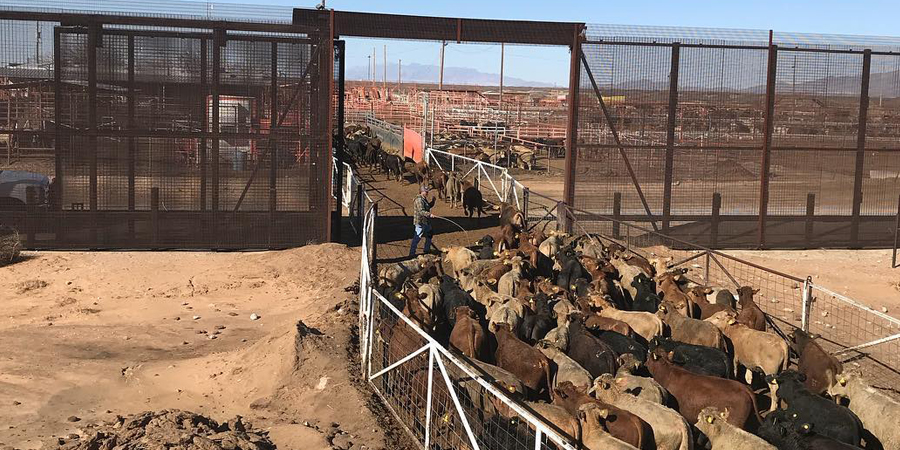
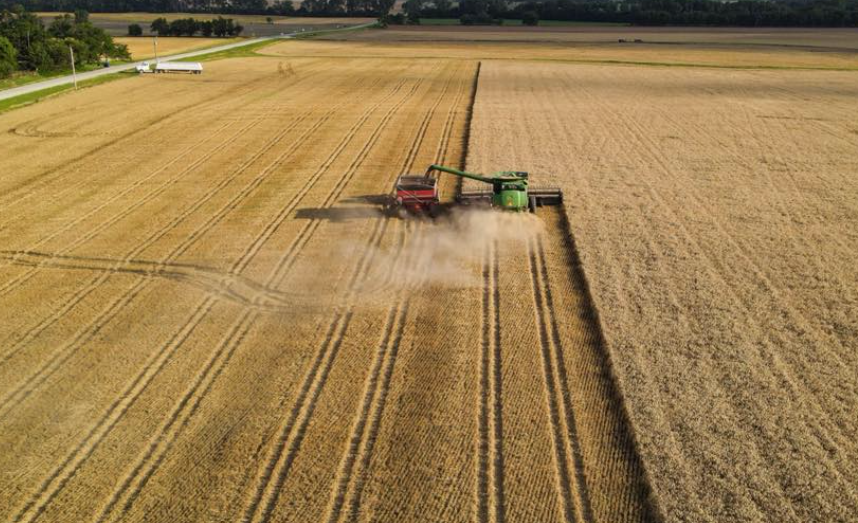
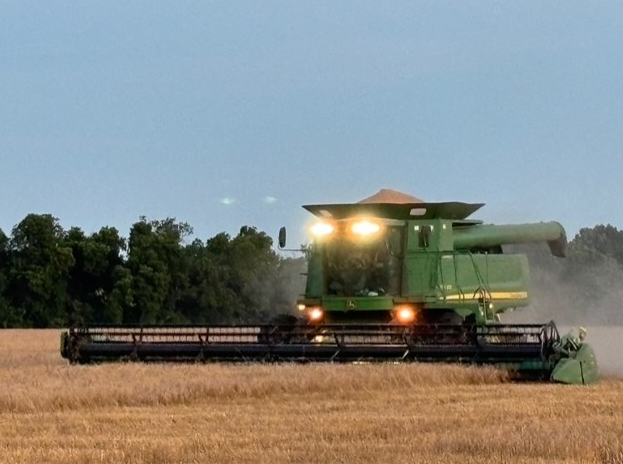
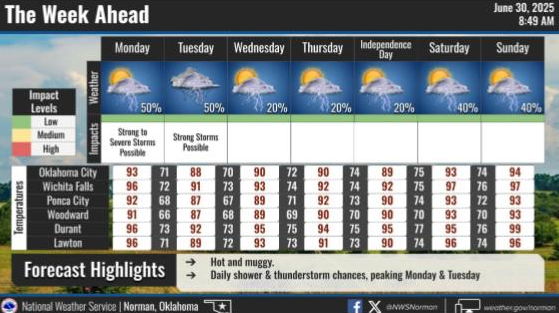
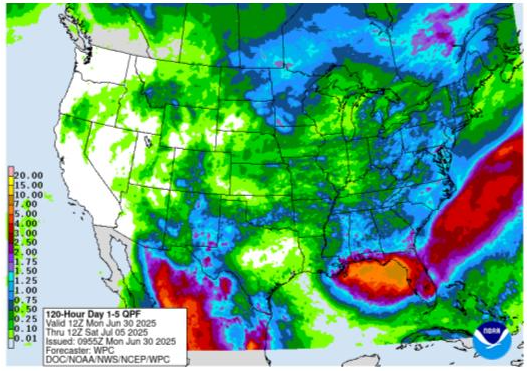
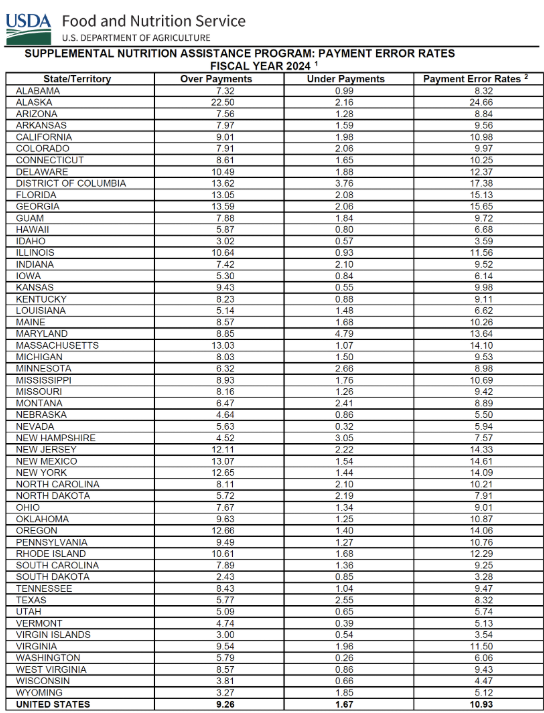

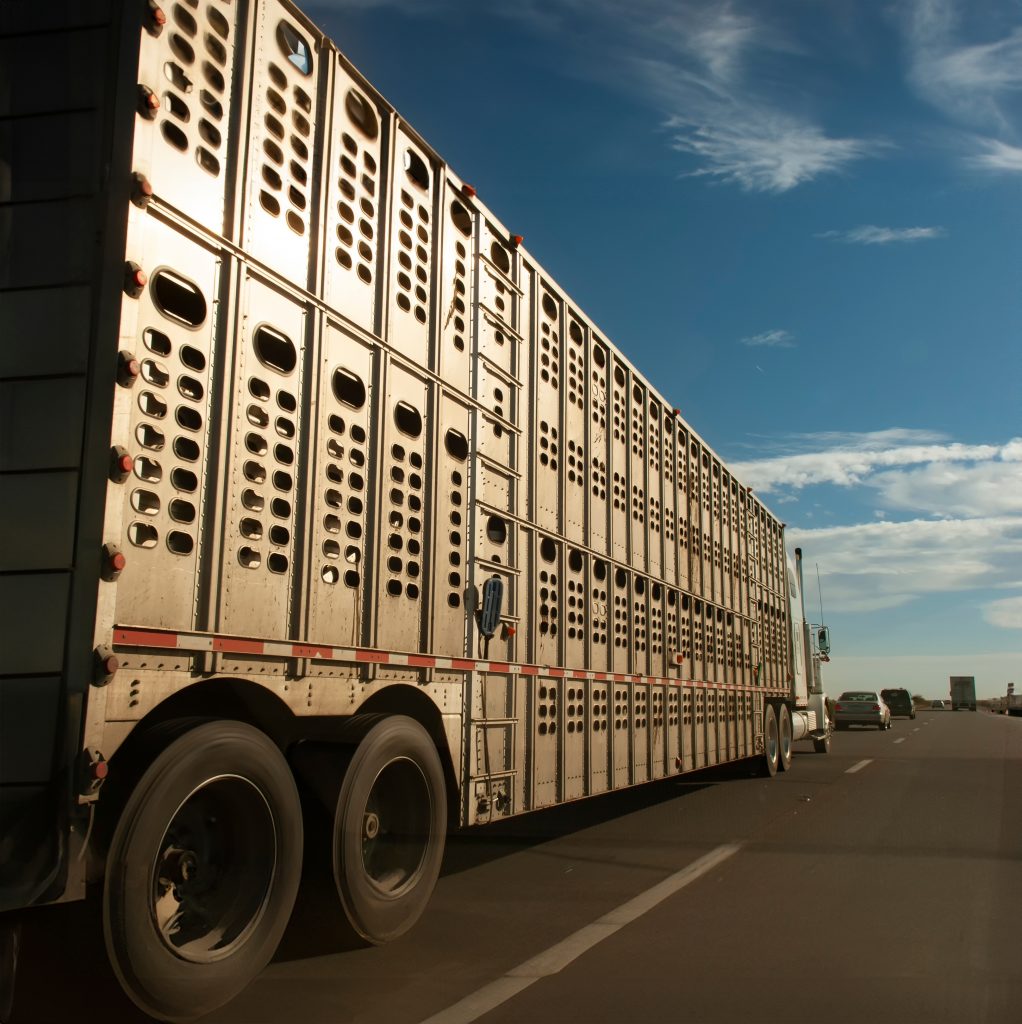
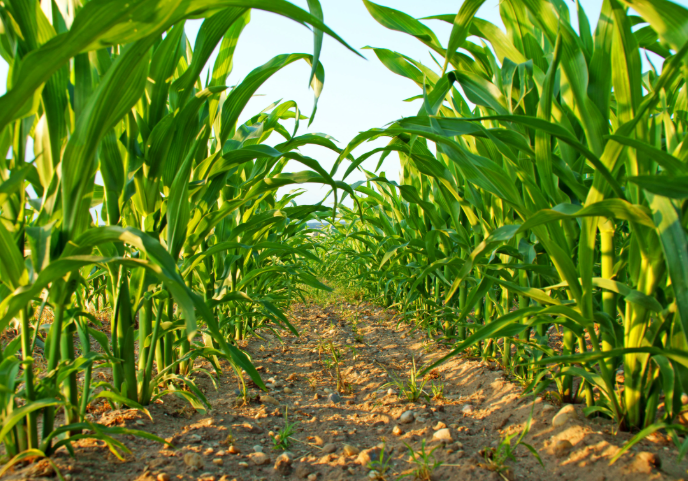

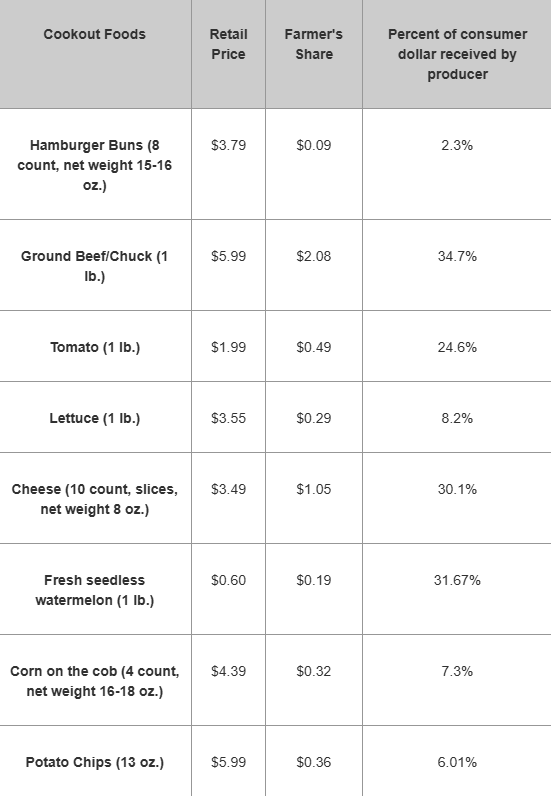


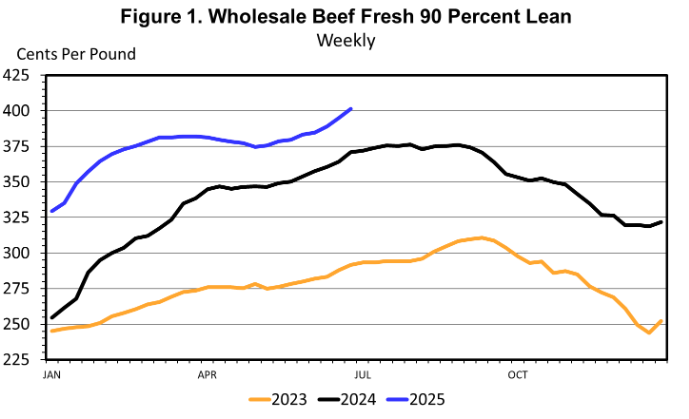
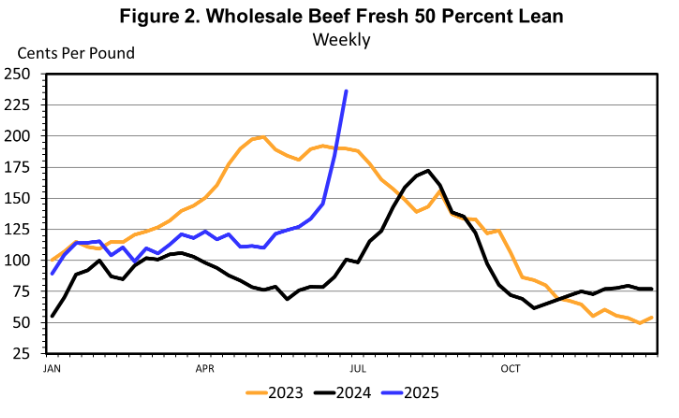
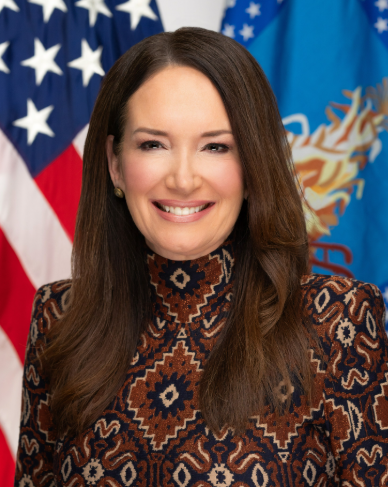
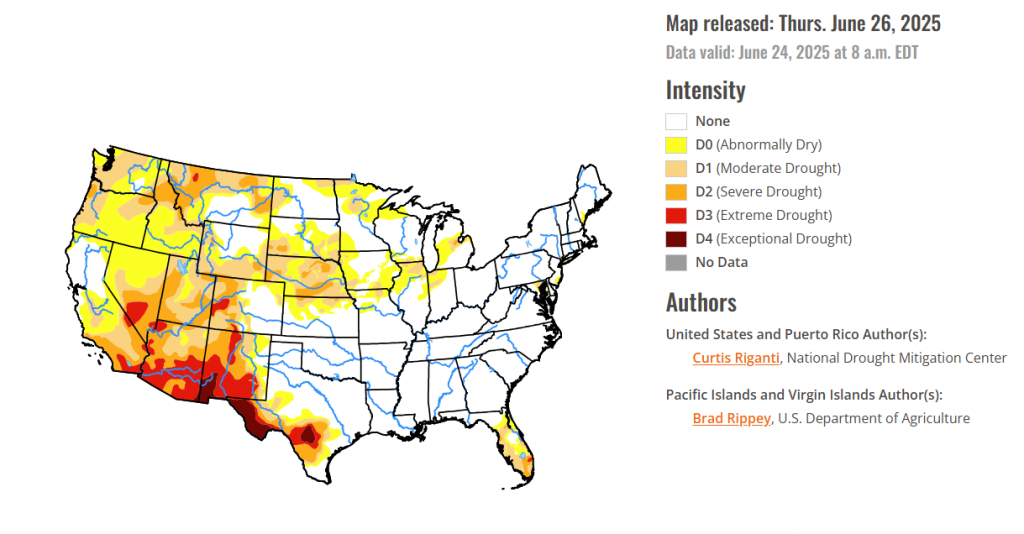
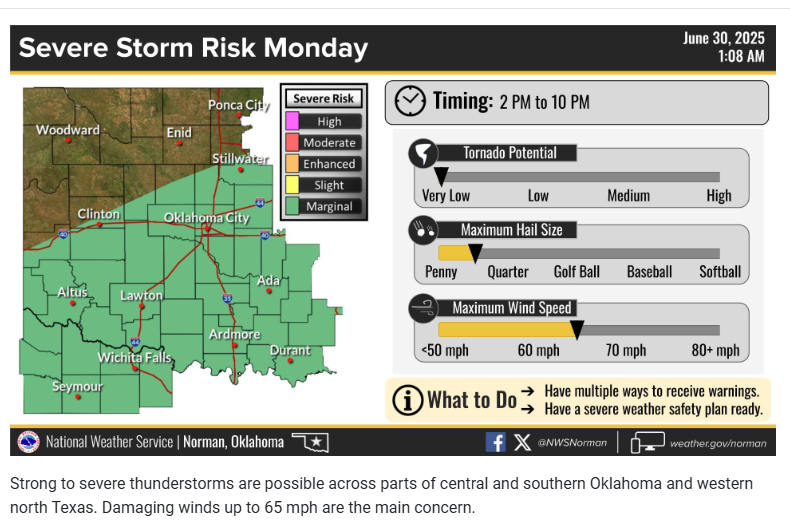
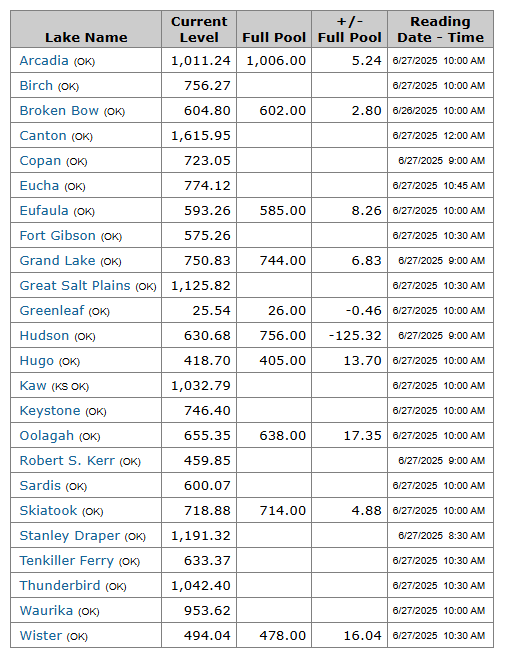
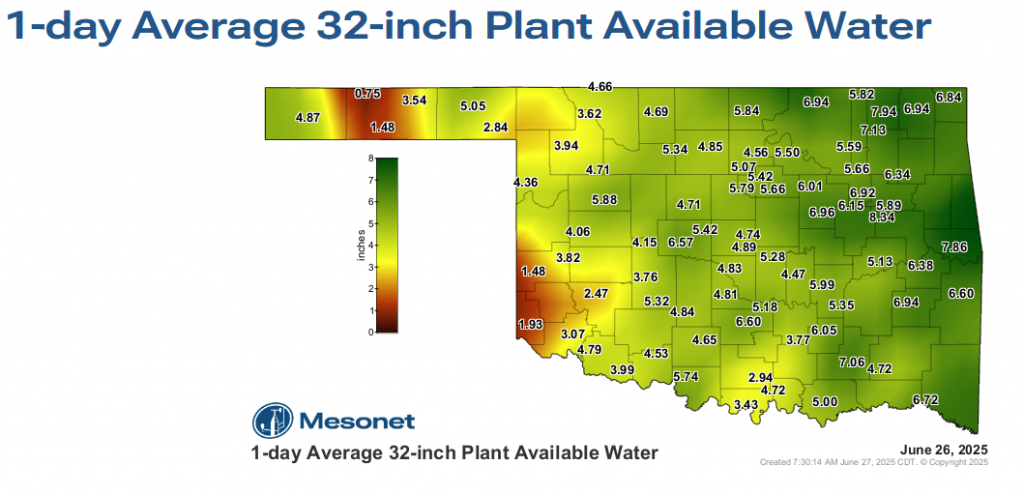
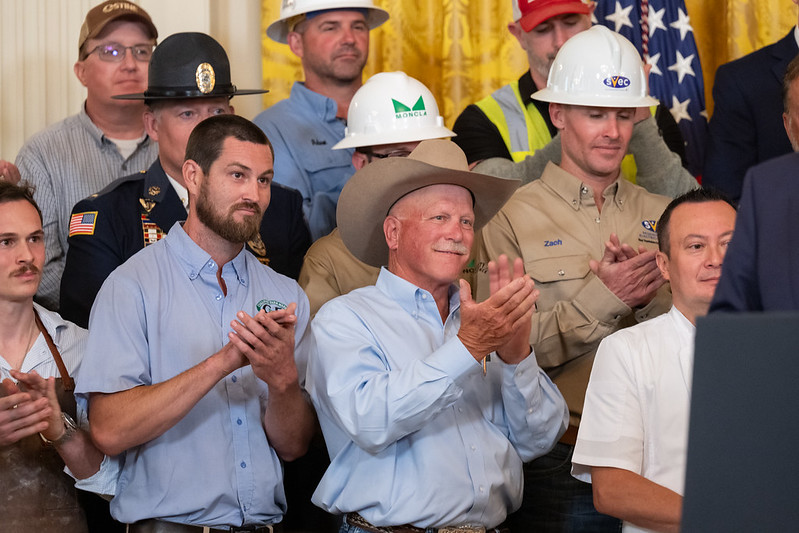
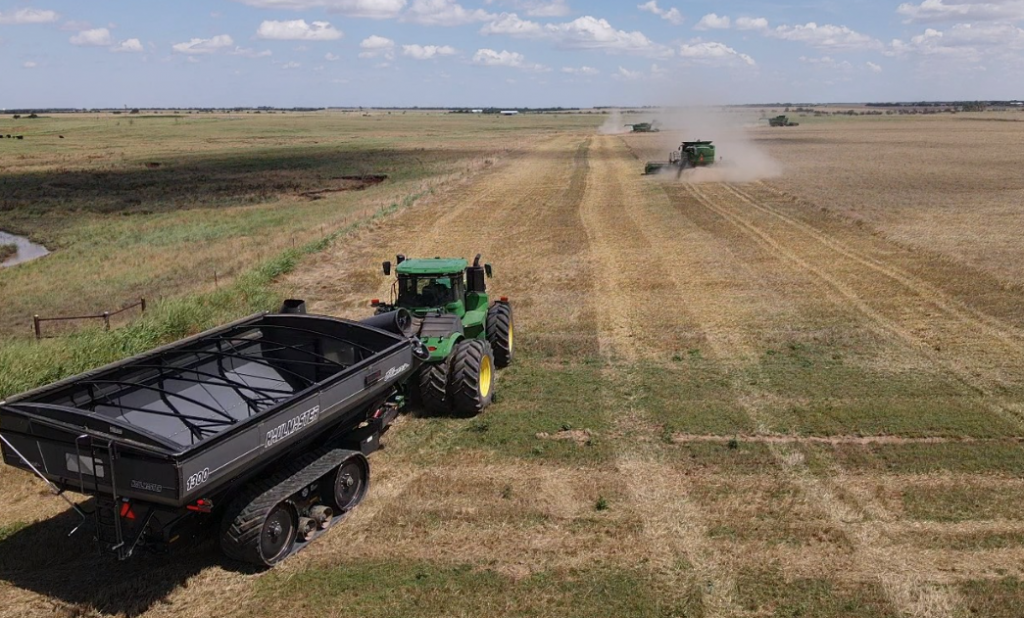
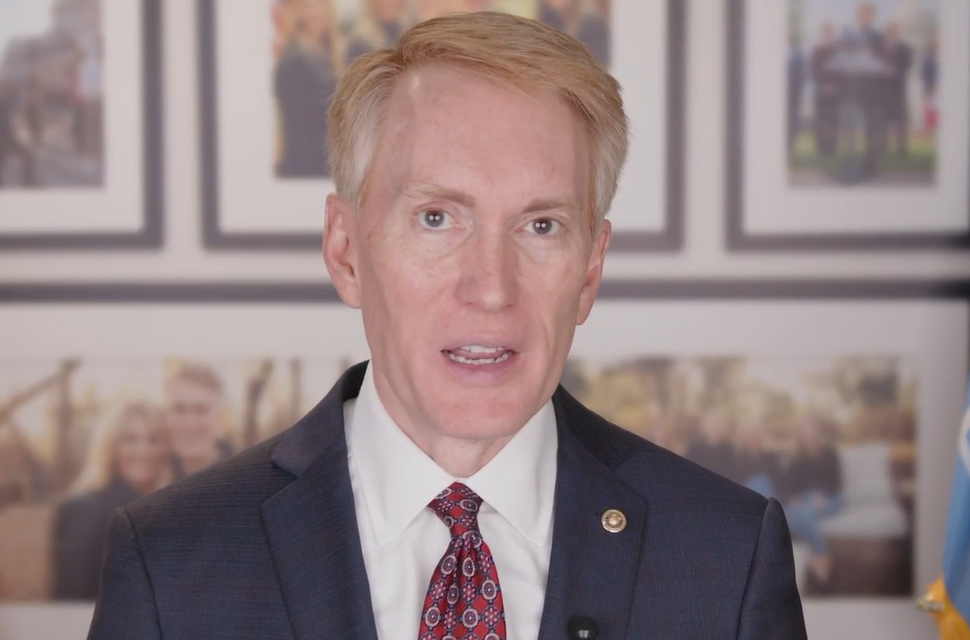
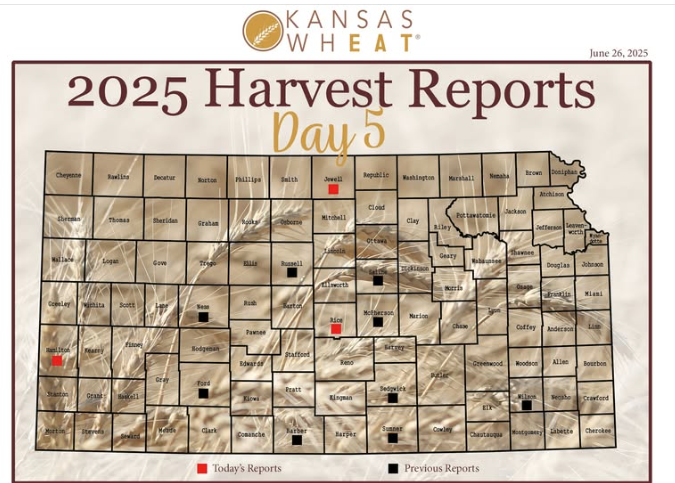



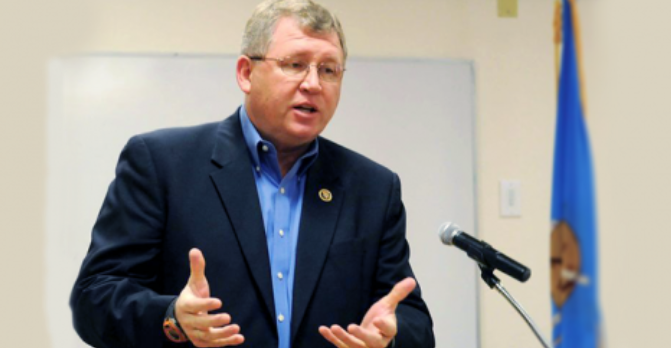



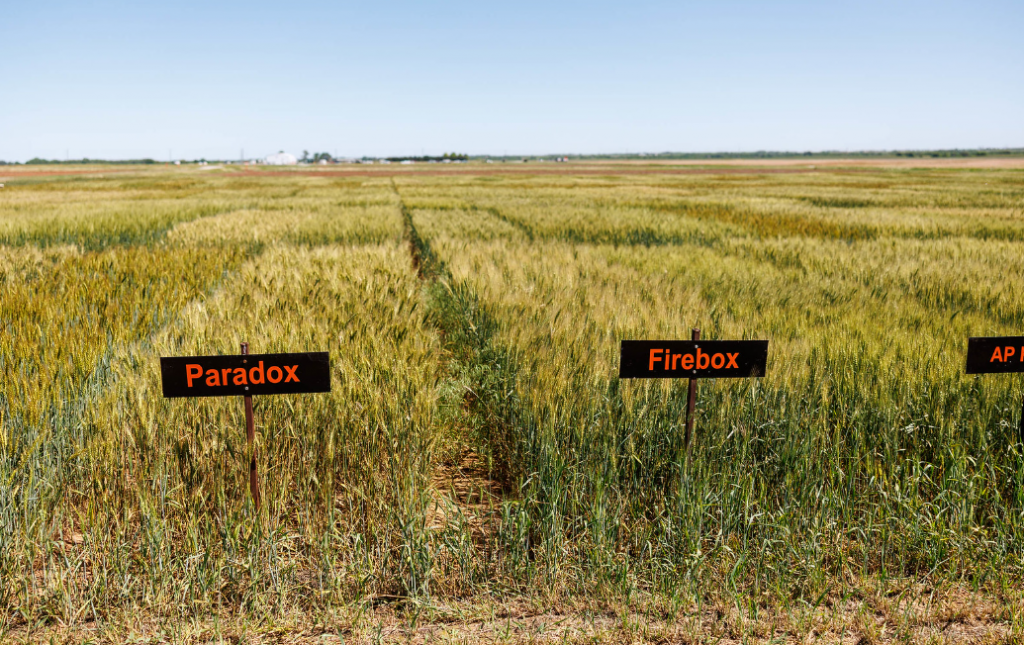
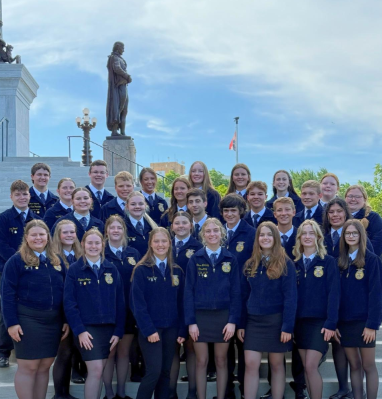




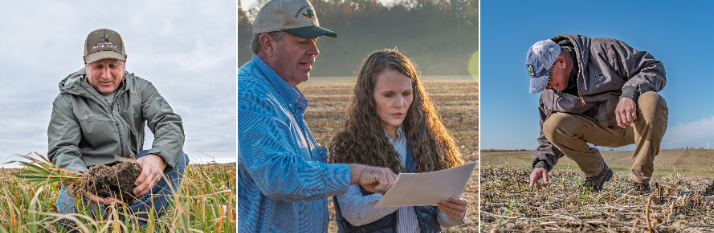




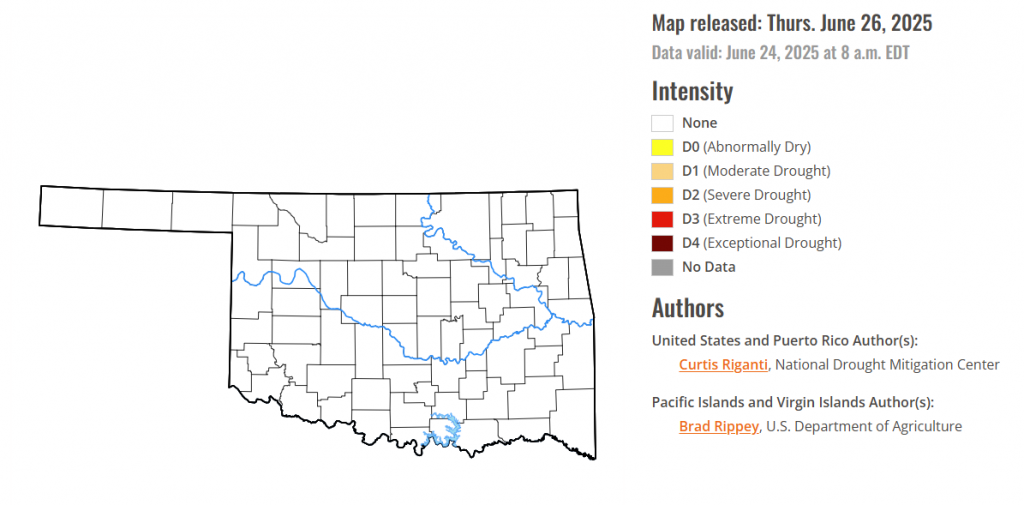
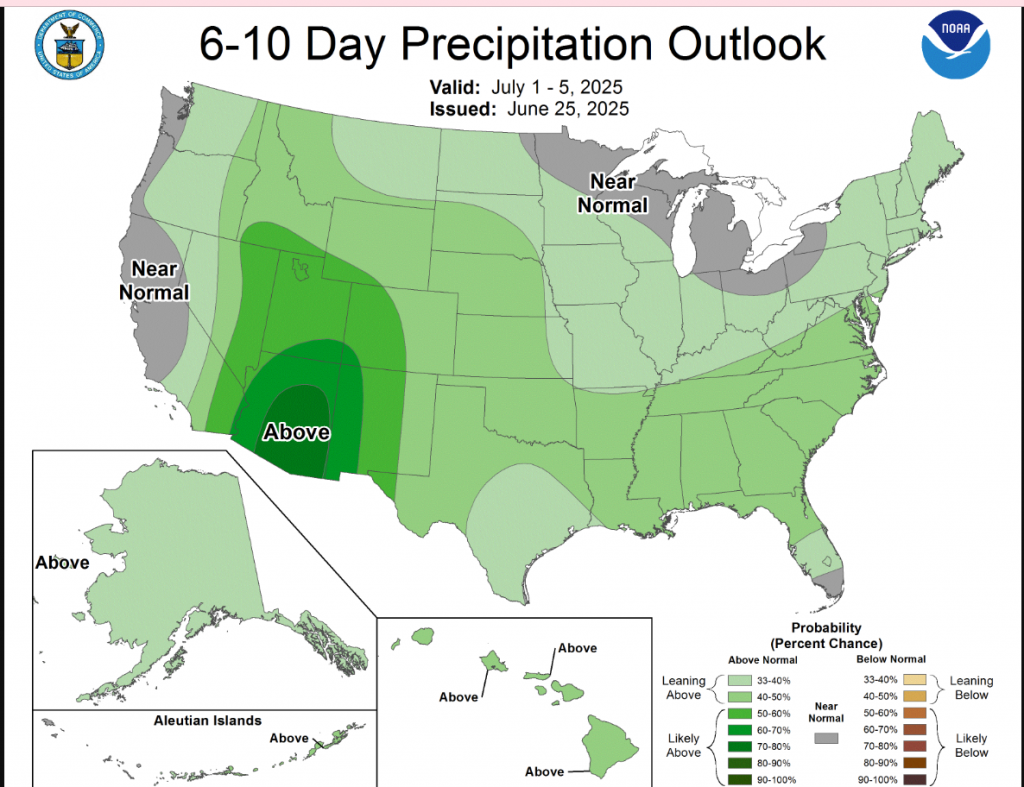

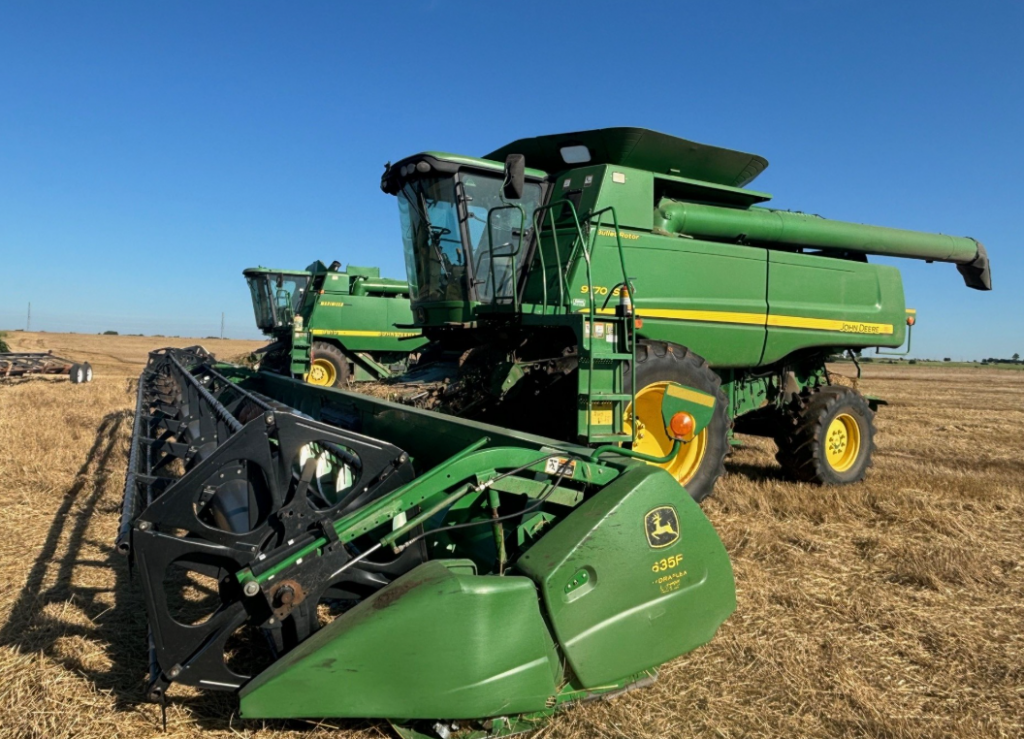
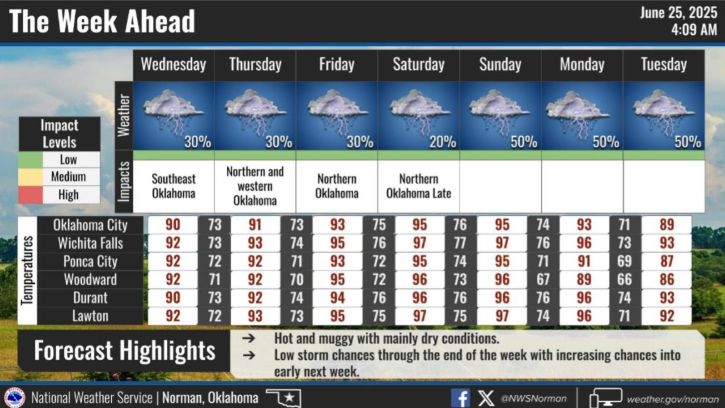
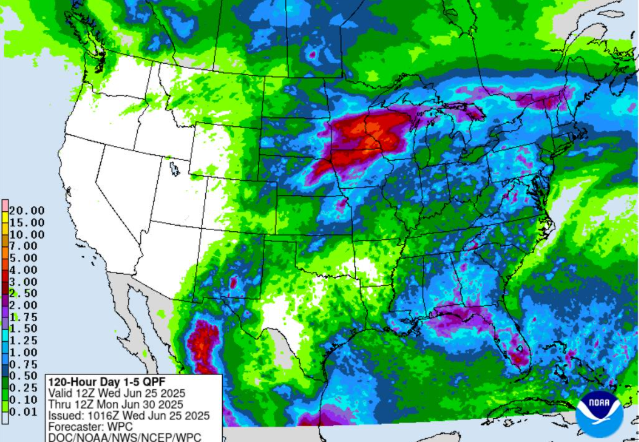
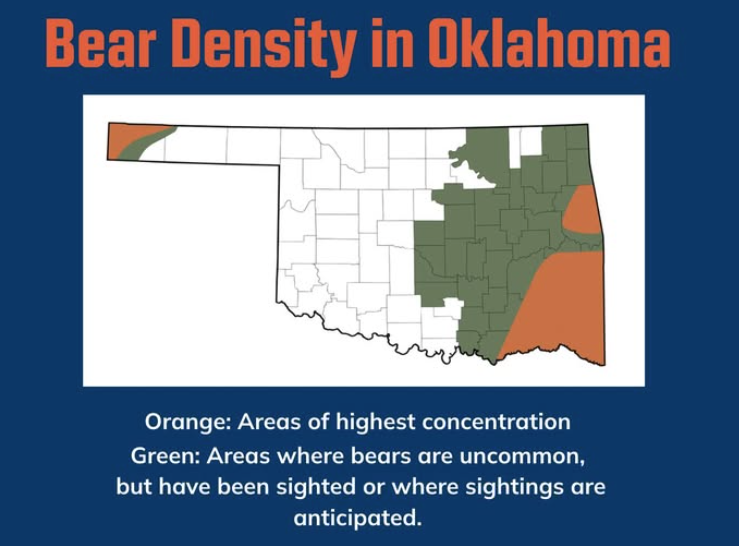
 Yearlings, about the size of a medium-sized dogs, are moving out of the den
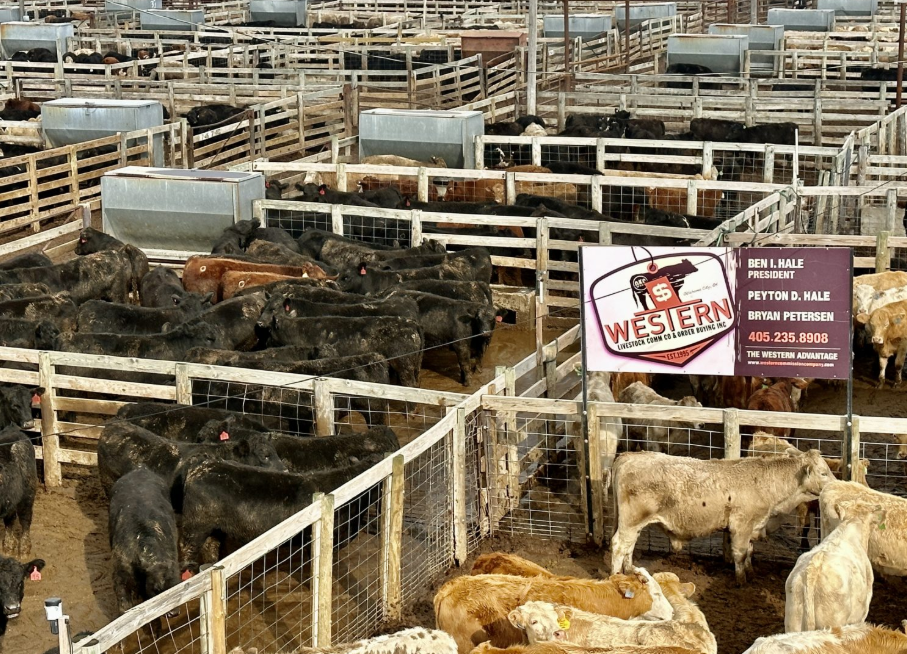

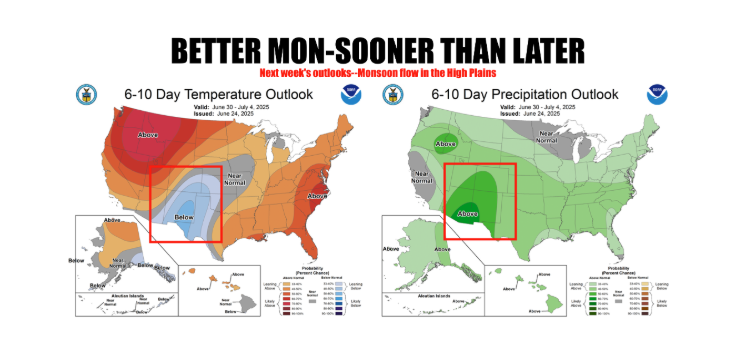
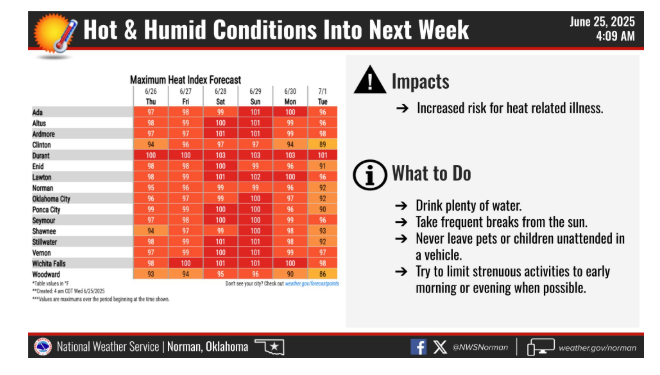
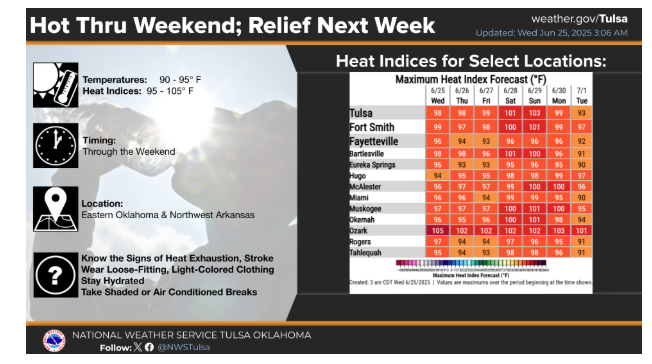
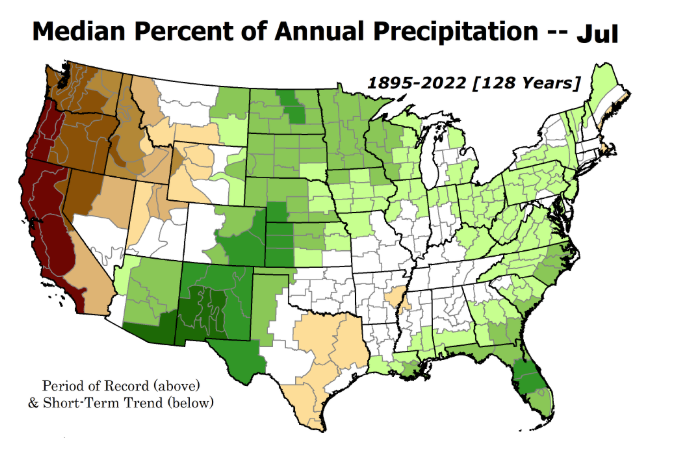
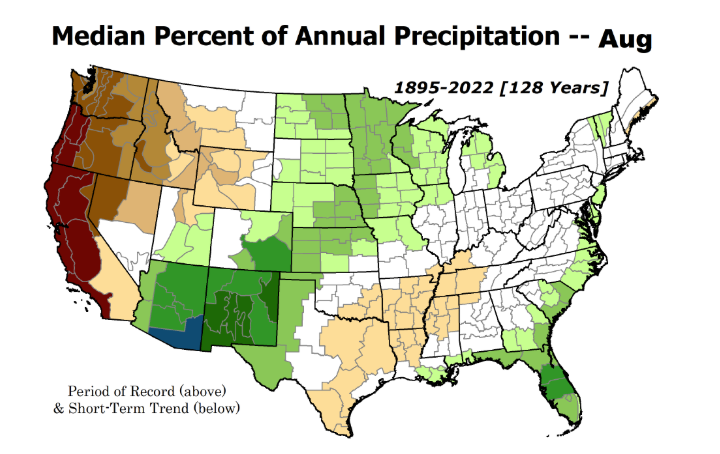
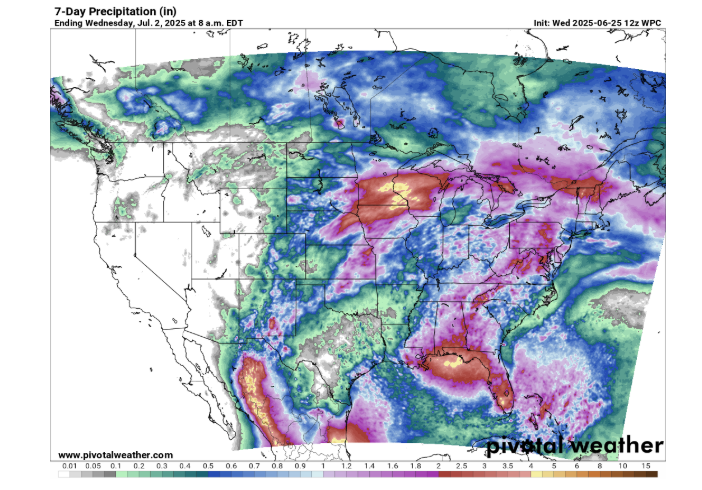
 New episode of Wheat's On Your Mind is live!
 Projected yield: 330–350M bushels